1/6
I tried Amber Lewis’ tiny table trick – here’s how it transformed my home
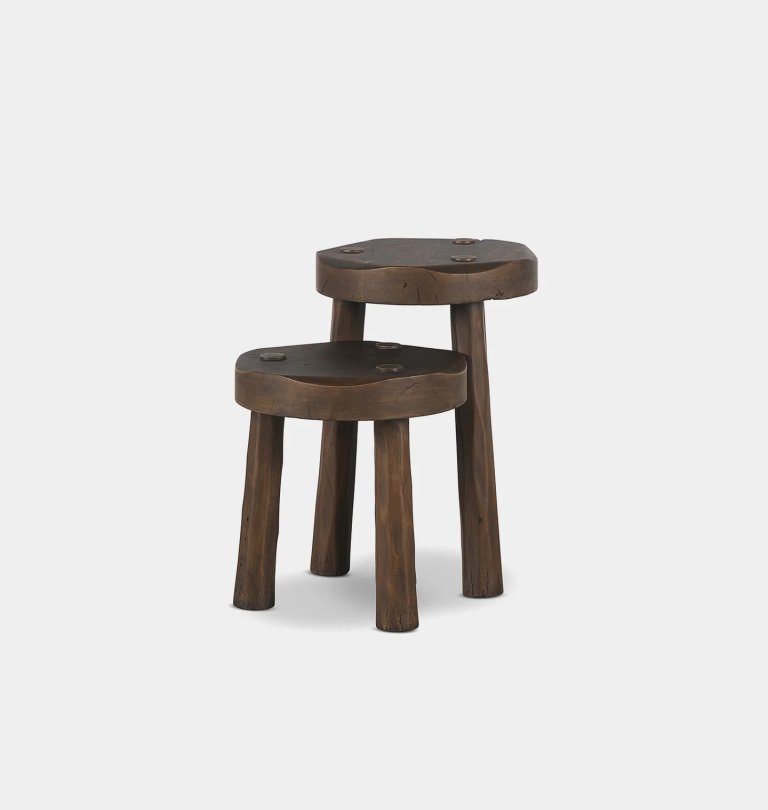
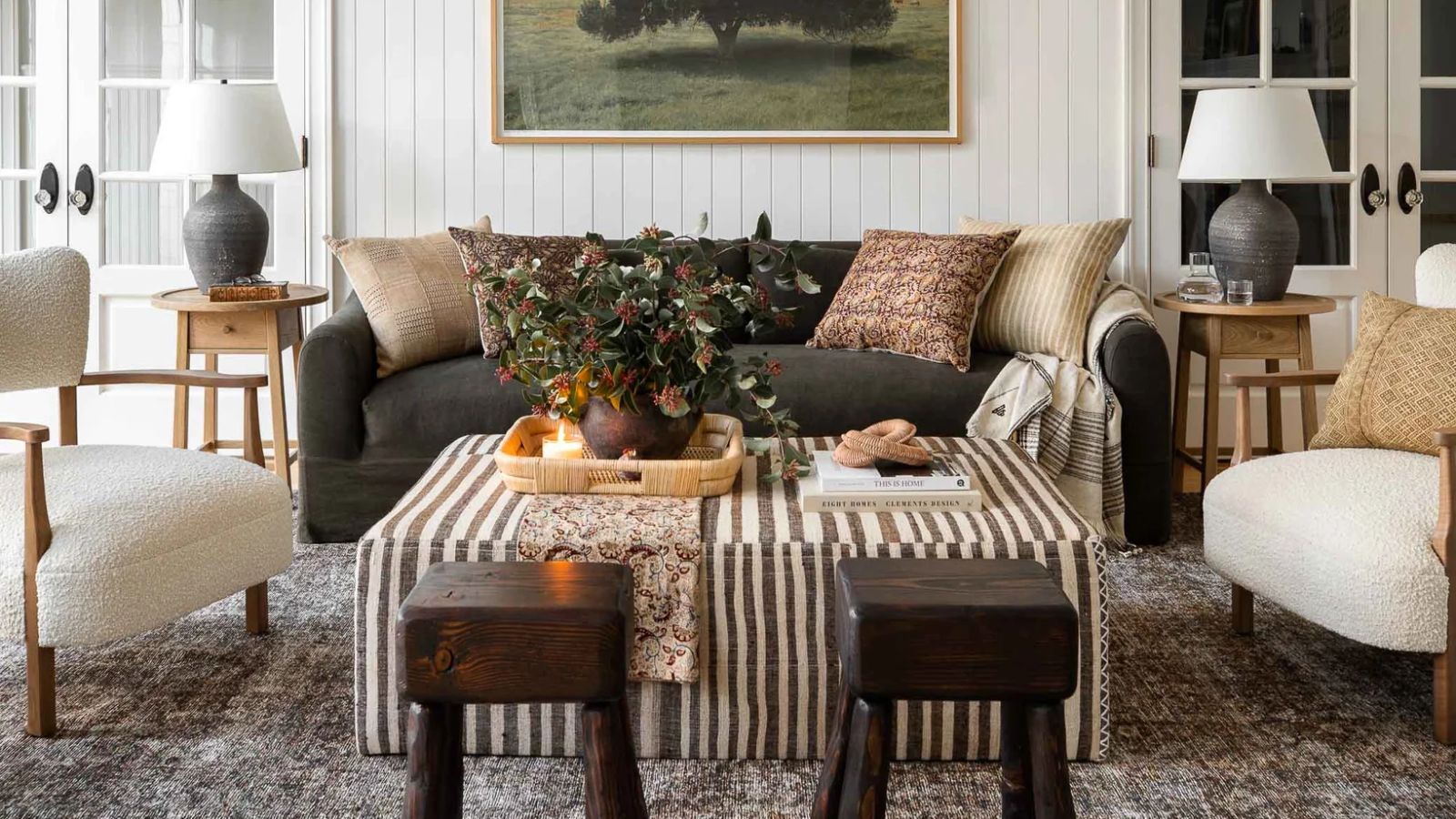
The author explores a design philosophy championed by interior designer Amber Lewis, which posits that every room, regardless of its size or function, benefits from the inclusion of a 'tiny table.' This concept challenges the conventional approach to furniture placement, where specific furniture items are typically considered based on style, functionality, or room dimensions. Amber Lewis advocates for these small tables as essential elements that bring character and charm, solving common spatial dilemmas and enhancing the practicality and aesthetic appeal of a home.
The article recounts the author's initial skepticism and subsequent conversion to this idea. Inspired by Lewis's Instagram declaration, the author decided to implement tiny tables in various spaces within their own home. The motivation stemmed from a realization that despite efforts to create an illusion of space in smaller rooms by allowing larger furniture 'breathing room,' there was an underlying lack of functional surfaces. The 'chair + table + lamp hack' was a familiar concept, but the author initially feared it would lead to clutter; however, the emphasis on *tiny* tables proved to be the key differentiator.
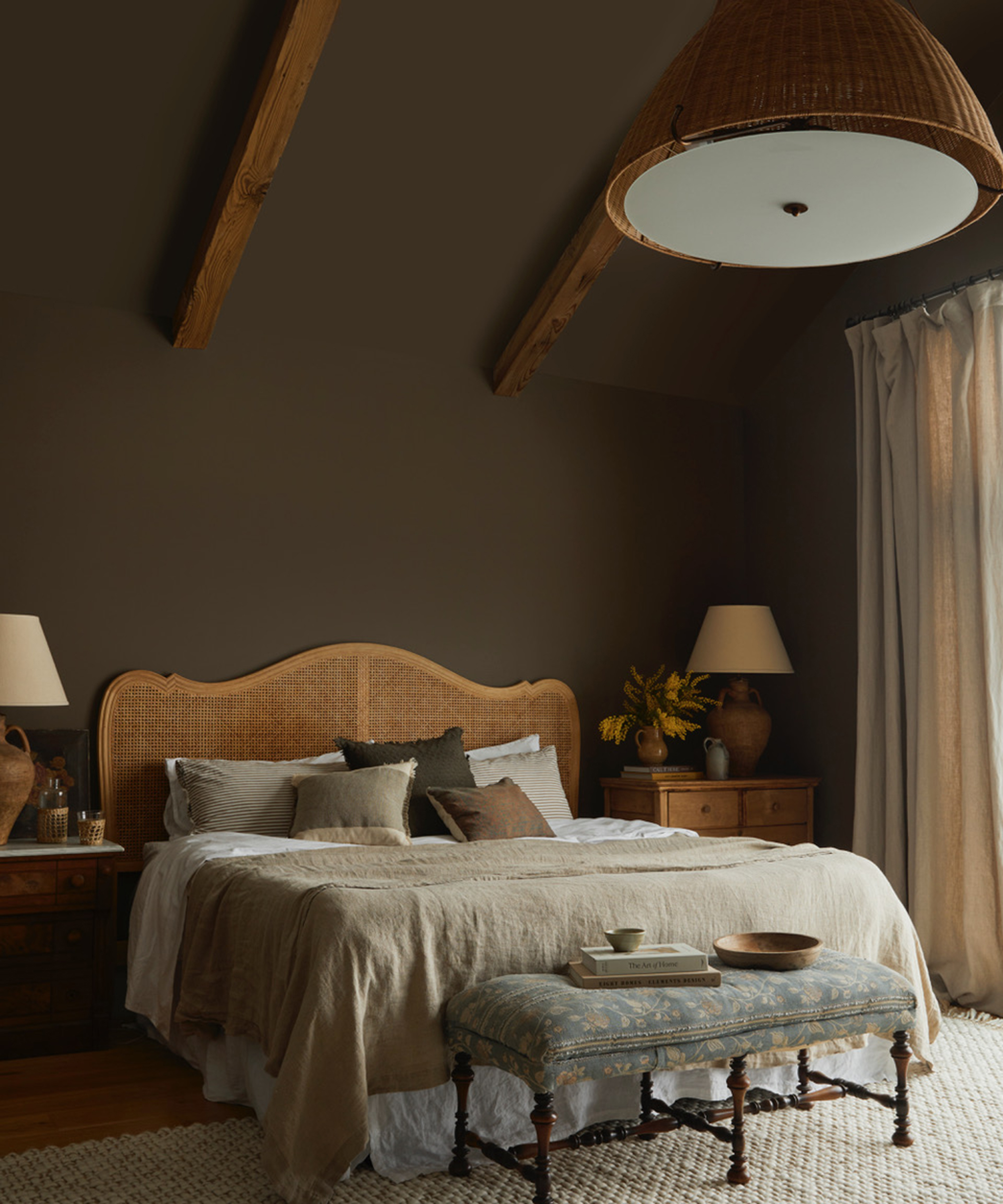
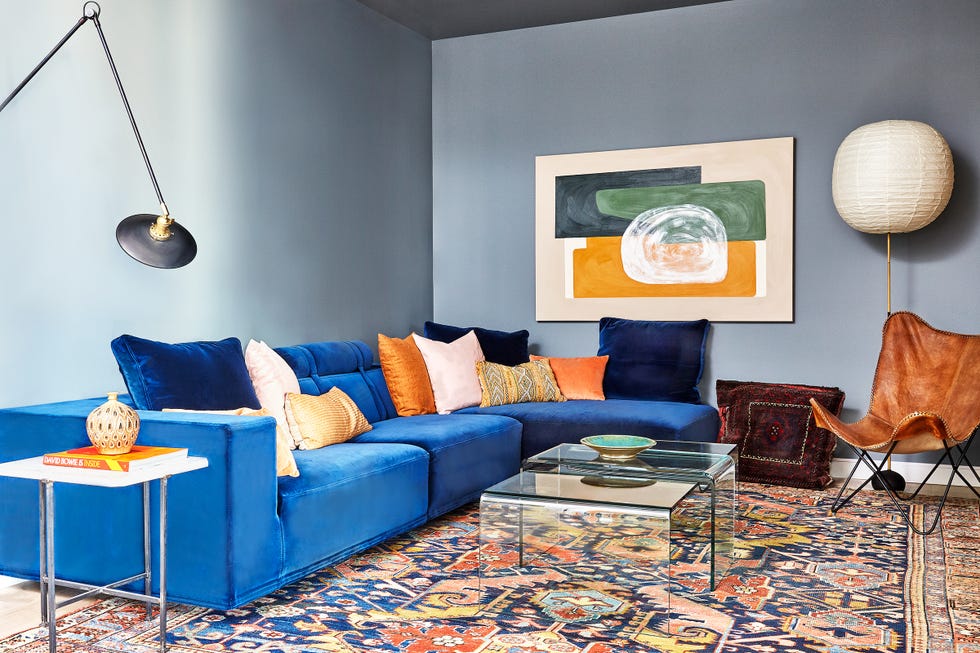
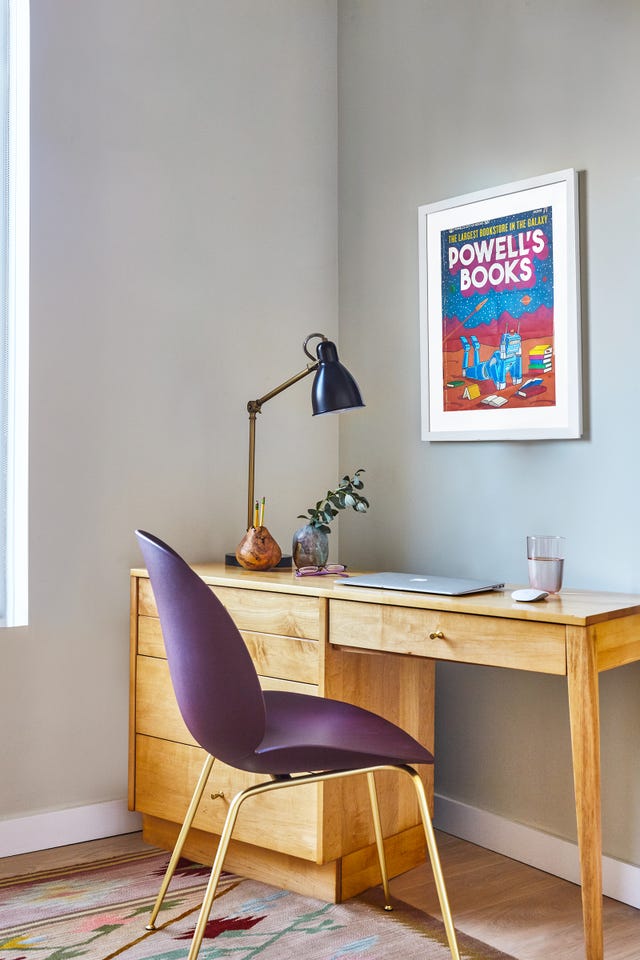
Upon integrating these diminutive furniture pieces, the author discovered their unexpected impact. In the bathroom, a tiny table transformed into a convenient spot for holding a candle and a glass of wine, elevating the bathing experience. In the bedroom, a small table placed beside a reading chair, adorned with a portable lamp, created an inviting and functional reading nook. These additions not only served practical purposes but also imbued the spaces with a more intentional and curated feel.
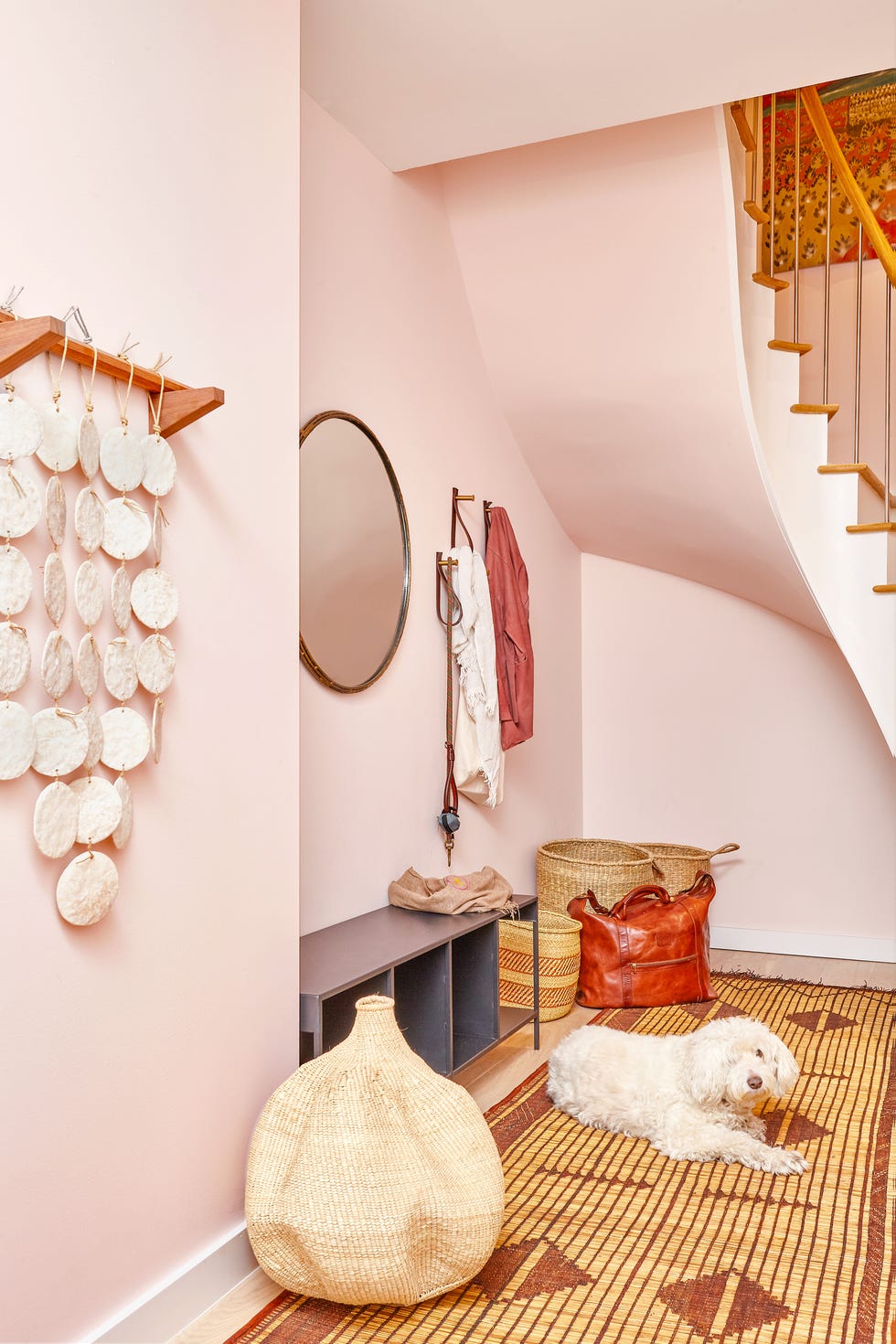
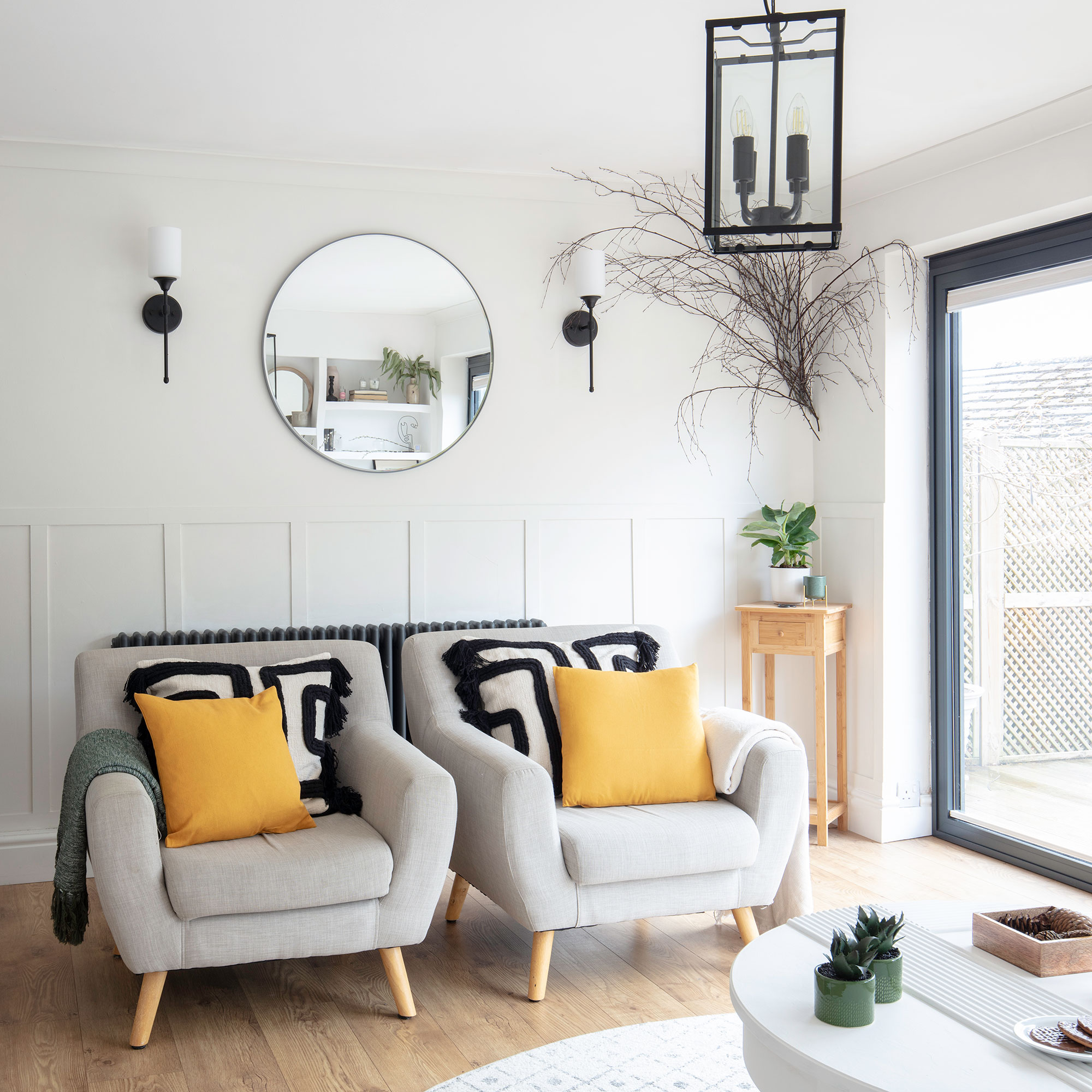
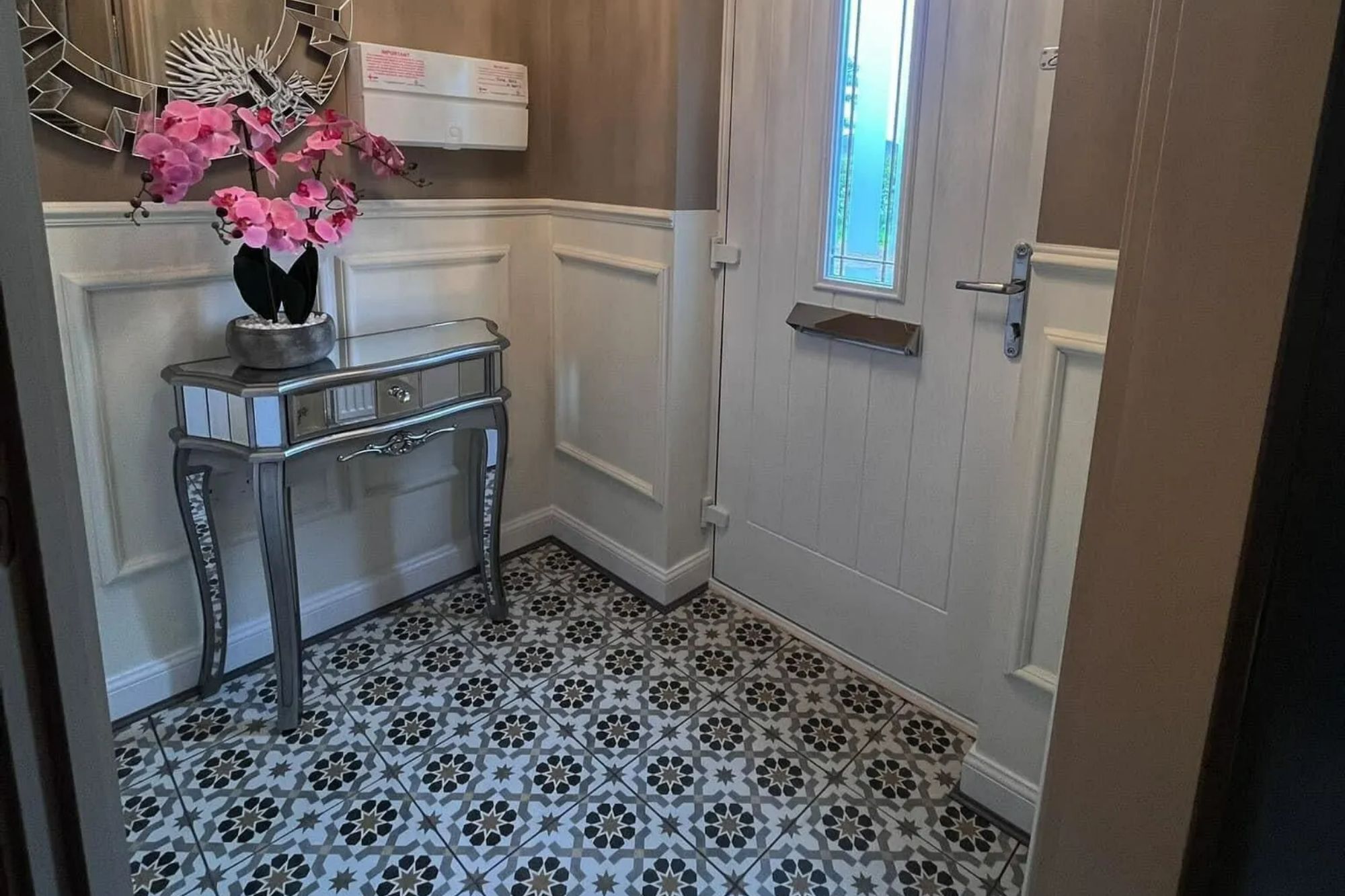
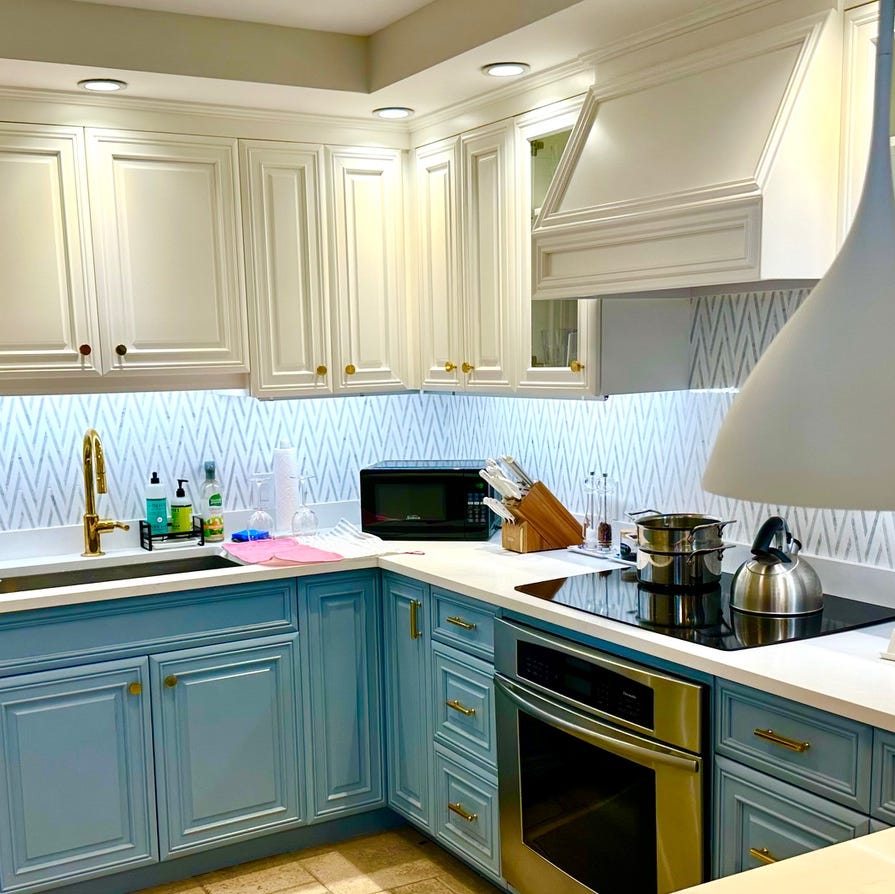
A particularly insightful application was in the powder room, an area often overlooked for decorative or functional additions due to its confined nature. By introducing a vintage bobbin table, the author managed to elegantly house extra toilet rolls in a shell bowl, making an everyday necessity feel more refined. Similarly, an awkward corner in the kitchen, previously unused, became a purposeful display area for a candle and cookbooks with the addition of a tiny table. In the entryway, a narrow tiny table provided a dedicated spot for keys and sunglasses, streamlining daily routines.
The author's experience highlights that these small tables are not just decorative accents but functional solutions that can address practical needs and enhance the overall aesthetic of a living space. They contribute to a sense of completeness and intention in areas that might otherwise feel neglected or underutilized. The article concludes by endorsing Amber Lewis's philosophy, emphasizing that even seemingly insignificant design choices can yield significant improvements in both daily living and home ambiance. The practical benefits, such as having dedicated surfaces for everyday items, are underscored as transformative, leading the author to recommend the approach to readers.
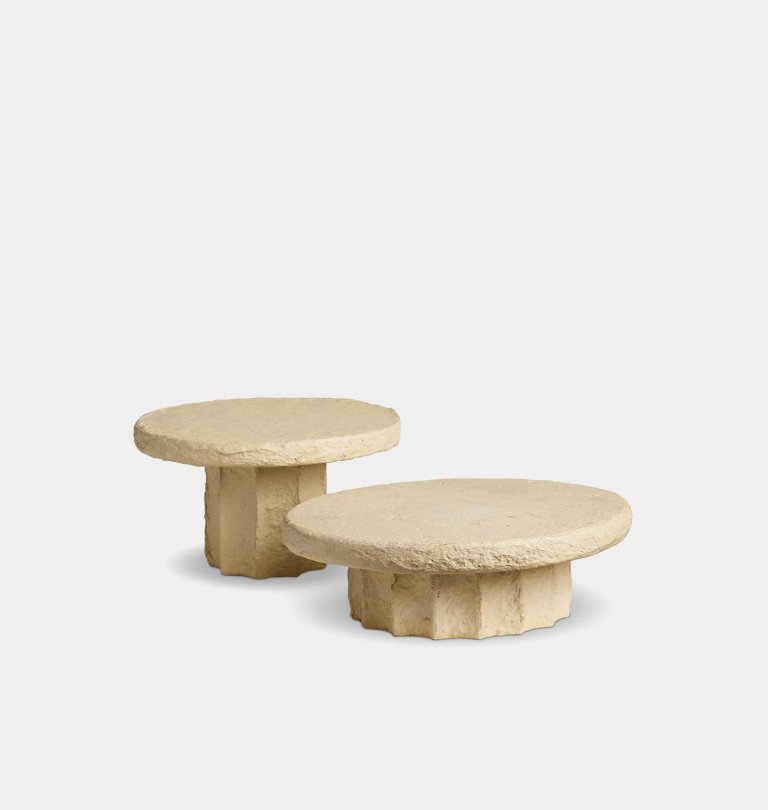
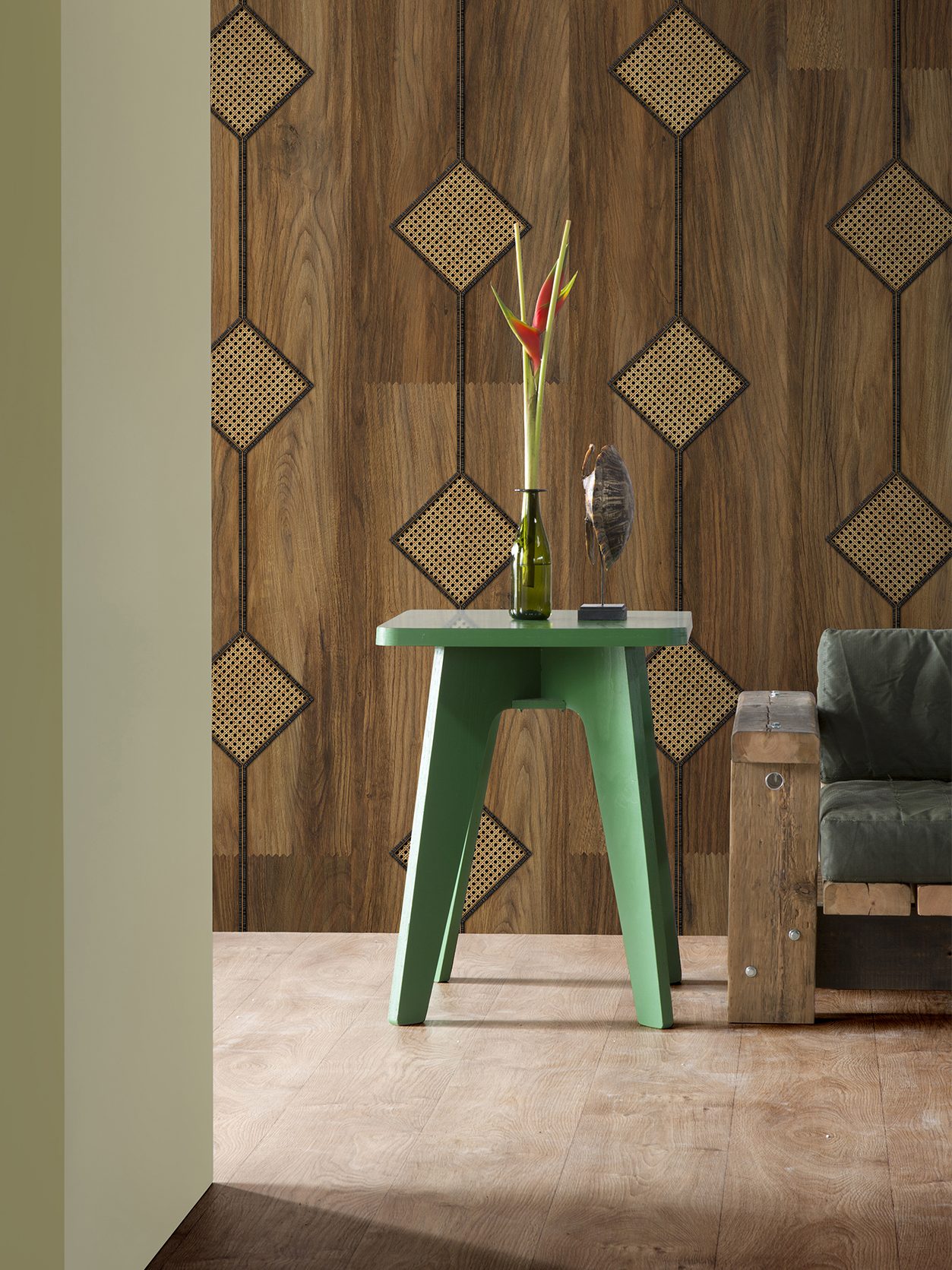
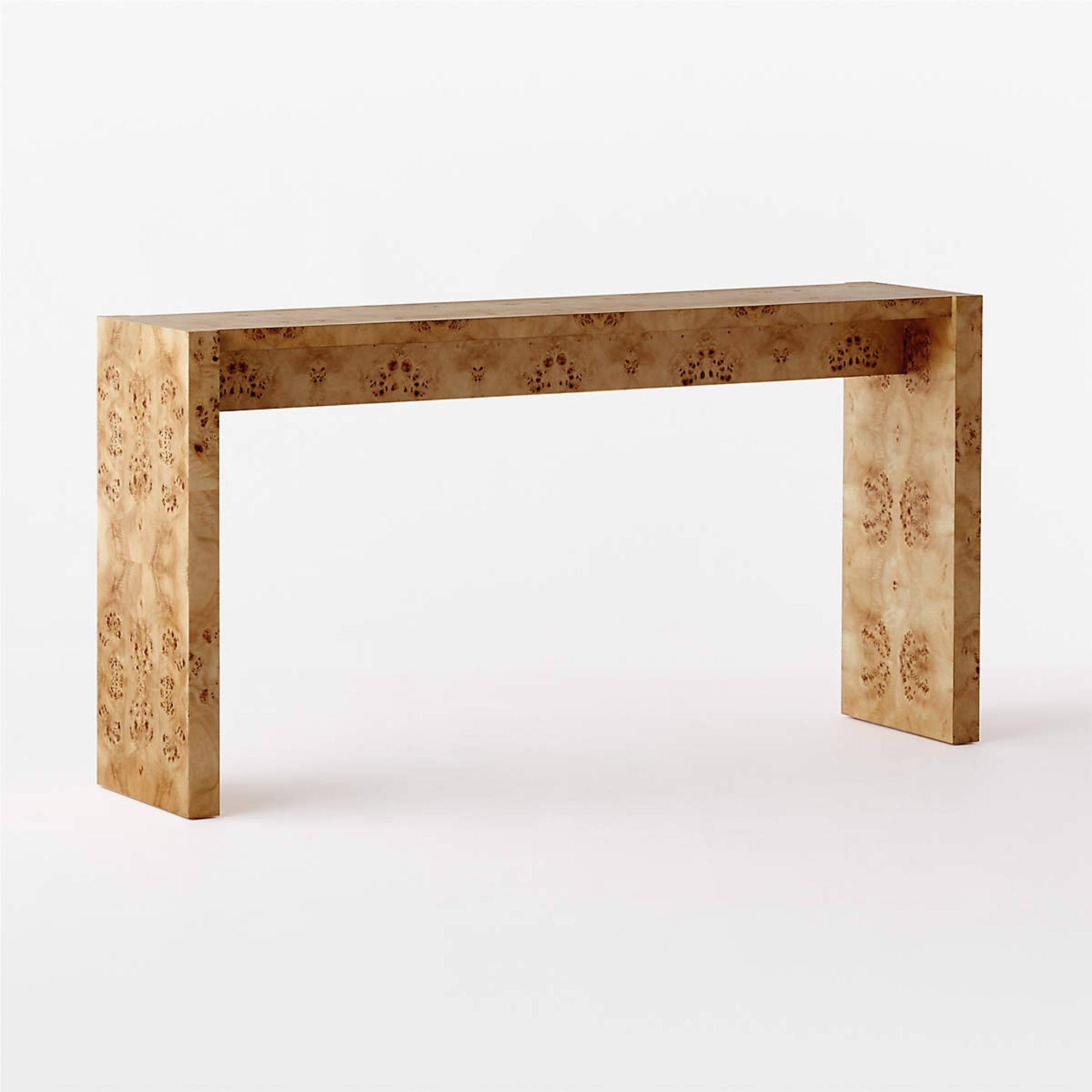
The piece also includes a curated selection of tiny tables available for purchase, offering readers tangible examples to implement this design hack. These examples showcase a variety of styles, from antiqued metalwork to marble tops and rattan designs, catering to different aesthetic preferences and demonstrating the versatility of tiny tables in home decor.
#InteriorDesign #TinyTables #HomeDecor #AmberLewis #FurnitureTrends #SmallSpaceSolutions #FunctionalDecor #StylingHacks #DesignTips #InteriorDesign #TinyTables #HomeDecor #AmberLewis #FurnitureTrends #SmallSpaceSolutions #FunctionalDecor #StylingHacks #DesignTips
0 comment in total
 No comments yet
You may also like
I used this smart light strip to transform my living room — and it's been a game changer for my home

As a designer, I can tell you: this one simple change can transform any home’s decor
Leanne Ford Shares How a DRAMATIC Home Transformation Can Cost (Almost!) Nothing

How a 15-Minute Cleaning Routine Transformed My Entire Home


I Transformed My Living Space Without Picking Up a Paint Brush Thanks to This Easy-to-Use Product
I Customized My Rental With This Easy Old-School Design Hack
The "3-4-5" Rule Transformed My Living Room from Bleak to Quirky-Chic

Designers Say Making This Small Change Can "Transform" Your Kitchen

I used this unexpected Farrow & Ball paint in my living room – but this simple tweak transformed the space
My Mom Made One Tiny Tweak to My Living Room and Made It Feel 10 Times Bigger

Before & after: see how a savvy IKEA shelving hack totally transformed this living room
This Interior Stylist Added Texture to Her Cottage In the Most Unexpected Way
I’m So Inspired by How Far Small Changes Go in This Living Room Makeover
Amber Lewis’s New Tabletop Pedestals Are the Secret to Styling Your Surfaces Like a Pro

This $7.99 Amazon hack transformed my kitchen cabinets

Amber Lewis takes a stark, new build and transforms it into a warm and rustic retreat
This DIY Upgrade Transformed My Kitchen
How a Designer Turned This "Modern White Box" Into a Lively—and Functional—Family Home
I transformed my drab and boring council house hallway with a cheap B&Q buy

I Upgraded My Dining Nook With Peel-and-Stick Wallpaper and Here's How It Went