1/4
Nautical Design Is Big in New York. Will It Work Now That Summer Is Over?
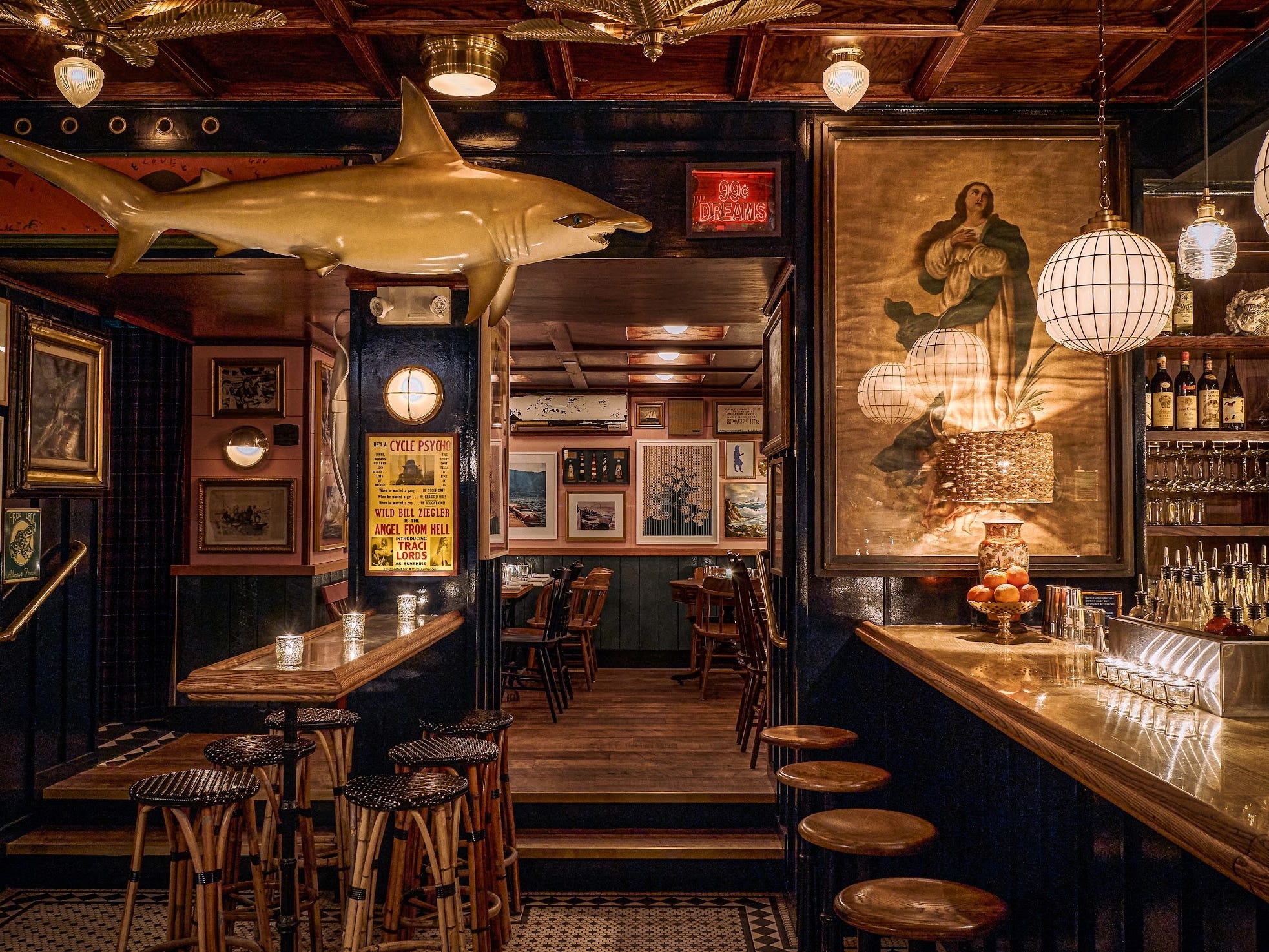
The nautical design trend has experienced a significant resurgence in New York City, moving beyond seasonal appeal to become a year-round sophisticated style. This shift is exemplified by establishments such as The Yacht Club, a 20,000-square-foot Chelsea restaurant designed by hospitality group Crew, and Alfredo Paredes Studio's work on the Fort Greene restaurant Sailor. Designers are increasingly focusing on the fundamental principles of maritime design—durability, craftsmanship, and the creation of intimate, protective spaces—rather than relying on superficial clichés like anchors and life preservers.
Eric Cheong of North 45 Projects, who collaborated on The Yacht Club, emphasizes the enduring nature of nautical style, attributing its longevity to its historical significance and functional integrity. Alfredo Paredes, reflecting on his design for Sailor, notes the adaptability of maritime design, advocating for an approach that draws inspiration from the surrounding environment. Gabriel Stulman, co-founder of Sailor, conceived the restaurant as a personal reminder of his aspiration to live by the water, working with Paredes to translate this vision into a tangible space.
The genesis of this modern nautical movement in New York can be traced back to 2014 with the opening of Grand Banks, an oyster bar situated on a restored 1942 schooner. Initially, its founders, Alex and Miles Pincus of Crew, anticipated it would be a seasonal operation. However, the unexpected success and the discovery of the timelessness inherent in maritime materials like brass hardware, zinc bars, and tropical hardwoods, led them to maintain its presence in New York from April to October. These materials, originally chosen for their resilience in harsh marine environments, imbue spaces with a sense of enduring quality.
Grand Banks' success paved the way for other maritime-inspired venues, including Holywater, Crew's Tribeca oyster bar, which was intentionally designed for winter appeal. Its dark wood paneling, low lighting, and intimate scale evoke the cozy, protective atmosphere of a ship's cabin, making it particularly inviting during colder months. Loren Daye of Love is Enough studio, who worked on Crew's New Orleans restaurant Seaworthy, highlights that boat design is fundamentally about creating shelter from the elements, a quality that translates into alluring indoor spaces.
The distinction between sophisticated nautical design and thematic kitsch lies in the thoughtful selection of materials and an authentic approach to maritime heritage. St. John Frizell, owner of The Sunken Harbor Club, aimed for an explorer’s club ambiance, utilizing dark wood and brass to emulate the interior of a sunken ship. Similarly, Aron Watman, owner of The Folly, a West Village bar, avoided superficial decorations, opting instead for an 18th-century British naval vibe, evident in the bar's low ceilings and genuine nautical artifacts like old steamer trunks and glass fishing floats. The article concludes by noting the ongoing challenge for designers to steer clear of cliché, emphasizing the meticulous effort required to achieve an authentic and sophisticated nautical aesthetic.
#NauticalDesign #NewYorkHospitality #InteriorDesignTrends #MaritimeAesthetics #RestaurantDesign #YearRoundDesign #DesignMaterials #TimelessDesign #NauticalDesign #NewYorkHospitality #InteriorDesignTrends #MaritimeAesthetics #RestaurantDesign #YearRoundDesign #DesignMaterials #TimelessDesign
 No comments yet
Designers Share the 2025 Summer Trends They’re Actually Seeing
Interior Designer Ruthie Sommers on Newport's Famed Summer Escapes