
Say goodbye to dated vertical blinds with this elegant update from Nate Berkus
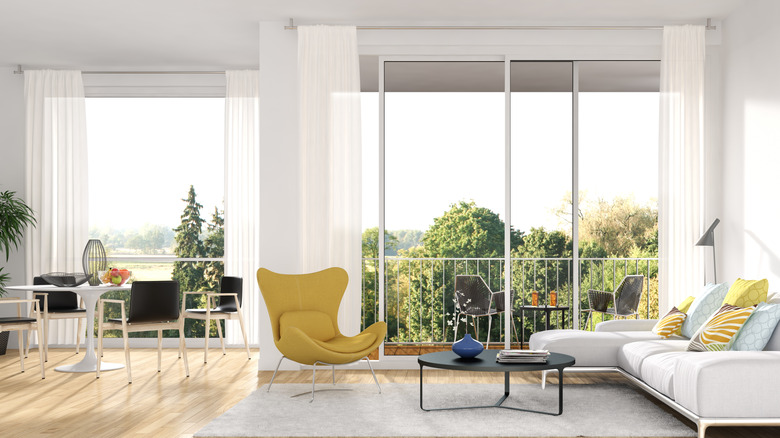
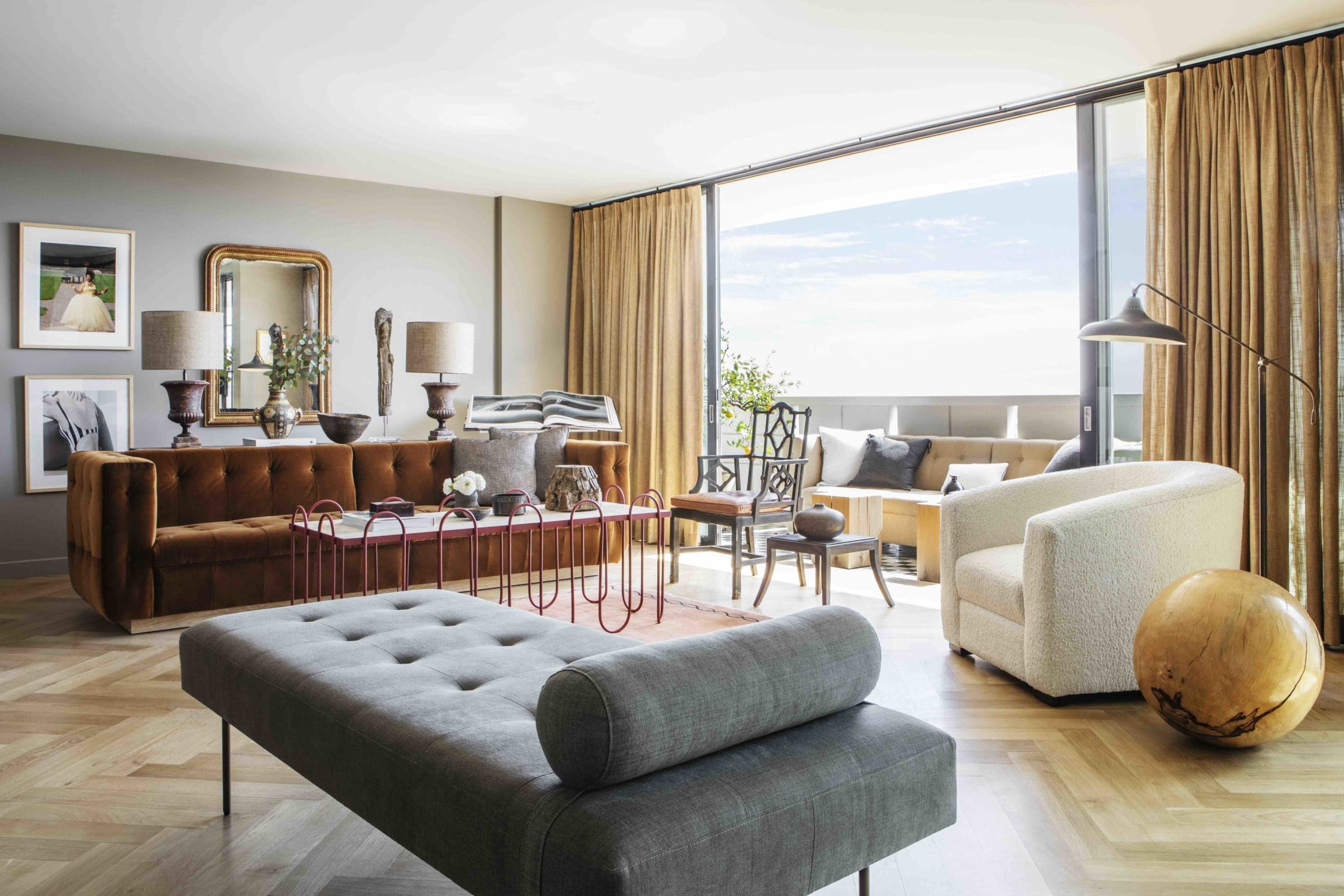
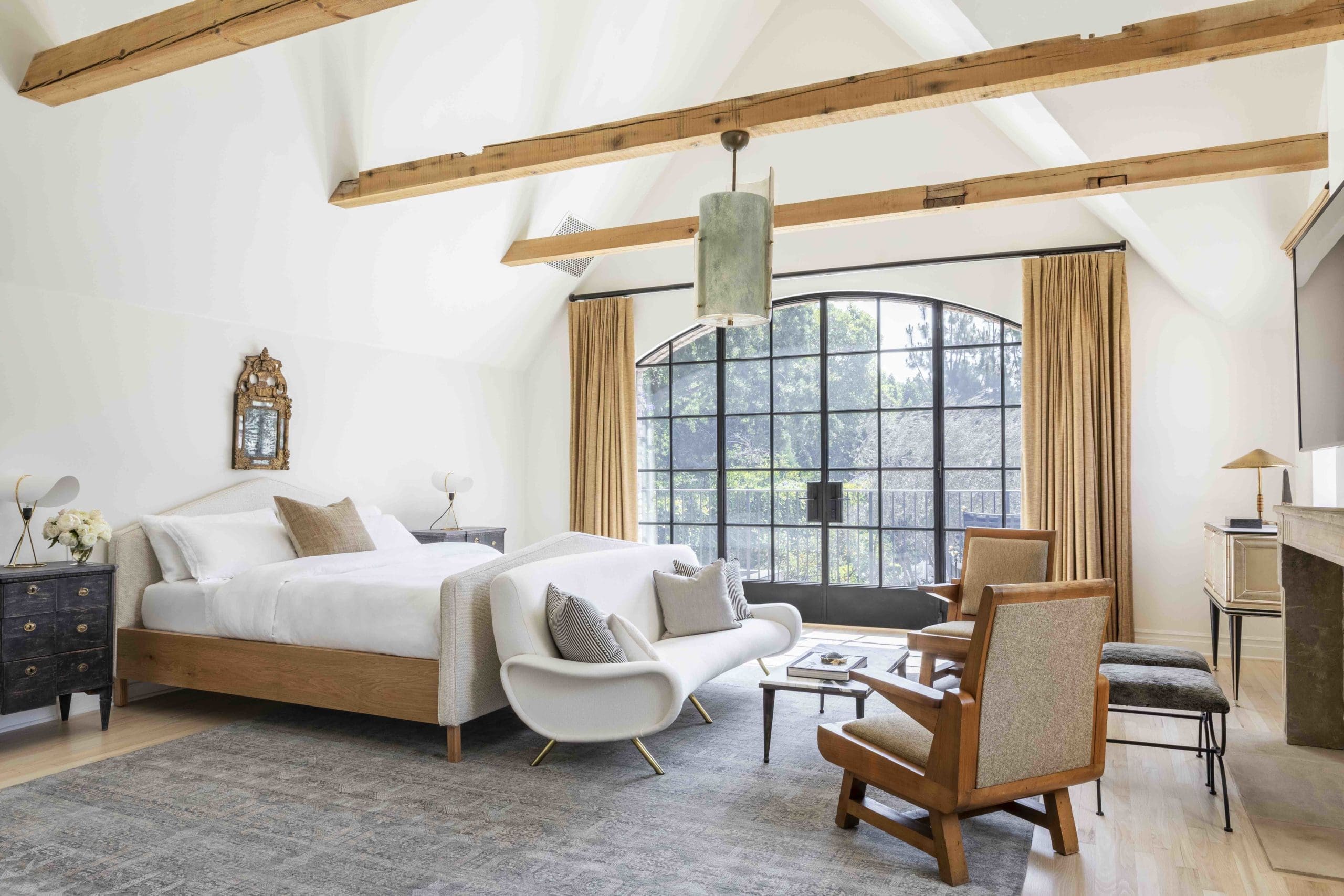
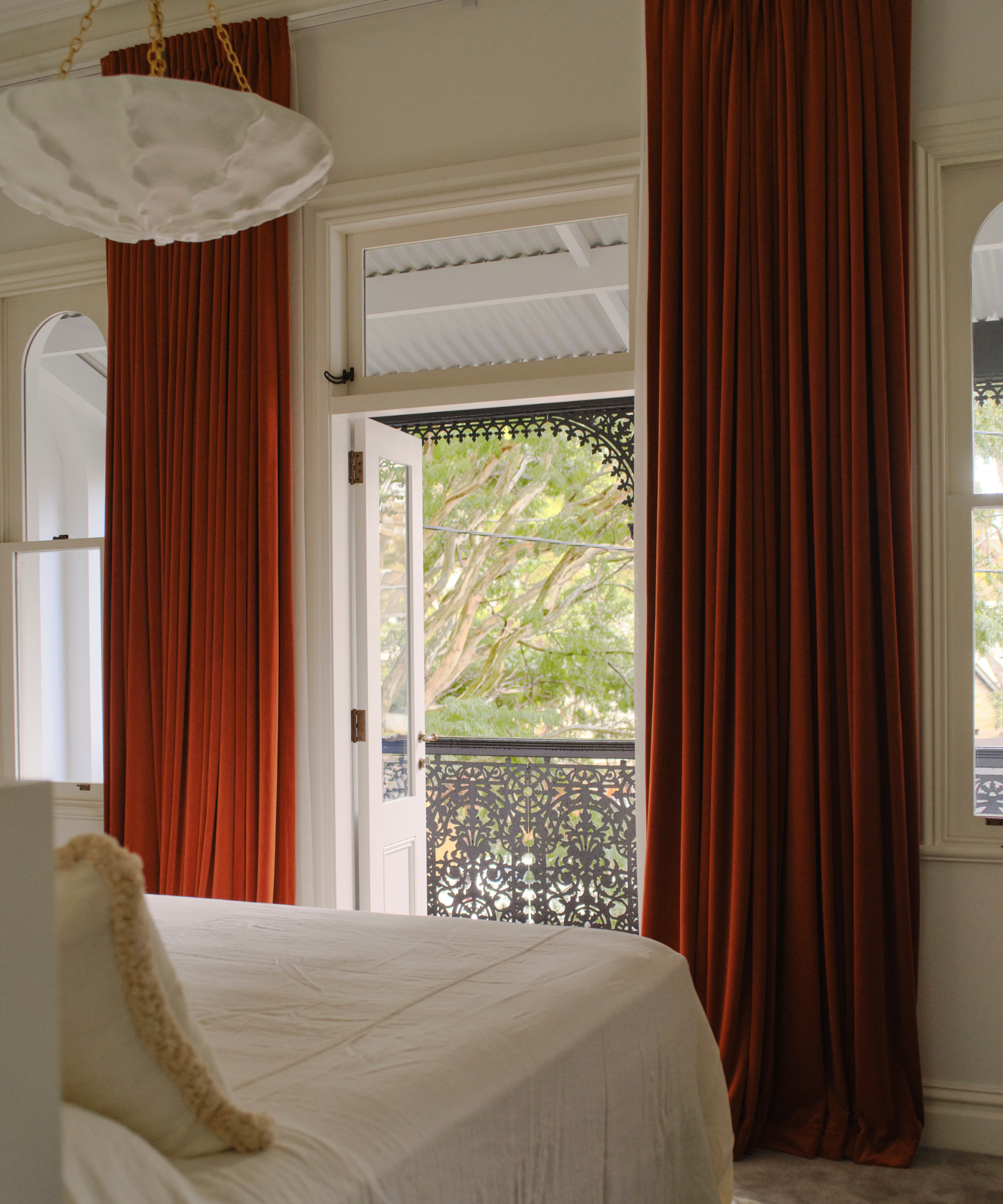
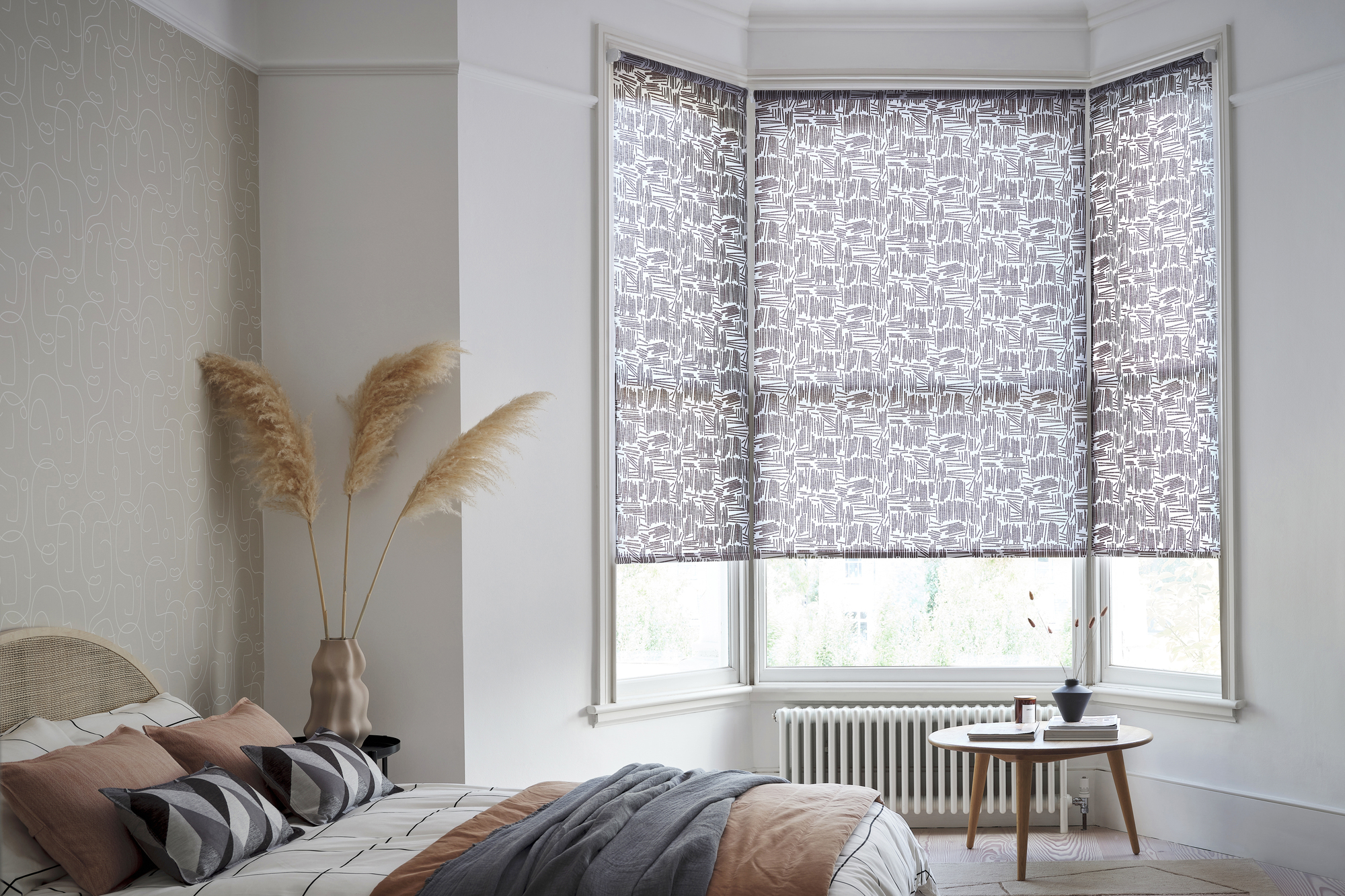
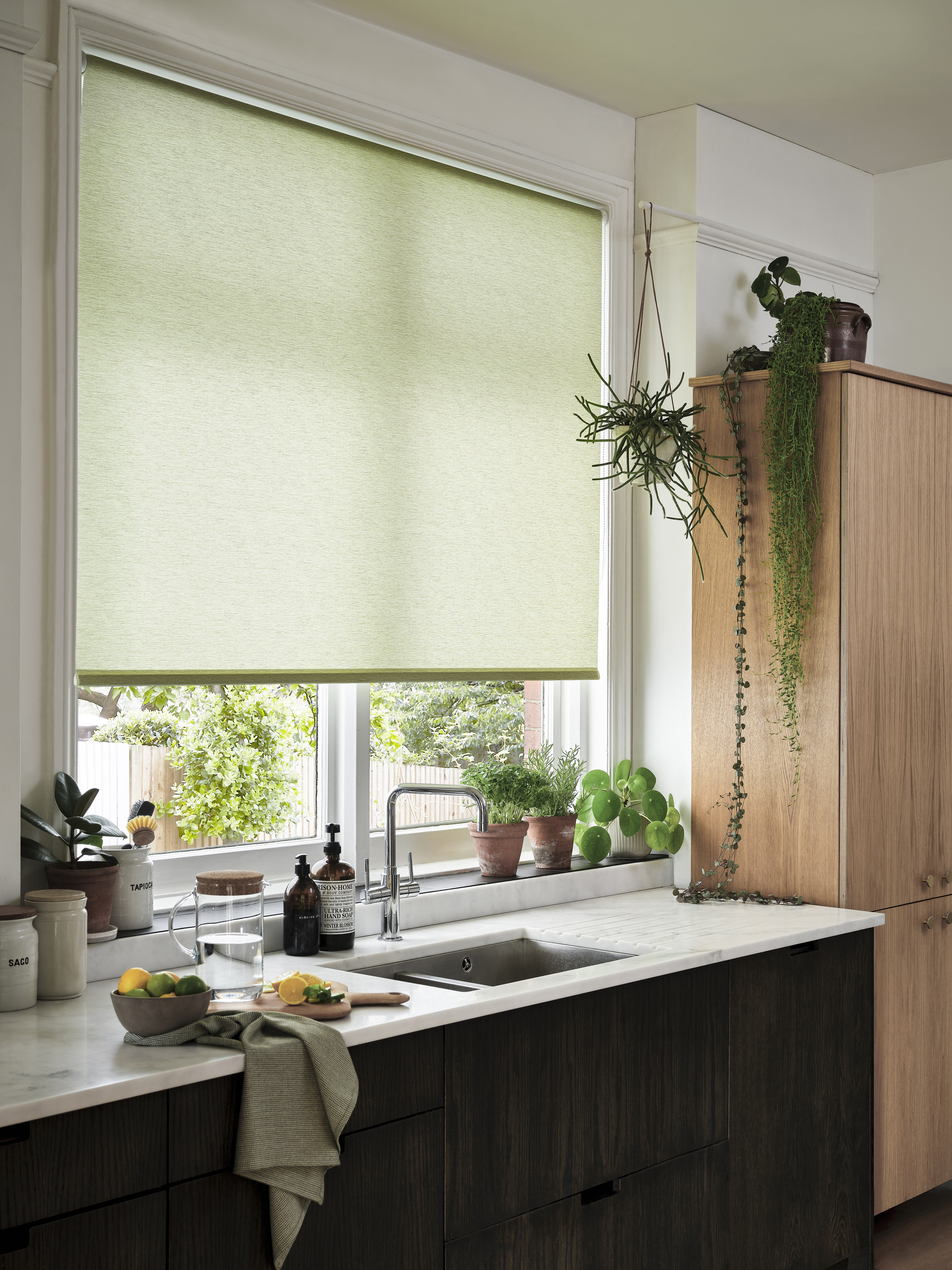
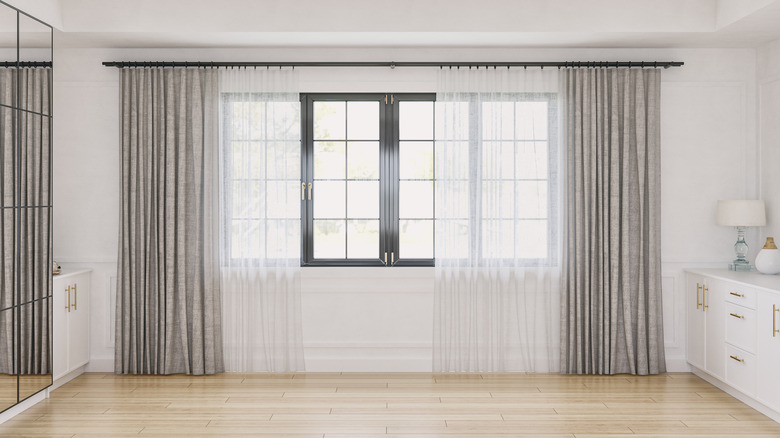
Interior designer Nate Berkus advocates for replacing outdated vertical blinds with ceiling-height drapery panels to enhance the aesthetic and functionality of homes, particularly around sliding glass doors. Berkus argues that vertical blinds, popular in the late 1980s, no longer align with contemporary home designs, which often feature open-concept layouts and taller ceilings. He points out that these blinds tend to make a room feel smaller and less sophisticated. In contrast, installing drapery rods as high as possible draws the eye upward, creating an illusion of greater room height and overall spaciousness.
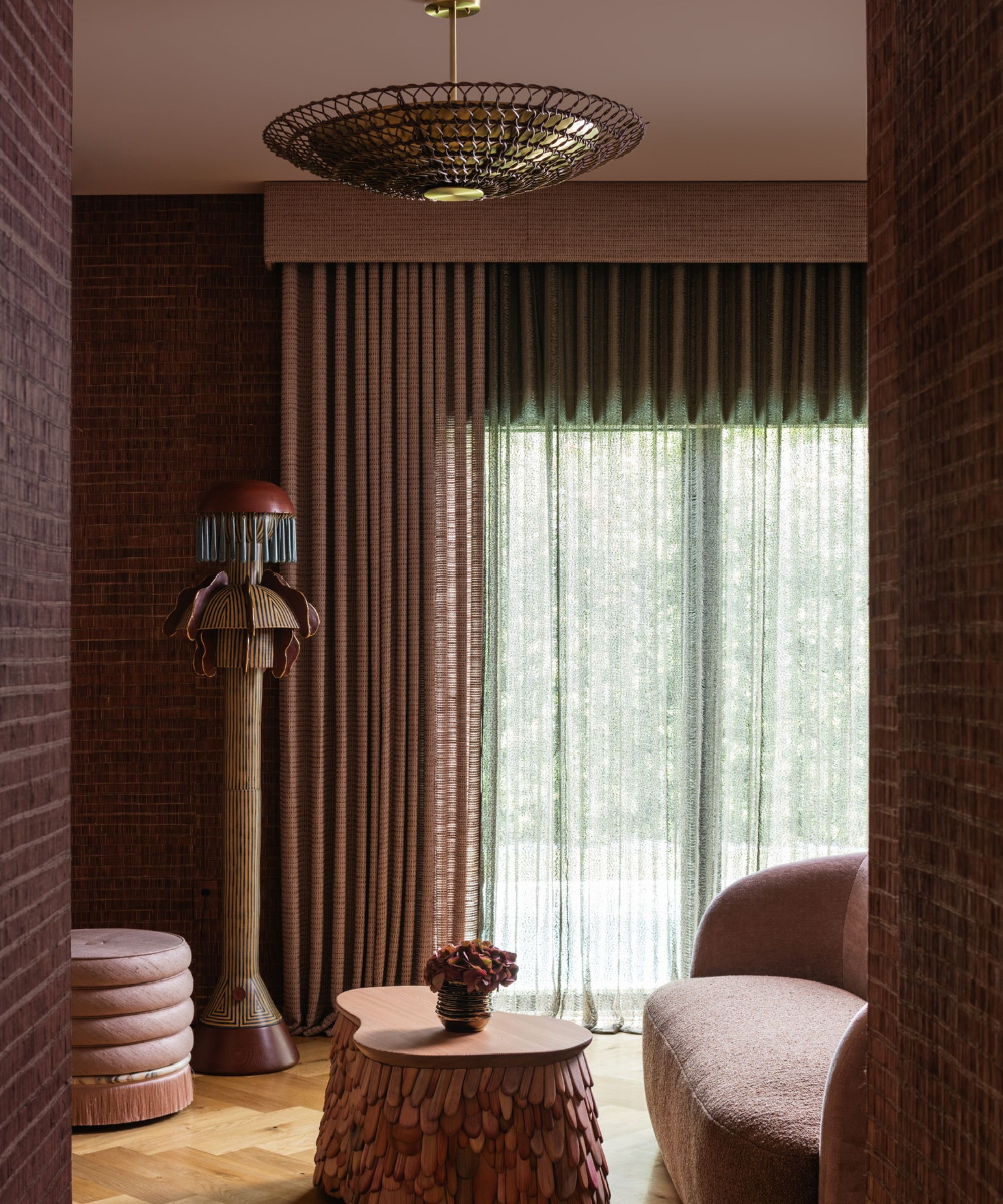
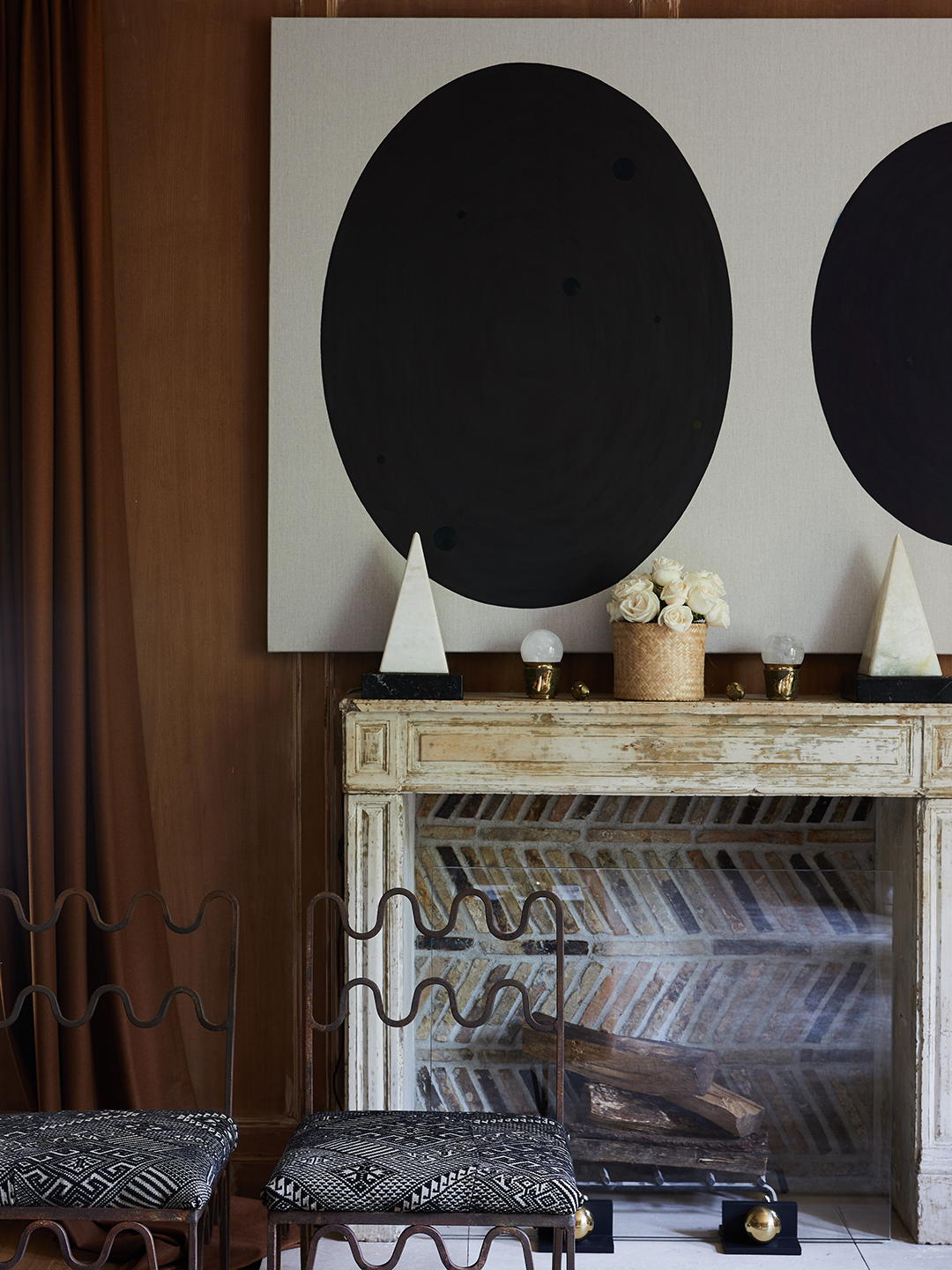
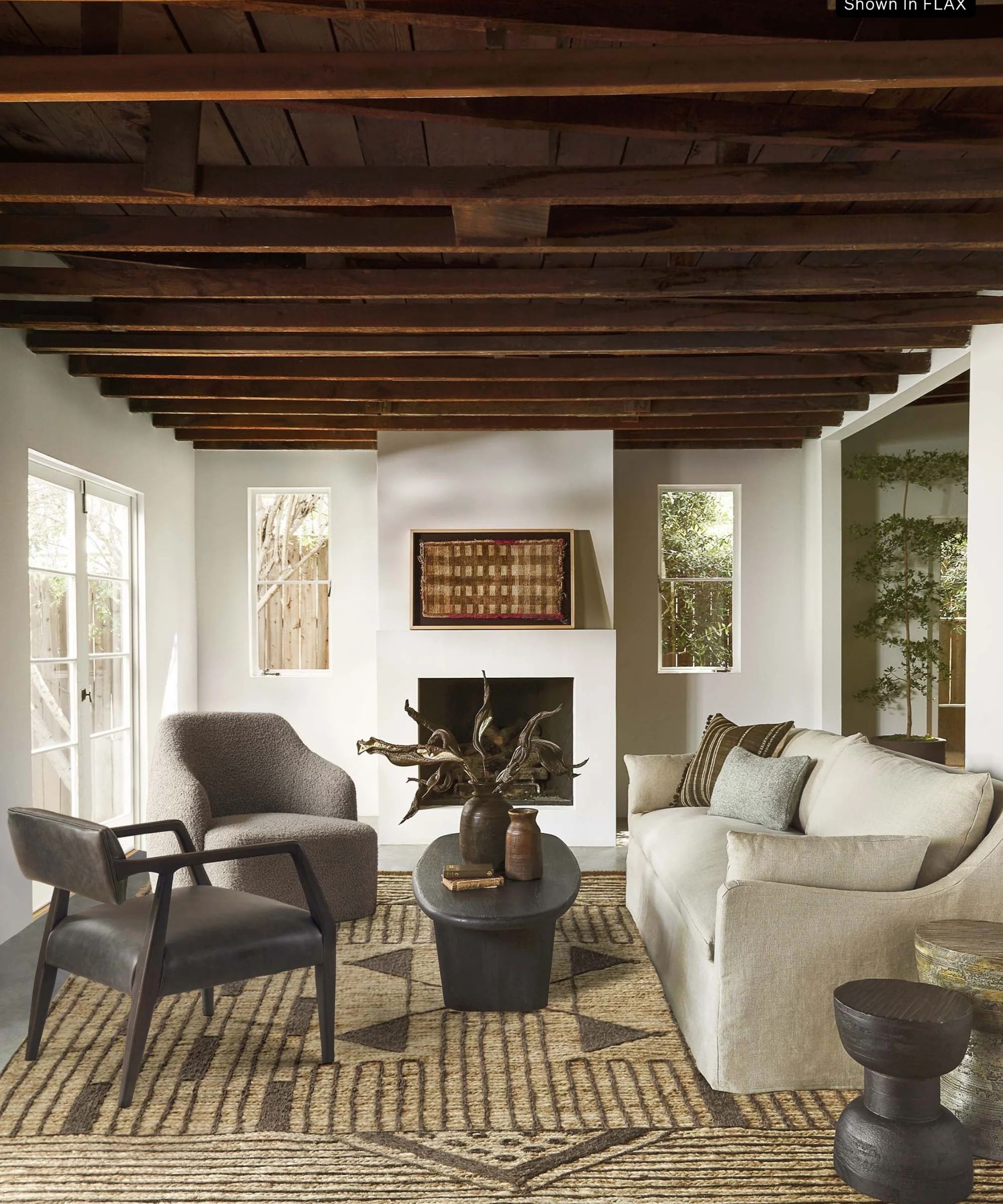
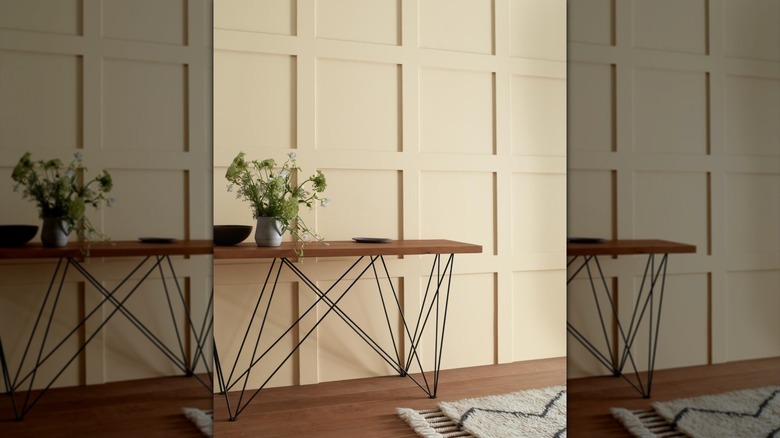
The updated approach involves using two drapery panels on either side of a door or stacking both on one wall in areas with limited space. This layering technique provides a visual depth and elegance that vertical blinds cannot achieve. Berkus highlights the transformative impact of this change, noting the significant contrast and elevated feel achieved with materials like ivory linen curtains against darker wall paneling. This design choice contributes to a warmer, more inviting atmosphere compared to the rigid and often sterile appearance of vertical blinds.
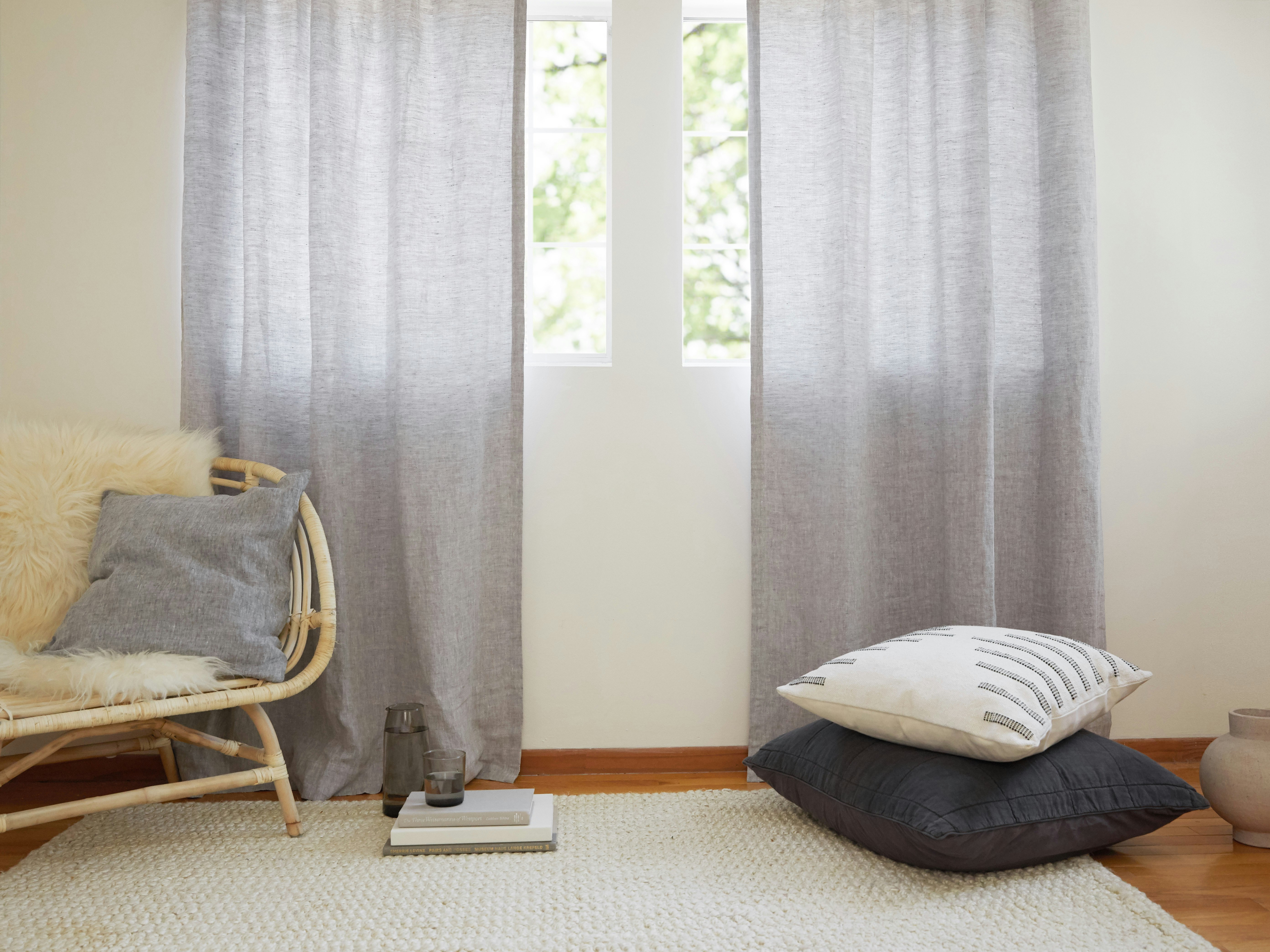
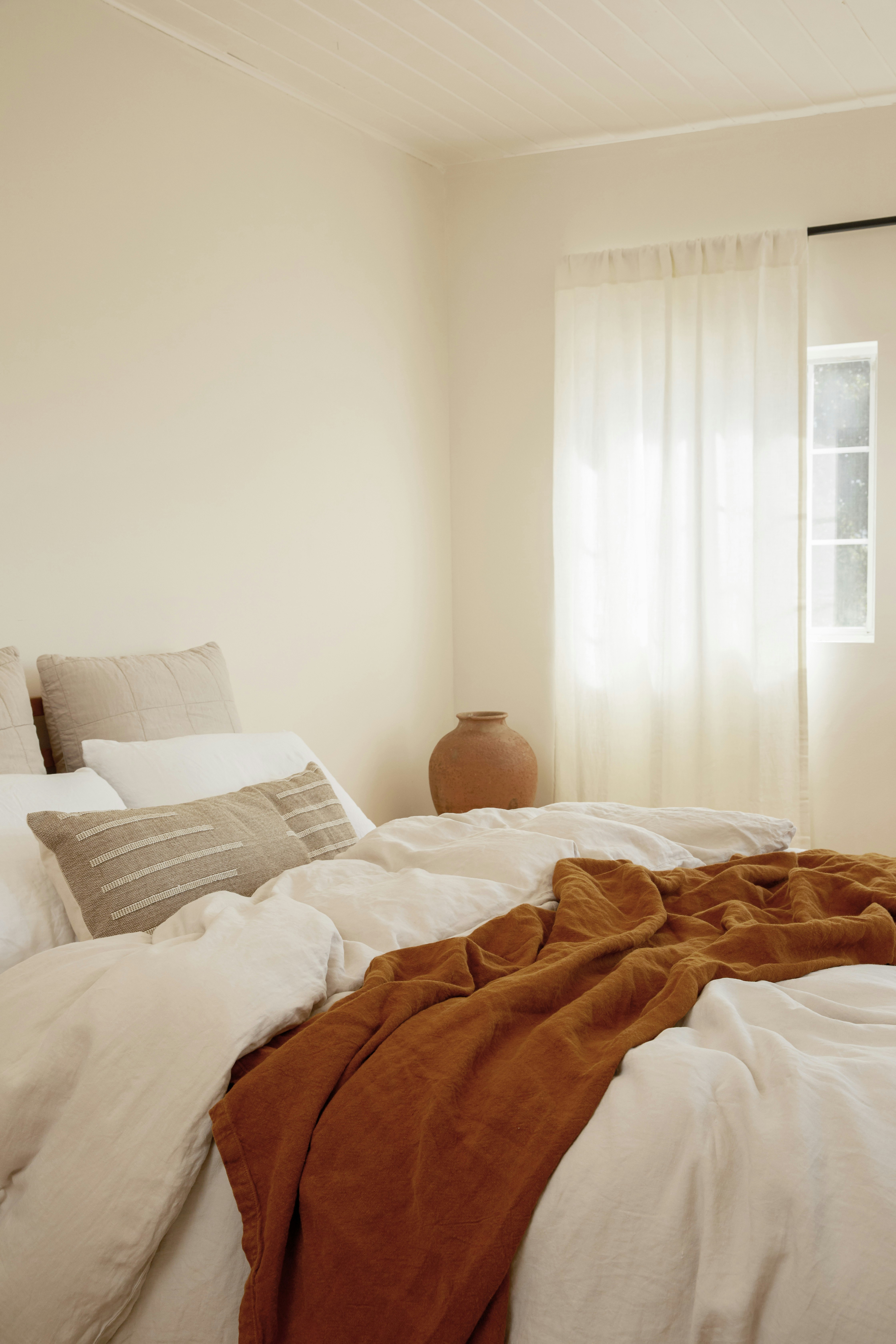
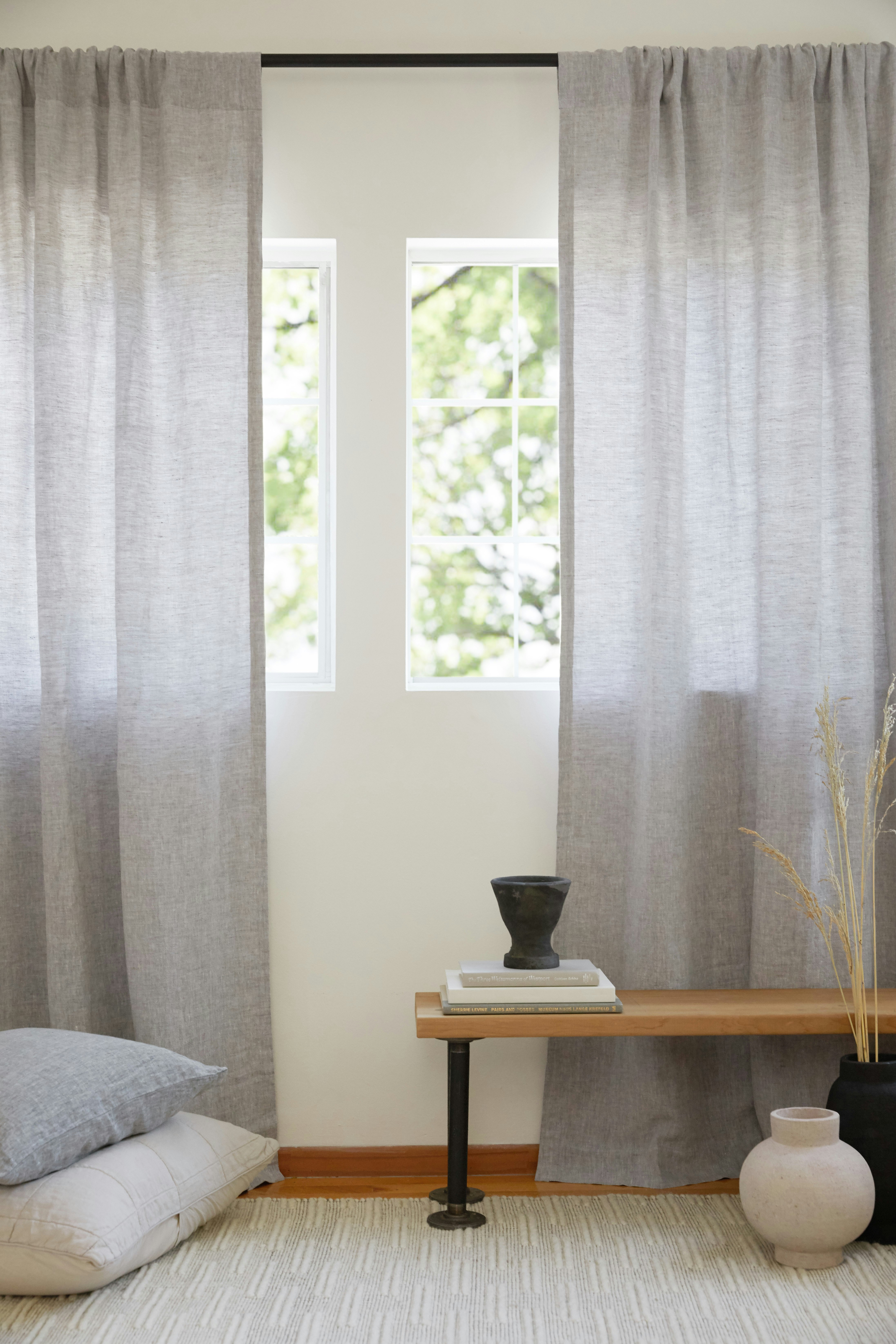
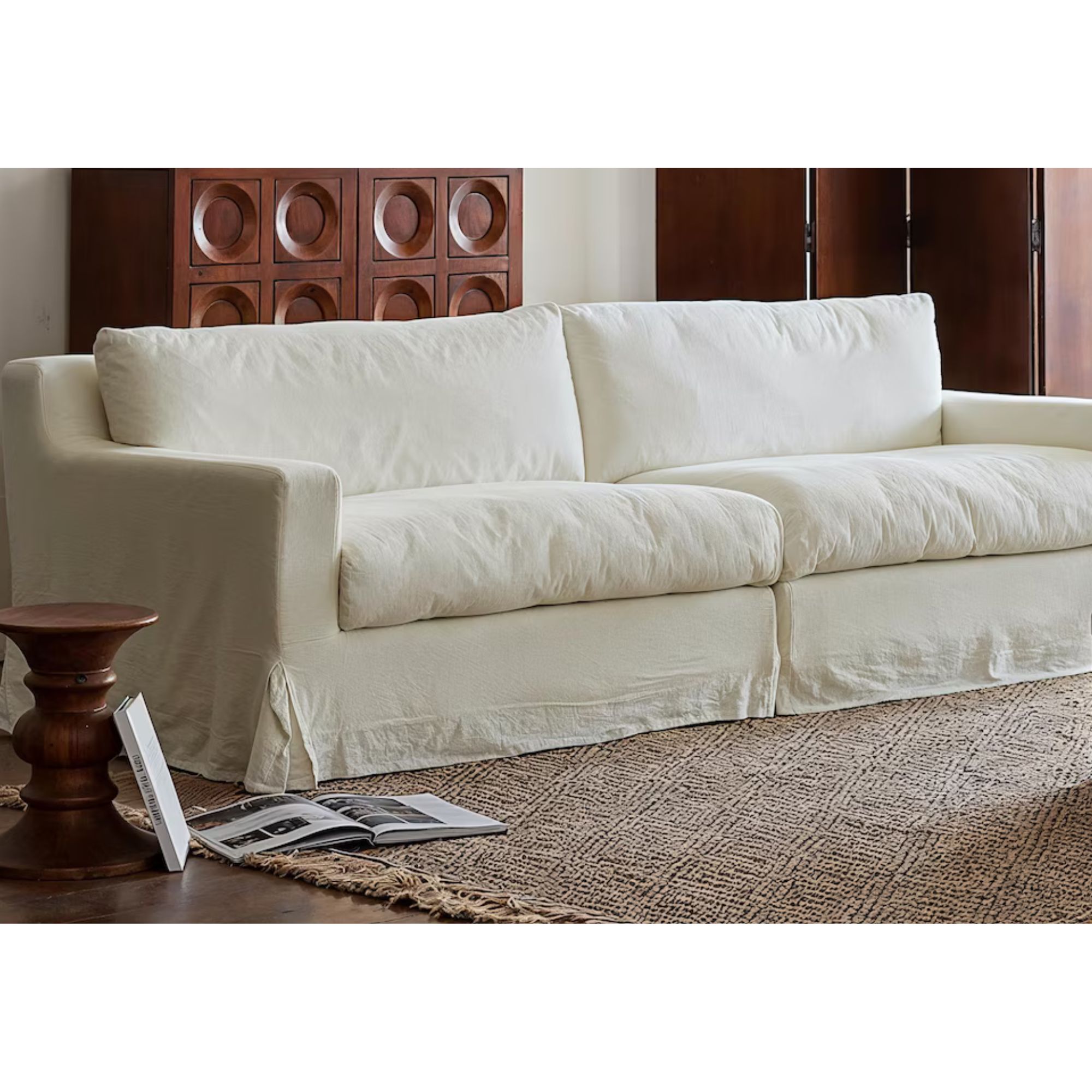
For homeowners looking to implement this design change, several practical tips are provided. It is recommended to measure from the floor to just below the crown molding for rod placement and to select rods that extend at least six inches beyond the door frame. Regarding drapery styles, inverted pleats or ripple folds are suggested due to their tailored waves, which complement modern aesthetics while maintaining the fabric's fullness. Choosing light-colored linen fabrics such as ivory, off-white, bone, or chalk is advised to maximize natural light reflection into the room, making spaces brighter and more expansive. Additionally, using slim metal rods and clip rings ensures that the hardware remains discreet, allowing the fabric itself to be the focal point of the window treatment.
A comparative analysis further underscores the advantages of drapery panels over vertical blinds. In terms of ease of cleaning, drapery fabrics are often machine-washable, whereas vertical slats are prone to collecting dust quickly. Visually, drapery panels elongate walls with their soft sweep, while vertical blinds with their rigid lines can shorten wall height. For light control, drapes offer nuanced glow through layering sheers, a more sophisticated solution than the basic shade provided by rotating blind slats. Furthermore, drapery adds a thermal barrier, contributing to better energy efficiency, a benefit largely absent with minimal insulation from vertical blinds. The article concludes by emphasizing that this switch is a weekend project that offers substantial aesthetic and practical benefits, encouraging homeowners to measure carefully, mount rods high, and allow panels to skim the floor for a polished finish.
#NateBerkus #HomeDesign #InteriorDecor #DraperyPanels #VerticalBlindsAlternative #SlidingGlassDoors #RoomElevation #LightControl #EnergyEfficiency #NateBerkus #HomeDesign #InteriorDecor #DraperyPanels #VerticalBlindsAlternative #SlidingGlassDoors #RoomElevation #LightControl #EnergyEfficiency
0 comment in total
 No comments yet
You may also like
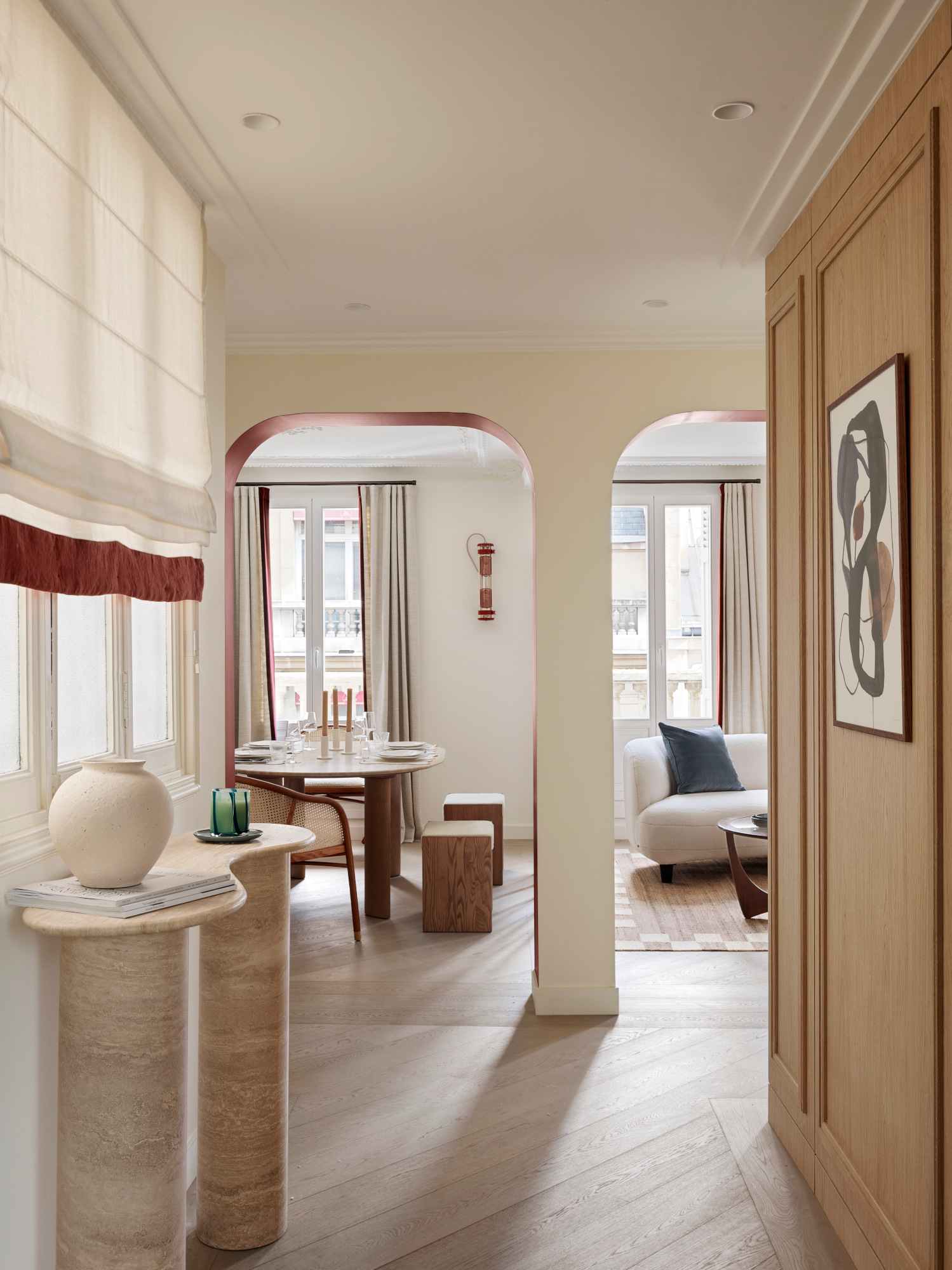
Nate Berkus’s Formula for Window Treatments is so Simple and Promises Beautiful Blinds Every Time


Nate Berkus on the New Age of Interior Design

Suzanne Tick Ventures Into Glass for Skyline Collection


Nate Berkus' Styling Hack For Curtains Makes Rooms Instantly Luxe
Bobby Berk's Genius Hack Helps Cover These "Eyesore" Light Fixtures People Hate — and It Works in Rentals, too

The 1920s Closet Detail Nate Berkus Is Bringing Back

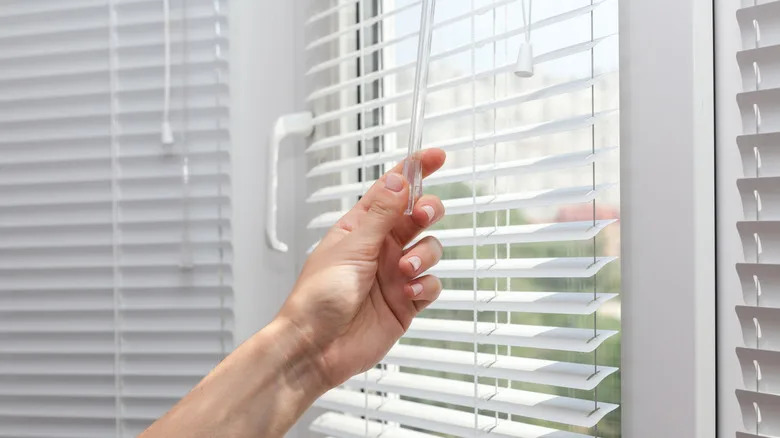
Swap Outdated Flimsy Blinds With One Of 2025's Biggest Window Treatment Trends

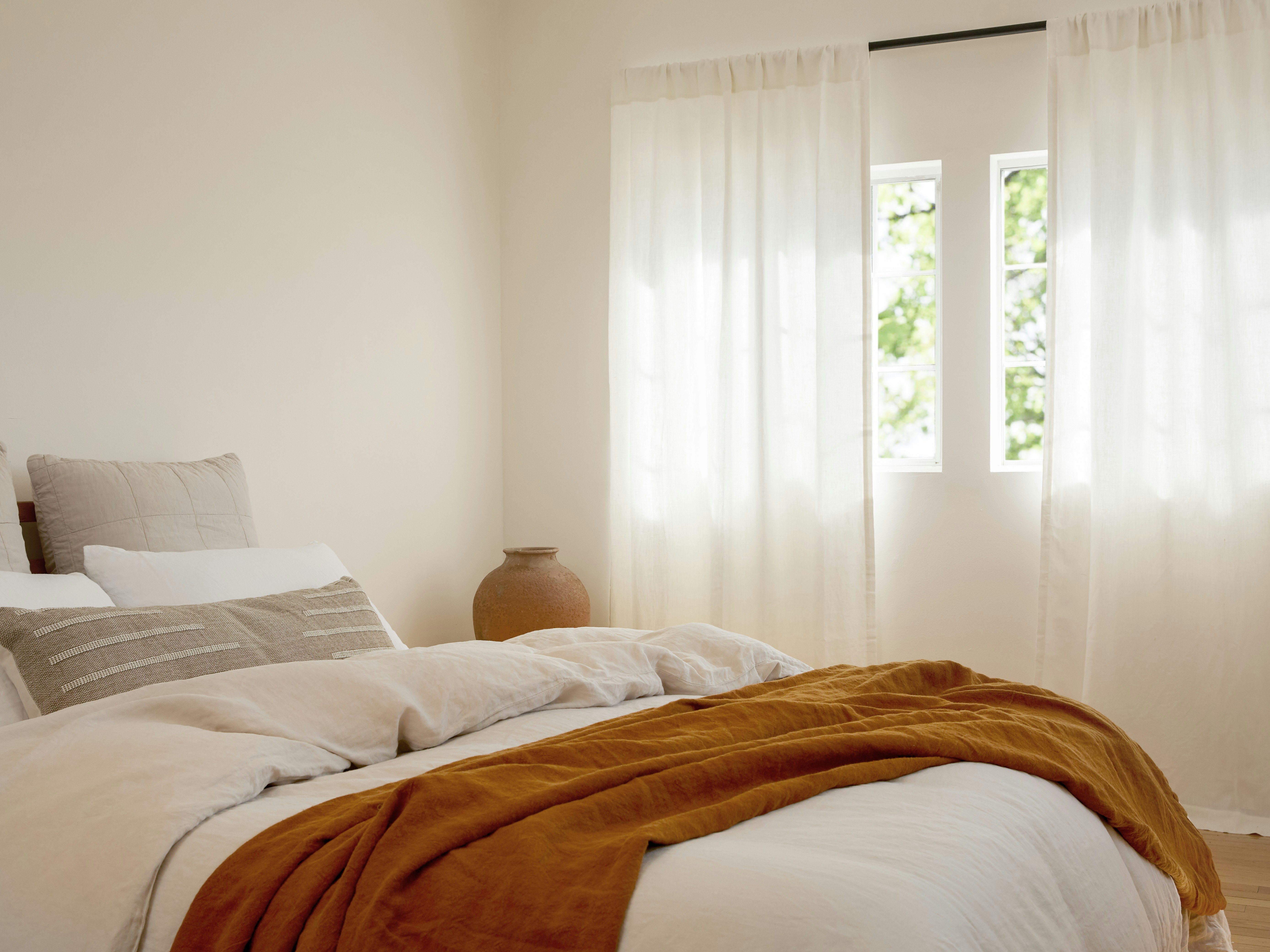
Treat Your Windows to a Big Upgrade With Parachute’s New Linen Curtains


Nate Berkus Reveals His Go-To Styling Hack—and It’s GENIUS

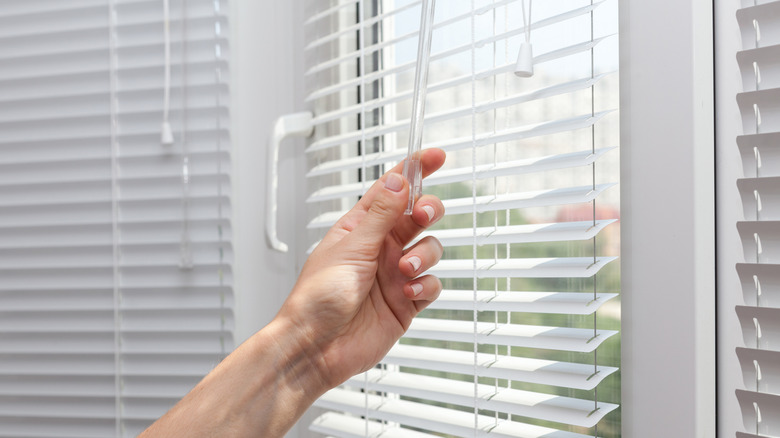
Swap Outdated Flimsy Blinds With One Of 2025's Biggest Window Treatment Trends

Nate Berkus' most recent bedroom project nails the emerging trend for mixing the contemporary with the vintage eclectic

IKEA’s sell-out STRÅLA star lamp has received a bold update

Say Goodbye To Vertical Blinds - Nate Berkus Has A Better Idea To Cover Sliding Glass Doors
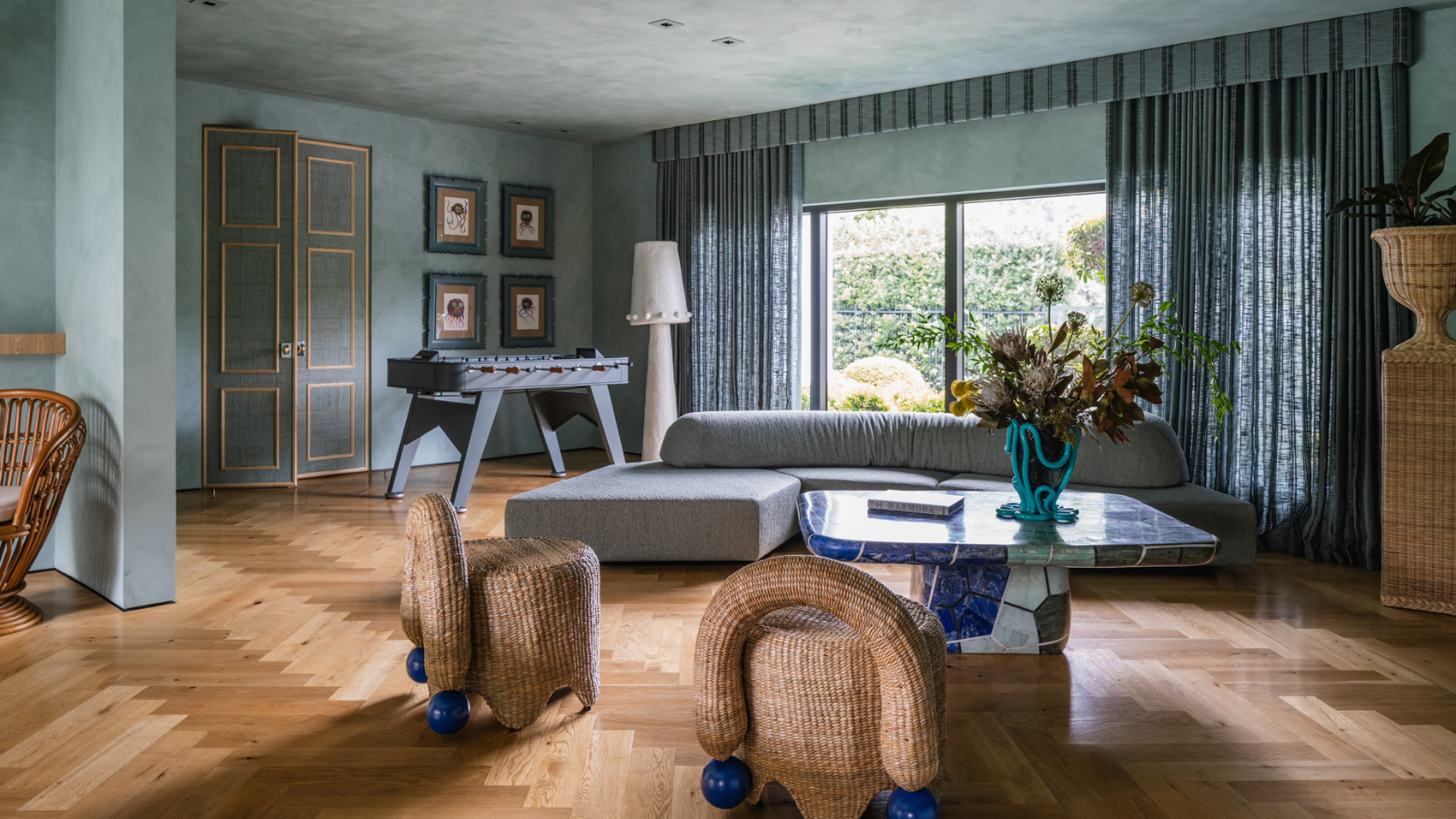
Bye-Bye Boring Drapes, The Once-Dated Trend for Luxuriously Dramatic Window Treatments Is Back – and Designers Very Much Approve

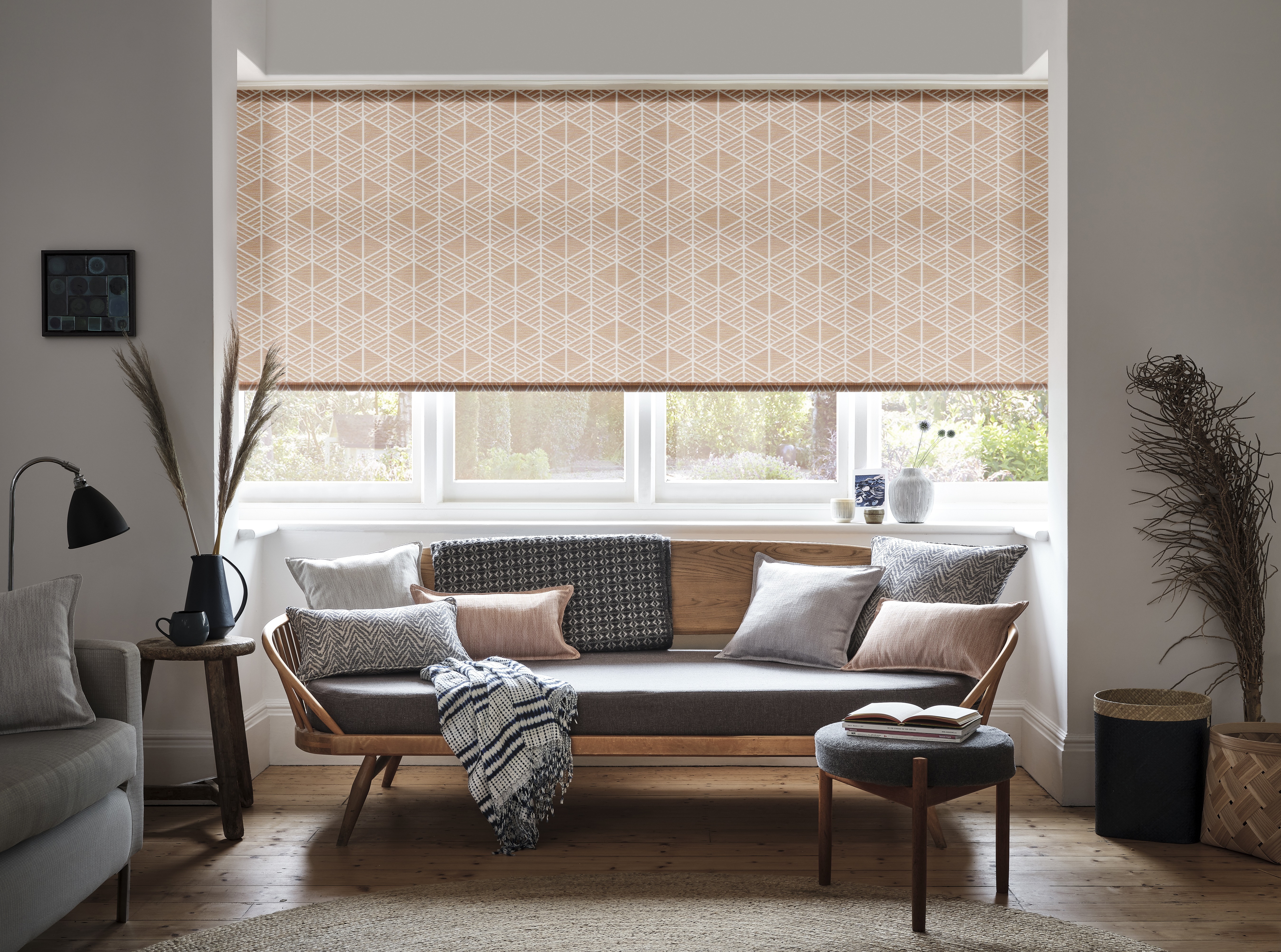
How to reverse roll a roller blind - a neat interior design trick to instantly make your home tidier and better

I just found a way to create Nate Berkus' laid-back sofa style for just $86

Contour Blinds
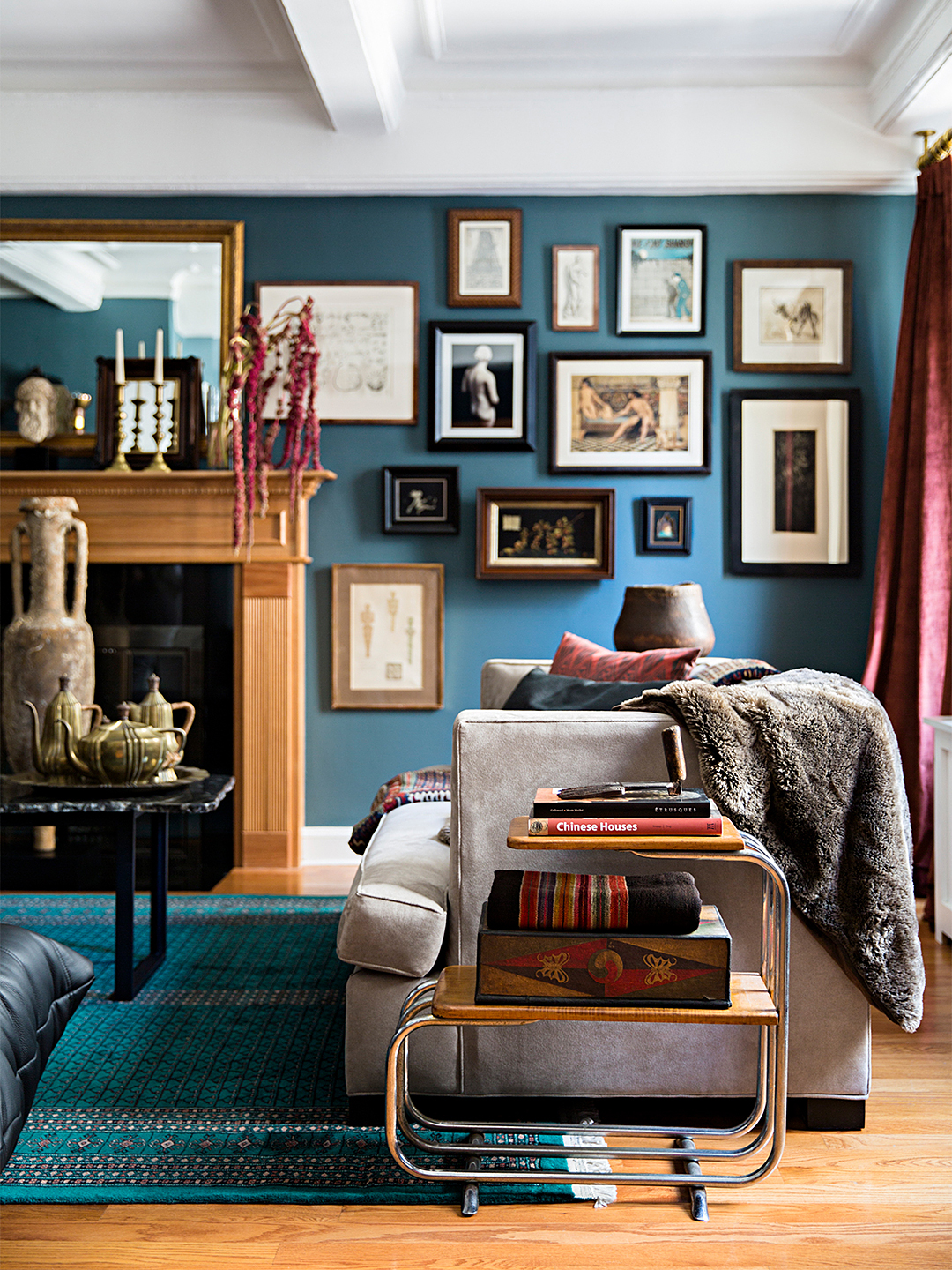
The One Feature Nate Berkus Can’t Look at Without Wanting to Redo It
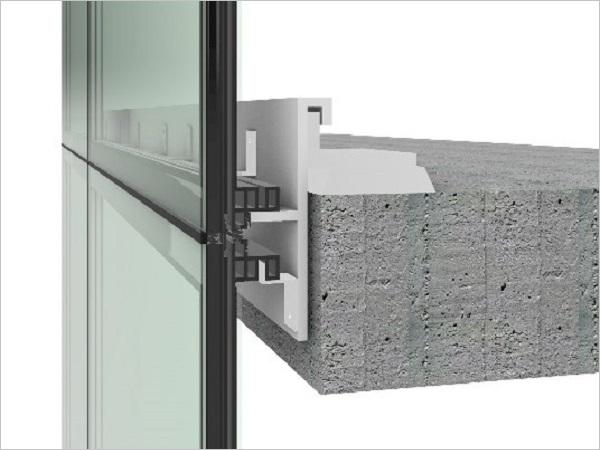
Slim Skins: Towards a New Glazed Façade System


Refresh Your Home With The Light Neutral Paint Shade Nate Berkus Absolutely Adores