1/6
When it comes to terracotta, we need to think big
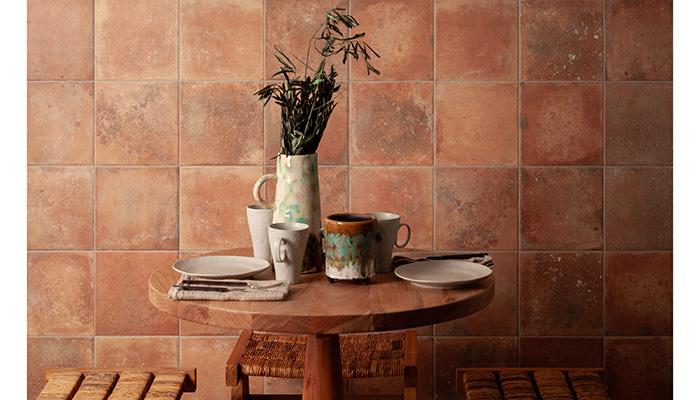
Terraformæ, an experimental design and research hub, is dedicated to contemporizing and elevating the role and scope of terracotta. This initiative extends the legacy of Fornace Sant’Anselmo, a company established in 1903 in Padua by the De Checchi family, which pioneered the production of fired bricks and later became a leader in soft mud and facing bricks. Terraformæ, founded by Alberto de Checchi with Sveva Bizzotto as Creative Director and Carlo Zambon as laboratory specialist, aims to push the boundaries of clay-centered design and product ideation by bringing together international experts, designers, architects, and researchers.
Clay, known for its temperamental nature, requires extensive study and understanding to effectively merge vision with technique. Even minor adjustments in production parameters, such as kiln temperature or ingredient composition, can yield significantly varied results. Terraformæ's core team has mastered working with clay, adopting a bold, experience-based, and detail-oriented approach mirroring their parent company. The hub continuously develops research, strategies, and methods to address challenges through comprehensive analysis.
Terraformæ’s operational philosophy is centered on flexibility and efficiency. The studio has invested in advanced technology and emphasizes versatility in its processes. This includes maintaining multiple production lines with various clay mixes ready for immediate use and fine-tuning firing processes to meet specific temperature requirements. This meticulous approach intensifies terracotta’s inherent charm and aesthetic appeal.
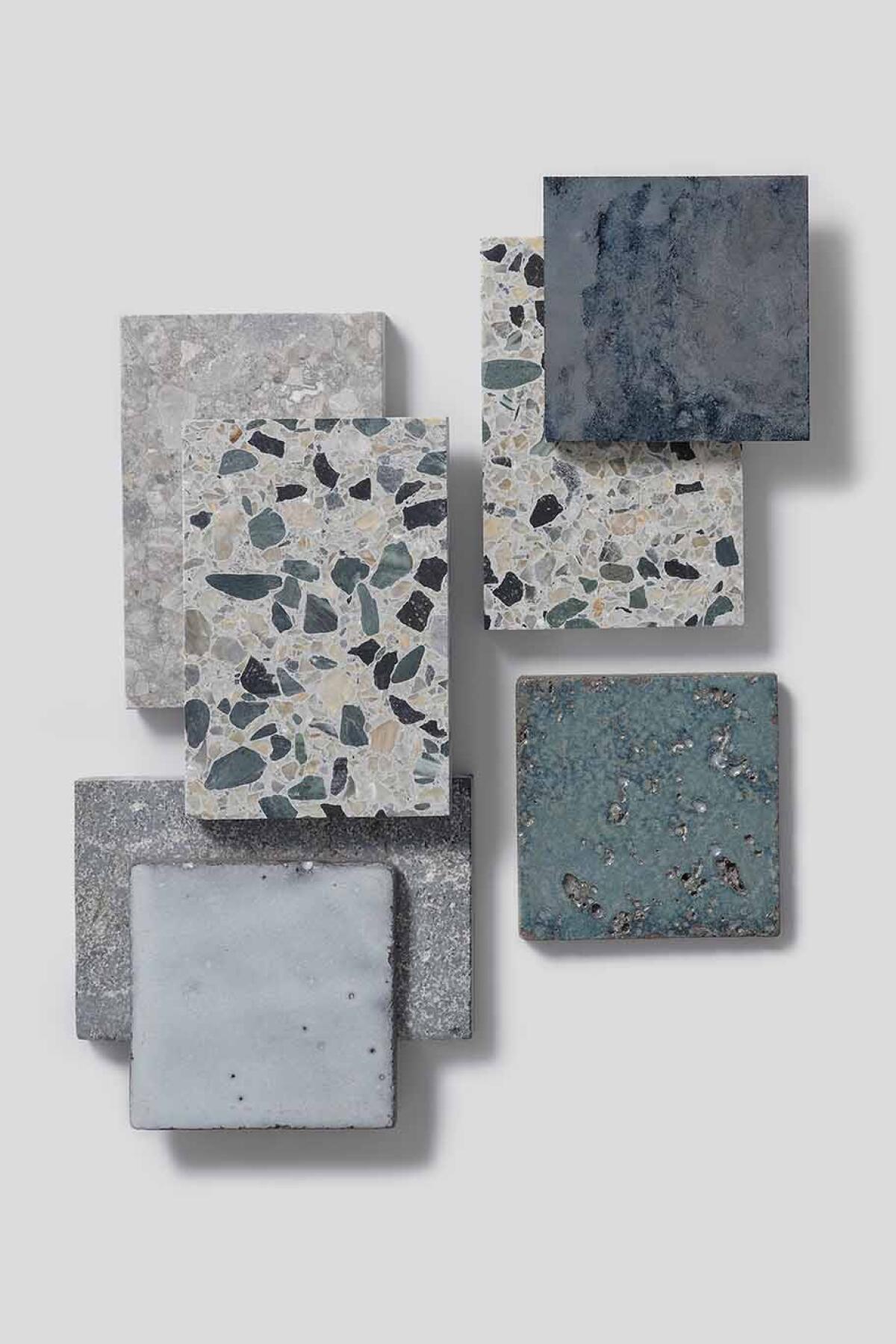
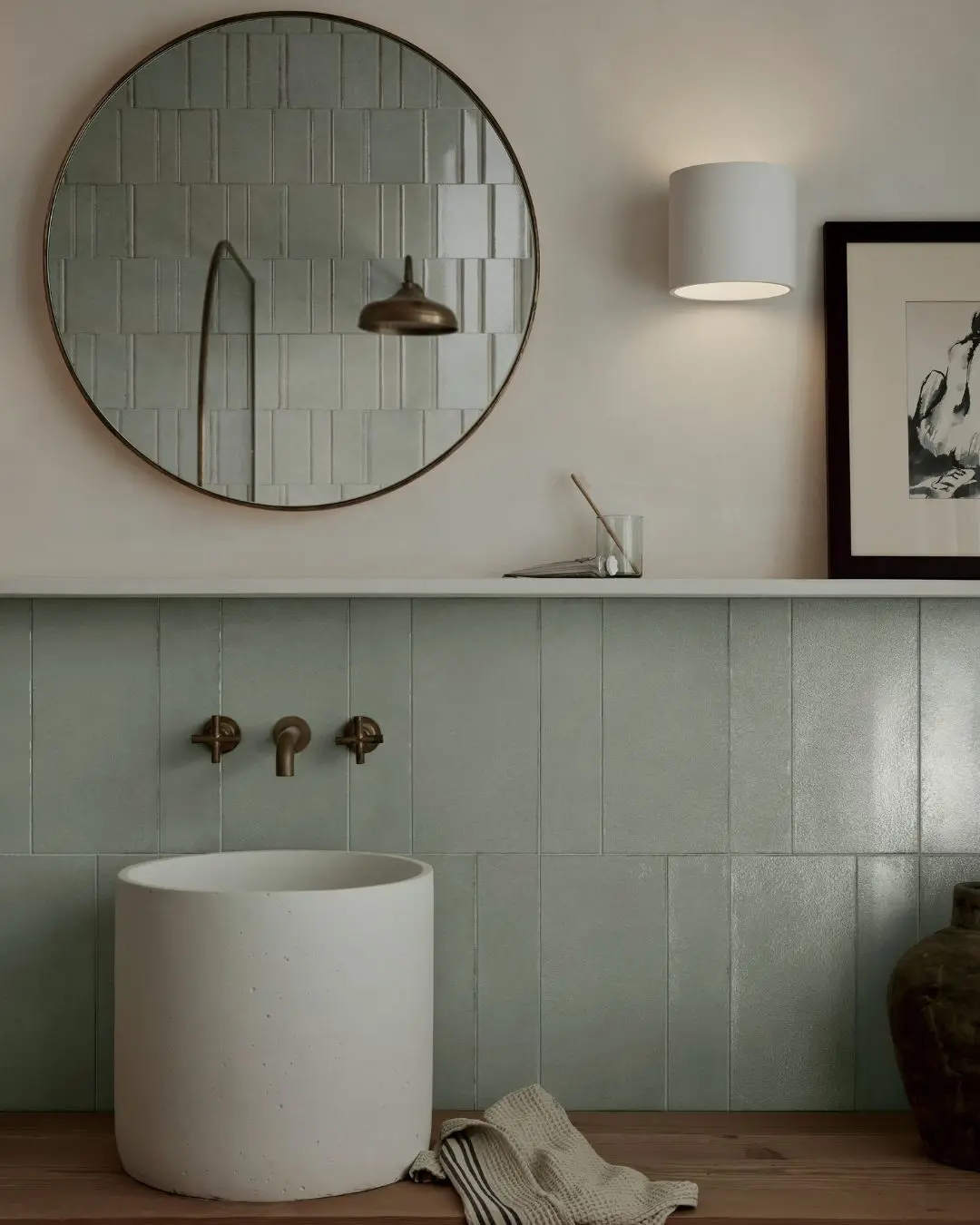
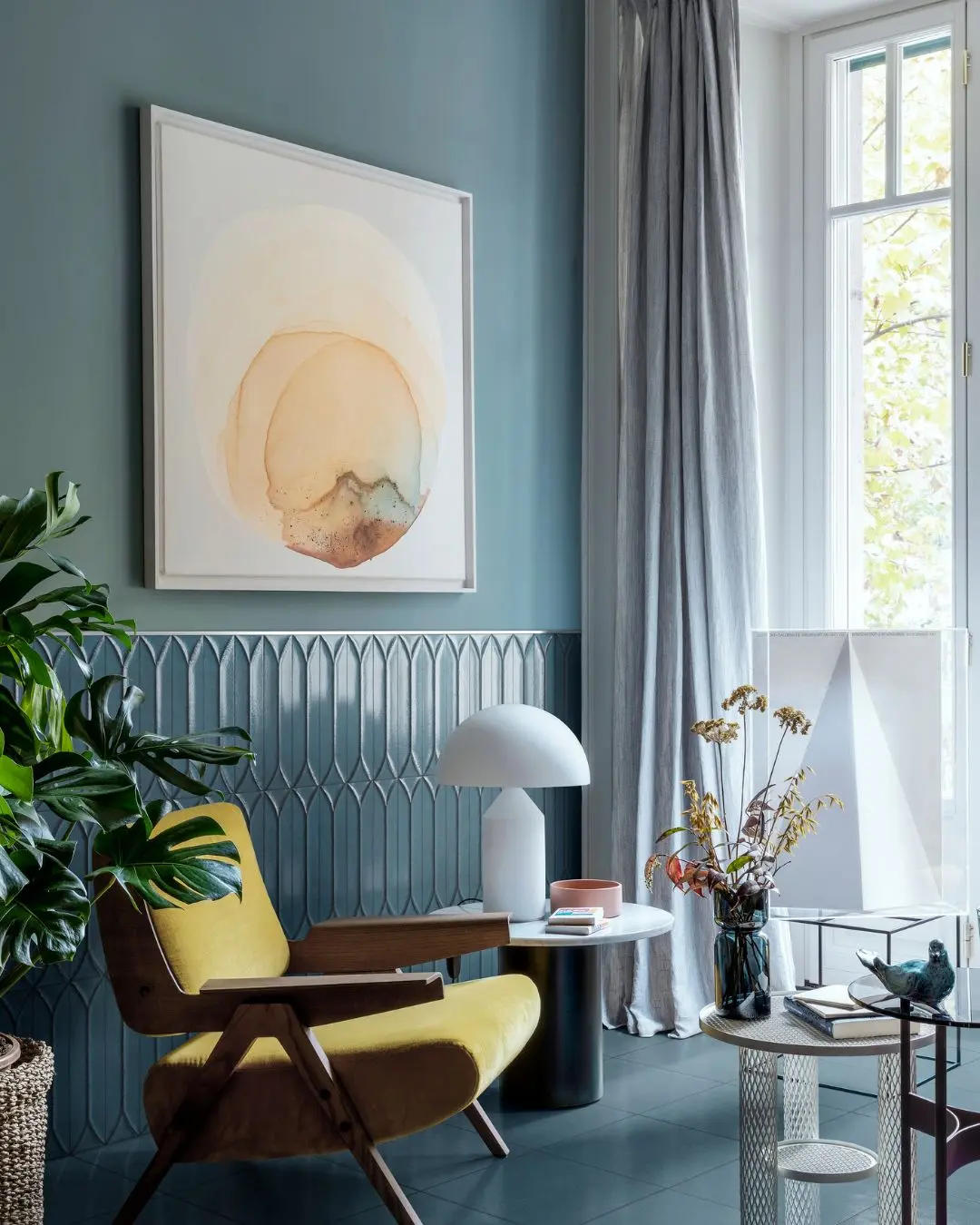
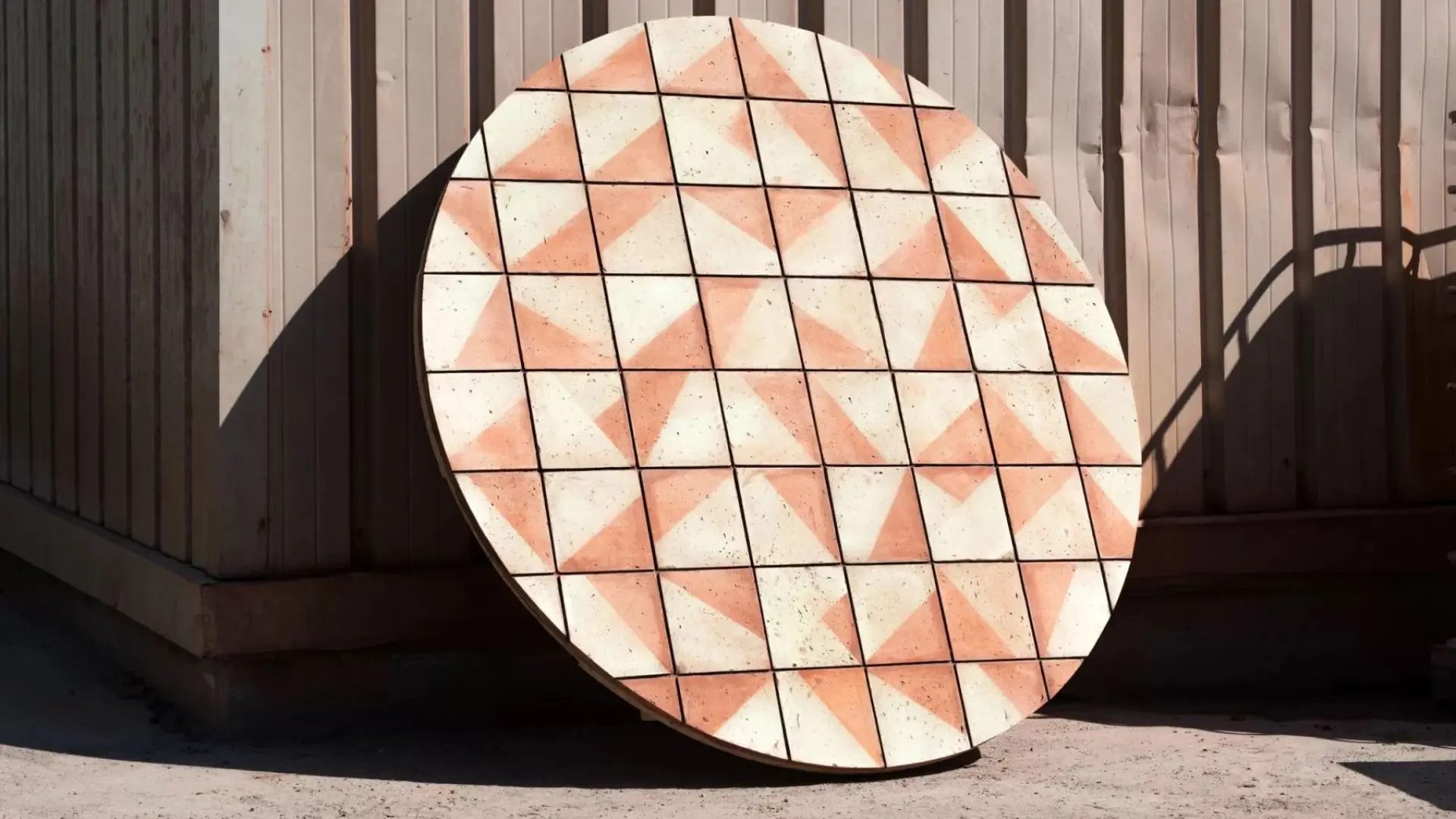
One of Terraformæ’s innovative approaches involves embracing the material's imperfections. Sveva Bizzotto’s Potoro collection exemplifies this by offering a fresh interpretation of the traditional Potoro technique. Historically, this technique uses fine inorganic pigments to unify the colors of bricks from different production batches after firing. Bizzotto, however, employs a soothing watercolor effect, highlighting terracotta’s diverse design potential rather than concealing variations.
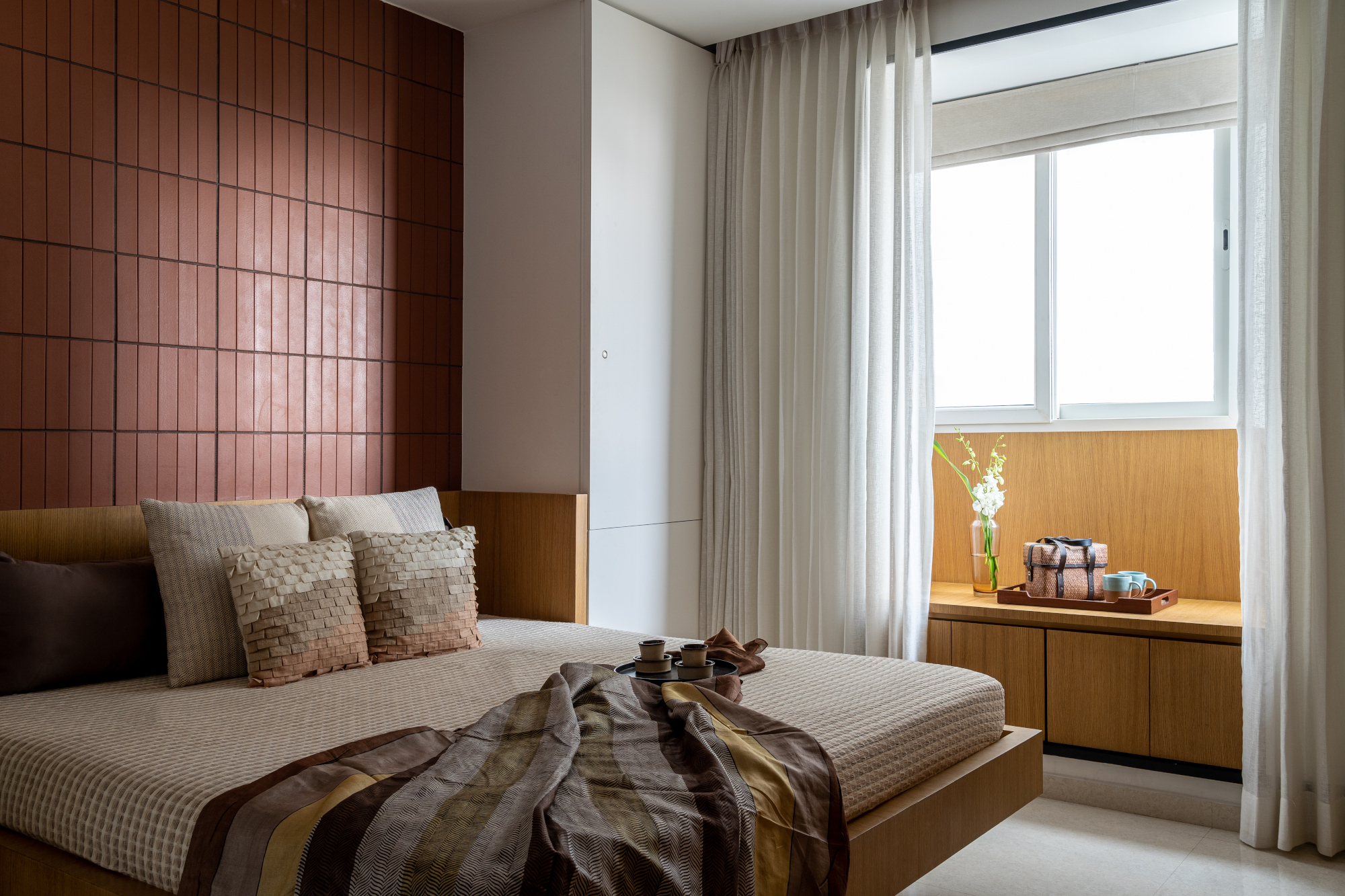
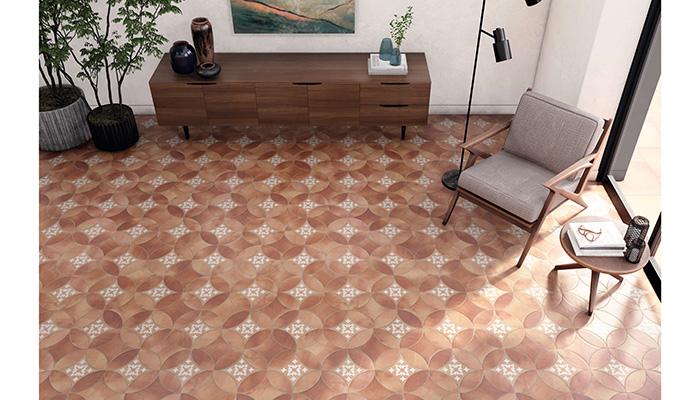
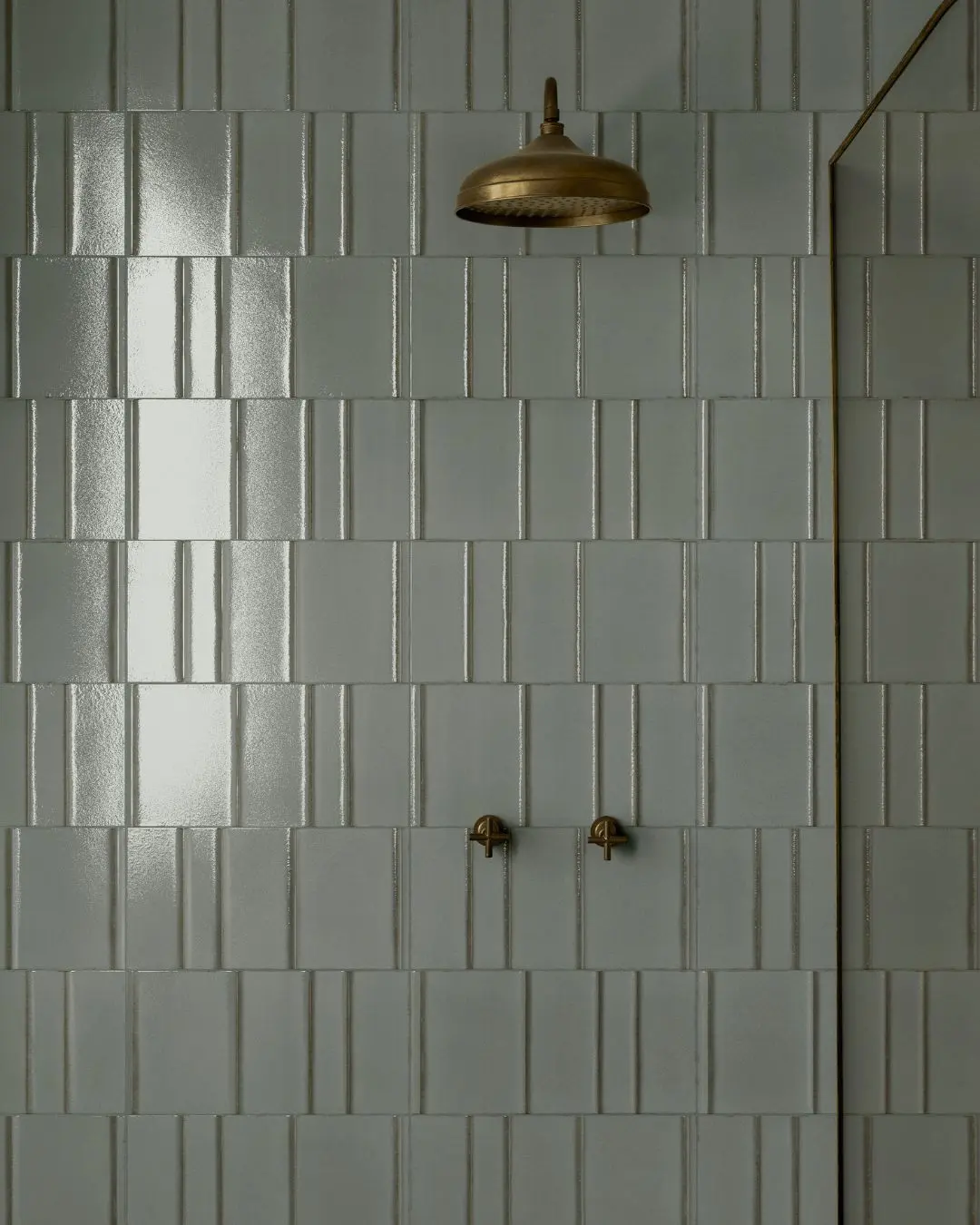
Other concepts developed by Terraformæ challenge conventional perceptions. Pietro Bongiana and Silvia Codato’s Split tiles, for instance, reinterpret the joint—an element typically minimized—by enhancing it. The Bongiana Architetture studio designed terracotta tiles with a groove, either diagonal or straight, that divides the surface. Once installed, this groove is filled with colored grout, forming a rhythmic line motif that integrates the joints into the overall pattern.
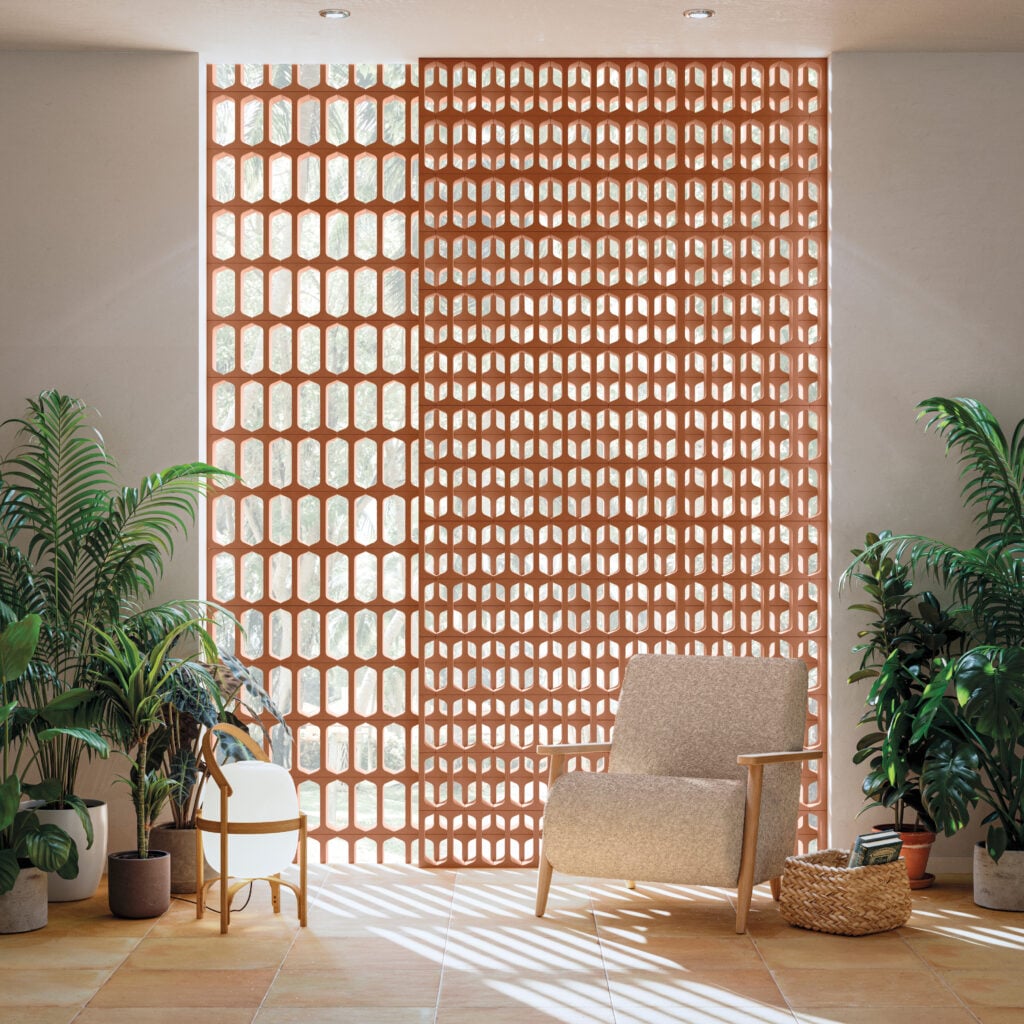
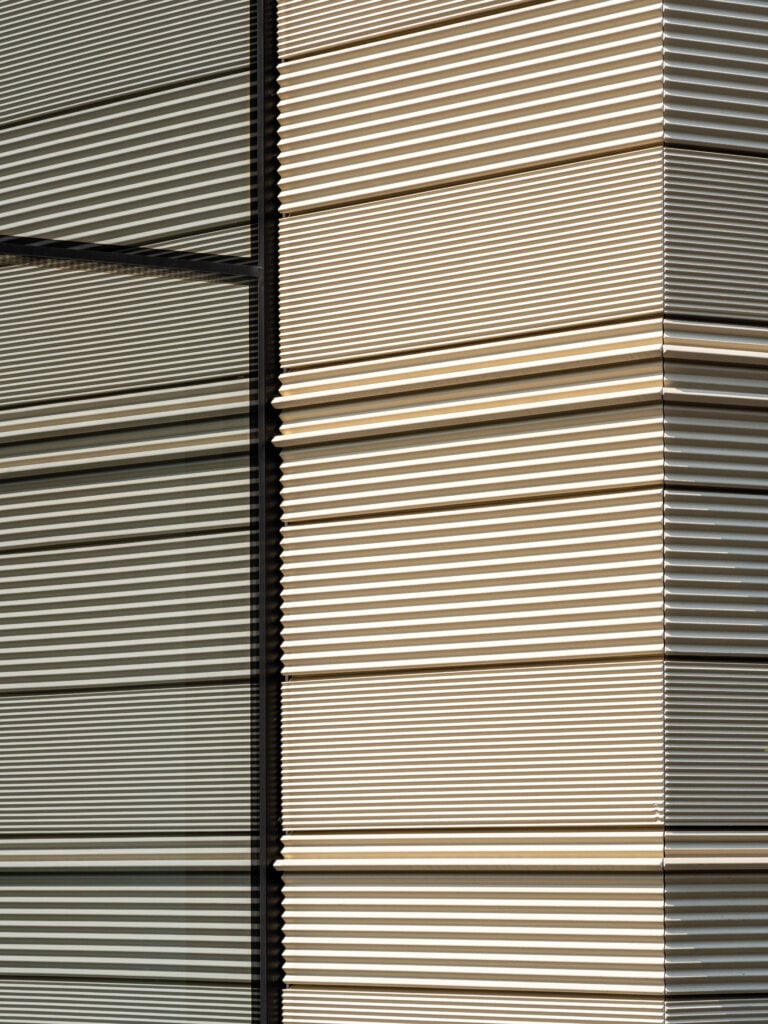
Multifunctionality is another key aspect of Terraformæ’s work. Swedish-American designer Shane Schneck, inspired by Terraformæ’s kiln, created Radiator. This versatile brick item, suitable for domestic use, draws inspiration from the extruded elements of breezeblocks and sunshades. Its wave-like shape makes it a adaptable object holder for various contexts. Through systematic experimentation and a continuous quest for discovery, Terraformæ and its global collective of creatives are actively exploring new territories for terracotta, demonstrating a commitment to innovative and expansive uses of this ancient material.
#TerracottaDesign #MaterialInnovation #ClayCraftsmanship #SustainableDesign #ProductDesign #ArchitecturalMaterials #DesignResearch #ItalianDesign #ModernCraft #TerracottaDesign #MaterialInnovation #ClayCraftsmanship #SustainableDesign #ProductDesign #ArchitecturalMaterials #DesignResearch #ItalianDesign #ModernCraft
0 comment in total
 No comments yet
You may also like
More Practical Than Plaster and Cement: This Material Is on Our Reno Radar
7 Earth-based Solutions For Building Closer to Nature
15 ways to bring terracotta into your home decor

Potters clay is the rustic hue predicted to dominate…
How to decorate with terracotta - 4 ways to use this earthy colour for a luxurious-looking room
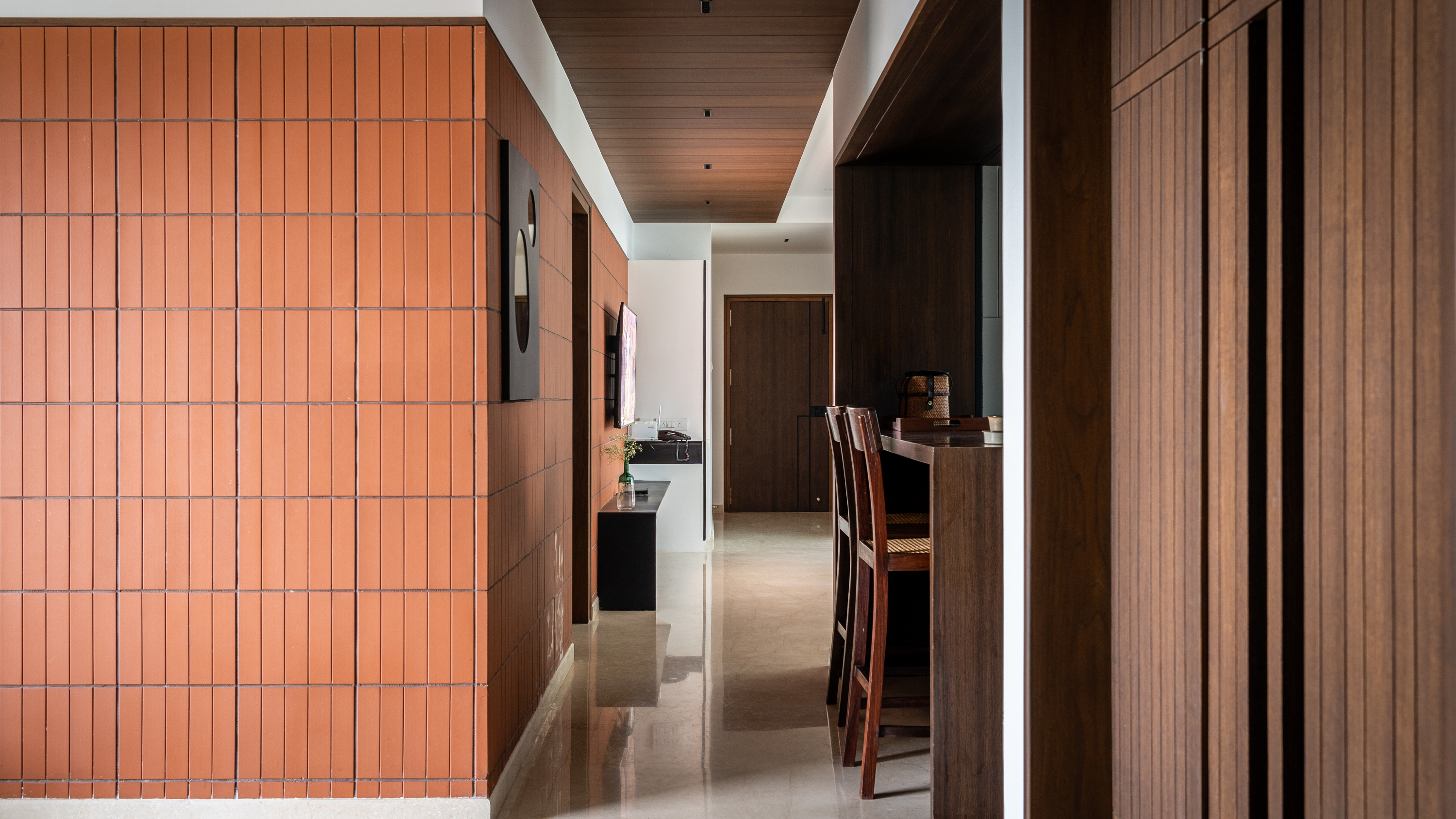
10 reasons you should be decorating with terracotta right now – and they're all incredible rooms that use this color

Now Showing | That’s Coal
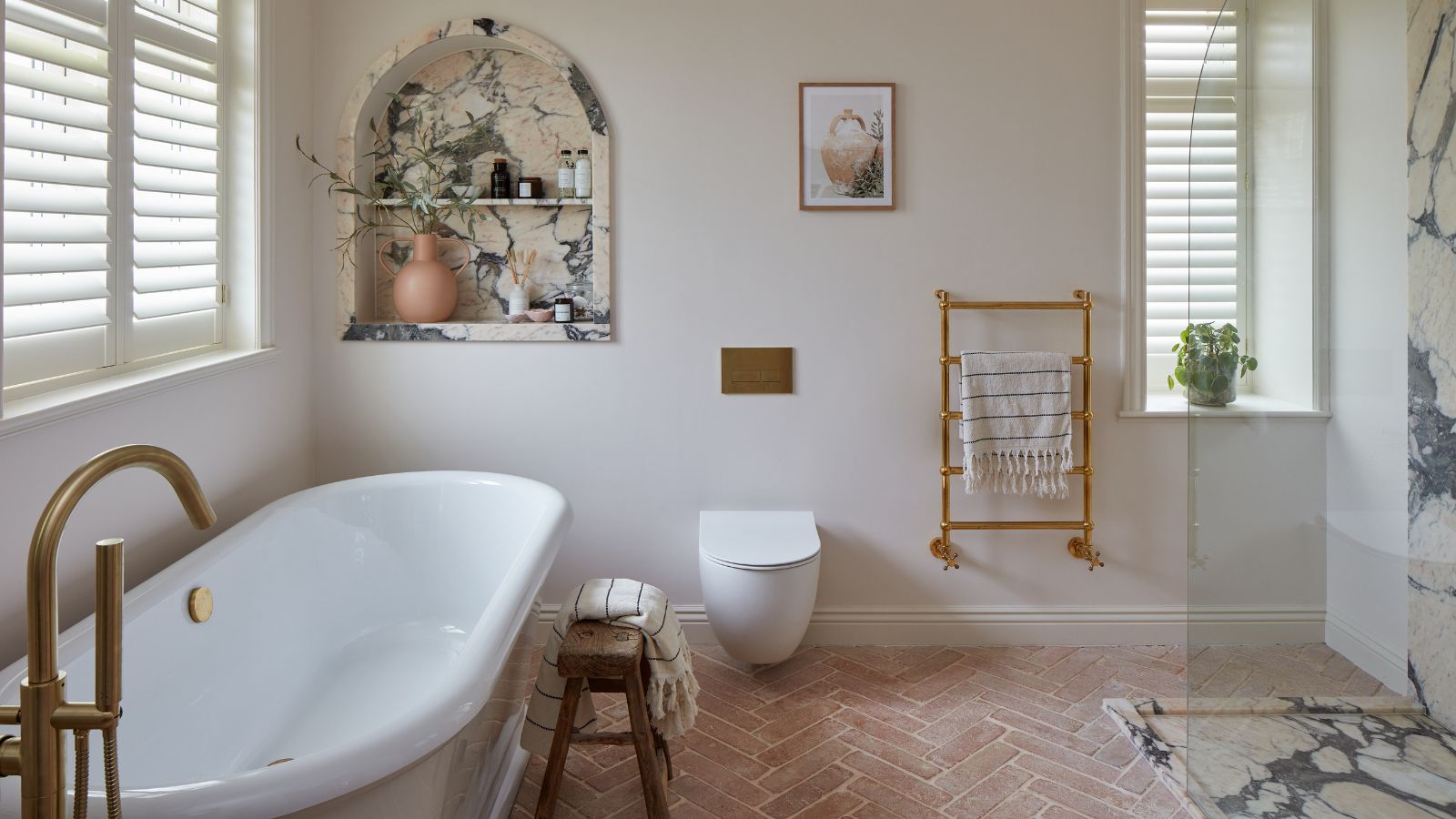
Should you use terracotta tiles in a bathroom? Designers weigh in on the enduring appeal of this age-old design

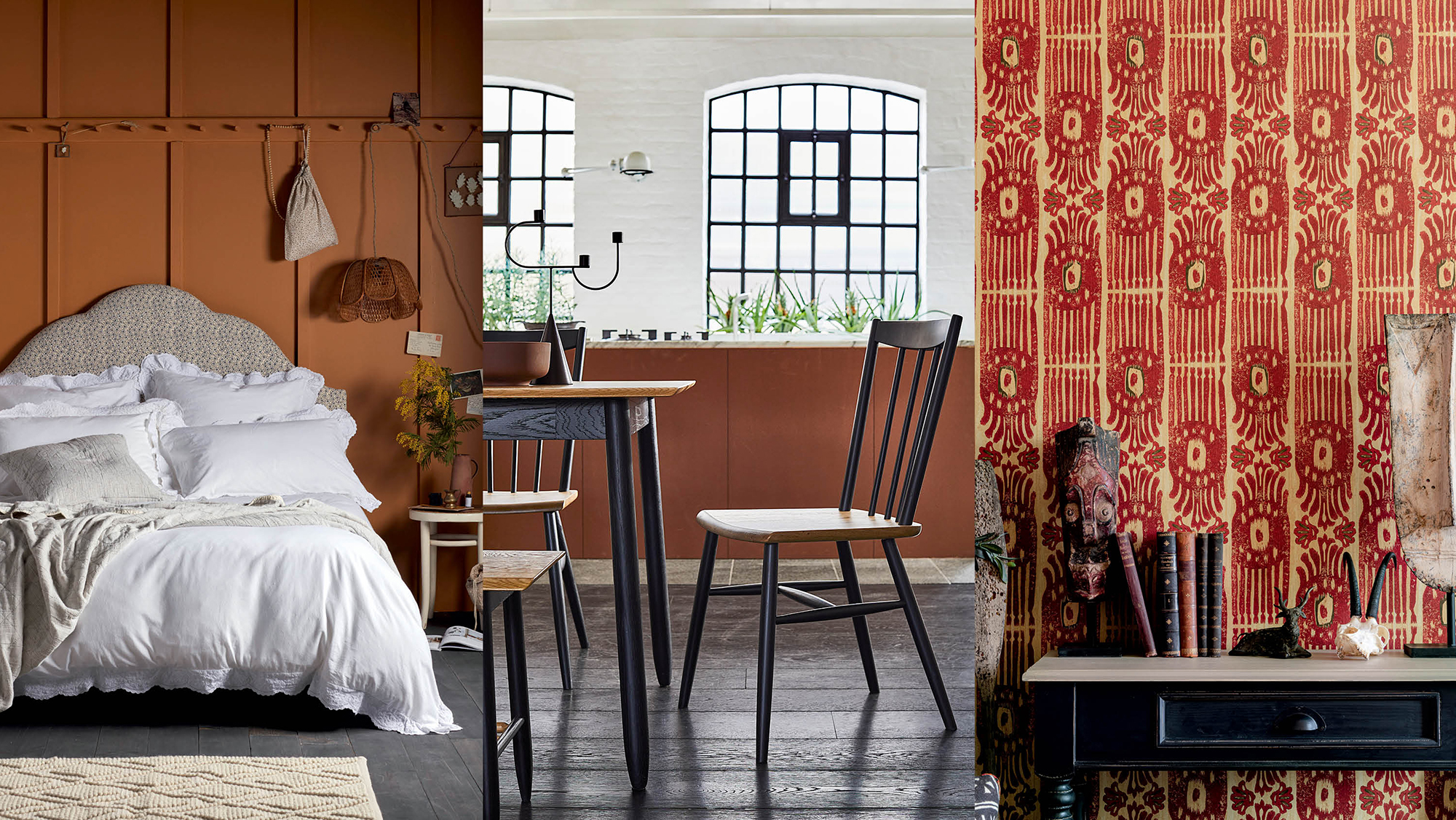
Terracotta decor – 10 ideas for using this warm, earthy shade
Why Desert Colors and Natural Materials Feel So Right Now

How to ground your space with terracotta tones
Terramater: the new sustainable porcelain stoneware by Marazzi
A Reminder That Travertine Isn't Just for Floors

6 best terracotta paints that are interior designers' go-tos for creating an earthy and warm scheme
Terrazzo Flooring Guide: How to Master the Art of Sustainable, Circular Design

2023 Tile Trends Feature Wellness, Sustainability And Resilience

What Colors Go With Terracotta? How to Complement This Timeless and Grounding, Earthy Tone
9 terra cotta colored finds for an earthy pop of color

Terracotta tiles are back – Mediterranean charm meets modern design
Terrazzo - the stuff of old hallway flooring - goes upscale