1/8
One Night in a Kaleidoscopic, Snake-Shaped Apartment Complex Near Mexico City
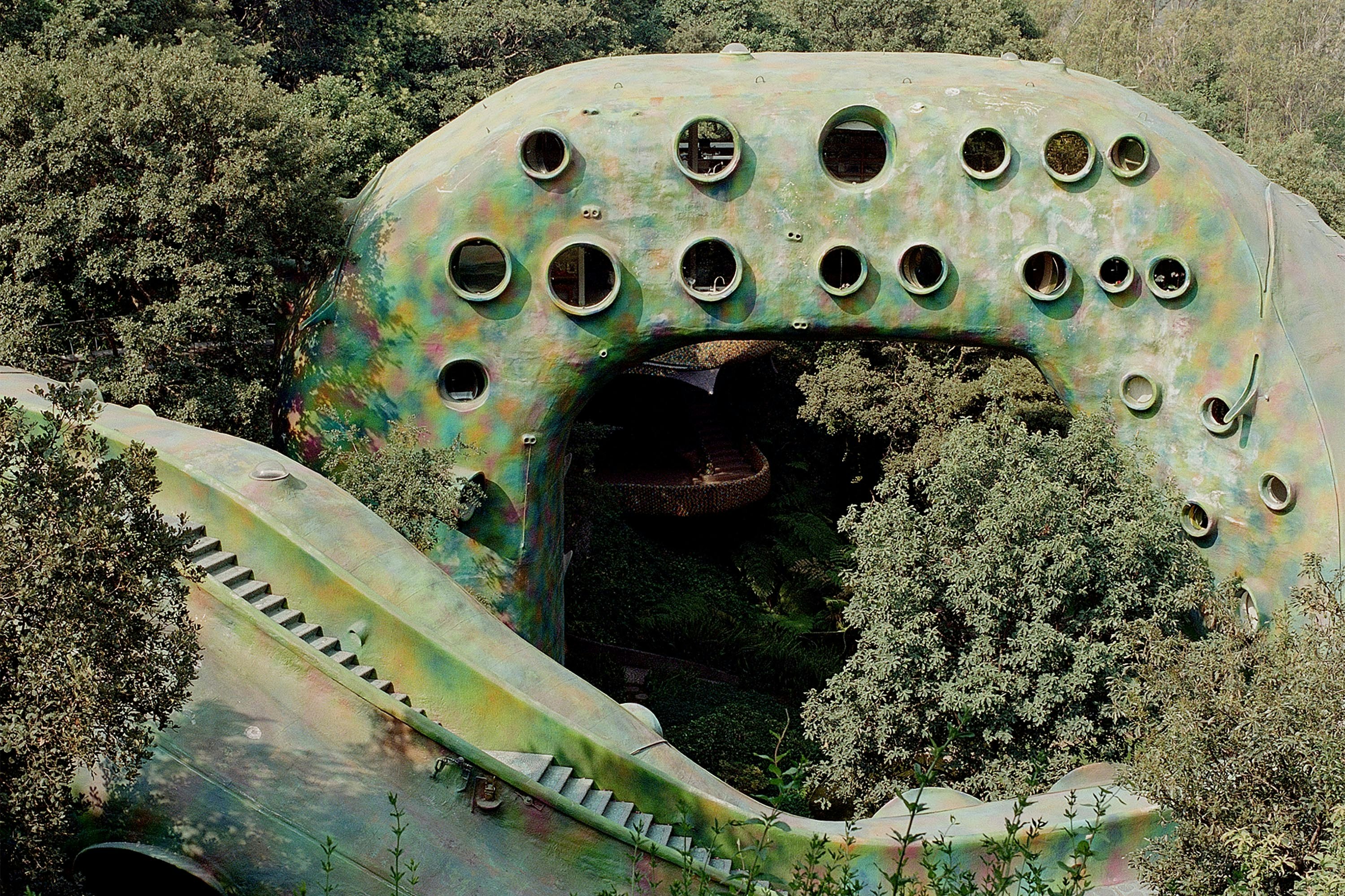
This article details a traveler's two-night, three-day experience staying at El Nido de Quetzalcóatl, an apartment complex designed by Mexican architect Javier Senosiain. The complex, located about 30 minutes outside Mexico City in Naucalpan, is inspired by the Aztec "feathered serpent" god, Quetzalcóatl, and is a notable example of organic architecture, a style that emphasizes harmony between buildings and their natural surroundings. The author, Maliah West, secured a last-minute booking for one of the two Airbnb-available apartments within the ten-unit complex, which she visited with her grandmother and sister.
The journey to El Nido de Quetzalcóatl began with a drive from Mexico City, transitioning from a dense urban landscape to scenic, faraway mountains. Upon arrival, the guests were met by a groundkeeper and led through a winding, stone-lined tunnel that forms the back of the snake's body, revealing the technicolor structure nestled within a lush forest. The apartment itself was characterized by a distinct lack of straight lines, featuring tiled spiral steps connecting its four levels, curved walls, rounded furniture, and large, circular windows. The interior design incorporated earthy materials like white terrazzo counters and light wood millwork, maintaining a minimalist aesthetic. The four levels included an office, a kitchen and living room, two bedrooms, and a principal suite with panoramic views of the serpent's head.
The experience continued with an exploration of the labyrinth-like grounds, including a brief, playful venture into a cave formed by the snake's open mouth. The host, Patricia, checked in on the guests and offered a tour of Parque Quetzalcóatl for the following day. Dinner was a home-cooked meal, followed by an evening spent reviewing a welcome box with local recommendations and a property guide, reinforcing the unique nature of the stay. The first night ended with the property enveloped in darkness, allowing glimpses into neighboring units, all sharing similar muted palettes and circular windows.
The second day included the promised tour of Parque Quetzalcóatl, led by Patricia and joined by another family. Patricia explained the inspiration behind the Quetzalcóatl design, noting how the building's iridescent facade, made of ferro-cement airbrushed with vibrant oranges, blues, and greens, emulated the mythical god's feathers. The park itself is a expansive area featuring a sculpture garden and a reserve for local plant life. Highlights of the tour included the Jardín Flores with its chameleon and snake-shaped hedges, a forested bamboo path leading to a lake with "spaceship-looking" structures designed to simulate being in the womb, and the Plant Kingdom. The Plant Kingdom, accessed via a dimly lit tunnel with mosaic tiles, revealed a room with giant stained-glass windows and a stone fountain, serving as a nursery for fruits, vegetables, and herbs grown for residents. The tour concluded with a visit to a small on-site museum showcasing miniature models of Senosiain’s works and a meditation session focusing on birthing ideas. Following the tour, guests observed subtle signs of the complex's full-time residents, such as laundry and a house cat, before spending the evening photographing their apartment and watching an episode of "The World’s Most Amazing Vacation Rentals" filmed at the complex.
On the final morning, the guests rose early to savor their last hours at the property. They ventured to the end of the cave in the serpent's mouth, discovering it opened to a small garden. The overall experience left them with a profound appreciation for the magical and uniquely designed environment created by Javier Senosiain.
#OrganicArchitecture #JavierSenosiain #ElNidoDeQuetzalcoatl #MexicoCity #ArchitecturalDesign #UniqueAccommodation #TravelExperience #SustainableDesign #ArchitecturalHistory #OrganicArchitecture #JavierSenosiain #ElNidoDeQuetzalcoatl #MexicoCity #ArchitecturalDesign #UniqueAccommodation #TravelExperience #SustainableDesign #ArchitecturalHistory
 No comments yet
Moody LEDs Turn This Mexico City Abode Into a Neon Sculpture at Night
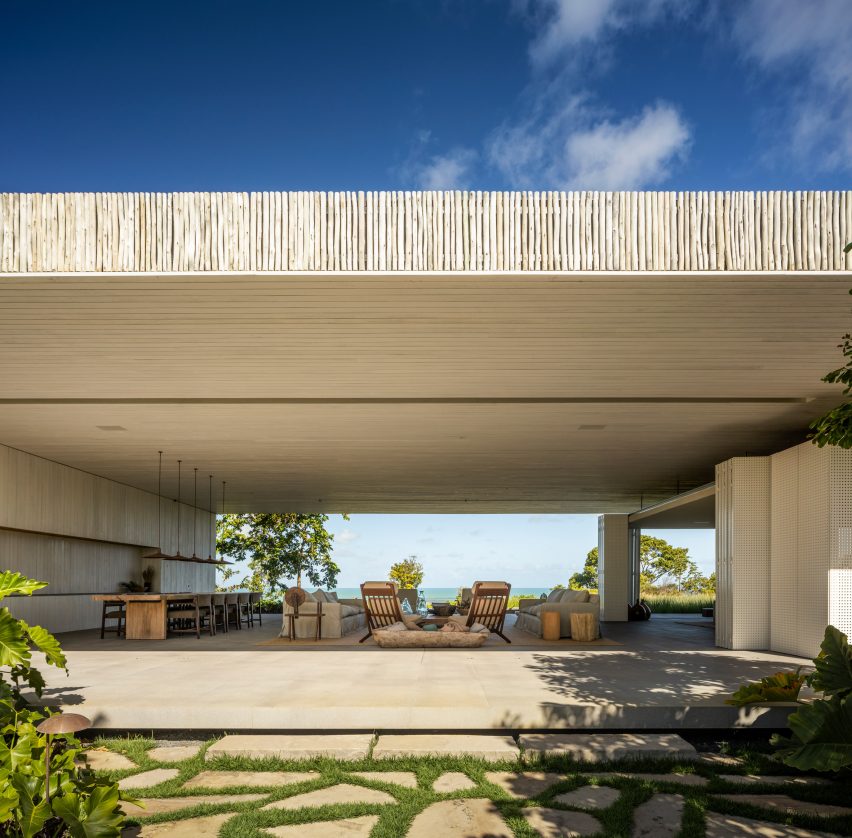
Studio MK27 nests living areas under giant roof of Brazilian beach house
This Hotel Has Mexico City’s Only Suite With An Outdoor Infinity Pool

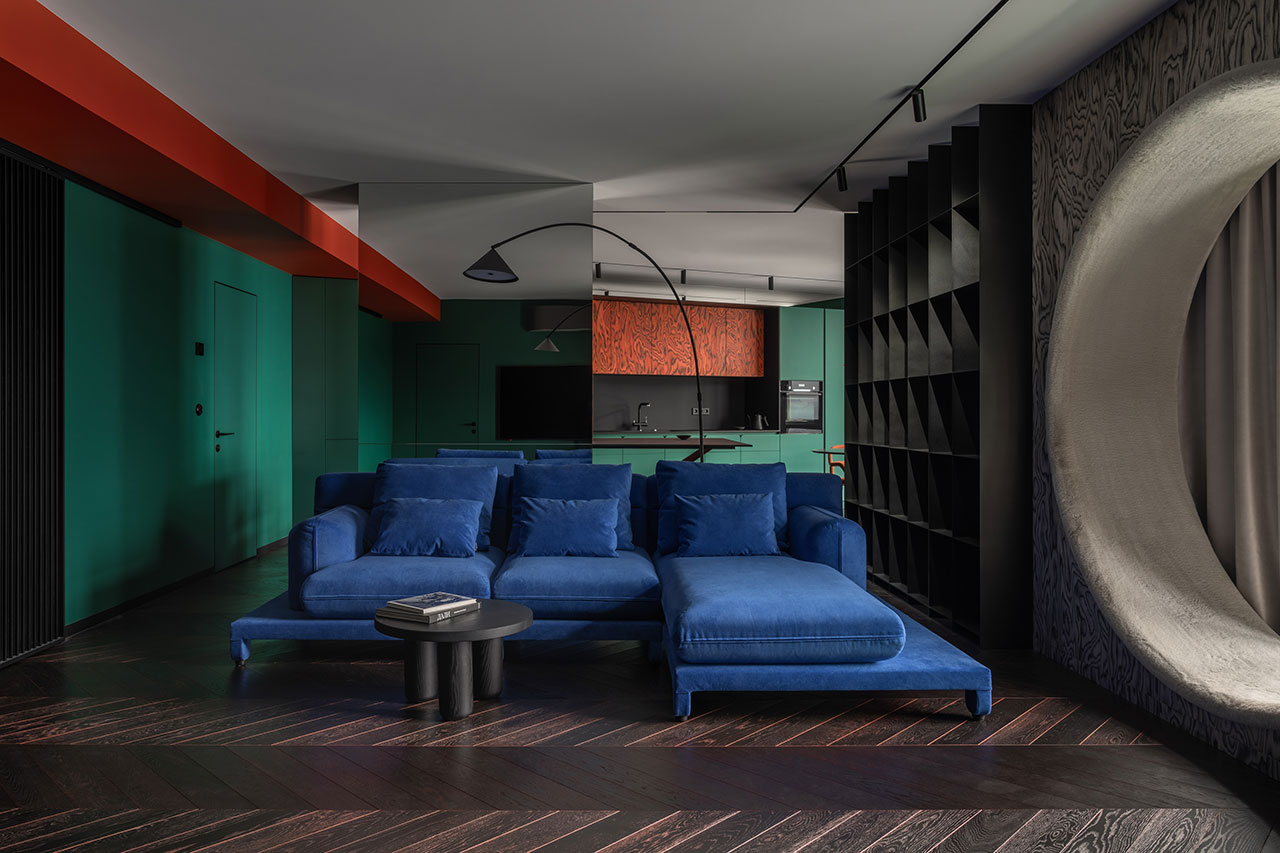
The Apartment With a Lizard Is a Bold, Surrealist Home in Kyiv

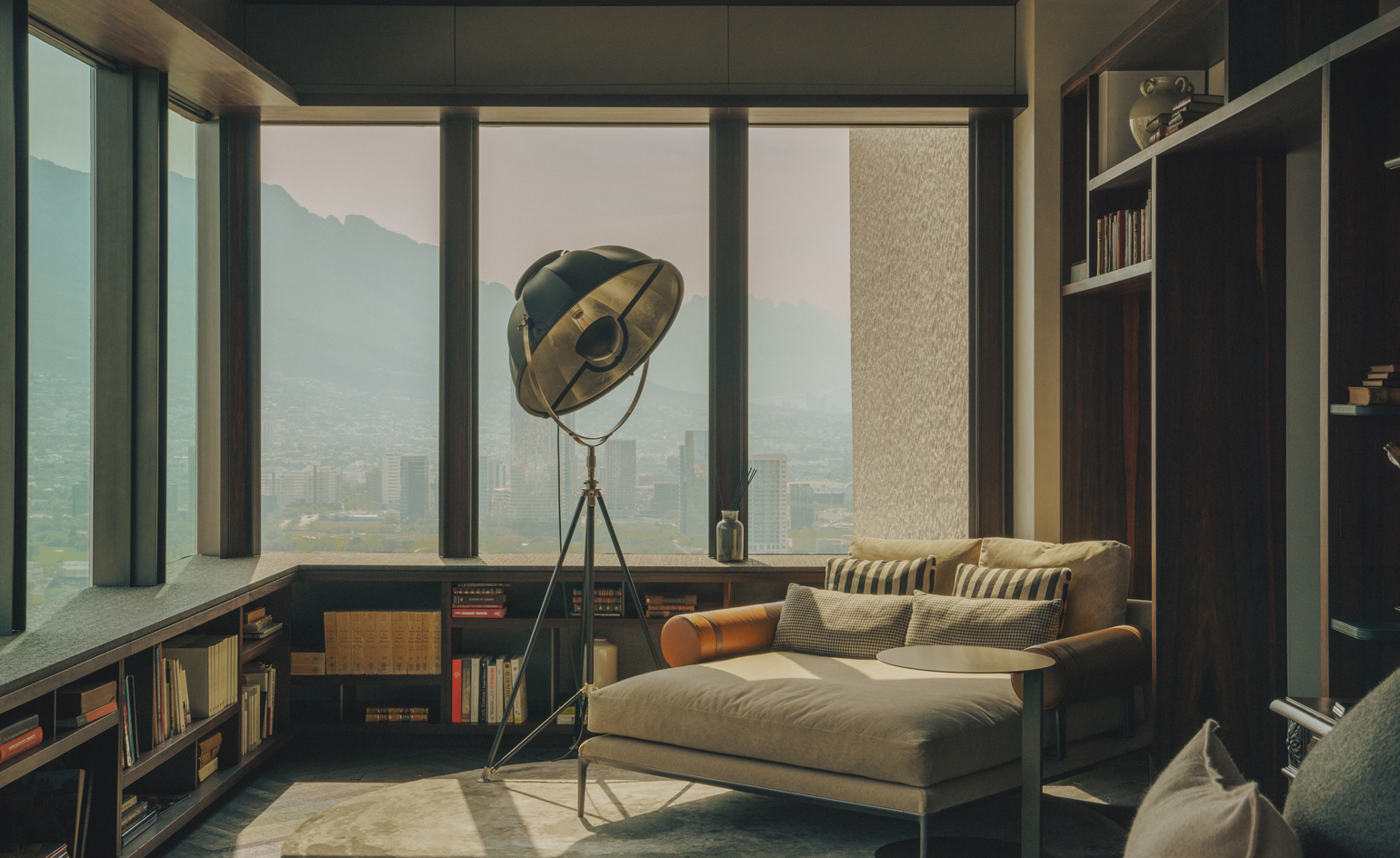
This Mexico penthouse is inspired by a New York loft
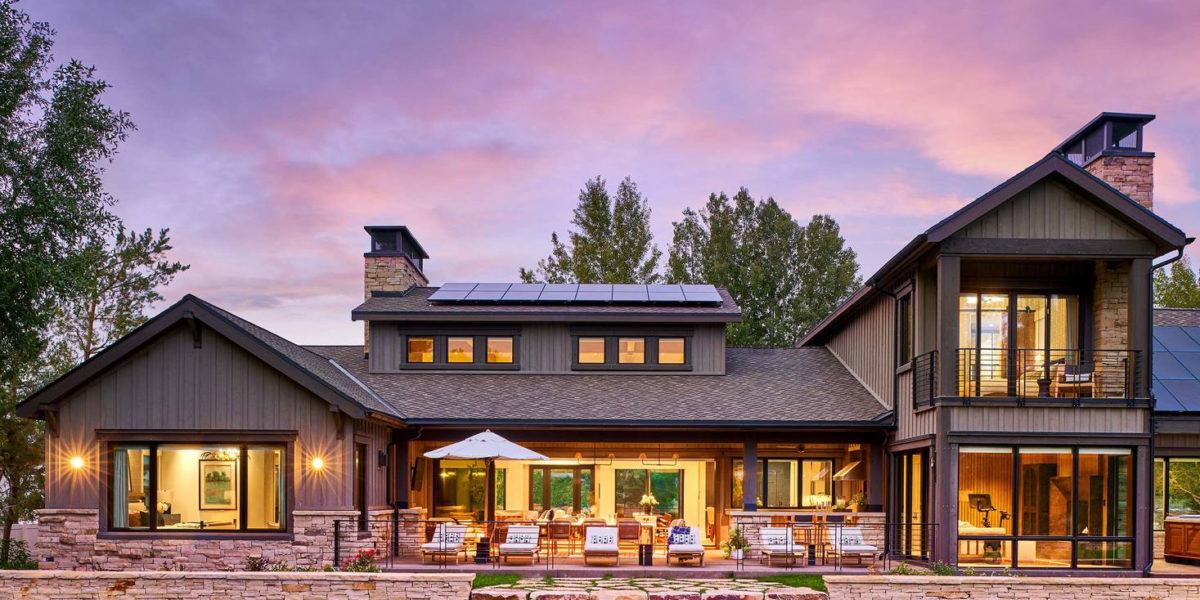
Living The ‘Modern Americana’ Dream in a Park City Mountain Retreat

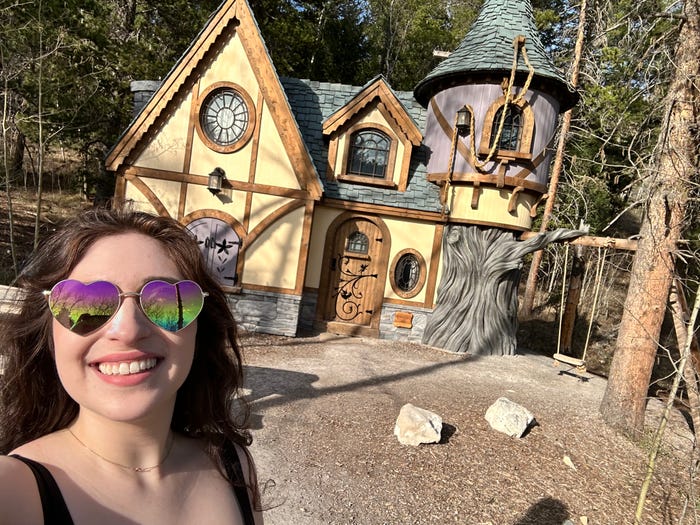
Inside Rapunzel Tiny Home You Can Rent for $242 a Night
Barrel-Vaulted Ceilings Cap an Architect’s Off-Grid Retreat in Mexico
A vacation home provides a tropical escape in the middle of the city