1/8
The Kaleidoscopic World of Amish Women’s Quilts
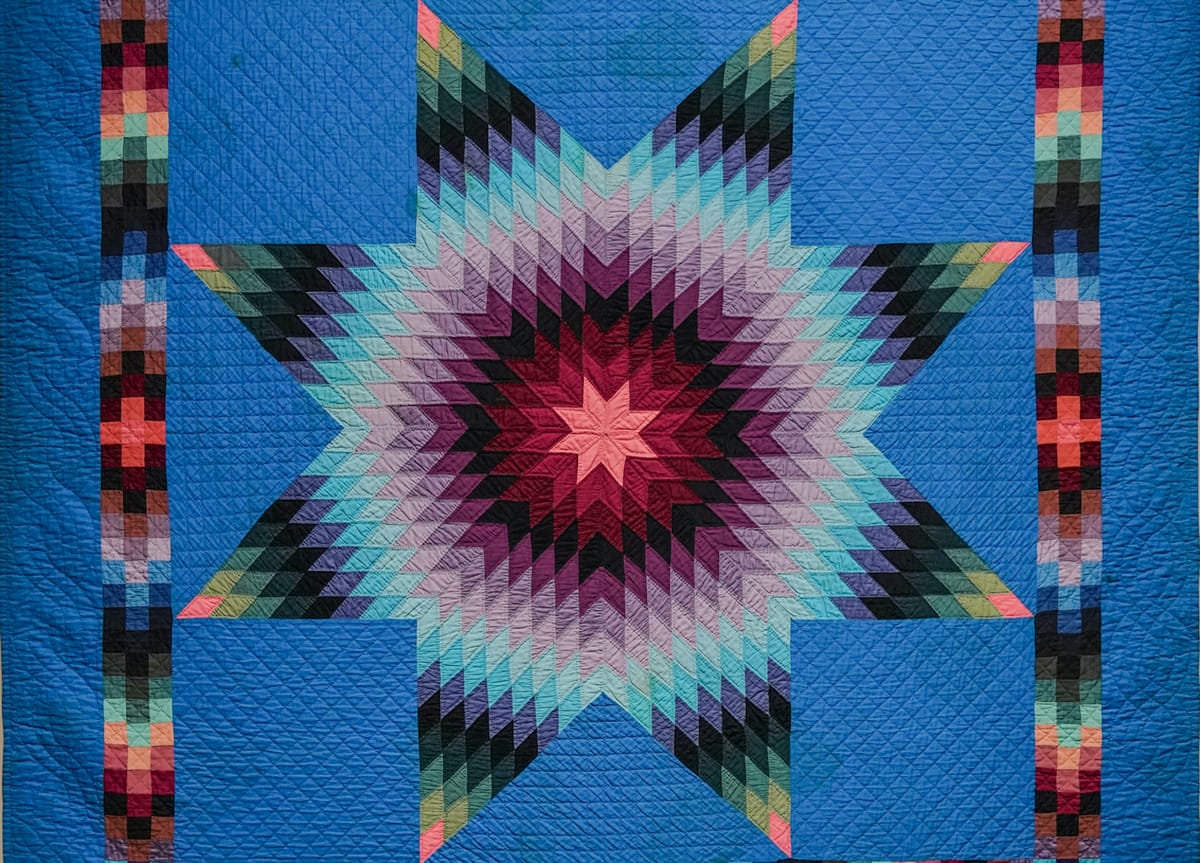
The exhibition "Pattern and Paradox: The Quilts of Amish Women" at the Smithsonian American Art Museum (SAAM) showcases 50 vibrant quilts, challenging the common perception of Amish communities as solely focused on modesty and a humble way of life. These quilts, drawn from a collection of 130 pieces recently gifted by art collectors Faith and Stephen Brown, were sewn in Amish settlements across Pennsylvania, Ohio, Indiana, and Illinois between the 1880s and the 1940s. This period marks the widespread adoption of quilting within Amish communities, occurring after the general mid-19th-century quilting craze had subsided, making the craft appealing to the "trend-reluctant Amish" as noted by quilt historian Janneken Smucker.
Initially crafted as functional bed coverings or personal keepsakes, these textiles were not conceived by their creators as art for display in museums. However, in the early 1970s, Amish quilts gained significant popularity among collectors who recognized their visual parallels with modernist abstraction. This led to their inclusion in prominent exhibitions at institutions like the Whitney Museum of American Art and SAAM’s Renwick Gallery. This newfound recognition, however, created discomfort within Amish communities, as the idea of their creations being valuable, museum-worthy artworks contradicted their original intentions. Co-curator Leslie Umberger highlights that Amish families subsequently began to "divest themselves" of these pieces.
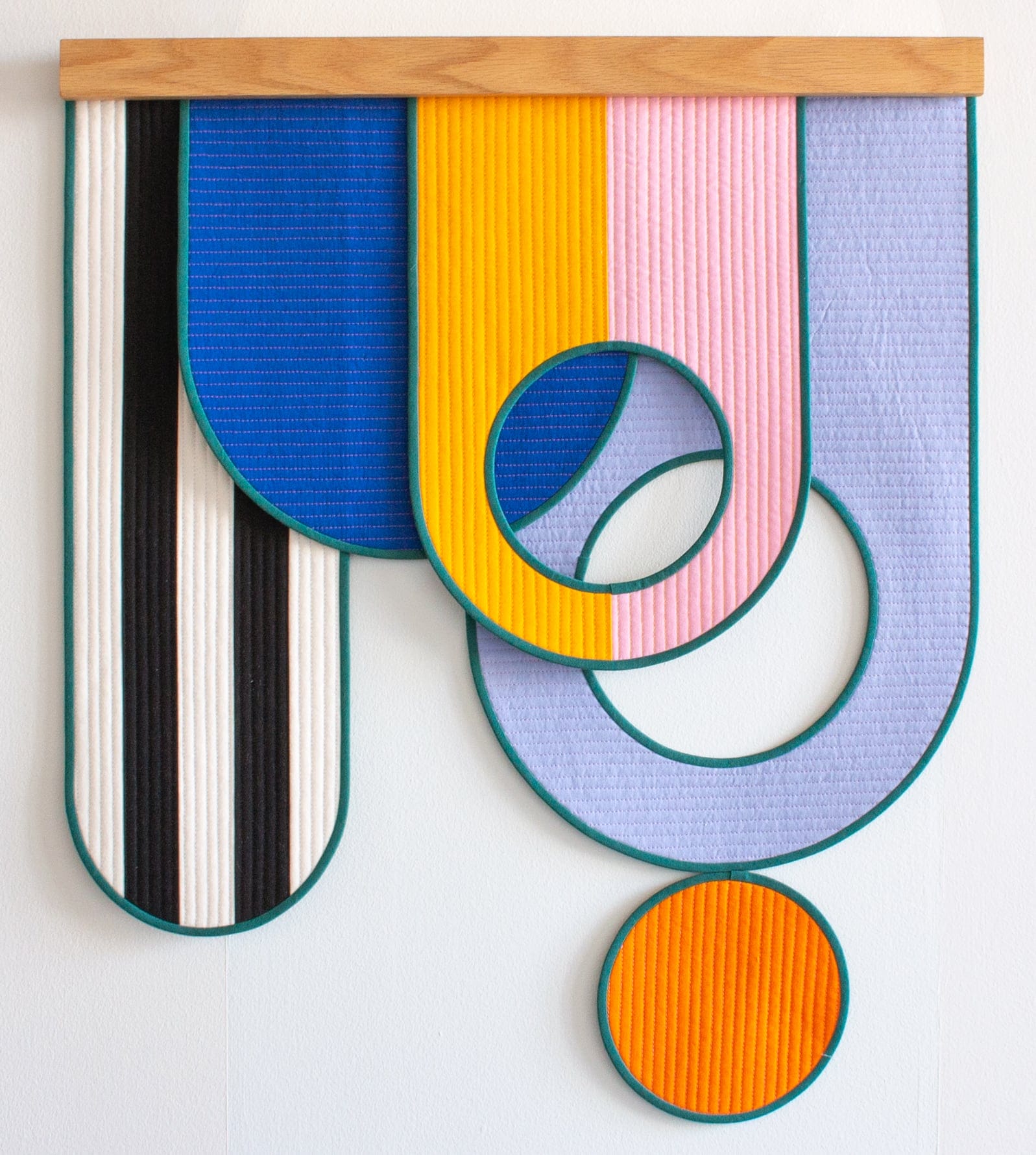
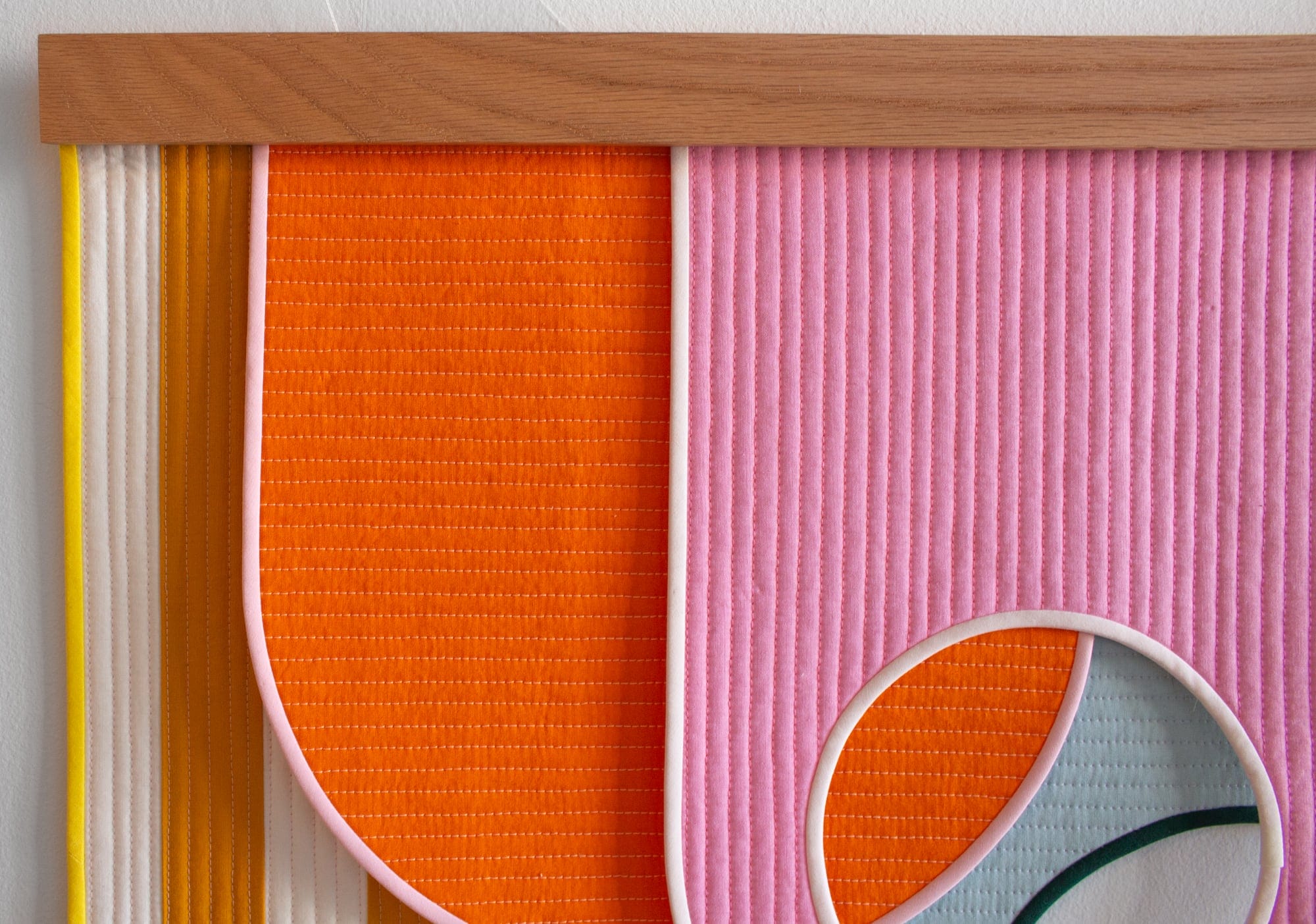
The response among Amish quilters varied. Some opted to purchase bedding instead of making it, while others began creating quilts specifically for non-Amish customers as a source of income. Creative practices also diverged, with some quilters adapting their color palettes to be less appealing to collectors, while others maintained their traditional "old dark quilts." The quilts featured in "Pattern and Paradox" predate this mainstream attention, characterized by bold, geometric arrangements of solid-colored fabrics, enhanced by meticulous quilting – the intricate stitching that binds the layers and adds decorative flair.
The exhibition is organized around various patchwork piecing patterns, blocks, and variations, offering an insight into the diverse styles and techniques employed by Amish women during the late 19th and first half of the 20th centuries. It also reveals regional aesthetic preferences, such as the "strema" or "bars" quilts with wide vertical stripes, a classic pattern from Lancaster, Pennsylvania. Women collaboratively created these quilts, sharing cardboard templates and assisting each other with piecing, marking, quilting, and binding. The designs feature tessellating squares, rectangles, stripes, stars, triangles, and fan shapes. "Tumbling block" quilts create optical illusions with precise diamond patterns, while "center square" or "plain quilts" emphasize open fabric expanses that frame intricate hand-quilted motifs like feathered wreaths, grapevines, cross-hatching, and scallops.
Collectively, this exhibition demonstrates how patterns serve as both foundational elements of tradition and catalysts for dynamic, evolving creative experimentation, proving that even seemingly "plain quilts" possess a striking visual appeal.
#AmishQuilts #TextileArt #AmericanFolkArt #ExhibitionReview #SmithsonianAmericanArtMuseum #QuiltingHistory #GeometricPatterns #CulturalHeritage #TraditionalCrafts #AmishQuilts #TextileArt #AmericanFolkArt #ExhibitionReview #SmithsonianAmericanArtMuseum #QuiltingHistory #GeometricPatterns #CulturalHeritage #TraditionalCrafts
0 comment in total
 No comments yet
You may also like
Immaterial : Blankets and Quilts
Full of handmade quilts and vintage finds, this home offers the warmest welcome

When Hollywood Needs a Historically Accurate Outfit That Looks Just Right, It Turns to Rabbit Goody
DRAMA IN THE SIMPLE – AROUND THE FRAME

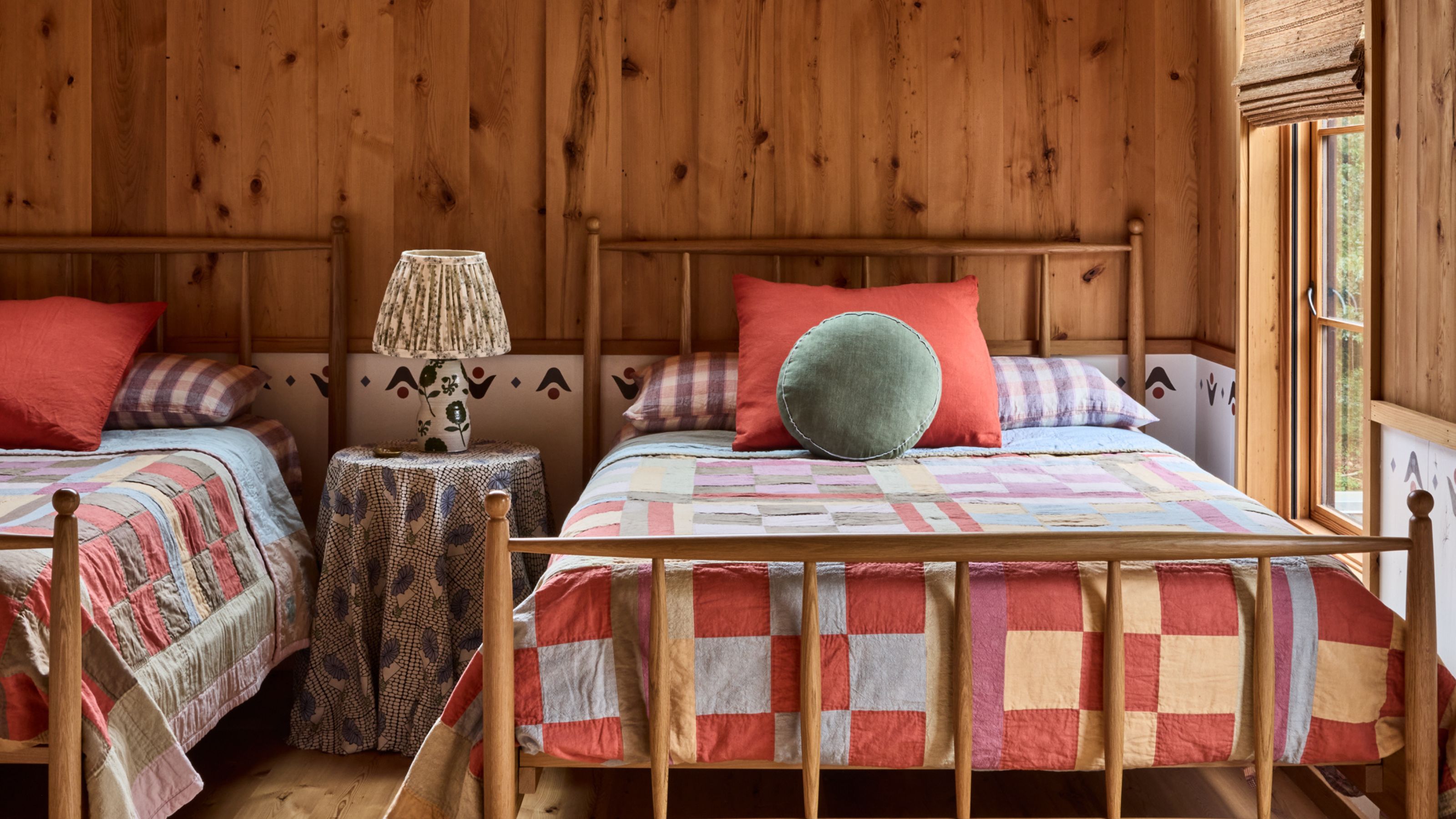
Better Vintage: ‘A Patchwork of Place and Memory’ – Why Vintage Quilts Remain Collectible, Practical and Deeply Personal
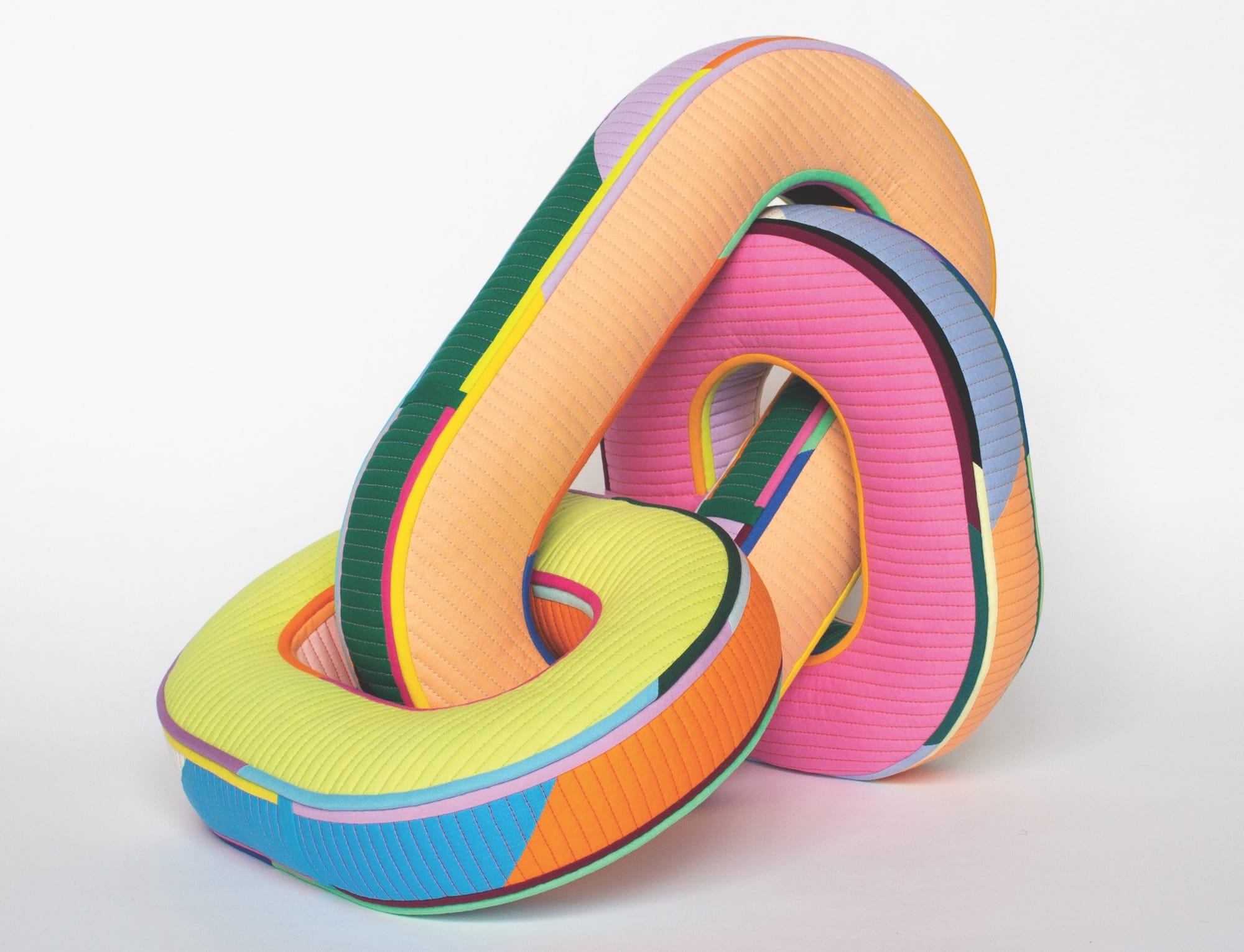
Emily Van Hoff Sculpts Facets of Color in Vibrant, Dimensional Quilts

Quilt school - 4 Jun 2025 - Today's Quilter Magazine

Textile Designer Esha Ahmed Joins Joy Moyler for a Conversation on Global Weaving Arts
Woven Floral Wall Hangings by Alyssa Ki Will Last Forever

Quilt artists create textiles to admire or cozy up with Trend decor decor Textiles home

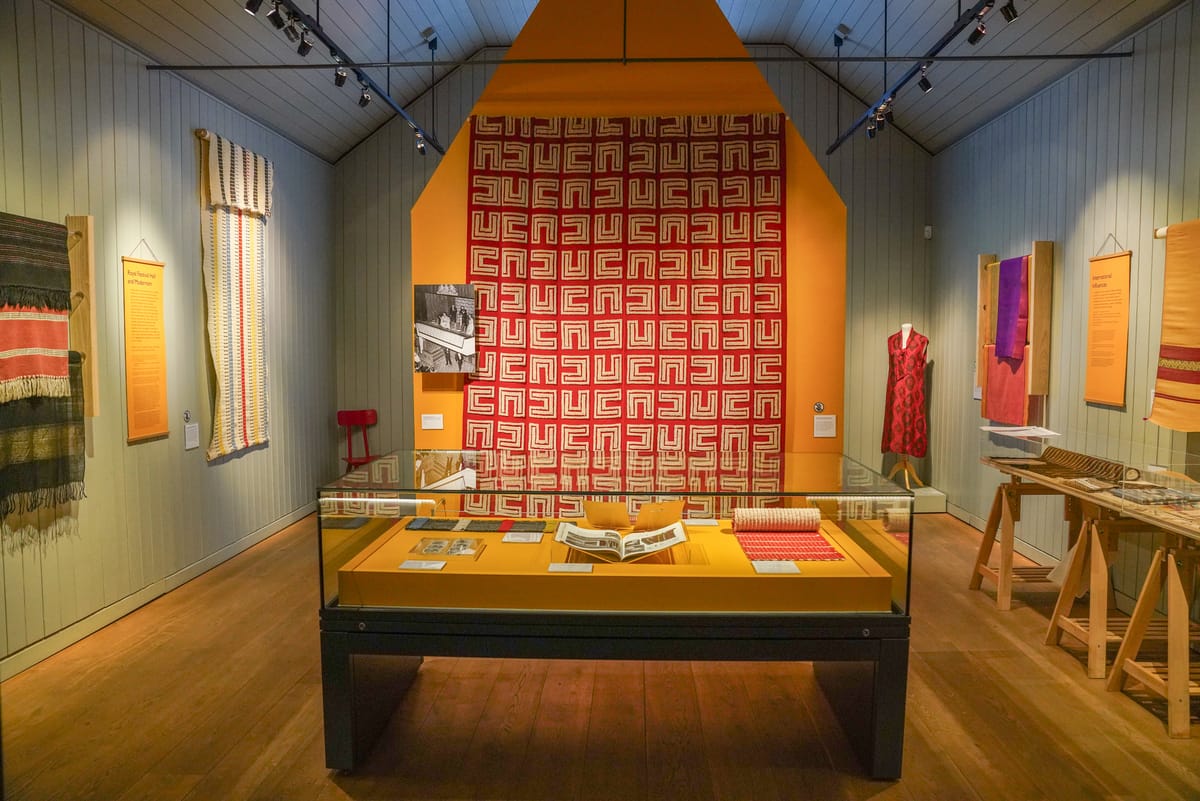
The Forgotten History of Bourne and Allen’s Mid-Century Textiles
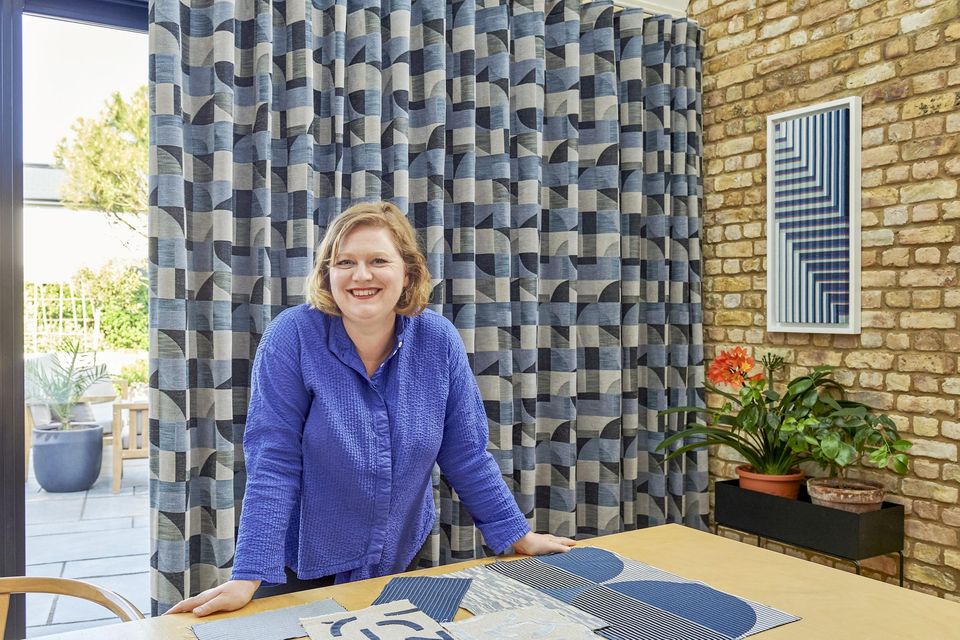
How to use woven fabrics to add texture to your interior space
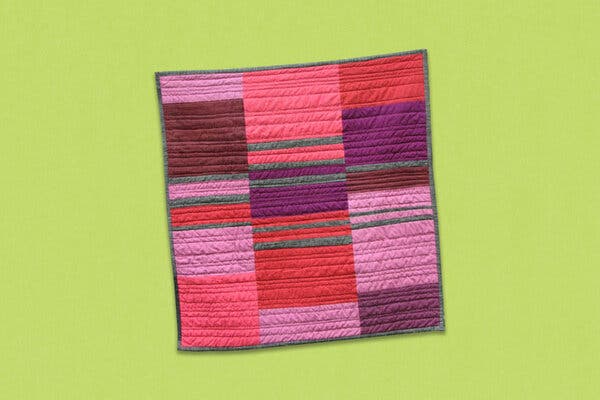
Quilts That Play with Color and Pattern

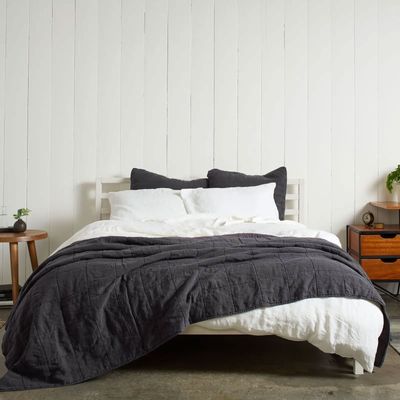
The 23 Very Best Quilts
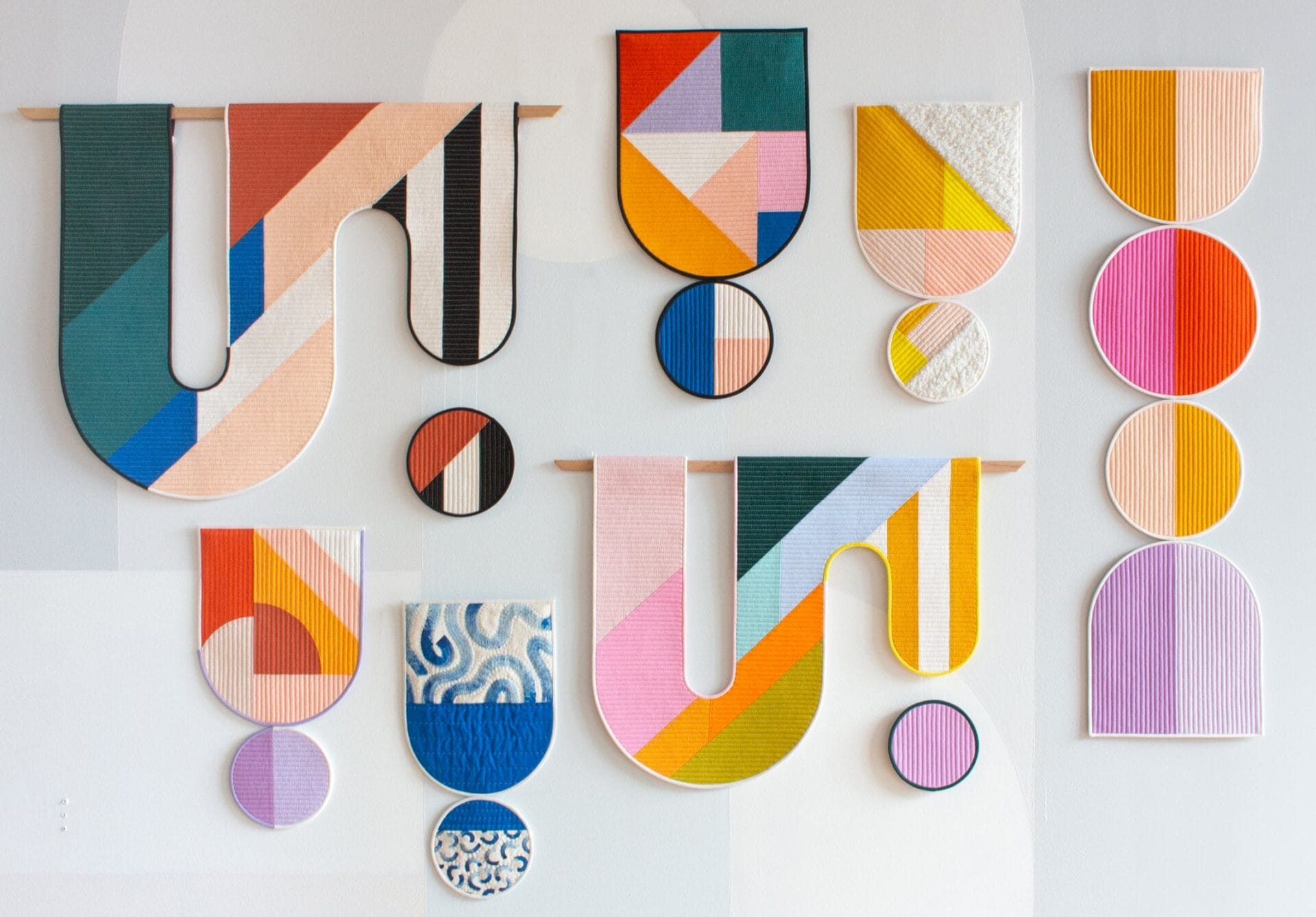
Color-Blocked Wall Hangings Stitch Graphic Design Principles into Quilts by Emily Van Hoff
'Maine Cabin Masters' Star Ashley Morrill Launches Home Decor Line - Rustic Country

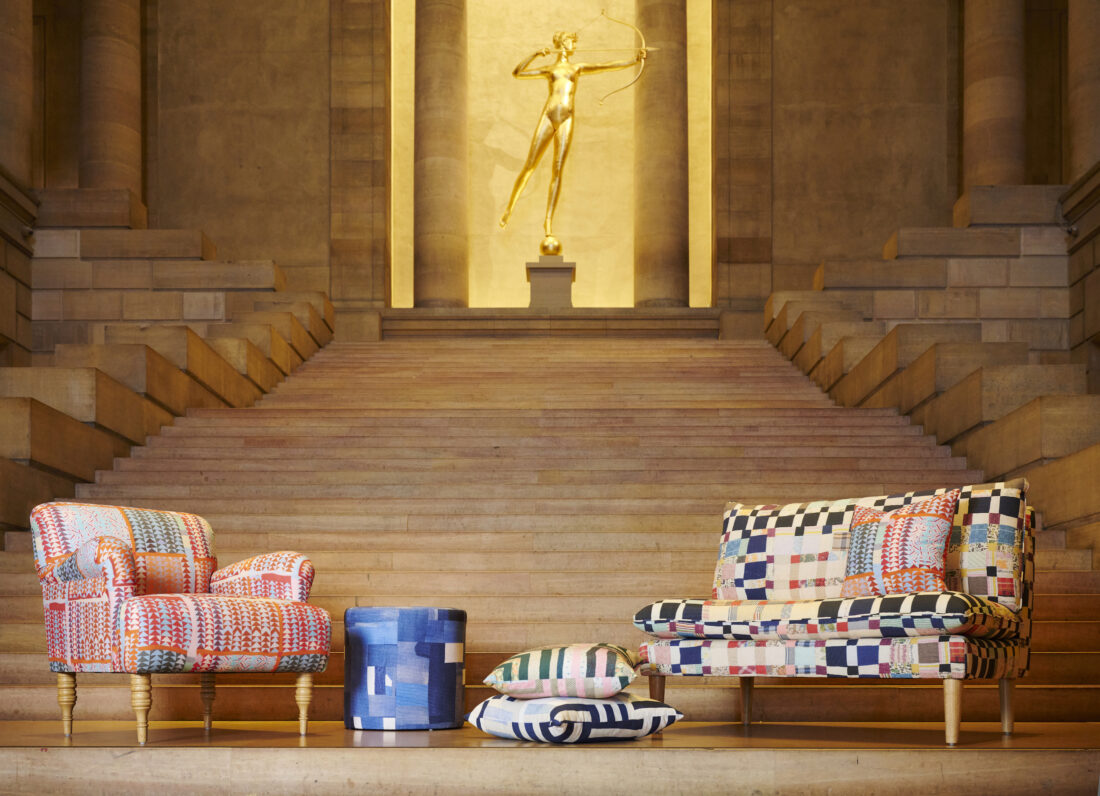
Gee’s Bend Quilts Star in a Beautiful New Furniture Collection
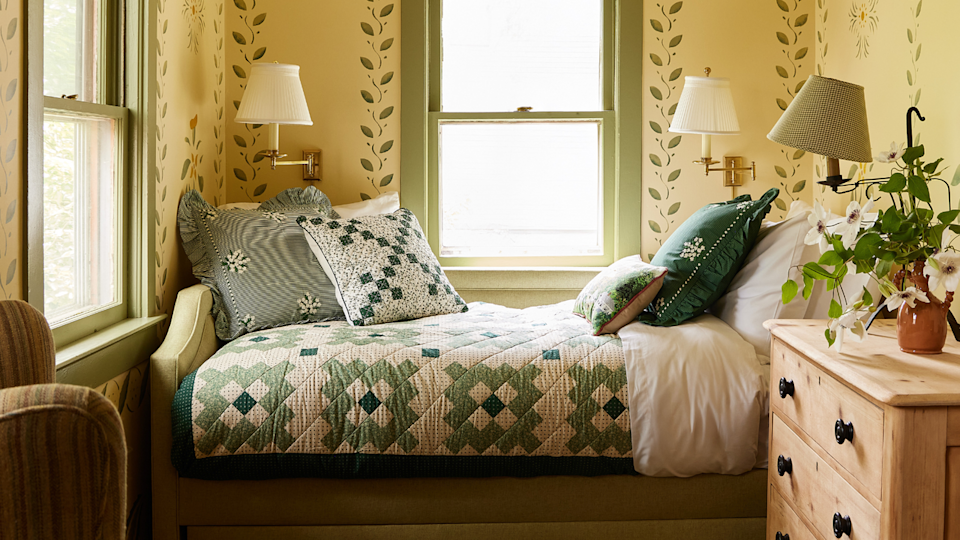
My great-grandmother's patchwork quilt has all of a sudden become the most on-trend piece in my home – I asked designers why we are loving this nostalgic trend this summer
Meet Sophie Stone, the Textile Artist Melding Classic Crafts With Contemporary Narratives

The best quilts are so cozy, even your great-grandma would approve