1/18
17 Space-Defying Ways to Divide a Bedroom Into Two Rooms — And It Doesn't Have to Involve Building a Wall
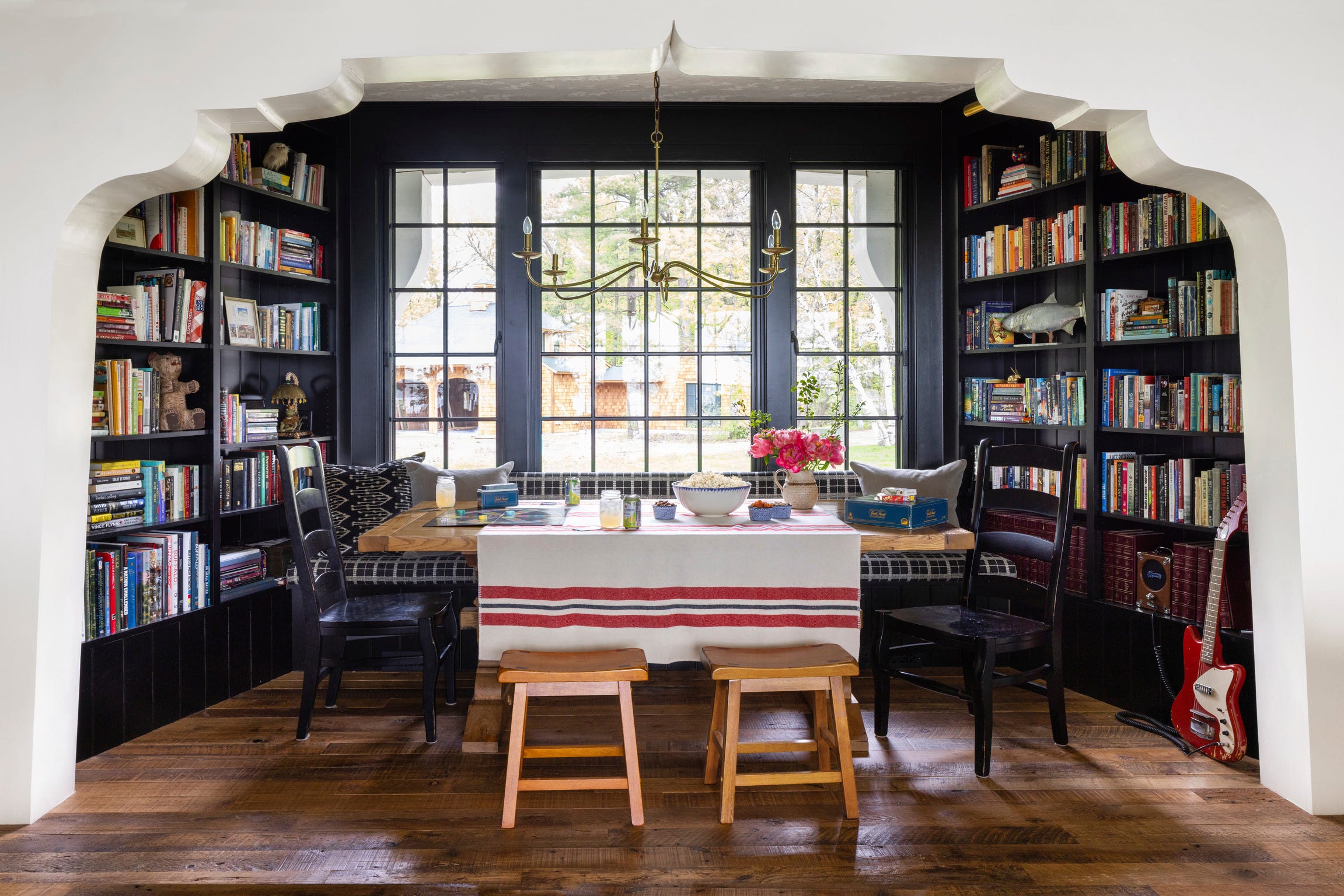
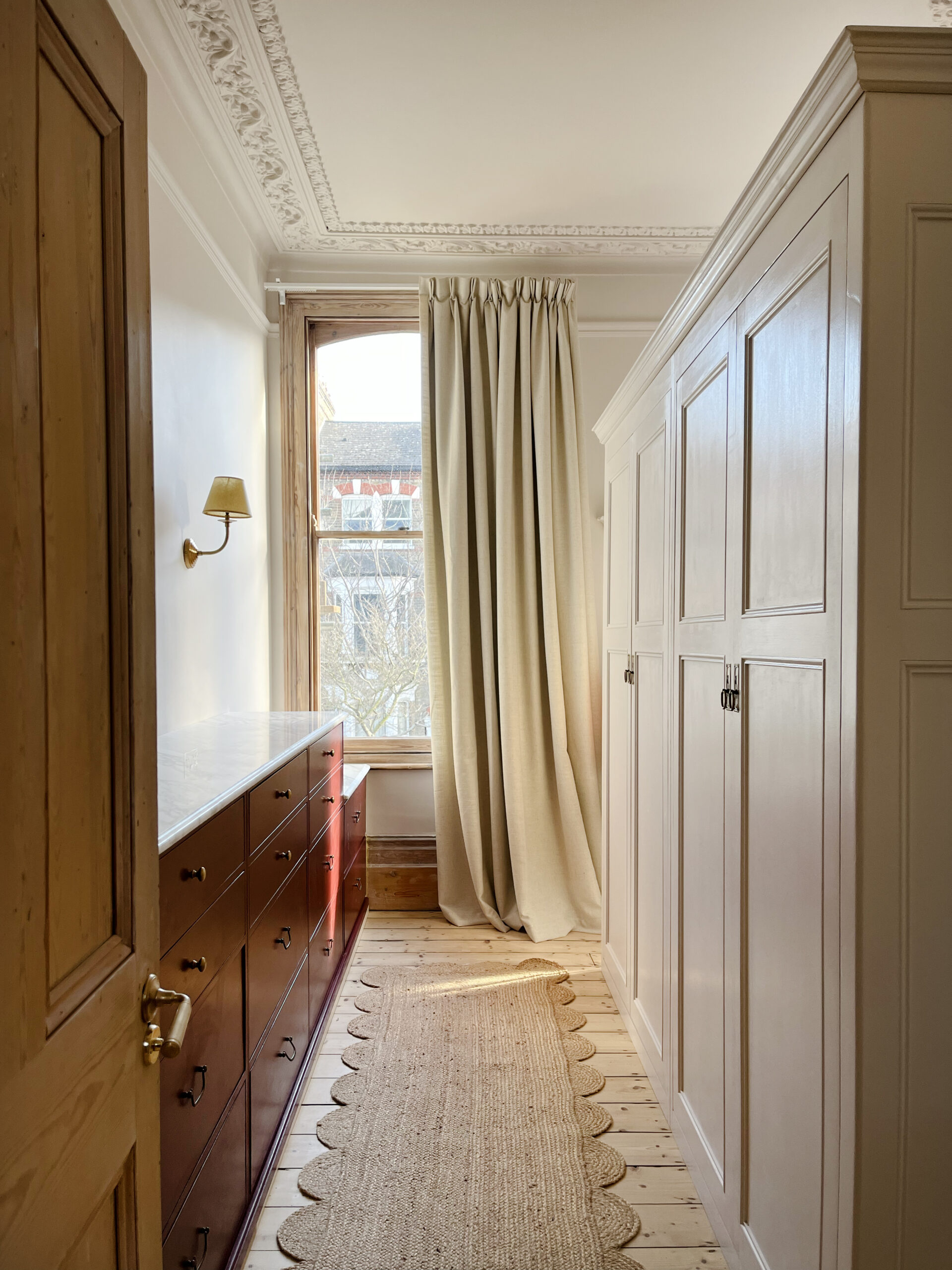
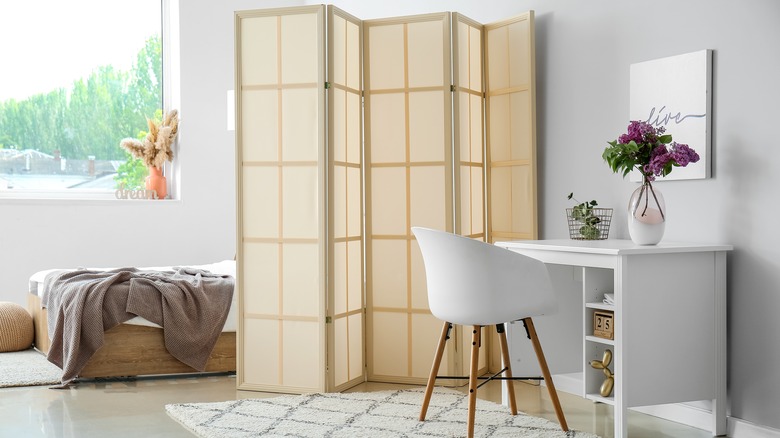
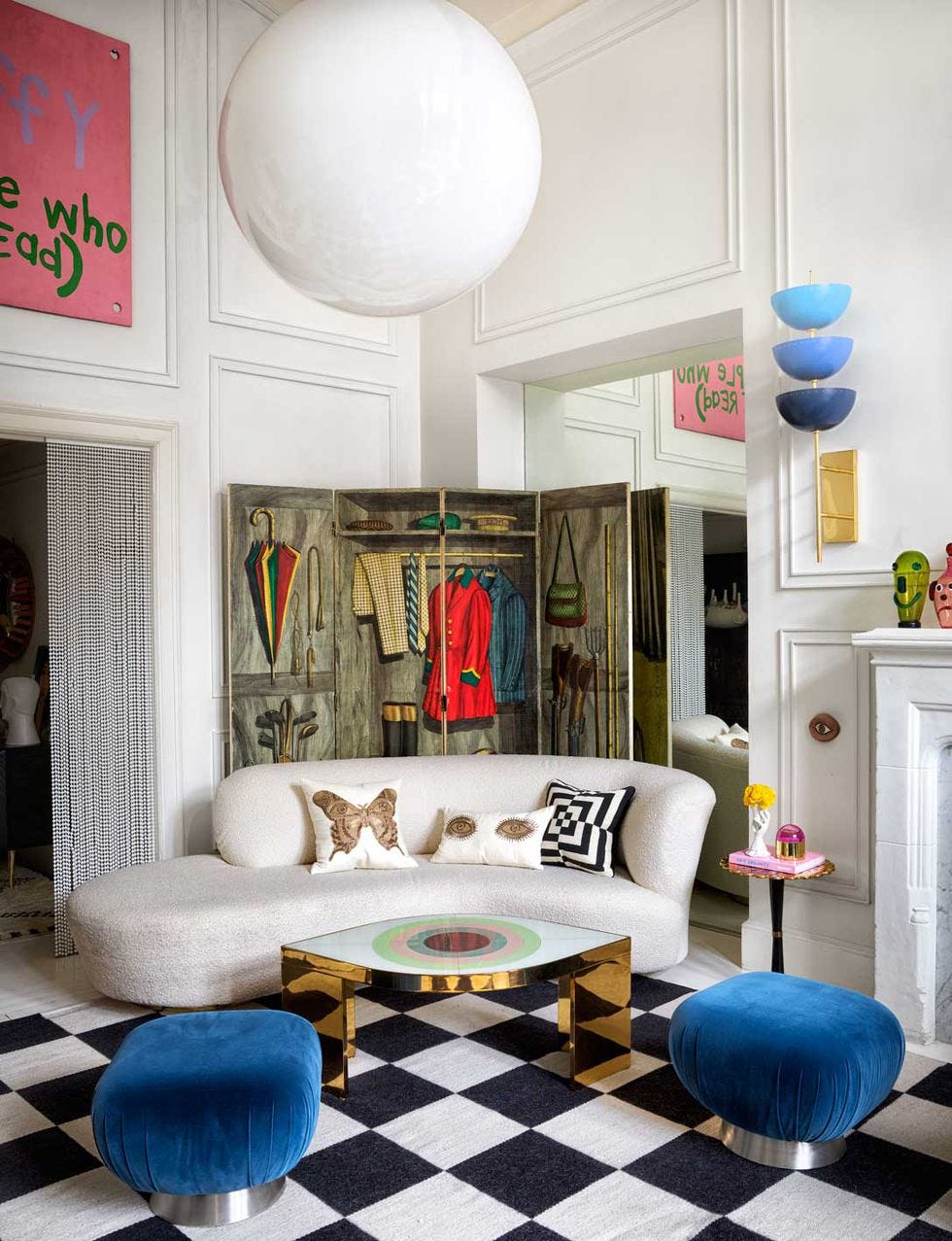
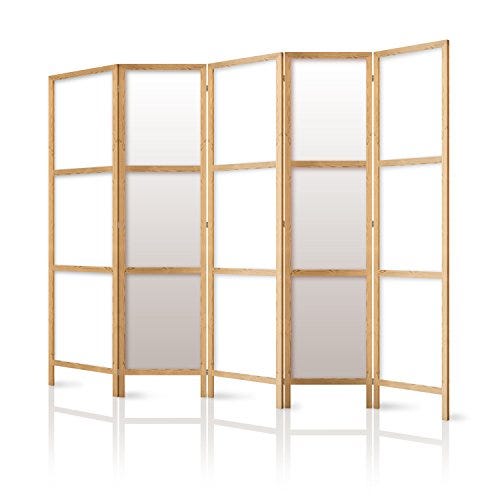
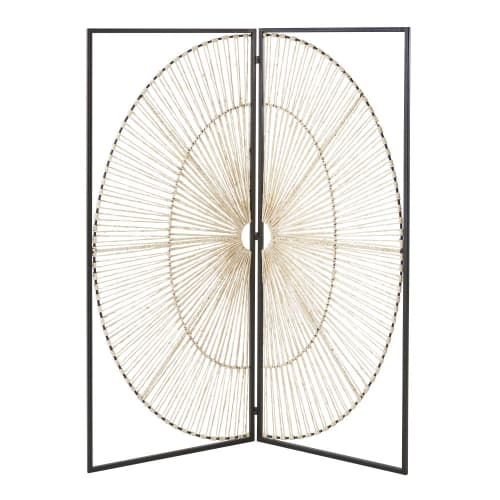
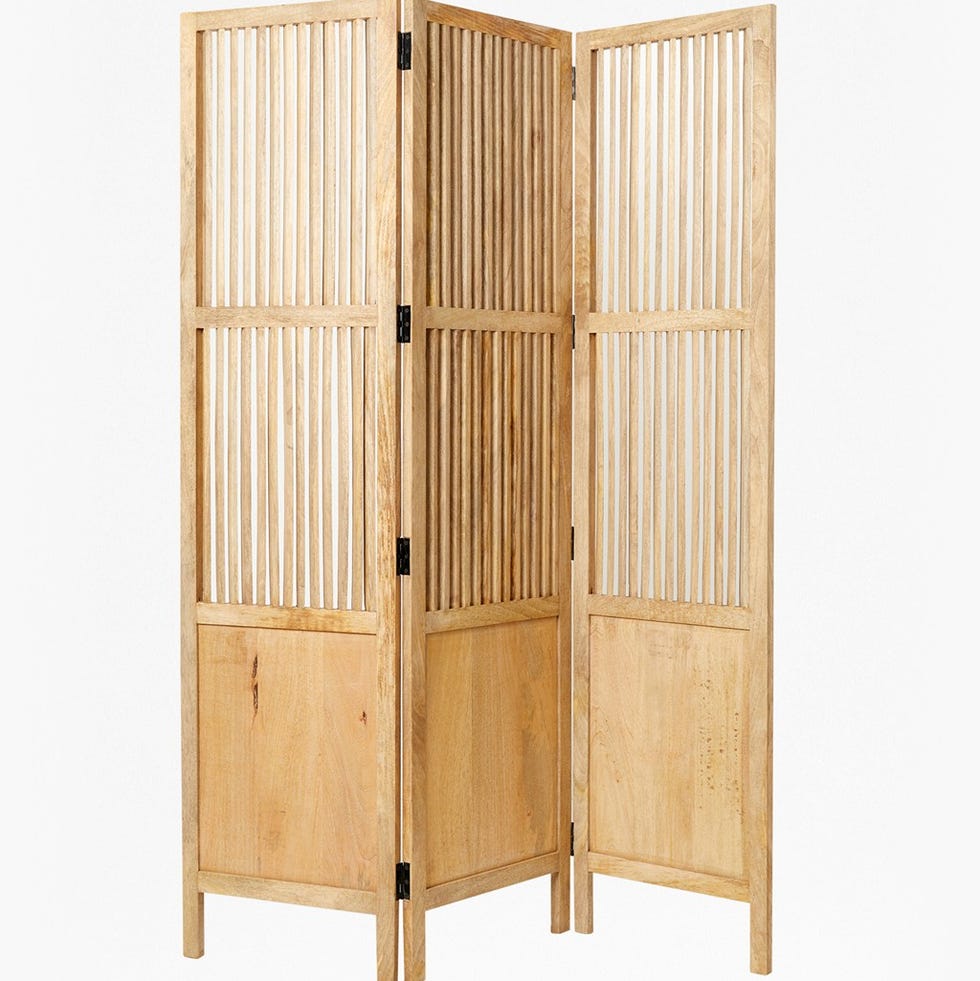
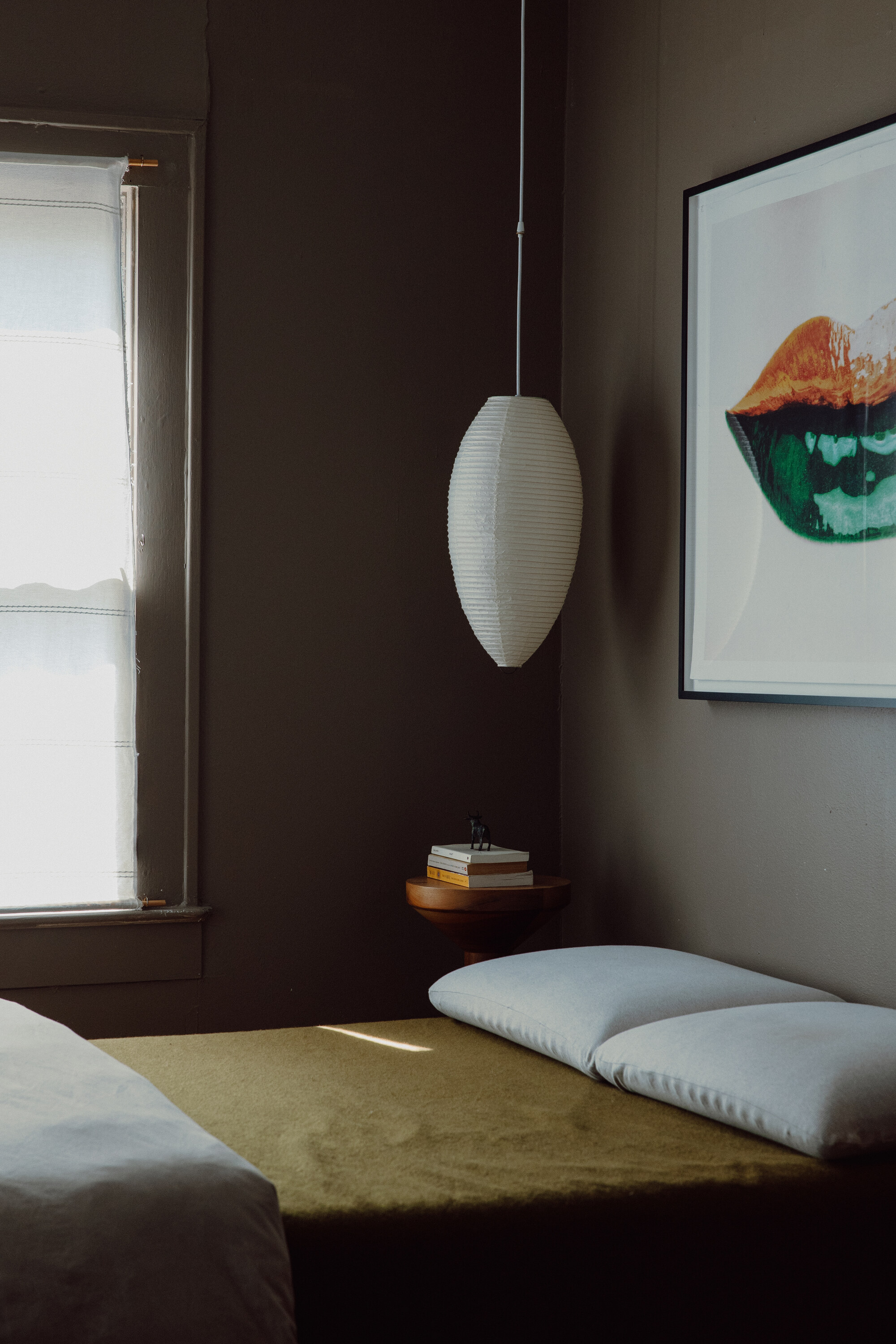
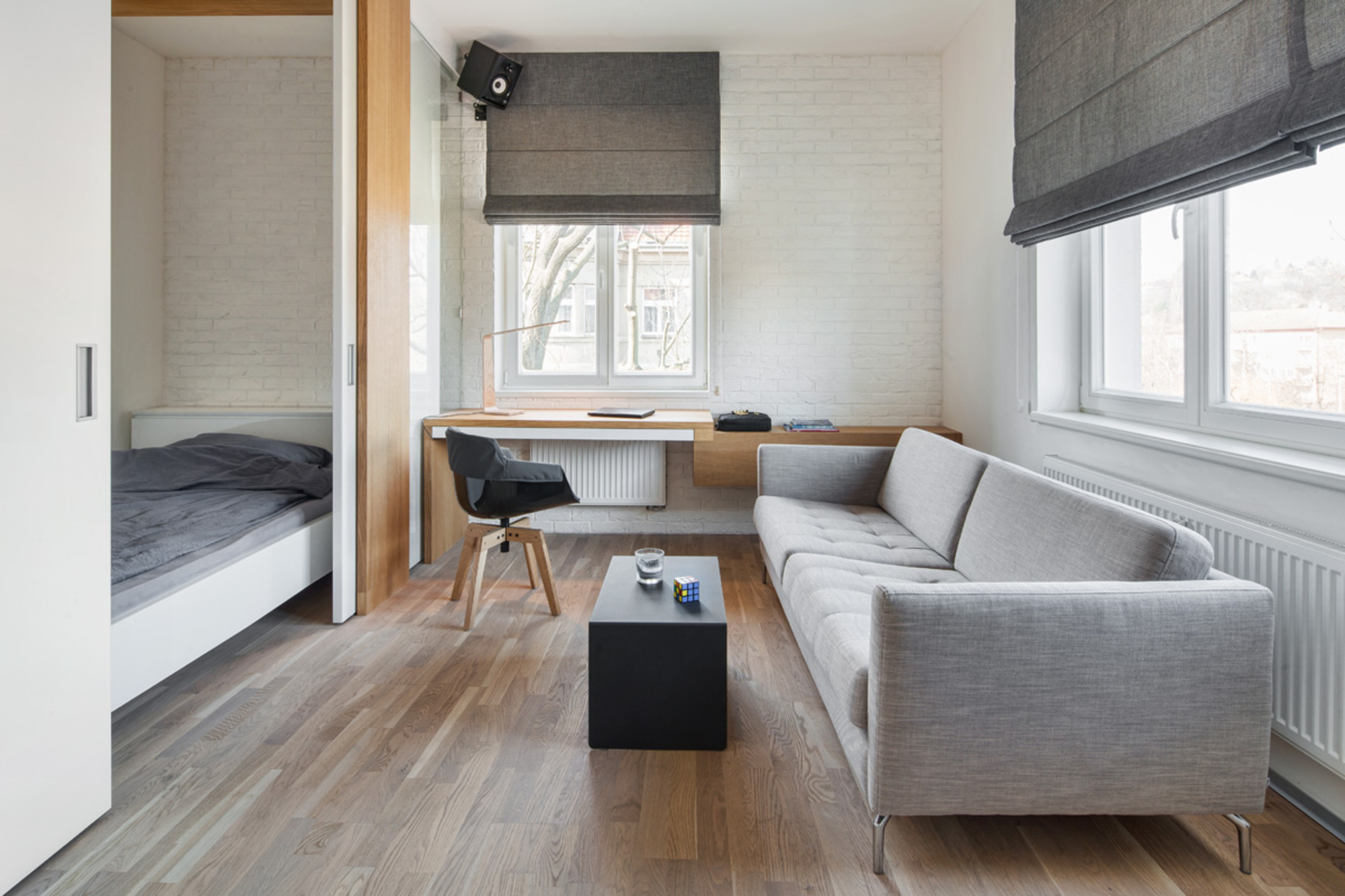
This article explores seventeen creative and practical strategies for dividing a single bedroom into two distinct functional spaces without the need for extensive construction or permanent walls. It emphasizes transforming a bedroom into a multipurpose area, catering to various needs such as a walk-in wardrobe, a separate seating area, a home office, or a meditation zone.
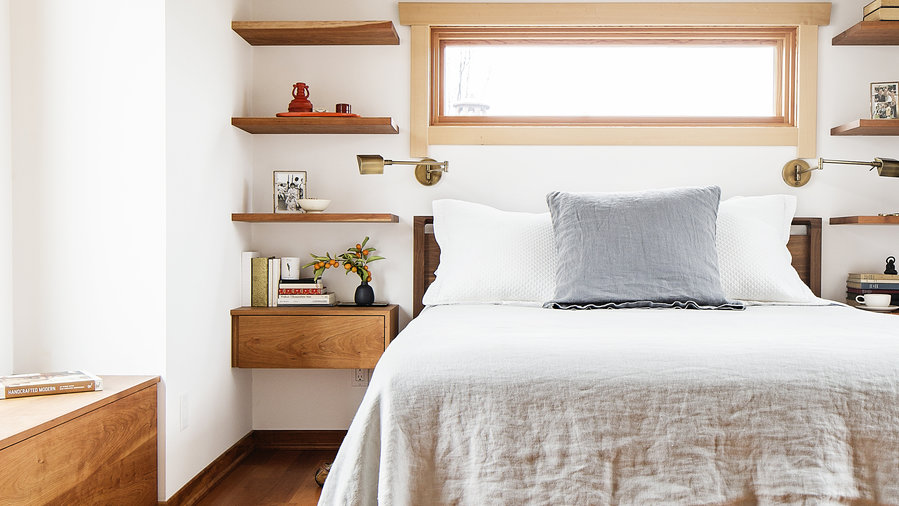
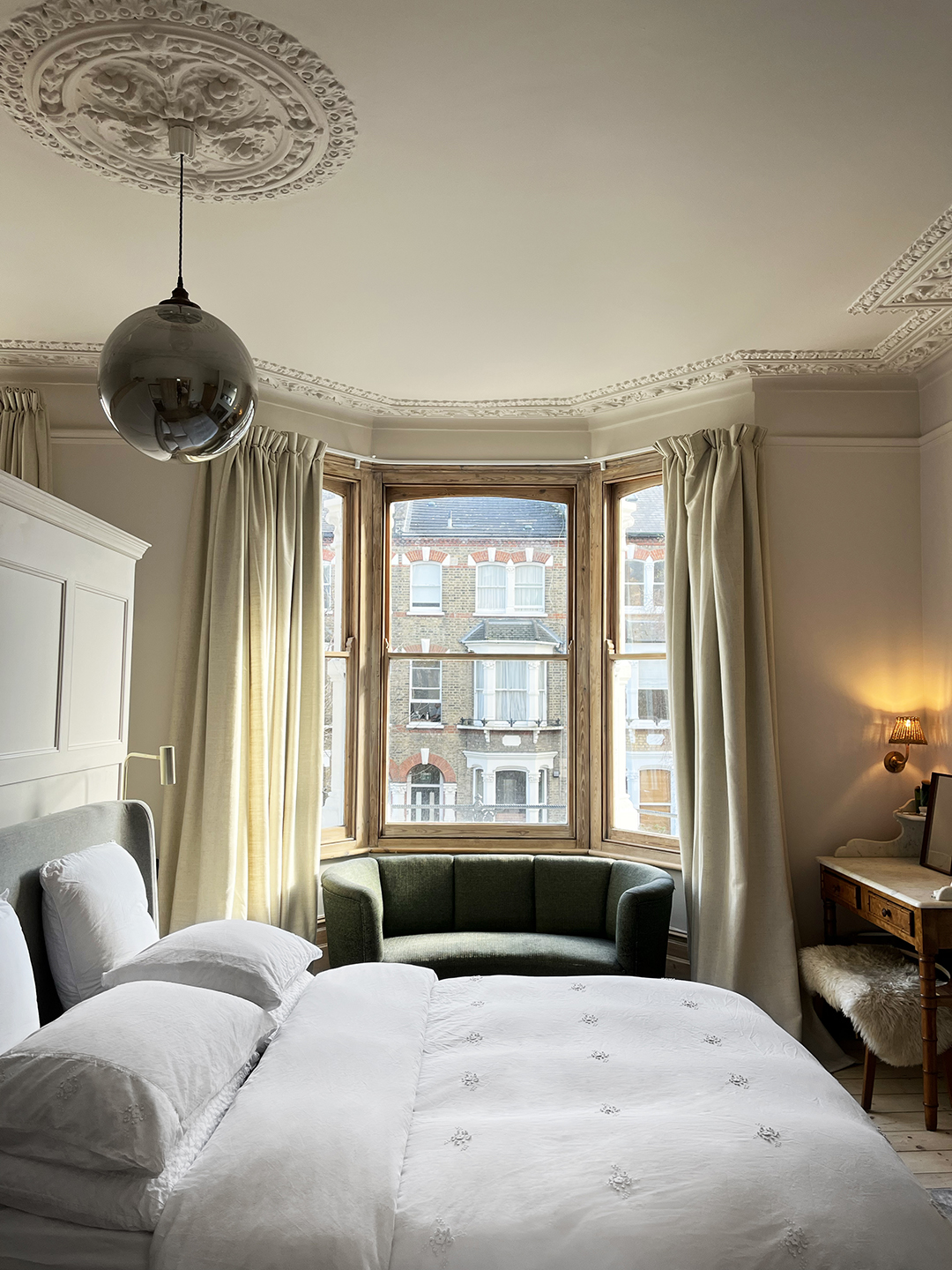
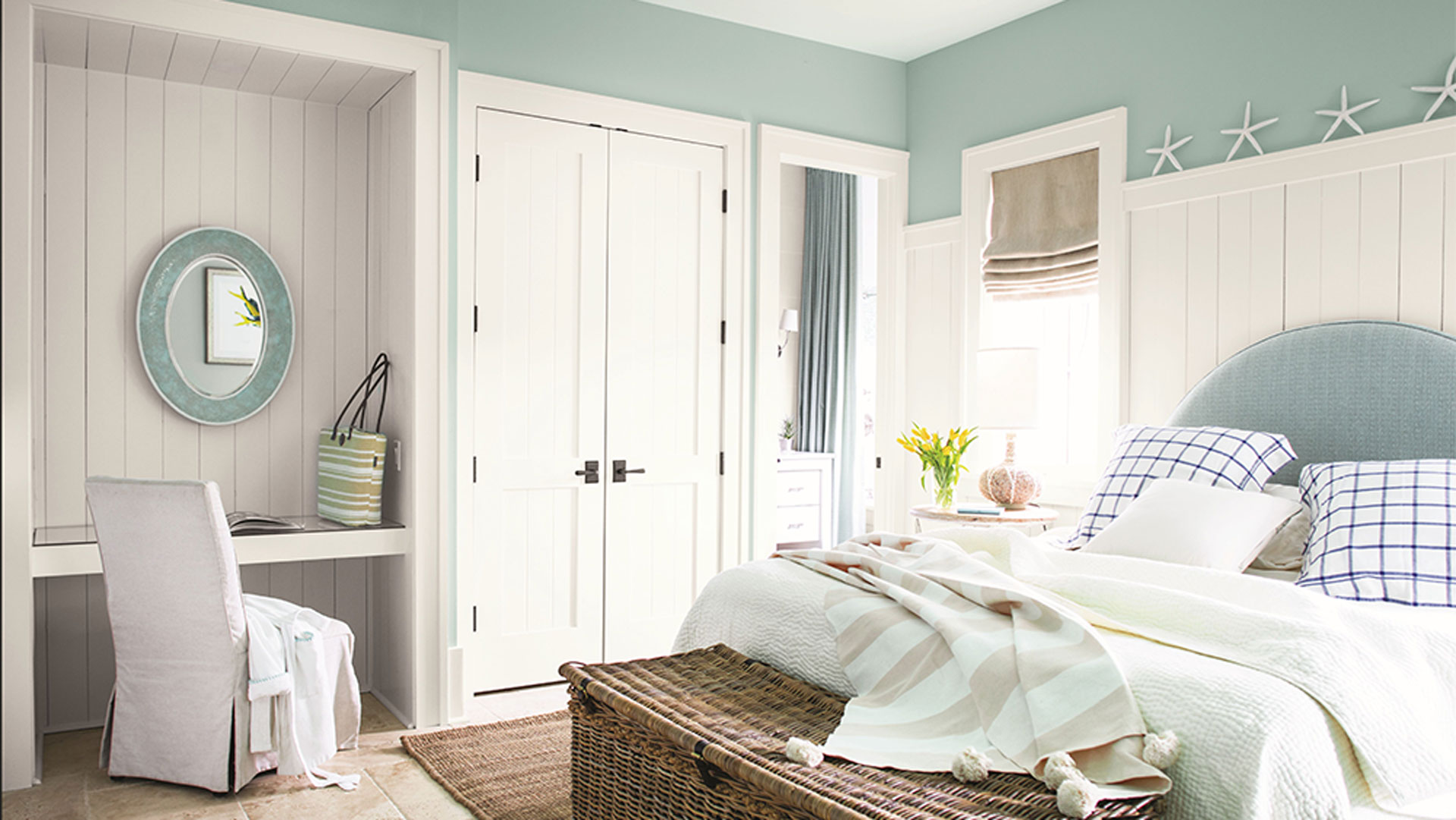
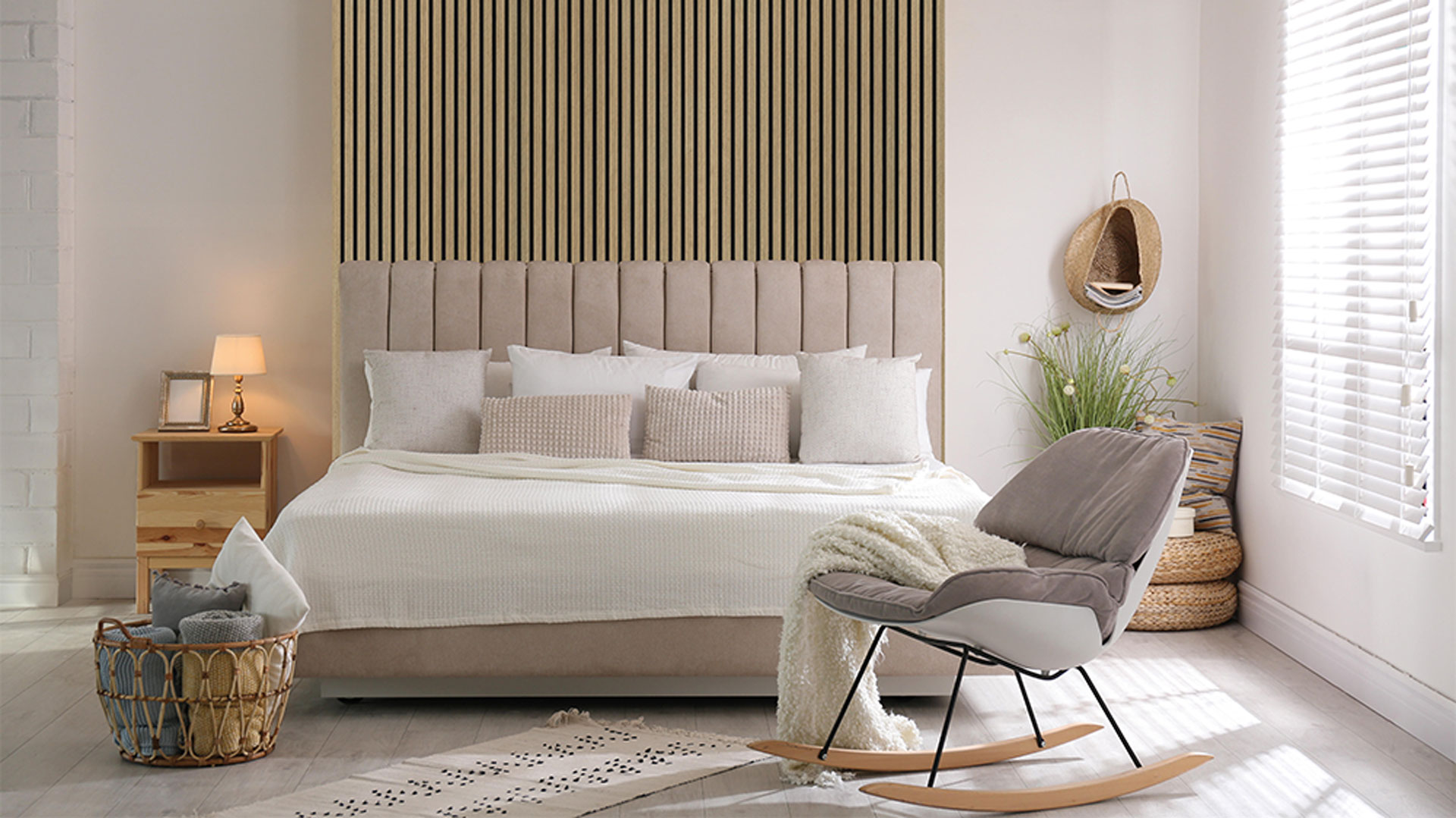
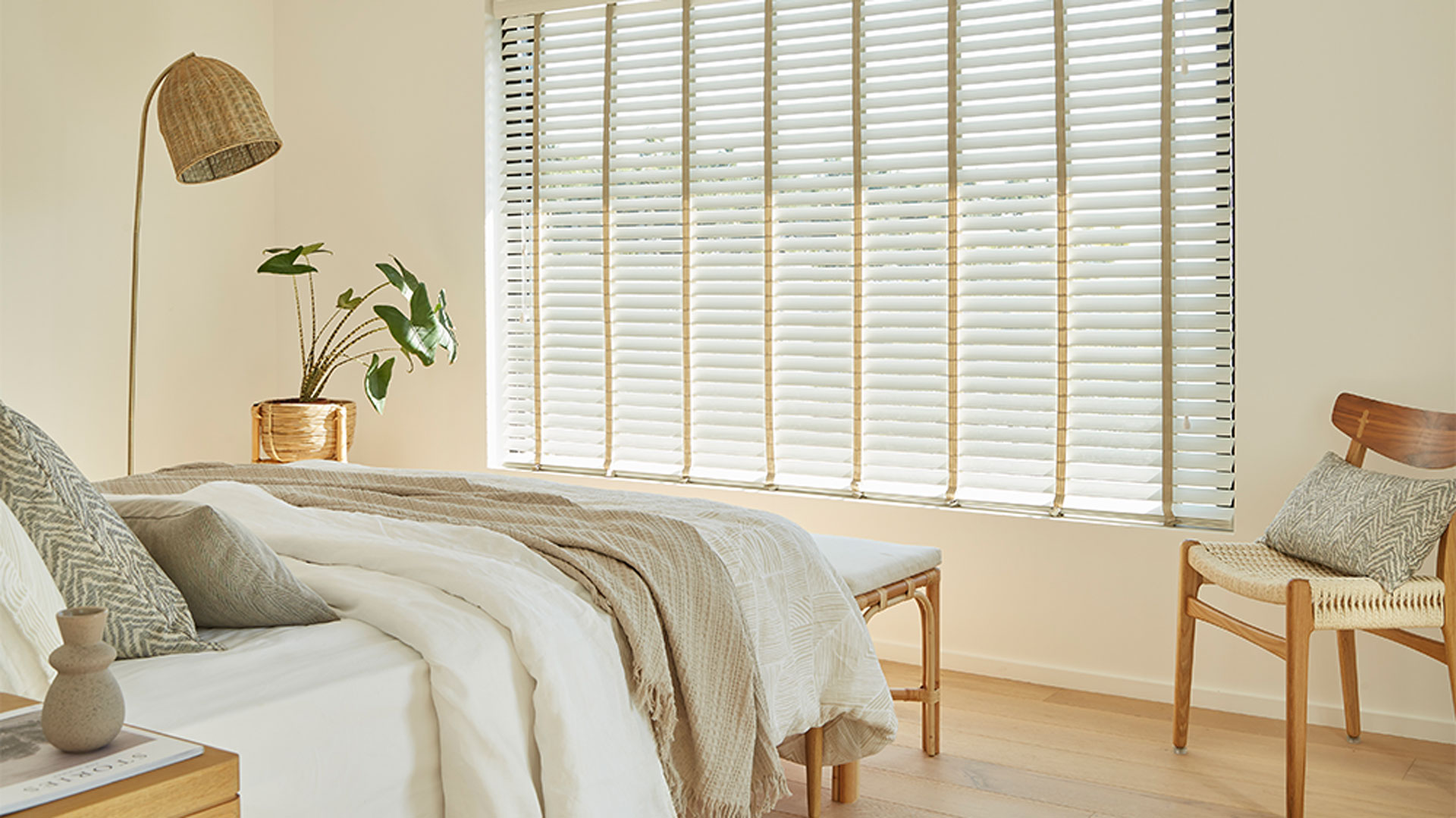
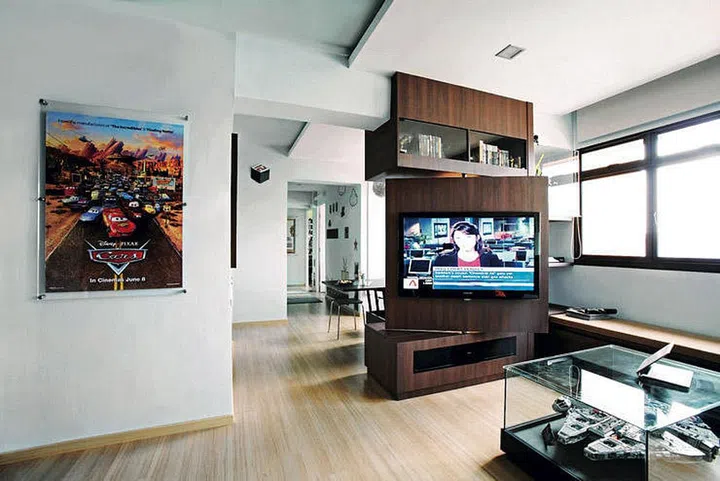
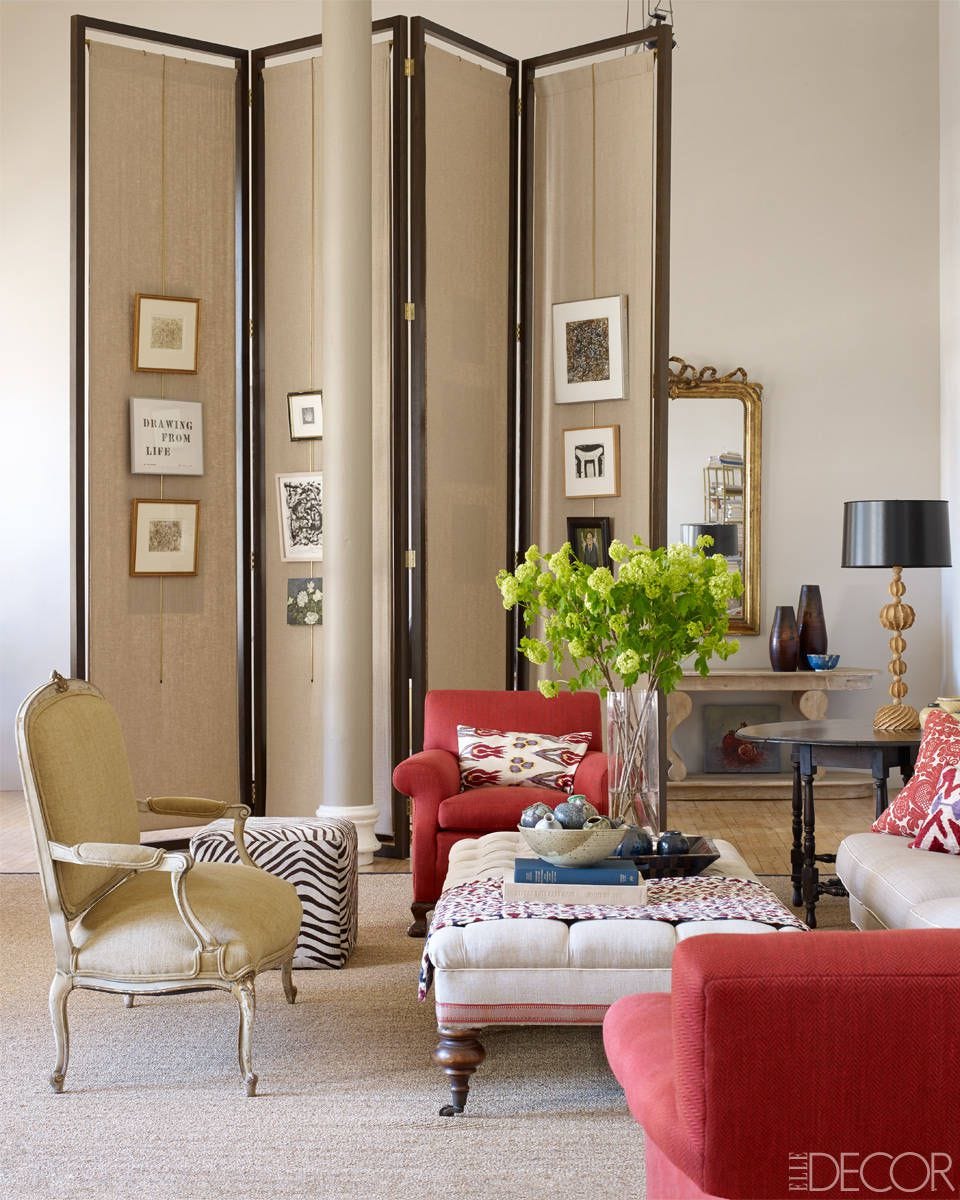
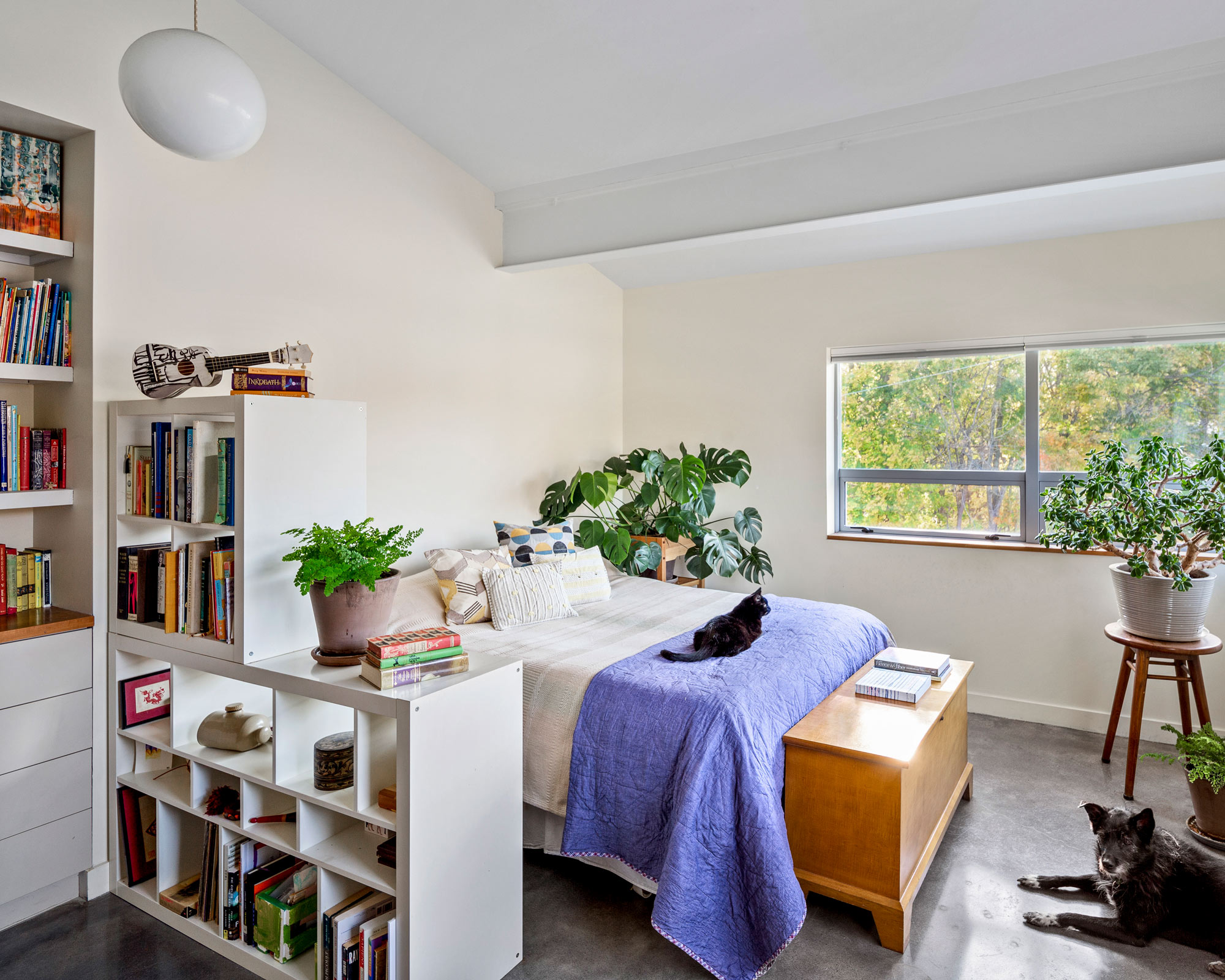
The methods discussed range from simple furniture arrangements to more structural design elements. Key approaches include establishing clear zones through strategic furniture placement, such as using the bed and nightstands for a sleeping area and custom swivels and ottomans for a lounge area. The article highlights how window treatments can frame specific areas, creating the illusion of separate quarters, and suggests placing a bench seat at the foot of the bed to subtly divide sleeping and sitting zones while offering additional utility.
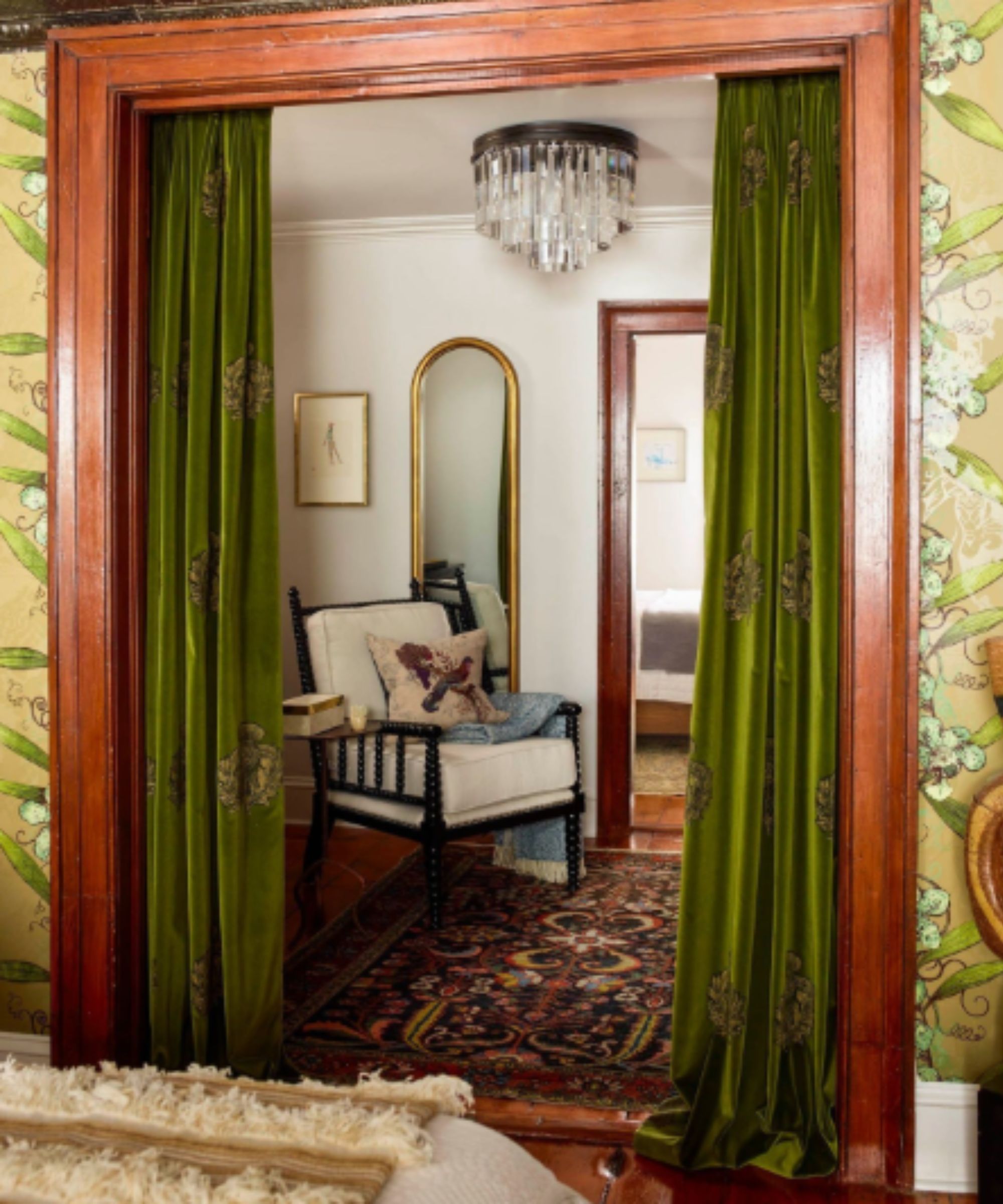
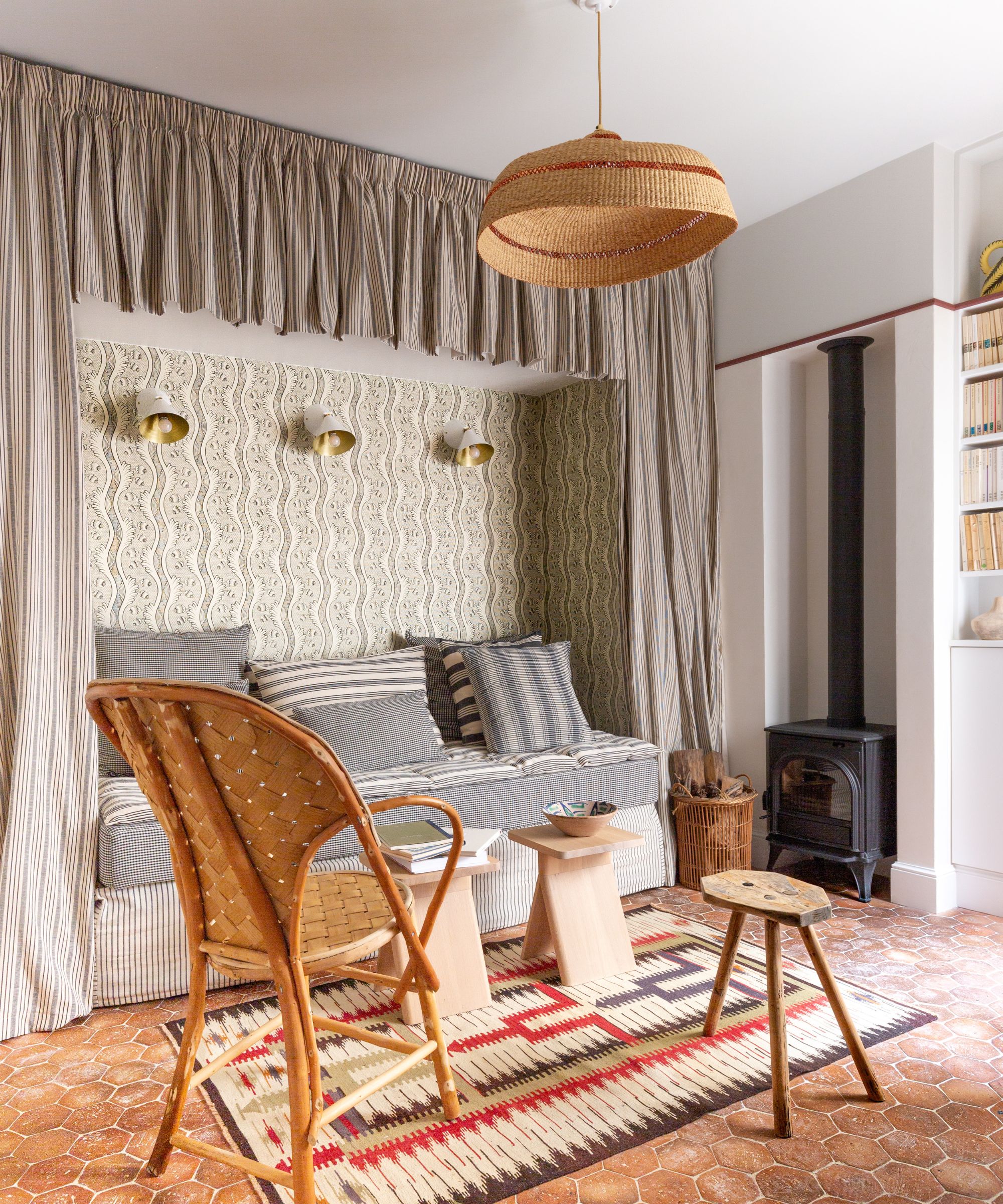
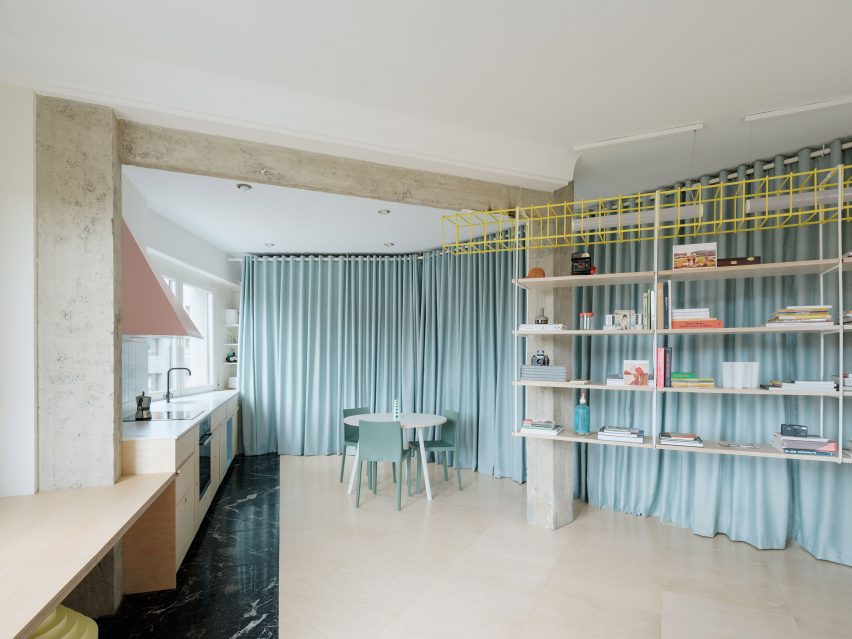
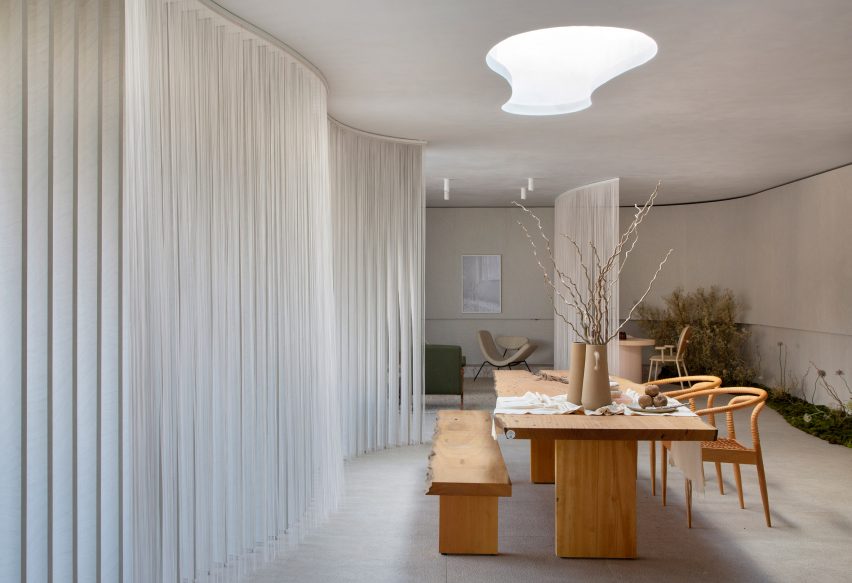
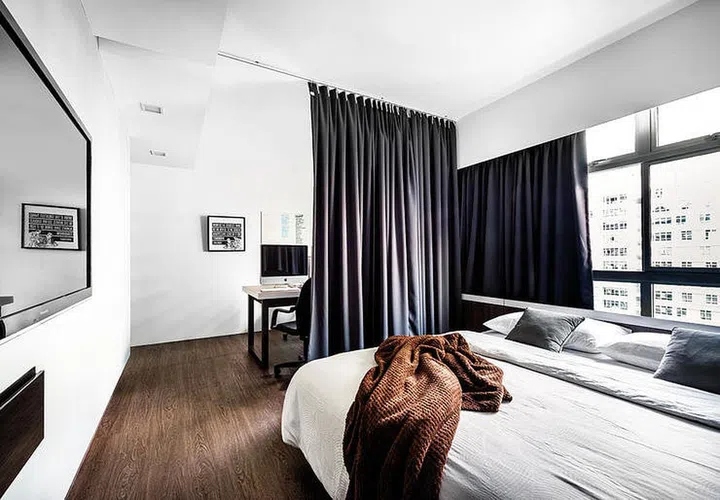
Drawing curtains is presented as a flexible and easy way to create privacy or define areas without permanence, with options for blackout or sheer materials. For a more structural division, the article introduces the concept of using different flooring materials or patterns to visually delineate distinct spaces within the room. Alcove arrangements and built-in beds are offered as solutions to make sleep zones feel intentional and allow other parts of the room to serve different functions. The utility of Murphy beds for small spaces, enabling a room to transition between a bedroom and a home office, is also covered.
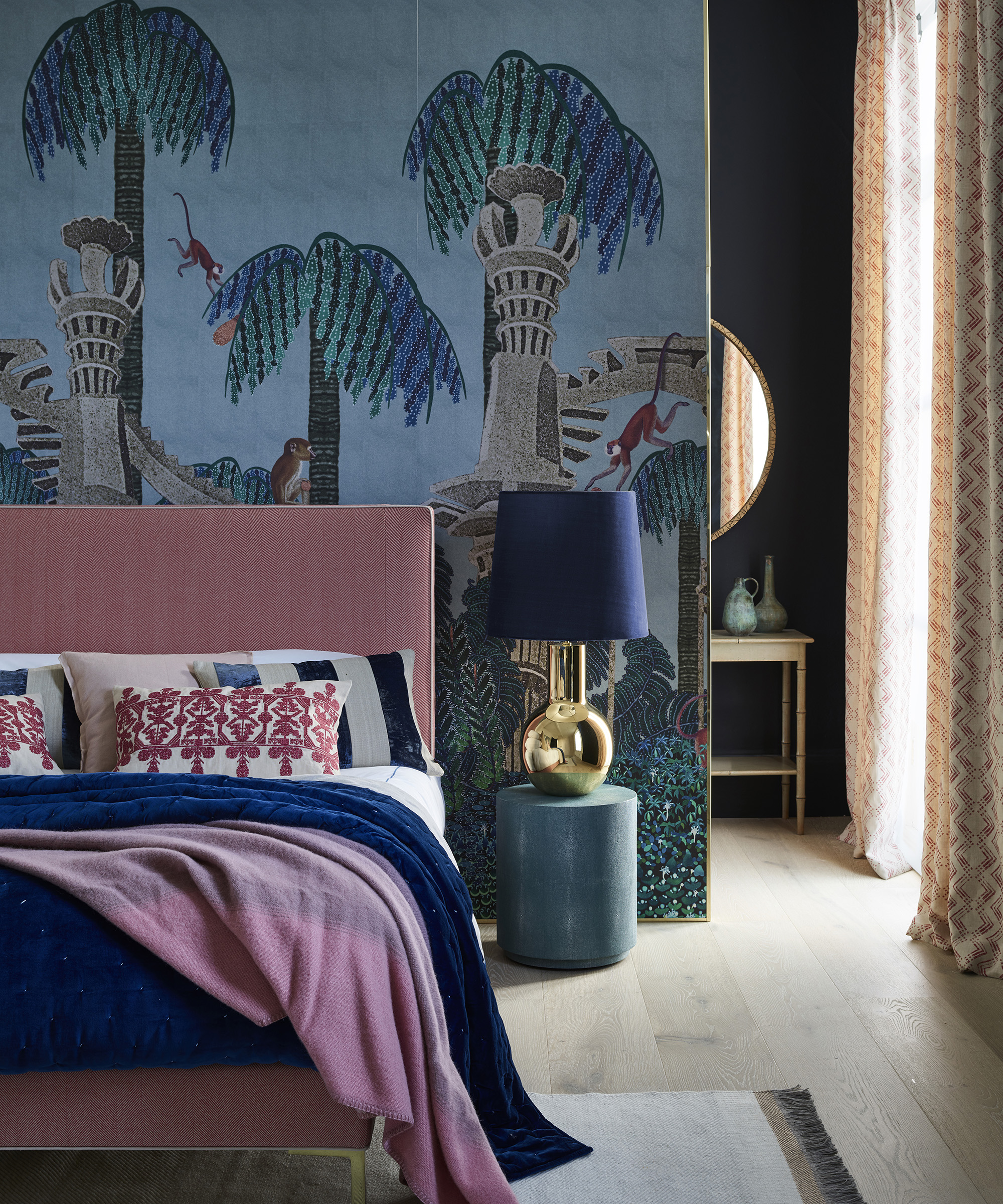
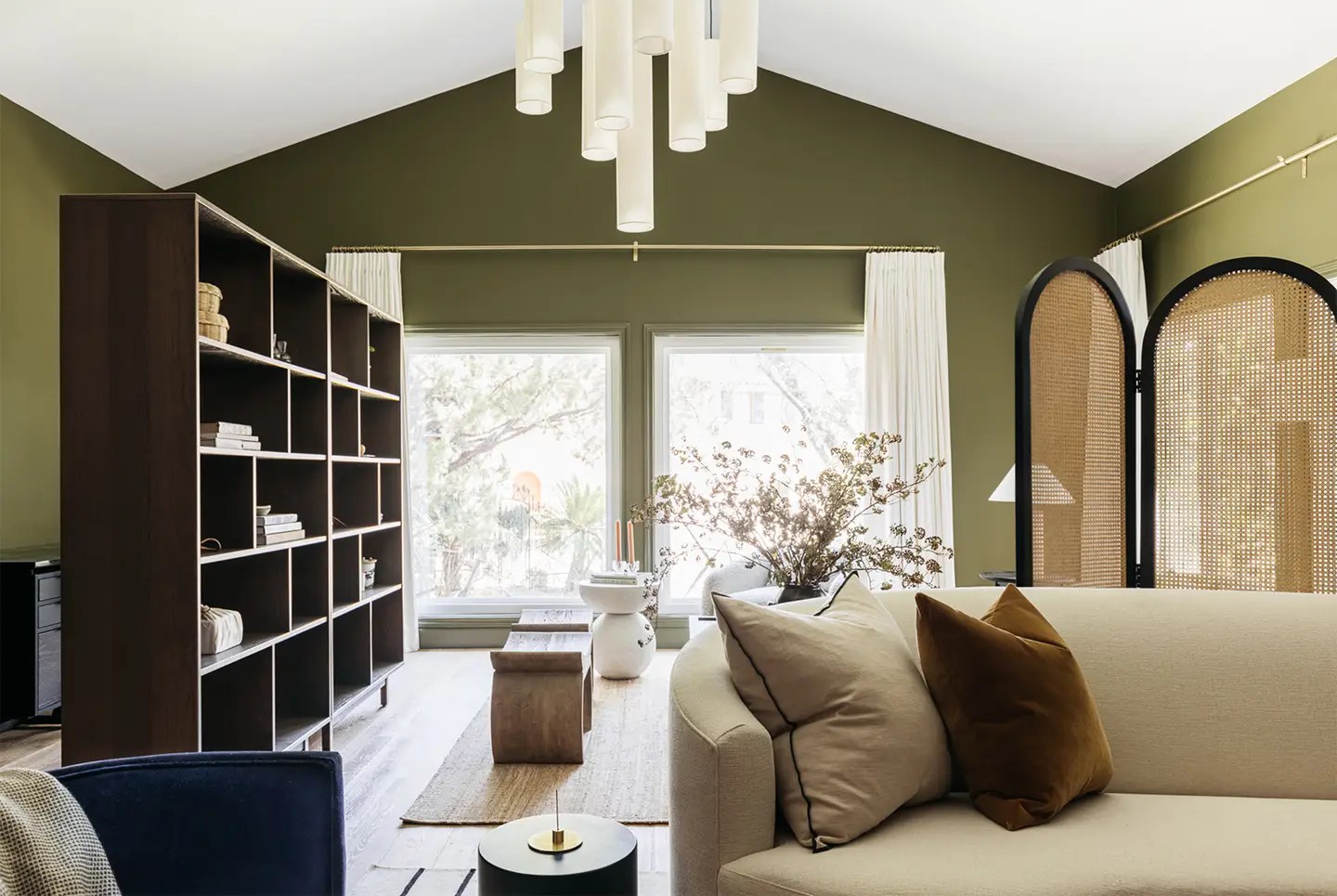
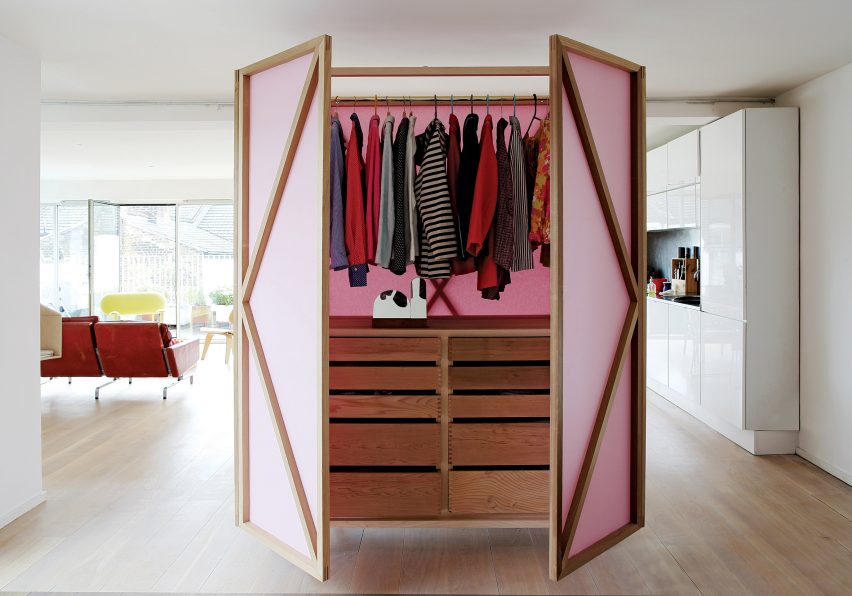
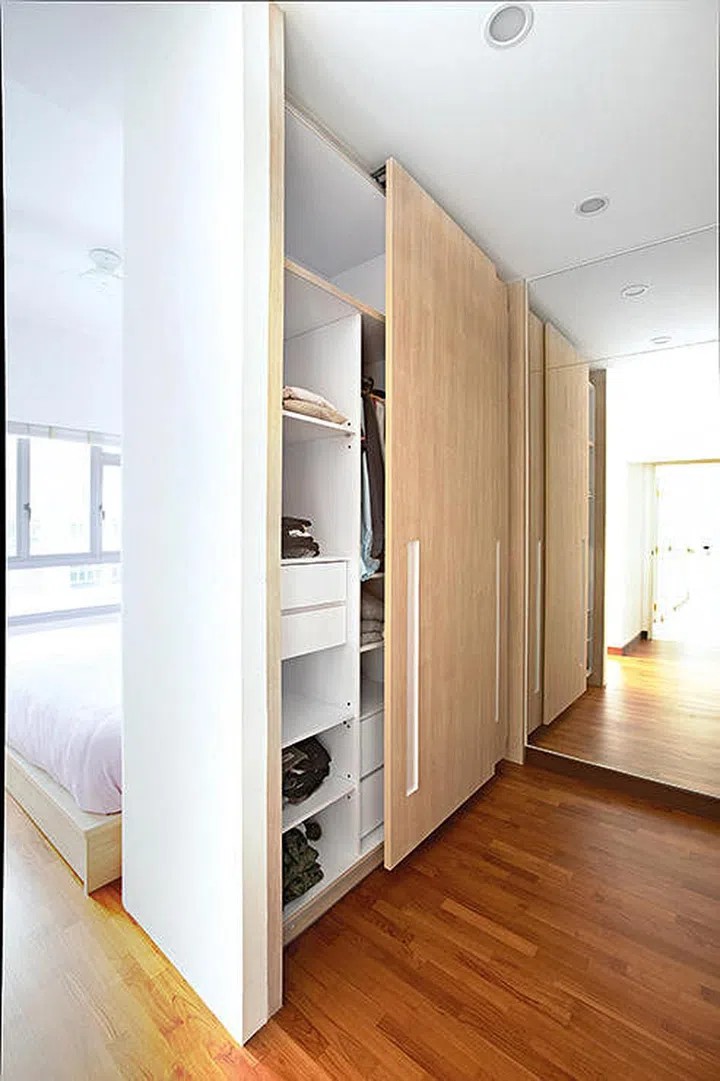
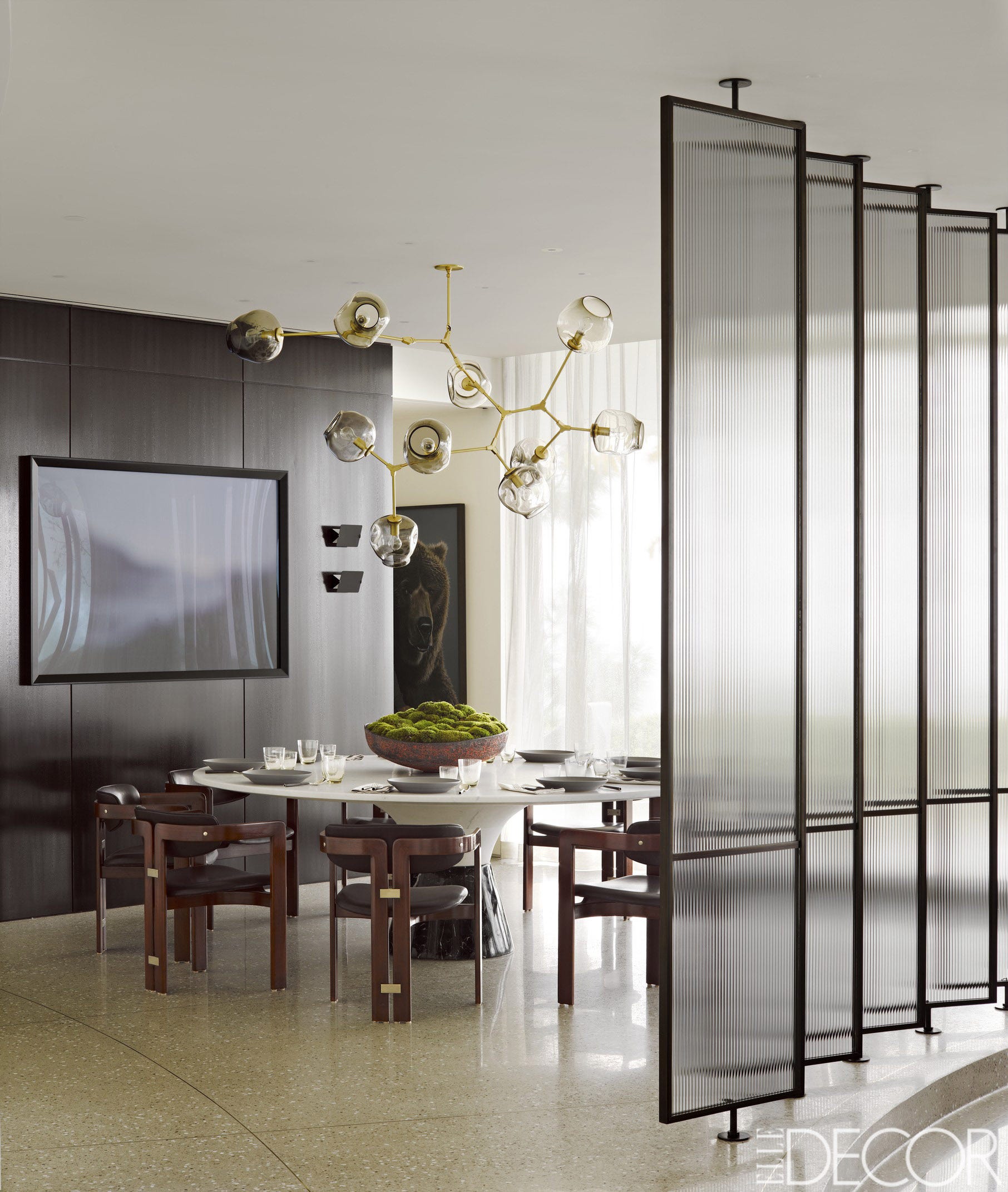
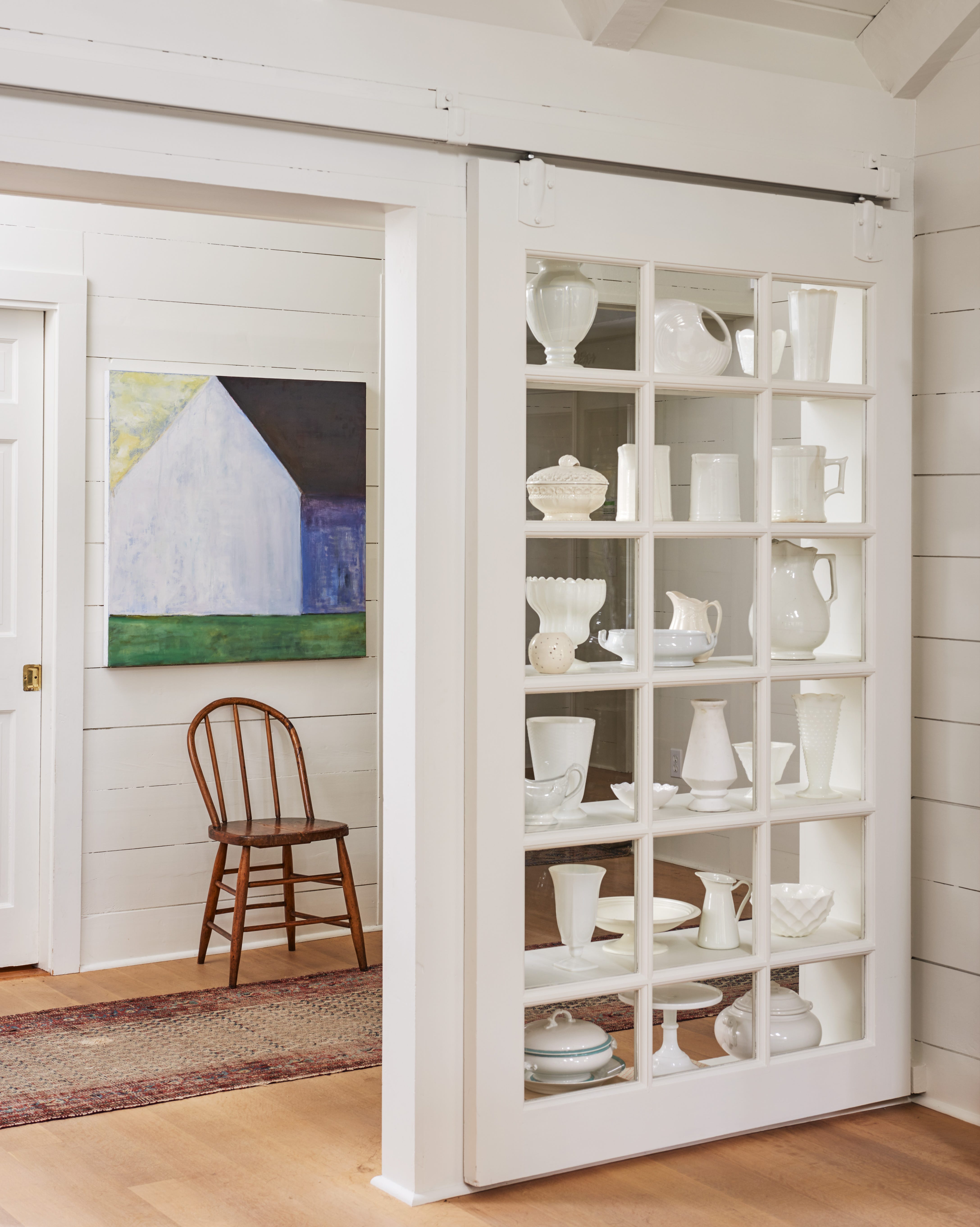
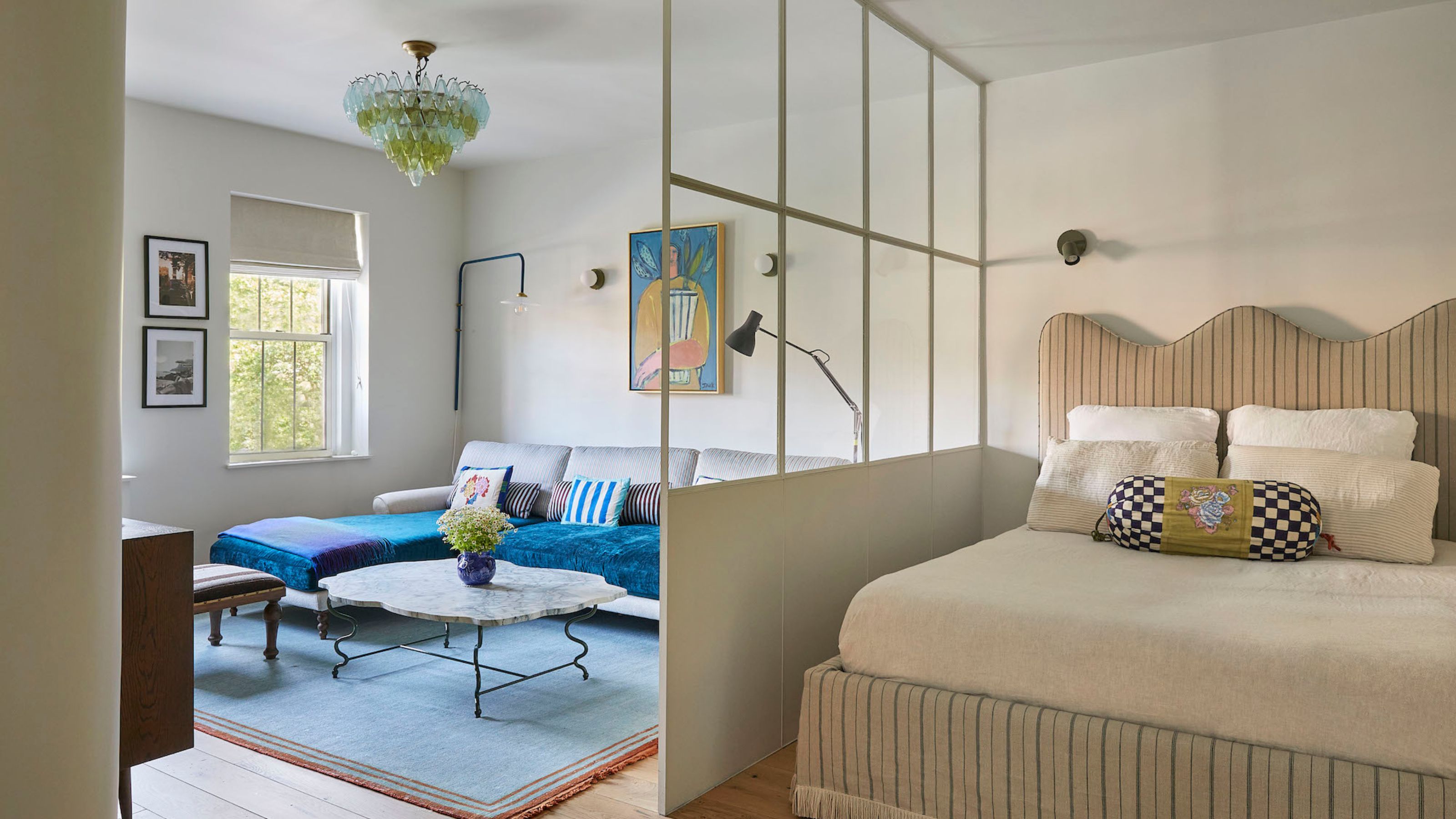
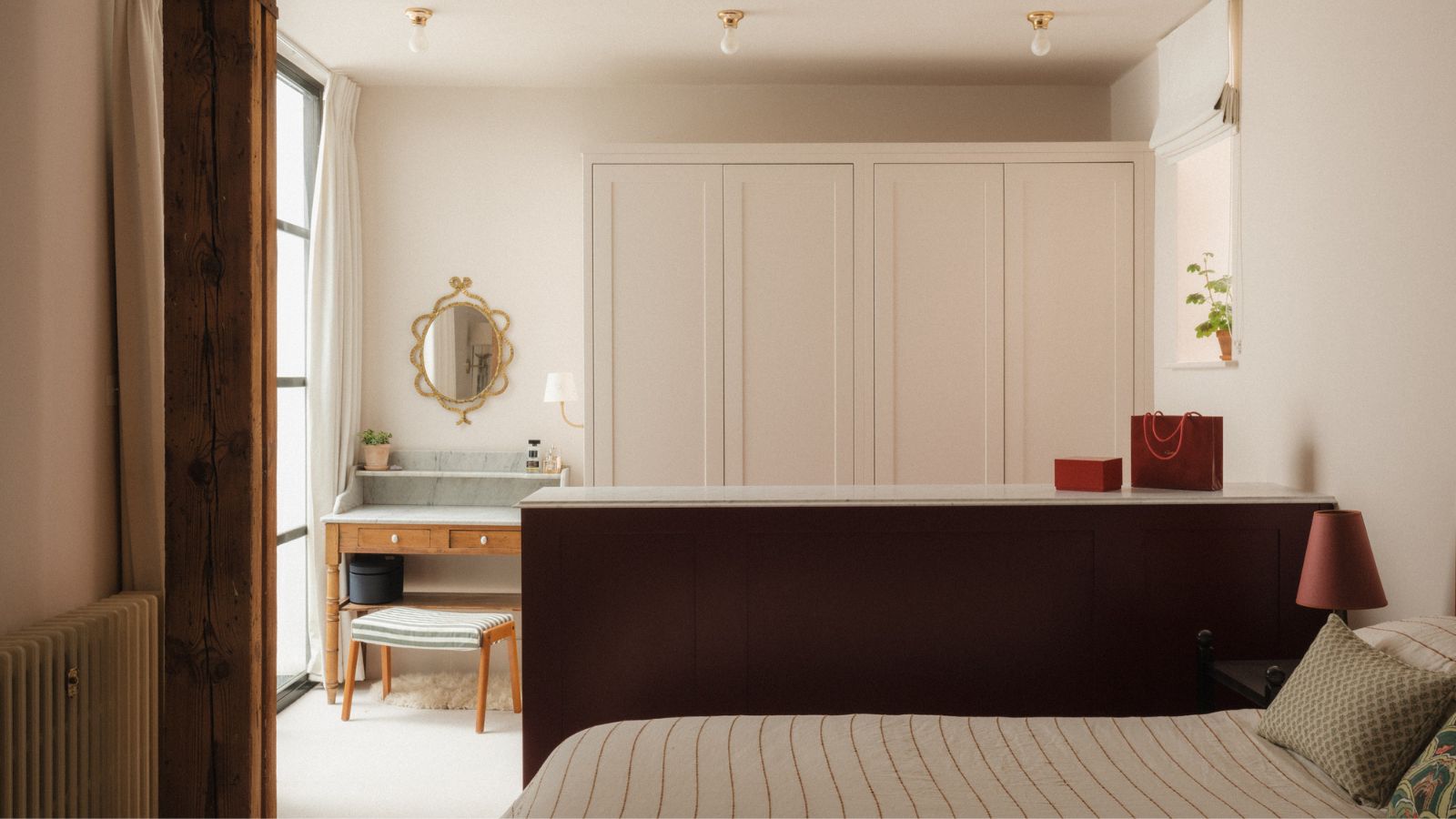
Disguising elements like desks within custom cabinetry helps maintain a calm and visually quiet central space while offering flexible functionality. The use of glass partitions is recommended for creating separation without sacrificing natural light or openness. Styling techniques, such as employing different lighting, rugs, and art, are suggested to give each divided space its unique character and vibe. Floating furniture, particularly the bed, with a tall headboard acting as a half-wall, is proposed to define an office space directly behind the bed.
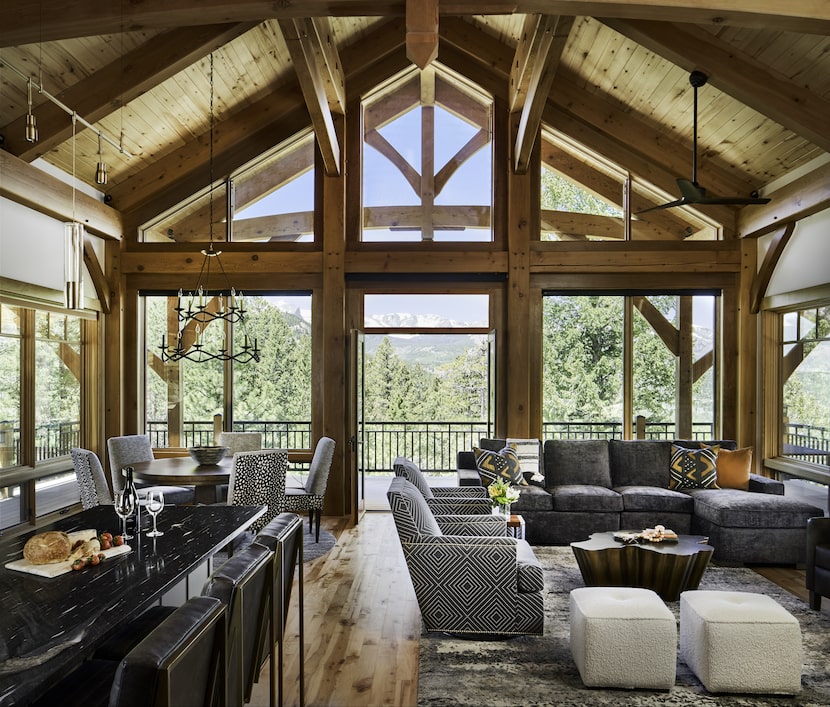
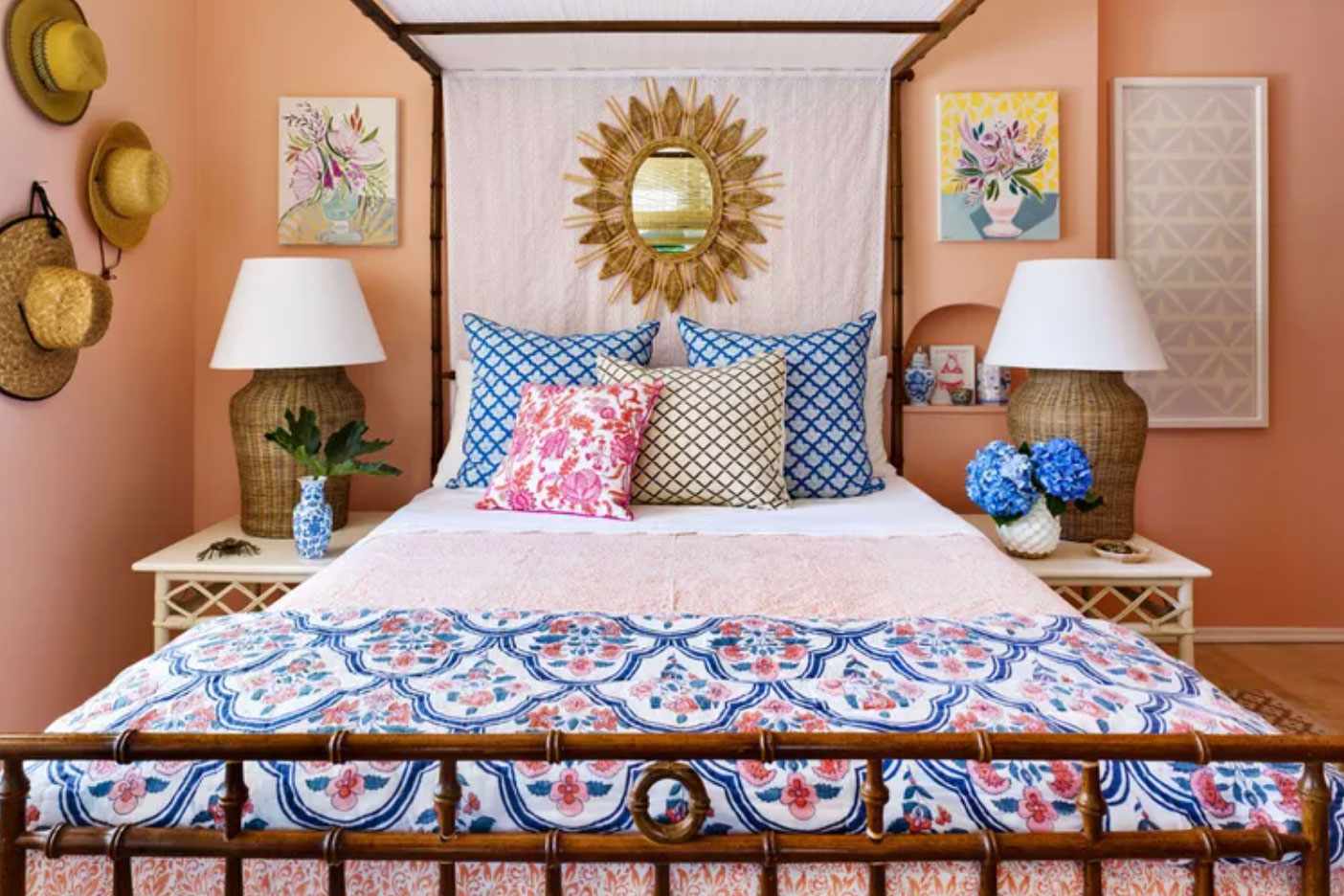
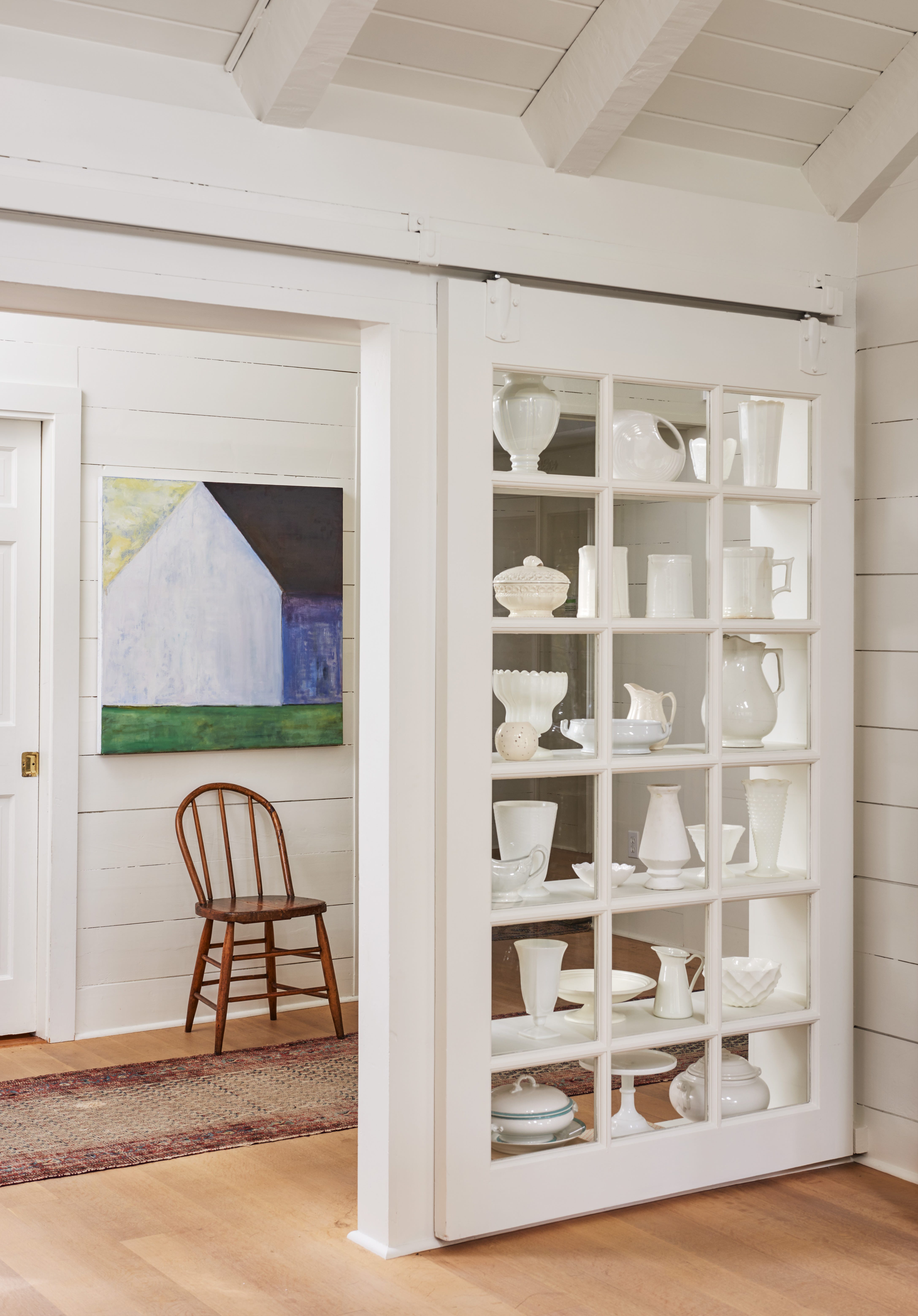
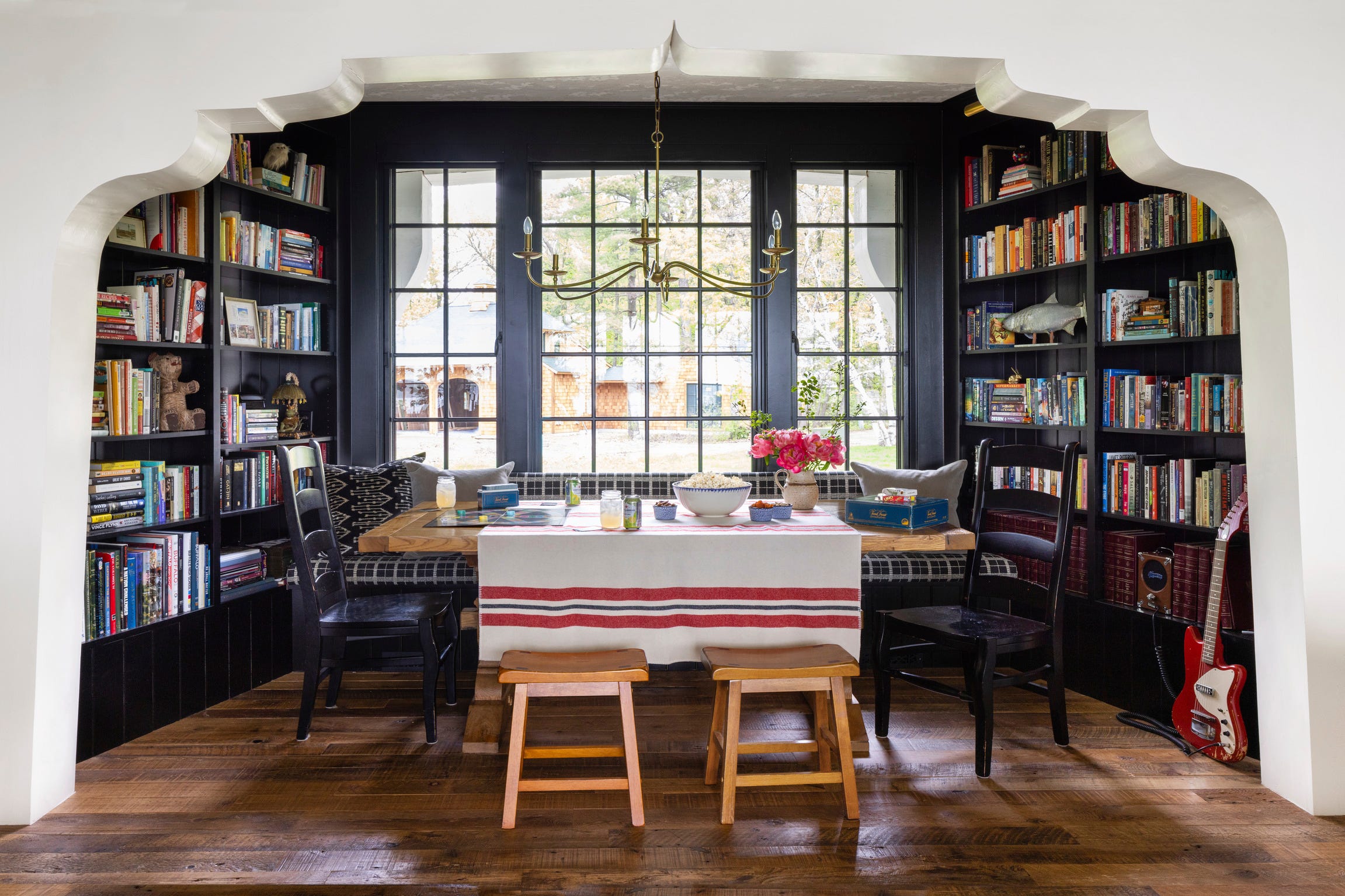
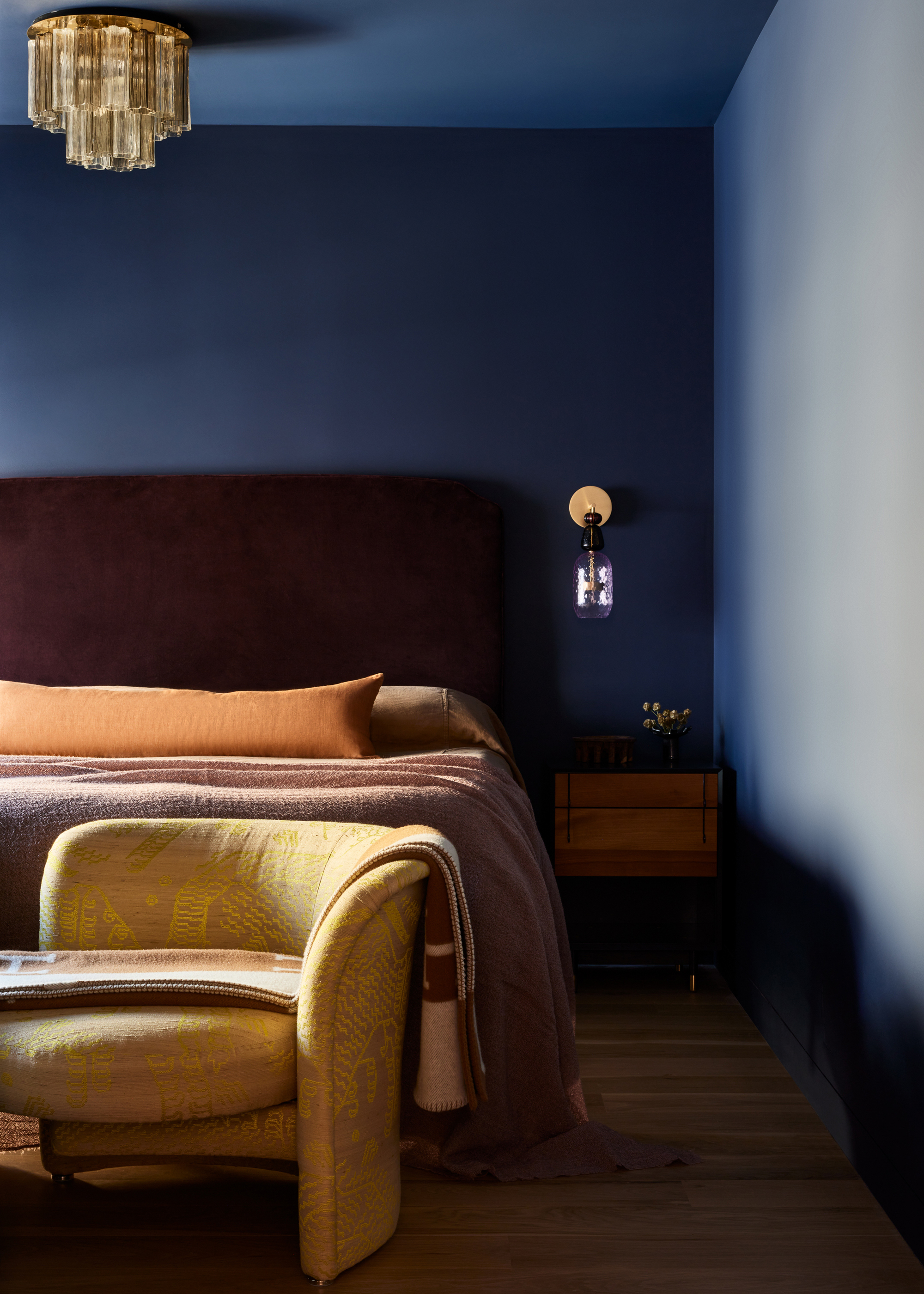
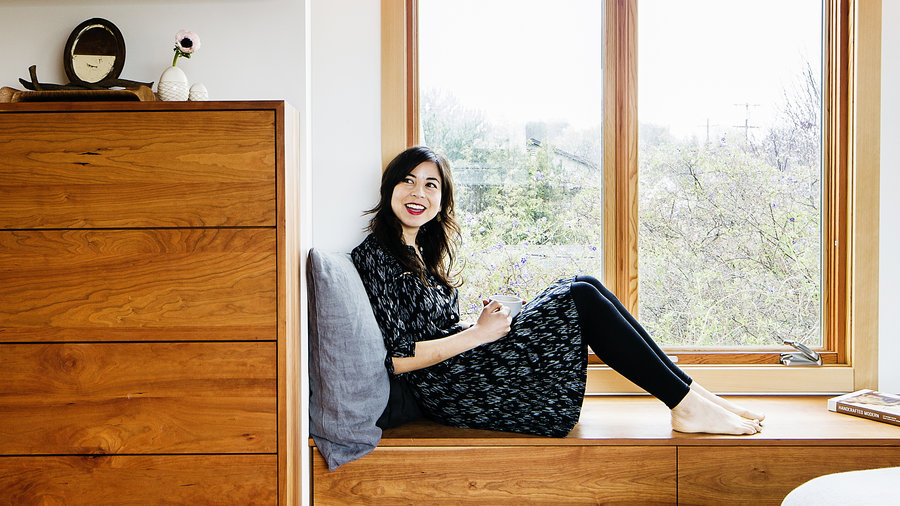
Clever use of color is also discussed as a method to signal separation, using complementary hues to create cohesive yet distinct zones. Small additions like coffee nooks are highlighted to add a sense of separation and luxury. Custom millwork is presented as a permanent solution that integrates storage and division, referencing specific architectural styles. Carving out bay window seats not only adds a distinct area for reading or relaxation but also incorporates hidden storage. Finally, sliding doors and varied lighting schemes are explored as ways to control the connection between spaces and create distinct focal points, respectively. The article concludes by encouraging readers to apply these space-defying techniques beyond the bedroom, suggesting they can even re-evaluate open-concept layouts in living rooms.
#BedroomDesign #SpaceSavingIdeas #RoomDividers #HomeOrganization #MultipurposeRooms #InteriorDesign #FurniturePlacement #SmallSpaceLiving #HomeRenovation #BedroomDesign #SpaceSavingIdeas #RoomDividers #HomeOrganization #MultipurposeRooms #InteriorDesign #FurniturePlacement #SmallSpaceLiving #HomeRenovation
0 comment in total
 No comments yet
You may also like
Ikea room divider ideas – 9 clever ways to arrange your space
16 Room Divider Ideas, Because We All Need Our Personal Space

These Room Divider Ideas Will Transform Your Home in an Instant

These Room Divider Ideas Will Transform Your Home in an Instant

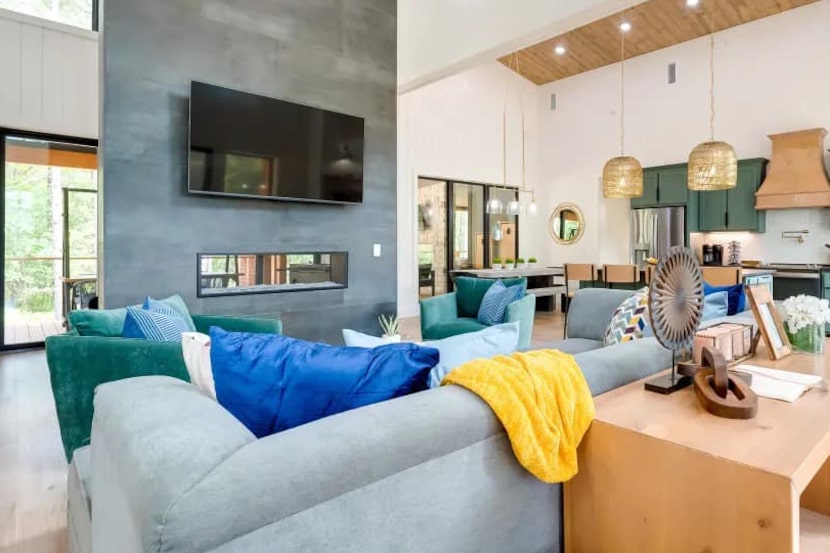
How to divide open-concept spaces without adding walls
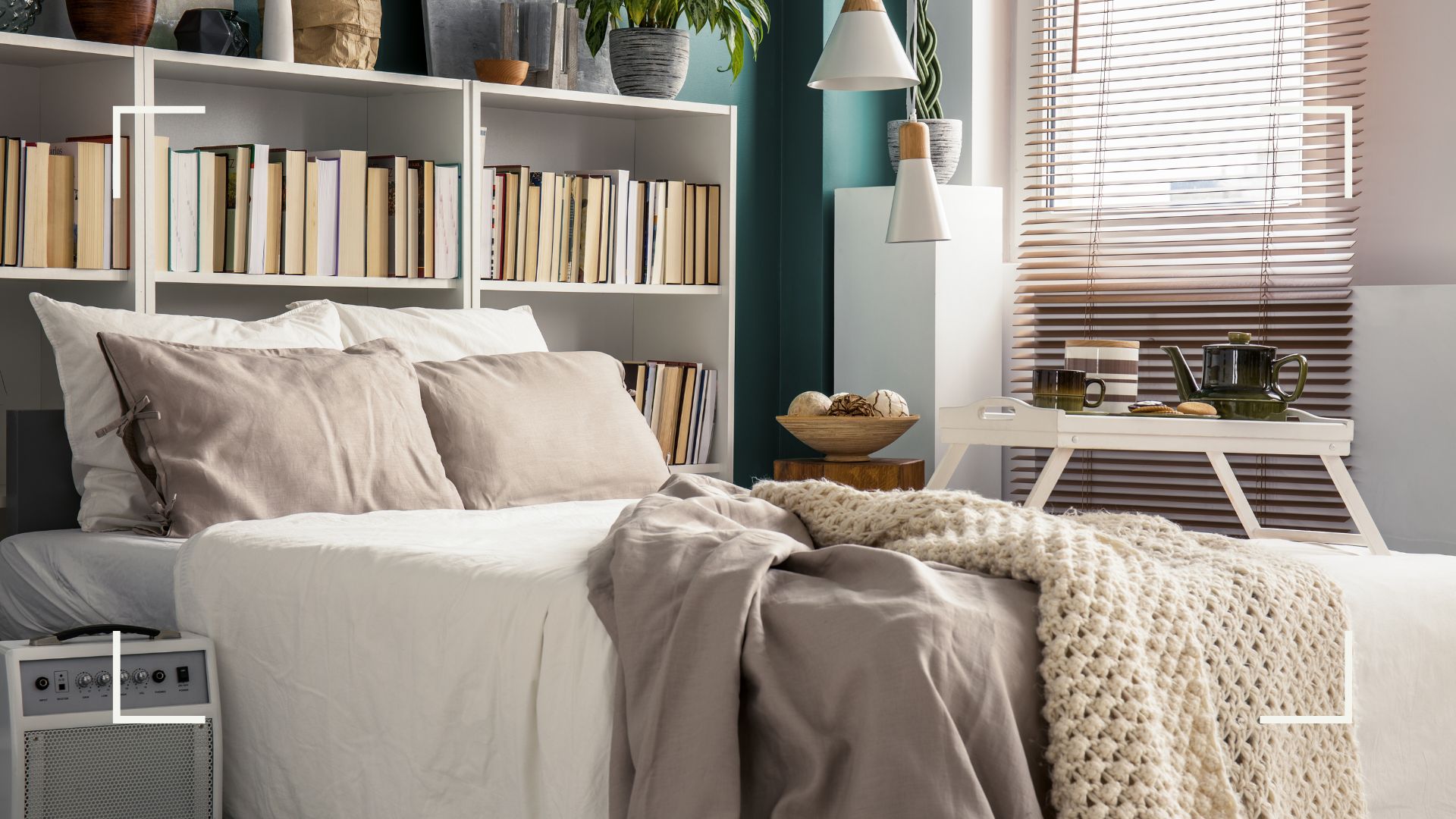
How to make a small bedroom look bigger - 12 clever tips and tricks to maximize space

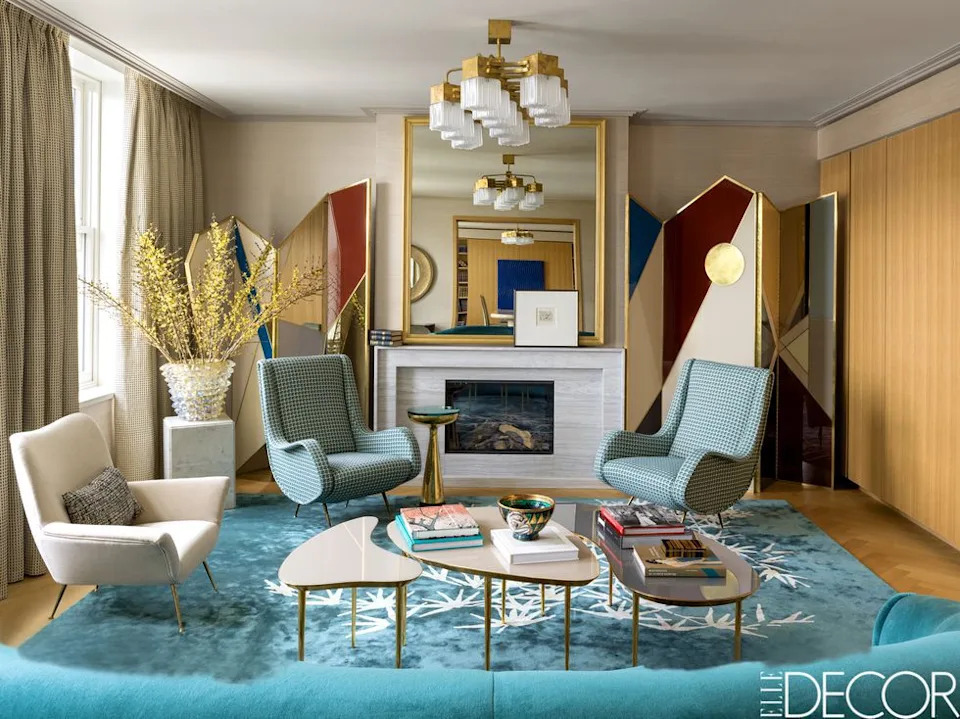
These Room Divider Ideas Will Transform Your Home in an Instant
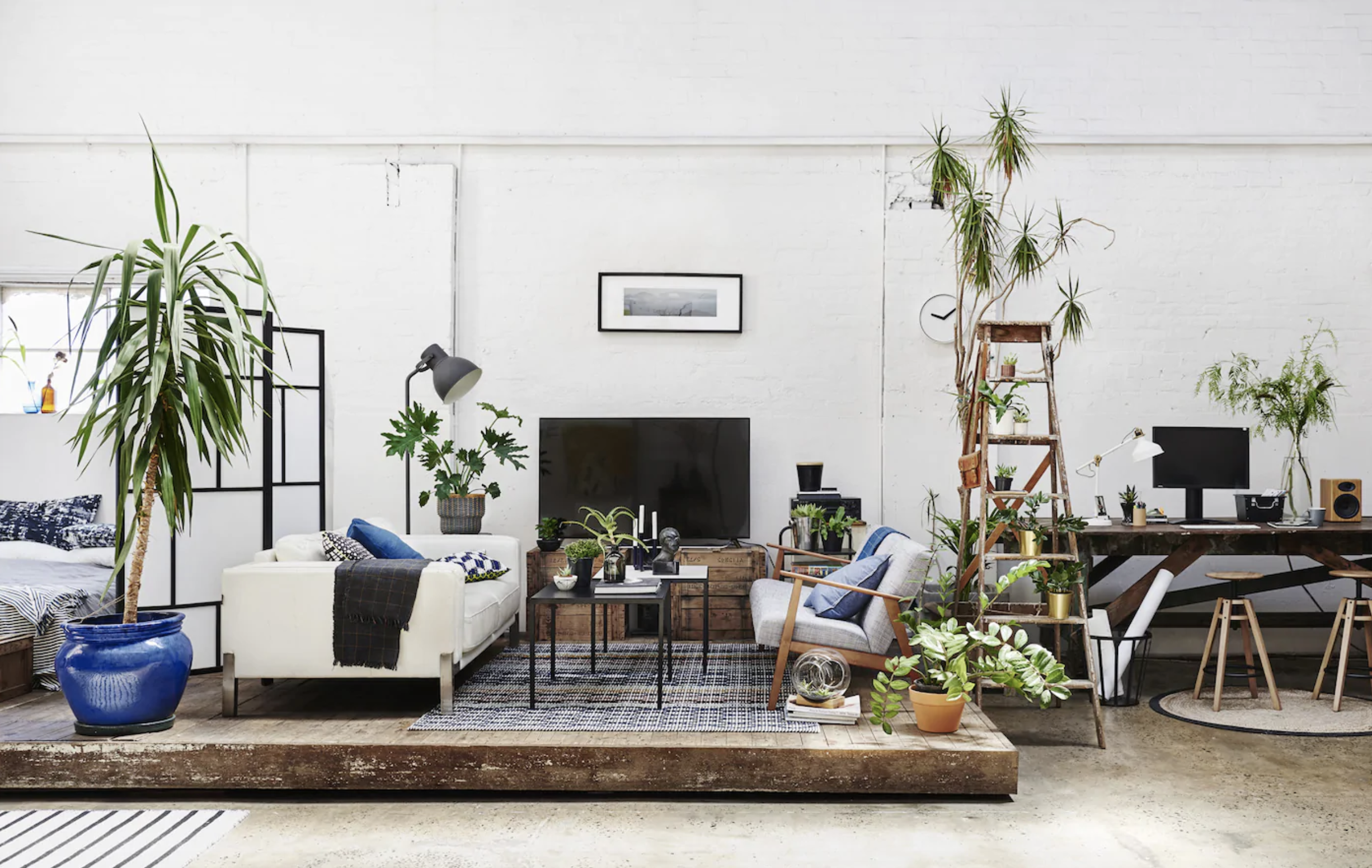
18 room divider ideas – how to zone an open plan space

5 Ways to Maximize Bedroom Space
The Extreme Makeover: Home Edition Bedroom Design Choice Pinterest Is Loving
17 of the best room dividers for minimal effort and maximum privacy
We Asked the Experts: How Do You Keep Your Kitchen Organized?
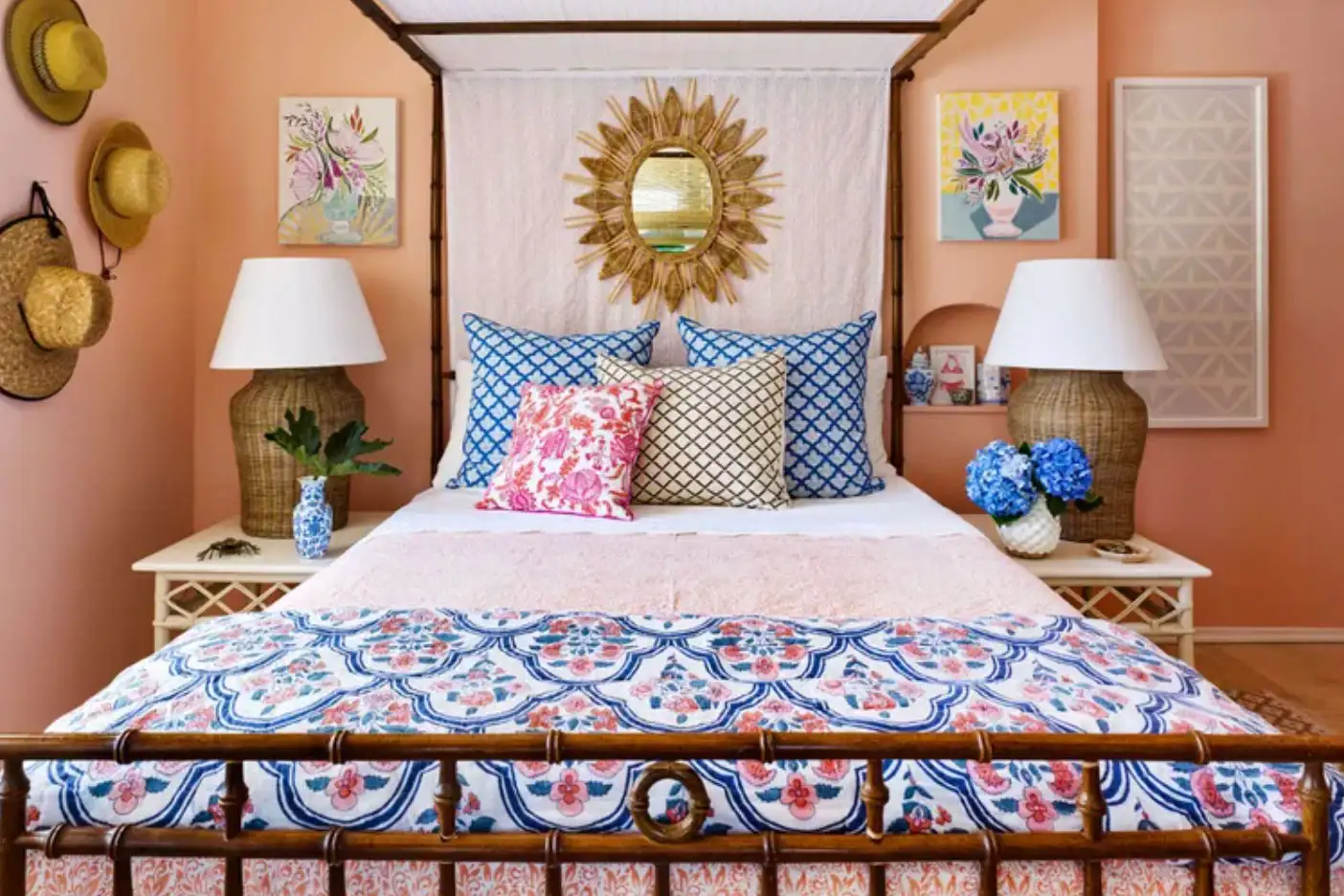
7 Designer Tricks That Make A Small Bedroom Feel Spacious
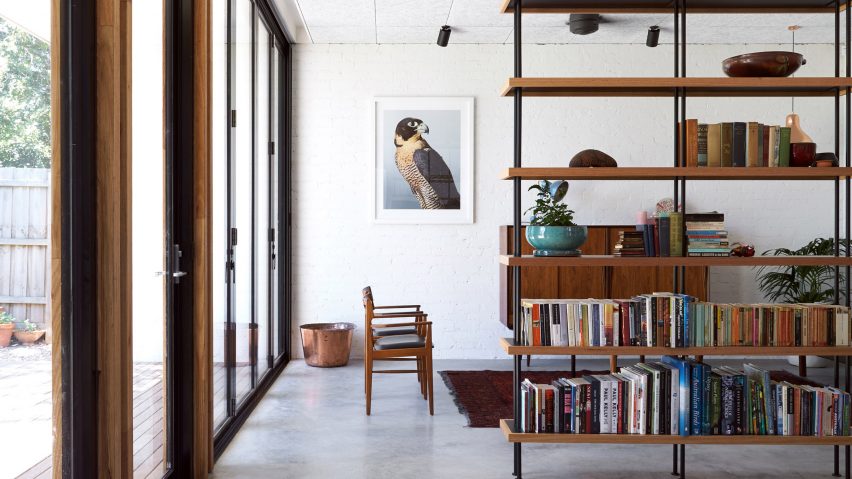
Ten interiors that use innovative room dividers instead of walls

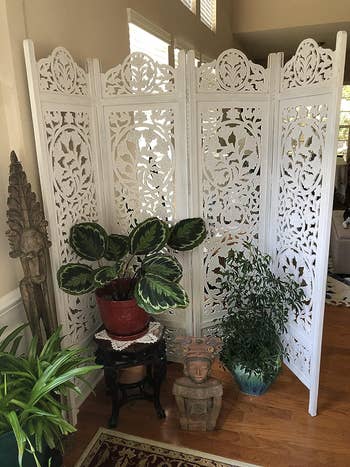
37 Room Dividers So You Can Easily (And Stylishly) Separate Your Space
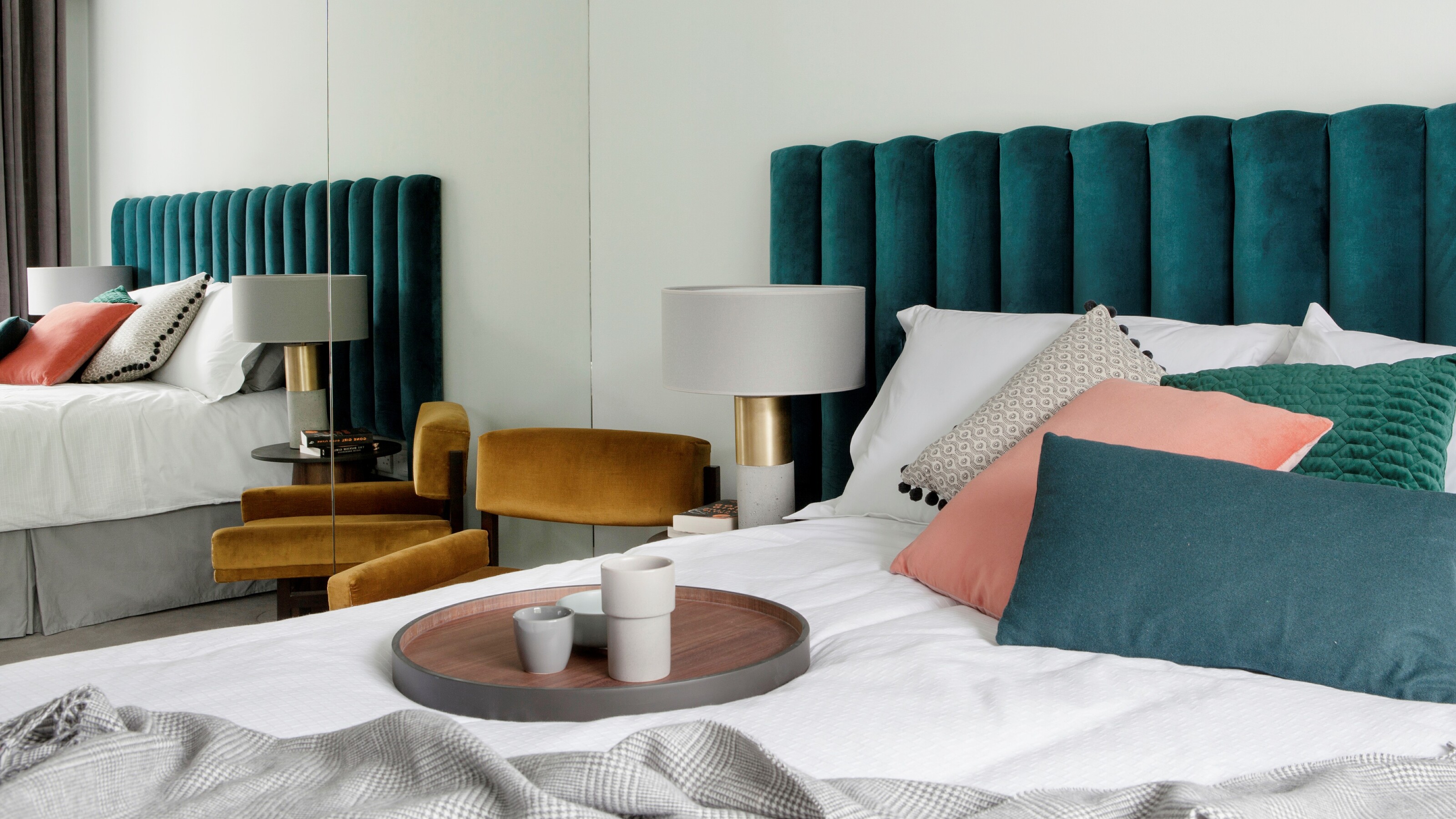
Small bedroom ideas – smart ways to maximize space without compromising on style |
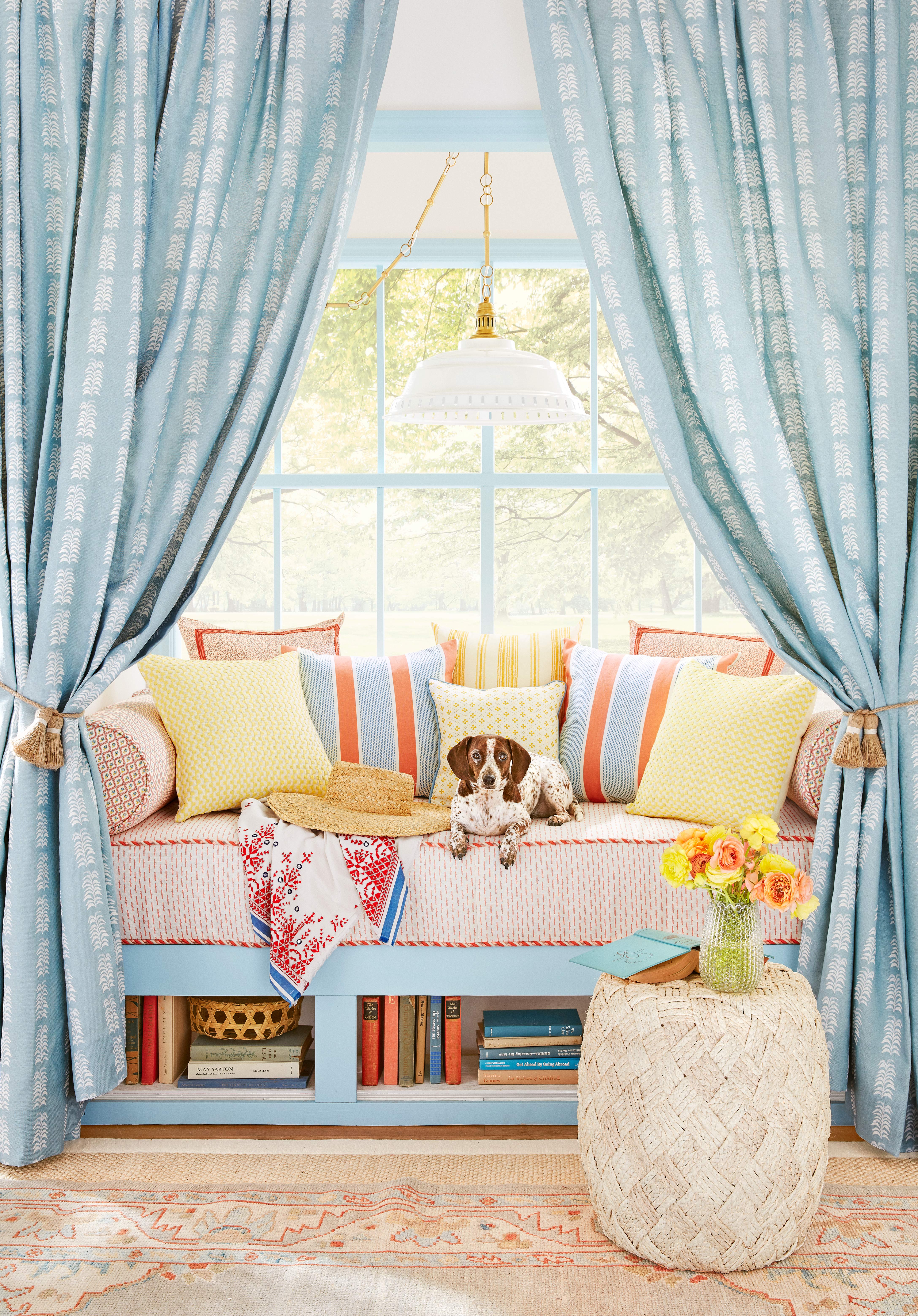
The Most Clever Room Divider Ideas
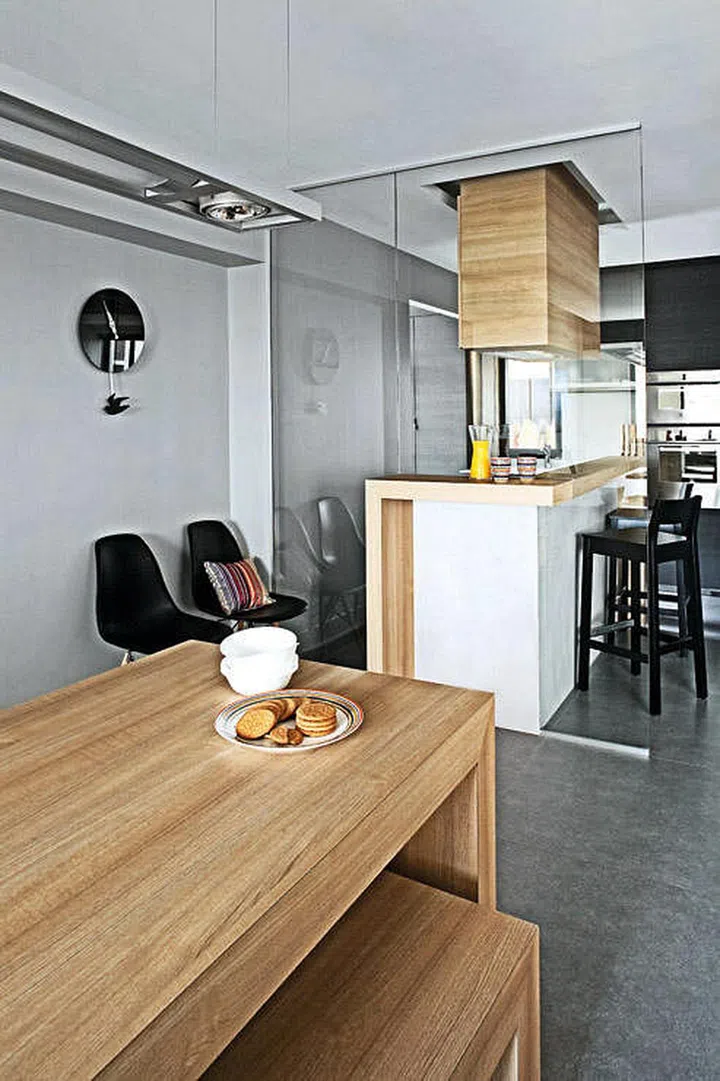
7 ingenious room dividers perfect for small homes
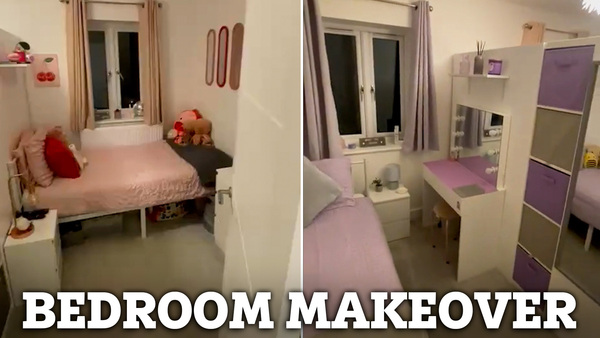
Our teens were sick of sharing a room so we built them their own private pad for £250 using IKEA buys - they love it

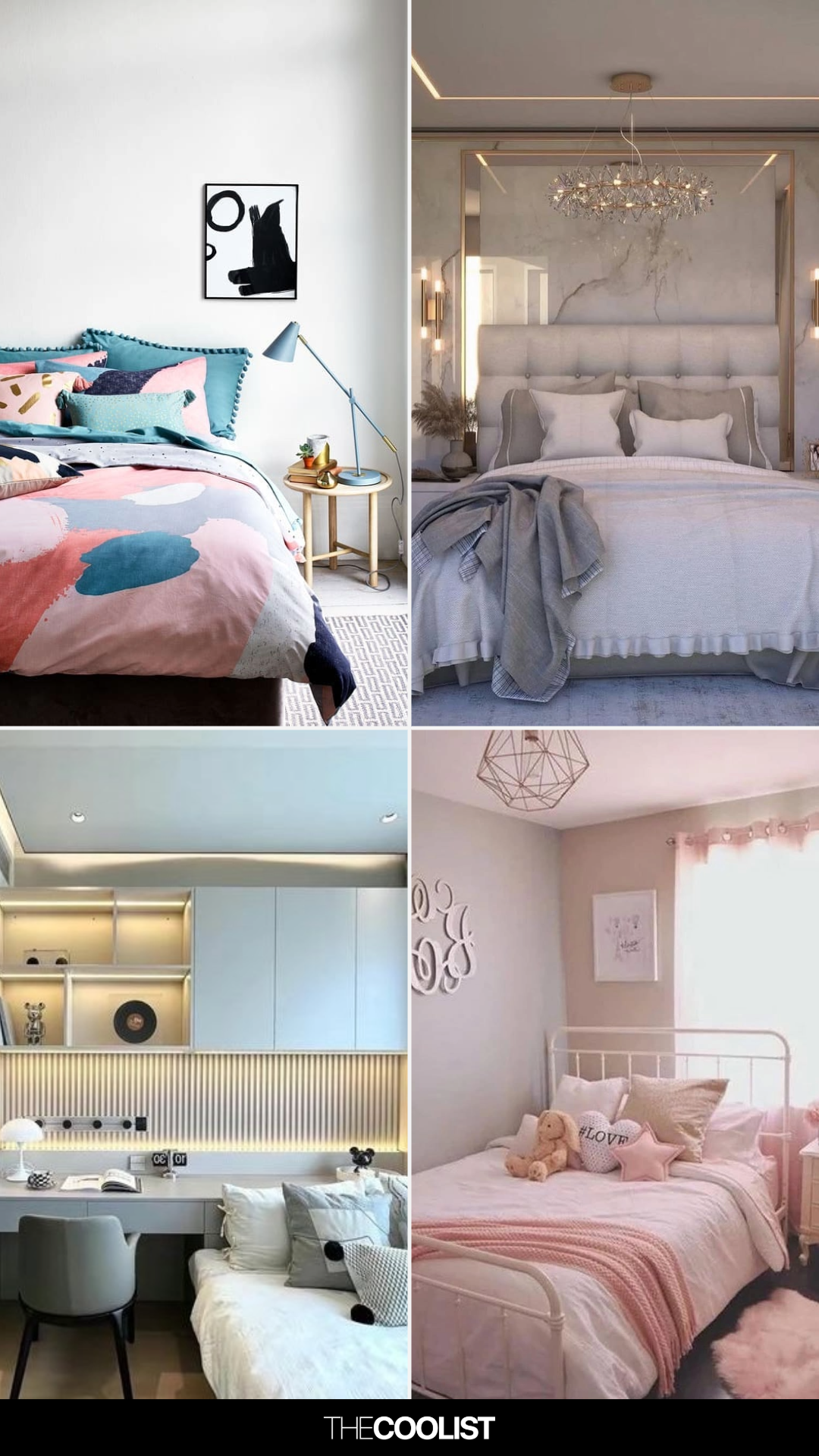
38 Insanely Genius Bedroom Ideas for Small Rooms That Instantly Maximize Space