1/9
5 Ways to Use Indoor Plant Growing Systems to Help Your Crops Thrive — And That Look Amazing, Too
The increasing interest in self-sufficiency has led to a resurgence in growing fruits and vegetables at home, even for individuals without outdoor garden space. Indoor plant growing systems offer a solution, typically employing hydroponics, where nutrients are delivered through water, and utilizing grow lights. This allows for year-round cultivation, independent of weather or seasonal changes, and eliminates the need for pesticides. A wide array of systems is available, ranging from compact countertop units to expansive floor-standing planters, multi-tiered shelving, and living walls. Many of these systems integrate with smartphone applications, providing users with monitoring capabilities and harvest alerts.
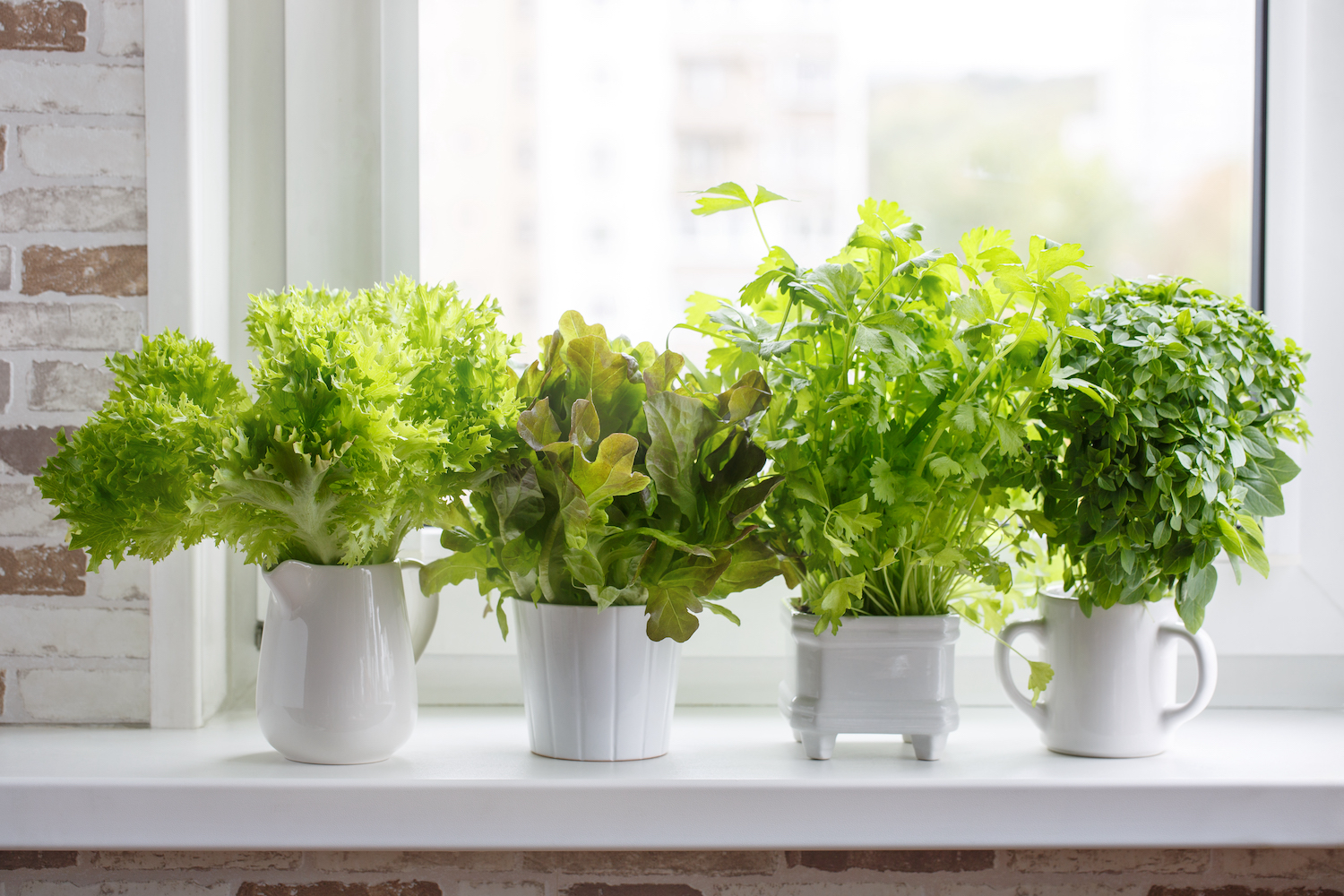
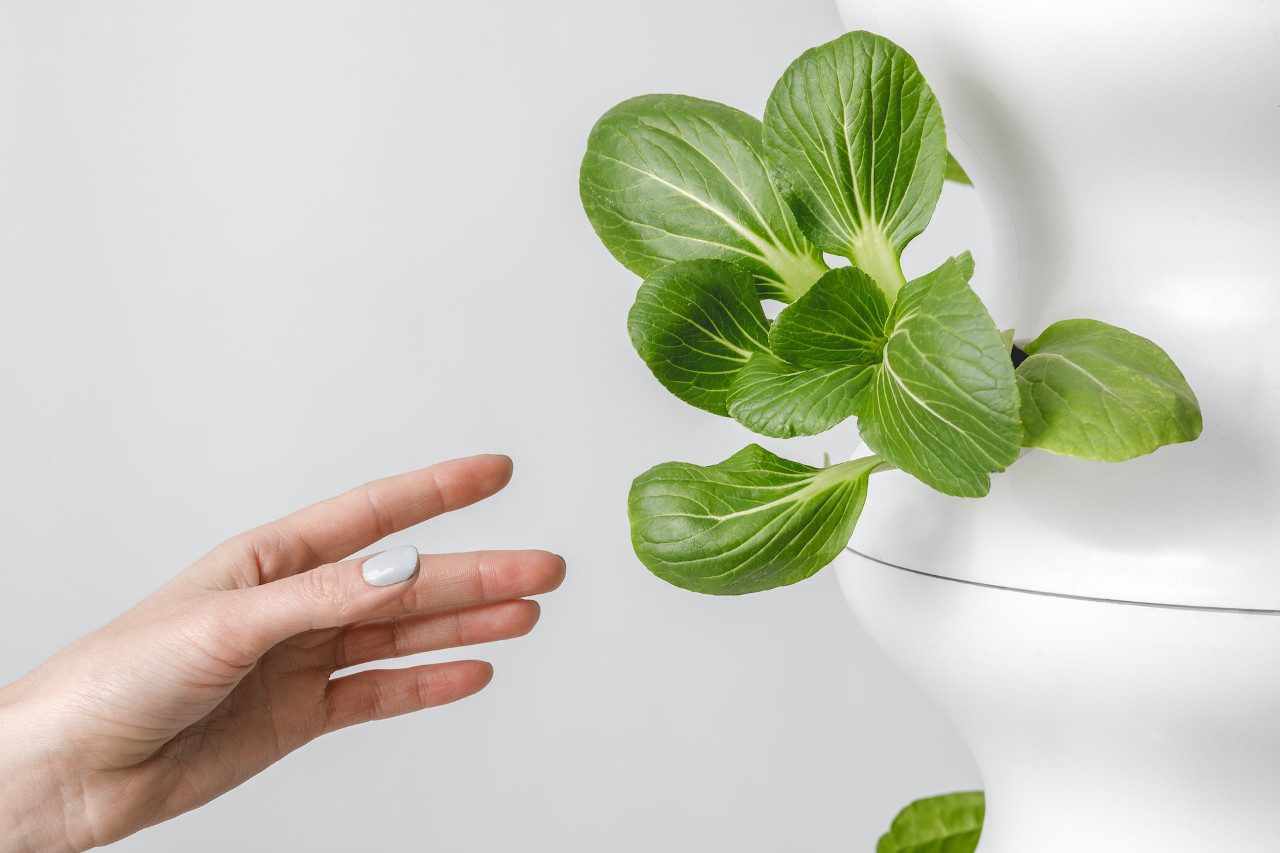
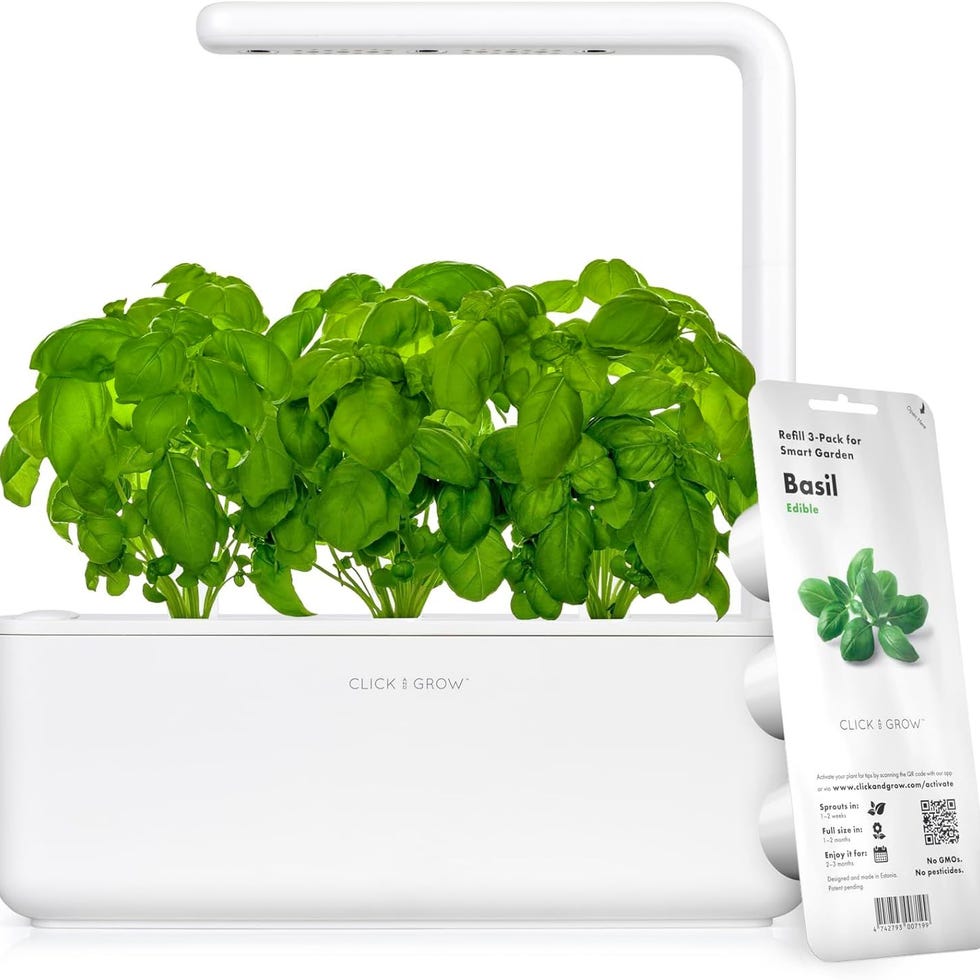
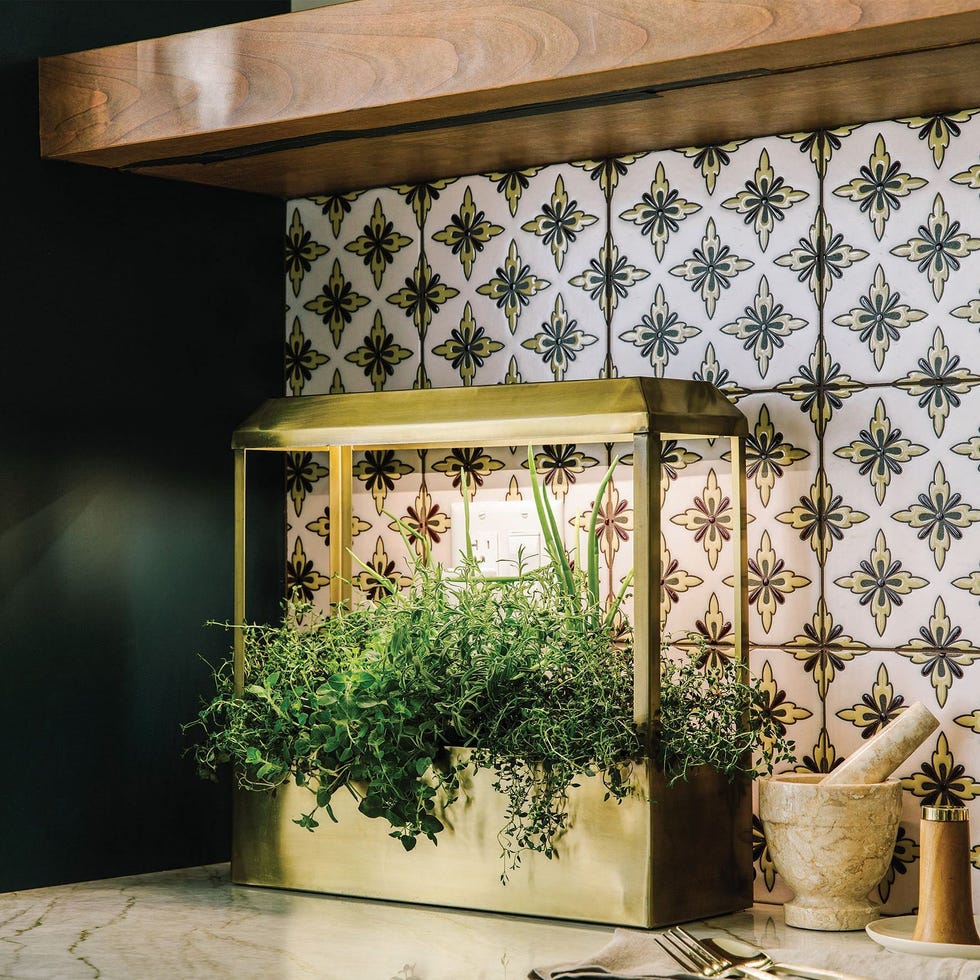
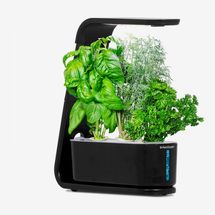
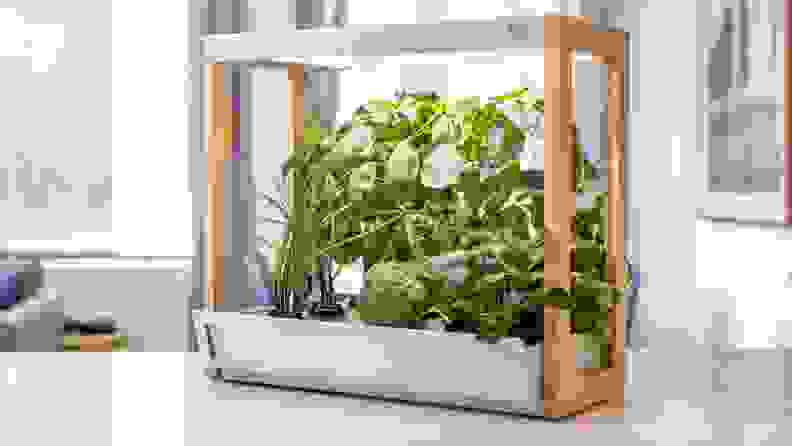
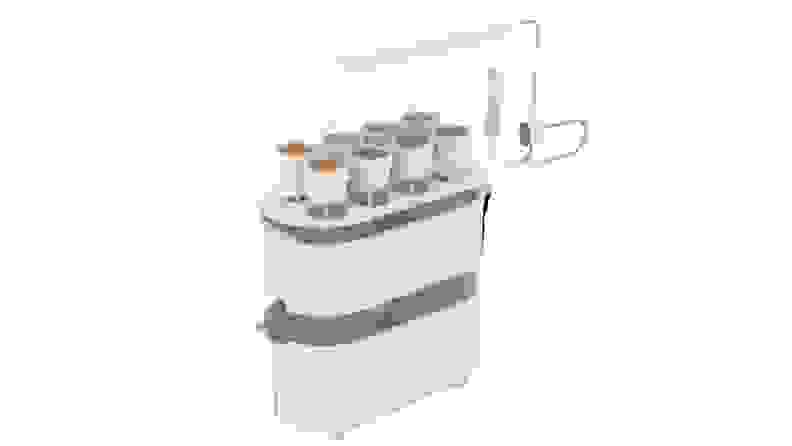
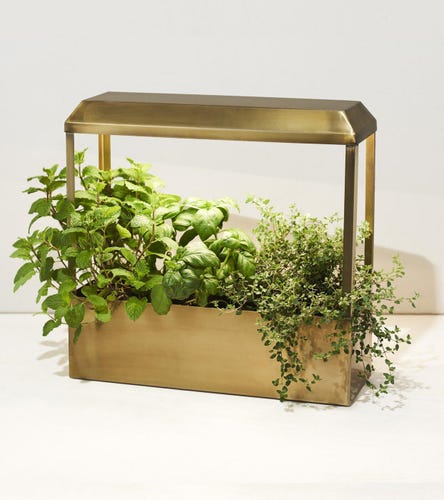
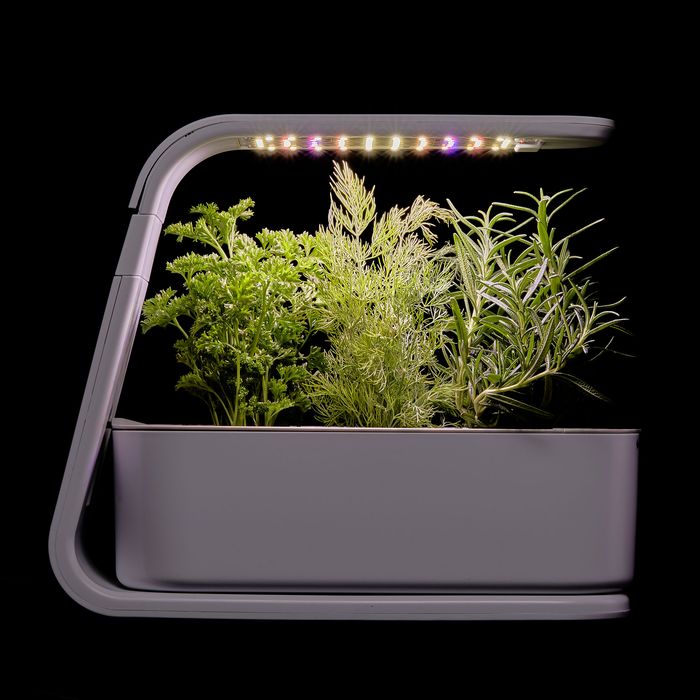
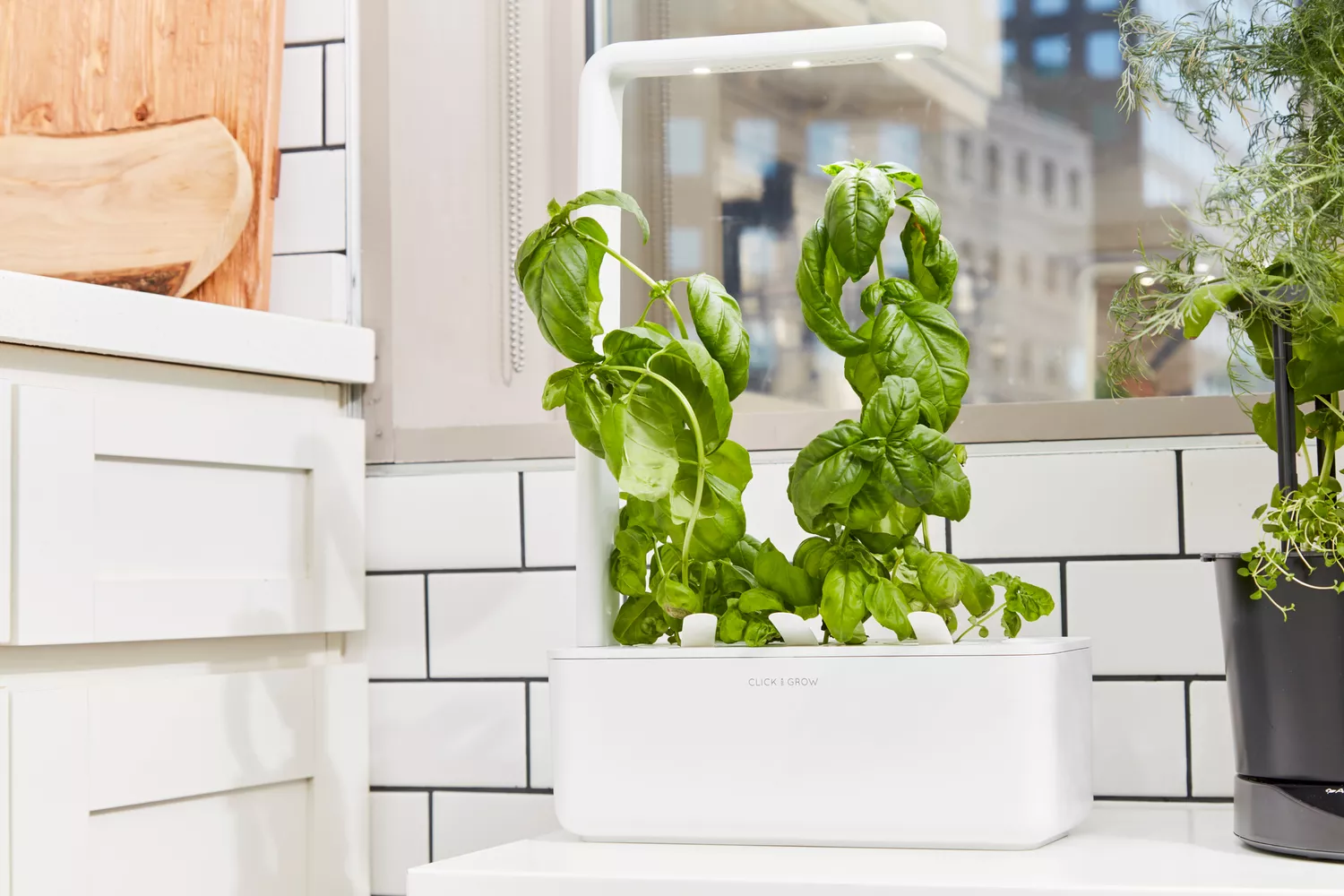
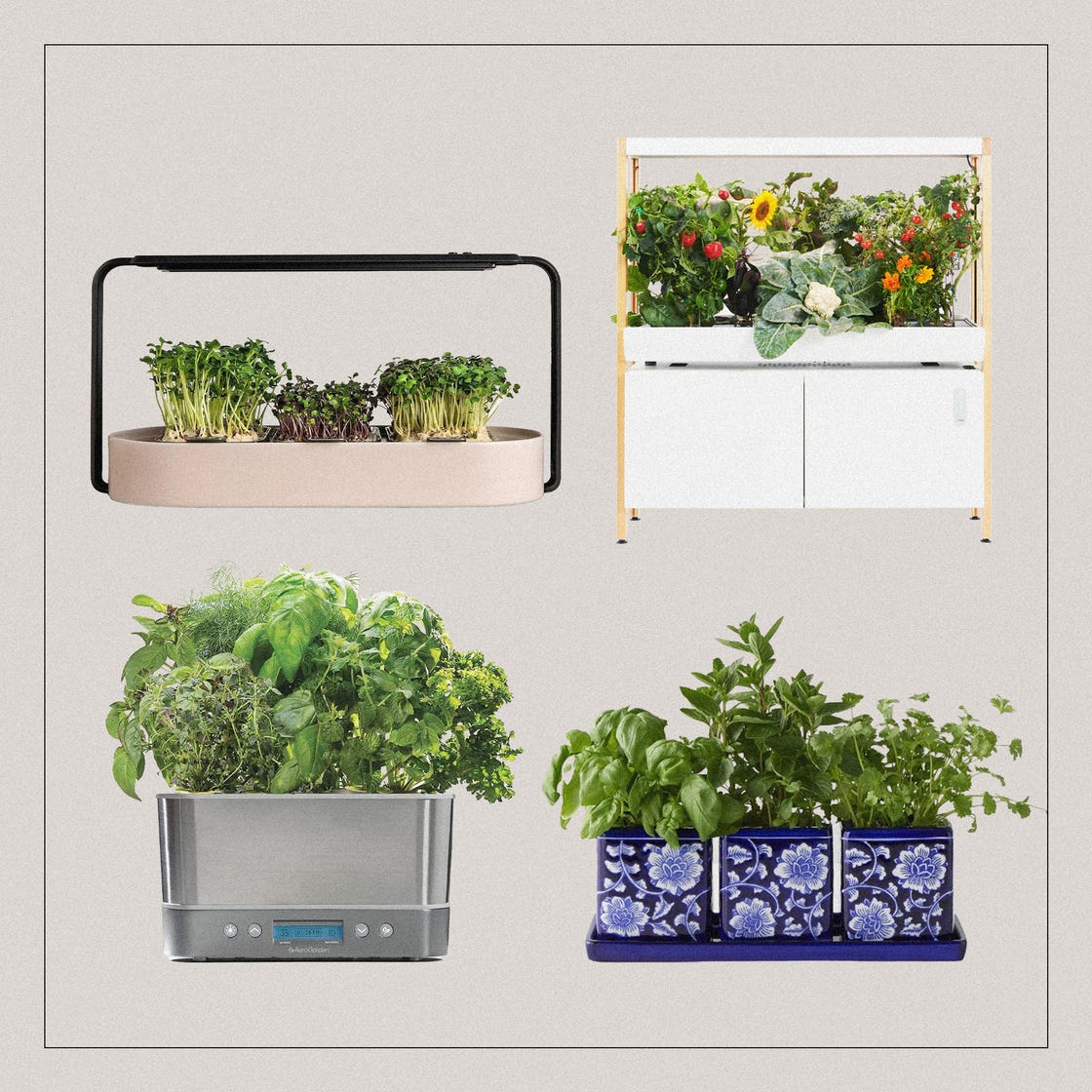
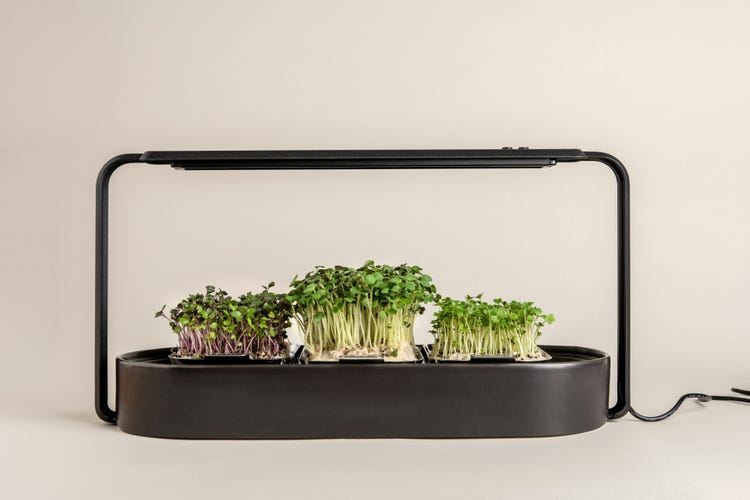
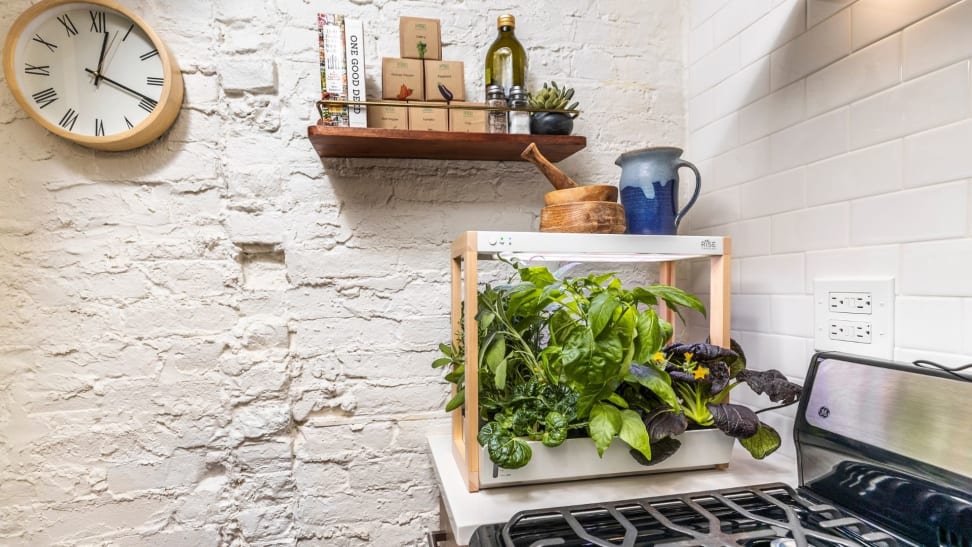
For those new to indoor gardening or with limited space, countertop systems are a practical choice. These compact units, often hydroponic with LED grow lights, require an electrical outlet and can accommodate 9-12 plants, which are reported to grow five times faster than in soil. Examples include the Personal Rise Garden, Click&Grow Smart Garden 9, and AeroGarden Bounty. These systems support the growth of various produce like lettuce, salad greens, tomatoes, chilies, and herbs, as well as flowers for an indoor cutting garden. Angelo Kelvakis, Head of Research + Development at Rise Gardens, highlights the extensive variety of crops available, from leafy greens to fruiting plants and herbs, emphasizing the benefits of knowing exactly what goes into growing one's food and consuming it at peak nutrient density upon harvest.
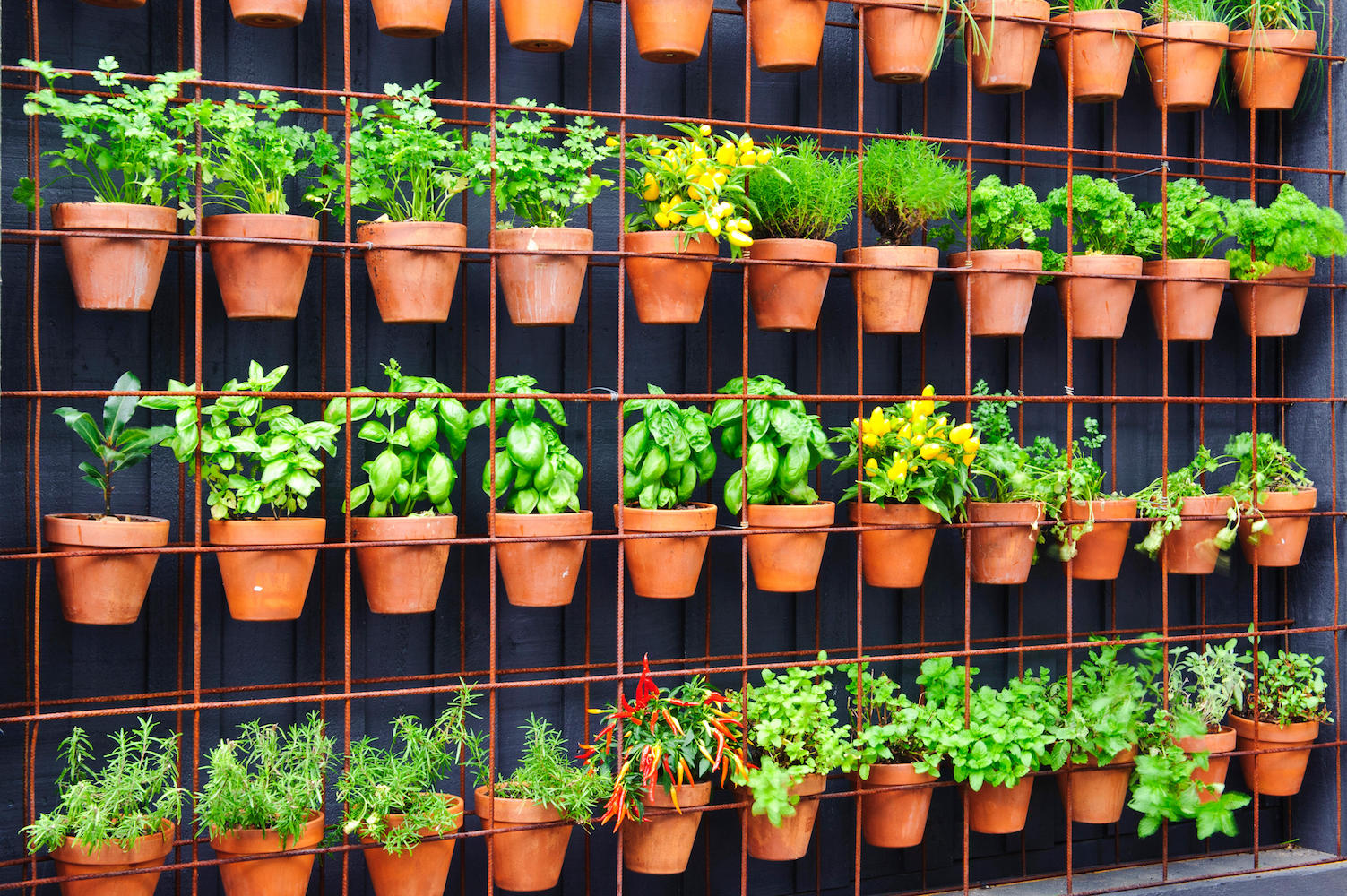
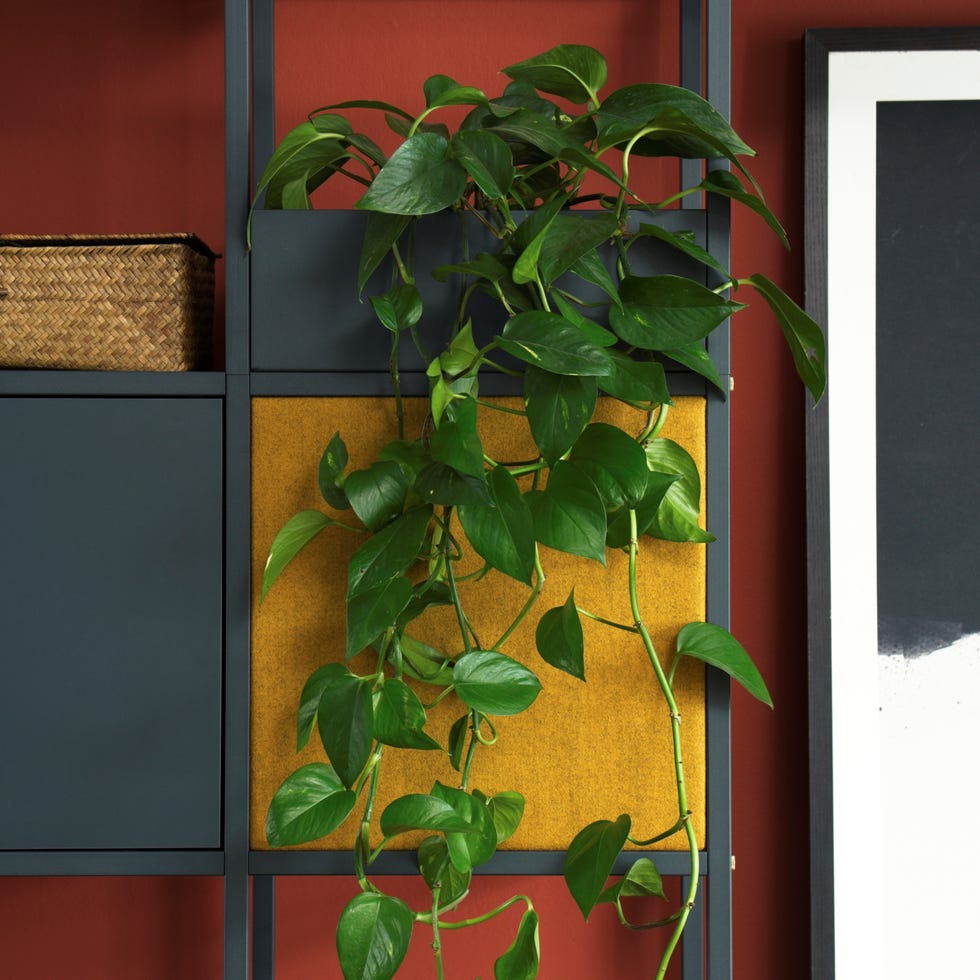
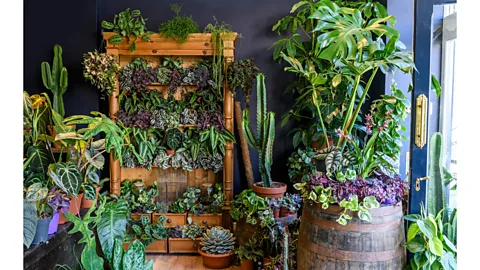
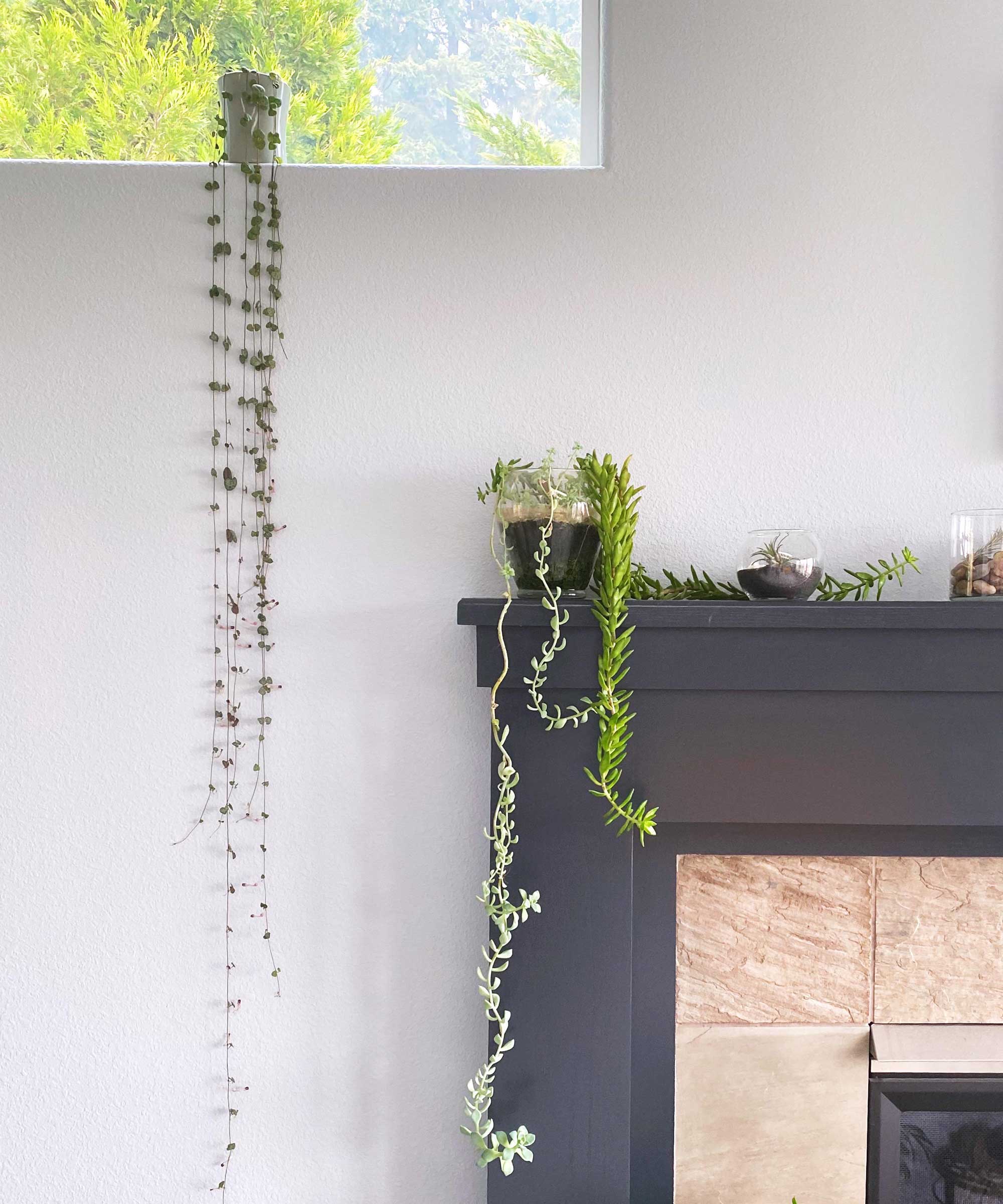
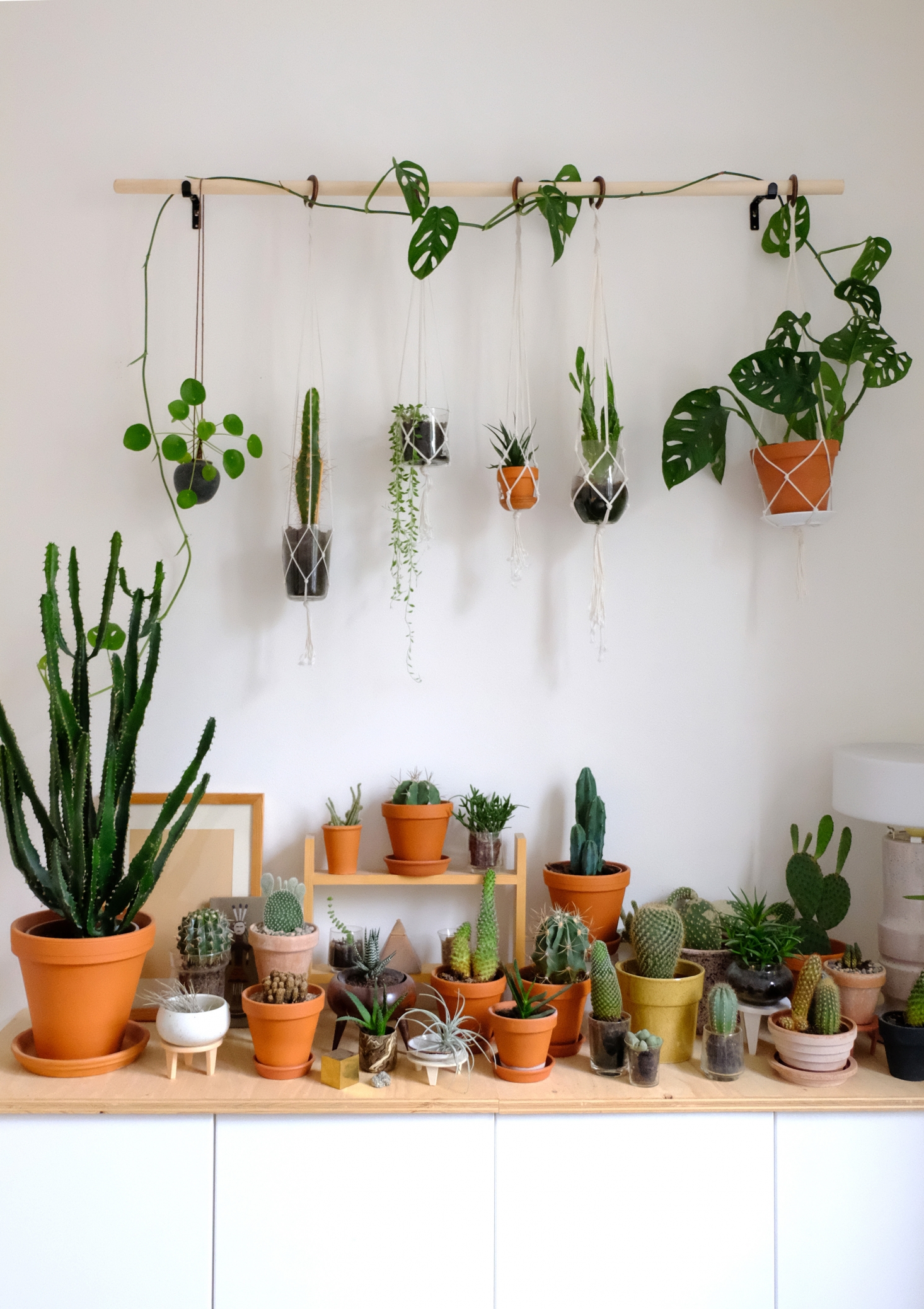
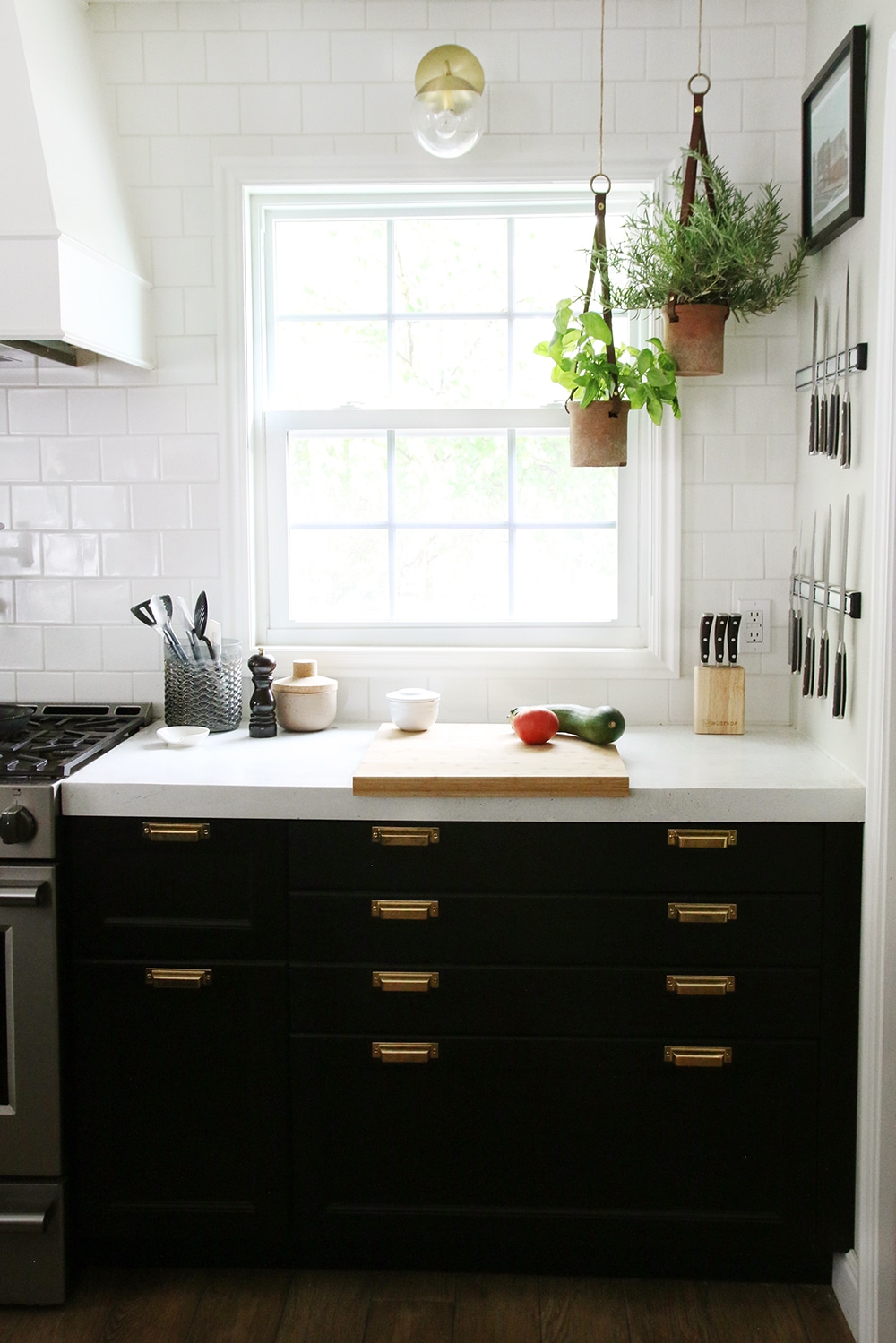
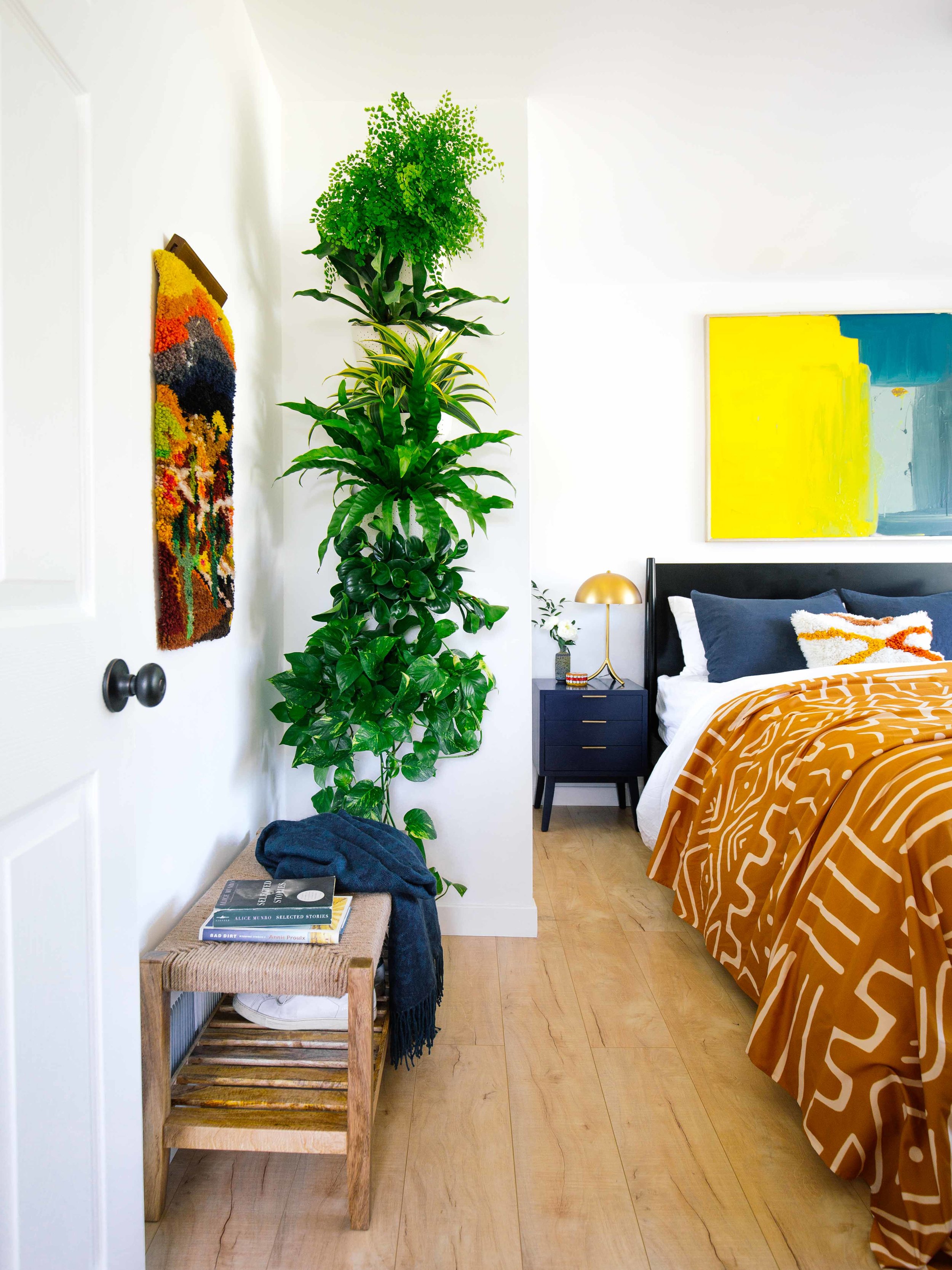
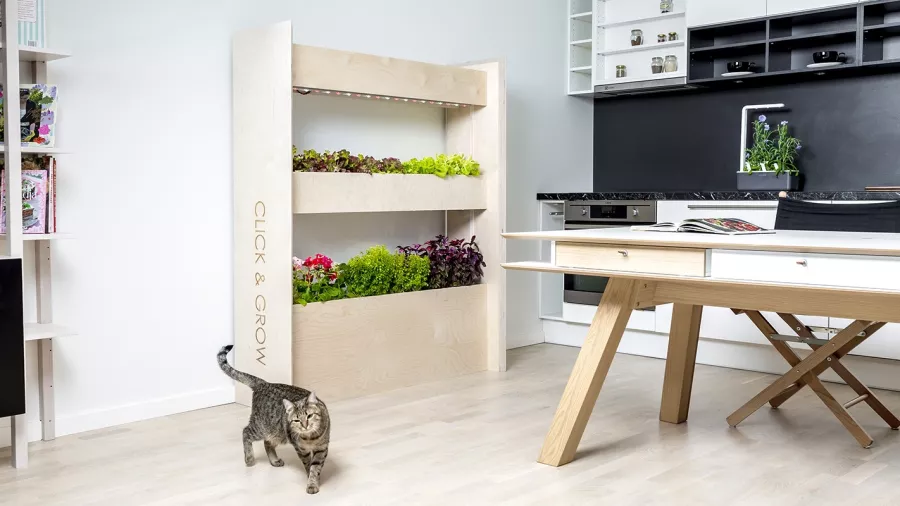
Wall-mounted systems present an alternative for those with restricted kitchen countertop space or a desire for a vertical garden aesthetic. These systems come in diverse designs, including models with elegant timber frames, felt pockets, or cylindrical planters. They are versatile, suitable for decorative houseplants, succulents, herbs, or salad leaves. While some models feature integrated irrigation or water reservoirs, others offer optional components and can be used outdoors. It's advisable to avoid consuming plants grown in recycled plastic models. Unlike some countertop units, wall-mounted systems do not always include grow lights, making placement near a natural light source beneficial.
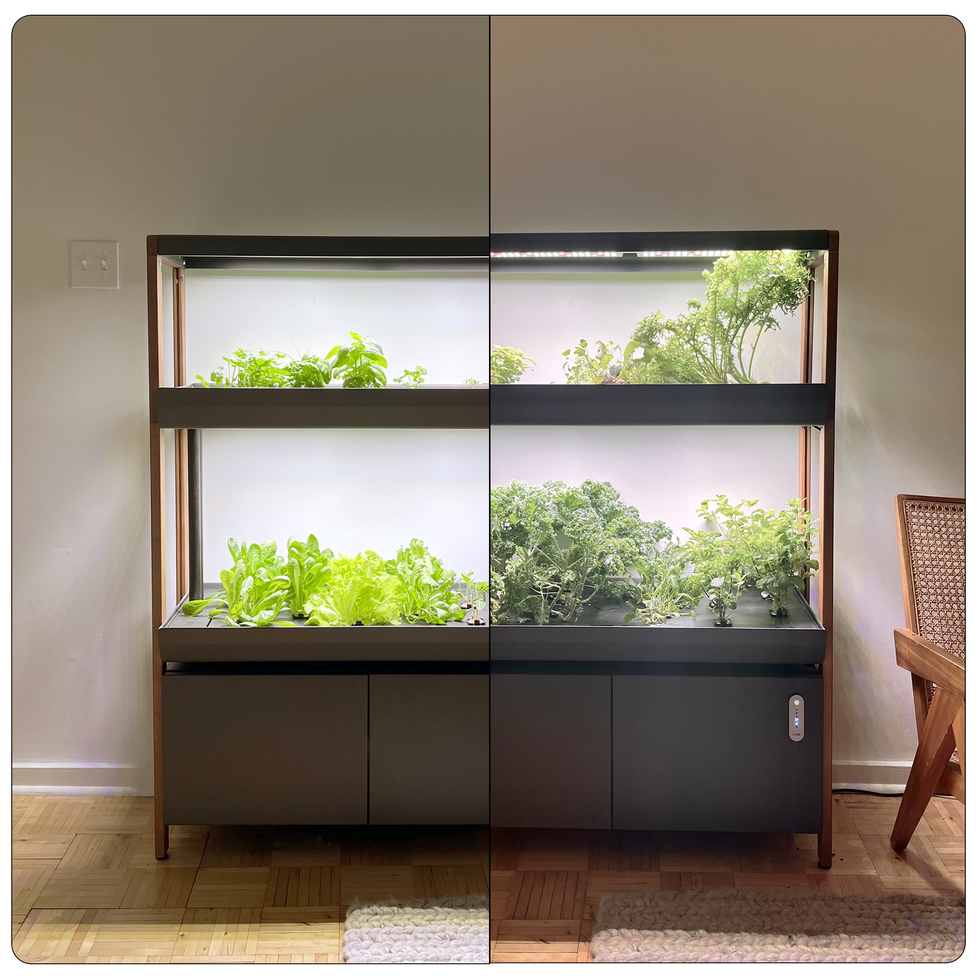
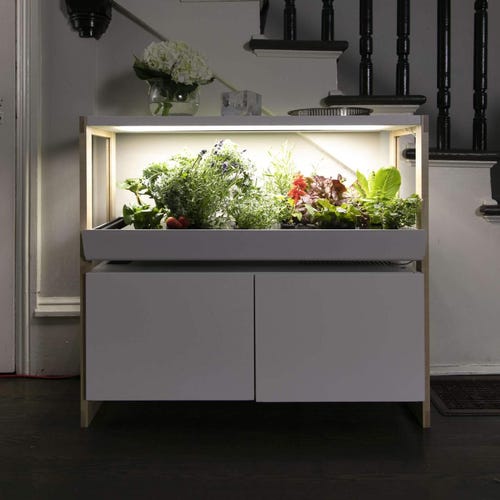
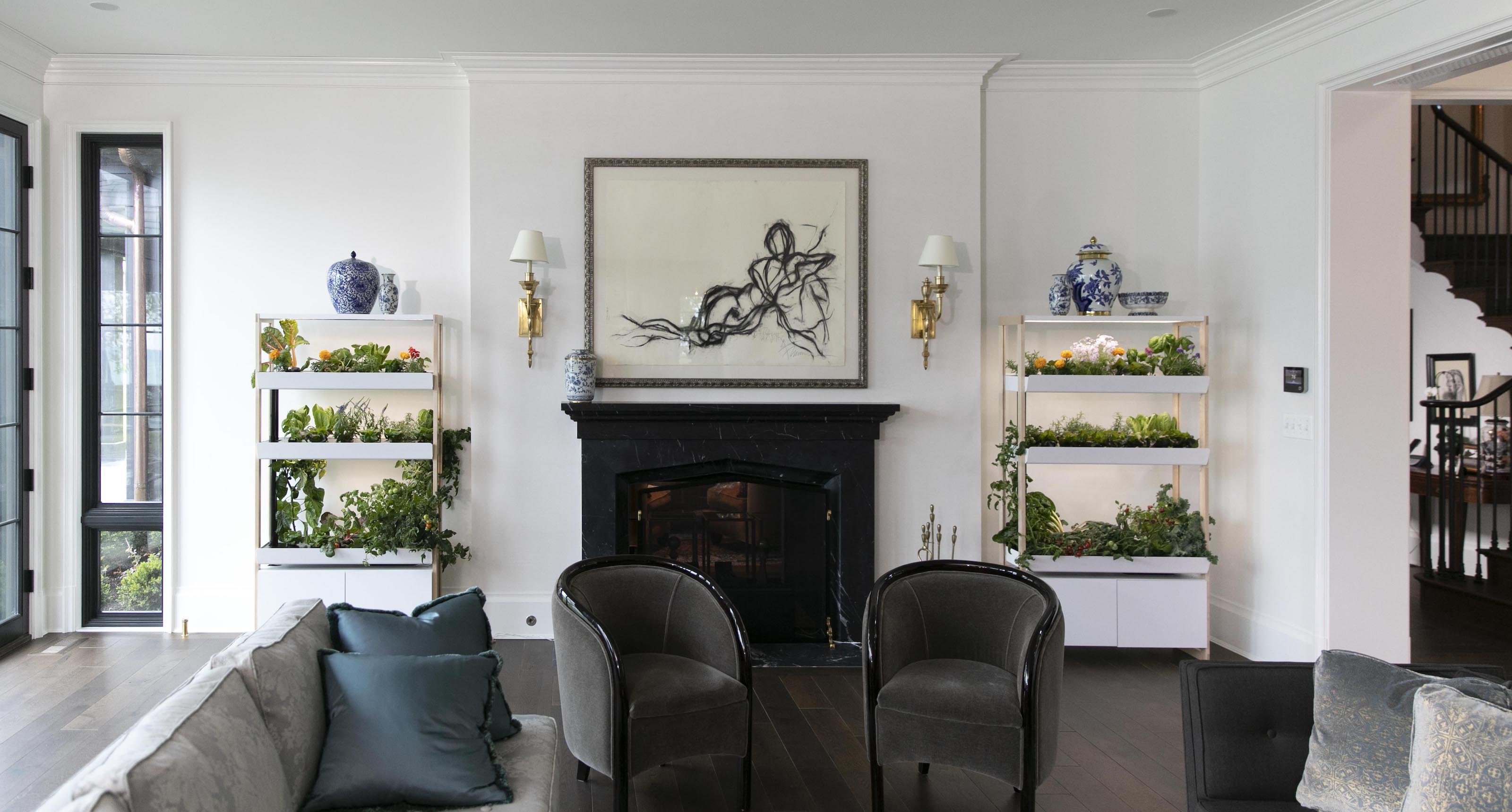
Serious growers and plant enthusiasts can opt for hydroponic shelving systems equipped with LED lights. The Rise Garden, a modular, floor-mounted system, exemplifies this category, capable of housing over 100 plants. It allows for expansion from one to three levels and includes app integration for care reminders and harvest timings. Angelo Kelvakis notes that these gardens facilitate year-round cultivation with significantly less water usage than traditional outdoor methods. Their built-in lights offer placement flexibility within the home, though proximity to a sink is recommended for easier water refills, and regular cleaning every four to six months is necessary.
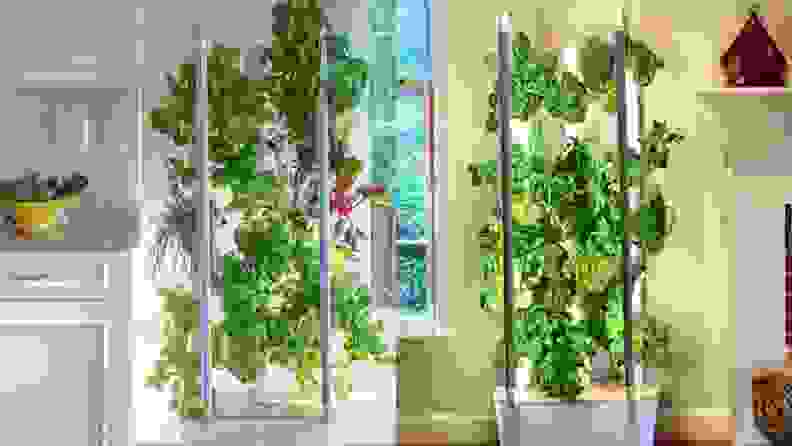
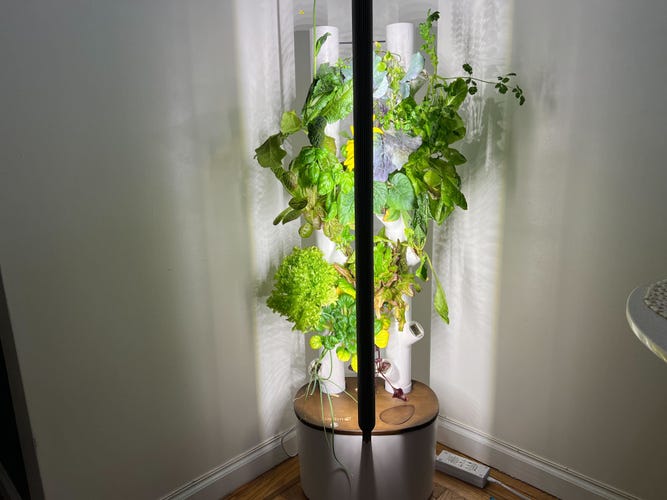
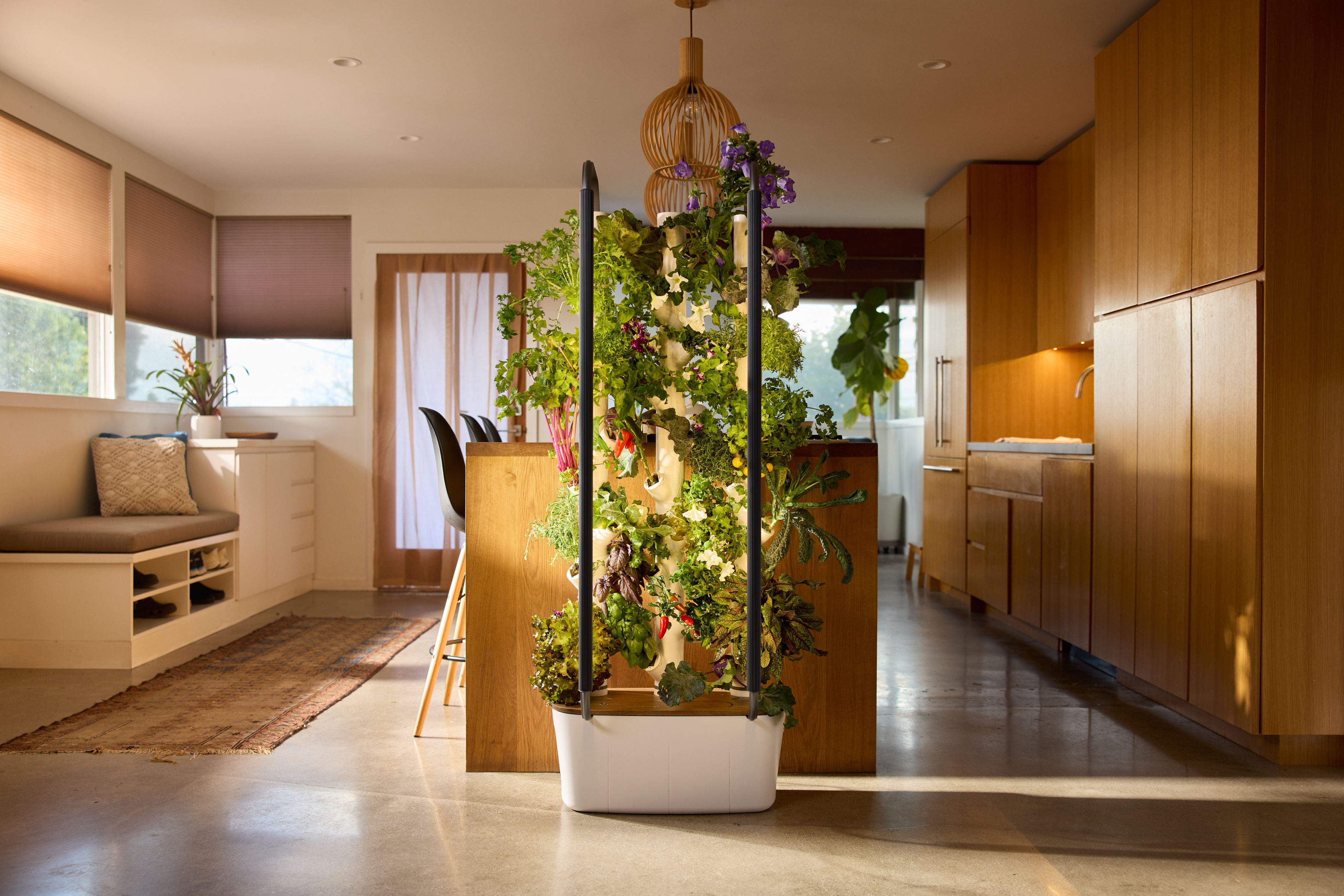
Column kits offer a space-saving vertical solution. The Gardyn Home Kit, for instance, features a water tank, LED lights, and a camera, with plants growing in pods along vertical columns. This system occupies only two feet of floor space and connects to an app with an AI monitor, "Kelby," which provides alerts for nutrient needs, water levels, and harvest readiness, alongside a "vacation mode" feature. FX Rouxel, Gardyn's founder, underscores the system's ability to produce large quantities of food year-round in a minimal footprint. Assembly and routine cleaning are required.
For those who prefer soil-based planting, setting up a DIY indoor growing system with appropriate lighting is feasible. Lisa Eldred Steinkopf, author of "Grow in the Dark," suggests using fluorescent lights, specifically T-5s or T-8s, for their energy efficiency. She mentions installing simple fluorescent lights under cupboards for continuous blooming of plants like African violets. LED lighting is another energy-efficient option, albeit initially more expensive, offering longer lifespan and reduced operating time. Elizabeth Millard, author of the "Indoor Kitchen Garden Handbook," also advocates for under-the-counter fluorescent lighting, advising the use of a small block or shelf to bring plants closer to the light source. A crucial aspect of indoor plant care is providing a regular day-night cycle, as continuous lighting can stress plants. The recommended practice is to turn lights on in the morning and off around sunset, adjusting for winter months but always ensuring a period of darkness for plant rest.
#IndoorPlantGrowing #Hydroponics #HomeGardening #VerticalGardening #SmartGardenSystems #CountertopGardens #WallMountedGardens #DIYGrowLights #IndoorPlantGrowing #Hydroponics #HomeGardening #VerticalGardening #SmartGardenSystems #CountertopGardens #WallMountedGardens #DIYGrowLights
0 comment in total
 No comments yet
You may also like
10 indoor vegetable garden ideas - design experts on how to create decor that looks good enough to eat
Indoor Garden Ideas —14 Ways To Live Amongst Greenery That Will Make Your Life Better

Craig's secret weapon for helping his indoor plants look their best

Plant Style: Elevate Your Decor with Indoor Plants
The power of greenery! 5 ways that houseplants can elevate your interior

Houseplant trends for 2025 – 7 of the most stylish ways to garden indoors this year

20 DIY Indoor Greenhouse Ideas to Create Your Own Plant Oasis
6 Indoor Garden Ideas That Will Convince You to Become a Plant Person

Eight ways indoor plants can improve your home

7 Indoor Garden Ideas To Elevate Your Home

The Very Best Indoor-Garden Kits
Best indoor plants: the best house plants for stylish greenery

We Tested 18 Indoor Garden Systems—These 6 Are Truly Worthy of Your Countertop
These Indoor Herb Gardens Will Help You Save Space and Time in the Kitchen

6 Plants That Professional Stagers Say Will Actually Help You Sell Your Home
Best Indoor Smart Gardens for 2026

8 Incredible Indoor Garden Ideas

Indoor garden ideas: 9 ways to create a plant-filled haven
4 smart indoor gardens to automate your green thumb

Put a Tiny Garden in Your House With Wall Farm