1/3
An Editor's Honest Review of the Thuma Bed
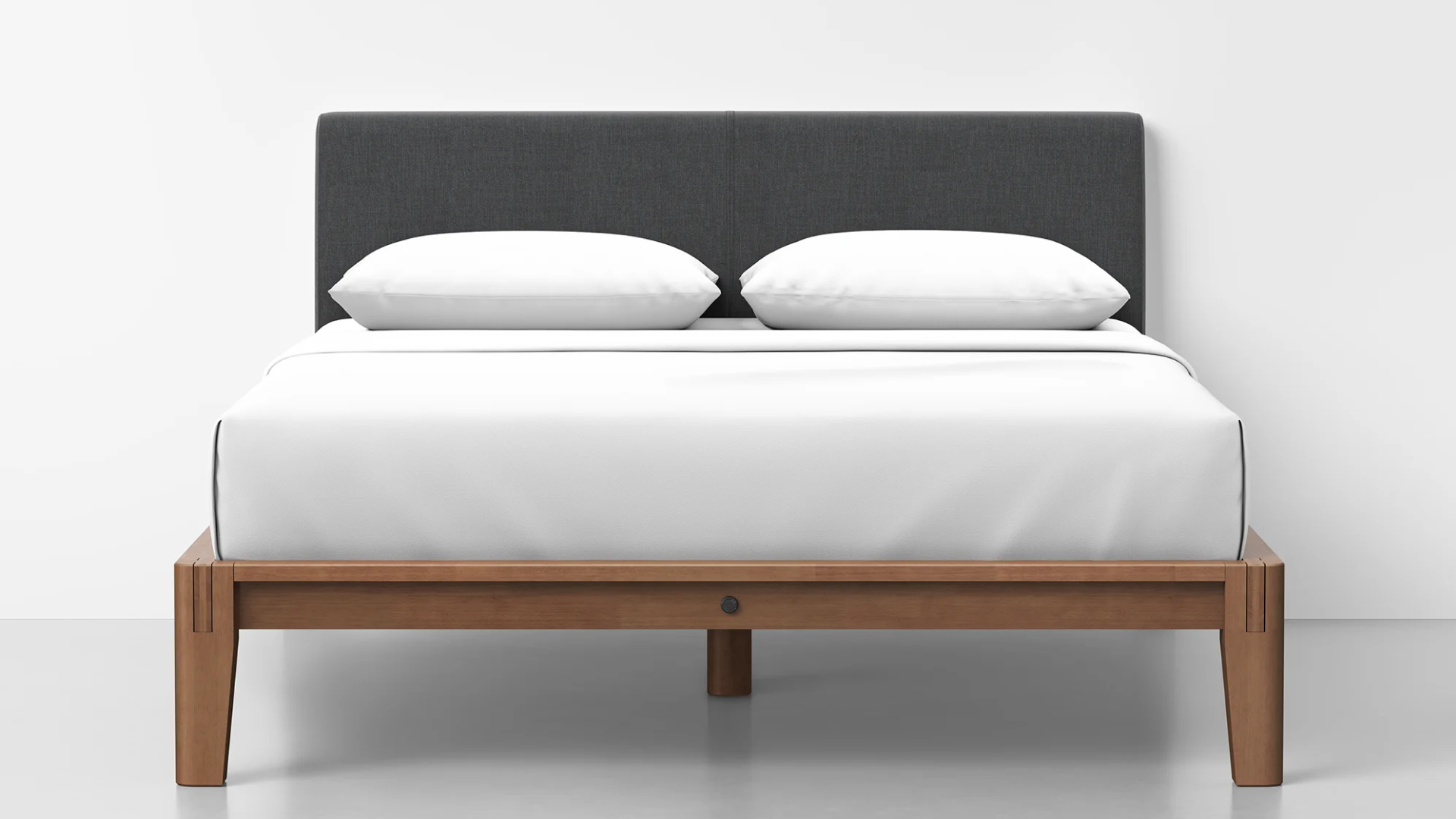
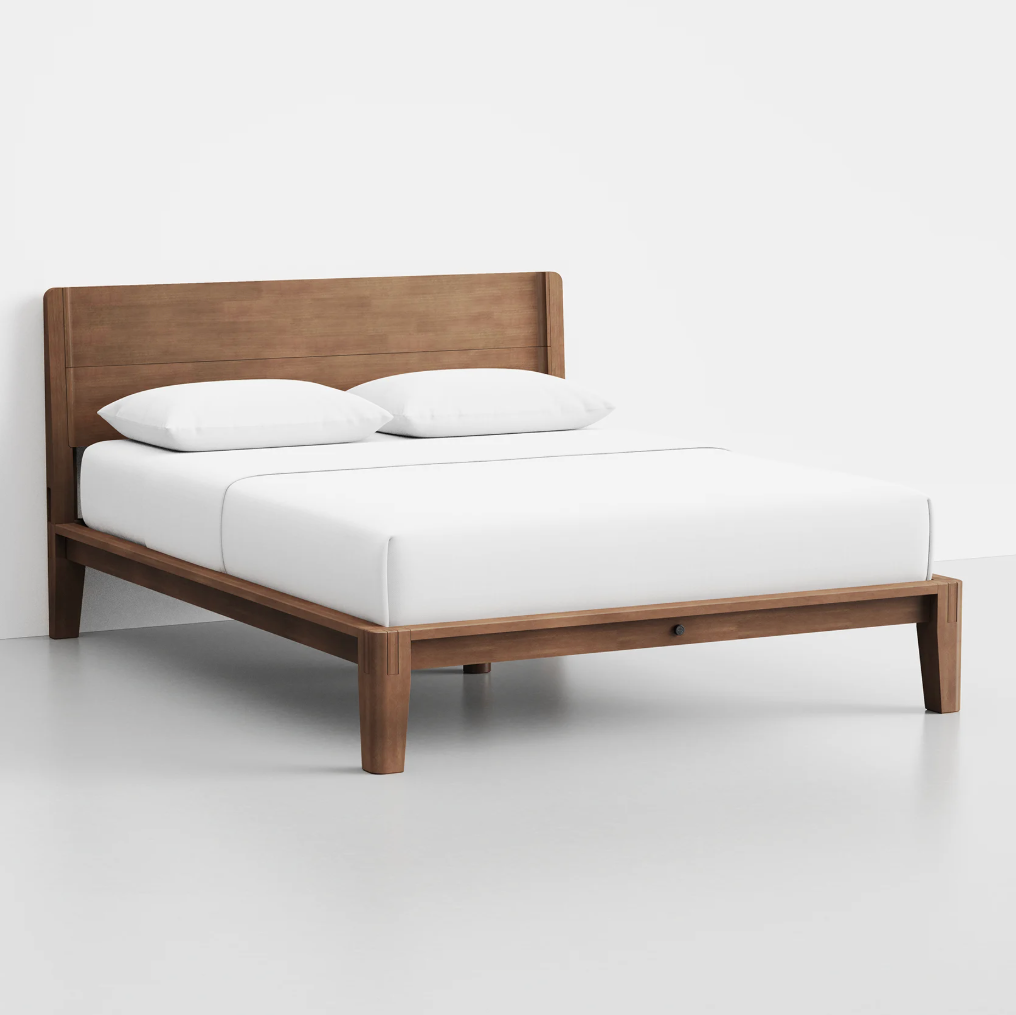
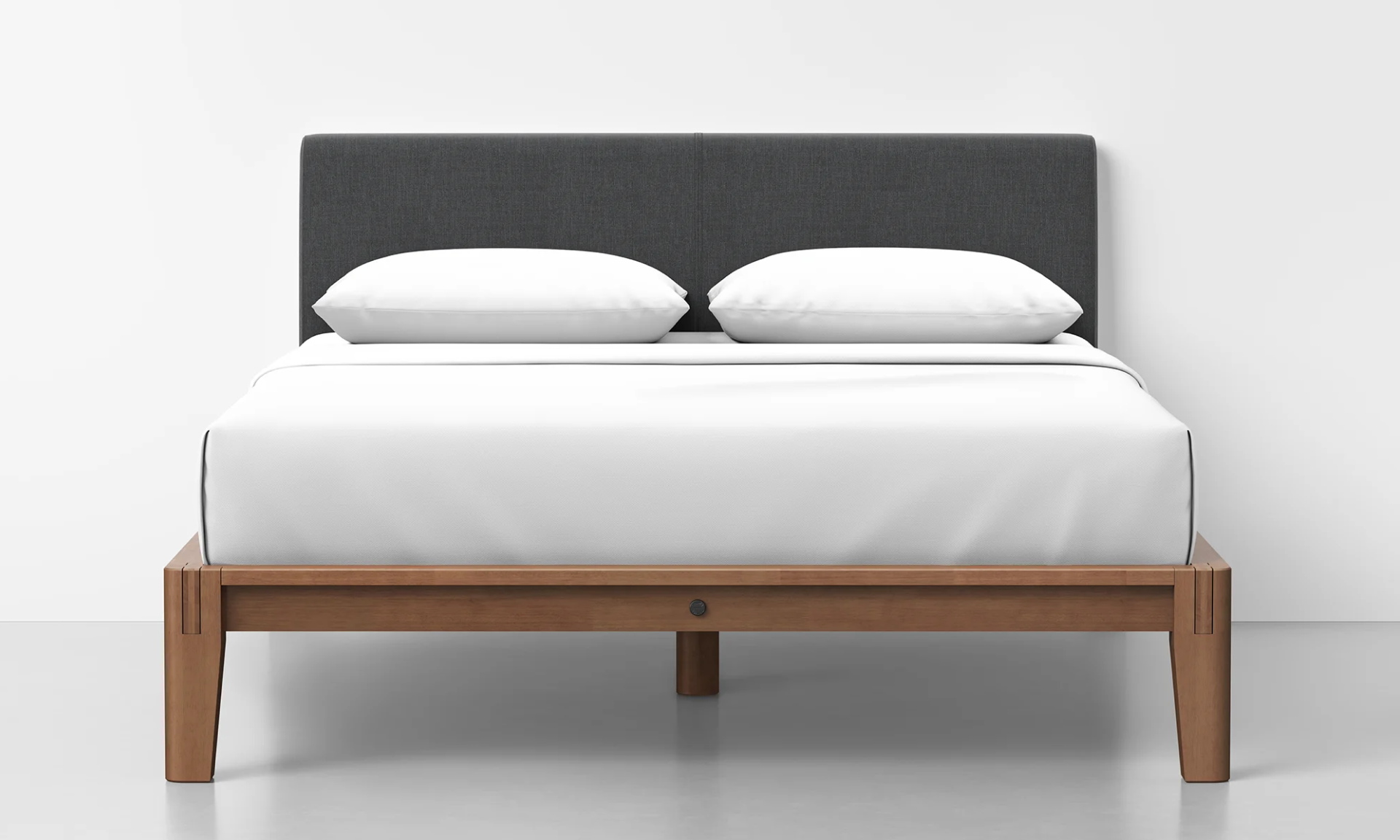
This article provides an in-depth review of the viral Thuma bed frame, evaluating its design, assembly, materials, and sustainability from the perspective of someone married to a woodworker. The author, Tatjana Freund, frequently encounters Thuma bed advertisements on social media, highlighting the company's emphasis on Japanese joinery for easy, tool-free assembly. Intrigued yet skeptical, she delves into the product's claims and consults her husband, Willem Smith-Clark, a licensed architect and woodworker, for an expert opinion, particularly regarding the 'Japanese joinery' aspect.
The review begins by discussing Thuma's shipping and delivery process, noting its convenience with small packages and an optional premium service that includes setup and box removal. Thuma also offers a responsive concierge service, available seven days a week via email, to assist customers with product and shipping inquiries, aiming for quick and efficient support.
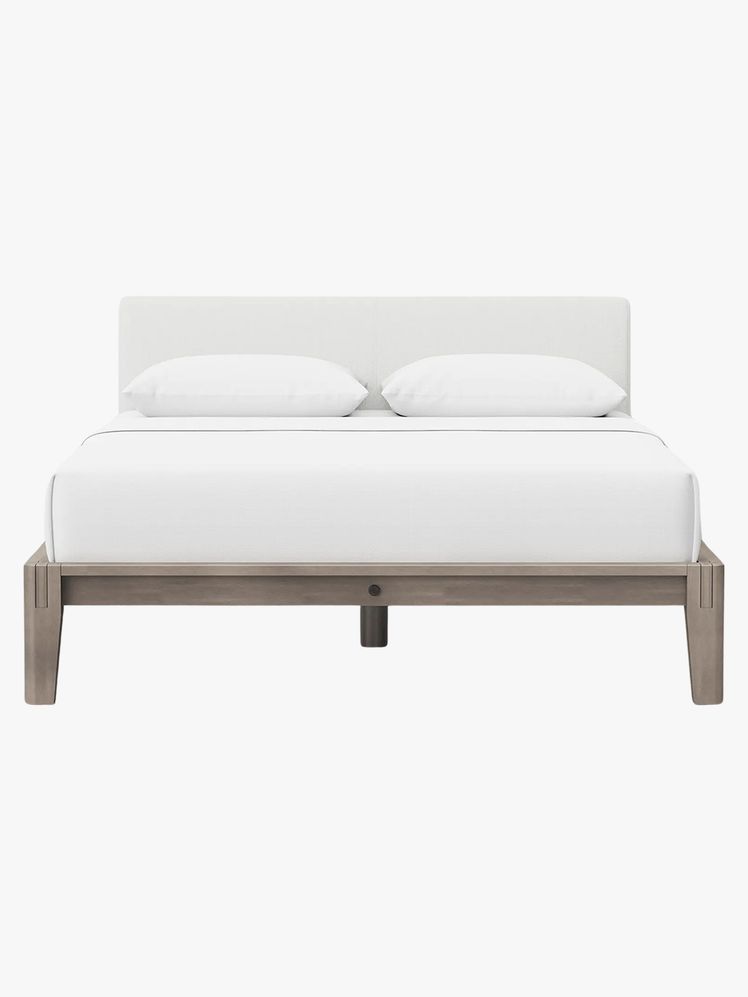
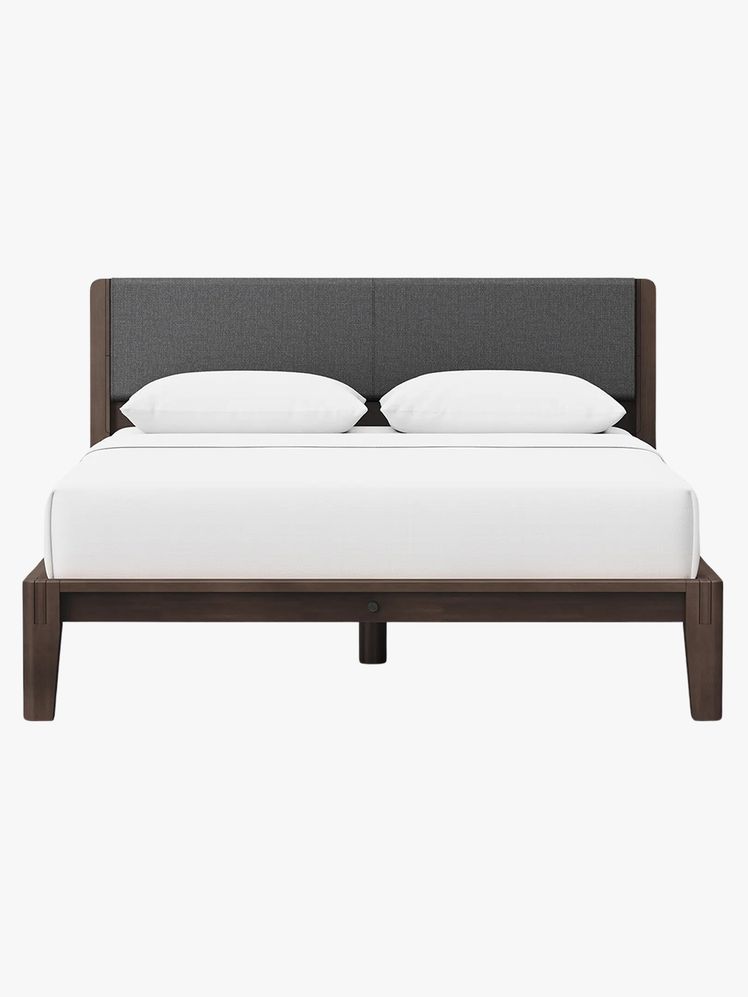
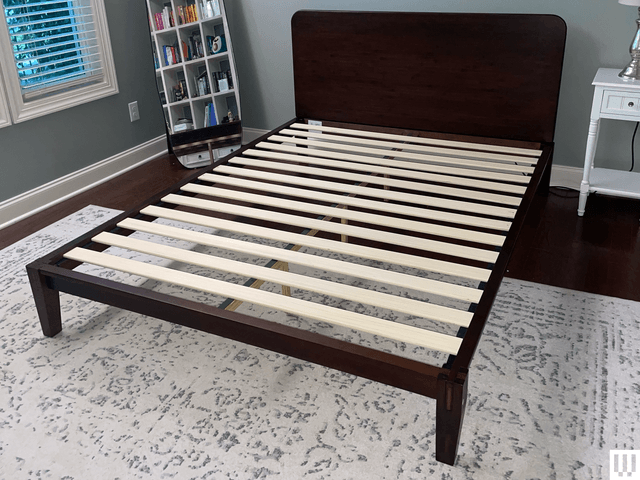
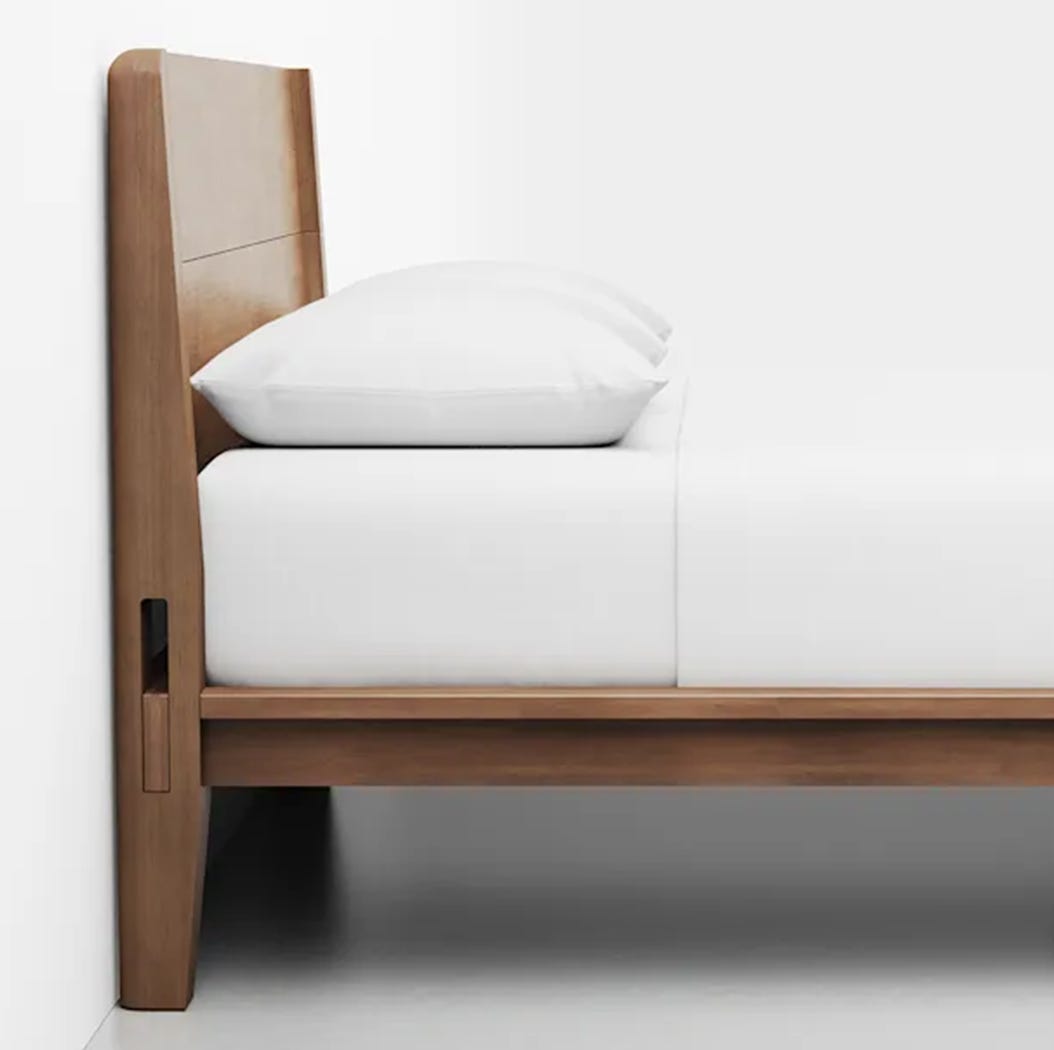
Regarding assembly and construction, the Thuma bed is praised for its tool-free setup, which is reportedly a five-minute process, validated by customer reviews. This ease of assembly is attributed to its unique joinery, where wooden pieces interlock like a jigsaw puzzle. However, a point of contention arises concerning the term 'Japanese joinery.' While Thuma describes its designs as inspired by 'Kumiki' (joining wood together), Willem Smith-Clark clarifies that while the bed uses joinery, it doesn't align with traditional Japanese carpentry, which boasts a millennium-long history of intricate, fastener-free construction. He emphasizes that Japanese joinery is a specific cultural tradition with distinct tools and techniques, differentiating it from Thuma's approach. For those interested in authentic Japanese joinery, the article recommends books by Kiyosi Seike and Toshio Odate.
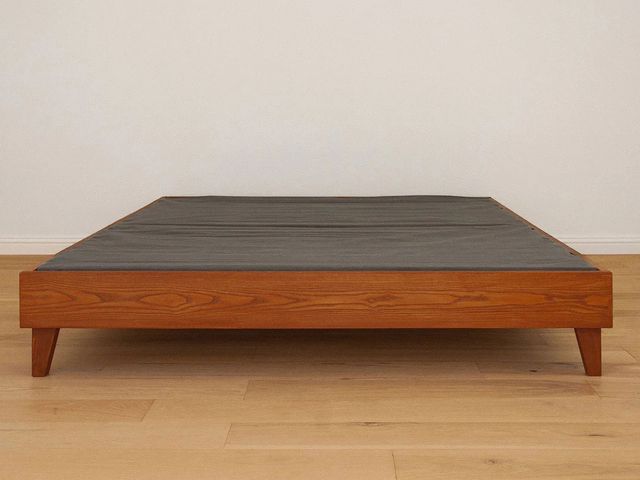
The article then examines the materials and sustainability of the Thuma bed frame, which is constructed from upcycled rubberwood. This material is sourced from the tropical Pará tree, traditionally used for latex production. Historically, these trees were often burned after their productive lifespan, but Thuma repurposes the lumber for furniture. Smith-Clark confirms that rubberwood is a suitable and durable material, comparable in strength to domestic black walnut, and its use as a byproduct of the rubber industry makes it an affordable option, especially when paired with Vietnamese manufacturing. The use of rubberwood is highlighted as both environmentally friendly and cost-effective, though a cautionary note is included for individuals with latex allergies to consult with the brand or a doctor.
In conclusion, Thuma is commended for its dedication to design, packaging, and materials, with a focus on creating eco-friendly, timeless, and durable pieces backed by a lifetime warranty. The company also uses recyclable or recycled materials for all its shipping packages, contributing to its GREENGUARD Gold Certification. While the author acknowledges Thuma's commitment to quality and competitive pricing, her husband offers a contrasting perspective, suggesting that a significant portion of the price might cover marketing expenses. He advises consumers seeking authentic joinery traditions to explore local woodworkers and craftspeople who master older techniques. The review ultimately offers a balanced perspective on the Thuma bed, weighing its practical benefits and sustainability against nuanced interpretations of its claimed design heritage.
#ThumaBed #BedFrameReview #JapaneseJoinery #Woodworking #SustainableFurniture #HomeDecor #BedroomDesign #FurnitureAssembly #Rubberwood #ThumaBed #BedFrameReview #JapaneseJoinery #Woodworking #SustainableFurniture #HomeDecor #BedroomDesign #FurnitureAssembly #Rubberwood
0 comment in total
 No comments yet
You may also like
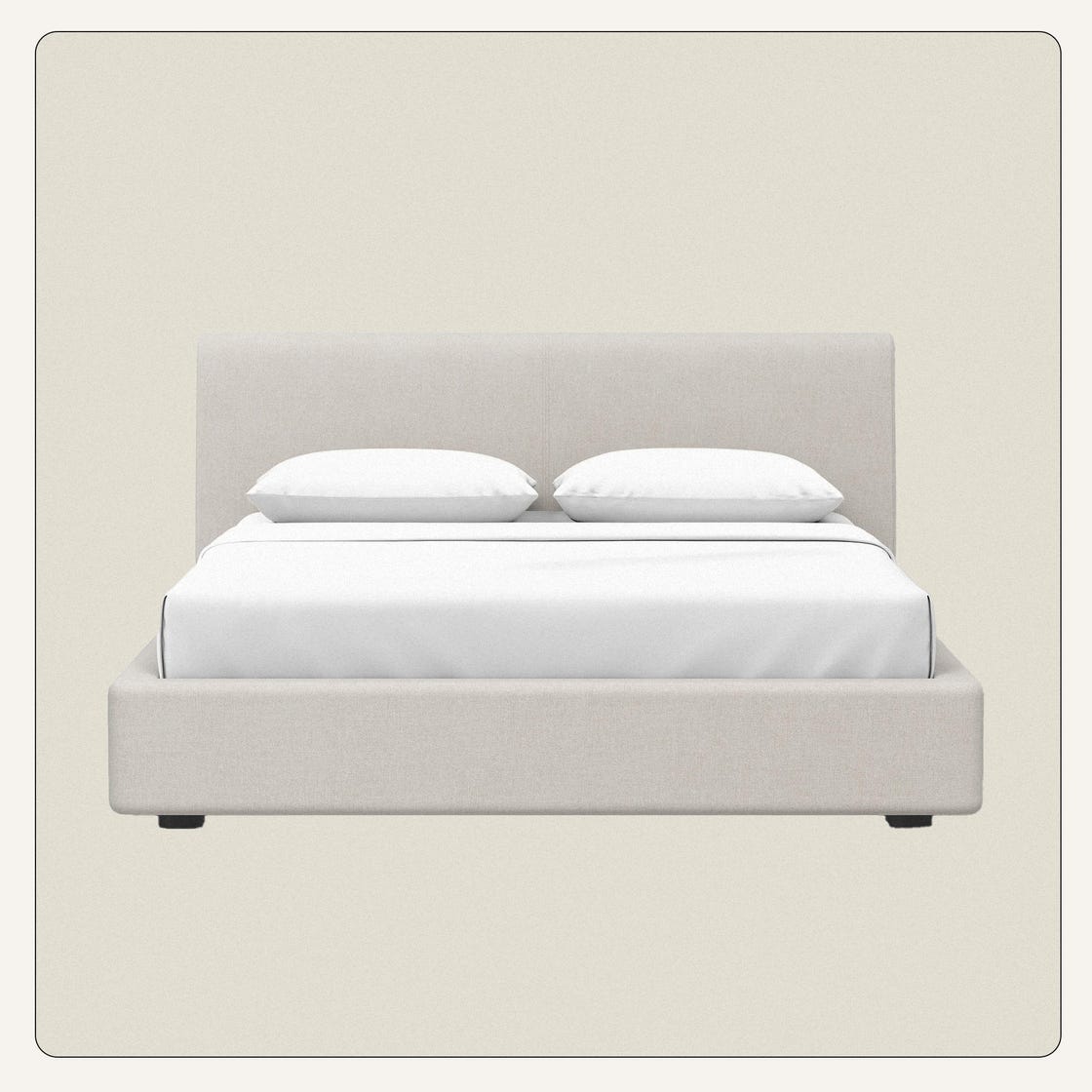
Thuma's New "Cloud" Bed Takes 10 Minutes to Assemble—And It’s Whisper Quiet

I tried Thuma's first easy-to-assemble upholstered bed. I love the sleek look, but I miss the under-bed storage.

Saatva Mattress Reviews: An Honest Assessment | Reviews by Wirecutter
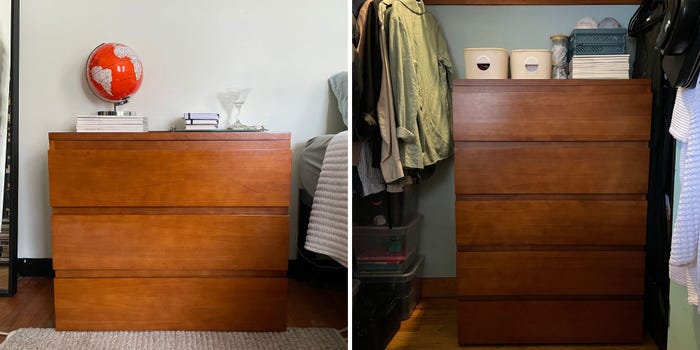
My Thuma Dresser Review After Over a Year of Use
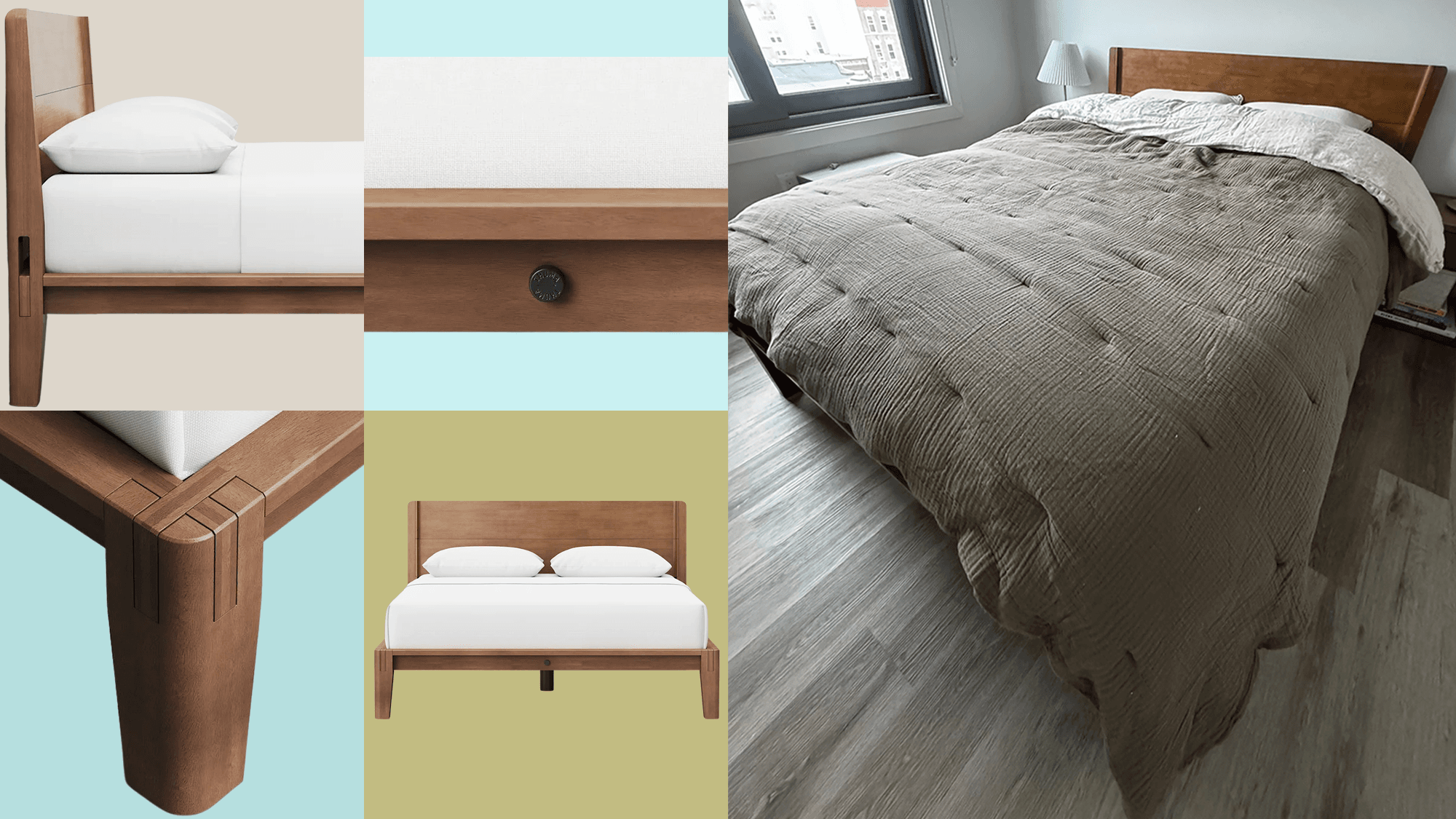
The Thuma Bed Frame Changed My Mind About Assembling My Own Furniture

Leesa Mattress Review: An Honest Assessment | Reviews by Wirecutter

I tried Thuma's first easy-to-assemble upholstered bed. I love the sleek look, but there are some trade-offs.

Bedded bliss: The return of the four-poster bed

Tempur-Pedic Mattress Reviews: An Honest Assessment | Reviews by Wirecutter

Thuma The Bed review: A sturdy bed frame that's quick to assemble and disassemble without tools
These Editor-Approved Sofa Beds Pass the Sleep Test With Flying Colors


Experts share how to tell if a bed is good quality

An Honest Thuma Bed Frame Review From an Editor: The Pros, Cons, and More

Our Editors’ Favorite Bed Frames

The Best Bedding to Improve Your Sleep


Top-Tested Bedding for Your Most Comfortable Sleep Ever

Tuft & Needle Mattress Review: An Honest Assessment for 2026 | Reviews by Wirecutter


Why Saatva’s top-rated mattresses and bed frames are totally worth the hype
15 Best Bed Frames (2026), Tested in Our Homes

Sleeper Sofa Review: OMHU Teddy