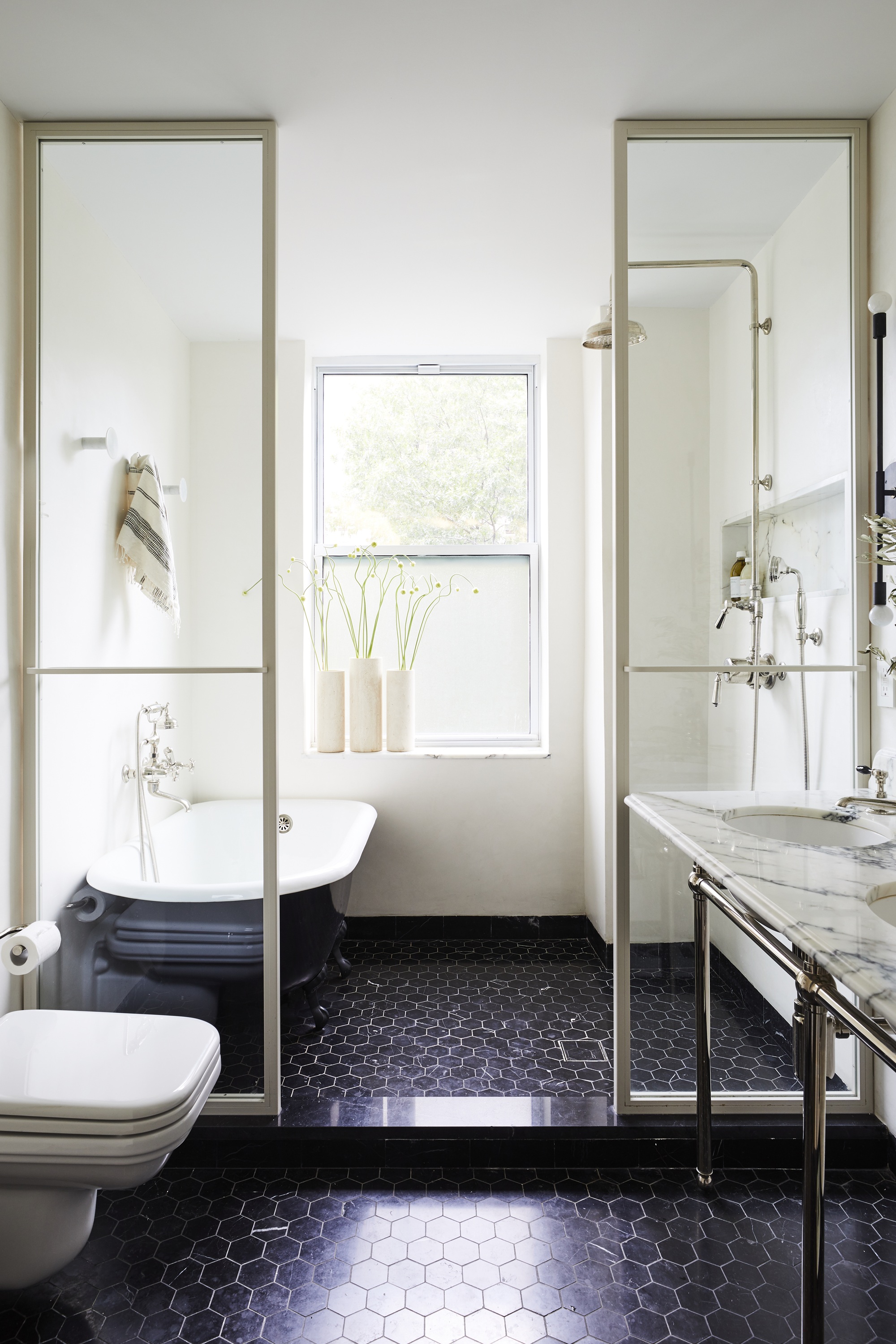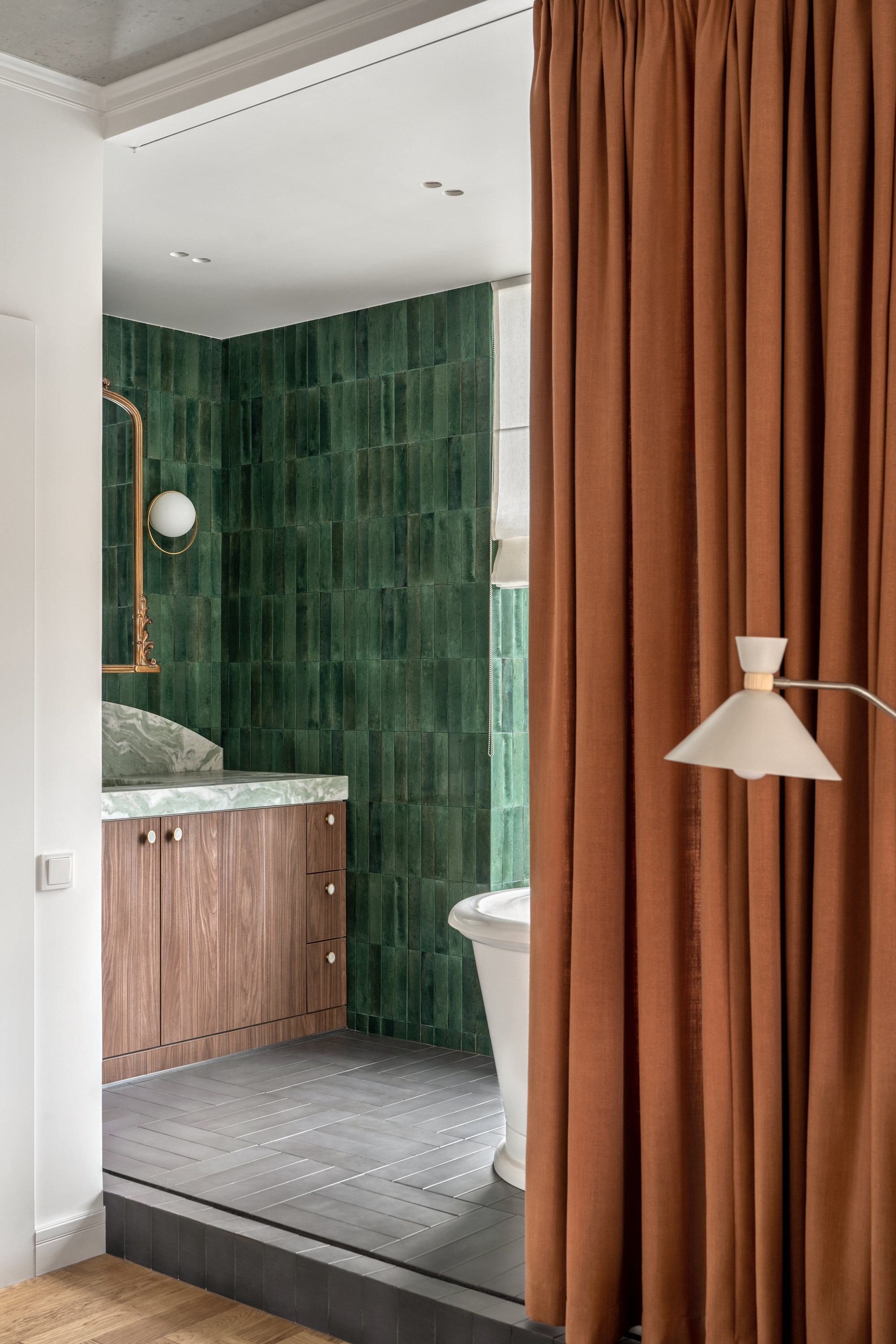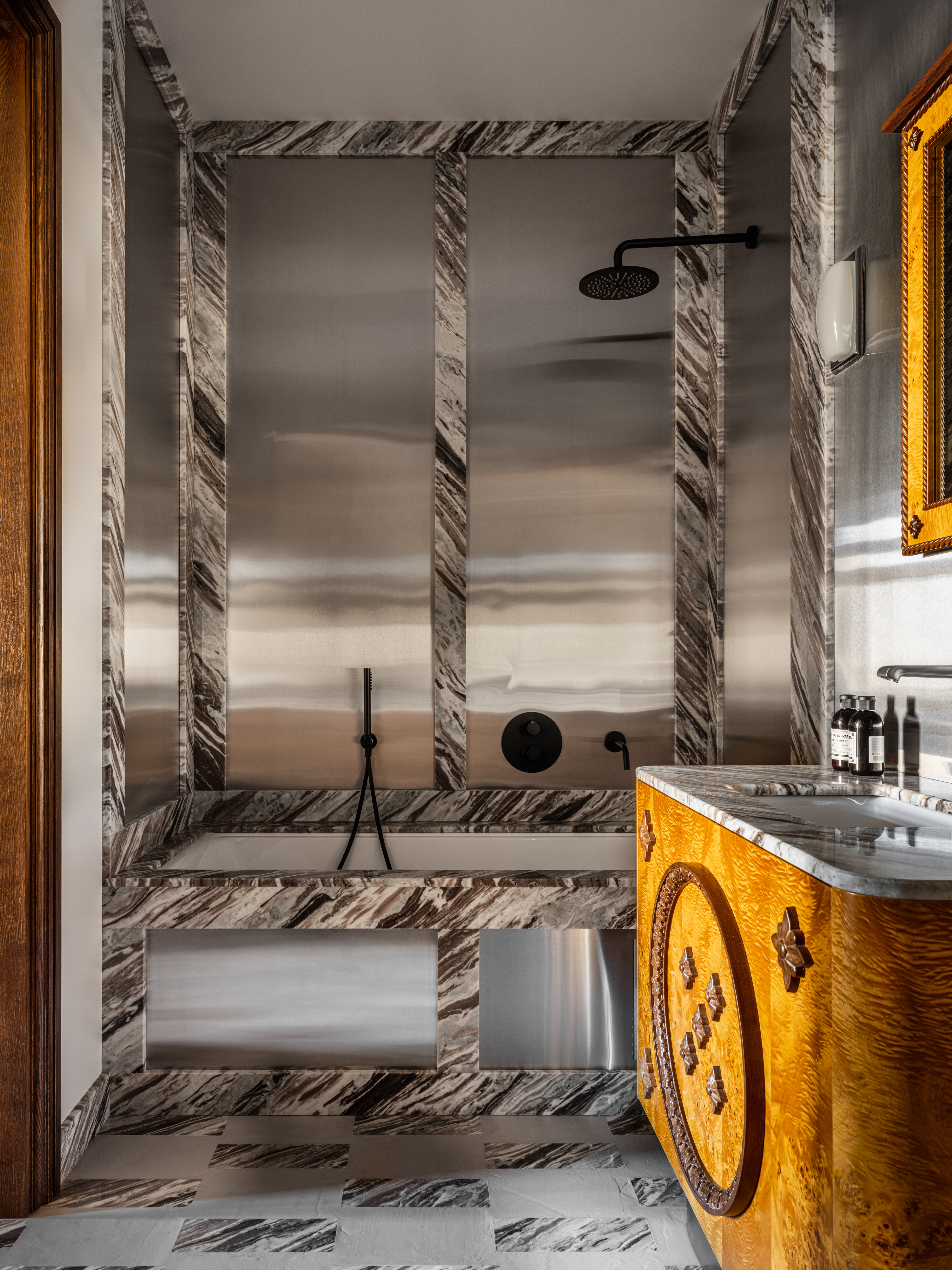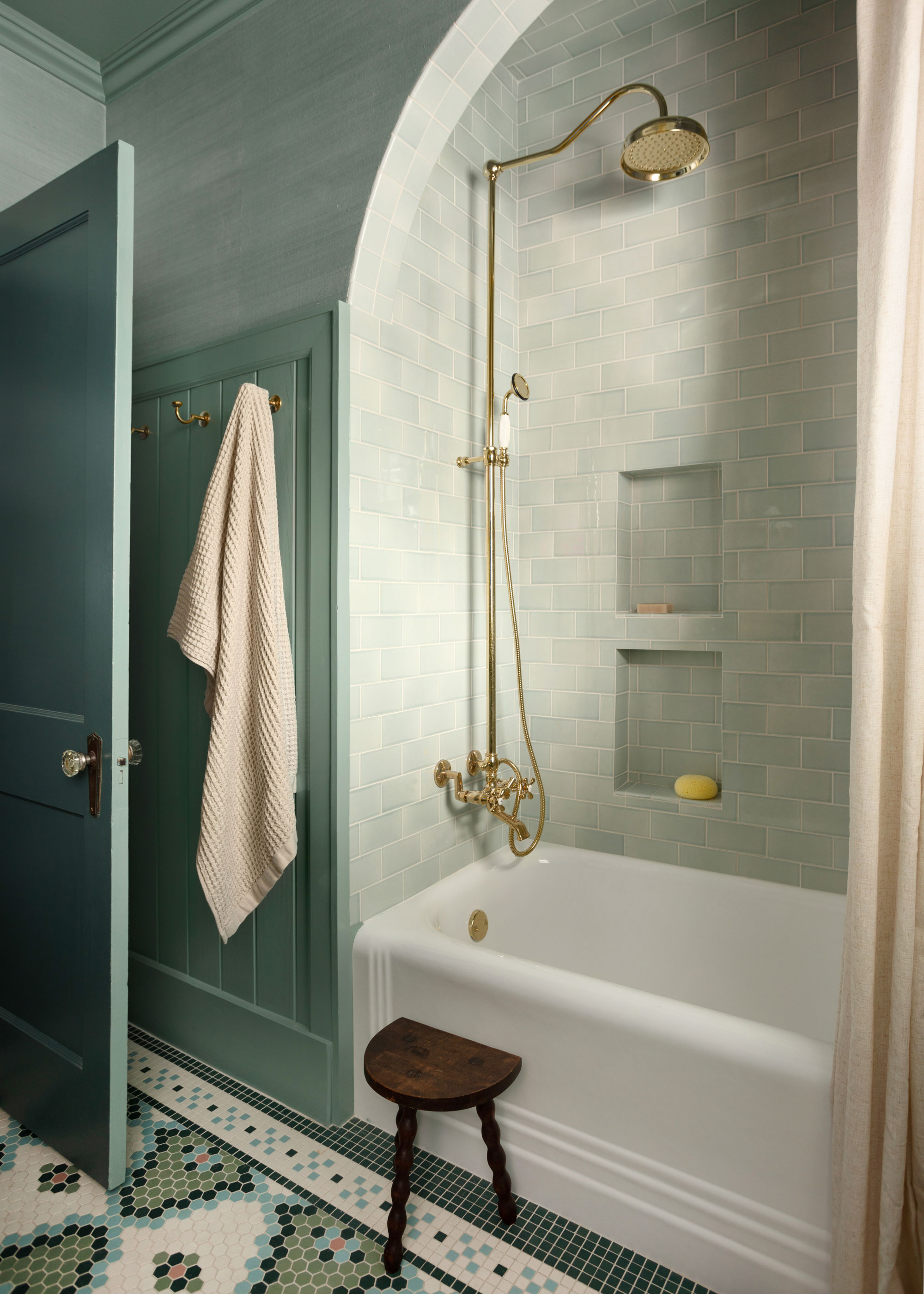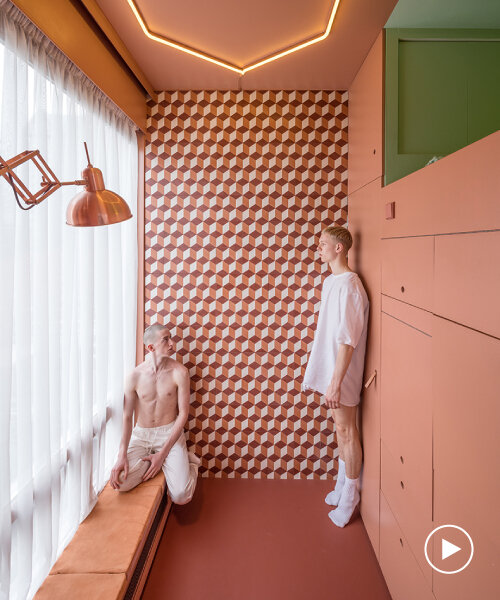
this tiny apartment in rotterdam is fitted with two infrared saunas and a whirlpool bath
The Cabanon, a fully equipped apartment spanning 6.89 square meters, has been created within a 1950s residential building in Rotterdam. Designed and implemented by Beatriz Ramo of STAR and Bernd Upmeyer of BOARD, who also serve as its inhabitants, this project transforms a former storage attic into a highly functional living space. The design of the Cabanon is an experimental venture exploring the concept of 'epicurean reduction,' emphasizing luxurious smallness over austerity. The name itself is a nod to Le Corbusier's iconic cabin at the Côte d’Azur, reflecting a similar philosophy of compact yet rich living.
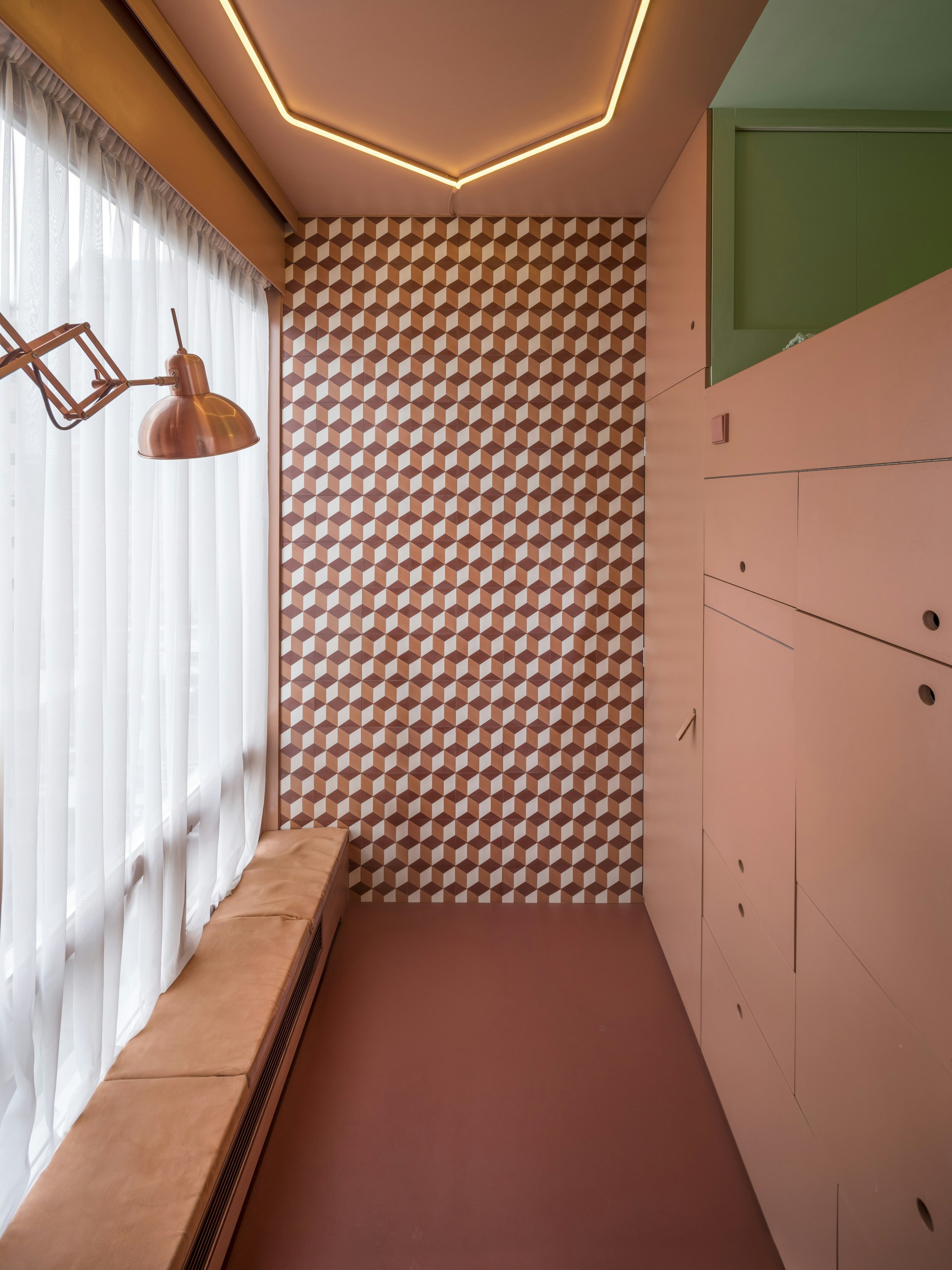
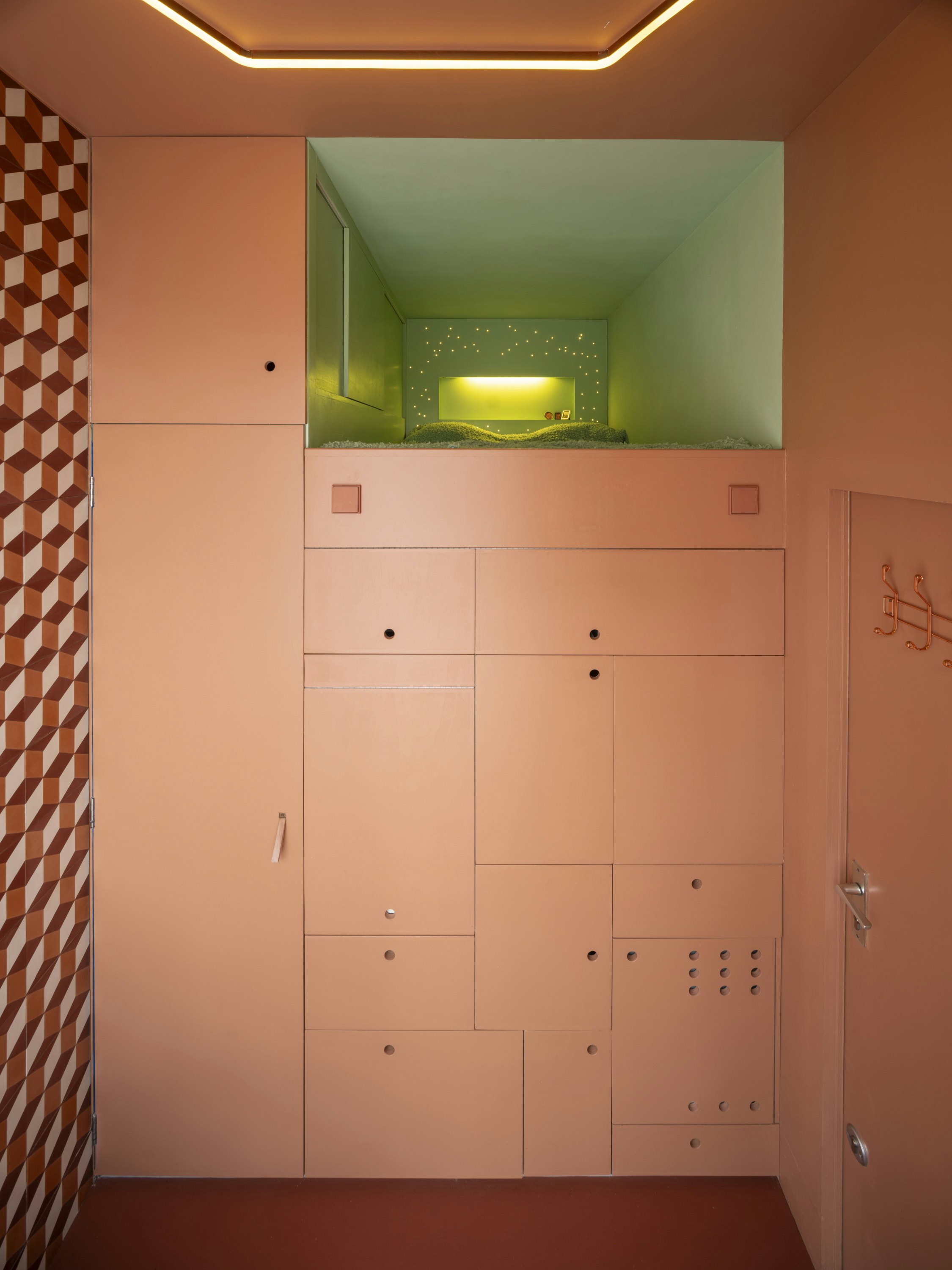
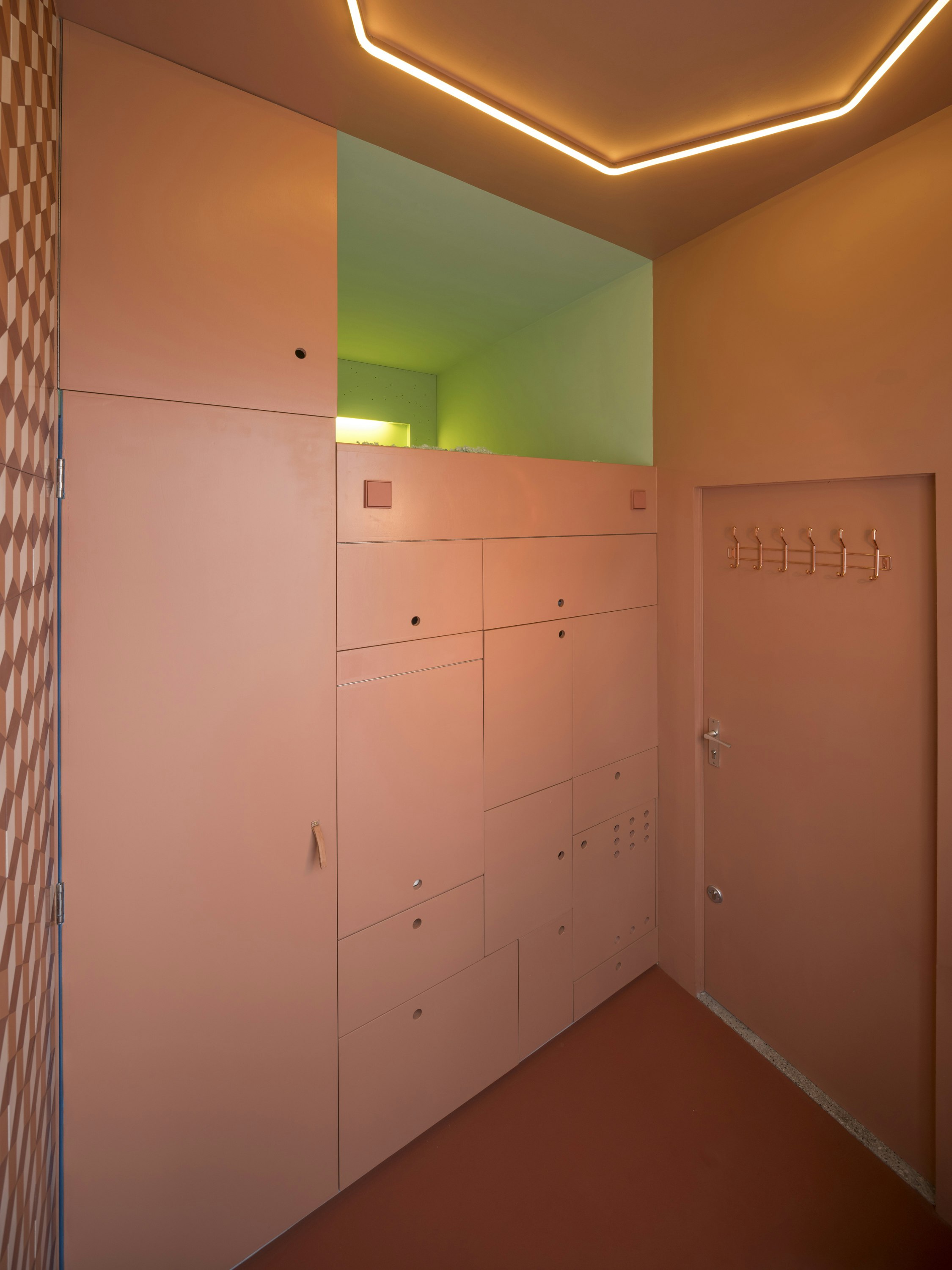
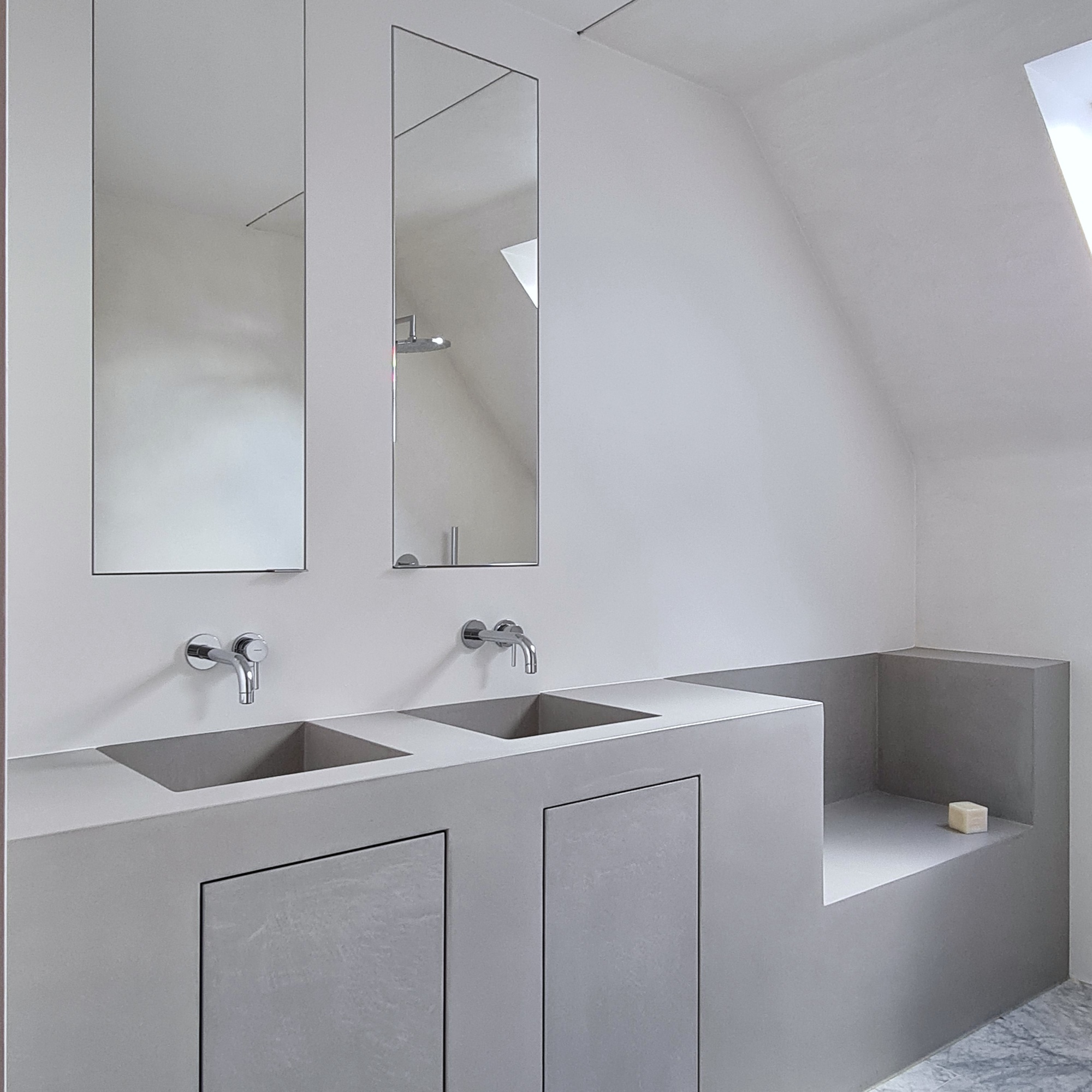
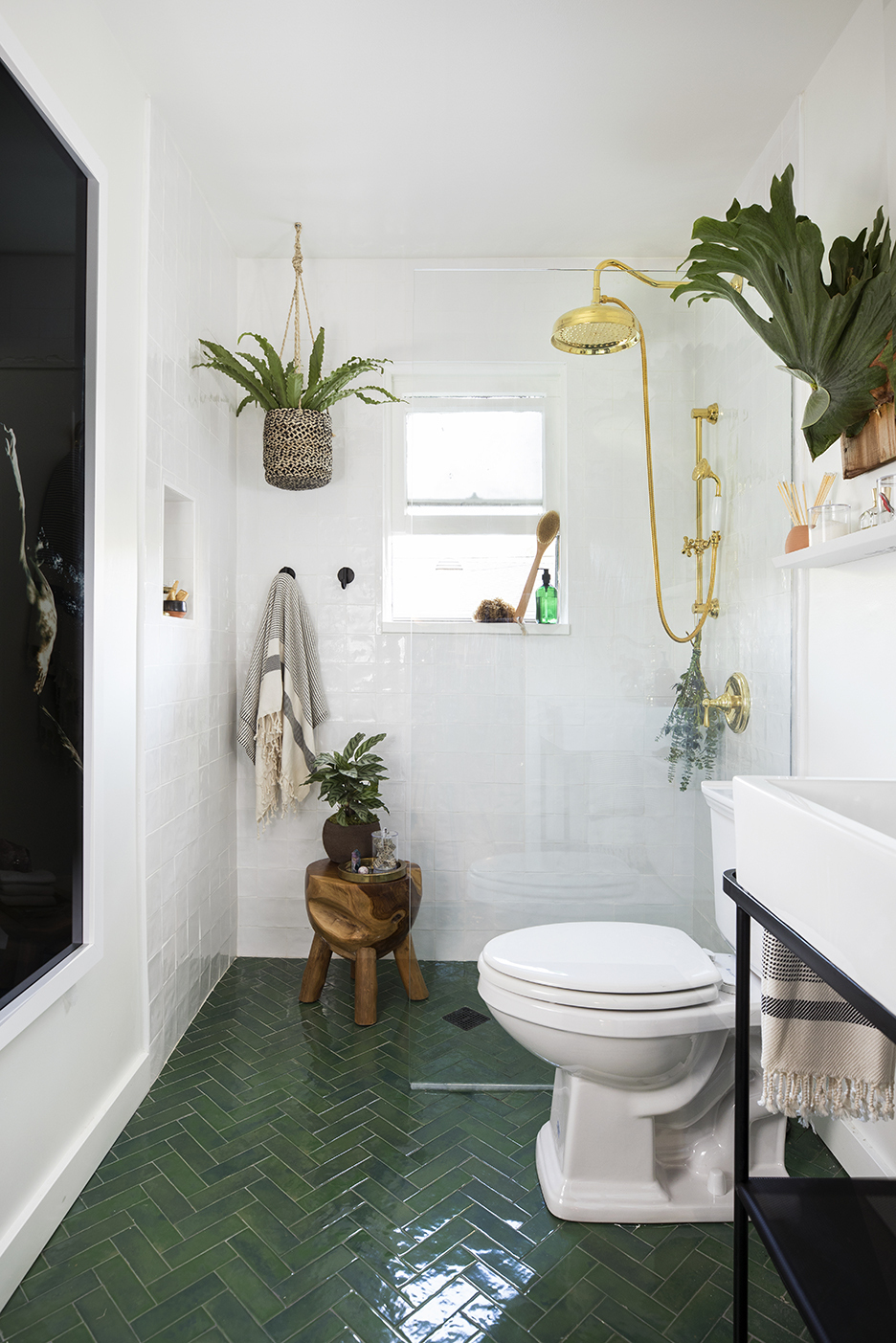
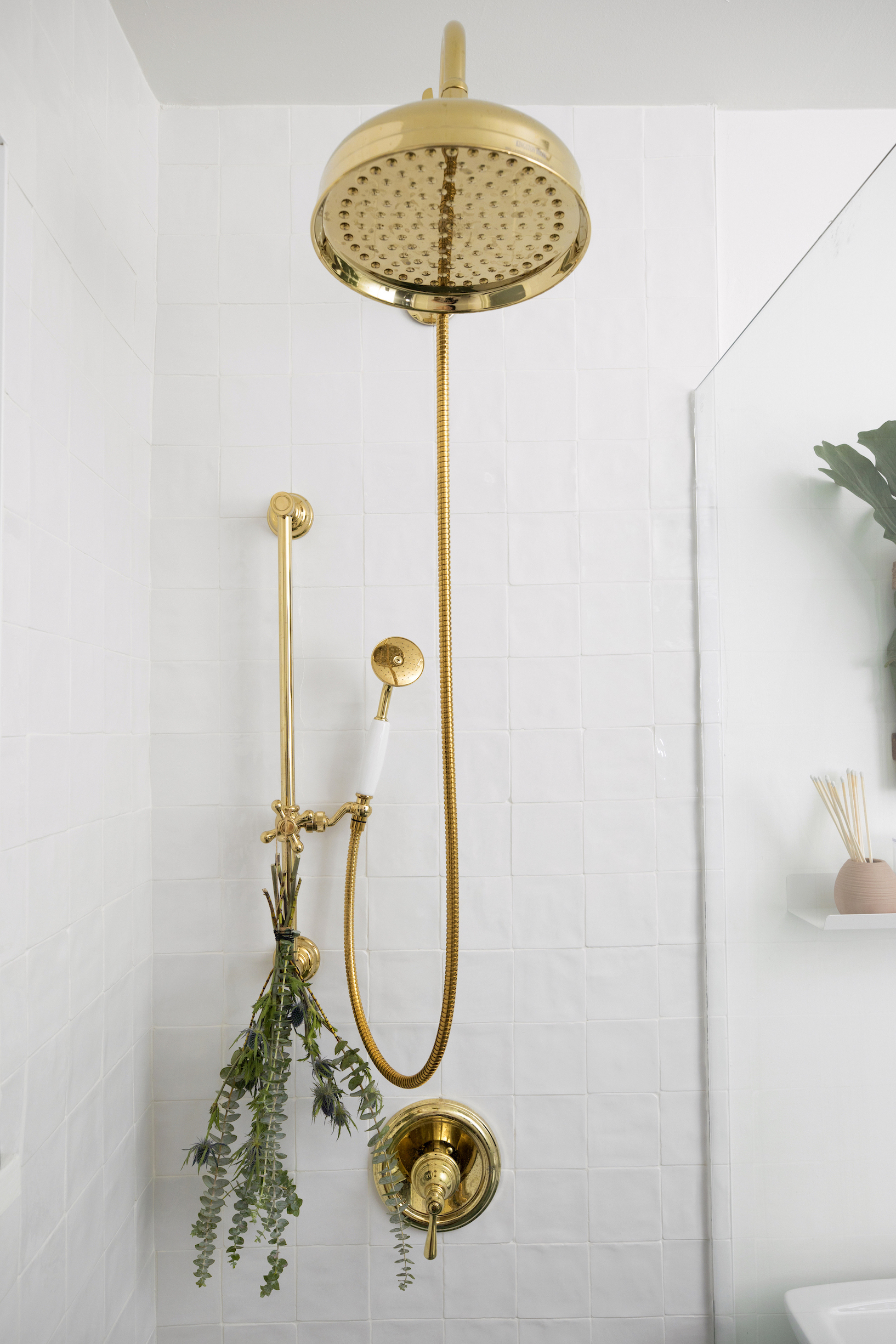
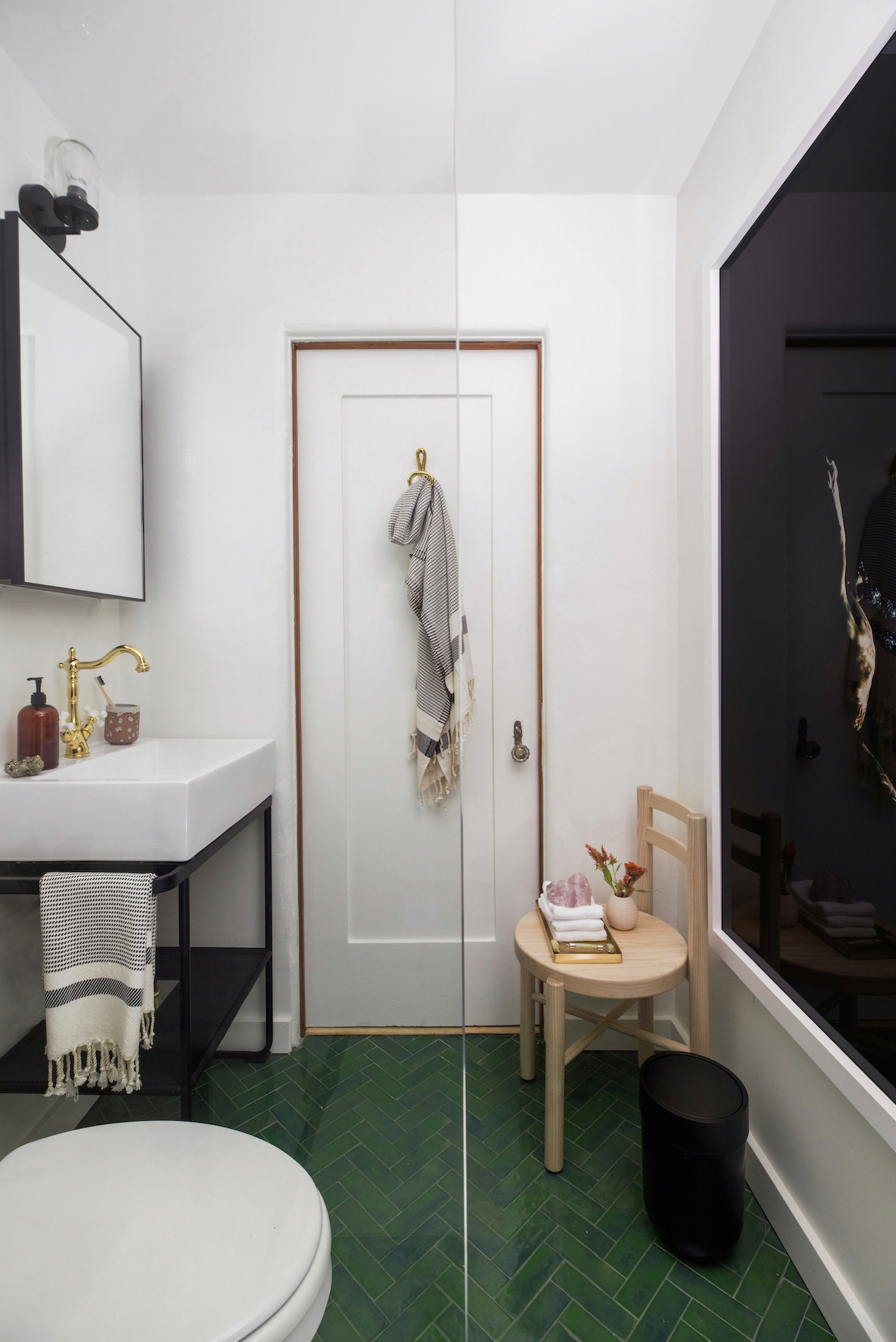
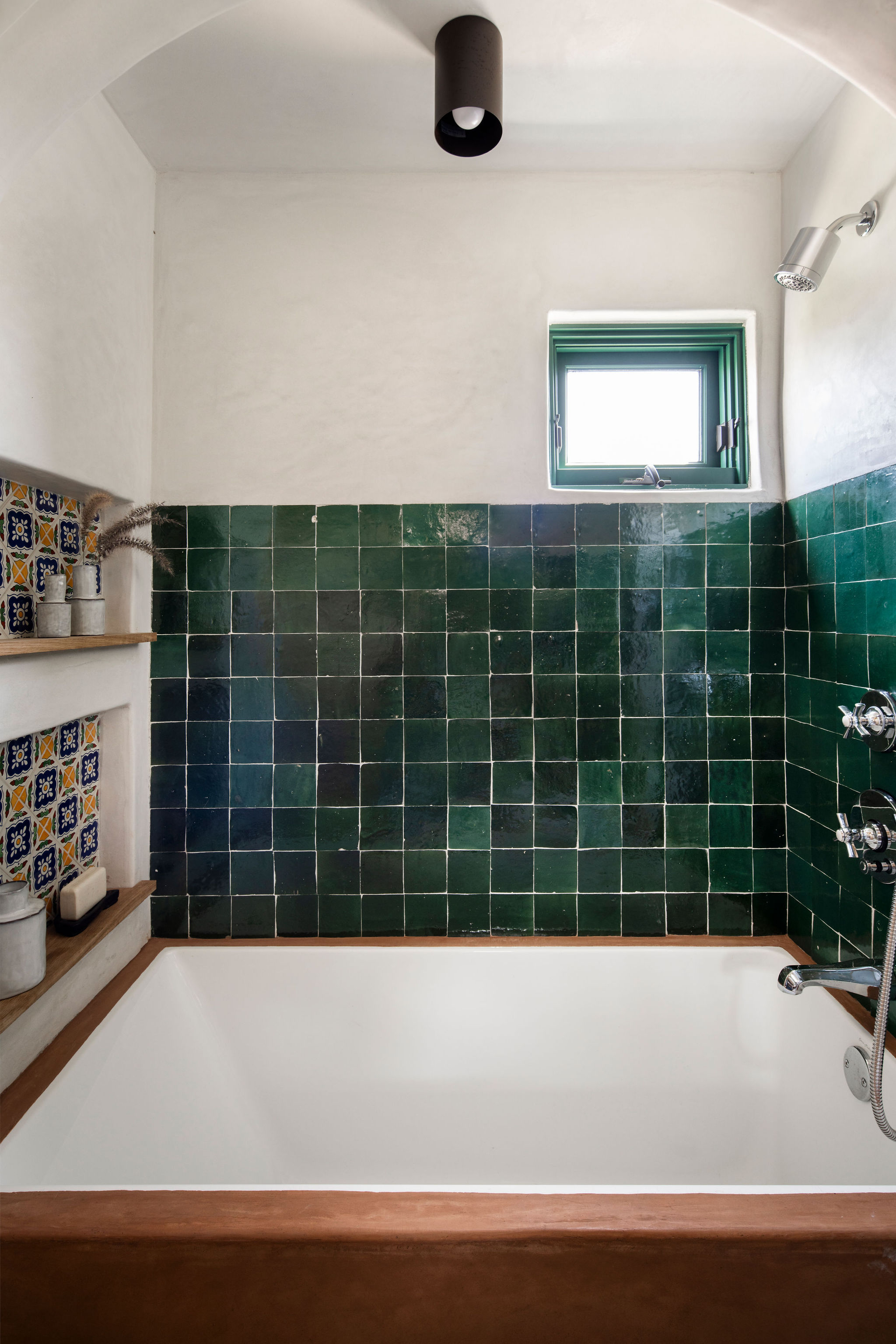
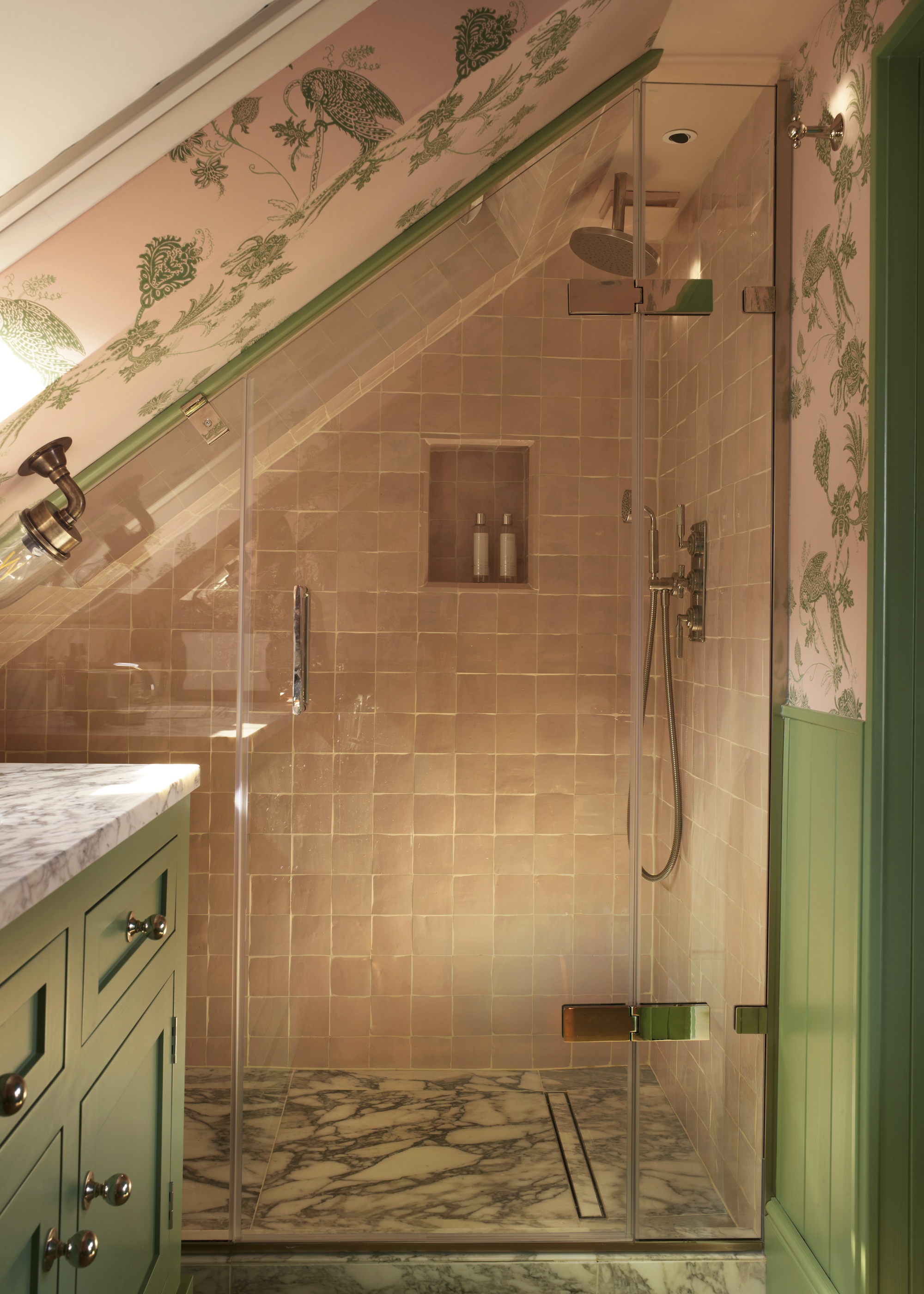
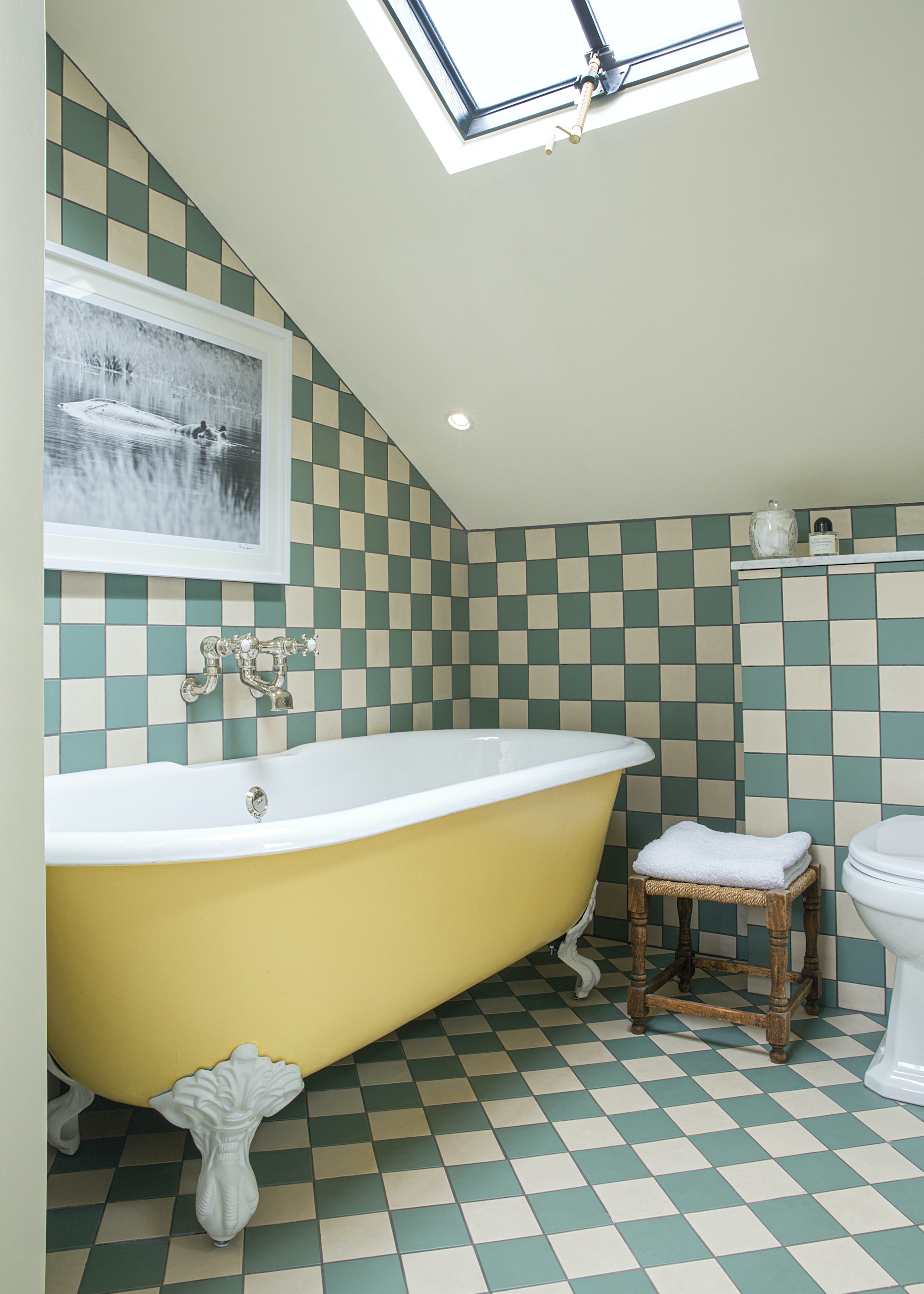
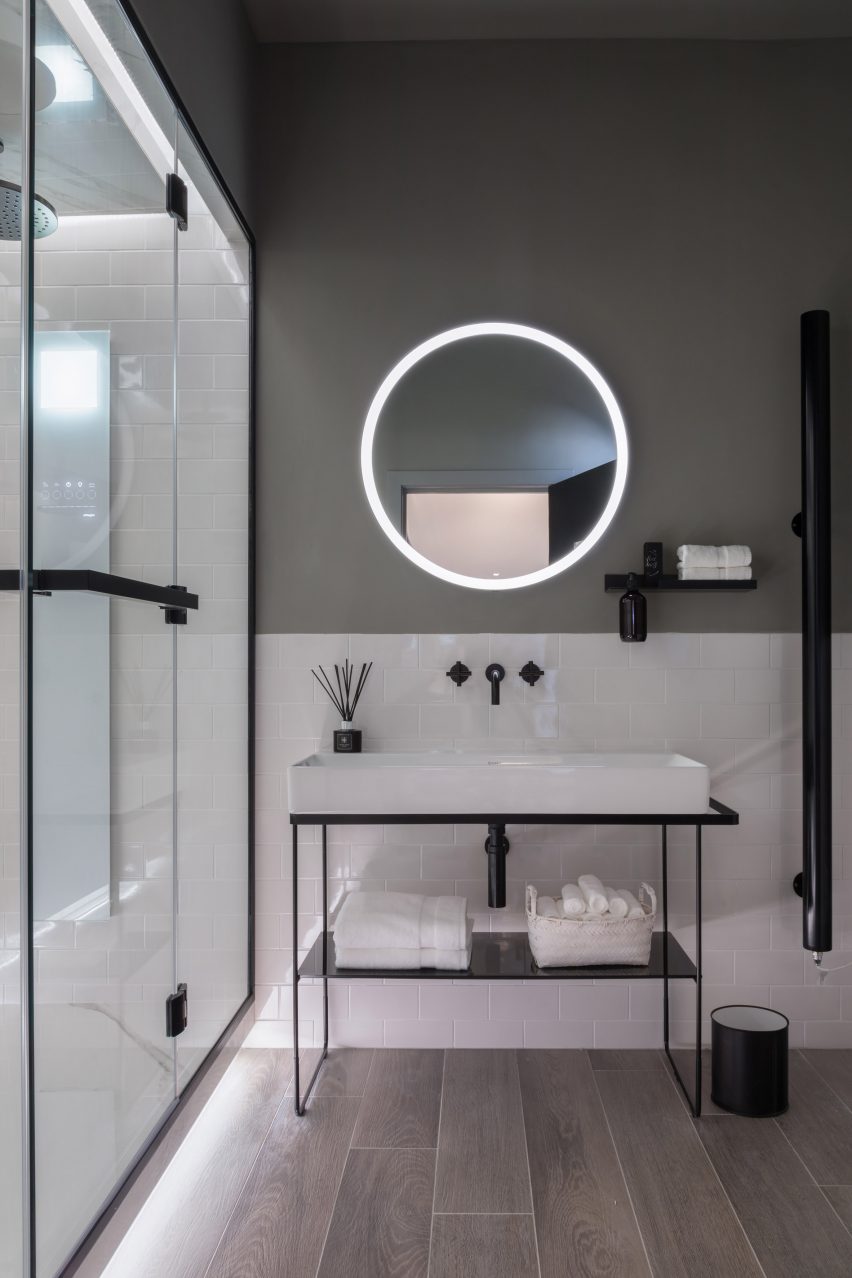
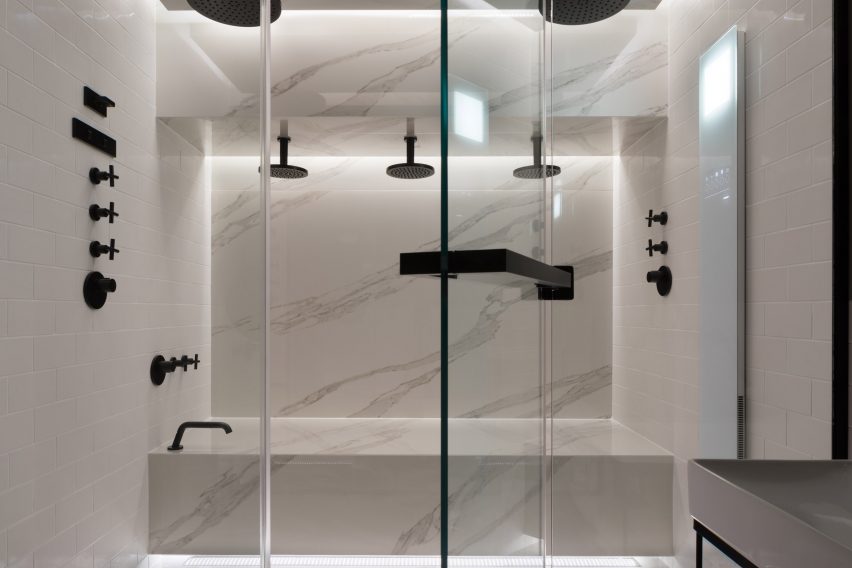
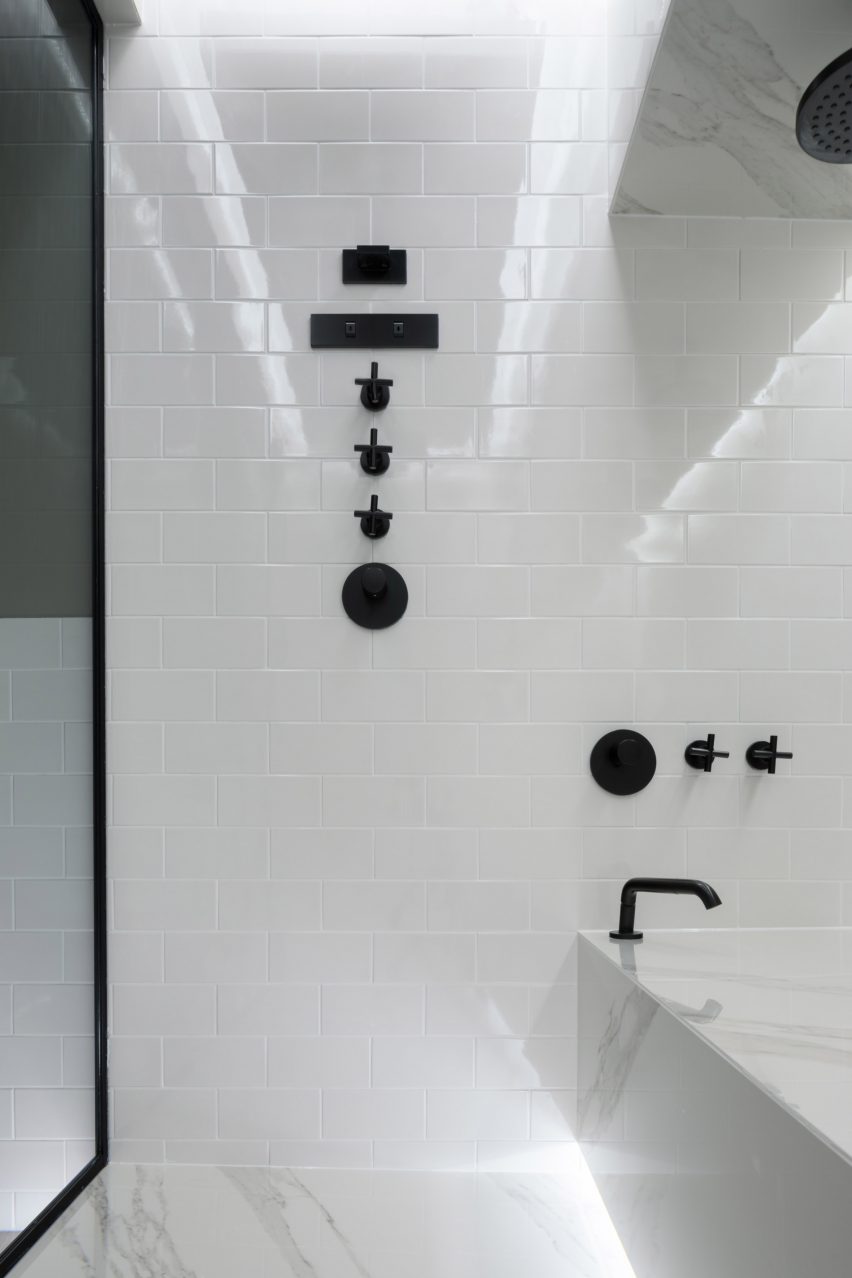
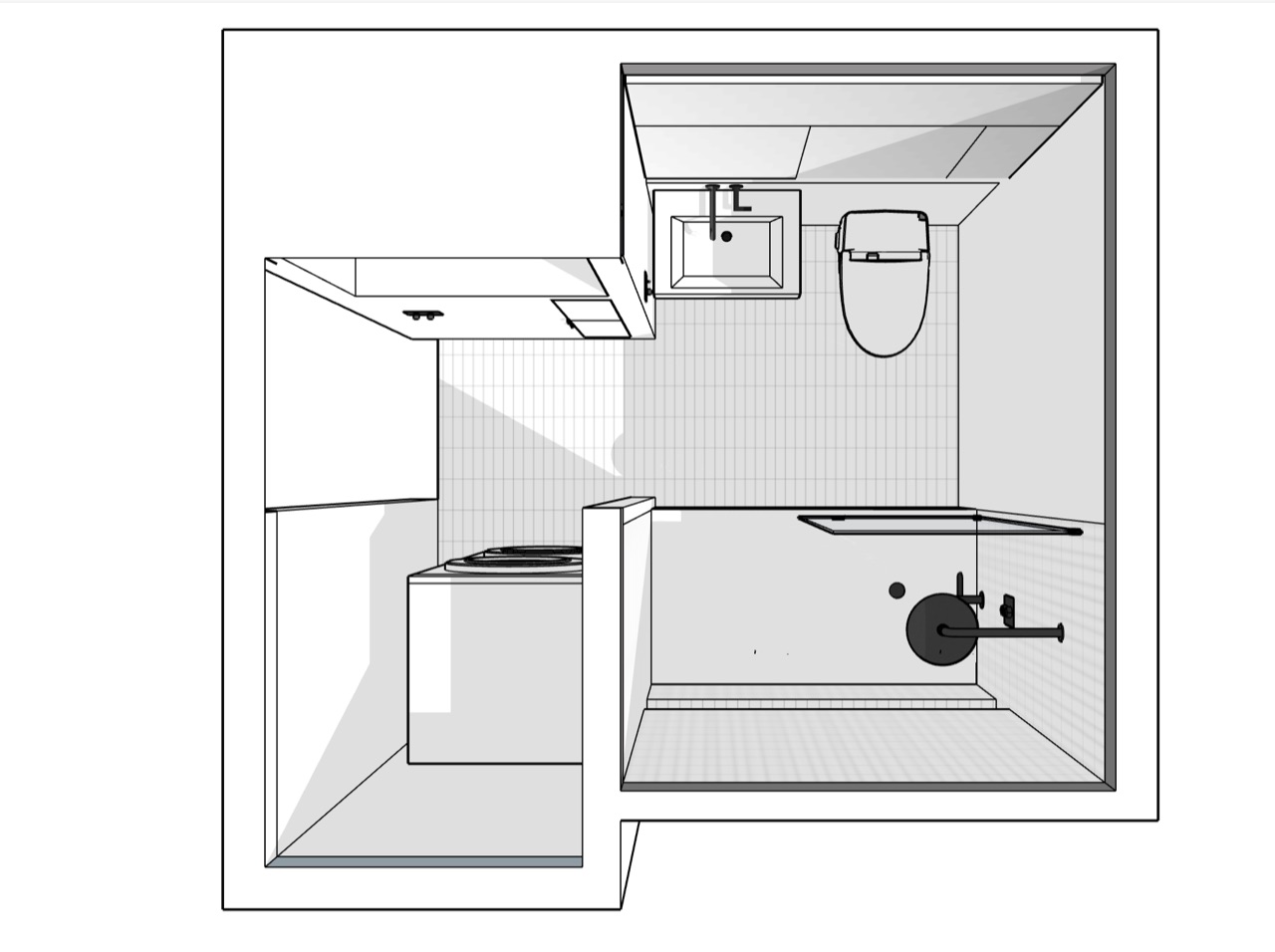
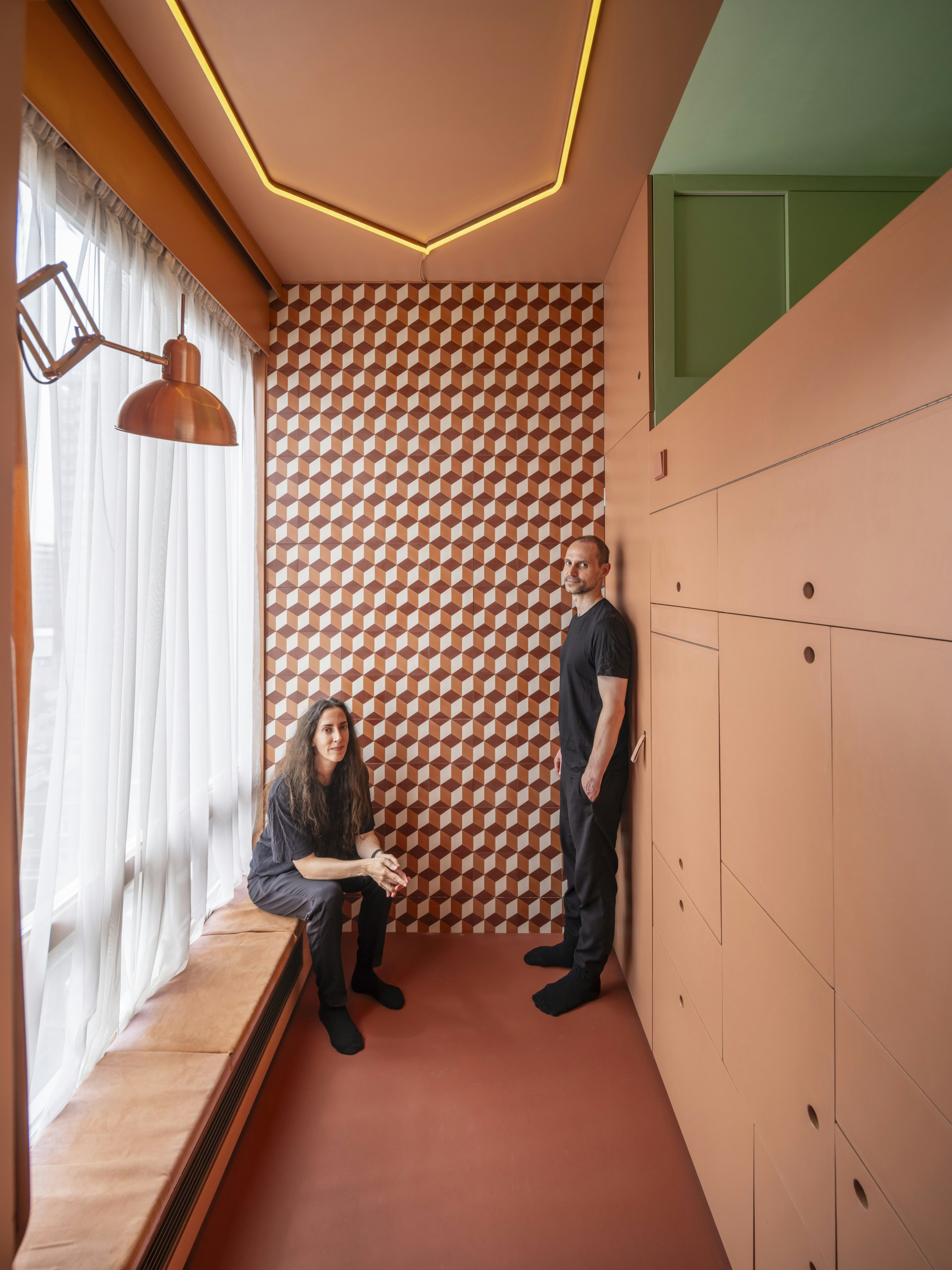
The apartment is thoughtfully organized into four distinct areas, each characterized by unique materials, colors, and varying ceiling heights. These areas include a 3-meter high living room, a 1.14-meter high bedroom with extensive storage solutions, a toilet integrated with a rain-shower, and a dedicated spa zone. This spa area is notably outfitted with two infrared saunas and a whirlpool bath, underscoring the project's commitment to luxury within a minimal footprint. The varying heights are strategically employed to maximize utility and create a sense of expanded space despite the apartment's diminutive size. The designers, whose heights are 1.72 meters and 1.78 meters respectively, meticulously proportioned each room to their specific functional needs, making the space feel tailored and personalized.
The design approach utilized standard products for affordability, ensuring that components like the bed, bathtub, and mini-fridge dictated the dimensions and layout of the respective spaces. For instance, the bedroom's design was based on a specific mattress, and the spa was configured according to the length of the chosen bathtub. Material selection involved a shift from initial premium choices to more accessible alternatives without compromising aesthetic quality. The spa, initially envisioned with green marble, now features black Chinese marble from the 1980s. The shower, originally planned with white mosaic, is executed in blue mosaic, and the living room, conceived in blue cement-tiles, is finished with coral cement-tiles. The bedroom's mint green color scheme is the only hue that was a deliberate and unchanged choice from the outset.
The architects view the Cabanon as a model for optimizing housing and reducing costs through strategic design. Key strategies include the maximization of possibilities within a given space rather than simple reduction, the modulation of ceiling heights to superimpose different functions, and a philosophical detachment from excessive possession and consumerism. This philosophy aims to mitigate the accumulation of unnecessary objects, thereby decluttering both physical and mental spaces. The Cabanon project emerges from the architects' prior extensive research in 2012 on 'maximization of space' for the Atelier International du Grand Paris, but it consciously explores the inverse concept of reduction, demonstrating how a smaller living area can still offer comprehensive amenities and a high quality of life. The apartment is located in Rotterdam, Netherlands, and all images were captured by Ossip van Duivenbode.
#TinyApartment #RotterdamArchitecture #SpaceOptimization #LuxuryLiving #InfraredSaunas #WhirlpoolBath #ResidentialDesign #MicroLiving #STARArchitecture #BOARDArchitecture #TinyApartment #RotterdamArchitecture #SpaceOptimization #LuxuryLiving #InfraredSaunas #WhirlpoolBath #ResidentialDesign #MicroLiving #STARArchitecture #BOARDArchitecture
0 comment in total
 No comments yet
You may also like
This 75-Square-Foot Apartment Fits Two Infrared Saunas


A Few Decor Swaps Turned This 5-by-7 Bathroom Into a Hammam Spa
Compact Retreat: 15 Small Baths For Undersized Bathrooms
24 Small Bathroom Designs That Prove Less Can Be More
11 Apartment Bathroom Ideas That Use Clever Design to Overcome Small Space and Awkward Layout Problems

5 Shower Bathtub Ideas That Make This Small Space Combo Feel So Much More Luxurious
Micro-Apartment Opens Up With Hidden Storage and Glass Walls
Secrets to tiny-home success I learned living in Amsterdam

Here's Proof You Can Have A Bathtub In A Small Bathroom

Bathroom Design Tips From the Ritz-Carlton, Sarasota
Loft Bathroom Ideas — 10 Epic Loft-to-Luxe Glow-Ups You'll Certainly Be Inspired By
Sieger Design creates tiny home spa that fits inside micro apartments
17 Under the Stairs Bathroom Ideas That Maximize Space and Style
10 small statement tubs that make a big impact in a bathroom scheme

The 6 Best Splurge-Worthy At-Home Saunas That’ll Bring the Spa to You

Thanks to a Double-Duty Bathroom Reno, This NYC Couple's Laundry-Hauling Days Are Over

7 small bathroom layout mistakes — designers say to swerve these to "maximize potential"

12 stylish shower-over-bath ideas for small spaces


Is the Home Sauna the Latest Luxury Must-Have?

The TikTok Viral Portable Bathtub Is Perfect For Small, Shower-Only Apartments