1/7
The ancient Islamic roots of modernity
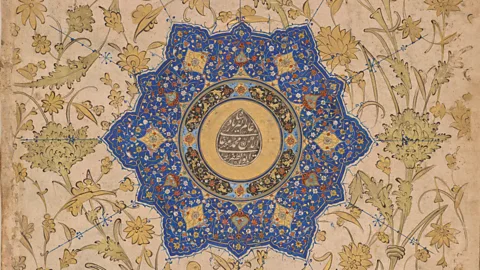
The article explores the profound and long-standing influence of Islamic art and design on Western artistic creation, particularly highlighting its role in shaping modernity. It begins by discussing the exhibition "Cartier and Islamic Art: In Search of Modernity," currently at the Dallas Museum of Art, which showcases how Islamic geometric designs inspired Cartier's groundbreaking modern aesthetic in fine jewellery at the turn of the 20th century. This exhibition underscores a relationship between European and Islamic art that has been historically complex, marked by both fascination and political dynamics.
In the 19th century, with the advent of the colonial era, increased Western influence in the Middle East opened up travel opportunities for European and North American artists. These artists traveled to cities like Constantinople, Jerusalem, Cairo, and Marrakech, creating paintings that, despite their often clichéd and Orientalist depictions of people and cultures, accurately rendered the beauty of Islamic craftsmanship. These works offered Western audiences their initial exposure to Islamic art, including stylized floral tiles, geometric architectural features, ornate metalwork, jewellery, and textiles. Experts note that these artistic portrayals preceded serious academic scholarship, driving a market for Islamic artefacts among collectors.
While collectors sought originals, designers found inspiration in Islamic motifs. Ottoman ceramics influenced European manufacturers, and Alhambra vases inspired imitations. Books from the period, such as Christopher Dresser's "Studies in Design," even provided guidance on incorporating Islamic elements into home decor. However, this growing Western appreciation coincided with a decline in the practice of these crafts in their native countries due to Western colonization and cultural infiltration, leading to a period of artistic stagnation and Western aesthetics overpowering indigenous traditions.
Early Western exhibitions of Islamic art, such as the 1893 display by the Union Centrale des Arts Décoratifs, faced criticism for their Orientalist scenography and genre mixing. It was not until Gaston Migeon's 1903 "Exposition des arts Musulmans" that a more scientifically organized and critically acclaimed display emerged, generating significant enthusiasm and opening Western eyes to the true depth of Islamic art. Louis Cartier, though not confirmed to have visited the exhibition, certainly had access to its catalogue, and it is believed to have been a pivotal source of inspiration for him.
At a time when European jewellers were recycling historical styles, Cartier sought a new aesthetic, rejecting the prevalent Art Nouveau. The 1903 exhibition provided him with a new visual vocabulary rooted in the geometry and distilled motifs of Islamic art. He began integrating these elements into his designs as early as 1903, sometimes in minimalist pieces and other times blending them with existing garland styles. A subsequent groundbreaking exhibition in Munich in 1910 further spurred Cartier's interest, leading him to build his own collection of 16th and 17th-century Iranian and Indian manuscripts, paintings, and inlaid objects.
From then on, Islamic architecture, manuscripts, and textiles became a consistent source of inspiration for Cartier, influencing motifs like crenelated parapets, brick patterns, almond-shaped mandorlas, finials, and scrolls. The colours and materials of the Iranian world, such as lapis lazuli, sapphire, jade, and emerald, became prominent in his designs, often mimicking the glazed ceramic brickwork of Central Asia. The article highlights a 1922 bandeau by Cartier featuring coral, onyx, and diamonds, which exemplifies the integration of miniature architecture and curvilinear forms.
Beyond Cartier, the influence of Islamic design permeated various artistic fields. Henri Matisse's visit to the Alhambra after the 1910 Munich exhibition led to more intense colours and flatter patterns in his work, with his paper cut-outs showing unmistakable similarities to tessellated tile work. MC Escher was also deeply inspired by the Alhambra's symmetry and mathematical ingenuity. In performing arts, Leon Bakst's Oriental costumes for the Ballets Russes influenced couturiers like Paul Poiret, who created lifestyle experiences incorporating Islamic-inspired fashion, furniture, and textiles. Carlo Bugatti, an innovative furniture designer, similarly integrated Islamic effects like muqarnas and horseshoe arches into his creations.
Although Islamic design fell out of favour in the West by the mid-20th century, recent exhibitions, such as "Islamophiles: L'Europe moderne et les arts d'Islam" (2011) and "Inspired by the East: How the Islamic World Influenced Western Art" (2019), have revived interest. The ongoing Cartier exhibition aims to serve as a catalyst, reintroducing these historical objects to new audiences and potentially inspiring a new generation of artists and designers, reflecting a continuous trajectory of influence and reinterpretation.
#IslamicArt #CartierJewellery #ModernAesthetics #ArtHistory #CulturalExchange #DesignInfluence #Orientalism #Exhibition #IslamicArt #CartierJewellery #ModernAesthetics #ArtHistory #CulturalExchange #DesignInfluence #Orientalism #Exhibition
 No comments yet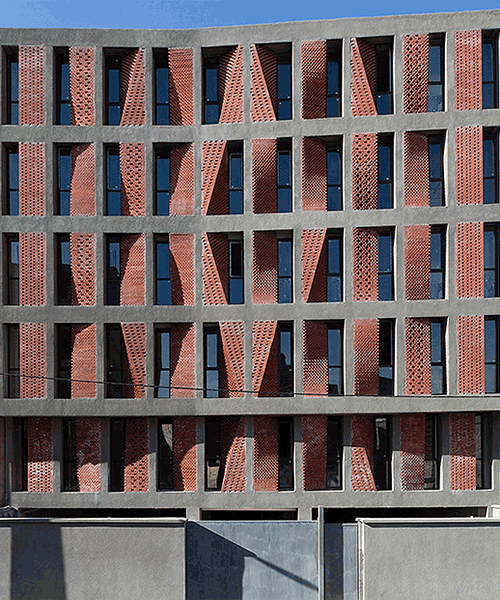
between innovation and tradition: discover architecture in iran through readers radar
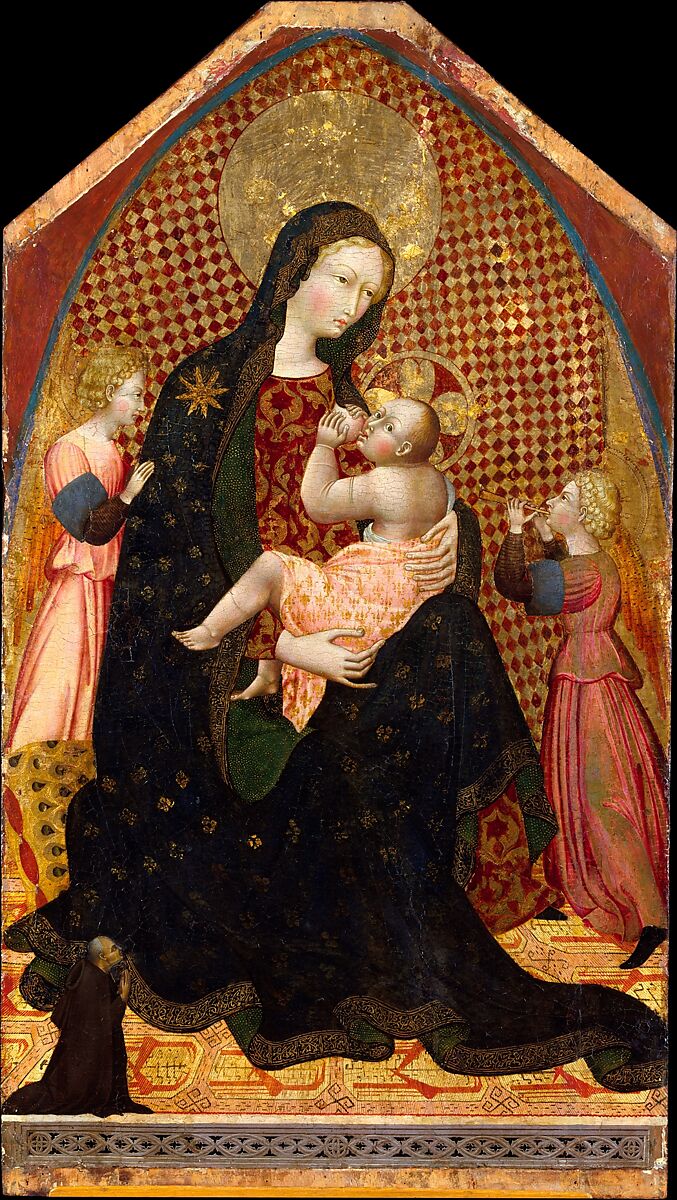
Islamic Carpets in European Paintings
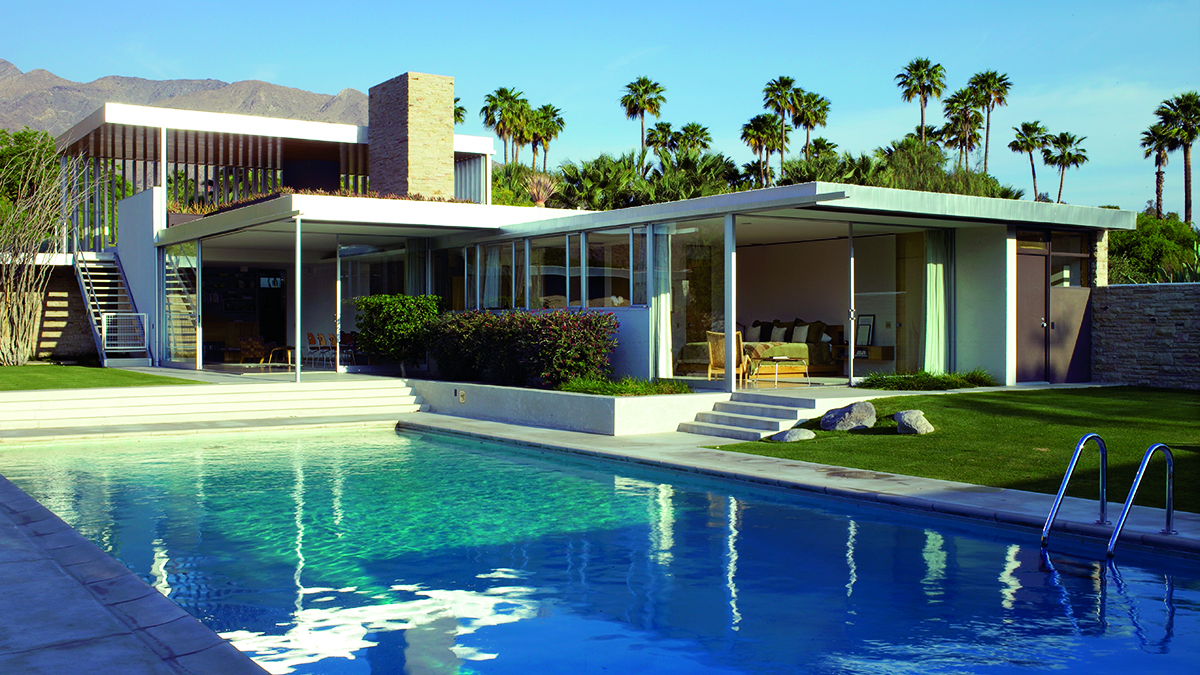
The enduring appeal of Mid-century Modern

Modern Interior Design Trends in Egypt: Blending Local Culture with Global Styles