The cost of silence in NYC? $8,000 a wall
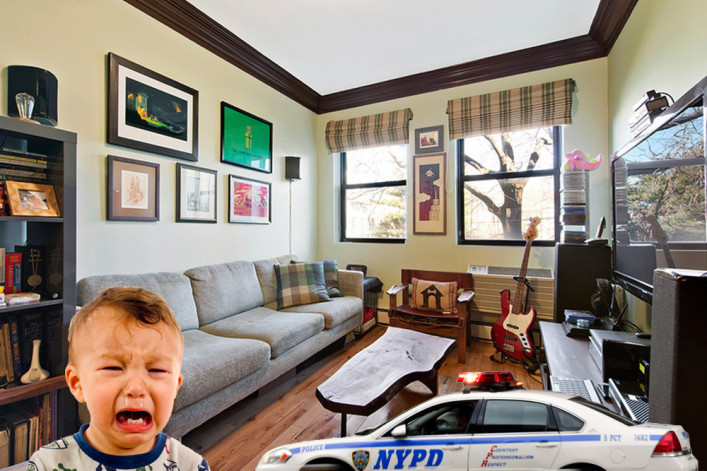
Living in New York City often comes with a significant amount of noise, ranging from sirens and dogs to construction and neighbors' activities. Michael LaFratta, owner of Silentium Soundproofing, highlights that most soundproofing inquiries stem from "noise pollution" resulting from inadequate soundproofing during a building's initial construction. Common complaints include noise from elevator shafts, whistling pipes, creaking floors, and sounds from neighboring apartments, such as television noise.
Noise issues are predominantly rooted in a structure's design, as builders frequently overlook sound transmission. Sound travels easily when there is insufficient mass and space between walls, ceilings, or floors, or when separating materials are too thin. To assess potential noise problems in a new residence, it is advisable to visit the apartment when neighbors are likely to be home, rather than during quiet daytime hours.
When comparing building types, the presence of noise problems depends on construction methods. Some newer post-war buildings incorporate sound isolation techniques like resilient channels and flex ducts. However, pre-war buildings are generally quieter due to their heavier construction and fewer flanking paths—such as holes for lighting and ductwork—provided that walls are properly sealed and there are no gaps around the perimeter, outlets, or between bricks. The specific noise characteristics can vary significantly from one building to another.
Addressing severe sound problems typically involves breaking or minimizing the connection points where noise or vibration is transmitted. Engaging a sound professional can be more cost-effective than attempting do-it-yourself solutions, which often lead to wasted money. In some cases, walls, floors, and ceilings may need to be replaced to create a sound-absorbing cavity, or barriers such as mass-loaded vinyl may be installed, depending on the specific noise source. For external window noise, adding a quarter-inch double-hung window to the recessed wall can create an air gap to reduce sound intrusion, provided there is sufficient depth.
Soundproofing costs can be substantial: approximately $5,000 to $8,000 for 100 square feet of wall, $7,000 to $11,000 for ceilings (higher if recessed lighting is present), and $7,000 to $9,000 for floors. Clients can sometimes be misled by contractors who cut corners or provide incomplete bids. Non-specialized contractors may underestimate the complexity of noise issues, failing to account for secondary pathways like metal ducts or untreated recessed lights, leading to unexpected additional costs. Experienced soundproofers integrate these potential variables into their initial bids, fostering transparency and preventing unforeseen expenses for clients. Establishing a collaborative relationship with clients and providing thorough estimates, even if they appear costly, ensures informed decision-making before significant investment in soundproofing.
#Soundproofing #NYCNoise #ApartmentLiving #HomeImprovement #NoisePollution #BuildingDesign #PreWar #PostWar #SoundIsolation #RenovationCosts #Soundproofing #NYCNoise #ApartmentLiving #HomeImprovement #NoisePollution #BuildingDesign #PreWar #PostWar #SoundIsolation #RenovationCosts
 No comments yet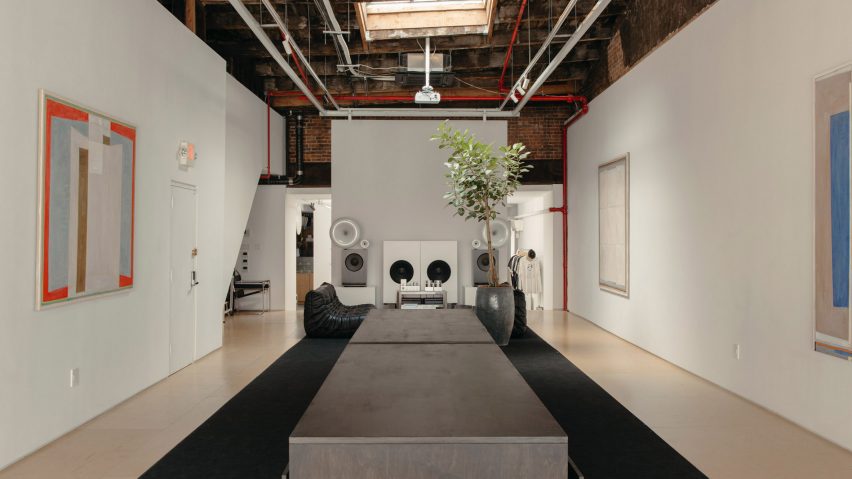
Silence Please creates "giant living room" for New York showroom and listening space
How much does it cost to stage your NYC apartment or brownstone?
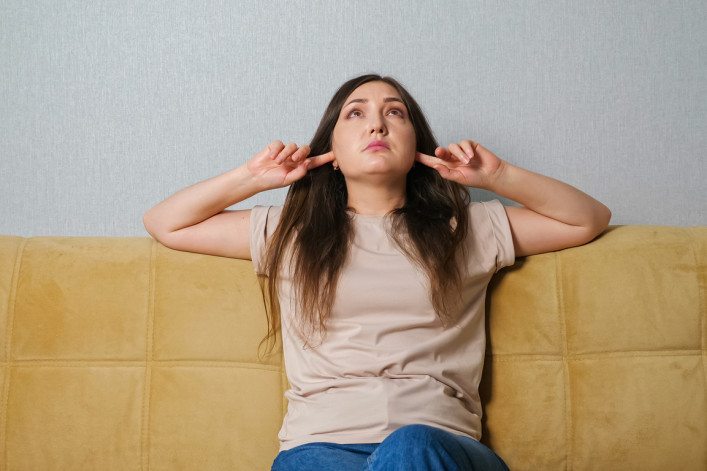
Need help with soundproofing your NYC apartment? Here’s Brick’s best advice

All the Quiet Money Can Buy