1/6
Color and Custom Details Enliven This 12th-Century Italian Hotel
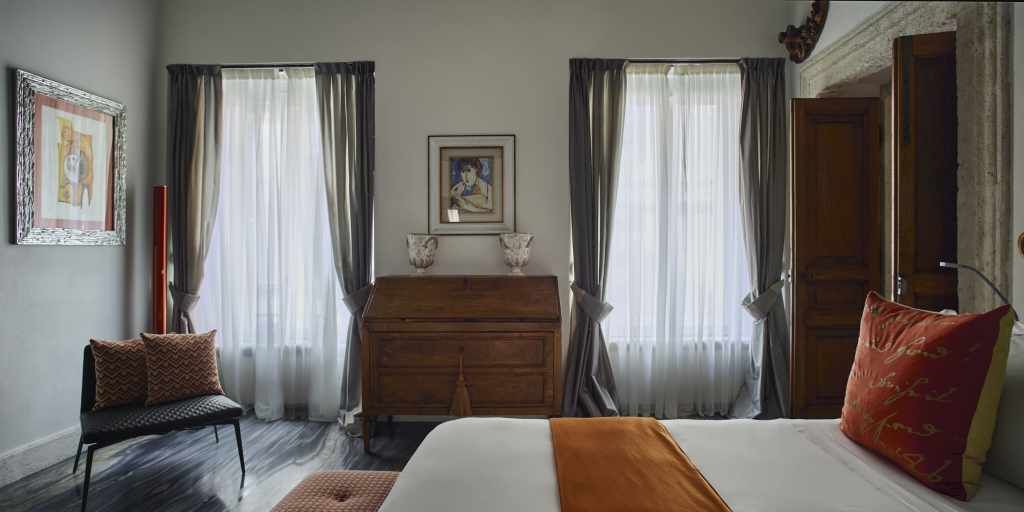
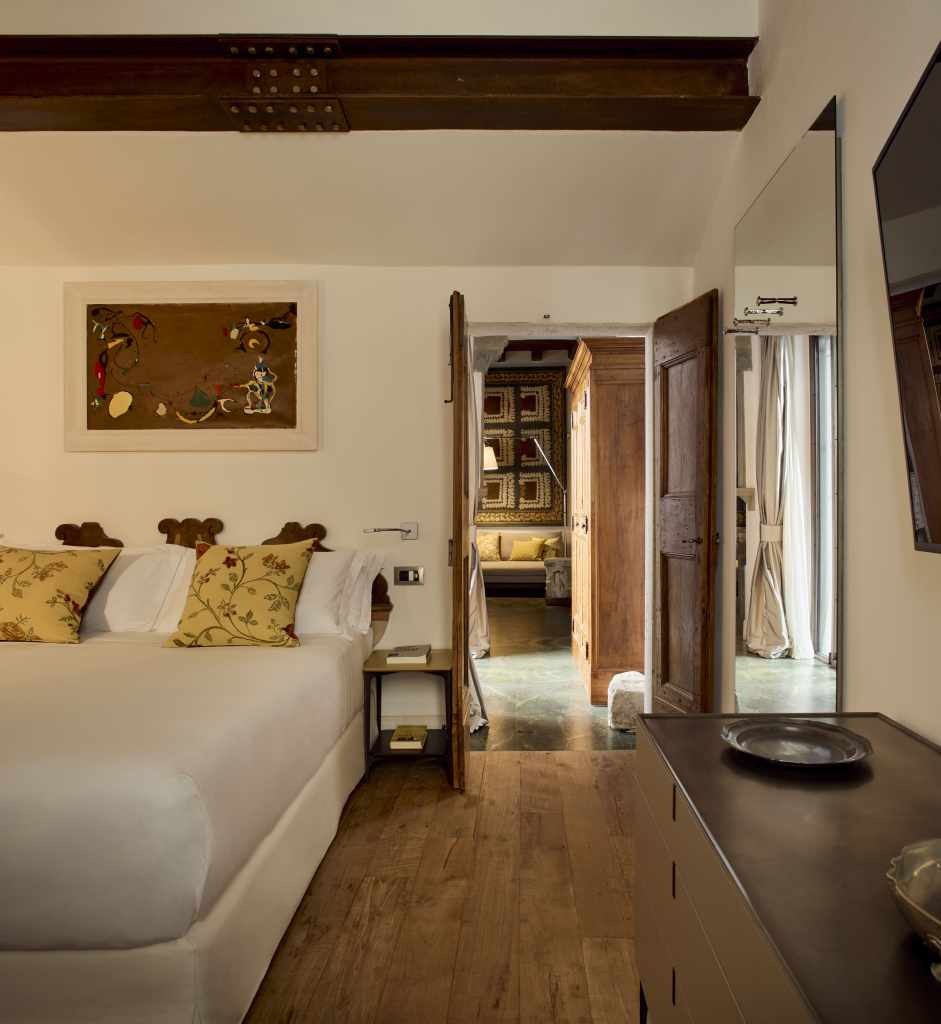
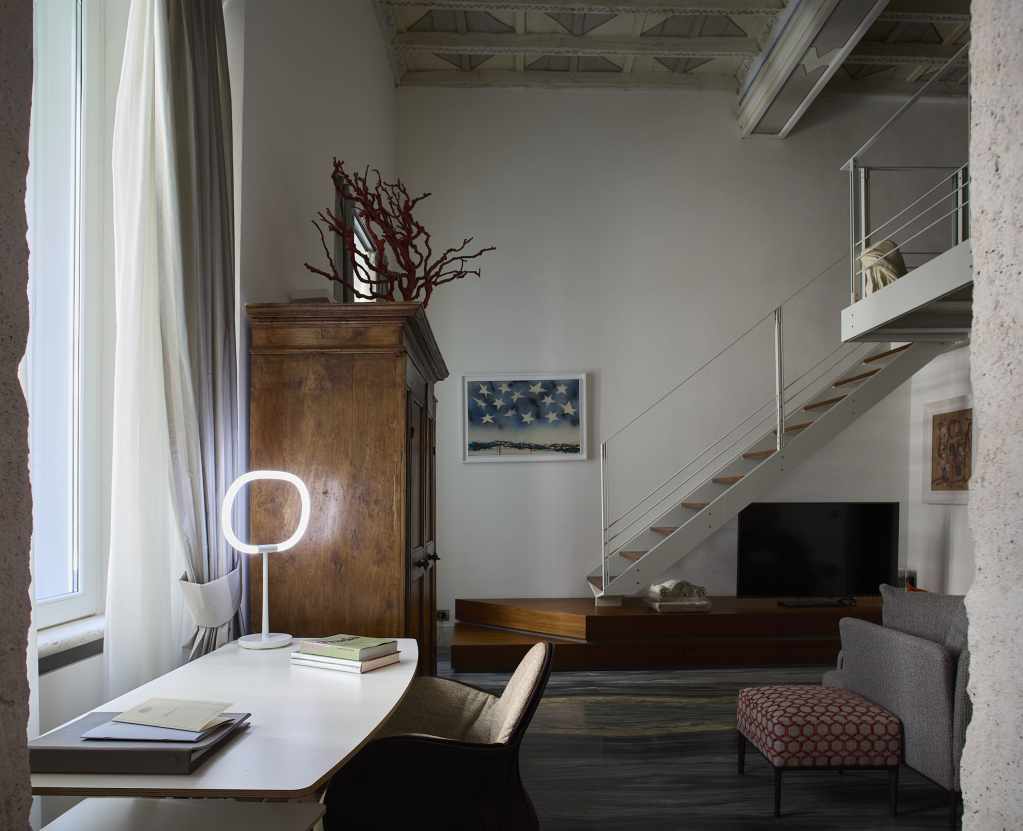
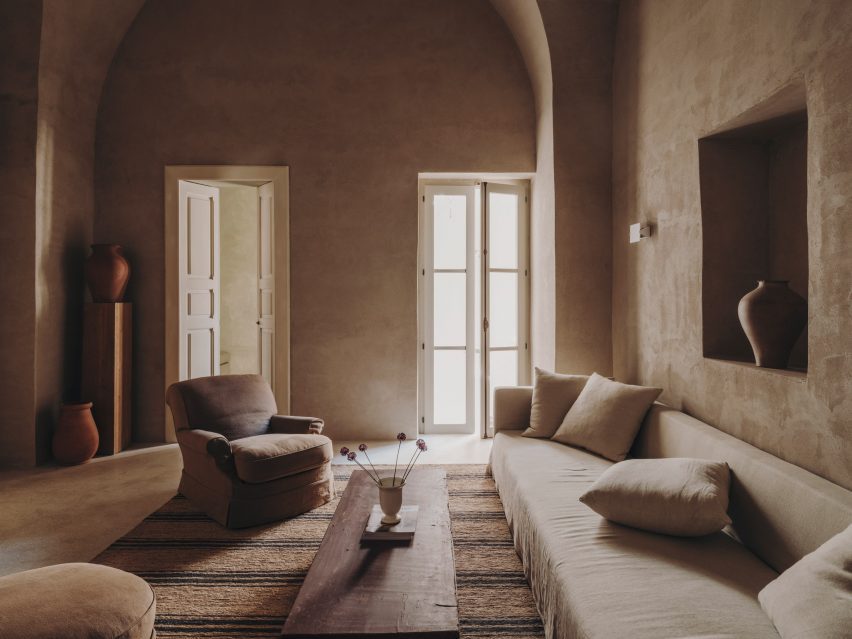
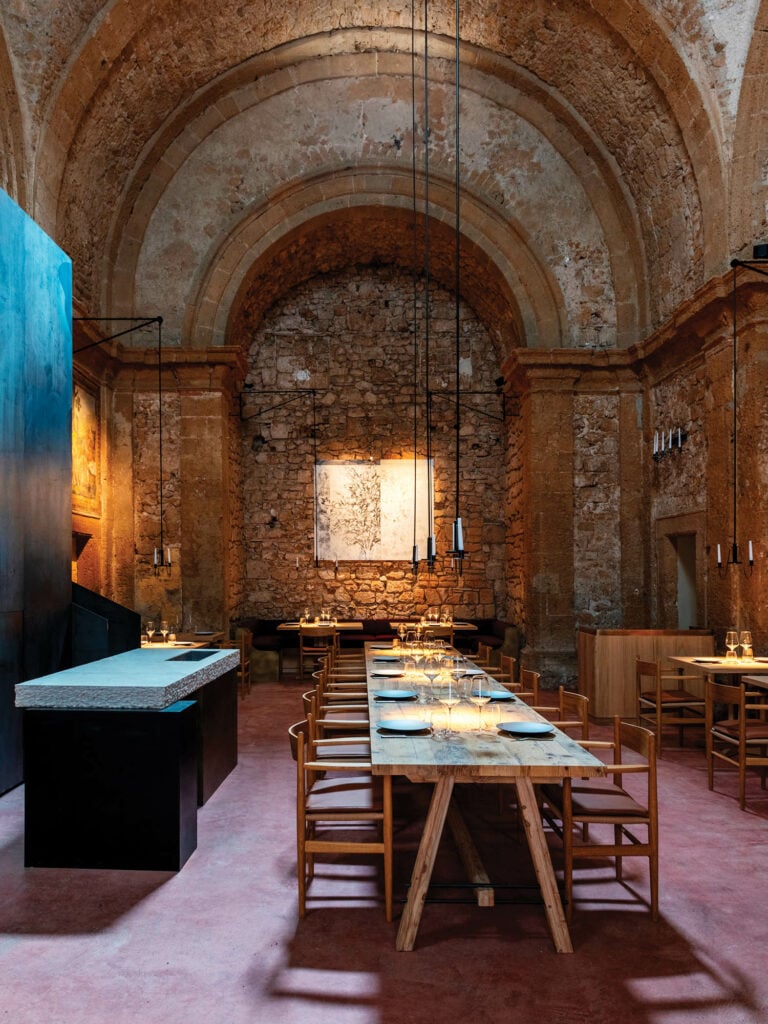
The five-star Palazzo Avino, a hotel housed within a 12th-century private villa on Italy's Amalfi Coast, has undergone a significant redesign of seven of its rooms. Architect Cristina Celestino was tasked with revitalizing these spaces, drawing inspiration from the abundant gardens of Ravello and the mystical tales of the Tyrrhenian Sea. The goal was to infuse the rooms with a sense of place, blending historical elements with a contemporary aesthetic.
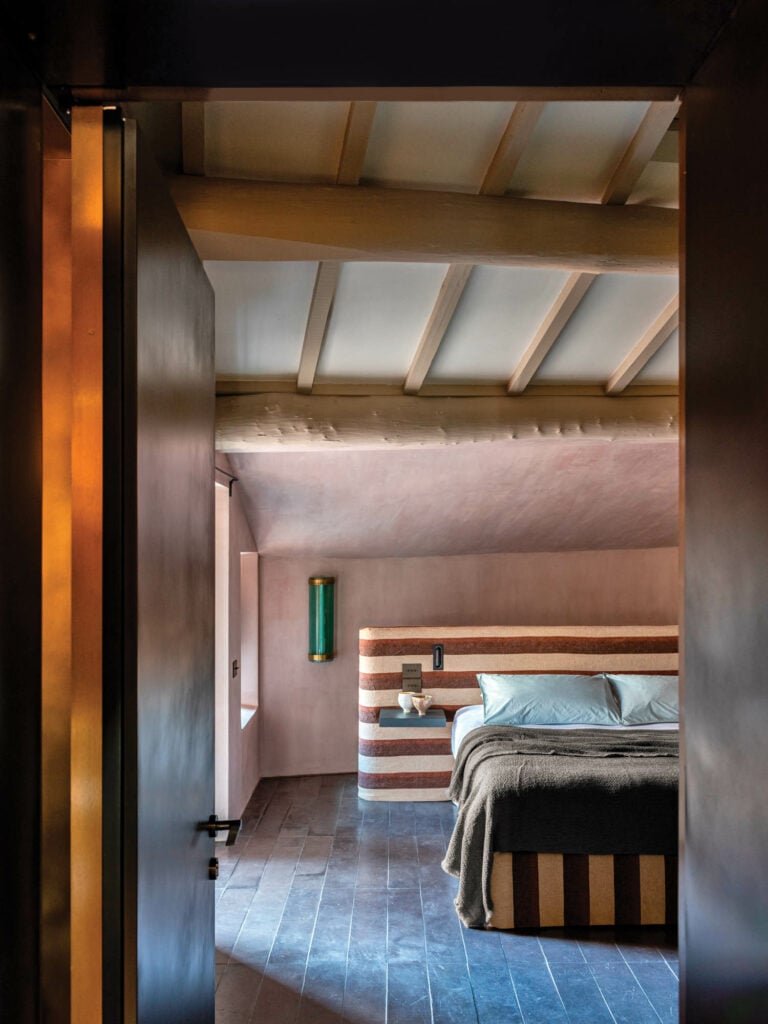
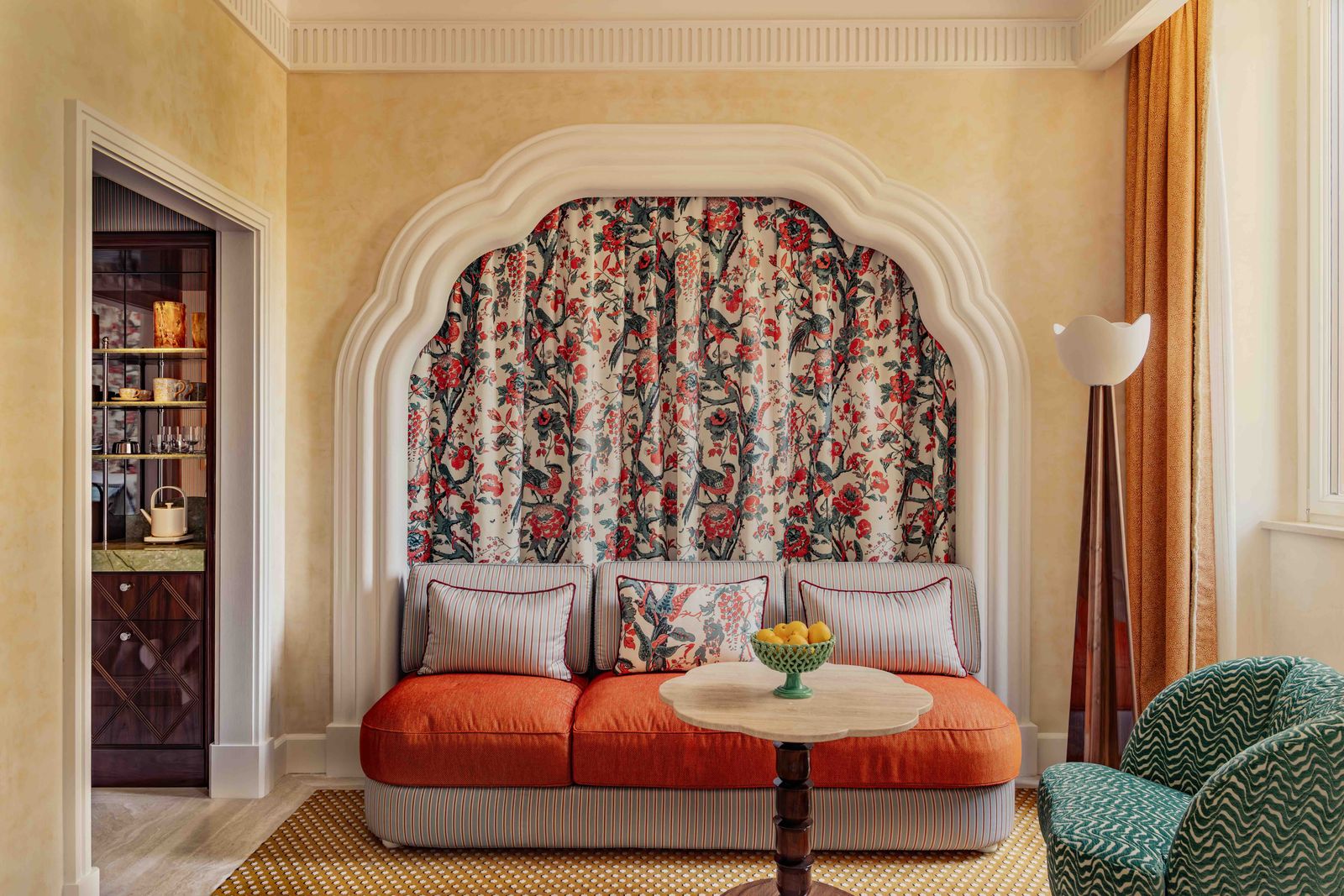
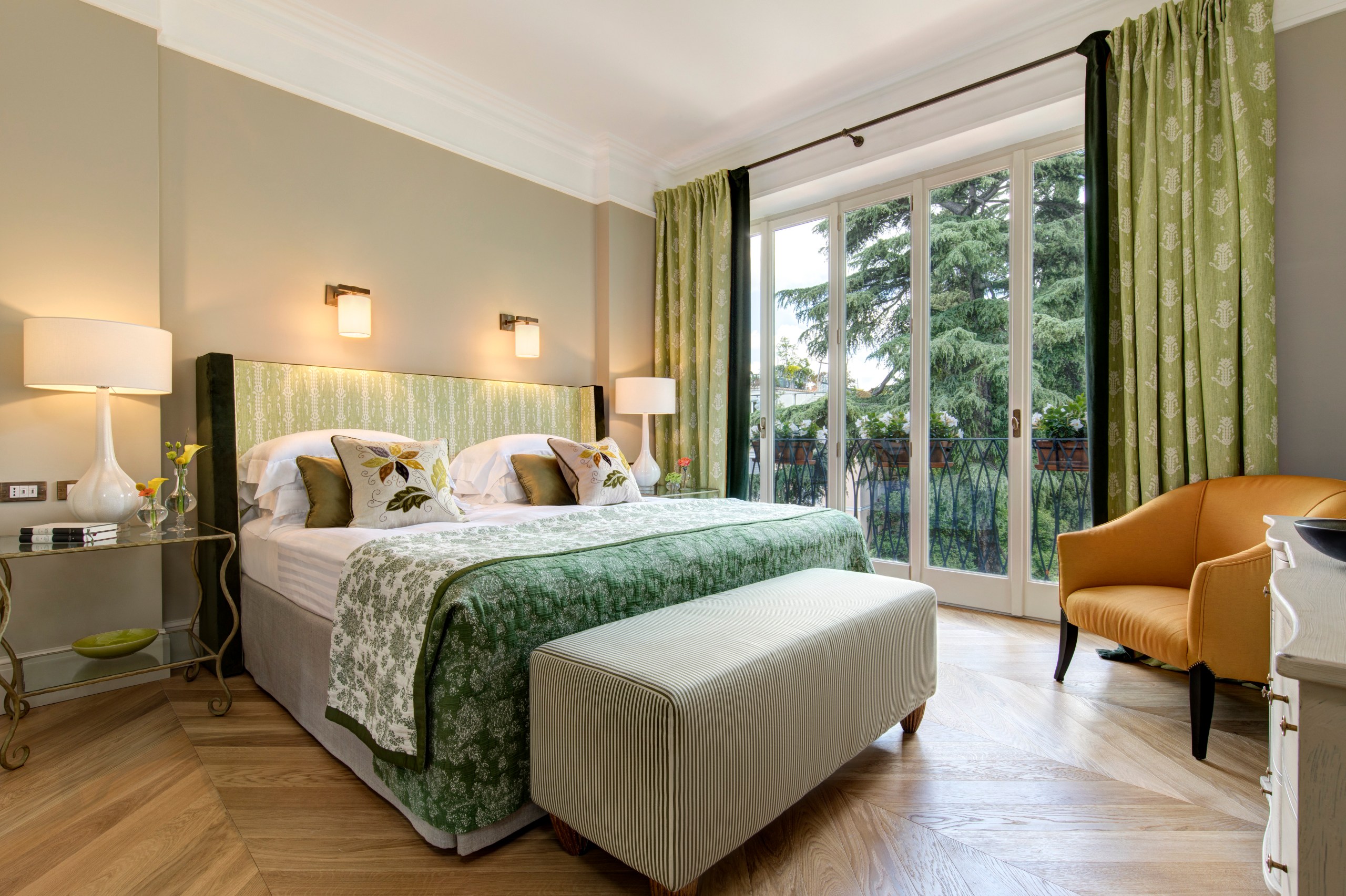
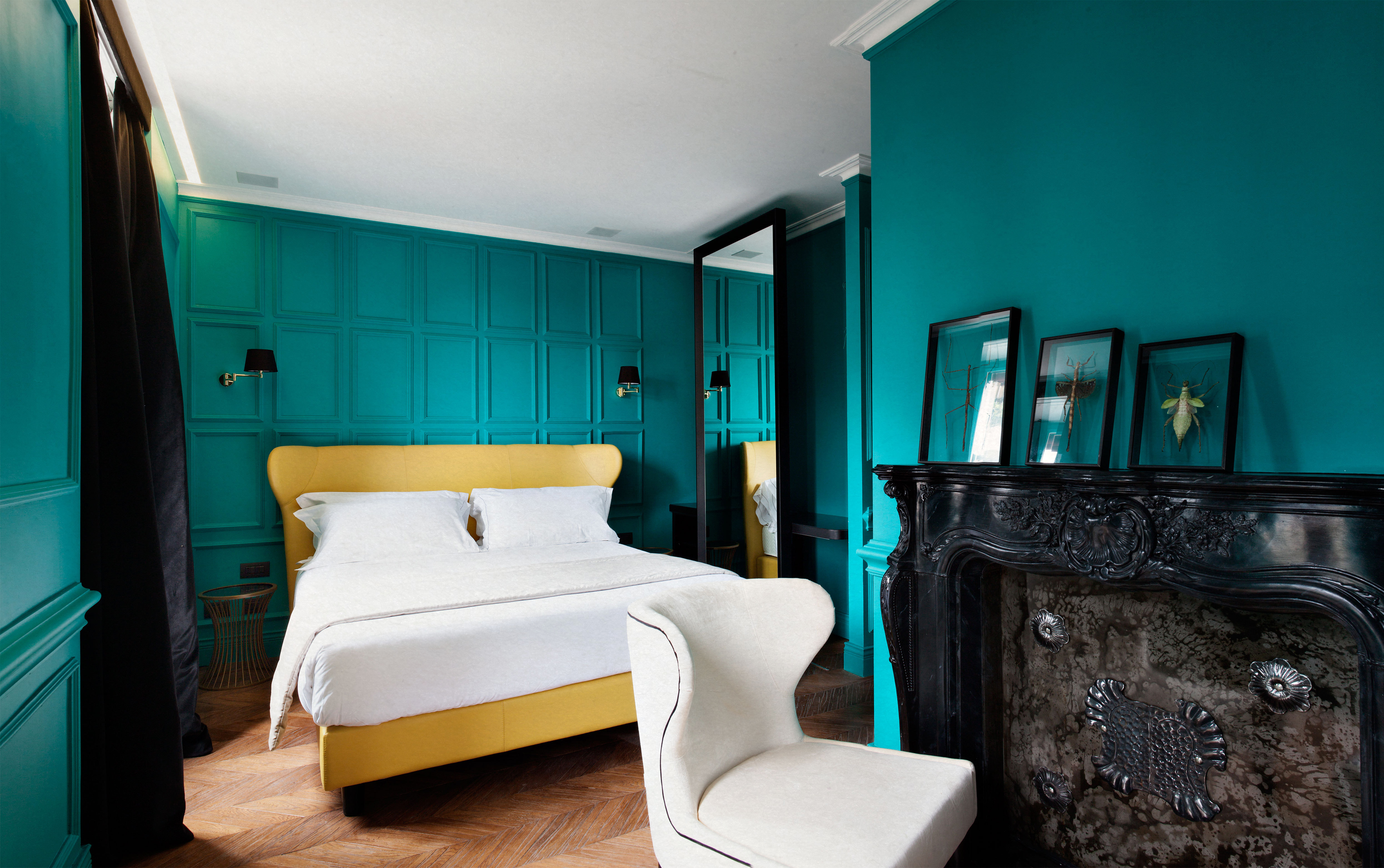
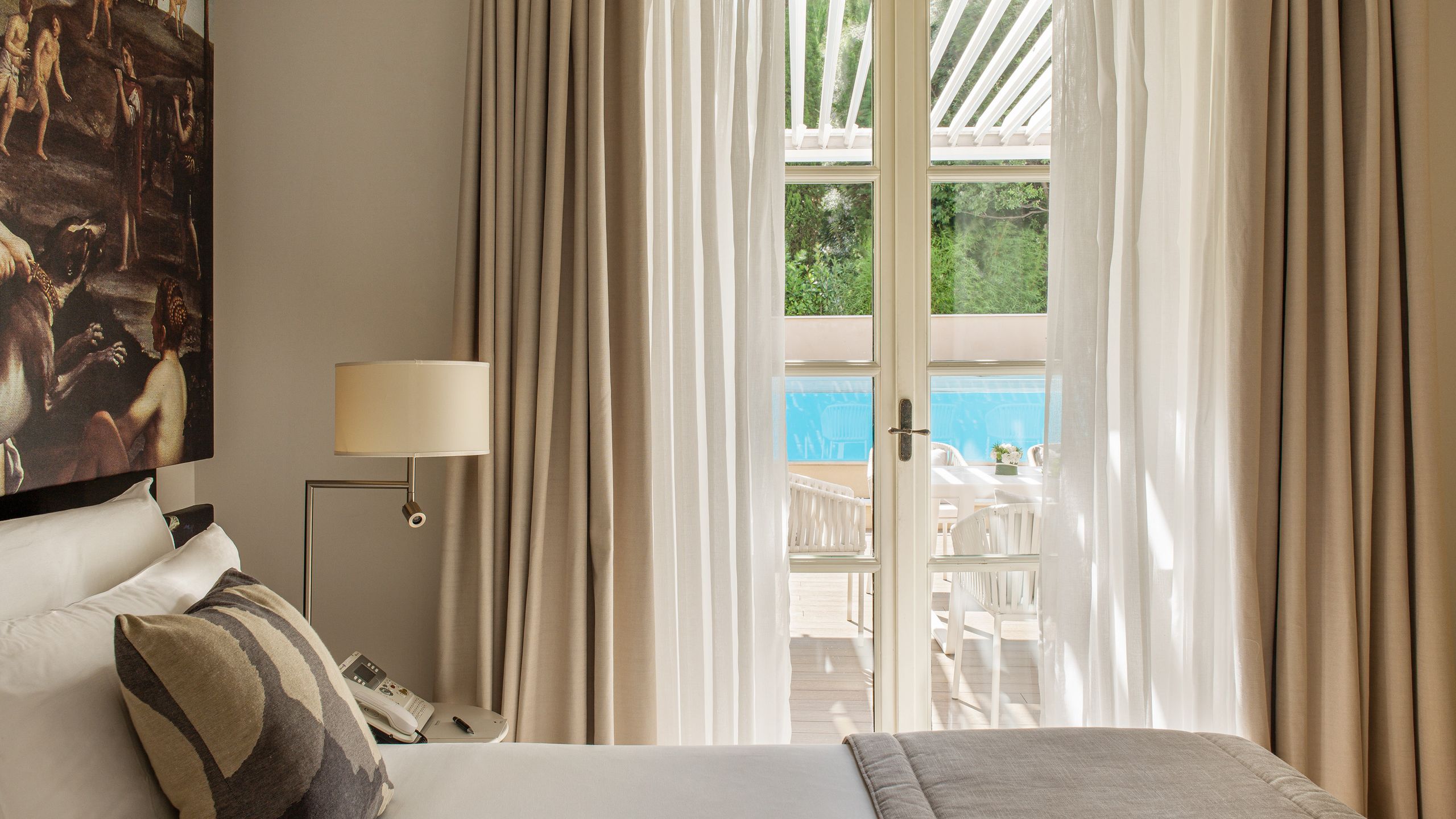
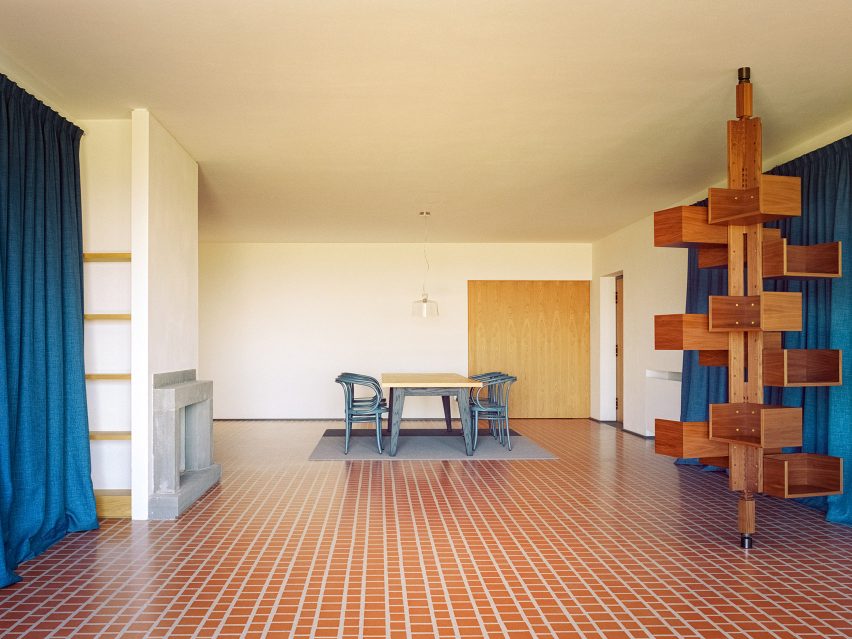
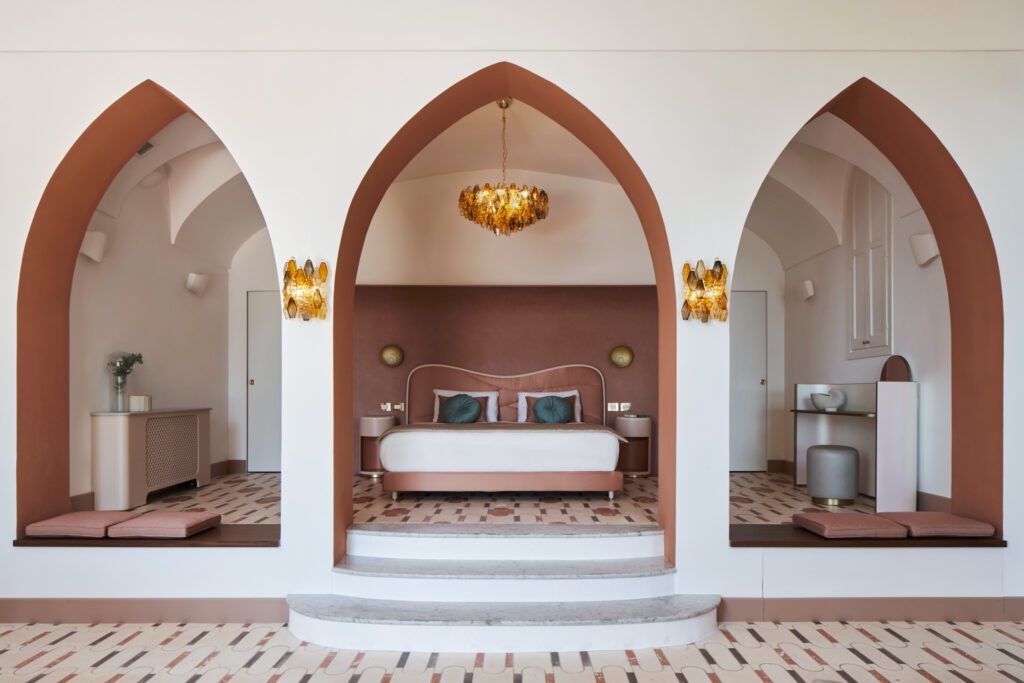
Celestino's design approach centered on two primary concepts: the "inner garden" and the "mermaid refuge." The inner garden concept is brought to life through the integration of custom-designed terracotta flooring from her Giardino all’Italiana collection for Fornace Brioni. This flooring, which takes inspiration from the famous Boboli and Tivoli gardens, acts as a unifying element across the rooms. It is complemented by patterned onyx and marble accents, reflecting the vibrant flora of the region. The color palette employed by Celestino, featuring aquamarine, sand, and coral, directly references the natural surroundings of the Amalfi Coast.
The mermaid refuge concept is expressed through iridescent mother-of-pearl finishes, which evoke the shimmering quality of the sea. Embossed headboards and intricate brass castings further contribute to this theme, adding a touch of aquatic elegance. Celestino emphasized the importance of light, colors, and material selection in her projects, aiming to create a magical atmosphere that resonates with the heritage and natural beauty of the location. She noted that her works often combine historical elements with modern aesthetics and draw forms from nature and art.
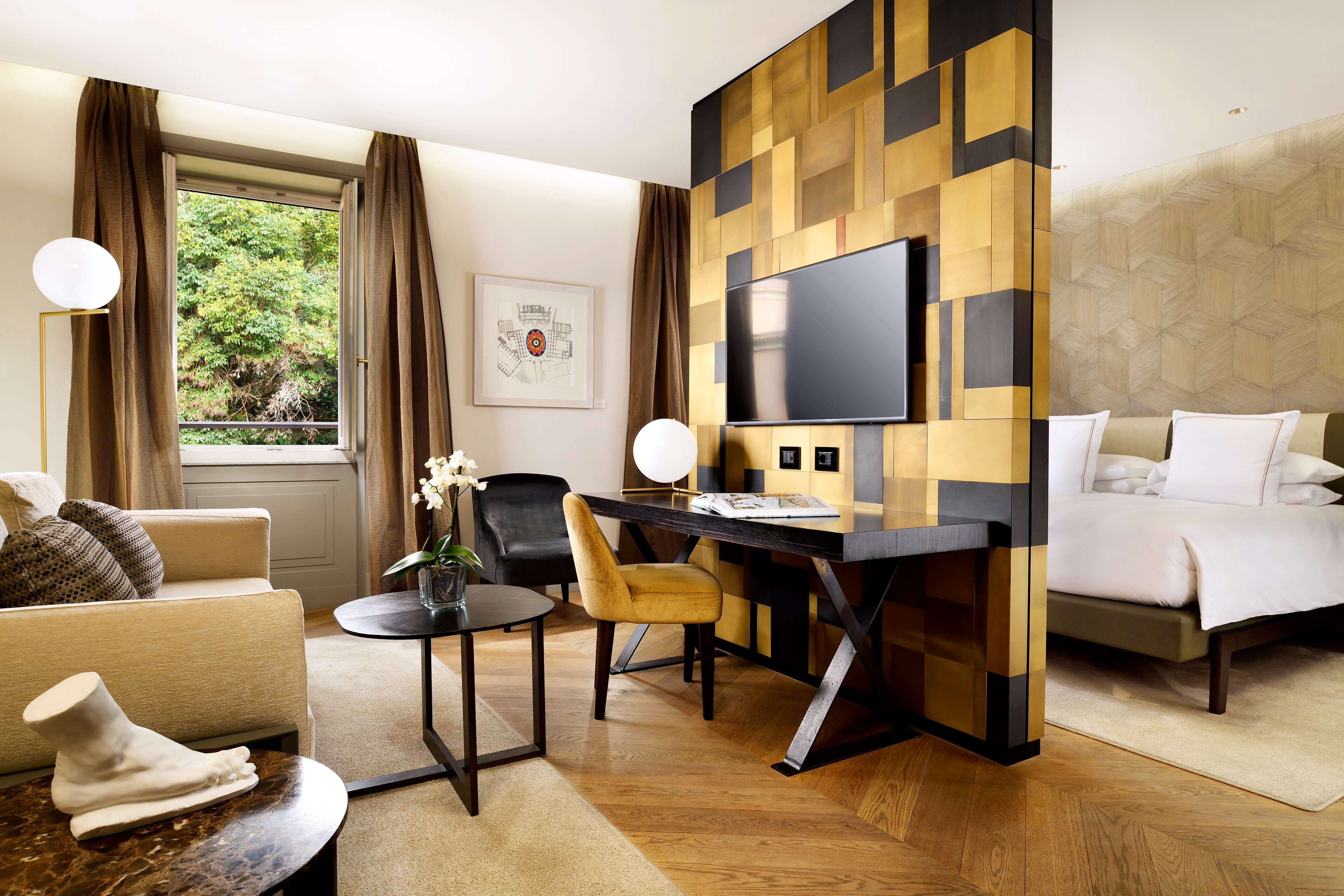
Prior to Celestino's intervention, the rooms were characterized by a more traditional style, featuring glazed ceramics, white walls, Persian carpets, and antique pieces from the early 1900s. Her vision sought to imbue each room with a distinct personality, establishing a stronger connection between the interior design and the panoramic views of the gardens and the sea. This was achieved not only through the selection of materials and colors but also through the thoughtful placement of furniture.
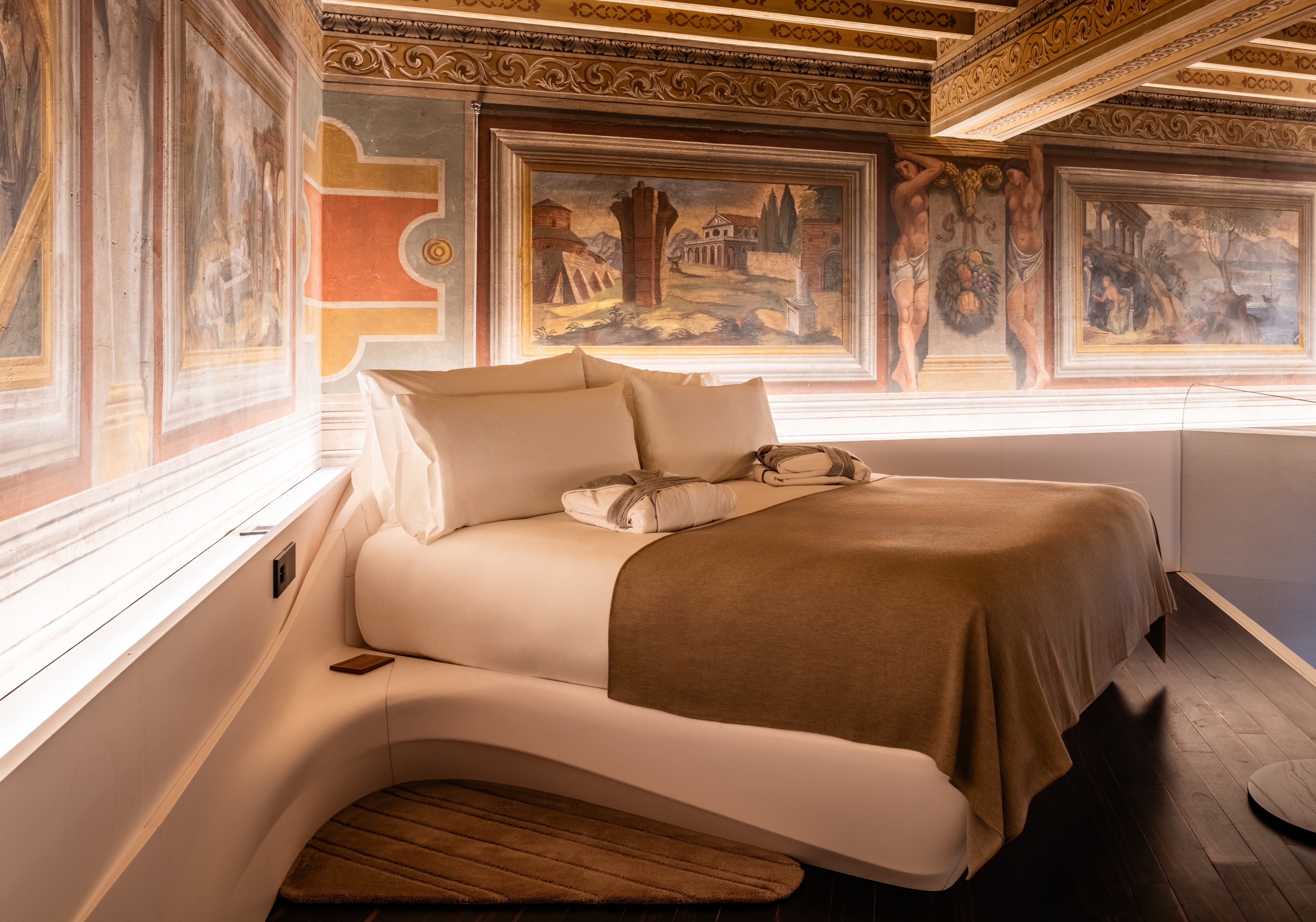
For instance, beds were strategically positioned in the center of the rooms to maximize visual impact and draw attention to the architectural elements. The bedding and the curvature of the bed frames were designed to harmonize with the dramatic arches present in the villa's architecture. Textiles played a crucial role in the renovation, with delicate natural fibers and Dedar fabric curtains featuring oversized patterns, including CC-tapis textiles adorned with large flowers and fruits native to the Italian coast, which are now part of the Avino collection.
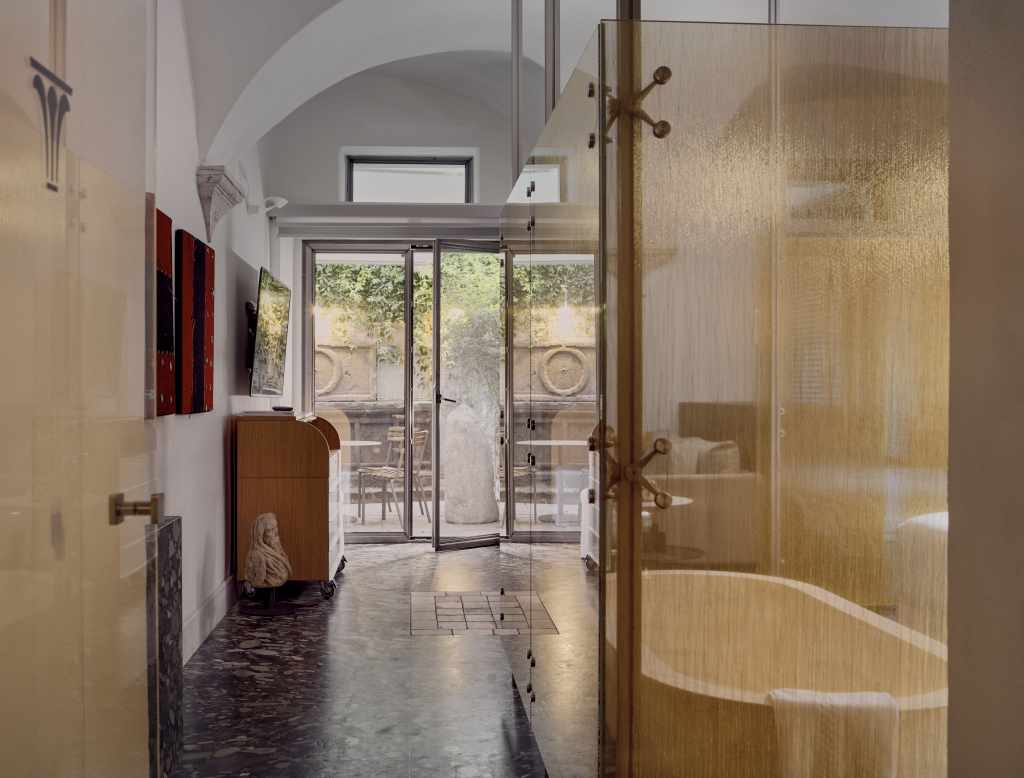
Celestino faced the challenge of balancing the hotel's existing identity and the expectations of its established clientele with her contemporary design vision. Her objective was to make these historical spaces feel more modern while simultaneously deepening their connection to the coastal landscape. The bathrooms were also updated, incorporating luxurious materials such as Rosa Portogallo marble and Rainbow onyx by Budri, further enhancing the hotel's opulent and nature-inspired aesthetic. The renovation successfully transformed the rooms, creating spaces that are both rooted in tradition and refreshingly contemporary.
#AmalfiCoast #CristinaCelestino #PalazzoAvino #HotelRenovation #ItalianDesign #LuxuryTravel #InteriorDesign #HistoricalArchitecture #CoastalDecor #AmalfiCoast #CristinaCelestino #PalazzoAvino #HotelRenovation #ItalianDesign #LuxuryTravel #InteriorDesign #HistoricalArchitecture #CoastalDecor
0 comment in total
 No comments yet
You may also like
Living Like a Roman: The Artful Dialogue of Past and Present at Palazzo delle Pietre
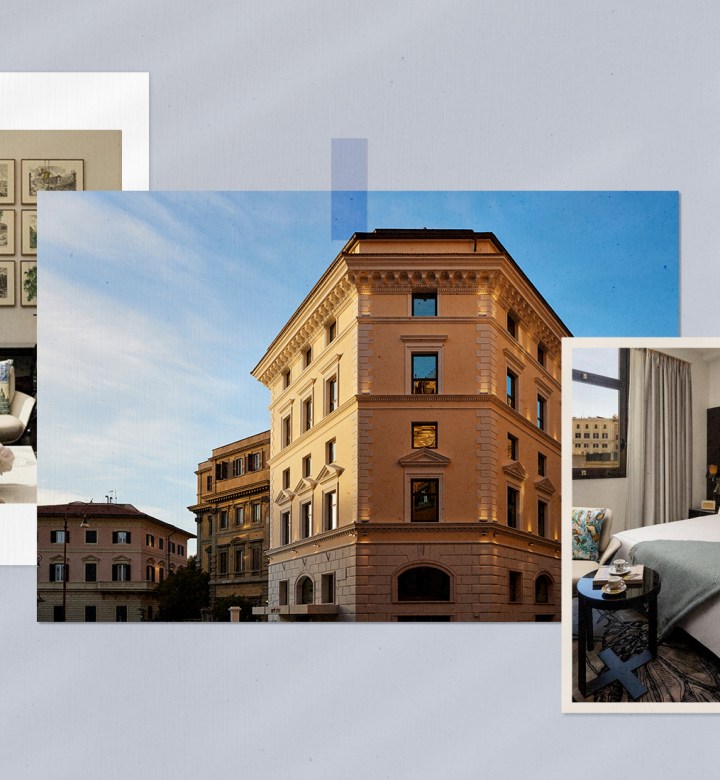
If You’re Headed to Rome This Summer, This Boutique 5-Star Hotel Is the One to Book
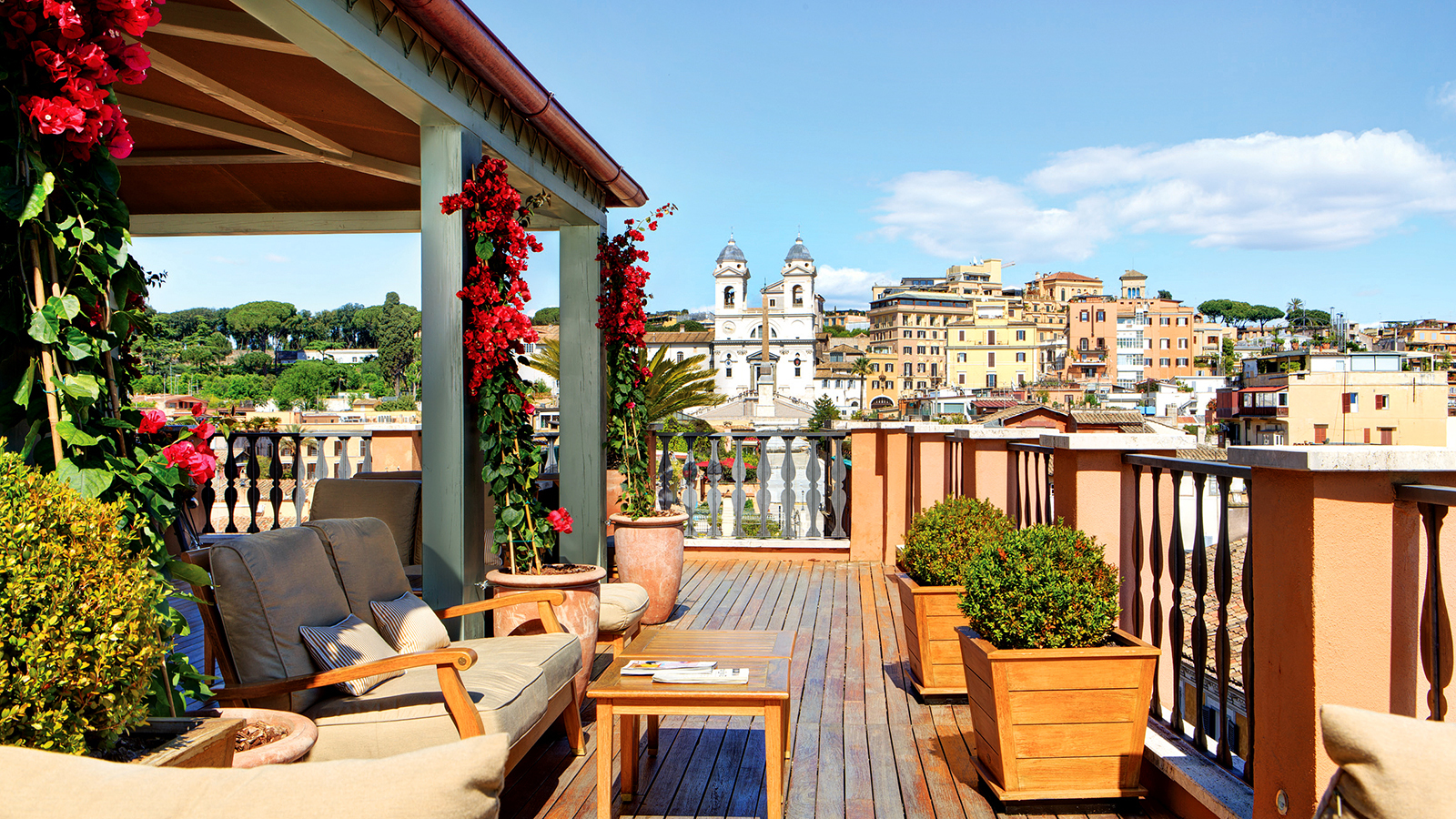
28 of the best hotels in Rome for 2026
Your Family Decorator: Monopoli a winner along Italy’s Adriatic
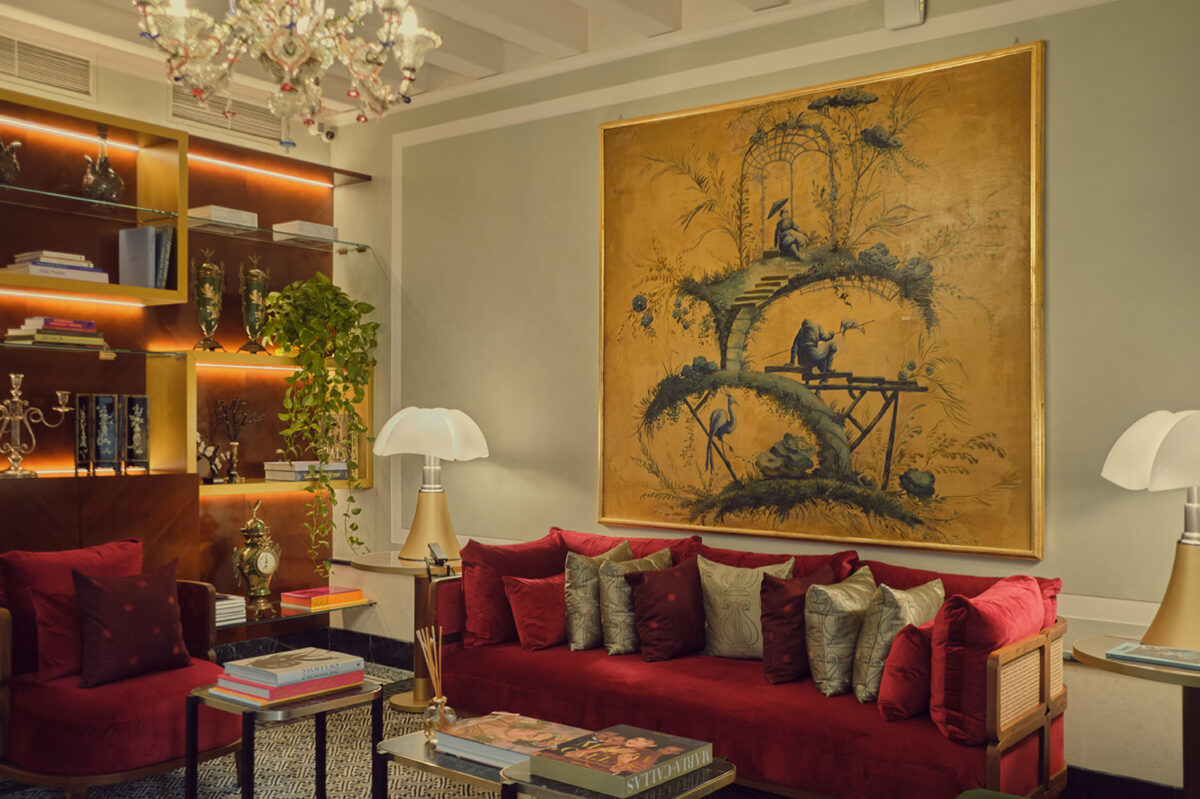
Violino d’Oro: the jewel hotel redefining venetian elegance
The Best Hotels in Rome Are a Love Letter to the Eternal City
matteo cainer's proposed retreat in sicily reveals blooming pergola inspired by citrus groves
Tuscan holiday home is almost entirely decked out with Italian materials
Ten rustic Italian interiors that evoke the history of the Mediterranean
From Venice to Vanderbilts: A Brief History of Terrazzo

Villa Agrippina Gran Melià — Hotel Review
Bold color schemes bring original features to life in this historic home

italian painter’s works transform il bottaccio luxury hotel into integrated living gallery
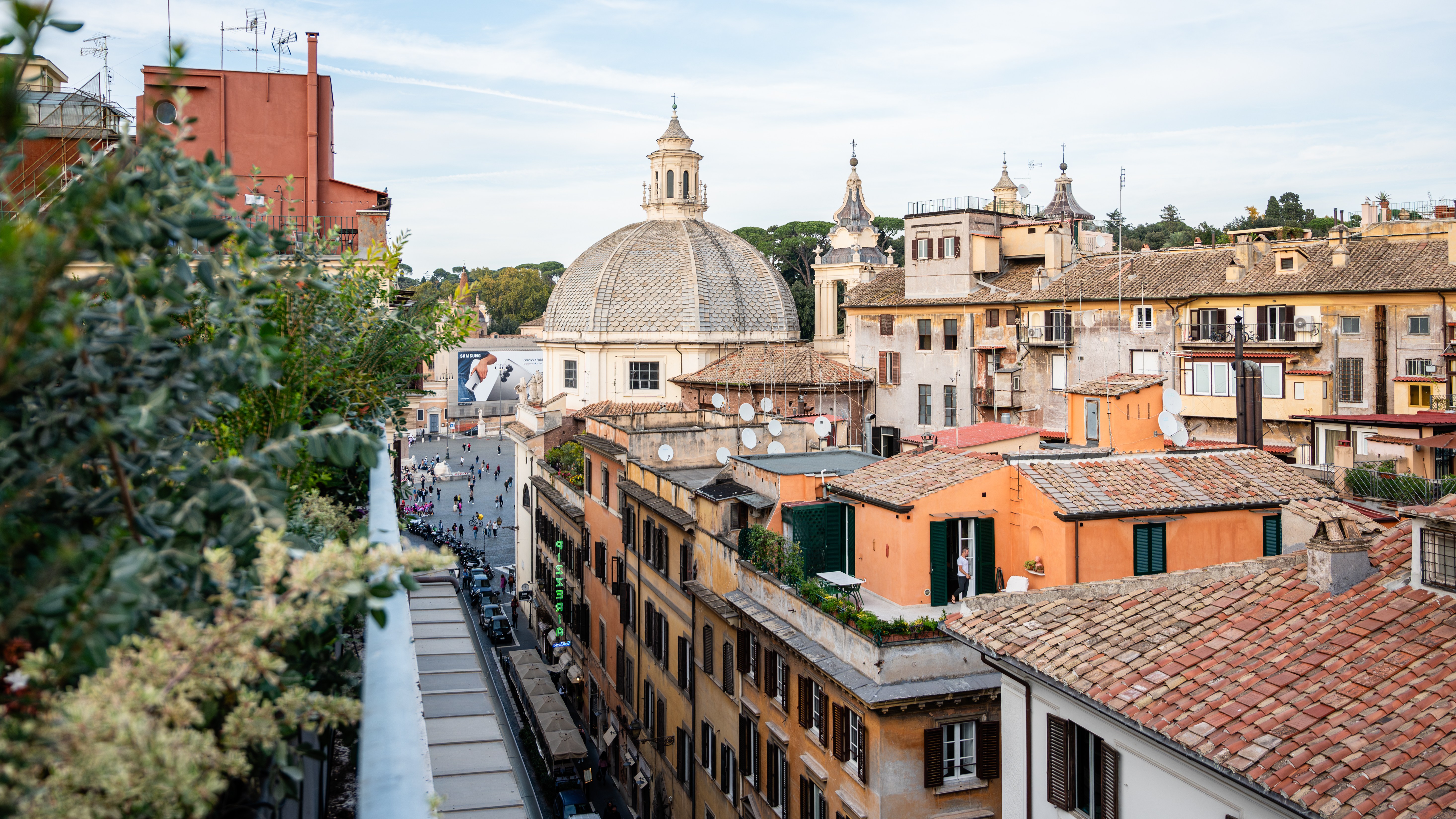
Inside Rome’s most expensive — and most extraordinary — new hotel
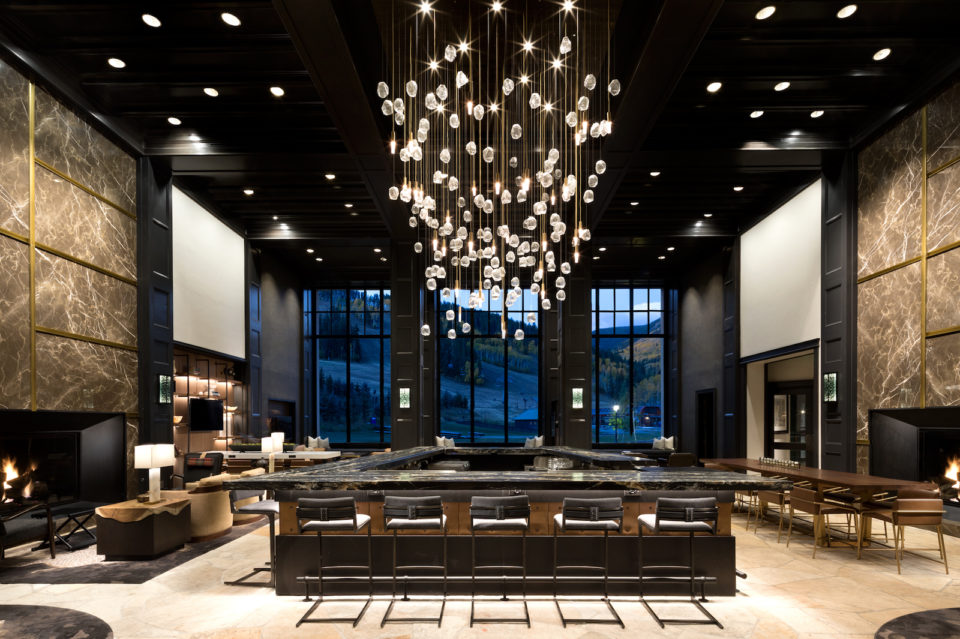
Steal These Design Ideas From Park Hyatt Beaver Creek’s Gorgeous Renovation


Old-World Charm Mixes With Bohemian Style in This New Boutique Hotel

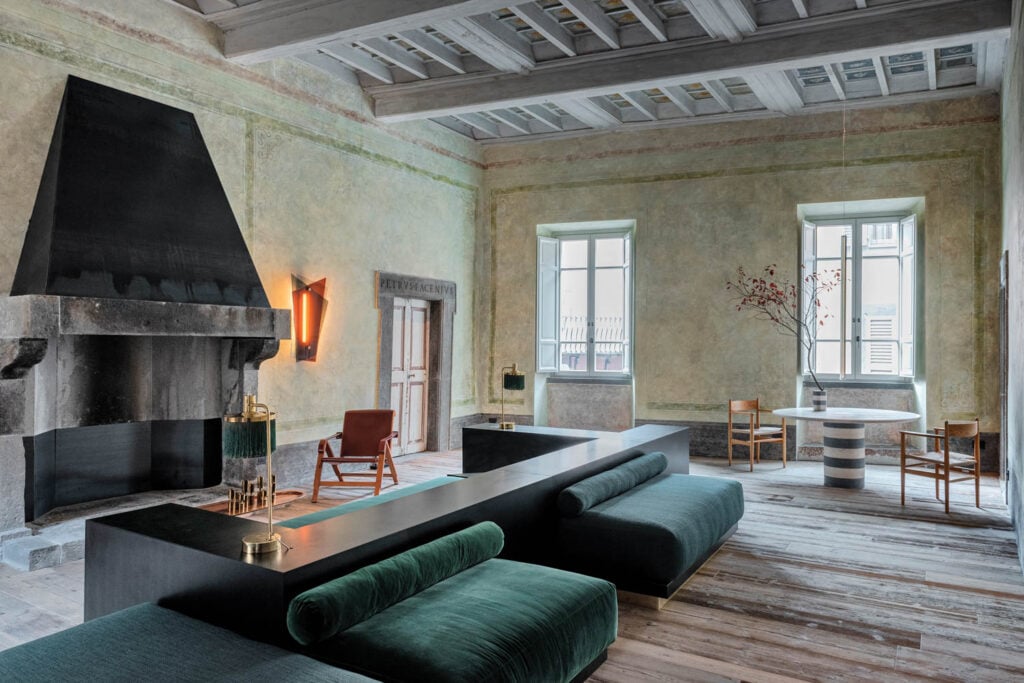
Inside a Historic Palace Turned Boutique Hotel in Italy

The Mr. C Coconut Grove Hotel in Miami Is Inspired by Nautical Aesthetics
6 beautiful homes with Italian influences

A Milanese Apartment Is Restored, Then Renewed (Published 2022)