1/14
Industrial living room ideas – 12 stylish spaces that show how this trend is done
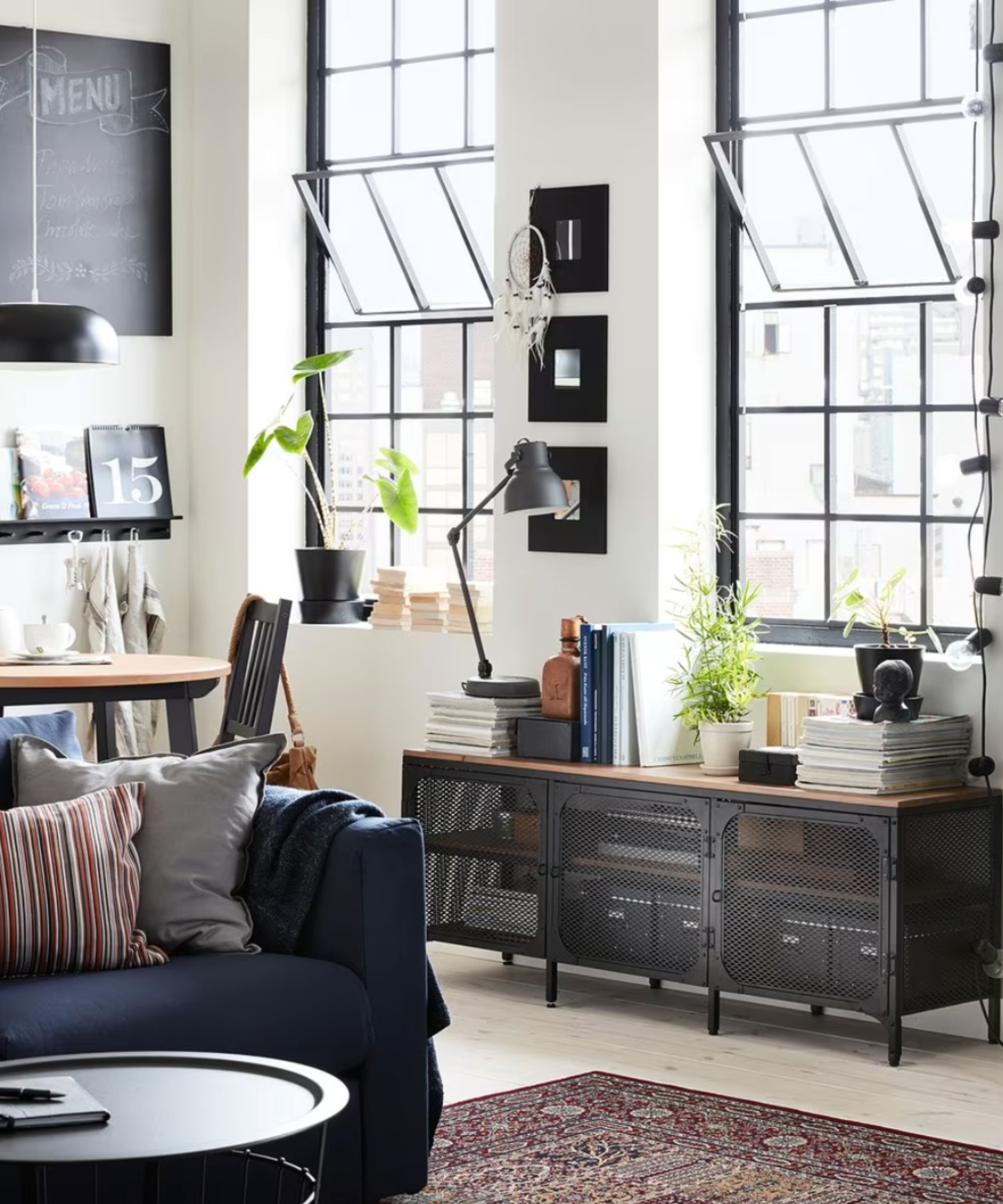
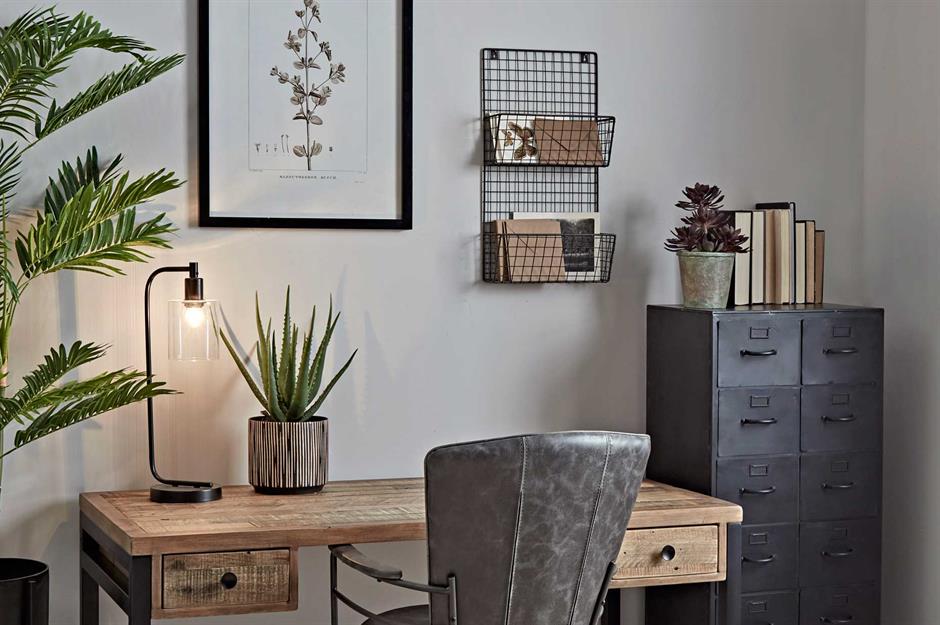
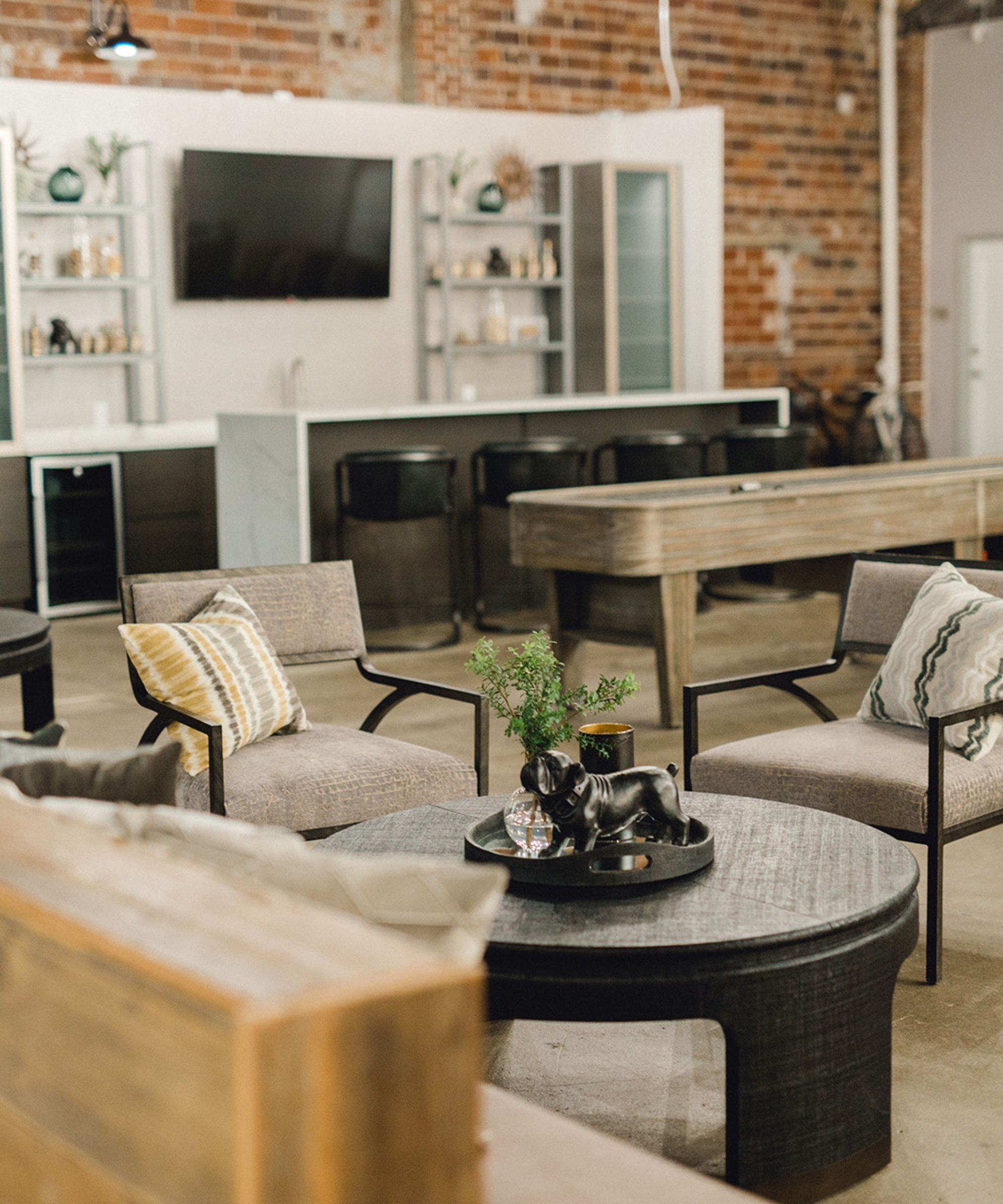
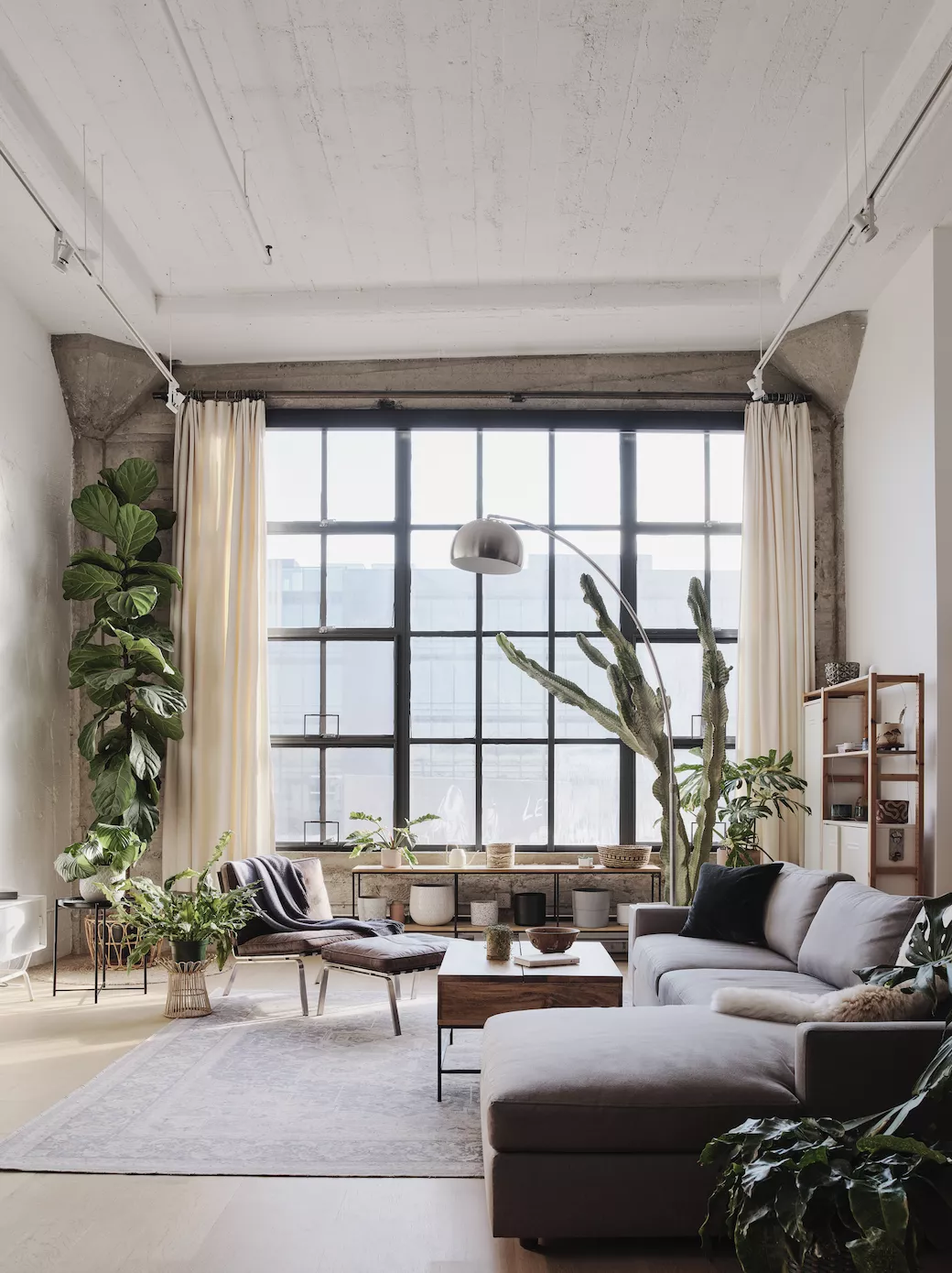
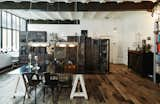
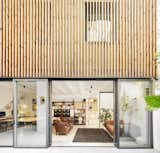
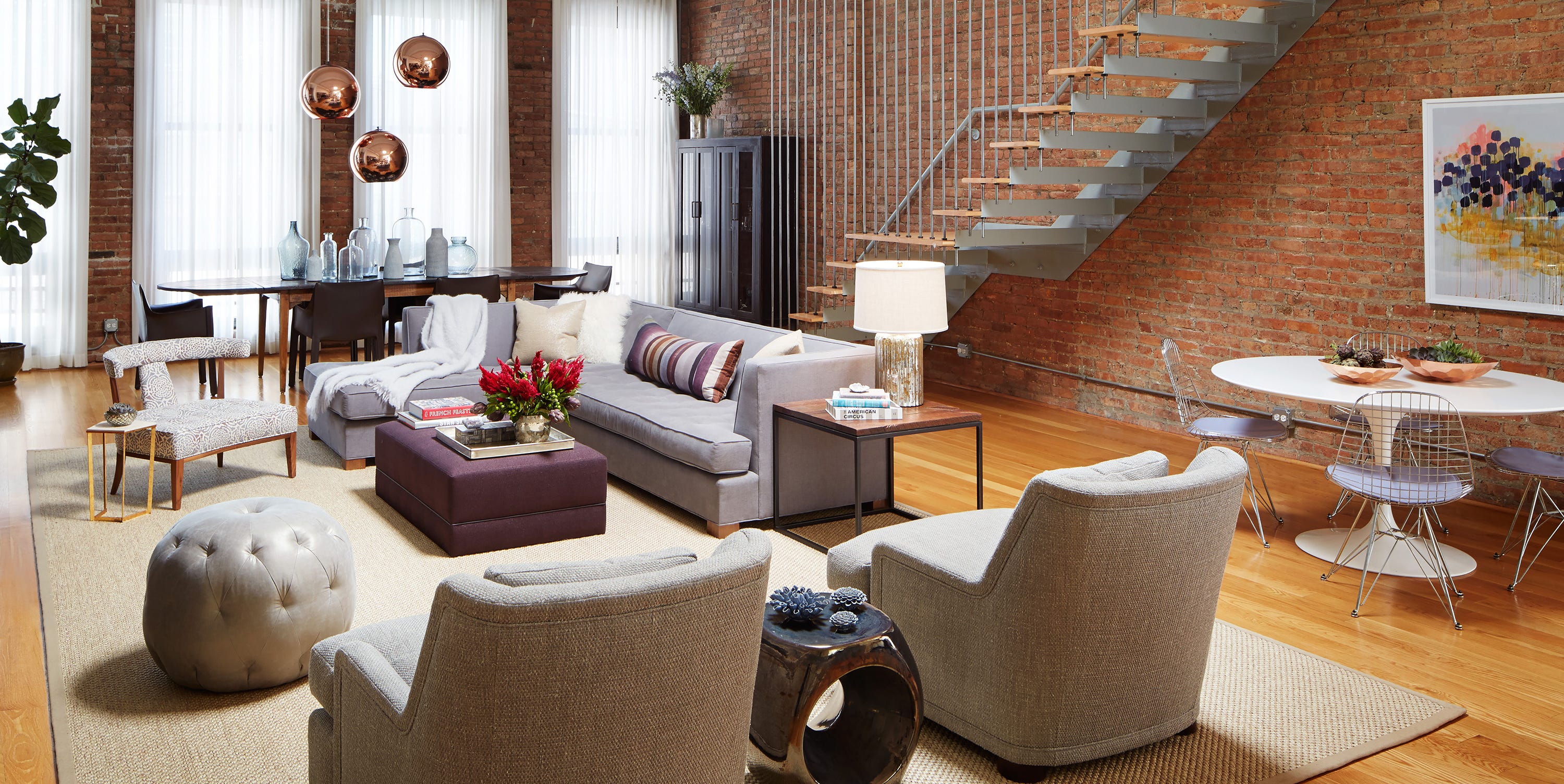
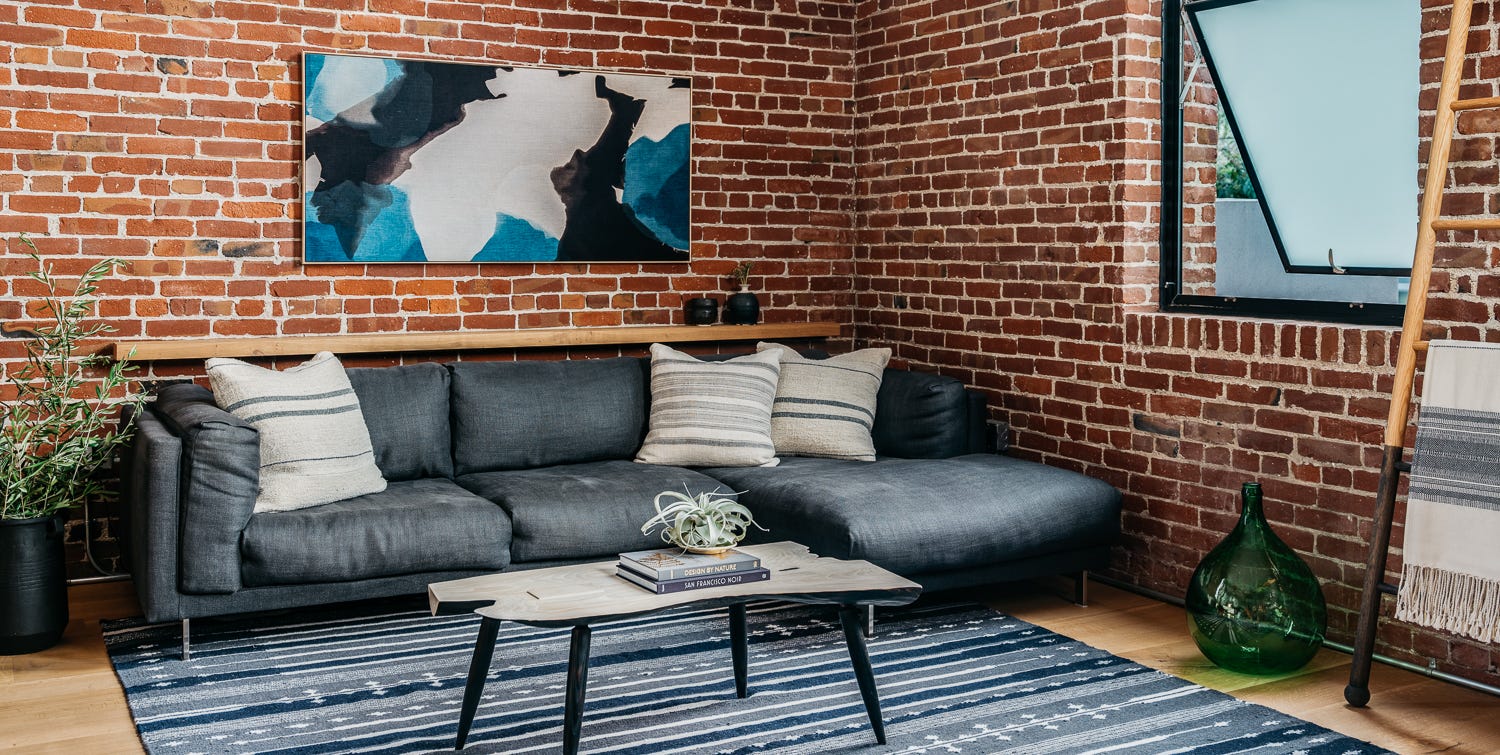
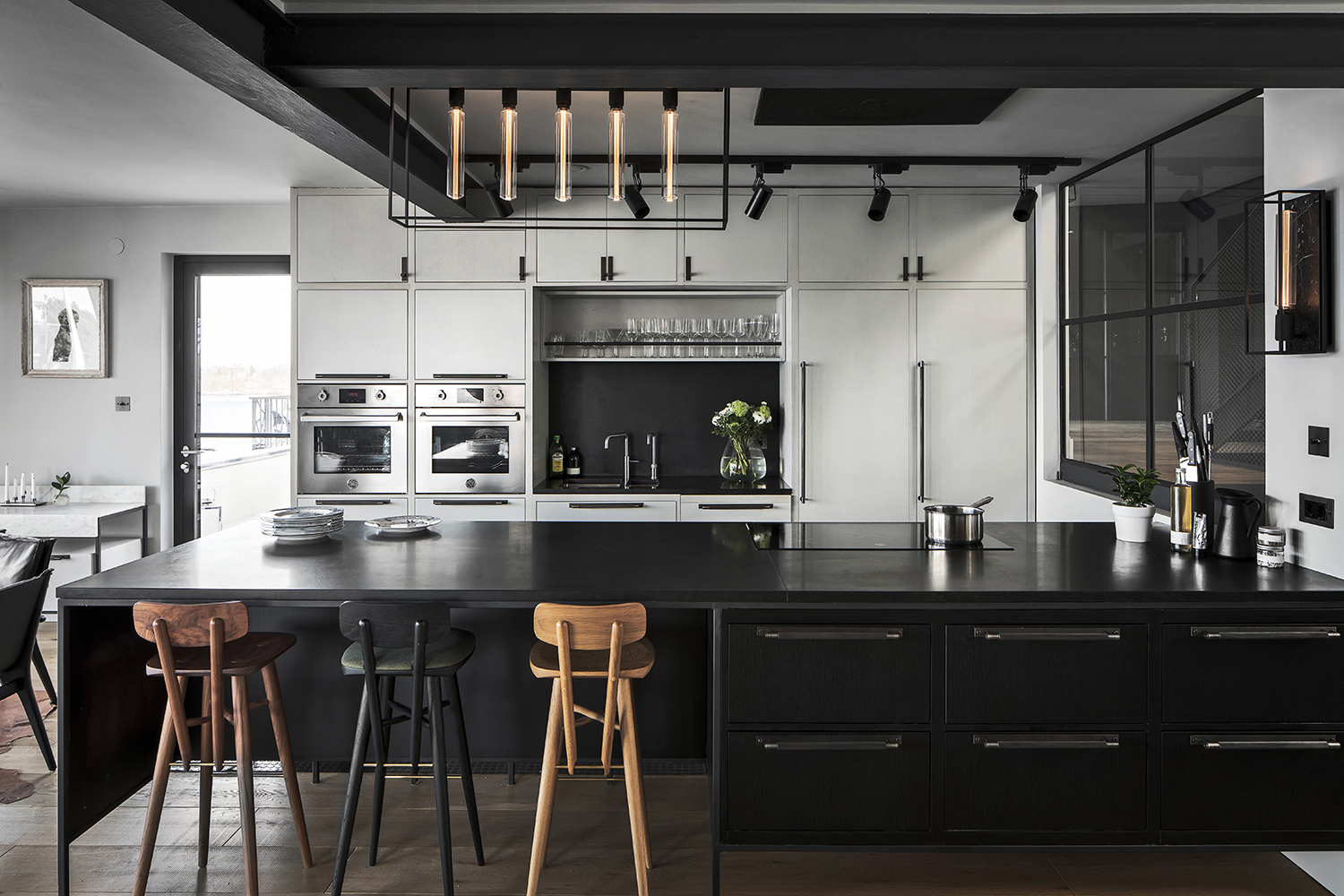
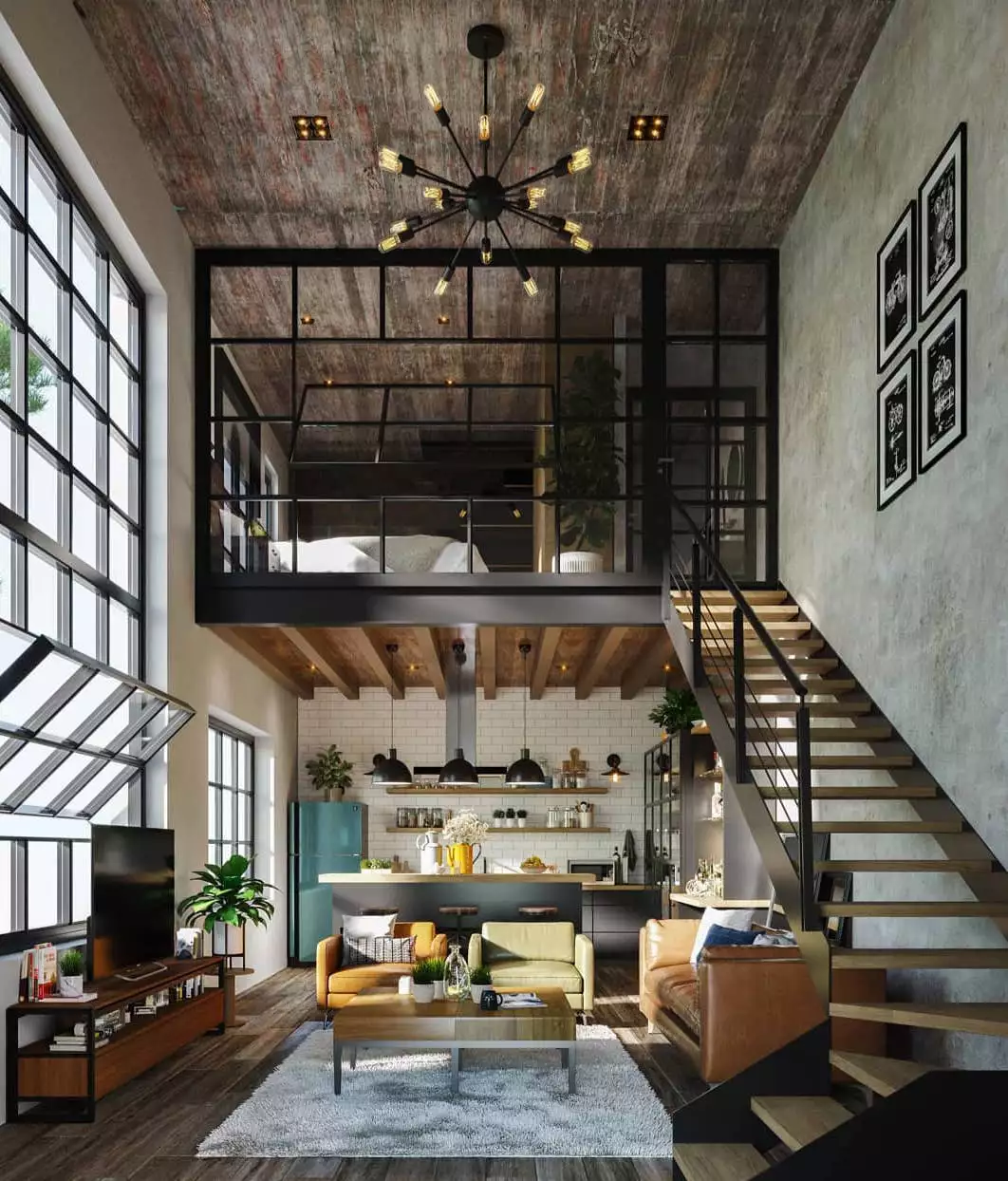
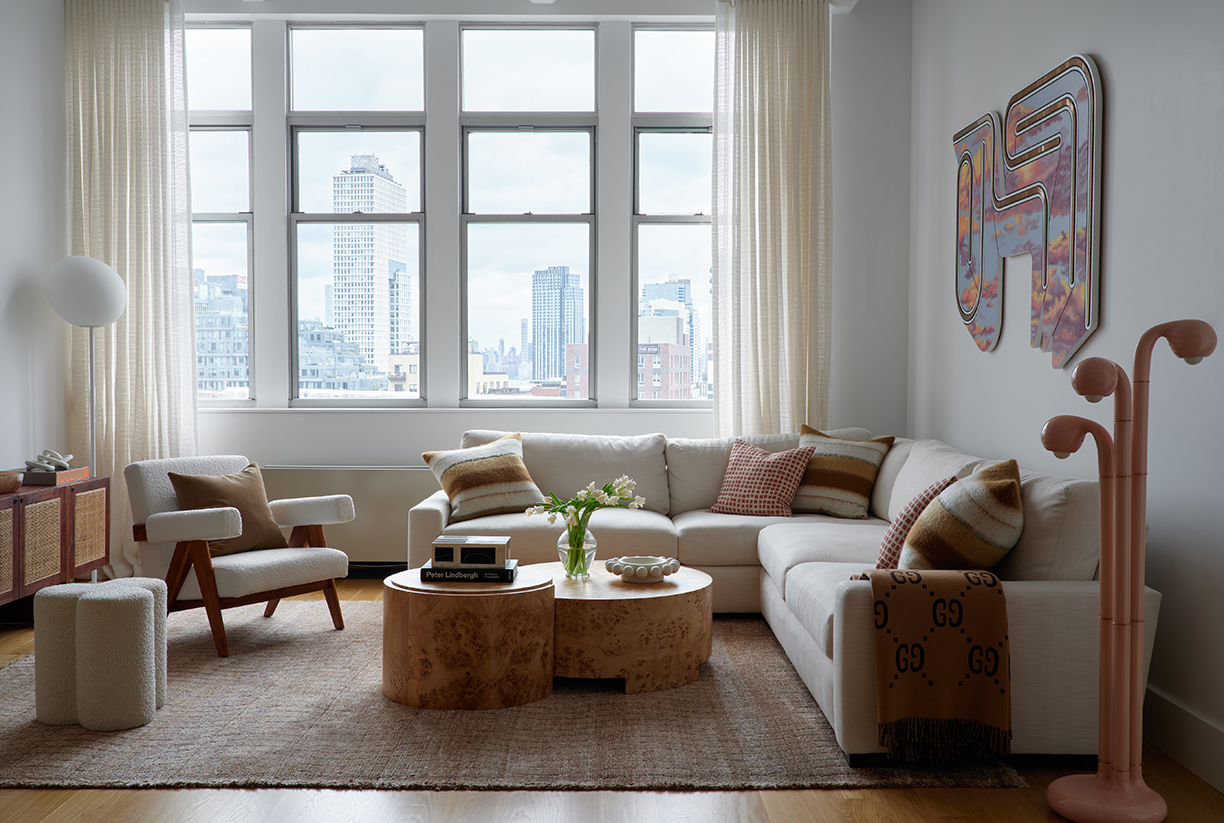
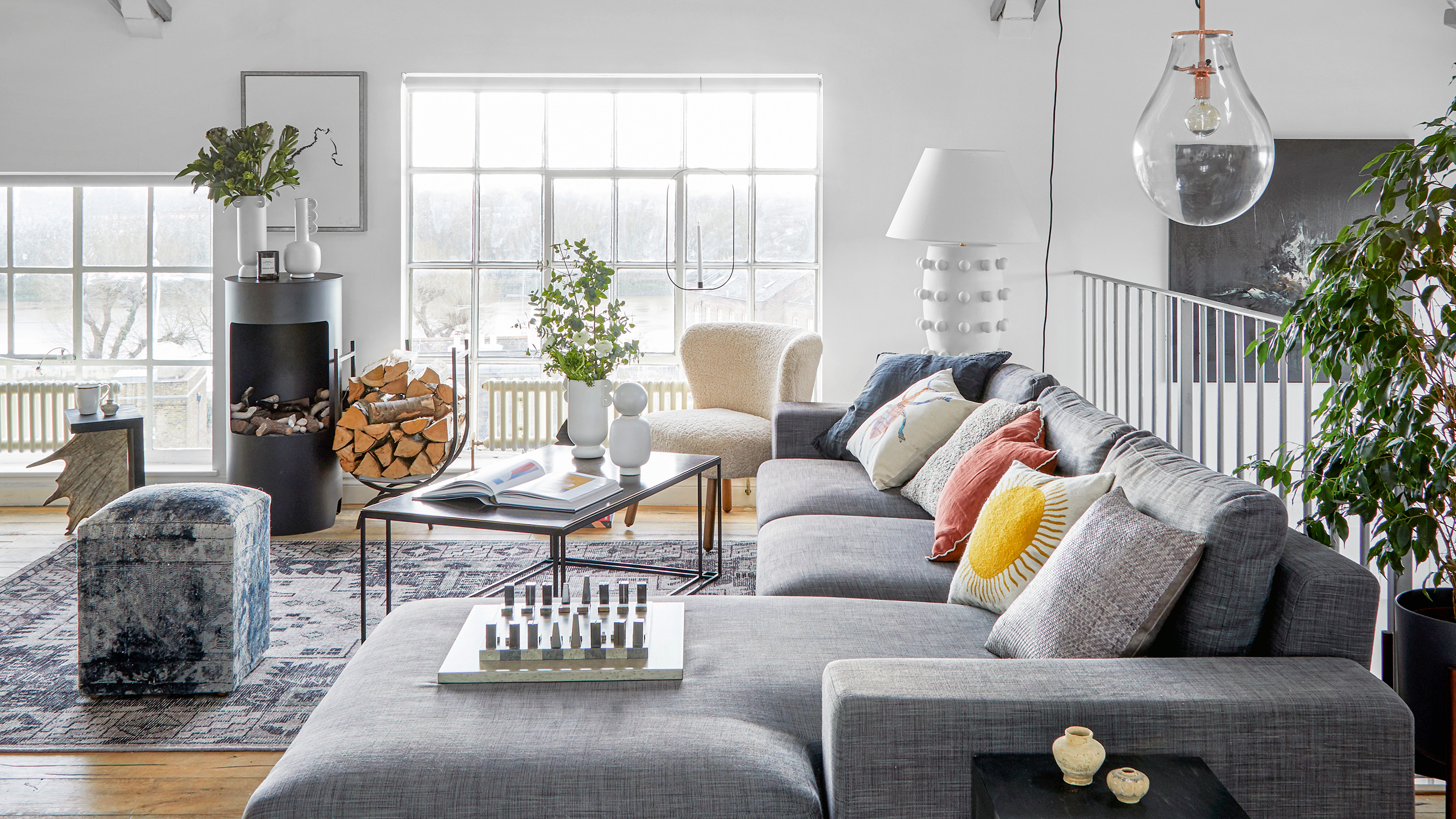
The industrial living room style, originating from repurposed industrial spaces like factories and warehouses, has evolved into a popular interior design trend characterized by its raw, authentic, and often unfinished aesthetic. This style celebrates the inherent beauty of materials and structural elements that are typically concealed in other design approaches. Key characteristics of industrial decor include open-plan layouts, utilitarian elements, and surfaces devoid of excessive ornamentation. The essence of industrial home decor lies in its embrace of raw materiality, such as exposed walls, salvaged goods, and visible piping and ductwork. This style doesn't hide imperfections but rather highlights them, creating a casual and relaxing ambiance.
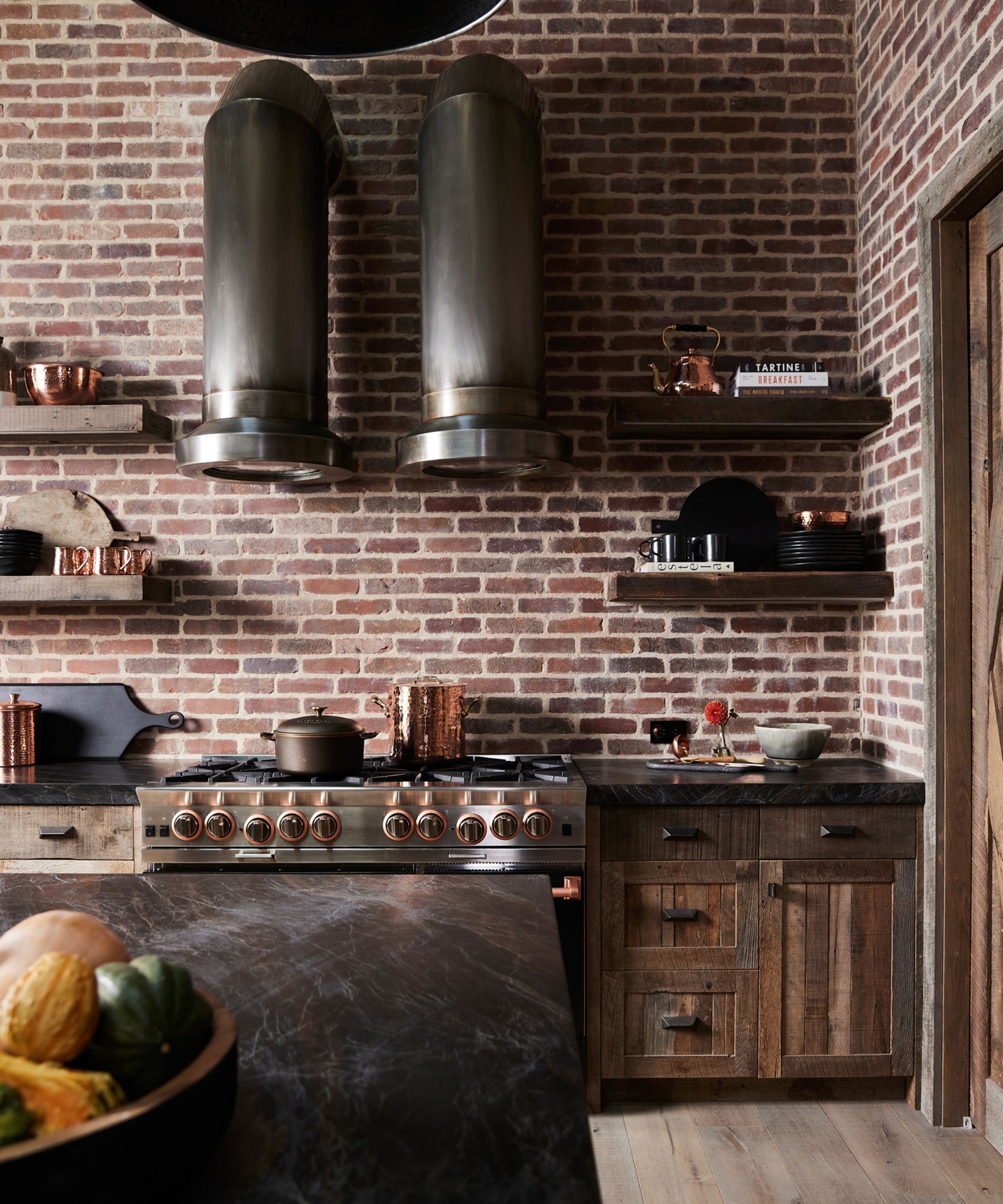
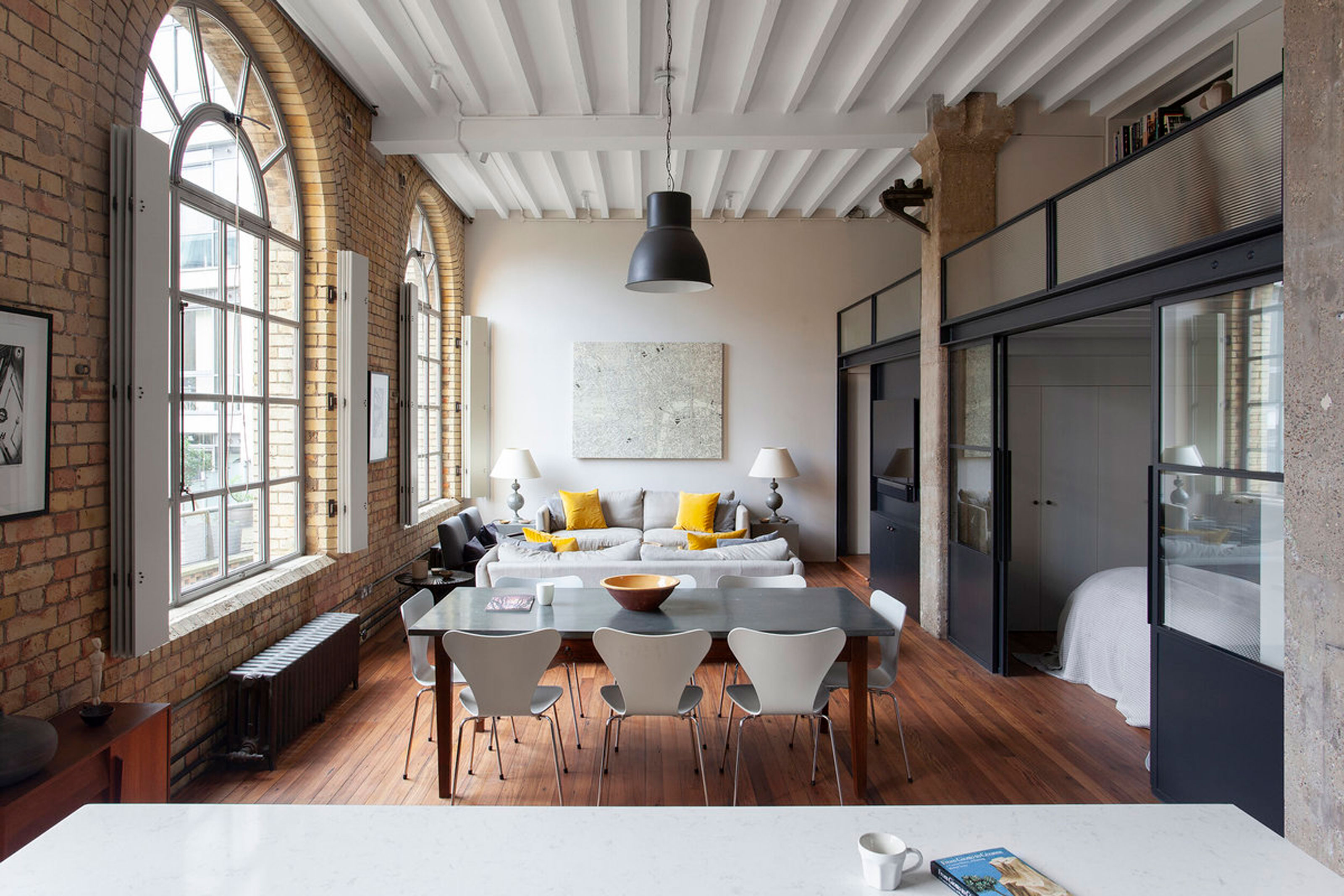
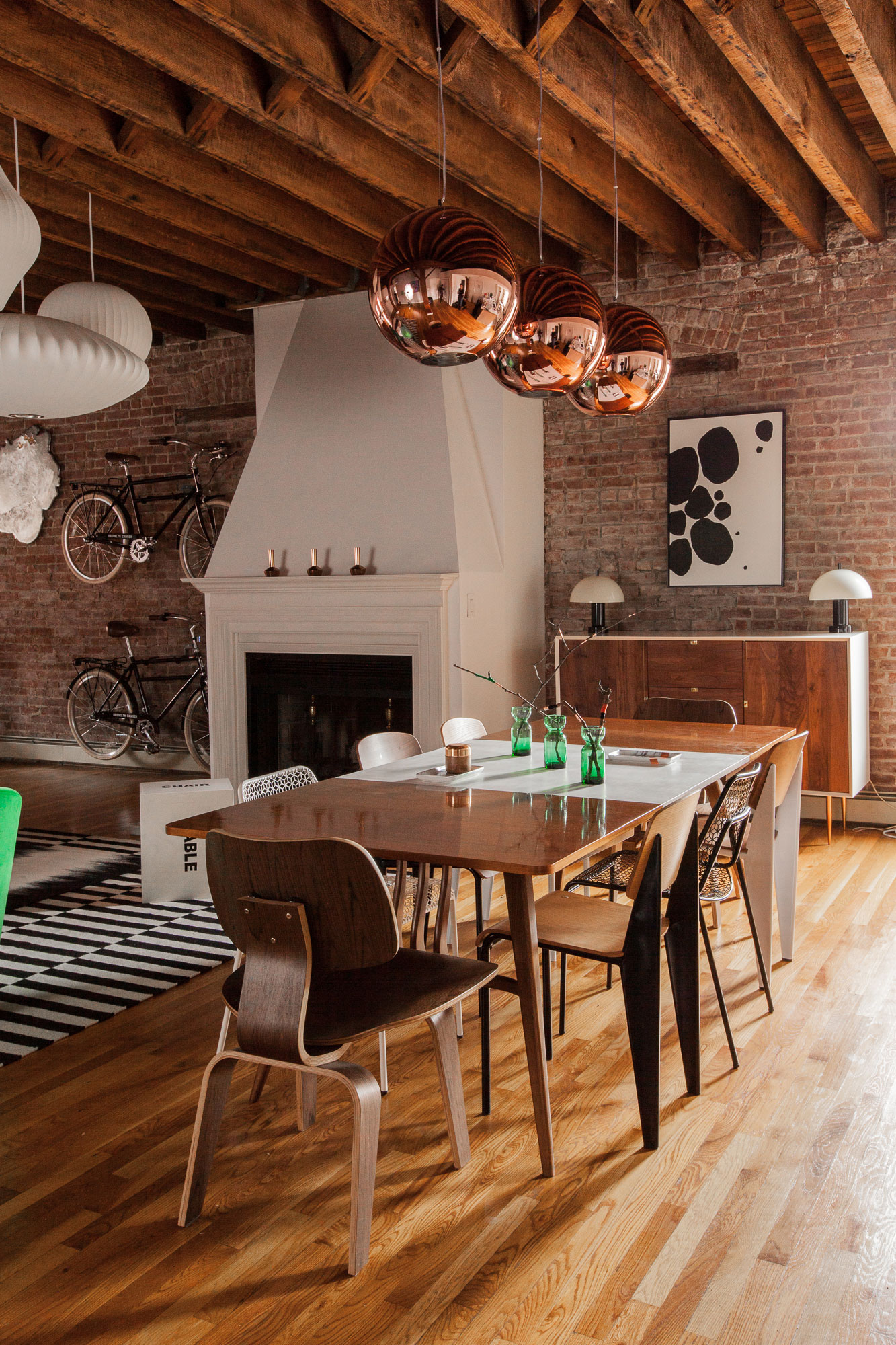
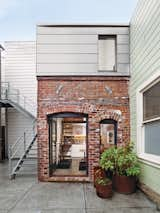
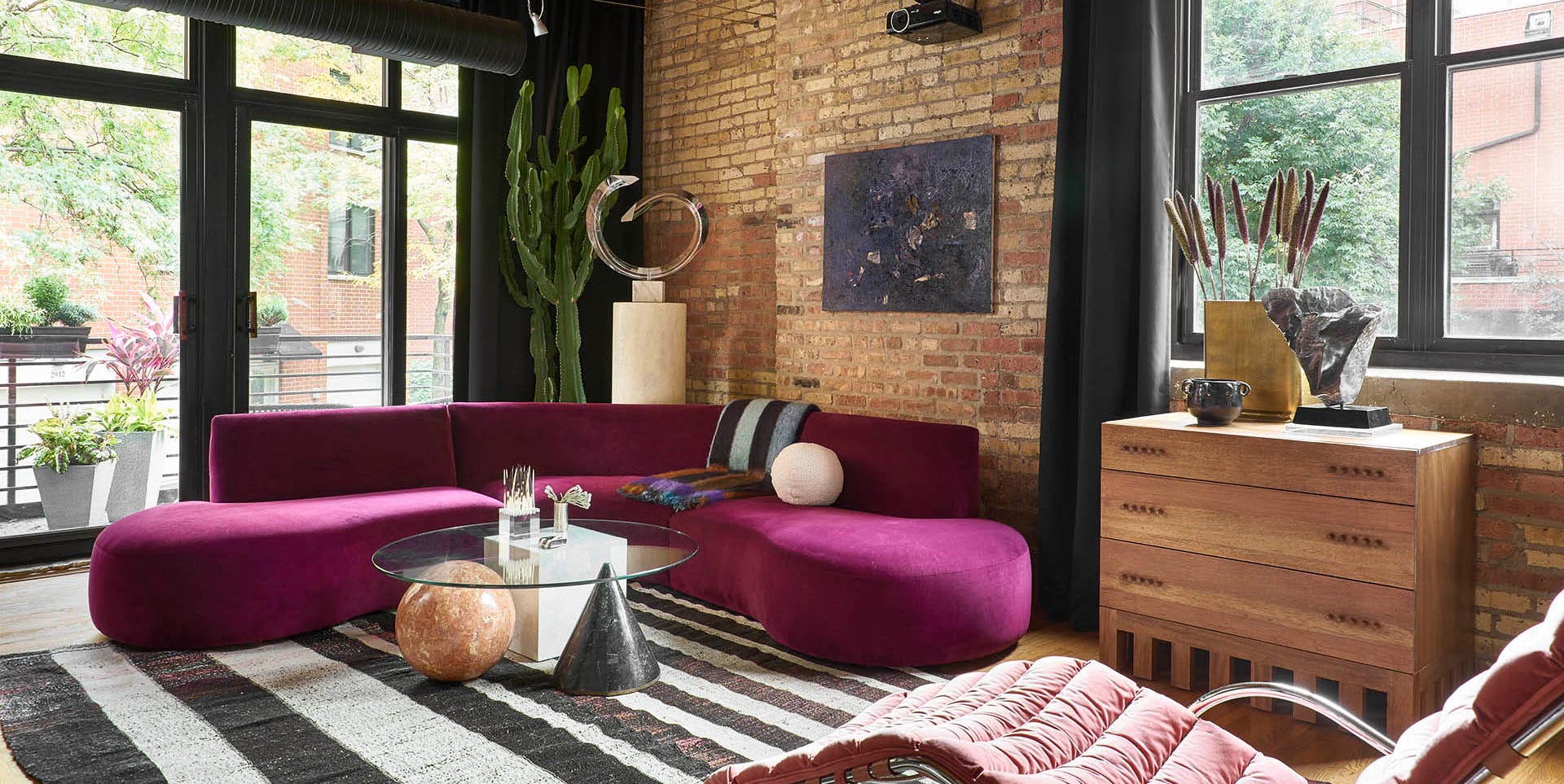
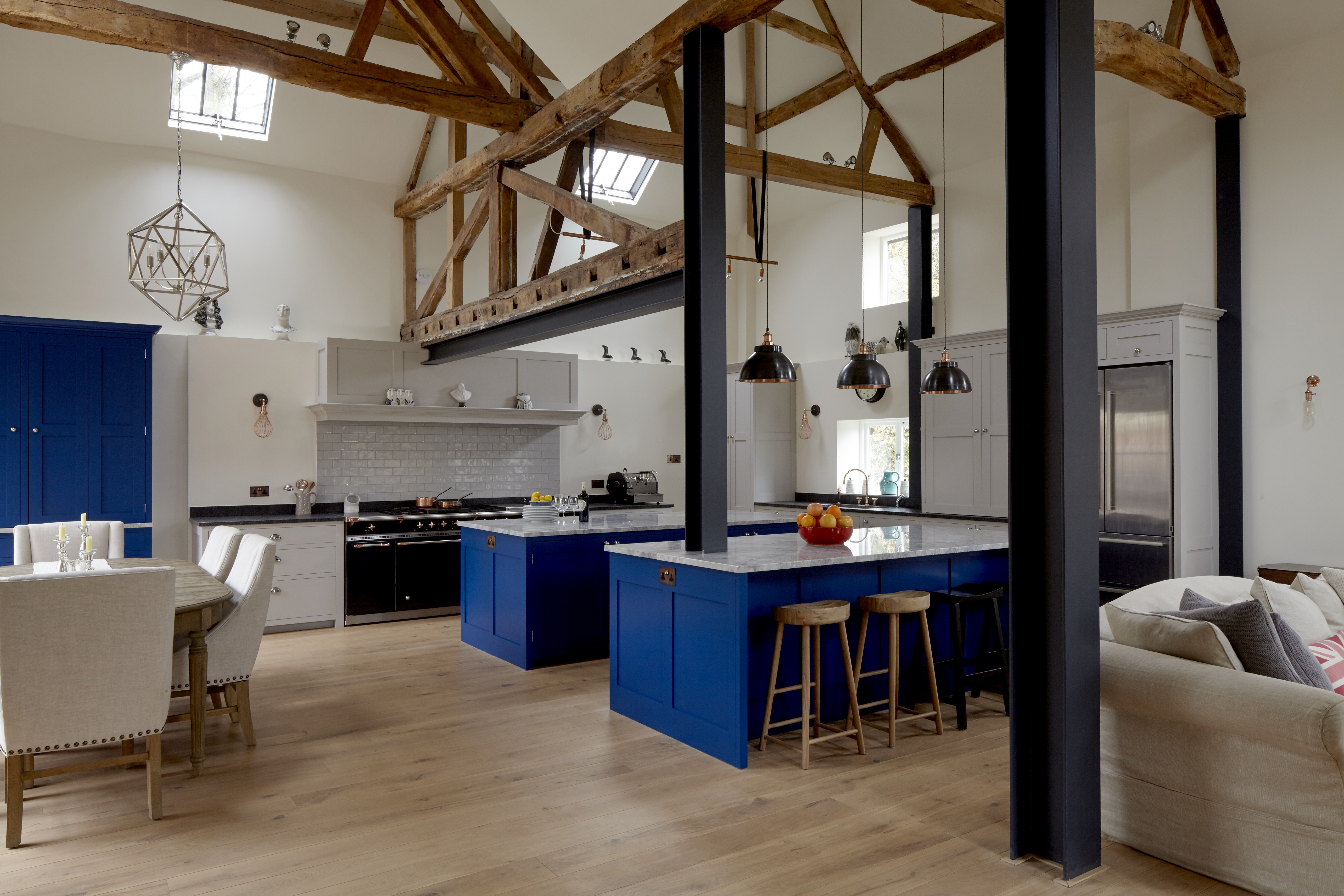
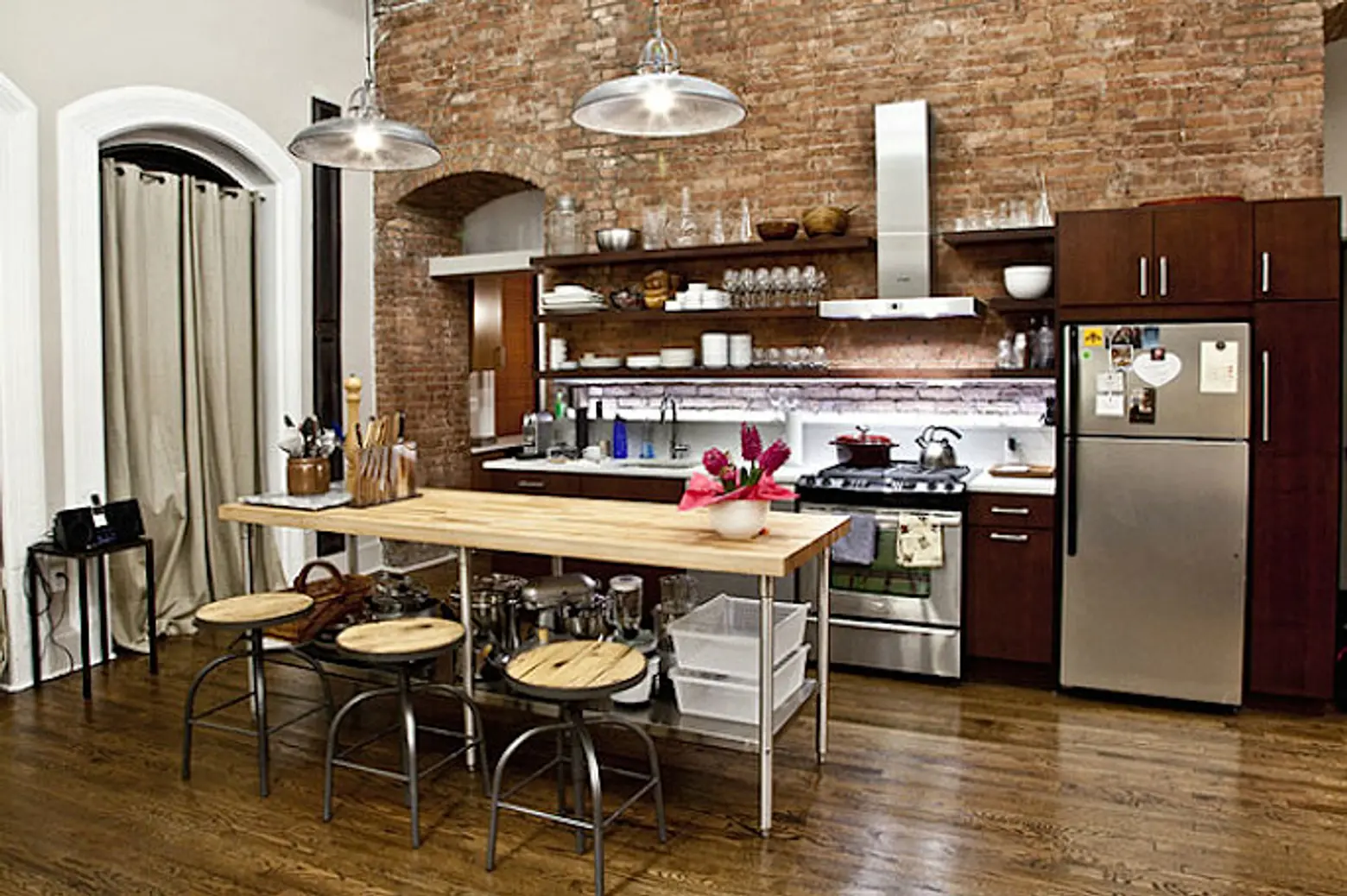
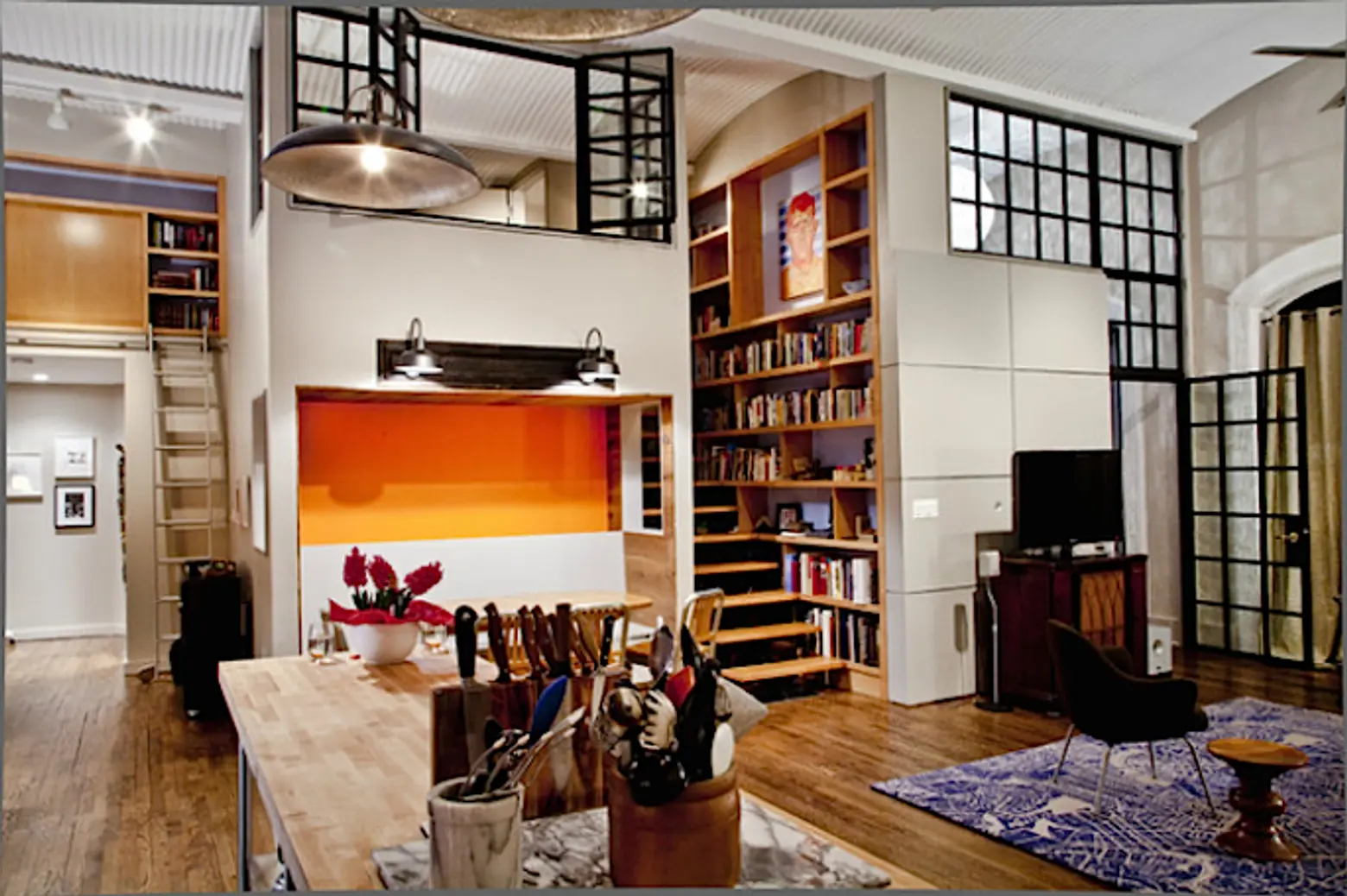
Materiality is crucial, with exposed rafters, reclaimed wood, iron, brick, and concrete being fundamental to achieving this look. Incorporating flea market finds, salvaged items, and sleek, clean-lined furniture further enhances the industrial feel. Drawing inspiration from vintage industrial buildings can help in understanding how seating arrangements, color palettes complementing raw brick or concrete, and lighting fixtures are integrated into these spaces. Wallpapers that mimic industrial elements like worn wooden drawers, distressed metal lockers, or storage lockers with rust and wear can also be used to introduce an urban and industrial aesthetic, especially in homes lacking authentic industrial features. The repetitive composition of such wallpapers brings a sense of structure and a raw, unfinished texture.
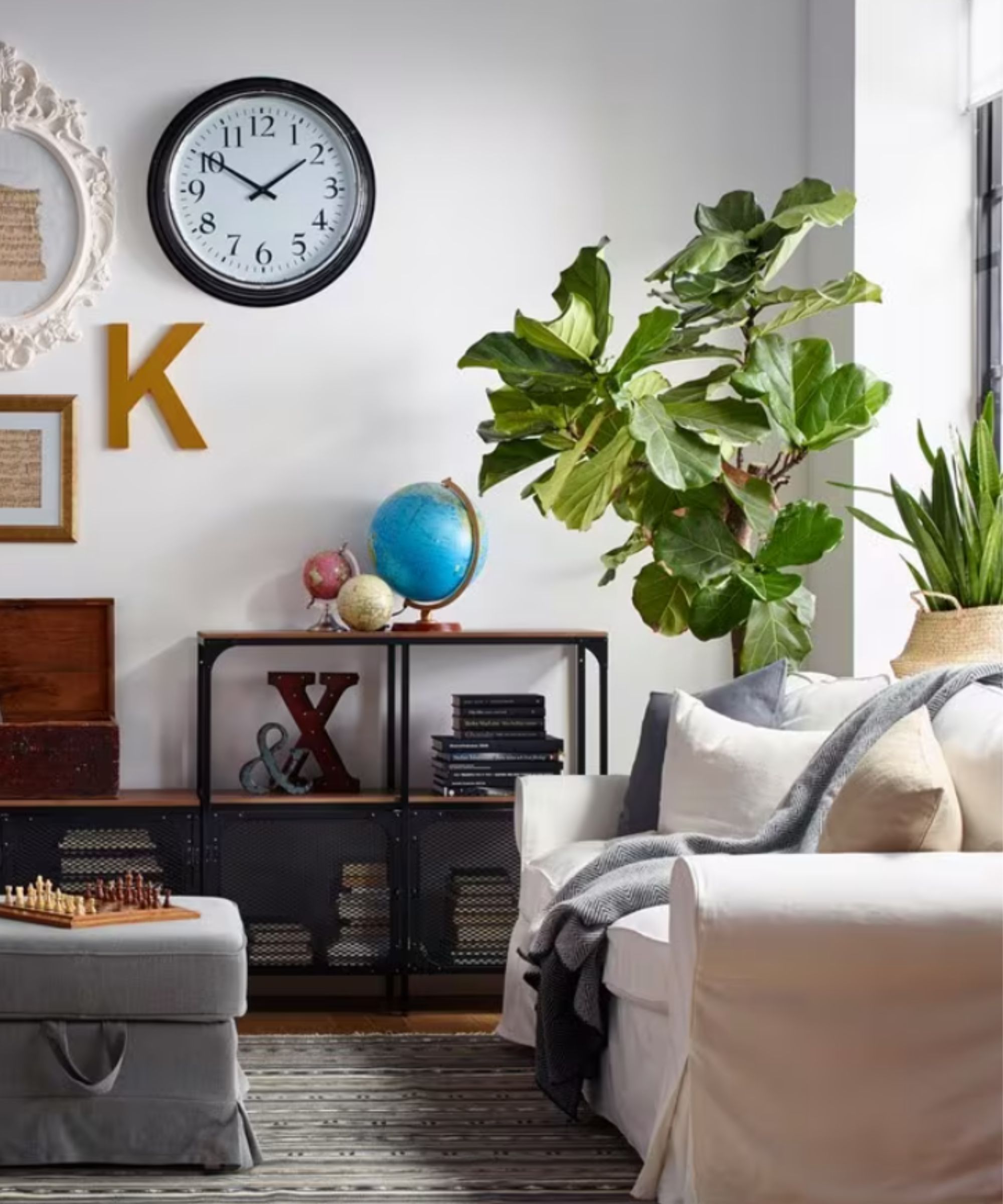
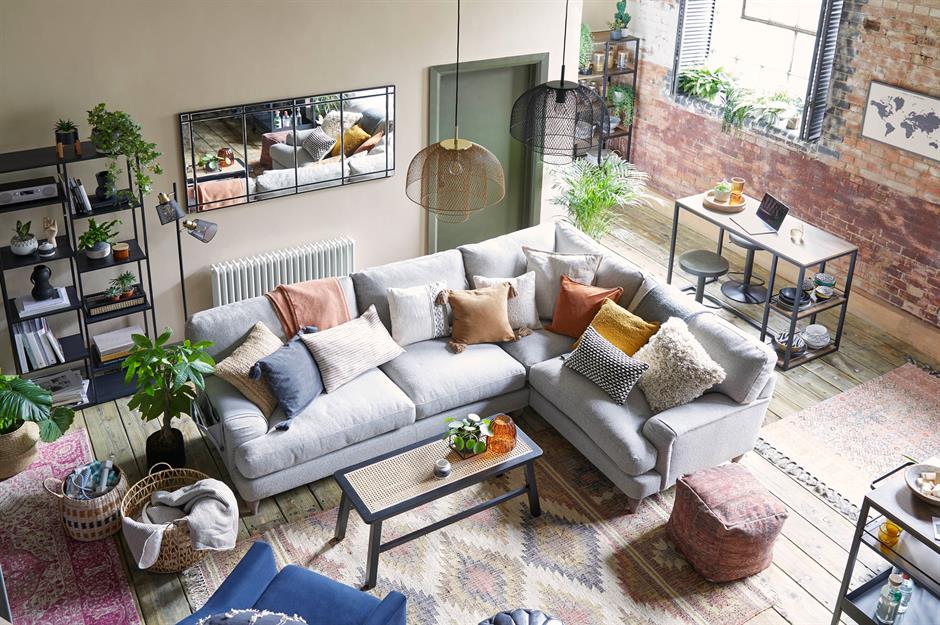
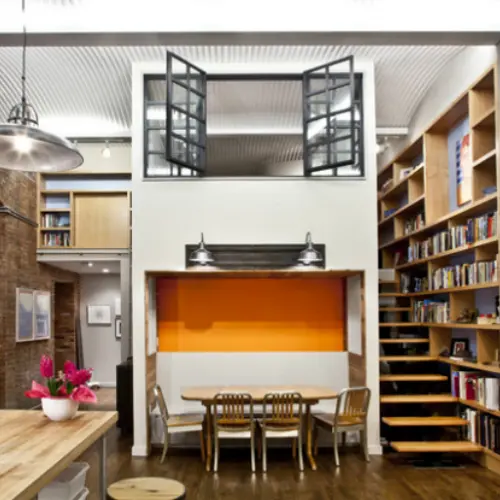
Salvaging is a core skill for this style, transforming old items like telephones, typewriters, large vintage locks, crates, and barrels into decorative treasures. The more worn these items appear, the better, though they can be painted or varnished for a slightly more polished look. Grouping vintage finds in a dedicated corner of the living room adds character. Open spaces are ideal for industrial design, as the style's origins in large, cavernous warehouses make it visually heavy with exposed bricks, metalwork, and pipes. In smaller rooms, a more minimalist approach with fewer rustic elements, such as a single brick wall, industrial lights, and a patchwork throw, can be effective. Open-plan living allows for extending the industrial style throughout multiple areas, creating a cohesive look and maximizing natural light, which is important for balancing metallic objects and dark paints. Incorporating natural materials like wicker, wood, or plants, along with warm colors such as mustard, burnt orange, and deep red, can prevent interiors from feeling too cold.
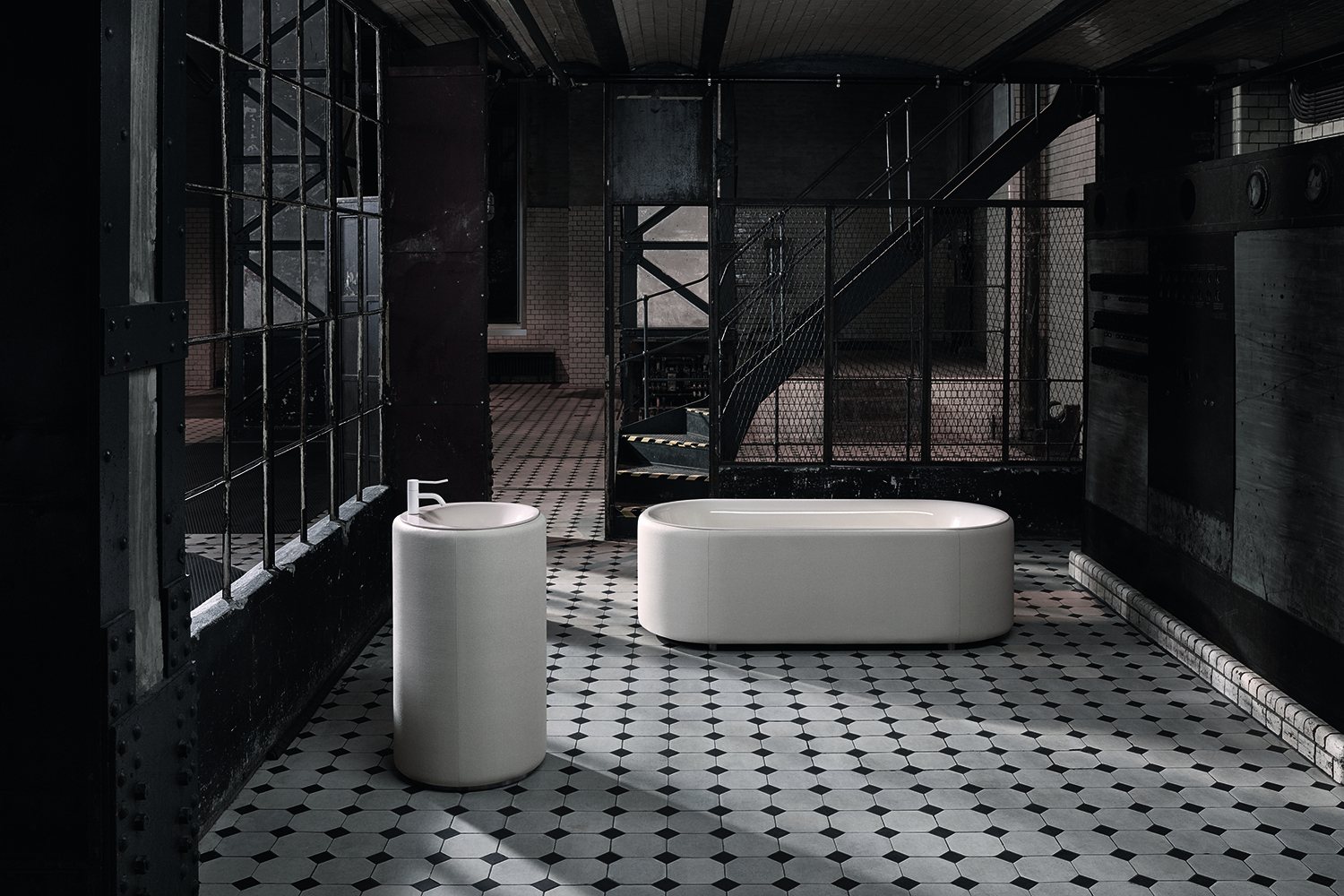
Exposed materiality is central to the industrial aesthetic, creating a tough, hardy space where everything is on display. Unfinished walls, bare windows, and exposed piping emphasize the room's structural skeleton. Raw concrete, or a micro-concrete layer, can bring a raw flavor to the space. Covering cinder blocks, pipes, or windows is generally avoided, with frosted glass or distressed glass mirrors used for privacy if needed, as curtains are typically excluded. Honed or polished concrete flooring, old wood, epoxy, or textured ceramic tiles are perfect choices for the industrial style. Lighting plays a significant role, with matte black and chrome fixtures being prominent. Oversized, practical industrial-era shapes, often with metal cages, are characteristic. For a modern take, large metal spinnings in matte black and chrome, or intricately textured designs, can create impact. Black fixtures with black sleeved cables further enhance the rustic industrial feel.
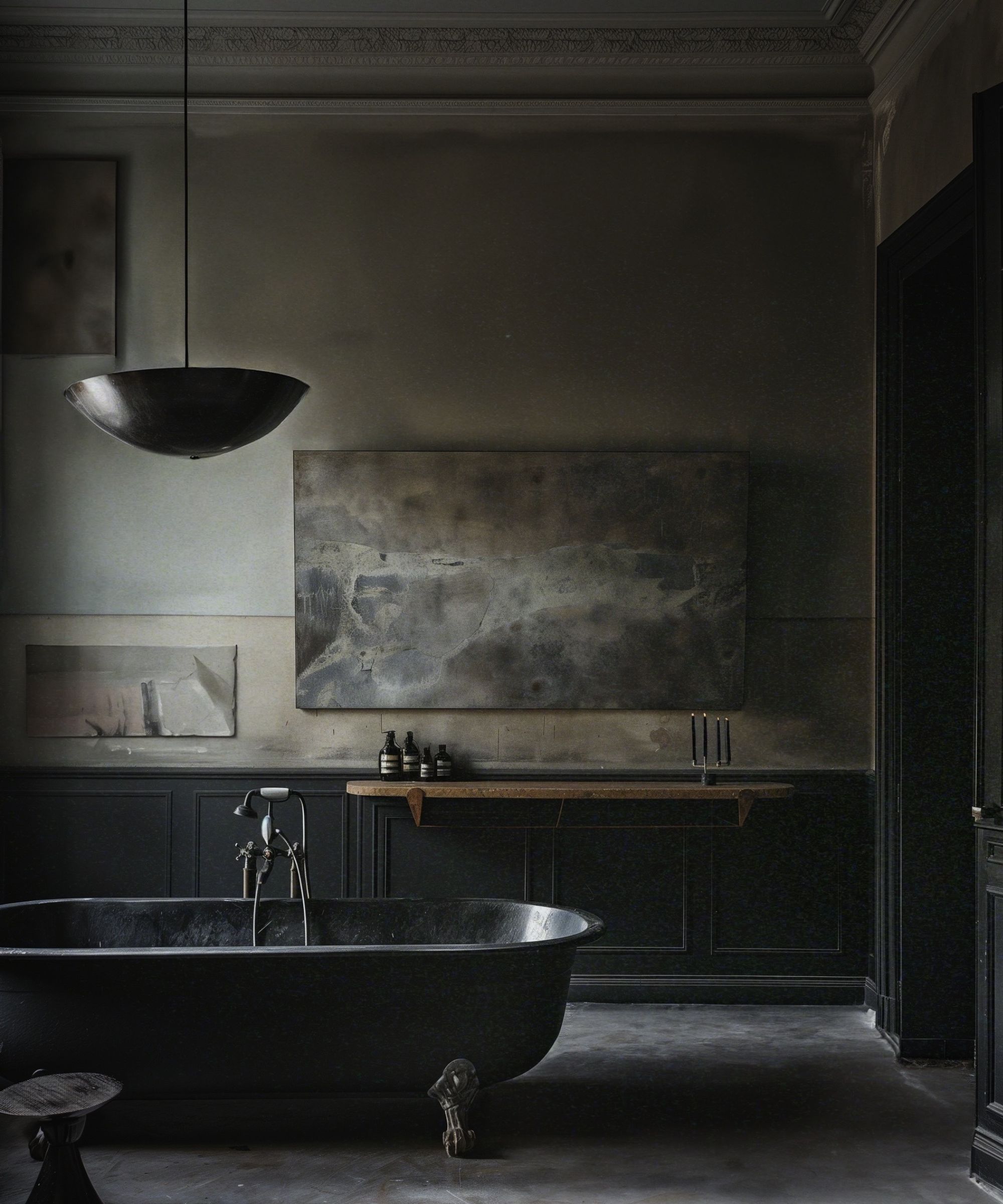
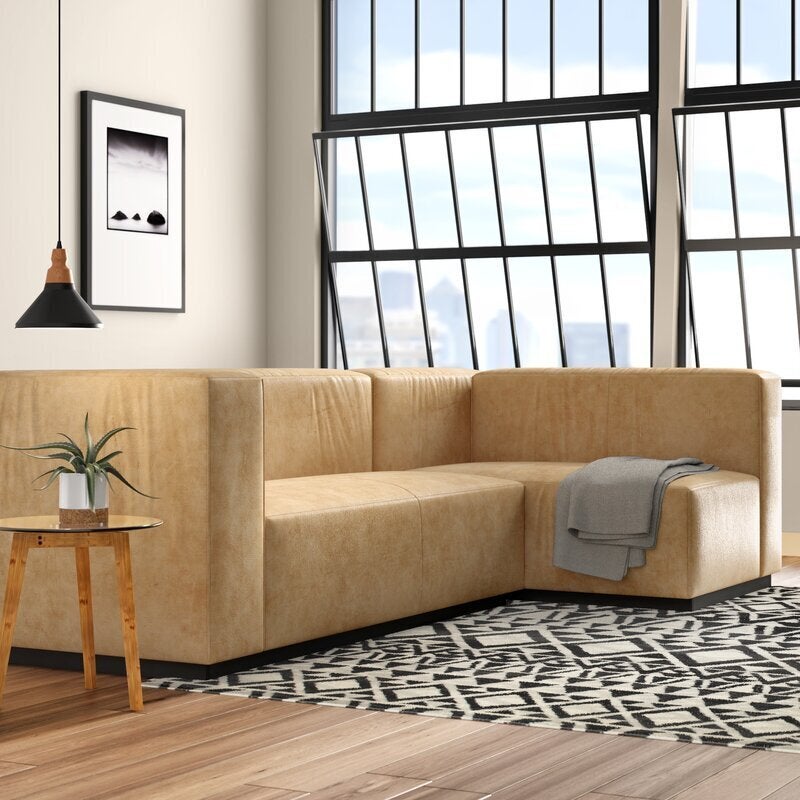
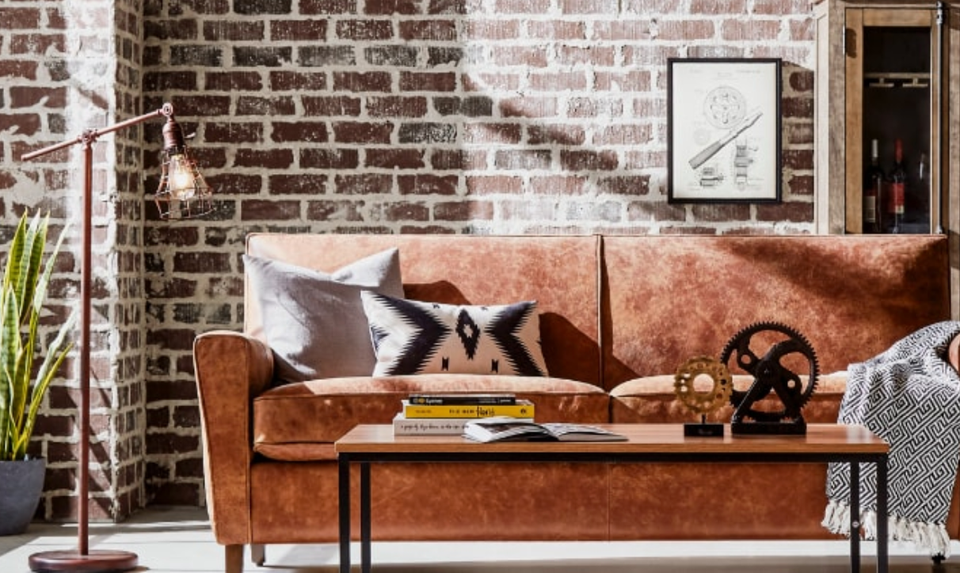
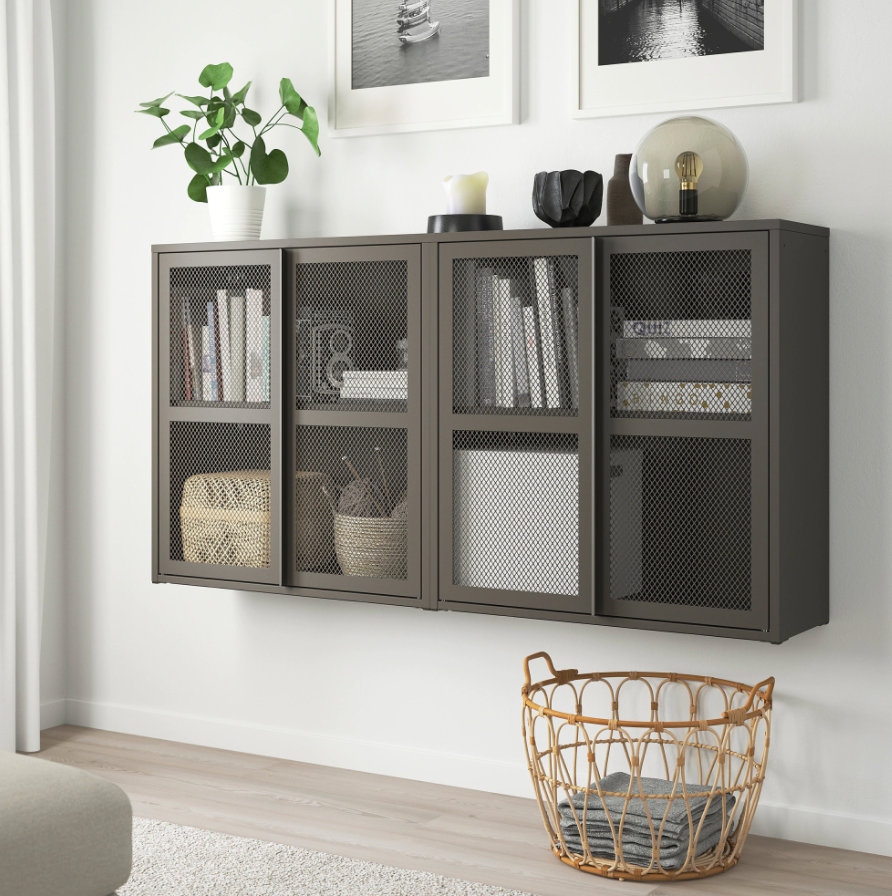
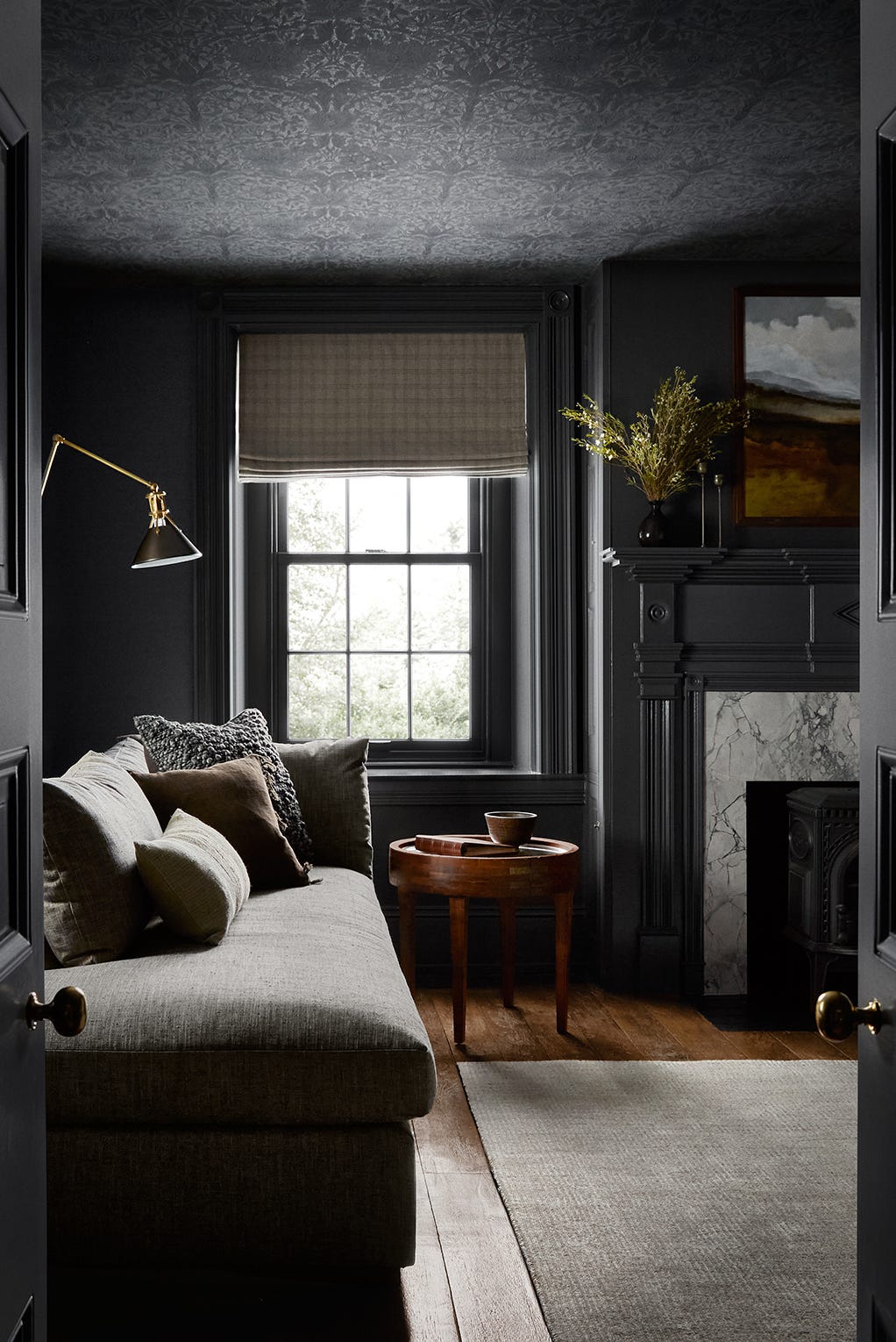
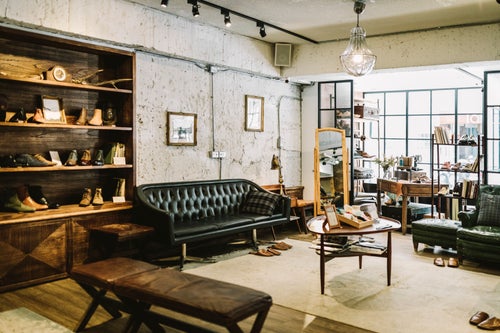
Metal, in its rusted, galvanized, or corrugated forms, is a foundational element. Metals with a matte finish or a patina are preferred over shiny gold or platinum. Juxtaposing cool metals with warmer materials like wood or stone prevents the space from feeling too factory-like. Wrought iron shelves, tables, and chairs also contribute to the raw vibe. Open shelving, preferably with metallic paint or finish, and trolleys on wheels, are used to display accessories, encouraging the display of thrift store finds and eco-friendly products. Leather furniture, especially distressed leather sofas in tan hues, adds a grunge effect while maintaining a minimal aesthetic. Top-grain leather, with its natural imperfections, is particularly suitable. The color palette typically features browns, deep reds, and burnt oranges derived from the natural colors of wood and metal. Distressed white paint on walls or brick, textural concrete, or stucco can create a rugged look. A dark and moody palette of deep grey, black, and white, paired with natural wood, metal lighting, and repurposed accessories, adds sophistication. Pared-down furnishings with strong silhouettes and clean lines are essential, with minimal cushions and bright colors. Imperfections such as rusting windows, broken walls, and uneven flooring are celebrated, embracing the beauty in an un-decorated aesthetic.
#IndustrialDesign #LivingRoomIdeas #HomeDecor #InteriorStyle #RawMateriality #SalvagedGoods #OpenPlanLiving #MatteBlack #LeatherFurniture #IndustrialDesign #LivingRoomIdeas #HomeDecor #InteriorStyle #RawMateriality #SalvagedGoods #OpenPlanLiving #MatteBlack #LeatherFurniture
0 comment in total
 No comments yet
You may also like
6 industrial small living room ideas that bring all the cool, lofty vibes

Industrial kitchen ideas – how to incorporate the edgy trend into livable spaces
Industrial Design Gives Any Space An Artful Edge

These Loft Decor Ideas Will Make Your Loft Feel Like Home

Industrial decorating ideas for every room | loveproperty.com
12 Luminous Lofts That Pull Off the Industrial Look

17 Masculine Rustic Industrial Living Room Ideas That Will Instantly Upgrade Your Home

12 Inspiring Boho Living Room Ideas That Are Full of Design Inspo

Industrial-style interiors are trending – here's how to get the sleek and stylish look

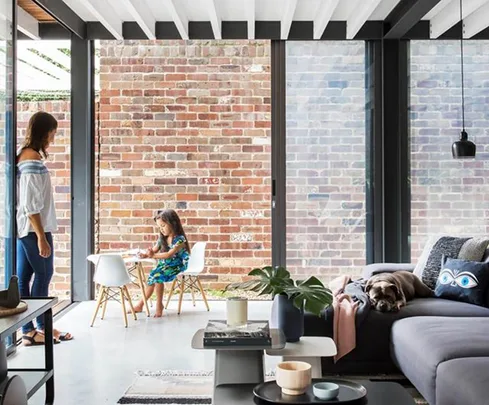
10 industrial interior design ideas to inspire

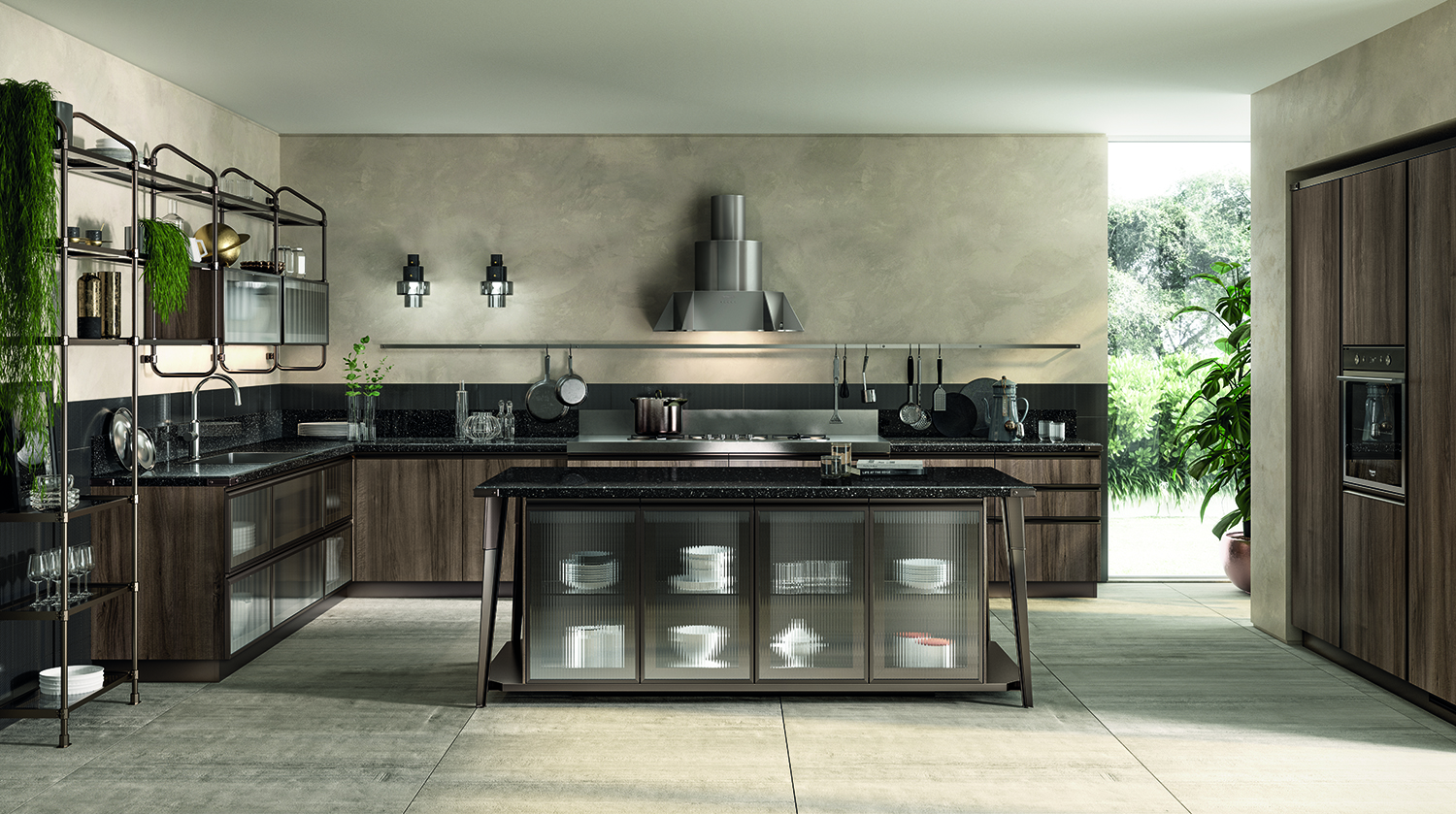
Industrial interior design - how to get it right

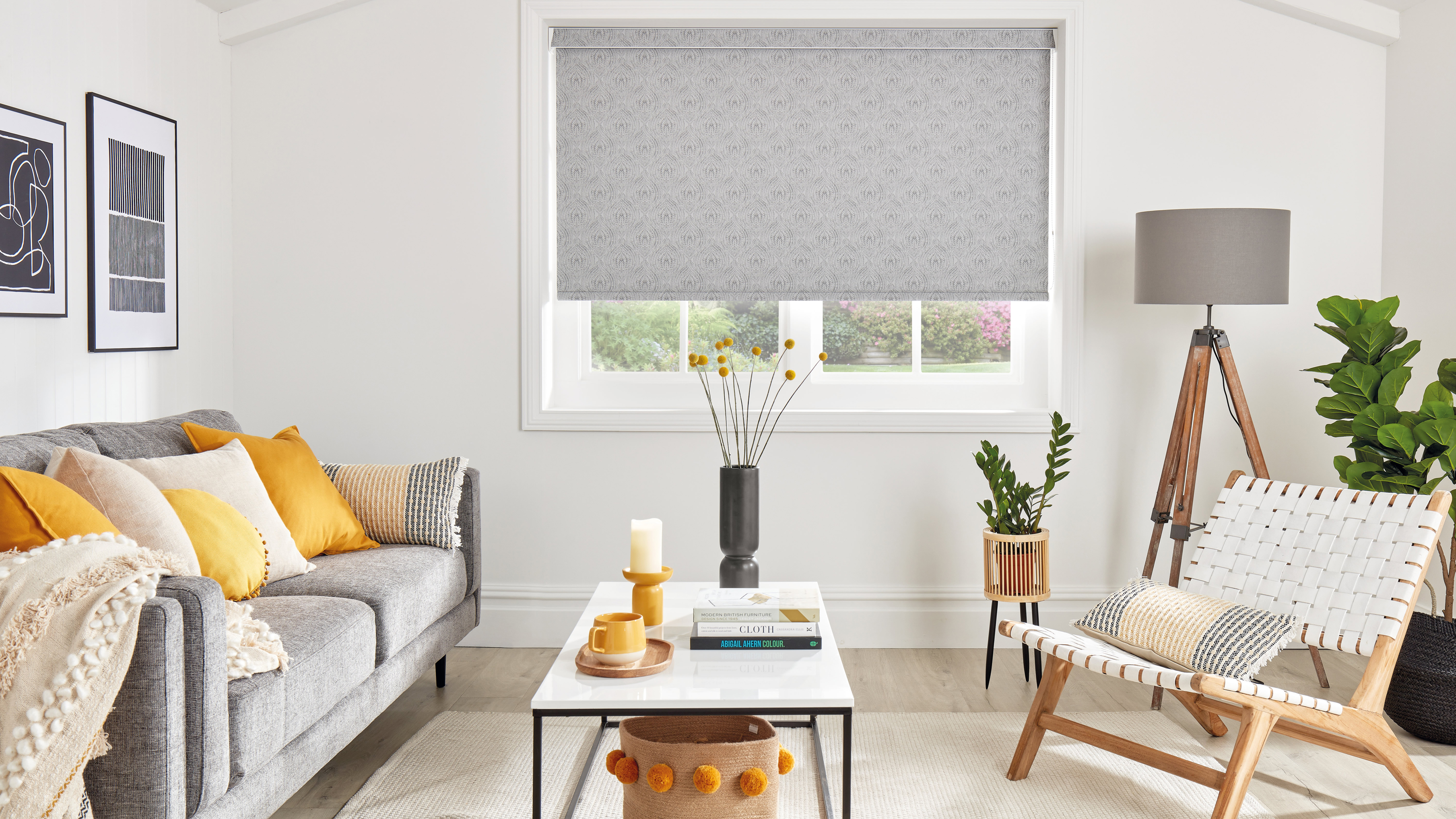
12 yellow and grey living room ideas for an on-trend update

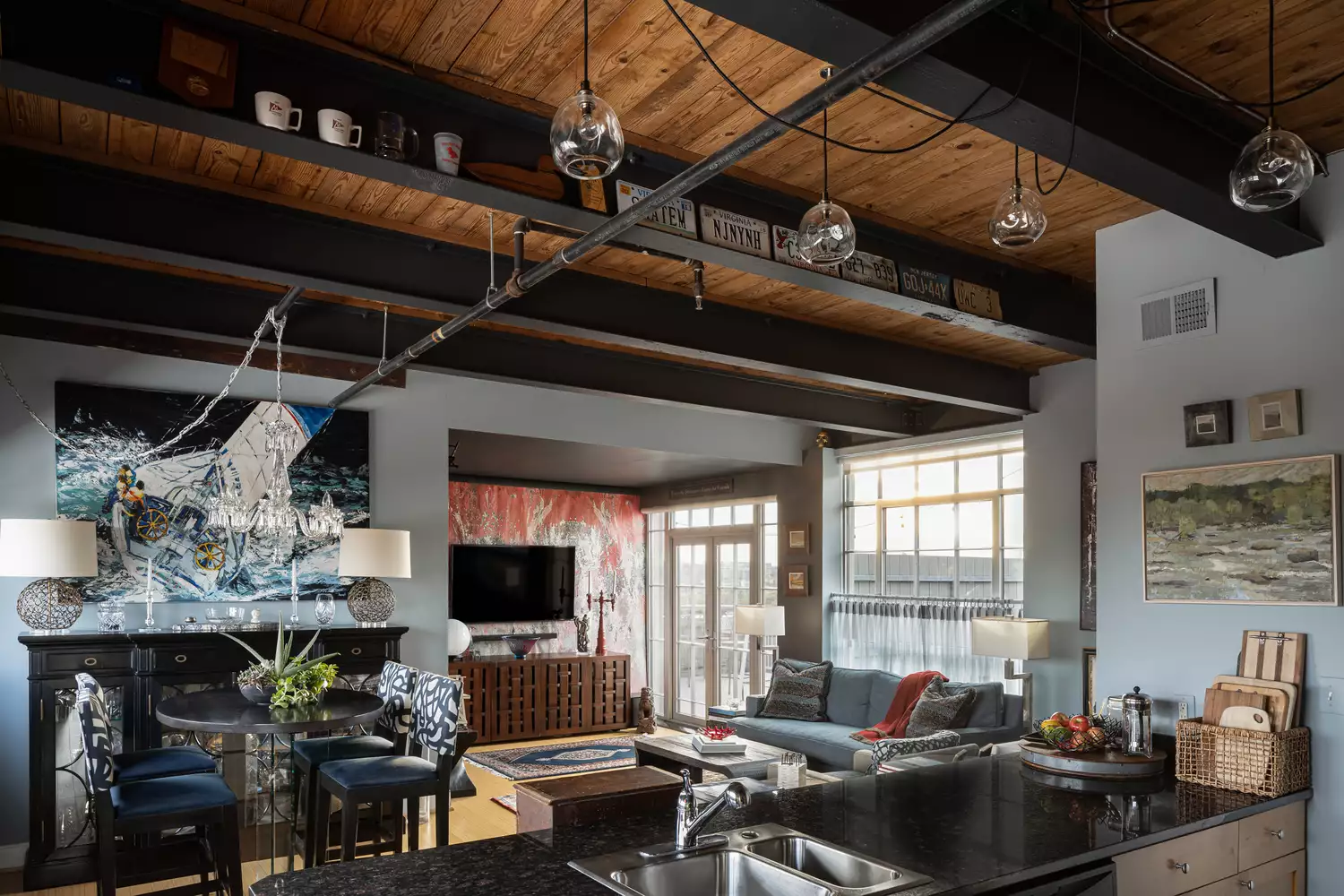
47 Industrial Living Room Ideas to Bring a City Loft to Your Home

Here's How to Add Warmth to Industrial-Style Design

Living Room Ideas: 12 Colourful, Quirky Furniture
Stunning Living Room Ideas Interior Designers Always Rely on
Loft apartment style – 10 ideas from interior designers to elevate industrial spaces
The Best Stores To Buy Industrial Furniture And Decor Online
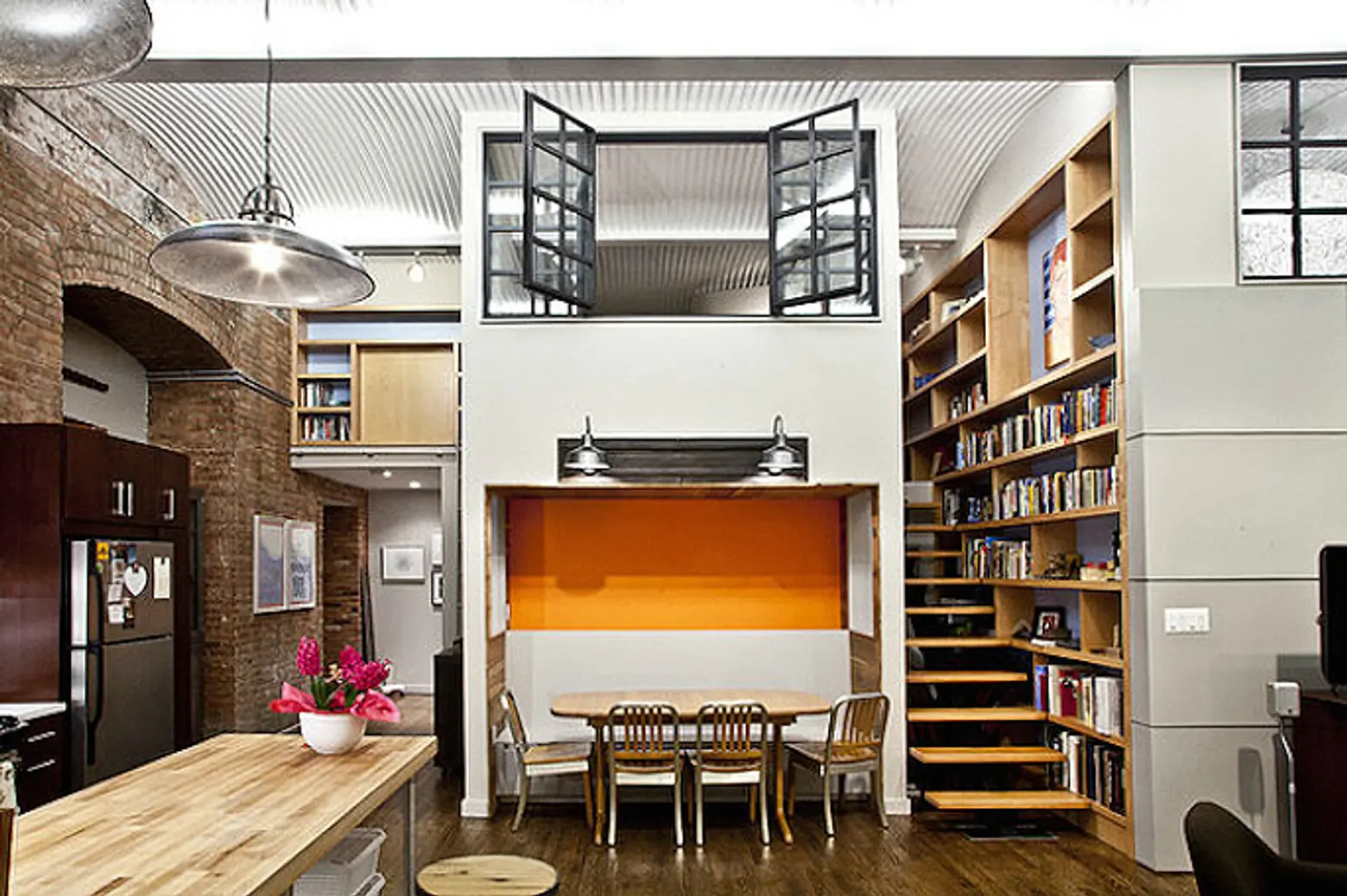
Wooden Accents and Pops of Color Add a Dash of Coziness to This Industrial Loft by Design42


Amber Heard's industrial chic living room is where 'functionality meets artistry,' designers say