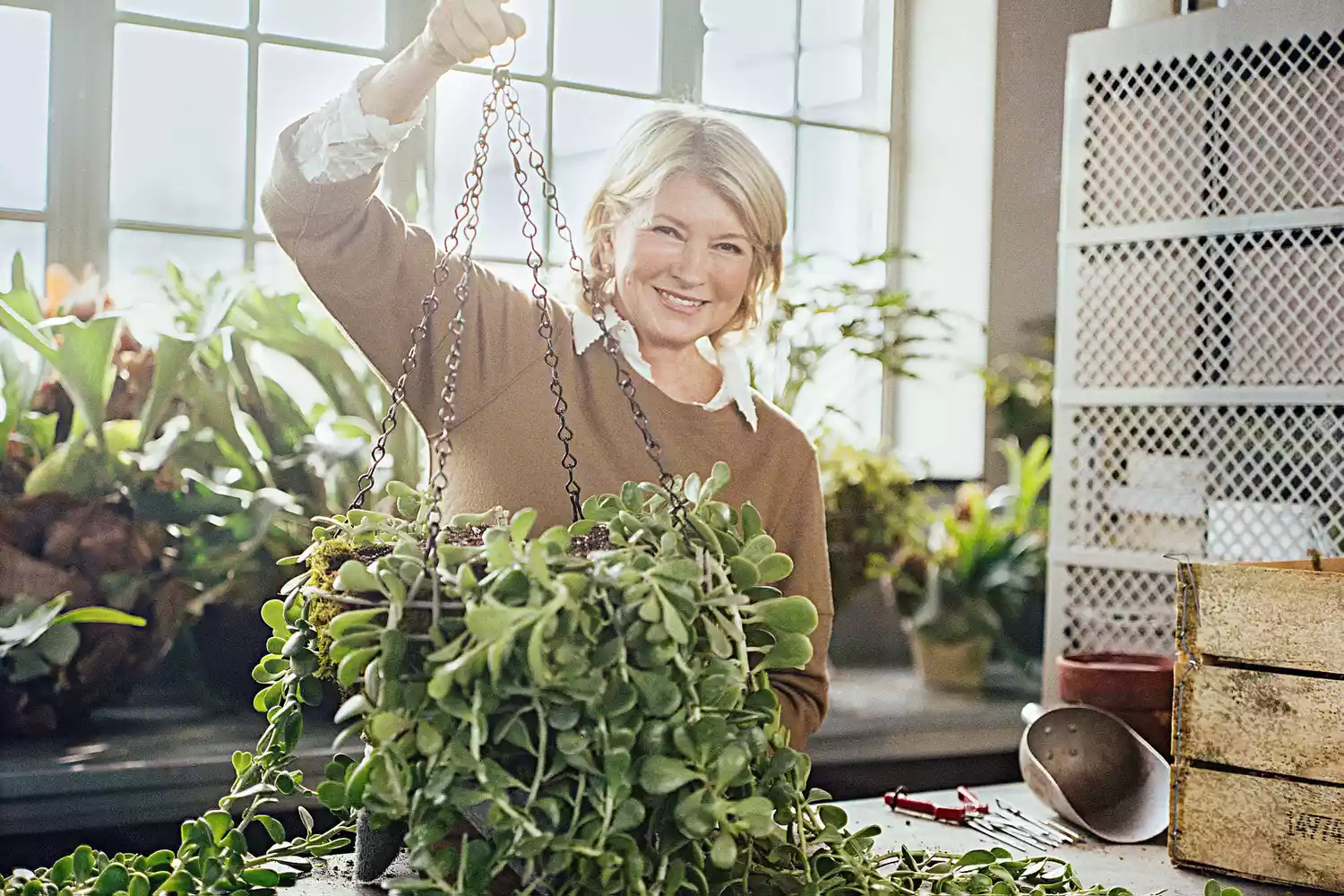
14 Indoor and Outdoor Hanging Plants for Your Home
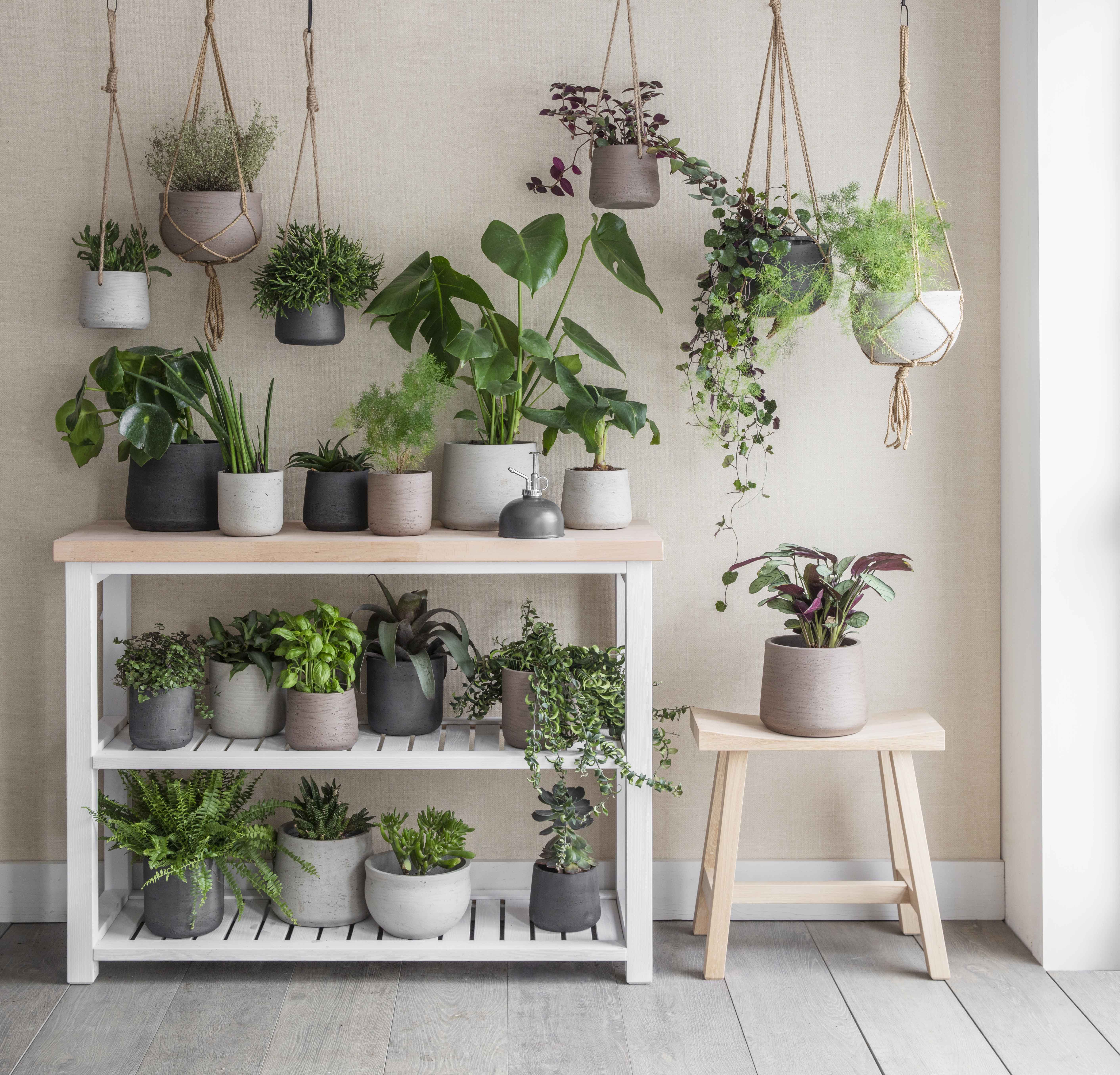

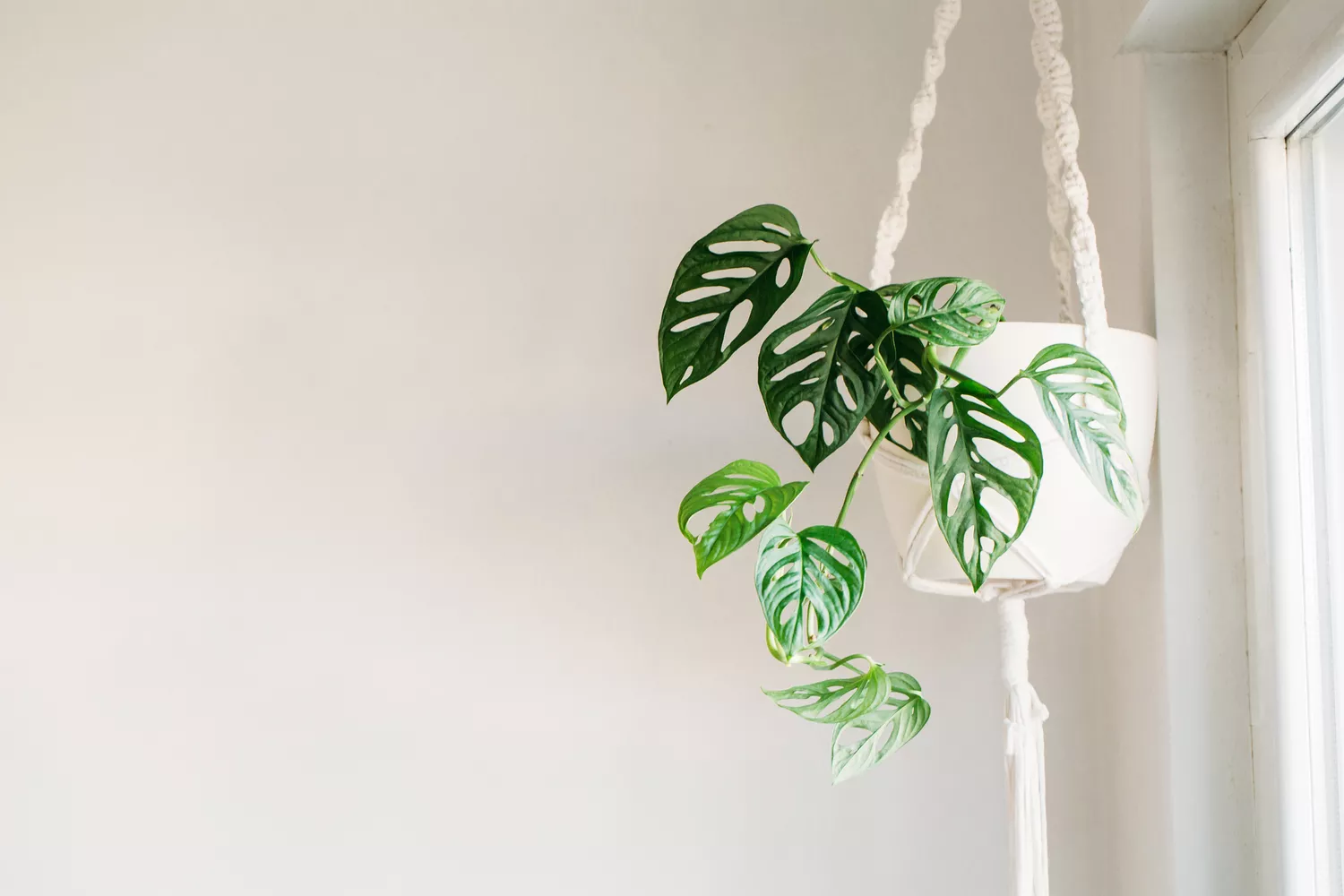
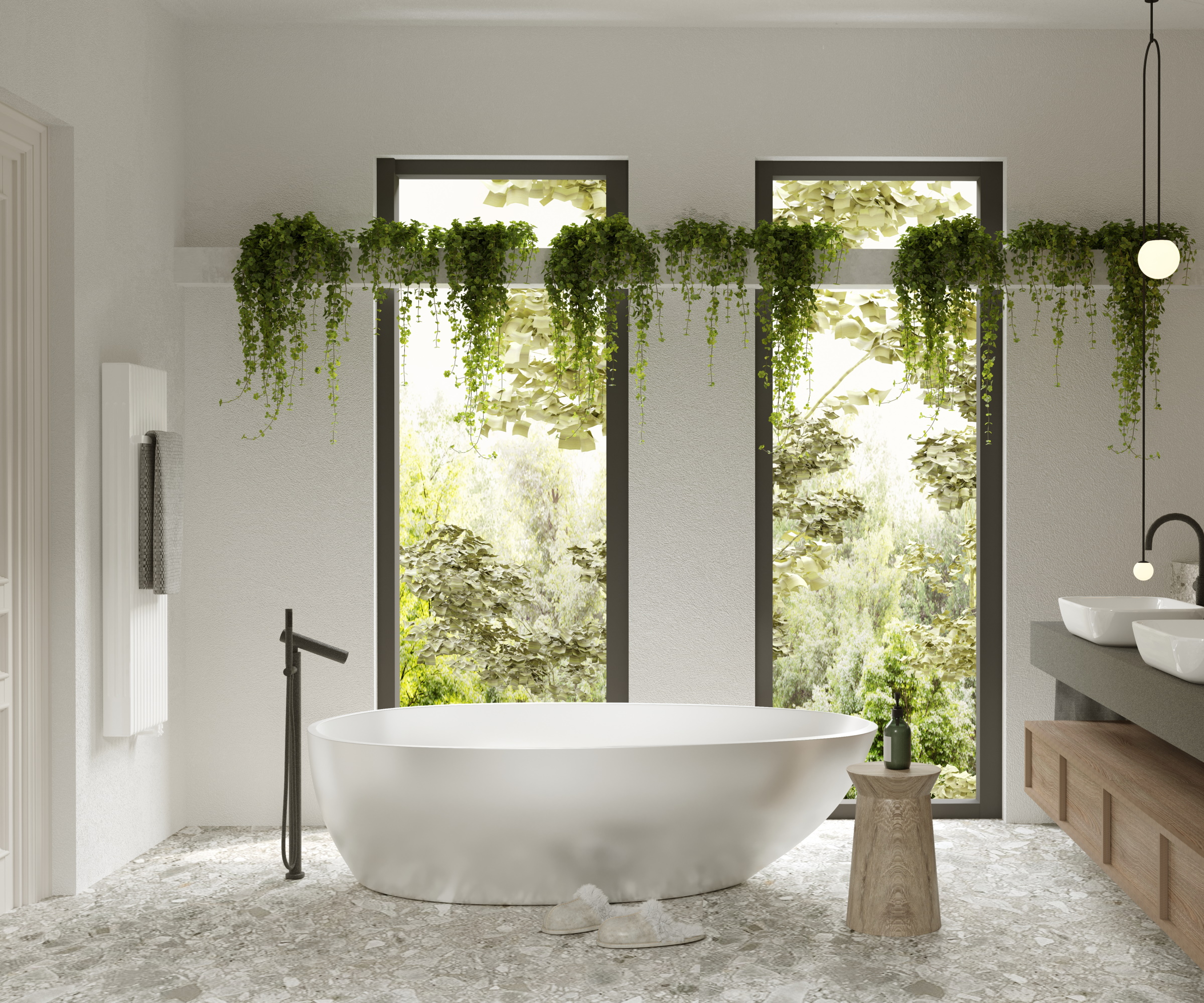
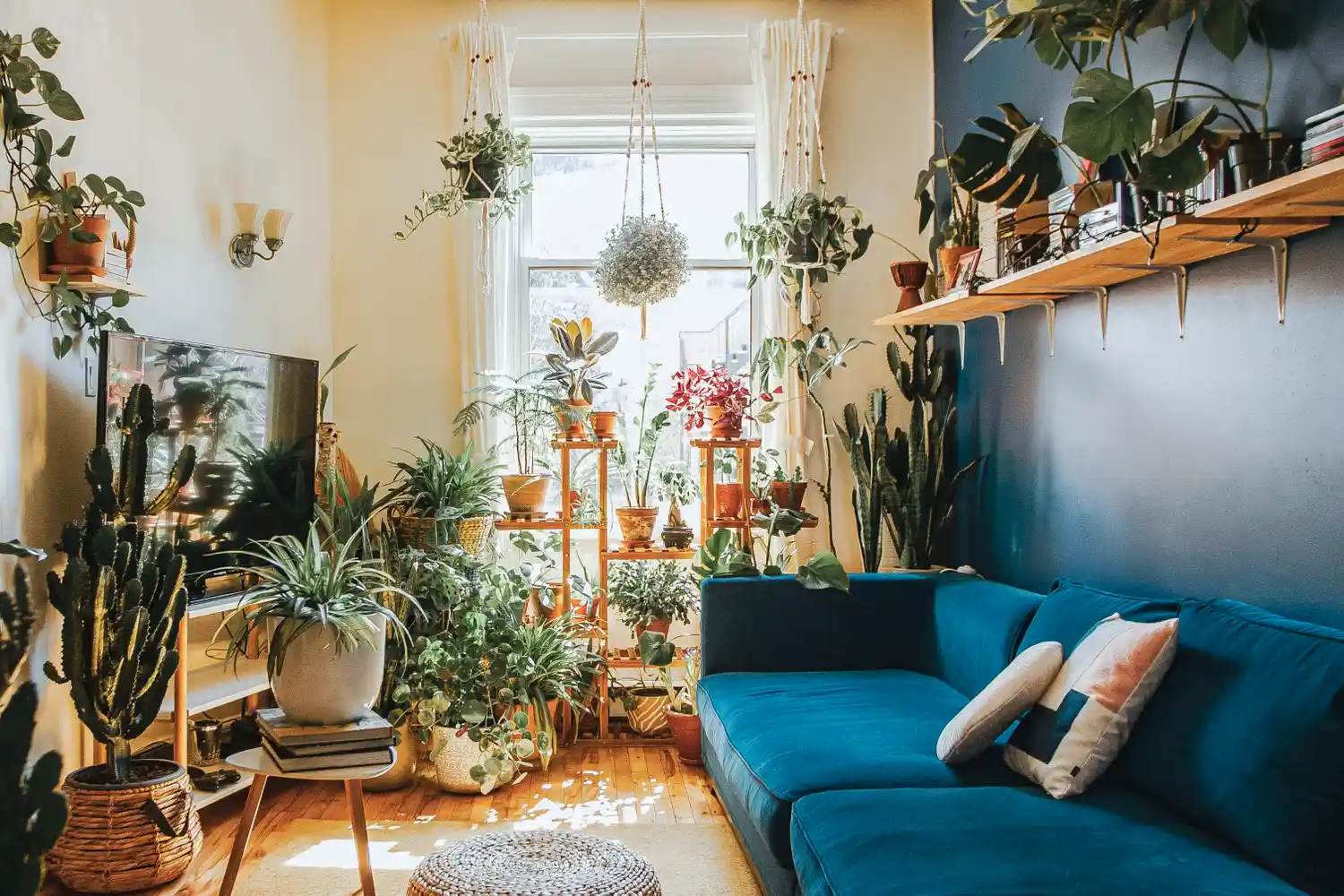
Hanging plants can significantly enhance the aesthetic appeal and add a unique dimension to any living space, whether indoors or outdoors. Selecting the right varieties is crucial to ensure they thrive in their environment. This guide, supported by horticultural experts Jennifer Schutter, Kelly Martin, and Lauri Kranz, outlines 14 of the best indoor and outdoor hanging plants, detailing their specific care requirements and ideal growing conditions.
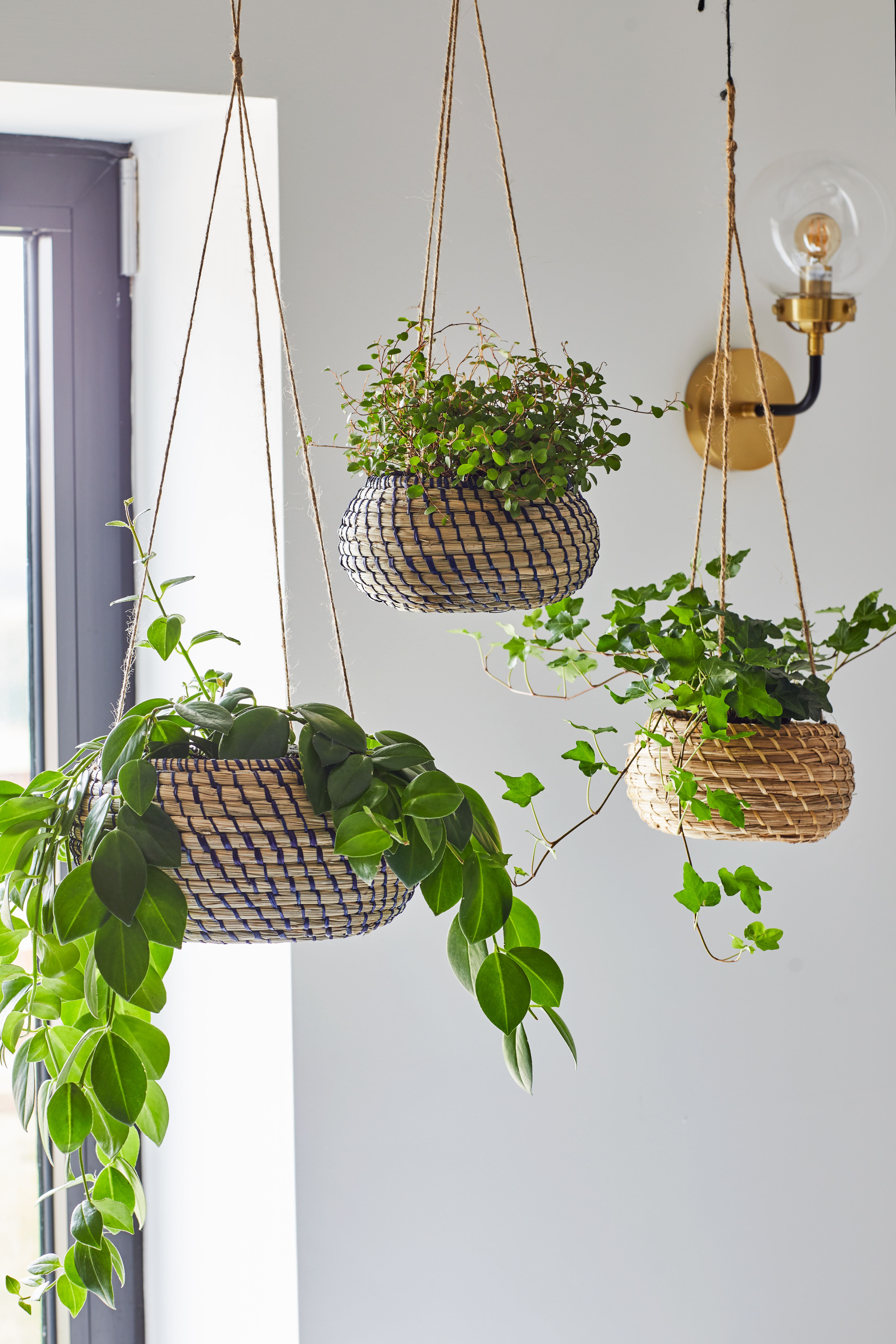
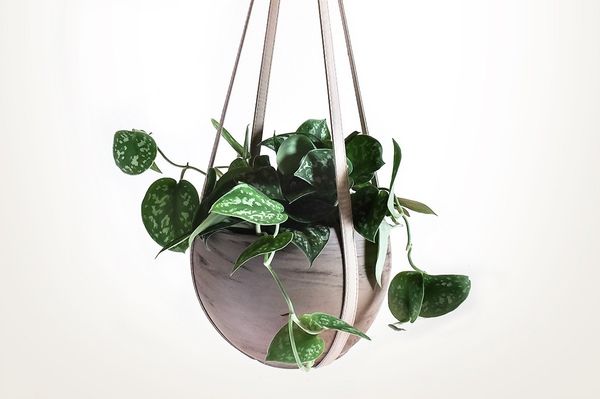
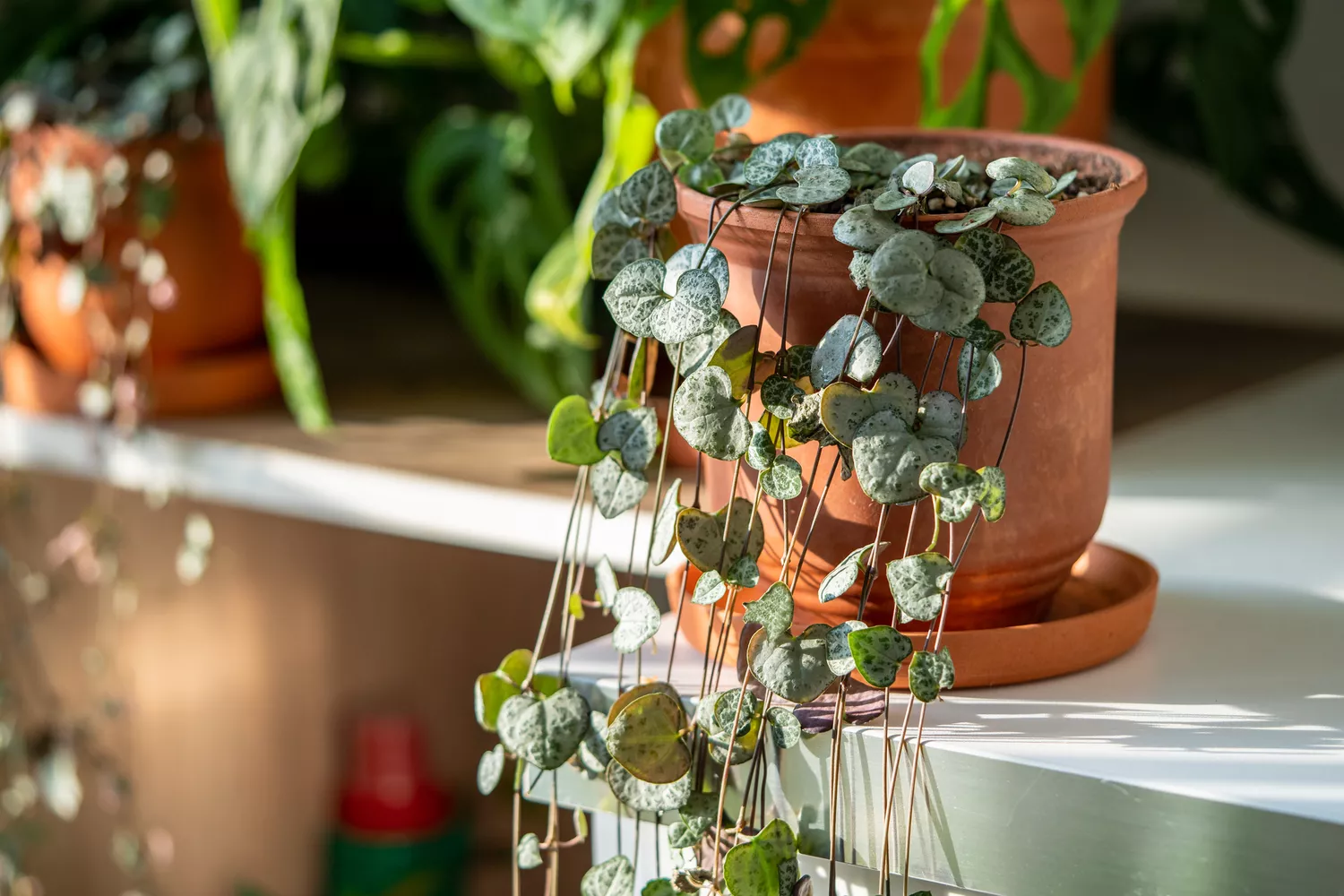
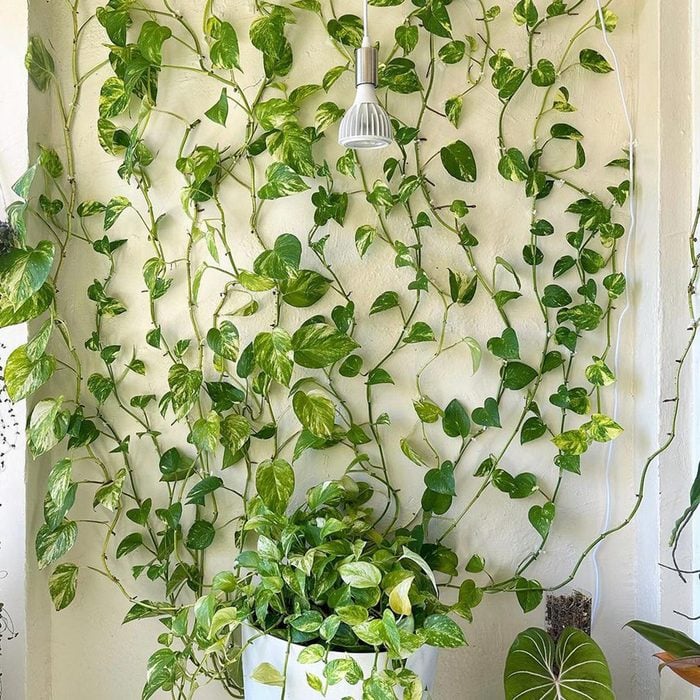
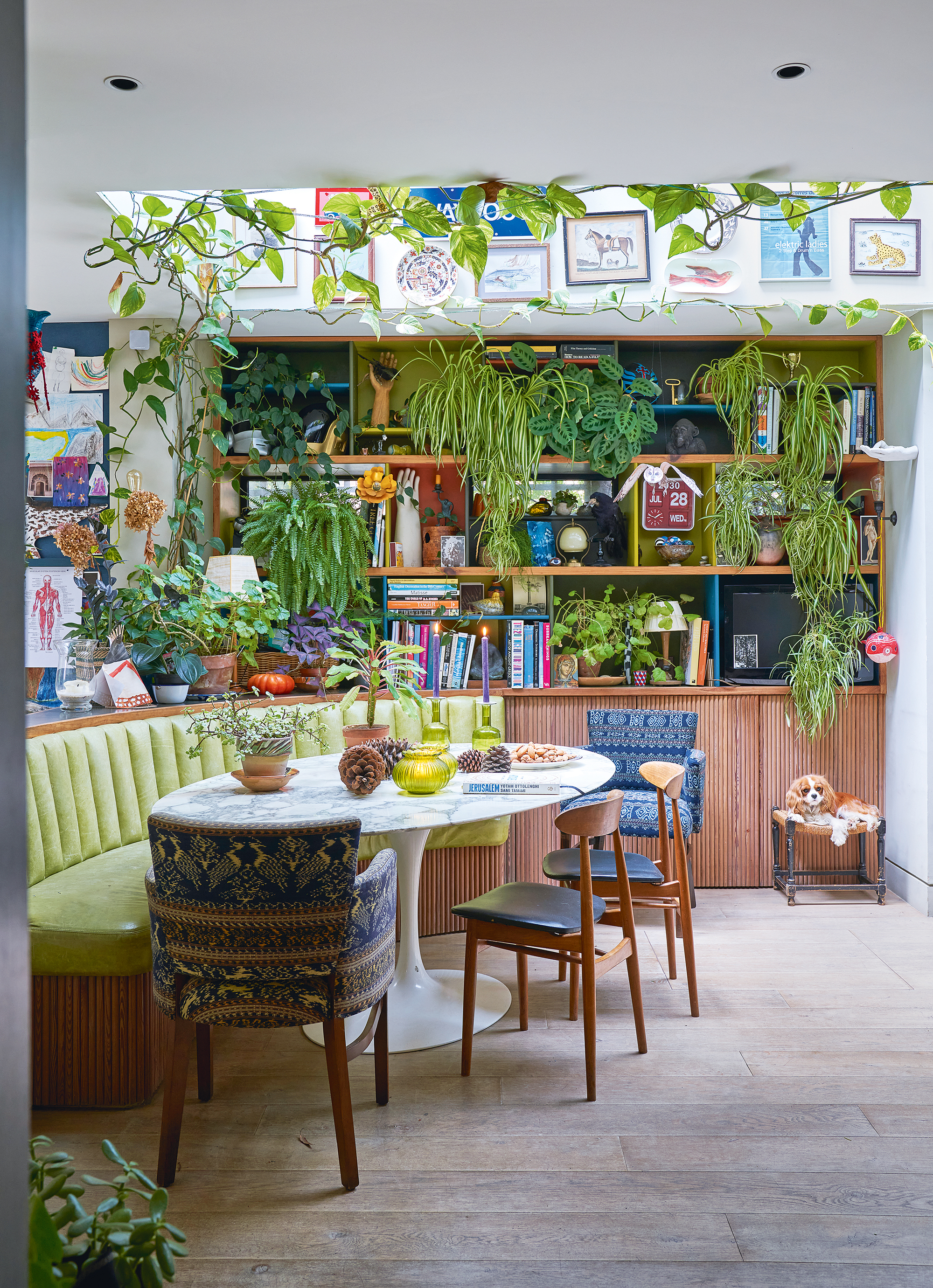
For indoor environments, especially those with mid to low light, several options are highlighted. The String of Hearts (Ceropegia woodii) is a semi-succulent known for its heart-shaped leaves and low maintenance. It prefers bright, indirect sunlight and infrequent watering, thriving when its top two inches of soil are dry. Spider Plants (Chlorophytum comosum) are popular for their striped leaves and adaptability to various growing conditions, requiring indirect sunlight and careful watering to prevent root rot. Ivy, available in many varieties like English, Boston, and Persian Ivy, offers long trailing stems and can be grown indoors or outdoors in partial shade with consistently moist soil. The String of Pearls (Senecio rowleyanus) is another succulent that demands minimal water but a fair amount of direct sunlight, potentially producing flowers under optimal conditions. Philodendrons, particularly the heart-leaf philodendron, are highly adaptable, tolerating low light and infrequent watering, making them an interior design staple. Satin Pothos (Scindapsus pictus) and Golden Pothos (Epipremnum aureum) are durable varieties that thrive in low light and can withstand dry soil, with Golden Pothos also noted for its air-purifying properties and ease of propagation. The String of Dolphins (Senecio peregrinus) is a unique succulent with dolphin-shaped leaves that requires bright, indirect light and occasional watering. Hanging Hoya, a cousin to the String of Hearts, requires little water and flourishes in medium to low light, with varieties like Hoya obovata being particularly self-sufficient due to their large, water-retaining leaves. Peperomia ruby cascade, one of over 1,000 peperomia species, features striking small, round leaves with red undersides, thrives in bright, indirect light, and is pet-friendly.
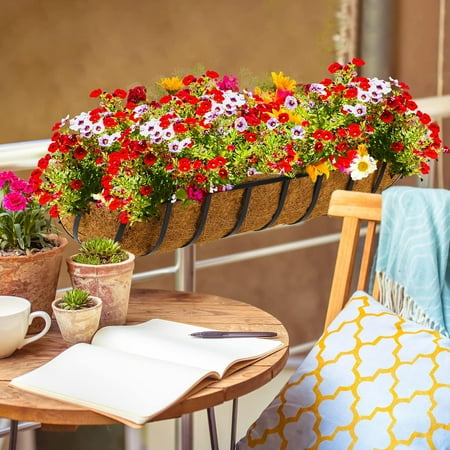
For outdoor settings, especially porches, back patios, and driveways, other plants are recommended. Fuchsia is a vibrant flowering plant identified by its pink, red, and purple blooms, preferring partially shaded areas and regular fertilization to encourage abundant flowers. Boston Ferns (Nephrolepis exaltata) are hearty and dense, flourishing both indoors and outdoors, though they prefer warm, humid outdoor environments due to their need for heavy watering and moist soil. Oxalis Triangularis, also known as the false shamrock plant, is photophilic, closing its leaves at night, and is suitable for shady porches or direct sunlight with minimal watering. Calibrachoa, or "million bells," is a vibrant, trailing plant ideal for sunny patios, balconies, or window boxes, offering bold, trumpet-shaped flowers with minimal upkeep.
When selecting a hanging plant, it is important to consider its growth habit; plants that grow downwards are generally best suited for hanging planters, while those that grow tall, like ponytail palms or African Mask plants, are not ideal. This comprehensive guide helps plant enthusiasts choose the most suitable hanging plants to add lush greenery and visual interest to their homes, both inside and out.
#HangingPlants #IndoorPlants #OutdoorPlants #PlantCare #GardeningTips #HomeDecor #Succulents #Houseplants #ContainerGardening #HangingPlants #IndoorPlants #OutdoorPlants #PlantCare #GardeningTips #HomeDecor #Succulents #Houseplants #ContainerGardening
0 comment in total
 No comments yet
You may also like
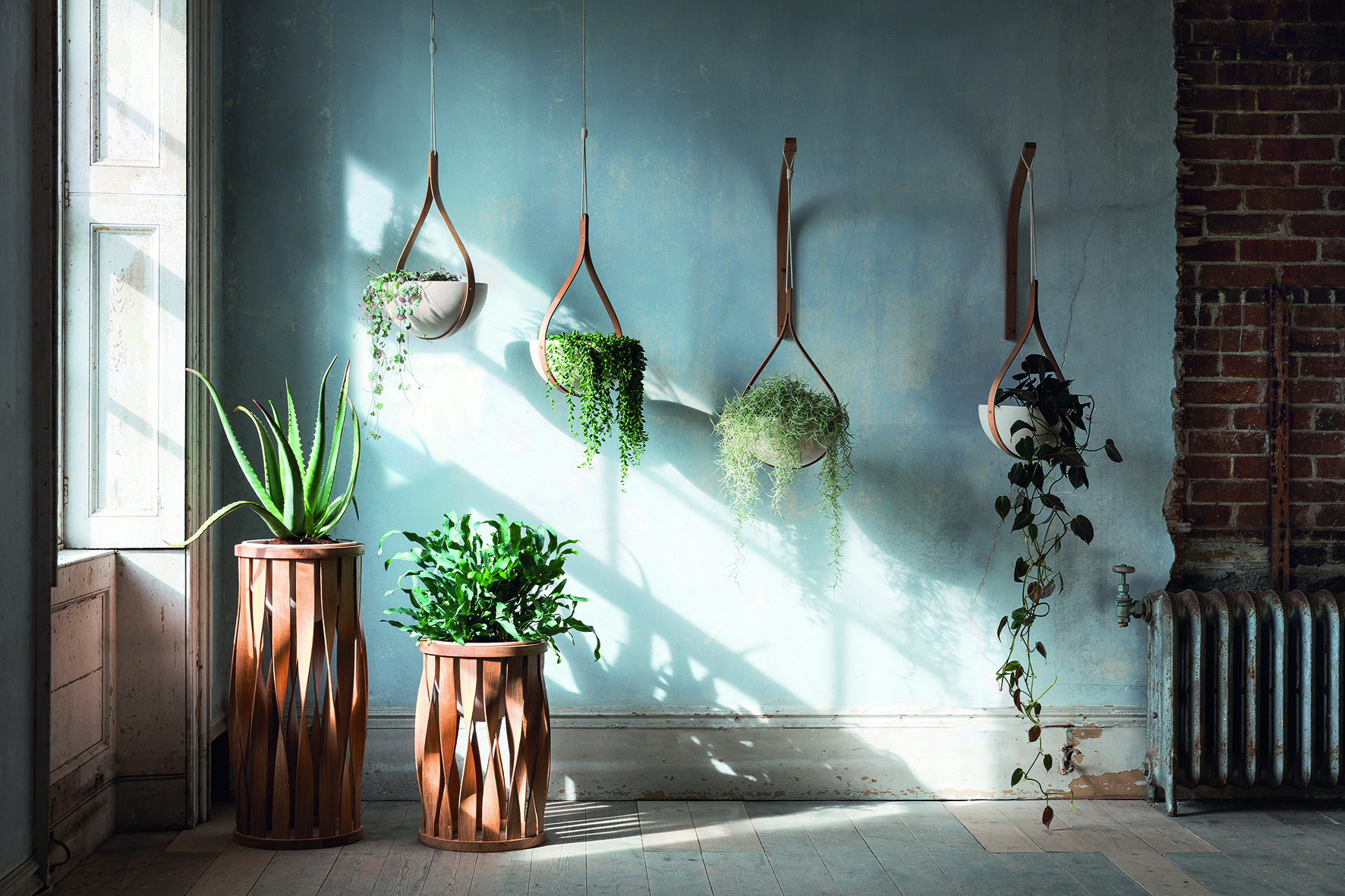
How to hang plants from the ceiling - expert tips to add greenery overhead safely

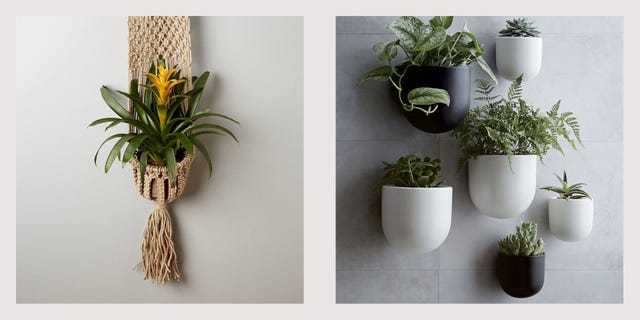
Give Your Blank Walls New Life With These Stunning Planters
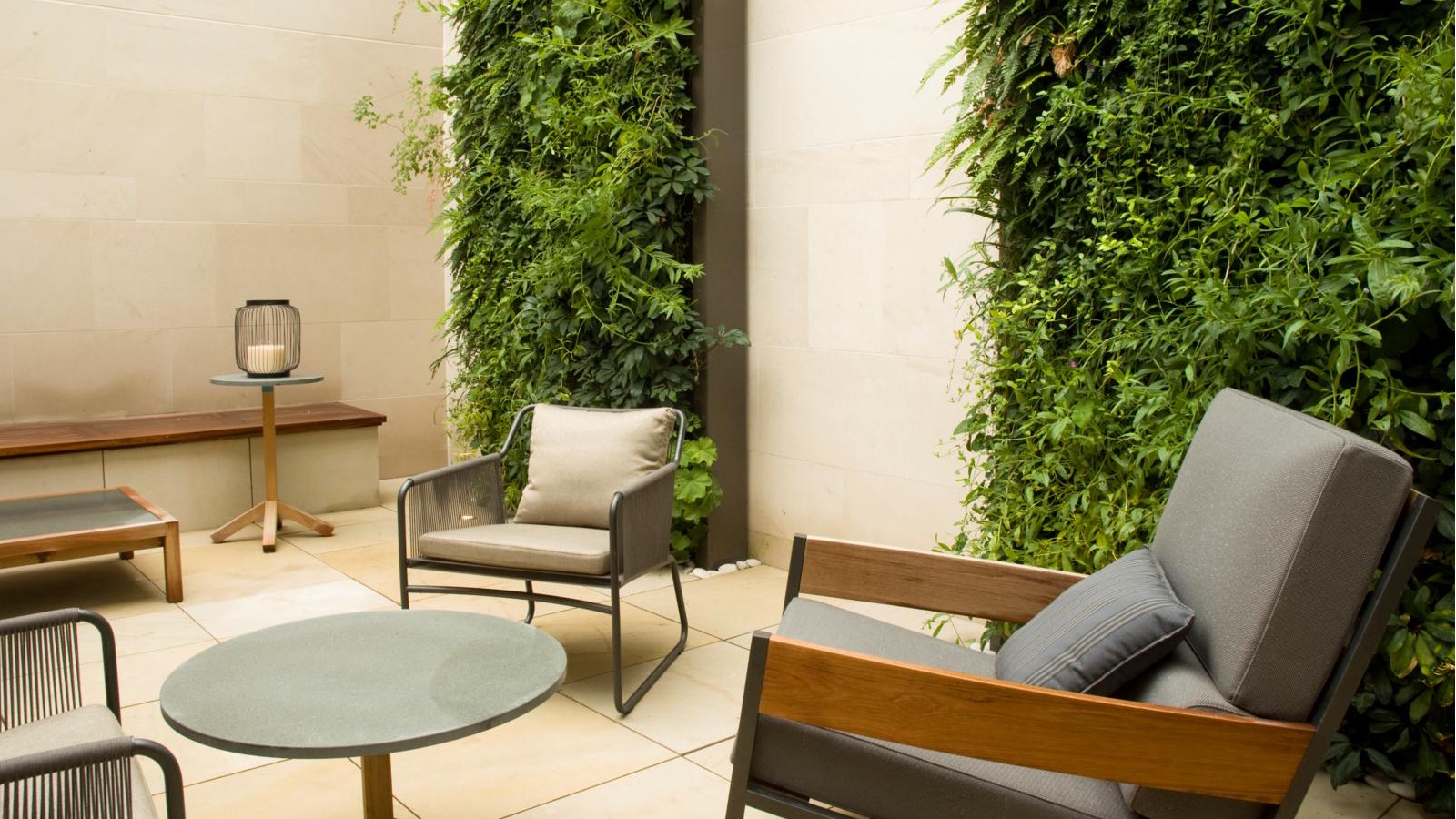
Vertical indoor garden ideas: 7 elevating ideas

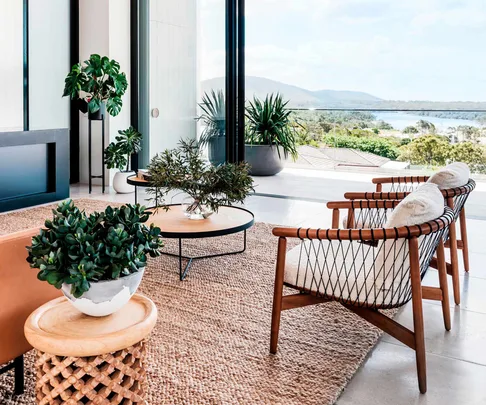
Jungle fever: 10 ways to style indoor plants

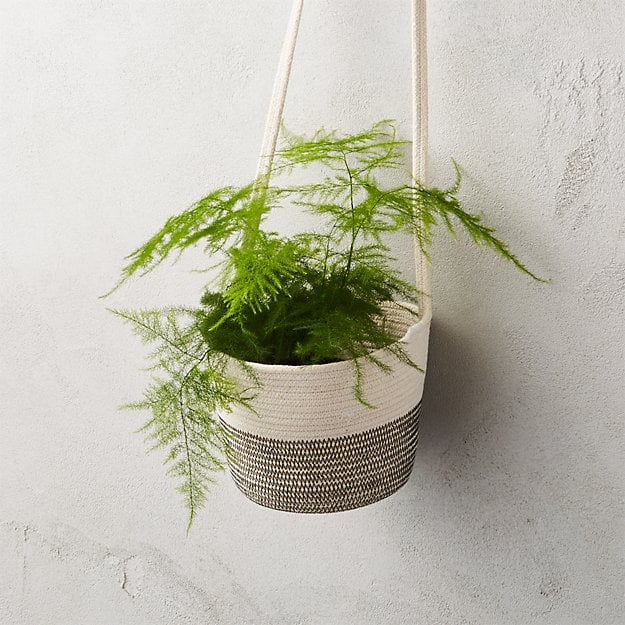
20 Hanging Planters That Will Take Your Indoor Plant Wall to the Next Level
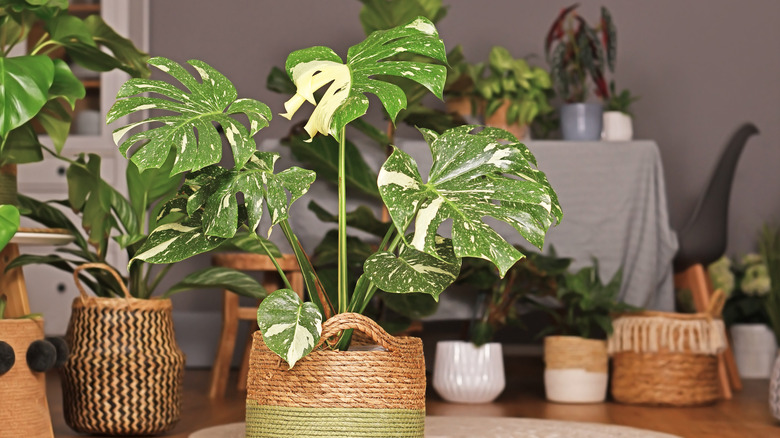
15 Variegated Plants To Spruce Up Your Indoor Spaces

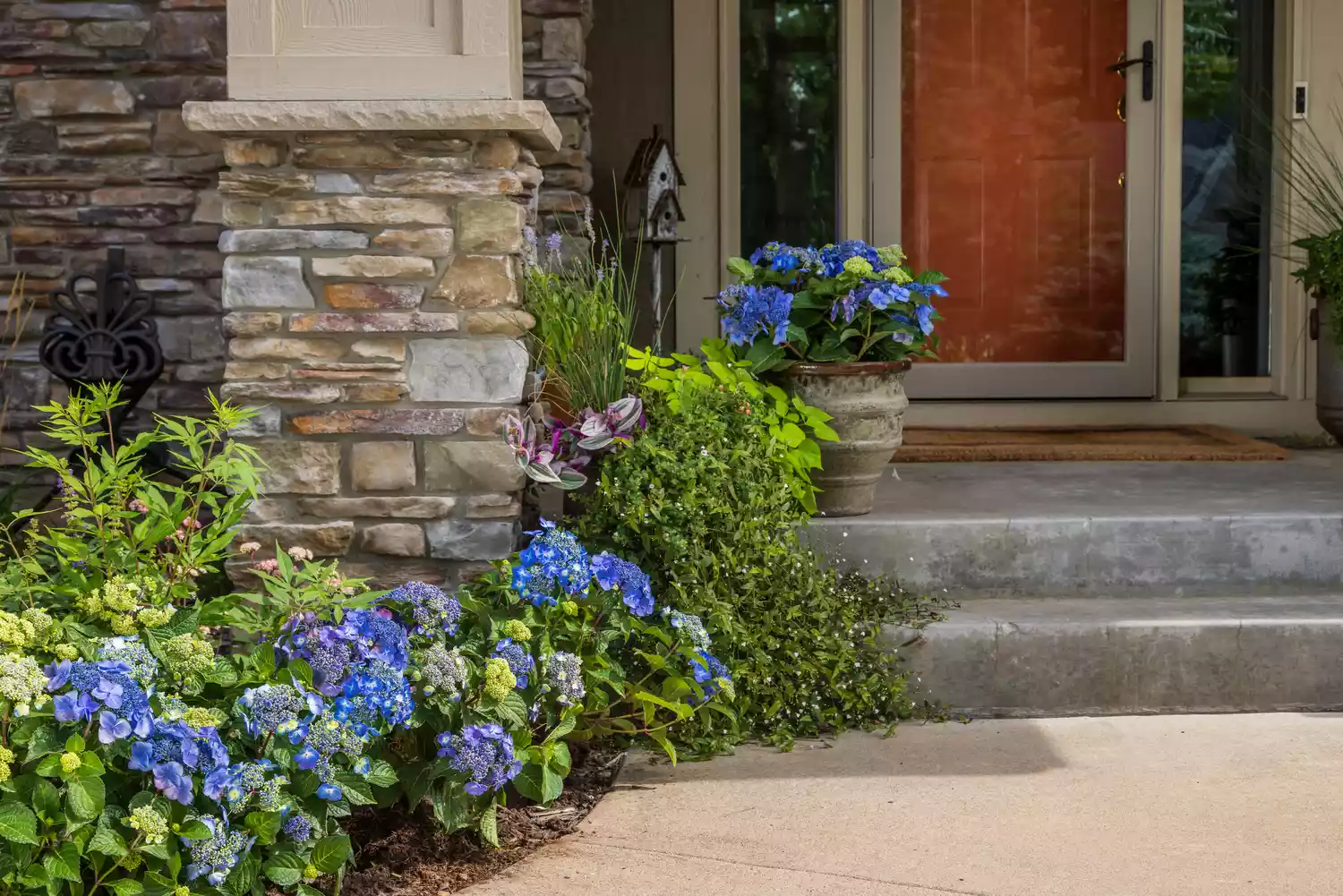
14 Front Door Plants to Beautify the Entrance to Your Home
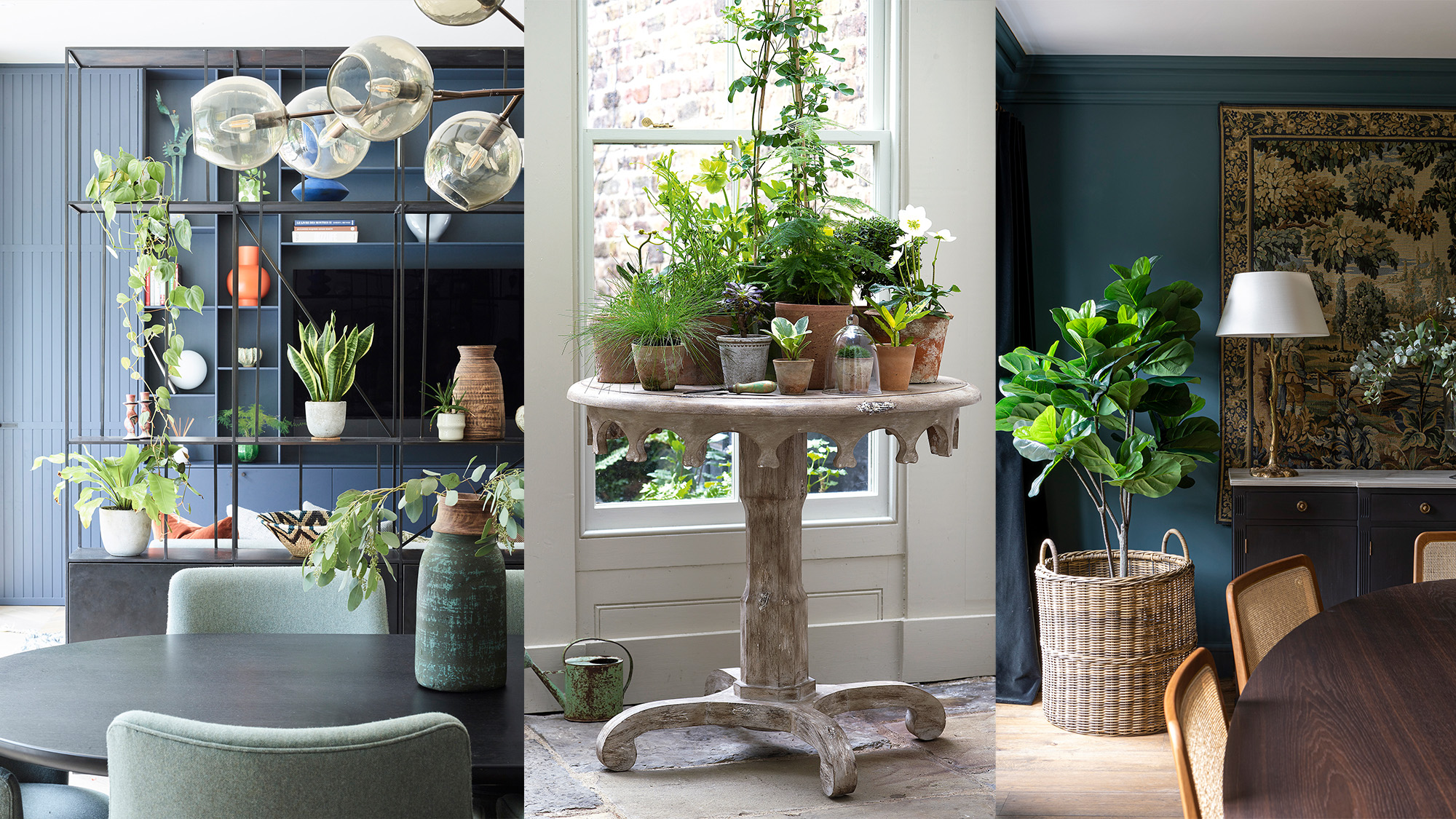
Decorating with plants – 11 ways to display houseplants
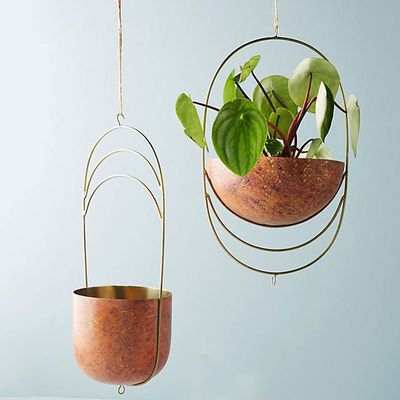
What Are the Best Ways to Hang Plants (and What Plants Should You Hang)?
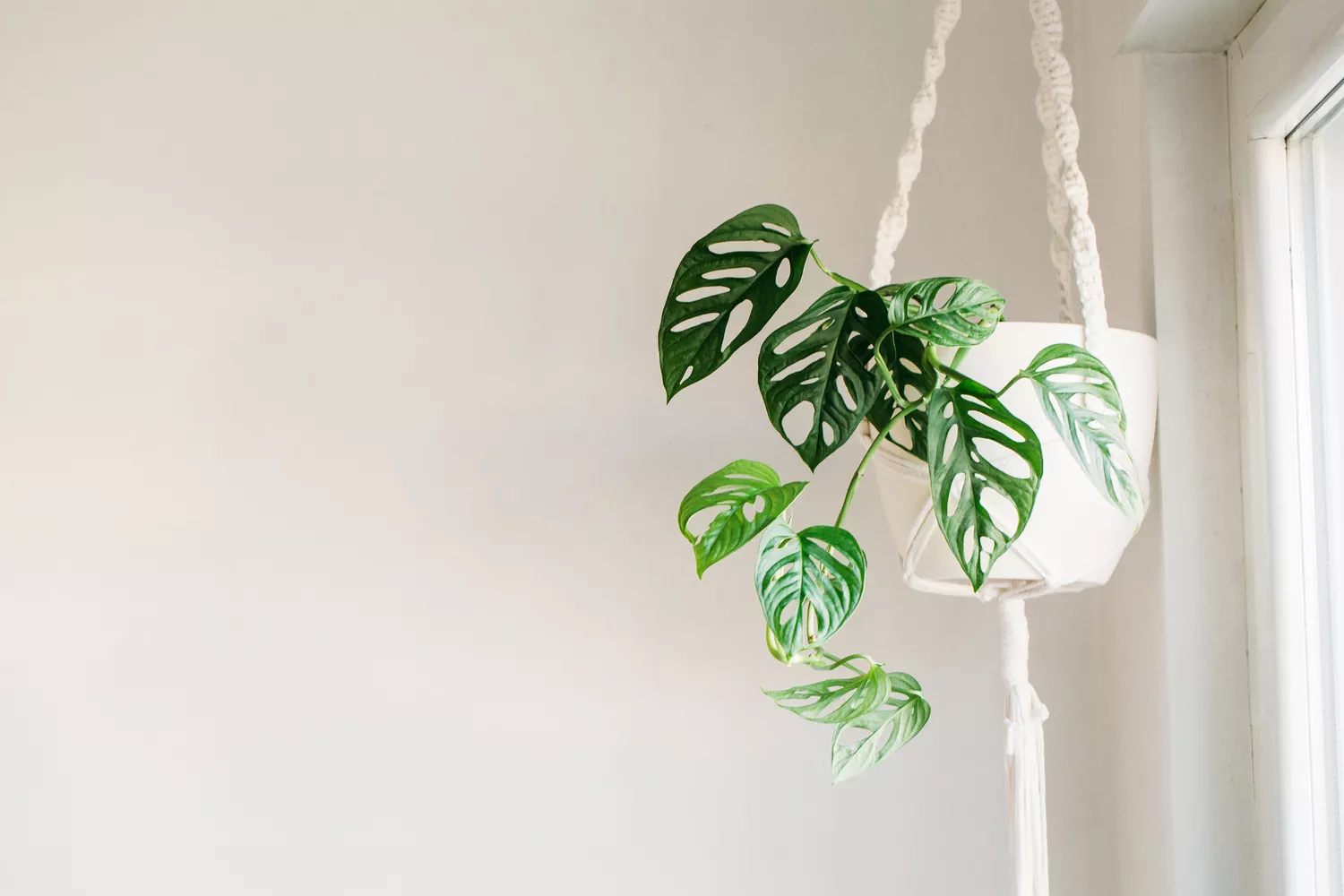
16 Low-Light Hanging Plants to Try Growing

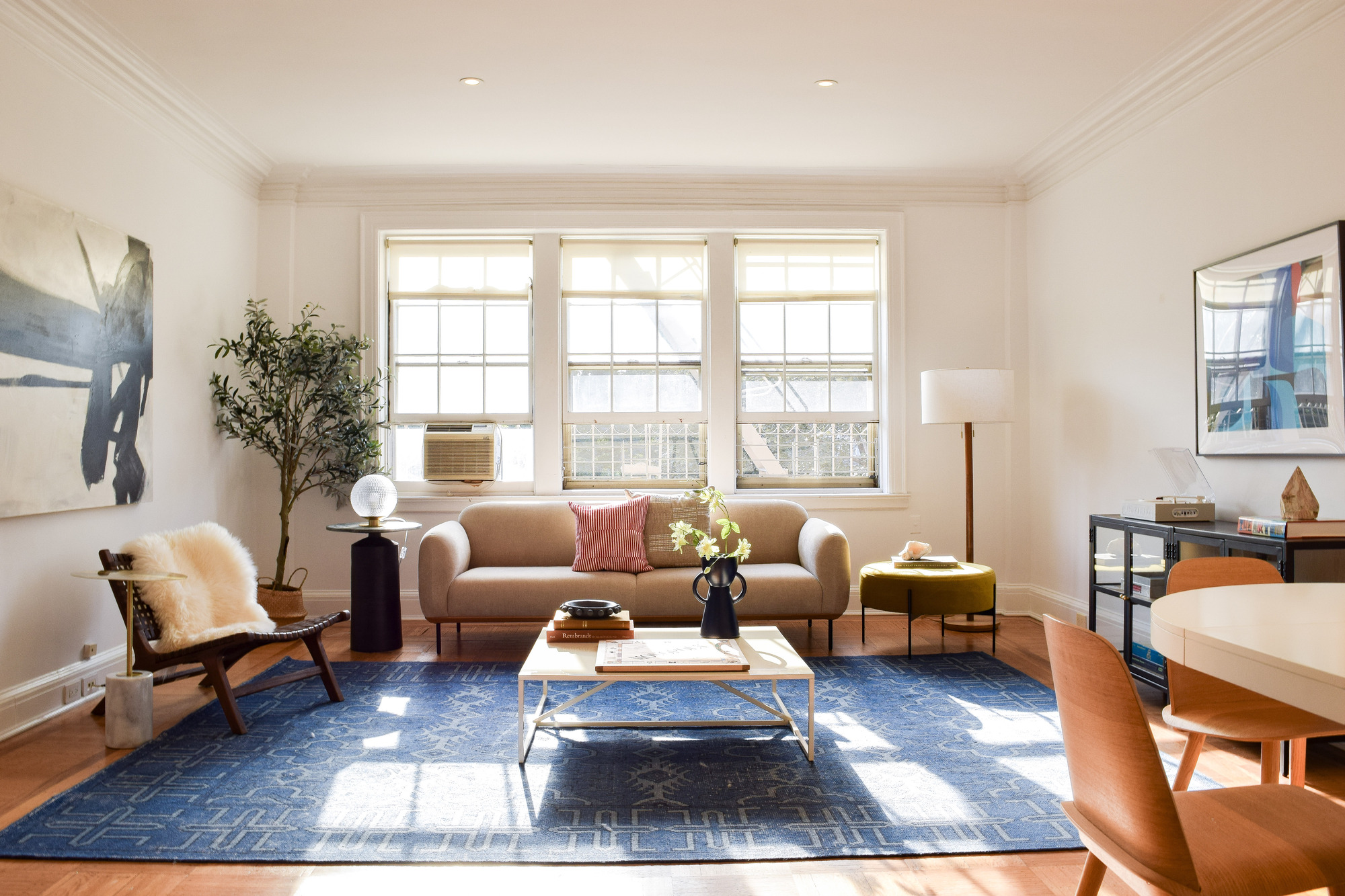
6 Plants That Professional Stagers Say Will Actually Help You Sell Your Home
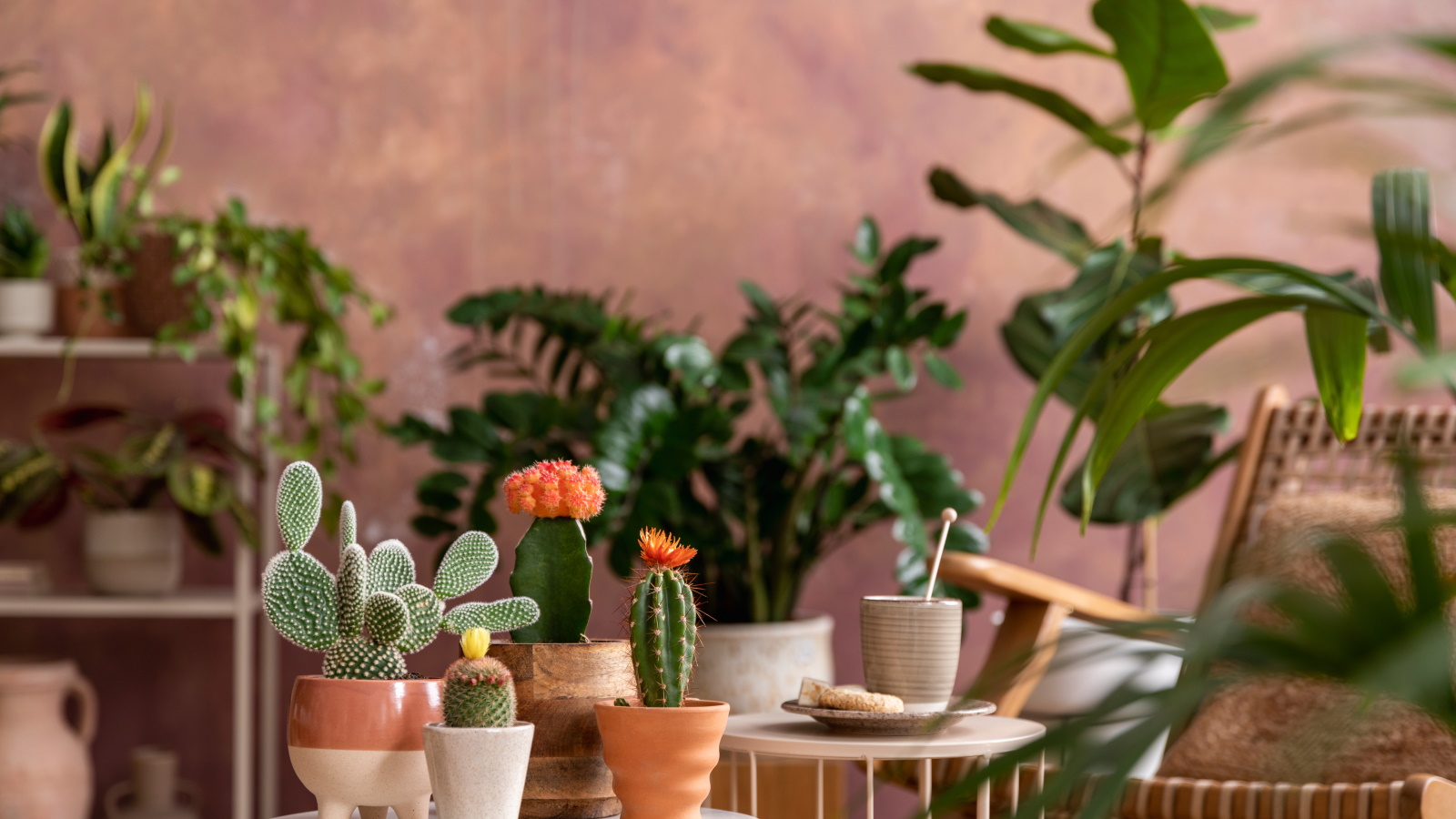
Indoor garden ideas: 9 ways to create a plant-filled haven
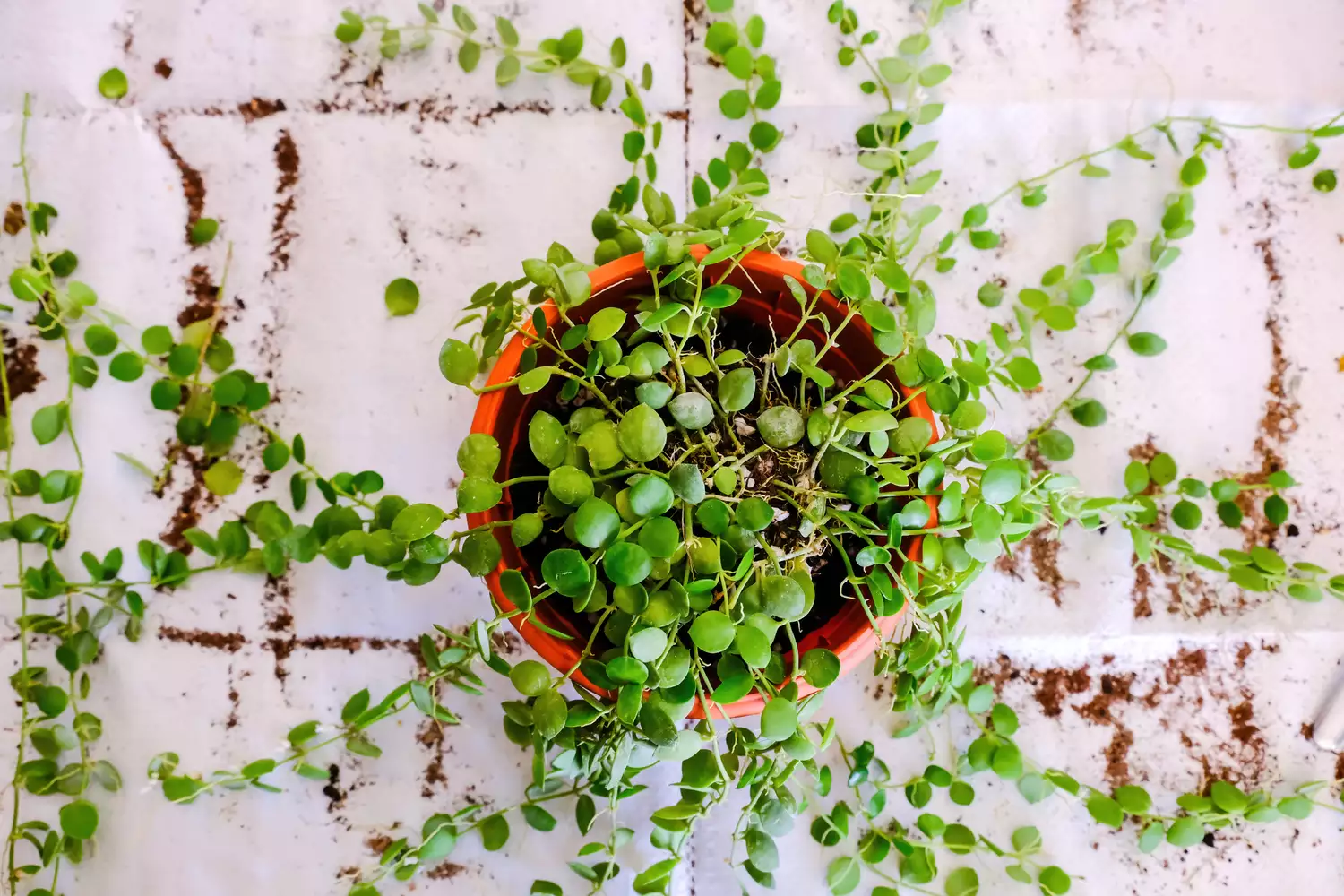
13 "String of" Plants to Grow At Home
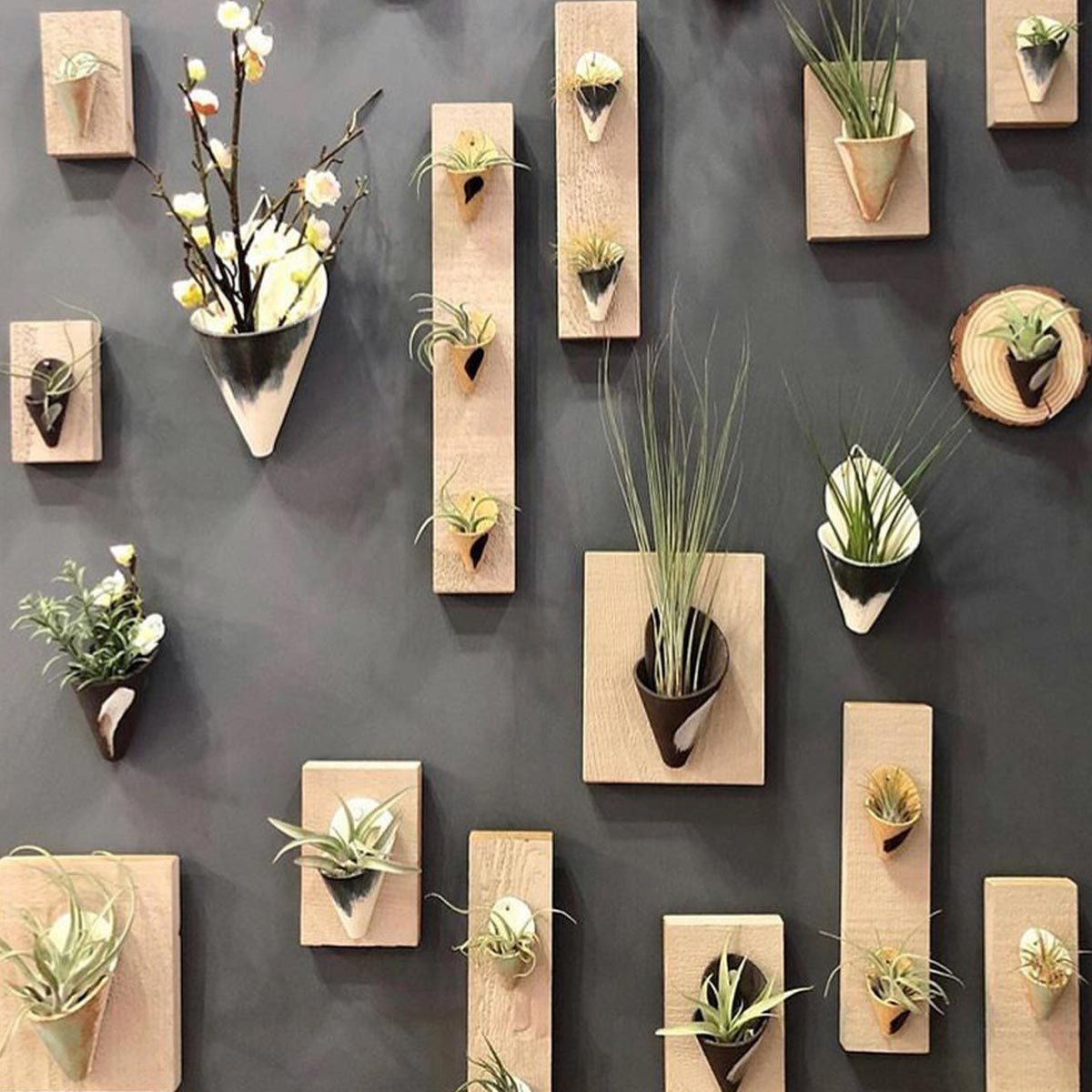
10 Ideas for Decorating Your Walls with Plants

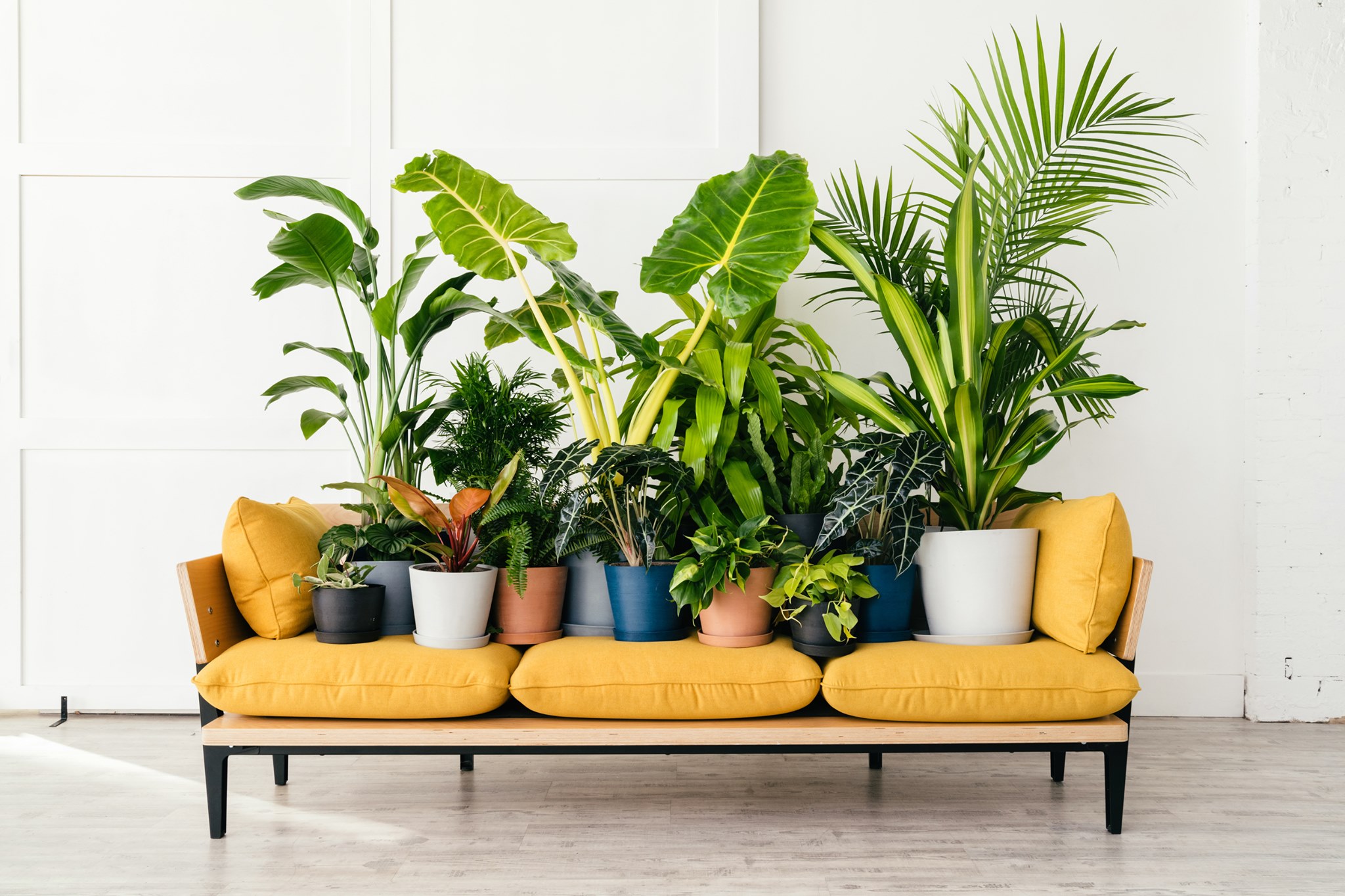
Best indoor plants: the best house plants for stylish greenery

The best indoor plant stands to elevate your space
21 Best Wall-Mounted Planters to Infuse Your Space With Greenery

Spruce Up Your Patio, Porch, or Deck With These Attractive Outdoor Plant Stands

ALDI's $4.99 garden wall planter is back in stock for 2025
The 18 Best Houseplants to Instantly Give Your Living Room a Style Upgrade