1/15
The Aesthetics of Automation: Examining the Appearance of 3D Printed Affordable Housing
The article explores the increasing viability of 3D printing in architecture, moving from prototypes to physical projects, and its potential to address affordable housing challenges. Examples like WinSun's 10 houses in 24 hours, the first family living in a 3D-printed house in France, and Dubai's goal for 25% of its buildings to be 3D-printed by 2025, highlight the technology's growing integration into construction. 3D printing offers advantages such as shorter long-term costs, rapid wall printing, and a lower margin of error, all crucial for developing affordable housing without compromising design quality.
Historically, affordable housing has faced an image problem, often characterized by drab aesthetics and a lack of architectural appeal. The article emphasizes that 3D-printed affordable housing must avoid these pitfalls and prioritize good aesthetic design alongside cost and speed efficiencies. It presents encouraging examples where aesthetic harmony is a key consideration in recent 3D-printed affordable housing schemes.
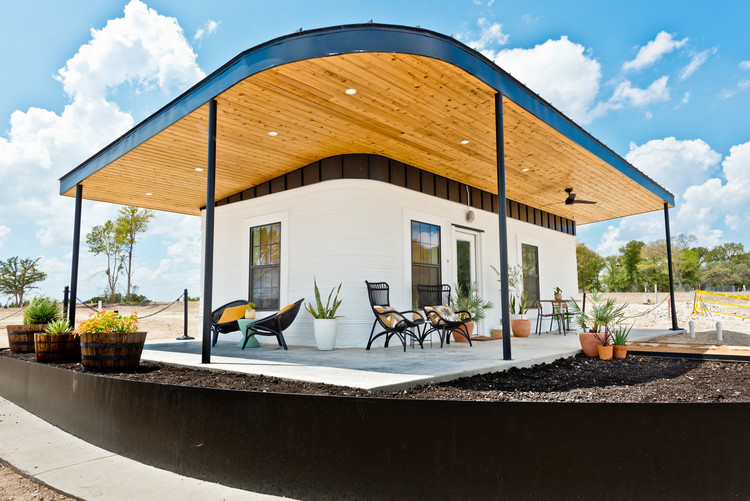
One such project is a collaboration between construction technology company ICON and non-profit New Story, who in 2019 unveiled designs for two homes in Tabasco, Southern Mexico. This initiative aims to create a community of 50 dwellings for families living below the poverty line. These designs, developed with input from designer Yves Béhar, defy typical expectations of 3D-printed homes, offering genuinely homely and delightful spaces instead of bland, slab forms.
The homes are constructed using a local concrete mix, which provides a textured, off-white appearance. Design elements like a cement pad serving as a patio and decorative breeze blocks above windows enhance both functionality (ventilation) and aesthetics. The "Vulcron II" printer used in the project is specifically designed for challenging rural environments with limited resources, demonstrating how 3D printing can be effectively utilized in diverse contexts while still achieving aesthetically pleasing results.
The article concludes by stressing the importance of creating 3D-printed affordable housing that is not homogenous and is visually appealing. It draws parallels with successful traditional construction projects, such as Peter Barber’s council homes in the UK, which exemplify how affordable housing can maintain high design standards. As additive manufacturing gains popularity, the article argues that affordable housing should not sacrifice design aesthetics to leverage the benefits of this technological innovation.
#3DPrintedHomes #AffordableHousing #ArchitecturalAesthetics #AutomationInArchitecture #ConstructionTechnology #ResidentialArchitecture #SustainableDesign #UrbanDevelopment #3DPrintedHomes #AffordableHousing #ArchitecturalAesthetics #AutomationInArchitecture #ConstructionTechnology #ResidentialArchitecture #SustainableDesign #UrbanDevelopment
0 comment in total
 No comments yet
You may also like
Back to Basics
The Influence of AI in the Interior Design Industry
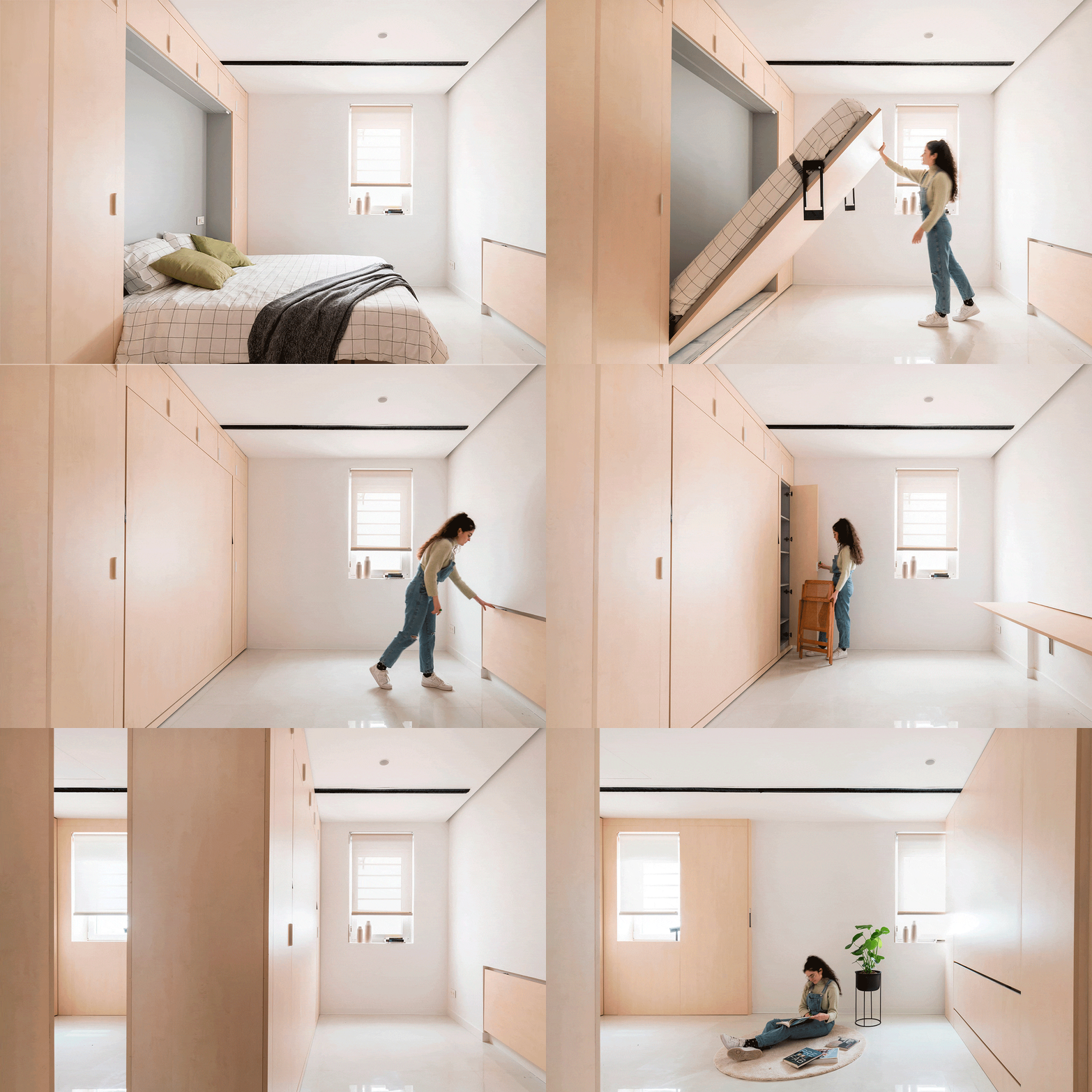
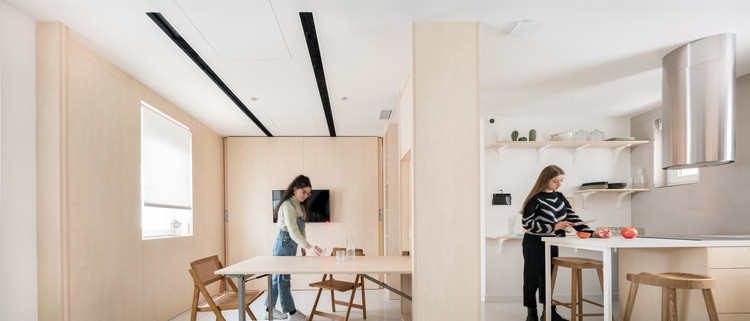
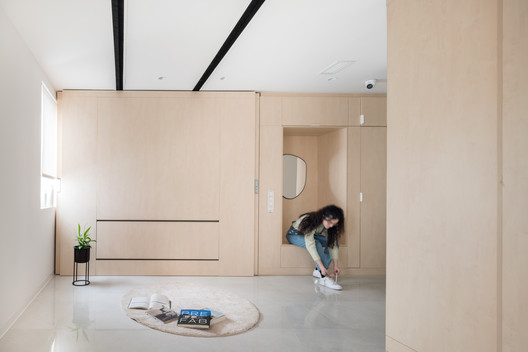
How Can We Double the Living Space in Our Homes? BEYOME: The Flexible and Modular System with Robotic Furniture
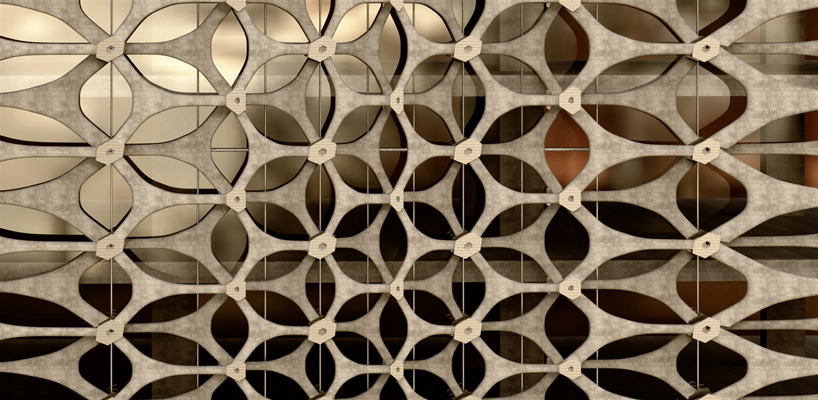
form found design explores robotics + fabric in façade construction
30 Home Features That Jumped in Popularity This Year

10 free AI interior design generators
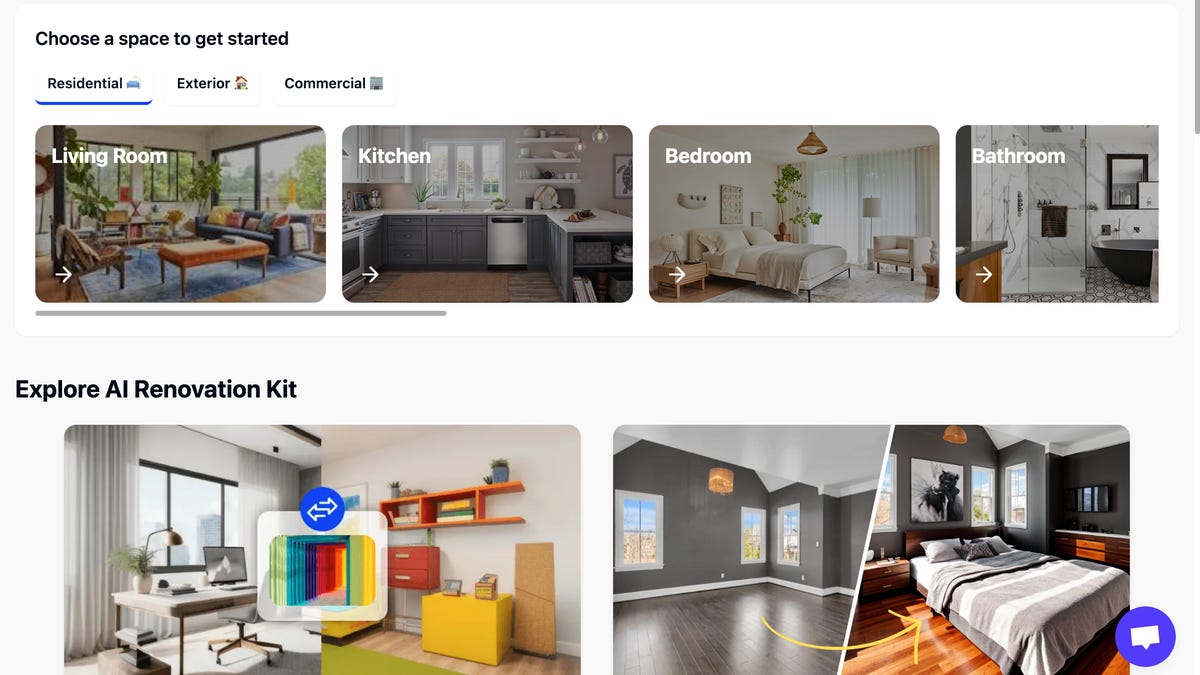
If You're Looking to Remodel Your Home, I Found This AI Tool Useful for Inspiration. What to Know

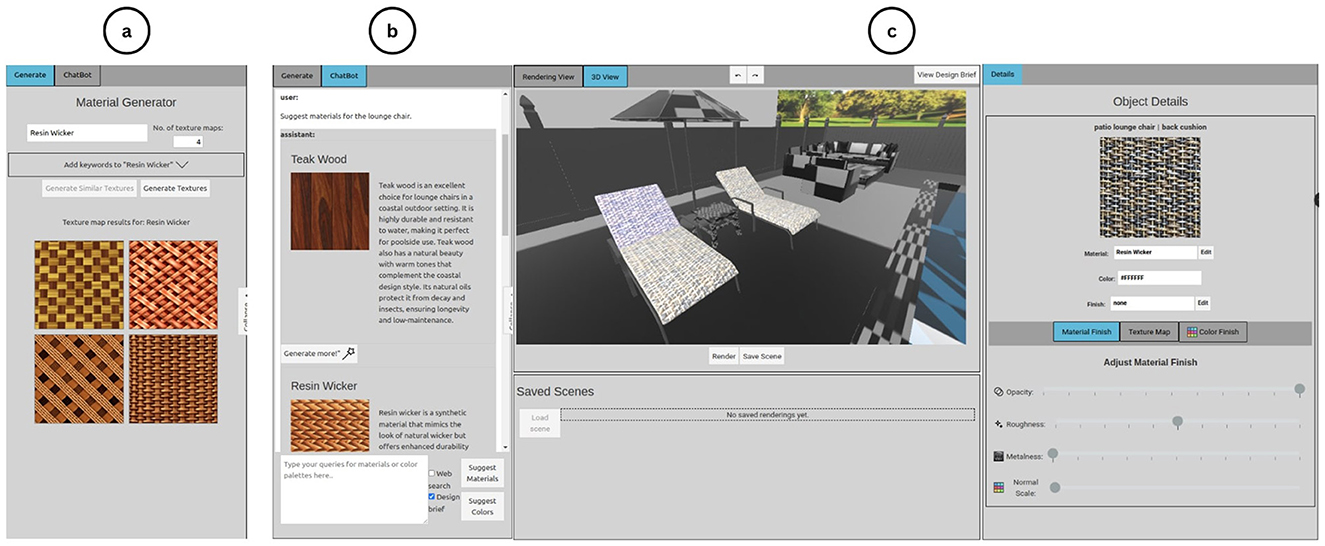
Exploring the use of generative AI for material texturing in 3D interior design spaces
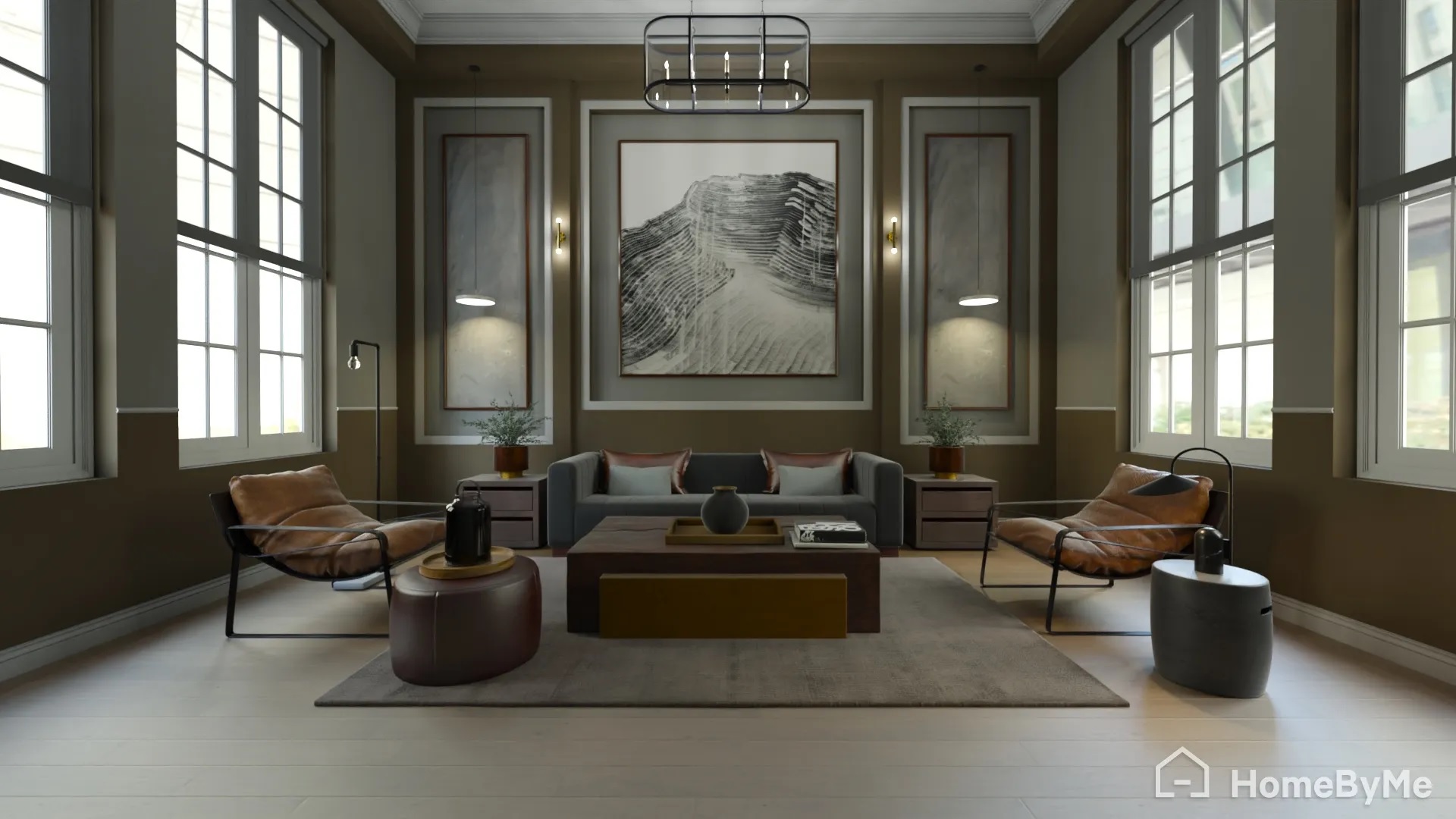
3DVIA

5 best AI interior design apps in 2024

10 DIY Home Renovation Apps (Free)

Top 16 AI Tools for Interior Design
5 best AI interior design apps in 2024

J Geiger Reinvents Luxury Home Shading for a New Audience

Nine creatives designing dreamy renderings
Smart Design's Light Collaboration with Gantri is a Commendable Feat in 3D Printing

Aztec Scenic Design Creates Custom 3D Printed Arabian-Inspired Ceiling and it’s Amazing!

Beyond Aesthetics: How Tech is Redefining Interior Design
I Used AI Interior Designers to Reimagine My Boring Basement

3D-printed relief art: Michelle Larsen sees a trend reversal in interior design