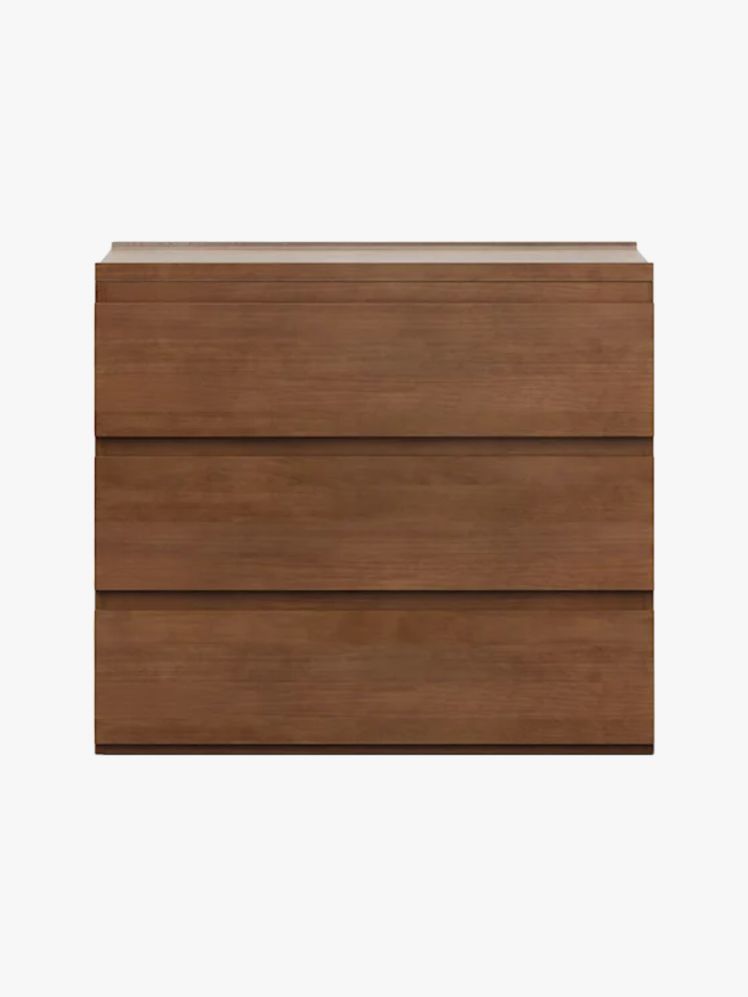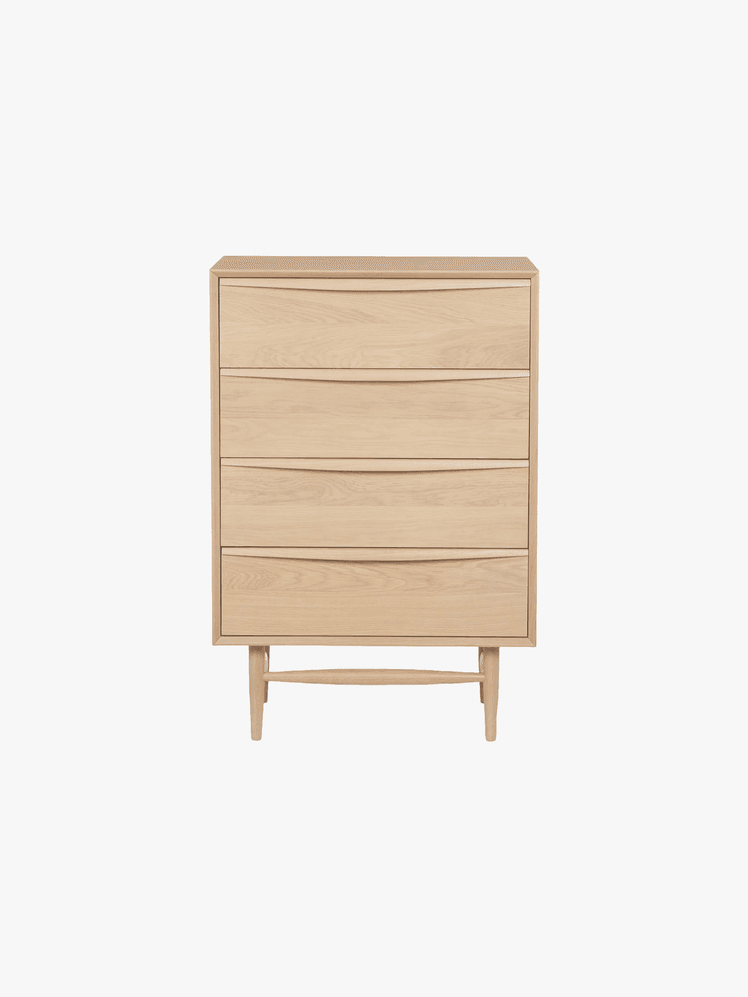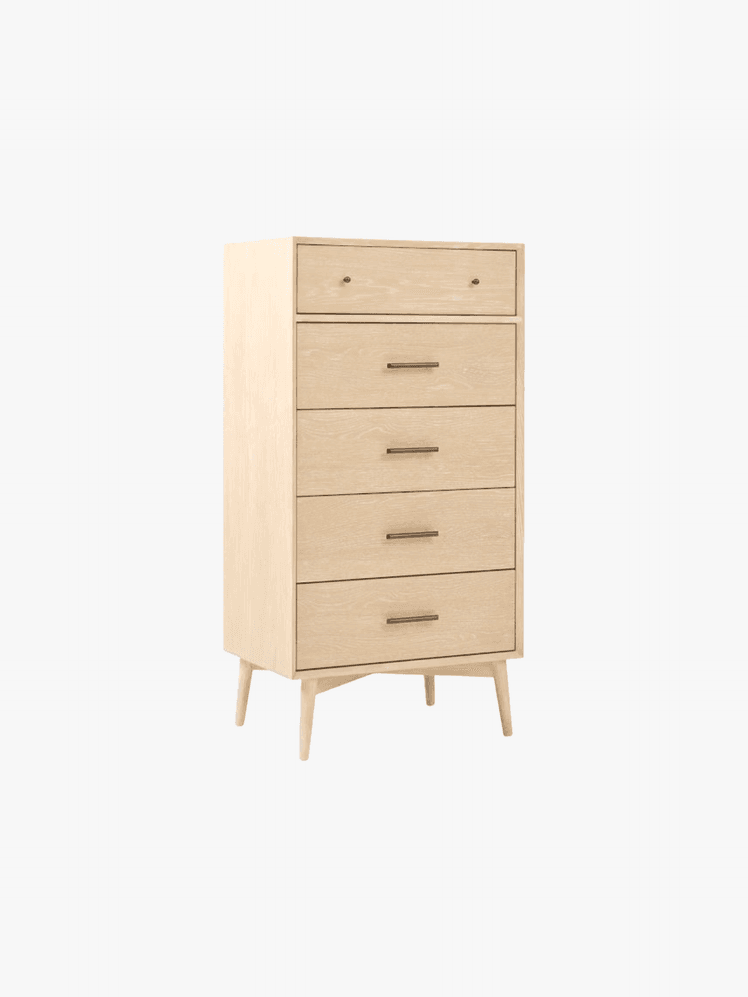
Browse 30 Stylish Bedroom Dressers That Will Keep Your Wardrobe Organized
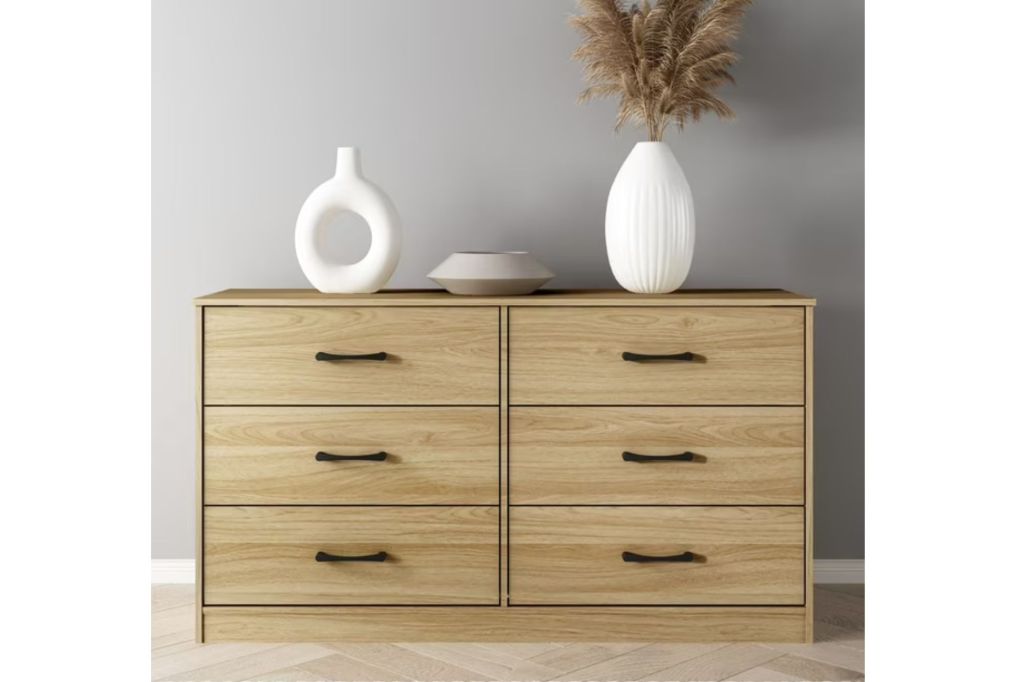
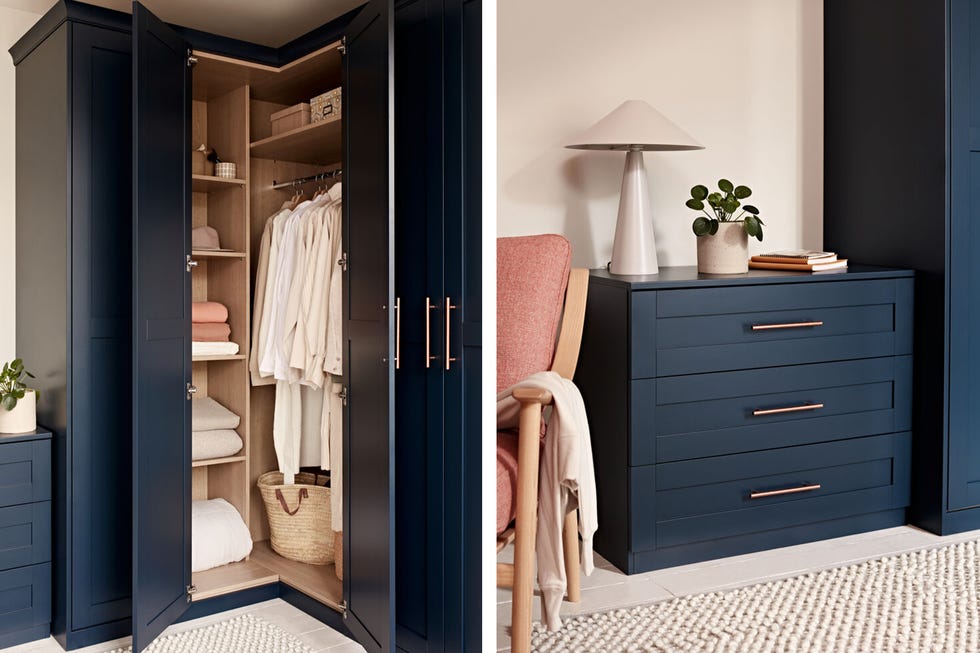
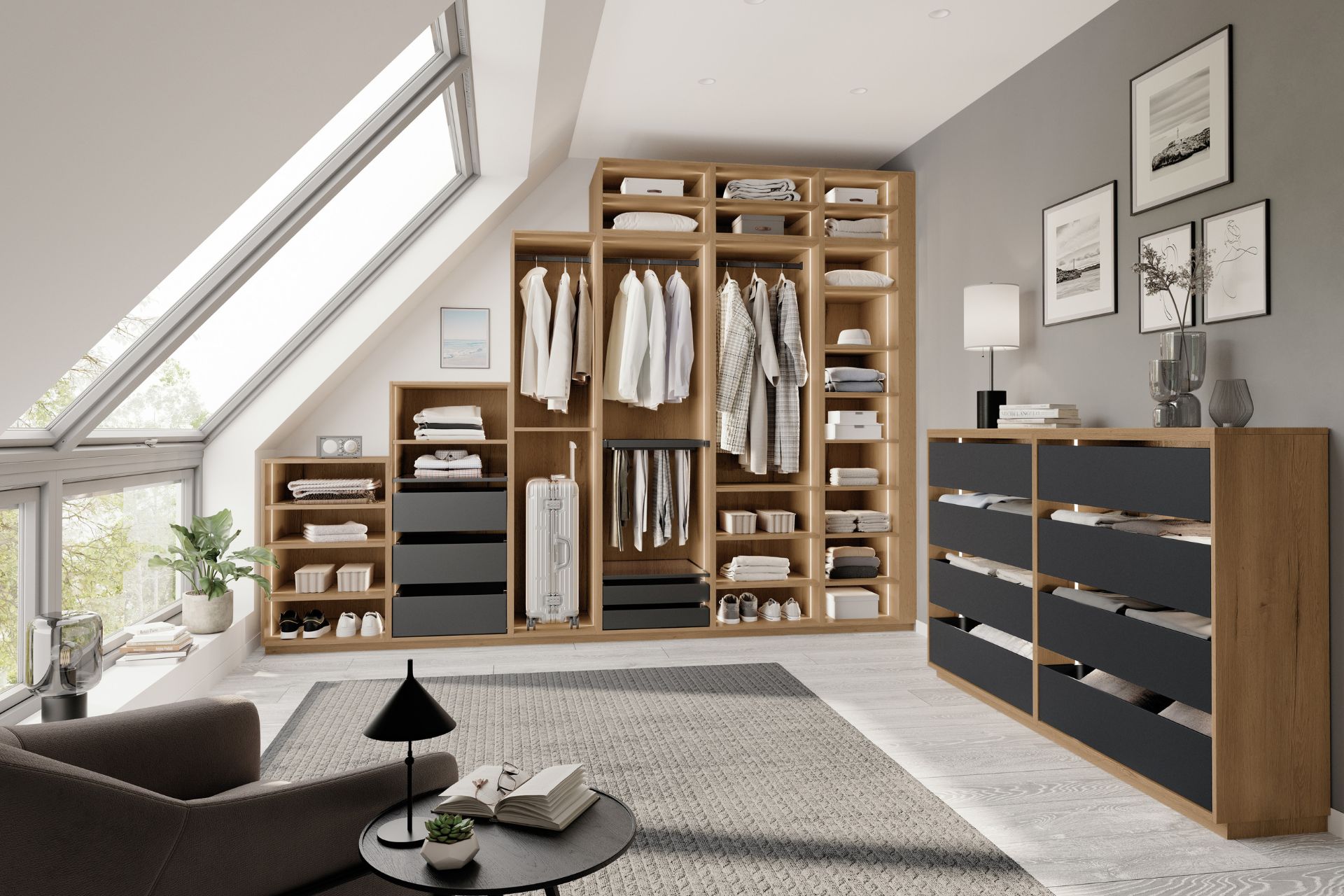
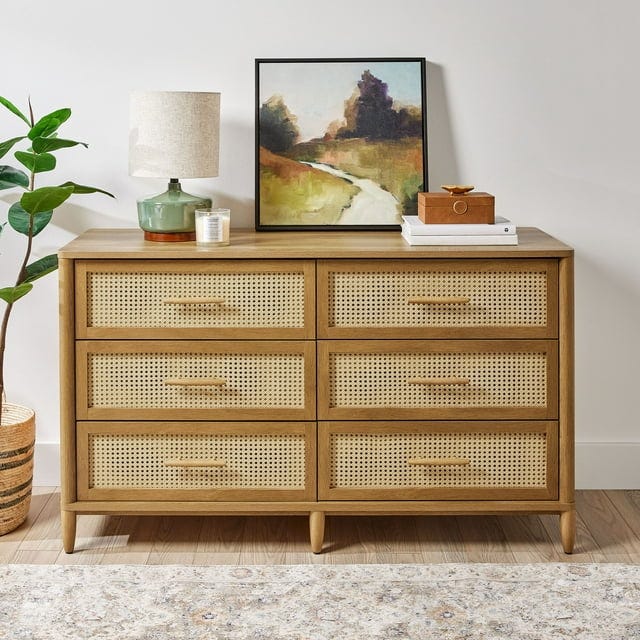
A bedroom dresser serves as a fundamental piece of furniture, providing essential storage and contributing significantly to the overall aesthetic of a personal space. When selecting a dresser, it is important to consider several key factors to ensure it meets both functional and stylistic requirements. These considerations include the size of the room, the intended placement of the dresser within the bedroom, and the specific types of items it will store.
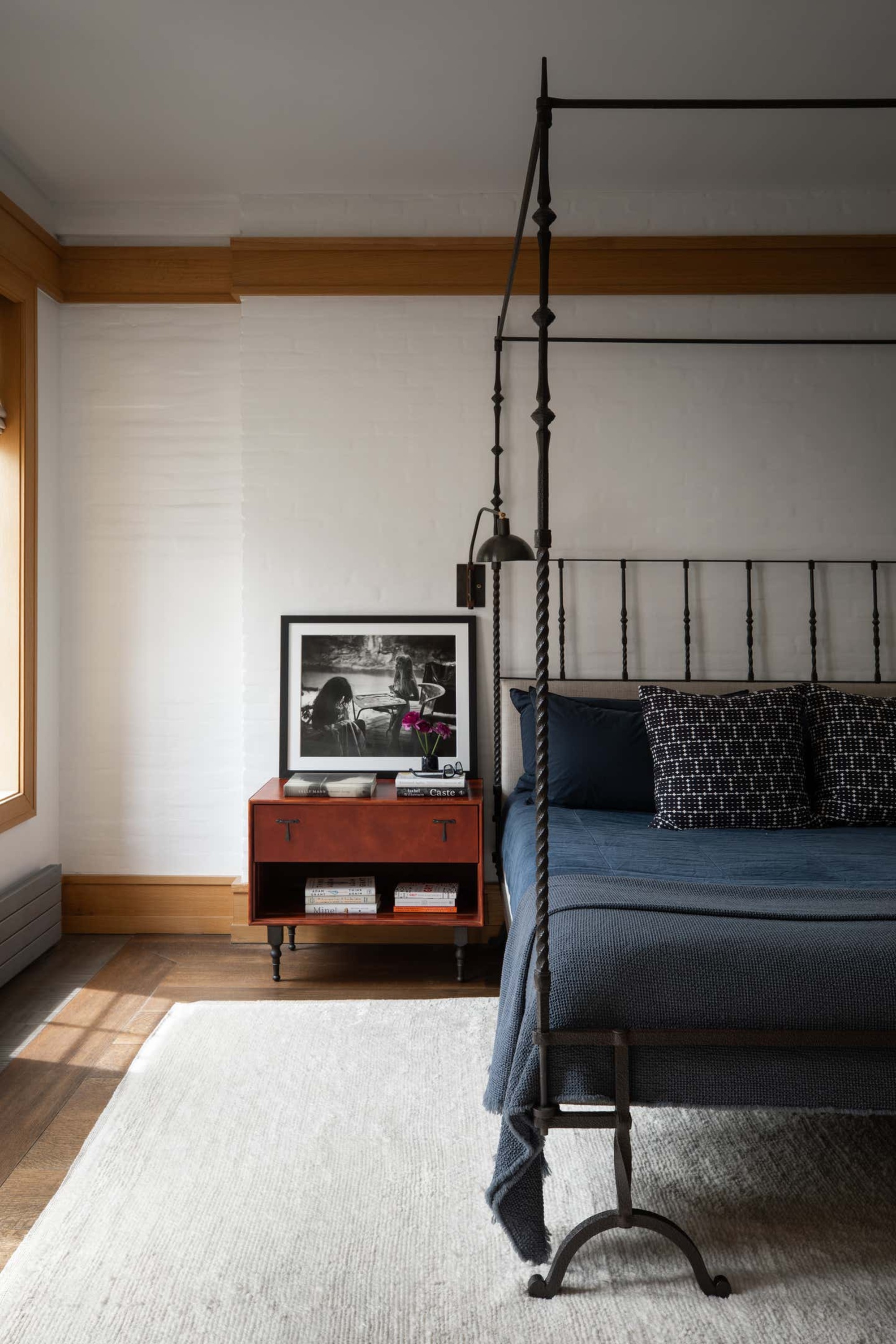
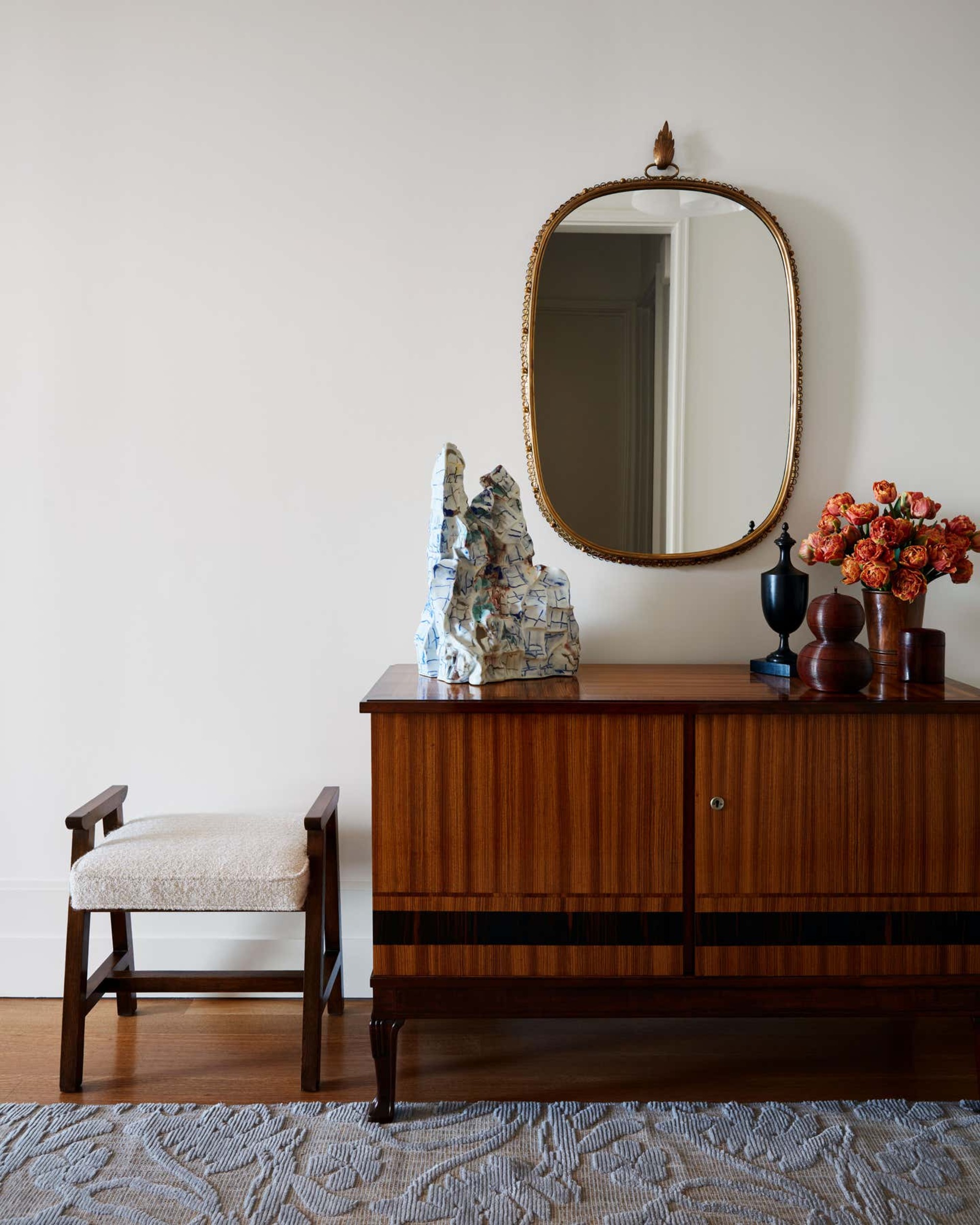
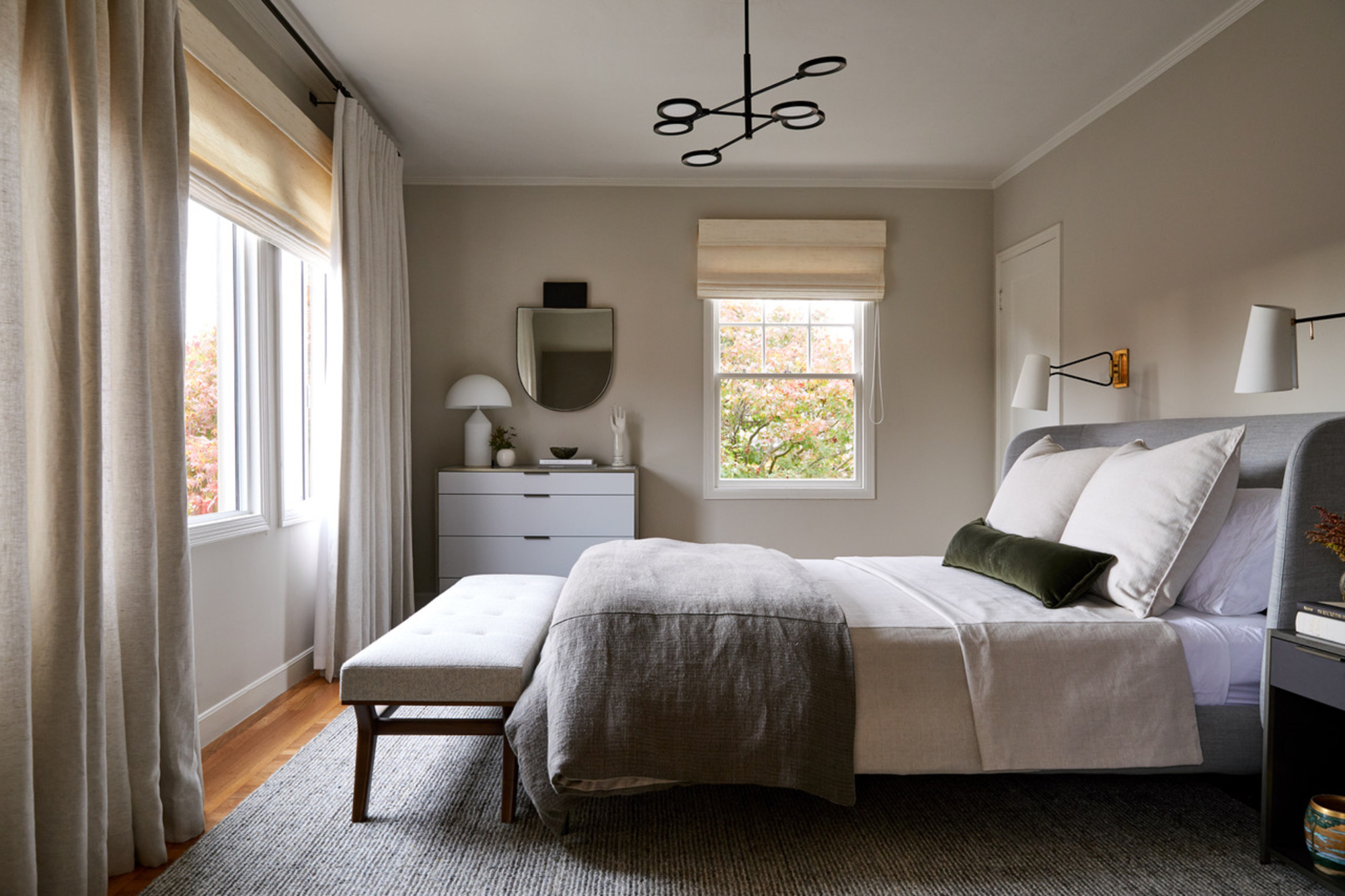
Design experts emphasize the importance of thoughtful placement and multi-purpose functionality. For instance, in a spacious bedroom, a dresser can be strategically positioned at the entrance to serve as a hallway-like cabinet, offering both storage and a transitional element. Alternatively, if space is limited, integrating larger side tables around the bed can compensate for the absence of a bulkier dresser. The insights of industry professionals, such as Raelena Vasquez of Swank Design and Swoon Home, Carey Karlan of Last Detail, and Mina Lisanin of ML Interiors, highlight critical aspects to evaluate when purchasing a bedroom dresser.
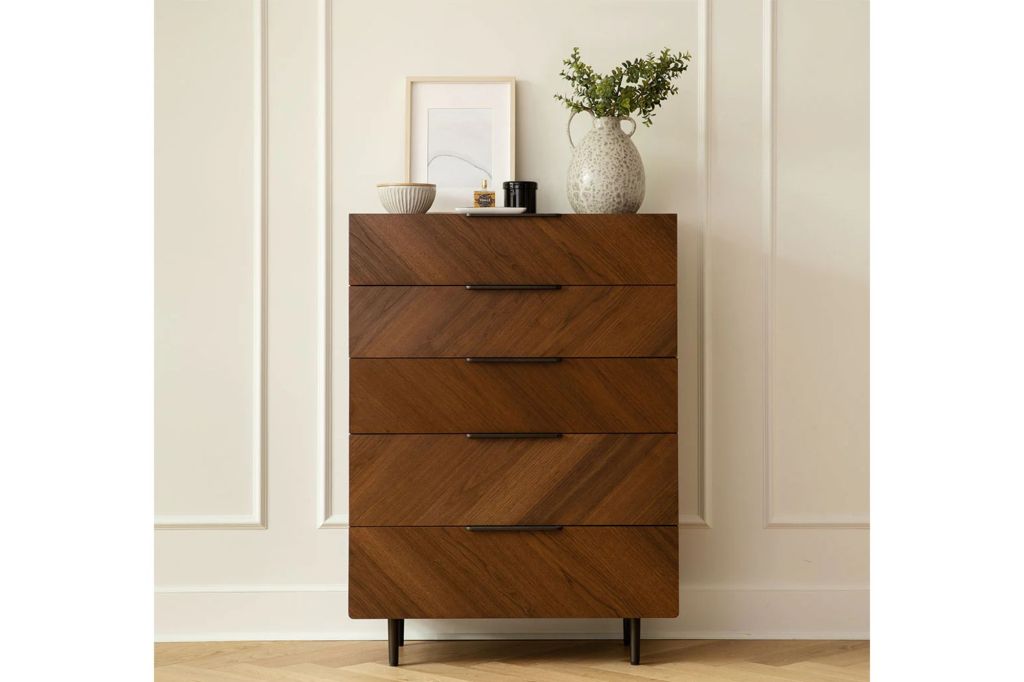
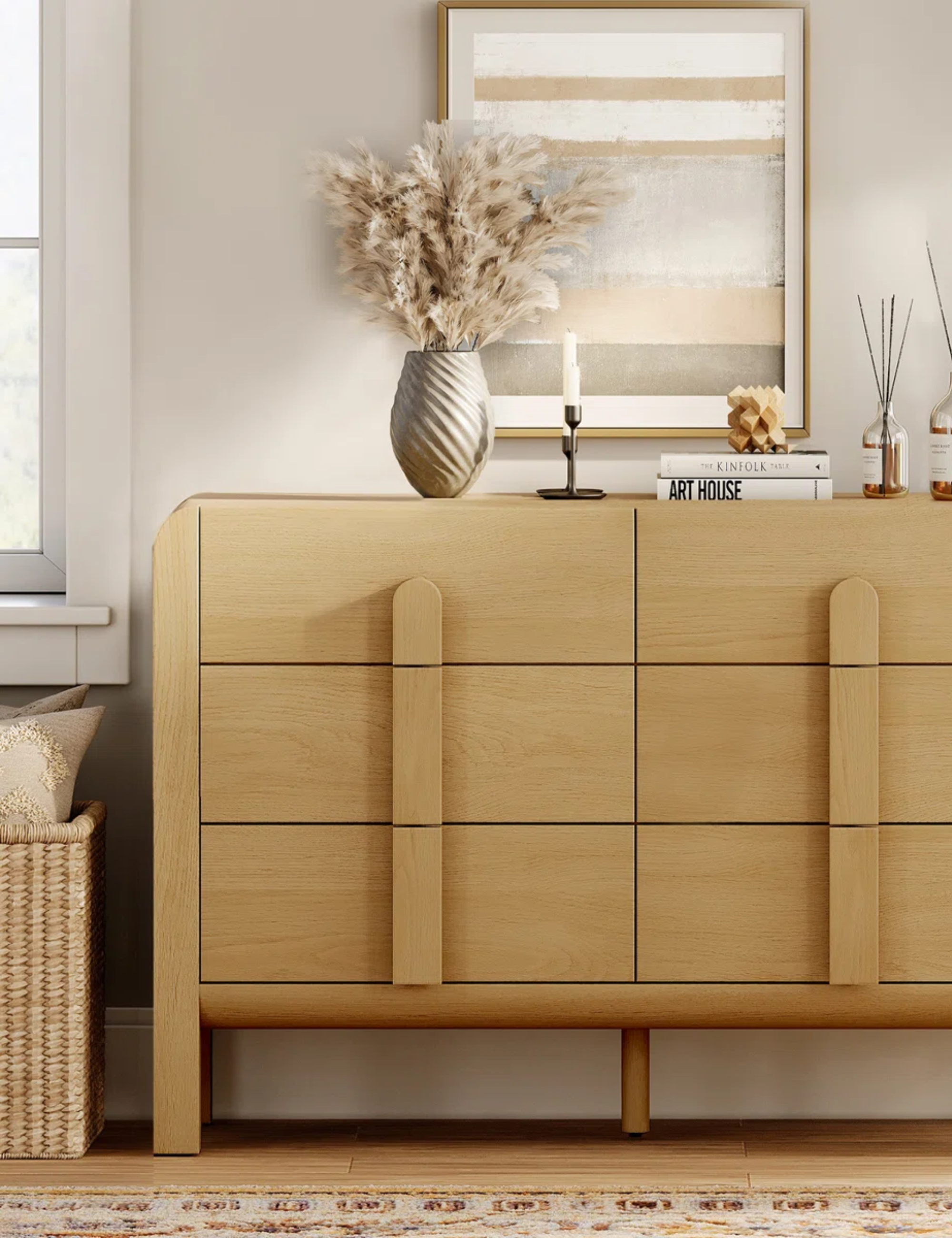
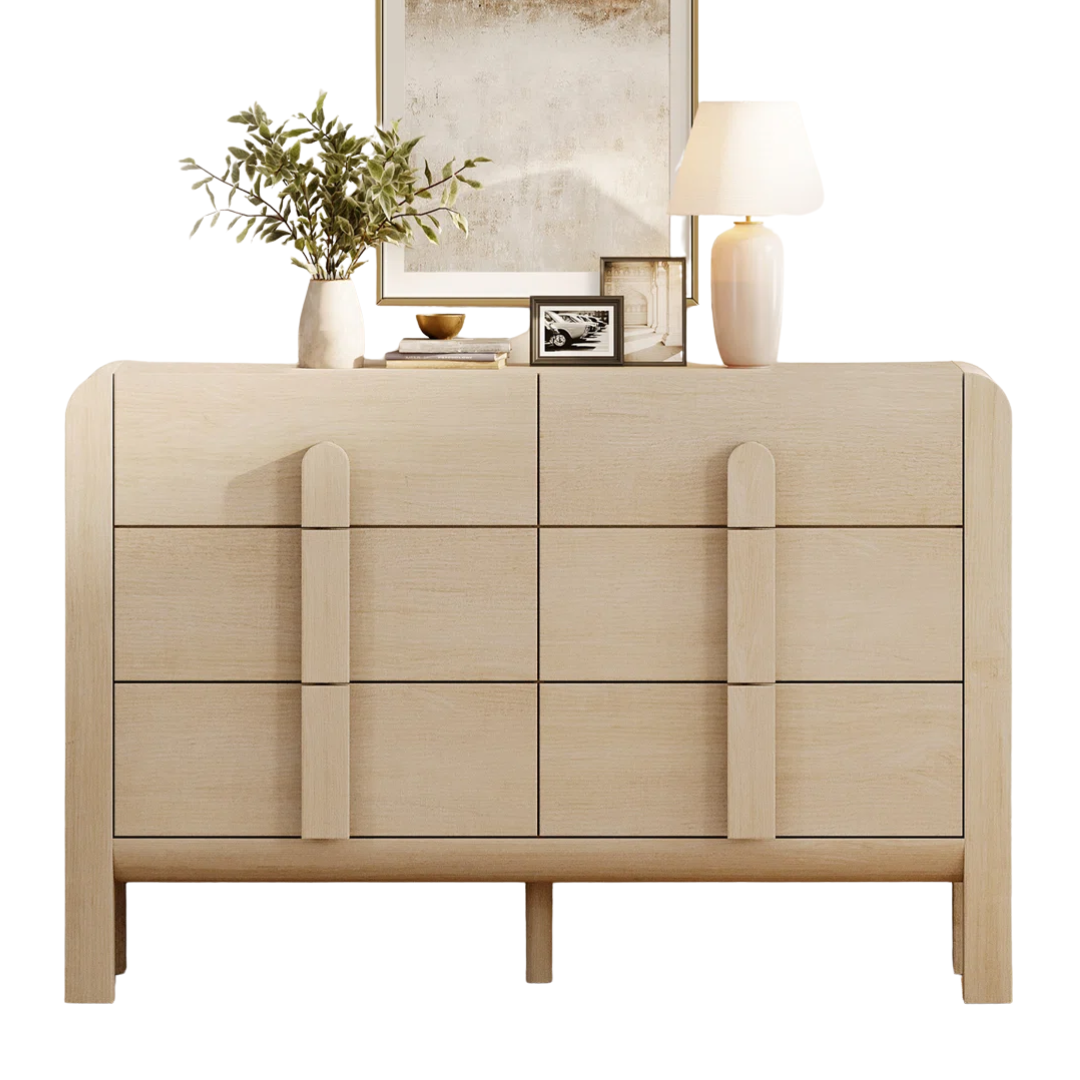
Material is a primary consideration, influencing both durability and appearance. Traditional solid wood is recognized for its longevity and sturdy construction, making it a reliable investment for pieces intended to last for generations. While wood veneer, often made from wood particles mixed with wax and resin, offers a more affordable alternative that mimics the look of natural wood grain, it may not possess the same level of durability and can be prone to issues like chipping or peeling over time. The choice between solid wood and veneer also affects the dresser's sound and weight, with solid wood generally being heavier and producing a lower-pitched sound when tapped, distinguishing it from the lighter, higher-pitched sound of veneer.
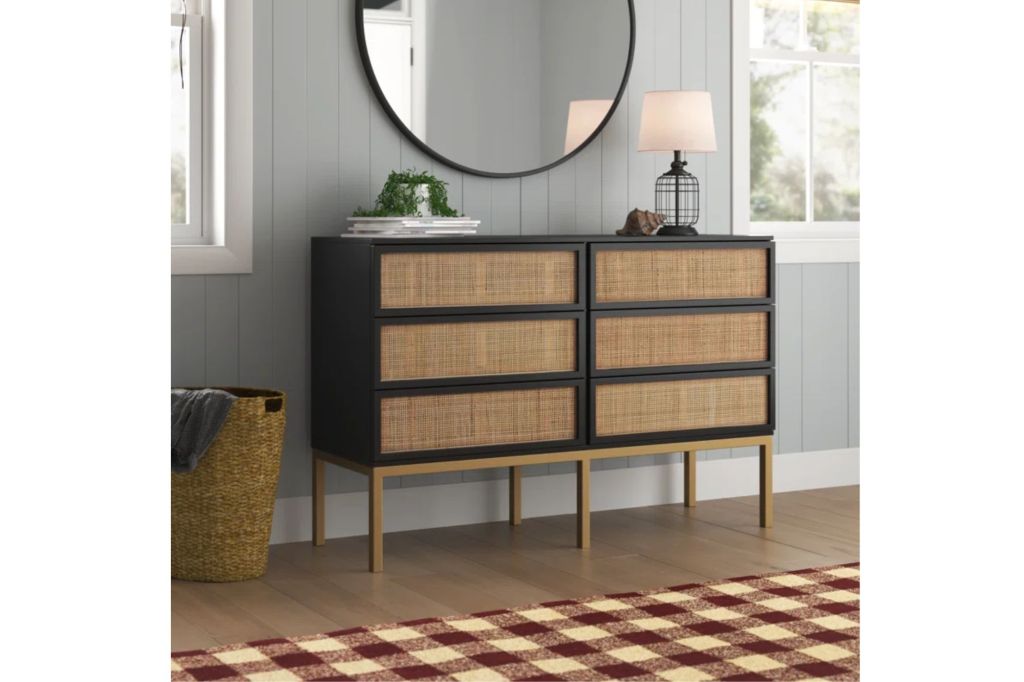
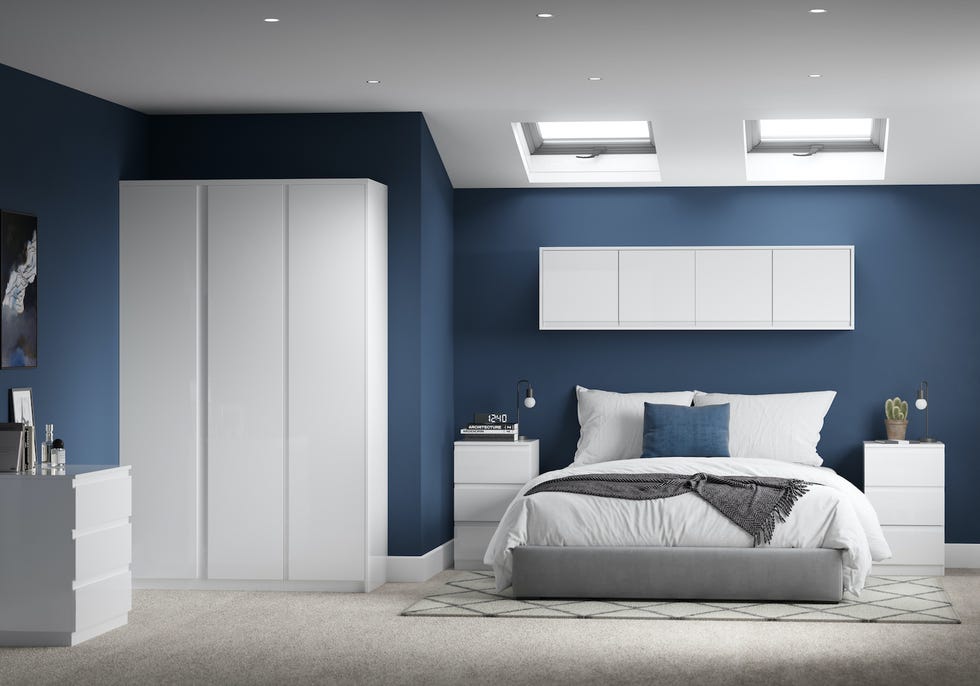
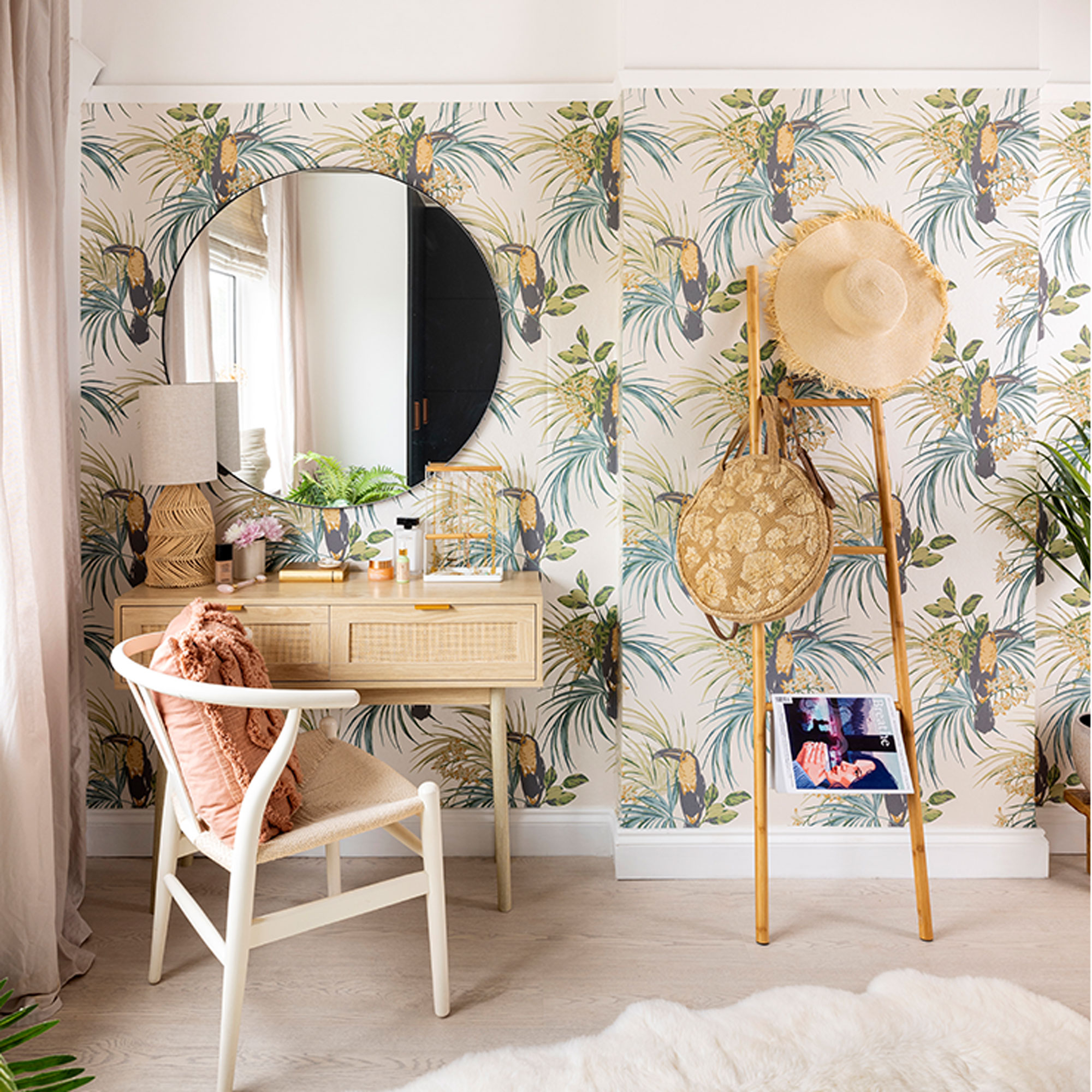
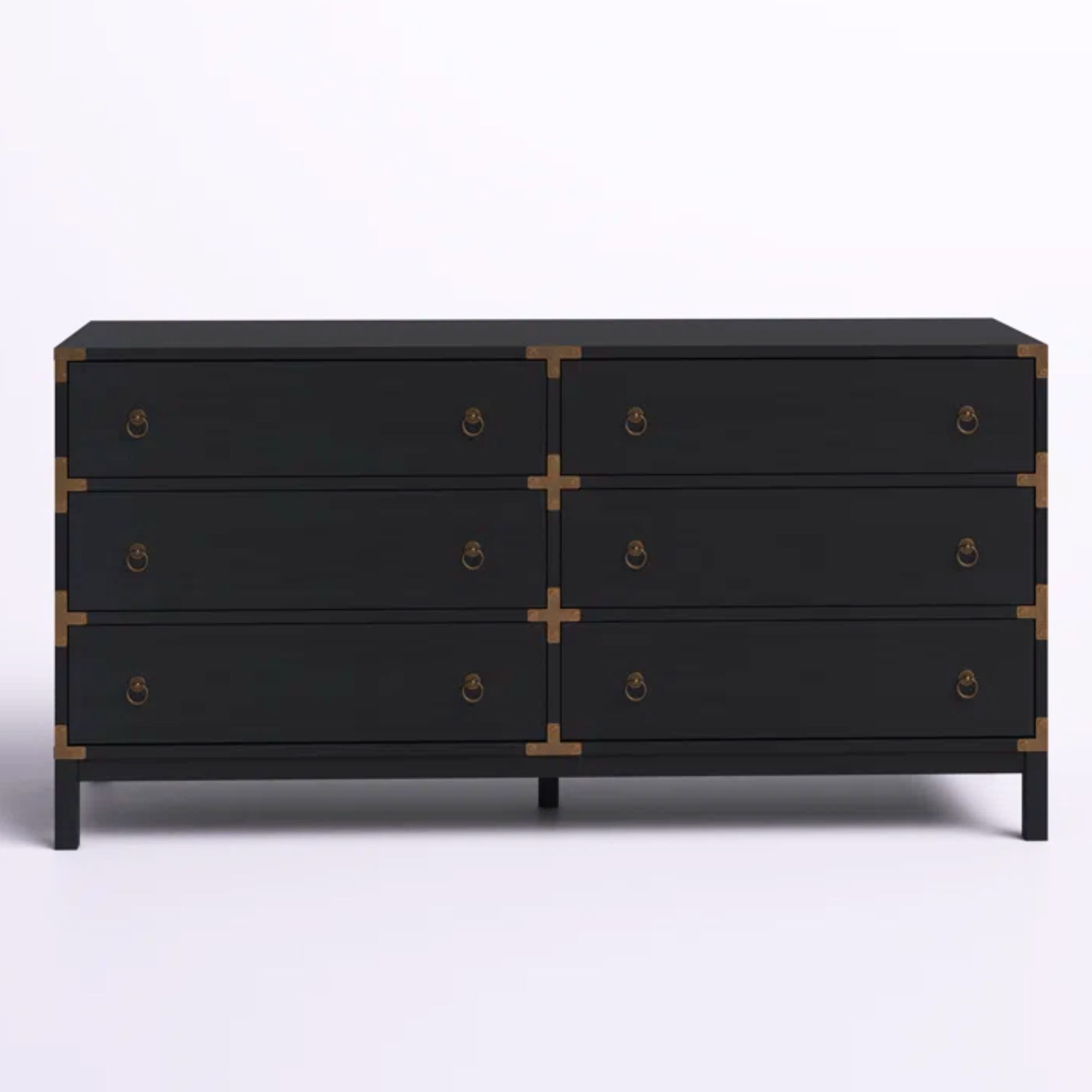
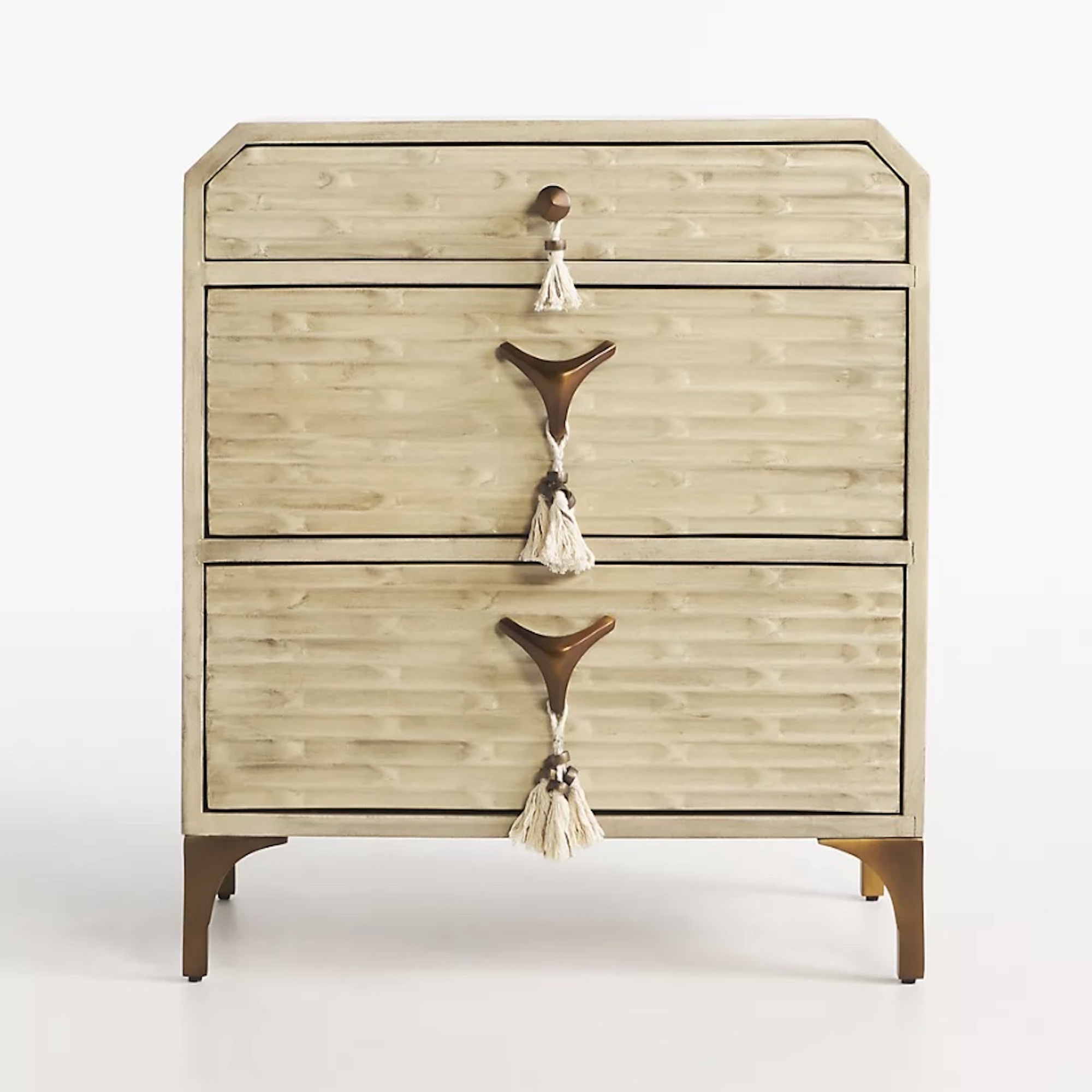
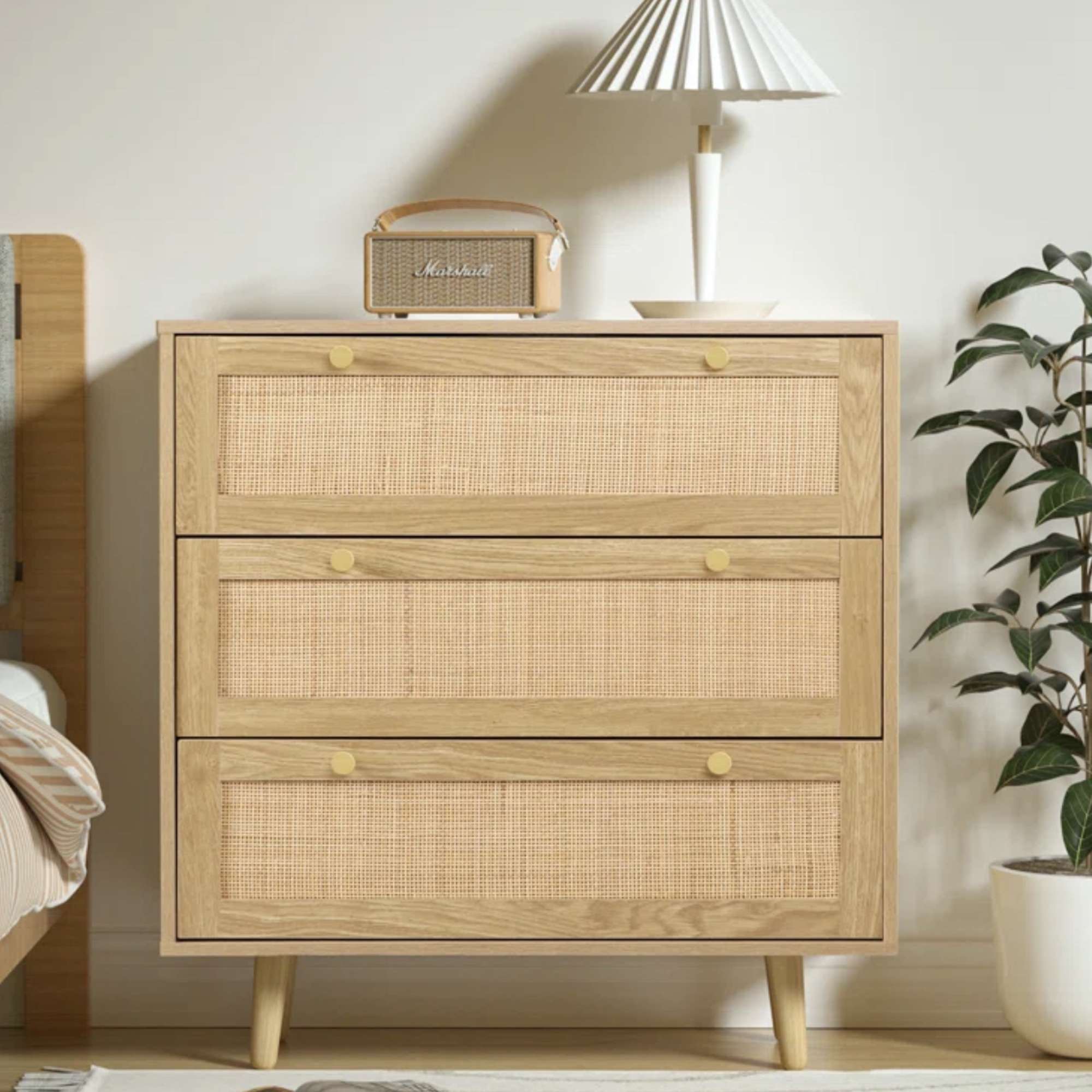
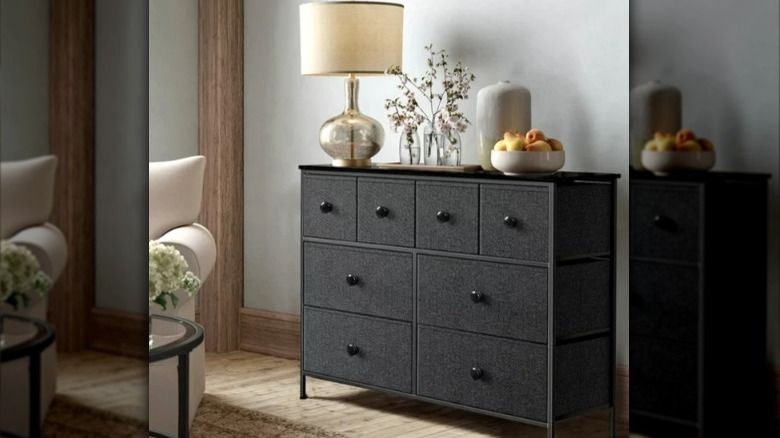
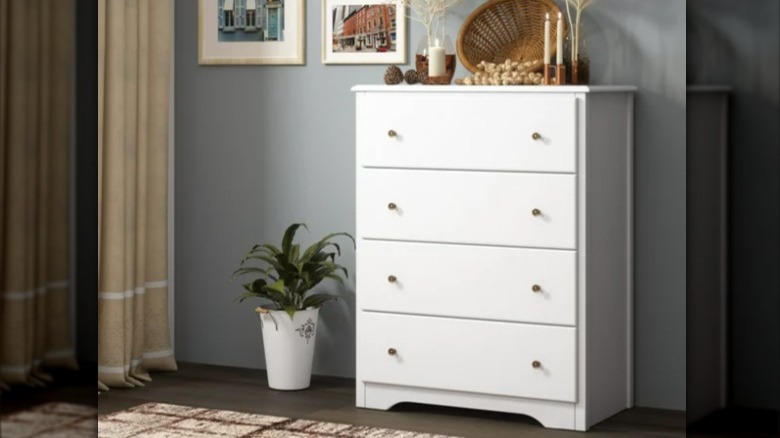
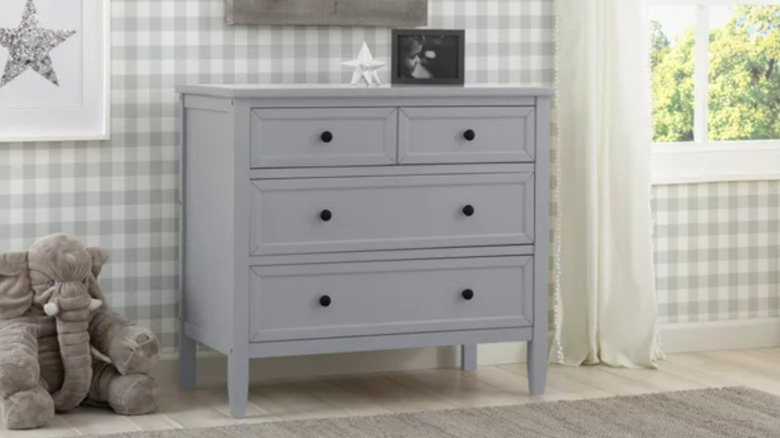
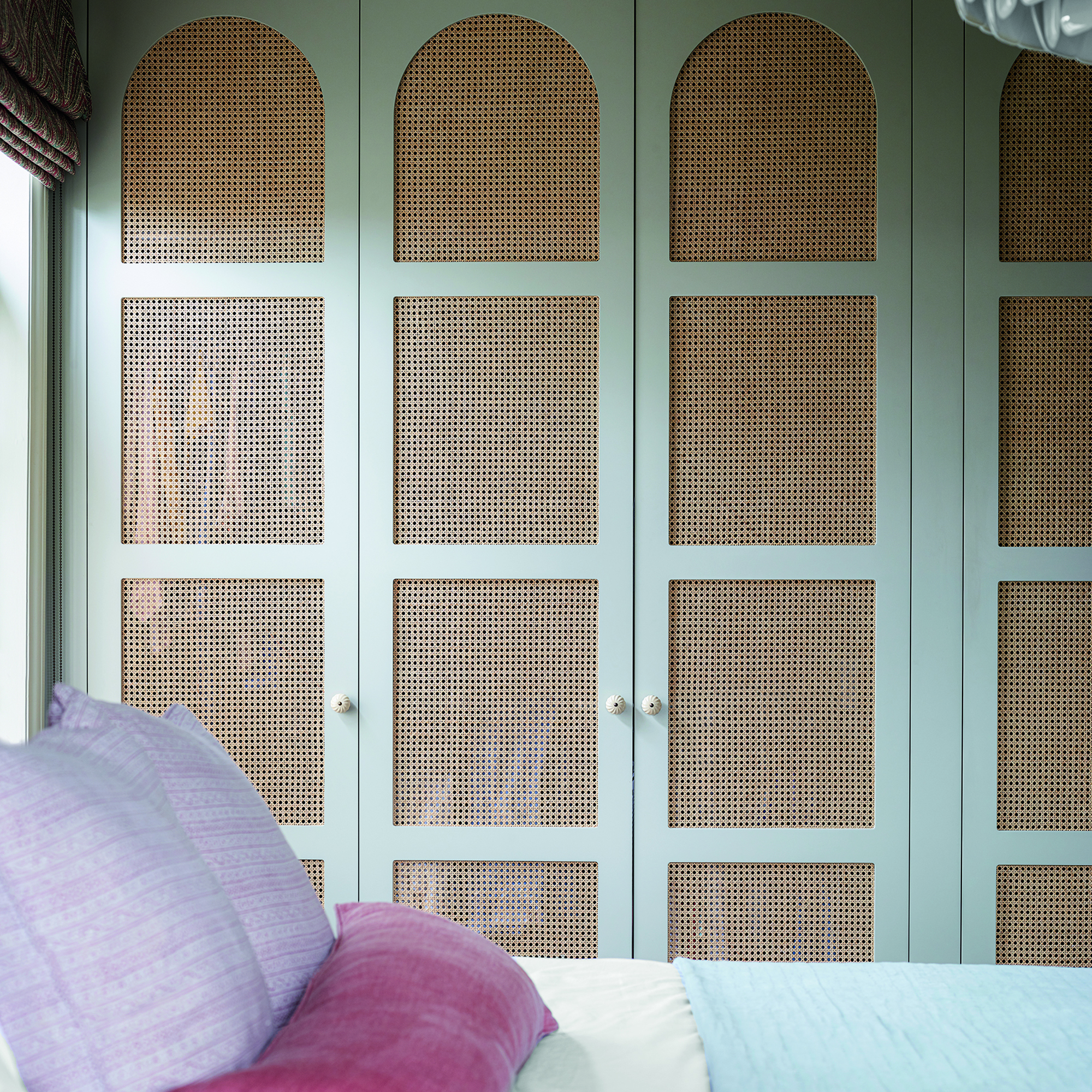
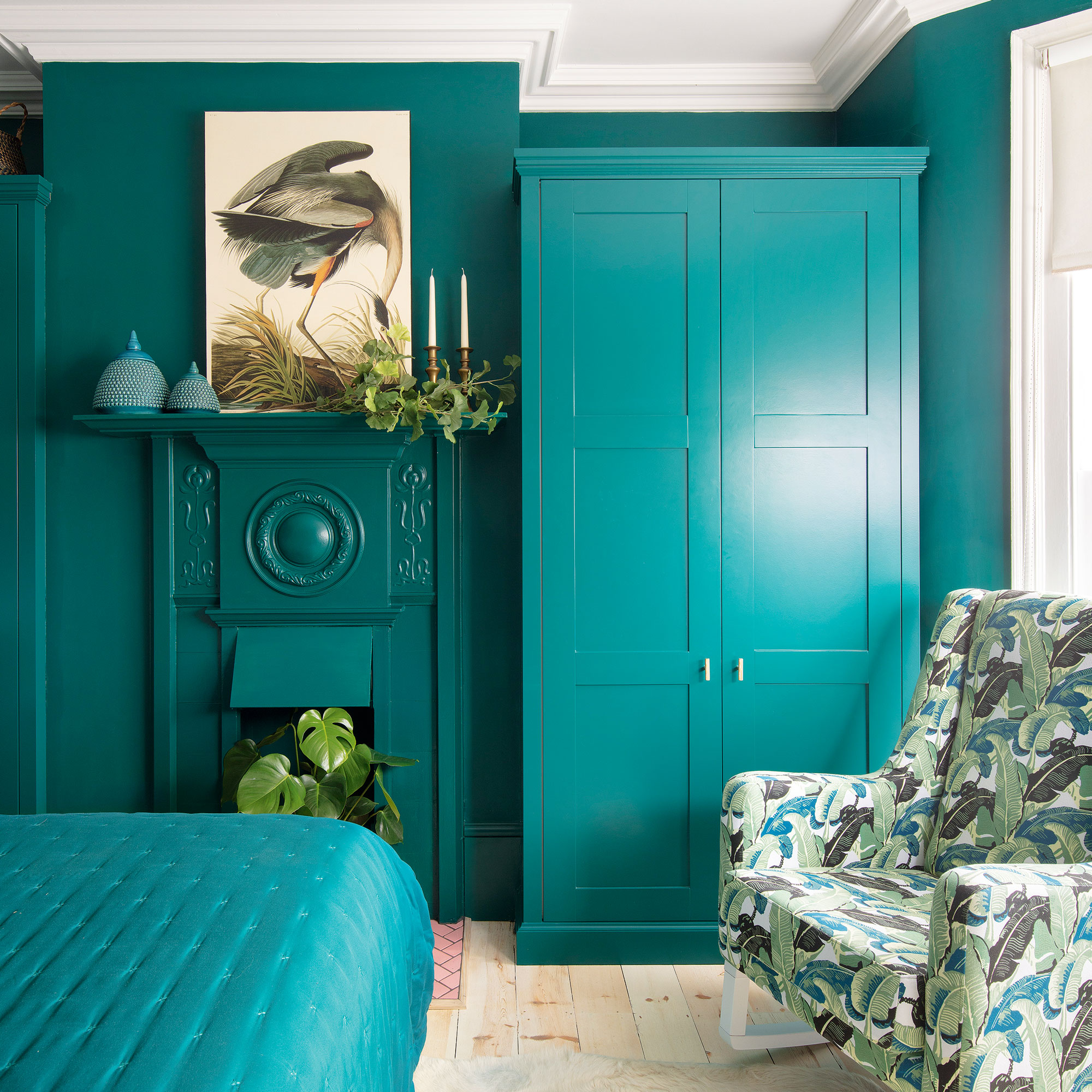
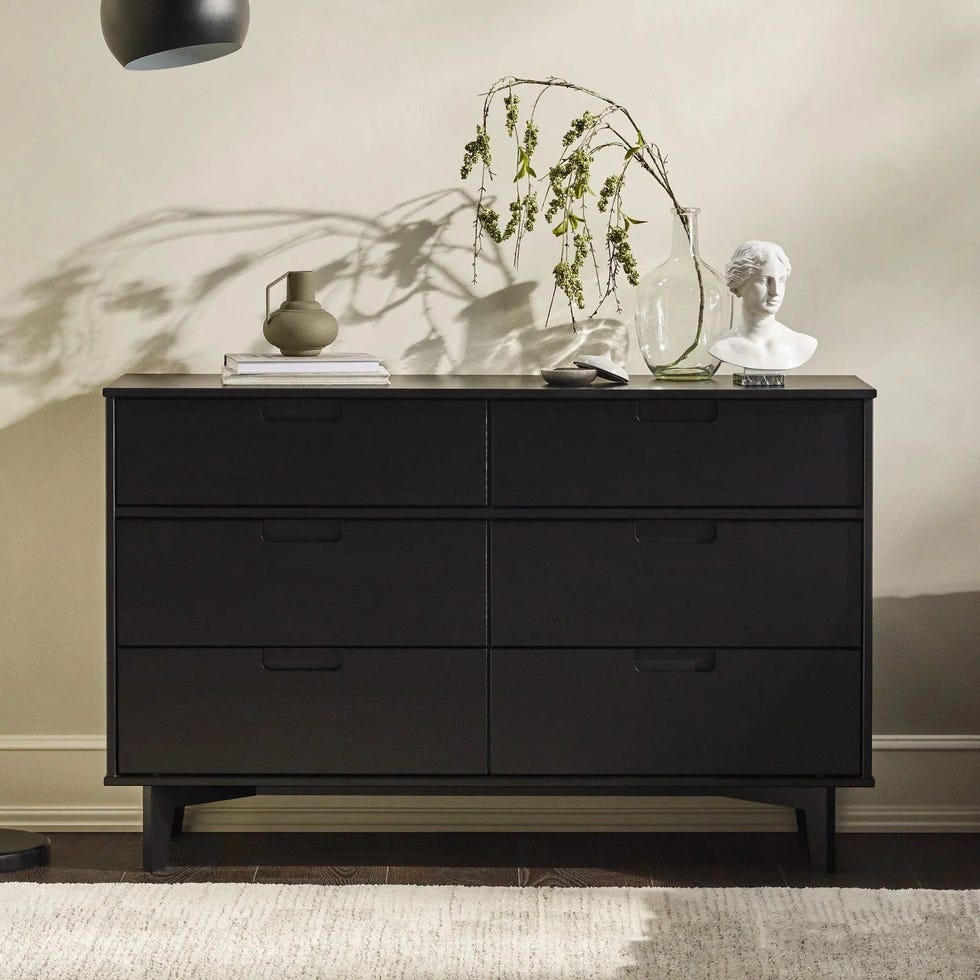
The color of a dresser plays a crucial role in harmonizing with the existing bedroom decor. While neutral tones such as white, gray, natural wood, and black are popular choices for their versatility and timeless appeal, there is also an opportunity to introduce vibrant hues and textures. Creative approaches like painted rattan, faux shagreen, or even DIY striped patterns for children's rooms can add unique character and visual interest. Ultimately, the dresser's color should complement the room's overall scheme, ensuring a cohesive and pleasing environment.
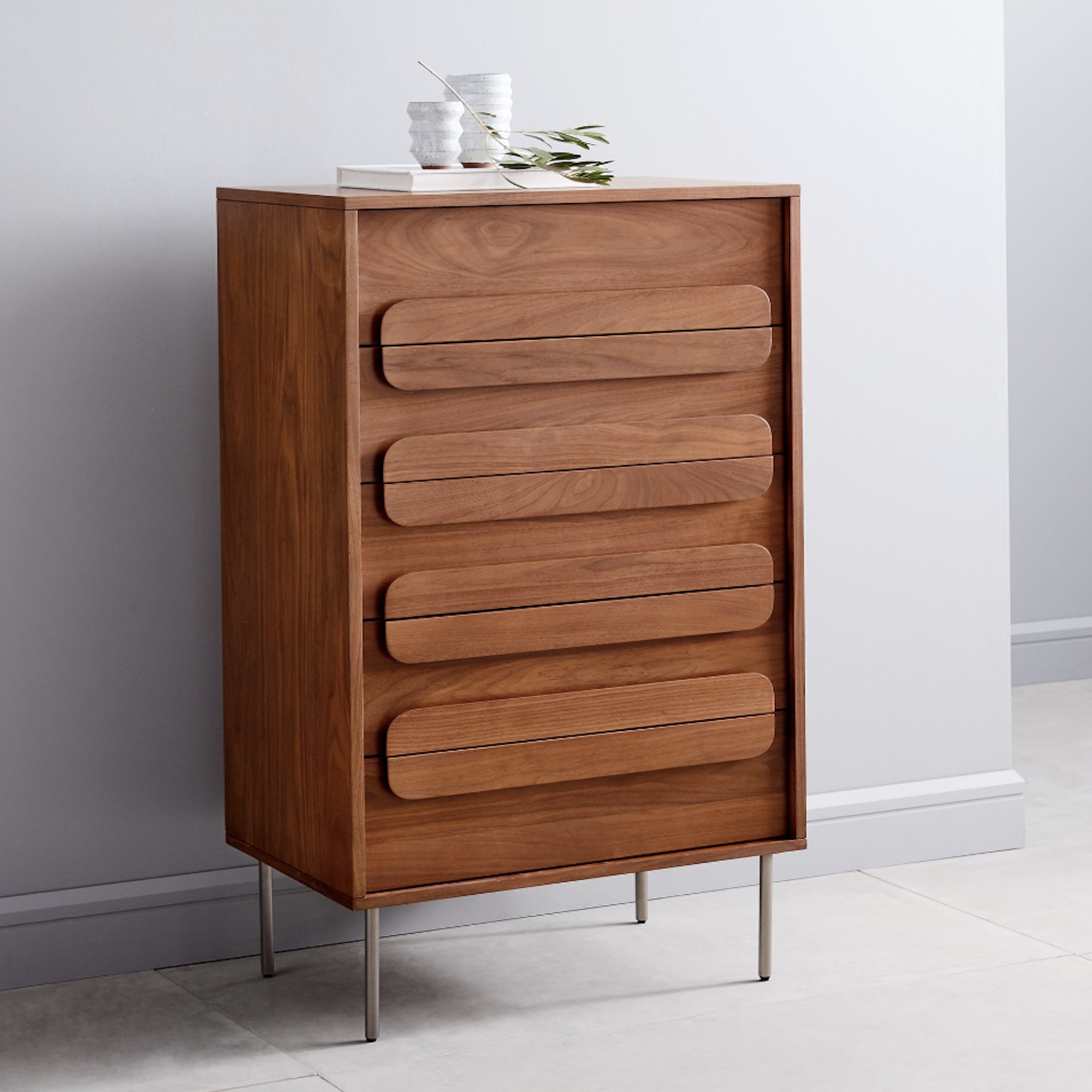
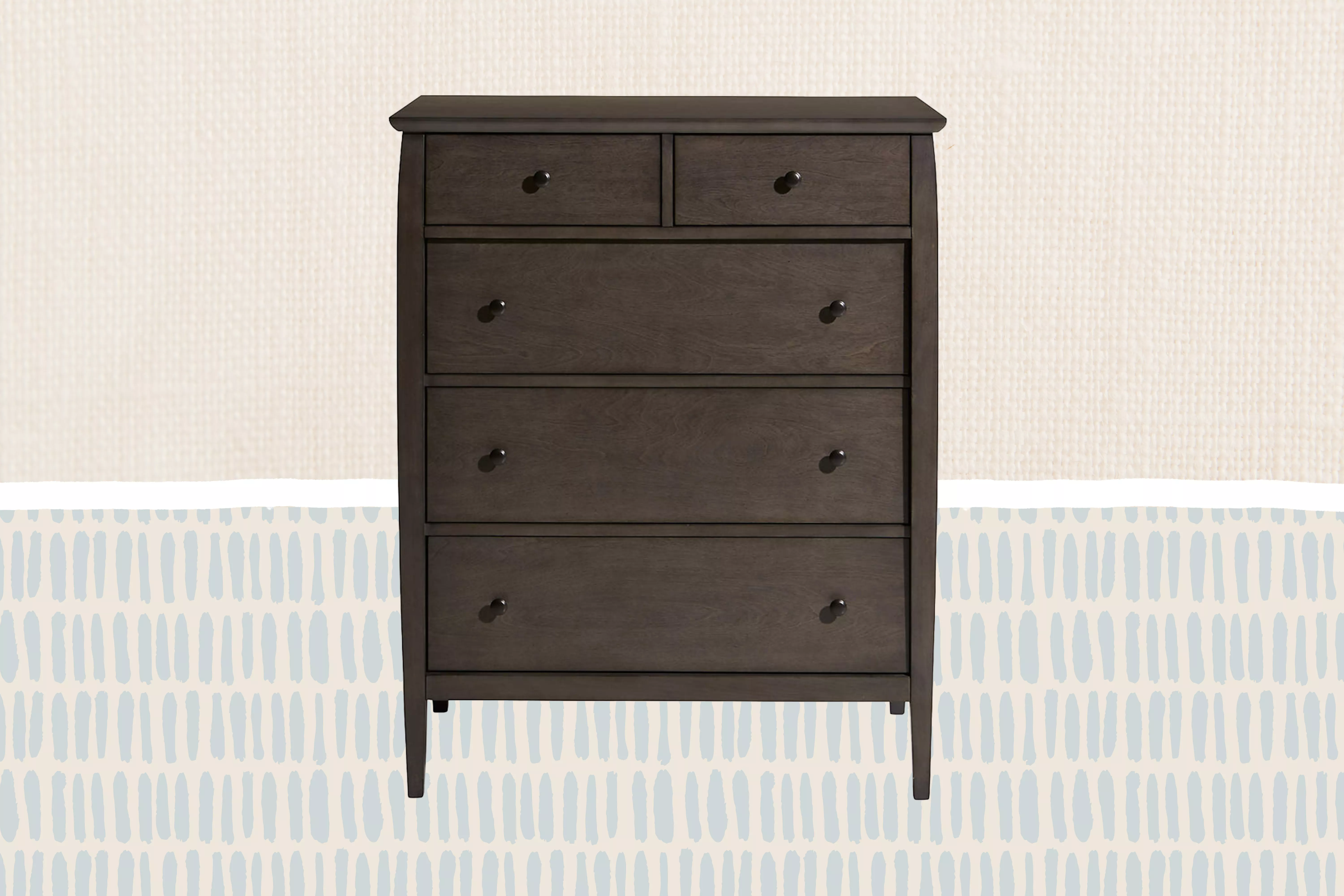
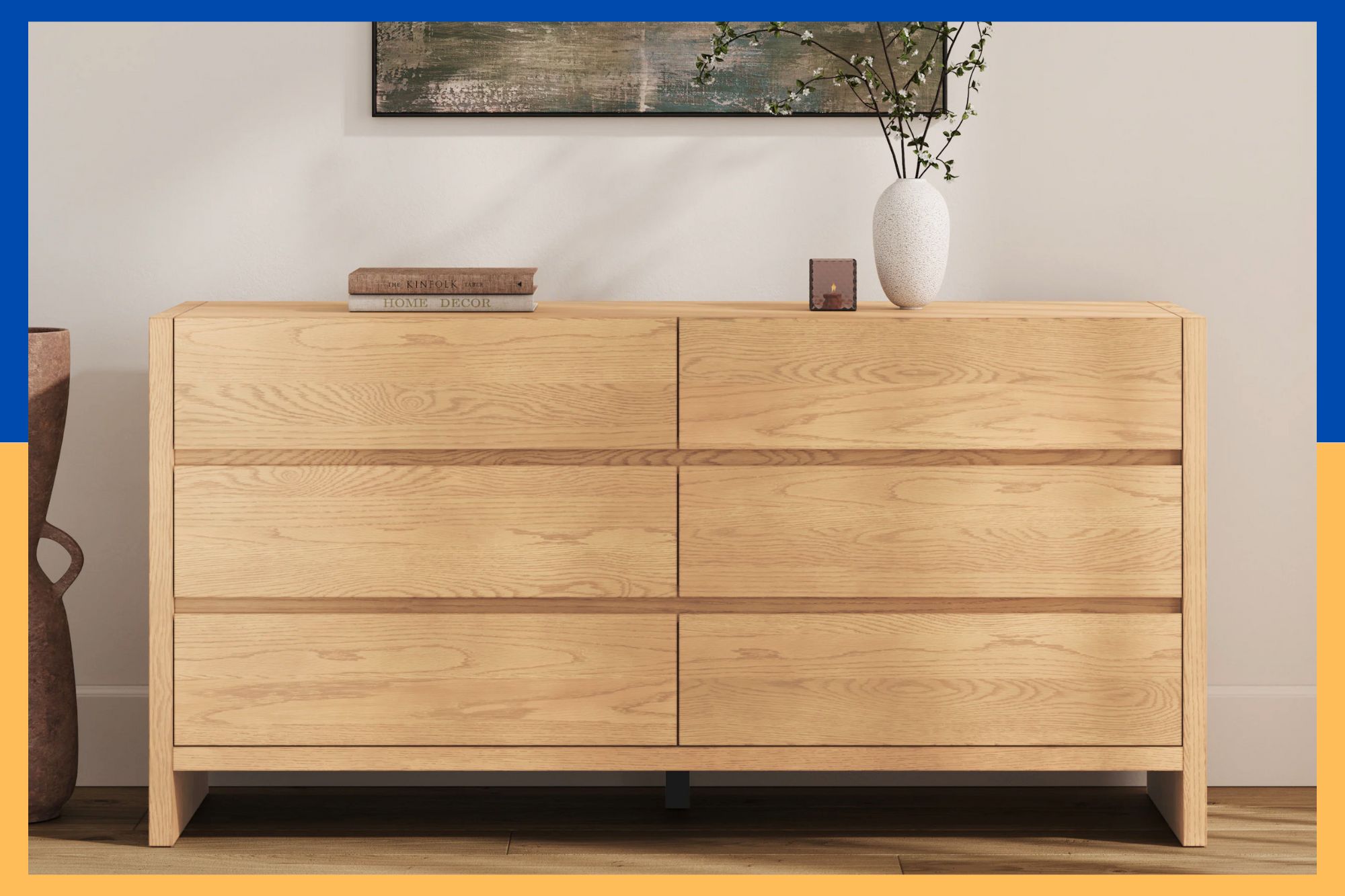
Dimensions are paramount for ensuring the dresser fits appropriately within the bedroom without overwhelming the space or appearing too small to be functional. Proper measurements are essential to avoid a cramped feeling or insufficient storage capacity. Standard dresser widths typically range from 58 to 60 inches, with a height of around 30 inches, though longer options can extend to 88 inches. Tallboy or highboy dressers, which prioritize height over width, usually measure 36 to 40 inches wide and 45 to 50 inches high, making them suitable for smaller rooms where vertical storage is advantageous. The depth of the drawers is also a critical factor, especially in compact spaces, as deeper drawers can maximize storage efficiency.
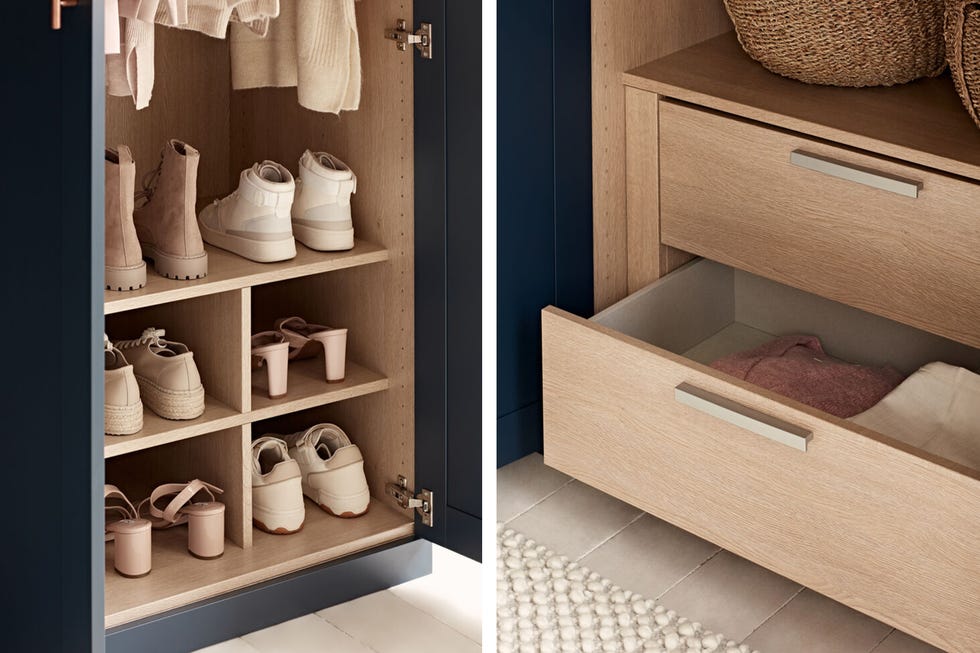
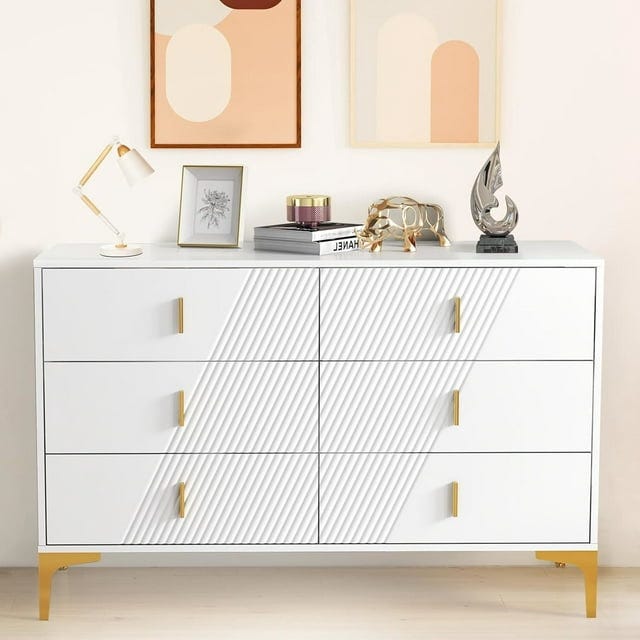
The number and configuration of drawers vary significantly among dressers. Options range from units with exclusively full-size drawers to those featuring a combination of longer and shorter compartments, catering to different storage needs. Tall dressers often include five to six drawers, providing ample space for various clothing items and accessories. The average cost of dressers can range from a few hundred dollars for entry-level models to several thousand for high-end or custom pieces, reflecting differences in material quality, craftsmanship, and brand. Budget allocation should consider the dresser's intended use and location, with a potential for greater investment in primary bedrooms and more budget-friendly options for guest rooms.
Ultimately, selecting the ideal bedroom dresser involves a careful balance of practical considerations like material, dimensions, and drawer count, alongside aesthetic preferences for color and style. The aim is to choose a piece that not only efficiently organizes a wardrobe but also enhances the comfort and visual appeal of the bedroom, making it a well-integrated component of the home's design.
#BedroomDesign #HomeDecor #FurnitureSelection #StorageSolutions #DresserGuide #InteriorDesign #BedroomFurniture #SpaceOptimization #BedroomDesign #HomeDecor #FurnitureSelection #StorageSolutions #DresserGuide #InteriorDesign #BedroomFurniture #SpaceOptimization
0 comment in total
 No comments yet
You may also like
Outfit Your Bedroom With an Editor-Approved Dresser

Editor's picks: Customisable fitted wardrobes at Homebase

Too Many Clothes, Not Enough Space? These Are the Best Places to Buy Dressers for Anyone Whose Wardrobe Runs Their Life

No dresser? No problem – here's 8 ways to organize clothes without one

Bedroom dresser decor ideas that turn your space into a sanctuary

Fitted wardrobes have transformed a dreary spare bedroom into a dream dressing room
These Common Styling Mistakes Are Making Your Bedroom Feel Messy (Even When It's Clean)

10 best wardrobes with smart storage space for every budget
From Amazon to Article — we found the best places to buy a dresser in 2025

Inside the closet of: Prateek Jain & Gautam Seth

This Perfect Master Closet Is Inspiring Us to Rethink Our Own
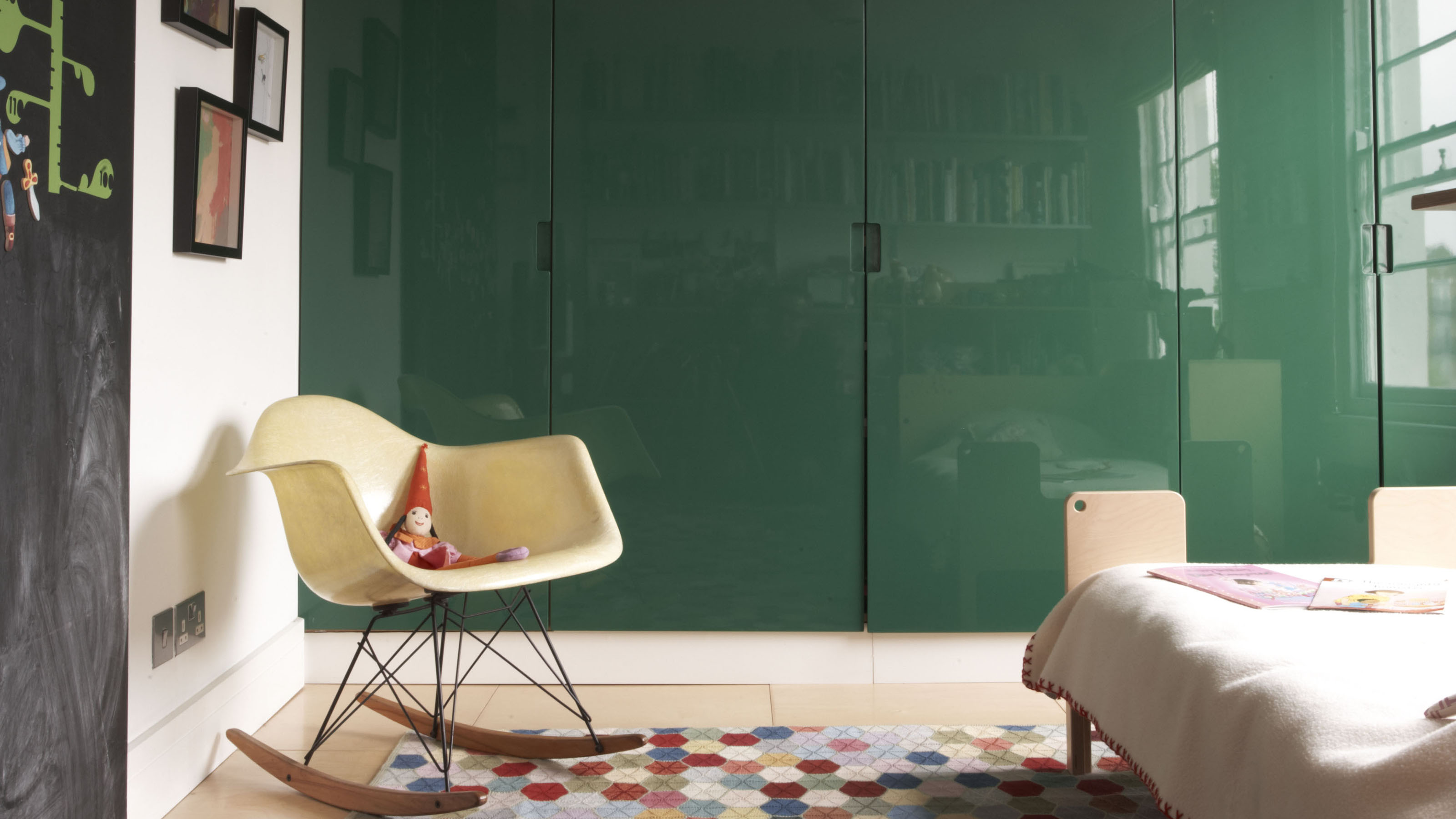
11 Fitted wardrobe ideas to supersize your storage space
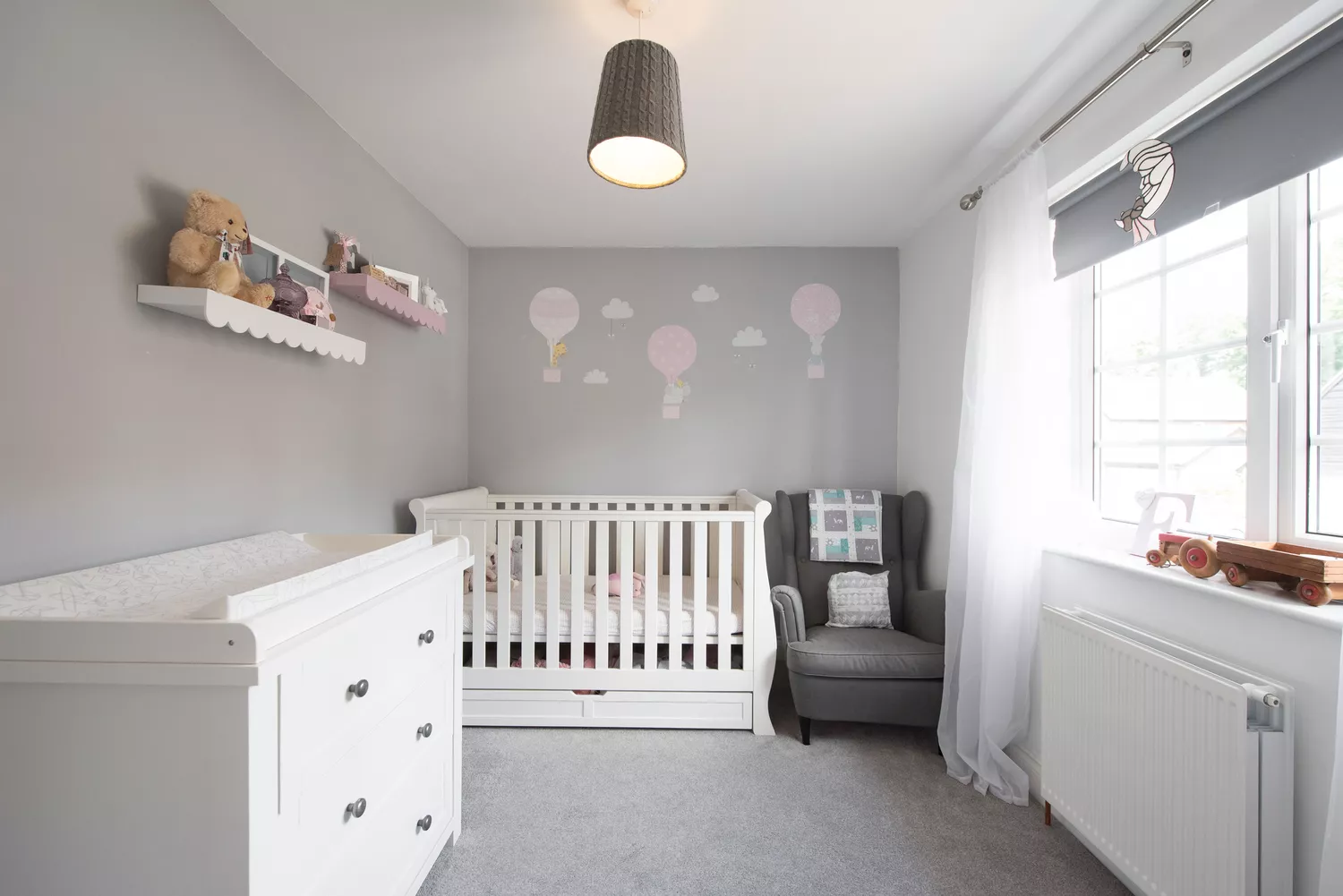
How to Decide What Type of Dresser to Include in Your Home

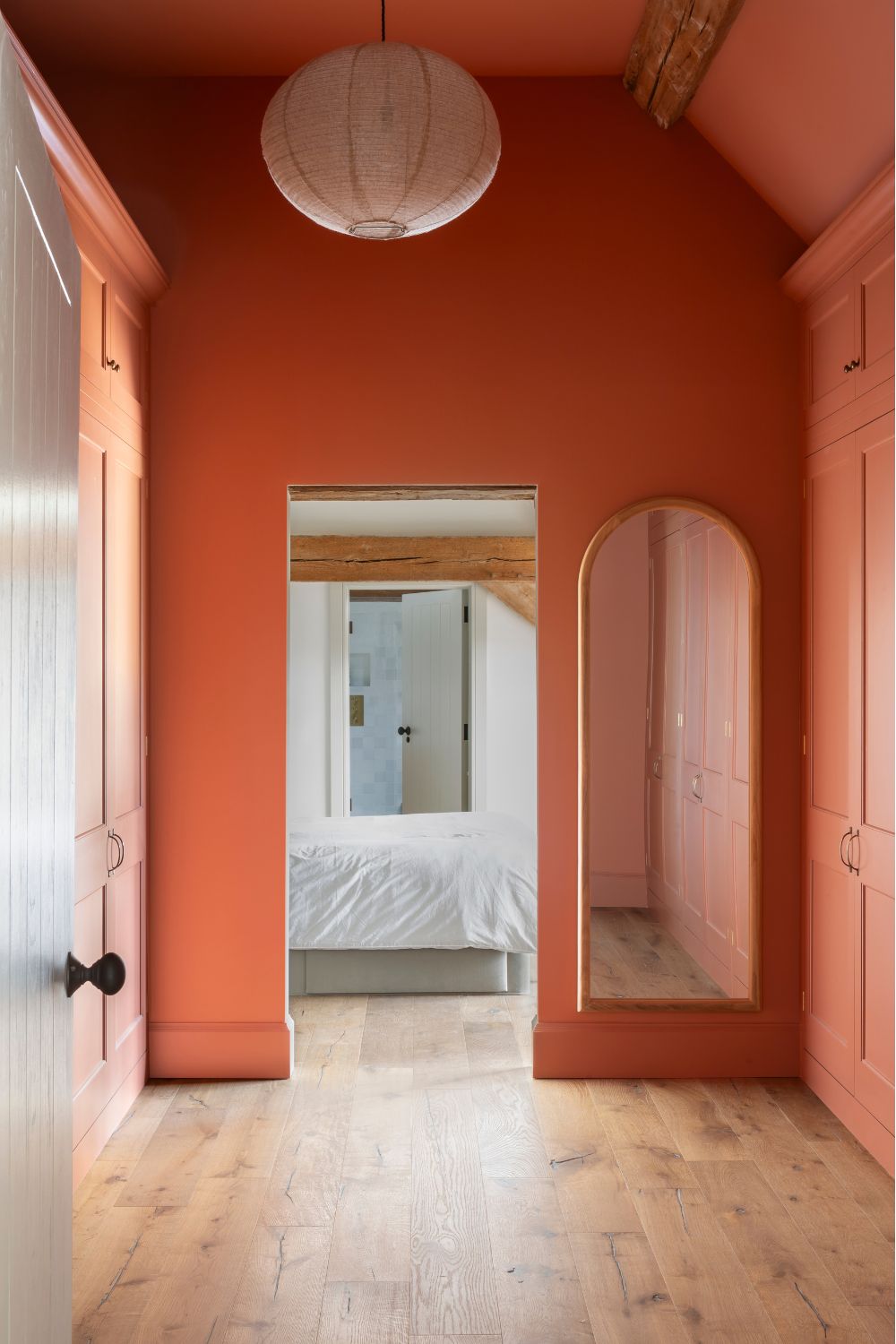
How To Design A Dressing Room
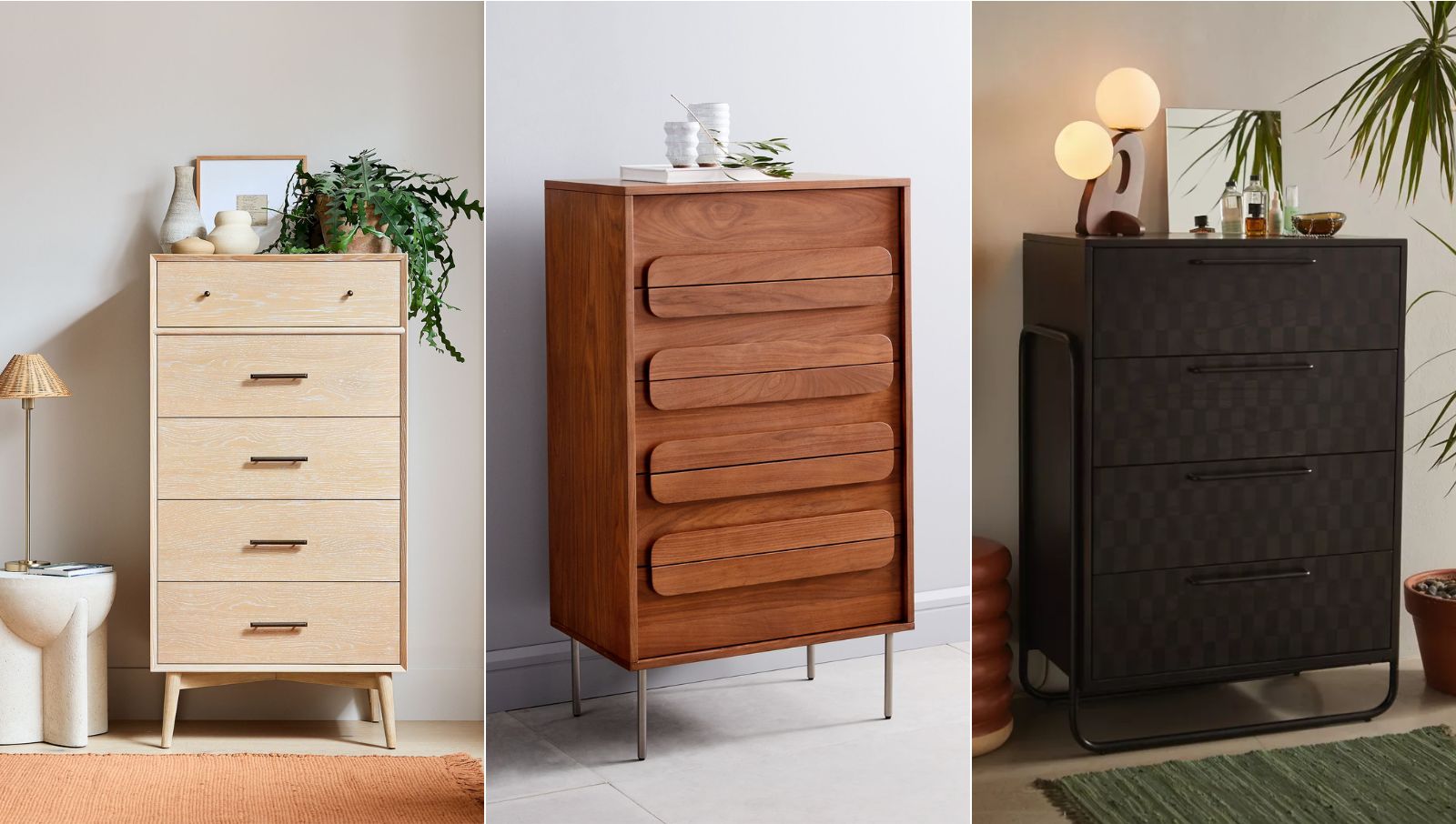
Best small space dressers – our style editor has found 9 styles perfect for those awkward, tiny rooms
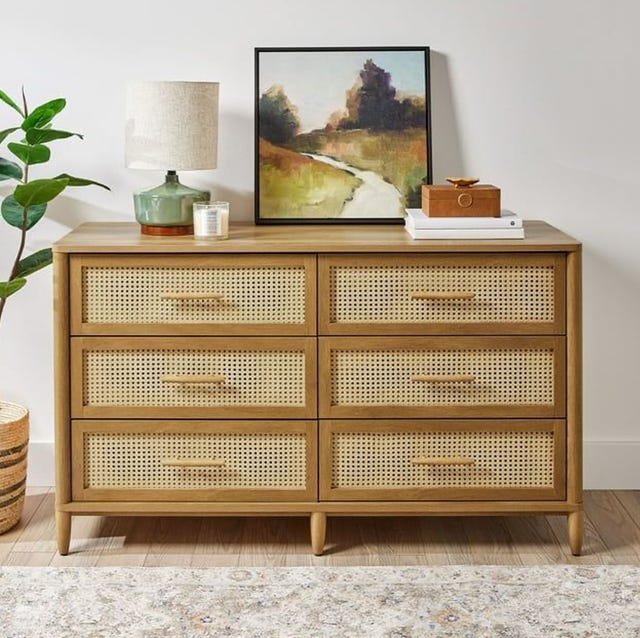
Get Ready for a Home Makeover: We Found the Cutest Affordable Dressers on the Internet
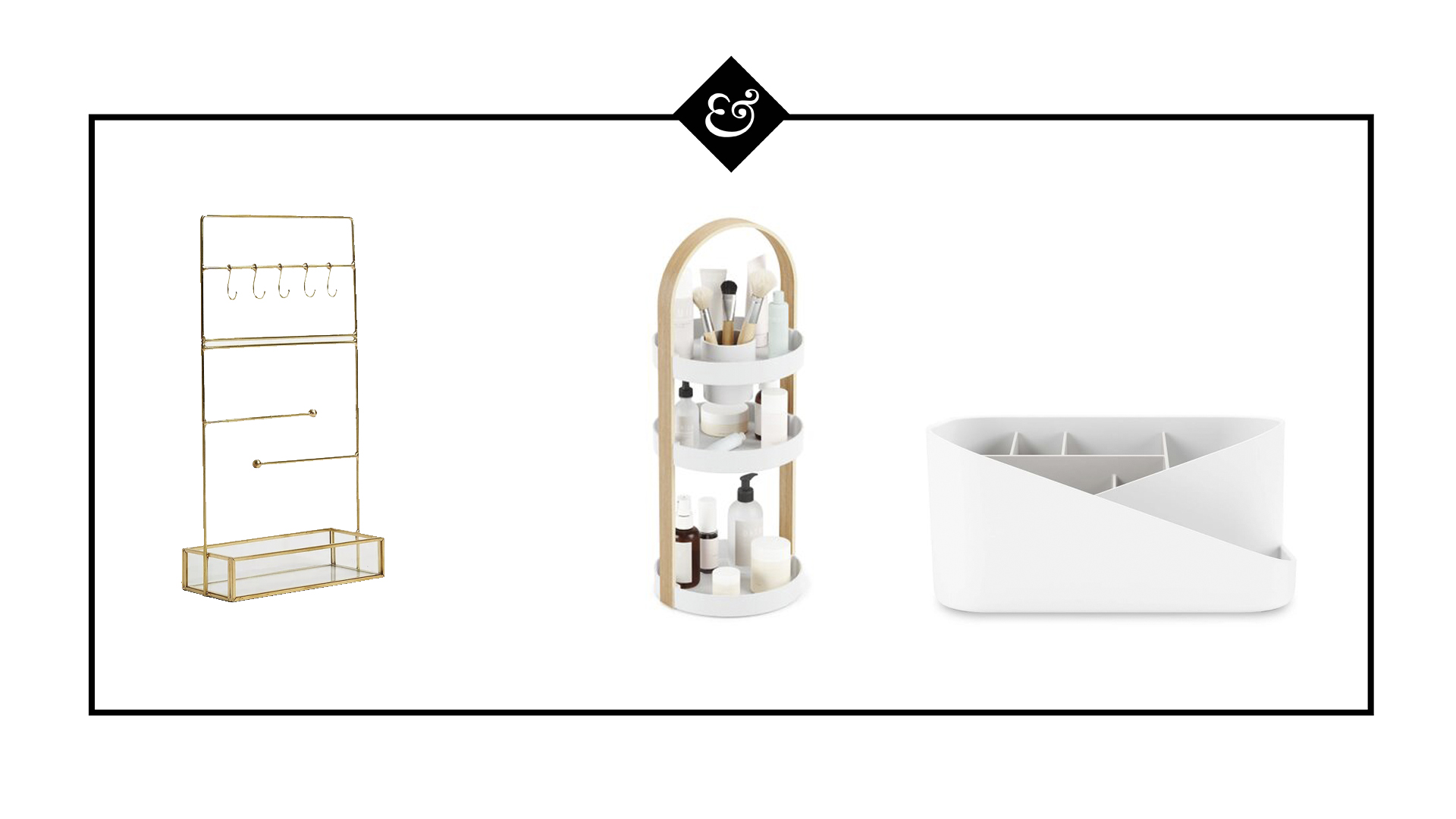
Vanity organizers – 10 elegant options for a well-kept dressing room
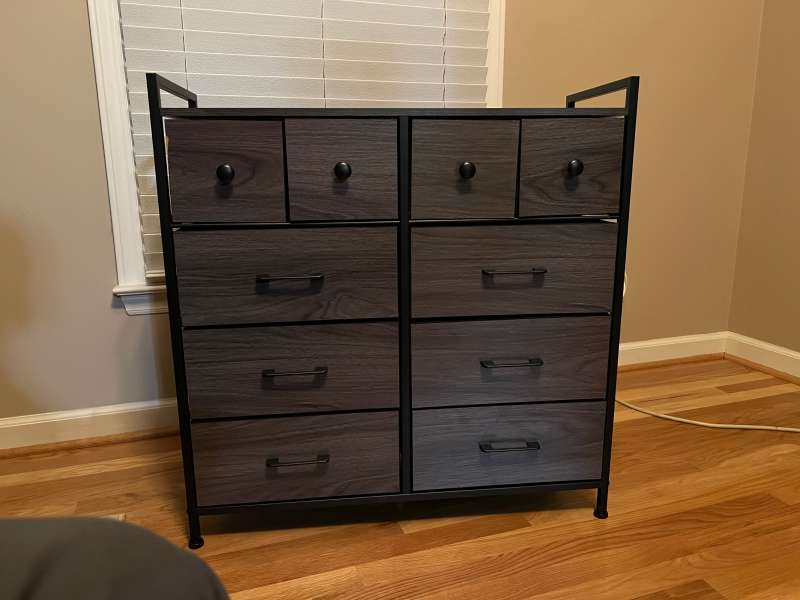
Wasagun 10-drawer dresser review – a place for everything

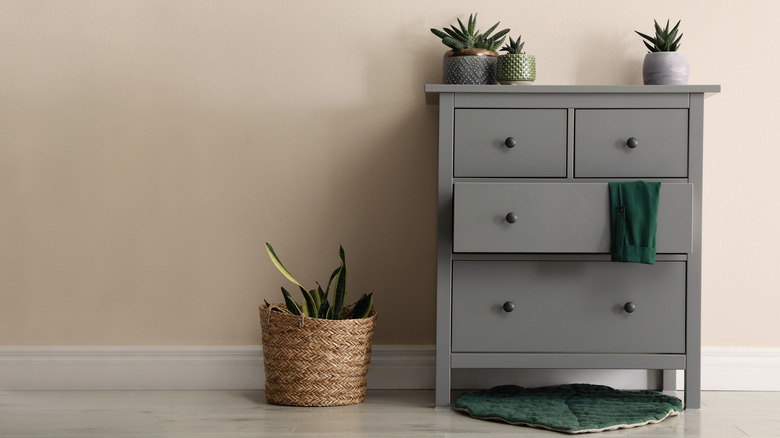
3 Of The Best-Selling Dressers At Walmart
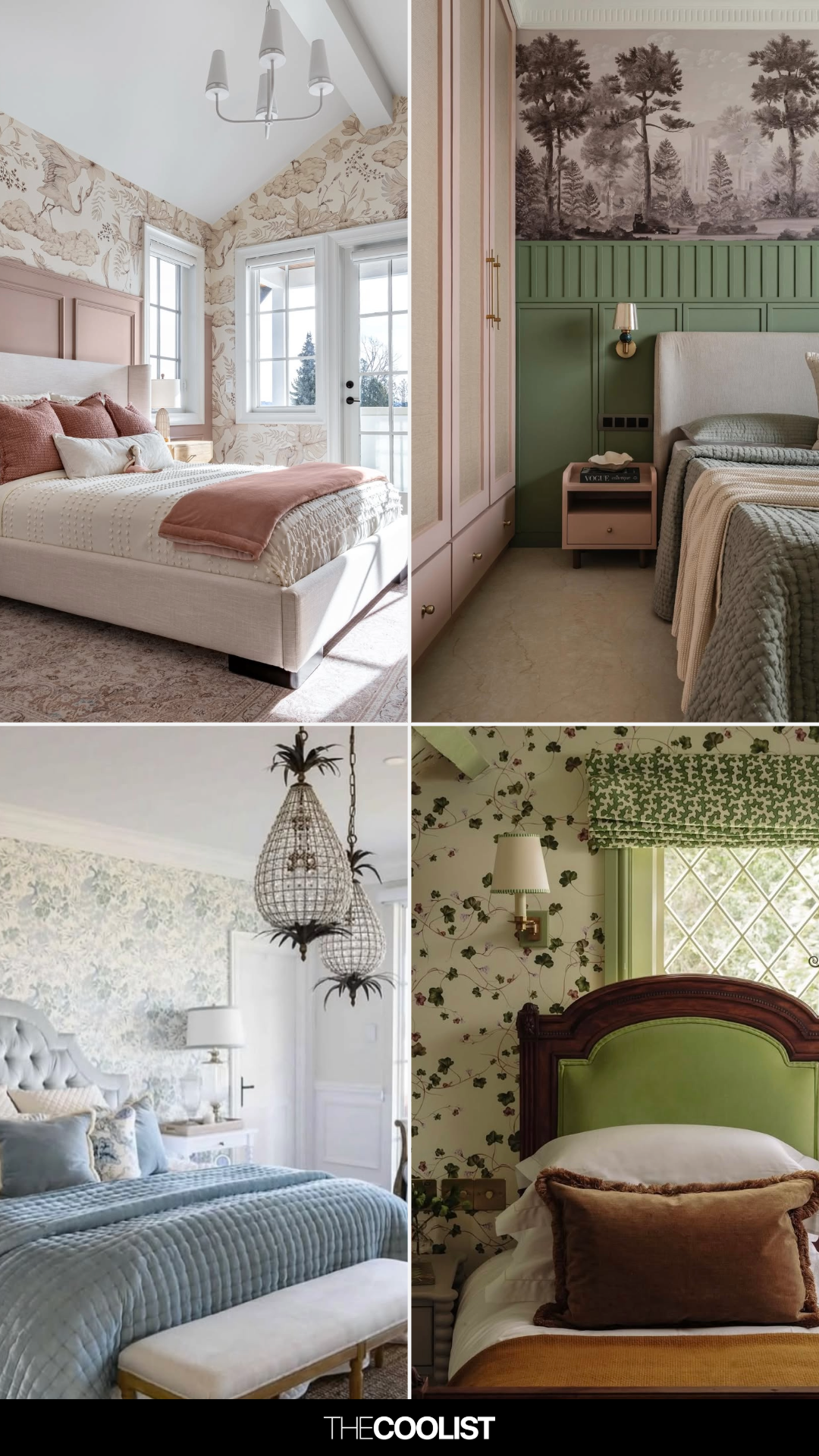
30 Bedroom Wallpaper Ideas That Help Your Bedding + Furniture Finally Match the Walls