From Sisal to Jute, the Best Natural Fiber Rugs Are More Than Just a Seasonal Staple
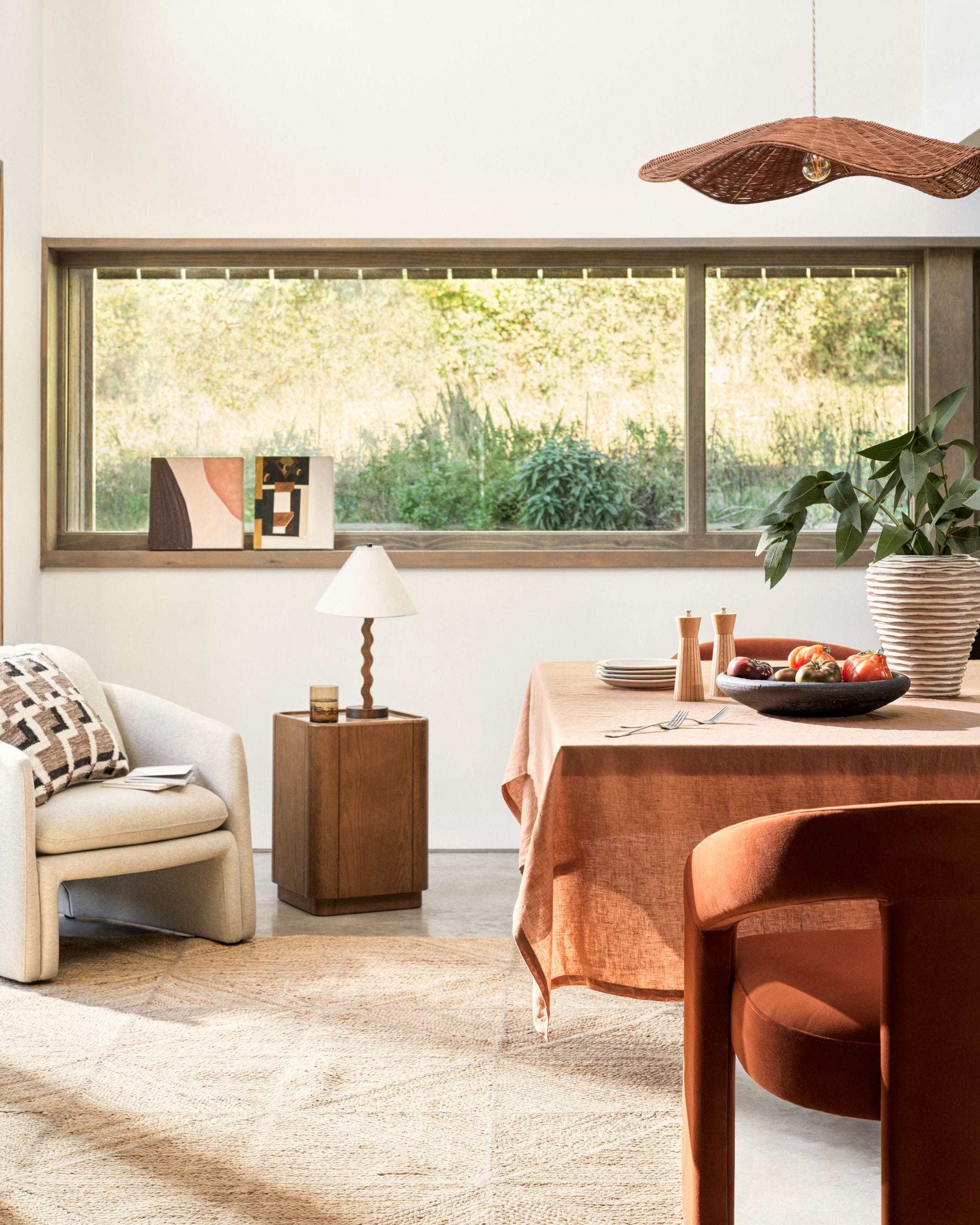
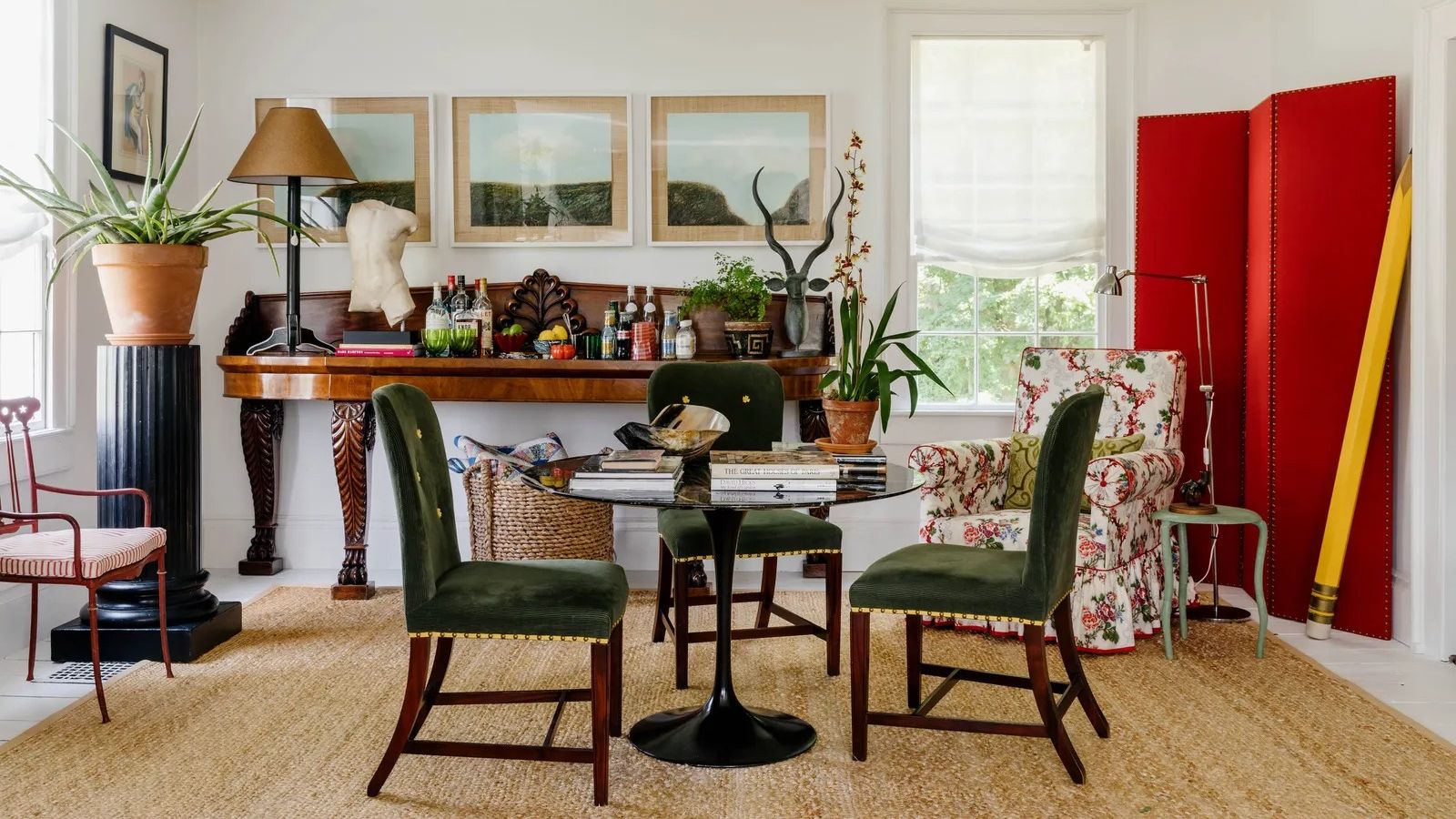
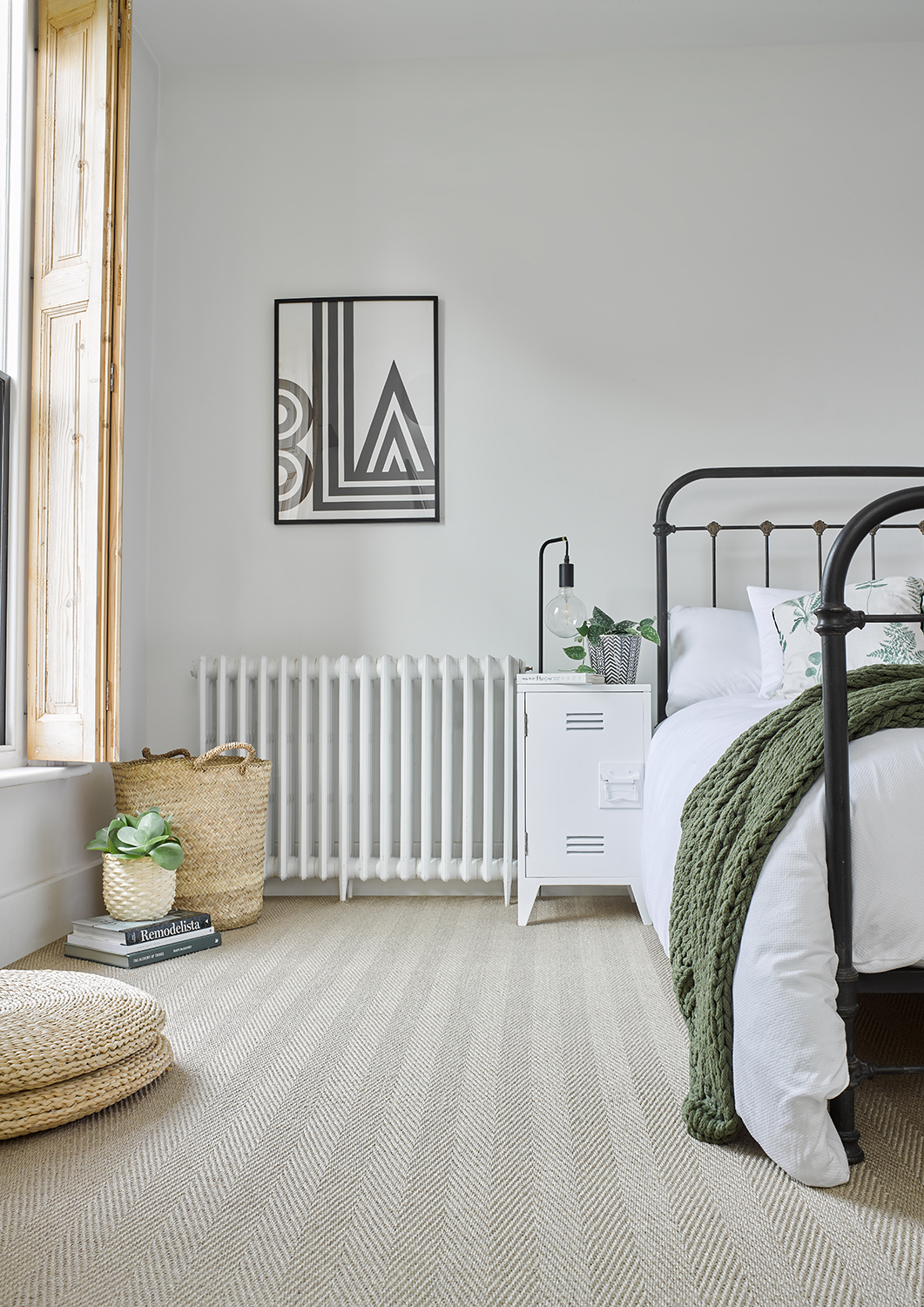
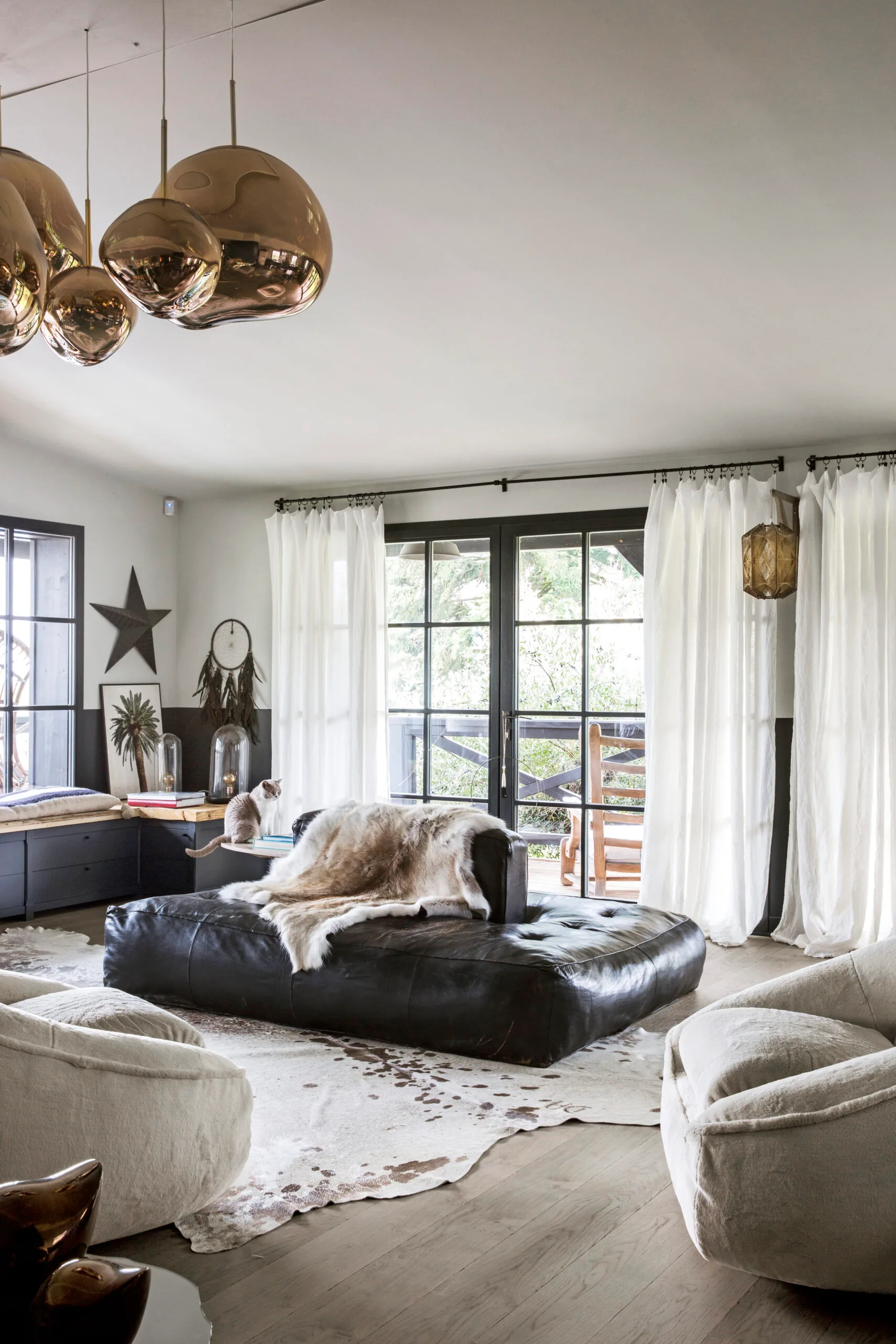
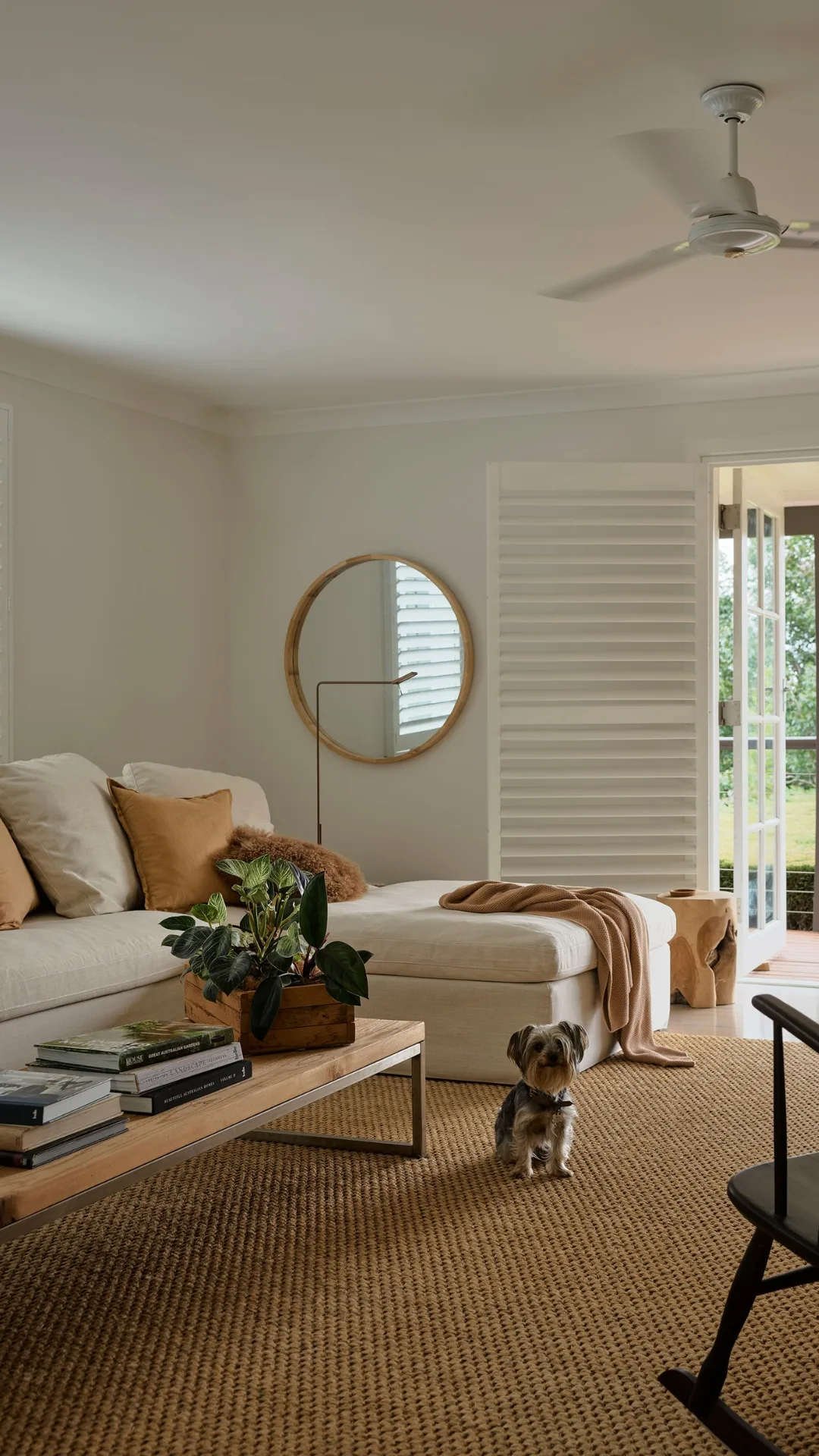
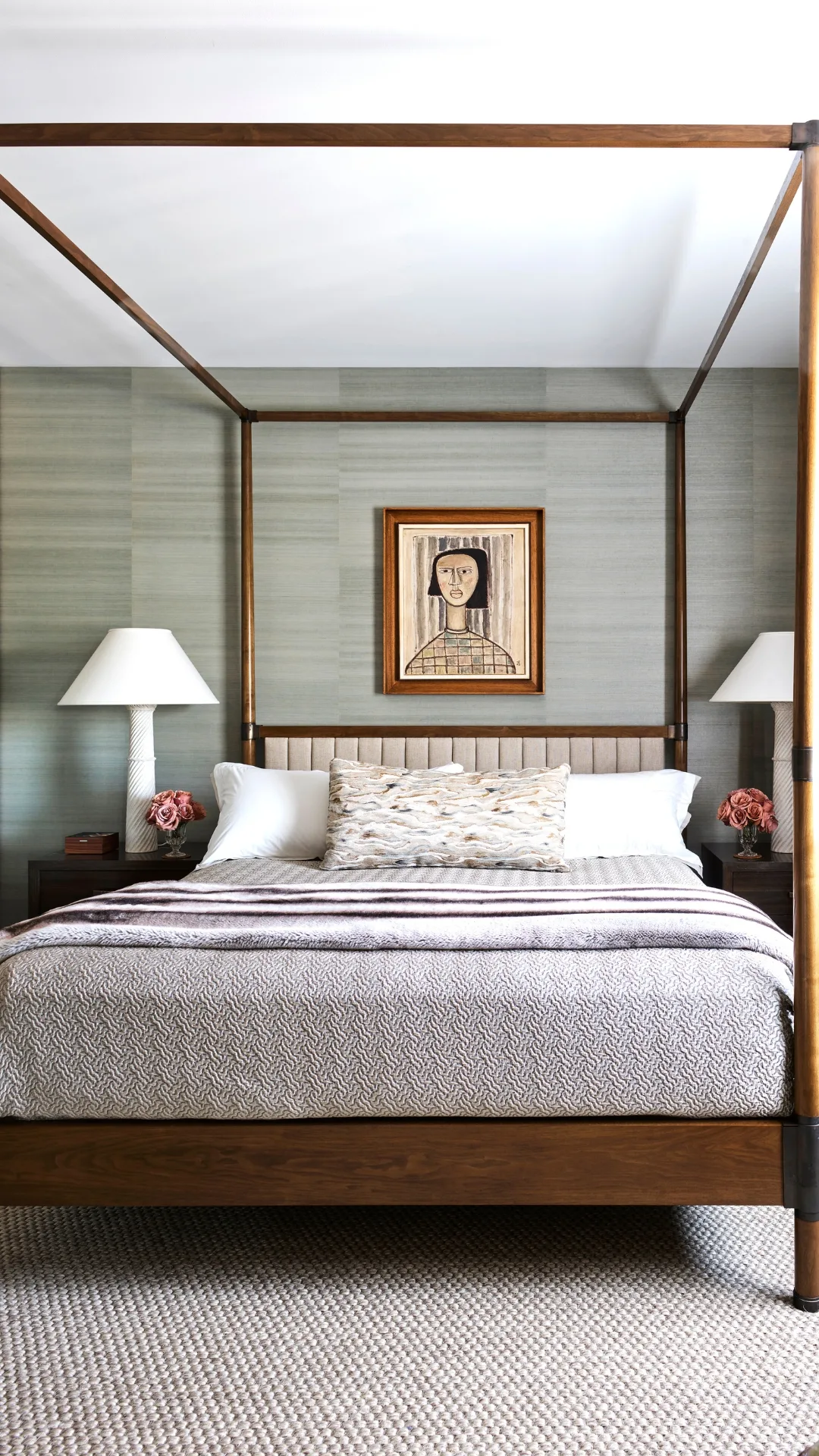
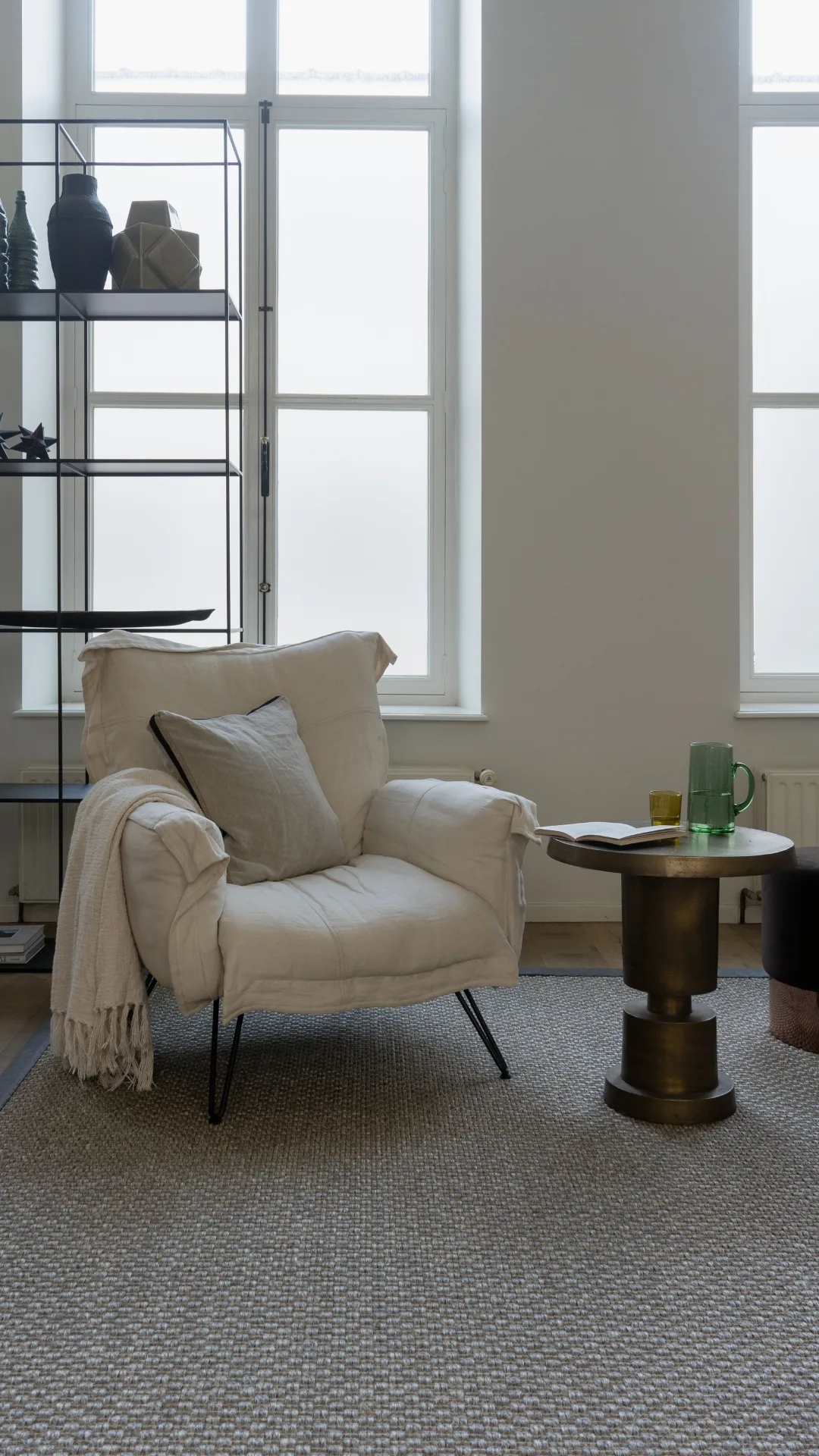
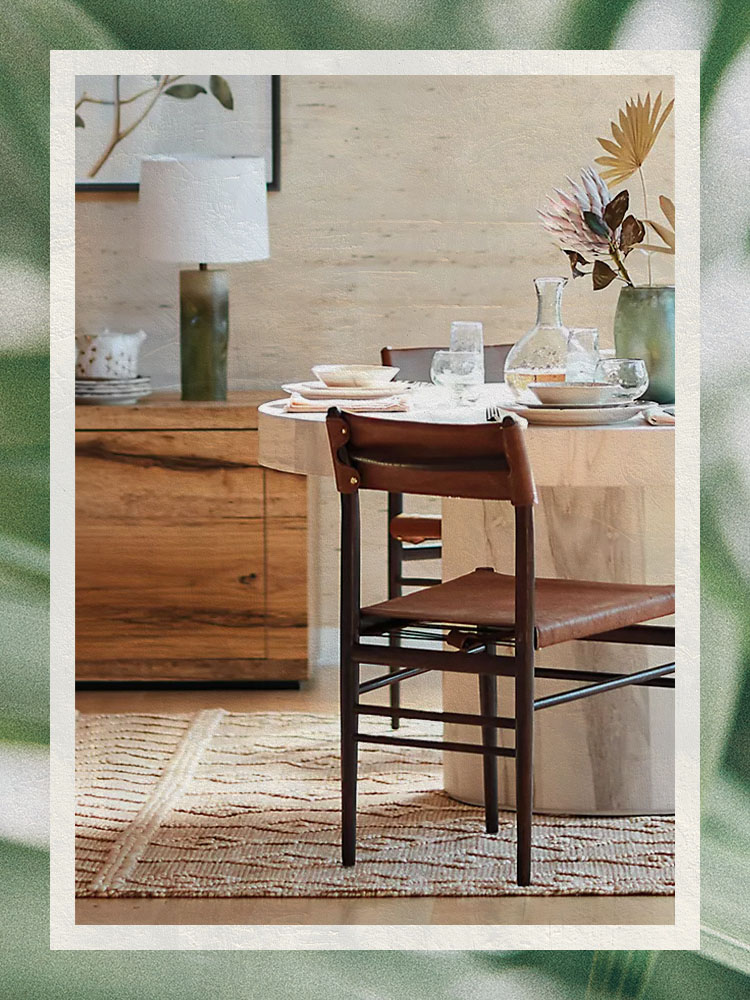
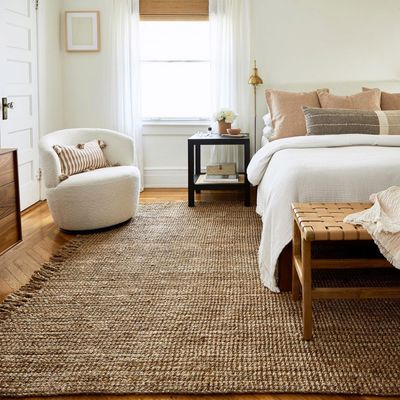
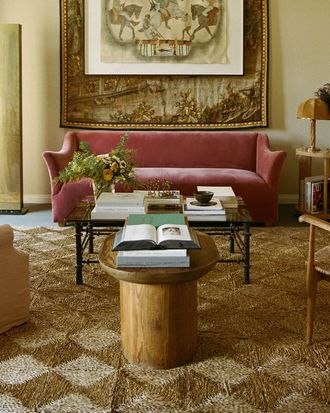
Natural fiber rugs, including sisal, jute, seagrass, and hemp, are highly valued in interior design for their timeless appeal, durability, and affordability. While often associated with warm-weather aesthetics, these textiles offer year-round versatility and can serve as a foundational element in any room. Jute is noted for its softness, making it a popular choice among designers for adding warmth and texture, often at a lower cost compared to other rug types. Sisal, while sometimes perceived as scratchy, offers a more refined look and can be blended with wool for a softer feel.
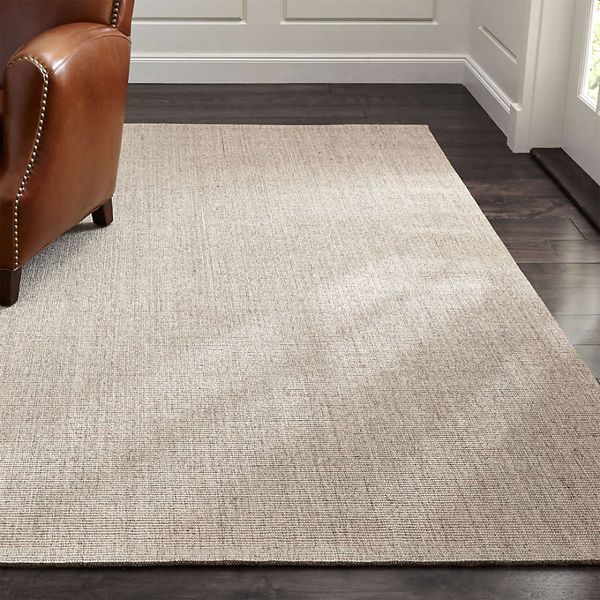
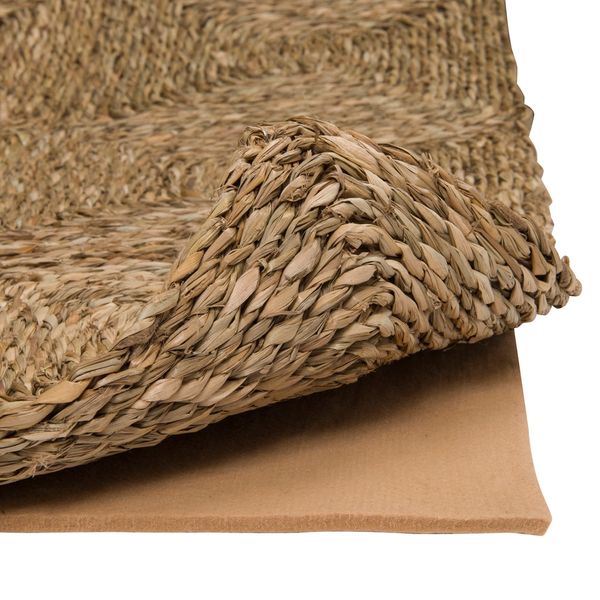
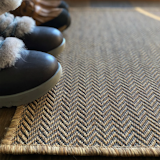
These rugs typically feature tight, intricate braids, akin to handmade baskets, making them robust enough for high-traffic areas. They are predominantly flat-woven with a low pile, though chunkier options are also available. Mindy Gayer, a designer specializing in California-inspired home designs, advises choosing a weave that is neither too thin nor too thick to prevent snagging under doors. Natural fiber rugs are primarily found in earthy, raw shades of sandy brown, but they can also be bleached or dyed to achieve different looks. However, their natural fibers are prone to discoloration from sun exposure, necessitating regular rotation to ensure even fading. They are also susceptible to staining from liquids, meaning spills should be blotted immediately, and their use as outdoor rugs should be limited to covered areas.
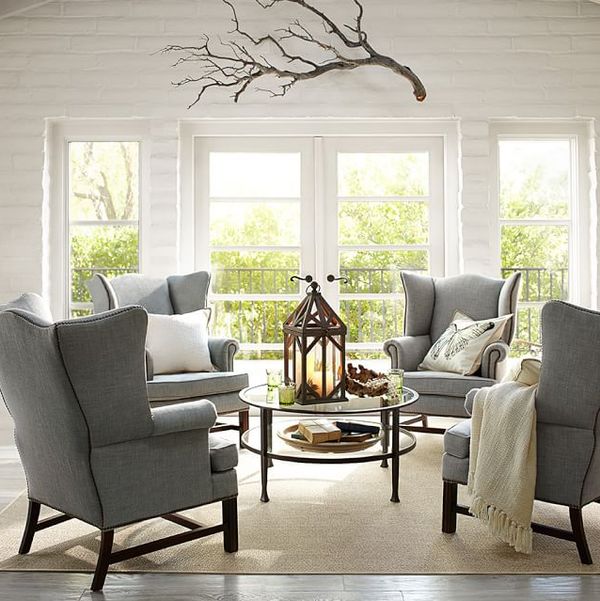

Maintenance for natural fiber rugs is relatively low; regular vacuuming (about once a week) is sufficient to remove dirt and reduce shedding, which is more common with jute and hemp. These rugs come in various shapes and sizes, commonly used as runners or large area rugs to fill spaces. Designers often use them as a base for layering with smaller, more colorful statement rugs, especially when dealing with irregularly sized vintage pieces. This layering technique allows for proper room coverage at a budget-friendly price point. For instance, a 10-by-14-foot jute rug might be paired with a 9-by-12-foot statement rug, creating a bordered effect. Smaller dimensions, such as 2-by-8 or 3-by-12, are ideal for kitchens or front entries.
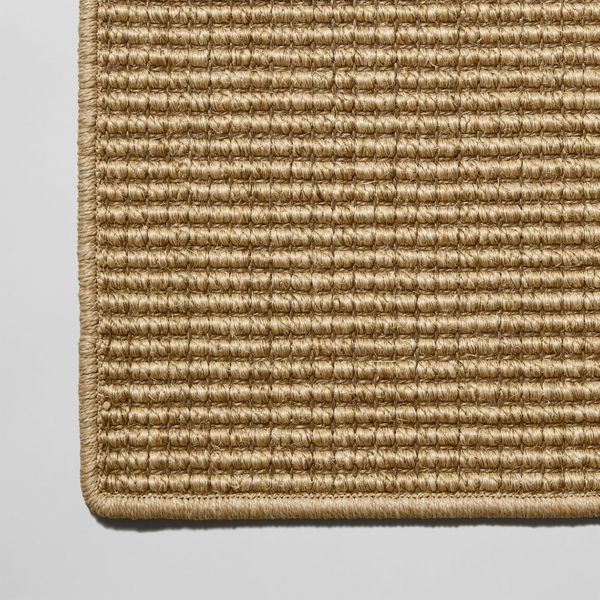
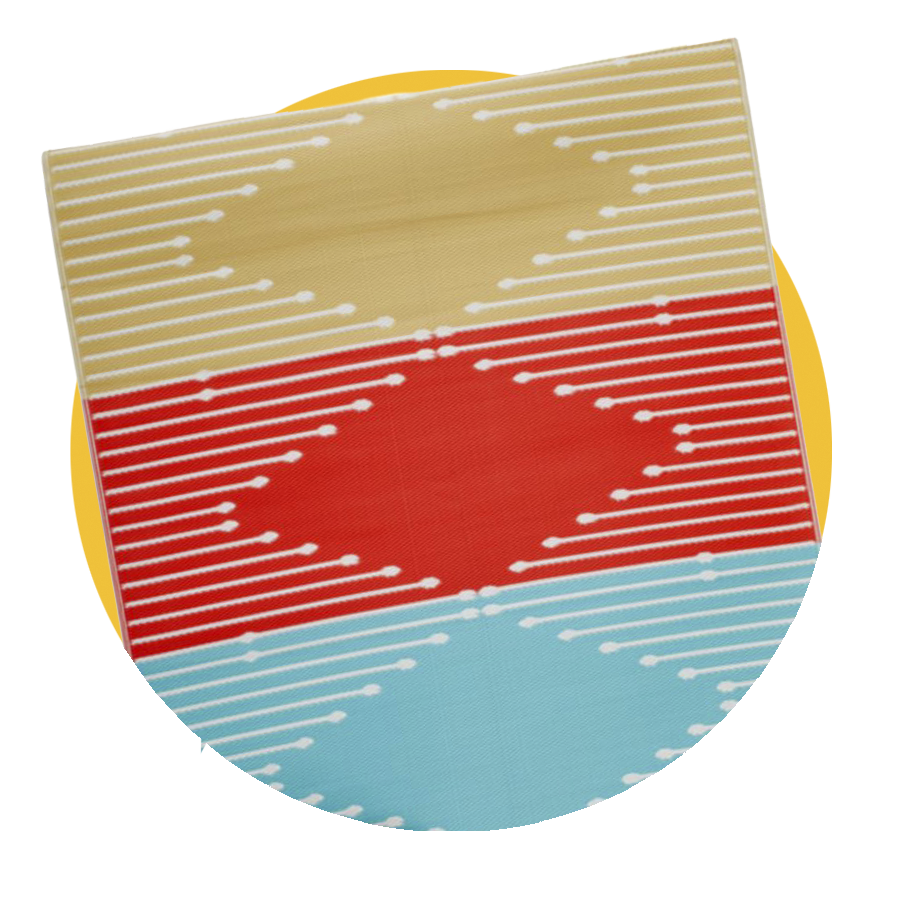
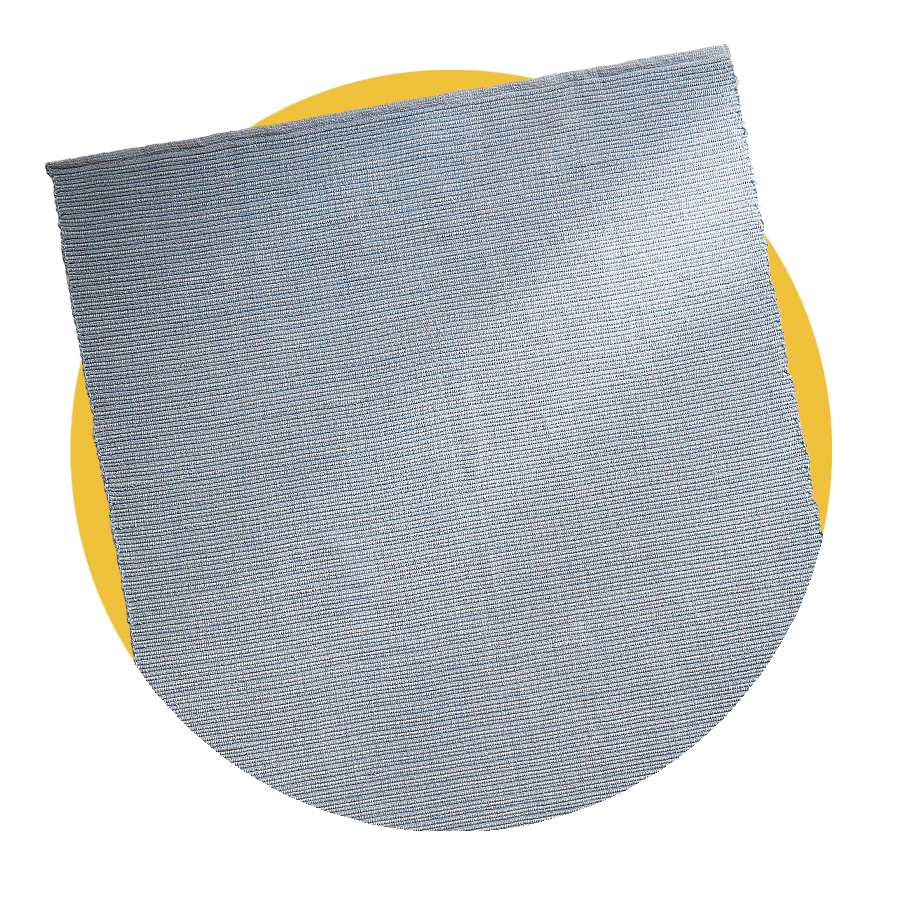
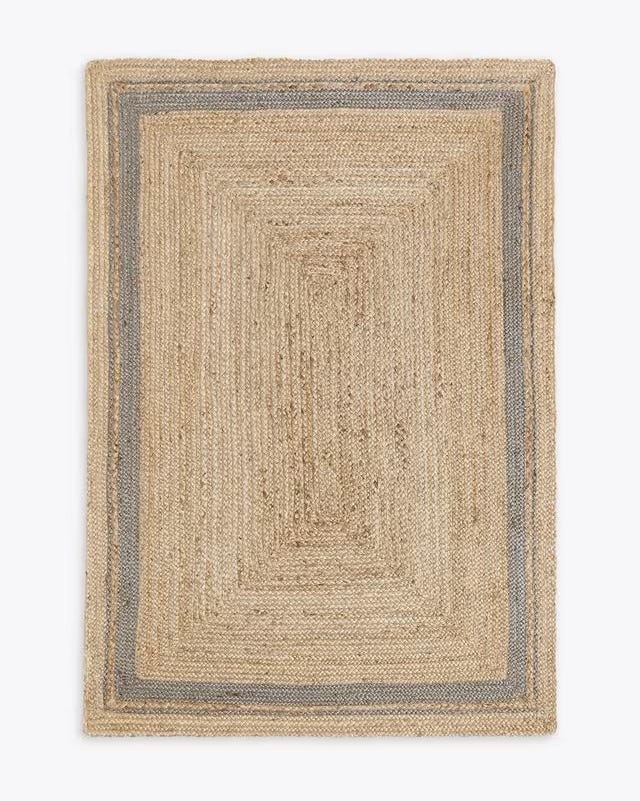
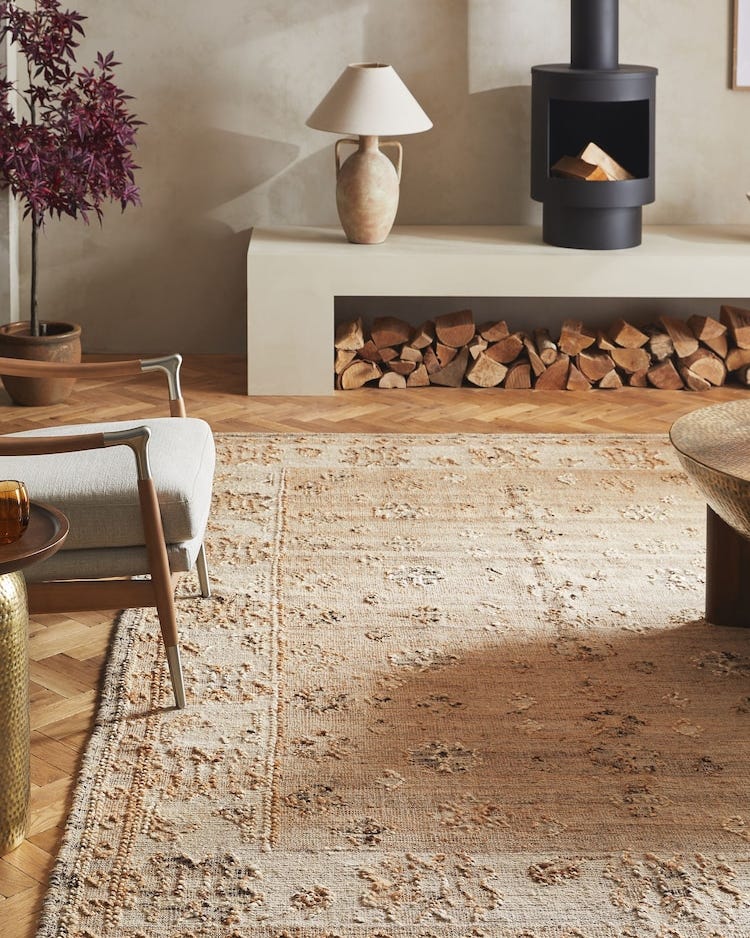
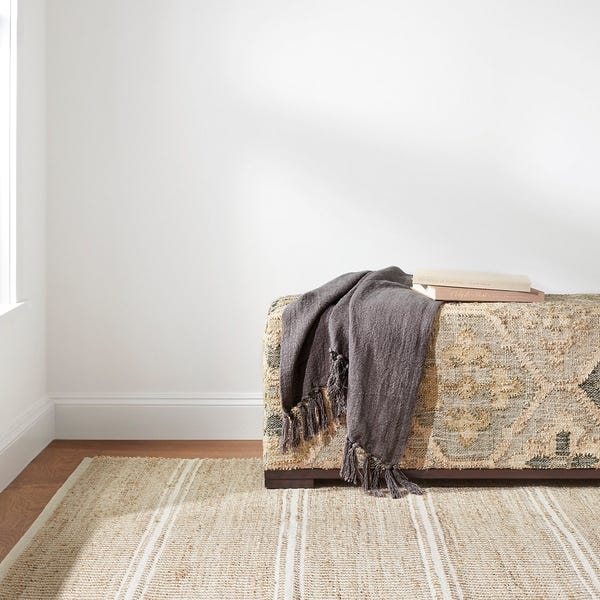
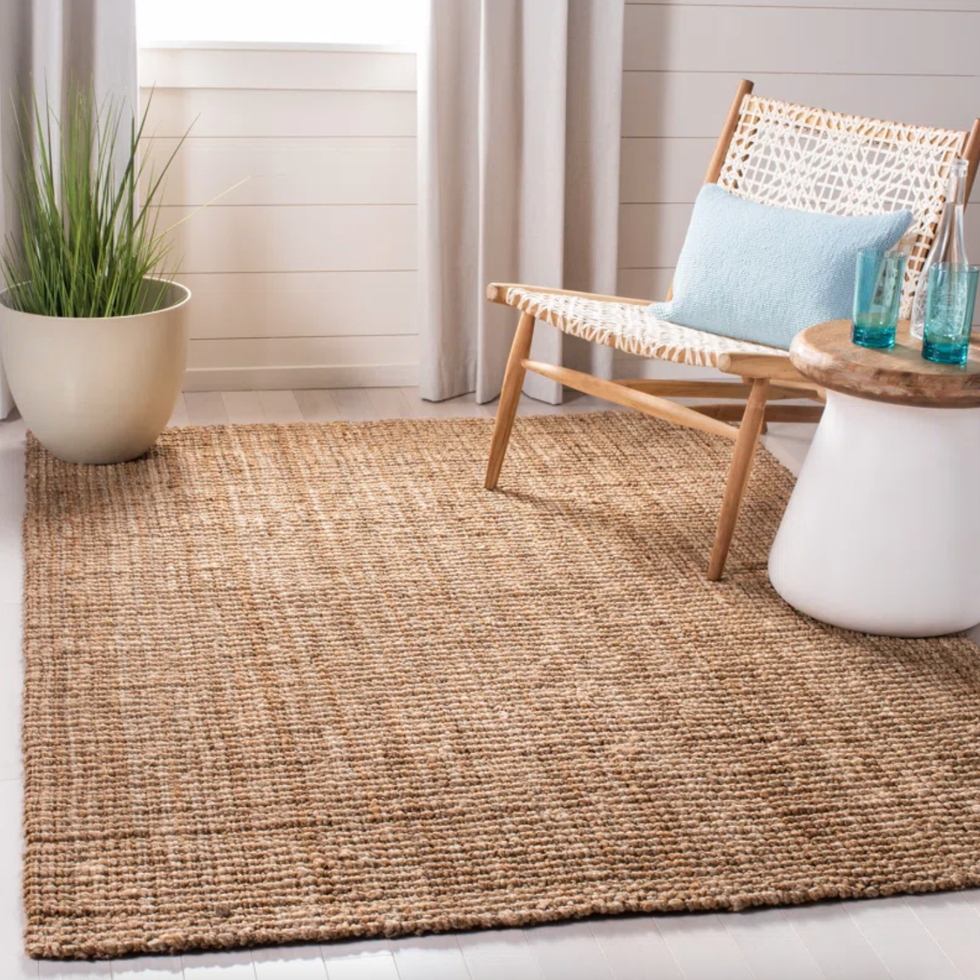
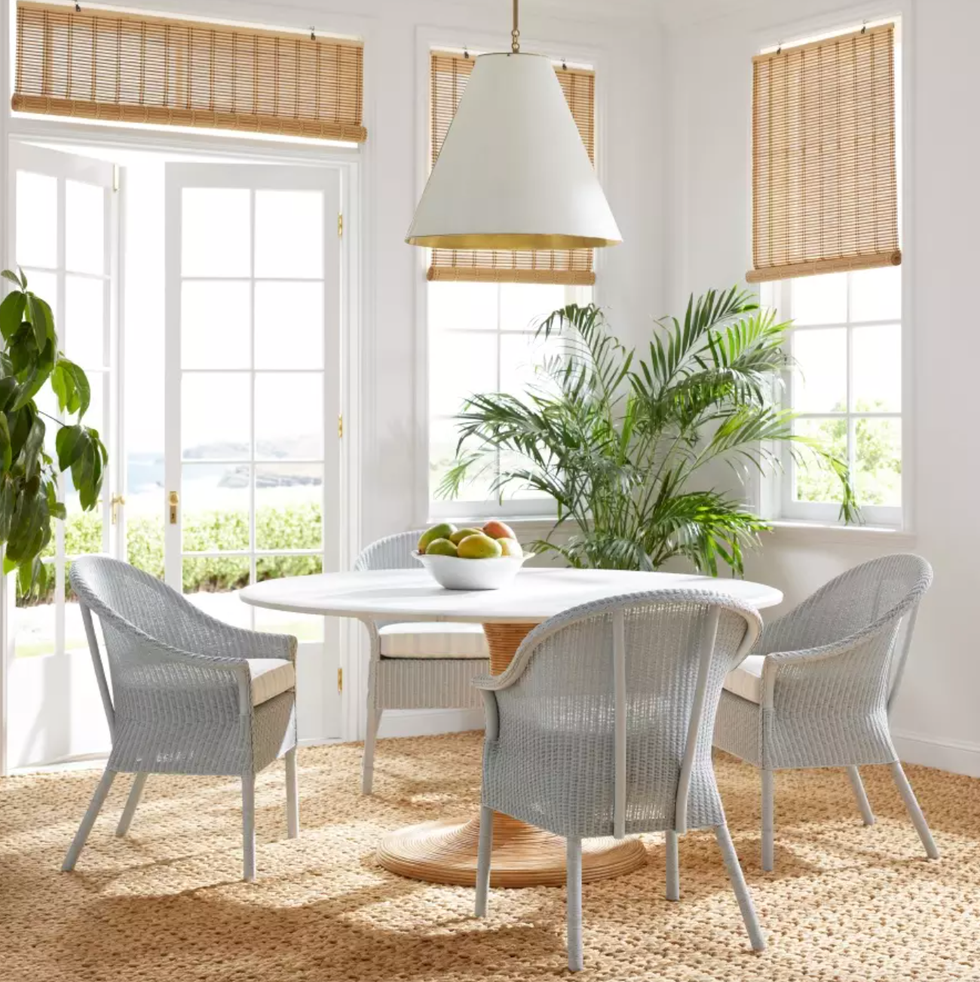
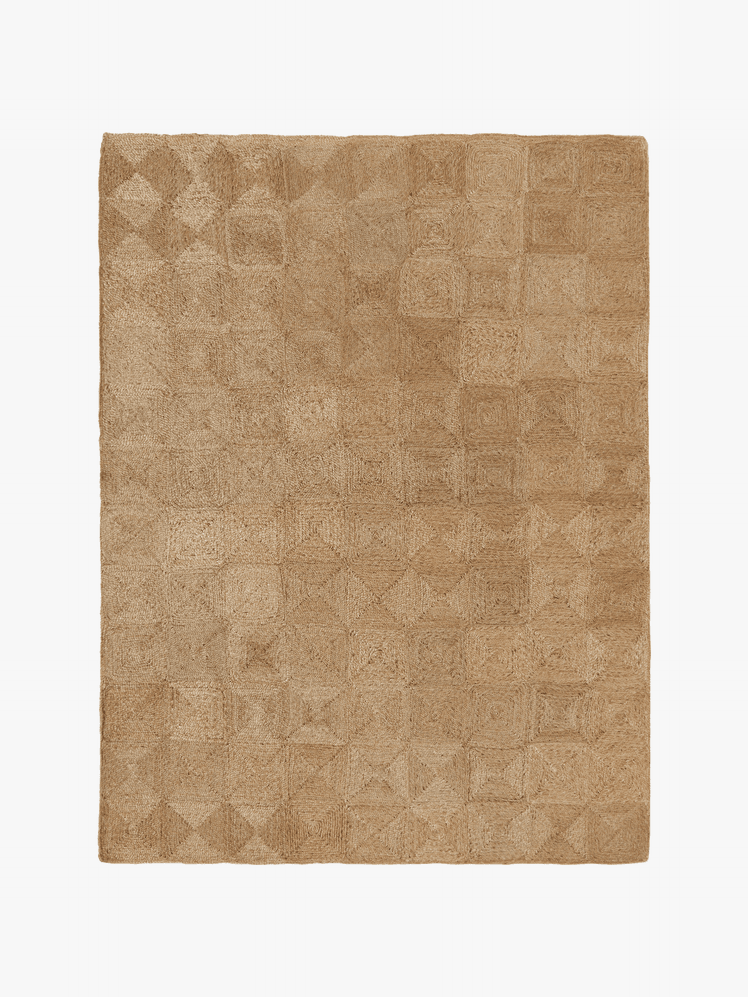
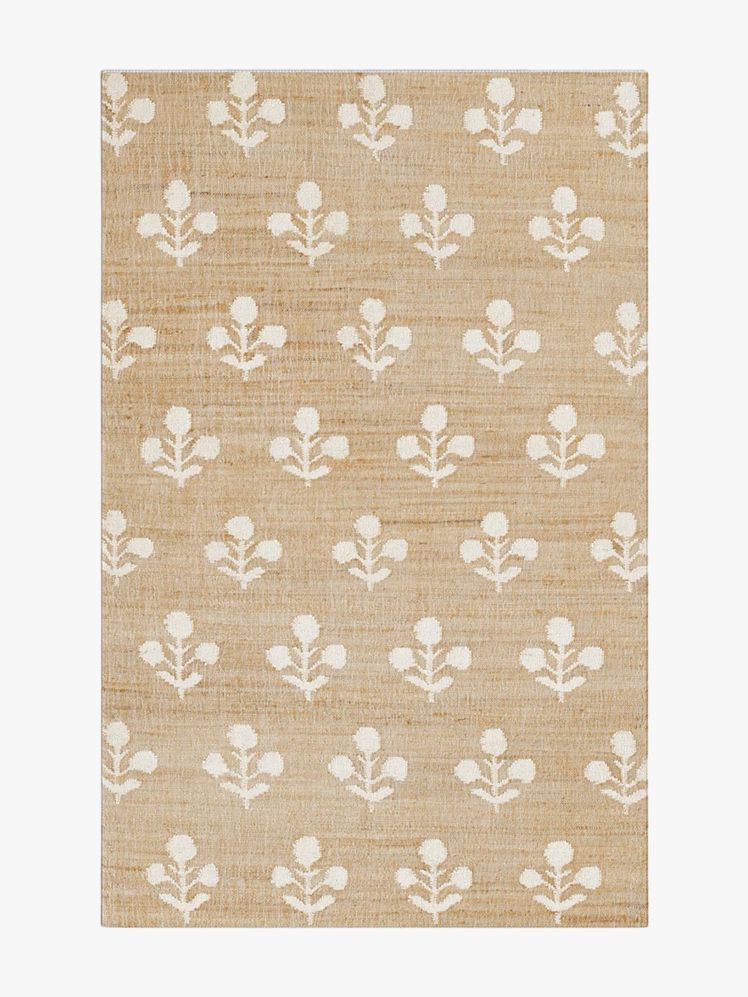
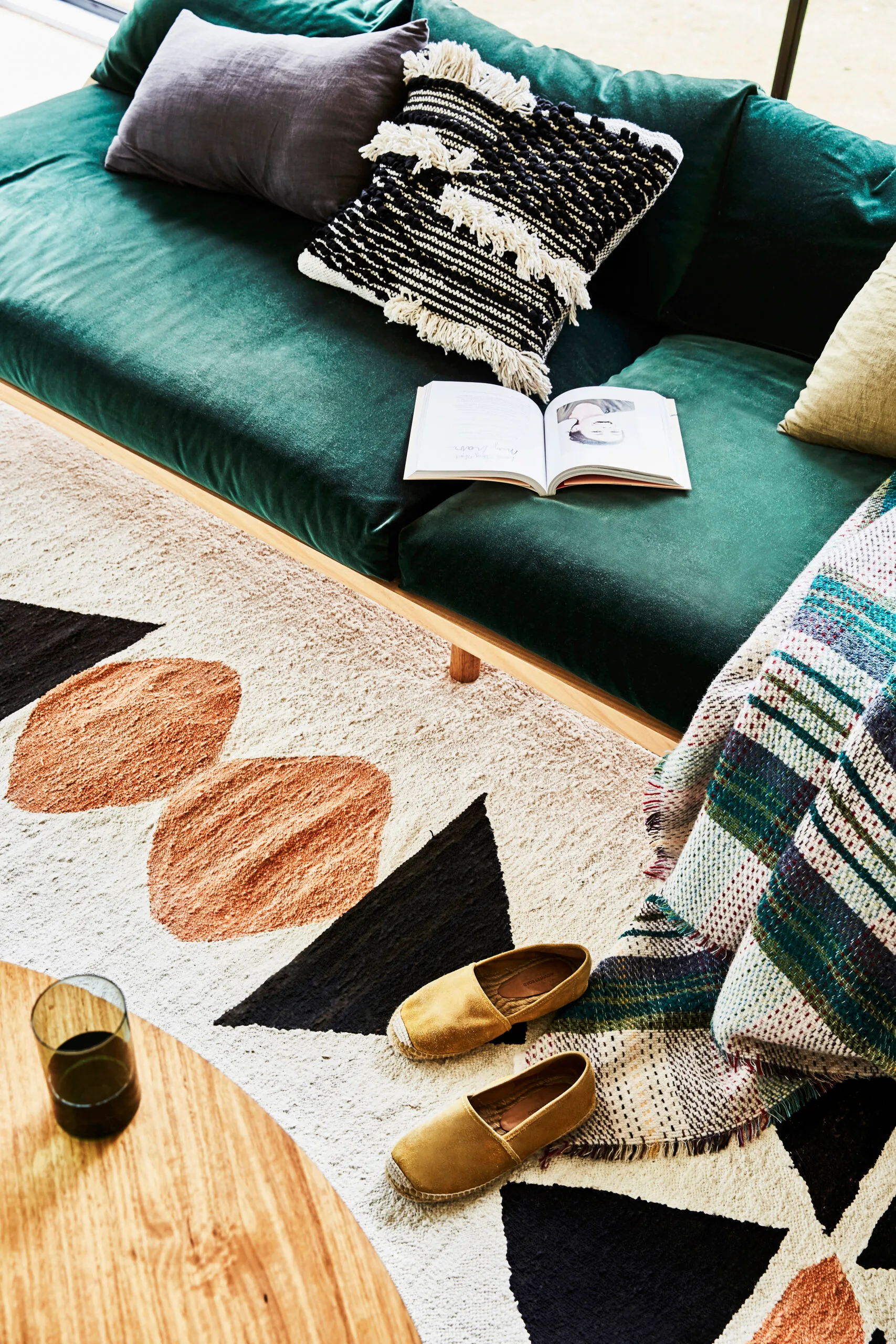
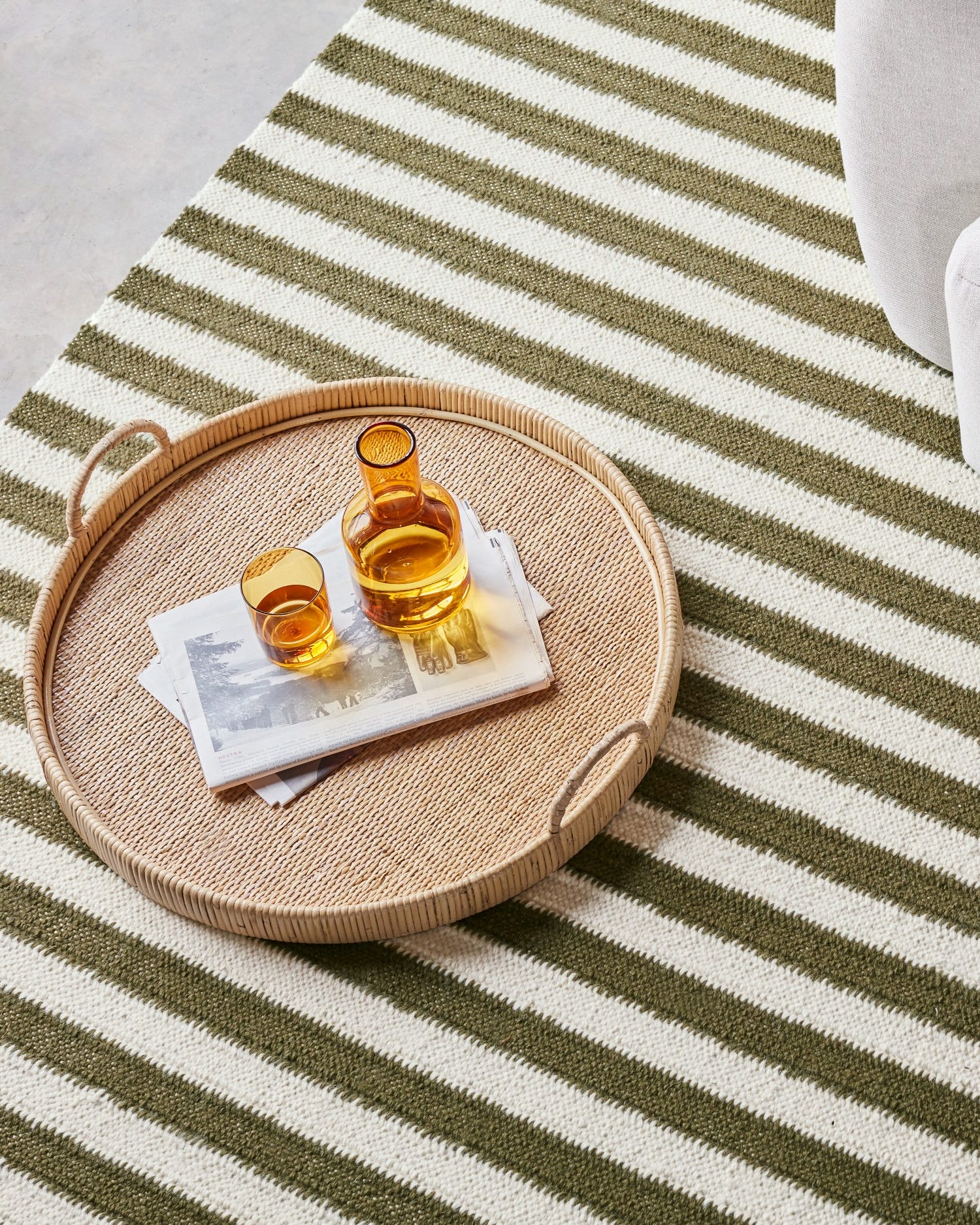
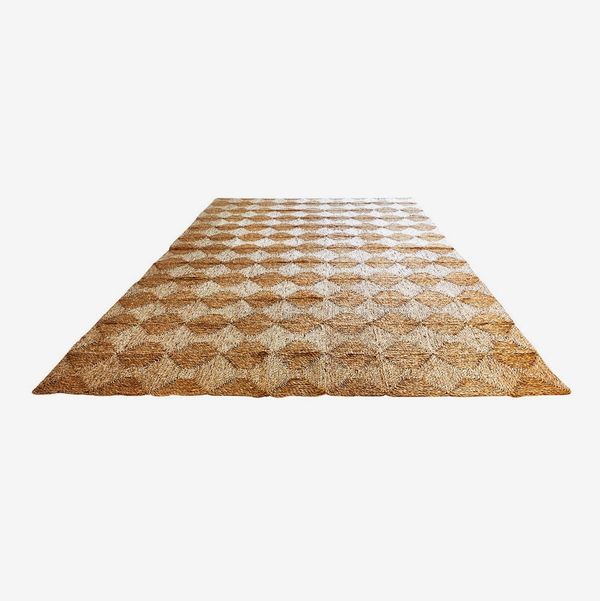
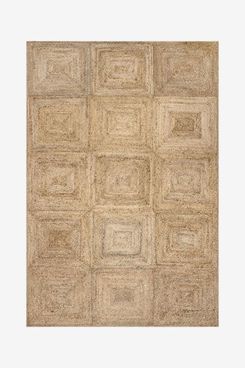
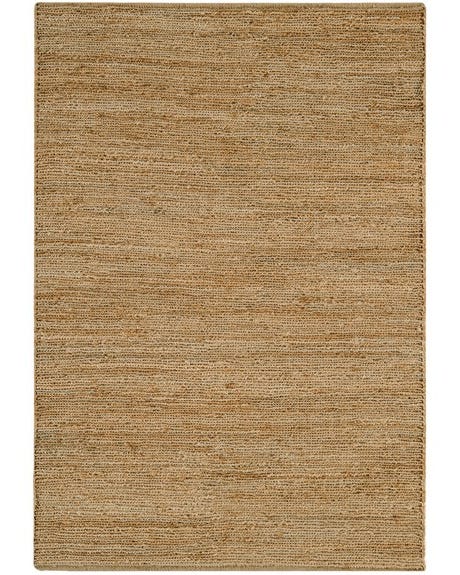
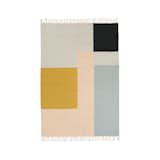
The article highlights several top picks for natural fiber rugs, catering to different needs and aesthetic preferences. The NuLoom Rigo Handwoven Jute Area Rug is recognized as the best overall for its quality, affordability, and versatility in sizes and colors, garnering thousands of positive reviews. For value, the IKEA Lohals Rug is recommended for its Scandinavian simplicity and durability at an accessible price. The Harwich Natural Woven Jute Rug stands out for its harlequin pattern, offering a bolder graphic option. The NuLoom Alisia Flat-Weave Stripes Jute Area Rug provides a timeless striped design, while the Safavieh Handmade Chunky Textured Premium Jute rug is a good choice for runners in hallways. For unique patterns, the Tantuvi No. 16 Hemp Rug offers an abstract, geometric design made from sustainable hemp. The Flat-Woven Mateo Jute Rug by Anthropologie is praised for its sophisticated texture, and the Jute Dori Rug from West Elm offers an elevated oval design. Lastly, the Santiago Sisal Rug is highlighted for its customizable cotton binding, which provides both aesthetic appeal and practical durability, preventing unraveling and framing furniture or delineating spaces effectively. All recommended products adhere to criteria including blending form and function, expert approval, and positive owner reviews.
#NaturalFiberRugs #JuteRugs #SisalRugs #HomeDecor #InteriorDesign #AreaRugs #RugSelection #SustainableDesign #TexturalElements #NaturalFiberRugs #JuteRugs #SisalRugs #HomeDecor #InteriorDesign #AreaRugs #RugSelection #SustainableDesign #TexturalElements
0 comment in total
 No comments yet
You may also like
The 14 Very Best Sisal, Jute, Seagrass, and Abaca Rugs
Want a Foolproof and Affordable Rug? Snap Up One of These Beautiful Jute Options
The ancient flooring transforming modern homes

6 Carpet Trends for 2025 That Will Transform Every Room in Your Home

How to buy rugs for homes with lots of paws and foot traffic

The Best Jute Rugs for an Au Naturel Look

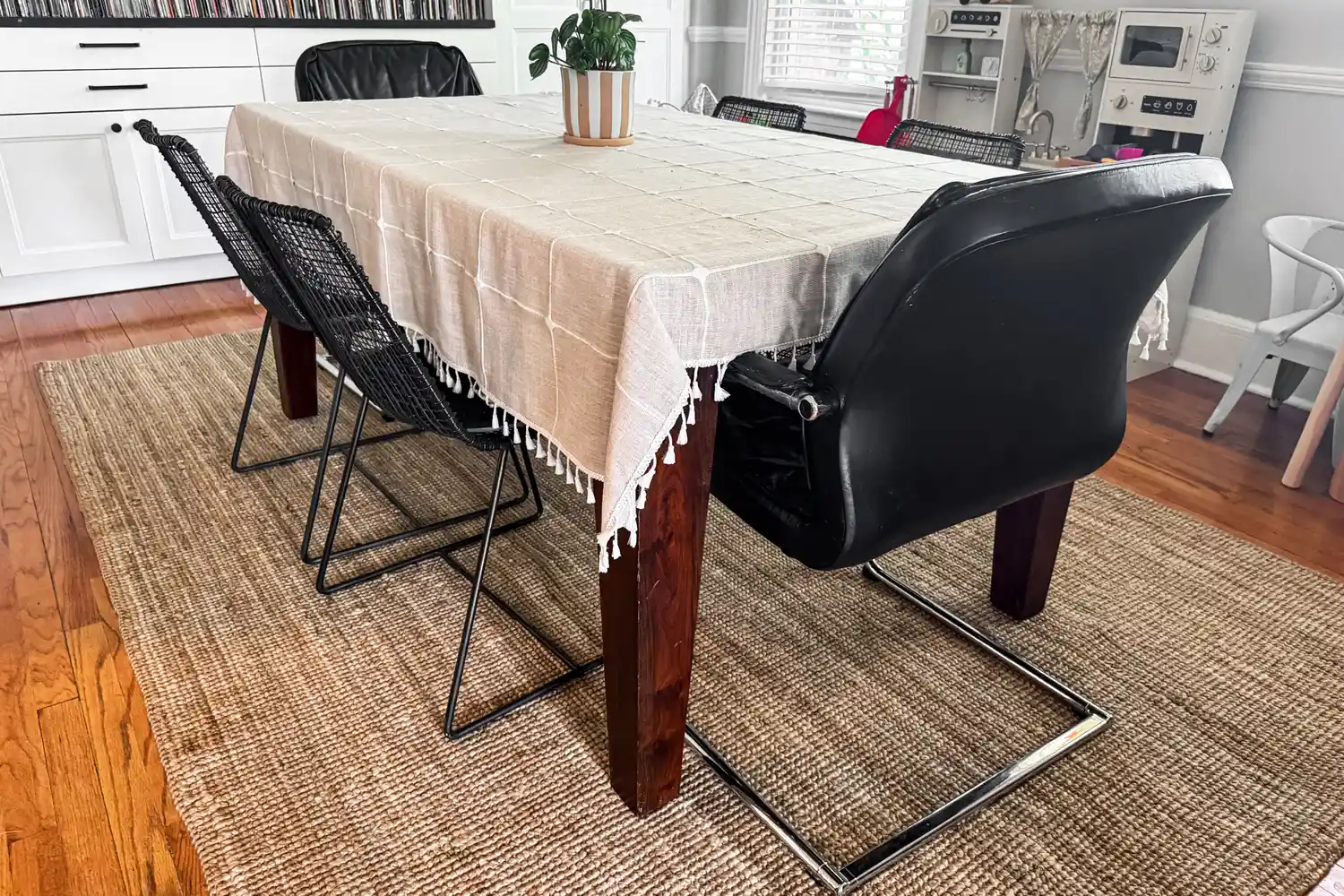
These 8 Jute Rugs We Tested Won Us Over For Their Durability and Natural Charm

The Best Places to Buy Area Rugs, From Ferm Living to Cozey

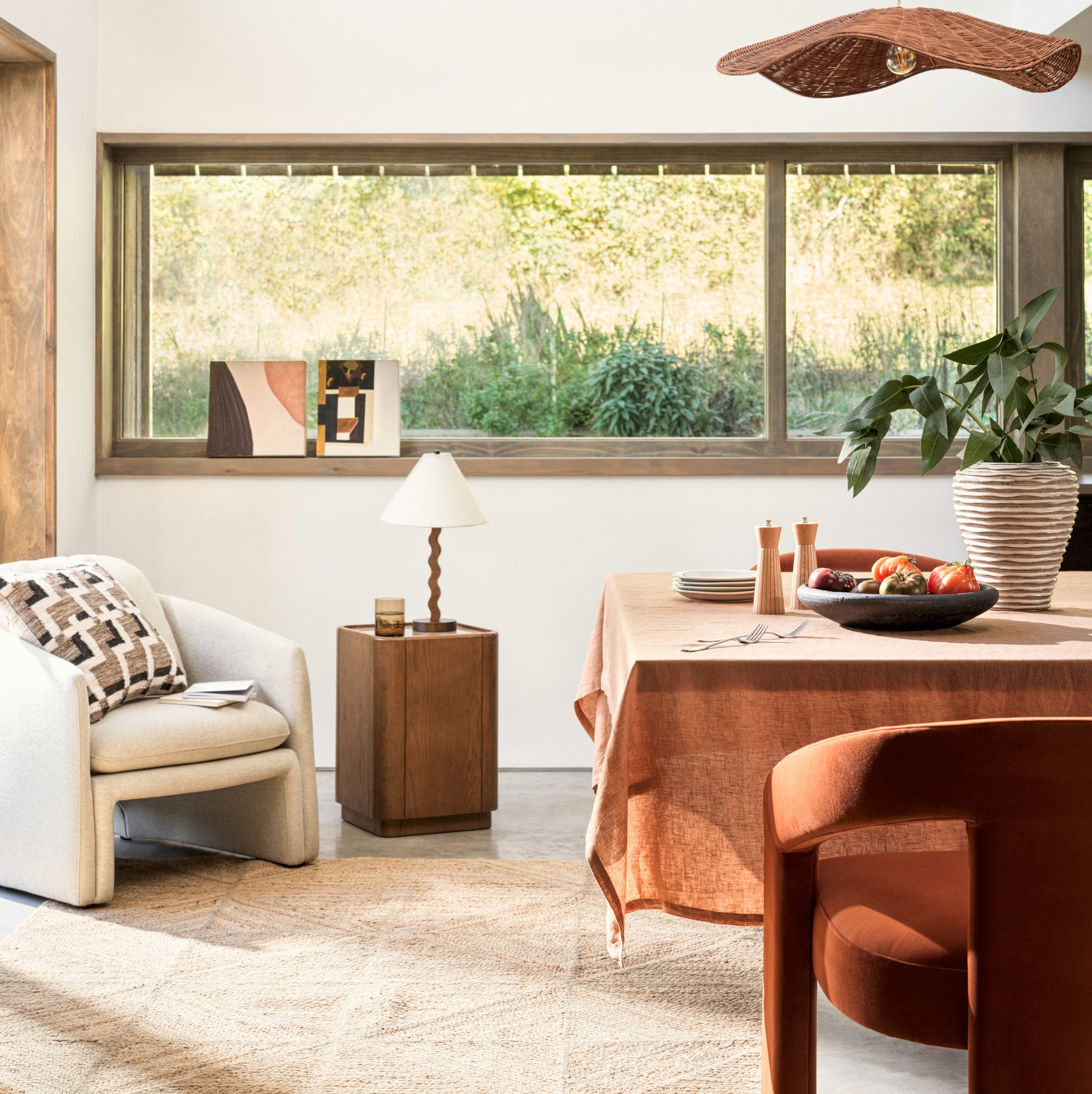
15 best jute rugs for adding texture to your home

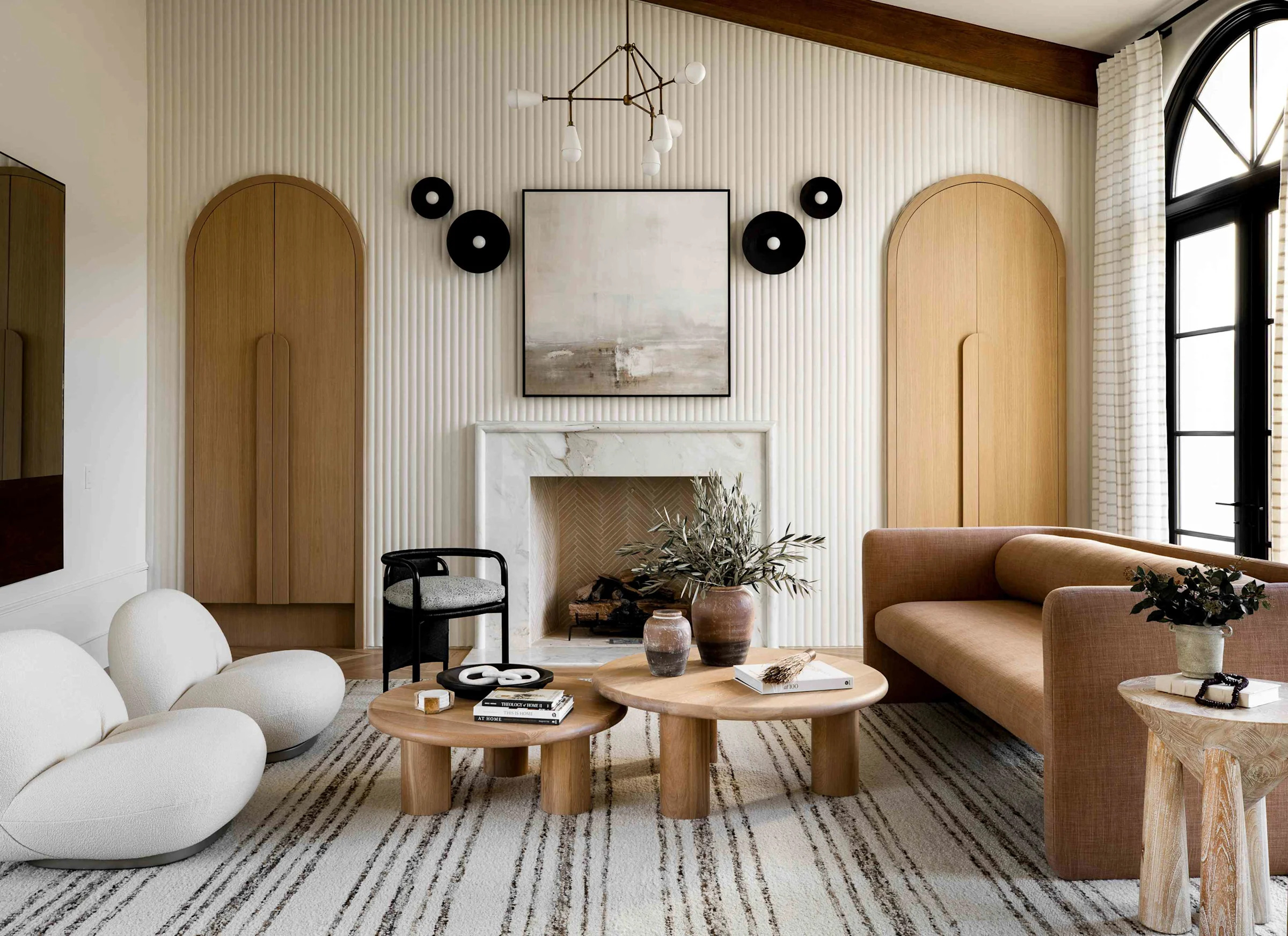
6 Carpet Trends for 2025 That Will Transform Every Room in Your Home

Top 7 Rug Trends Dominating 2025, As Predicted By Design Experts
Our Favorite Rugs For Every Room
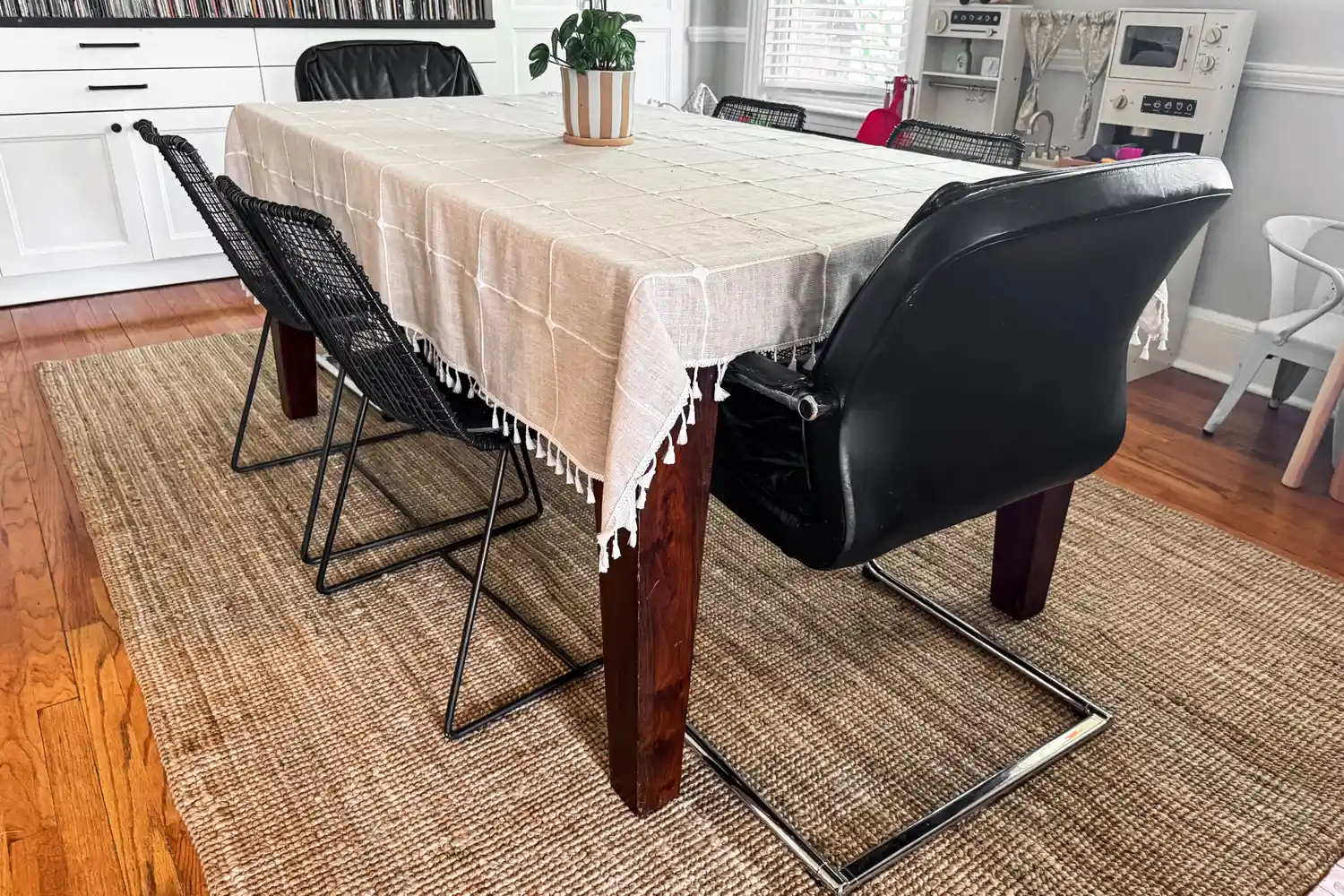
Add Natural Texture to Your Space in an Instant With One of Our 10 Favorite Jute Rugs We Tested
Carpet types – everything you need to know about how to choose this cozy flooring

Does It Seem Like Everyone Has This Rug?
6 Rug Styles That Are Everywhere Right Now, According to Designers

10 reasons to make natural-fiber textiles your go-to fabrics

9 ways to add texture to your home
Editor's picks: A collection of rugs designed for country homes

Rug FAQ: What’s the Best Rug Material?