1/5
The Tile for Our Entryway Reno Was $500—The Front Door Was $60
The article details the renovation journey of Elena Lohse and her husband, who transformed their 1935 semi-detached Toronto home's entryway. This DIY project, undertaken after work hours and on weekends over four months, cost a total of $1,900, demonstrating how patience and personal effort can lead to significant savings. The couple's approach to their renovation projects is highlighted by their blog, "This House 5000," where they document their experiences, including challenges and successes.
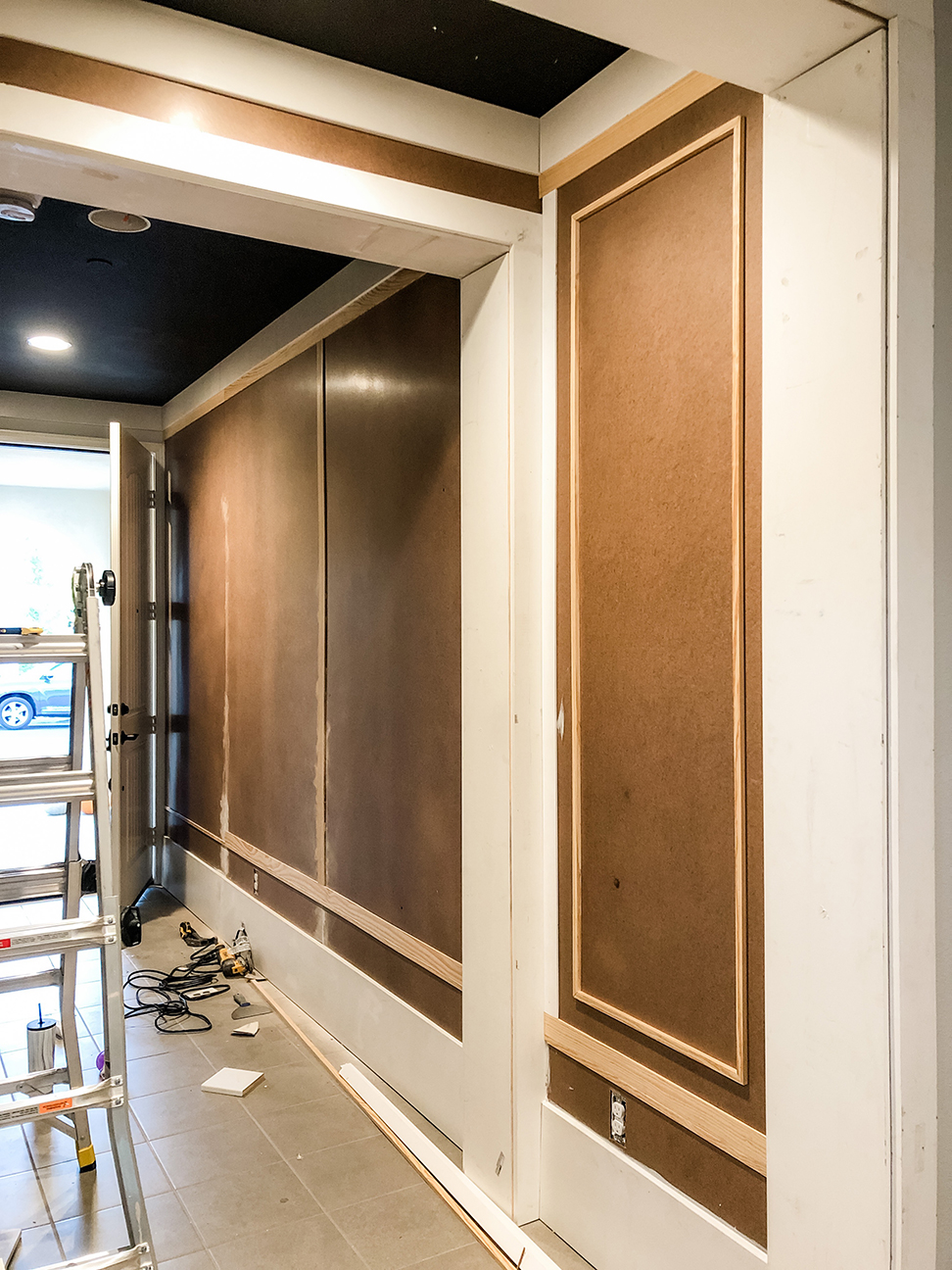
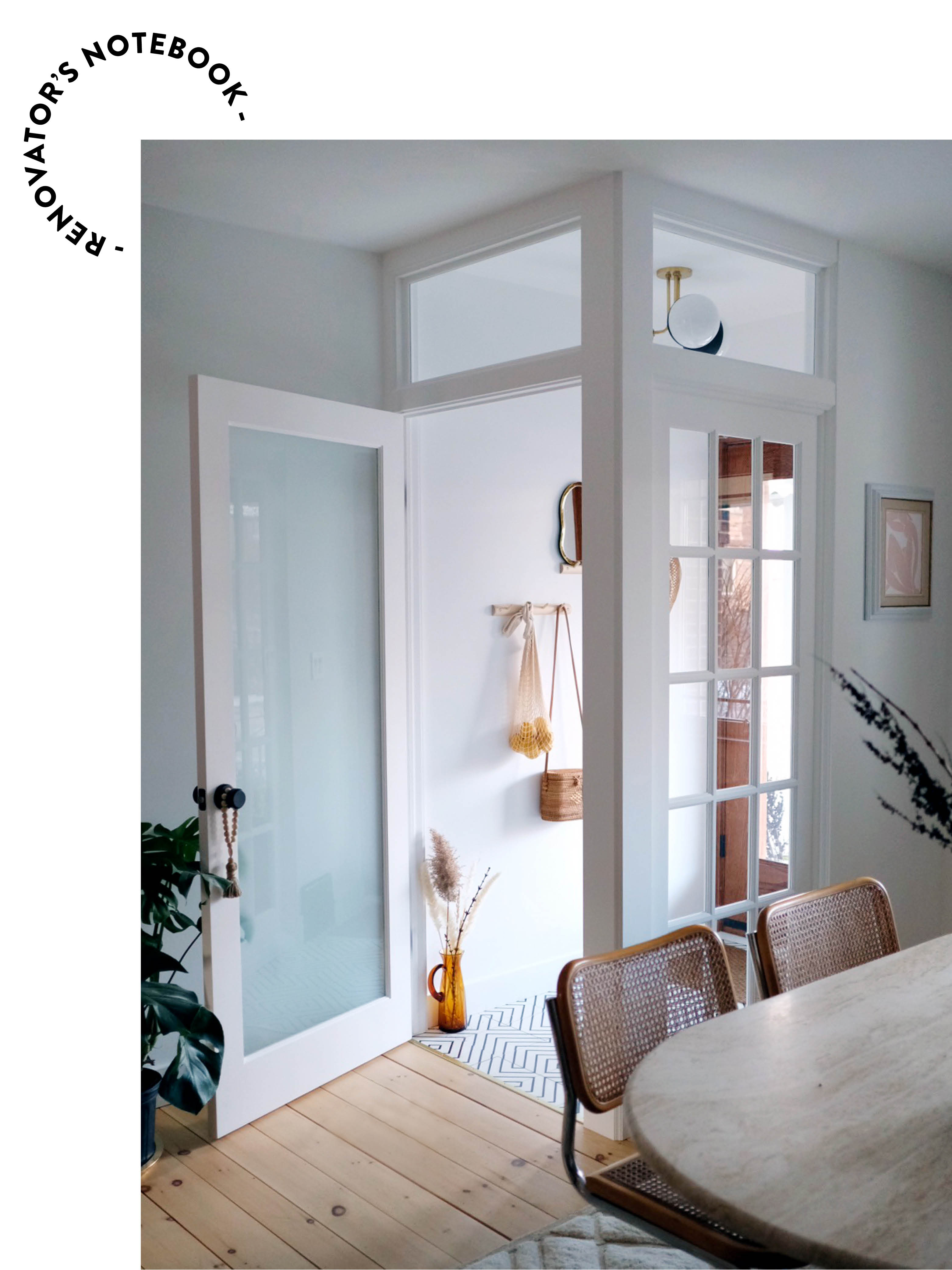
The renovation began with the removal of an existing wall between the entrance and dining room, which was composed of narrow wooden strips and plaster. This demolition created an open space, but it also revealed a lack of clear definition for the entryway. To address this, a new structure was built using 2-by-4s, effectively creating a small mudroom that separated the entrance area from the rest of the house. This architectural addition was crucial in establishing functional zones within their home.
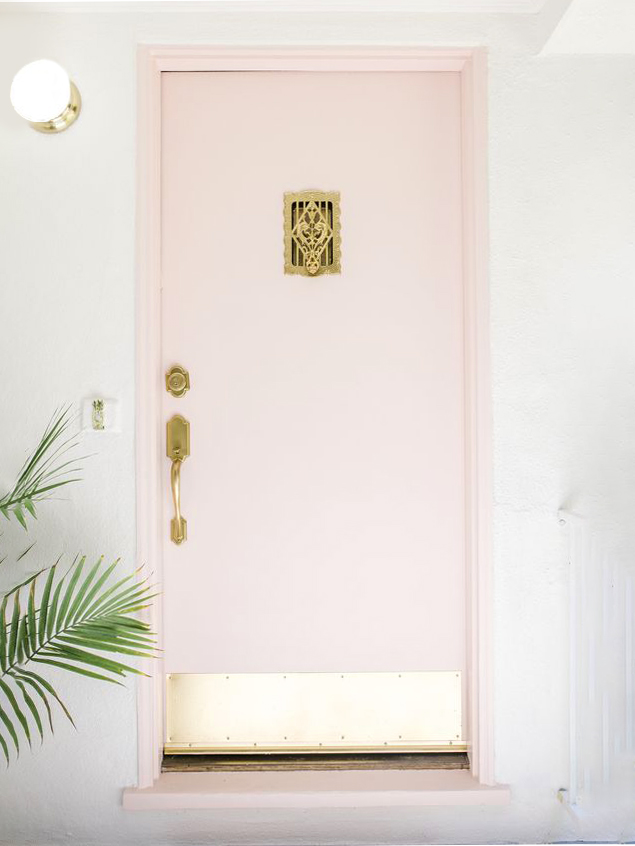
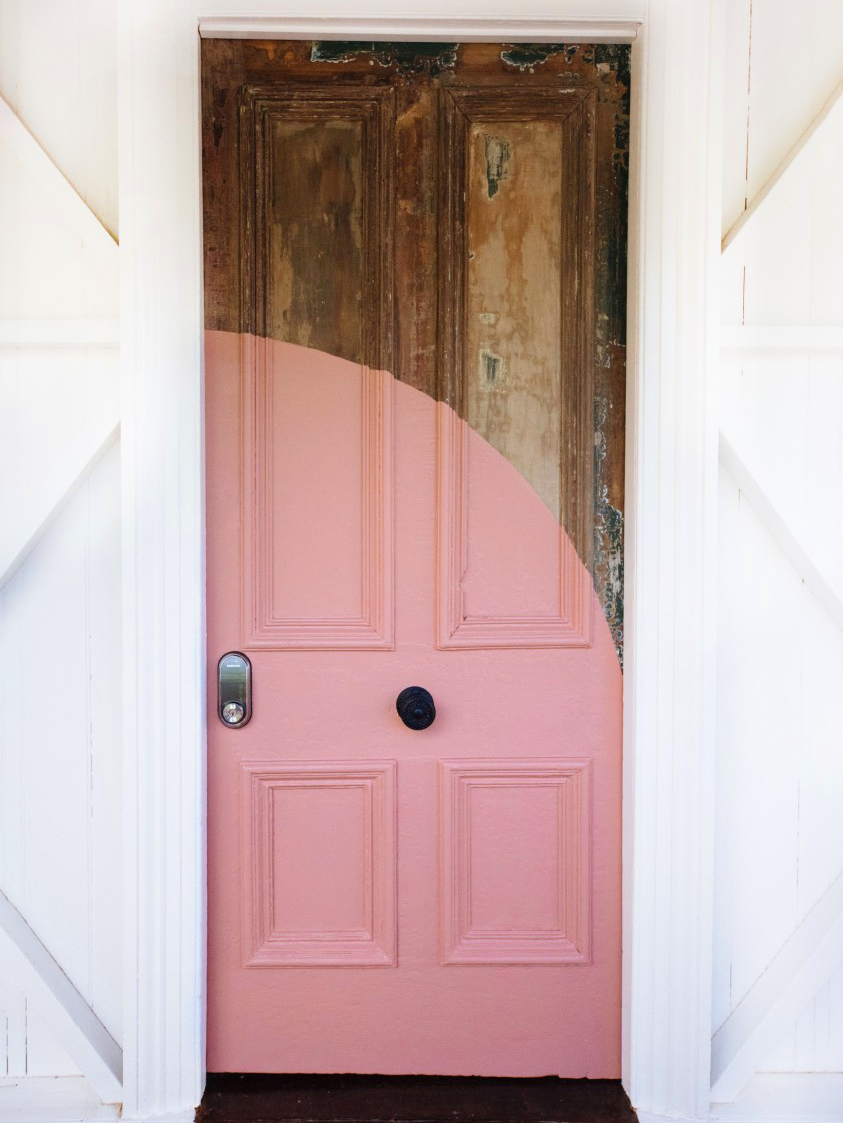
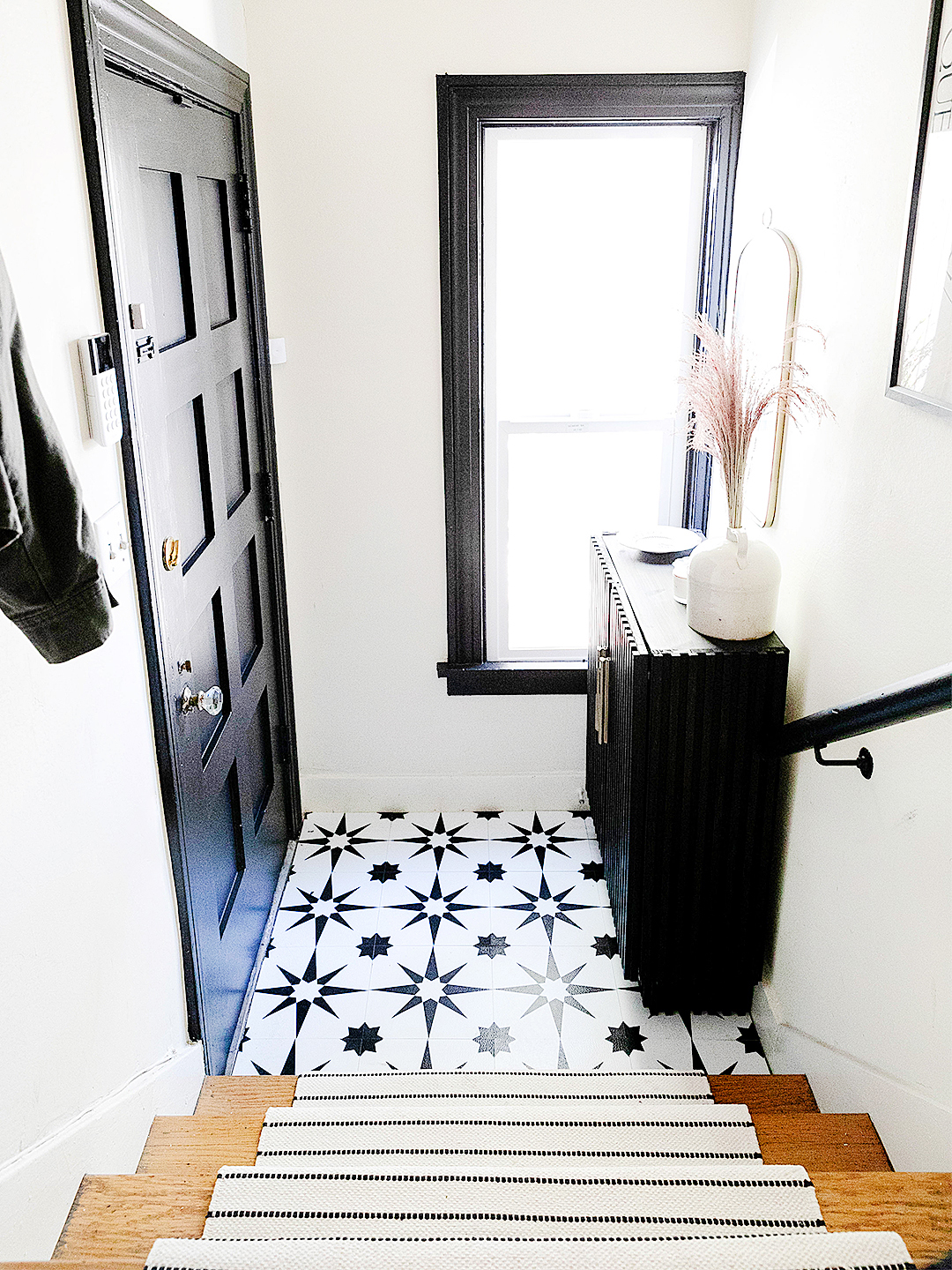
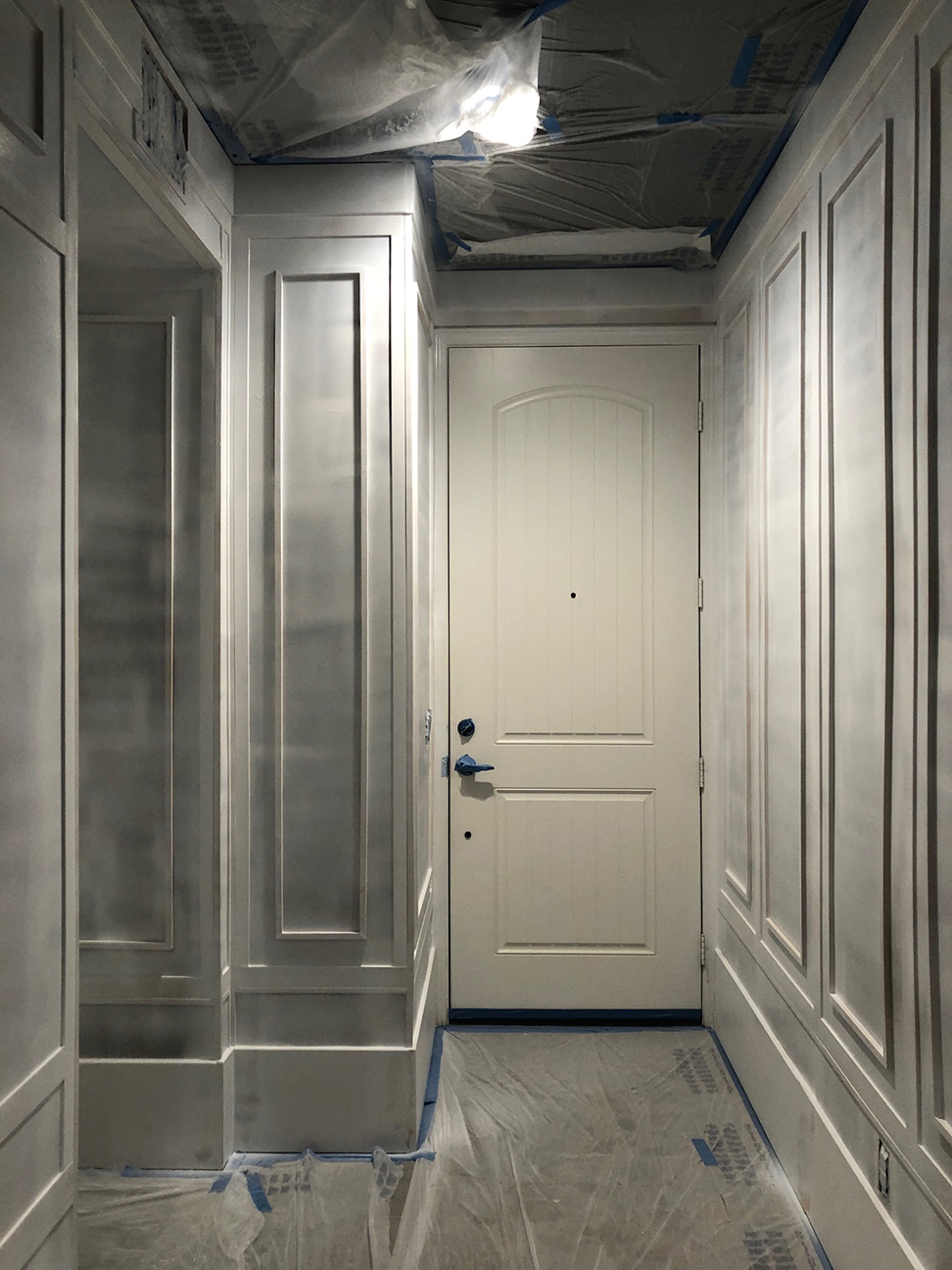
Budget-conscious choices were central to the project, particularly concerning the front door. Instead of purchasing a new solid oakwood door, which could cost around $1,000, the couple sourced a used door for $60 from Habitat for Humanity ReStore. This salvaged door, a standard 34-by-80 inches, was installed in a single day, and an oak border was added to seamlessly integrate it into the existing frame, making it appear as if it had always been there. This choice significantly reduced costs without compromising the aesthetic.
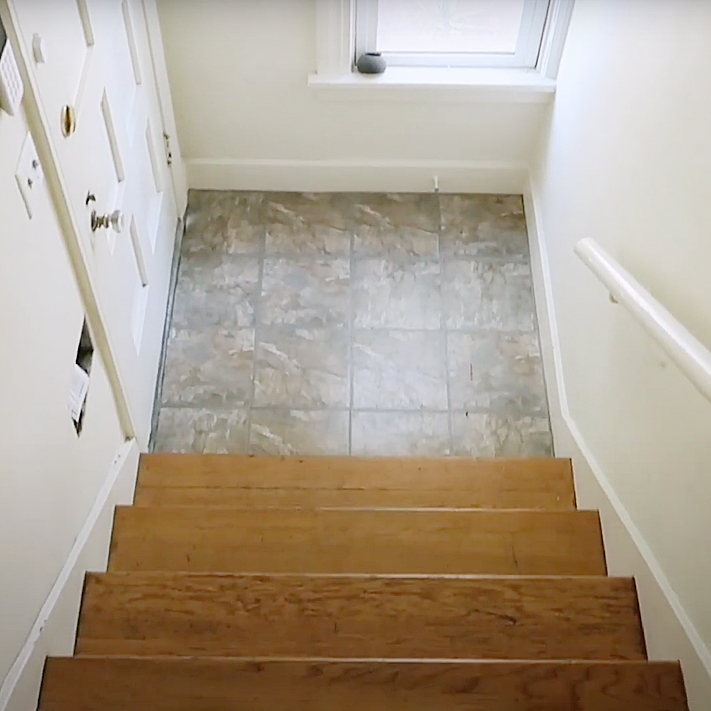
Another key element of the entryway transformation was the flooring. The couple opted for encaustic cement tiles, which cost $500. Due to the intricate patterns of these tiles, they spent three days arranging 50 pieces in the hallway to finalize a design. They even engaged their Instagram followers for feedback to ensure there were no unintended symbols or words in the pattern. After deciding on the layout, they lived with the arrangement for another two to three days before permanently installing the tiles, emphasizing the permanence of such a decision.
Further adding to the unique design, a stock French door from Home Depot, costing $135, was incorporated into the framing as a decorative wall feature rather than a functional passageway. This creative solution provided an elegant architectural detail at a fraction of the cost of a custom-built interior window.
The renovation encountered a significant challenge during the grouting process. The couple used a standard grout with a self-sealer, unaware that encaustic cement tiles require a specific product like Grout Release due to their porous nature. This resulted in a milky film covering the tiles, which was eventually removed through strenuous scrubbing. This experience underscored the importance of thorough research, particularly for specialized materials.
To enhance natural light, the couple installed two interior transom windows made from glass panes cut by a local fabricator, costing $20 each. The installation of these windows was precise and challenging, as even a millimeter's discrepancy would have necessitated a complete redo. For privacy, a frosted door was added between the hallway and the entryway, addressing concerns about visibility from the street. The article concludes by listing several specific products used in the renovation, including a Home Depot interior door, Saltillo Tiles, a Mitzi pendant lamp, Benjamin Moore paint, and a Schlage doorknob, along with their costs. This provides a detailed breakdown of the components and expenditures involved in the project.
#EntrywayRenovation #DIYHomeImprovement #BudgetRenovation #CementTiles #ThriftyDecor #HomeDesign #InteriorDesign #HistoricHomeRenovation #EntrywayRenovation #DIYHomeImprovement #BudgetRenovation #CementTiles #ThriftyDecor #HomeDesign #InteriorDesign #HistoricHomeRenovation
0 comment in total
 No comments yet
You may also like
I Covered My 400-Square-Foot Guesthouse in Tile for $500
The DIY Runner in This L.A. Entryway Cost $700 Less Than the Store-Bought Option
We Spent $10K On Our 4-Room HDB Flat’s Vinyl Flooring
How much does a garage door replacement cost in 2022?

For Less Than $5K, This Pro Swapped Cold, Cobalt Bathroom Tile for British-Inspired Paneling

This Miami-cool hallway makeover cost less than £100!
See How I Transformed My Sad, Plain Entryway into a Jewel Box Vestibule (for About $750!)
This pastel-coloured hallway transformation cost less than £100

16 Front Doors That Make the Case for a Fresh Coat of Paint

Door Replacement Cost in 2025: Ways to Save

A Wood-Clad Ceiling, Faux Marble Flooring, and More Fresh DIYs From an Entry Reno
Becoming the General Contractors of Our Portland Bathroom Reno Saved Us $30K
It’s Official—This Front Door Color Will Add $6000 to Your Home’s Value
For $500, My Rental Bedroom Went From Plain White to Cottage-Worthy
8 Times Tile Brought Architectural Charm to an Otherwise Regular Exterior

An $8 Home Depot Buy Was Pivotal to This Lopsided Hallway’s Checkered Mural


Shopping Our Own Home Saved Us Hundreds on Our $3K Bathroom Remodel
Bold 1920s Tile Was Too Priceless to Give Up for This Kitchen Reno
My hallway was an 80s horror with bright red carpets - now it looks stunning

Front door: Does it keep your home safe, warm and looking stylish?