
1/14
Kitchen Renovation Tips HGTV's Hilary Farr Swears By
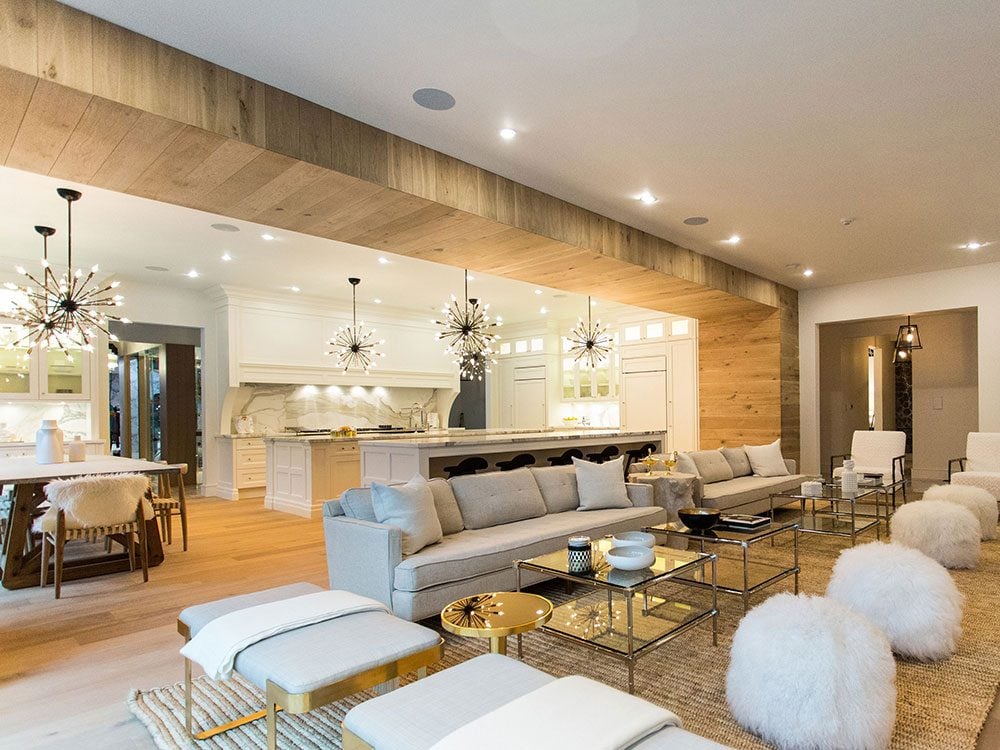
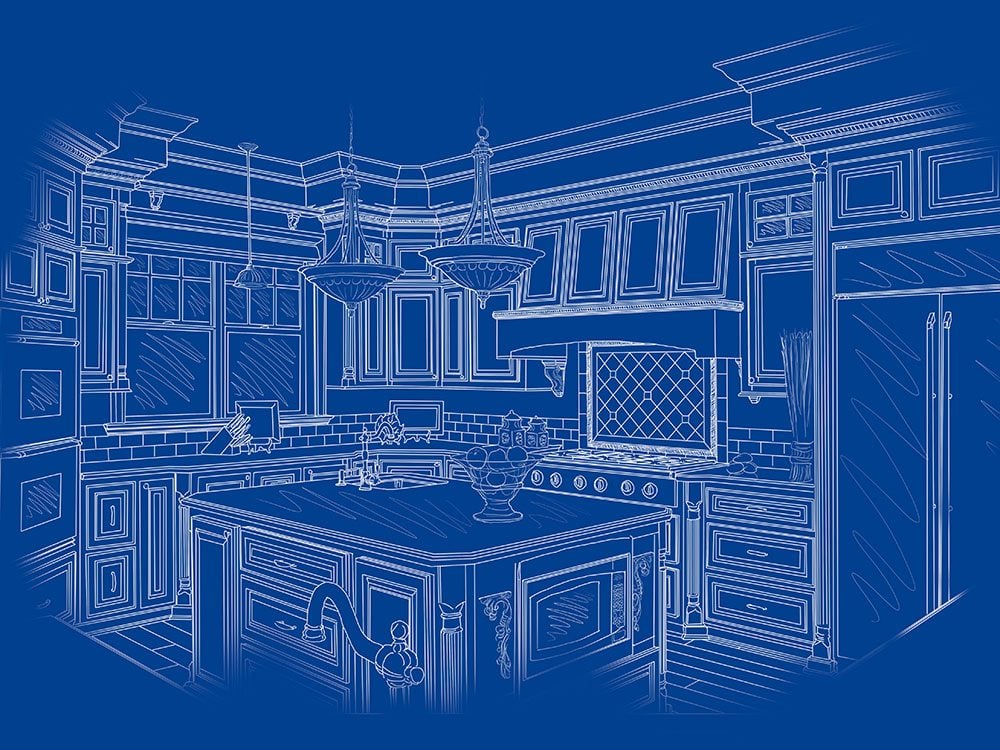
Renovating a kitchen involves a significant financial investment and requires careful consideration of functionality, aesthetics, and longevity. Homeowners often find themselves overwhelmed by the sheer number of decisions, from appliance choices and storage solutions to finishes that will remain stylish for years to come. To navigate this complex process, many turn to experts for guidance. HGTV's Hilary Farr, known for her extensive experience with over 200 remodels, offers valuable insights and practical tips for successful kitchen renovations.
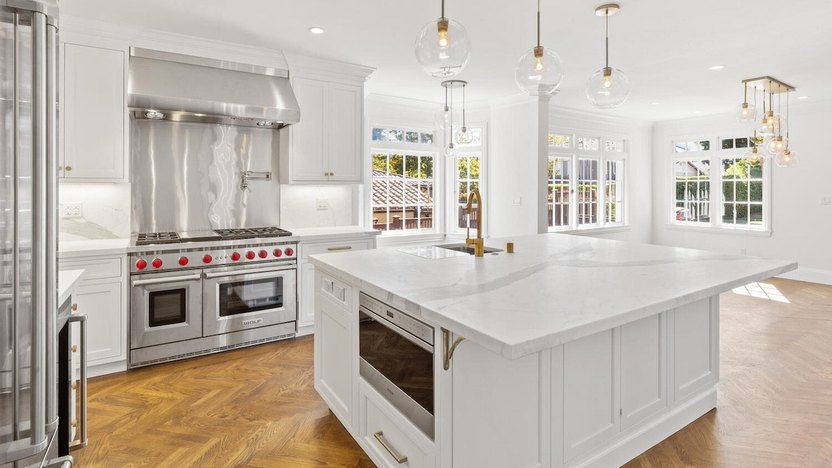
Farr emphasizes the importance of prioritizing function by investing in the highest quality appliances one can afford. While high-end appliances can enhance a home's appeal, especially for avid cooks or those planning to sell, it's crucial to balance this with the overall value of the home and budget constraints. For instance, opting out of unnecessary features like built-in ice makers or wine coolers can help manage costs without compromising quality. The National Association of Realtors indicates that homeowners typically recoup about 75% of a full kitchen remodel's cost upon sale, so overspending on appliances in a mid-range home might not yield the desired return.
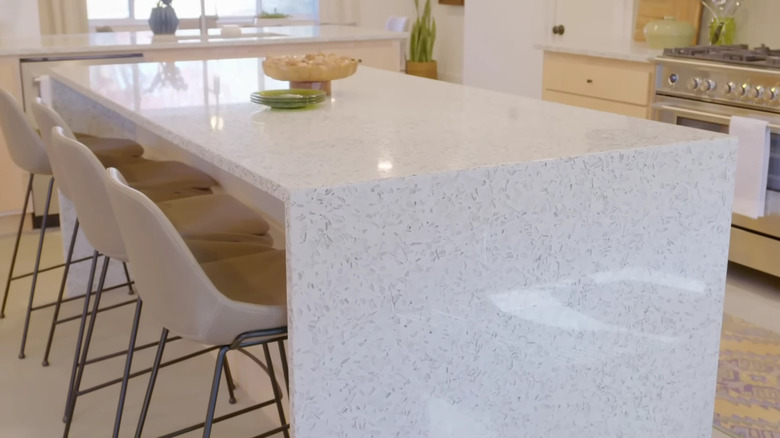
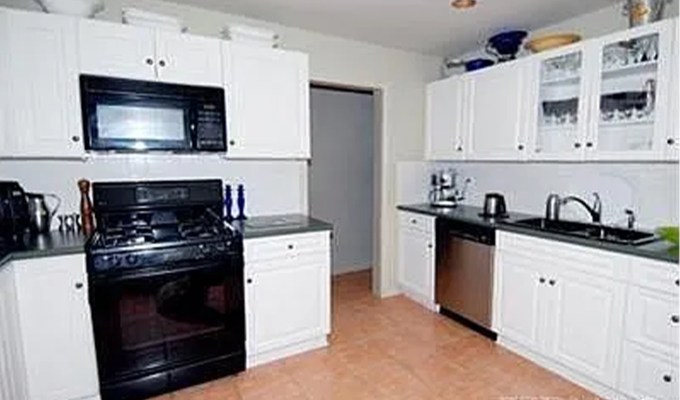
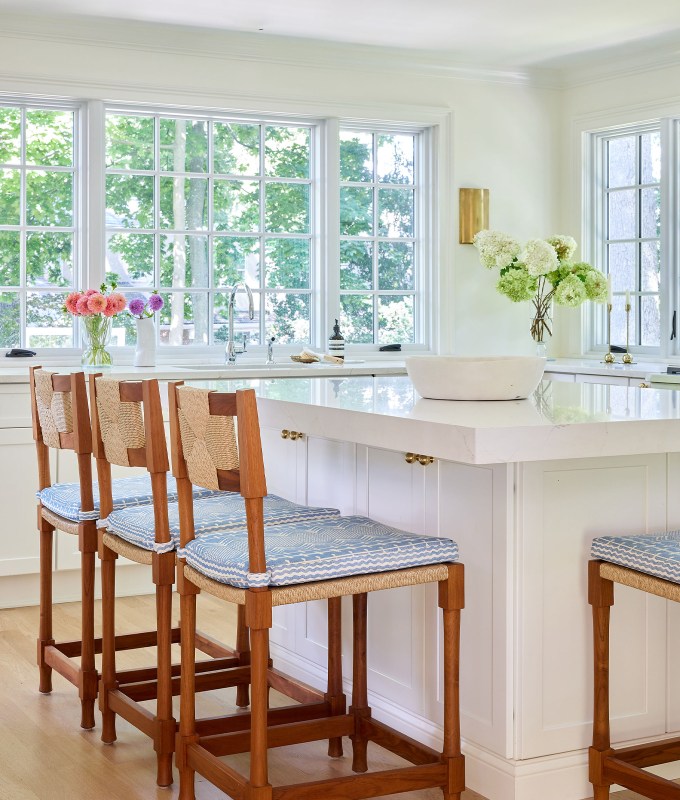
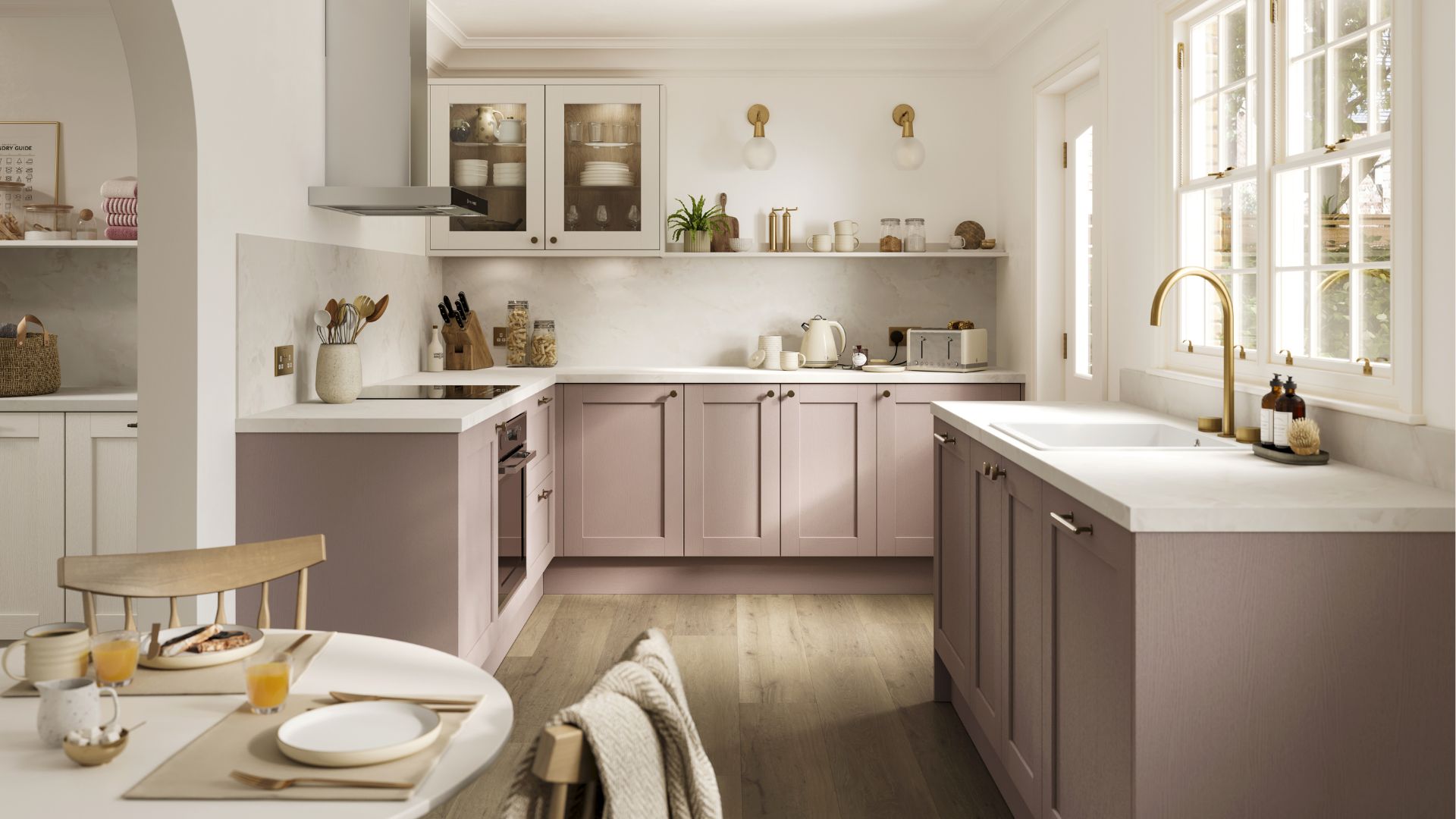
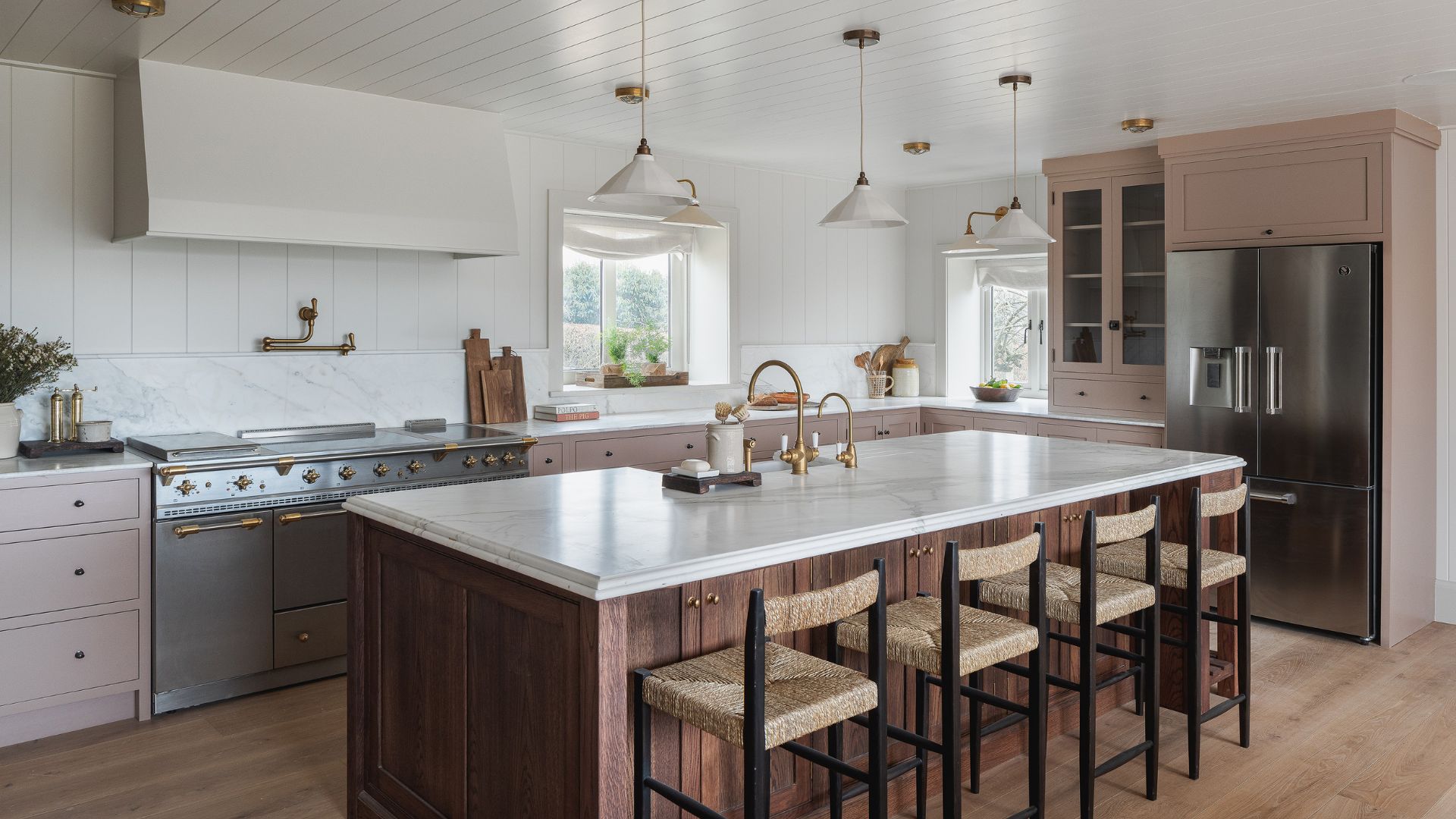
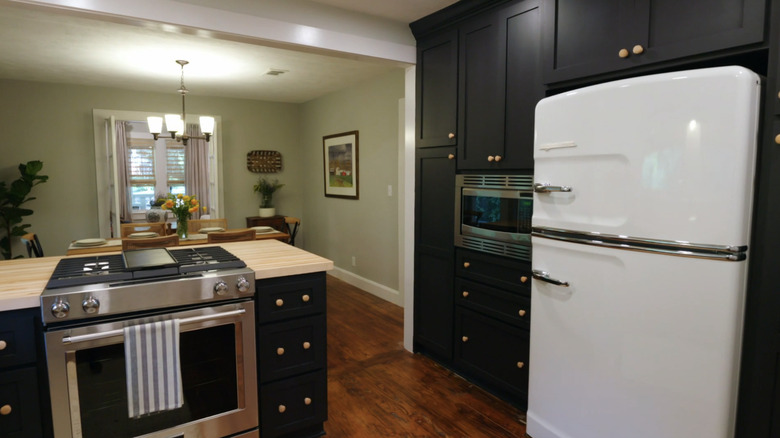
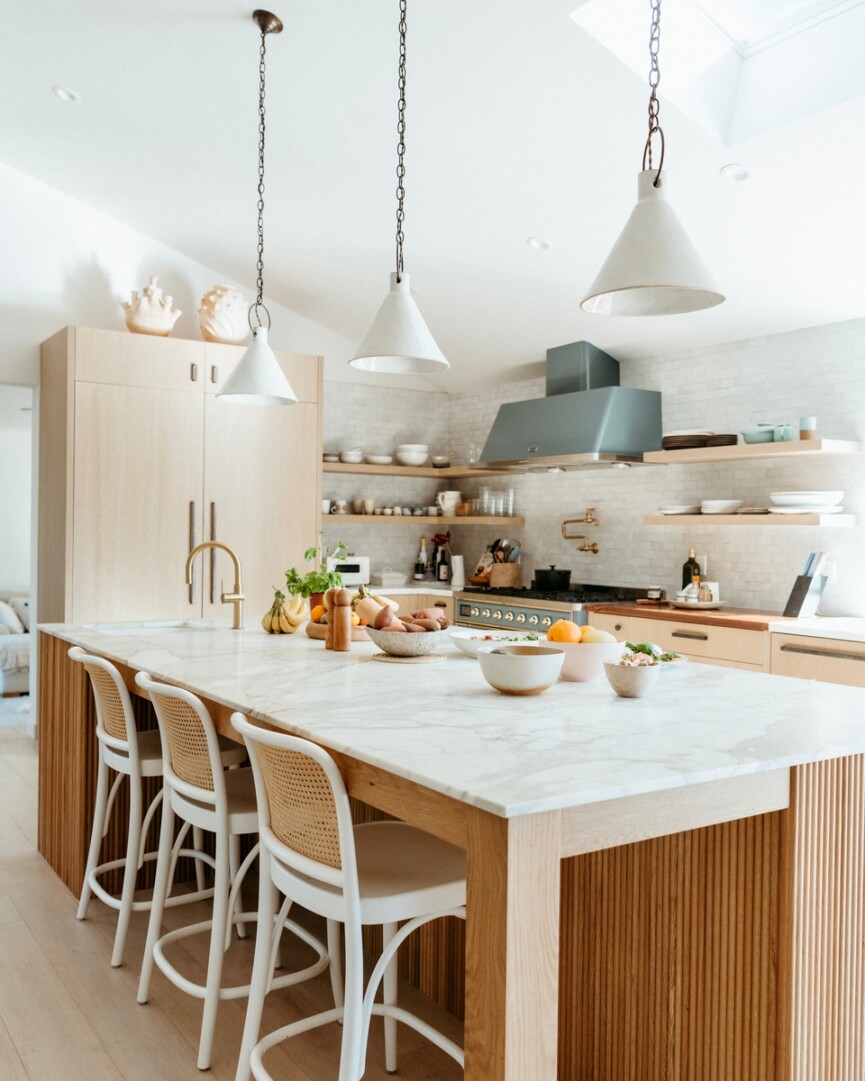
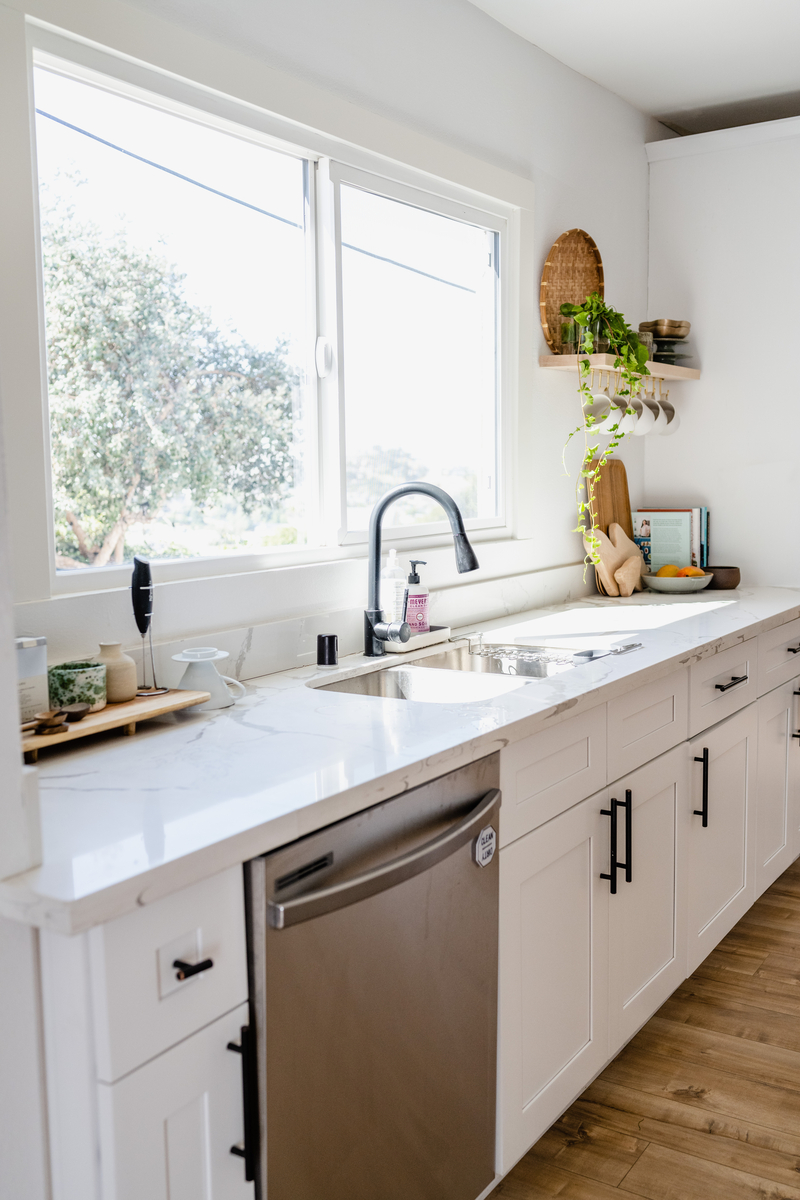
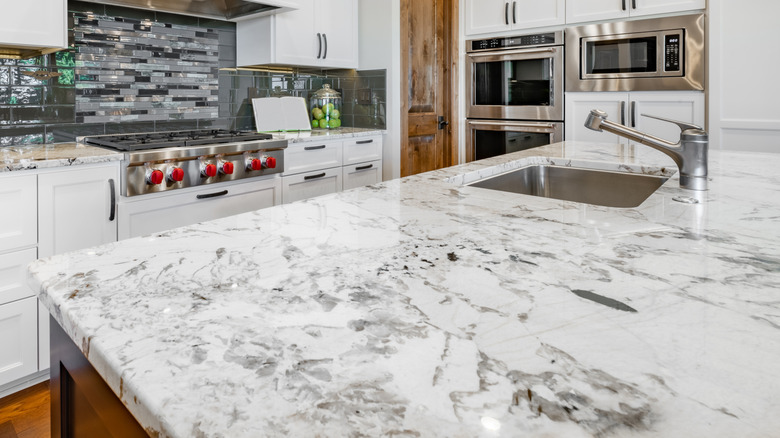
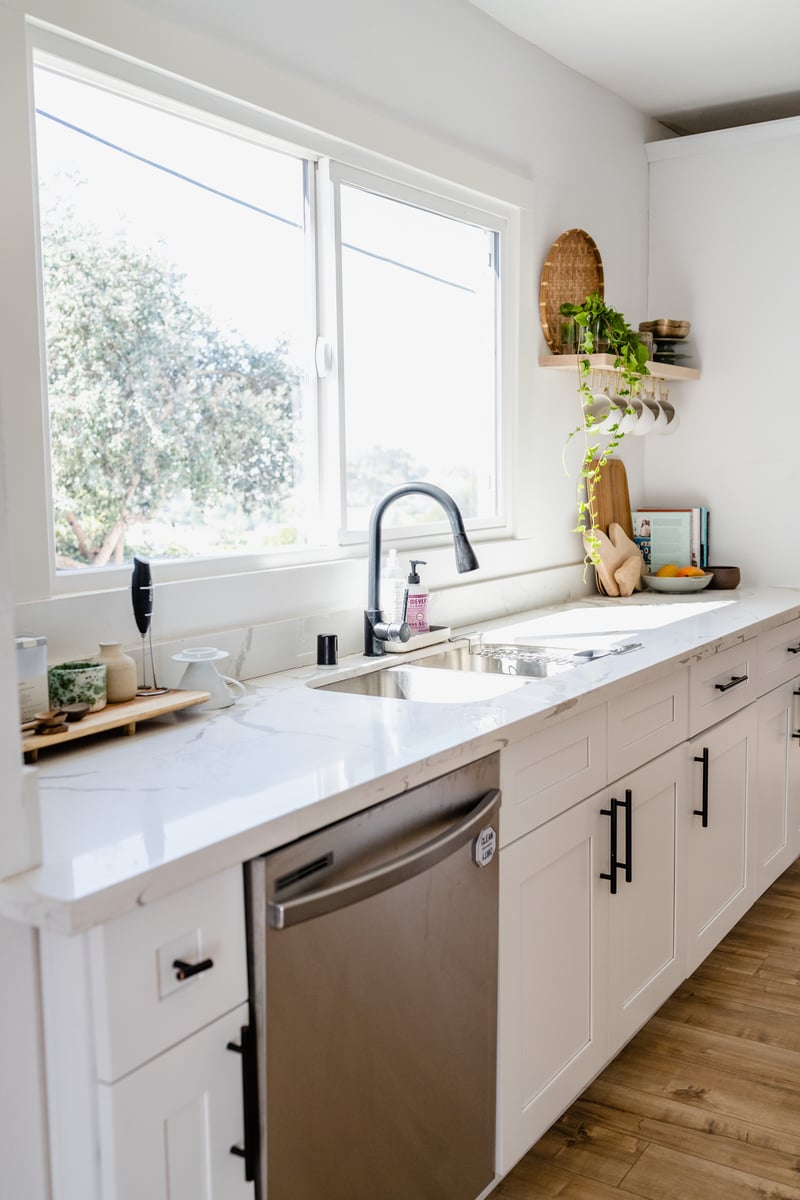
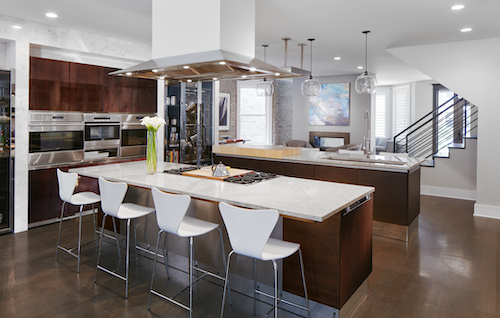
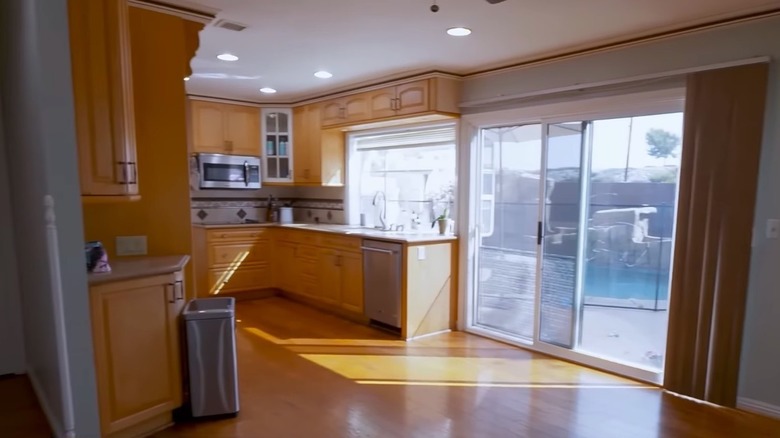
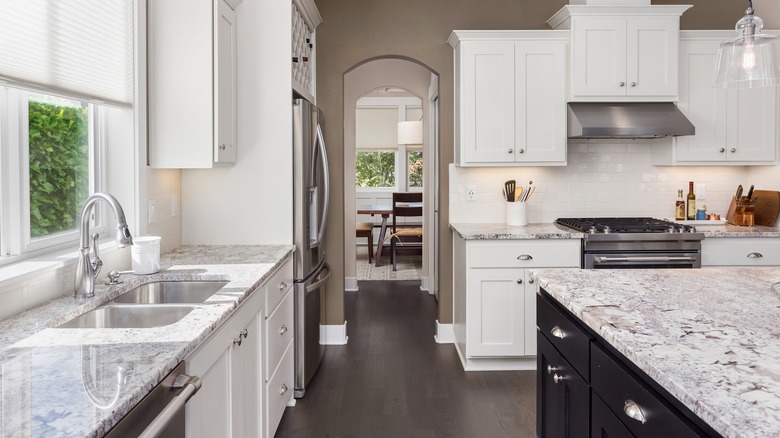
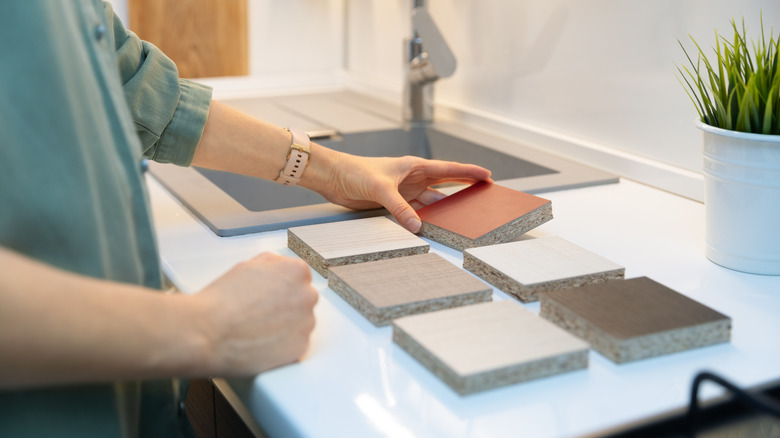
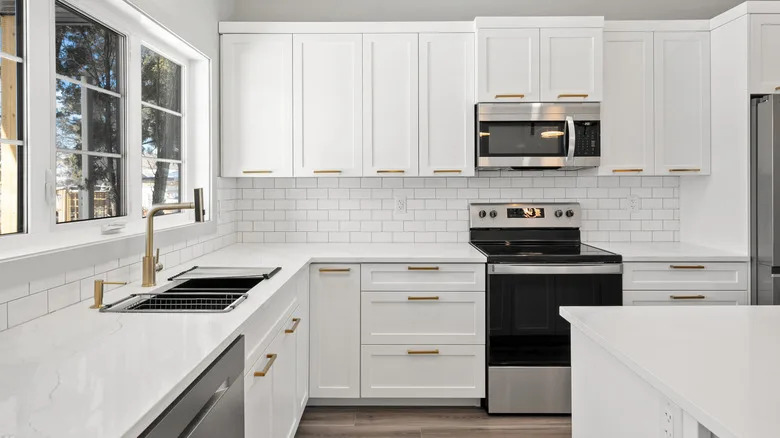
When it comes to cabinetry, Farr advises choosing timeless designs that effectively conceal clutter, given their significant impact on both the kitchen's appearance and the renovation budget. Simple, classic designs like shaker fronts are preferred over overly trendy options. The architectural style of the home should also guide cabinet choices, ensuring a cohesive look. For instance, slab doors suit modern homes, while shaker styles are ideal for farmhouses or traditional settings. Countertops are another critical element, defining the kitchen's aesthetic, cost, and maintenance. Farr champions quartz for its low maintenance, stain resistance, and variety, contrasting it with natural stone options like marble which, while beautiful, require more upkeep. The decision between materials often hinges on a homeowner's lifestyle and preference for natural aging versus pristine condition.
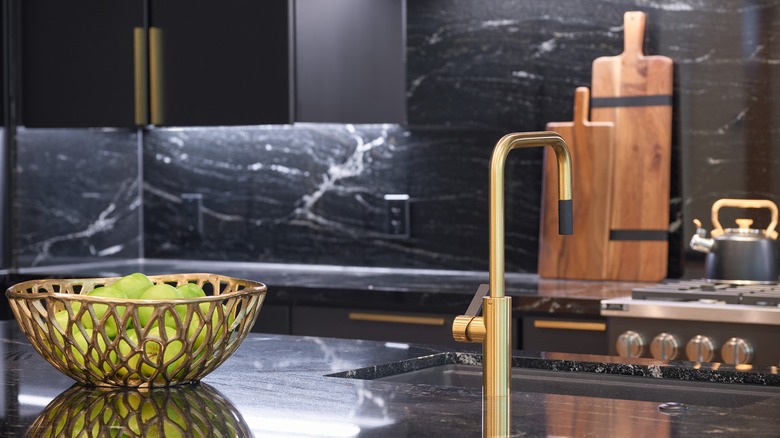
Contrary to popular design advice, Farr suggests downplaying cabinet hardware. Instead of making it a statement, she recommends streamlined, simple pulls and small knobs to avoid visual distraction, especially in open-concept spaces. Quality remains important for tactile elements, even if their visual impact is minimized. Budgeting generously is another key recommendation, as kitchens are heavily used spaces that can significantly increase home value. Farr suggests allocating between 5% and 15% of a home's value to a kitchen remodel, warning against going too far above or below this range to maximize return on investment and avoid devaluing the property. Financial prudence dictates saving adequately to prevent debt or cutting corners during the project.
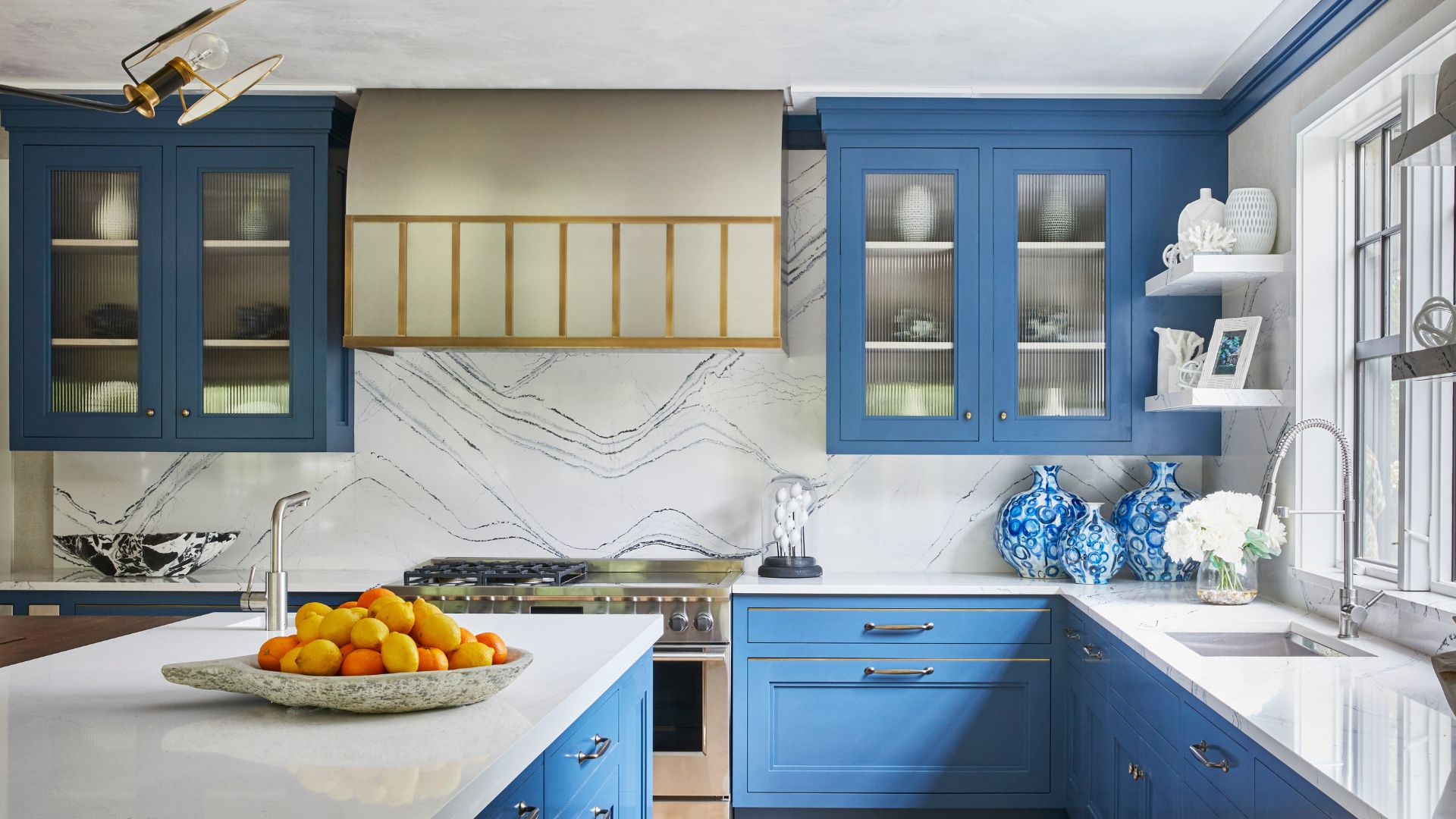
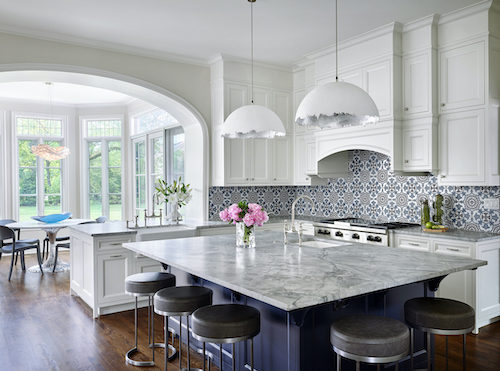
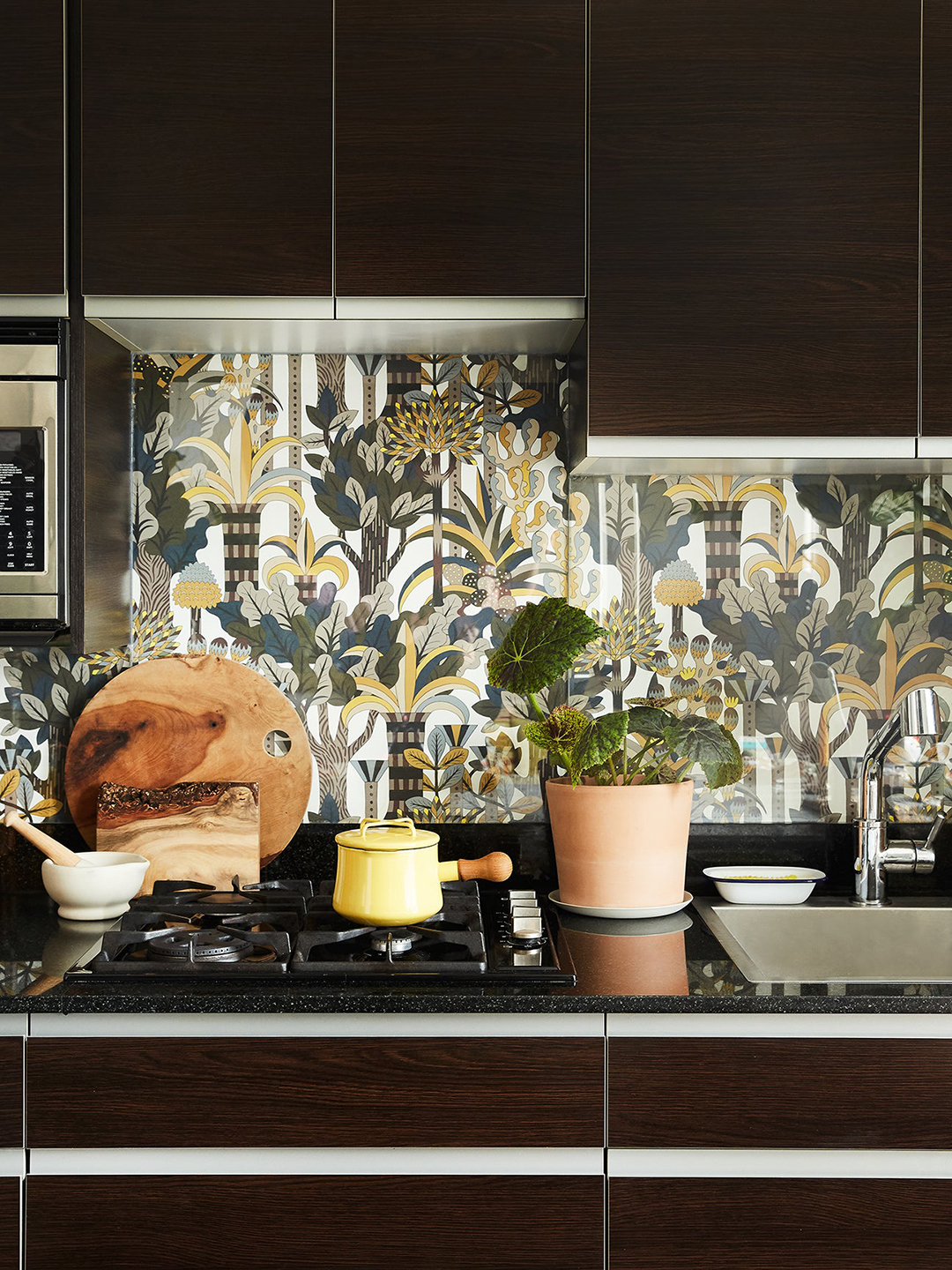
Regarding color, Farr cautions against overly vibrant choices in fixed elements due to their permanence. While colorful trends are popular, she suggests incorporating color through easily changeable items like accessories rather than permanent fixtures like backsplashes, which can quickly become dated. Blue, however, is an exception, with Farr endorsing it as a chic, calming, and timeless option for kitchens, citing its versatility and ability to pair with various design styles. The placement of essential but often unsightly elements like trash cans is also addressed; Farr advocates for integrated pull-out trash cans to maintain a clean, organized, and odor-free kitchen environment, highlighting their aesthetic and practical benefits despite potential cost implications.
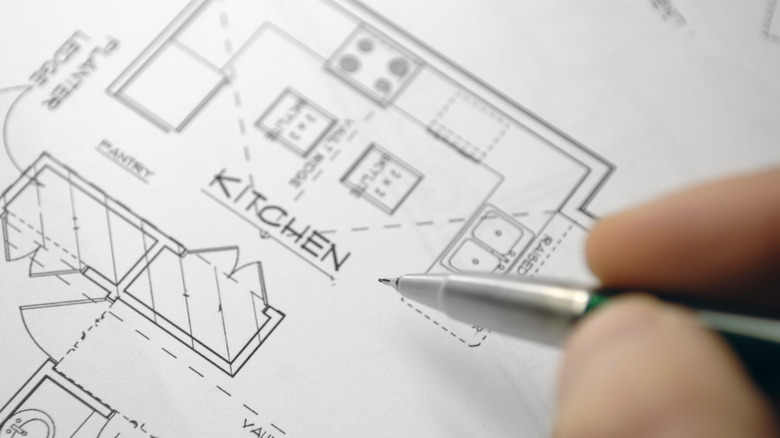
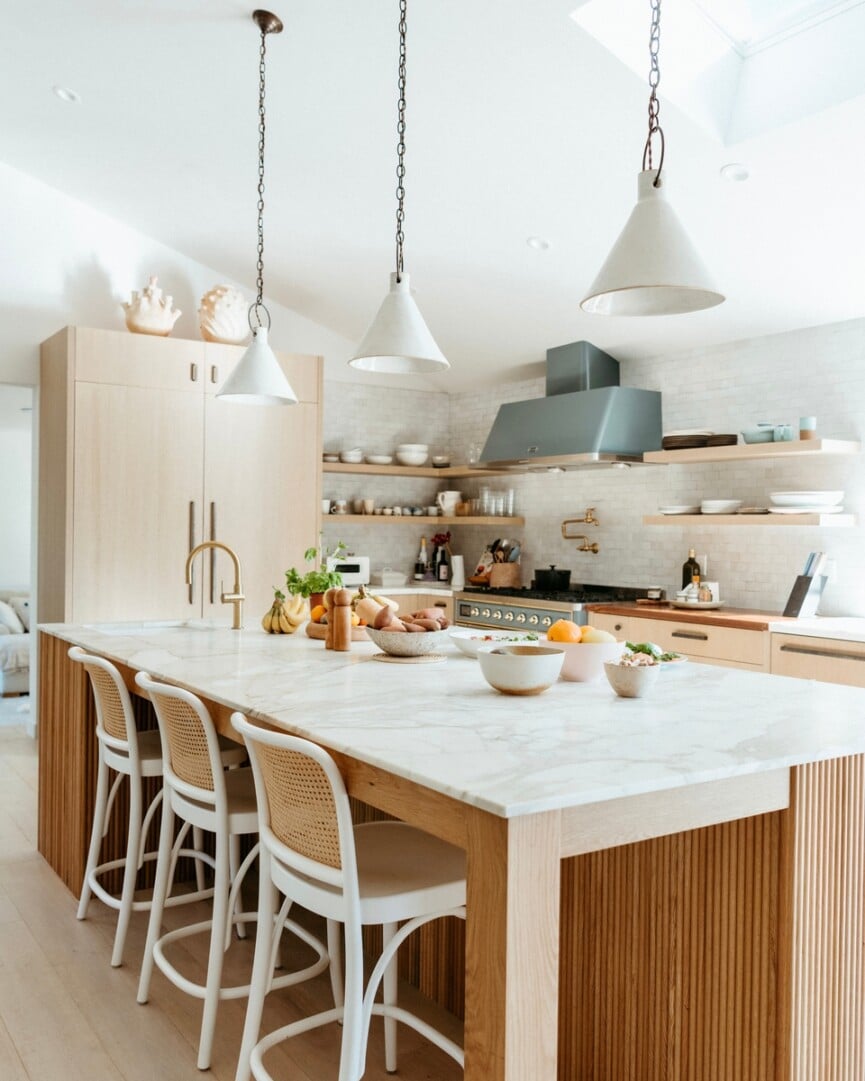
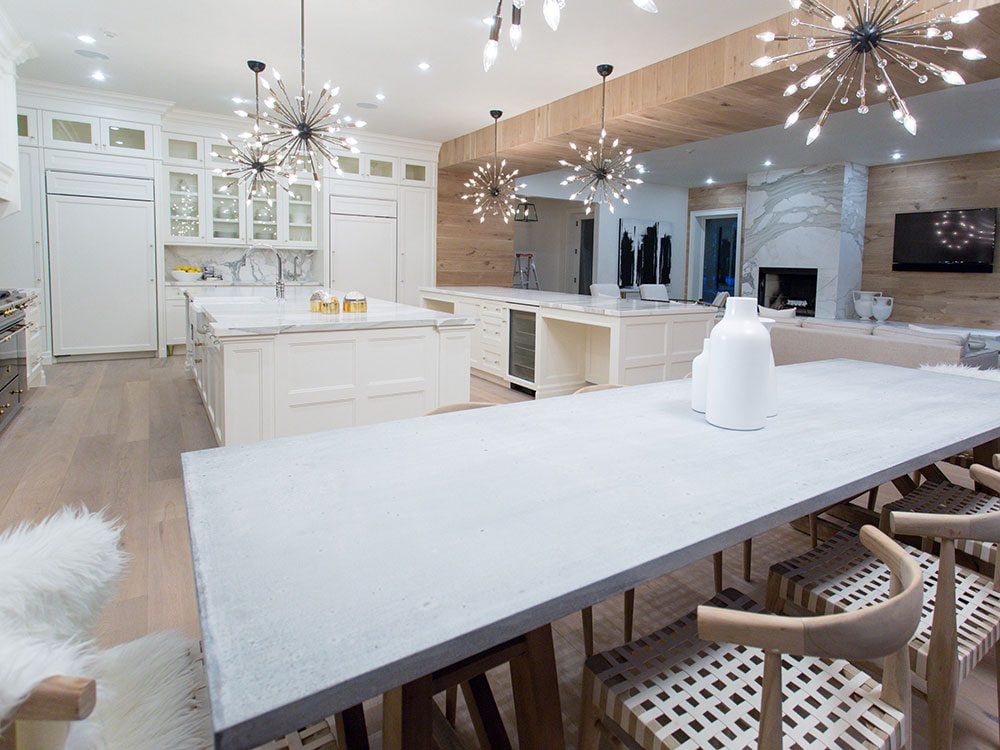
Finally, Farr emphasizes the order of selecting finishes and the importance of scale. She recommends choosing the backsplash first, as it often has a greater visual presence and can dictate the choice of countertops. However, if a dramatic countertop is desired, it should be selected first. She also suggests incorporating pop-up outlets to avoid disrupting the backsplash aesthetic, offering under-cabinet power strips as a more affordable alternative. Farr continues to support open-concept kitchen living spaces, despite recent shifts towards more divided layouts, emphasizing their continued popularity and ability to create a spacious feel. She advises visually demarcating zones within an open plan using elements like area rugs or contrasting paint to maintain definition. Accurate scaling of appliances and elements to fit the kitchen's footprint and ensure optimal functionality is crucial, preventing issues like inadequate landing space around sinks and ranges. Paying attention to details like countertop edge profiles can also enhance the overall design aesthetic, ranging from modern straight edges to traditional ogee styles.
#KitchenRenovation #HilaryFarr #HomeImprovement #InteriorDesign #KitchenAppliances #Cabinetry #Countertops #Budgeting #HomeDesignTrends #KitchenRenovation #HilaryFarr #HomeImprovement #InteriorDesign #KitchenAppliances #Cabinetry #Countertops #Budgeting #HomeDesignTrends
0 comment in total
 No comments yet
You may also like

Rounding Up The Best Kitchen Makeovers We've Seen From HGTV's Hilary Farr
Before and After: 4 Things I Wish I Knew Before My Kitchen Renovation

Emily Henderson Shares Her Ultimate Guide to Kitchen Design

HGTV's Hilary Farr Shares The Countertop Material You Can Rely On For Durability & Looks

Married To Real Estate: 10 Best Kitchen Renovations According To Fans
6 design rules worth breaking for a more characterful kitchen


The Dying Kitchen Island Trend HGTV Star Hilary Farr Is Happy To Put To Rest

HGTV's Denese And Mike Butler Talk Reanimating Floor Plans On 'Fix My Frankenhouse' - Exclusive Interview
Joanna Gaines, Christina Haack, and More TV Expert Advice I Followed to Renovate and Decorate My Home
Love It Or List It - HGTV Star Hilary Farr Talks Interior Design
Emily Henderson’s Step-by-Step Guide To Remodeling Your Kitchen
These Under-$1,500 Renovations Could Help Sell Your Home Faster

HGTV's Hilary Farr Doesn't Want Homeowners To Focus On This 'Distracting' Kitchen Feature


'Home Town' hosts share budget-friendly kitchen renovation ideas

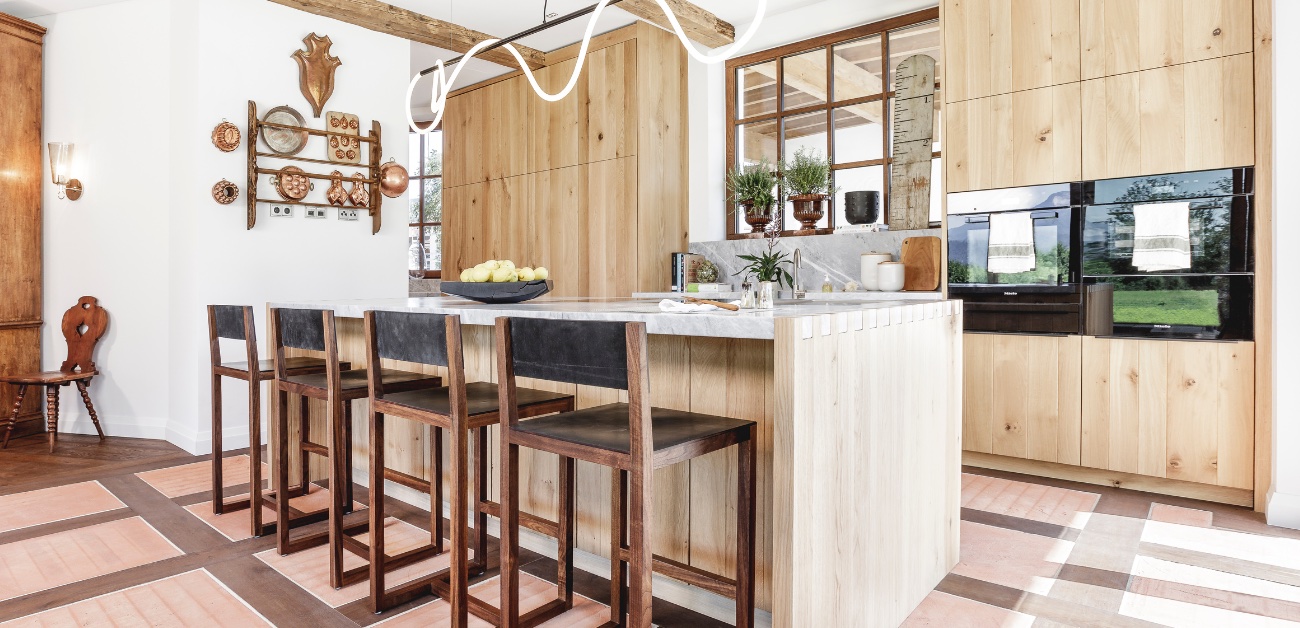
Kitchen Islands: The Life of the Party

Bryan Baeumler’s Best Kitchen Renovation Advice

The Best Kitchen Renovation Tips From The Fixer To Fabulous Team

The Best Kitchens Featured On HGTV's Home Town

12 Of The Best Kitchen Designs Fans Have Seen From HGTV's Christina Hall
With a little pro advice, a kitchen refresh creates a clean look without the expense of a total remodel