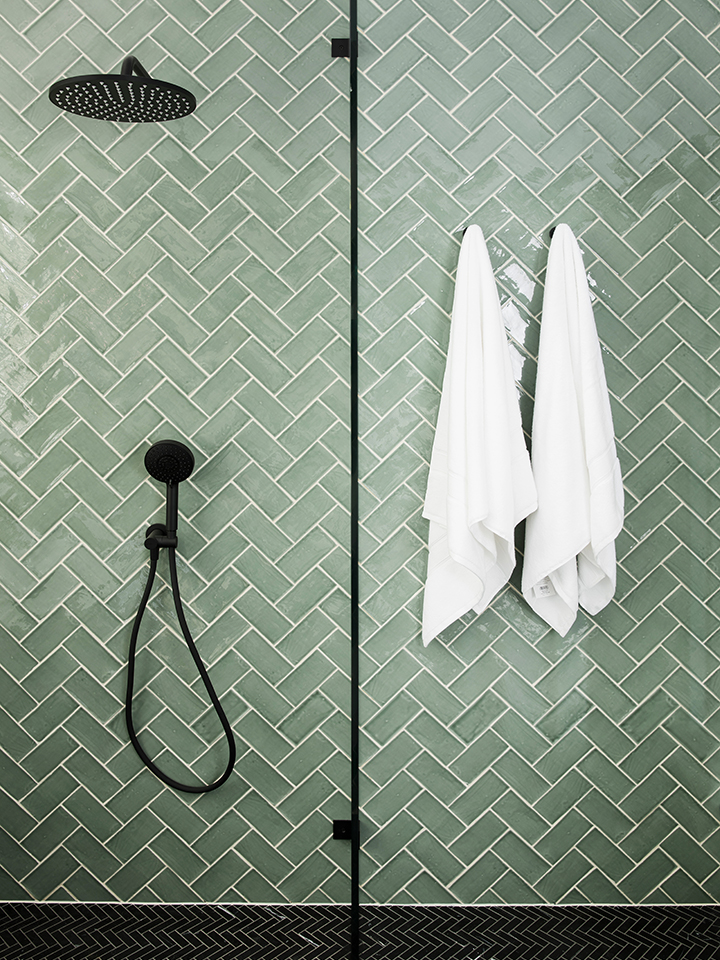
Glass bricks: Love or loathe?
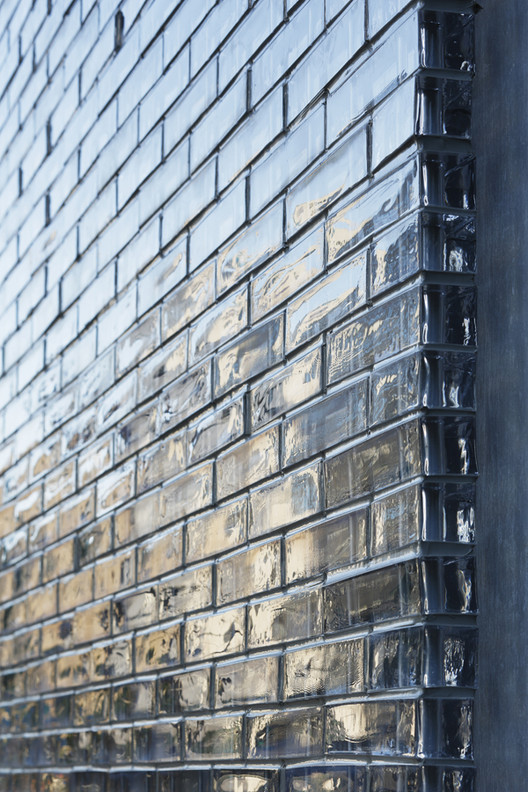
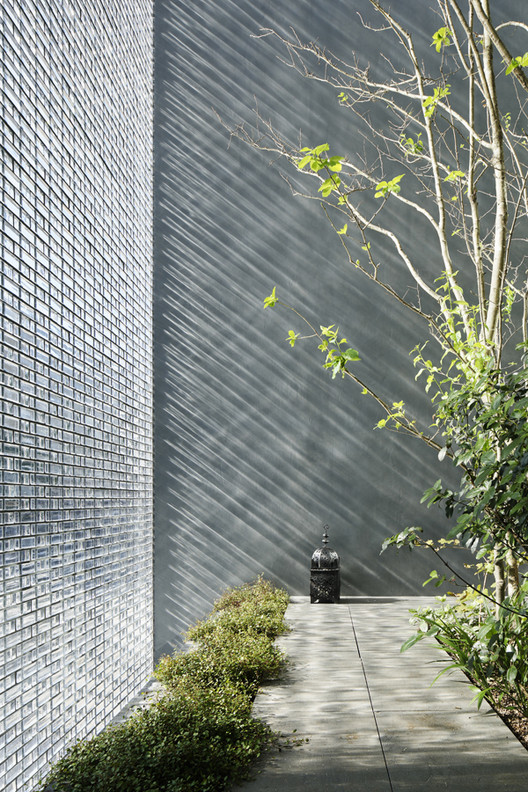
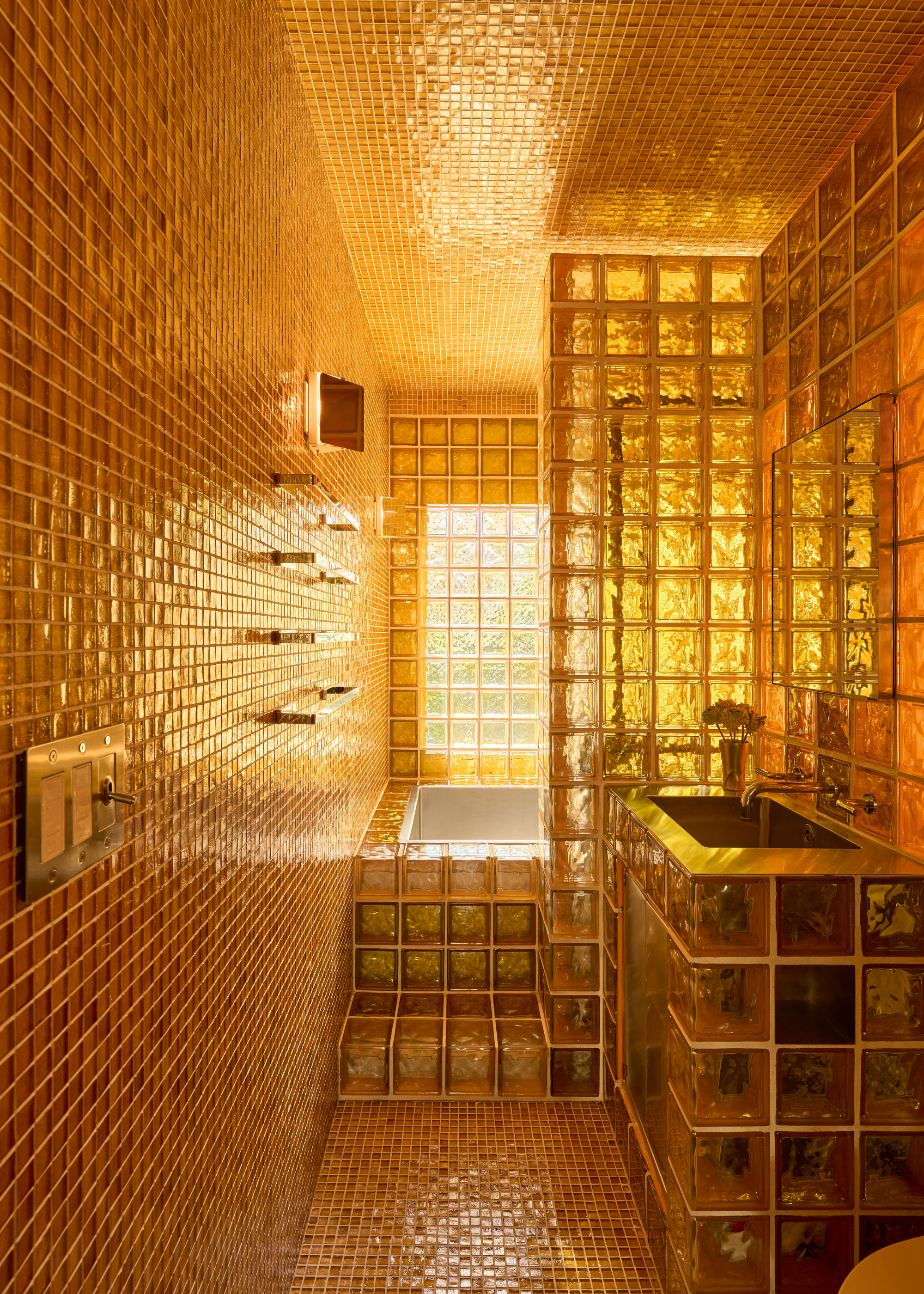
Glass bricks, a design element prominent in homes from the 1970s and 1980s and even dating back to the early 1900s, are experiencing a resurgence, sparking debate among designers and architects. While some consider them outdated, others appreciate their renewed potential. Mia Lake, interior design director at Vic Lake Architects, initially expresses a strong dislike for glass bricks, associating them with her father's architectural projects in the early '90s and deeming them dated. However, she acknowledges witnessing innovative applications that have changed her perception, citing the Hermès building in Tokyo, which features an entire facade of glass bricks and resembles a 'jewellery box.'
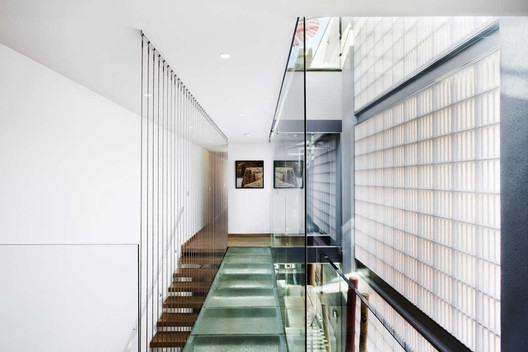
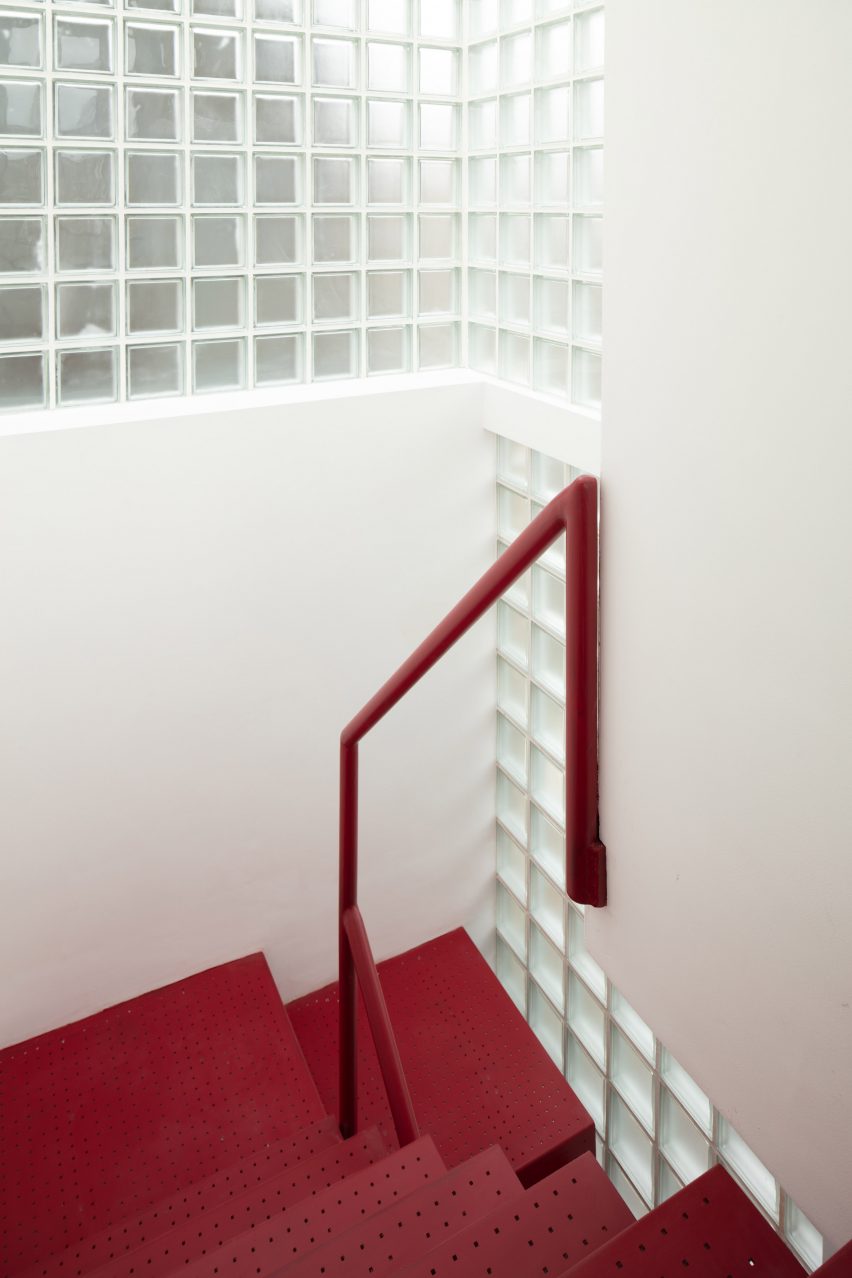
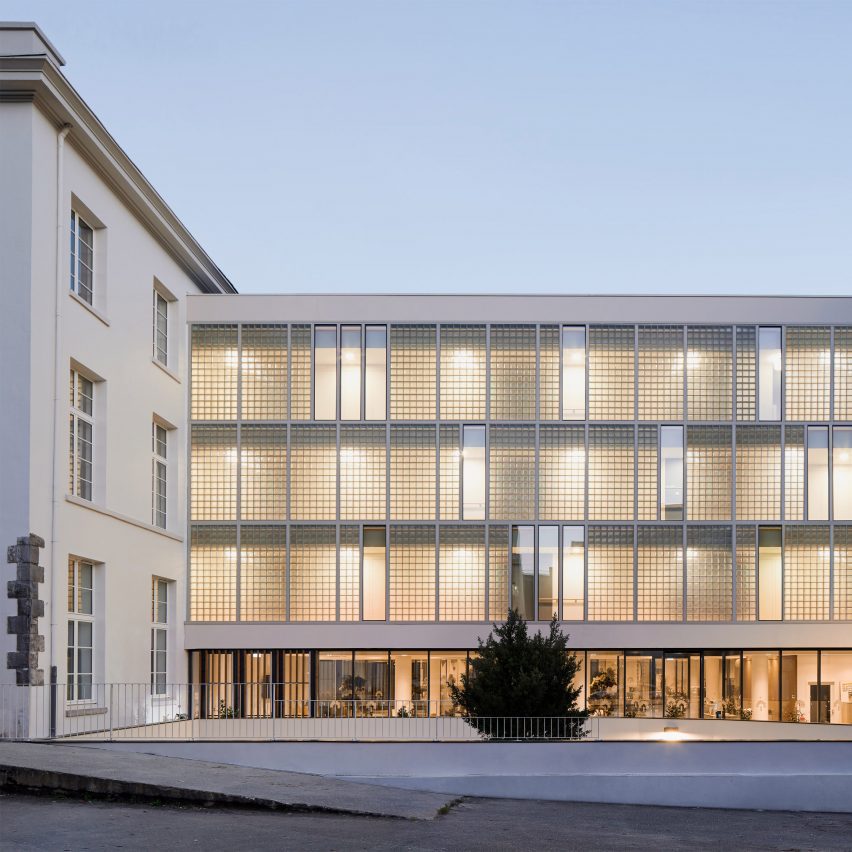
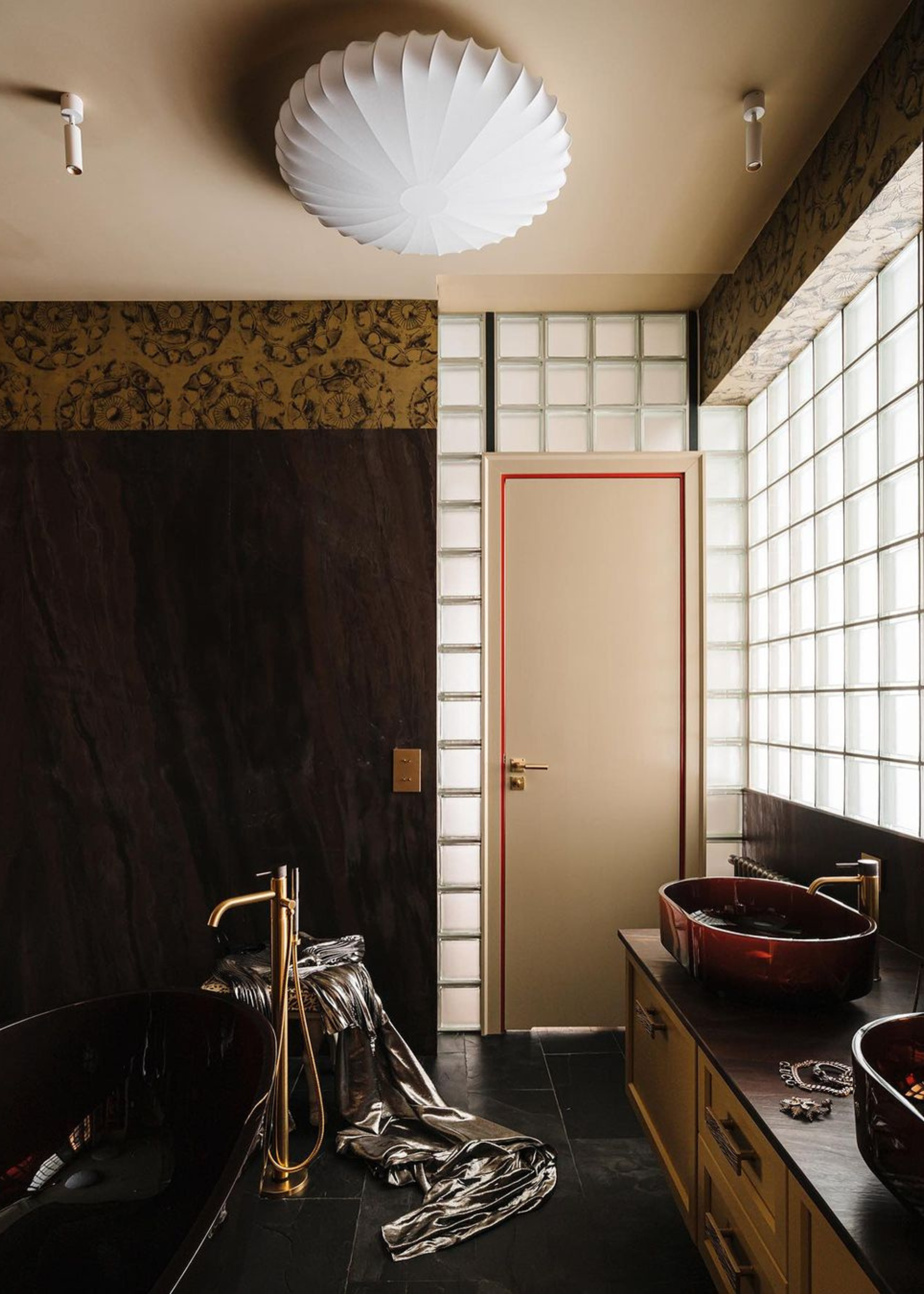
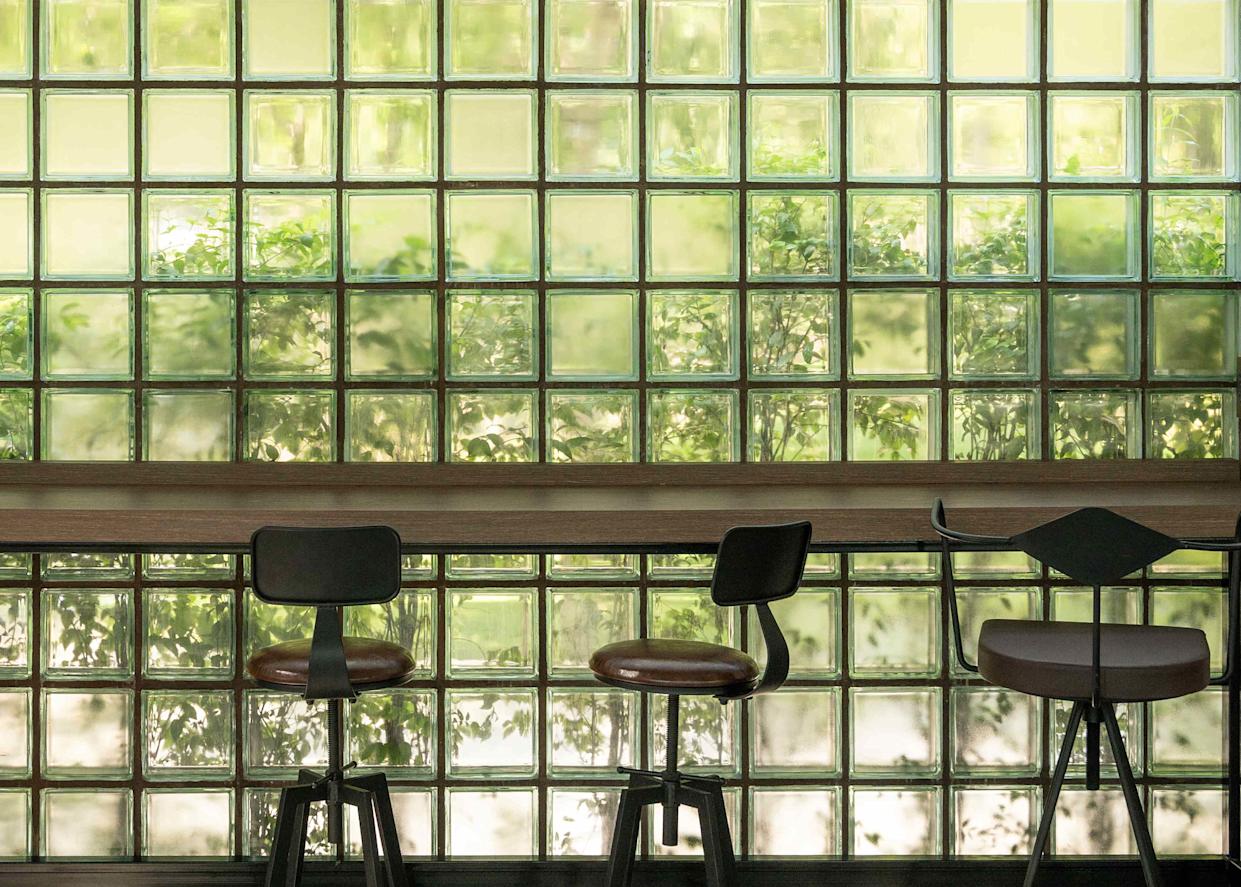
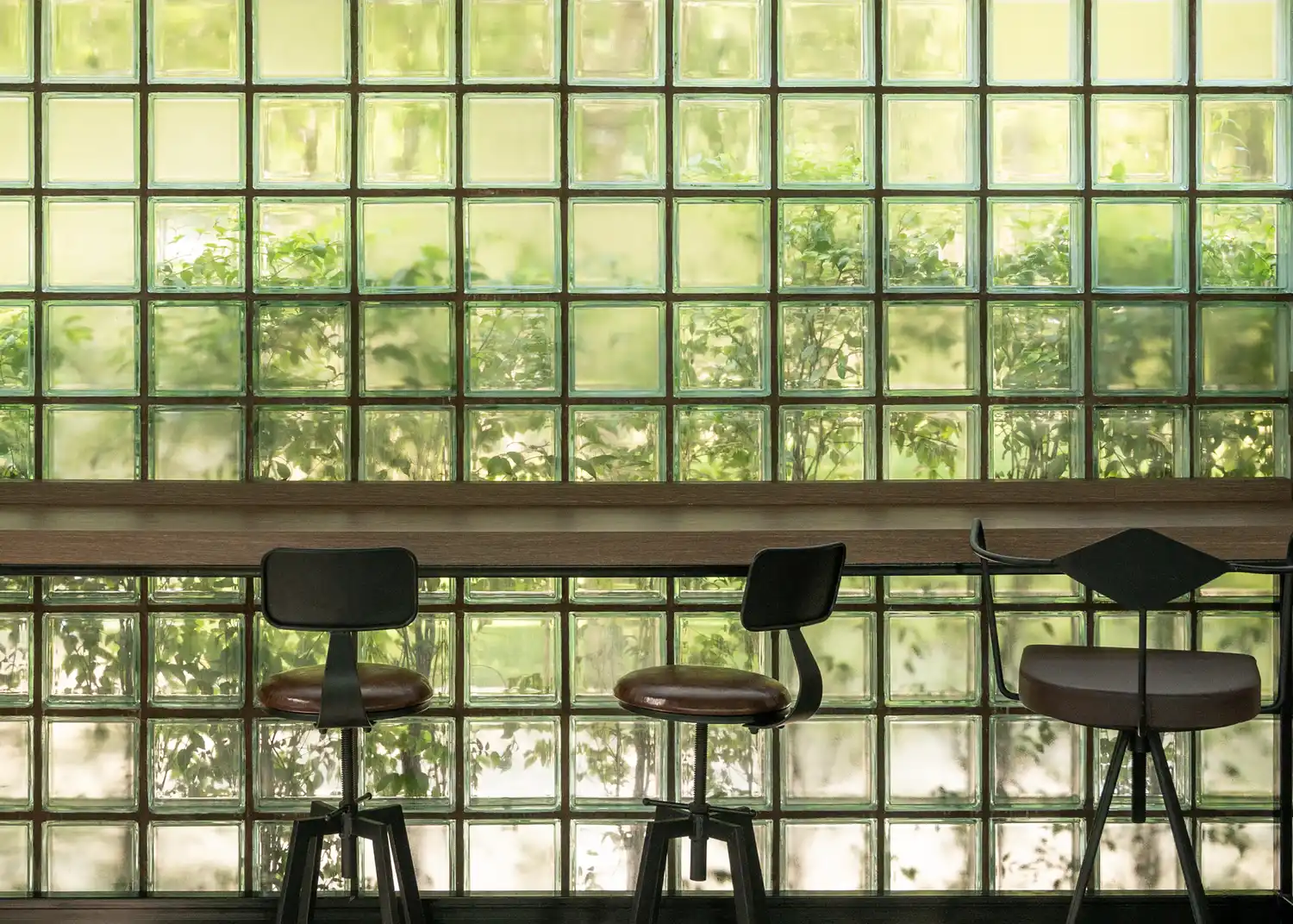
The article delves into the historical context of glass bricks, highlighting their functional benefits beyond aesthetics. For centuries, they have been utilized in architecture for their ability to allow filtered natural light into spaces while simultaneously providing privacy and sound insulation. Additionally, their robust nature makes them suitable for use as fire-rated windows in high-density living environments, offering a secure alternative to traditional windows due to their thickness. These practical advantages underscore their enduring appeal in various architectural designs.
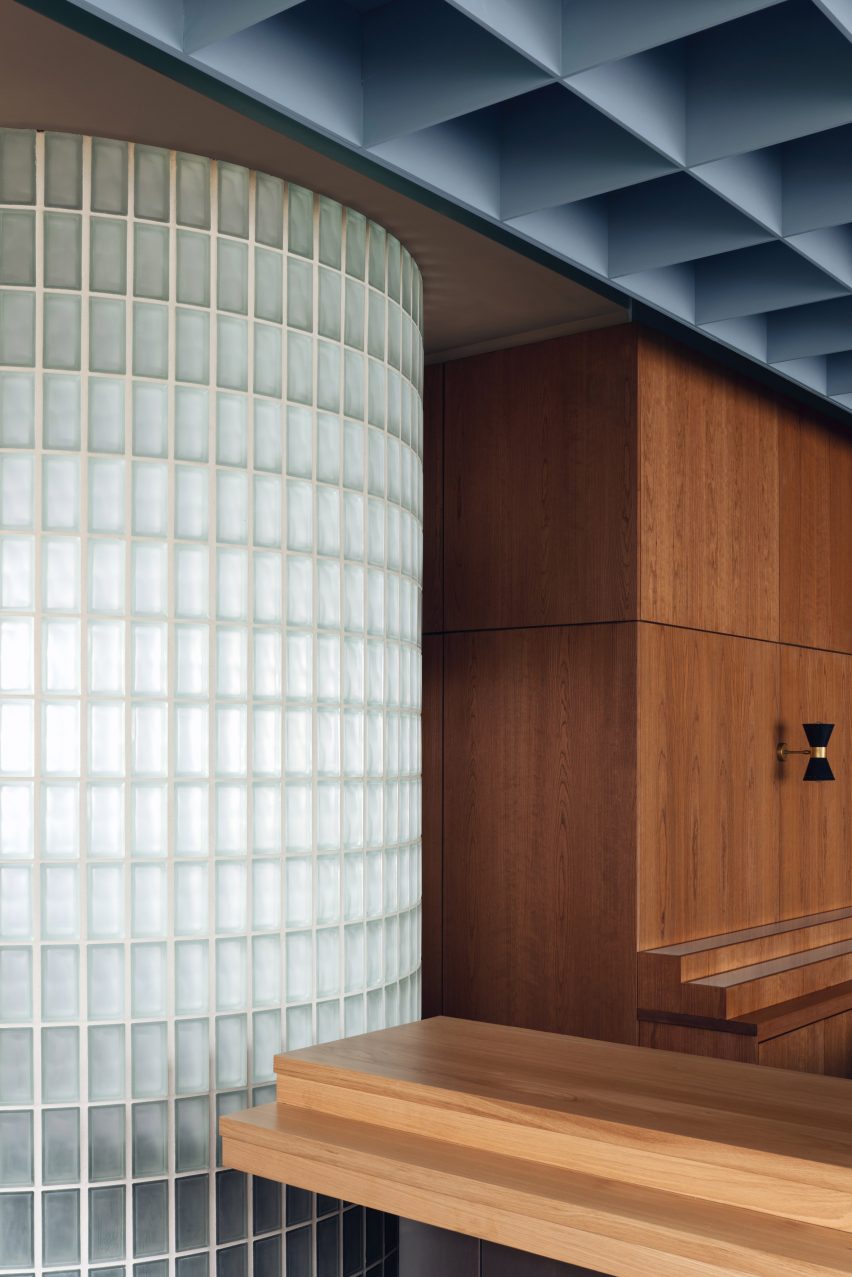
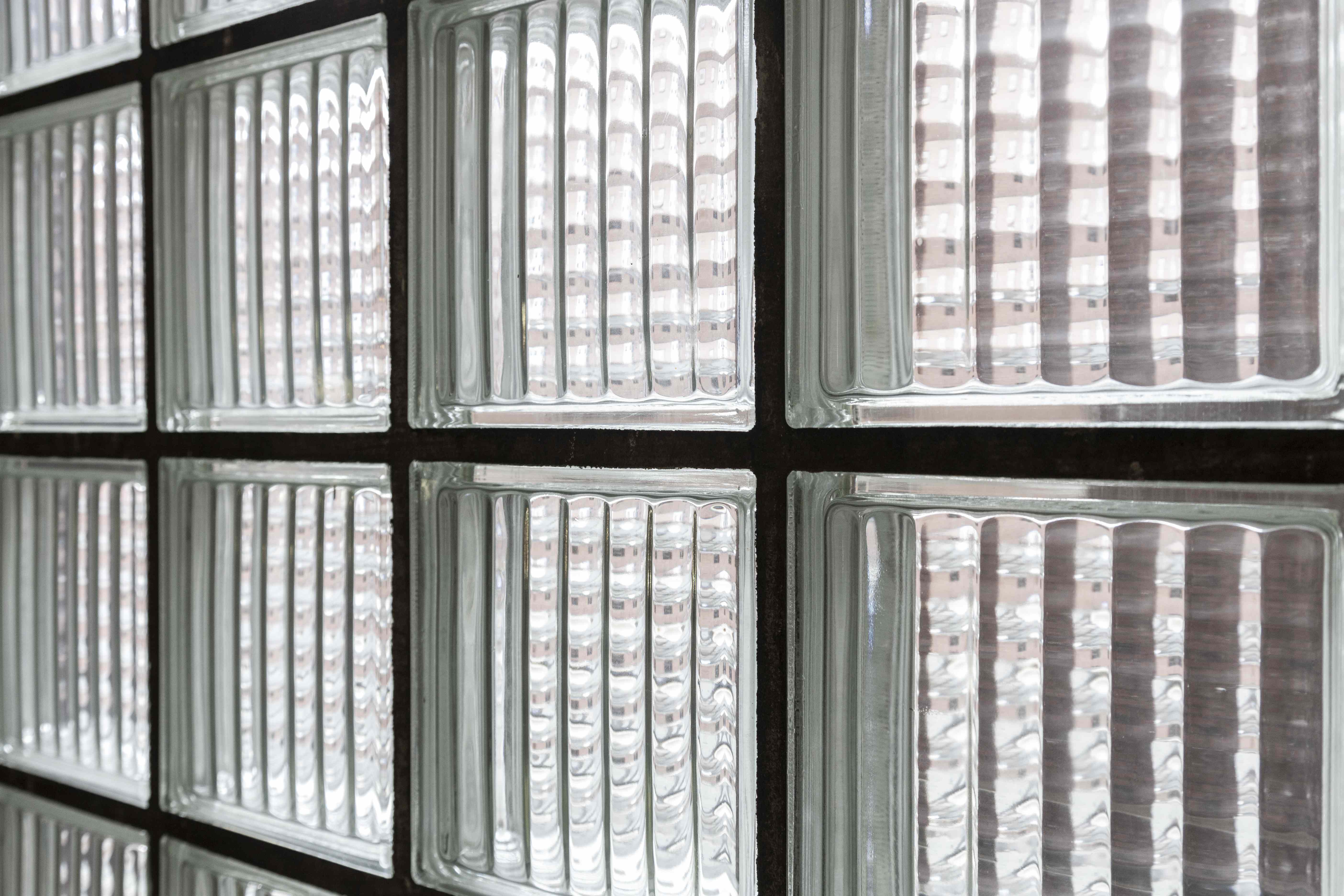
The current comeback of glass bricks is attributed to a combination of their 'ugly cool' aesthetic and undeniable practicality. The market now offers a wider variety of patterns, textures, sizes, and colors compared to their initial periods of popularity. This expanded selection allows for more contemporary and creative applications. Specifically, the article notes that skinny, rectangular-shaped glass bricks arranged in a traditional brick pattern present a more modern aesthetic than the square, stacked blocks commonly seen in the early '90s. This evolution in design options makes it easier to integrate glass bricks into modern interior and exterior schemes.
When considering the installation of glass bricks, the article advises against outdated methods, such as triangular-diagonal patterns, which are considered a significant design flaw. It also emphasizes that while glass bricks offer a degree of privacy, additional window treatments may still be necessary, particularly in private areas like bedrooms or bathrooms, to completely block out light or ensure full seclusion. This practical advice helps homeowners avoid common pitfalls and achieve the desired level of privacy and light control.
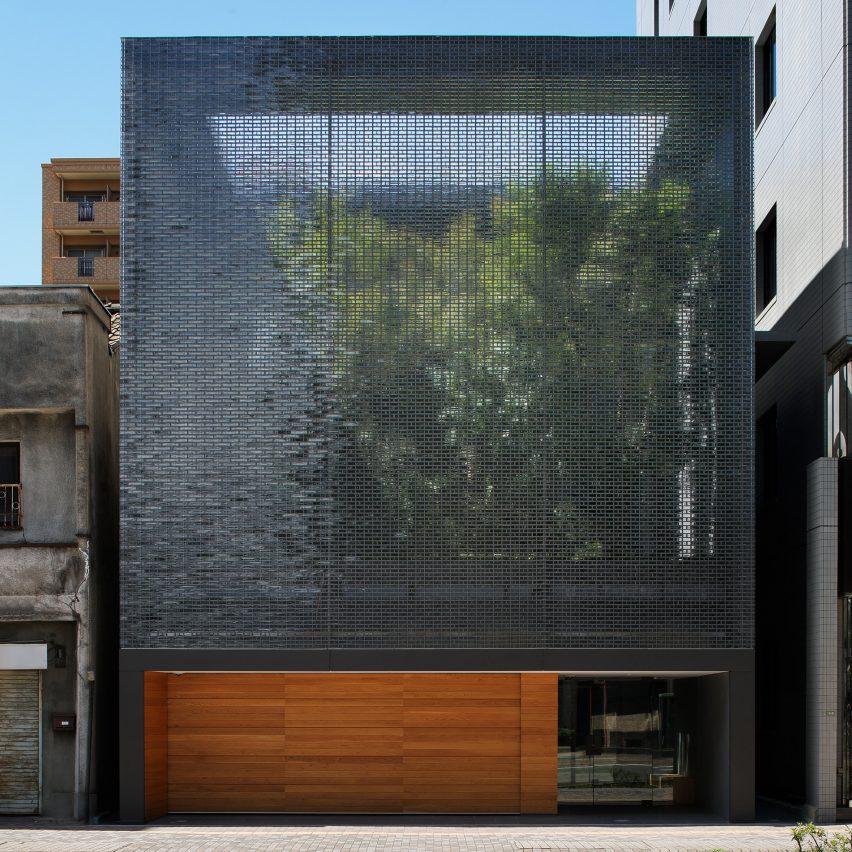
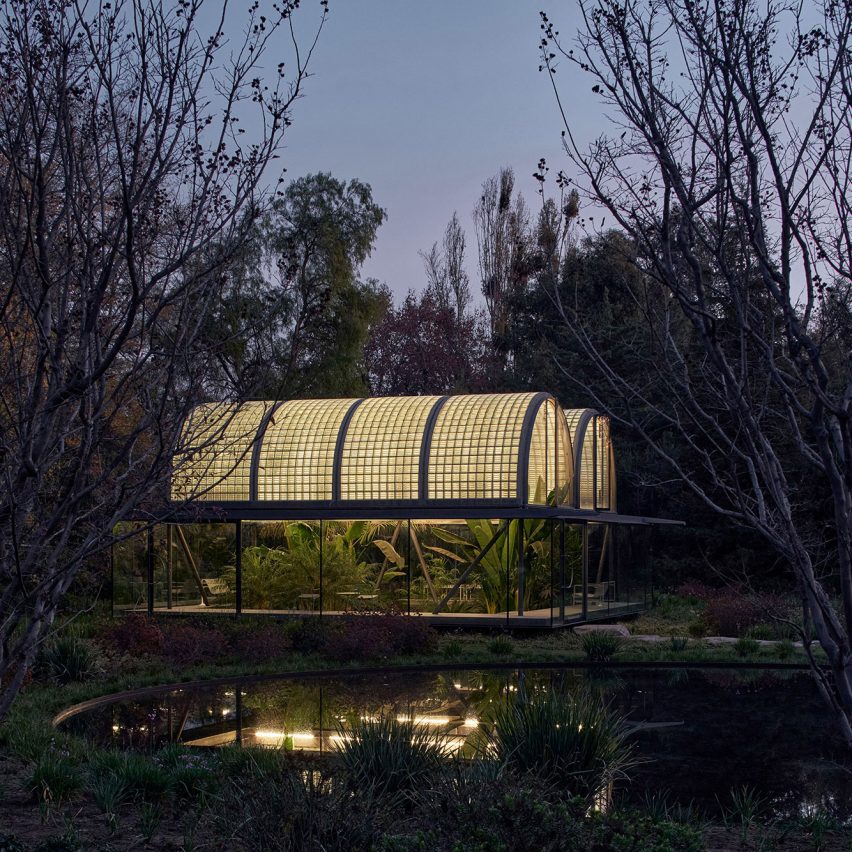
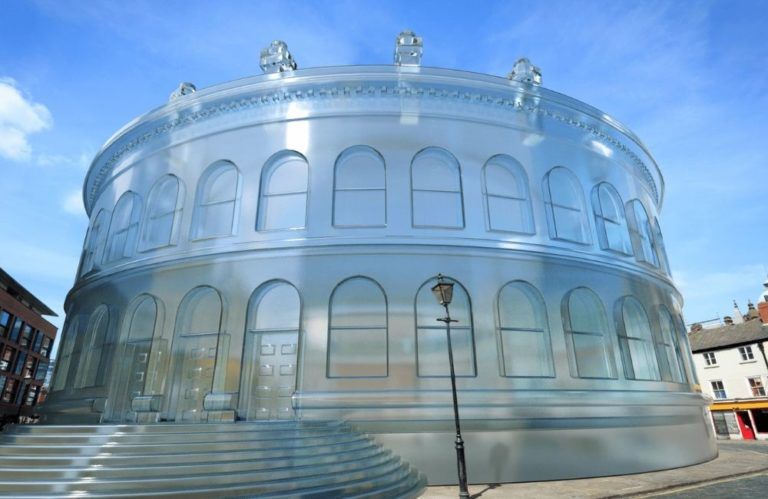
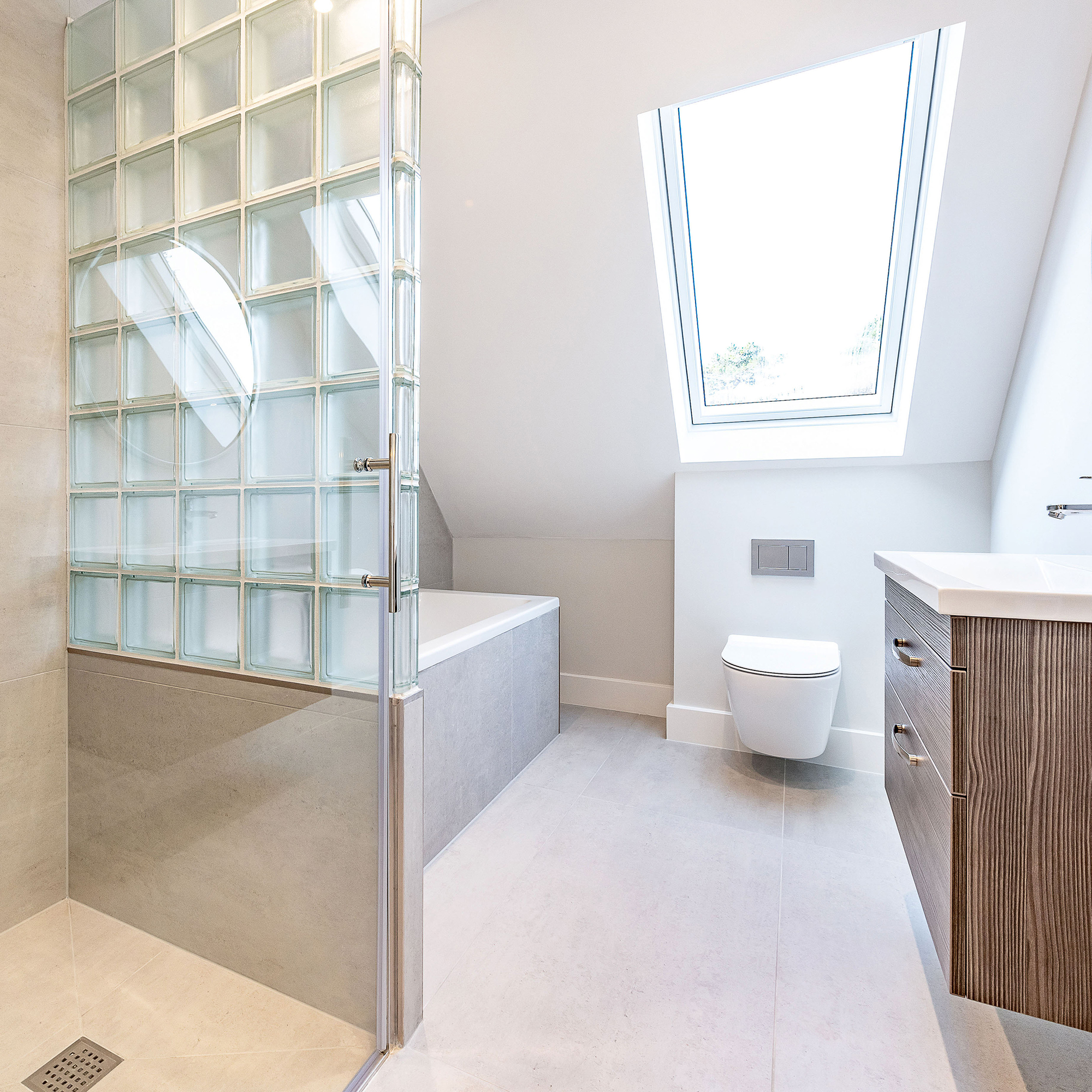
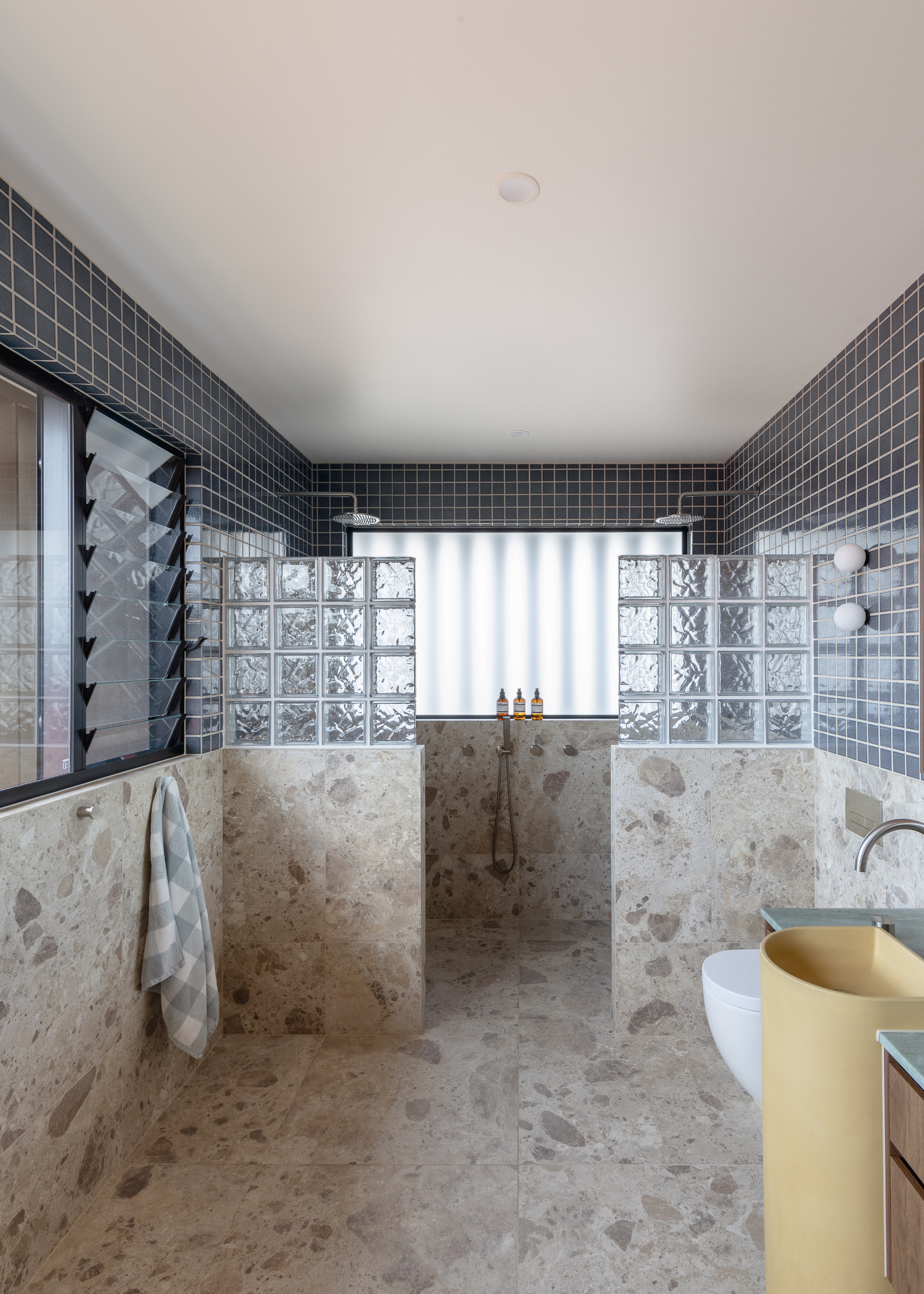
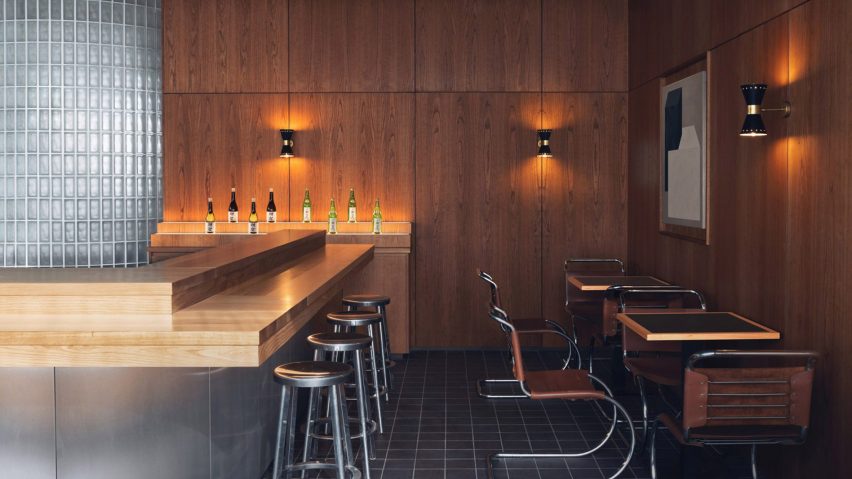
For incorporating glass bricks into contemporary homes, the article suggests creative and unconventional approaches to achieve a fresh and modern look. Examples include using them as shower screens in warehouse conversions to enhance the space and add a unique element. Other suggestions involve creating small 'peepholes' with a single glass brick or designing narrow, tall slot windows. The article advocates for a more architectural integration of glass bricks, even suggesting their use as an external facade on a grand scale, treating them as structural walls rather than mere window products. For those seeking further customization, the use of colored mortar is recommended to create a distinctive grid-like effect, adding an extra layer of visual interest to the installation. The article concludes by reiterating the durability and soundproofing qualities of glass bricks, positioning them as an effective solution for illuminating entryways and other spaces.
#GlassBricks #InteriorDesign #ArchitecturalTrends #HomeDecor #BuildingMaterials #HomeRenovation #DesignTips #PrivacySolutions #NaturalLight #GlassBricks #InteriorDesign #ArchitecturalTrends #HomeDecor #BuildingMaterials #HomeRenovation #DesignTips #PrivacySolutions #NaturalLight
0 comment in total
 No comments yet
You may also like
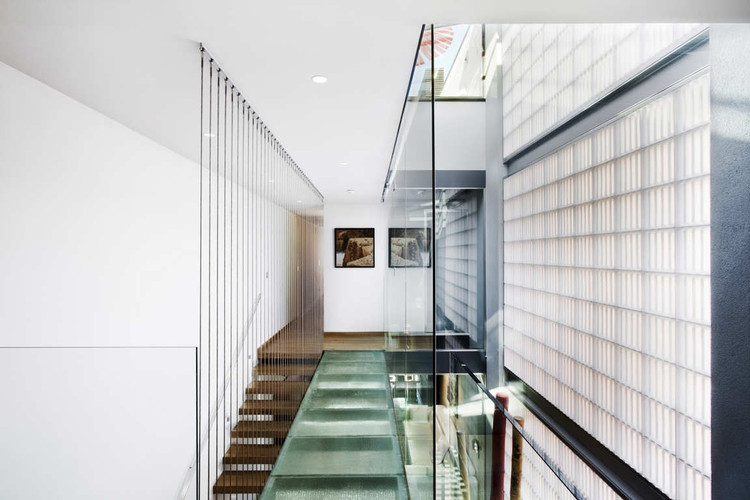
Glamorous Glass Bricks Are Booming – Again

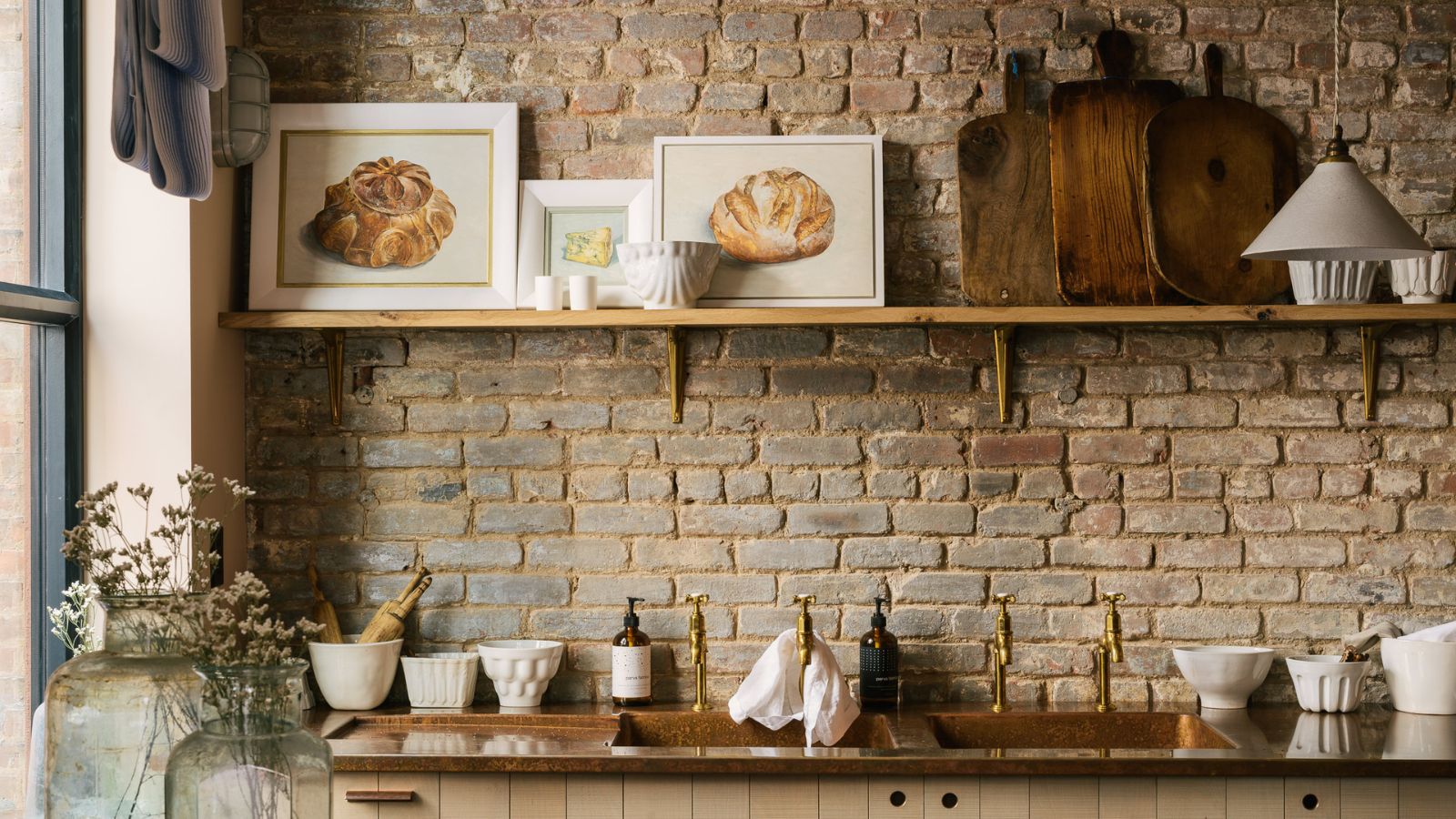
Is exposed brick still on trend? Designers debate whether this 'timeless' look really is a classic

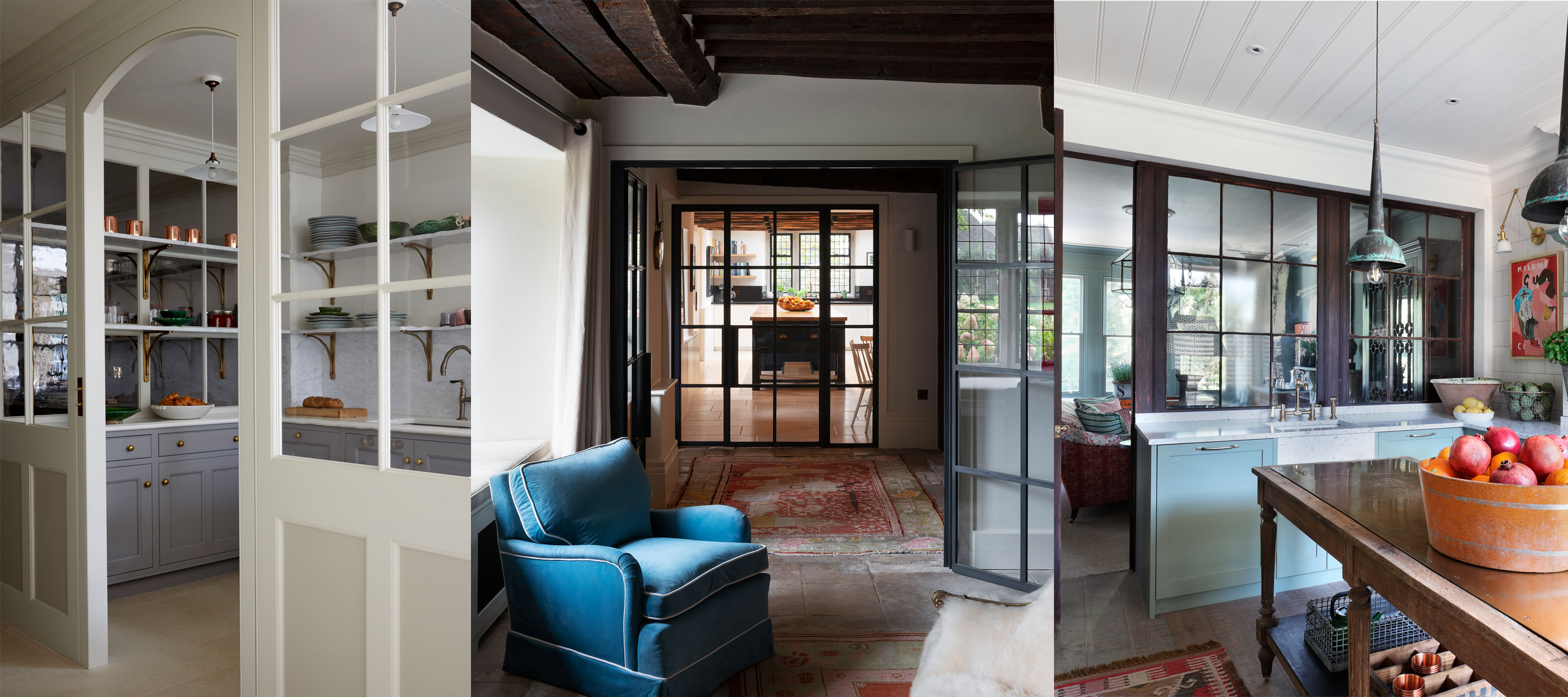
Glass partition walls – how to replace internal walls and create a timeless design feature
Glass Blocks Are the Vintage Trend We're Loving in 2025—Here's How to Use Them

Ten interiors that use glass-block walls to play with light and shadow
Statement bricks are the latest design trend

Glass Block Is Back: How We're Embracing This Retro Feature in a Fresh, Modern Way
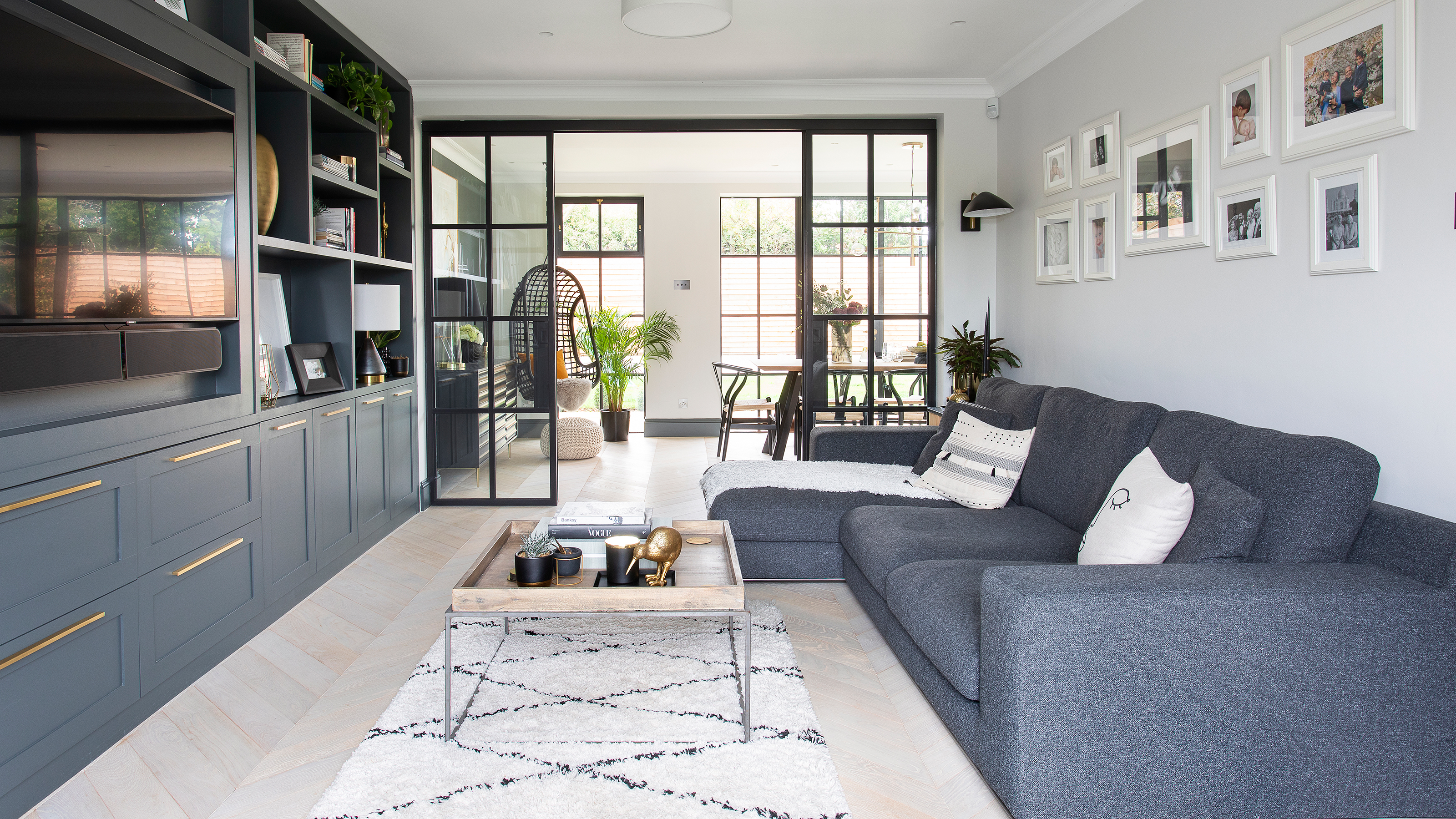
Glass wall design ideas - all you need to know about glass partition walls
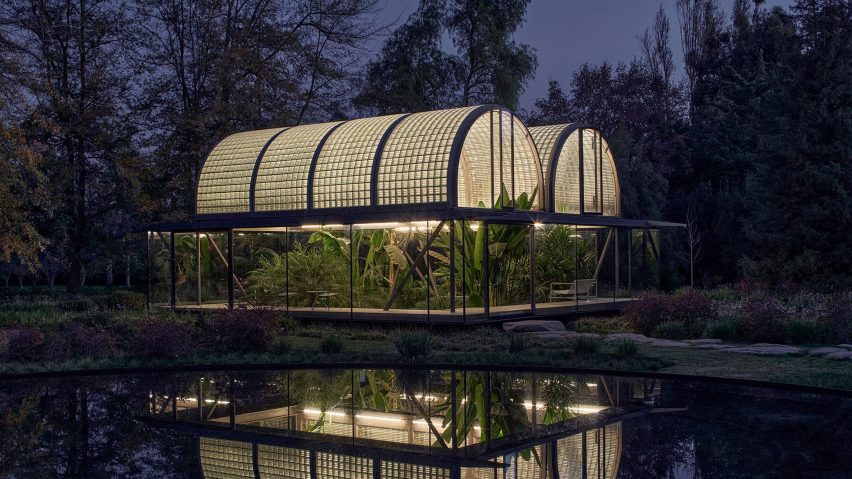
Eight buildings bejewelled with glass bricks and blocks
Letter of Recommendation: Glass Bricks (Published 2016)

Africa Congo 5mm/6mm brown reflective glass tinted glass 2440*3660mm for window

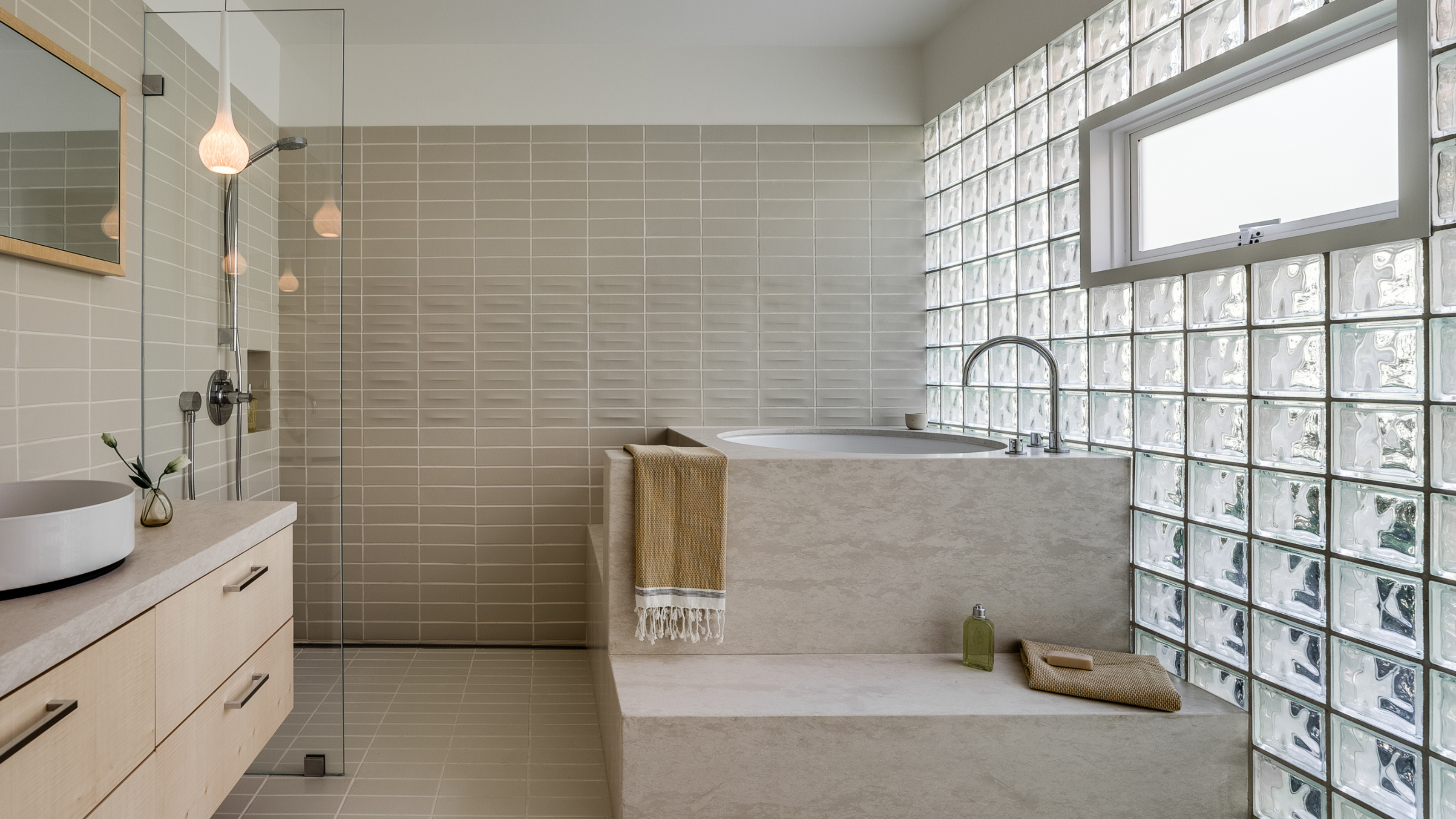
6 Glass Block Bathroom Ideas That Bring Retro-Charm Through This Emerging Design Trend


Glass Bricks: Top 5 Glass Blocks on the Market
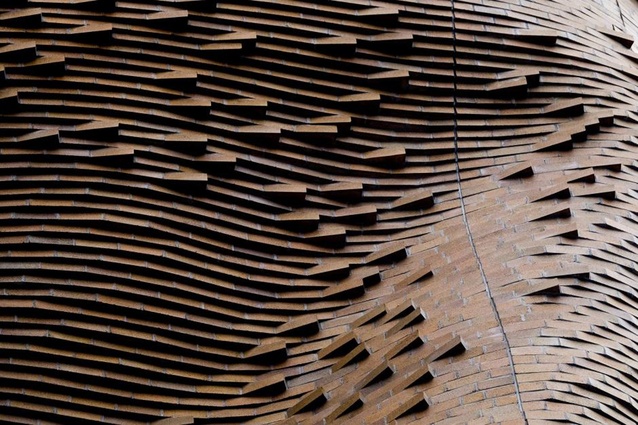
Another brick in the wall
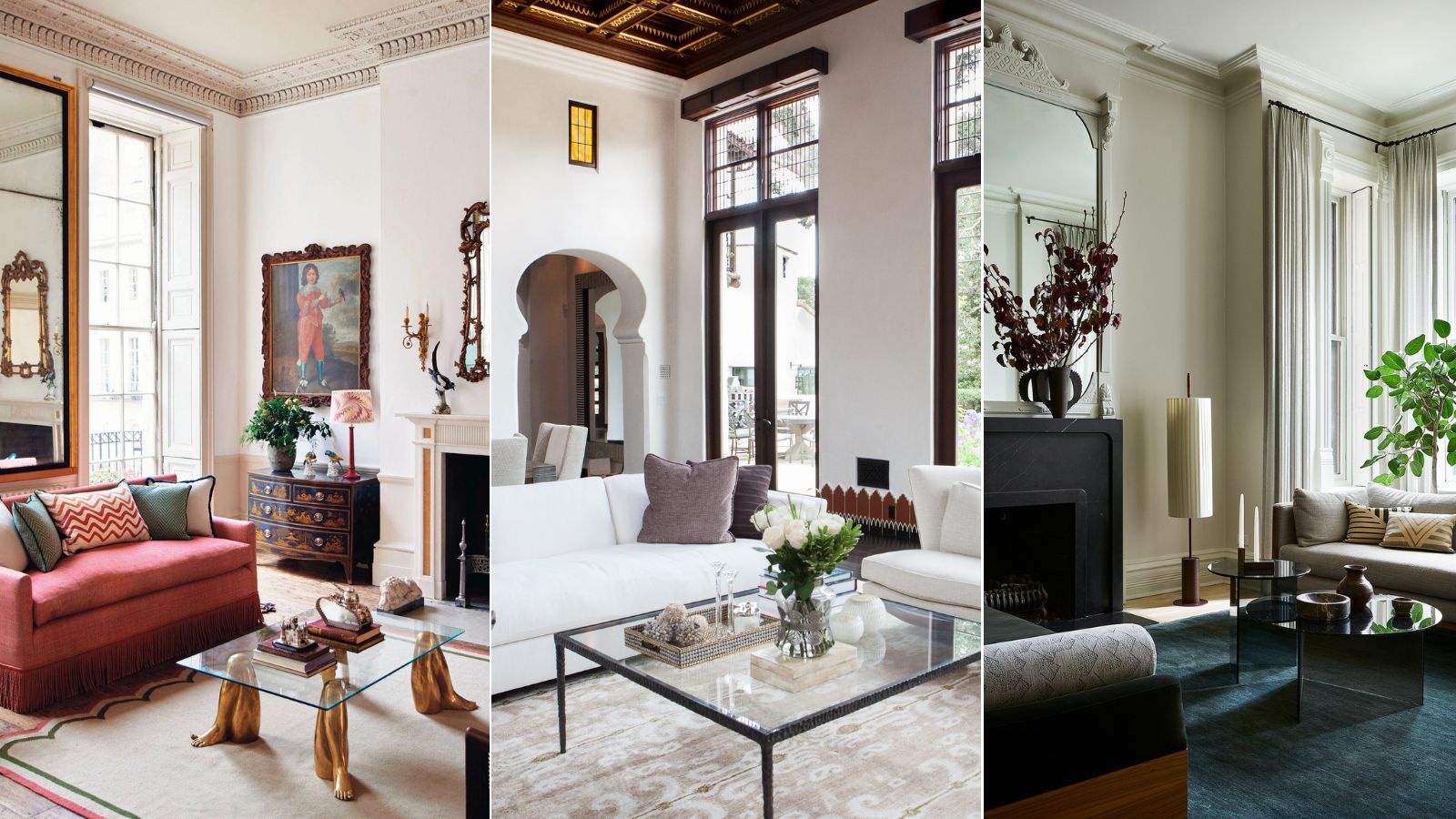
Are glass coffee tables still on trend? Designers weigh in on this 'love it or hate it' style
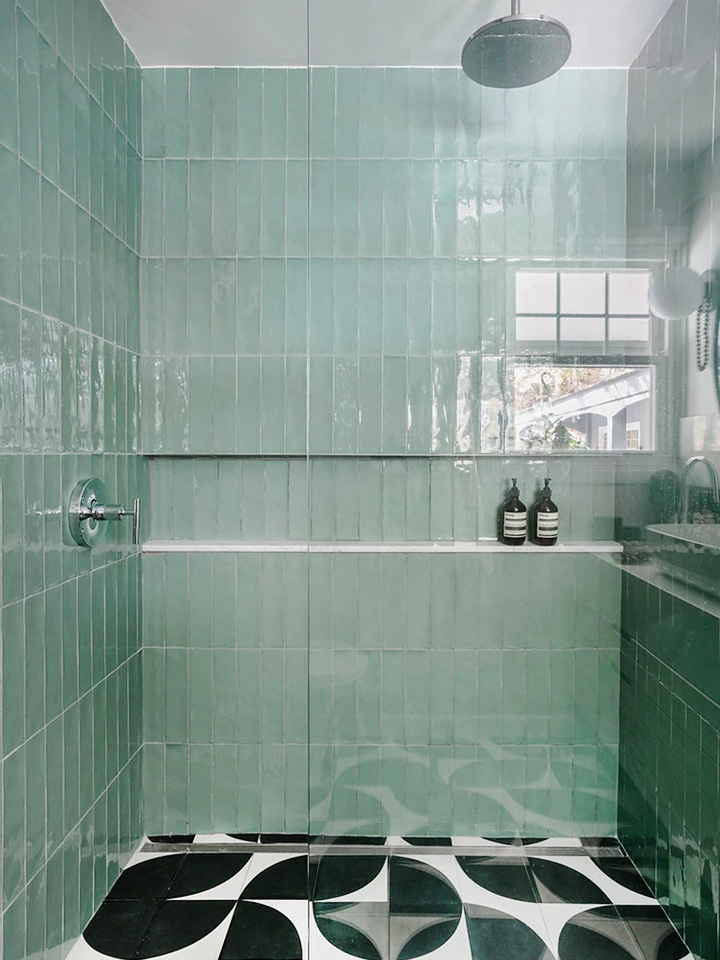
We’re Taking a Shine to These Glass Tile Bathrooms
glass art and design Archives
Five UK landmarks if they were made out of glass
Glass Is Red-Hot: Here Are 6 New Collections to Know

Glass Blocks Are the Vintage Trend We're Loving in 2025—Here's How to Use Them