Glass Blocks Are the Vintage Trend We're Loving in 2025—Here's How to Use Them
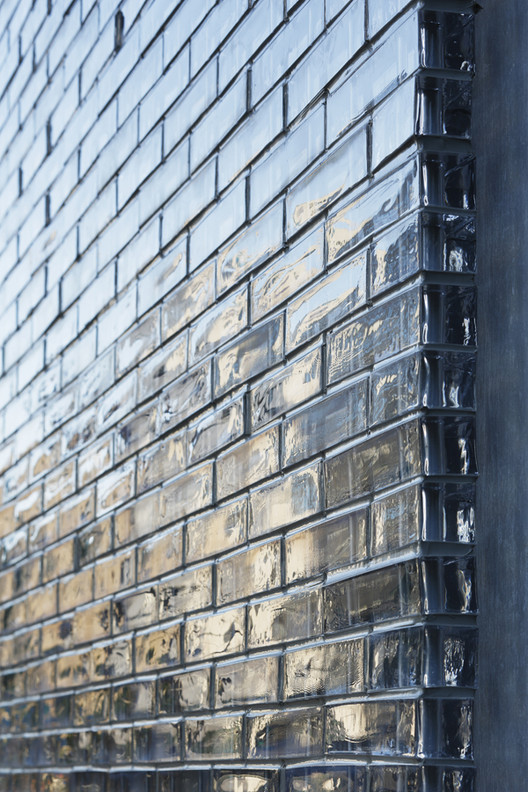
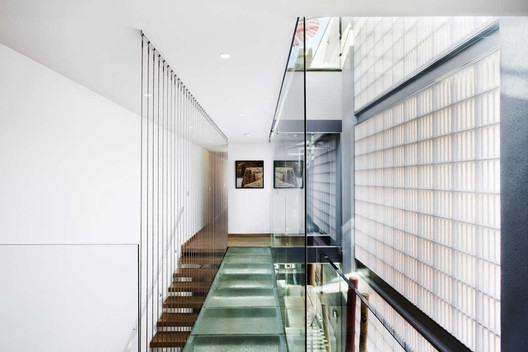
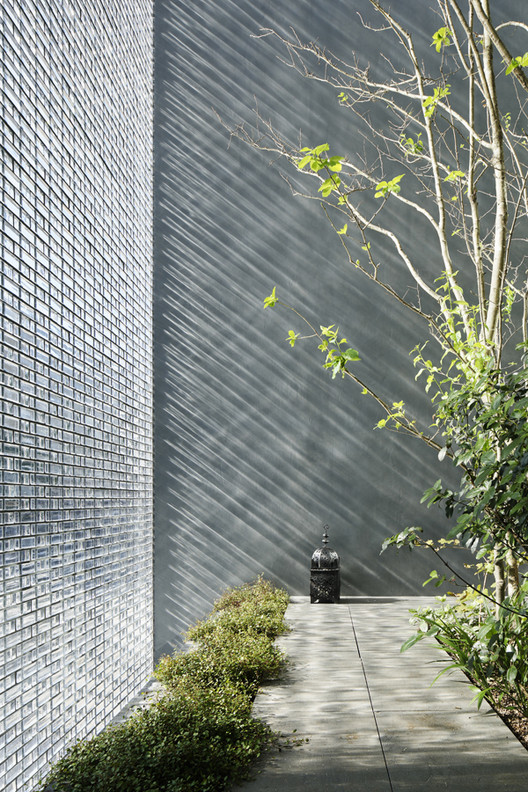
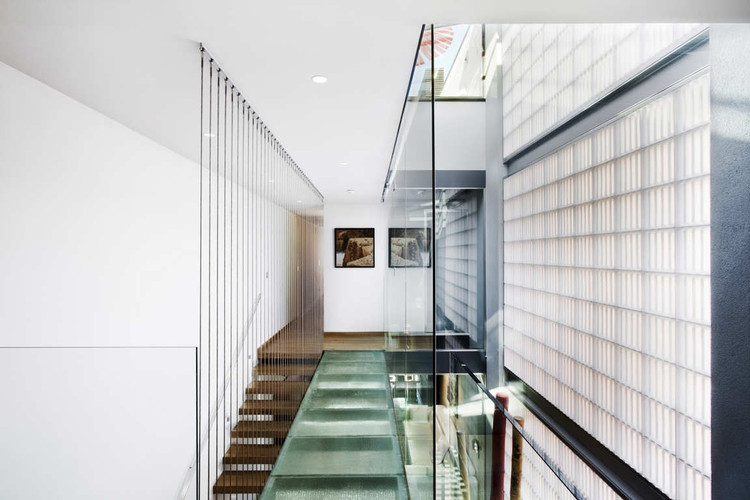
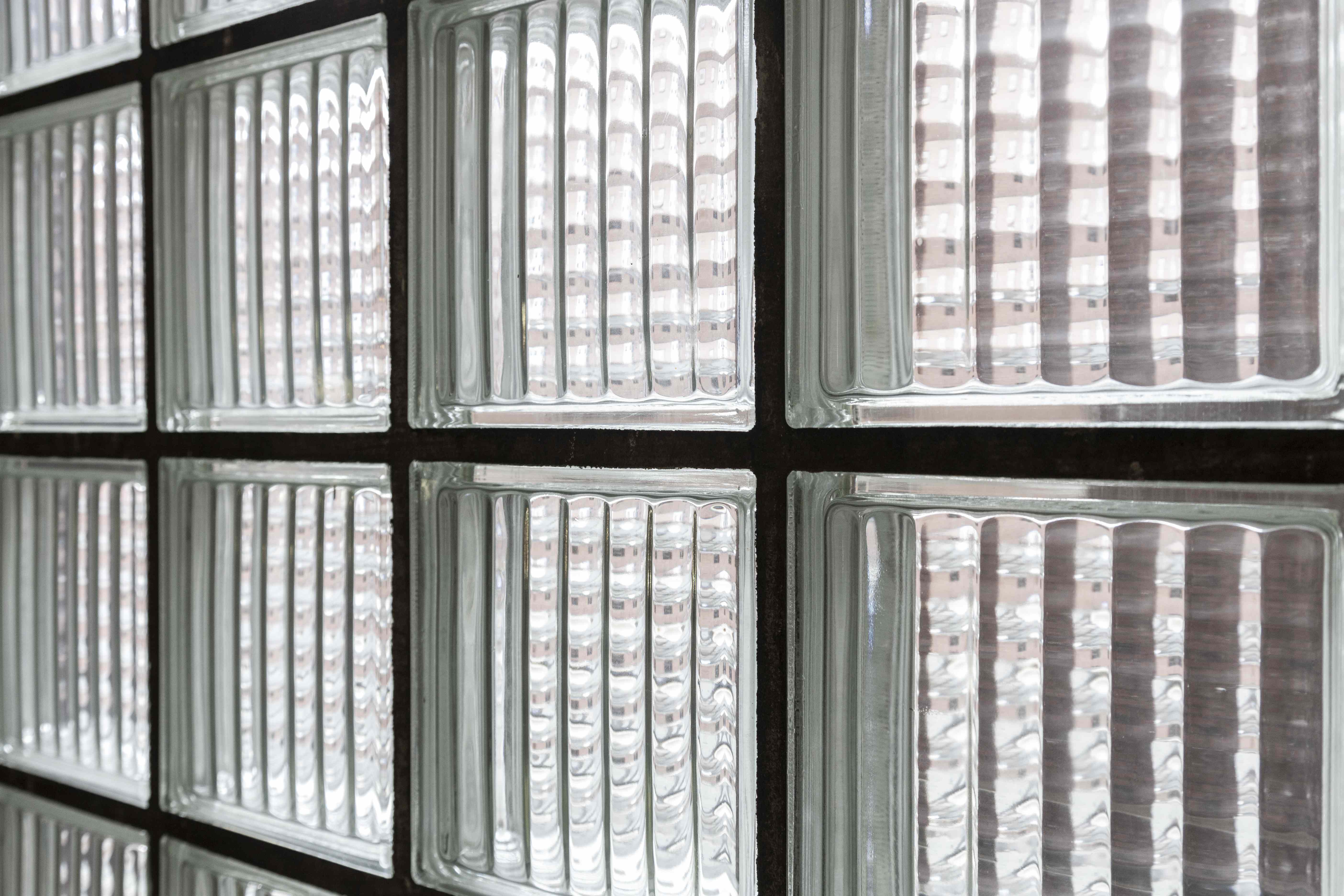
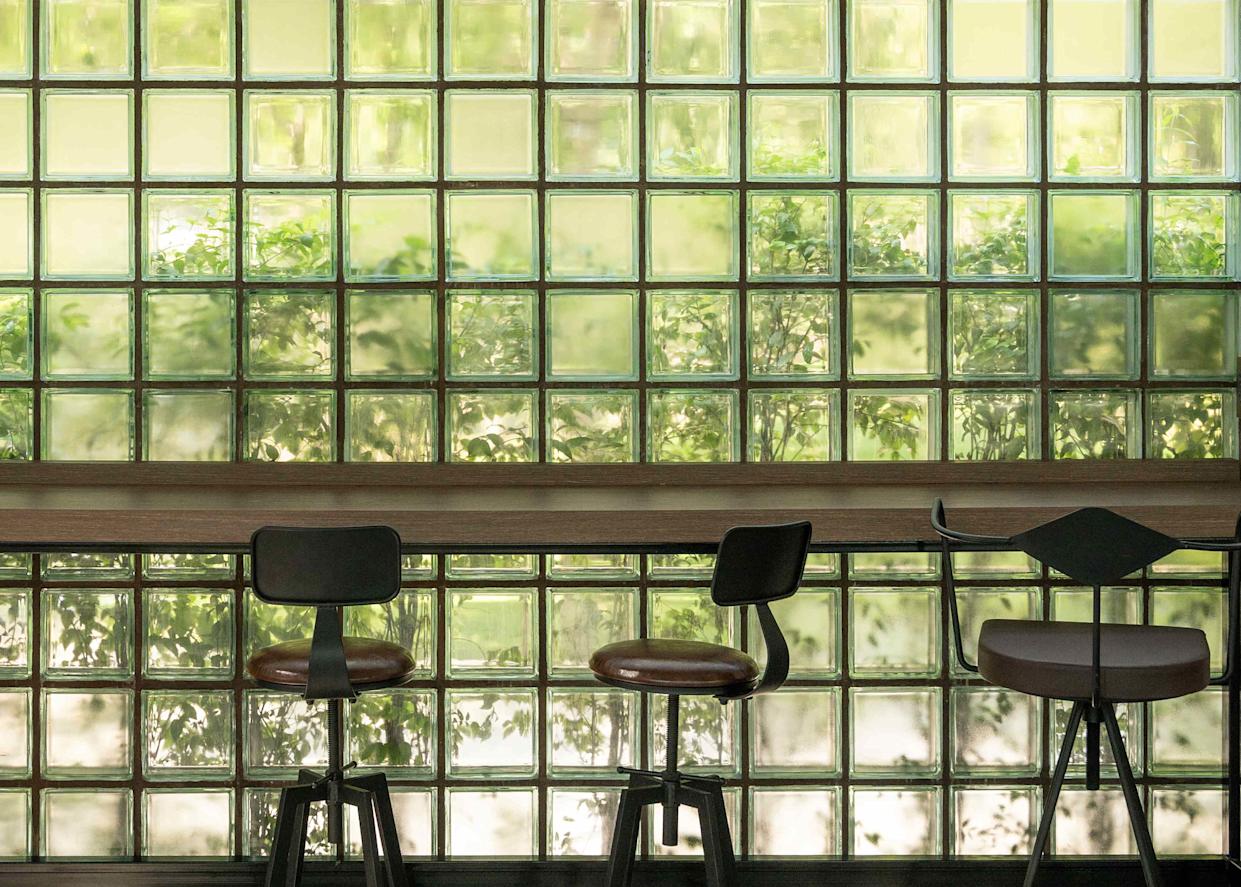
Glass blocks, once a ubiquitous material that fell out of favor, are experiencing a significant resurgence in contemporary design. Initially used for their utilitarian properties in public spaces, glass blocks gained architectural prominence with projects like Pierre Chareau and Bernard Bijvoet's Maison de Verre in the late 1920s. This building notably showcased the material's ability to filter natural light and create a striking facade, blurring the lines between industrial function and poetic aesthetic. Another historical milestone was the all-glass block building constructed by Owens-Illinois for the Chicago World's Fair in 1933, demonstrating its structural capabilities and potential for color infusion.
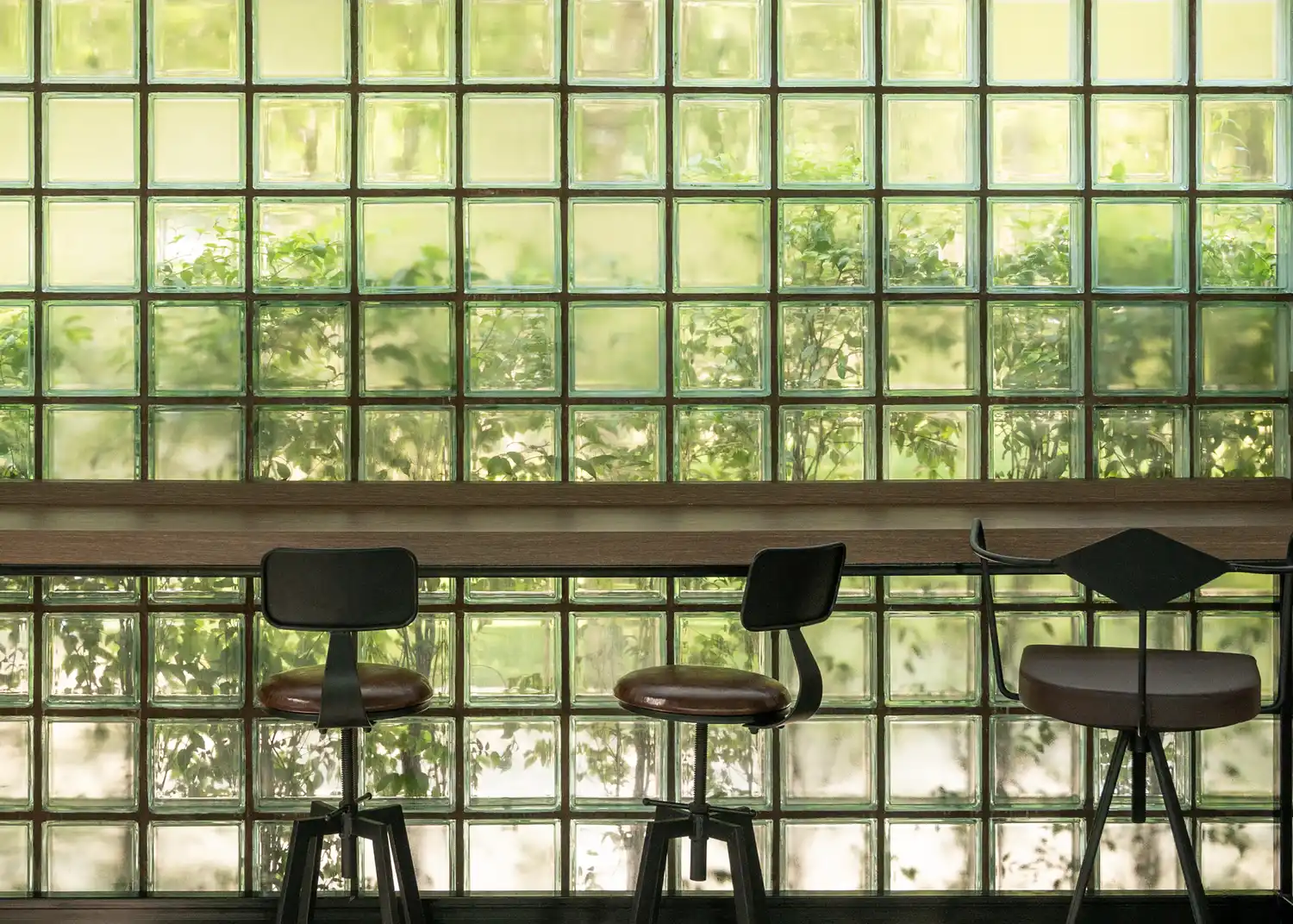
Over time, glass blocks became associated with less desirable or 'timestamped' environments like hospitals or dorms, leading to their decline in residential and high-end design. However, designers are now re-embracing them for their unique combination of beauty and functionality. The material's capacity to diffuse light while adding texture and depth aligns with a modern preference for spaces that offer both privacy and abundant natural illumination. There is also a nostalgic element, particularly among younger generations who appreciate the aesthetic without the previous negative associations.
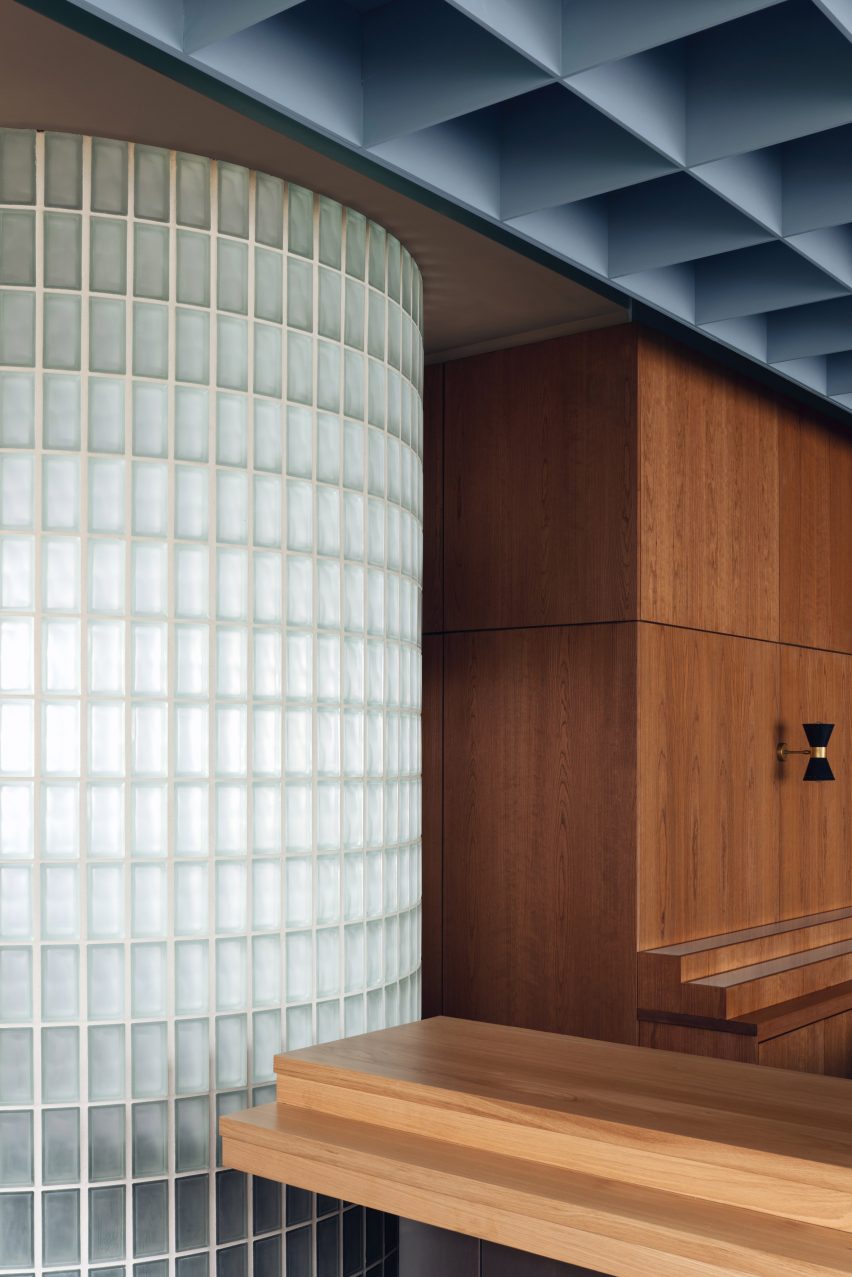
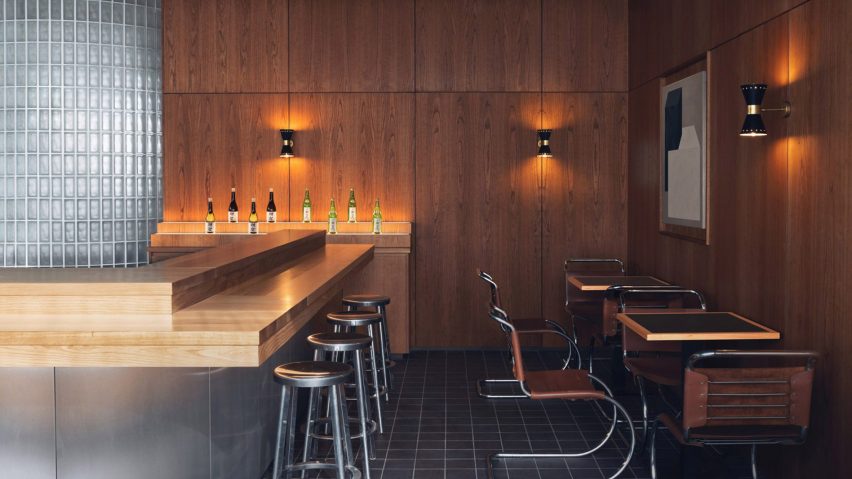
Contemporary designers are integrating glass blocks into various settings. For instance, Billy Cotton utilized them in the Bridges restaurant in New York City, creating industrial, art deco-inspired partitions. Charlap Hyman & Herrero employed glass blocks to clad an entire bathroom in a Silver Lake project, embracing the 'material drenching' trend. Darren Jett of Jett Projects has made glass block a signature element, exemplified by a circular glass wall enclosing a shower in a Soho residence. Furniture and lighting designer Lee Broom drew inspiration from his childhood memories of architectural glass blocks to create the Chant lighting collection, which references the Maison de Verre while offering a modern interpretation, including a portable lamp. Furniture designer Sophie Collé recently incorporated glass blocks, specifically the Alpha circular and wavy Nubio styles, into custom wooden tables for influencer Yu Ling Wu, sourcing the blocks from a local restaurant with a prominent glass block entryway.
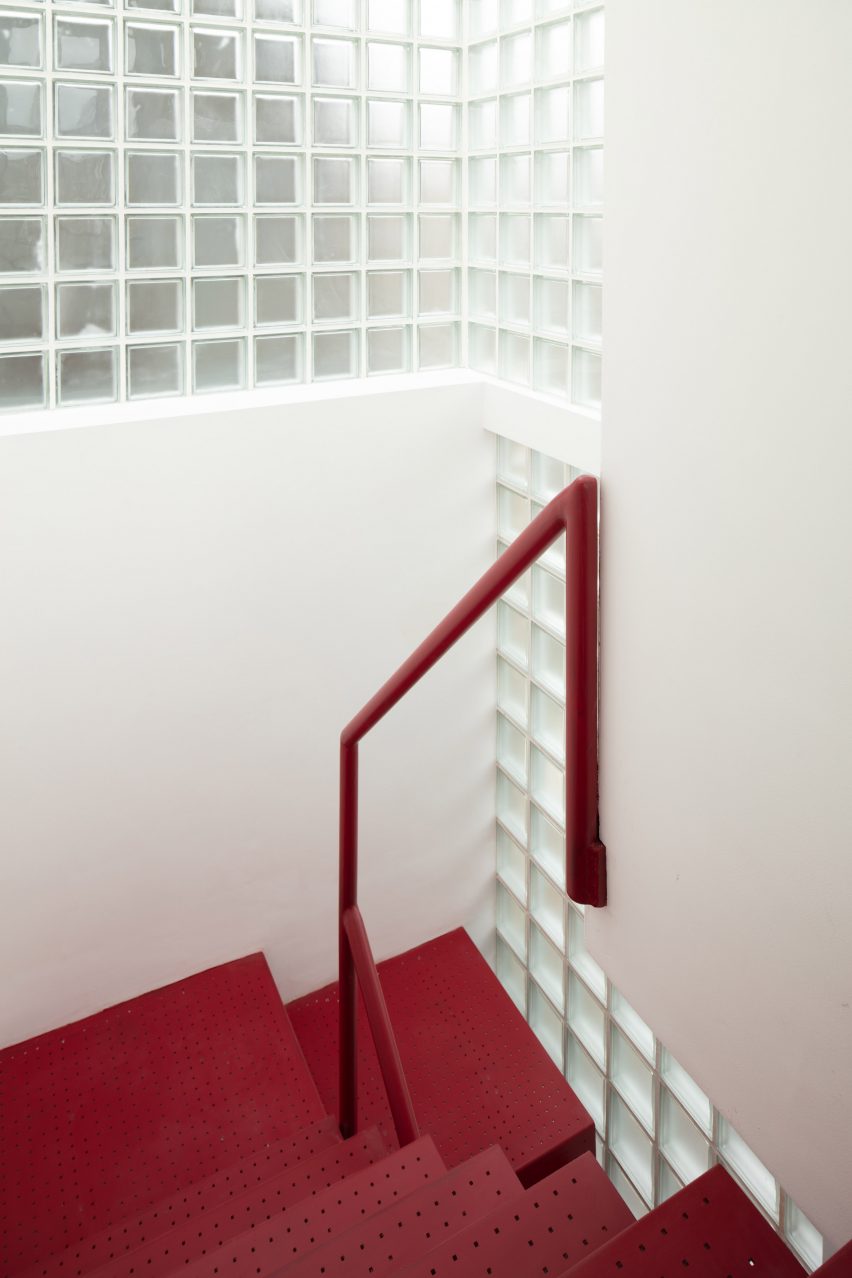
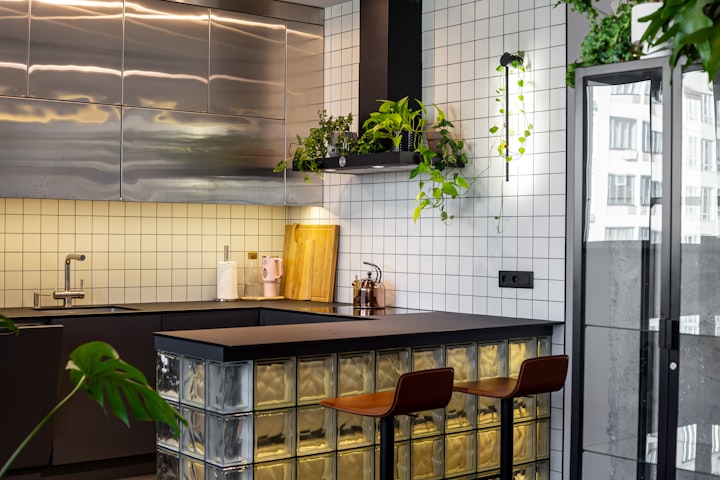
For home applications, glass blocks are recommended for bathrooms and kitchens due to their durability and ease of cleaning. Collé used them in her own apartment to create windows that filter sunlight into her main living space from adjacent bedrooms and a studio, maximizing natural light in a corner unit. Broom suggests using them as dividers, partitions, and privacy screens, particularly in curved formations, to allow light transmission while introducing sculptural interest and texture to a room. The material’s versatility in filtering light, offering privacy, and adding a distinct aesthetic makes it a compelling choice for current home design trends.
#GlassBlocks #InteriorDesignTrends #HomeDecor #ArchitecturalMaterials #LightDiffusion #VintageRevival #ModernDesign #SophieCollé #LeeBroom #GlassBlocks #InteriorDesignTrends #HomeDecor #ArchitecturalMaterials #LightDiffusion #VintageRevival #ModernDesign #SophieCollé #LeeBroom
0 comment in total
 No comments yet
You may also like
Designers Say This Century-Old Glass Trend Is About to Be EVERYWHERE in 2026

Wood Paneling and 11 More Vintage Decor Trends Making Huge Comebacks in 2025
3 Kitchen Stone Trends We’ll See in 2025

The Kitchen Glass Lighting Trend That's Primed To Dazzle In 2025

Glamorous Glass Bricks Are Booming – Again

Need inspo? The biggest tile and design trends taking over The Block 2025

The Kitchen Glass Lighting Trend That's Primed To Dazzle In 2025
Bold splashbacks and open shelving will dominate kitchens in 2025

Outdated Tile Trends That Are Going Away In 2025
Glass Block Is Back: How We're Embracing This Retro Feature in a Fresh, Modern Way

Top Stone Trends in 2025: Color Revival

Are Balloon Shades Making a Comeback? Plus, the Other Window Treatment Trends Dominating 2025

Glass Blocks Are the Vintage Trend We're Loving in 2025—Here's How to Use Them
New Year, New Look: Exploring Pool Tile Trends for 2025

Grandma’s Favorite Home Accent Is One of 2025’s Top Design Trends
Ten interiors that use glass-block walls to play with light and shadow
A Designer and Trend Forecaster Shares Her Style Predictions for Kitchens in 2025 — They're Easy Updates to Copy
Are mosaic tiles making a comeback? Here's how designers are making this once-dated look work in 2025

Tile Trends That Will Be Dominating In 2025
Why Fluted Glass Cabinets Are the Must-Have Kitchen Trend of 2025