1/8
The death of the bifold door and what you should replace them with
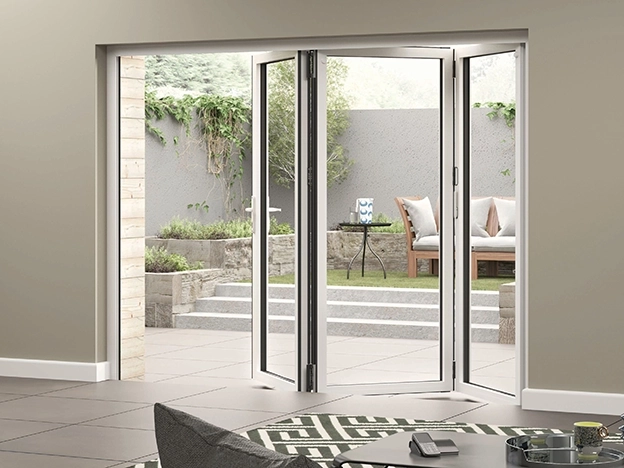
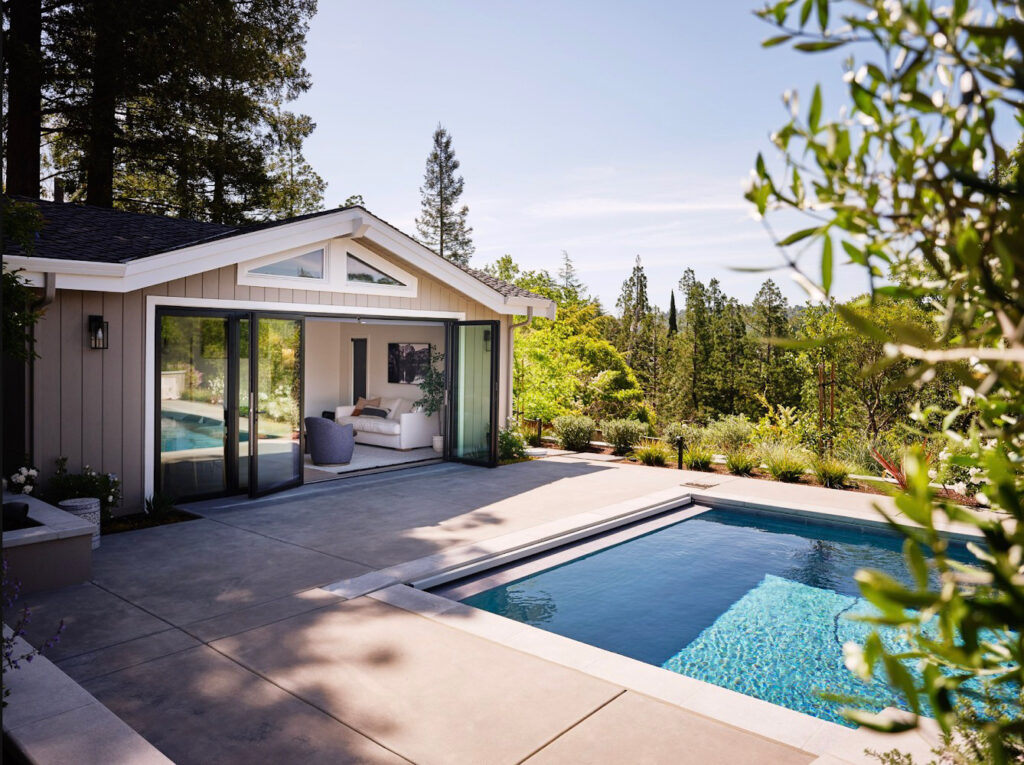
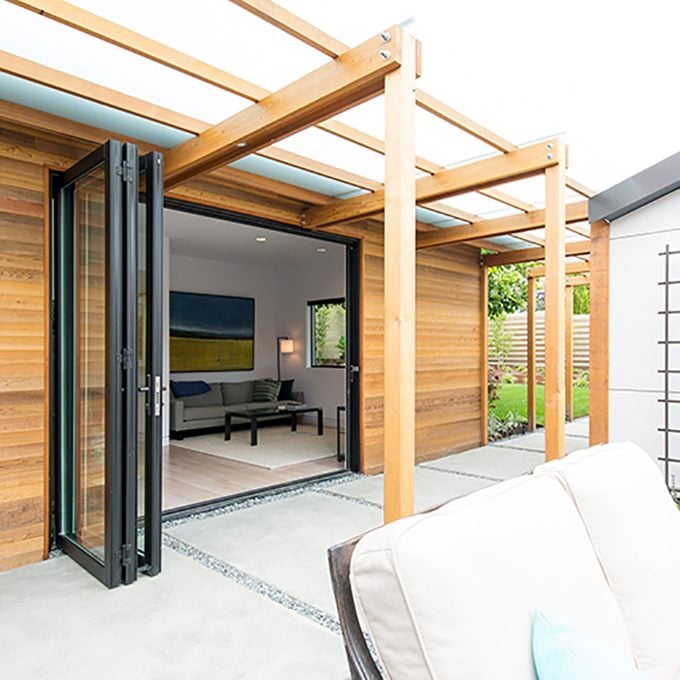
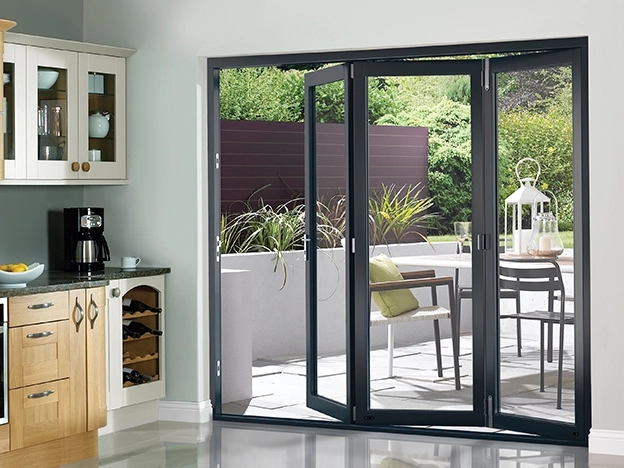
The article discusses the declining popularity of bifold doors in modern home design and explores various stylish and practical alternatives. For years, bifold doors, often seen in glass box extensions of period terraces or 1930s semis, have been a hallmark of 21st-century domestic design in the UK. They were intended to foster open-plan living, 'bring the outside in,' and add property value. However, the practical realities often fell short of this aspiration. Many homeowners found bifold doors to be inefficient, making rooms too cold in winter and too hot in summer due to thermal bridging from their numerous frames, leading to higher heating bills. Additionally, they often presented issues with privacy and practicality, as they consume significant space both indoors and outdoors when fully open and are rarely used to their full extent.
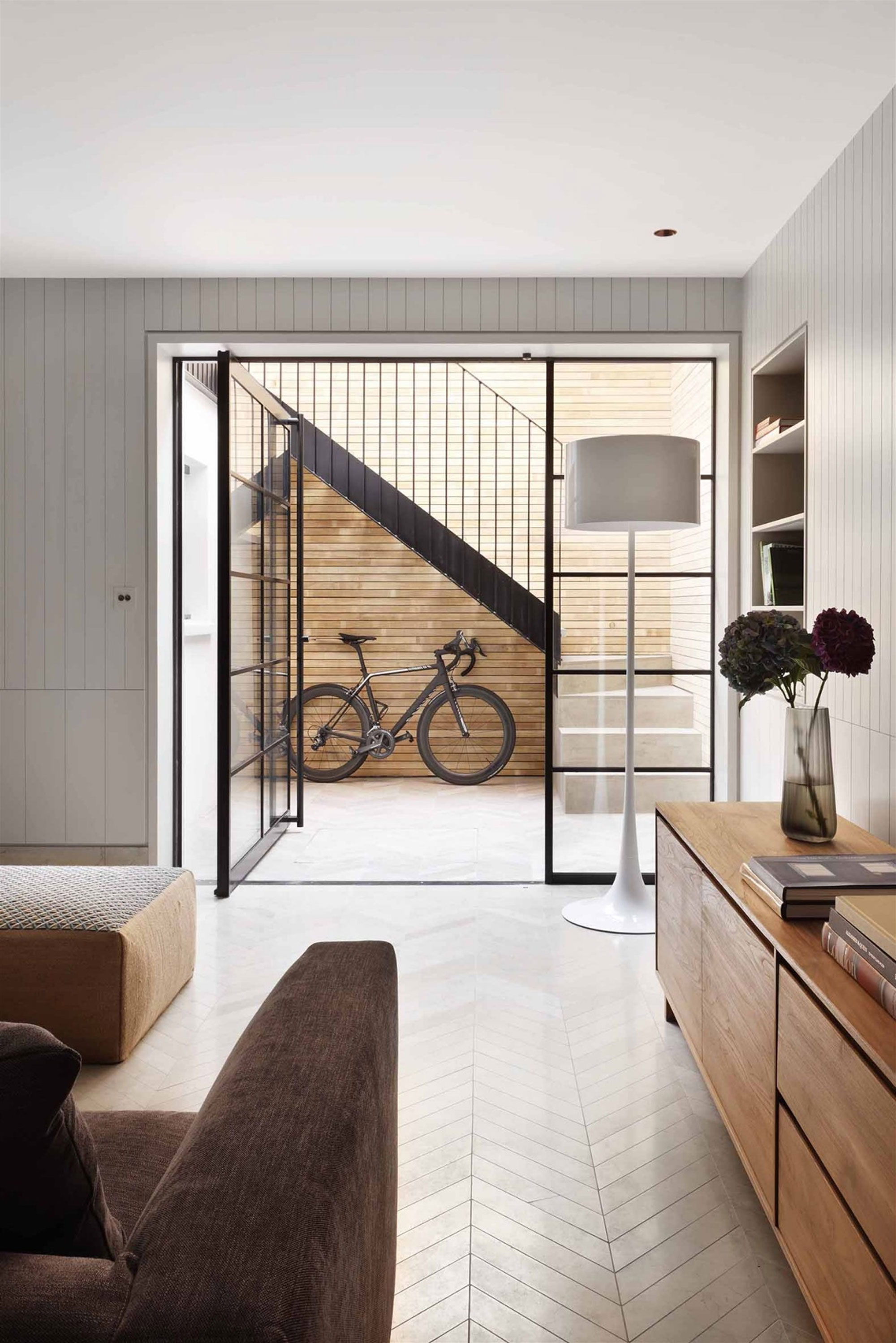
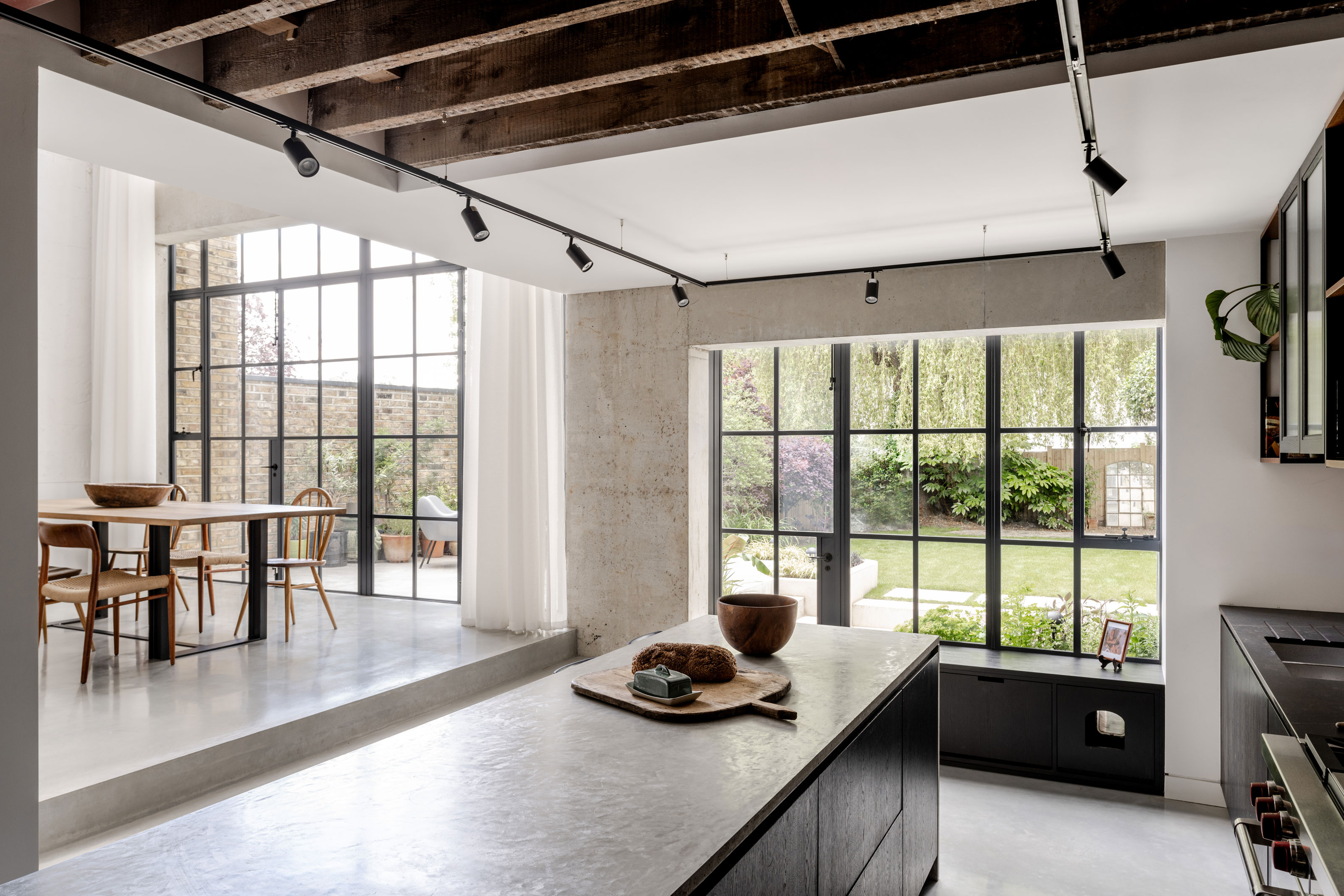
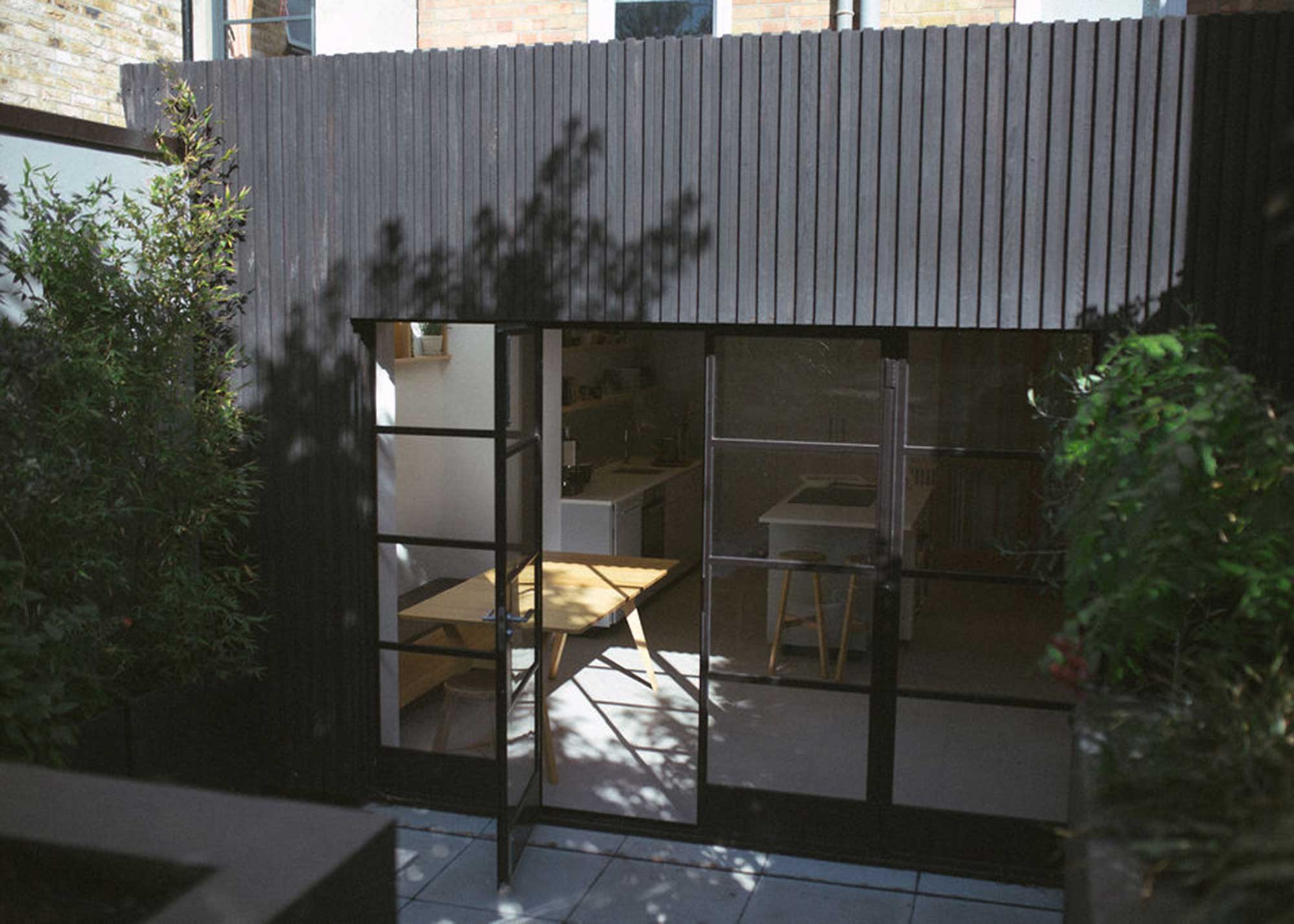
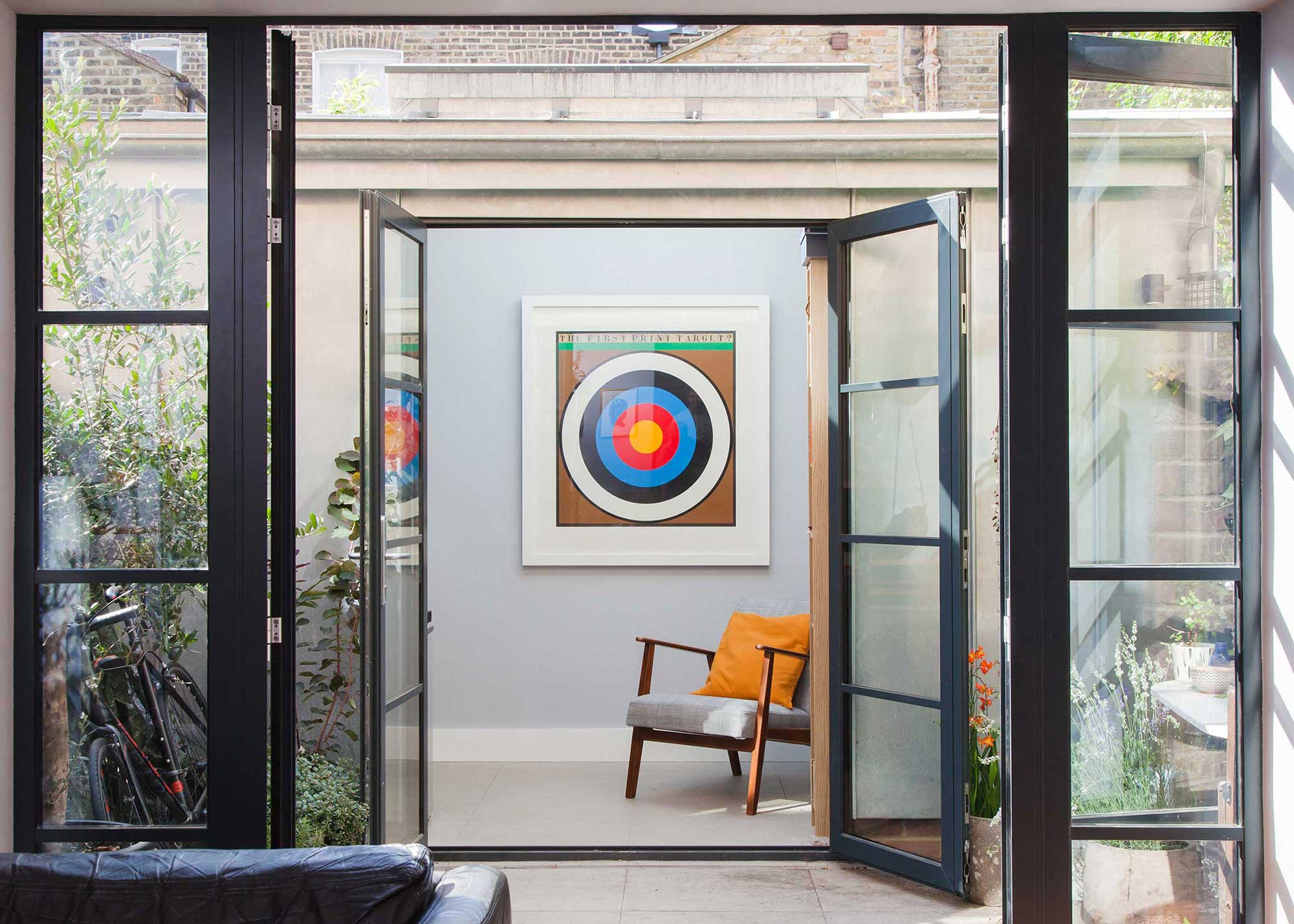
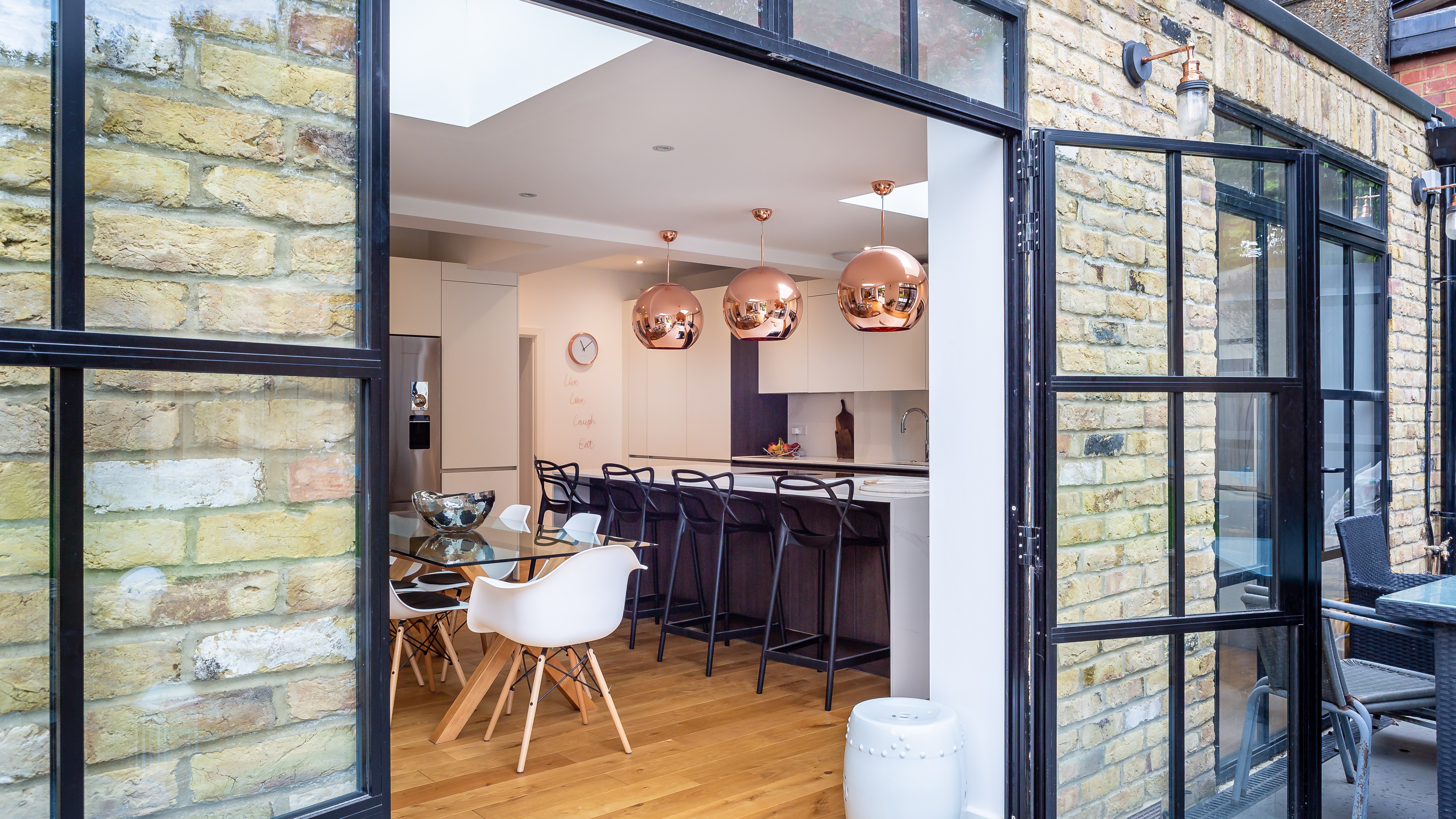
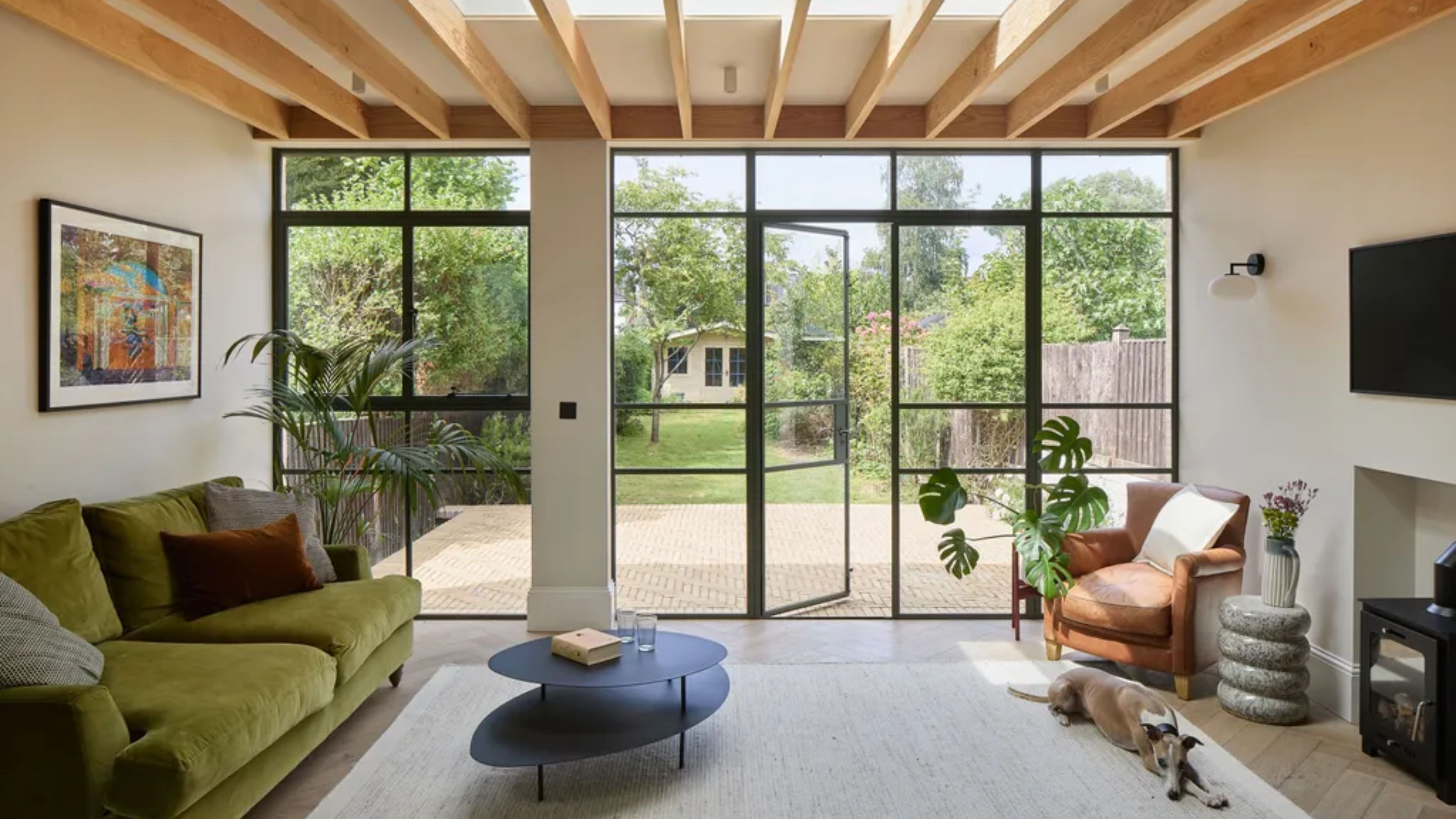
Design experts confirm this shift away from bifolds in high-end residential projects, citing a preference for cleaner lines and a seamless connection between indoor and outdoor spaces, even when doors are closed. This preference is particularly relevant in the UK, where doors remain closed most of the time. The article highlights several alternatives that address these shortcomings. Crittall or Crittall-style doors are presented as a top choice, featuring elegant black steel frames and slim profiles that allow ample light while making a strong industrial statement. However, genuine Crittall doors are noted for their high cost, though more affordable alternatives exist.
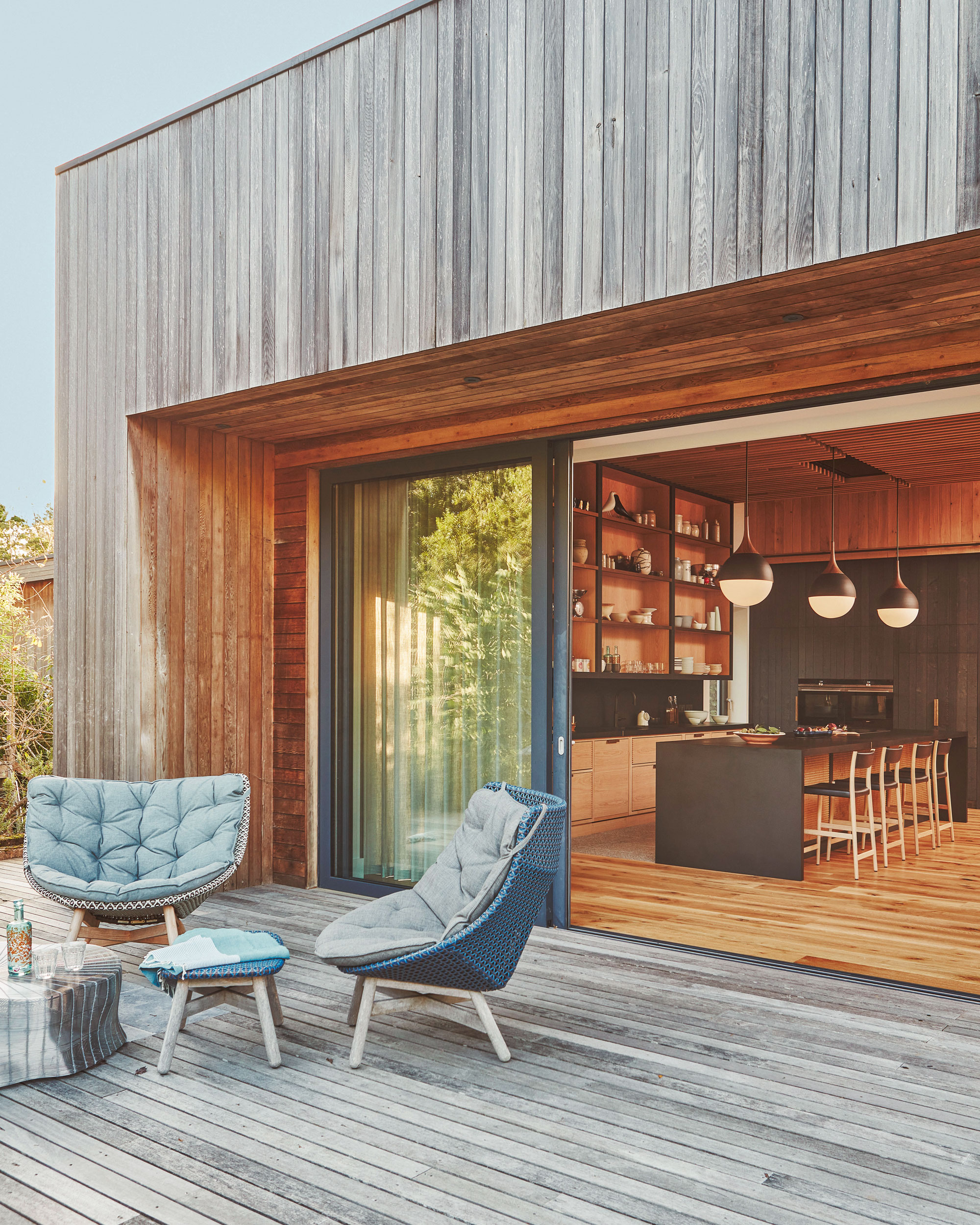
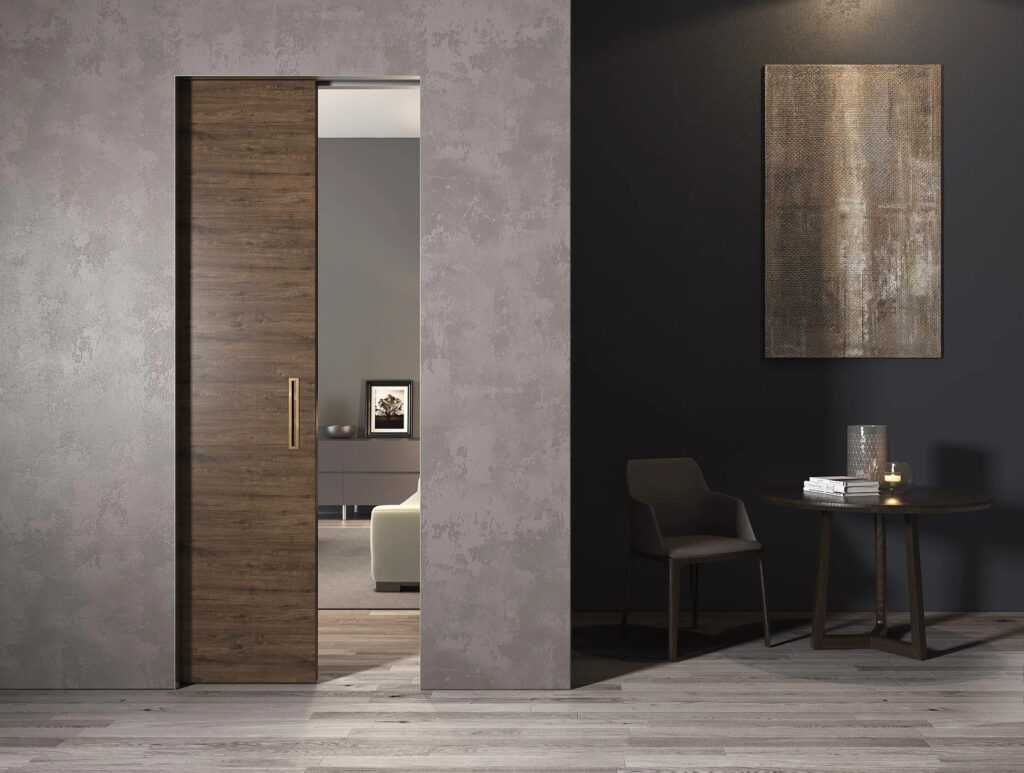
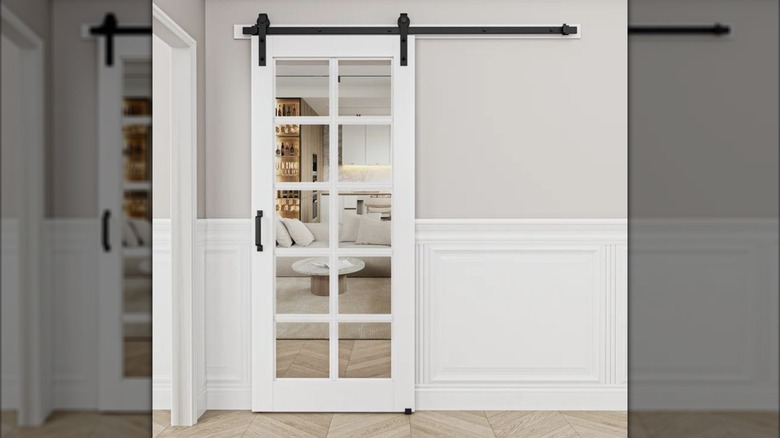
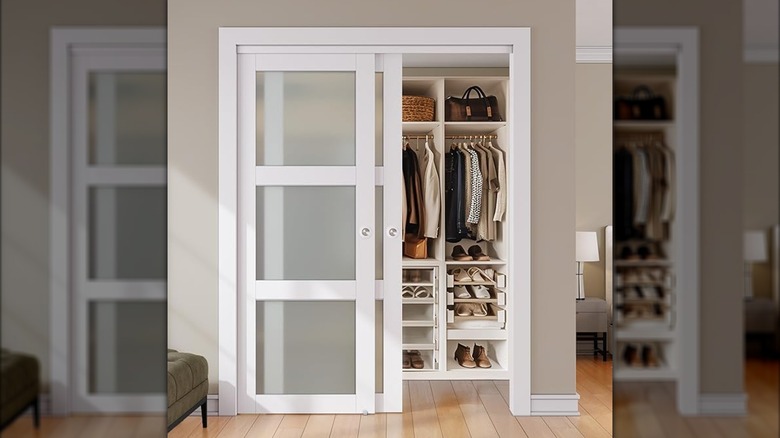
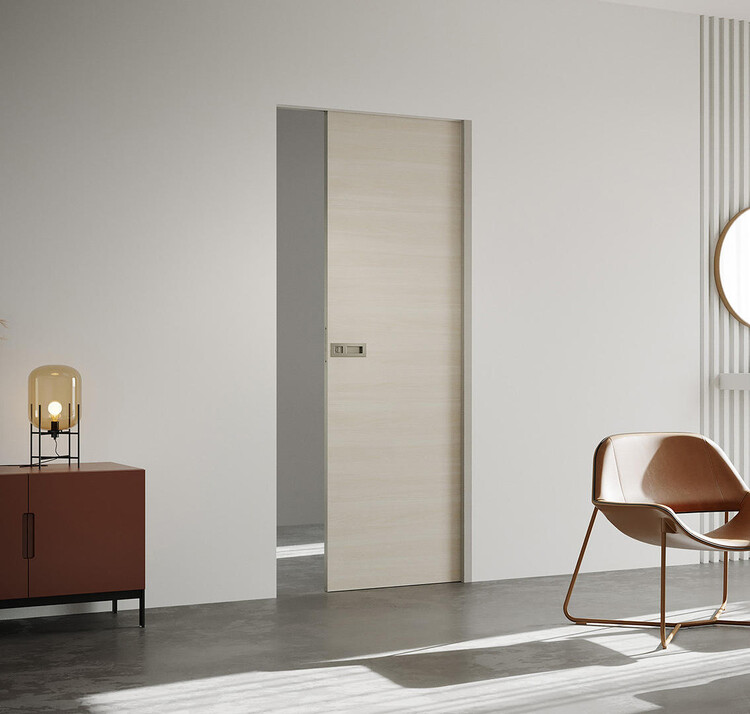
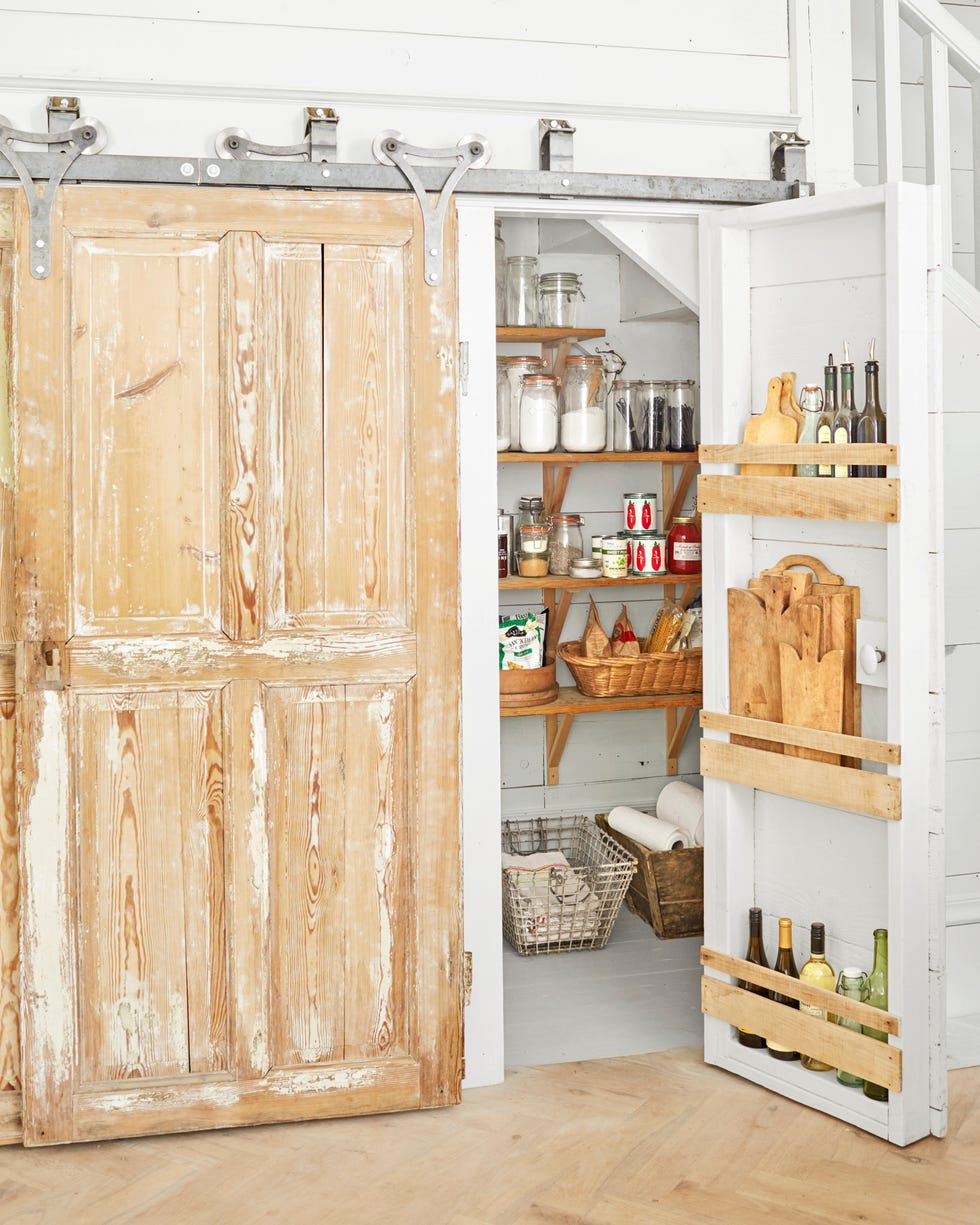
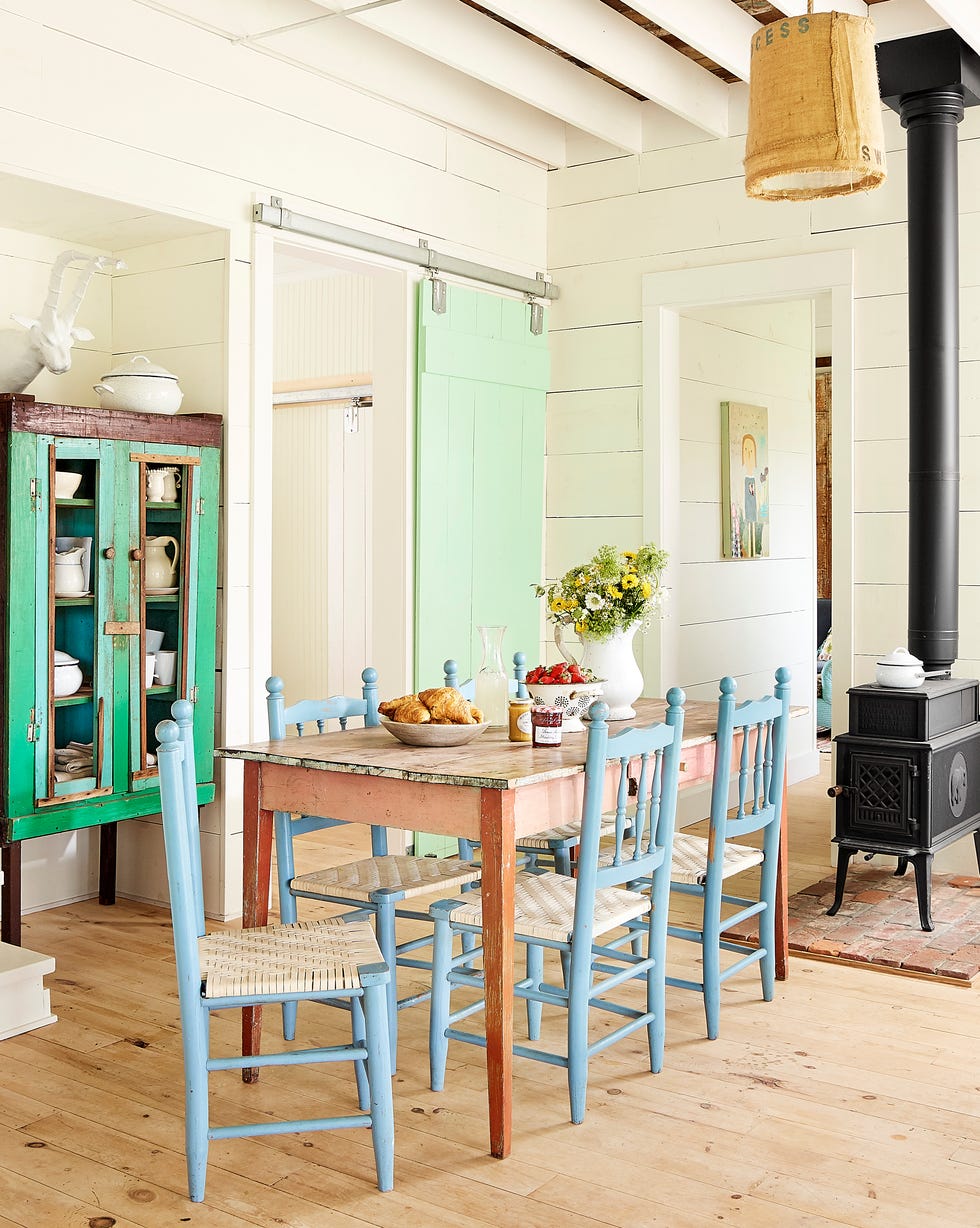
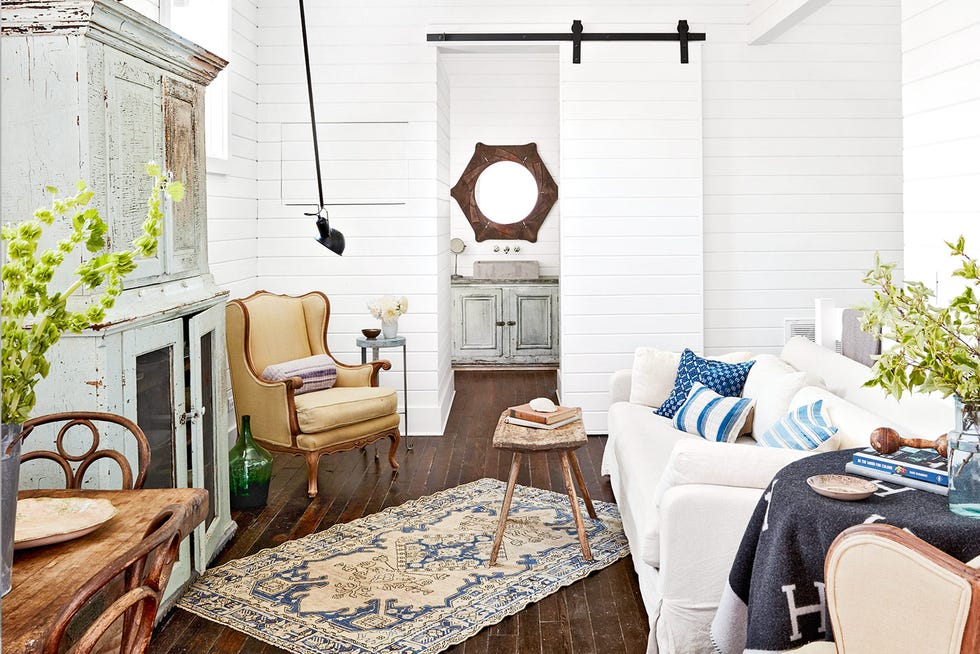
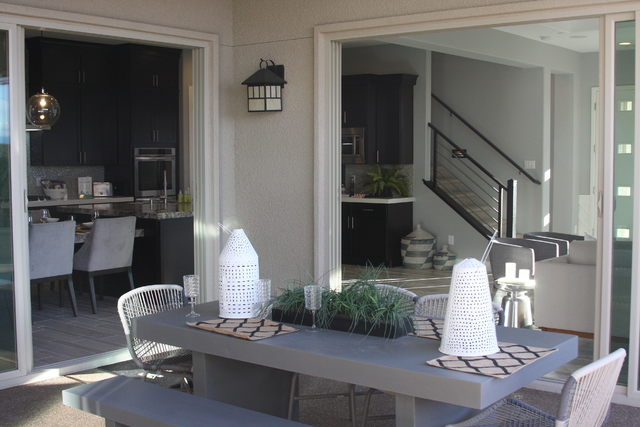
Sliding doors have also made a stylish comeback, offering slimline updates with large glazed panes that can be fitted without visible frames at the base or head, creating an uninterrupted view. These are particularly suitable for homes with smaller gardens. A more advanced option is pocket doors, a type of sliding door that disappears completely into a wall cavity, offering maximum openness. Picture windows, characterized by their larger size and lack of an opening mechanism, are another alternative. They are less costly, provide better insulation, and are ideal for framing views and maximizing natural light while minimizing energy bills. Their simple frames also make them easier to maintain. A growing trend combines picture windows with separate doors, allowing for a framed view and more flexible furniture arrangements.
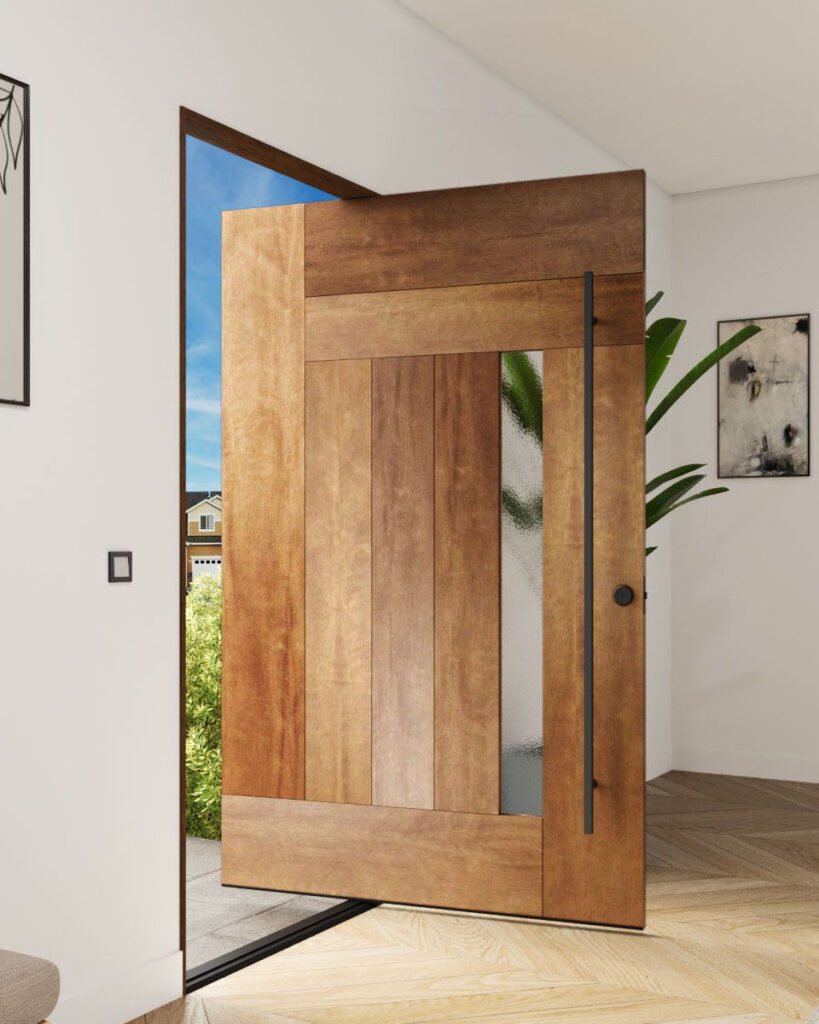
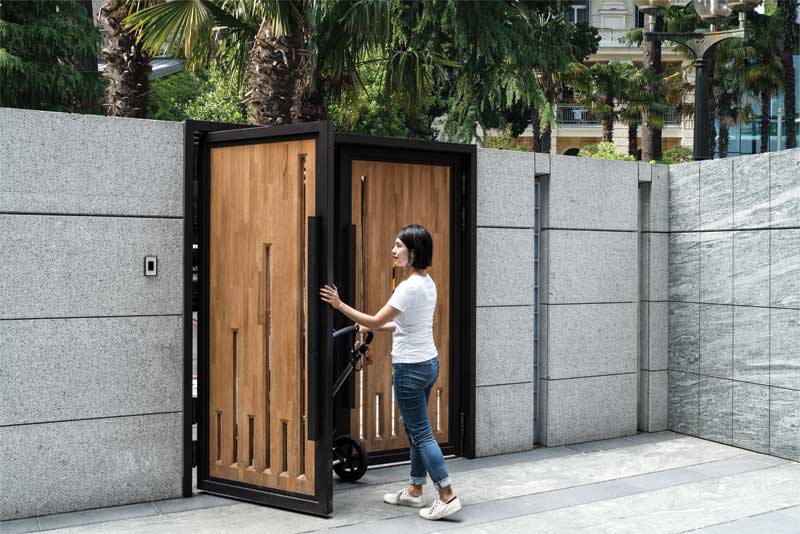
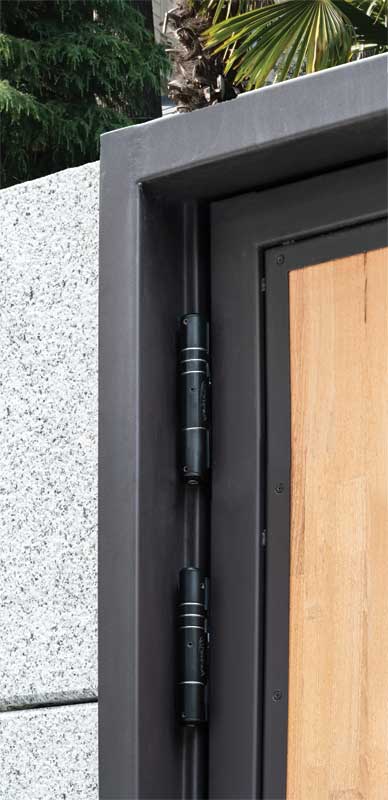
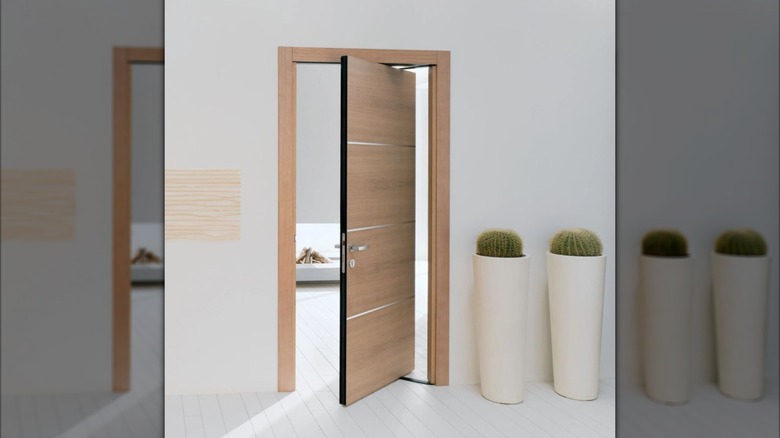
For those seeking a dramatic effect, pivot doors are introduced as a large-scale solution. These doors rotate 90 degrees on a single point, offering a 'wow factor' with widths and heights up to 3 meters, though specialist advice is recommended for insulation and weatherproofing. Slide and stack doors provide a family-friendly option, with independent panels that slide along a track and only fold at the end, allowing for ventilation without full openness, ensuring child safety. Tilt-and-turn doors offer similar benefits, opening like a normal door but also tilting for airflow.
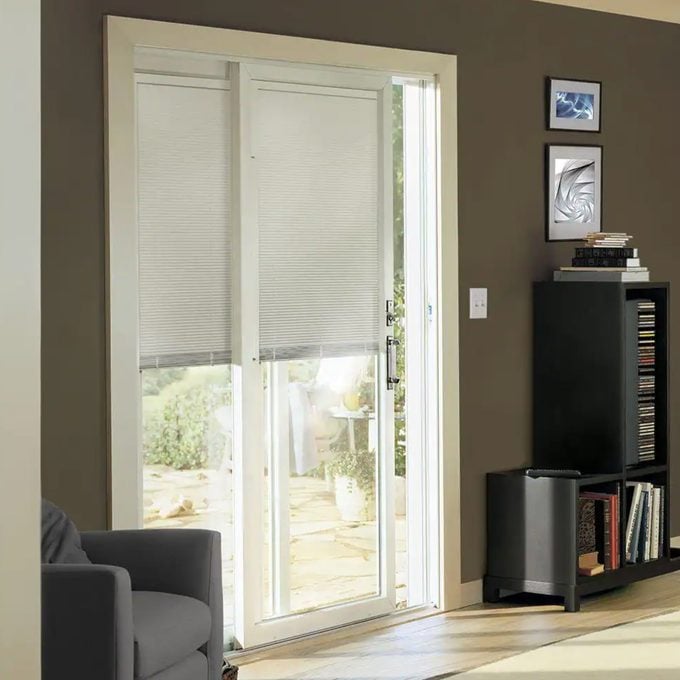
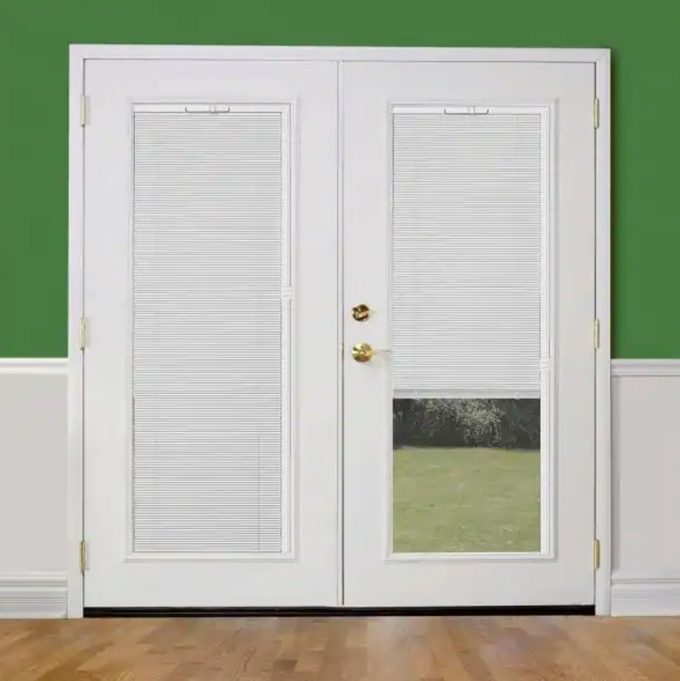
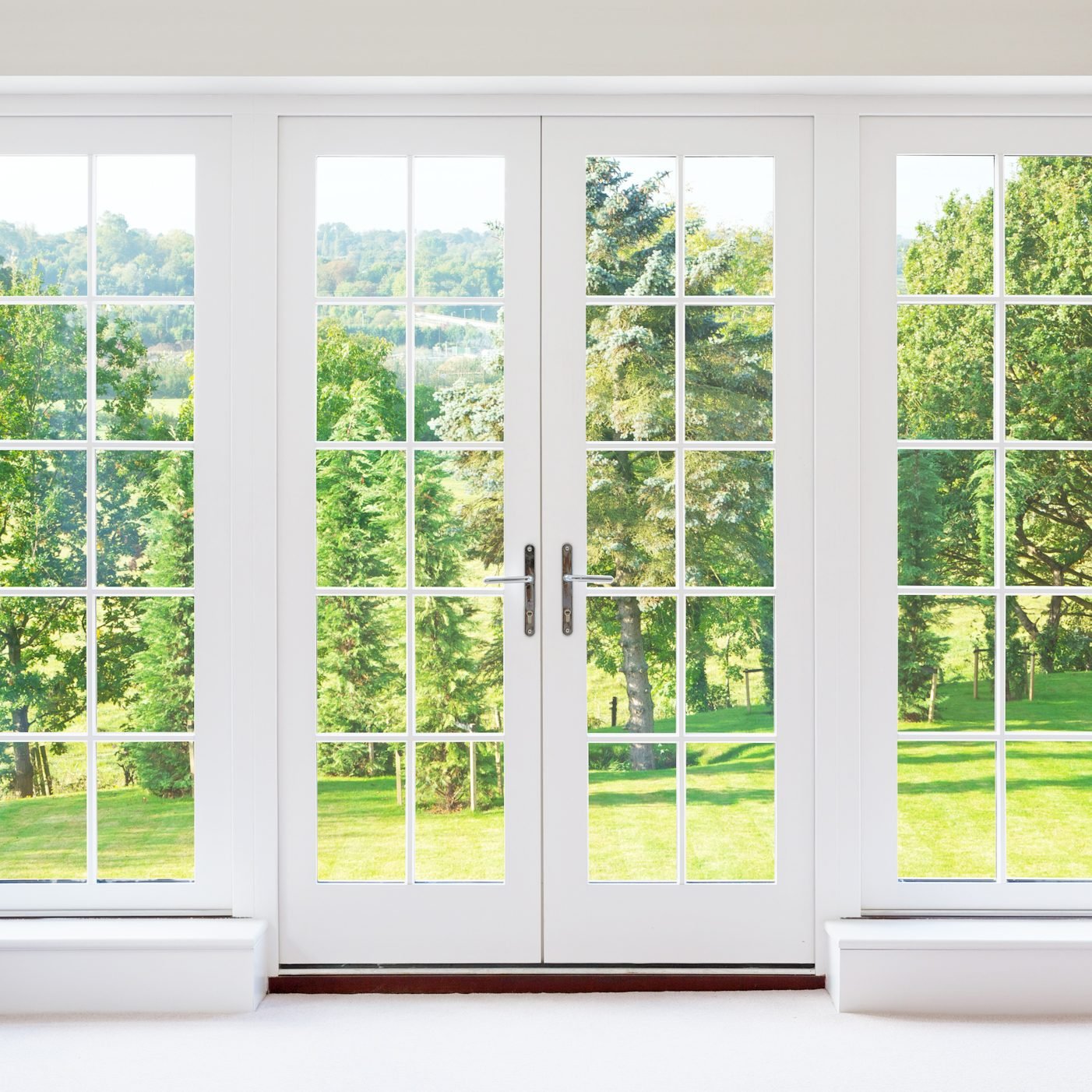
Finally, classic French doors are still considered a viable and sophisticated option, providing a timeless charm with good space utilization, light, ventilation, and security. The article concludes with a checklist for choosing the right door, emphasizing the importance of understanding u-values for thermal efficiency, ensuring thermal breaks and weathertight seals, and considering solar reflective coatings or integral blinds to manage heat and privacy.
#HomeDesign #ArchitecturalTrends #BifoldDoors #SlidingDoors #CrittallDoors #PictureWindows #PivotDoors #FrenchDoors #EnergyEfficiency #HomeDesign #ArchitecturalTrends #BifoldDoors #SlidingDoors #CrittallDoors #PictureWindows #PivotDoors #FrenchDoors #EnergyEfficiency
0 comment in total
 No comments yet
You may also like
5 Bifold Door Alternatives You Should Consider for Your Extension Project (and Which Is Most on Trend for 2025)

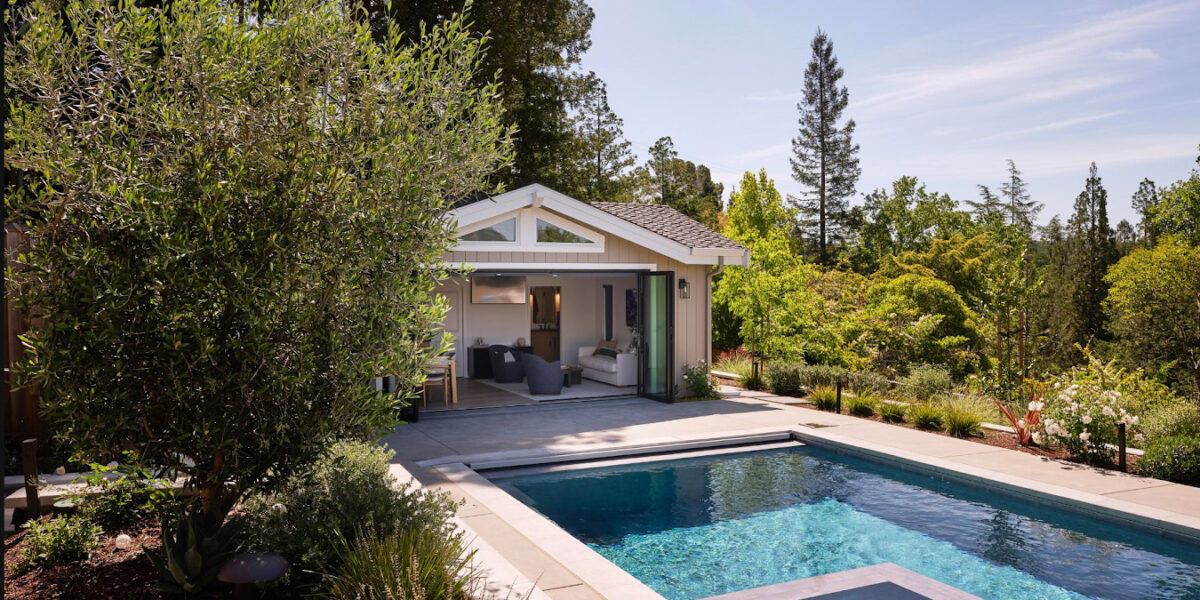
Tired of the Barn Door Trend? These Alternatives Are on the Rise

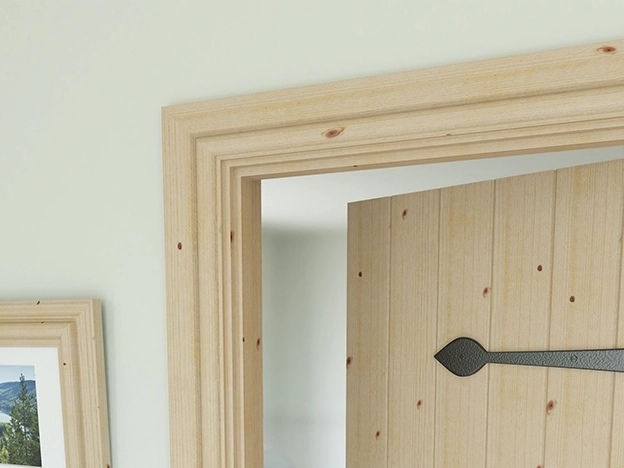
Internal Door Frames & Casings

Making A Door That Opens Both Ways

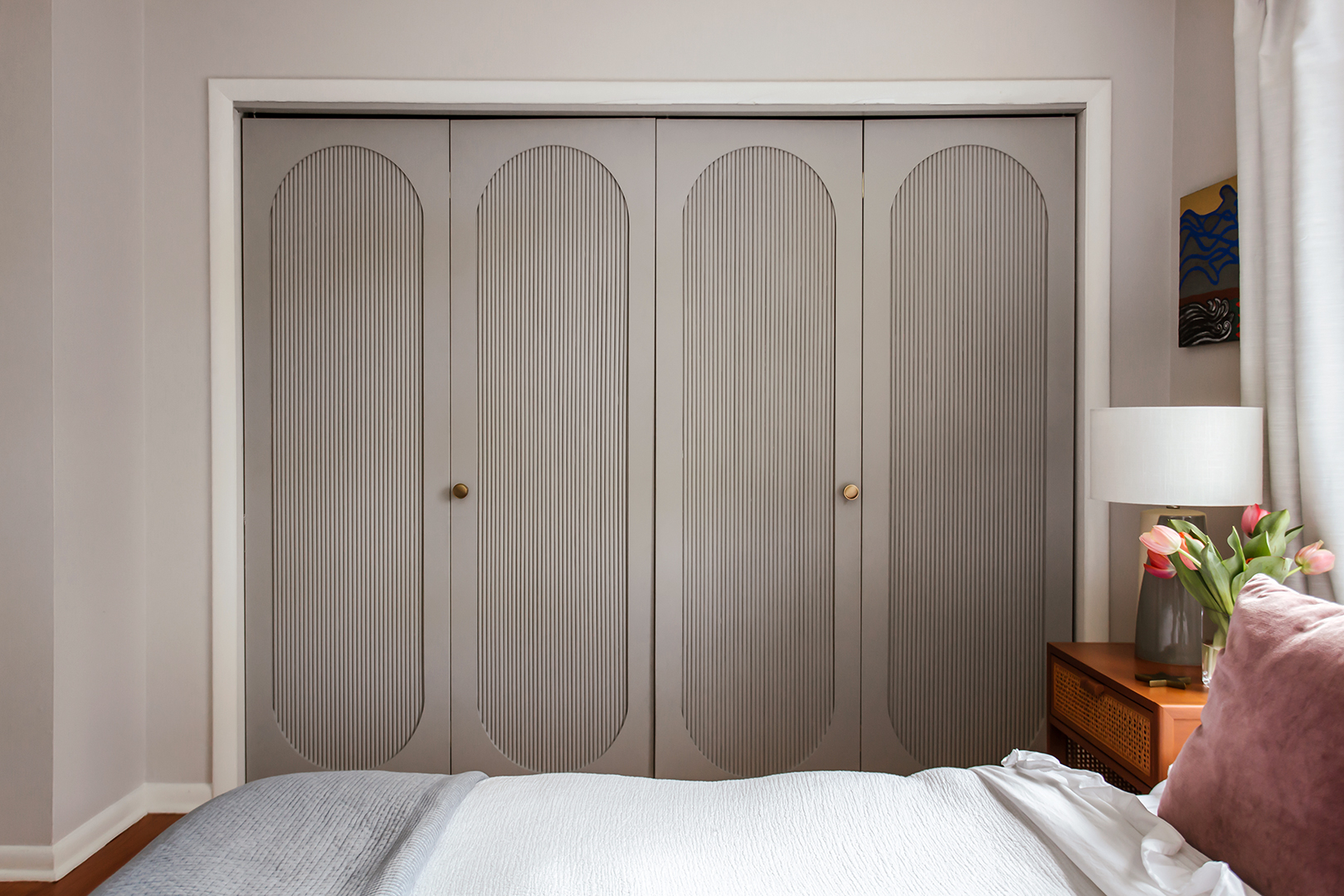
4 Ways to Reimagine Old-School Bifold Closet Doors

Door closer hinges: A new approach
This ’90s Front Door Trend Is Officially Out — Here’s What’s Replacing It
Should you ever replace doors with curtains? I say yes, and asked designers when to make the switch

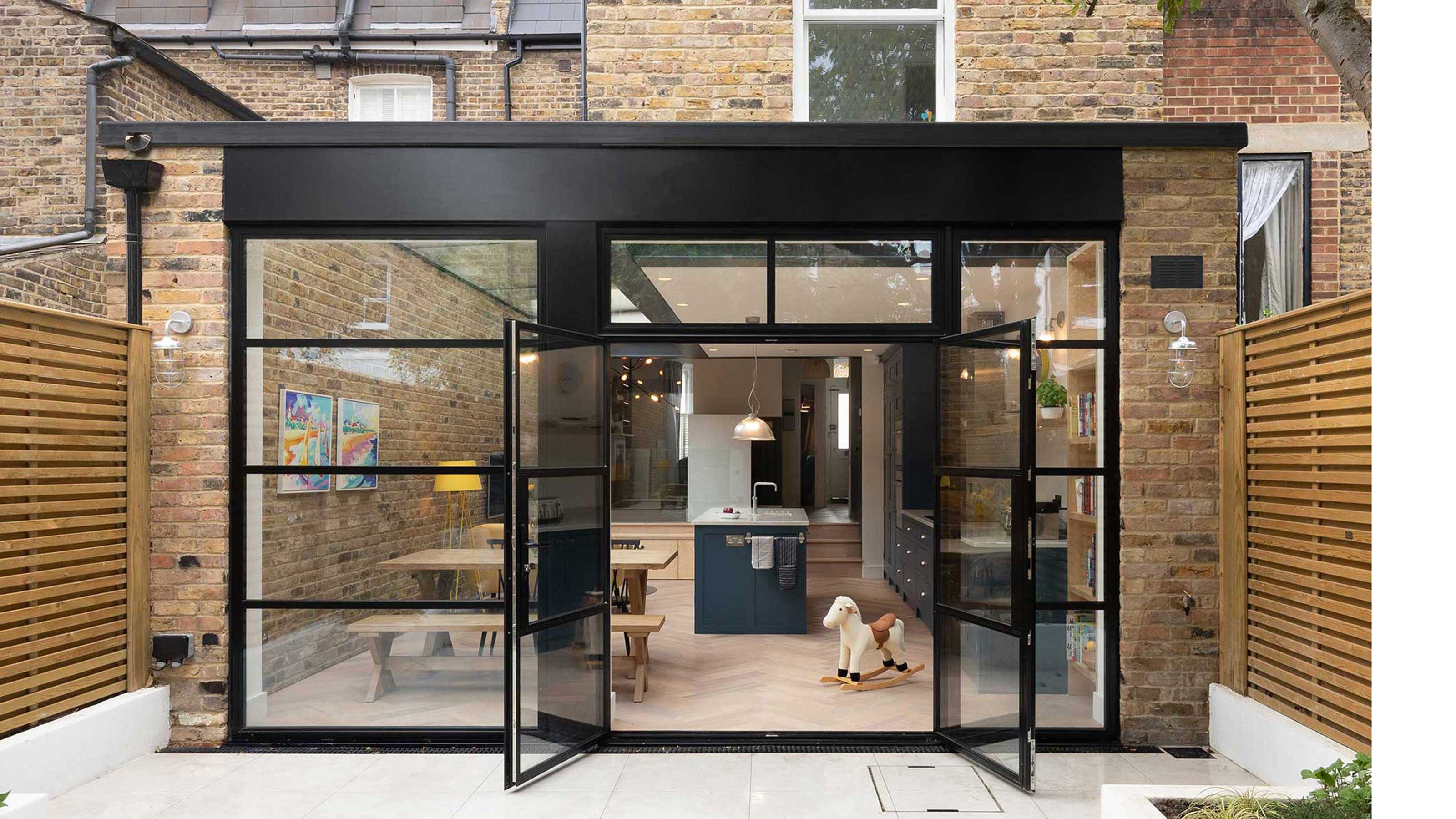
Sorry Bifolds — French Doors Are the Coolest Choice for Your Extension Right Now, and They're Anything but Basic
Our Design Expert Names The Best Type Of Door For Your Laundry Room

Front Doors | Back Doors

The Controversial Farmhouse Design Choice That’s Actually So Smart
Bi-Fold Patio Doors
Types of Patio Doors: the Pros and Cons of 3 Popular Go-To's

Door Frames & Fixings
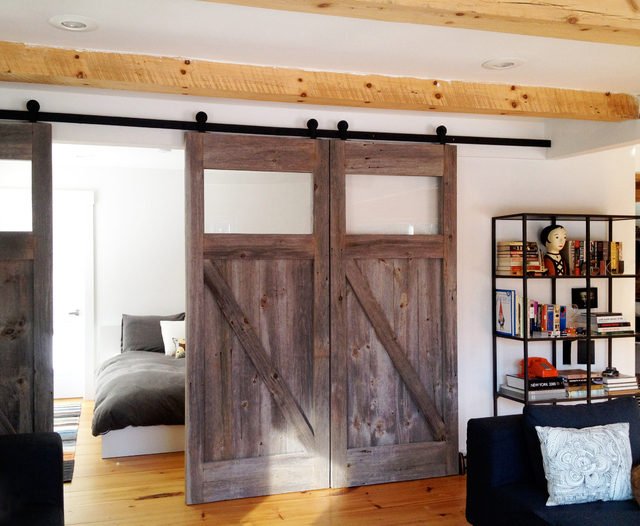
Sliding Into Home | Home and Garden | Life
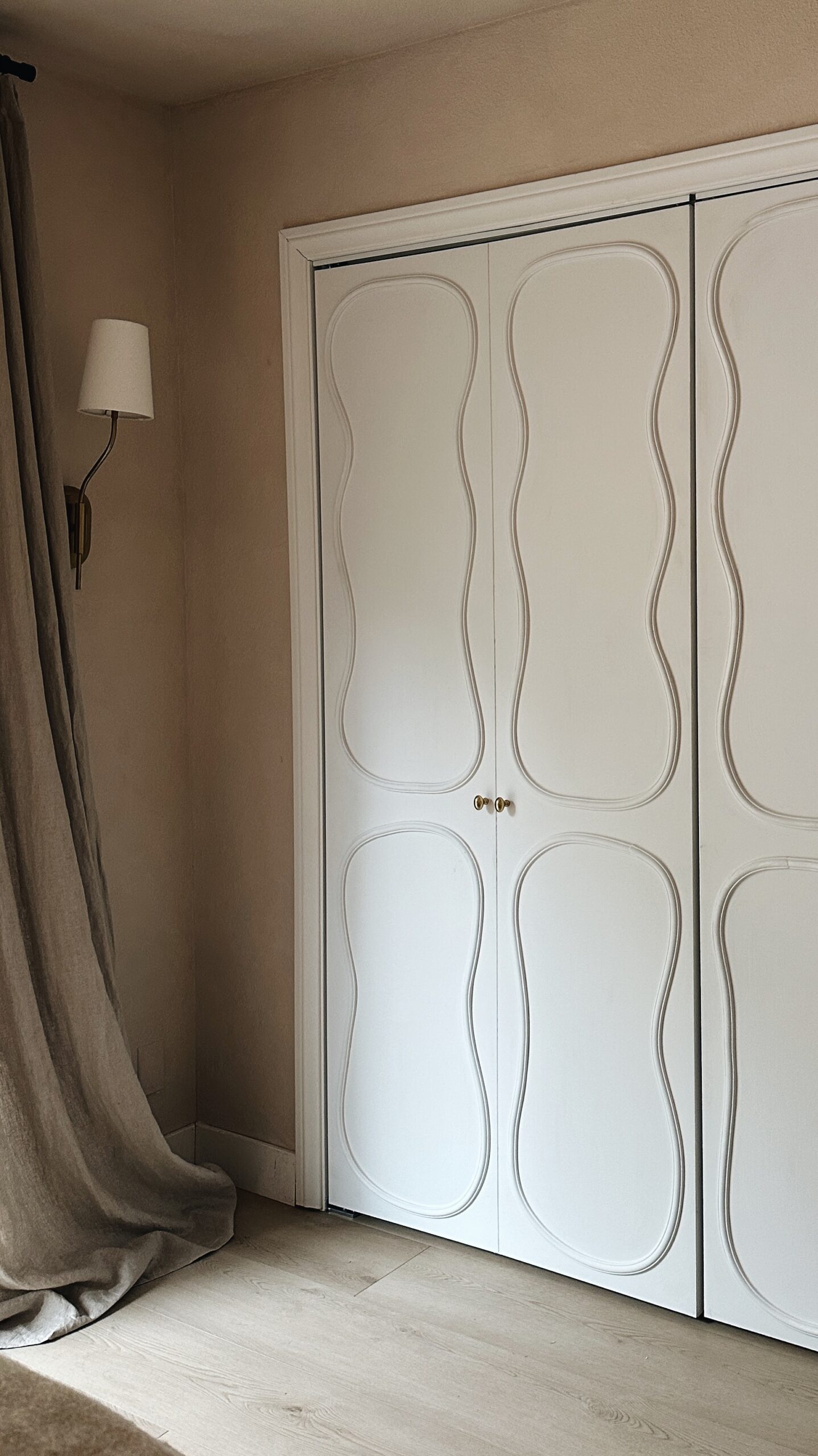
All Your Basic Bifold Closet Doors Need Is a Little Squiggly Molding
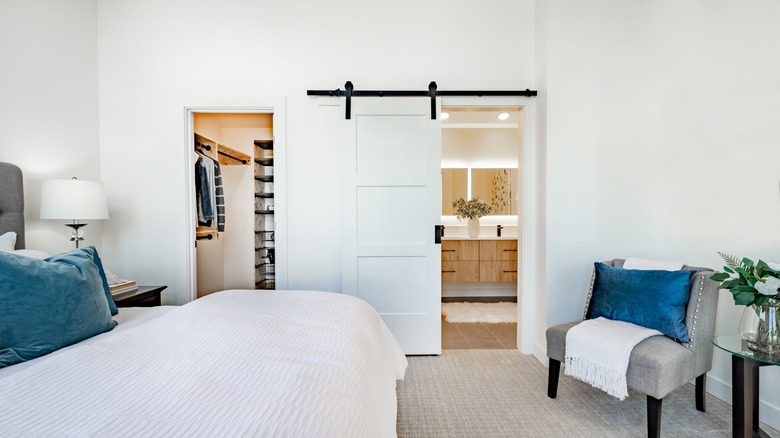
Consider These 11 Trendy Alternatives To Traditional Barn Doors To Refresh Your Space
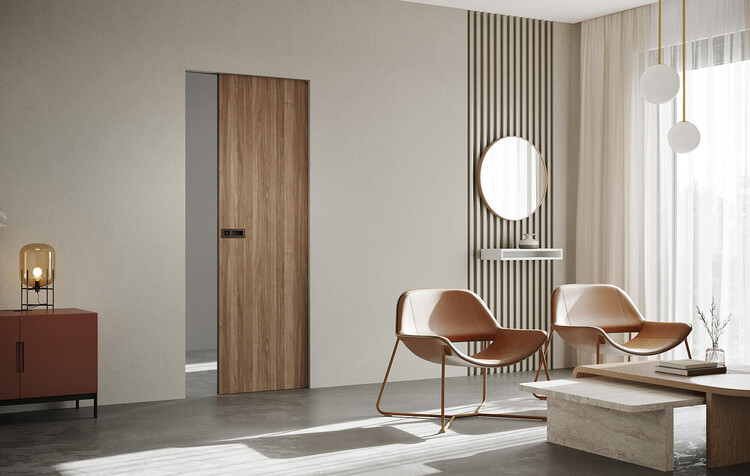
Achieving Maximum Flexibility (and Style) with Frameless Pocket Doors

Doors: A forgotten design element