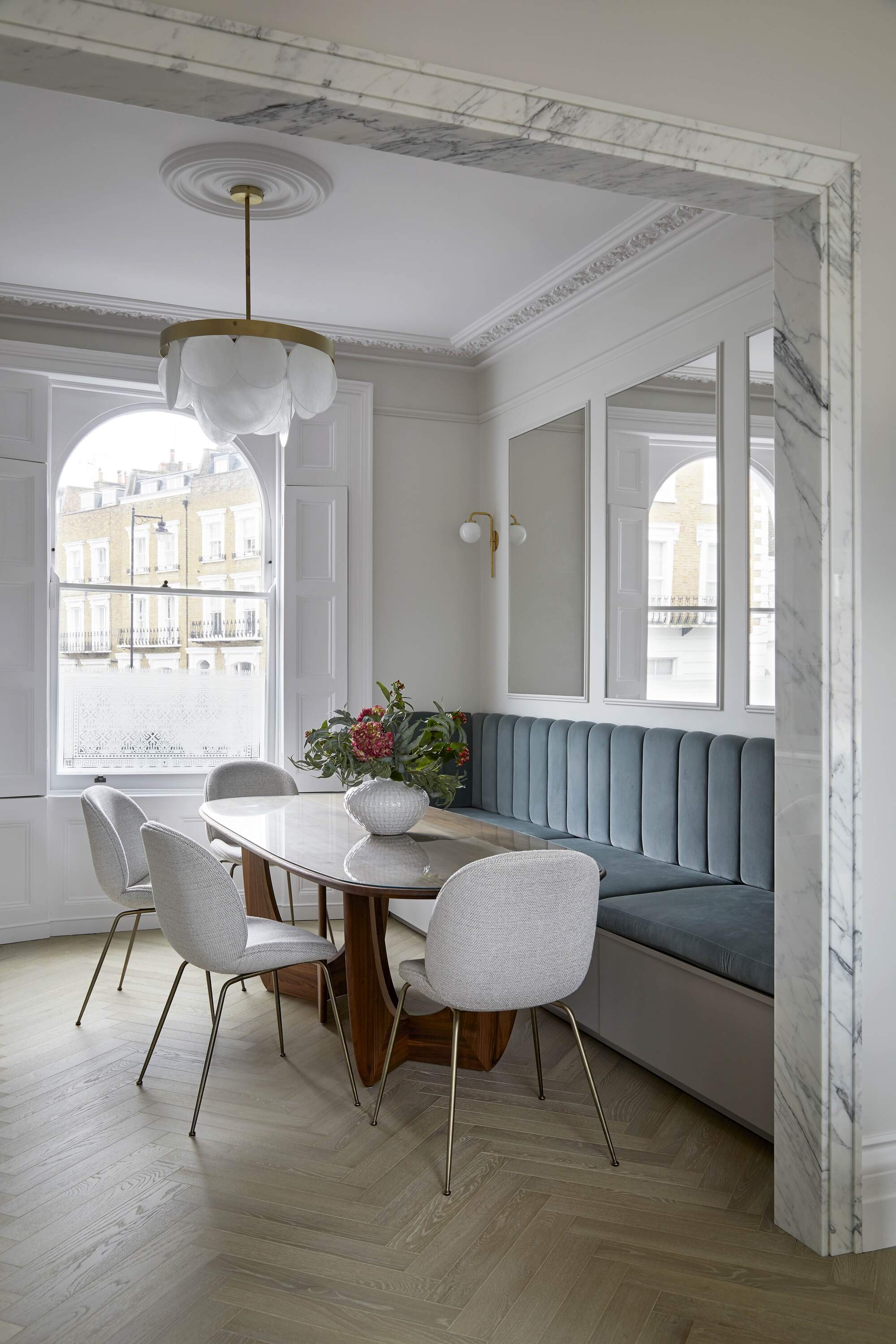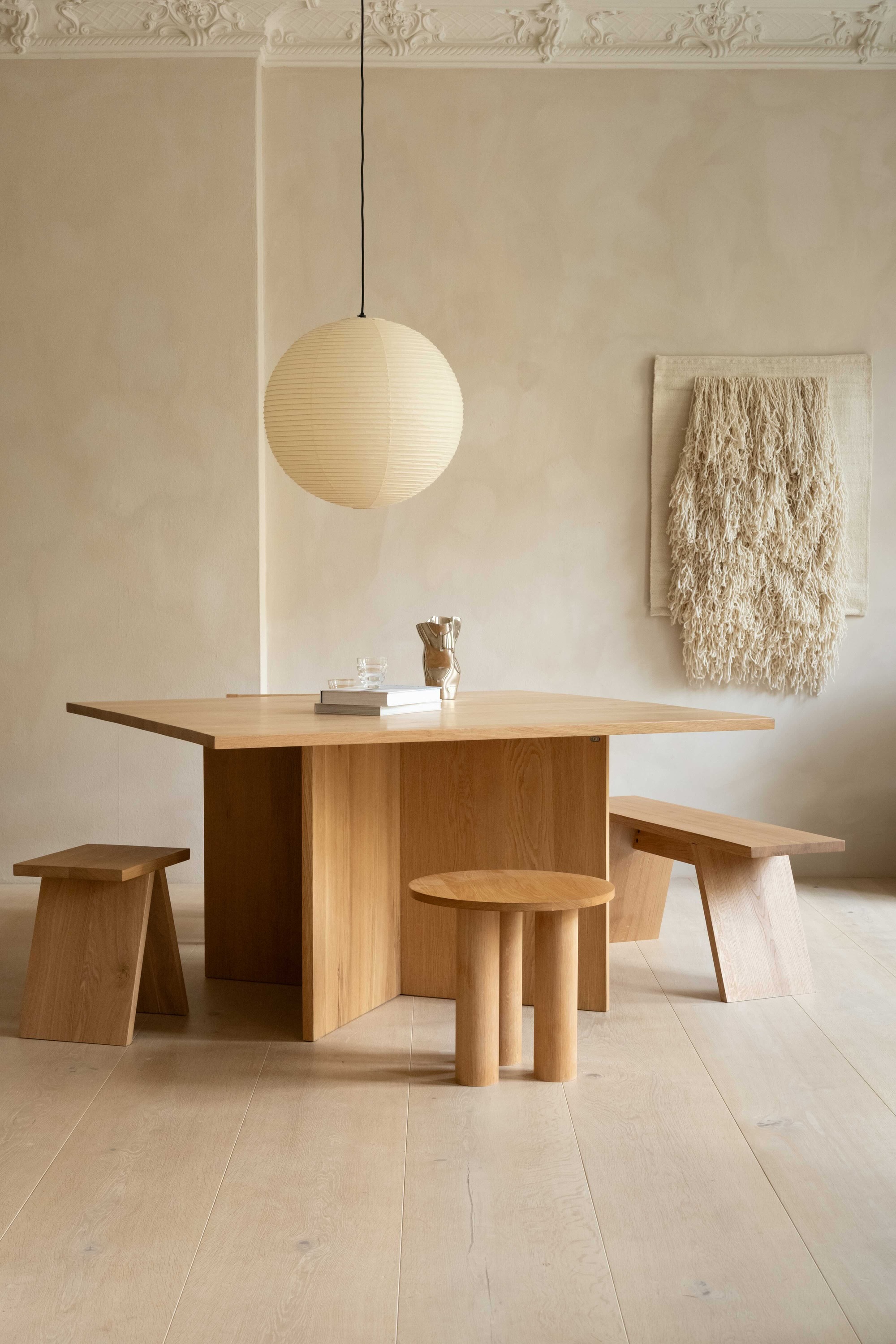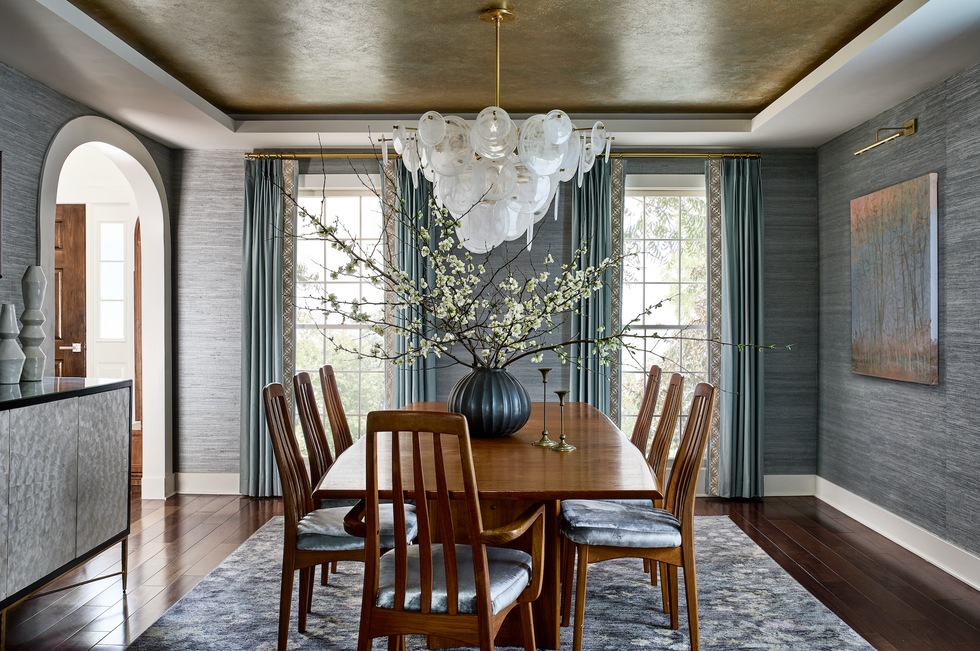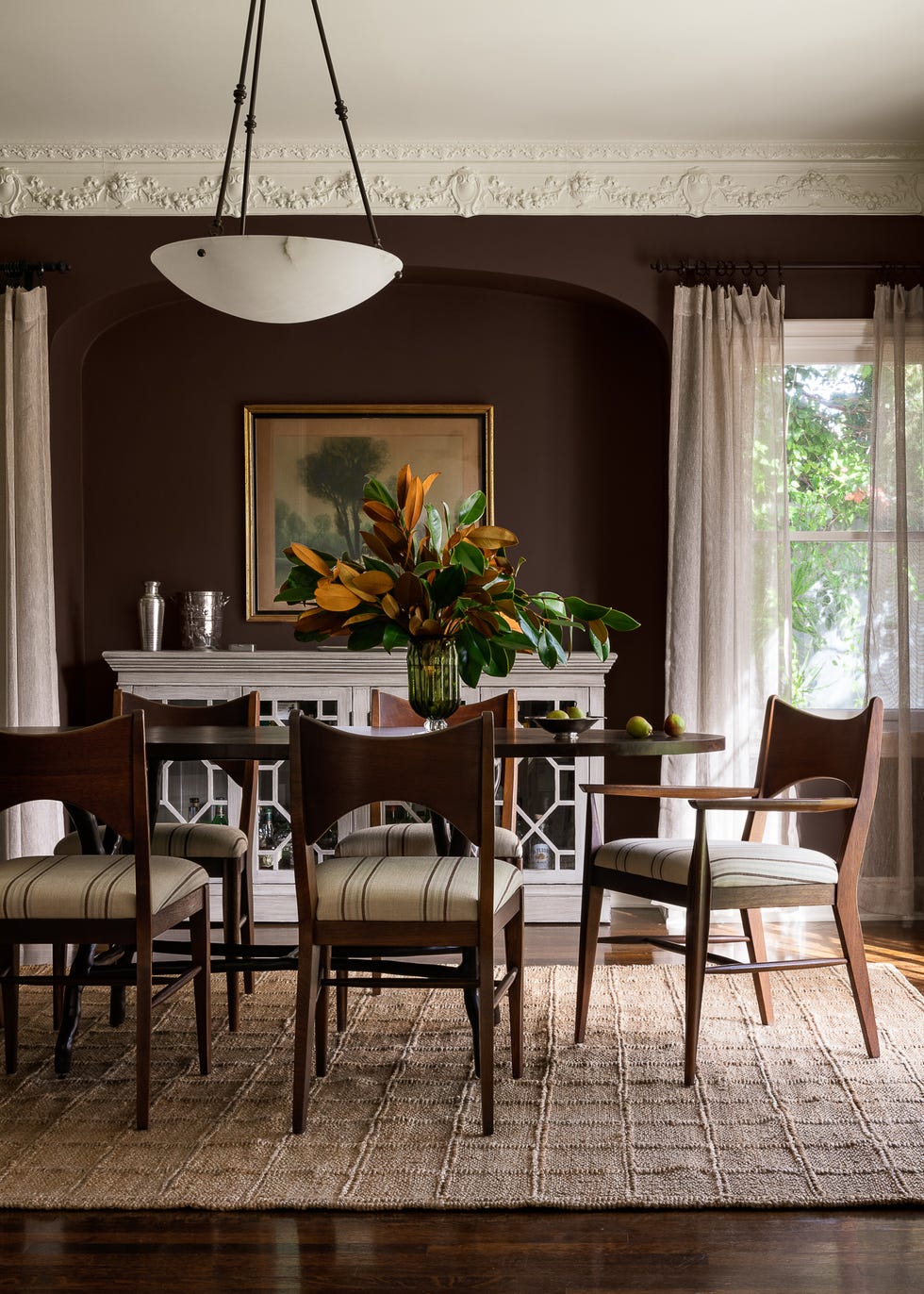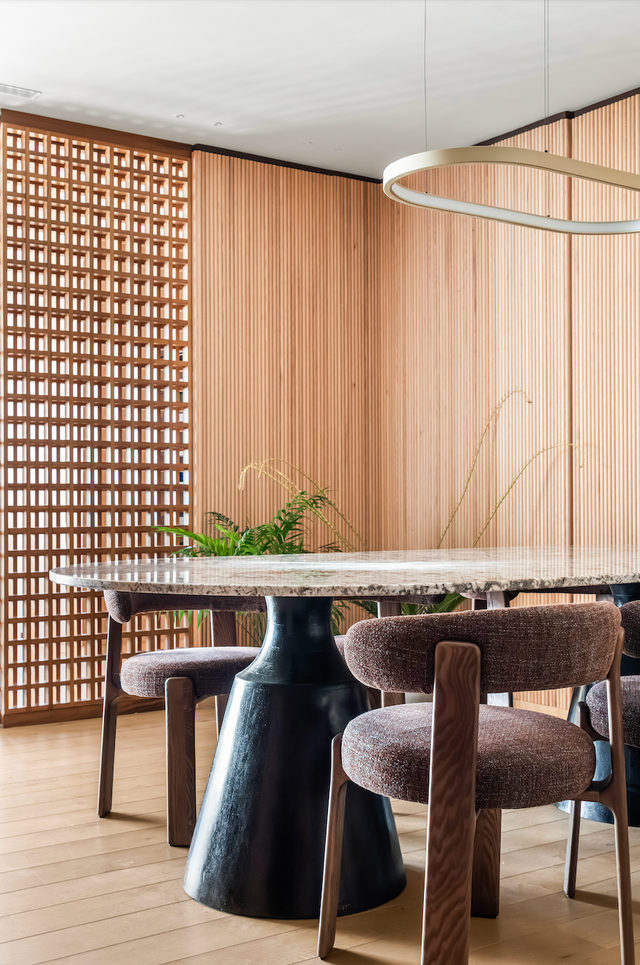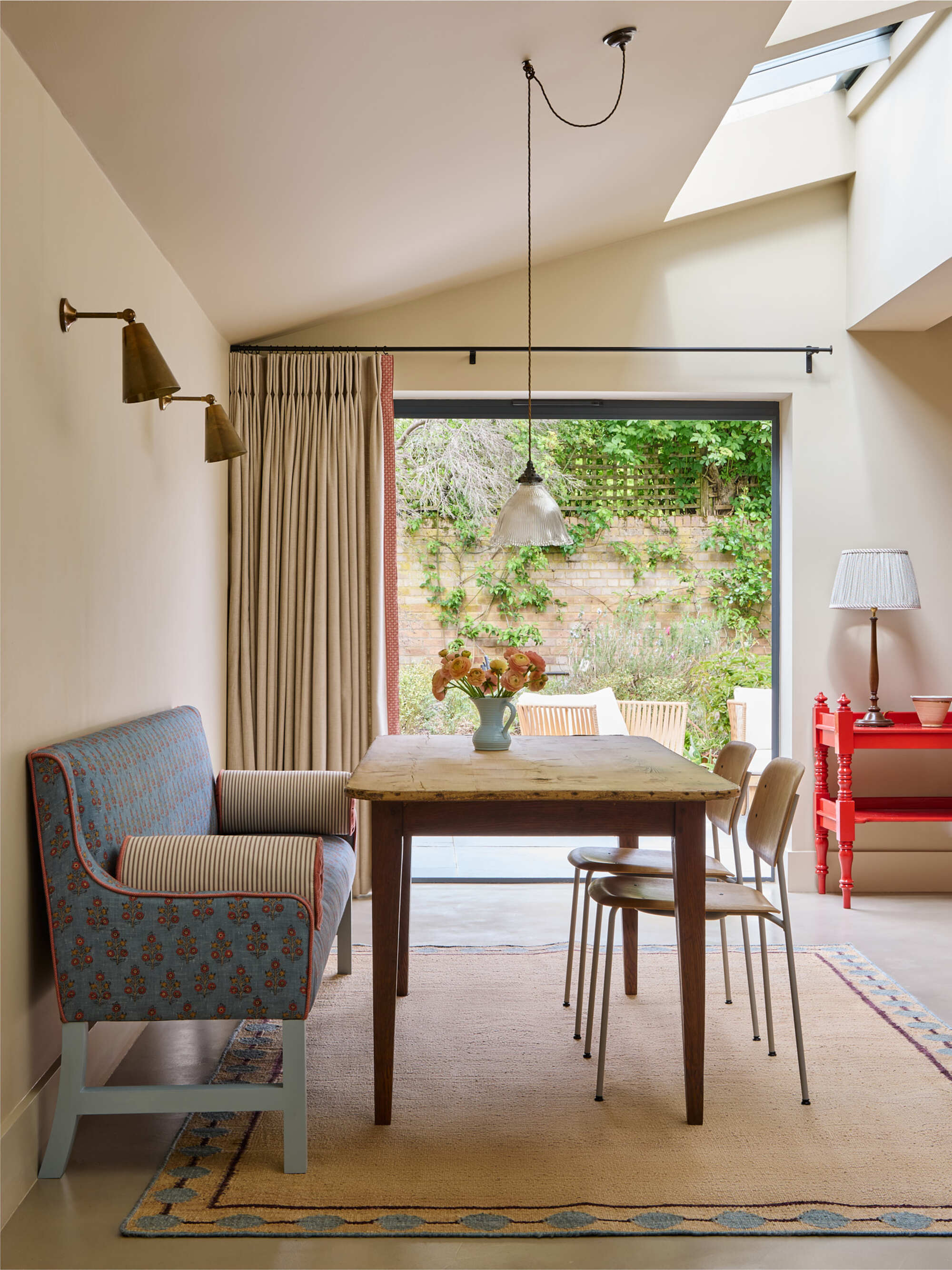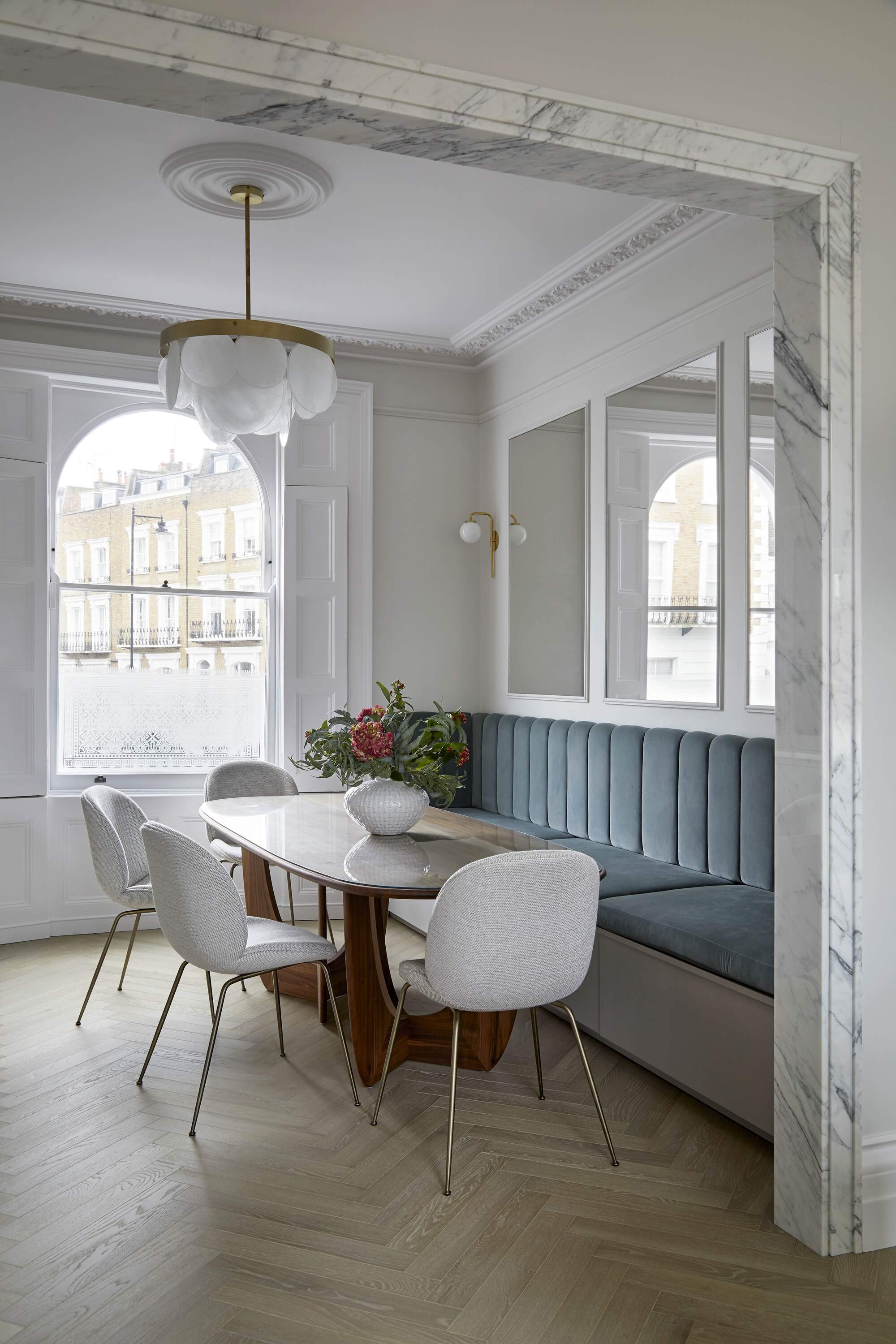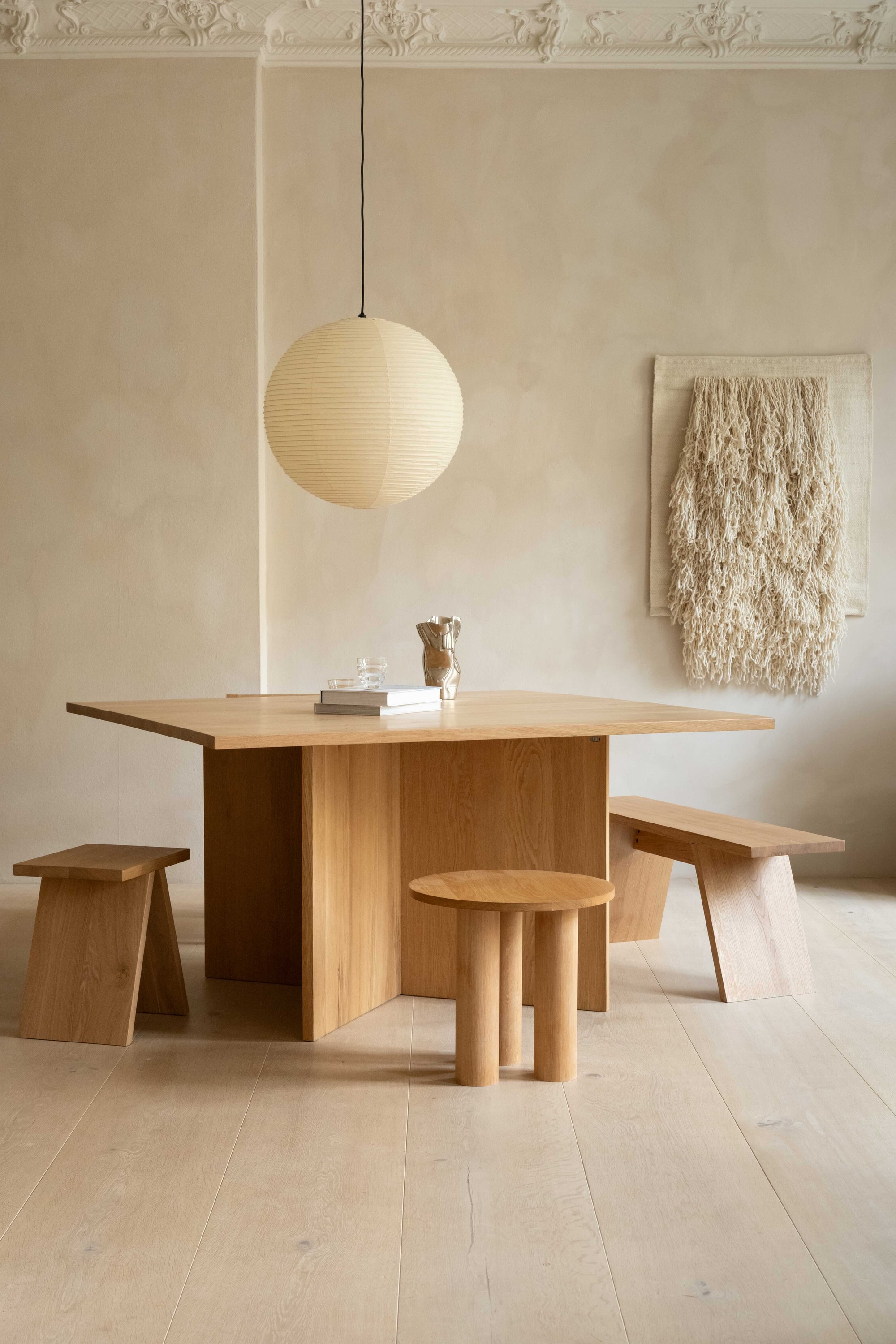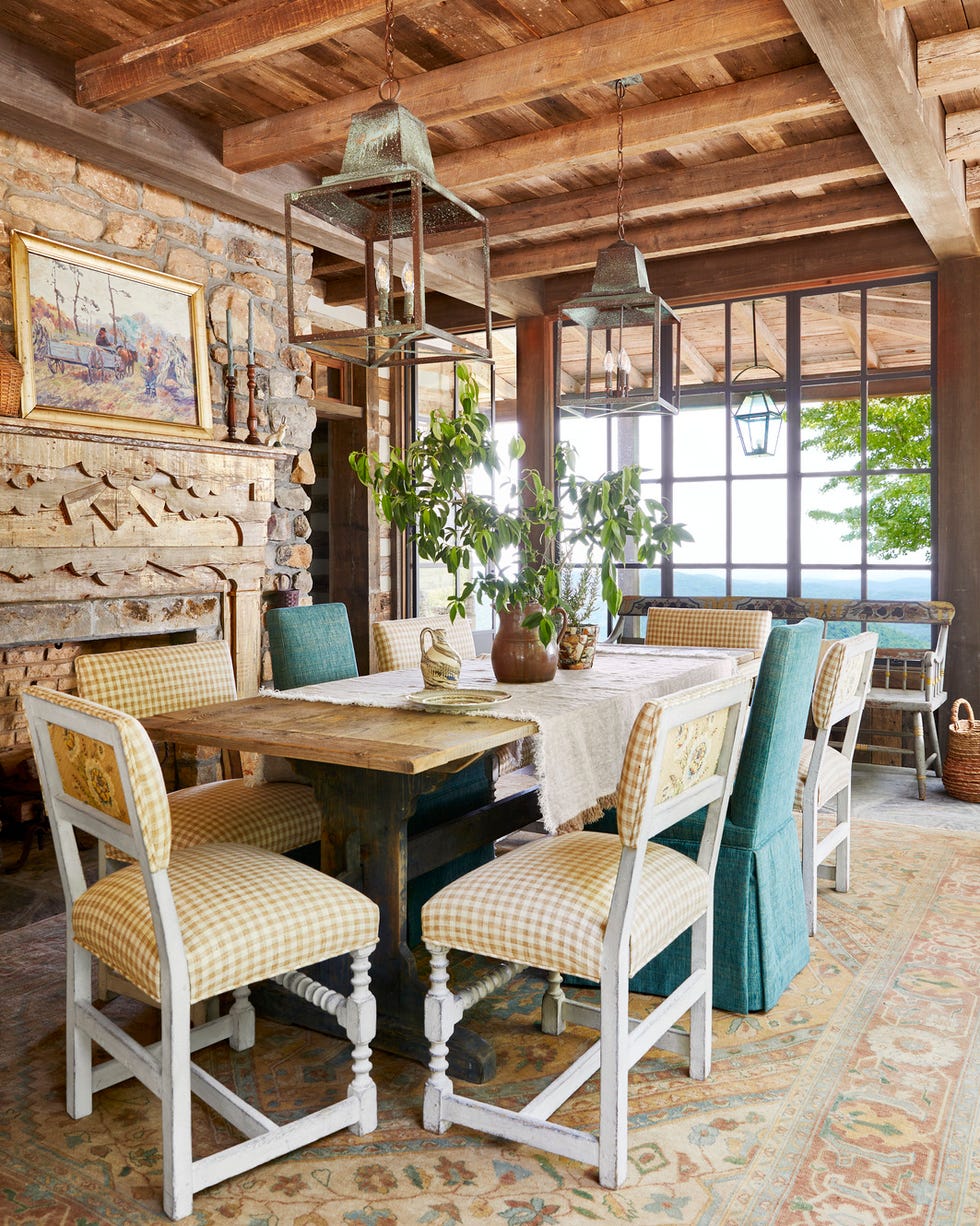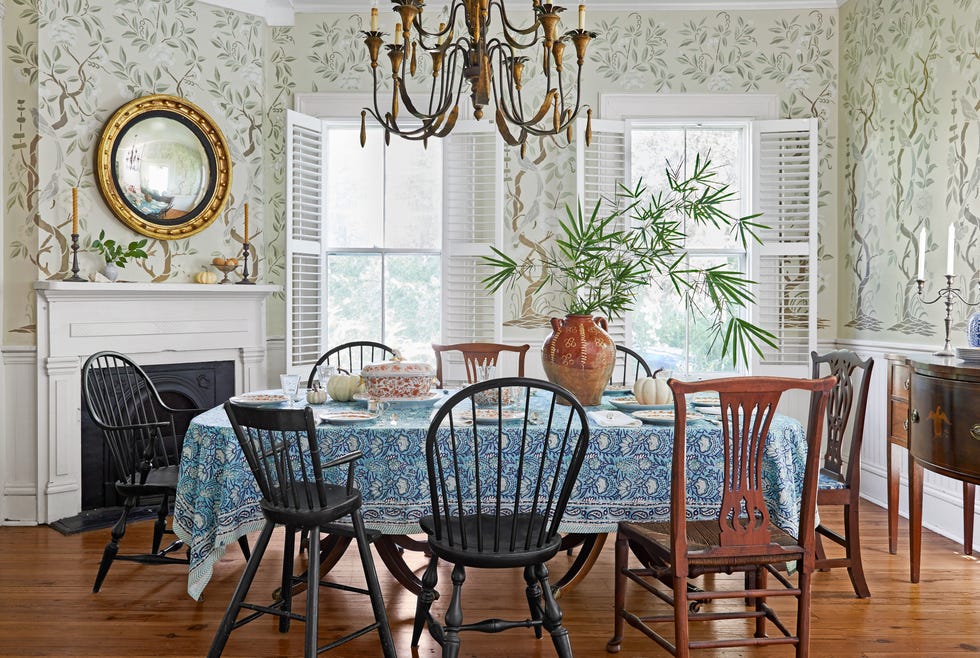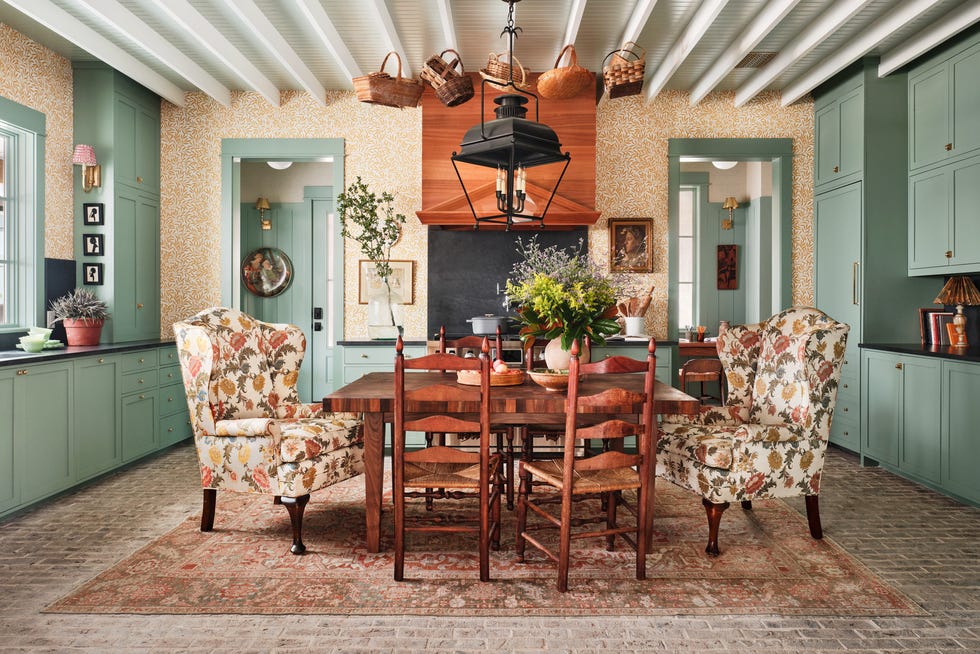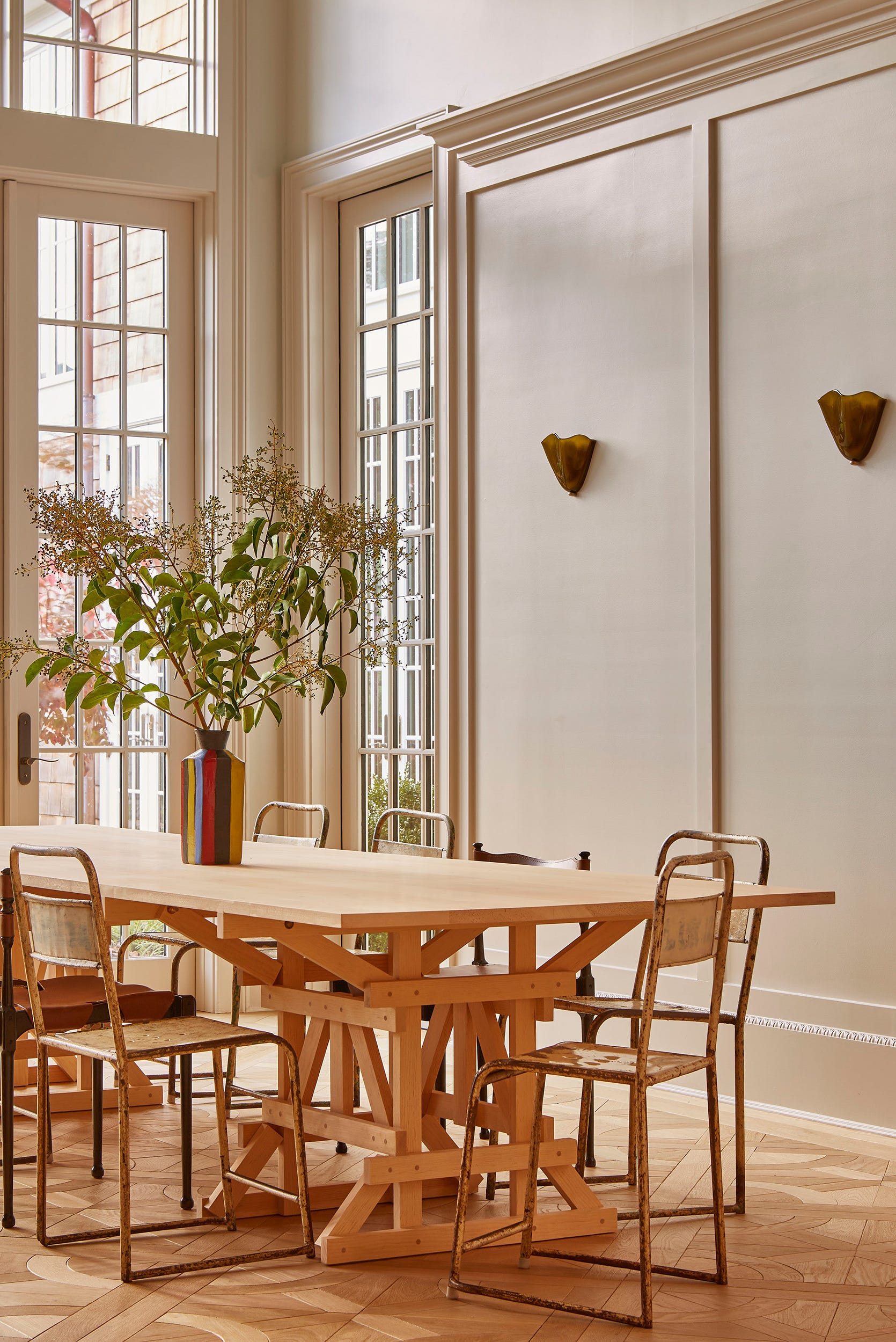
Are Formal Dining Rooms Out of Style? Why Pro Designers Say They Might Make a Comeback
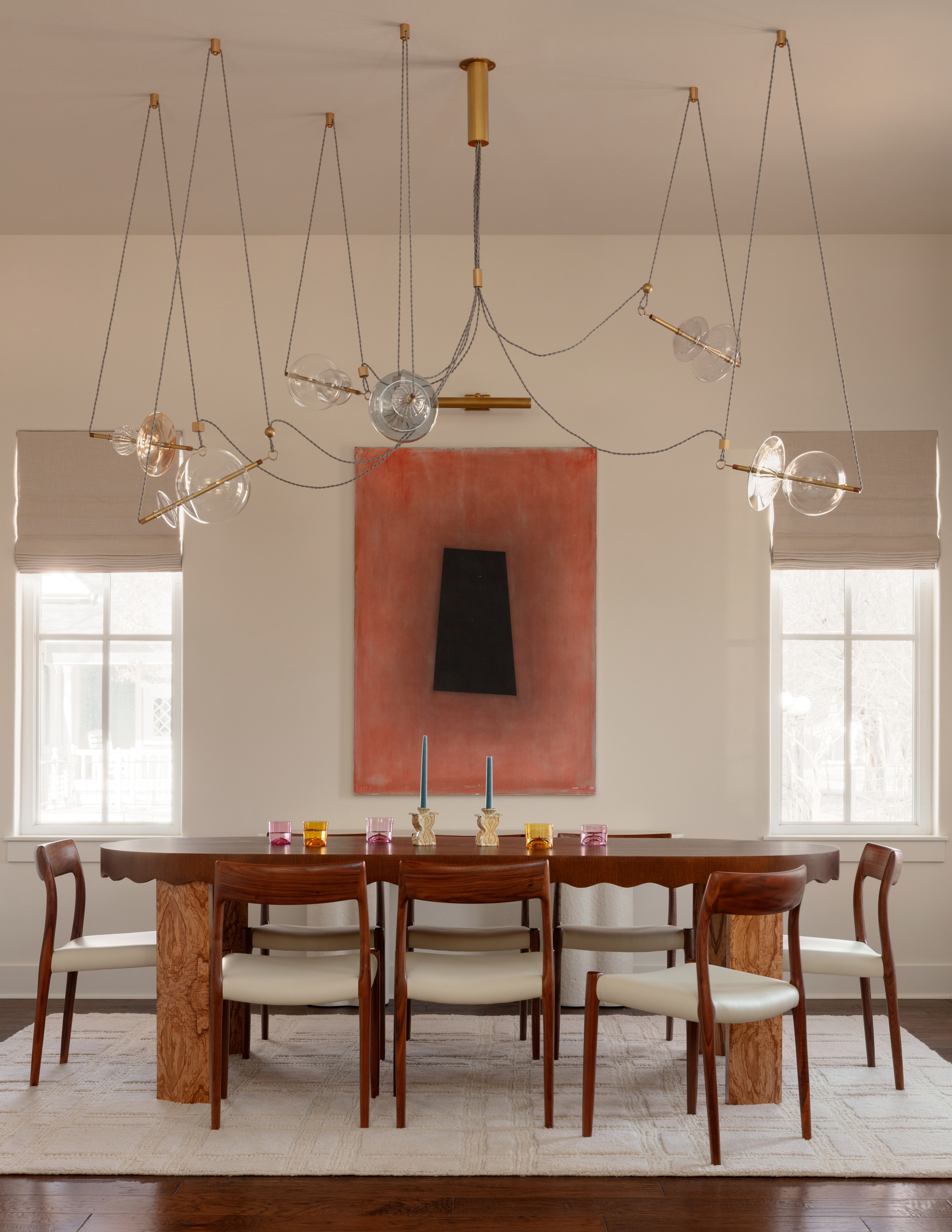
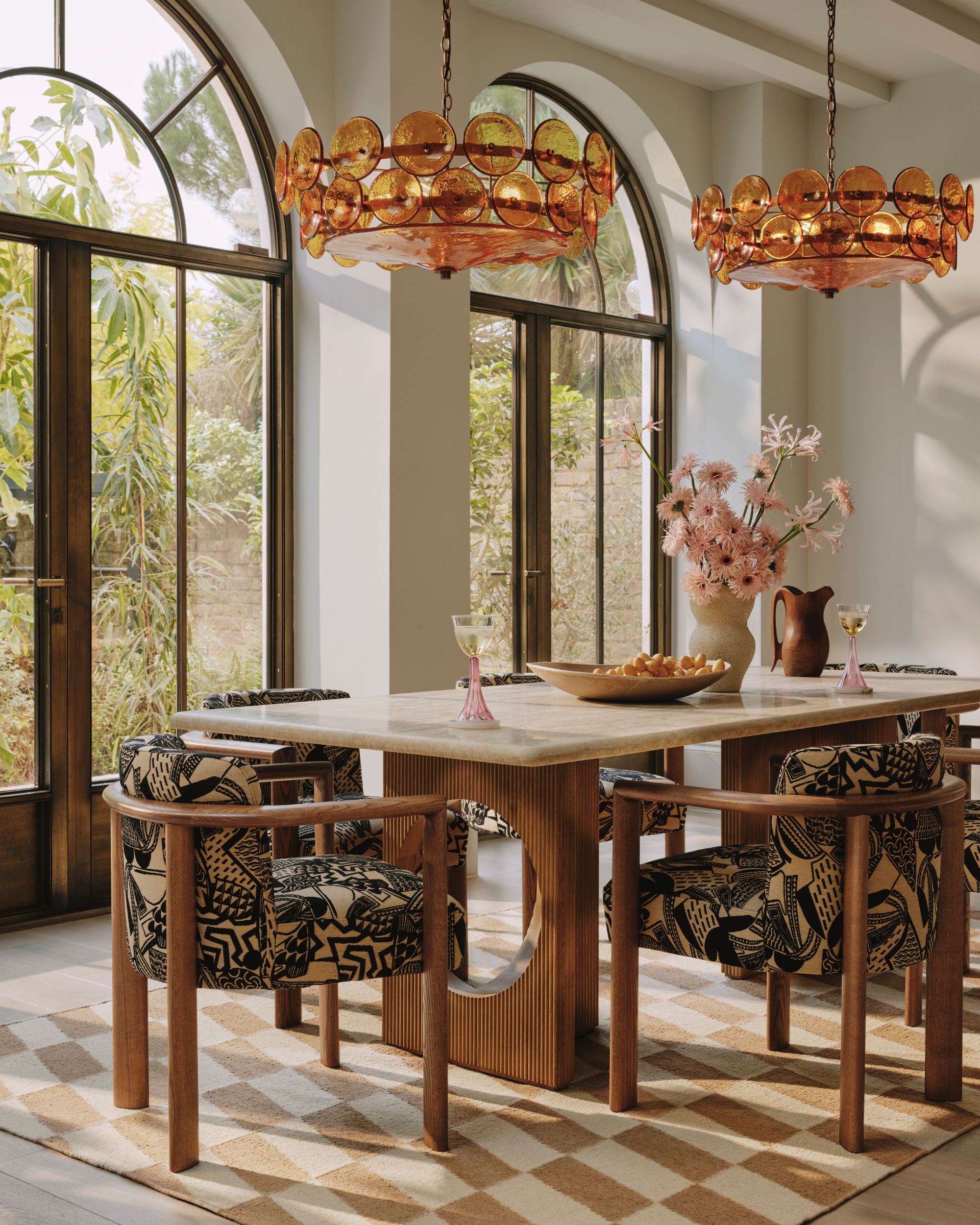
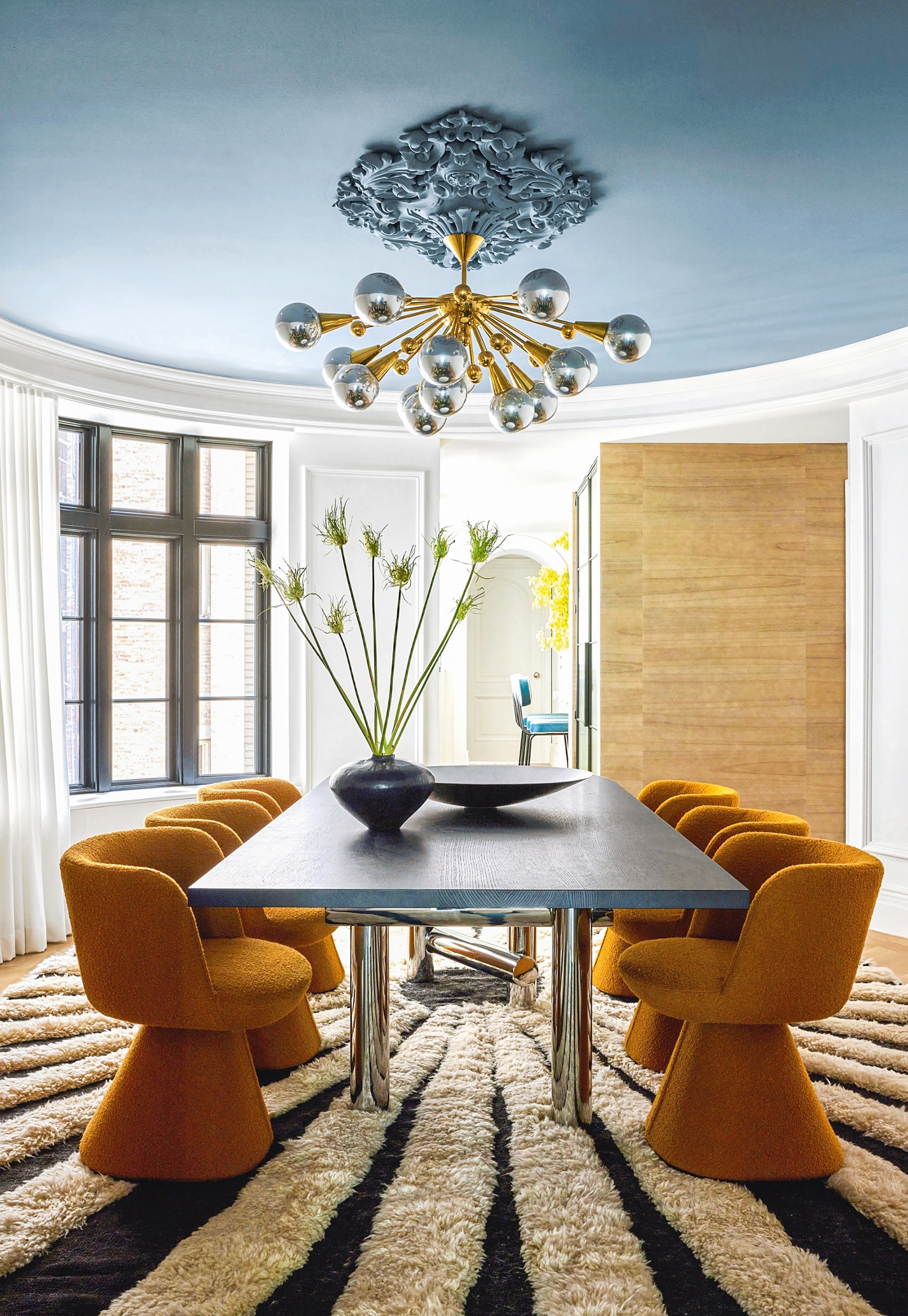
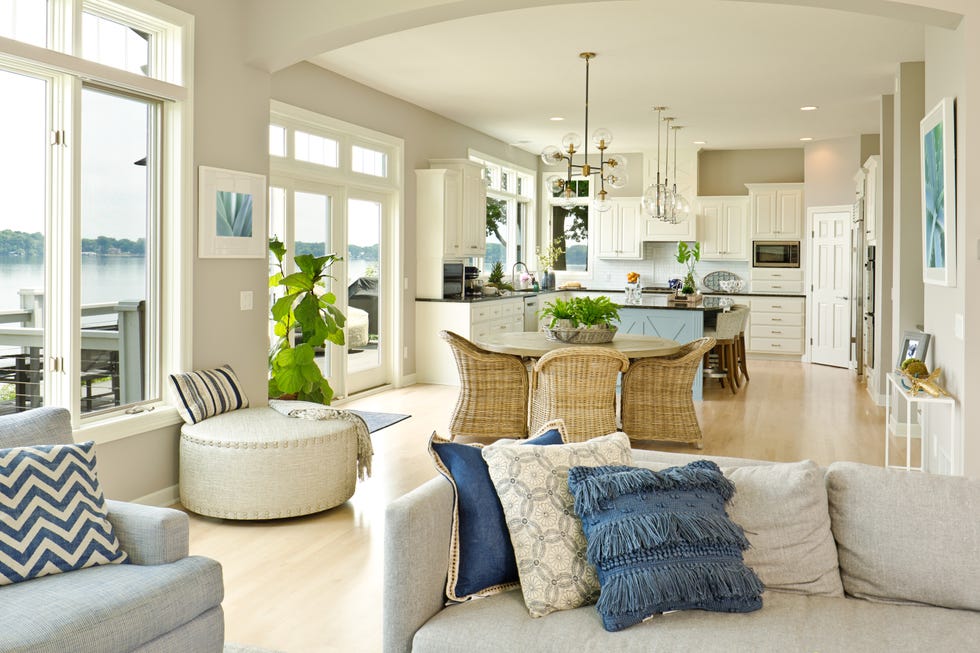
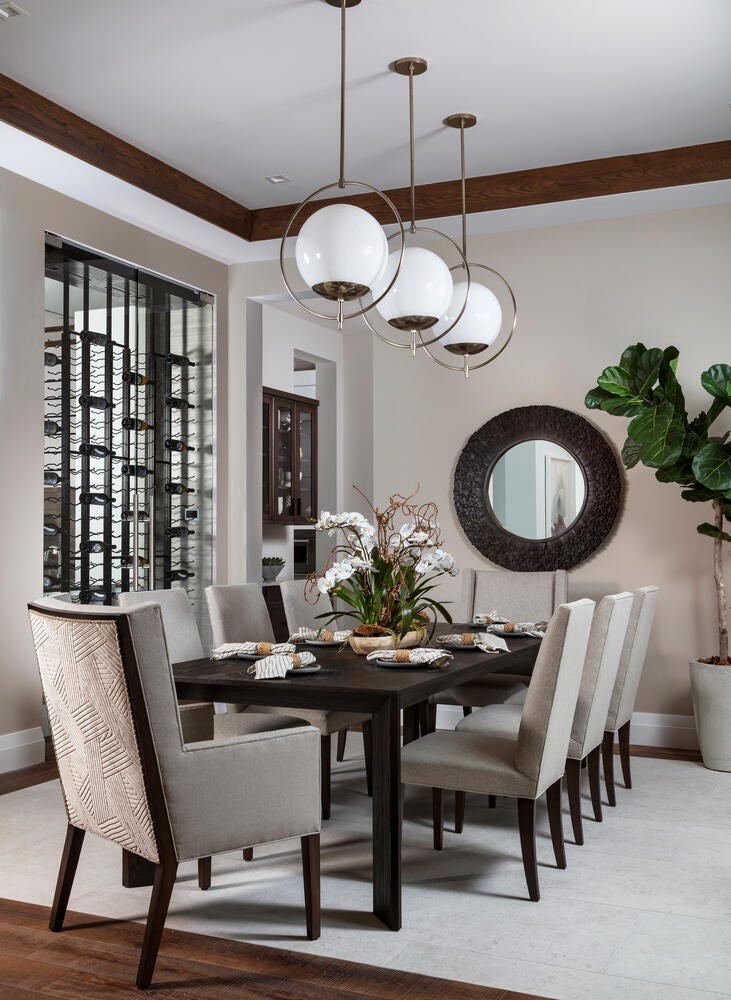
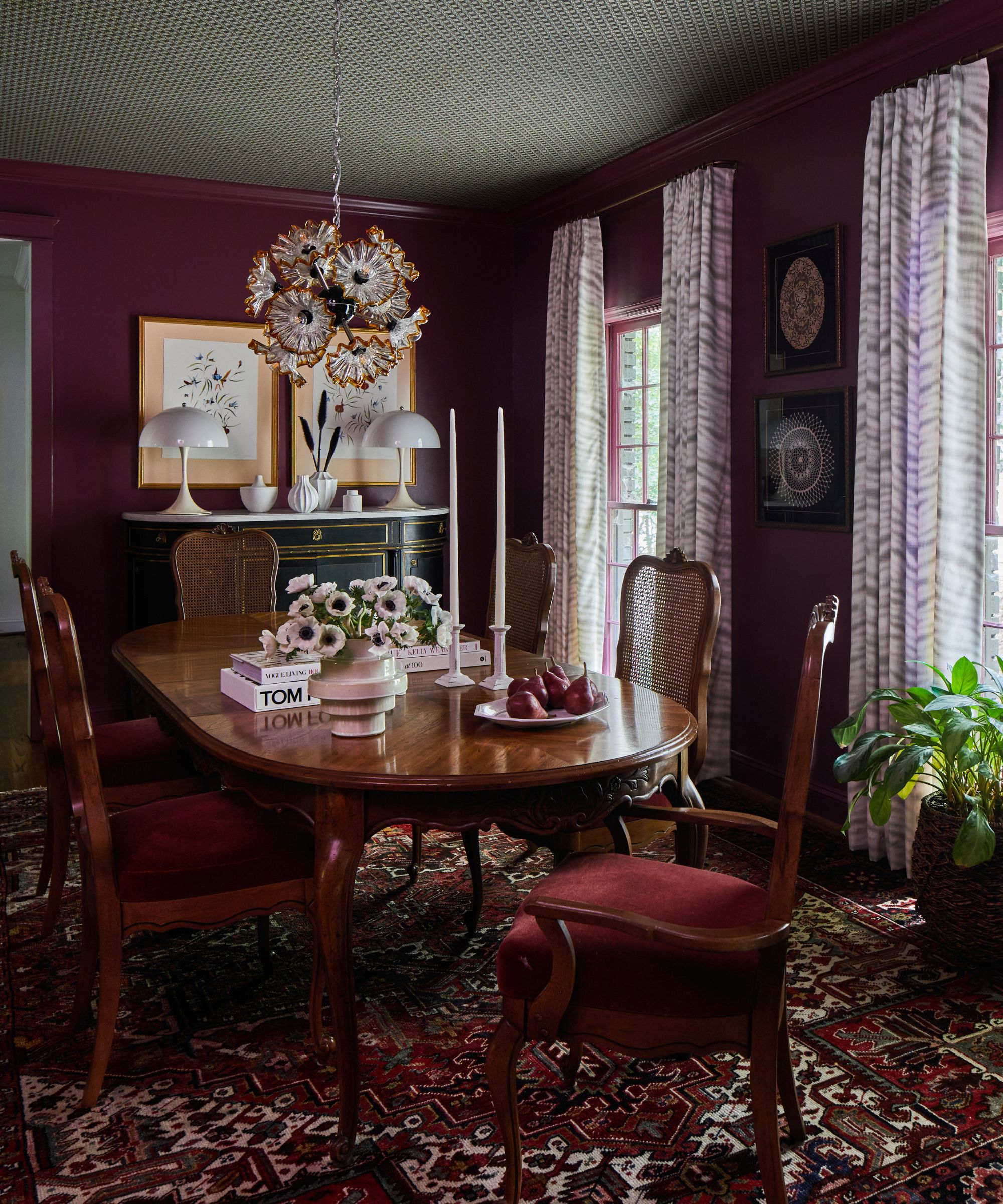
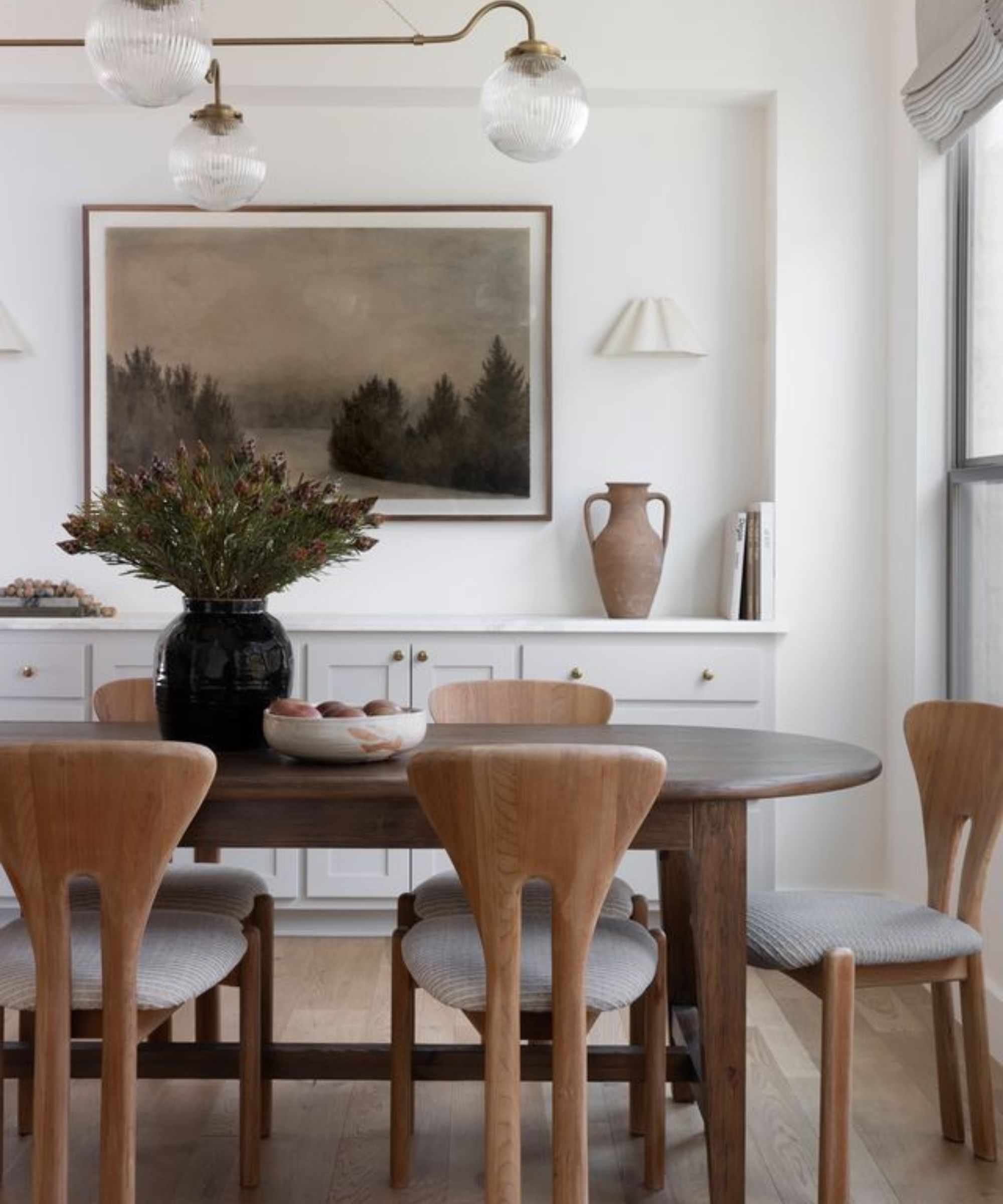
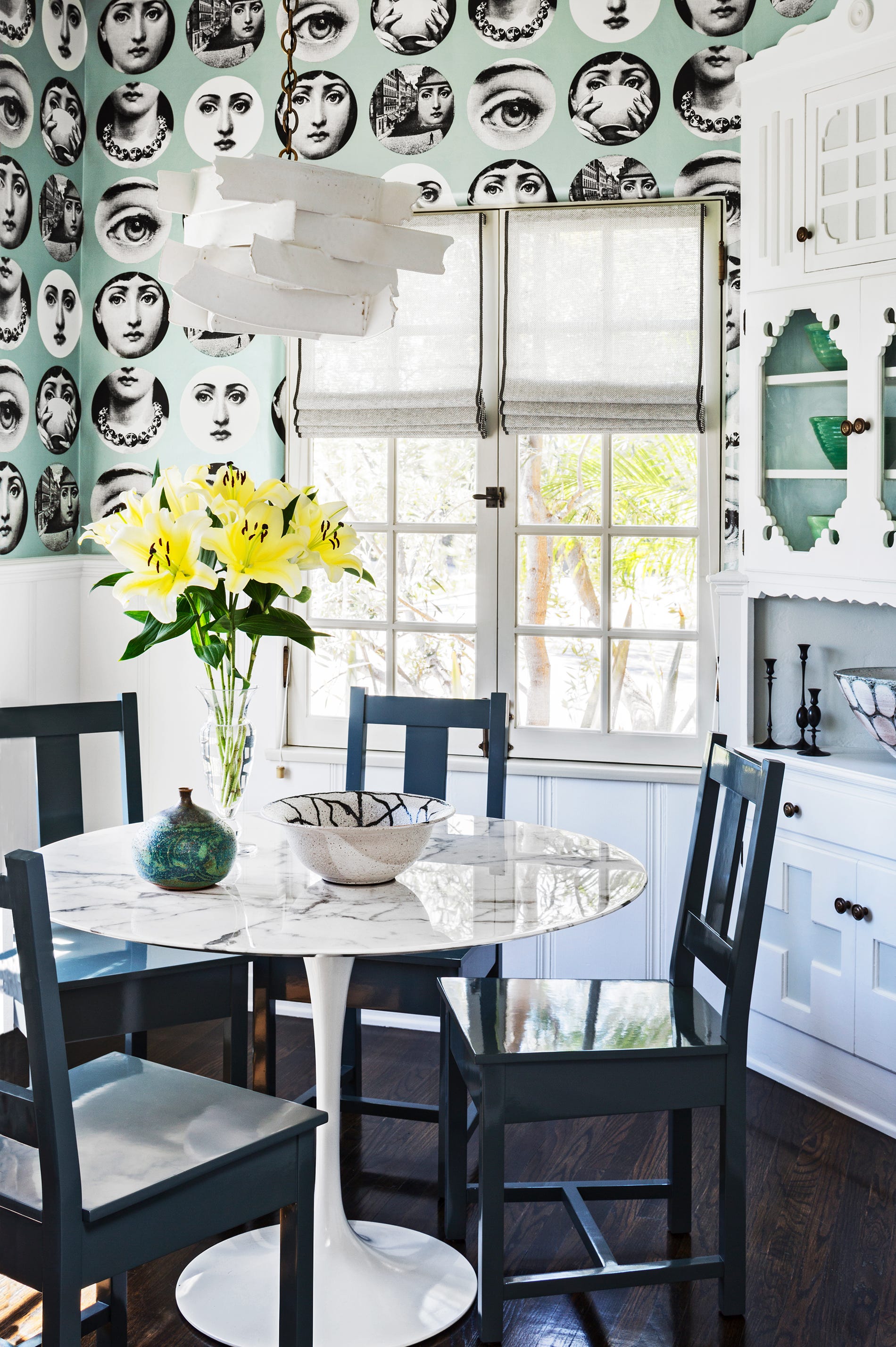
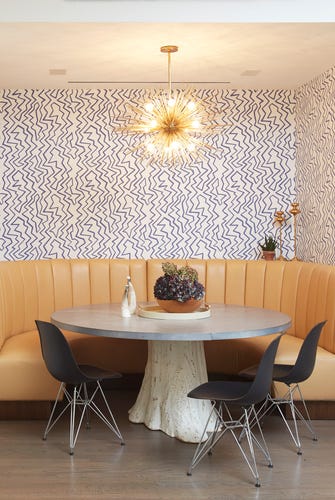
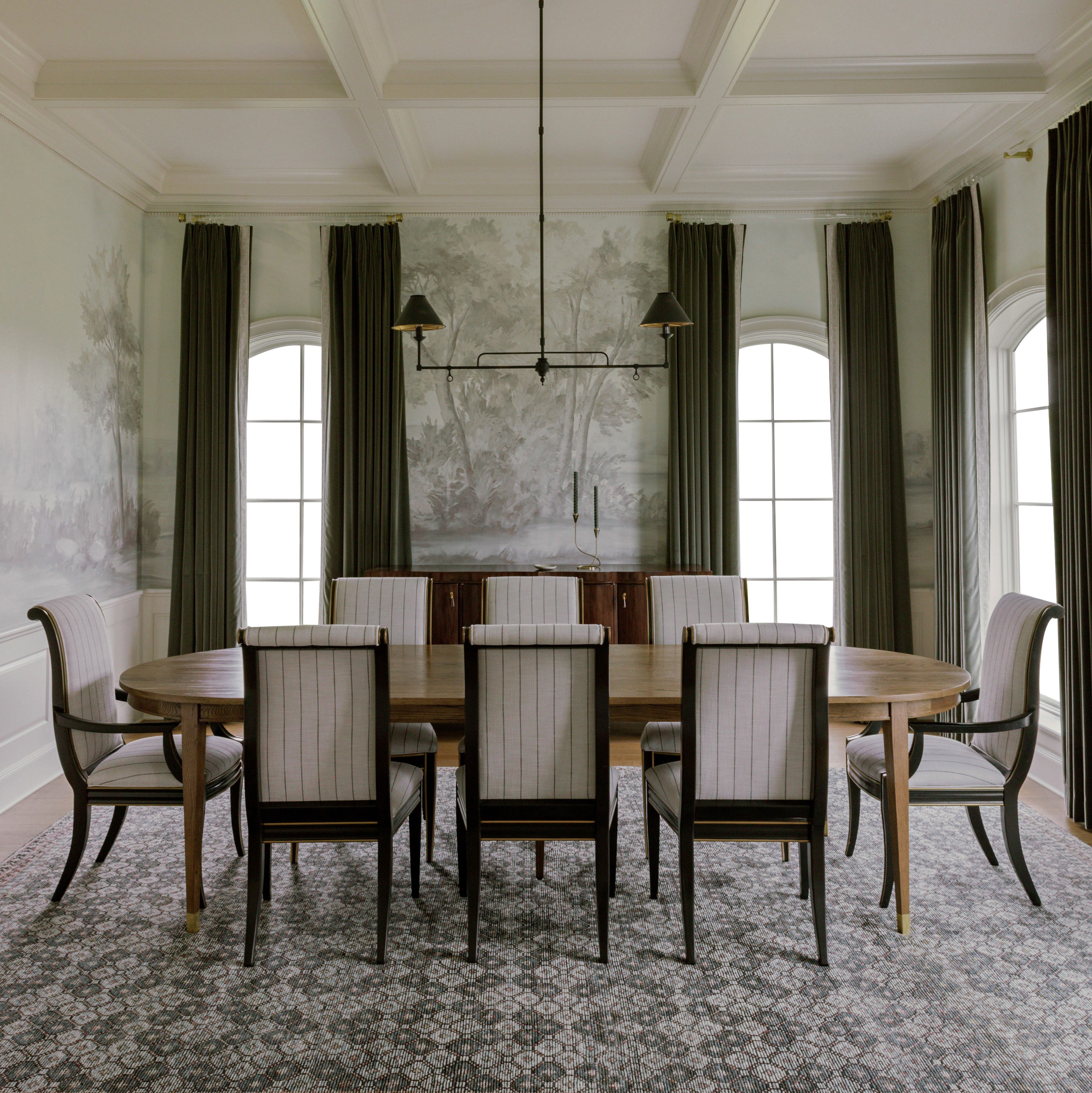
The debate surrounding the relevance of formal dining rooms in contemporary home design is gaining traction, with a notable shift away from solely open-concept living. While open-floor plans have dominated recent architectural trends, there's growing discussion about the resurgence of more defined, separate spaces, including the formal dining room. This article explores whether formal dining rooms are still a desirable feature in homes, drawing insights from leading interior designers.
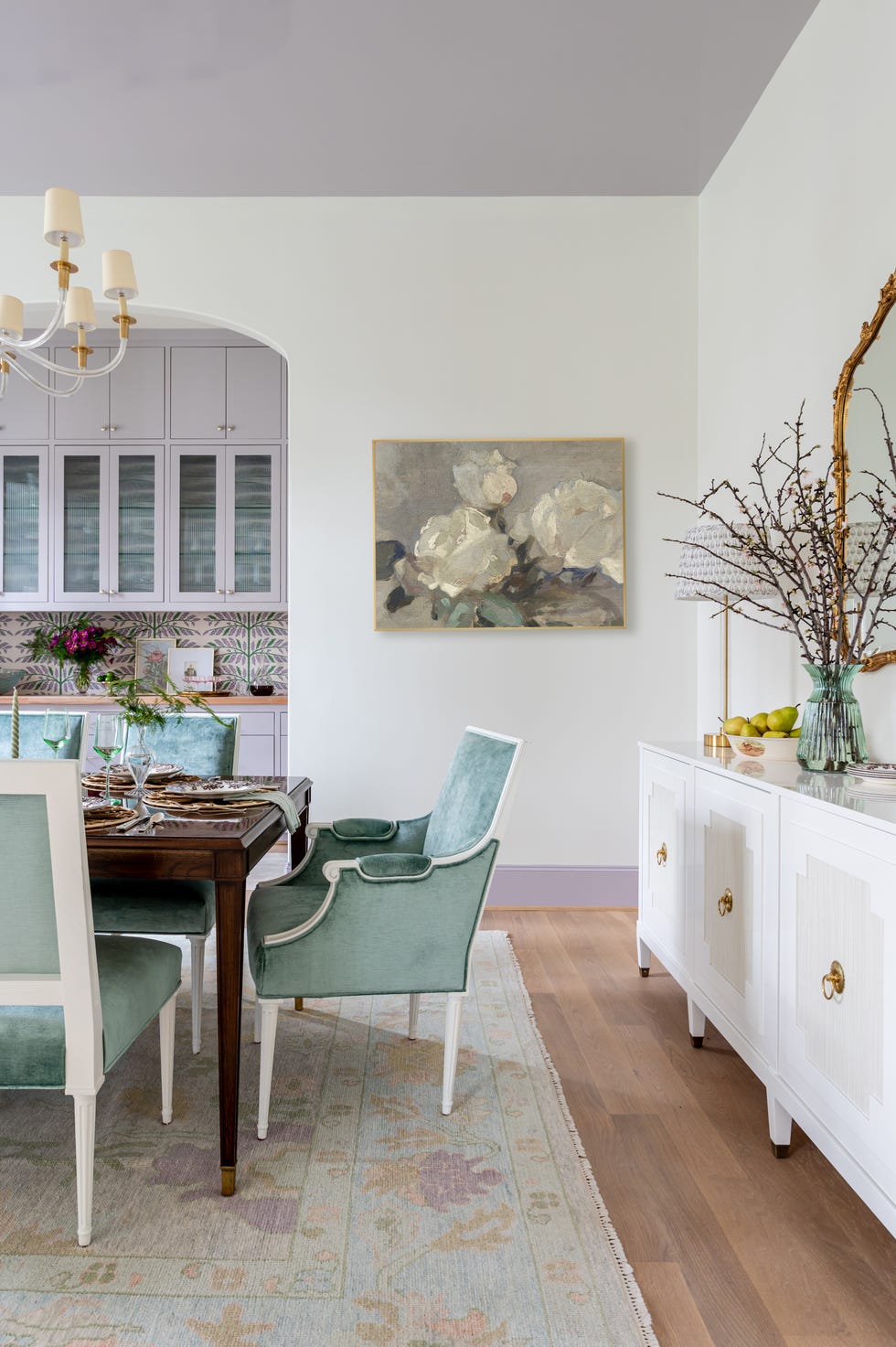
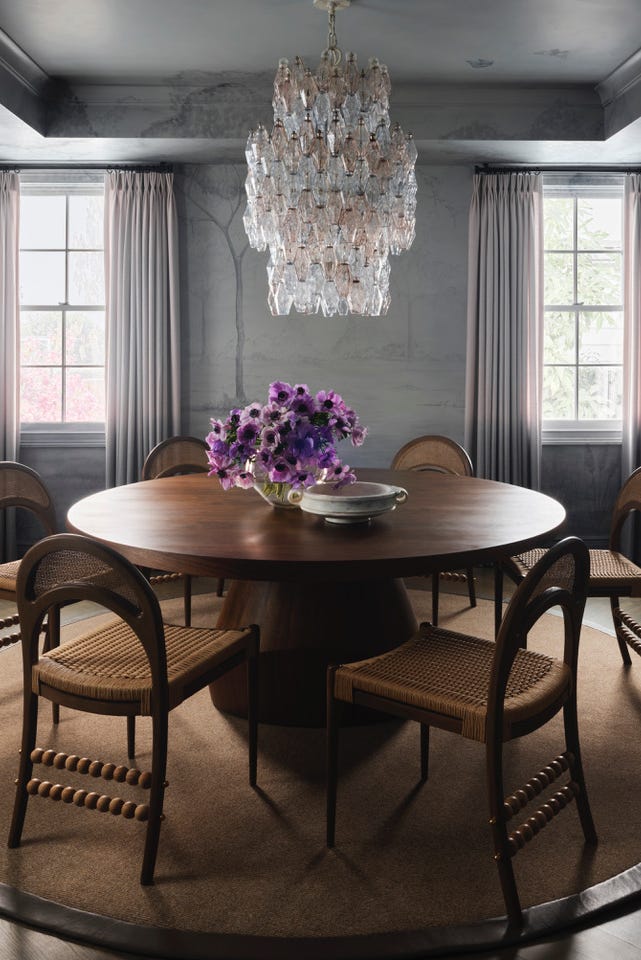
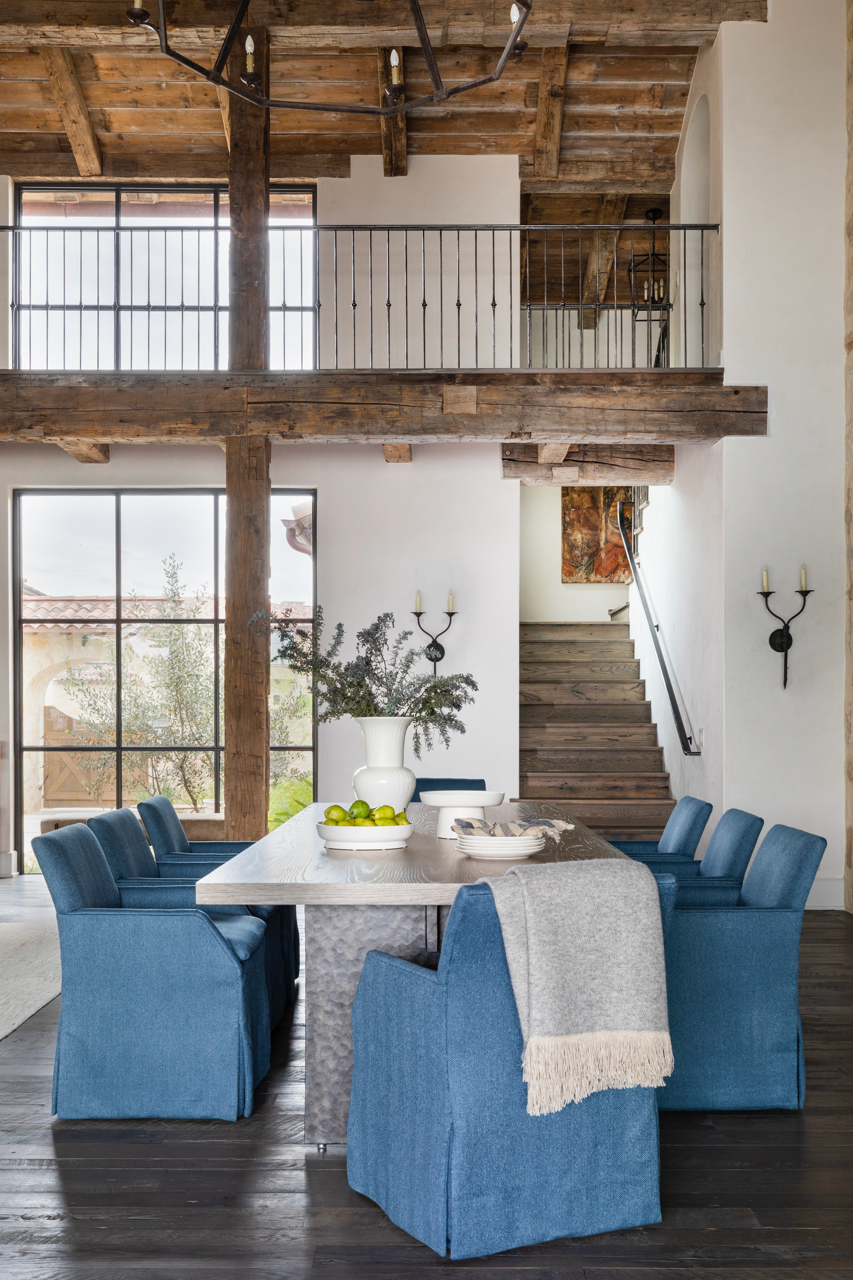
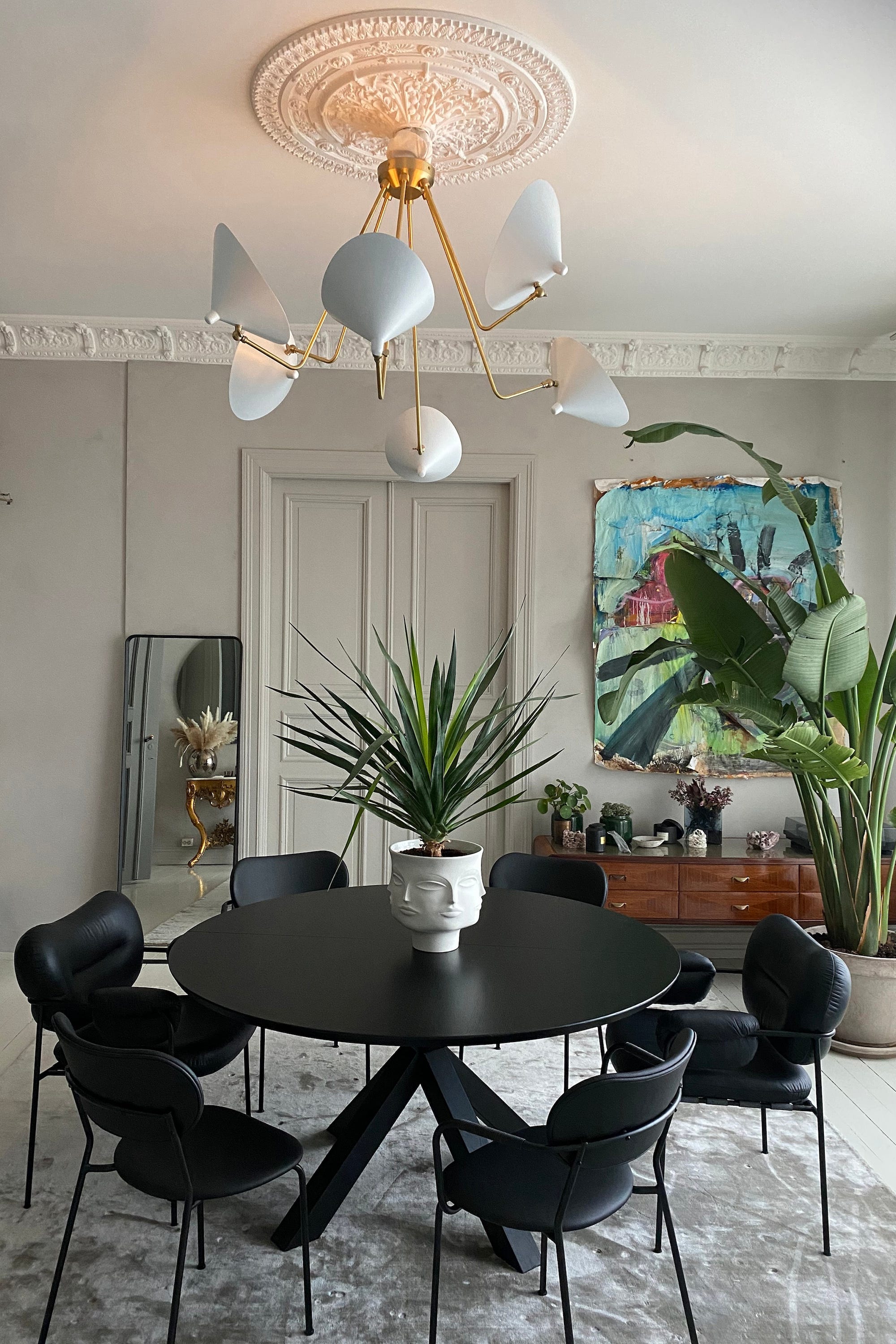
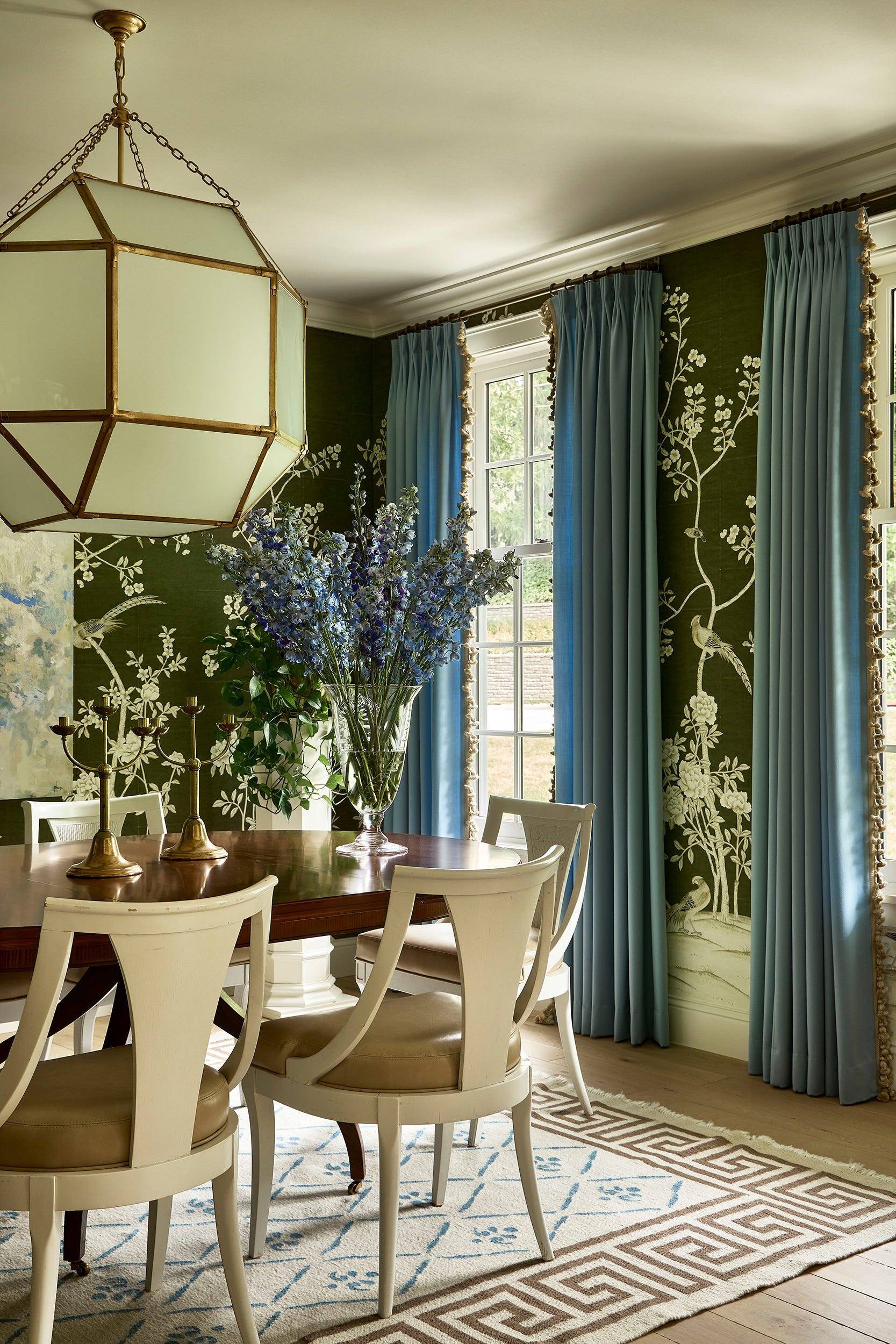
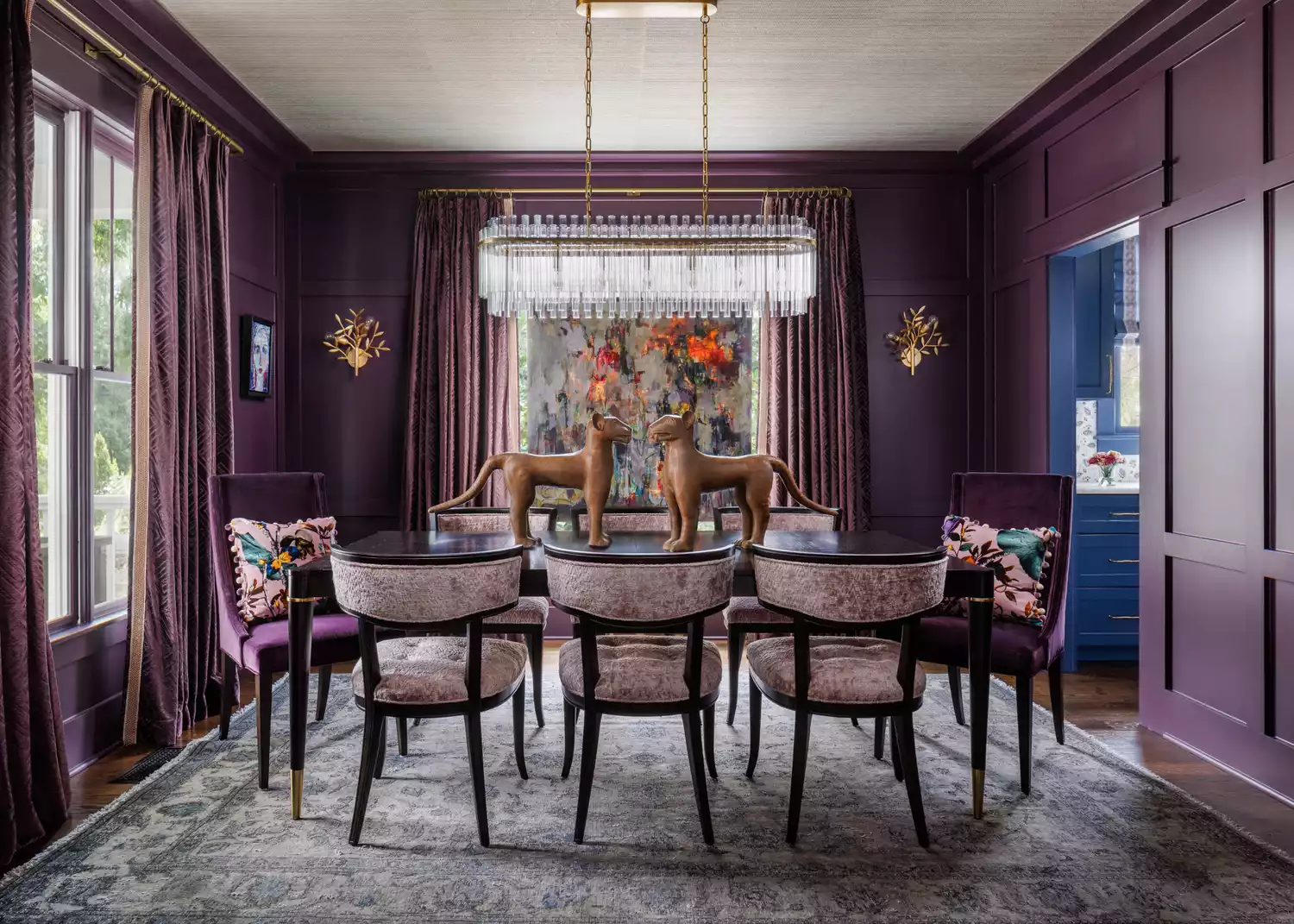
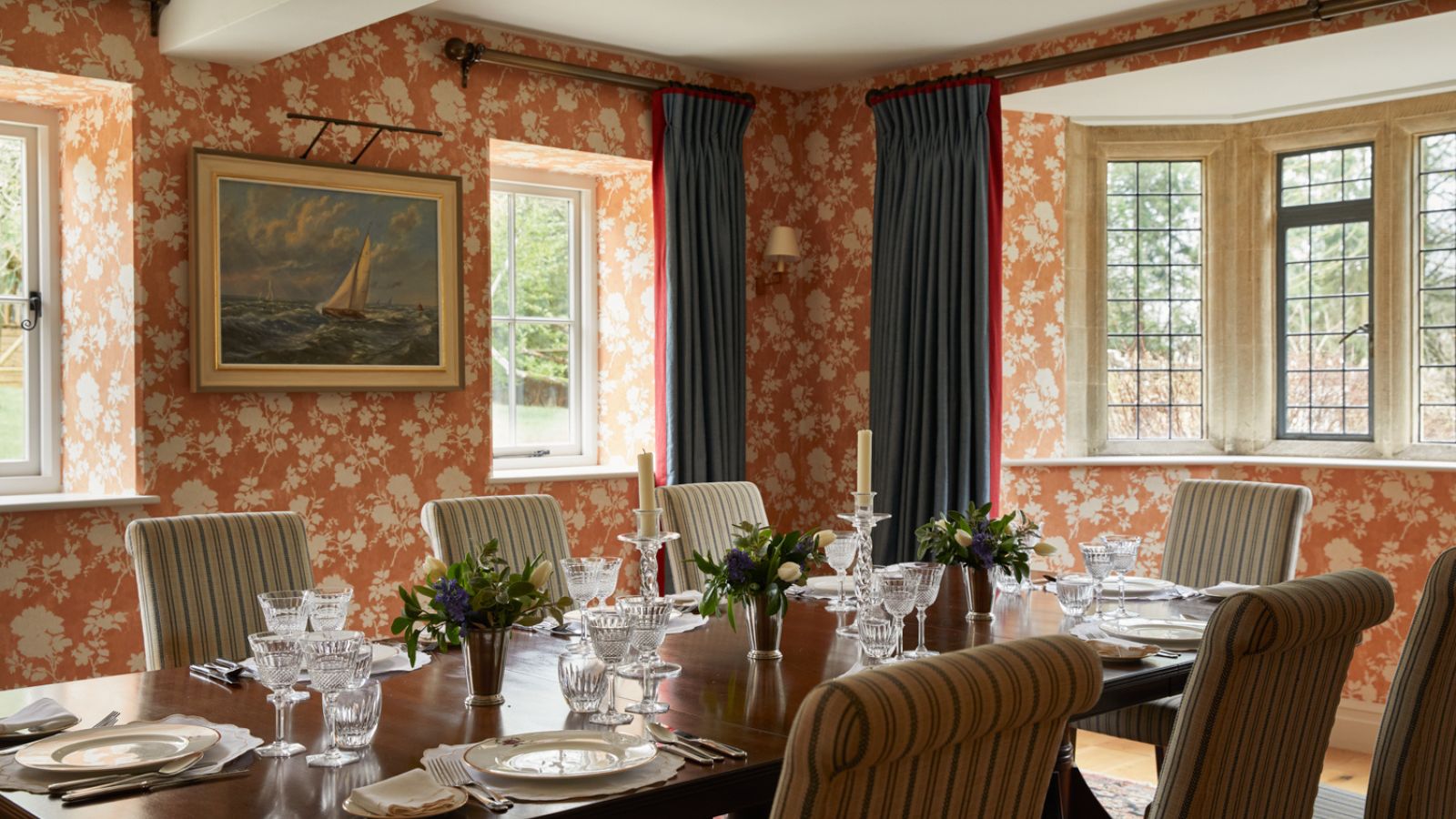
According to designers like Victoria Holly of Victoria Holly Interiors, formal dining rooms are experiencing a significant resurgence. Holly notes that while kitchen islands and casual dining areas became prominent during the period of increased remote work, the renewed interest in hosting and entertaining at home has brought formal dining rooms back into favor. Jennifer Jones, principal designer at Niche Interiors, further emphasizes that a formal dining room enhances the guest experience at dinner parties and holiday gatherings in a way that casual spaces cannot replicate.
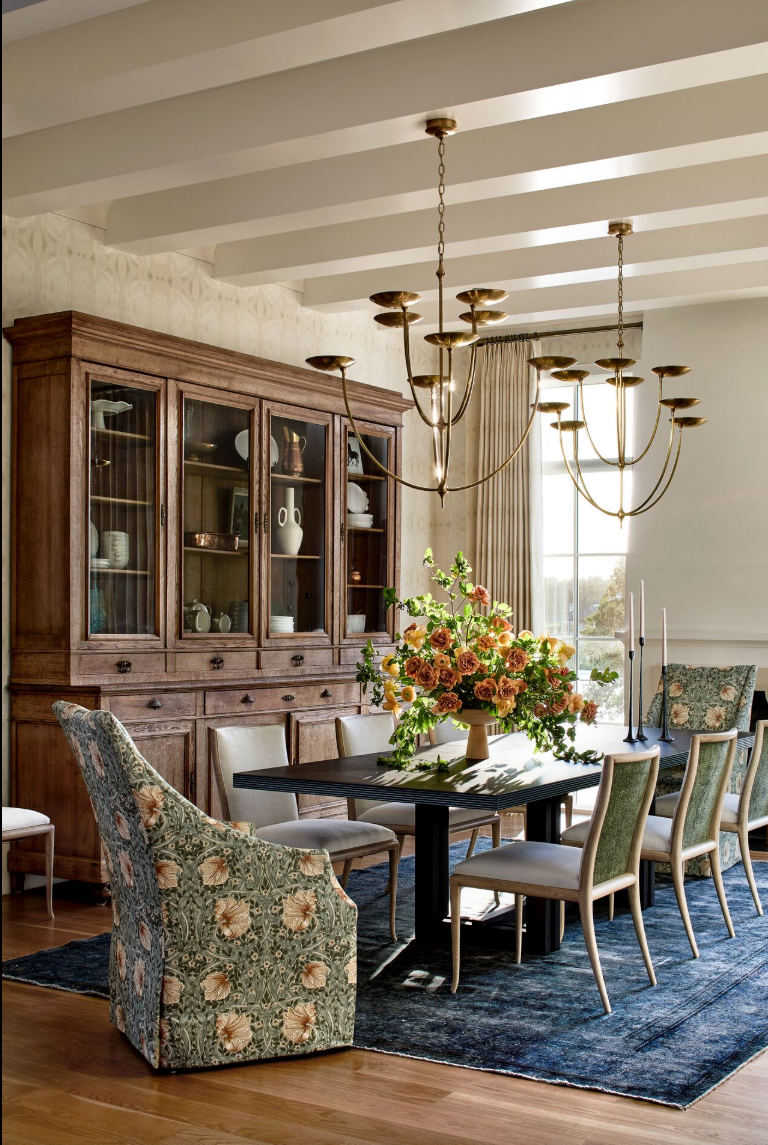
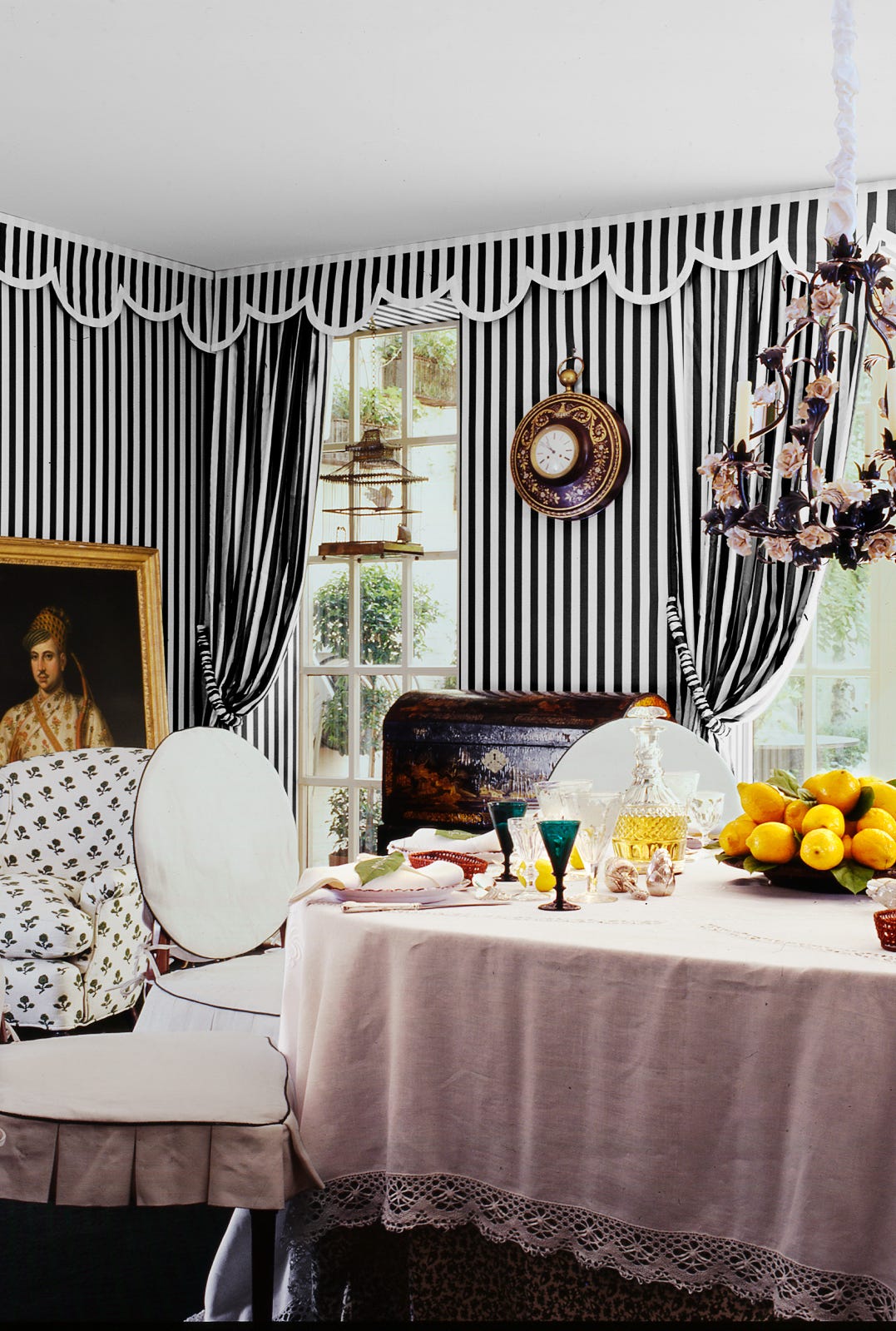
Some designers, such as Stephanie Abernathy of Studio Wellington, argue that formal dining rooms have never truly gone out of style, considering them timeless. Abernathy highlights their role in creating a distinct dining experience, offering a separation from daily routines, and fostering an atmosphere for gathering with loved ones. This perspective suggests that these spaces hold an inherent value that transcends fleeting design trends.
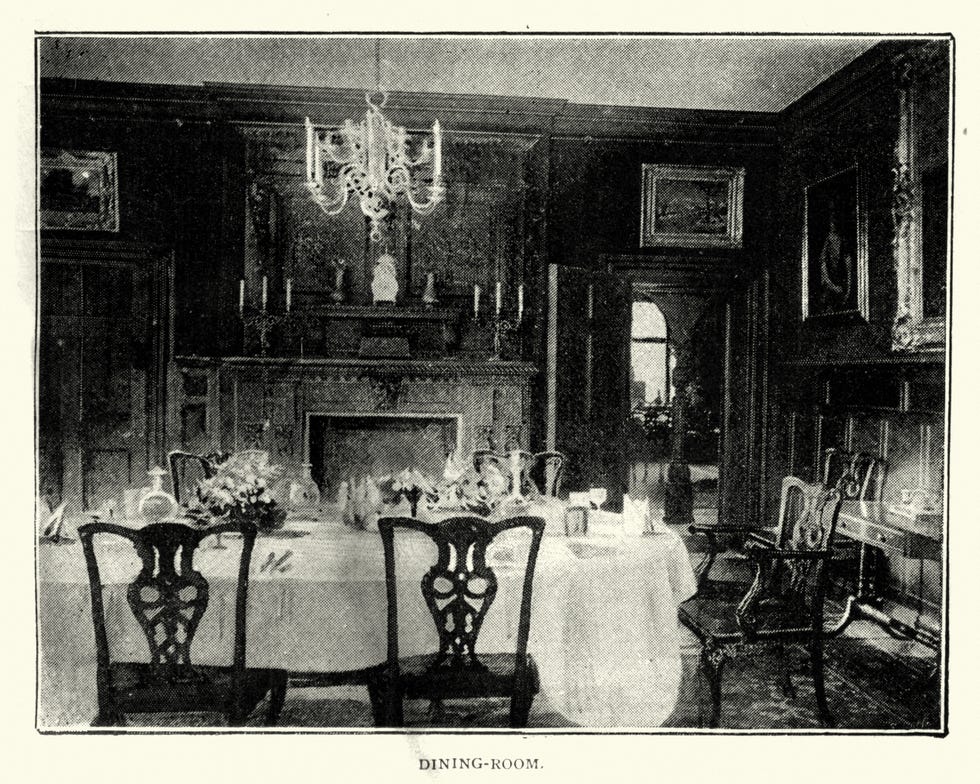
The suitability of a formal dining room can also depend on the home's architectural style. Jennifer Jones points out that a dedicated dining space is a natural fit for classic and traditional homes, which were often designed with such layouts in mind. Conversely, open-concept designs are typically more harmonious with contemporary architectural styles. This indicates that integrating a formal dining room should be thoughtfully considered within the context of the home's overall design.
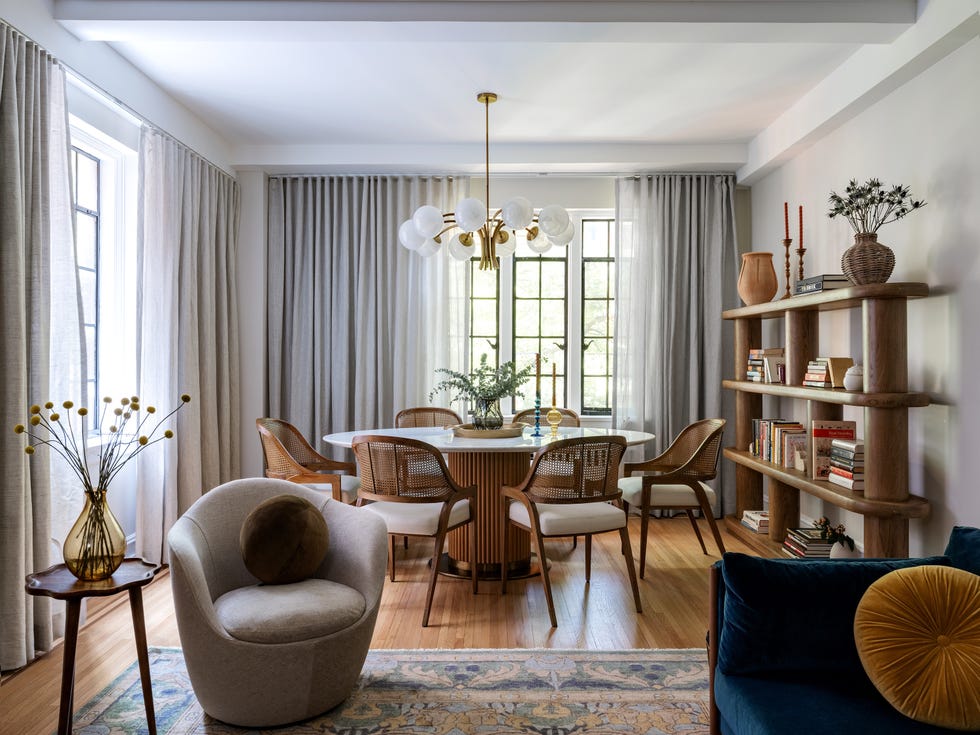
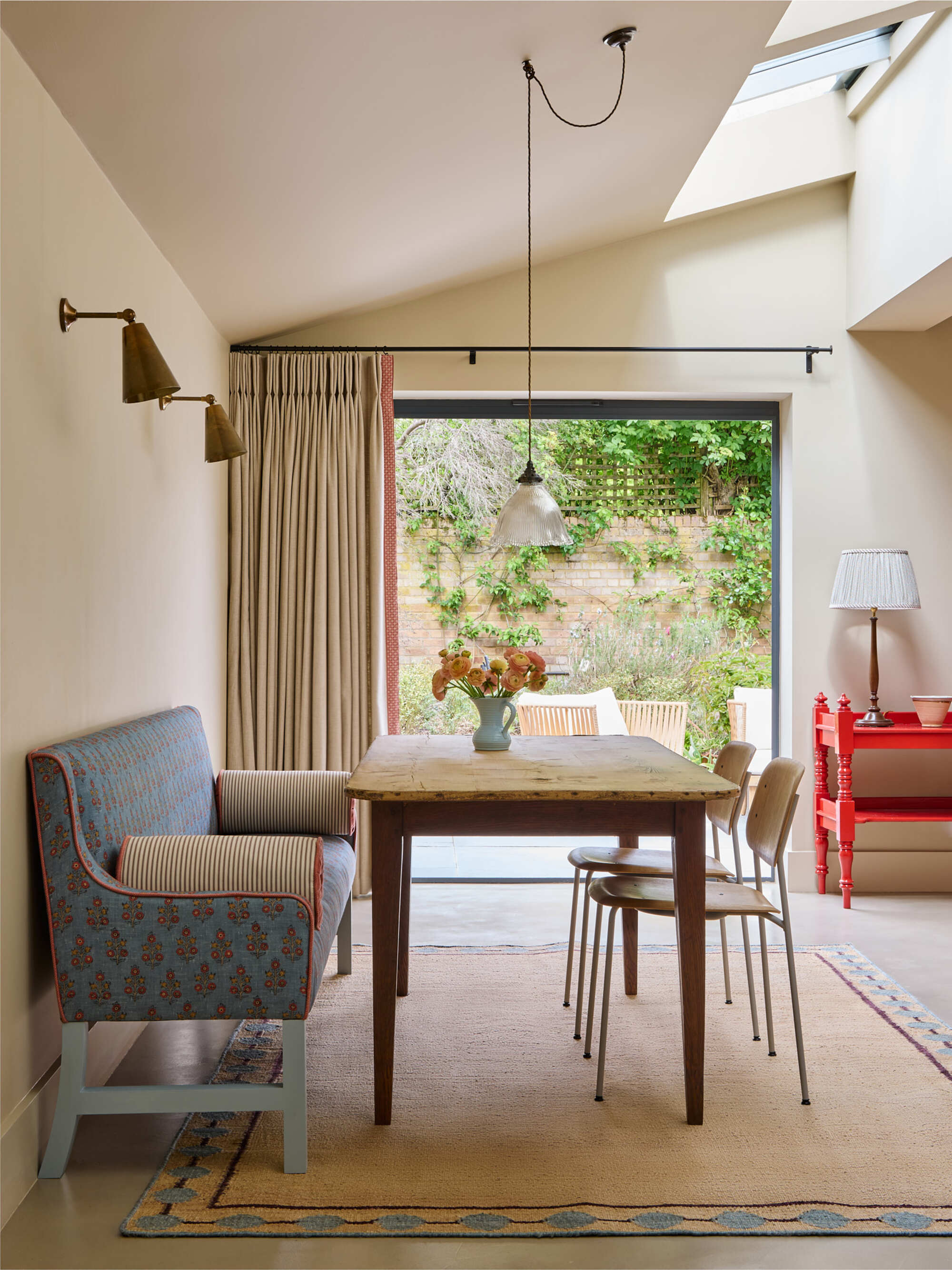
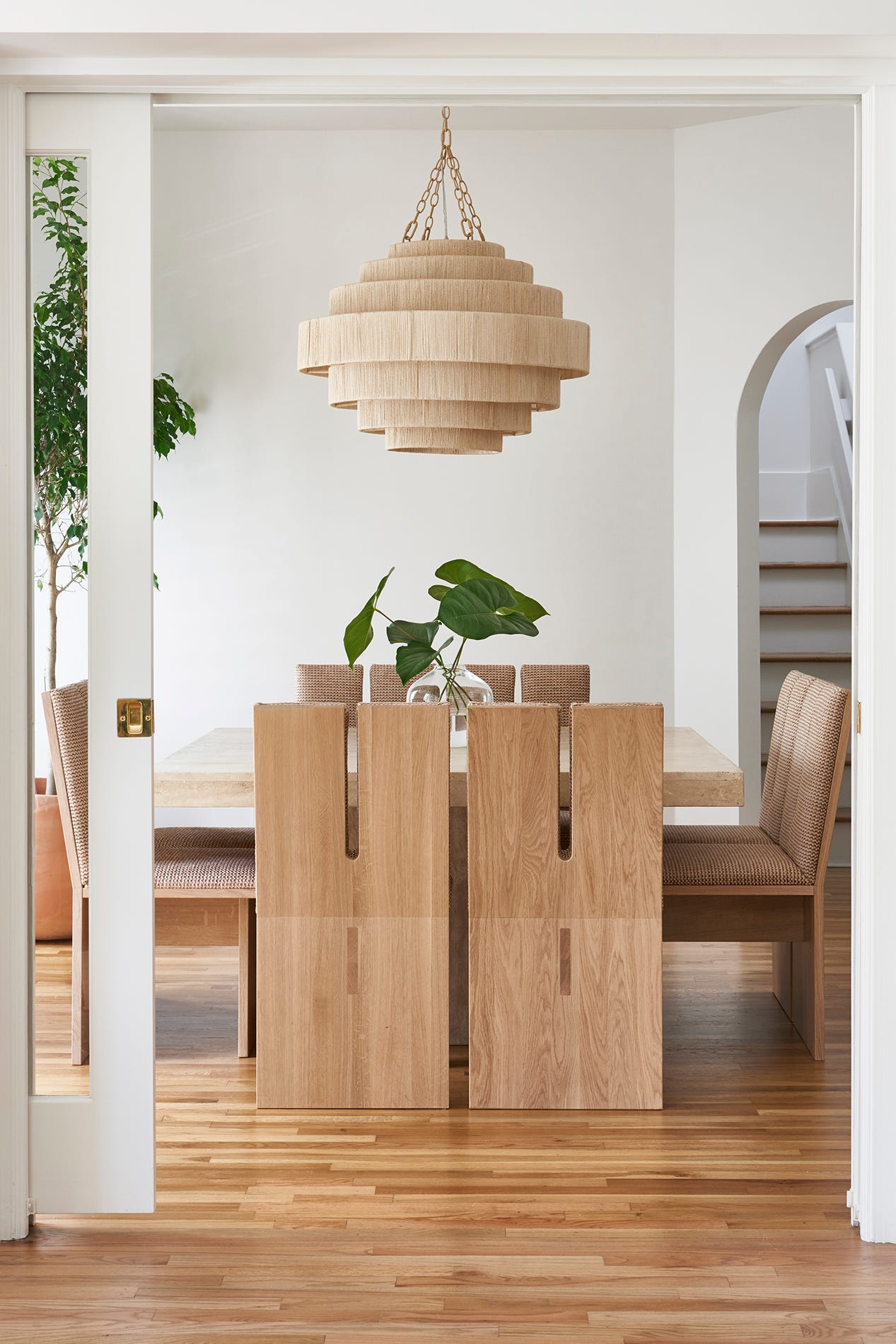
For homeowners who may not frequently cook or host, there are practical strategies to maximize the utility of a formal dining room. Abernathy suggests multi-purpose arrangements, such as having the dining room double as a small sitting room or an office space, with work supplies discreetly stored. Holly advises incorporating a bar area and flexible lighting, like dimmer switches, to adapt the room's ambiance to different functions. A built-in bar can minimize trips to the kitchen, allowing hosts to spend more time with guests.
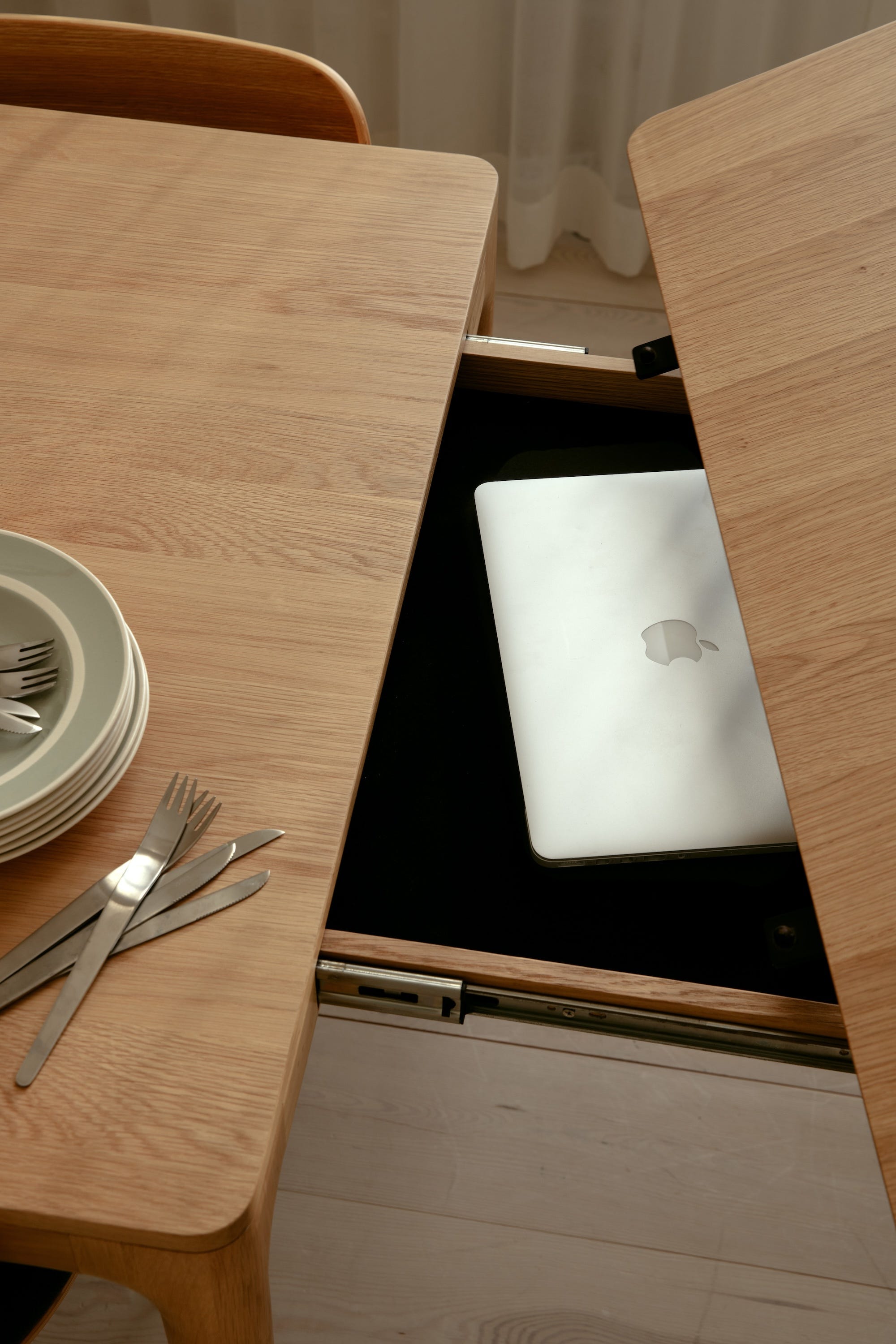
Another effective tip from Jones involves using extension dining tables. This allows for a smaller table for everyday family meals, conserving space, while also providing the option to expand seating for larger gatherings. Designers often create dining rooms that can also serve as spaces for family activities like game nights or puzzles, recommending durable table surfaces for such versatile use. These approaches underscore the evolving role of the formal dining room, demonstrating its potential to be both an elegant and highly functional area within the home, rather than an outdated concept.
#FormalDiningRooms #HomeDesignTrends #InteriorDesign #OpenConcept #ClosedConcept #DiningRoomDecor #MultipurposeSpaces #HomeArchitecture #EntertainingAtHome #FormalDiningRooms #HomeDesignTrends #InteriorDesign #OpenConcept #ClosedConcept #DiningRoomDecor #MultipurposeSpaces #HomeArchitecture #EntertainingAtHome
0 comment in total
 No comments yet
You may also like
Are Formal Dining Rooms Out of Style? Designer's Discuss

Why Formal Living Rooms Will Be Back in 2025, According to Design Experts
The Dining Room Design Trend That Elevates Every Dinner Party

Are Formal Living Rooms Obsolete? Not According to Top Design Experts

Are Formal Dining Rooms Coming Back? The Rise, Fall, and Resurgence of This Controversial Space
Why Formal Living Rooms Will Be Back in 2025, According to Design Experts
10 Dining Room Pieces Designers Say Are Outdated
Top 12 dining room trends for 2025, according to design experts

Is the Formal Dining Room Over? Designers Share Their Honest Take

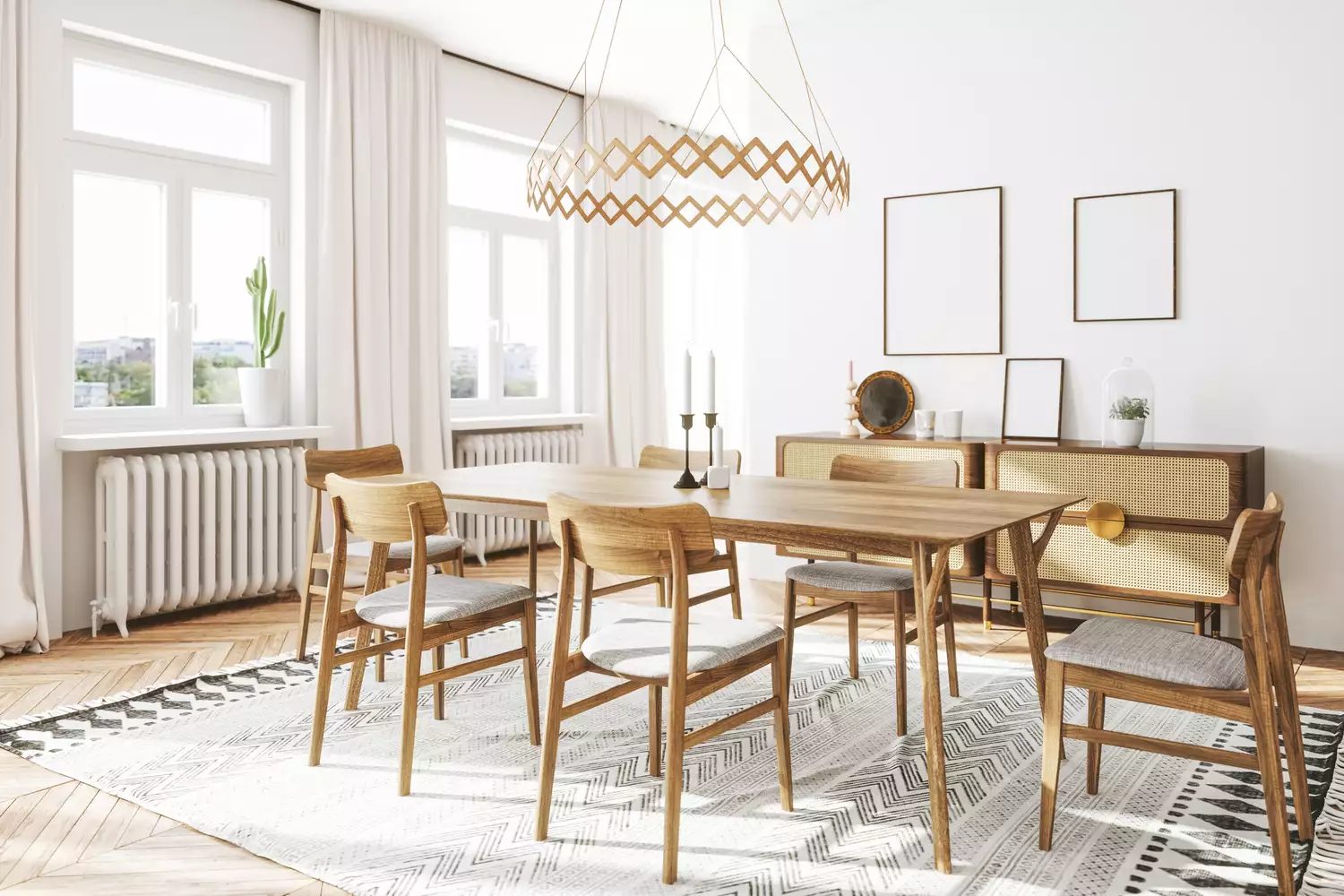
5 Dining Room Styles That Are Definitely Out of Style, Designers Say

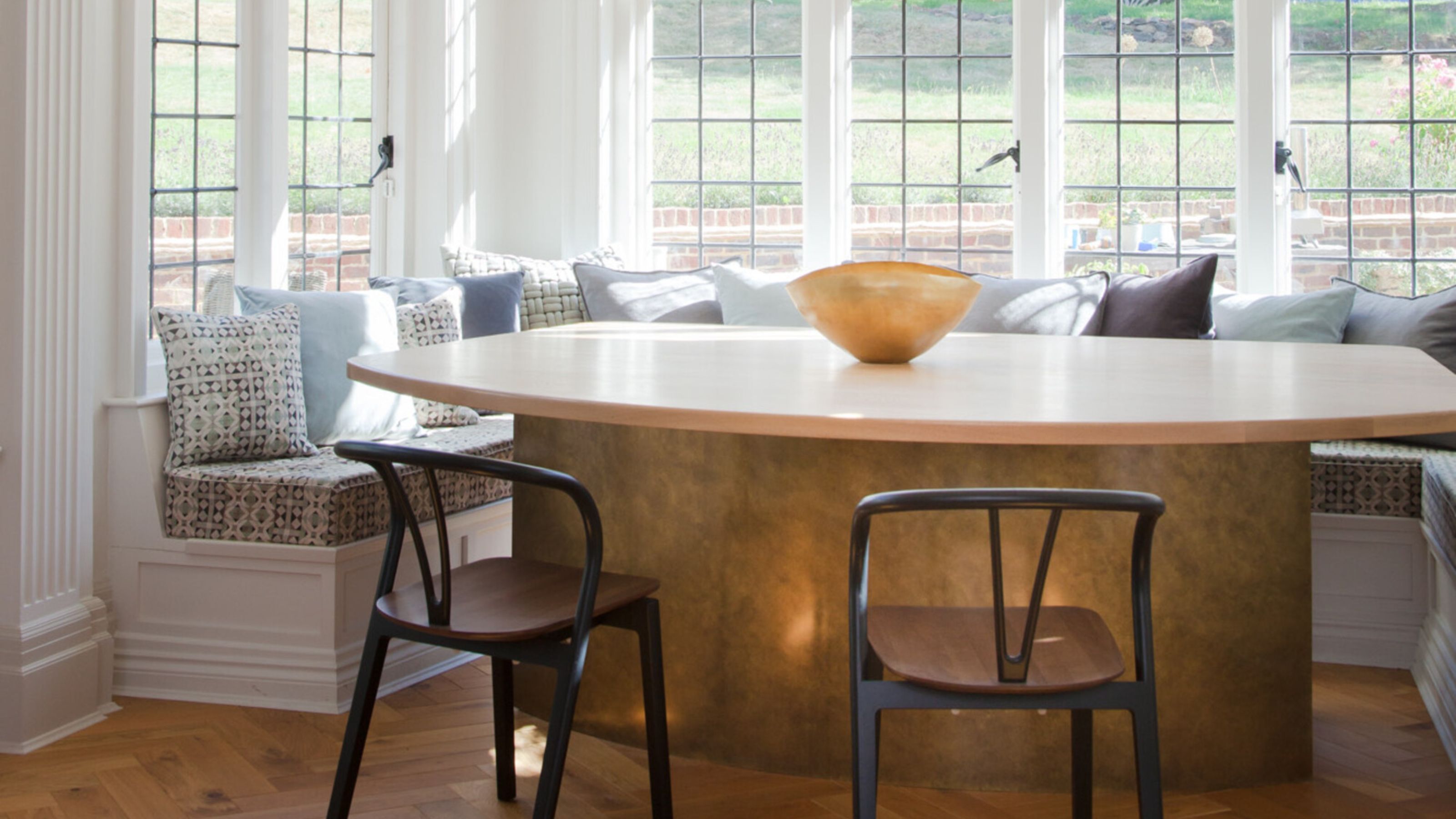
This Dining Room Seating Trend Transforms Your Setup

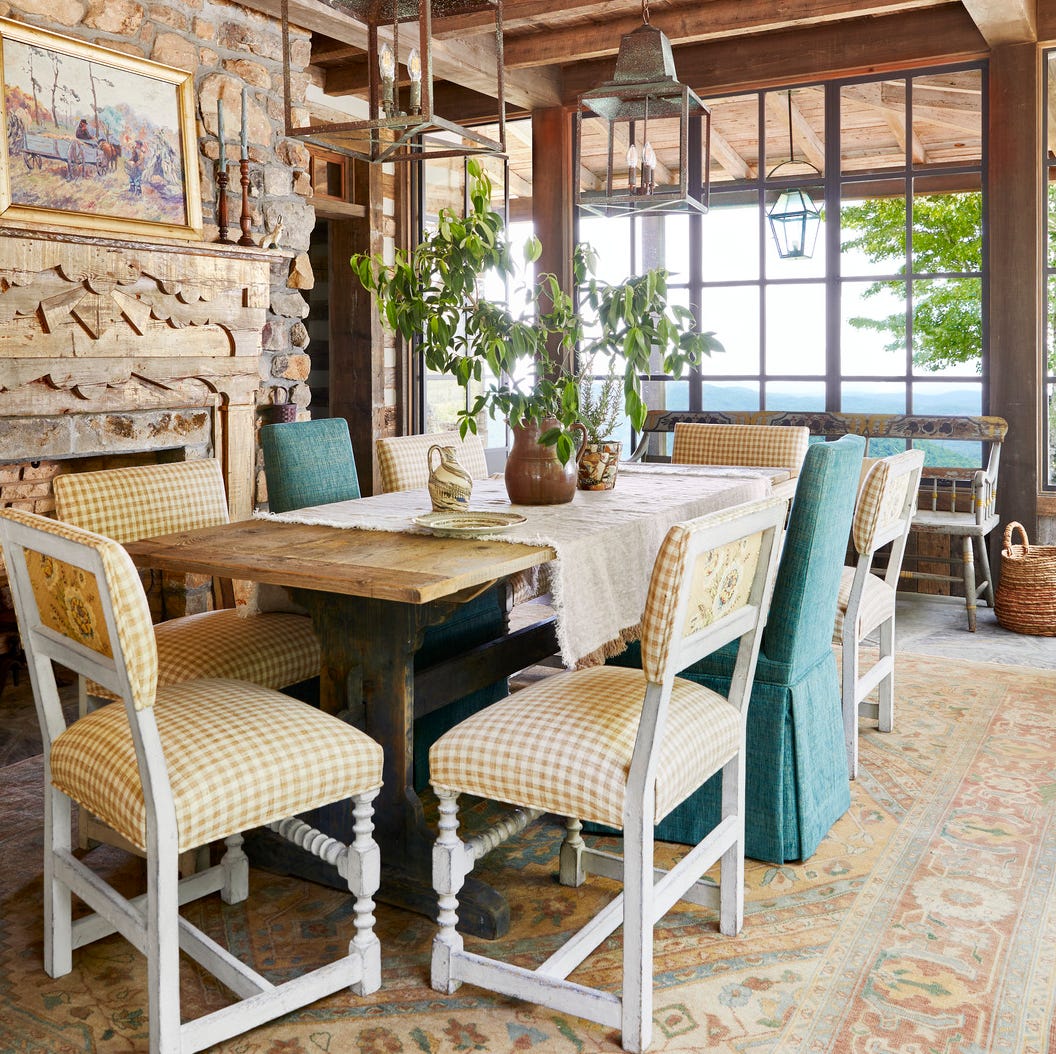
The Top 6 Dining Room Trends for 2025, According to Designers
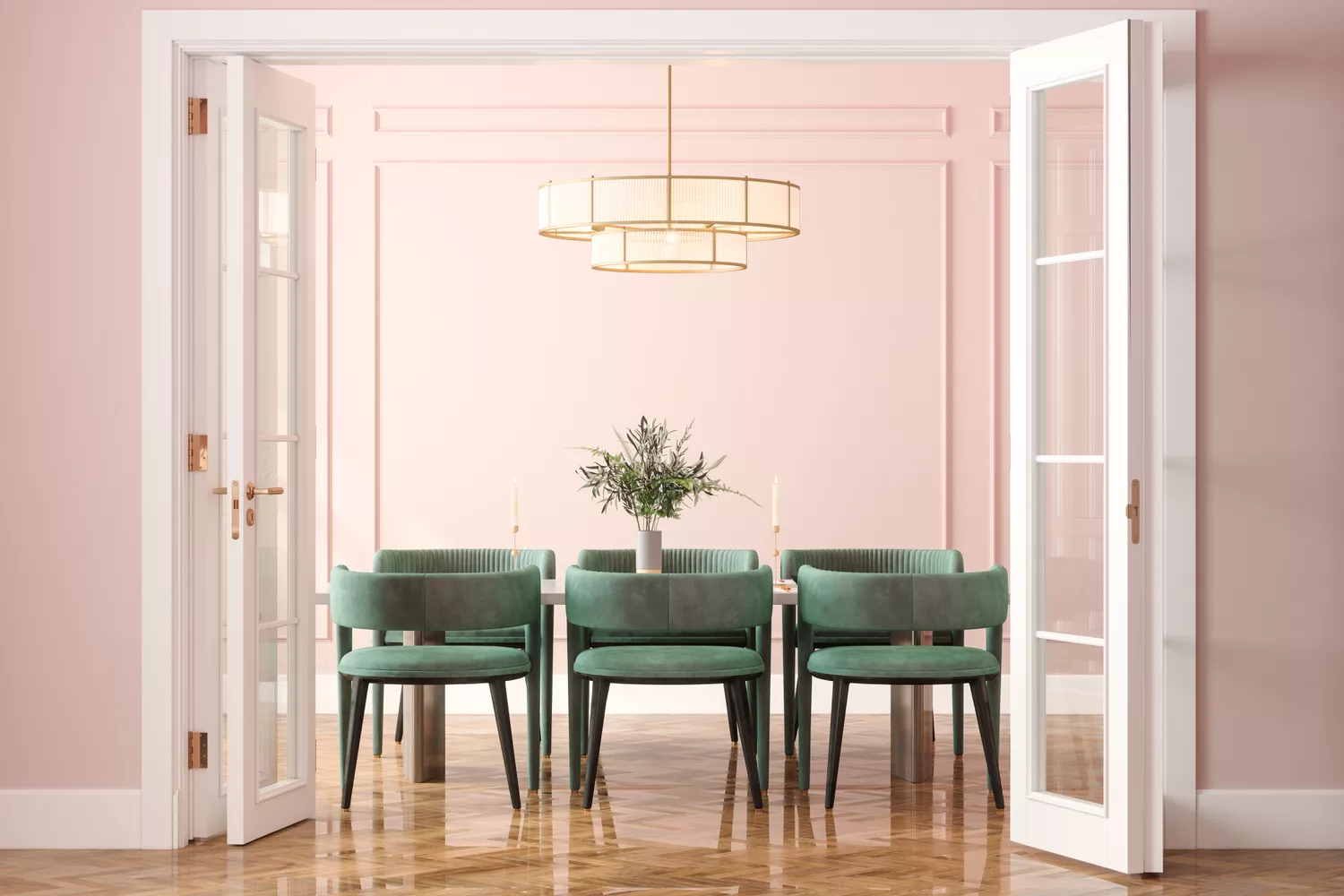
Are Traditional Dining Rooms a Thing of the Past? Here's What Designers Say

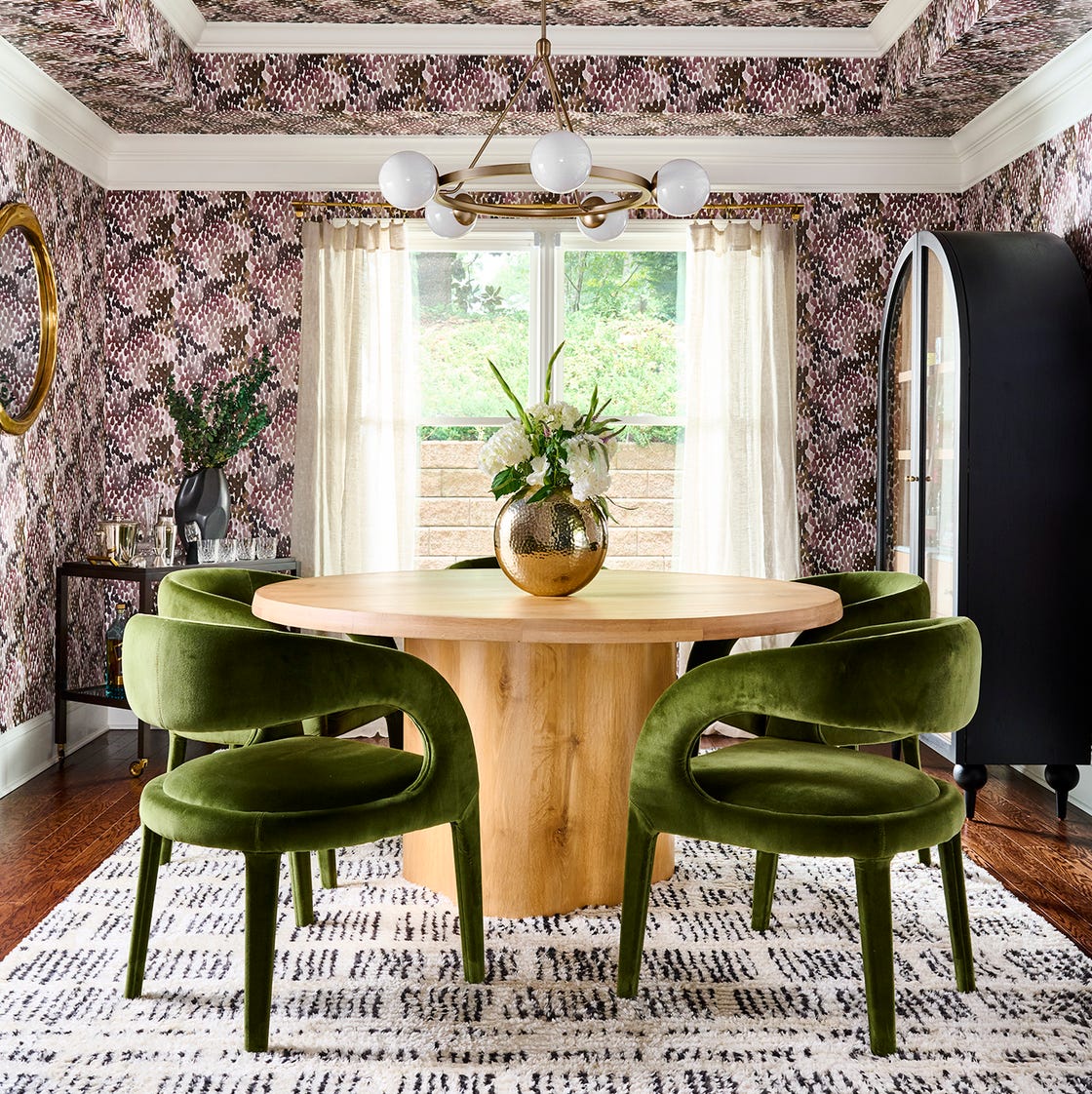
Top 12 Dining Room Trends Designers Are Expecting to Take Over in 2025
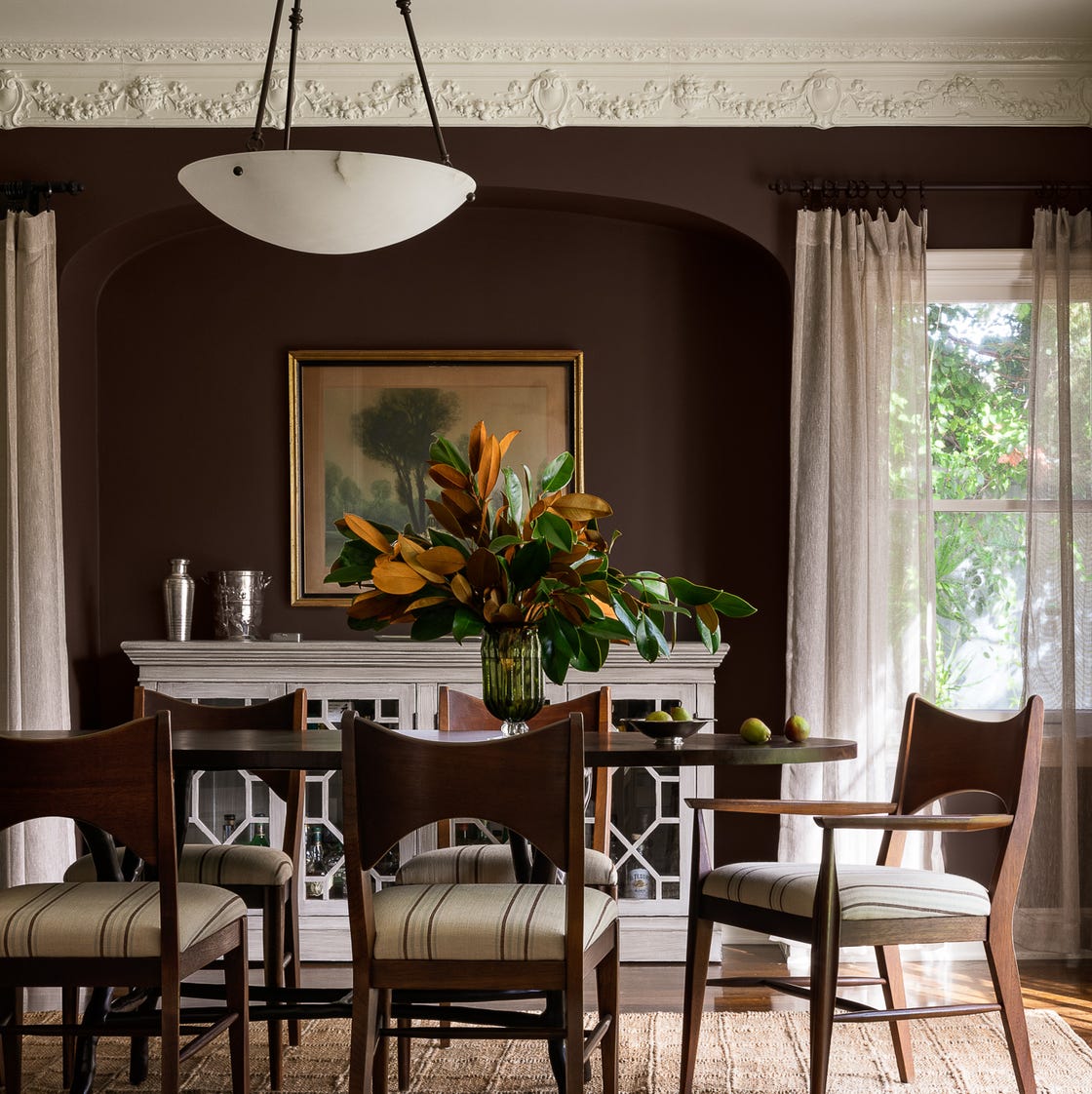
8 Dining Room Trends That Designers Say Will Be Everywhere in 2026
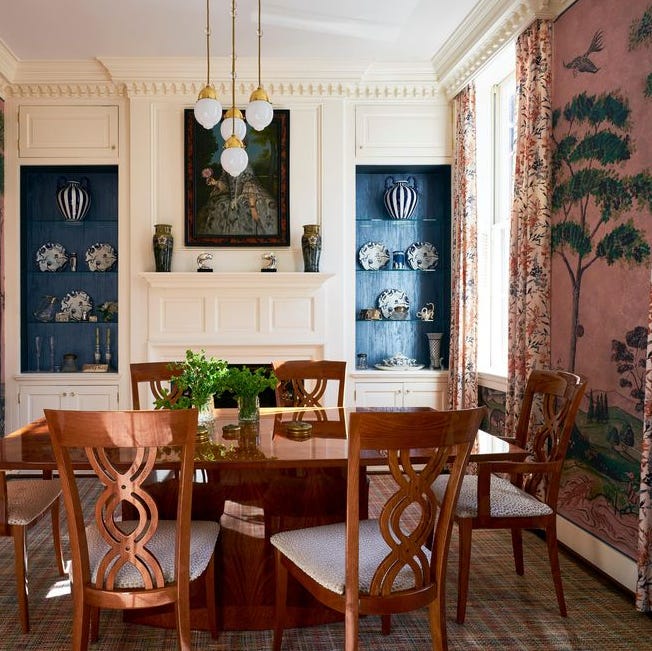
How to Style Your Dining Room to Make It Holiday Dinner-Ready, According to Designers
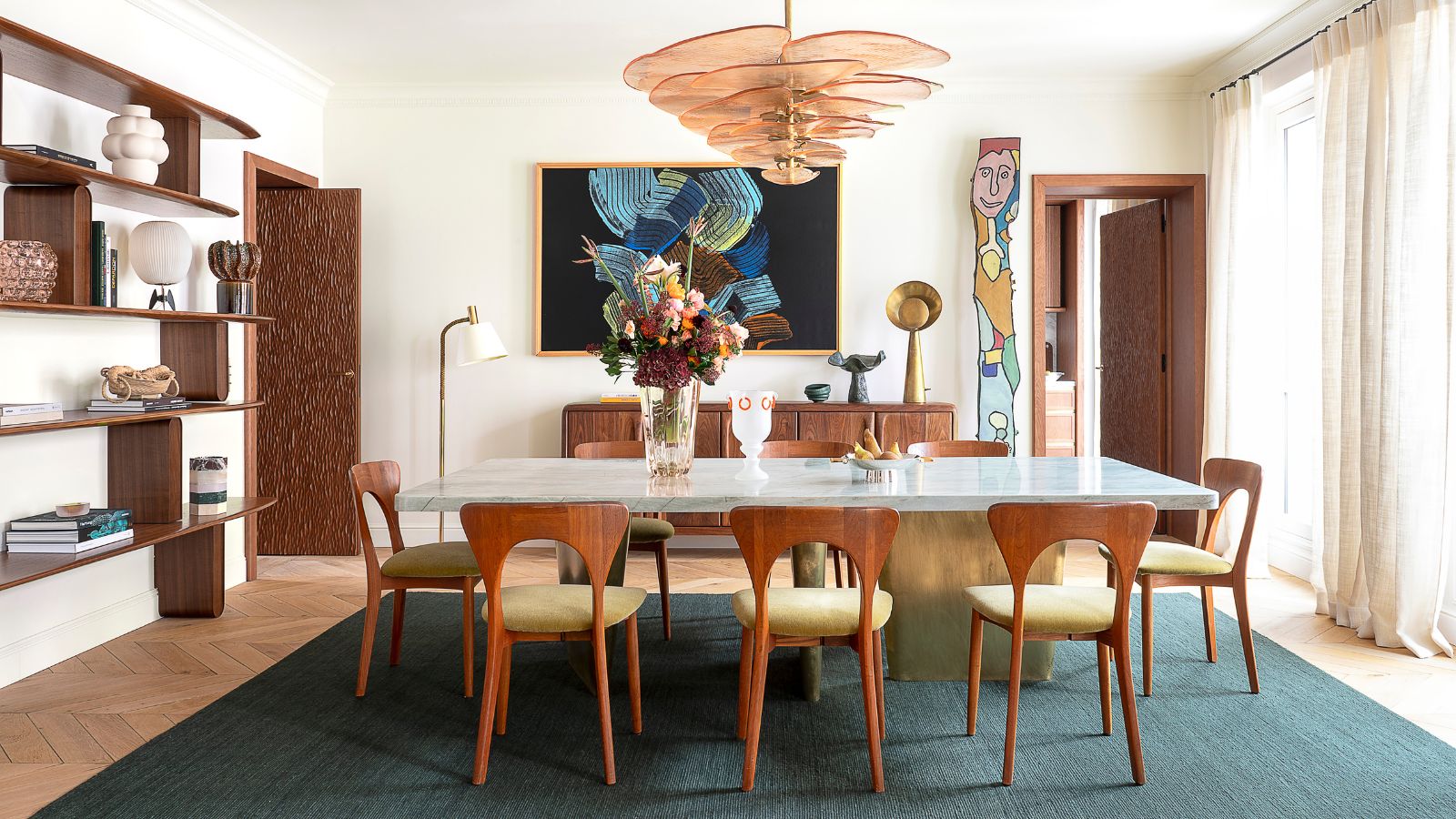
Designers Say These 5 Dining Room Clichés Are Going Out of Style

Interior Designers Have Spoken: These are the Dining Room Trends to Know About for 2026
Forget Chairs — This Dining Room Seating Trend Takes Your Space From Casual to Comfortable, Convivial, and Curated
Is the Formal Dining Room Really Dead? Not According to These 5 Glam Trending Looks We Love