1/9
What colors go with sage green? Pairing and accenting tips from design experts
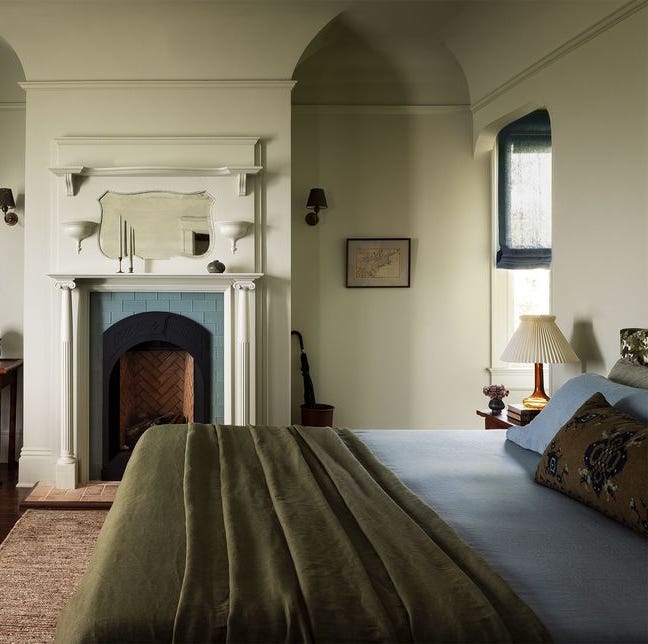
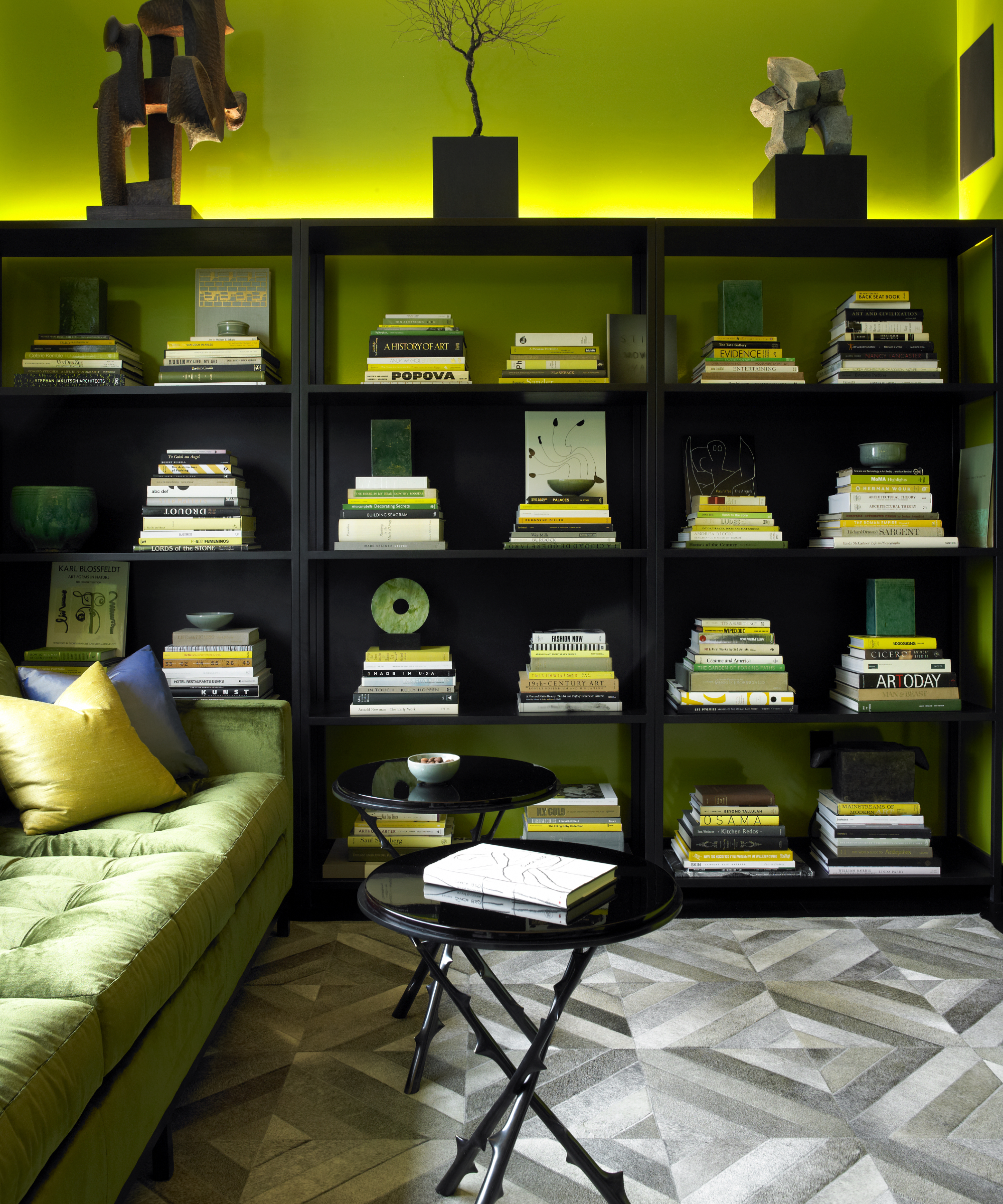
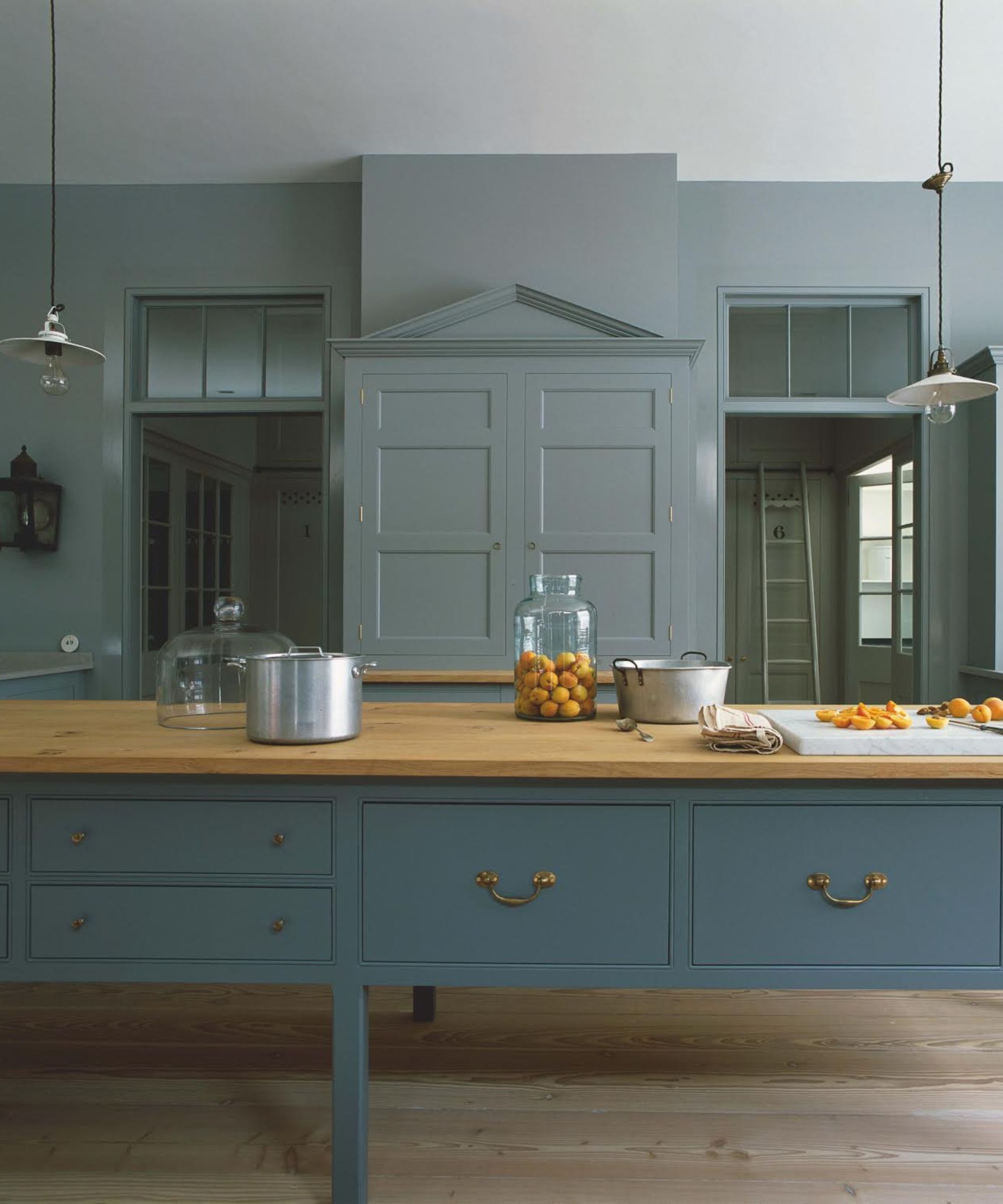
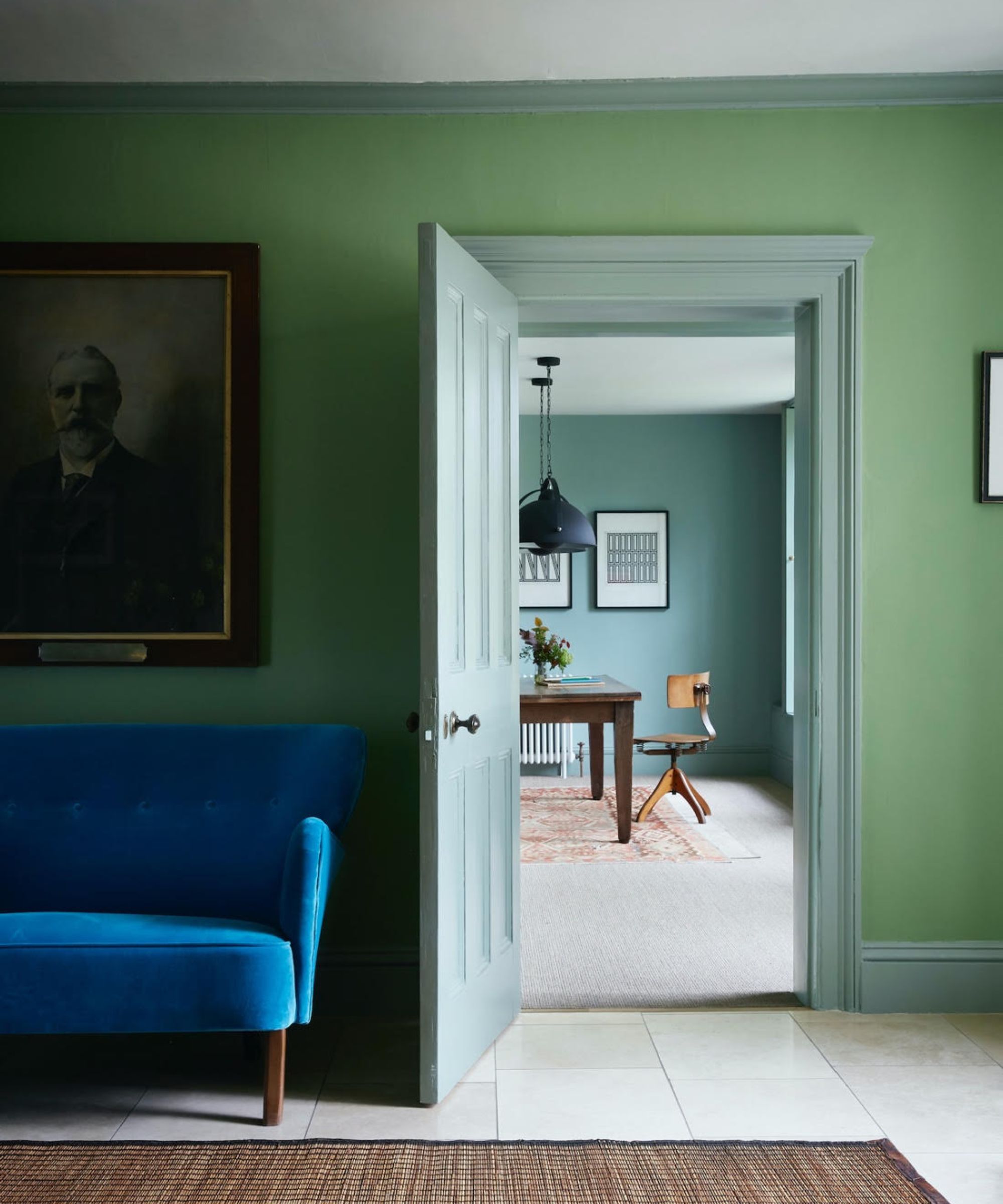
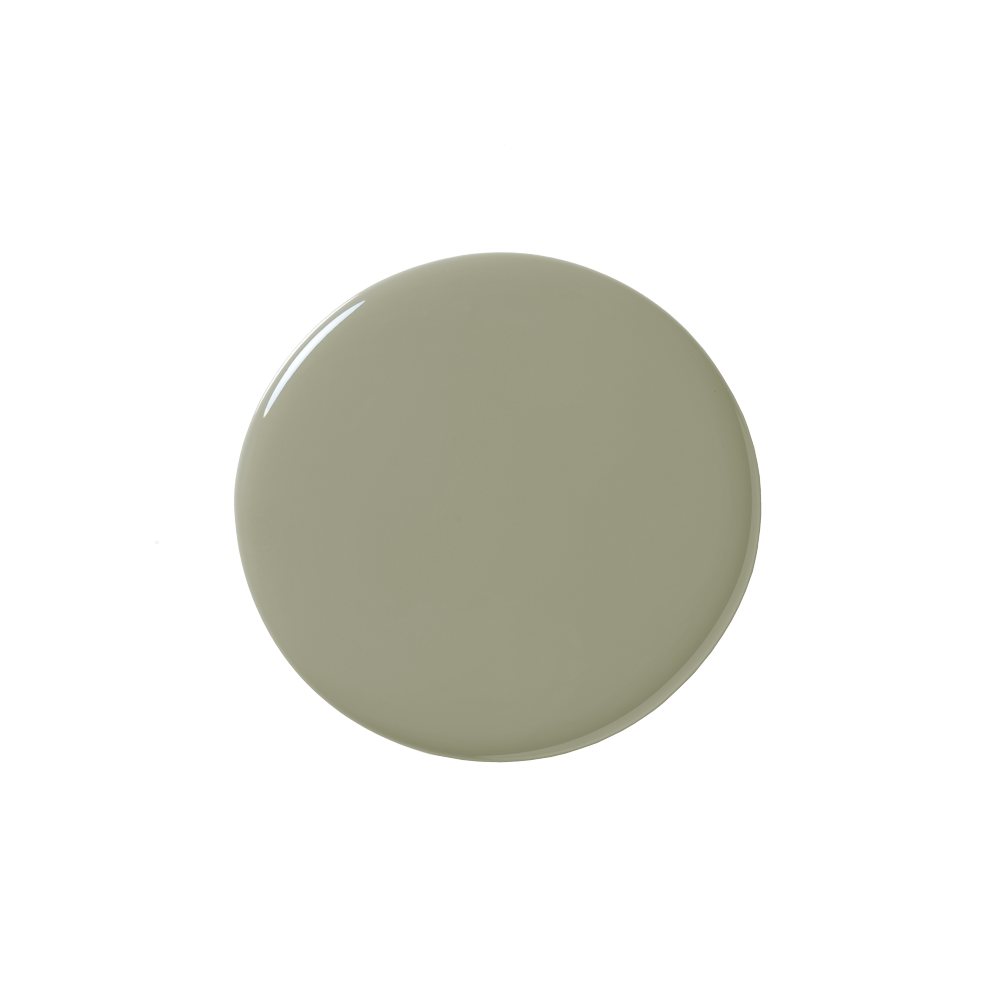
Sage green has become a highly popular and versatile color in interior design, offering a restful and natural aesthetic that works across various spaces, from dining rooms to kitchens and living rooms. Its increasing popularity is attributed to its ability to evoke a connection to nature and bring life to any room, as highlighted by experts like Helen Shaw from Benjamin Moore. This muted, gentle gray-green tone stands out for its softness and adaptability, making it an excellent partner for a wide range of other colors. Leading paint brands, including Benjamin Moore, Sherwin-Williams, and PPG, recognized sage green as a prominent color in 2022, and its relevance is expected to continue through 2023.
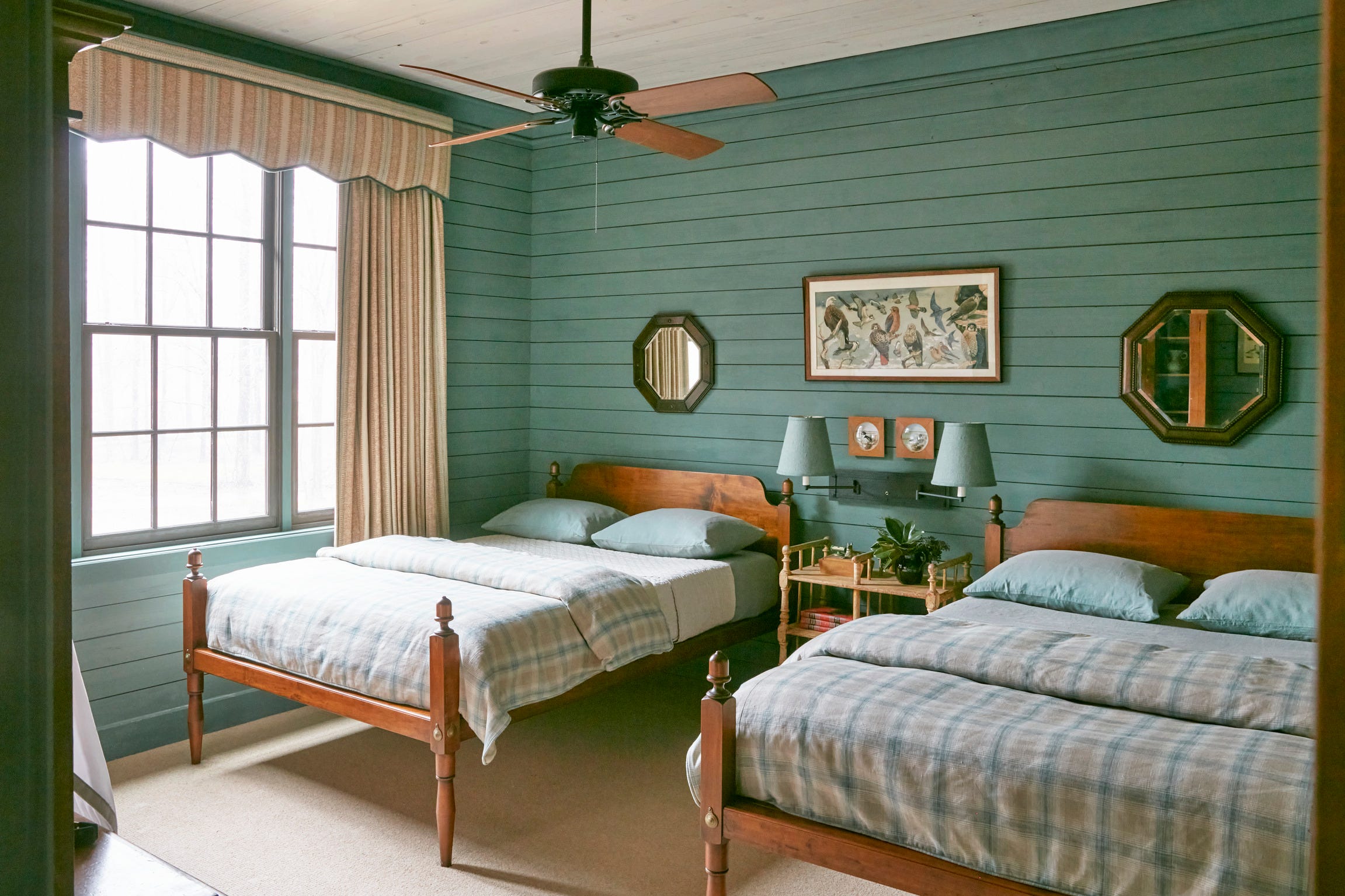
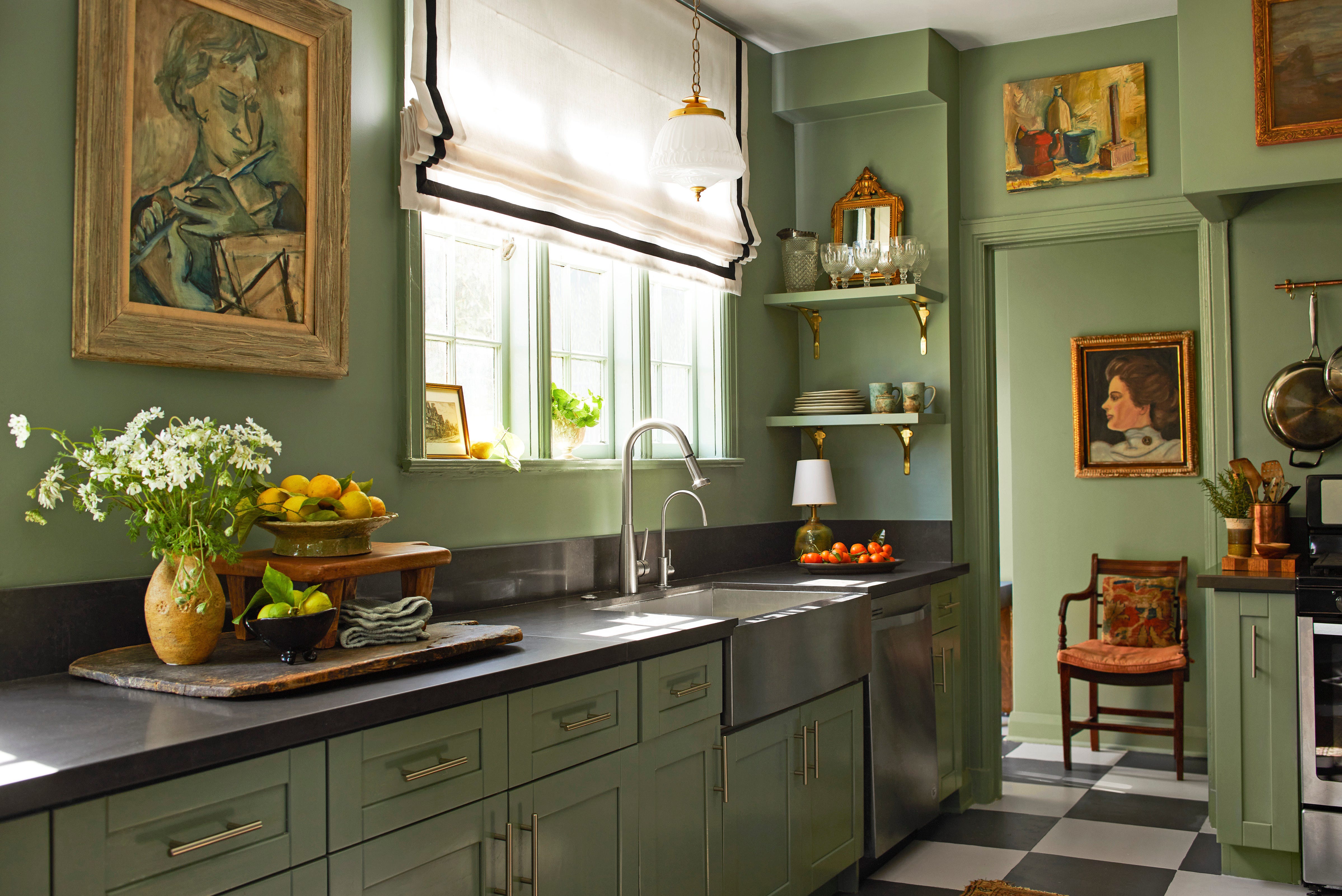
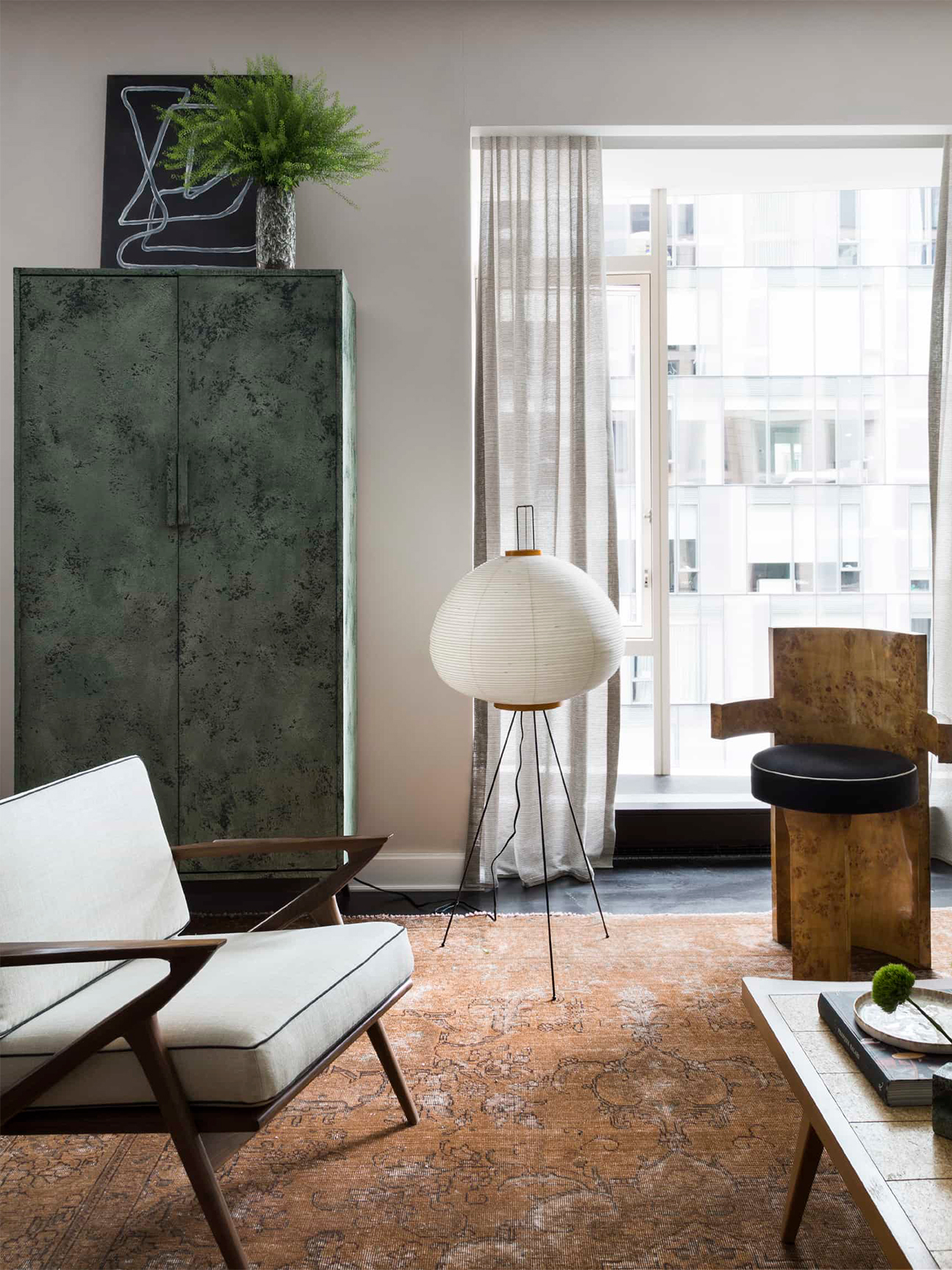
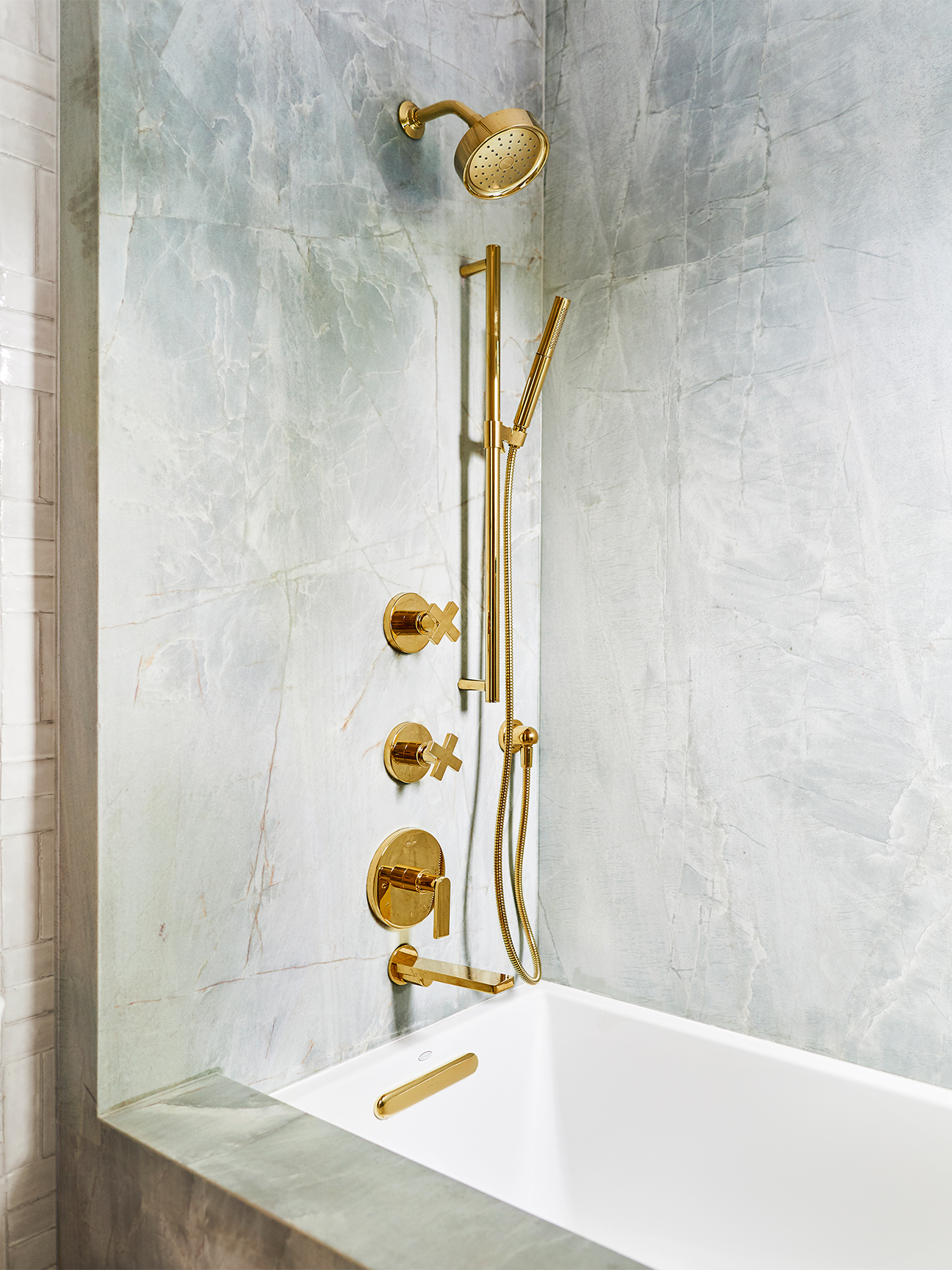
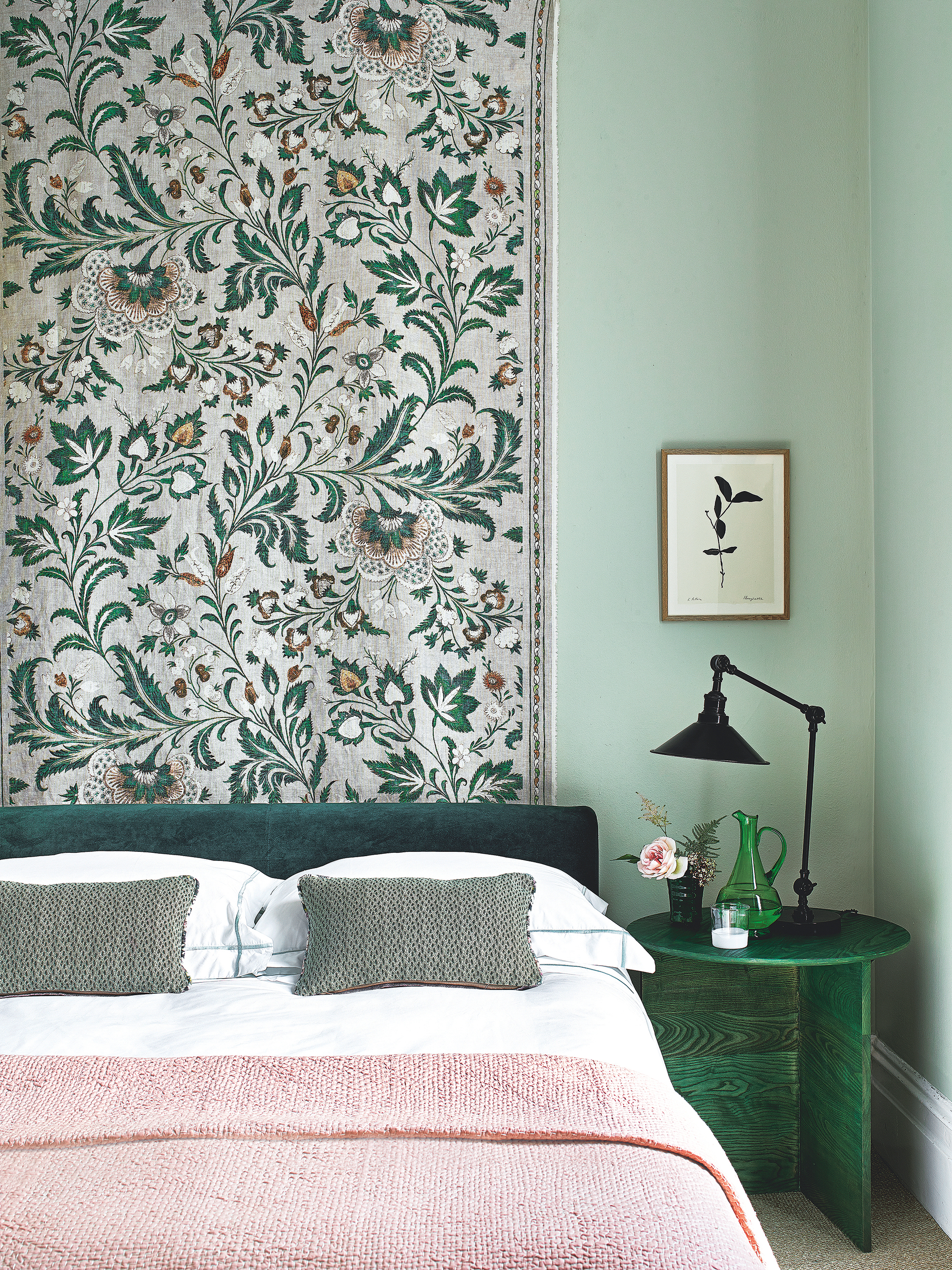
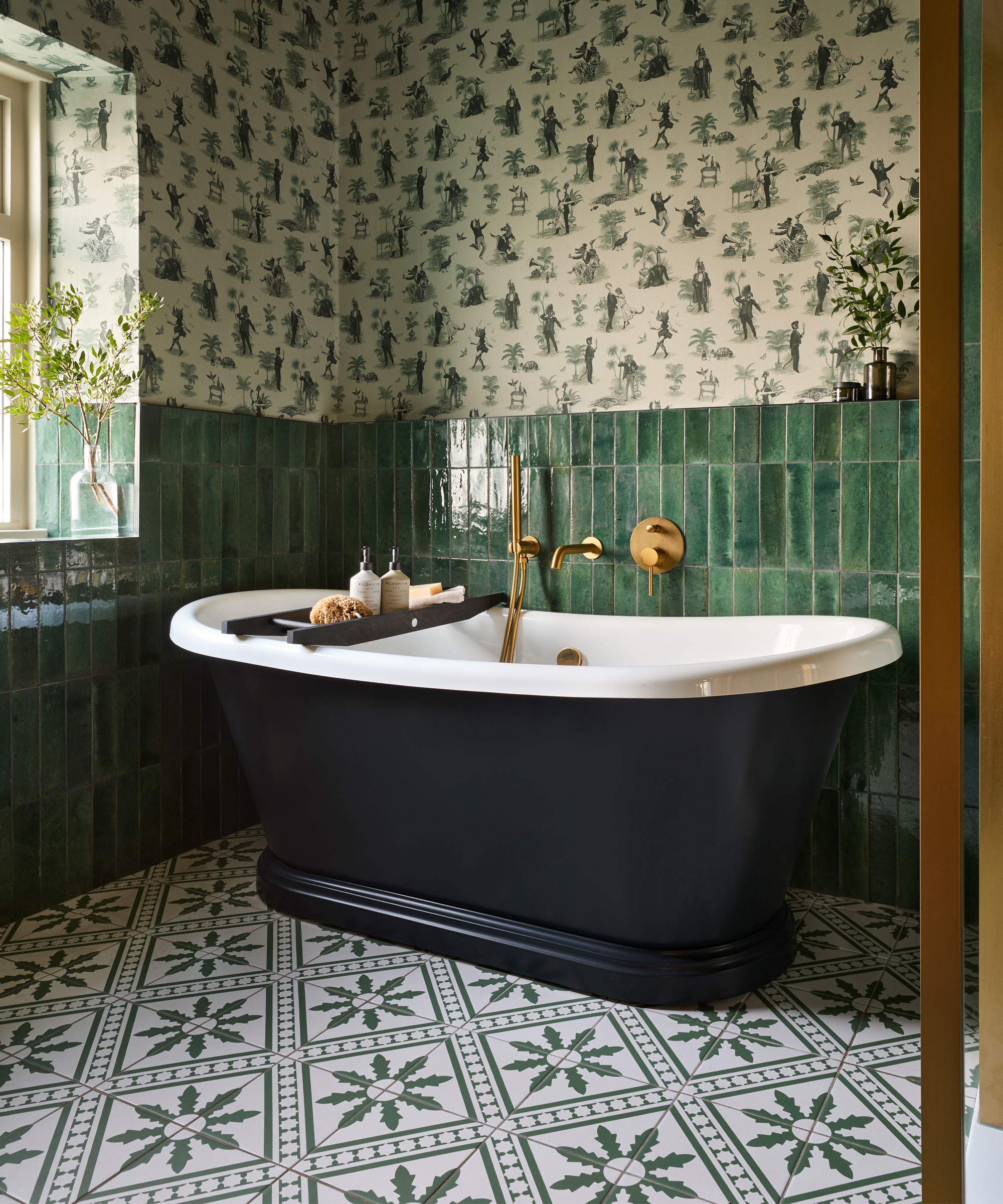
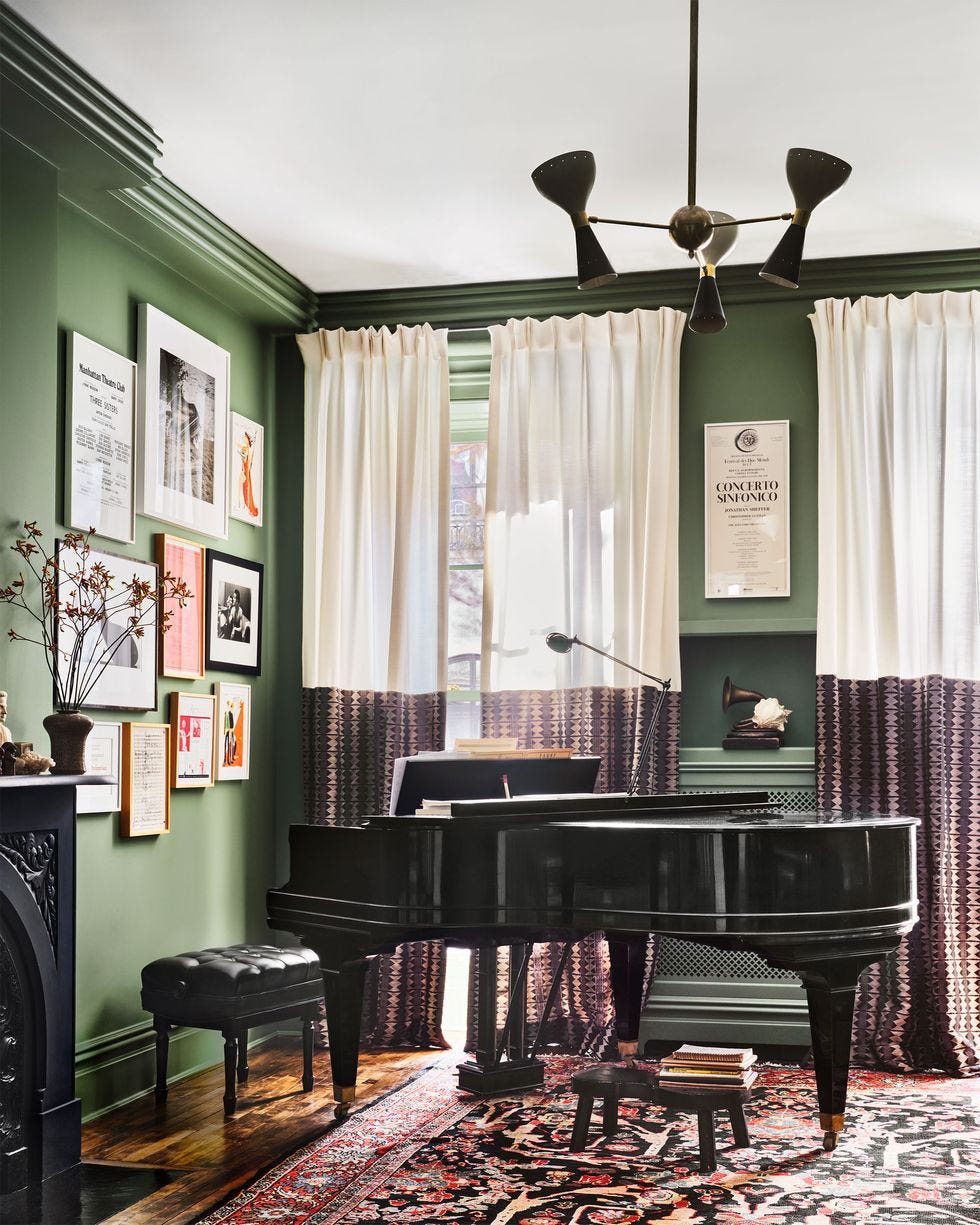
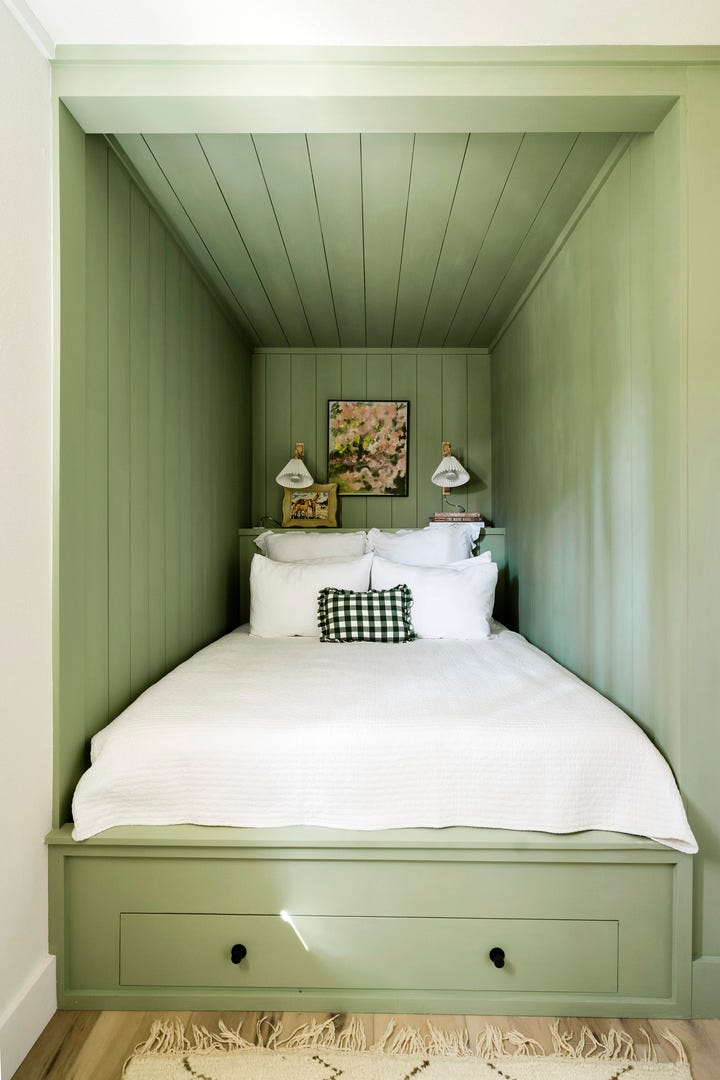
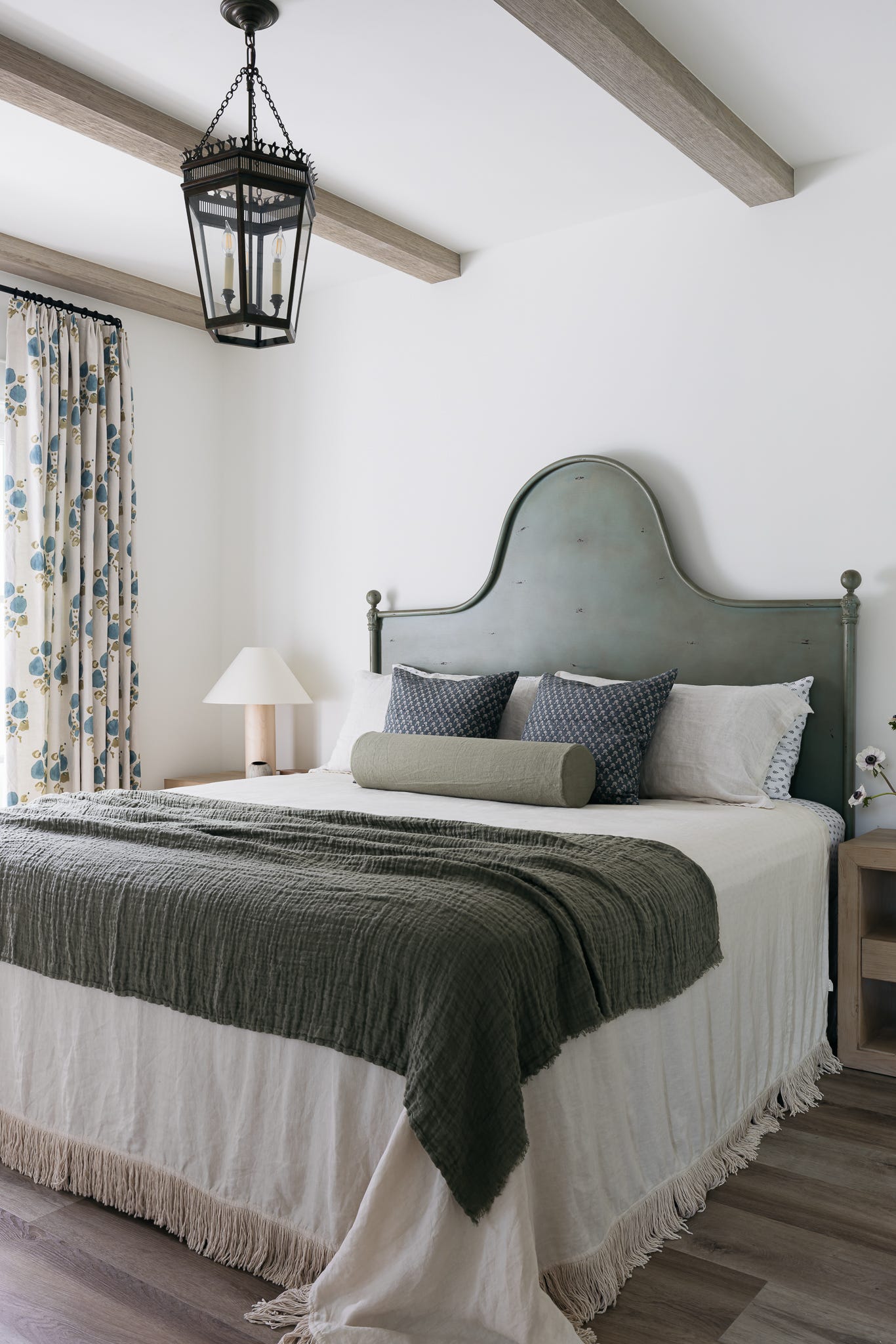
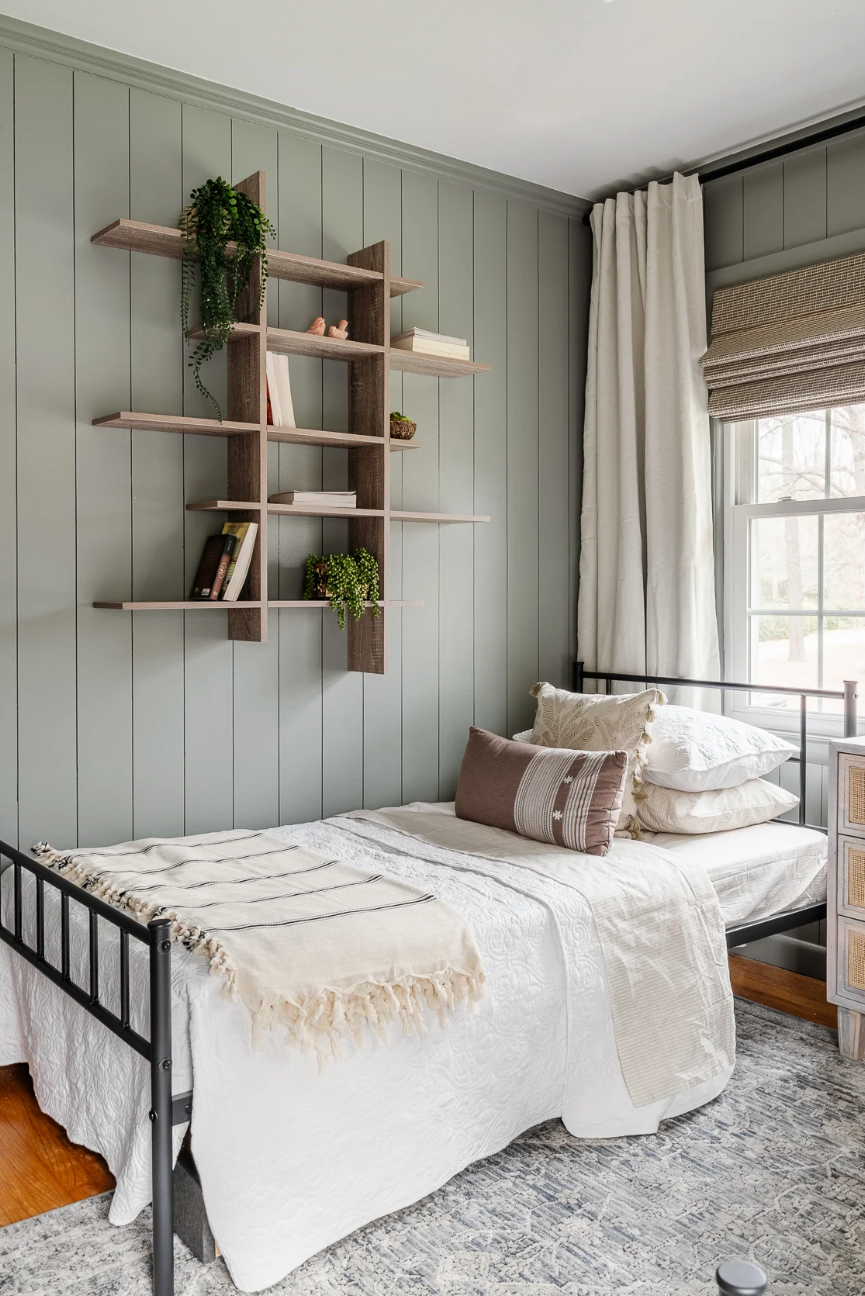
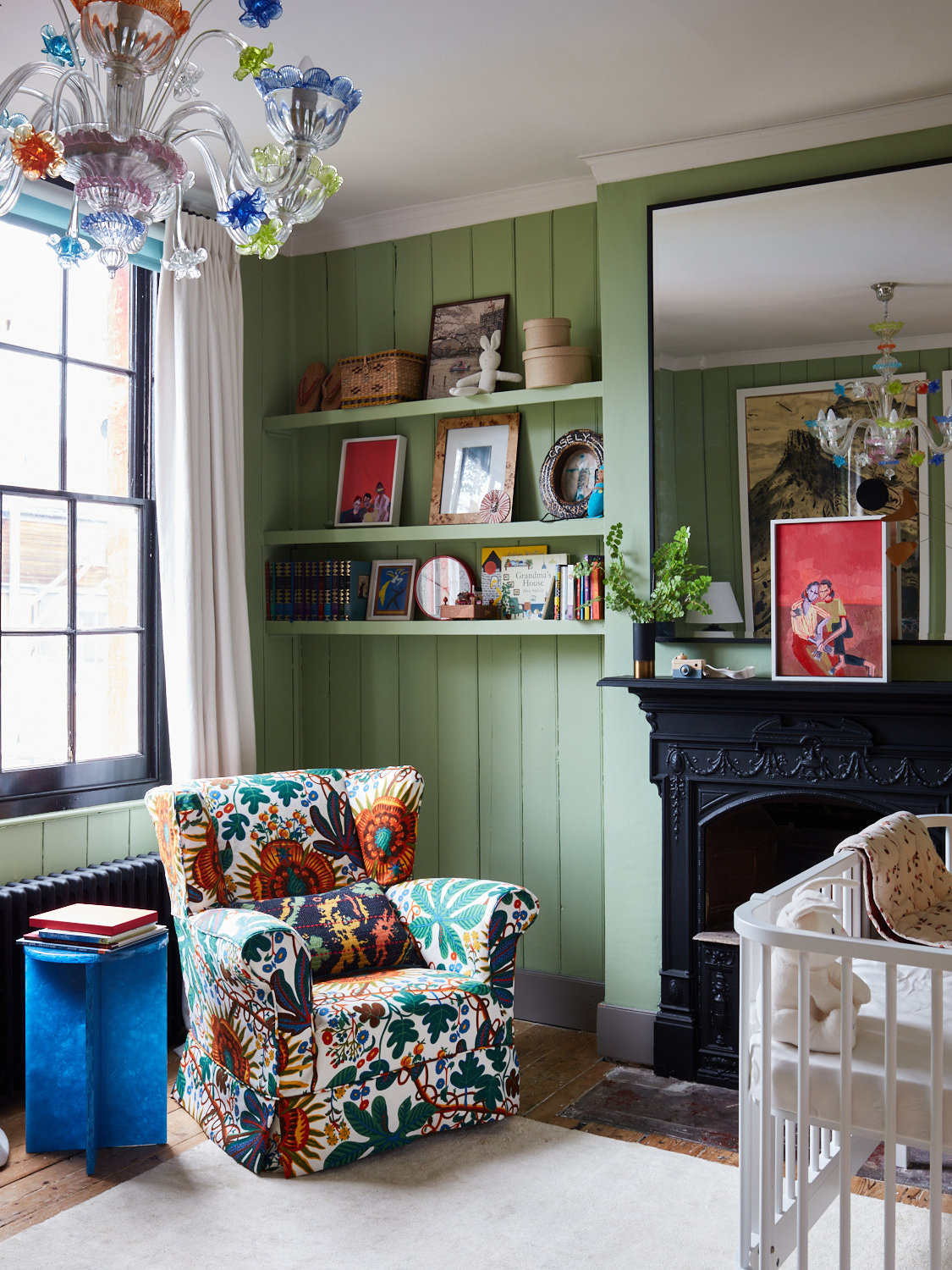
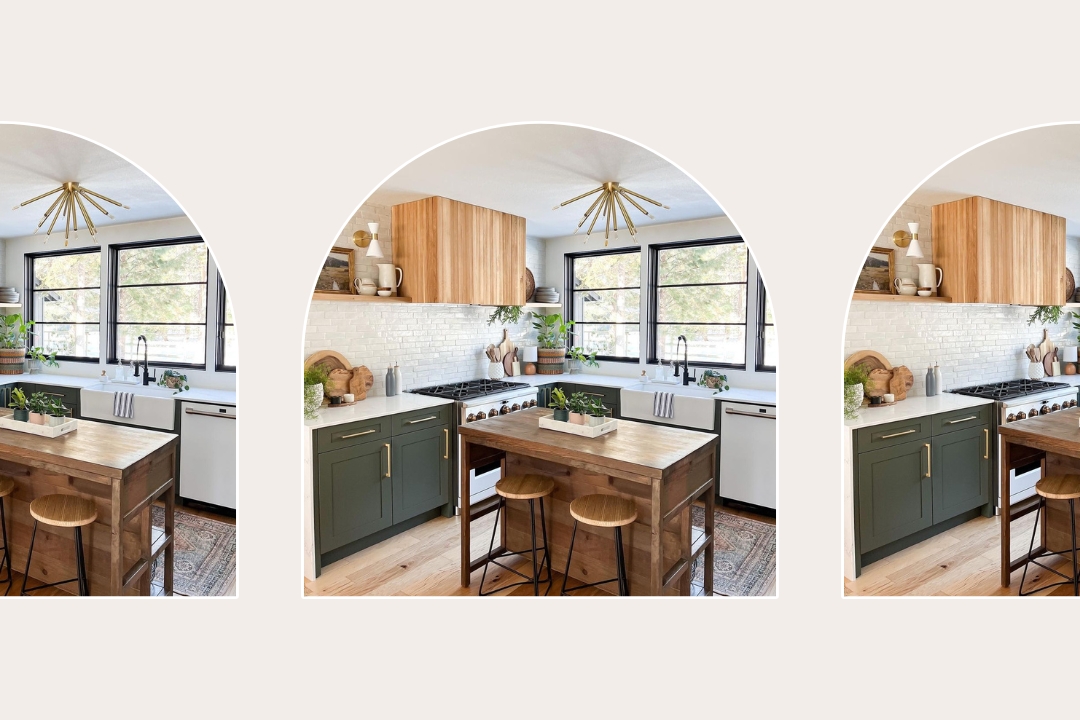
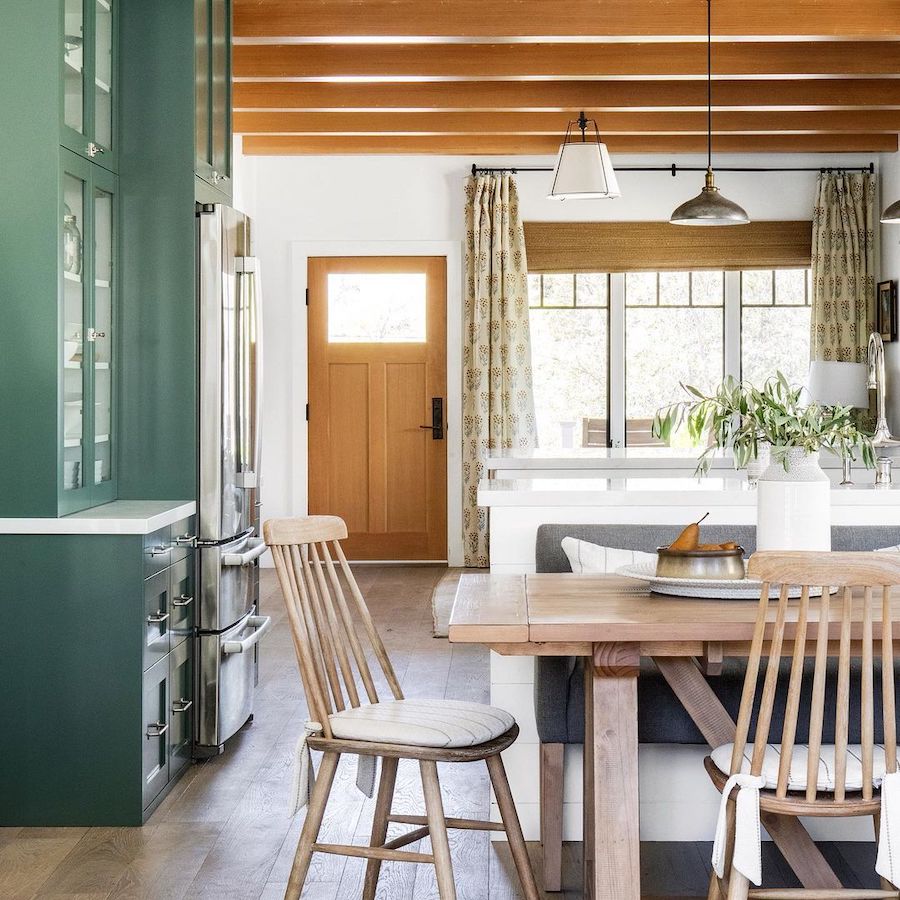
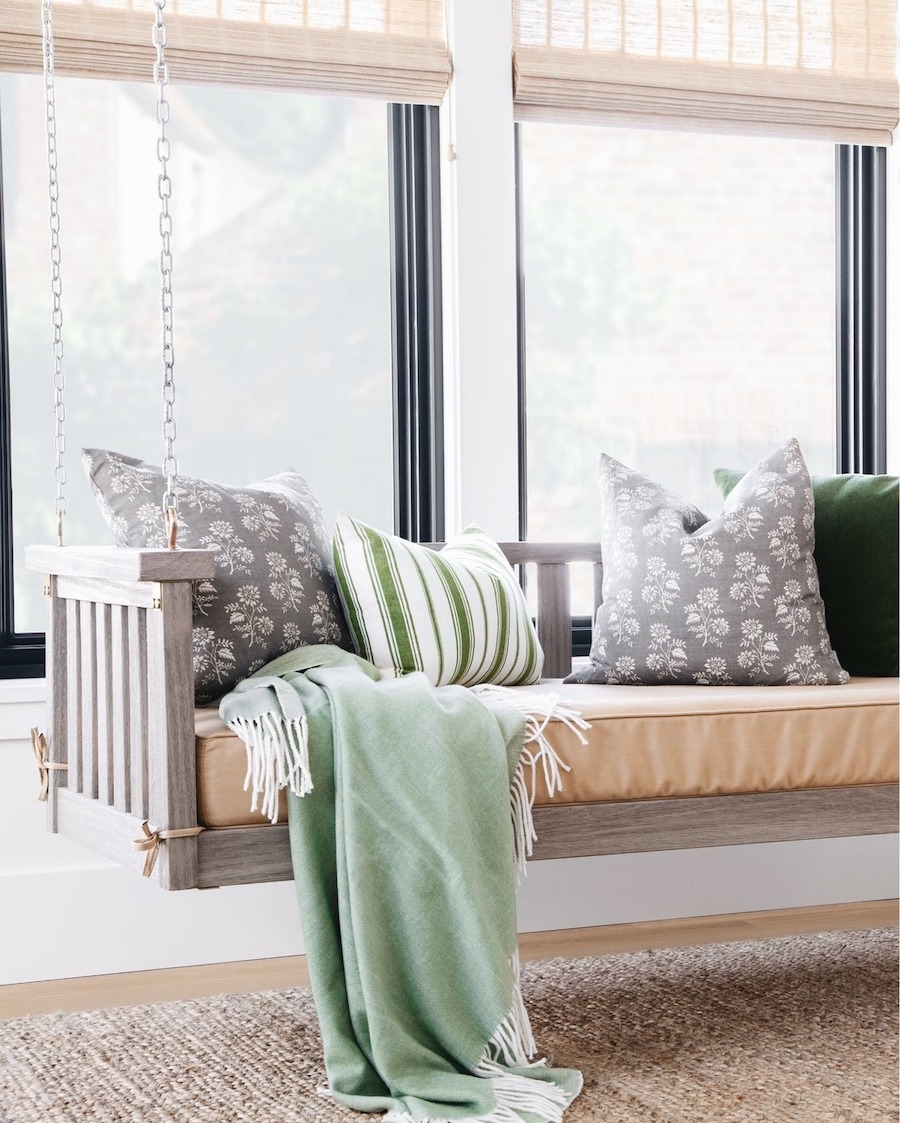
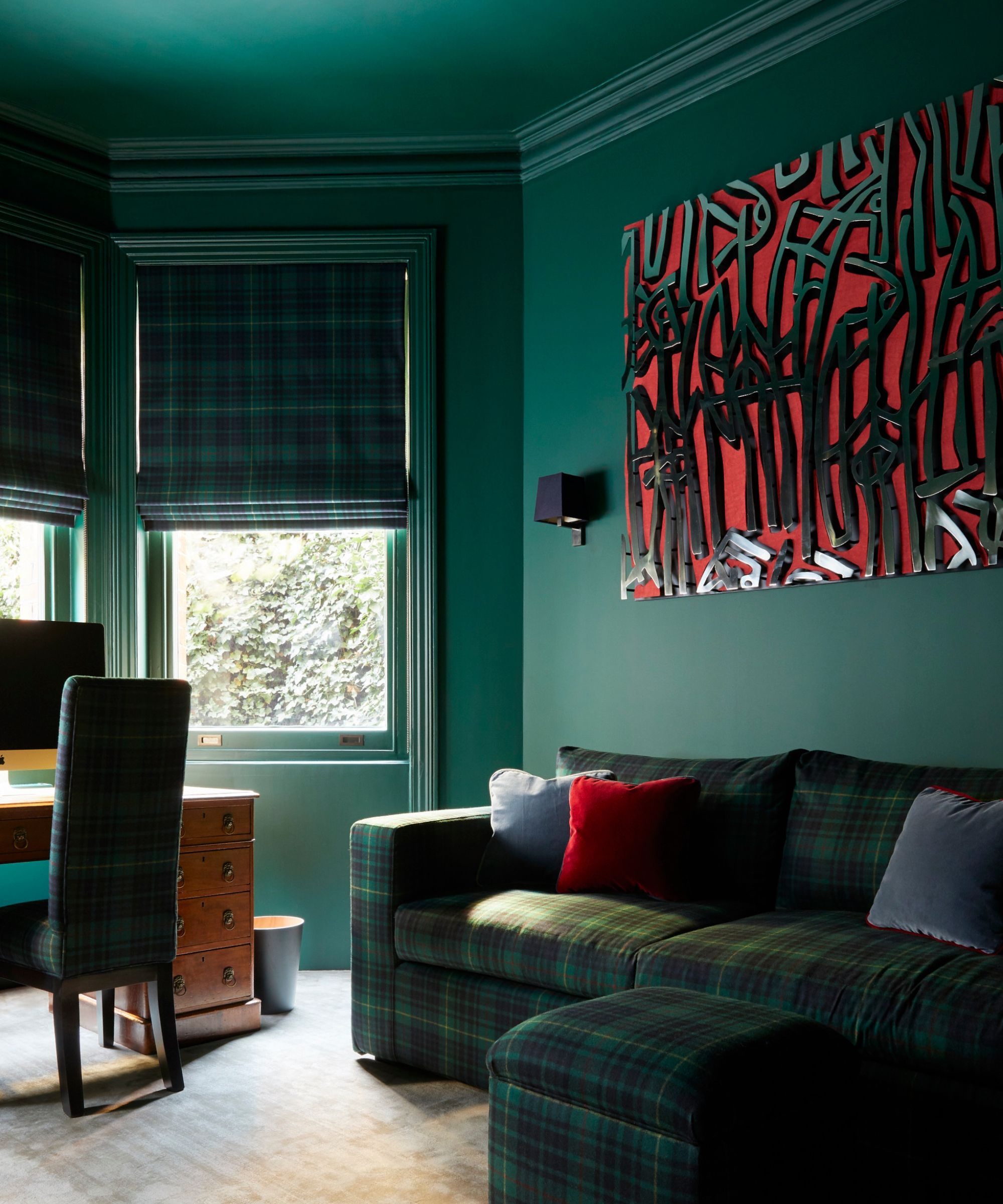
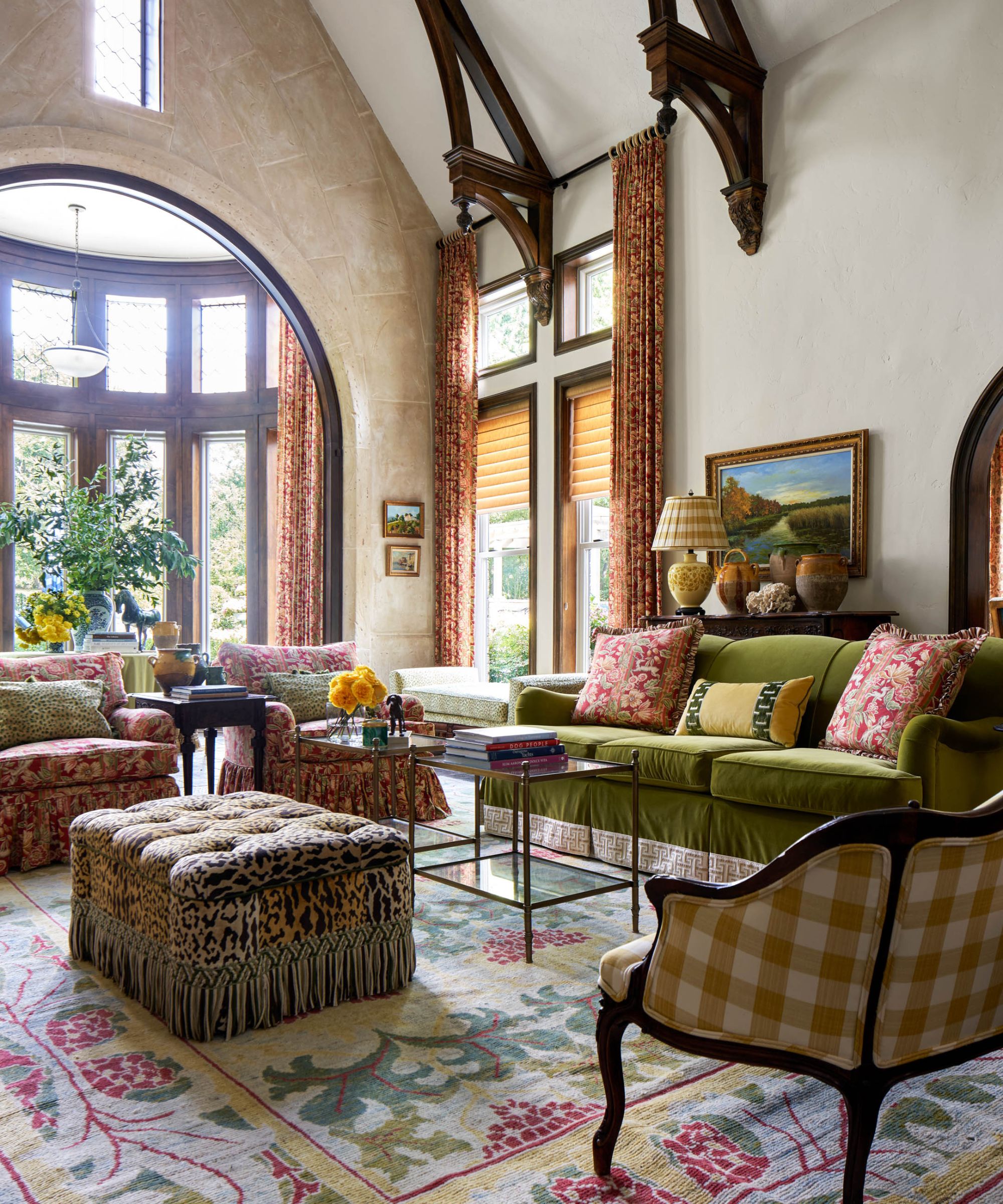
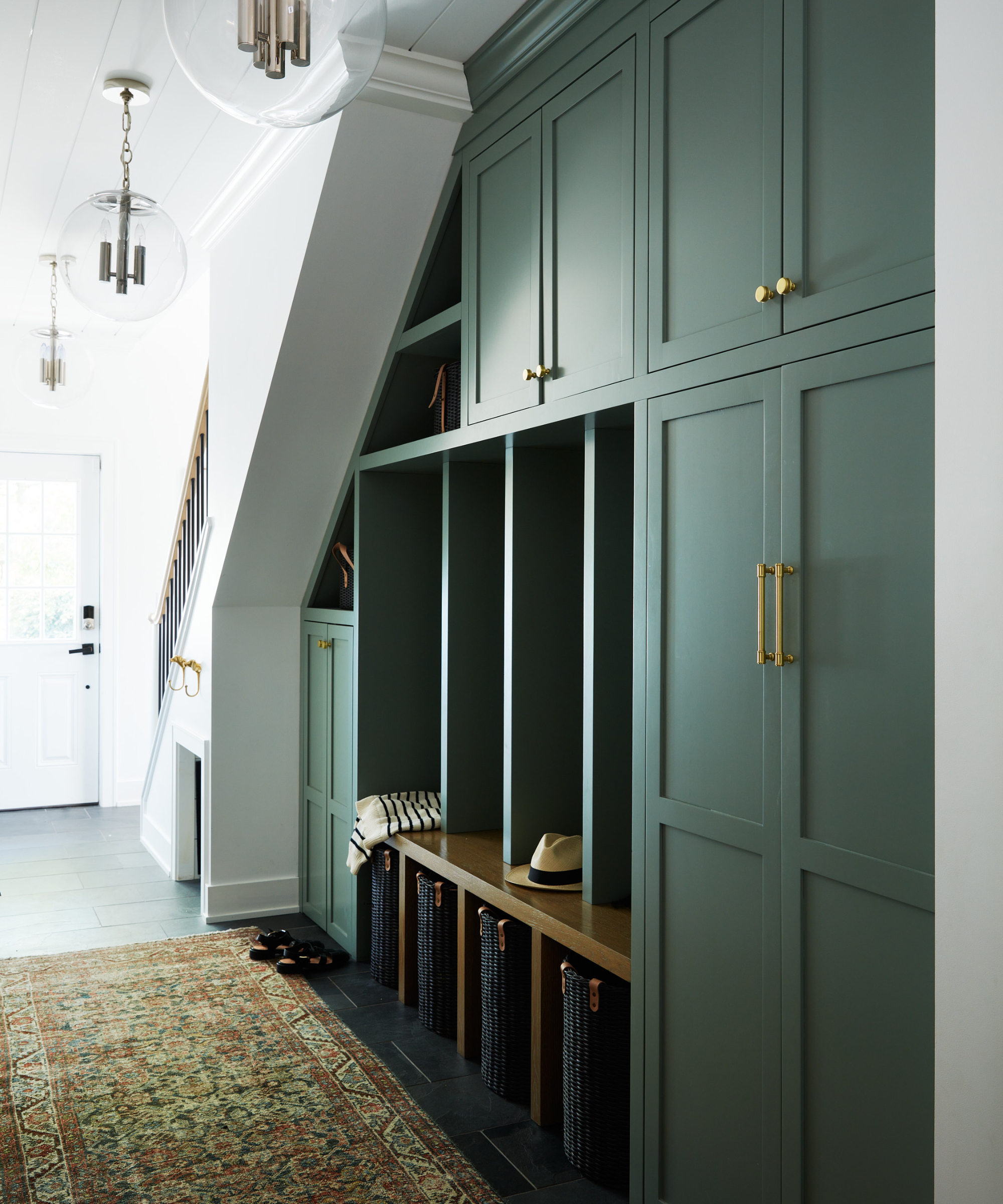
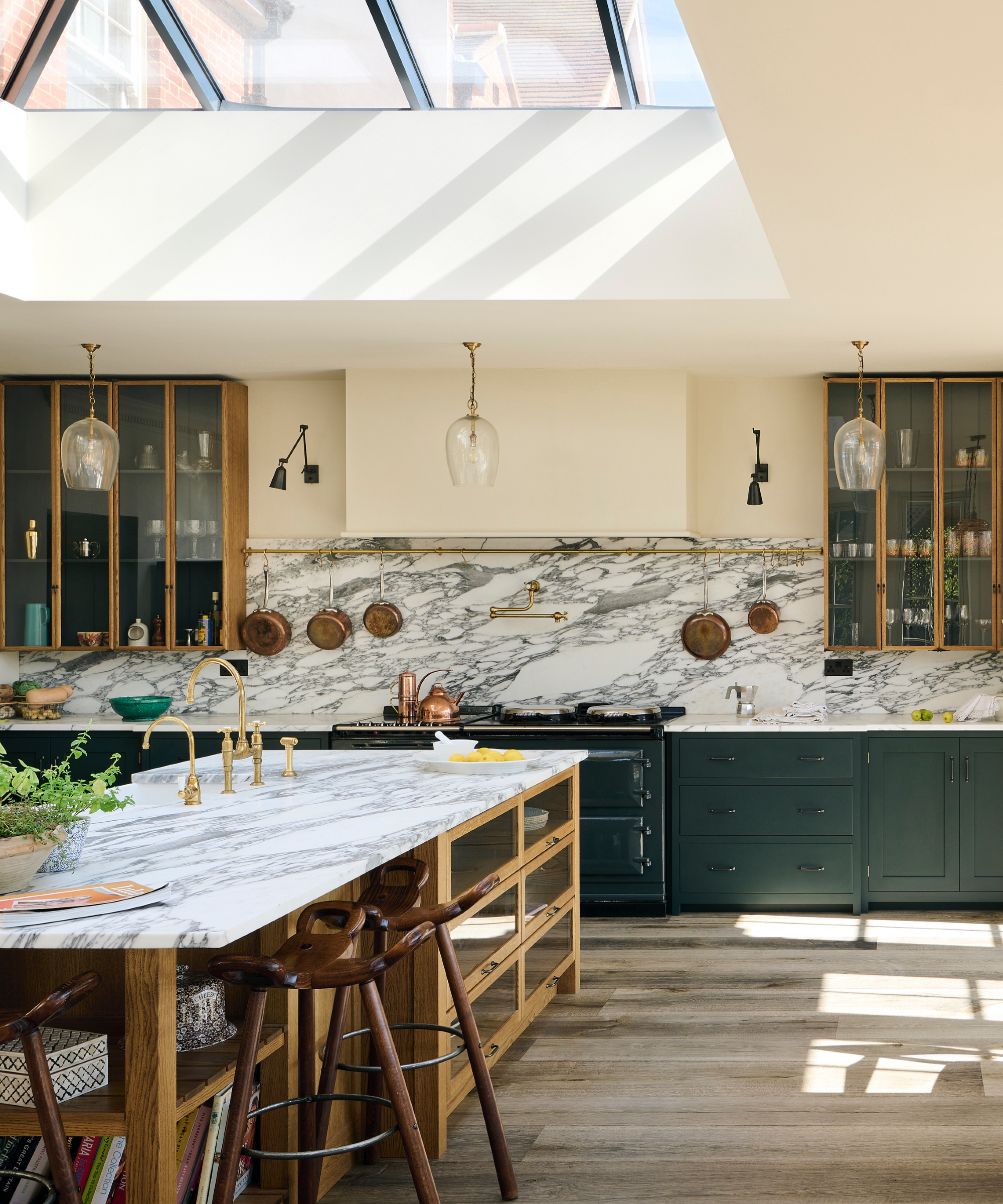
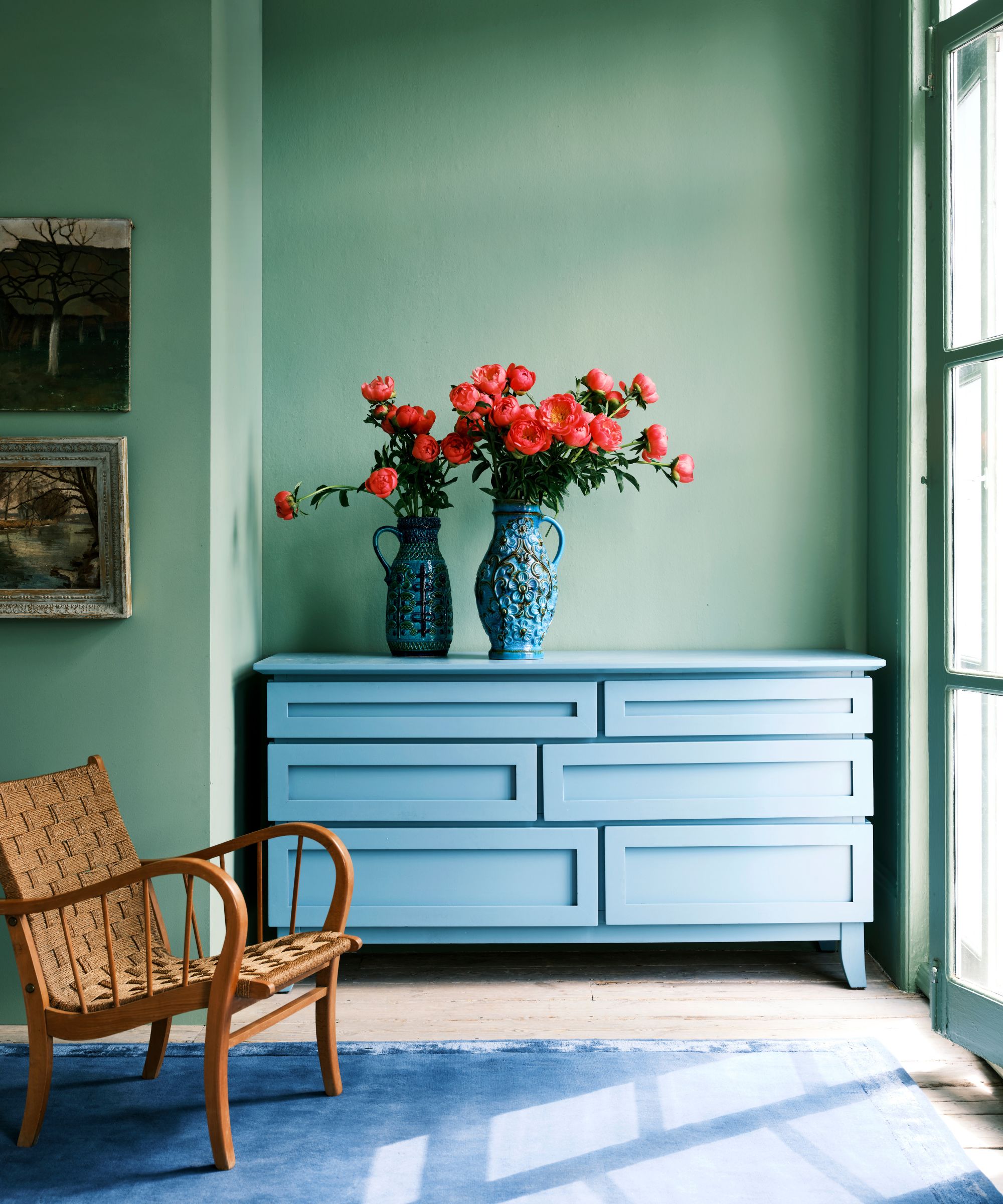
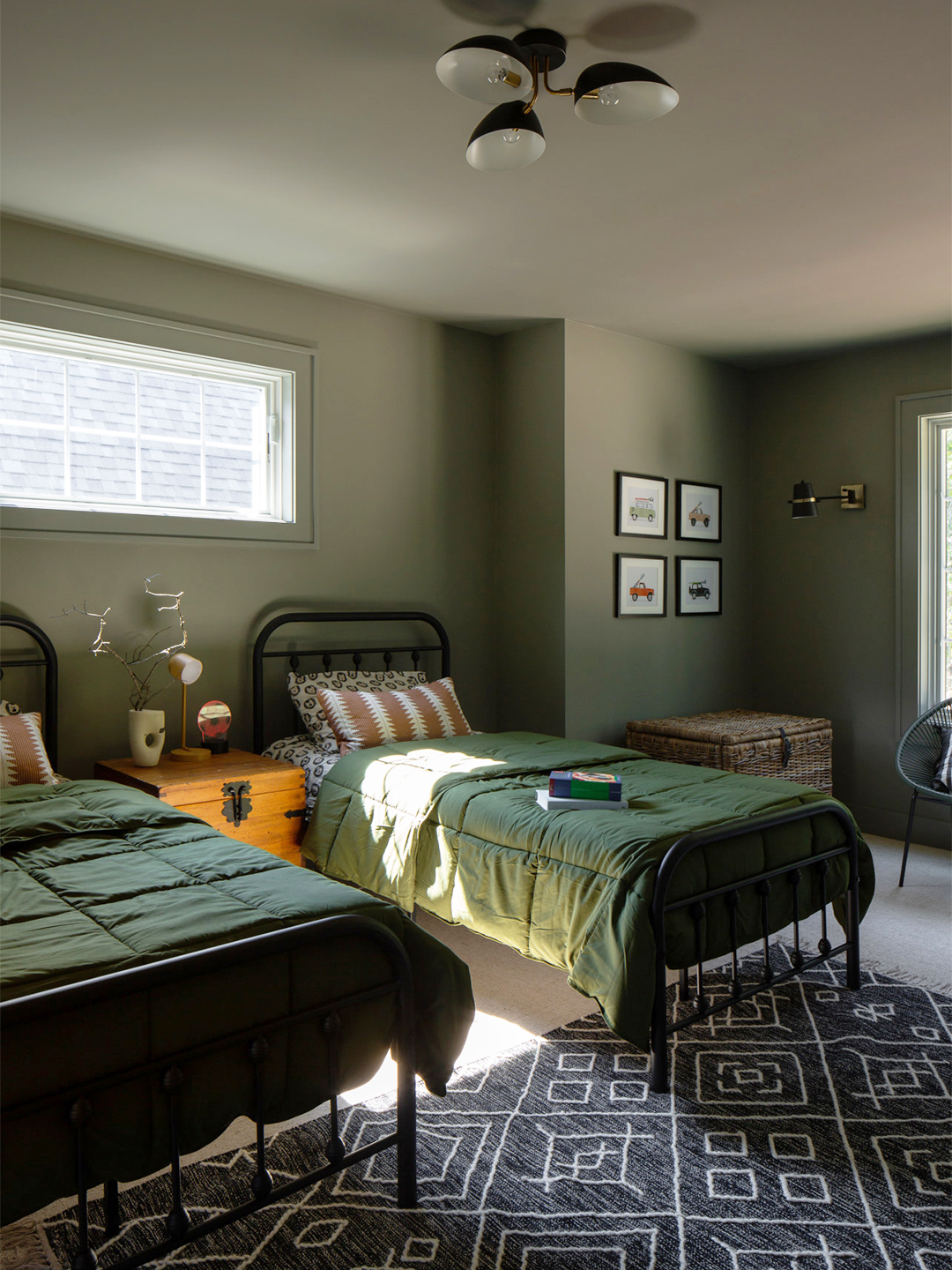
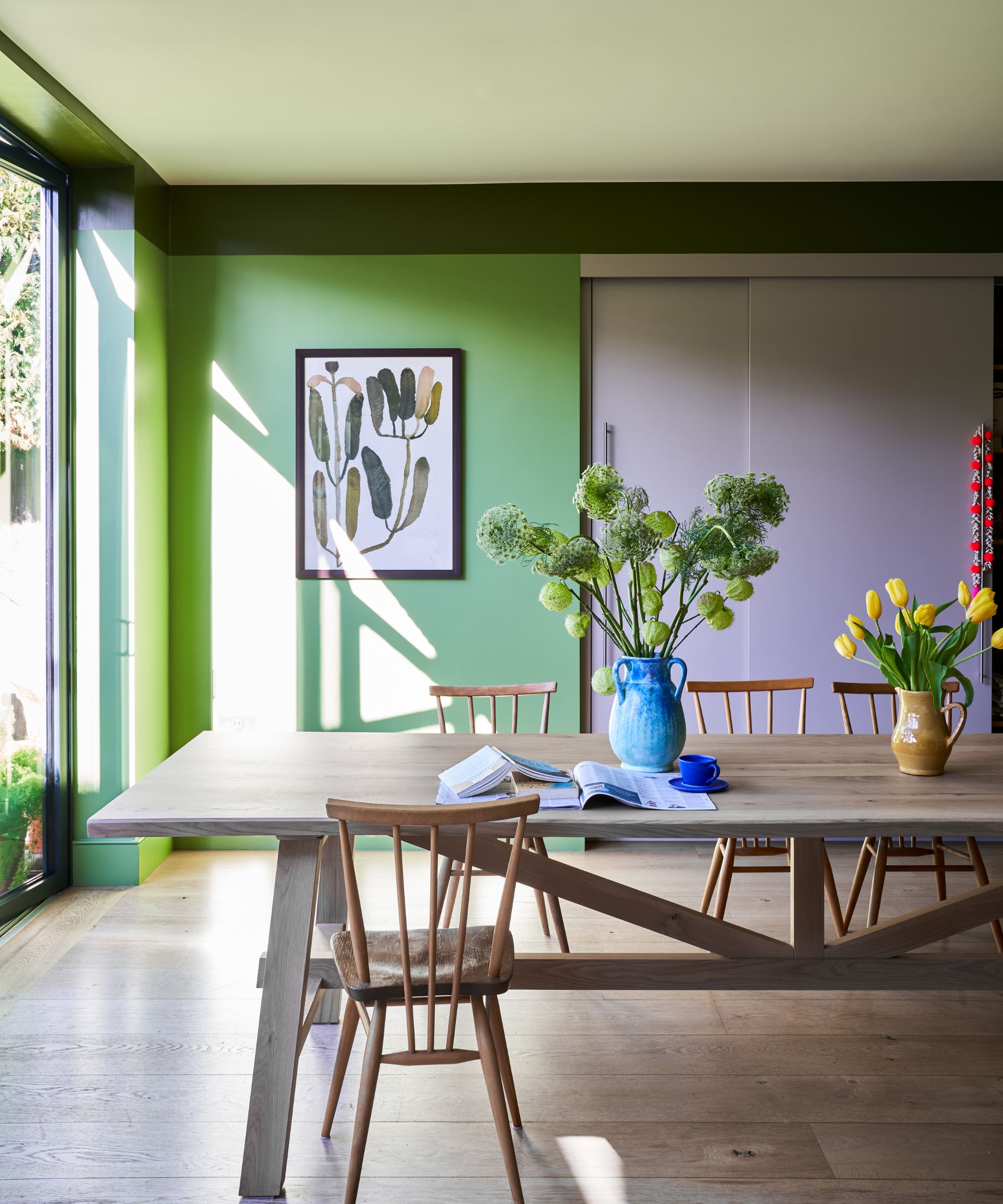
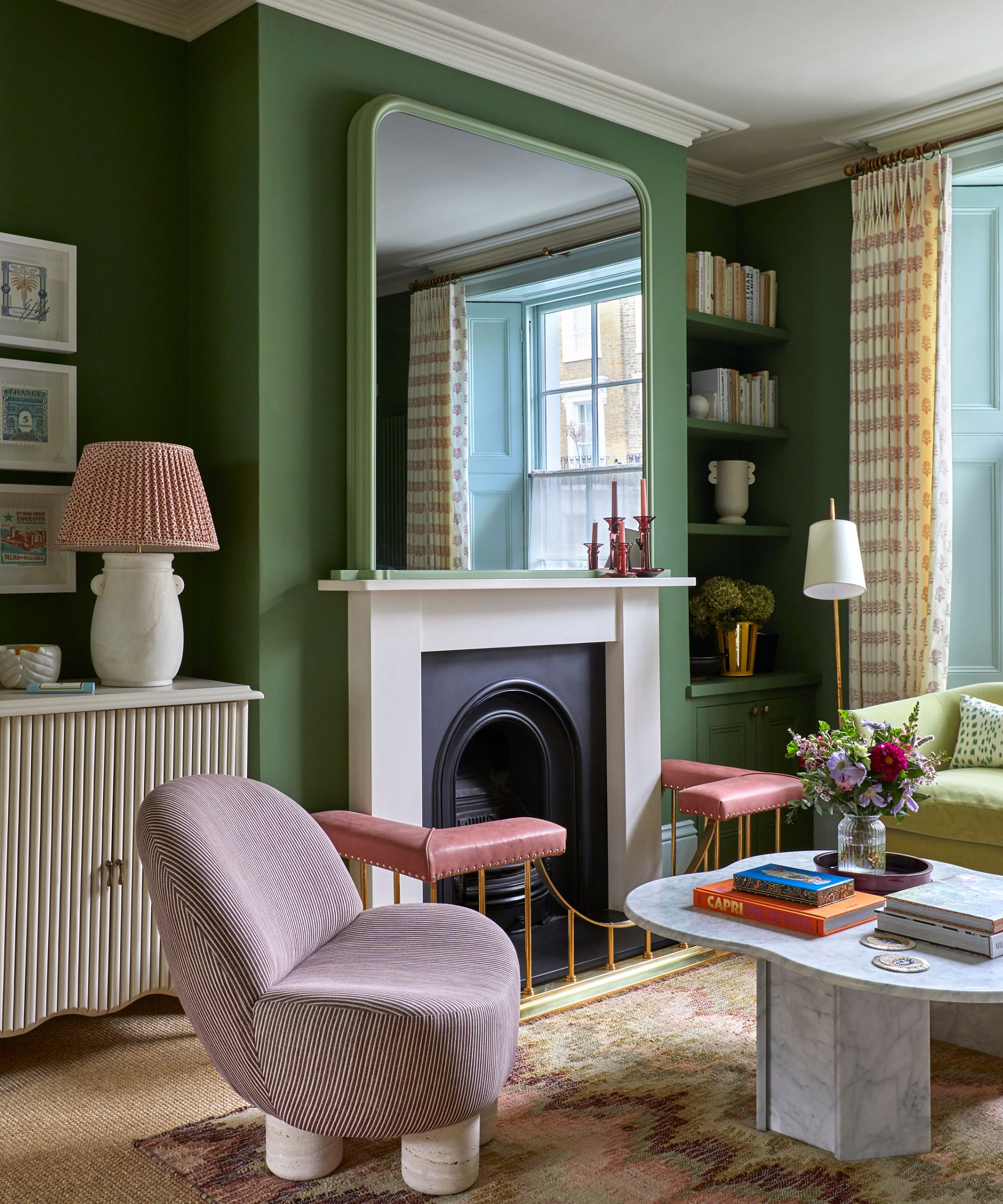
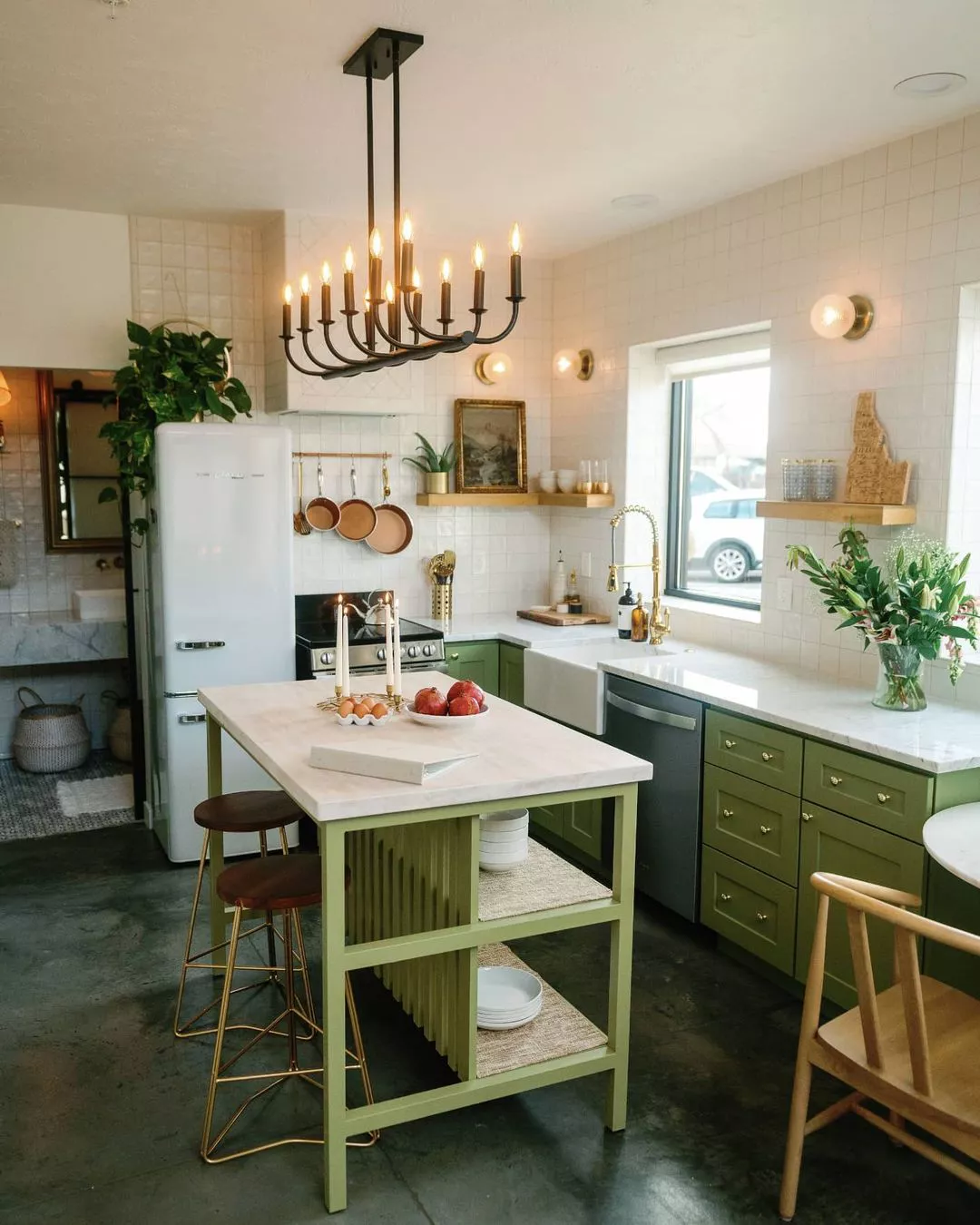
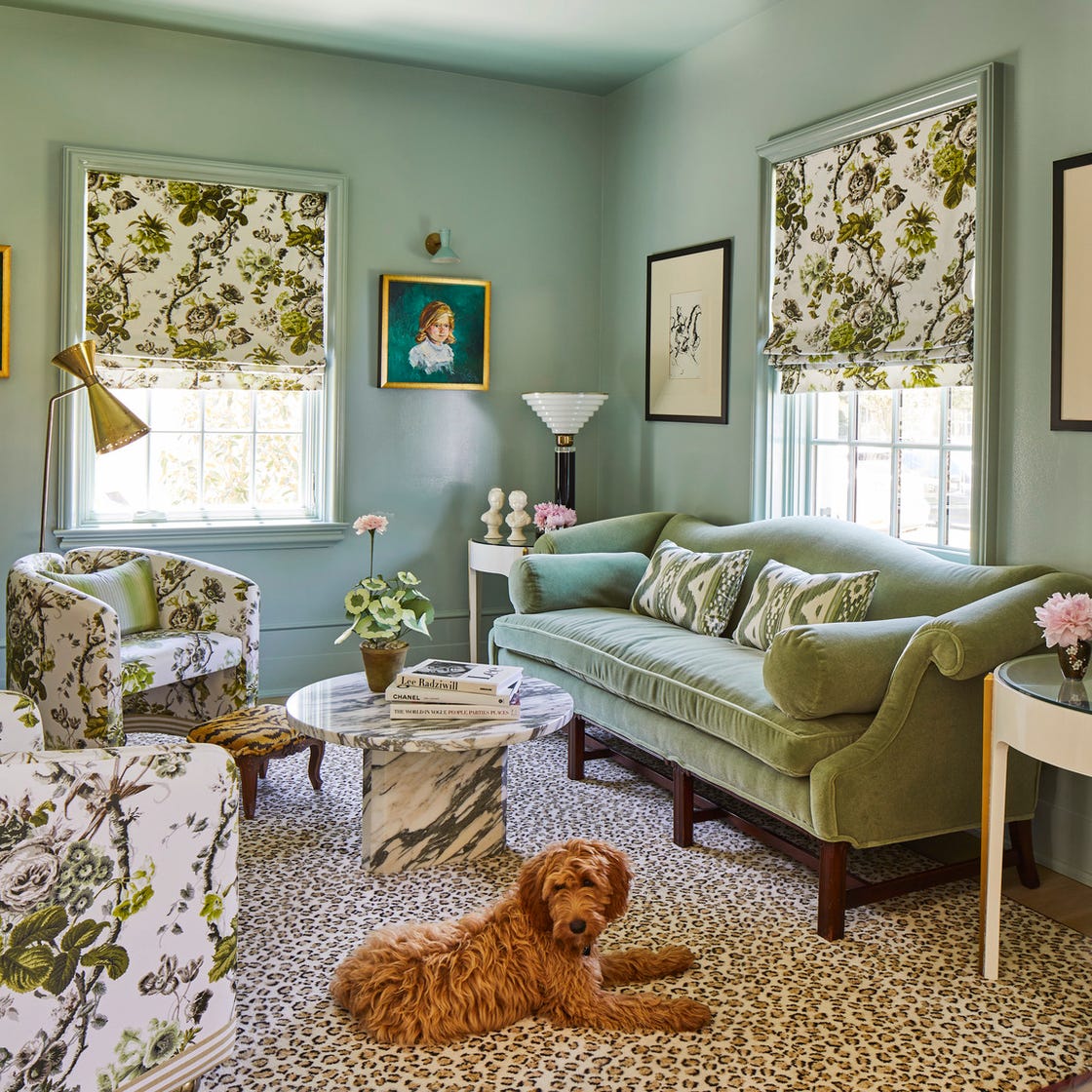
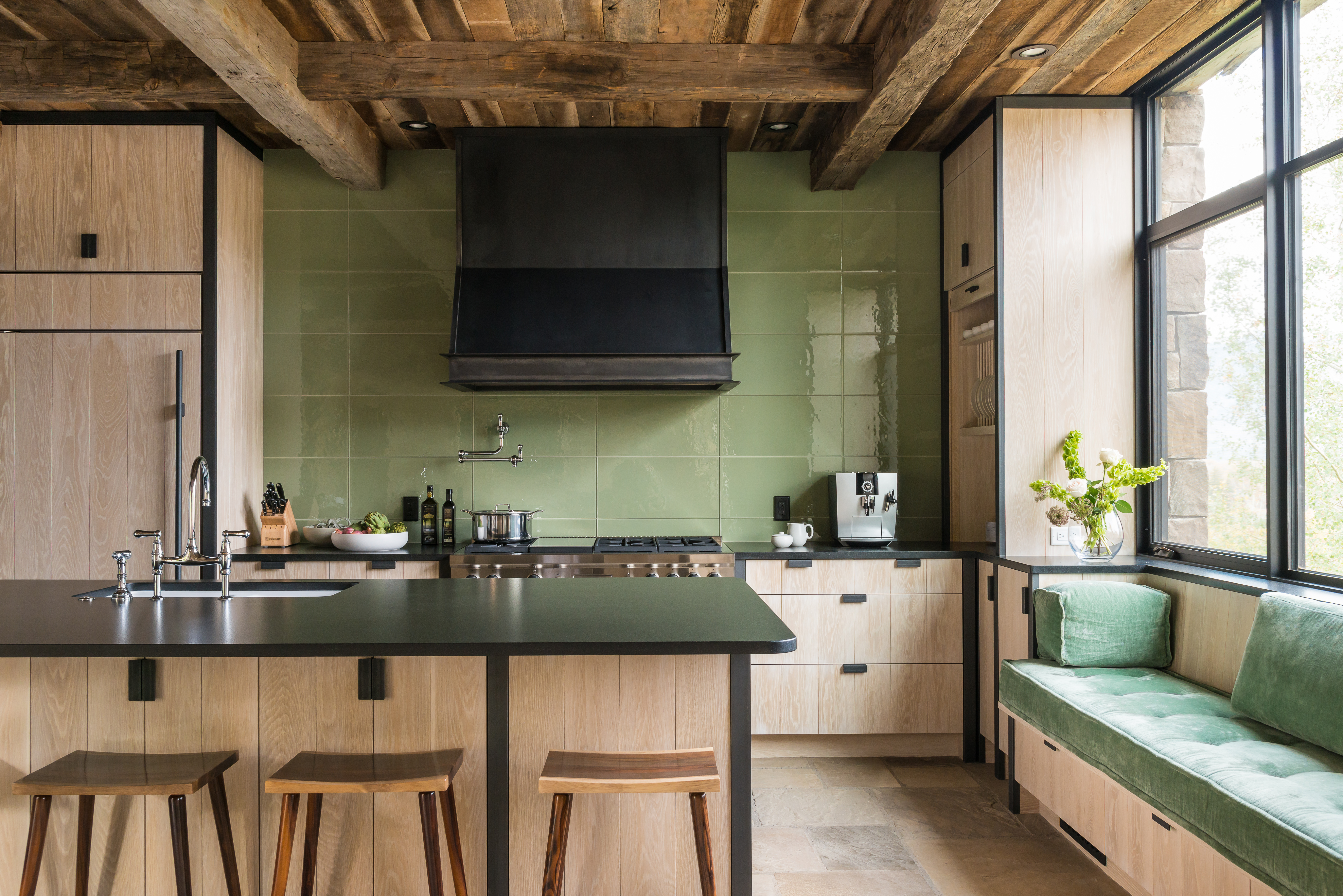
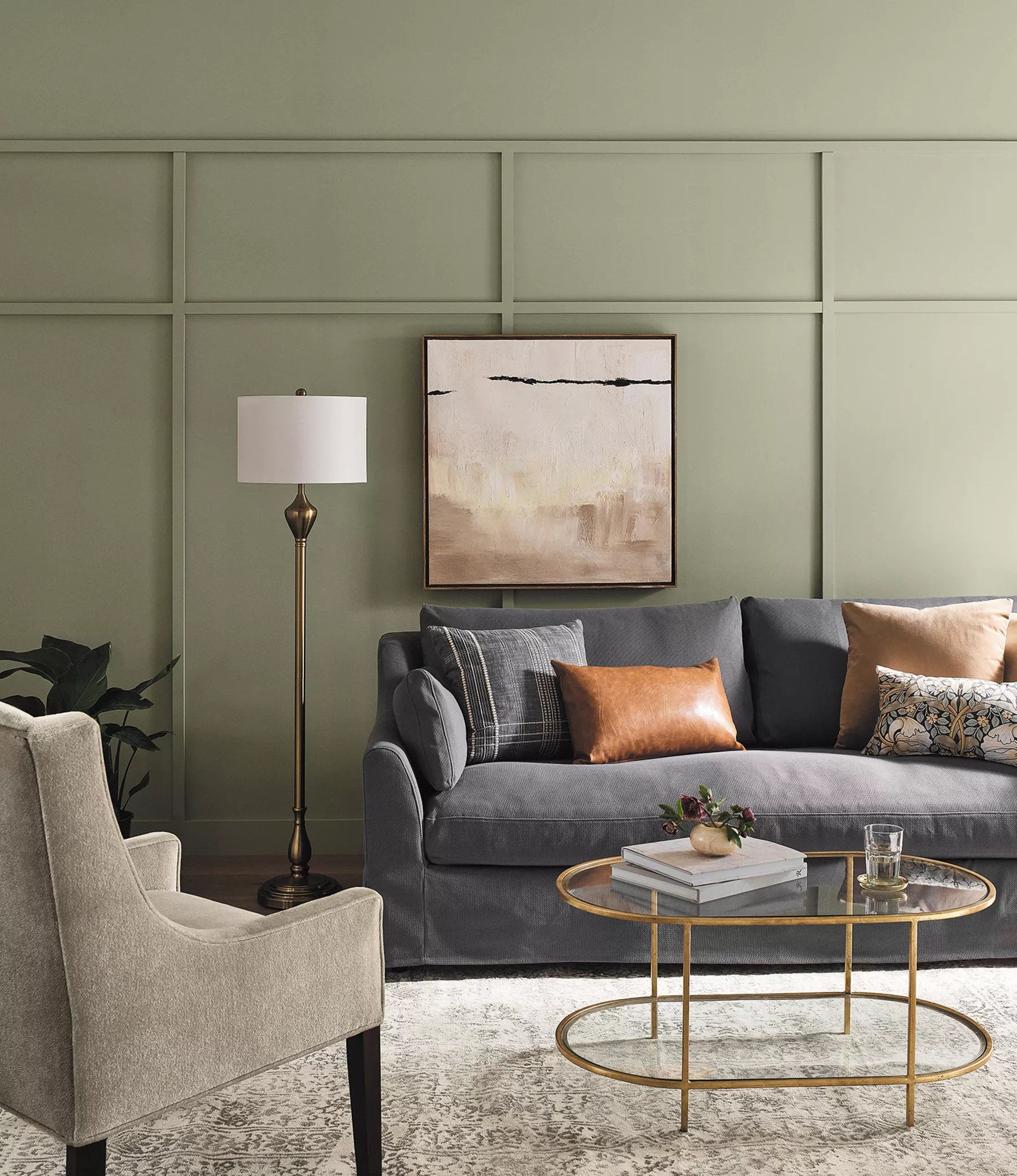
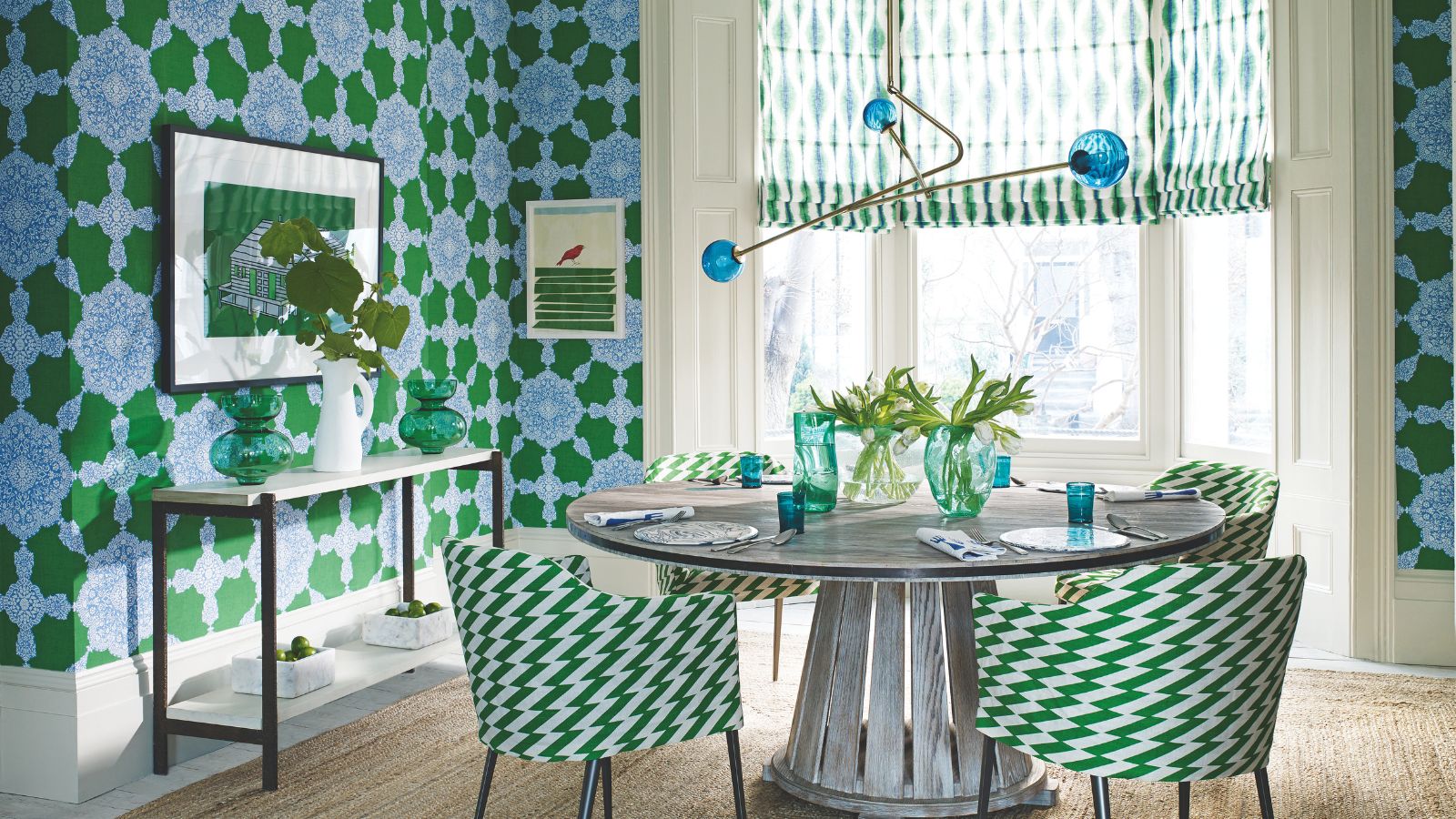
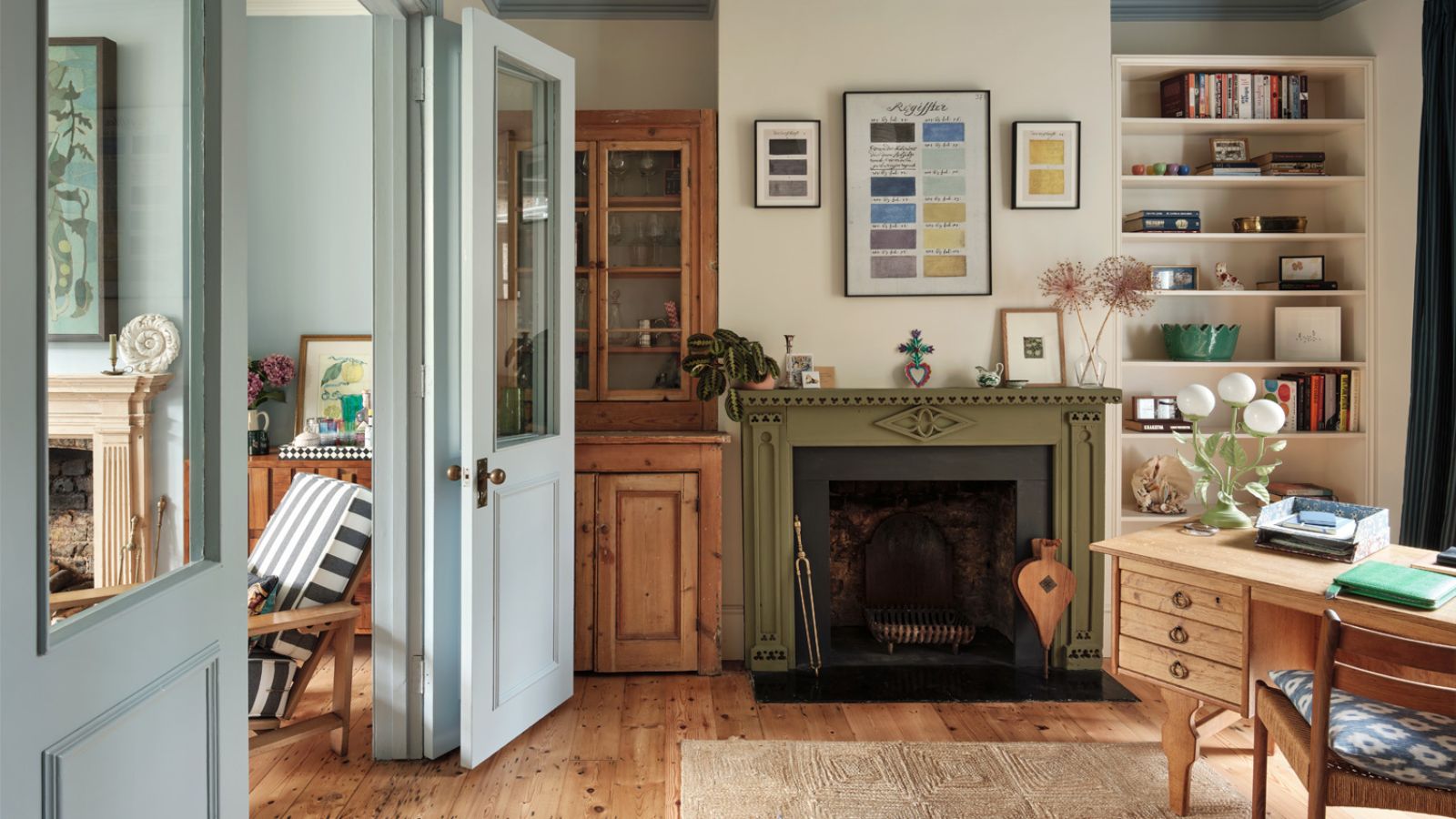
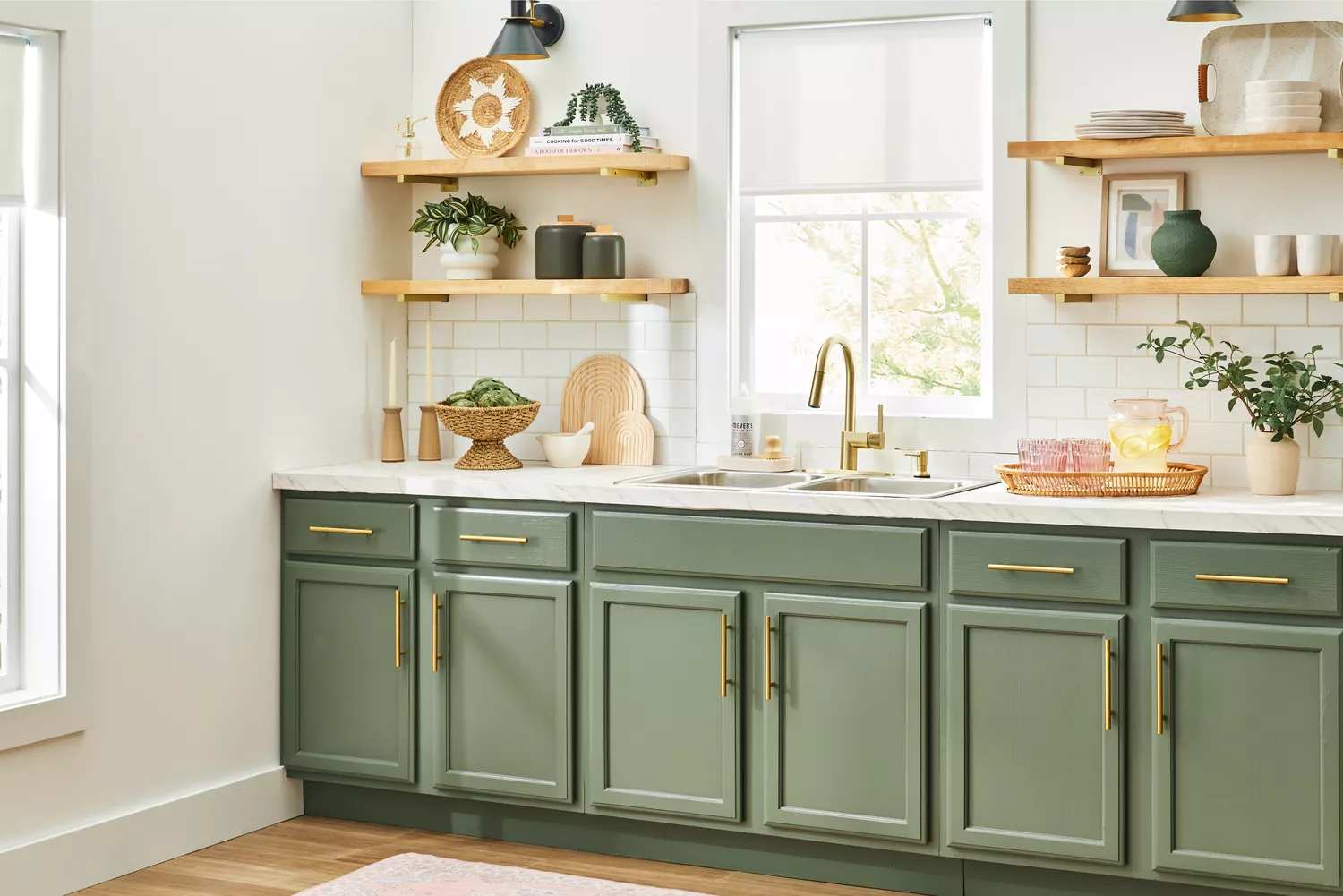
Design professionals offer several strategies for incorporating sage green into home decor. One effective approach is to create a layered sage green scheme by combining different textures and patterns. This can involve using a sage green wall as a backdrop, then integrating various elements like curtains, rugs, and throw cushions that feature the same color. Noell Jett of Jett Set Farmhouse suggests using sage green in patterned items like throw pillows or artwork to create a focal point, or in larger patterns such as floral or geometric designs for a cohesive look. Another complementary pairing involves dark wood tones, which are gaining popularity for their cozy and natural feel. Samantha Struck of StruckSured Interiors notes that sage green works harmoniously with dark wood, and suggests that sage green tiles for backsplashes or showers can add a vibrant touch.
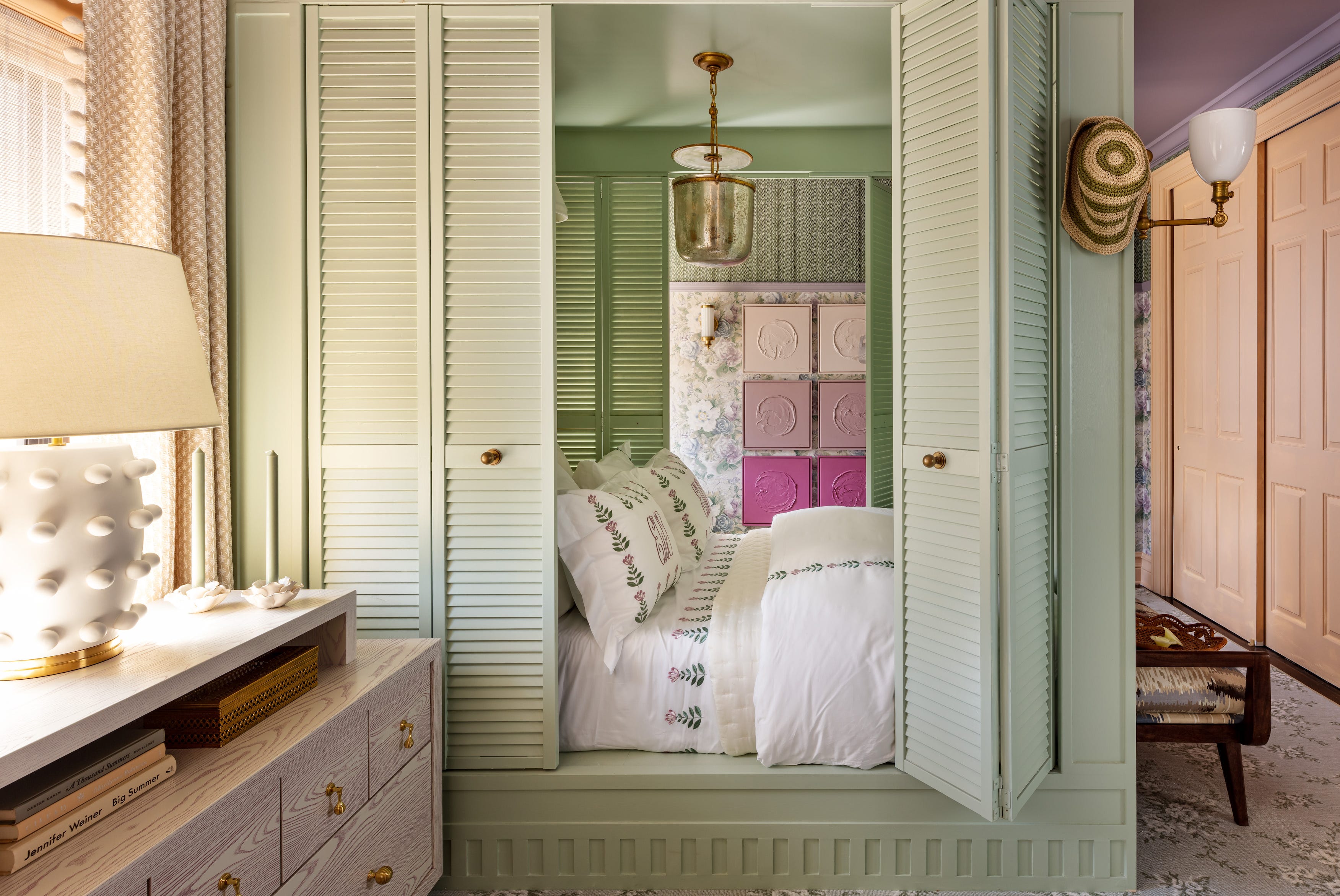
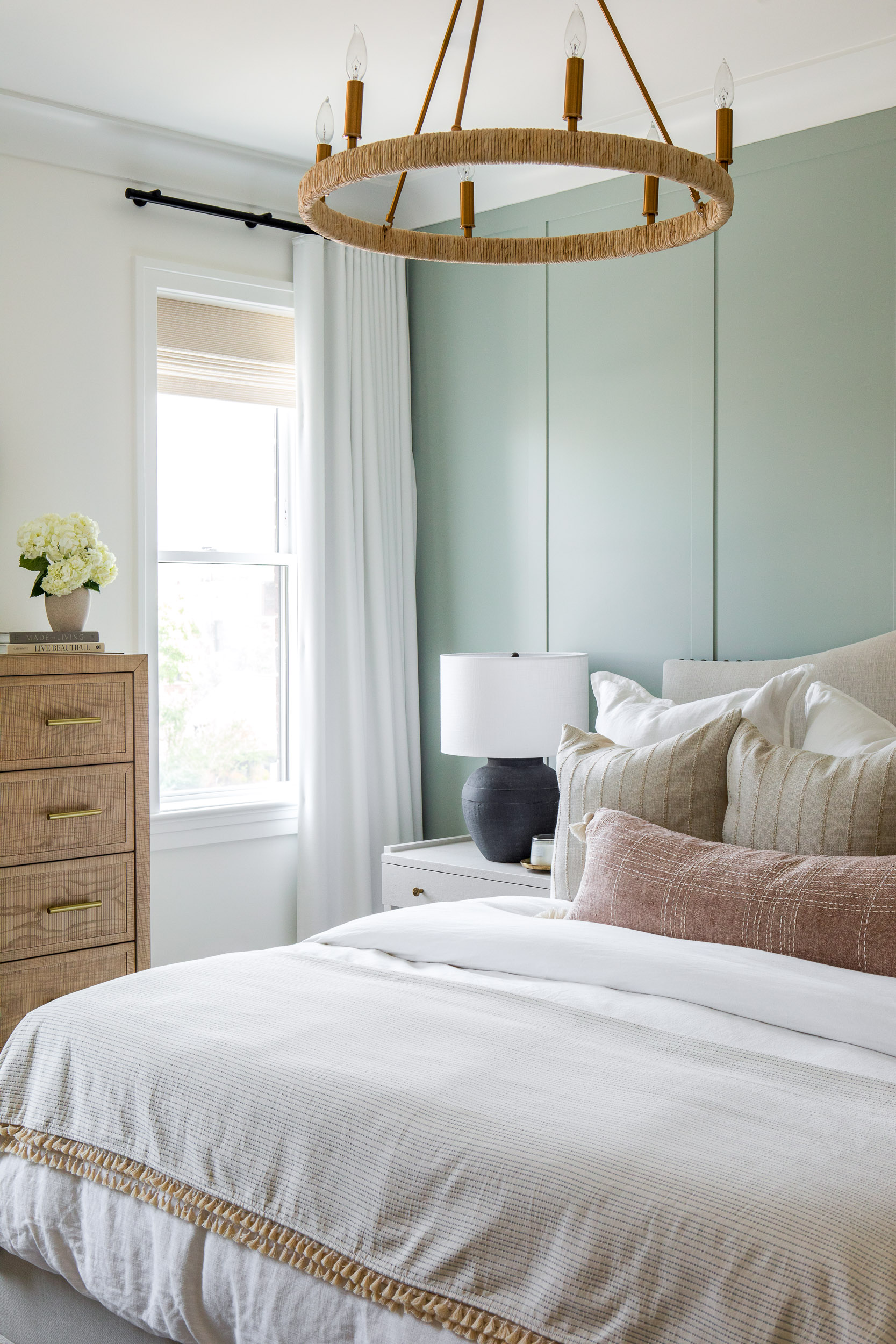
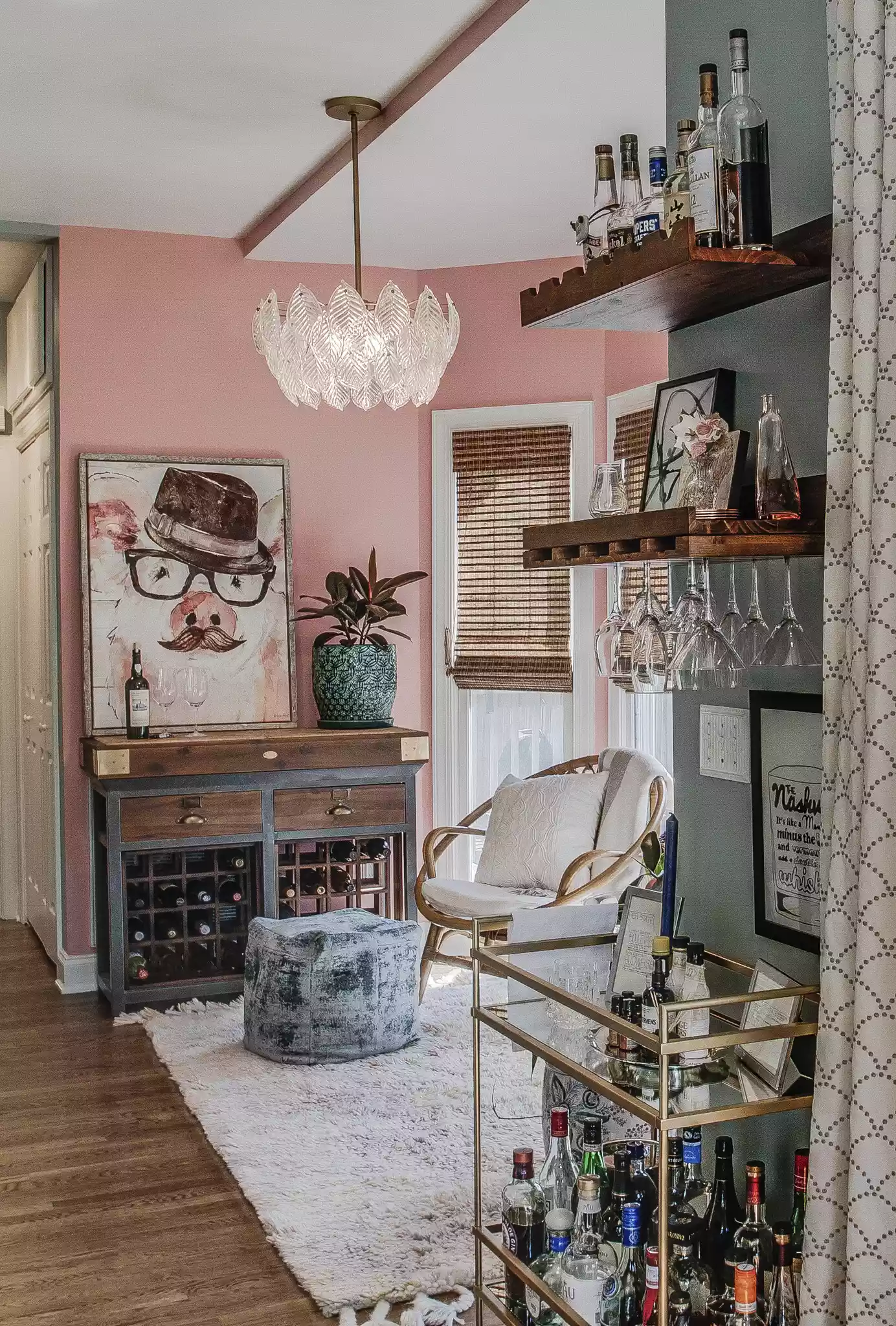
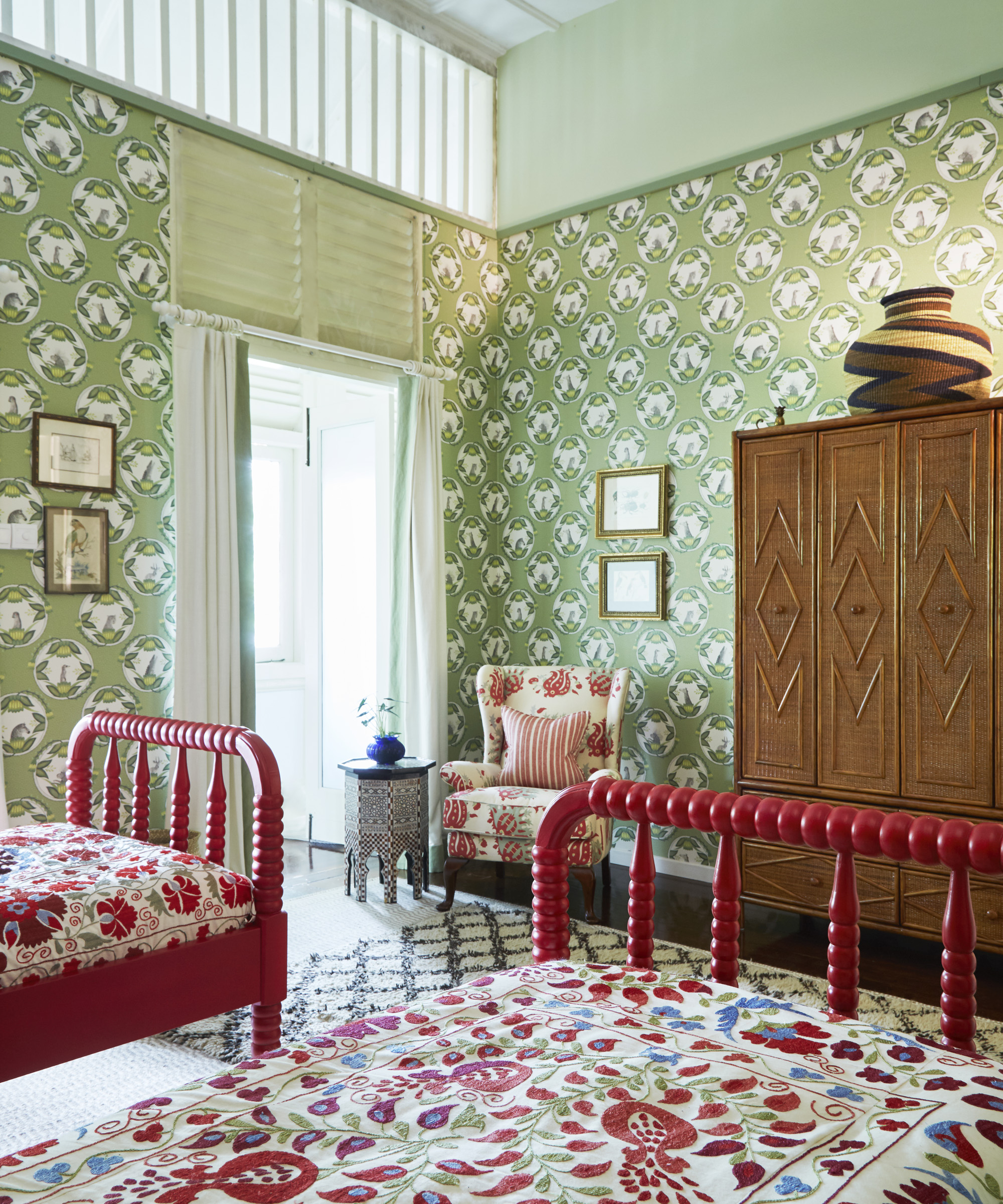
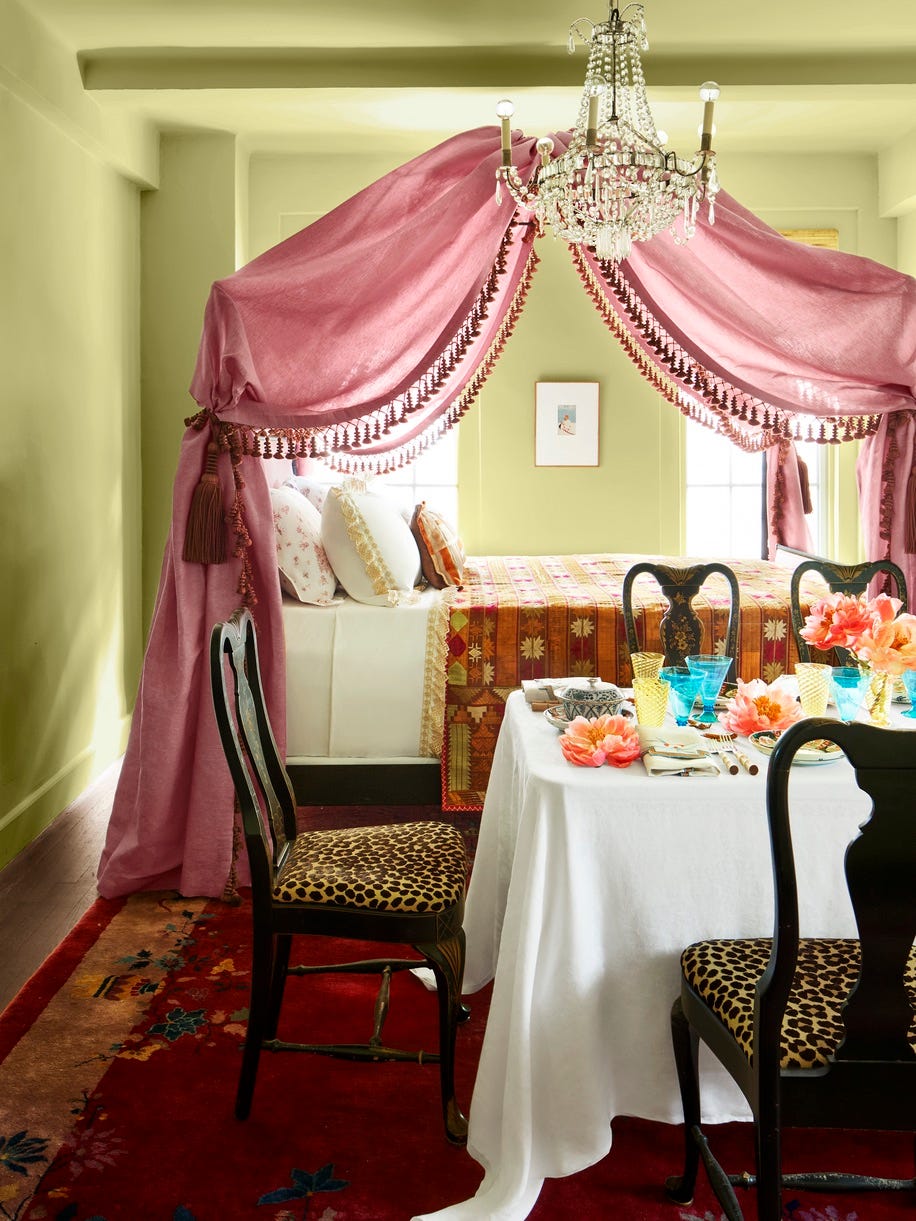
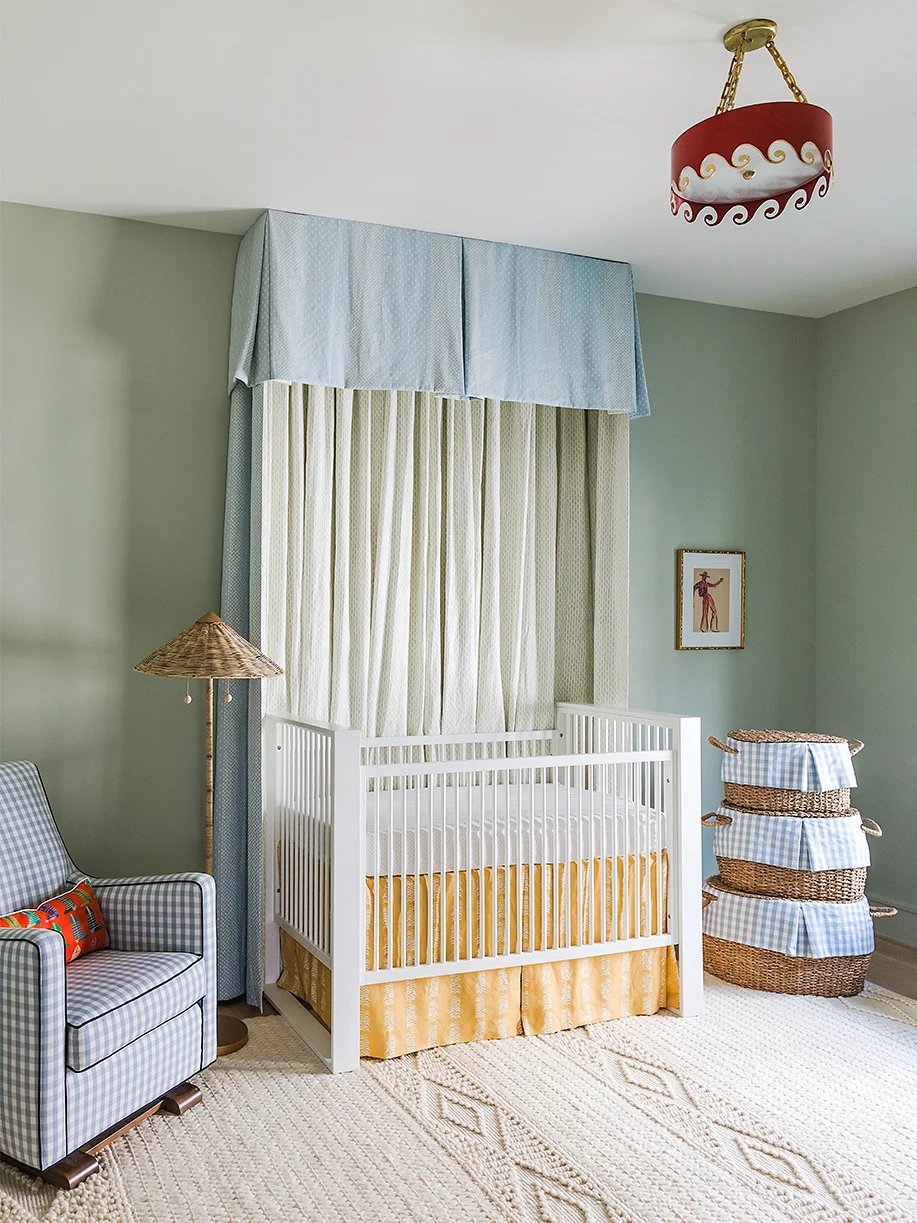
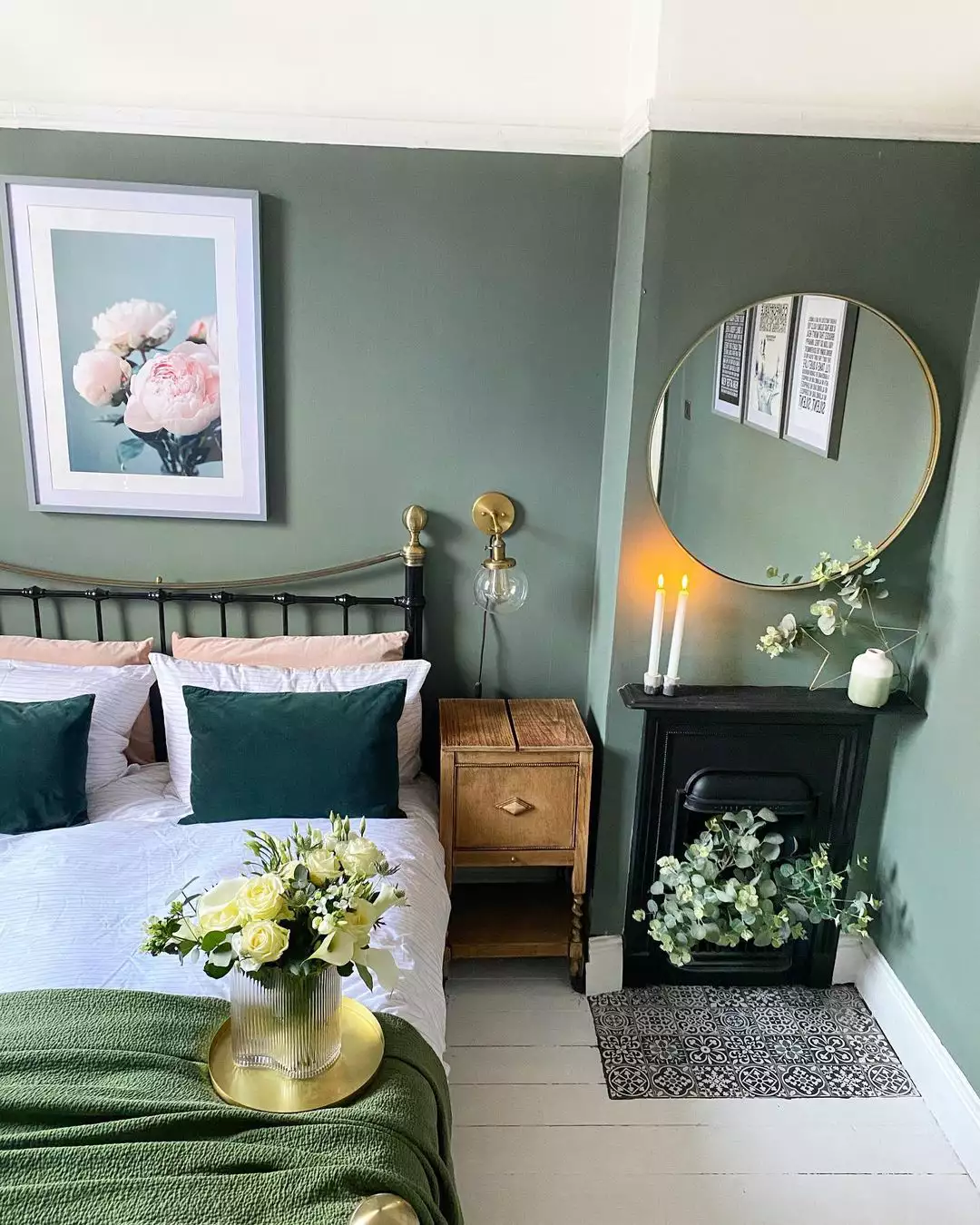
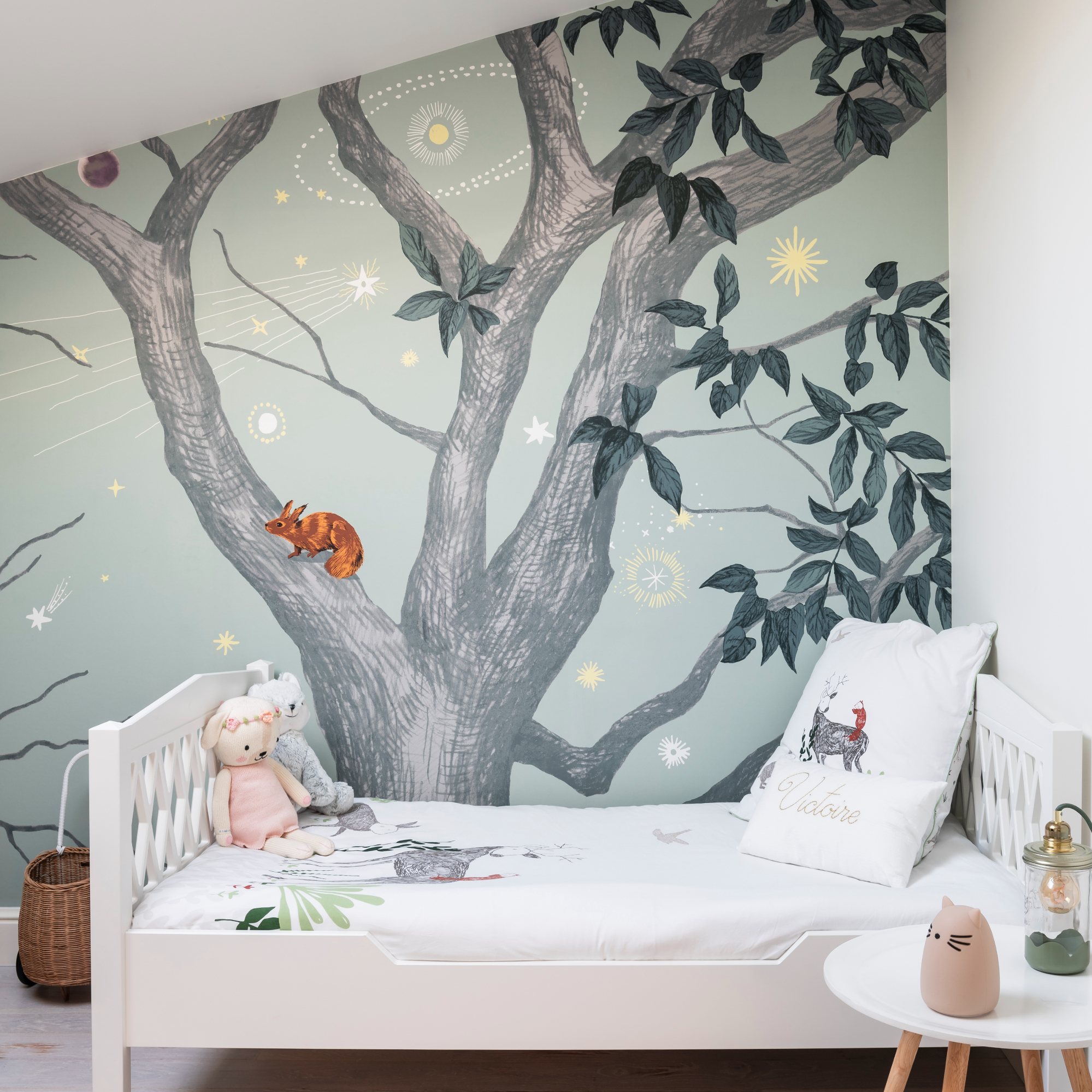
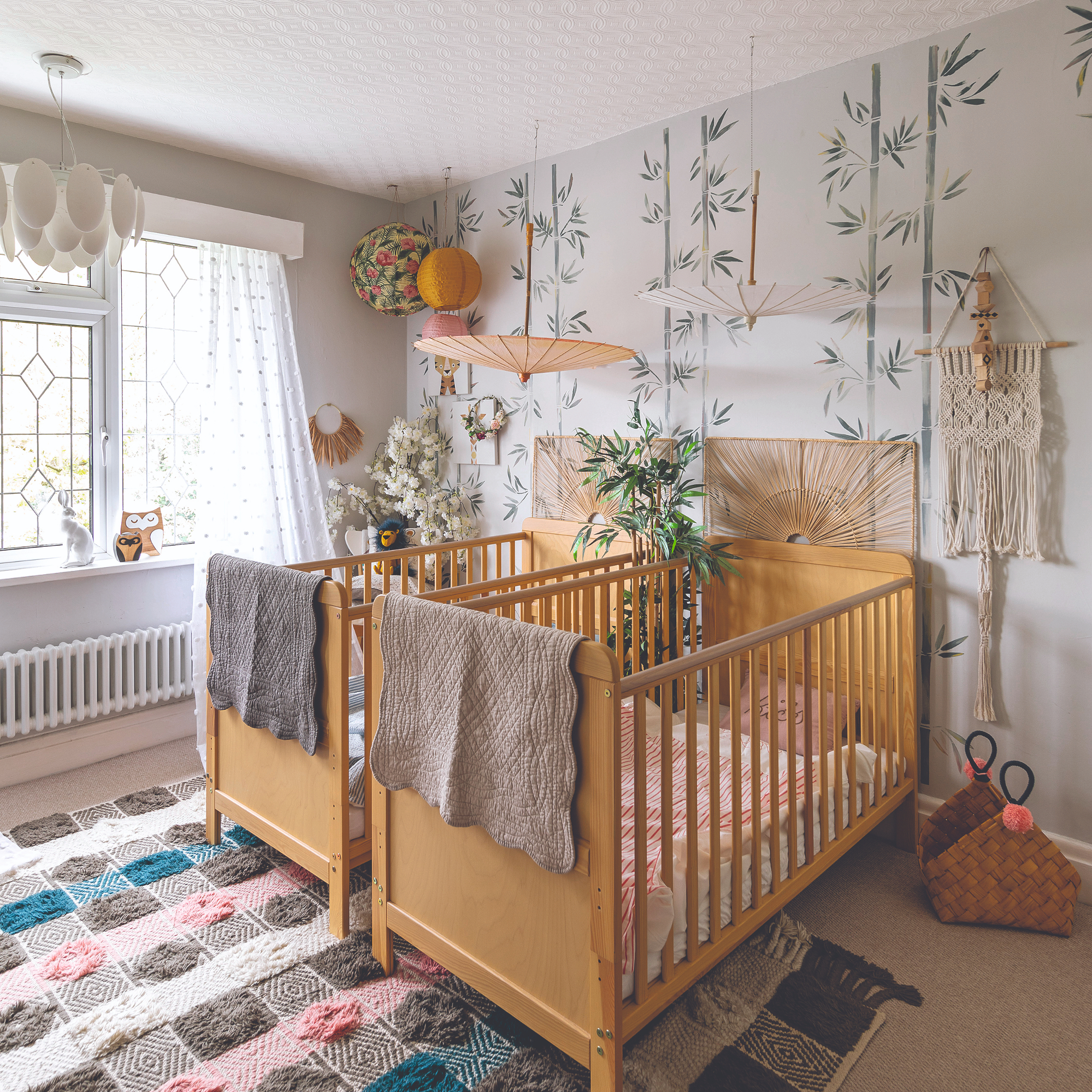
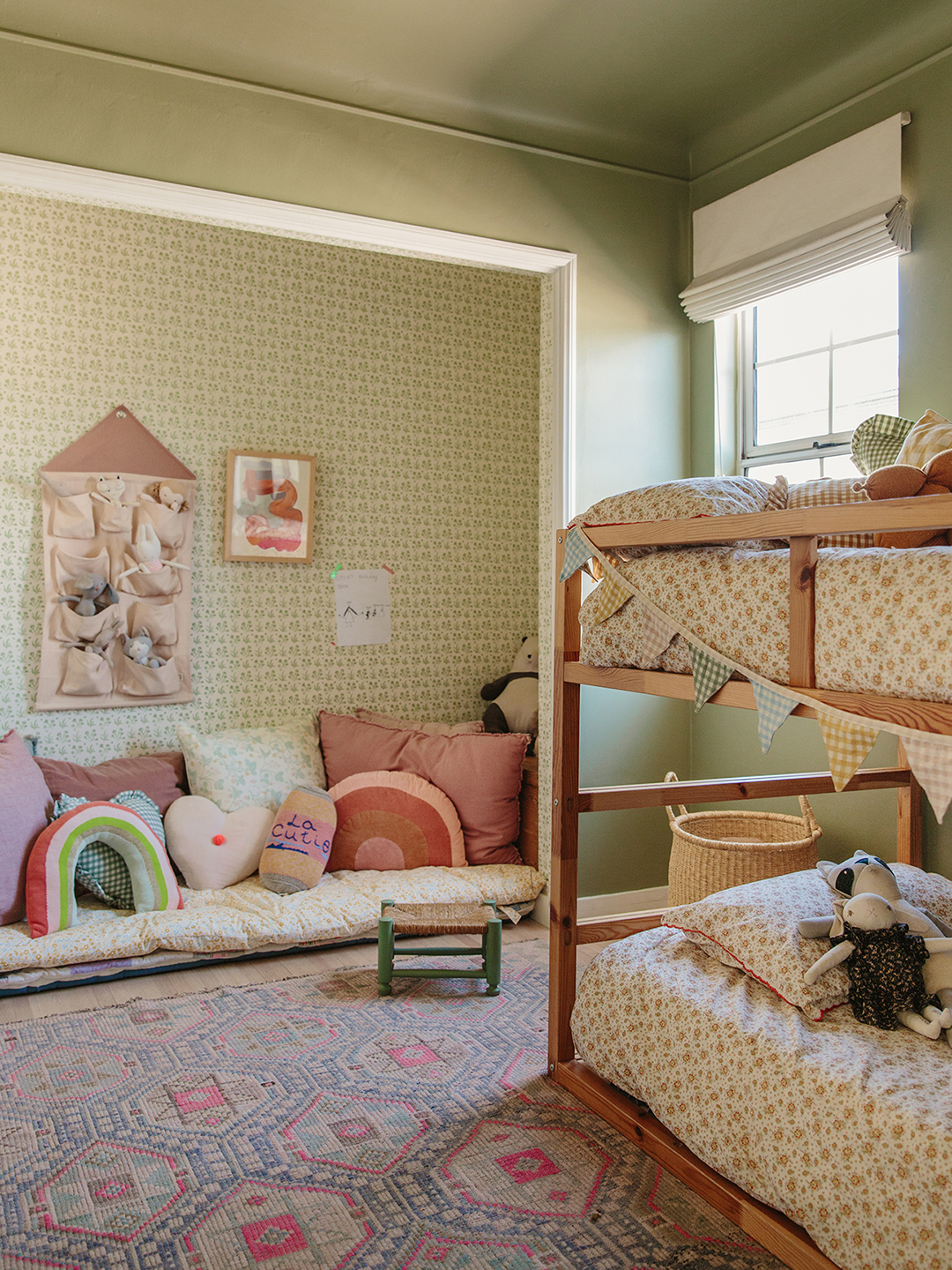
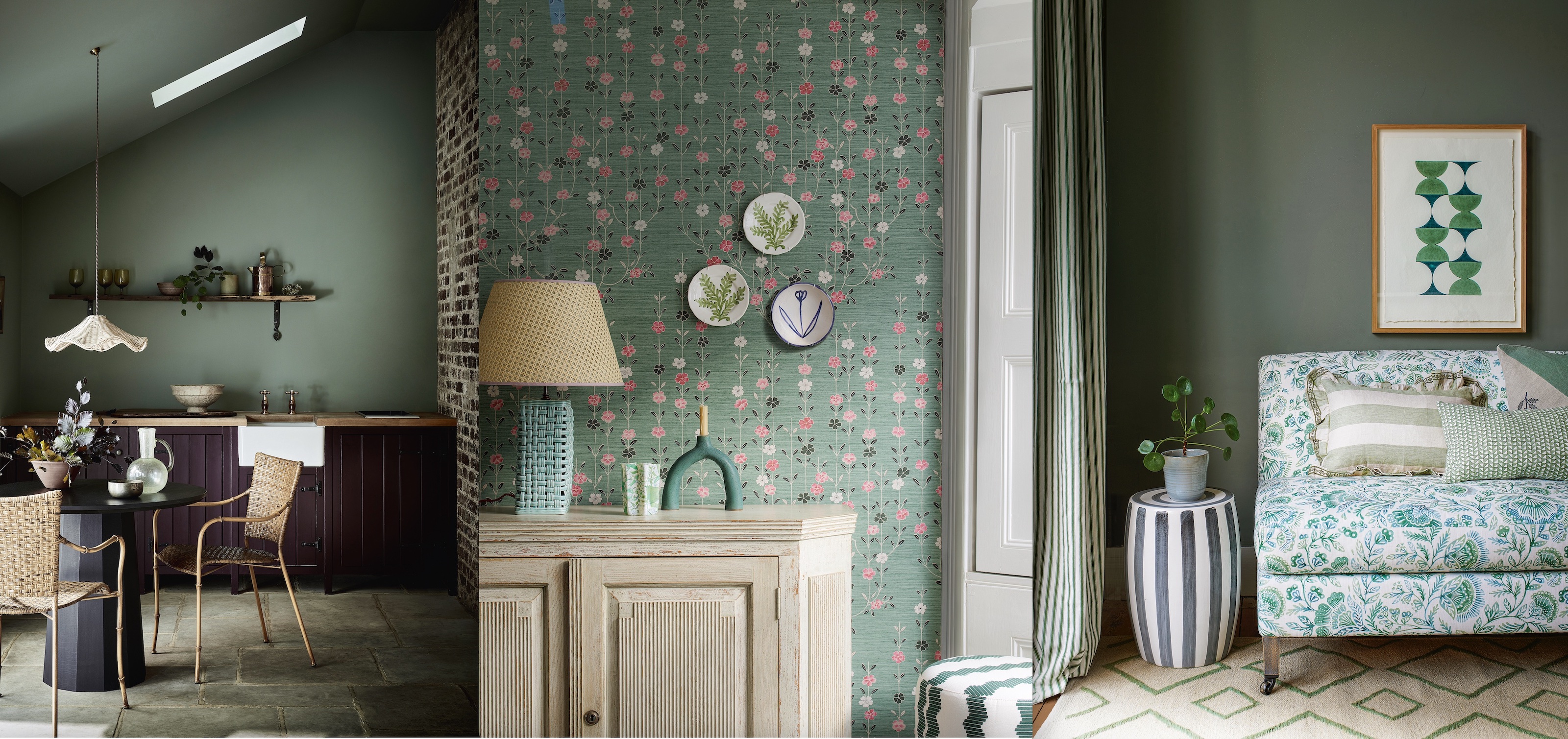
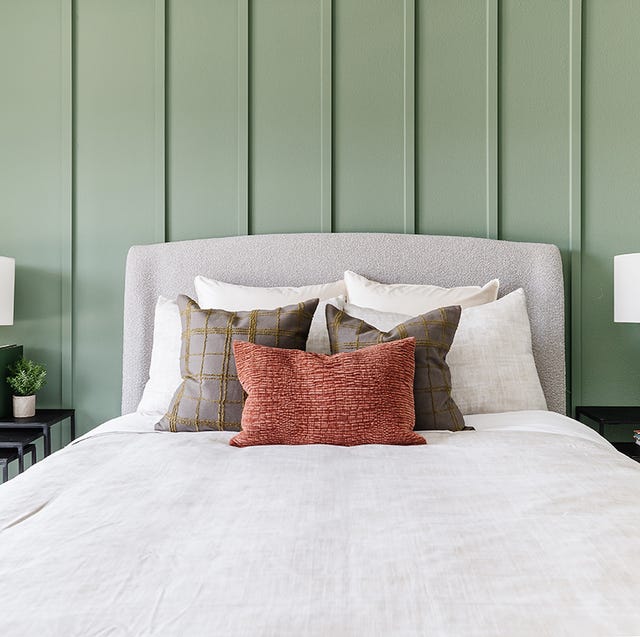
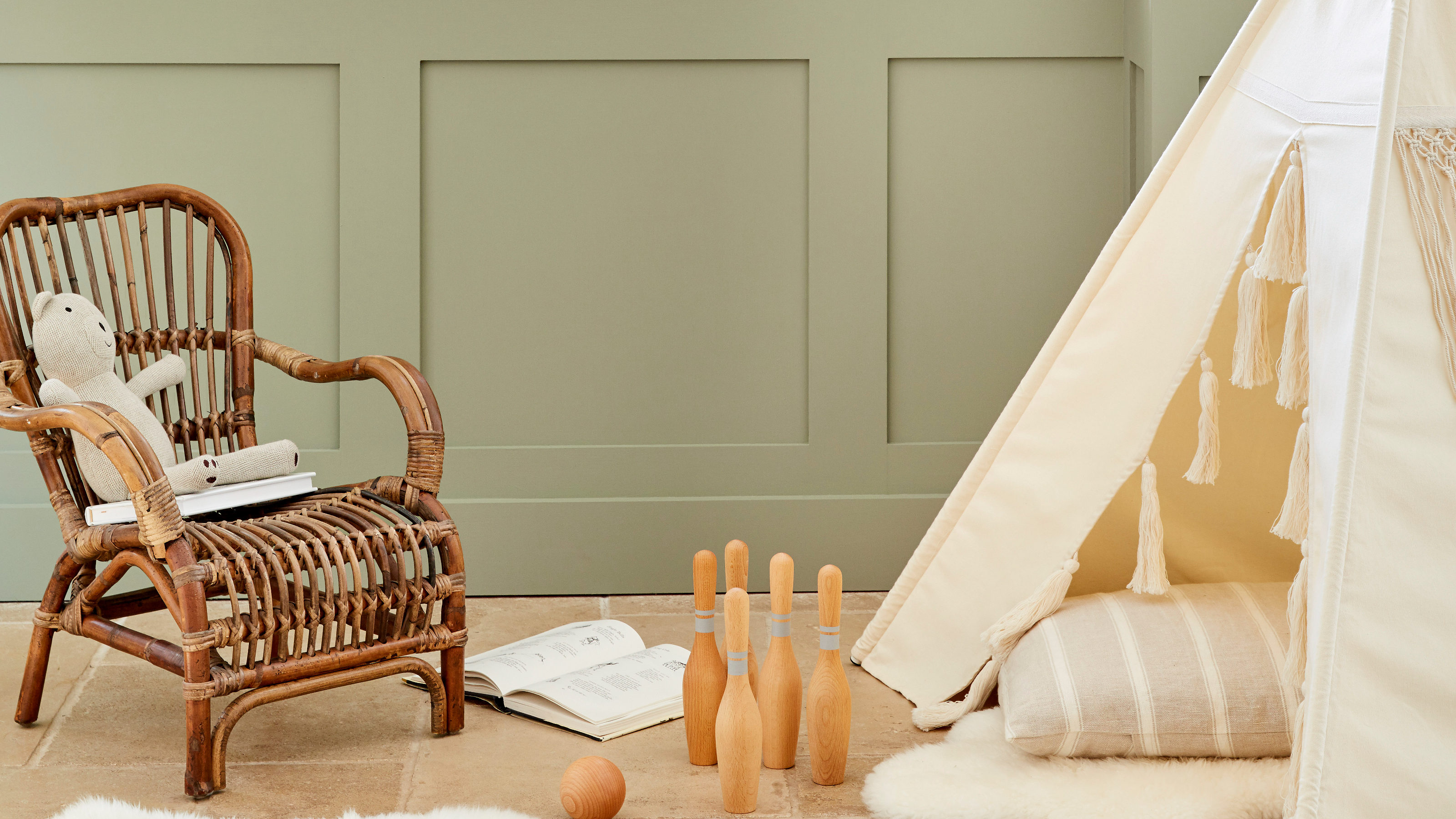
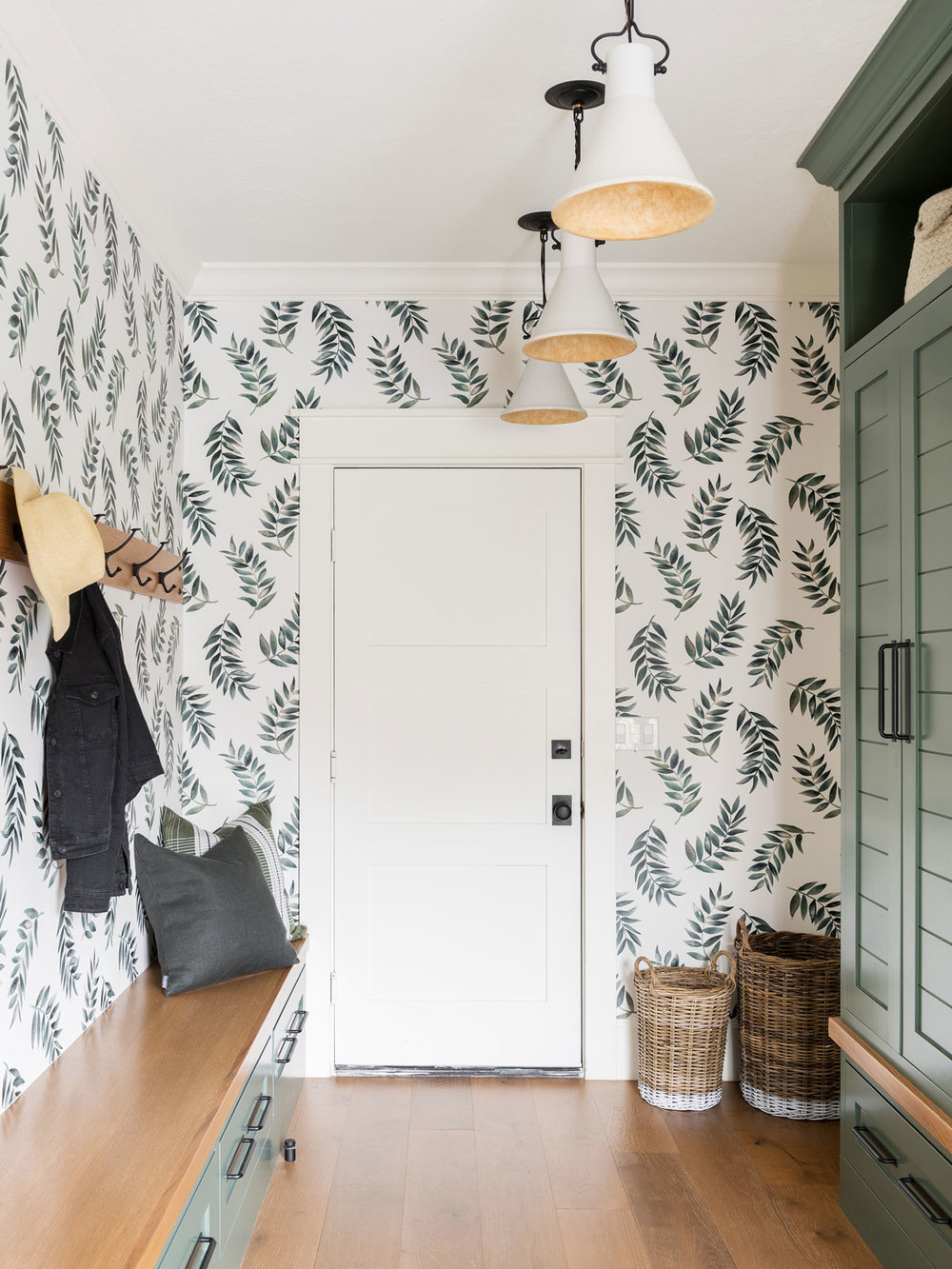
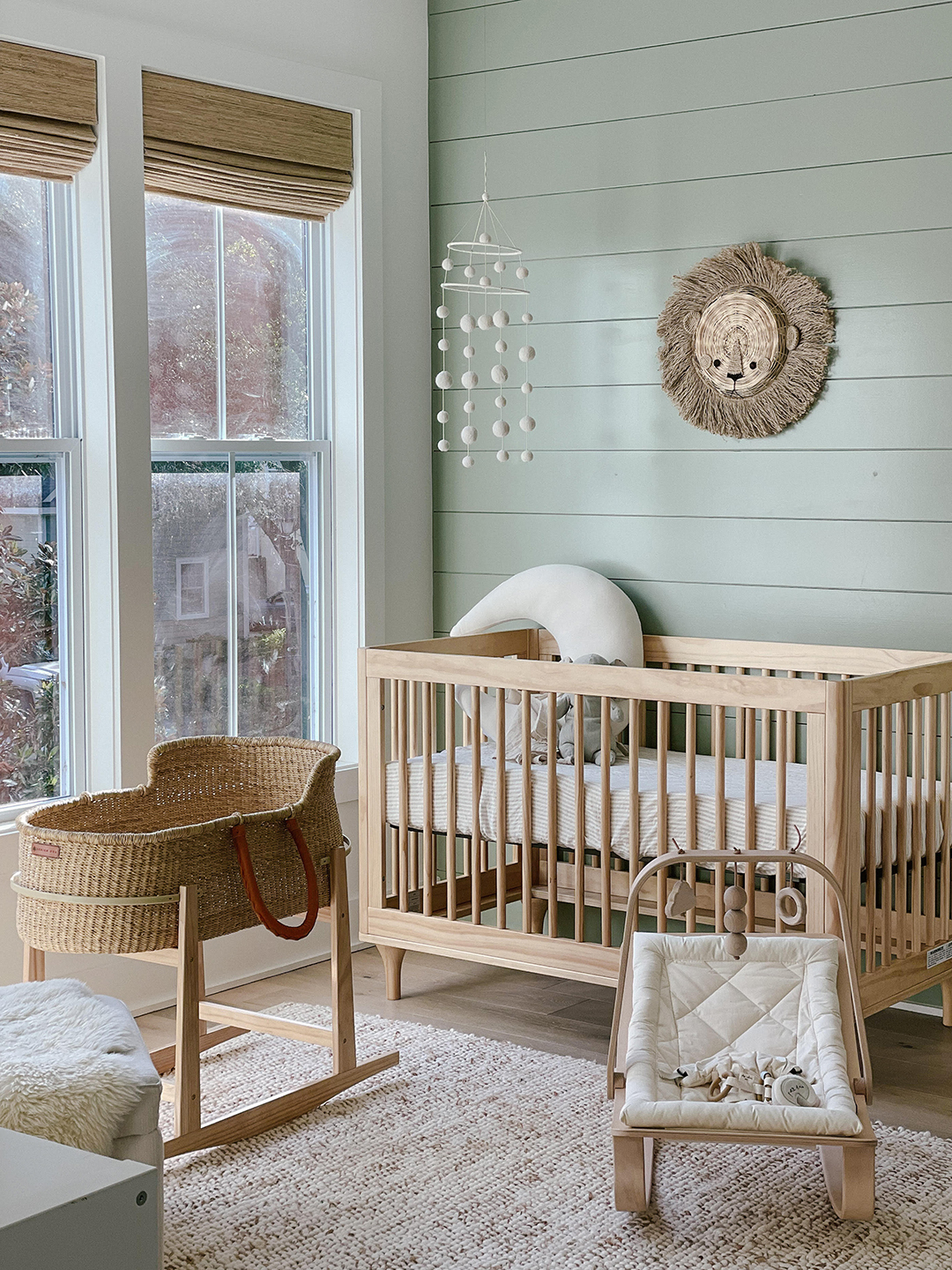
For those seeking a fresher aesthetic, sage green can be beautifully paired with pinks, creams, and whites. This combination can create a whimsical and soft atmosphere, particularly in bedrooms or sitting rooms, especially when accented with linen and rustic elements like rattan. Alternatively, warmer neutrals such as taupe or cream can provide a soft yet defined look. Noell Jett advises experimenting with different combinations to find what best suits the desired aesthetic. The use of sage green wallpaper is another way to introduce pattern and movement, mimicking natural settings with repeated motifs, and allowing for the introduction of accent colors through the pattern. This approach can also create a sense of cohesion when repeated across different rooms.
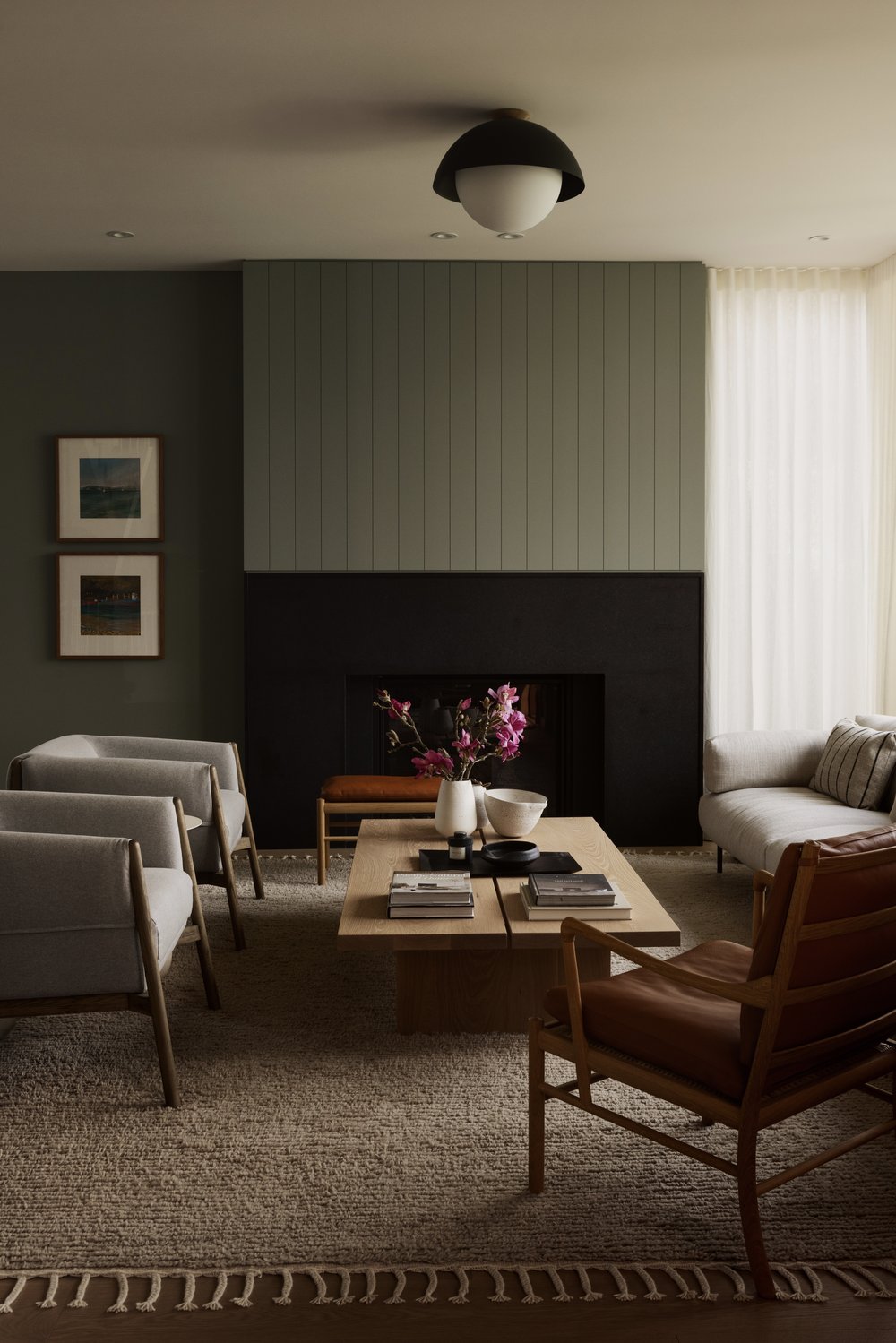
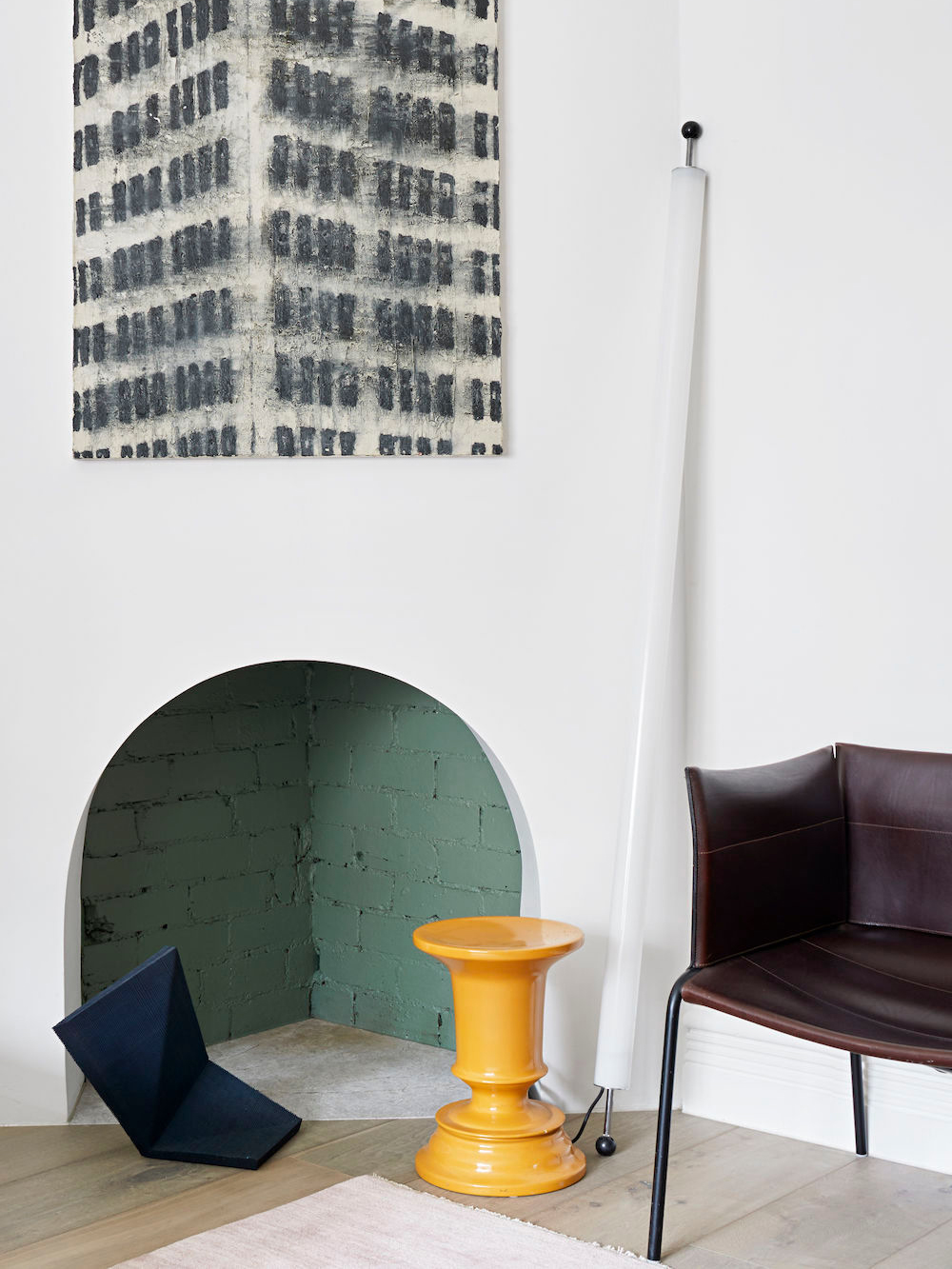
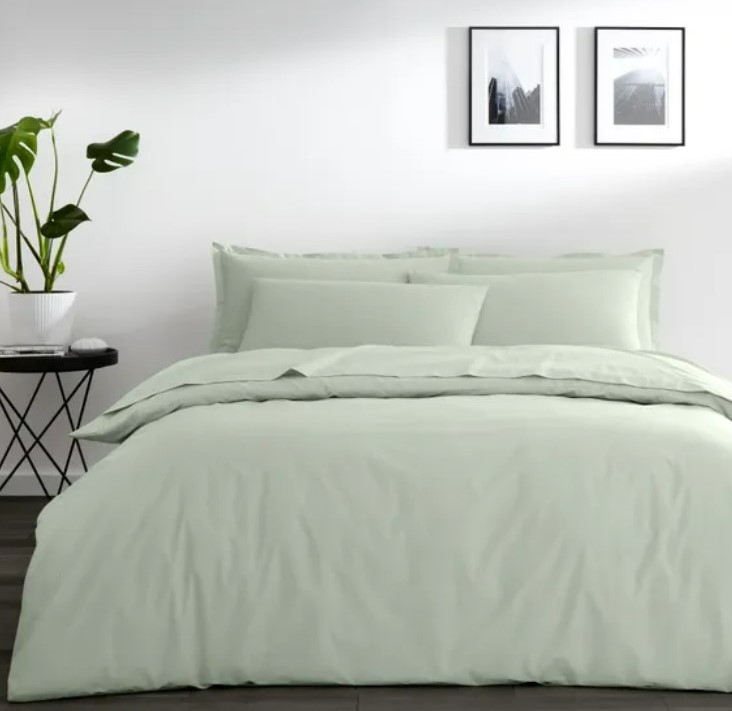
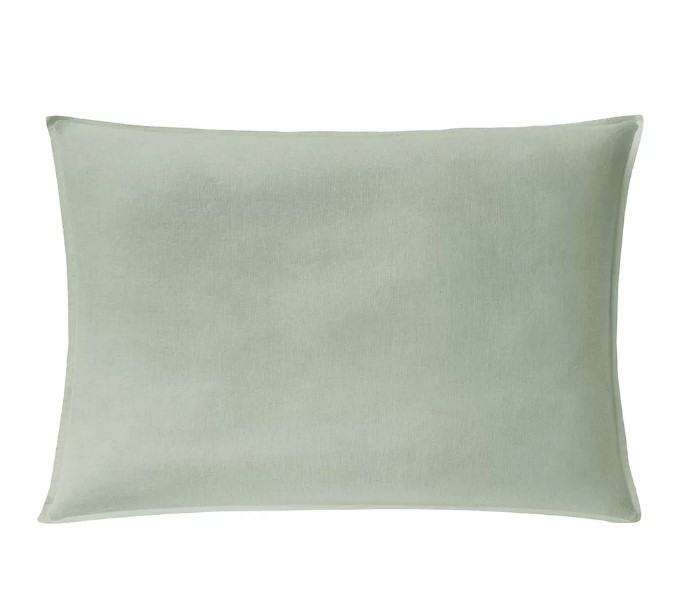
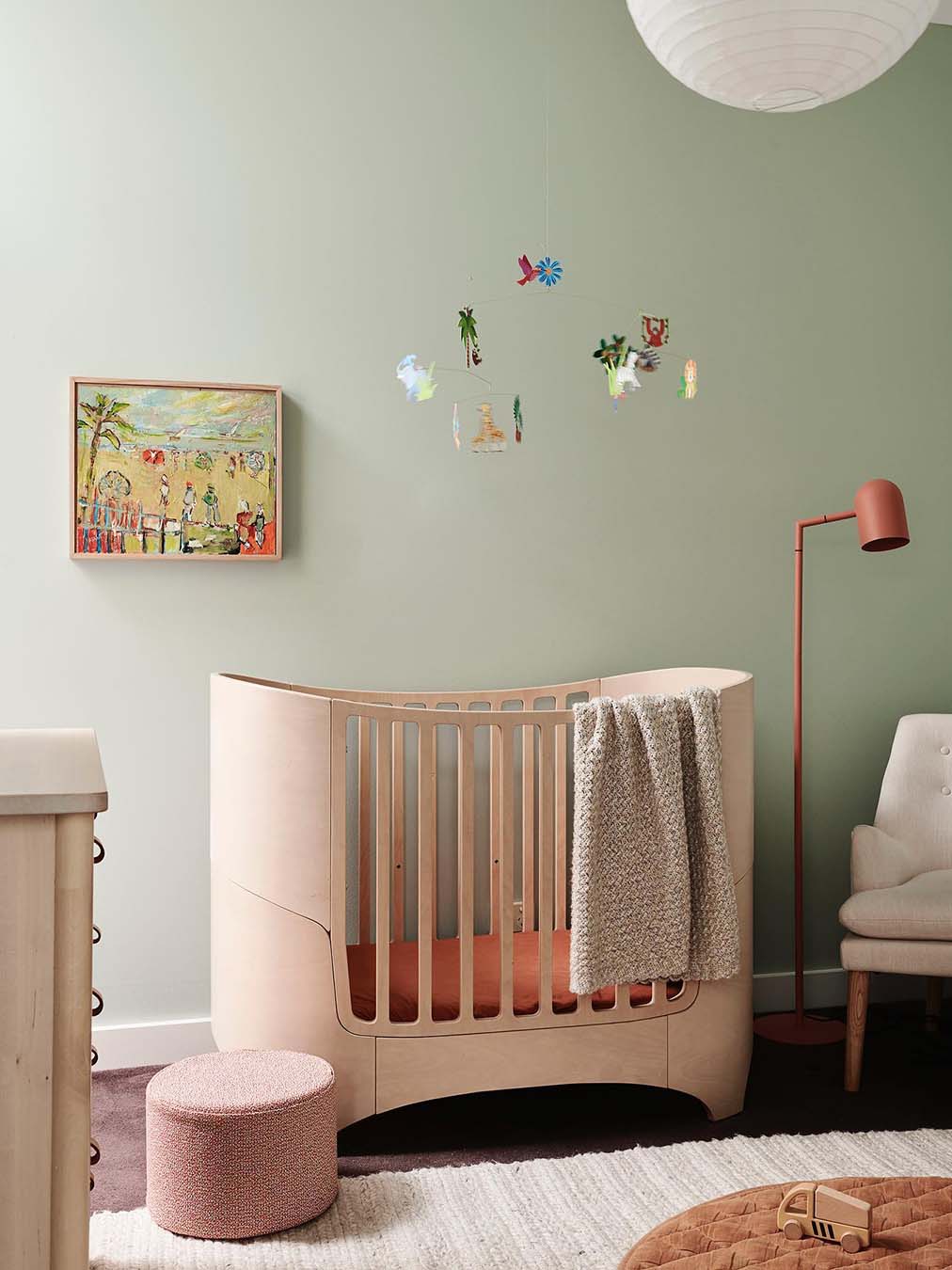
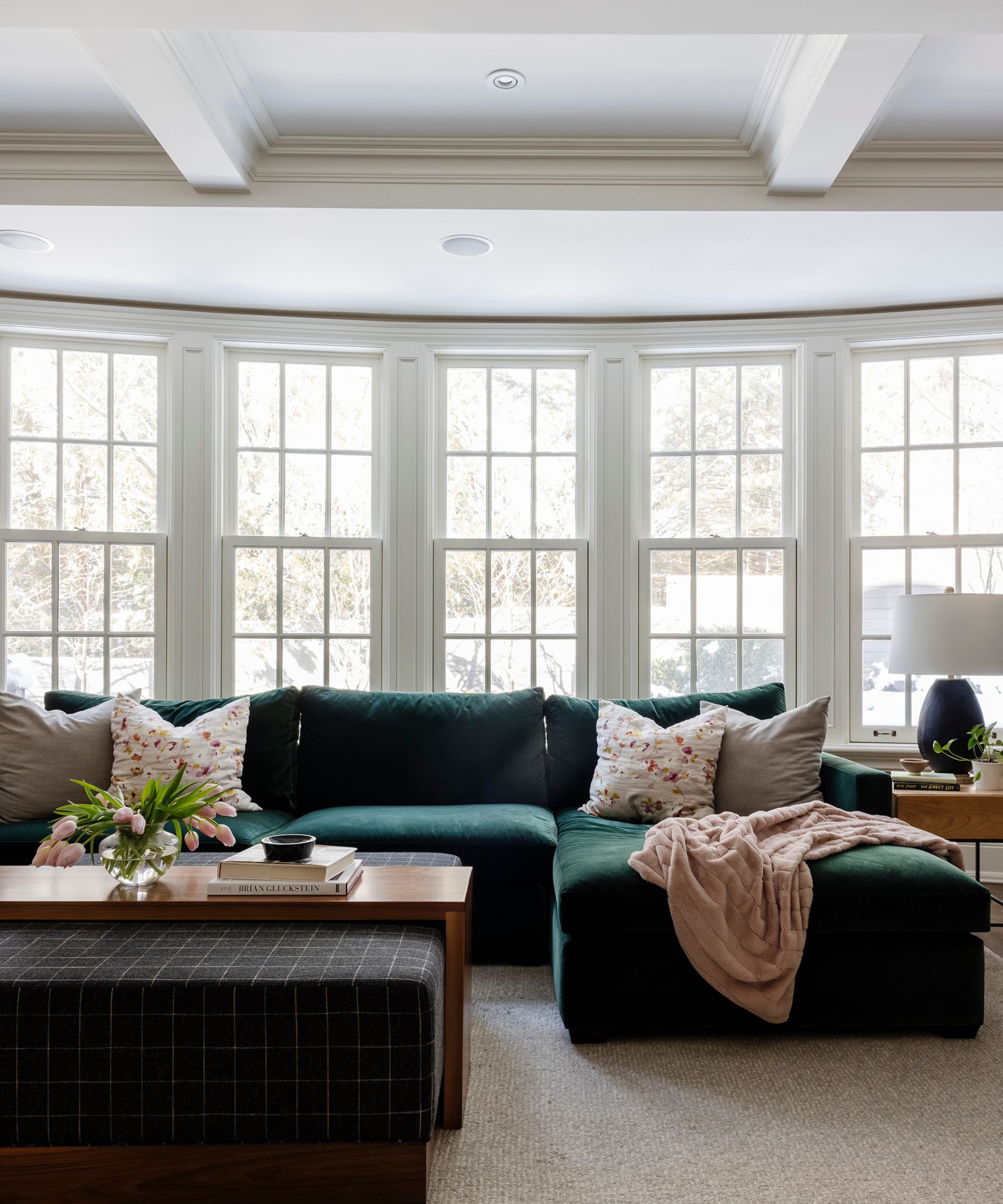
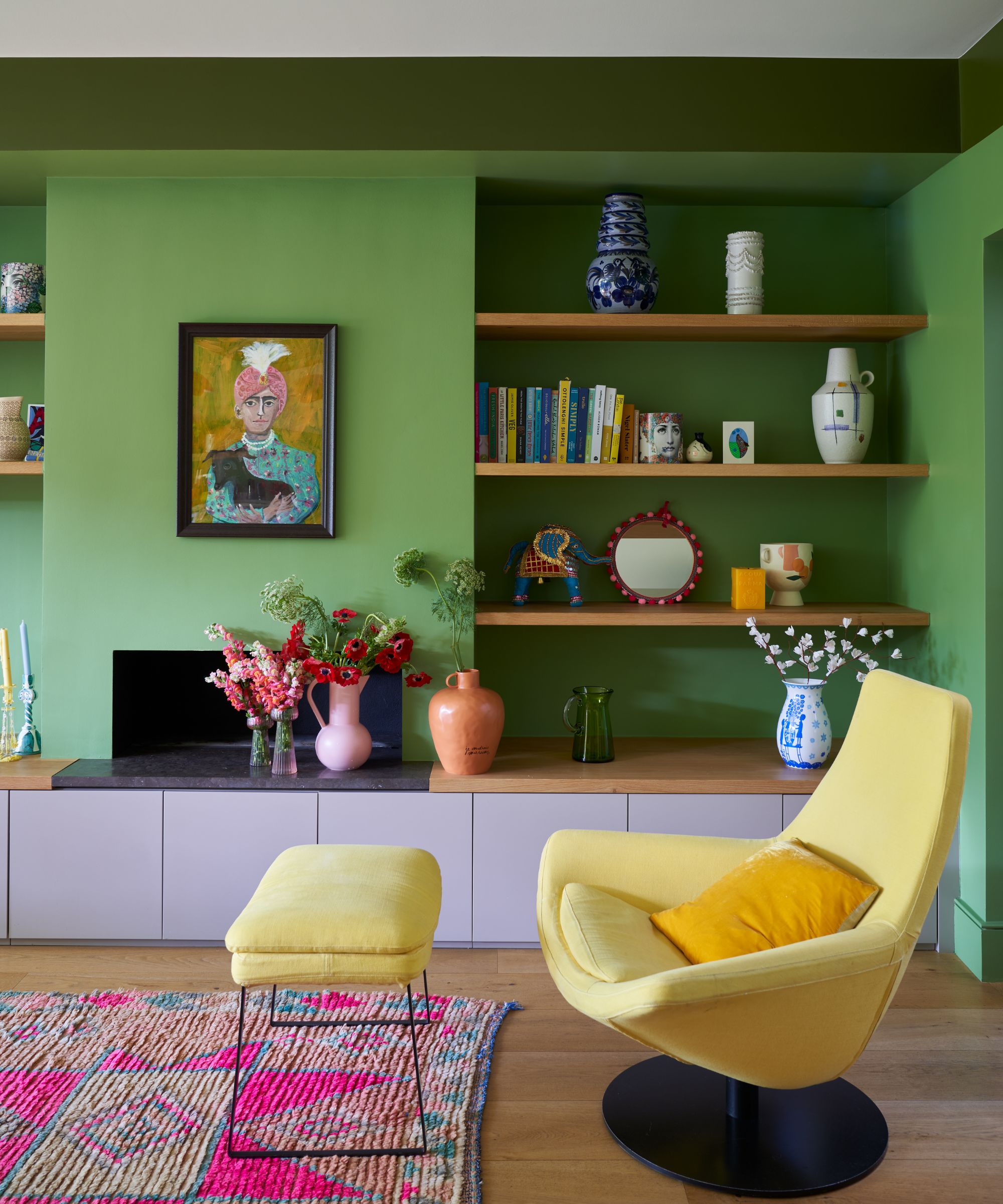
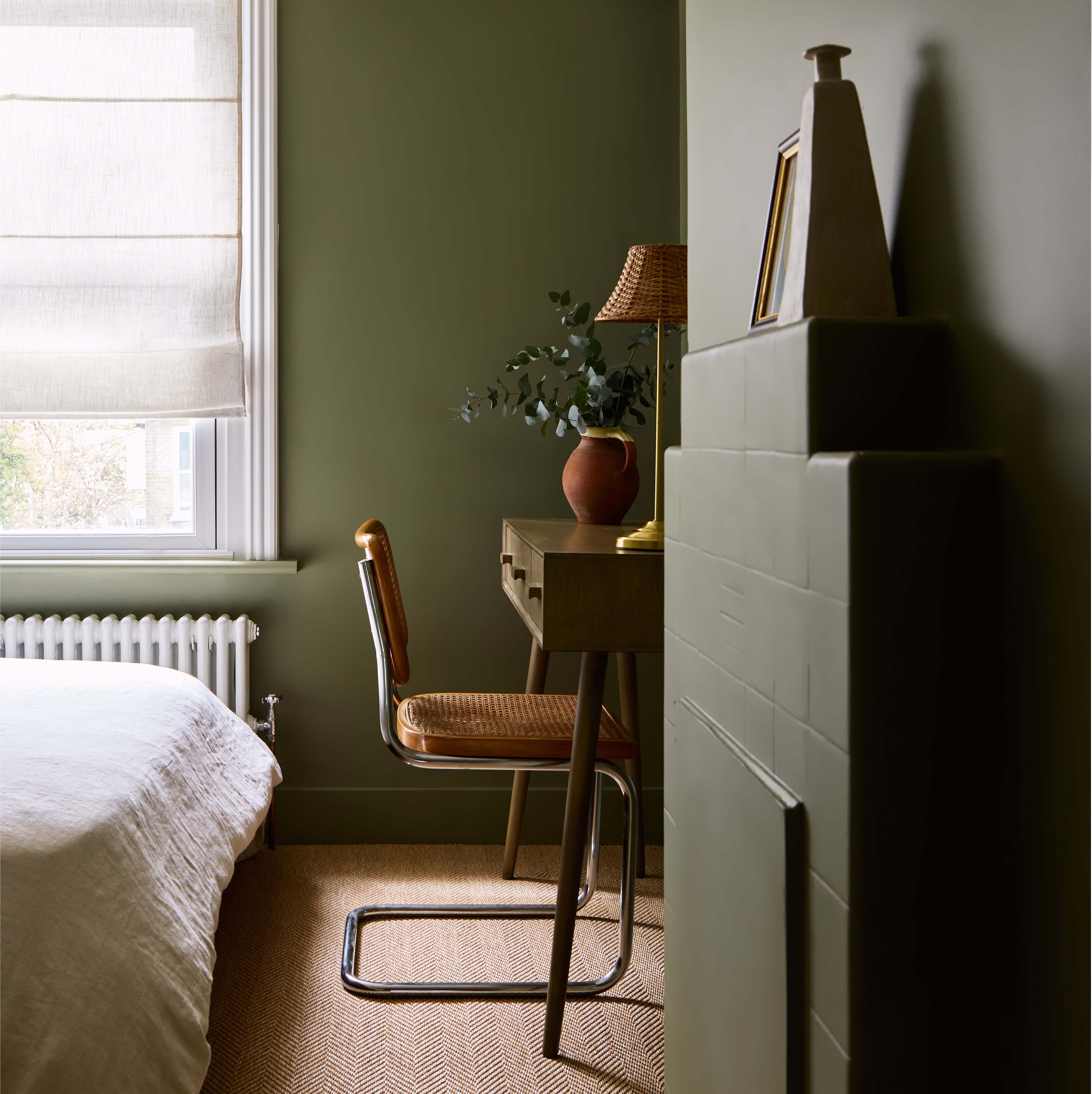
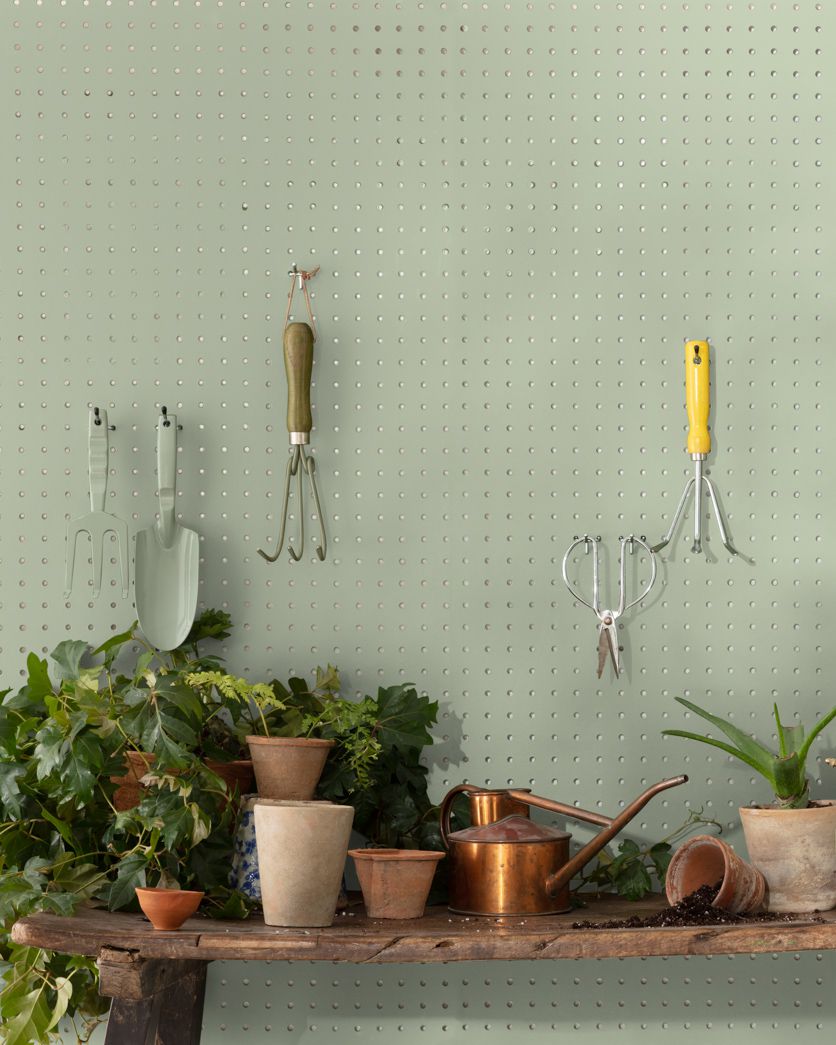
To add a bolder touch, sage green can be teamed with unexpected colors like terracotta and ochre, sometimes with pops of rich burgundy red. This elevates sage green from a safe option to a more assertive design choice. Brands like Article, Rove Concepts, and Zia Tile are increasingly incorporating sage green into their product lines, demonstrating its growing influence. Furthermore, sage green's mutable nature allows it to be used effectively to manipulate light and shade in a room. It can brighten darker spaces like north-facing rooms due to its light-reflecting qualities, while also enhancing a moody atmosphere without being overwhelming. Finally, a tonal approach to decorating by mixing different greens, such as olive green with sage and pine green, can create an interesting and playful scheme. Alternatively, introducing browns or clean creams can add contrast and depth. For those preferring neutrals, warmer tones like cream or taupe are recommended to complement sage green. The color can also be introduced through various accessories like decorative pillows, throws, vases, and small decor items, or in functional items like towels and bath mats in a bathroom.
#SageGreen #InteriorDesign #ColorPairing #HomeDecor #AccentColors #GreenRooms #WallDecor #DesignTips #NaturalPalettes #SageGreen #InteriorDesign #ColorPairing #HomeDecor #AccentColors #GreenRooms #WallDecor #DesignTips #NaturalPalettes
0 comment in total
 No comments yet
You may also like
Designers Swear By These 11 Sage Green Paint Colors

40 Relaxing Rooms That Showcase the Timelessness of Sage Green Paint
This Home Decor Trend Has Proved It’s Here to Stay—Here’s Why We Can’t Get Enough
25 Sage Green Bedrooms That Will Put You At Ease

10 Sage Green Room Ideas That Ooze Serenity, Sophistication, and Style

These Dreamy Sage Green Bedroom Layouts Will Make You Feel Serene

15 Sage Green Paint Colors These Design Pros Swear By

Sage green nursery ideas - inspiring ways to use this colour in your baby's room
10 Sage Green Decorating Ideas That Feel Very 2020

15 Best Sage Green Paint Colors for Every Room

What colors go with a green couch? 6 professionals reveal their perfect color combination
It’s a Whole Mood in These 10 Sage Green Kids’ Rooms

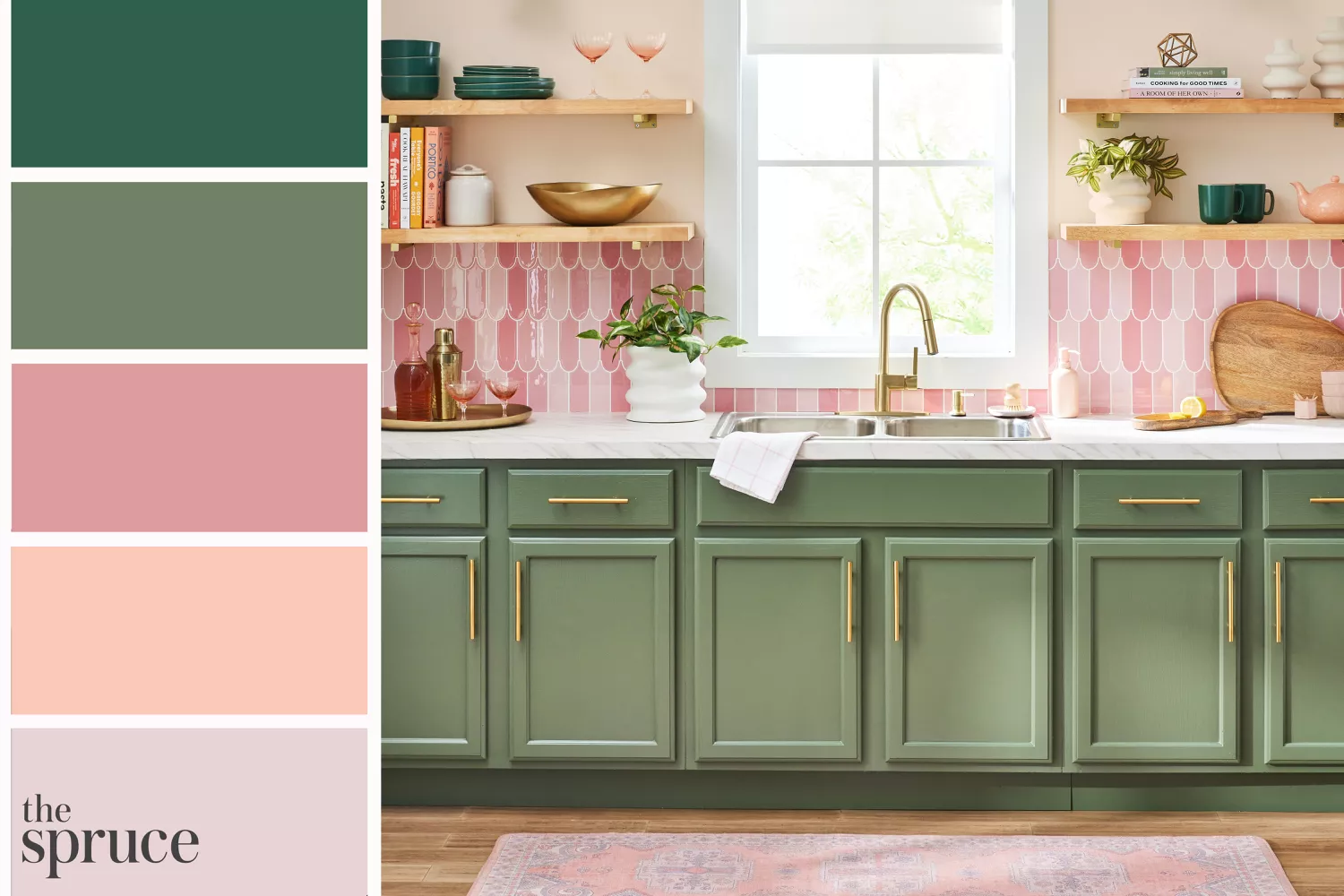
These 10 Colors Are Perfect Complements to Sage Green in Your Home
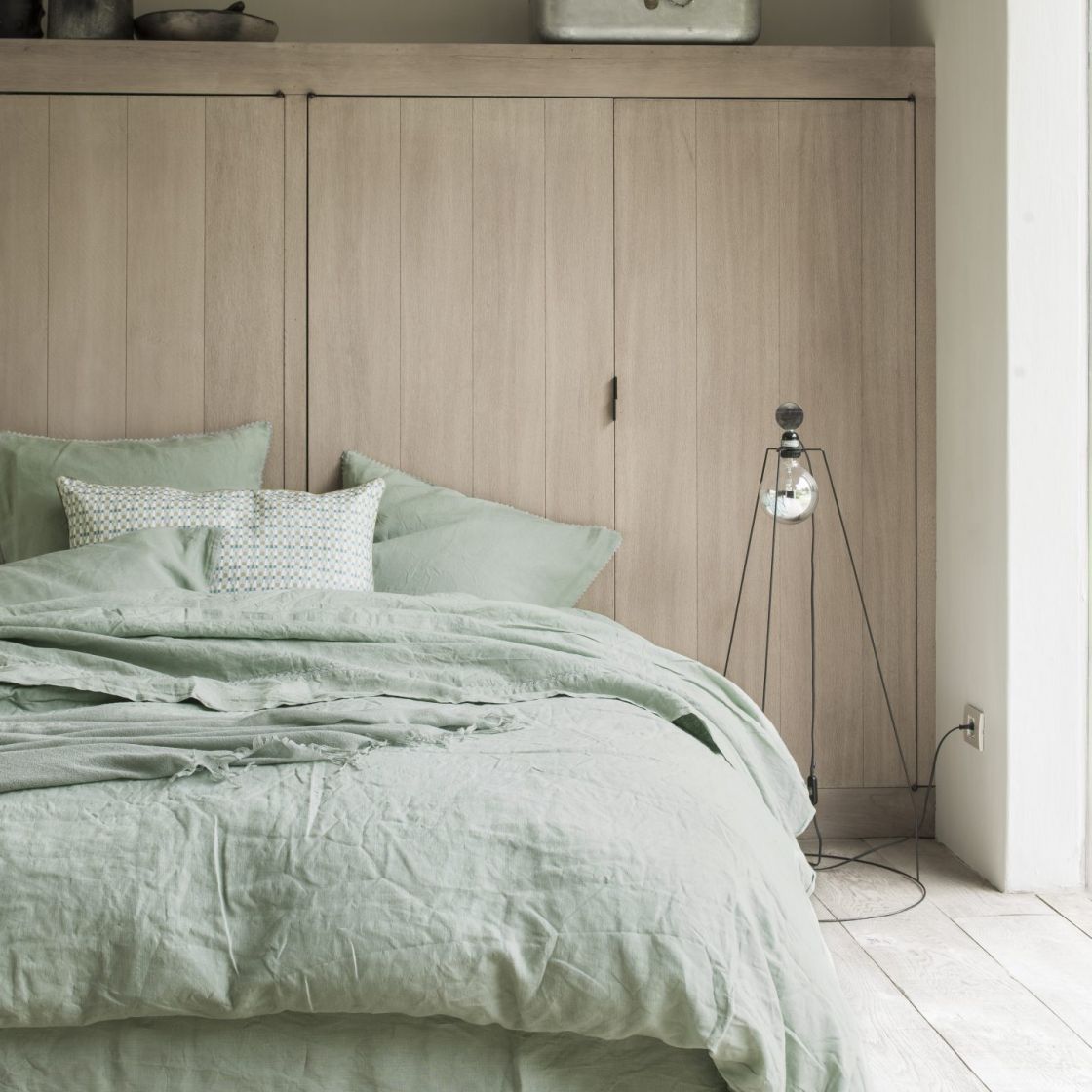
How to style sage-green bedding, according to interiors experts
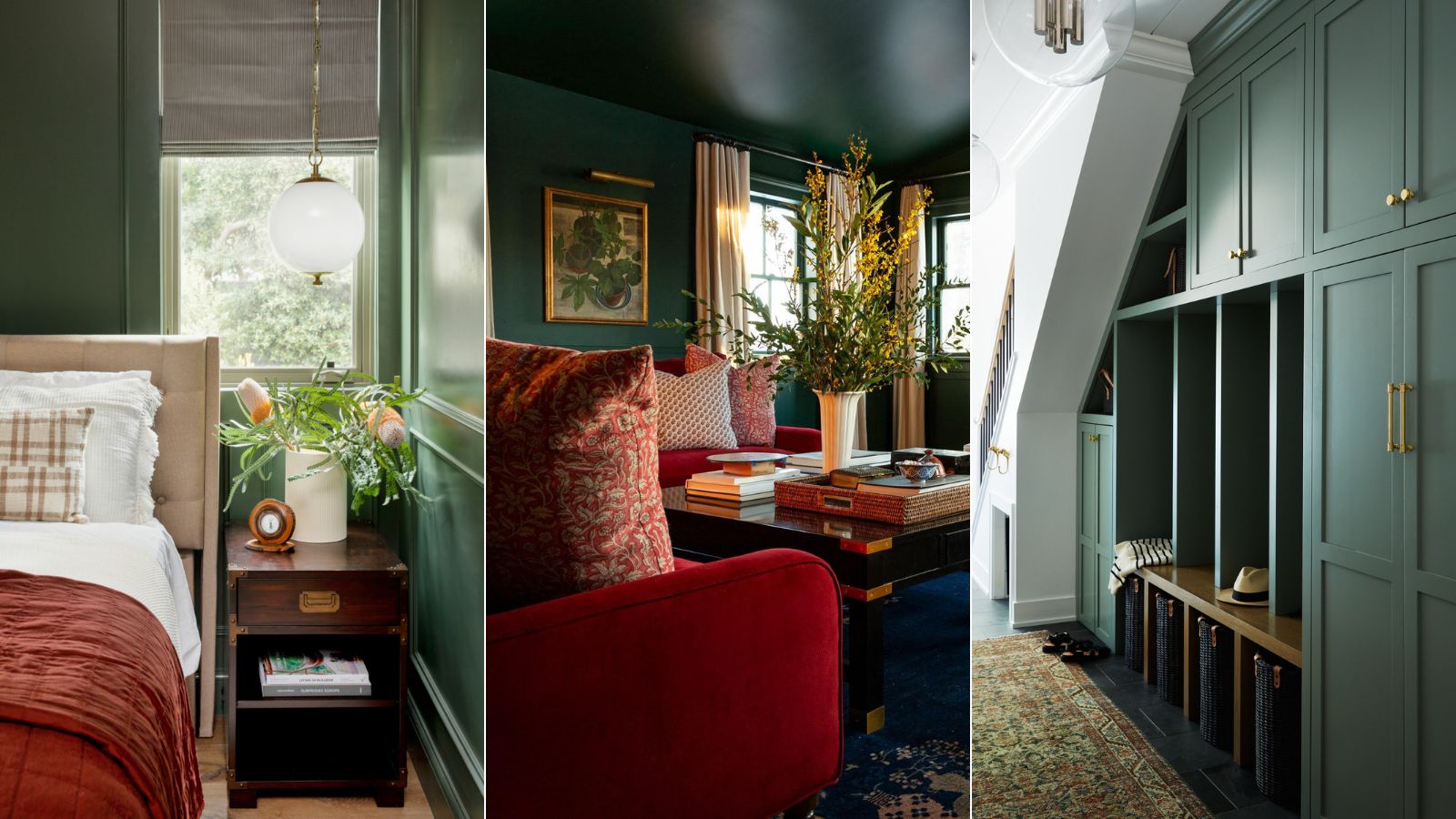
5 best green paints that will always be classics, according to interior designers
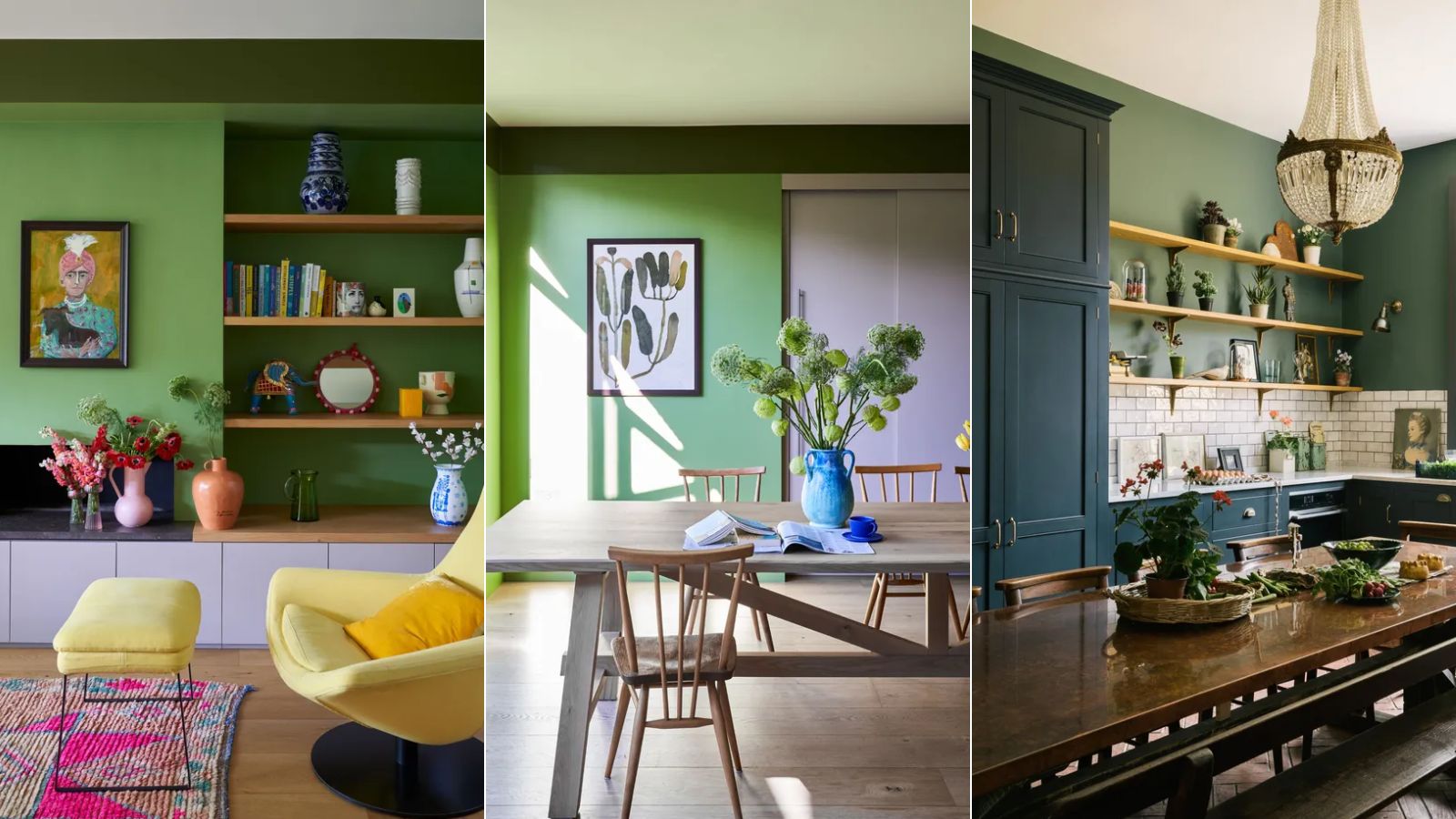
5 colors to never pair with green according to designers – and what to use instead
What colors go with green? Professionals propose these harmonious pairings for successful schemes
7 Sage Green Nursery Ideas, So That at Least One Spot in Your House Feels Calm | domino

'I am seeing this unexpected color combination everywhere' – here's why designers love the 'should never be seen together' pairing of sage green and pale blue
21 Stunning Sage Green Kitchens That Are Trendy Yet Timeless