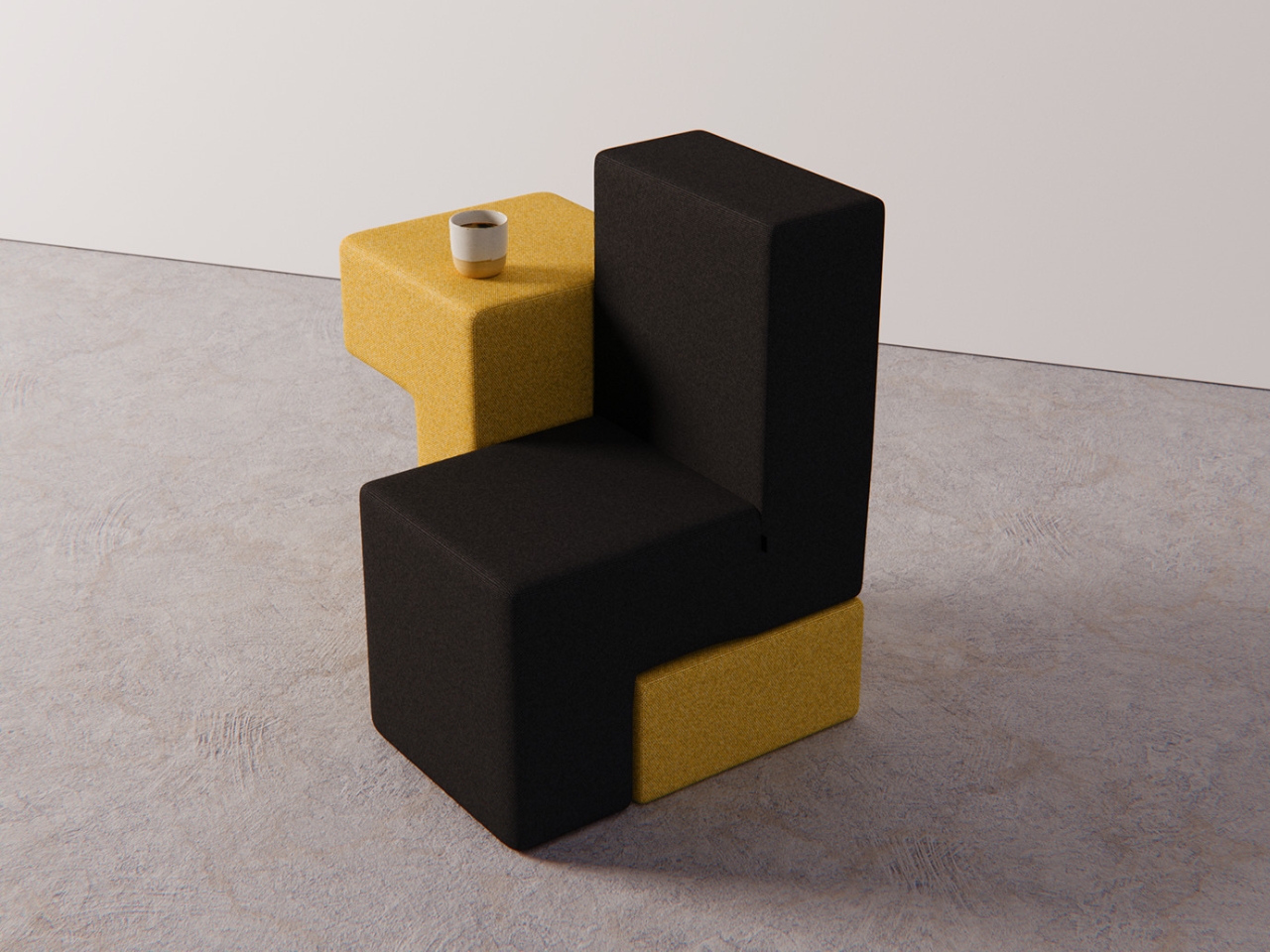
Sitter Chair brings together two puzzle pieces to create a seat and side table
The Sitter Chair, conceptualized by designer Liam de la Bedoyere, redefines the perception of functional seating through its innovative and minimalist design. This concept challenges traditional notions of chairs as mere utilitarian objects, instead presenting them as creative and unique design pieces. The core of the Sitter Chair's design lies in its elegant simplicity: it consists of two L-shaped modules that interlock, serving simultaneously as a seat and a side table. This modular approach allows for the transformation of a single geometric form into a versatile furniture solution.
Initially conceived as a 3D-printed chair, the Sitter Chair has evolved into a tangible product that blends high-tech manufacturing principles with traditional comfort. The design journey from a digital prototype to a fabric-covered piece highlights an interesting intersection of modern design and tactile aesthetics. The chair’s construction involves two chunky, L-shaped modules that fit together seamlessly, akin to adult-sized building blocks, without the need for complex mechanisms like hinges or screws. This Tetris-inspired design philosophy imbues the chair with both practicality and a playful character.
Visually, the Sitter Chair makes a distinct statement through its chosen color palette. One module is presented in a vibrant mustard yellow, while the other features a deep charcoal gray. Both sections are enveloped in a soft, woolly fabric, creating an unexpected textural contrast with the otherwise sculptural and somewhat brutalist form. This fabric covering serves a dual purpose: it softens the chair's robust geometry while maintaining its architectural integrity. The result is a piece of furniture that appears as though it could have originated from a 3D printer and subsequently been upholstered, offering a unique aesthetic that balances structured form with inviting comfort.
The functional aspects of the Sitter Chair are thoughtfully integrated into its modular design. The yellow section is designed to function as a side table, distinguished by a unique cut-out leg, providing a surface for items like drinks or books. The darker module forms the main seating component, characterized by its exaggerated block geometry. When combined, these two pieces create a cohesive unit that provides comfortable seating and a convenient surface. The chair is designed for static use, emphasizing its role as a stable and stylish fixture rather than a reclining or swiveling one. This emphasis on elegant simplicity demonstrates that innovative design can be achieved through straightforward and collaborative integration of form and function, moving away from overly complex furniture solutions.
#Chair #ConceptDesigns #Modular #SideTable #FurnitureDesign #InteriorDesign #ProductDesign #ModernFurniture #Chair #ConceptDesigns #Modular #SideTable #FurnitureDesign #InteriorDesign #ProductDesign #ModernFurniture
0 comment in total
 No comments yet
You may also like
Nesting stools that also transform into the occasional side table
A Geometrical Side Table That Resembles a Trolley Cart

An Unusual Furniture Design Niche: Behind-the-Sofa Consoles

My Favorite Designer Swears By the “4-Inch” Rule for Seating in Every Room of the House

New Dining Chairs Bring Support and Comfort to the Table

Mizetto Turns Modern Modular Seating Into Precious Cargo
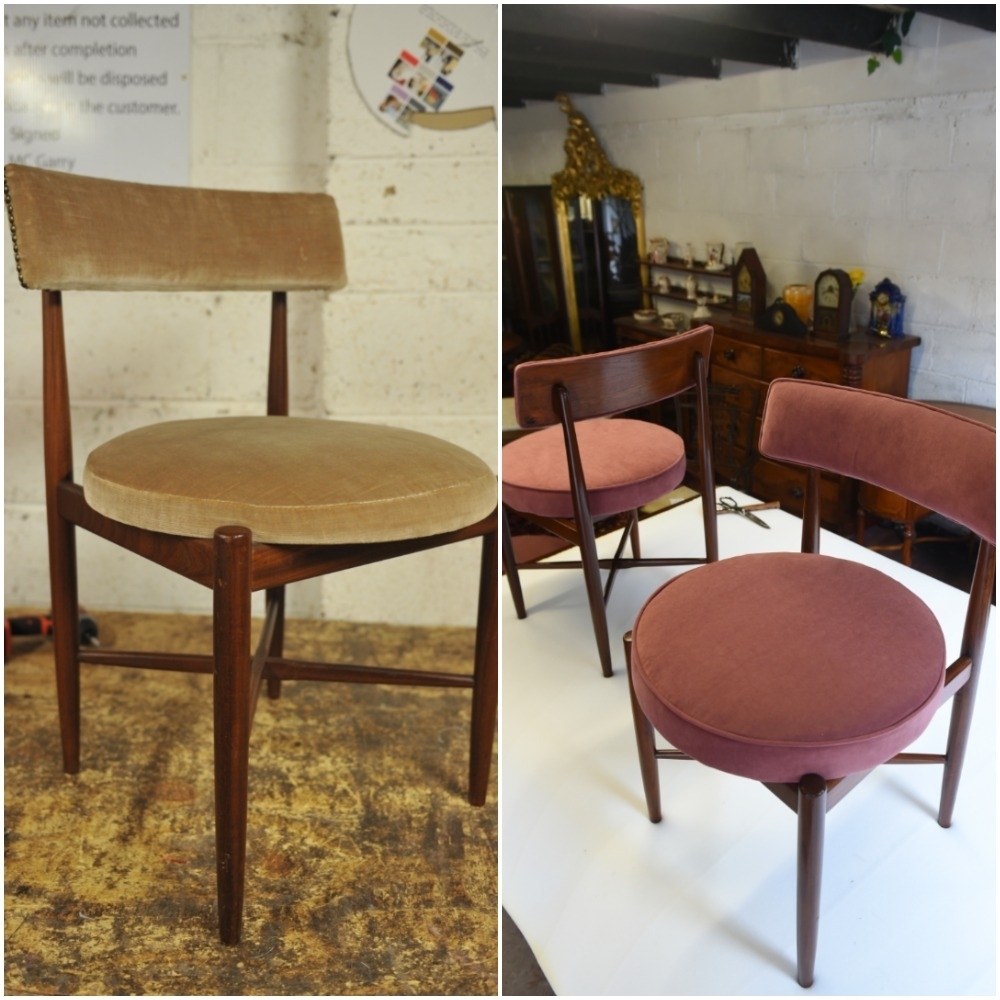
In the pink: Four old dining chairs get a makeover
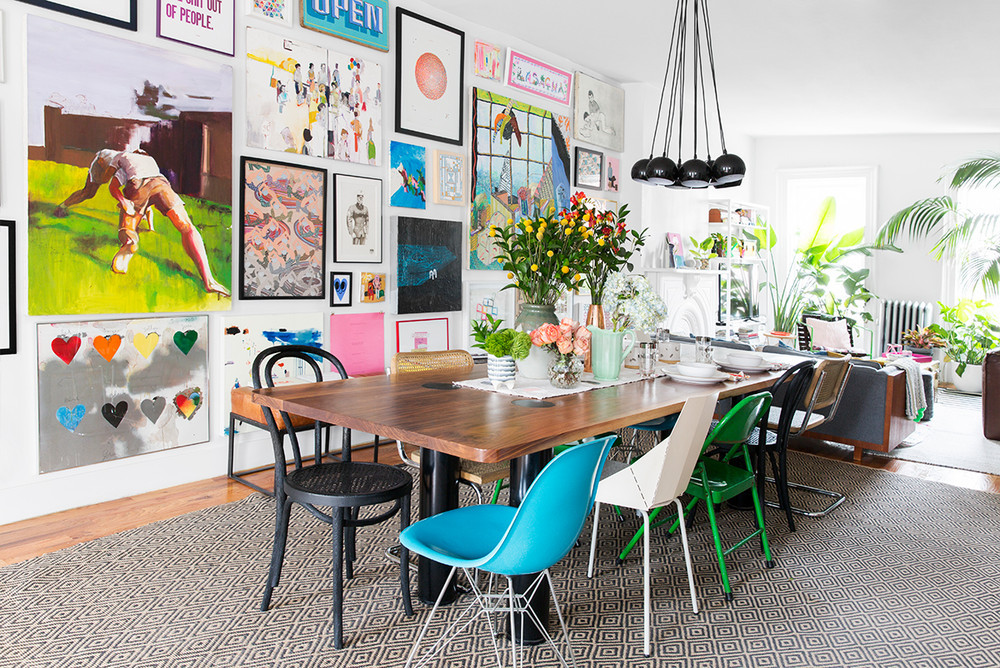
How to Mix and Match Your Dining Room Chairs and Actually Pull it Off
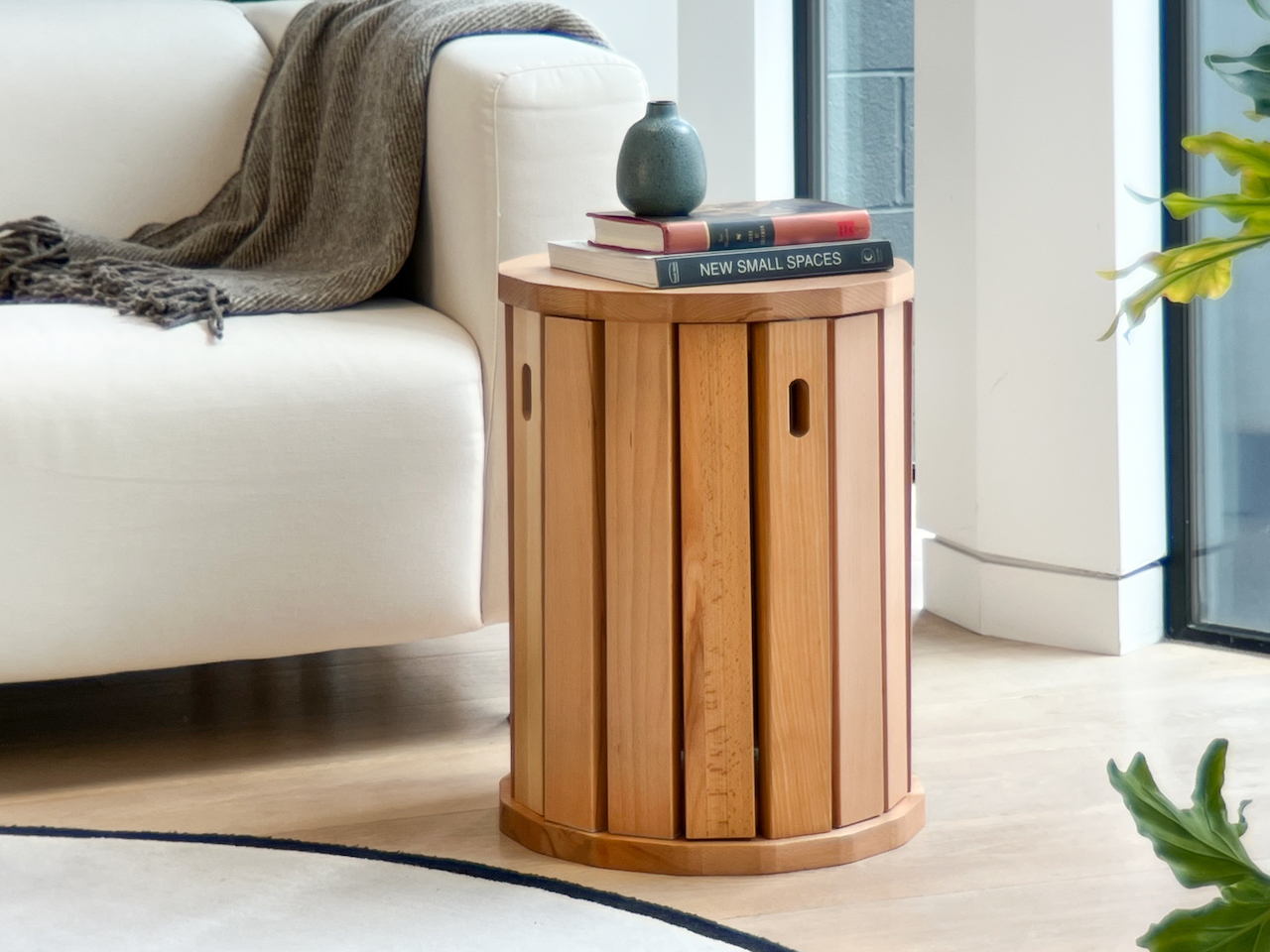
Otelier’s Wooden Side Table Cleverly Turns Into Four Stools
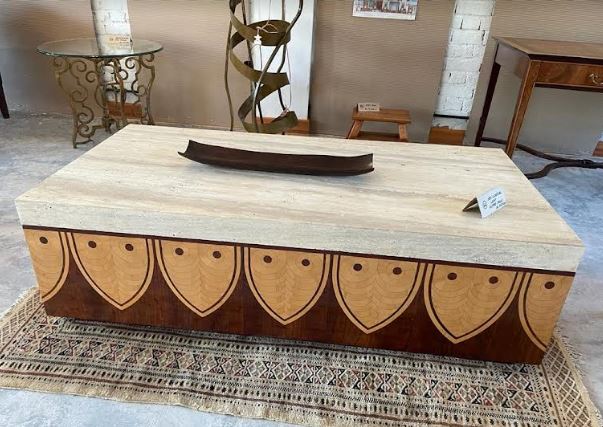
Pieces of wooden furniture on display

True seating collection by True Design
This flat-pack bench/coffee table is made up of just two parts

JSN design assembles diamond-shaped tiles into chair
7 best kids’ tables and chairs that will encourage them to get creative

This Chair Can Shape-Shift

Hot couch with recliner and chaise lounge 2026 Sofas with Recliner and Chaise Foter


Furniture Boards

The One Unexpected Seating Style Designers Call Their ‘Secret Weapon’ for a More Social Living Room This Hosting Season

Side table extends from base of Rise sofa by Note Design Studio
multifunctional furniture ‘DICE’ is a wooden stool, coffee table, leg bench and lamp at once