1/3
Flip sequins are the weird, glitzy fabric that kids can’t get enough of
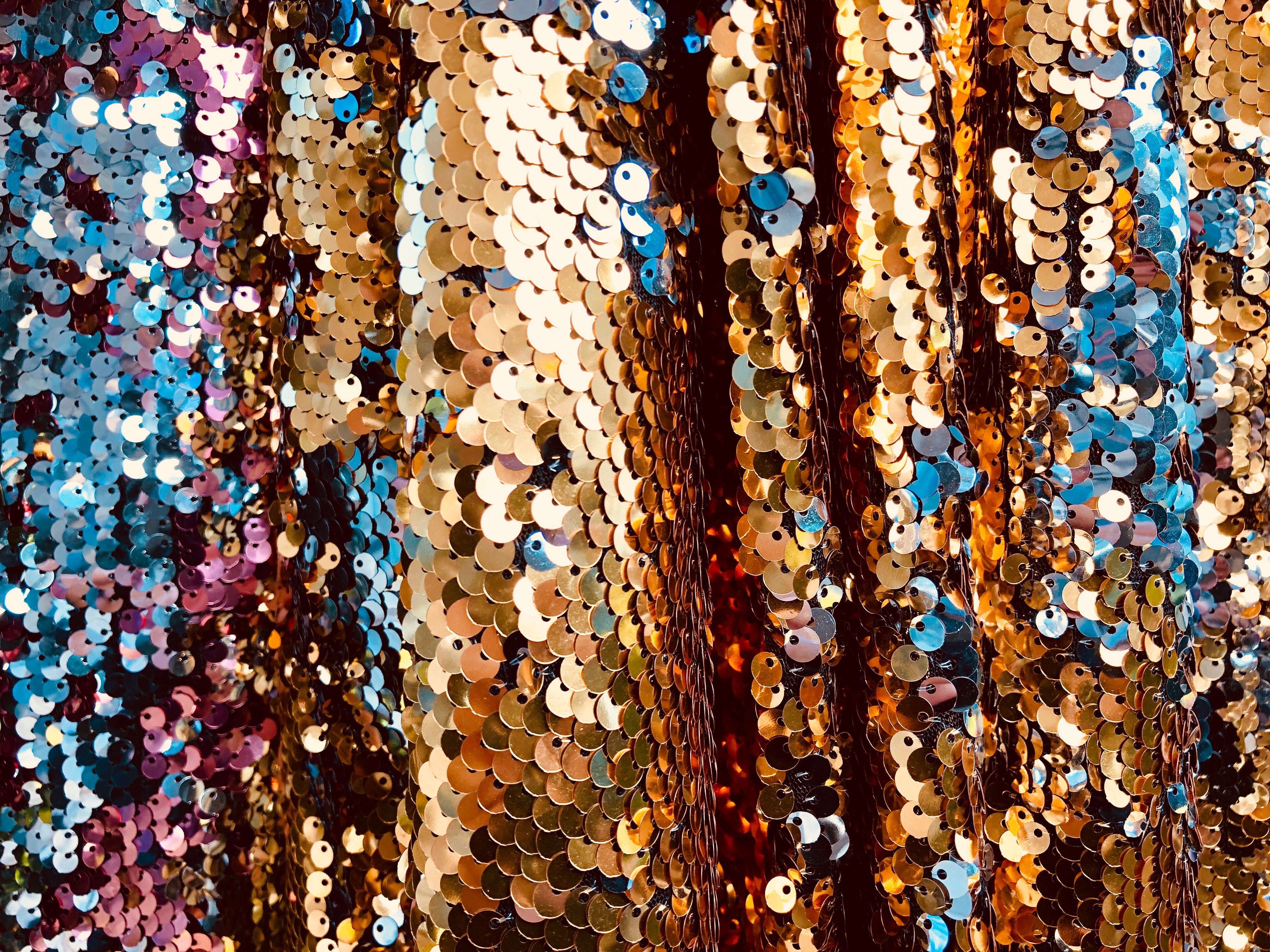
Flip sequins, also known as reversible sequins, have rapidly gained popularity, particularly among children and tweens. This glitzy fabric allows users to change its color or pattern by simply brushing the sequins in a different direction. The phenomenon has spread across various products, including clothing, pillows, and even custom portraits. The appeal of flip sequins stems from a combination of visual stimulation and tactile satisfaction, offering a sensory experience that resonates with children's natural inclination towards vibrant colors and constant touching.
The history of sequins reveals a journey from ancient coins sewn into clothing for safekeeping to modern, mass-produced embellishments. Early sequins were heavy and expensive, made from real metal. The 1920s saw the introduction of electroplated gelatin sequins, which, while innovative, often melted under heat. Significant advancements in material processing during the mid-20th century led to more durable sequins, with Eastman Kodak producing acetate sequins in the 1930s and Mylar enabling machine-washable sequins by the 1950s. Today, sequins are typically made from vinyl plastic, known for its lightness and affordability, making them suitable for both eveningwear and everyday attire.
The concept of flip sequins emerged in 2011 with a Chinese patent describing a "moveable sequin embroidery composite structure." This patent detailed a method for arranging sequins in an overlapping, reversible manner, allowing users to create different patterns by manually manipulating the sequins. This innovation promised to make clothing bright, changeable, fashionable, and attractive. It took approximately five years for this technology to reach the mainstream US market, where it was embraced by major tween retailers such as Justice, Claire’s, and The Children’s Place, which now dedicate entire sections of their websites to flip-sequin products.
The versatility of flip sequins is evident in their application across a wide range of items, from apparel like pajamas to home decor items like pillows and throws. Retailers highlight the products' appeal through their sparkle, popular themes, and tactile nature, emphasizing the interactive fun they offer. Parents often note the sensory benefits, particularly for children with sensory issues, as the act of smoothing the sequins provides a calming and engaging activity. The immediate gratification of restoring a chaotic image to an orderly form with a simple touch is a significant part of their charm, akin to brushing a suede sofa cushion but with an added element of glamour.
Despite their widespread appeal, some observers suggest that the novelty of flip sequins might be fleeting, similar to other ephemeral trends like fidget spinners and hoverboards. While they remain popular, there are indications that the peak of the fad may have passed, with some educators observing a decrease in their prevalence compared to previous years. Nevertheless, for those seeking a unique and interactive form of expression, flip-sequined items, such as custom portraits available on platforms like Etsy, offer a way to engage with the material and its inherent duality.
#FlipSequins #ChildrensFashion #SensoryExperience #RetailTrends #TextileInnovation #HomeDecor #KidsProducts #FlipSequins #ChildrensFashion #SensoryExperience #RetailTrends #TextileInnovation #HomeDecor #KidsProducts
0 comment in total
 No comments yet
You may also like
These Dynamic New Fabrics Will Make Any Room Come Alive
This Textile Line Pairs Timeless Patterns With Trippy Color Combinations


SilverScreen Roller Blind Fabrics

The Jewel-Toned Fabric Trend That's Replacing Boucle Furniture
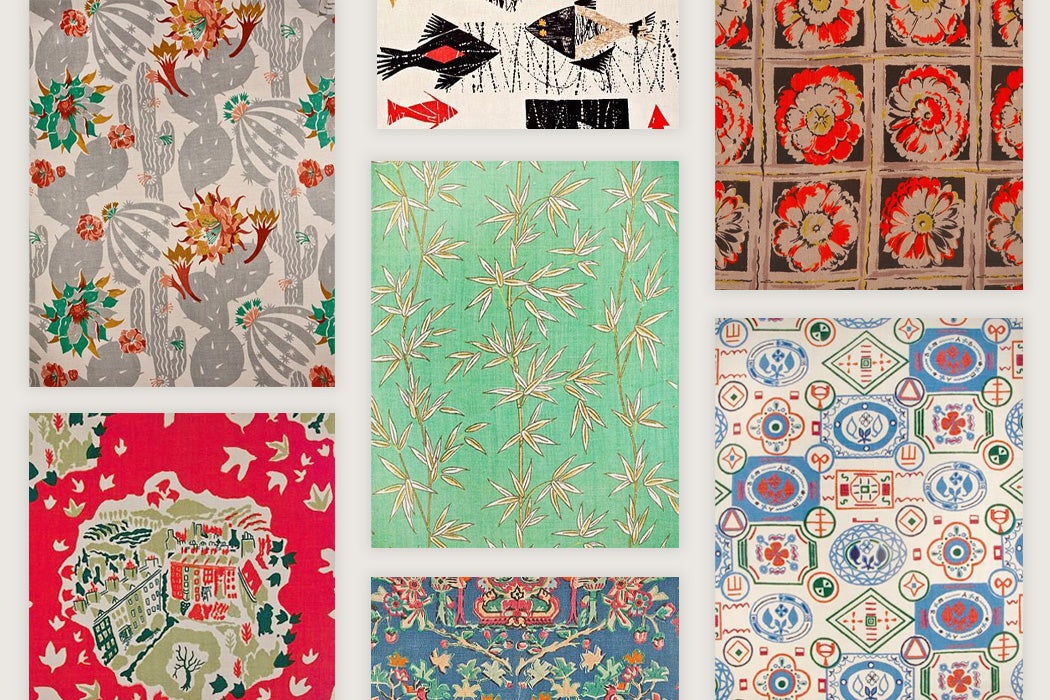
Fall in Love with Fabric Samples

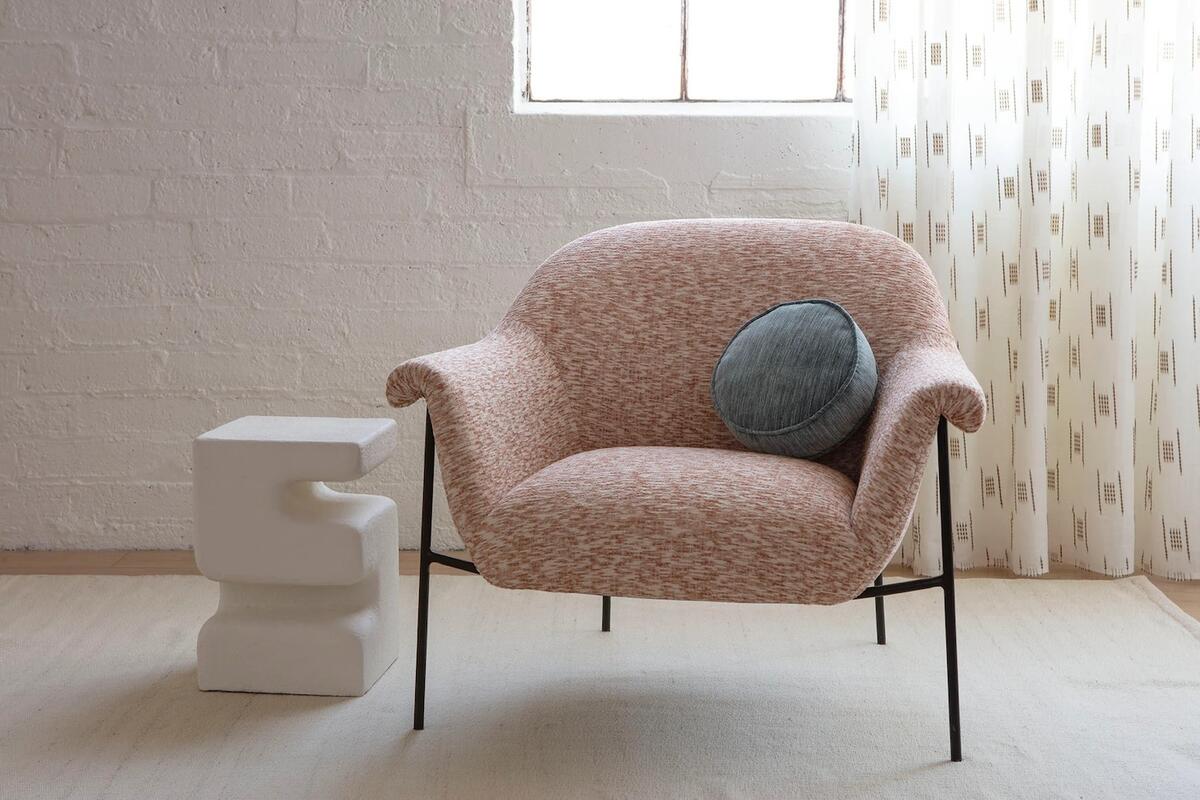
Far out: 8 space dye–inspired fabrics for a trippy touch

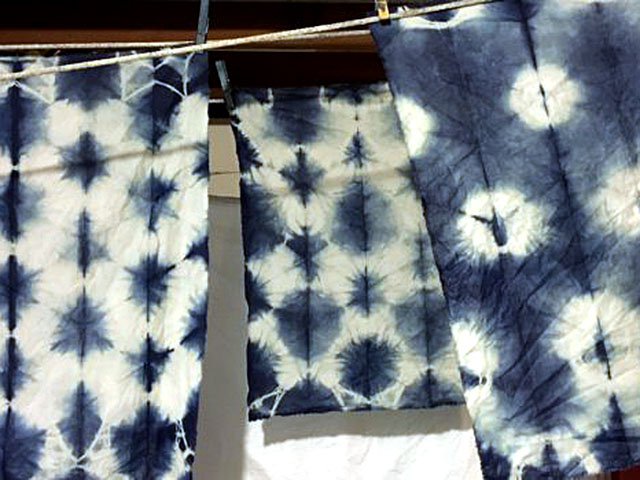
Beyond tie-dye

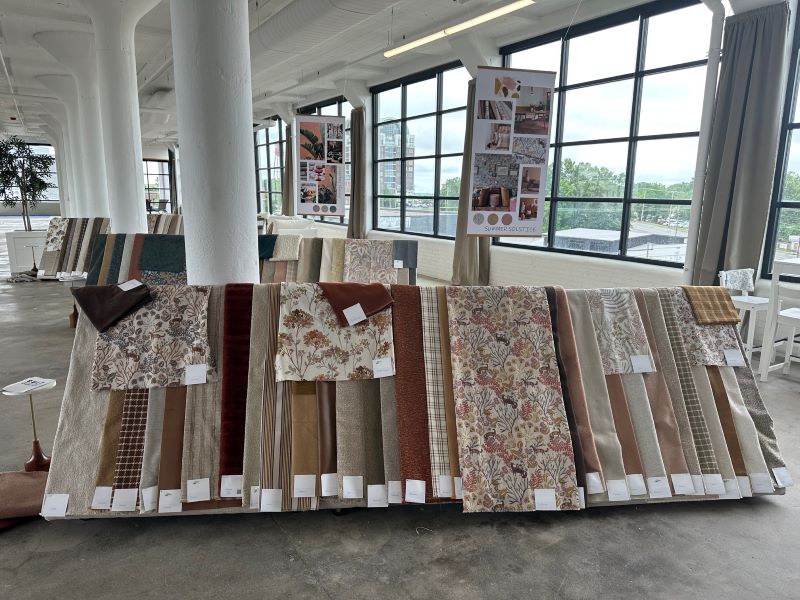
Seen at Interwoven May 2024

Bouclé Fabric Is Back

The Internet Is Raging Over This Mom’s “Sad Beige” Christmas Tree Toy Makeover
Graypants’ Scraplights Transforms Cardboard into Elegant Lighting
Why we need soft textures right now

Quilts That Play with Color and Pattern

32 Spectacular Fabrics and Trims Coming to Market This Year
The New Fabric Launches Worth Knowing About

These Cute Fiber Craft Kits Are a Cure for Doomscrolling
Fluff Stuff

Flamestitch fabric is back in vogue, here's how to use it
It’s fancy blanket season
Innovations in Smart Textiles Transforming Home Décor