1/5
How to reuse old pillows in the garden – 5 ways to repurpose a pillow that's past its best
This article explores five practical and eco-friendly ways to repurpose old pillows in the garden, offering solutions for items that might otherwise be discarded. It emphasizes that while pillows don't last forever, their components can be given a new lease of life, provided the right type of filling is used for specific garden applications. The piece highlights the importance of considering the pillow's filling when deciding on a reuse method, drawing parallels to the careful consideration required when repurposing old mattresses in the garden.
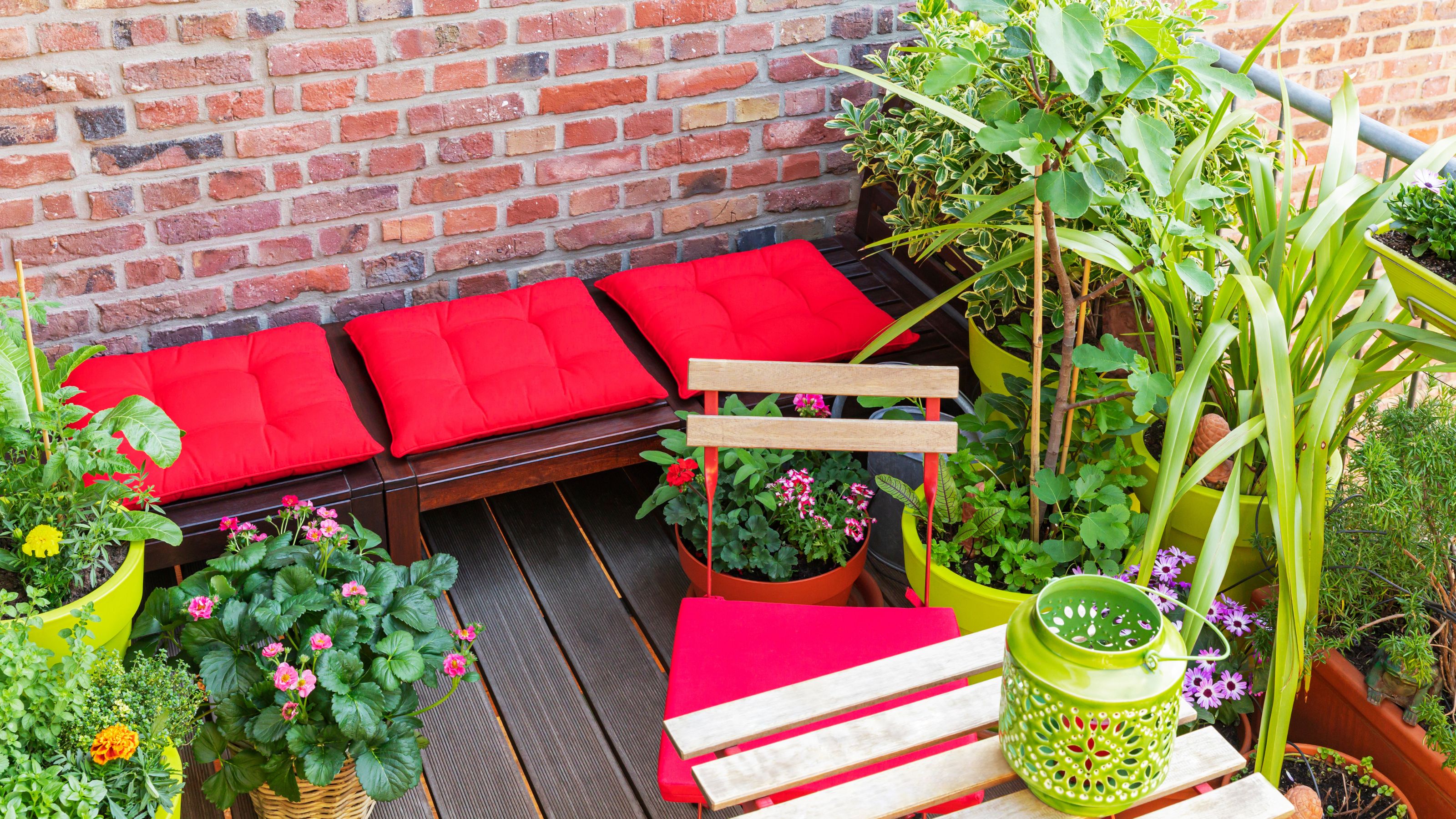
The first suggestion involves transforming old pillows into outdoor cushions. This can be achieved by using them as fillers for new or existing outdoor pillows and floor cushions, enhancing comfort for garden furniture. The author notes that almost any pillow filling is suitable for this purpose, with the caveat that cushions should be brought indoors during inclement weather to prevent dampness. Alternatively, gardeners can create waterproof or water-repellent covers for their old pillows, making them suitable for year-round outdoor use.
Secondly, old pillows can be repurposed as kneeling pads, a crucial tool for gardeners. By covering them with waterproof, UV-resistant fabric, these pads protect knees during prolonged periods of planting or weeding. A simpler method involves placing a pillow inside a waterproof plastic bag for immediate protection against rough surfaces like stones and gravel. This application is particularly effective for memory foam pillows, which conform to the knees for enhanced comfort.
The third method involves using pillow stuffing for insulation. This can be utilized between the external and internal walls of structures like summer houses or studios to improve thermal efficiency. Additionally, the stuffing can serve as insulation around plants in greenhouses, offering protection against frost, a vital consideration for plant care during colder months.
Fourthly, the article suggests boosting rain harvesting capabilities with old pillows. Pillows filled with absorbent materials, such as wool, can be placed at the bottom of planters, beneath the soil layer. This helps to retain water, a beneficial strategy for water conservation, especially in dry climates or during hot spells. This method contributes to sustainable gardening practices by maximizing water retention.
Finally, natural pillow fillings can be used to enrich garden soil. This method requires careful selection, as only pillows filled with biodegradable natural materials like feather, down, or wool are suitable. These natural fillings can be torn open and mixed into garden borders and raised beds to improve soil quality. A critical warning is issued against using synthetic fibers such as polyester, microfibre, hollowfibre, or memory foam for soil enrichment, as these materials do not break down and can harm the environment. The article concludes by encouraging readers to consider these innovative garden ideas before discarding old pillows, promoting a more resourceful approach to household waste.
#GardenIdeas #PillowRepurposing #DIYGarden #OutdoorLiving #SustainableGardening #HomeHacks #ResourcefulLiving #Upcycling #GardenIdeas #PillowRepurposing #DIYGarden #OutdoorLiving #SustainableGardening #HomeHacks #ResourcefulLiving #Upcycling
0 comment in total
 No comments yet
You may also like

13 Fun Ways To Repurpose Flip-Flops Around Your Home & Garden
This Grandma-Beloved Decorating Staple Can Be Used in SO MANY Ways
How to upholster furniture without breaking the bank
Wait, Don't Throw Out Your Old Cables! 6 Smart Ways to Reuse Them Around Your House


5 surprisingly practical ways to re-purpose old bed sheets for cleaning, decluttering and storage at home

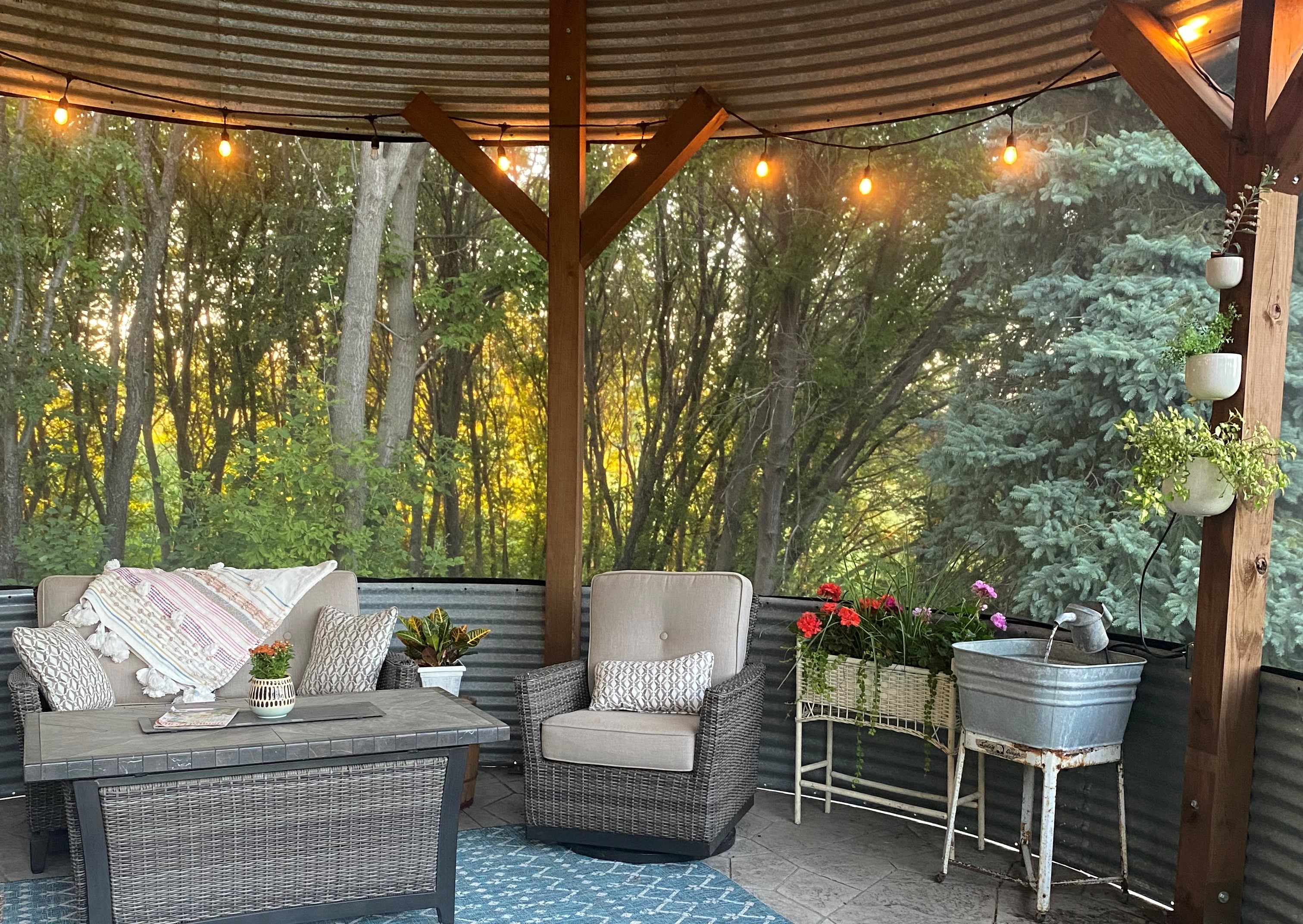
What to do with an old grain bin? Turn it into a gazebo, of course
Yes, You Can Reuse Old Nails—Here Are 7 Ideas Worth Trying This Weekend

12 Clever Ways to Reuse Old Tablecloths, From Napkin Sets to Gift Wrap


21 Ways To Repurpose Old Clothing In Your Home & Garden If Donation Isn't Possible
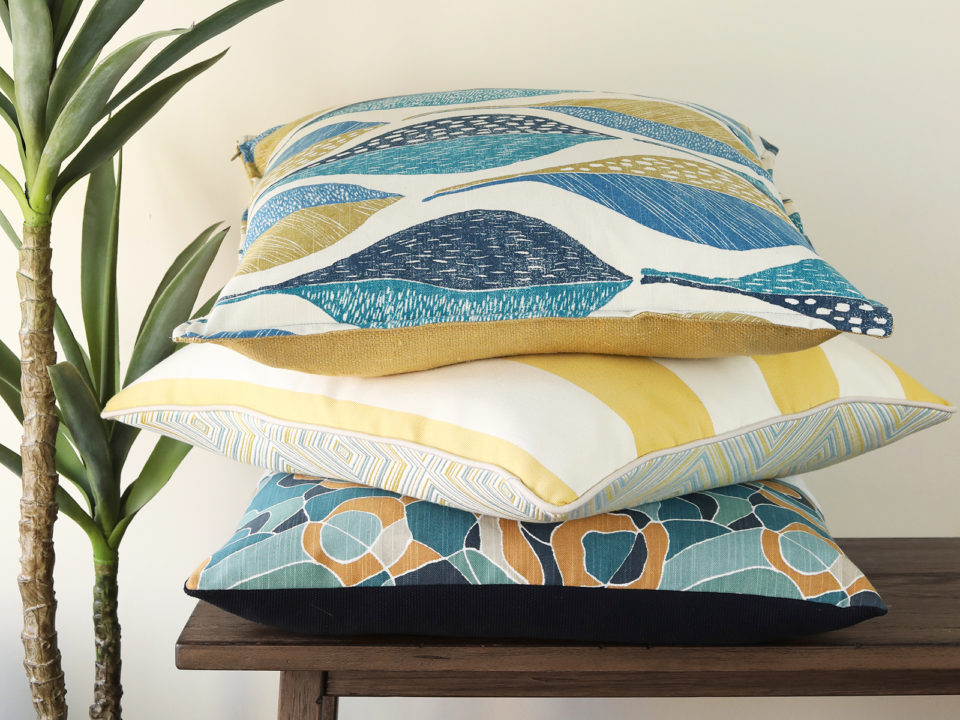
MC Pillows Creates One-of-a-Kind Decor Using Fabric Scraps


Ditch Overpriced Designer Throw Blankets & Pillows And Opt For These 10 Smarter Alternatives
DIY Projects & Crafts

6 Ways to Use Outdoor Fabric to Spice Up Your Backyard—Beyond Pillows

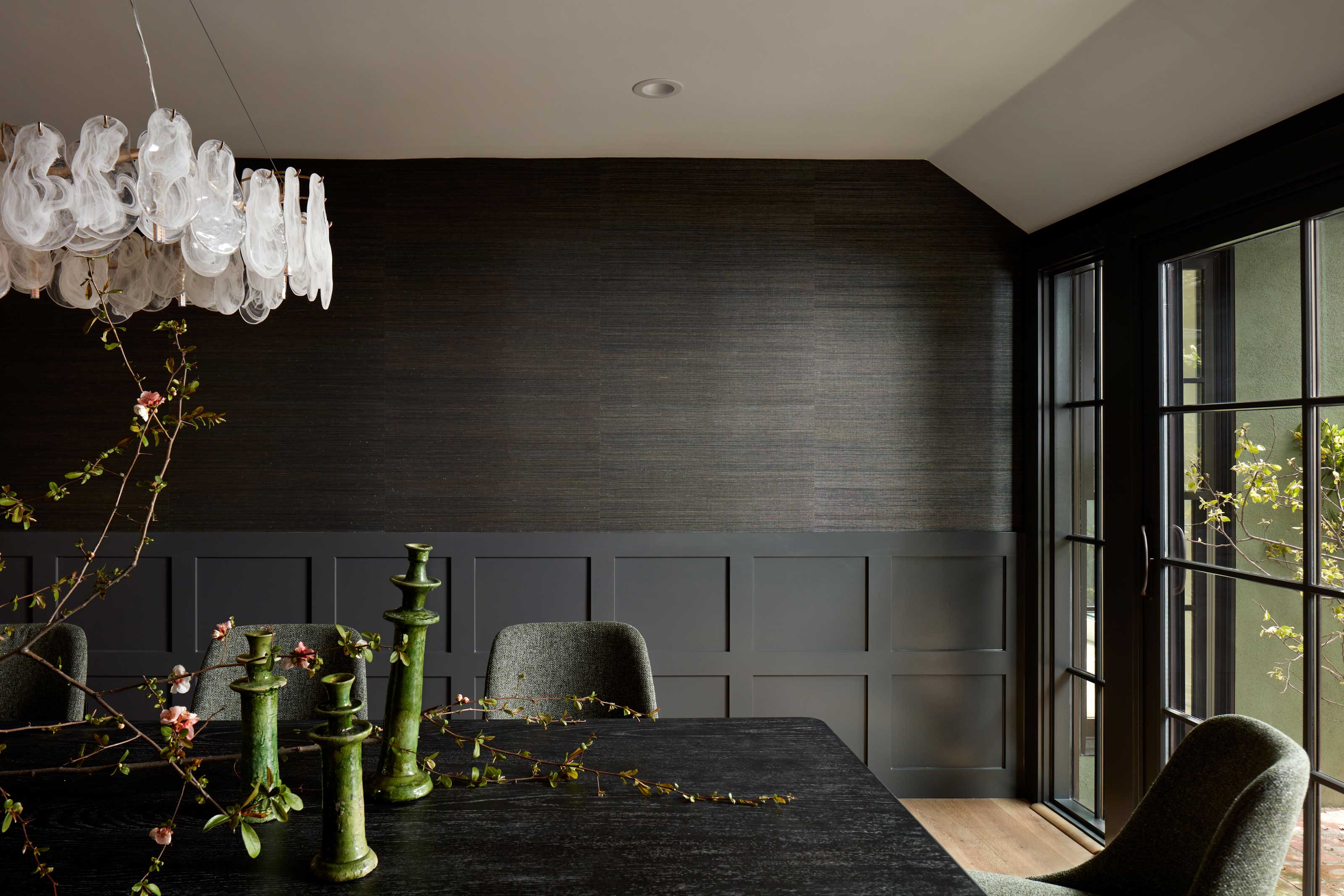
Is grasscloth wallpaper outdated? 5 ways designers are using it now, and what else to try


6 Genius Ways to Repurpose Old Charging Cables That'll Help you Declutter Your Home

5 things that can be used in home upcycling projects
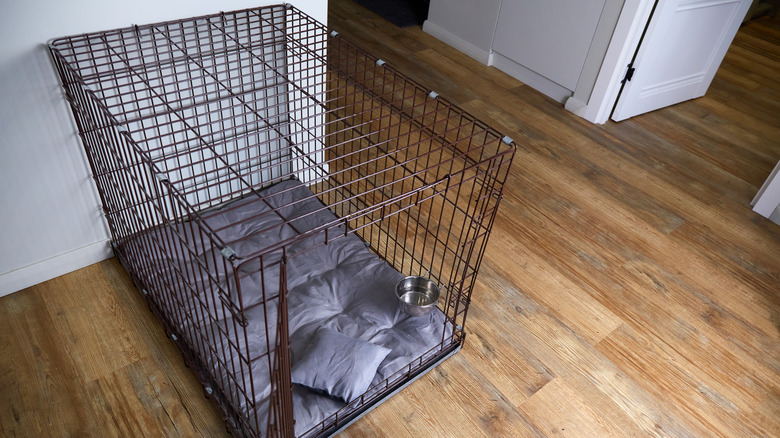
8 Genius Ways To Repurpose An Old Dog Crate In Your Home & Garden
Before You Toss Old Cloth Napkins, Try These 12 Creative Repurposing Ideas

Home Help: 3 ways to turn discarded wood into beautiful home decor