1/30
The New Room’s Floorboards
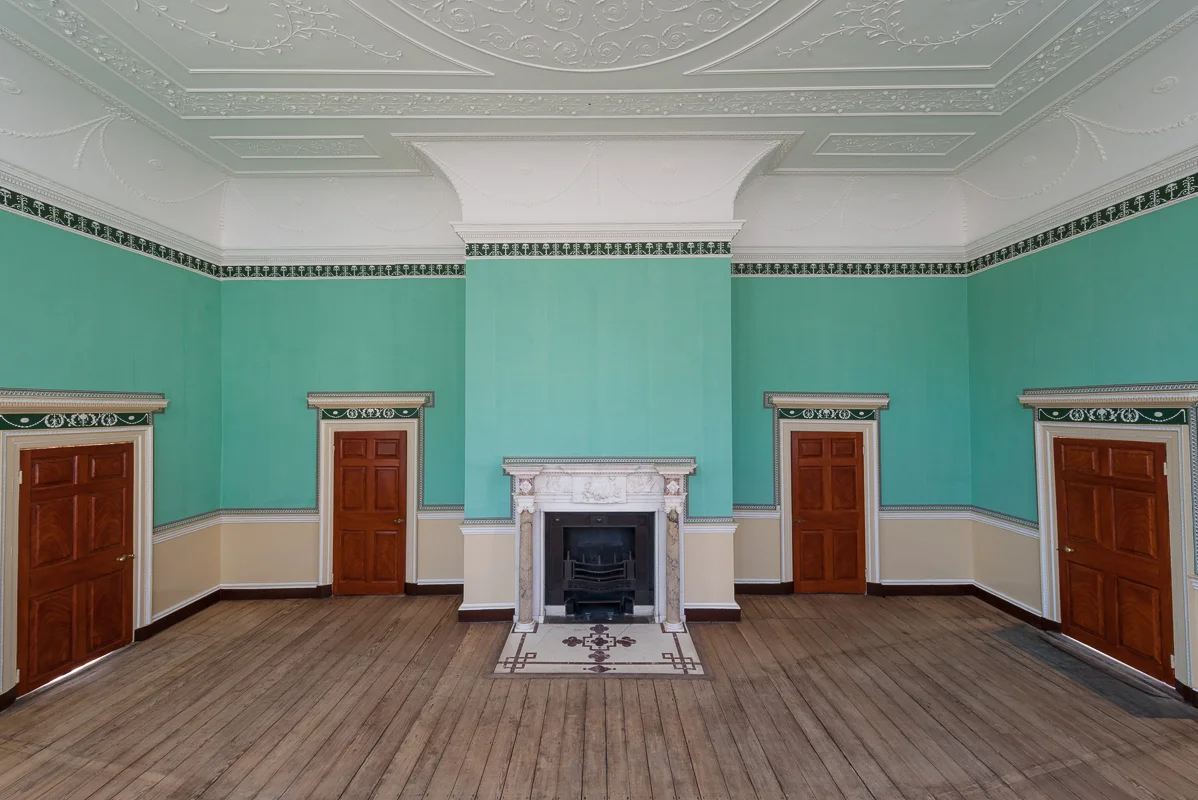
Mount Vernon's Preservation team undertook the temporary removal of the New Room's floorboards as part of the ongoing Mansion Revitalization Project. This crucial step aimed to repair the Mansion's underlying framing and offered significant insights into 18th- and 19th-century construction techniques. For years, there was debate regarding the originality of the New Room's floorboards, with the presence of 19th-century nails driven through the face of each board suggesting a later replacement. This nailing technique contrasted with the blind nailing method, a more sophisticated 18th-century practice where nails were concealed by being driven at an angle through the board's edge, creating a smooth surface, as observed in Washington's study. The face-nailing indicated that the floorboards had been lifted previously, but it remained unclear whether they were reinstalled or replaced entirely.
Further investigation by Director of Preservation Tom Reinhart in 2013 provided critical clues. The New Room's flooring exhibited gauging and undercutting, a standard 18th-century Chesapeake practice to ensure a level surface. This involved planing the top and sides of boards while leaving the undersides rough-sawn, then cutting a rabbet along the underside edges to ensure uniform thickness at the joists. Additionally, clear evidence of blind nailing and doweling was found, further supporting the idea that the boards were original. Documentary evidence from a 1787 letter showed Washington requesting unusually long, inch-and-a-half-thick plank, 24-foot-long, for floorboards—measurements that matched the existing New Room floorboards. The unlikelihood of finding salvaged 18th-century 24-foot blind-nailed boards for replacement solidified Reinhart's conclusion that these floorboards were indeed original to George Washington.
The removal process commenced with meticulous documentation using photogrammetry to create 3D models and label each board, ensuring a reliable guide for reinstallation. The room's mopboards were carefully removed, followed by the slow and careful release of 57 floorboards over two weeks. Preservation carpenters gently worked the boards up, often sawing through stubborn nails to avoid damage. Once the floorboards were lifted, plywood was temporarily installed, later replaced by a more robust lateral shoring system, or "dance floor," providing a stable working surface and additional structural support from the cellar below.
Upon lifting the floorboards, the team discovered direct evidence of 18th-century craftsmanship, including cut dowels and bent nails from the original blind nailing technique. This confirmed the floorboards' authenticity and indicated they had been face-nailed back into place during earlier repairs. Dendrochronology revealed that much of the underlying framing, including many joists and one surviving summer beam, had been replaced in 1838. This large undertaking would have necessitated lifting the floorboards, explaining the 19th-century nailing techniques observed. The floorboards were then transported to the Preservation lab for in-depth analysis, where Project Preservationist Clay Fellows and his team documented fastener locations, providing crucial information for designing new joists and summer beams. Contract conservator Andy Compton and former carpenter Dave Weir cleaned and repaired the floorboards, plugging 19th-century nail holes to restore their original 18th-century appearance. The floorboards will be reinstalled using the original blind nailing method, ensuring the structural integrity of the Mansion and deepening the understanding of 18th-century craftsmanship for future generations.
#MountVernon #MansionRevitalizationProject #HistoricPreservation #18thCenturyCraftsmanship #FloorboardRestoration #GeorgeWashingtonHome #ArchitecturalResearch #Dendrochronology #Conservation #MountVernon #MansionRevitalizationProject #HistoricPreservation #18thCenturyCraftsmanship #FloorboardRestoration #GeorgeWashingtonHome #ArchitecturalResearch #Dendrochronology #Conservation
0 comment in total
 No comments yet
You may also like

Flooring

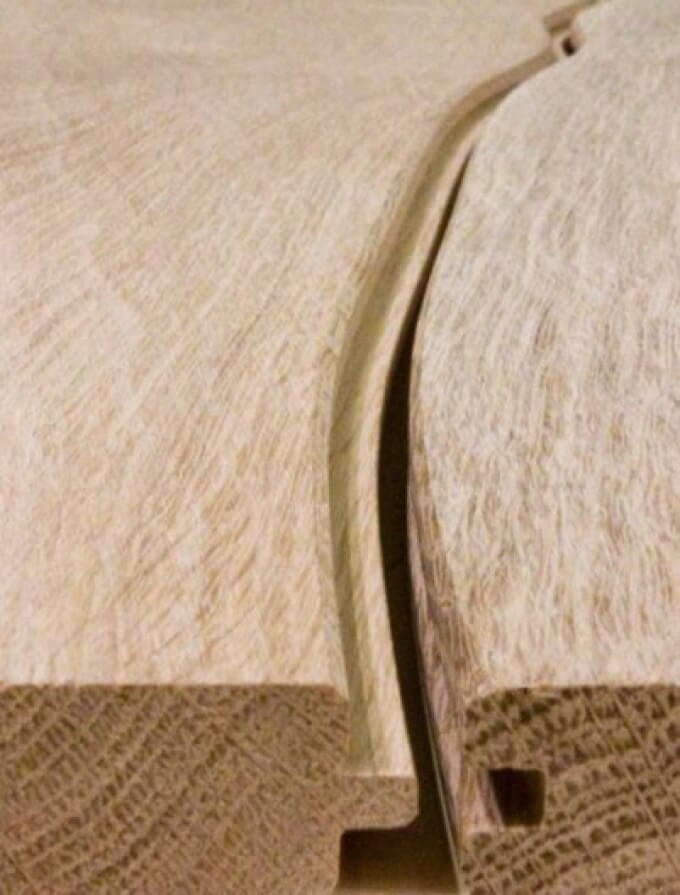
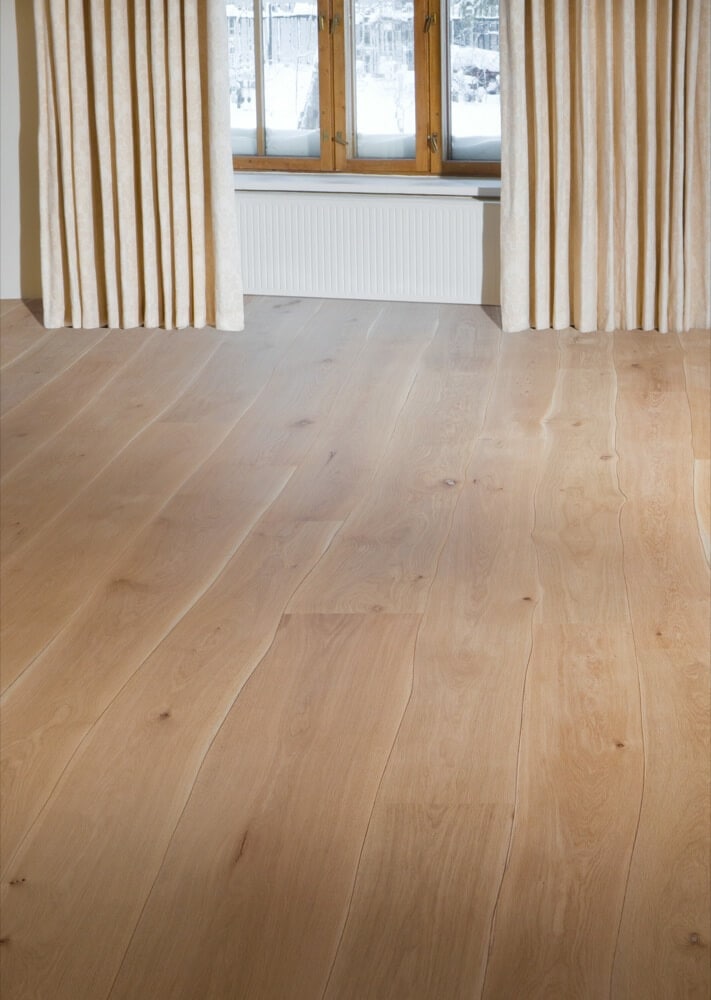
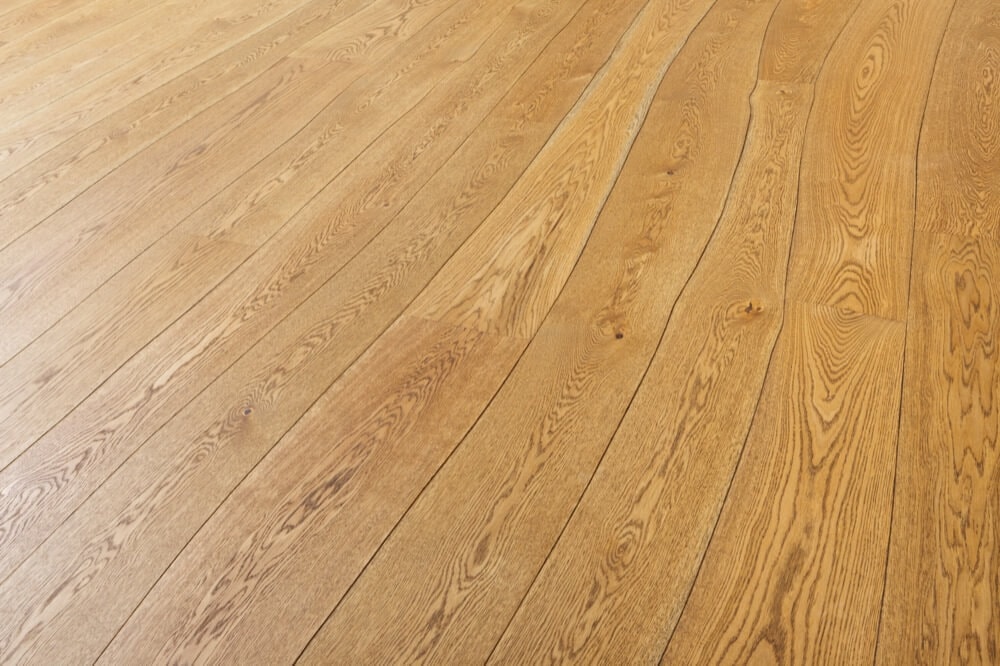
Bolefloor brings natural wood appearance to floorboards

Statement flooring is set to replace the ceiling as the fifth wall
New options in flooring


Furniture Boards
Hold everything - these 11 flooring transitions are reinventing decor, zoning spaces and looking incredibly luxe

All the Kitchen Tile to Wood Floor Transition Ideas You Should Try for a Seamless Look

Forget What Color You Paint the Walls, It's the Flooring That Does the 'Quiet' Work in Making Your Room Feel Bigger — Here's How

The Block 2019 Room Reveals: Hallway

Shea McGee swears by these flooring transition rules for successful, open plan spaces


Skirting Boards
Color Blocking Defines This Gaming Office’s Long Floor Plan

Chipboard Flooring

Checkered floors: A look inside the checkerboard floor trend

Bedroom flooring ideas – 10 new design trends to add both comfort and style
5 flooring mistakes to avoid – according to architects and interior designers

Floor plan changes create 'new home inside existing one'

Set the Stage With These Flooring Options

Add comfort and beauty to your home with new floors


Paper for the Floor