1/2
The Lotus as Water Repellant
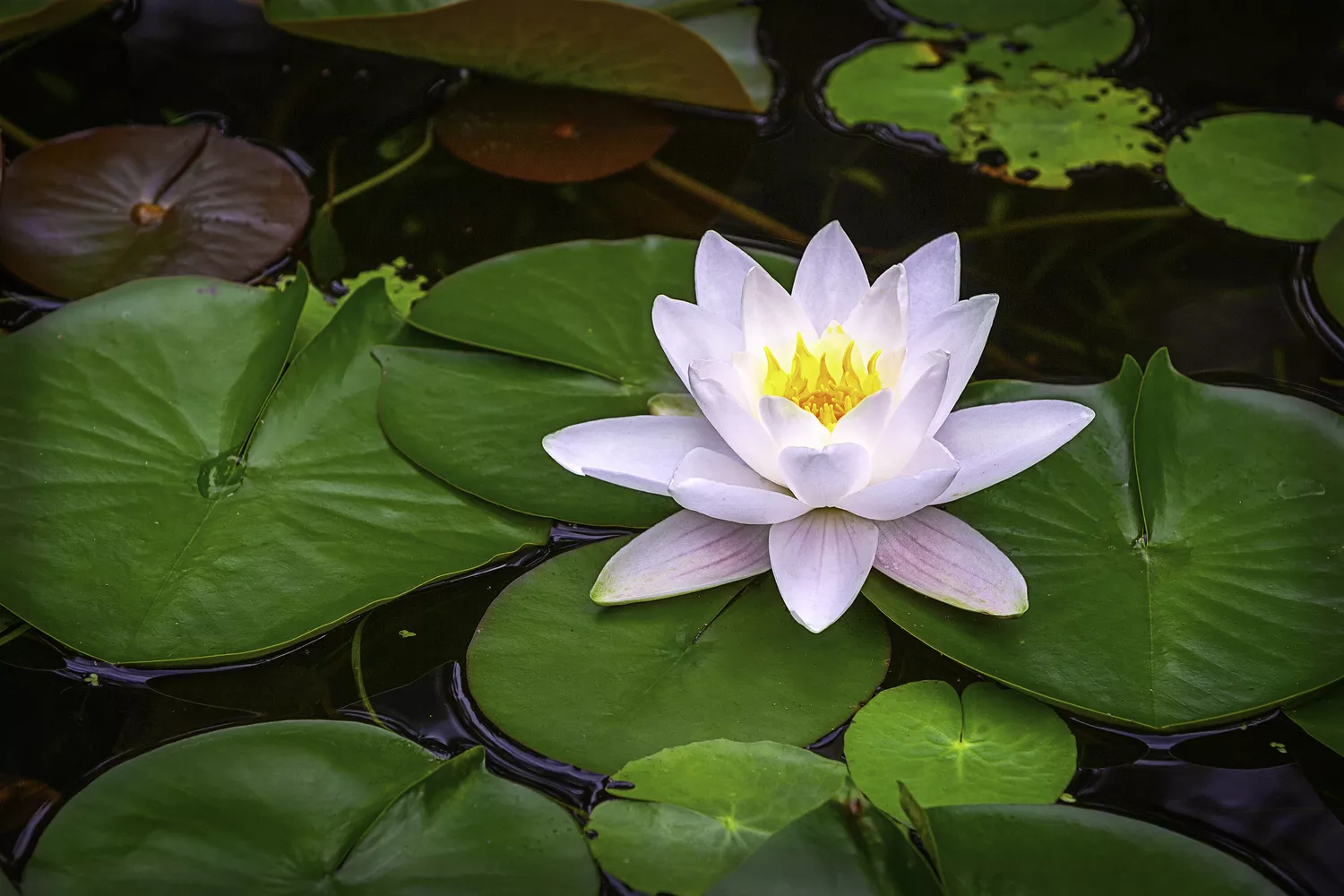
The article explores the fascinating water-repellent properties of the lotus plant and its application in technological advancements. The lotus leaf's remarkable ability to shed water and dirt, often referred to as the "lotus effect," is attributed to its unique micro-structural qualities, specifically widespread "folding" and "epicuticular" wax crystals on its surface. This natural phenomenon, which allows the plant to remain clean in muddy environments, has inspired innovation in various industries.
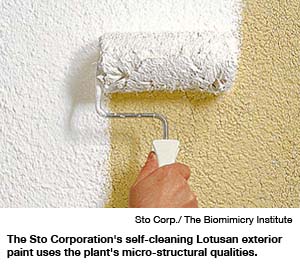
One significant application is in the development of self-cleaning exterior paints. Sto Corporation's Lotusan exterior paint, for instance, utilizes the lotus plant's micro-structural characteristics to enable dirt removal with just a rain shower. This technology, available for a decade, offers a practical solution for maintaining building aesthetics and reducing maintenance efforts. The paint's surface mimics the lotus leaf, causing water to bead up and roll off, carrying dirt particles with it.
Beyond architectural coatings, scientists are also investigating the lotus effect for more critical applications. Researchers at GE's Global Research Center are developing a permanent water-resistant coating for jet engines. The primary goal of this innovation is to inhibit condensation and prevent the formation of potentially catastrophic ice buildup on aircraft surfaces. The "superhydrophobicity" of these treated metals aims to eliminate the need for time-consuming and often toxic de-icing fluids traditionally used in aviation. This represents a significant advancement in aviation safety and efficiency, offering environmental benefits by reducing chemical usage.
The underlying principle of superhydrophobicity, derived from the lotus effect, involves creating surfaces that minimize contact with water. This is achieved through a combination of surface roughness at the micro and nano scales and the presence of low-surface-energy materials, such as waxes. Water droplets on such surfaces maintain a nearly spherical shape and roll off easily, picking up dirt and contaminants in the process. This self-cleaning mechanism is highly desirable in numerous industrial and consumer products.
The article also notes that similar technology is already being applied to treat plastic surfaces found in everyday consumer electronics, such as CDs and iPods. This broader application indicates the versatility and potential widespread adoption of lotus-inspired surface treatments. The continuous exploration of biomimicry, where solutions to engineering challenges are sought by emulating natural designs, promises further innovations based on the lotus effect in various fields, ranging from textiles to medical devices. The lotus, a symbol of purity, thus continues to inspire practical and environmentally friendly technological solutions.
#LotusEffect #WaterRepellent #SelfCleaningPaint #Superhydrophobicity #Biomimicry #AviationSafety #MaterialScience #EnvironmentalInnovation #SurfaceTechnology #LotusEffect #WaterRepellent #SelfCleaningPaint #Superhydrophobicity #Biomimicry #AviationSafety #MaterialScience #EnvironmentalInnovation #SurfaceTechnology
0 comment in total
 No comments yet
You may also like

Like a Loft on Water


Want A Water Feature in Your Yard? 44 Ideas That Will Fit in Any Budget


10 pool landscaping ideas to splash-proof your outdoor space


29 Elegant Fountains That Create a Sense of Tranquillity


17 Types of Aquatic Flowers to Grow in Water

Homeowner’s Guide To Outdoor Fountains