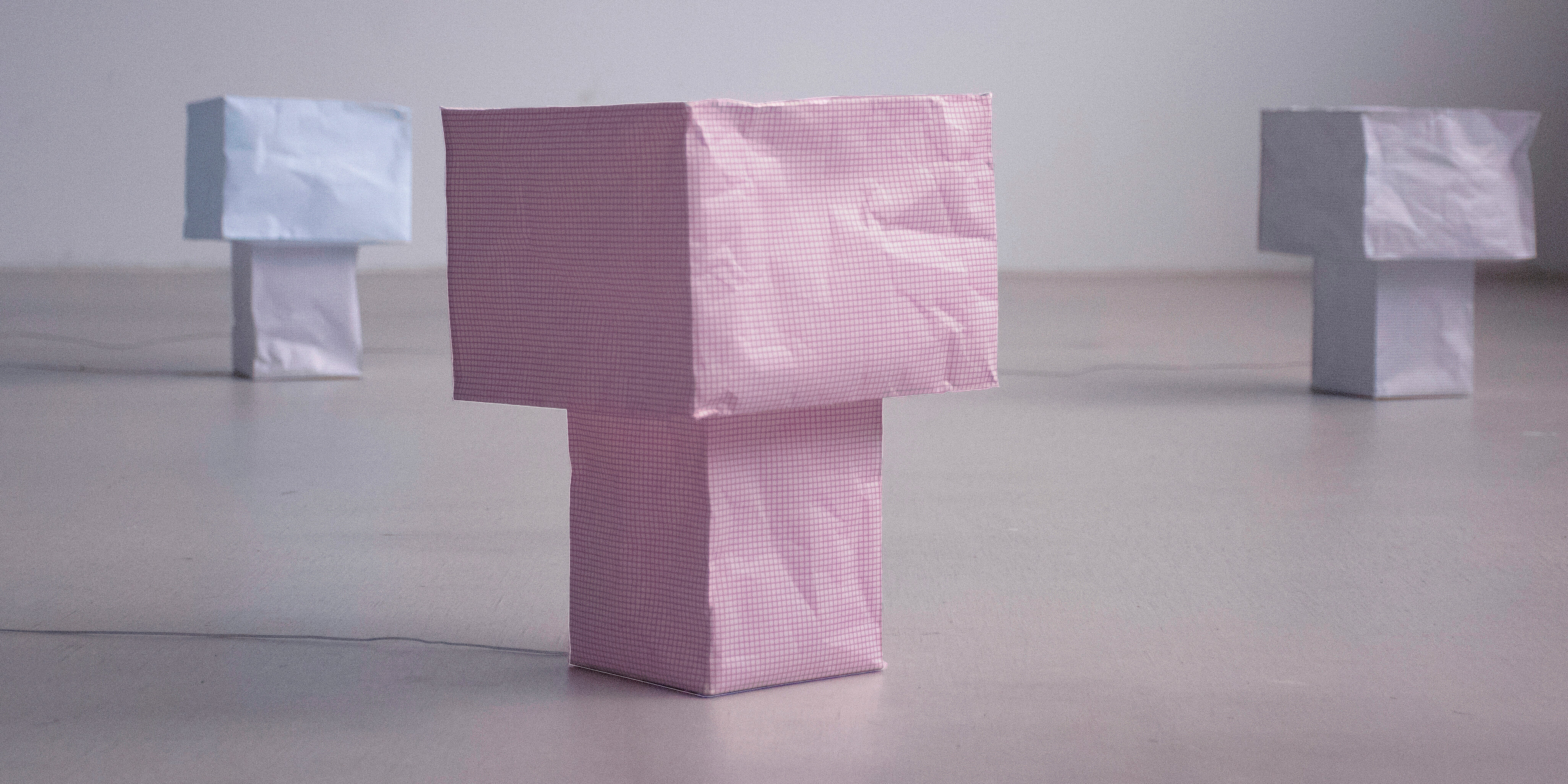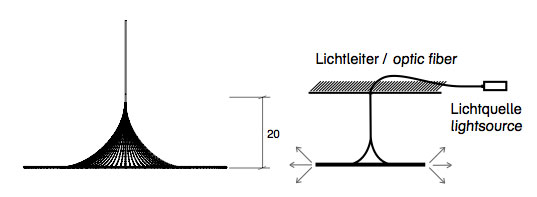
flying drone lamp by kazuhiro yamanaka uses sensors to follow your movements
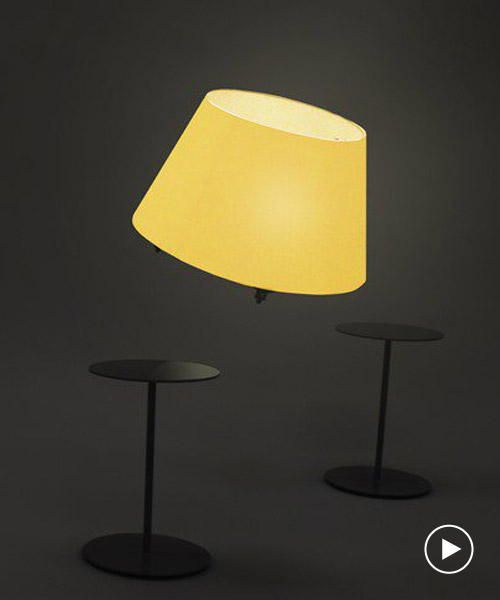
Kazuhiro Yamanaka, a Japanese designer, has introduced his latest creation: the flying drone lamp. This innovative project integrates drone technology with traditional lighting concepts to produce a unique object capable of following users throughout their homes, providing illumination precisely where and when it is required. The design aims to redefine how light interacts with personal spaces, moving beyond static fixtures to offer dynamic, responsive lighting solutions.
The system involves strategically placed stands that serve as launch-pads for the flying lighting object. These stands can be positioned on various surfaces around the home, such as a bedside table, next to a sofa, or in a washroom, allowing for flexible placement. Before initial use, the layout and key locations within the living space must be programmed into the device. This pre-configuration enables the drone lamp to understand its environment and navigate effectively. Once programmed, integrated sensors within the device track the user's movements, allowing the lamp to autonomously follow them, ensuring that light is always available in the immediate vicinity of the individual. This mobility offers a significant departure from conventional lighting, which typically requires users to move to illuminated areas or to manually adjust light sources.
One of the notable features of Yamanaka's concept is its adaptability in terms of design. The physical shape of the flying object can be varied, offering potential for customization and aesthetic integration into diverse interior styles. Furthermore, the design is not strictly reliant on the launch-pads; the flying object possesses the capability to land independently without the need for a designated base, enhancing its versatility and ease of use. This suggests a sophisticated level of autonomous control and stability in the drone's flight and landing mechanisms.
Beyond domestic applications, the designer also envisions the concept's utility in environments such as space stations. In a zero-gravity setting, the primary need for propellers would be eliminated, simplifying the design and operation of the flying light. This forward-thinking perspective highlights the potential for this technology to extend beyond terrestrial homes, exploring new frontiers in illumination and human-technology interaction. Essentially, the project merges a small drone with an LED light, presenting a novel approach to how homes are lit, emphasizing personal comfort and adaptive functionality.
#KazuhiroYamanaka #DroneTechnology #SmartLighting #HomeAutomation #InteriorDesign #TechnologicalInnovation #AdaptiveLighting #ProductDesign #KazuhiroYamanaka #DroneTechnology #SmartLighting #HomeAutomation #InteriorDesign #TechnologicalInnovation #AdaptiveLighting #ProductDesign
0 comment in total
 No comments yet
You may also like
The Wild Robot Teams Up with Govee Curtain Lights to Create Beautiful Designs
Smart ceiling fan concept takes its design cues from a customizable smartphone

vacuum-sealed flat pack blooms into tsubomi paper lamp by kazuhiro yamanaka
How to Use Smart Lights Better | Reviews by Wirecutter
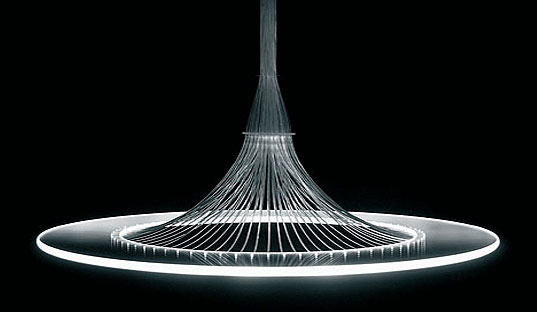
UFO FIBEROPTIC CHANDELIER by Neues Licht
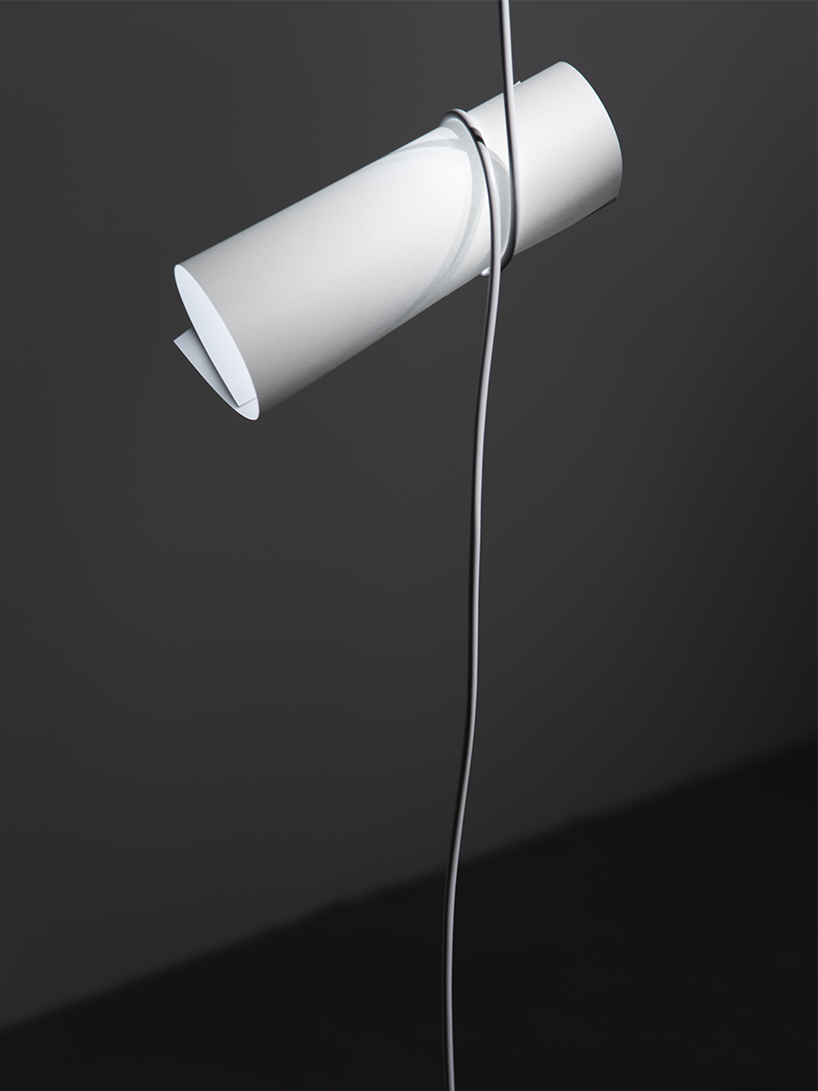
kazuhiro yamanaka fastens roll of A3 paper with power cable for playful lighting fixture
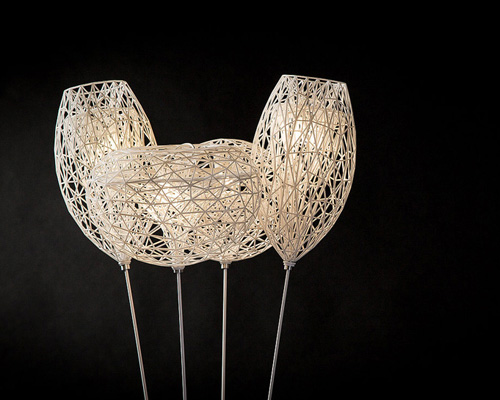
canopy by alex buckman floats 3D printed lights in the air