1/5
Where to place a rug in the home according to Feng Shui principles – expert advice on balancing energy flow
The ancient Chinese practice of Feng Shui emphasizes the arrangement of objects and spaces to create a balanced and harmonious environment, and rug placement is a key element in achieving this. Rugs function as grounding elements, influencing the flow of 'chi' or 'qi' (energy) within a home. A rug's placement can either slow down fast-moving energy, preventing it from rushing through a space too quickly, or help to energize sluggish areas, promoting better circulation of chi. The goal is to create a nurturing and comfortable living space that supports good health, harmony, and abundance.
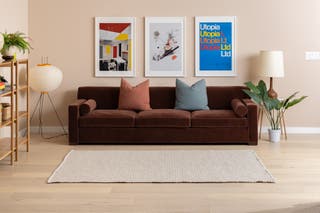
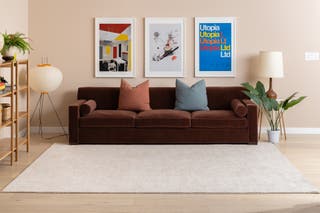
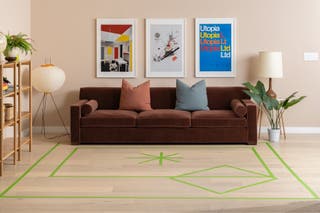
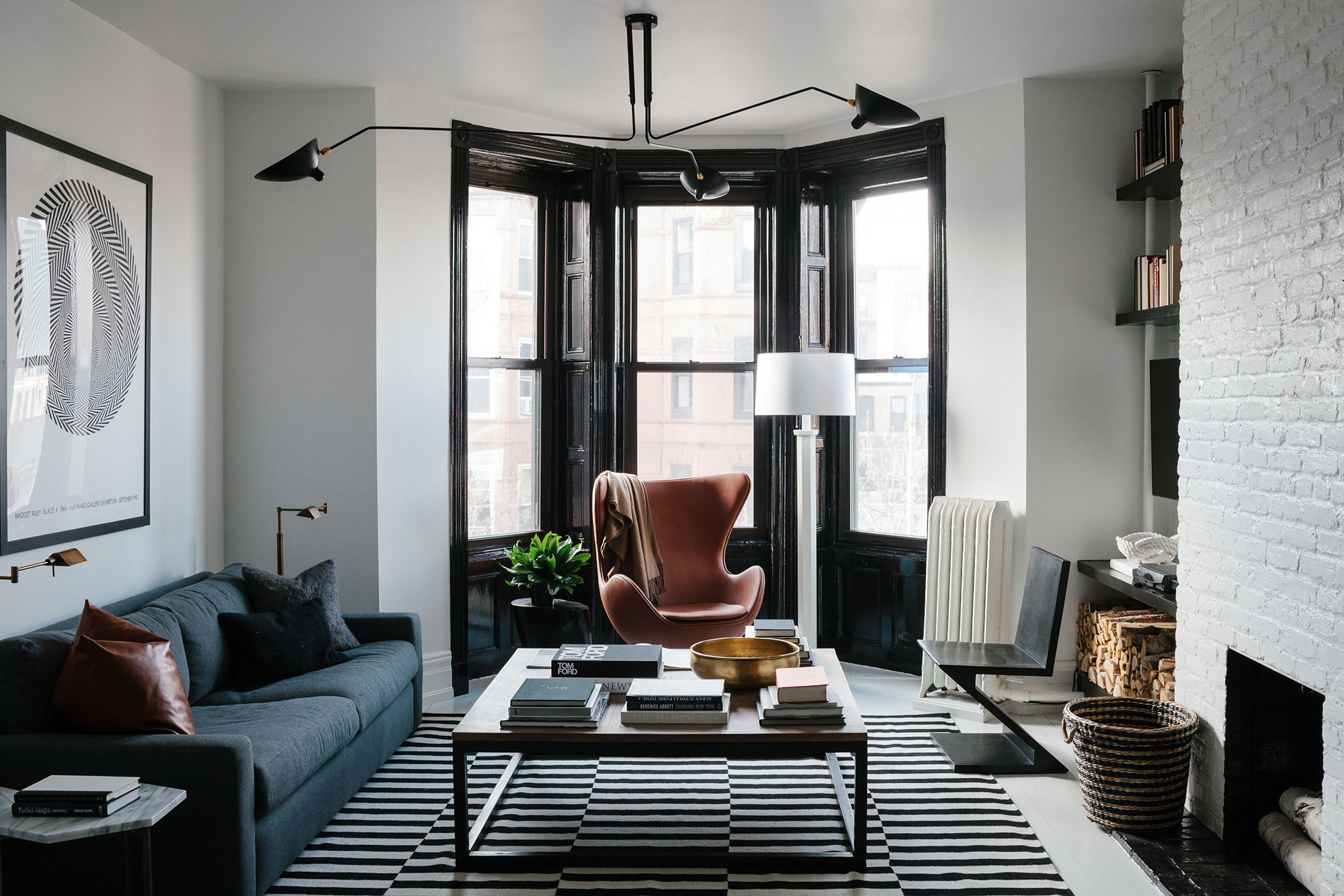
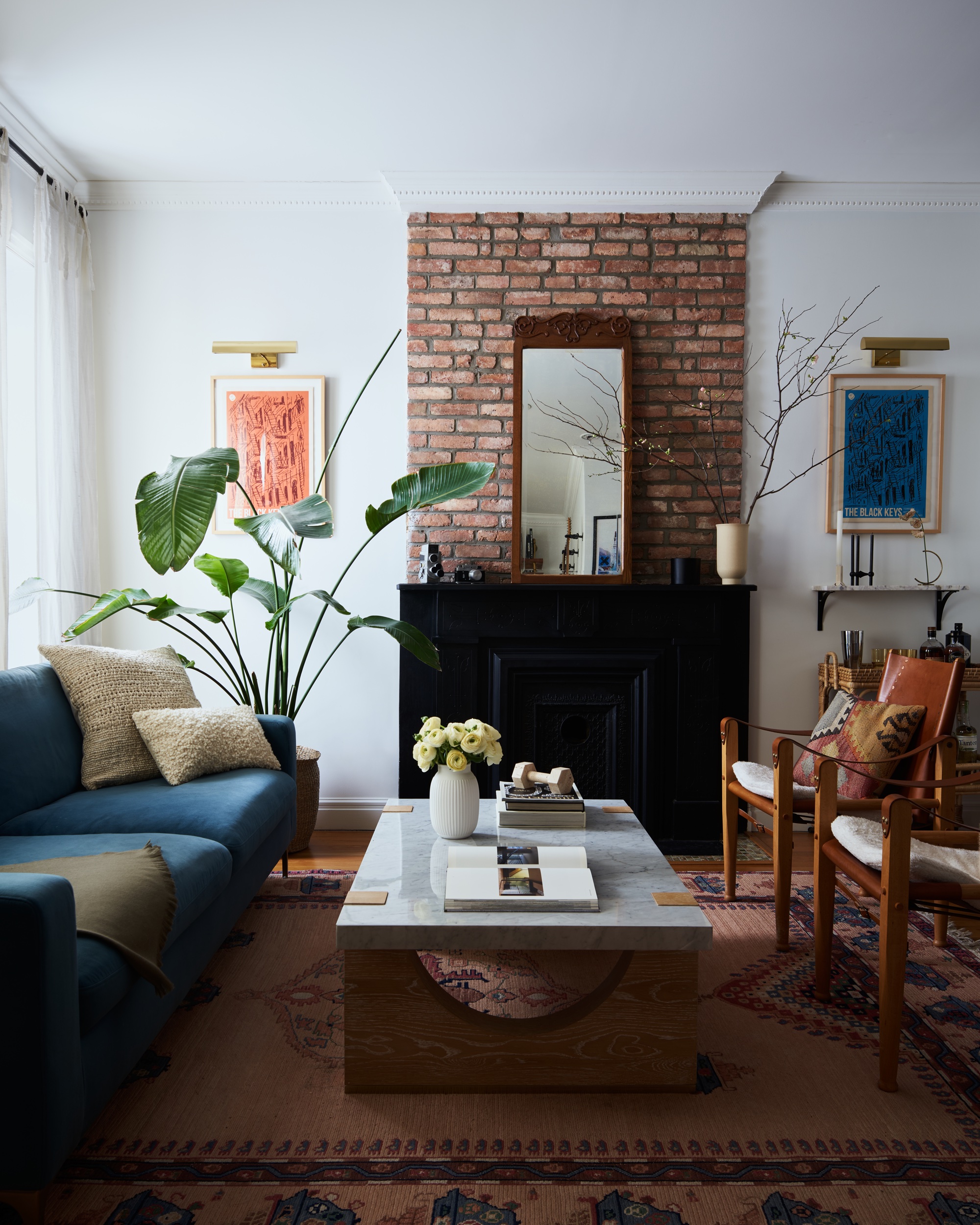
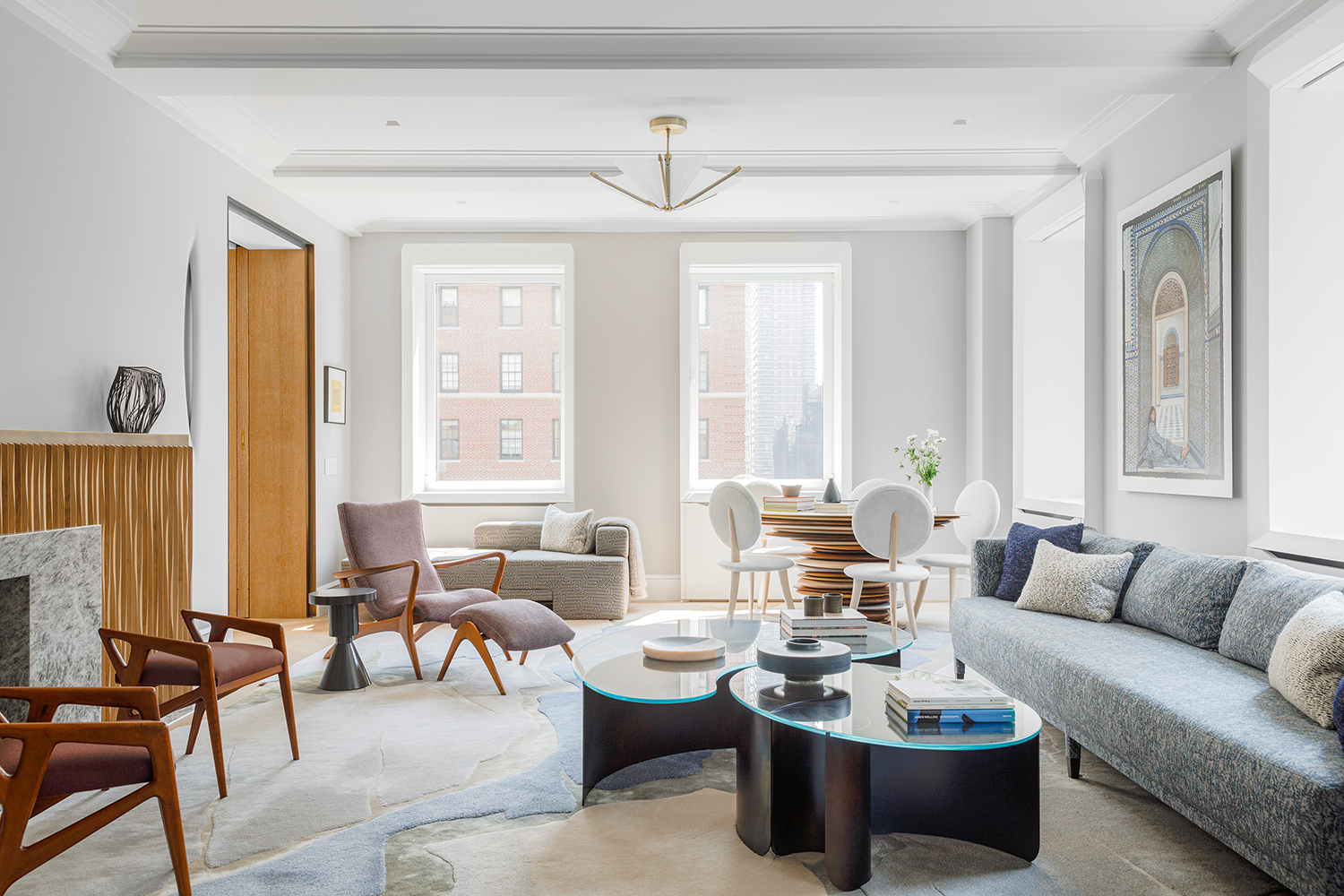
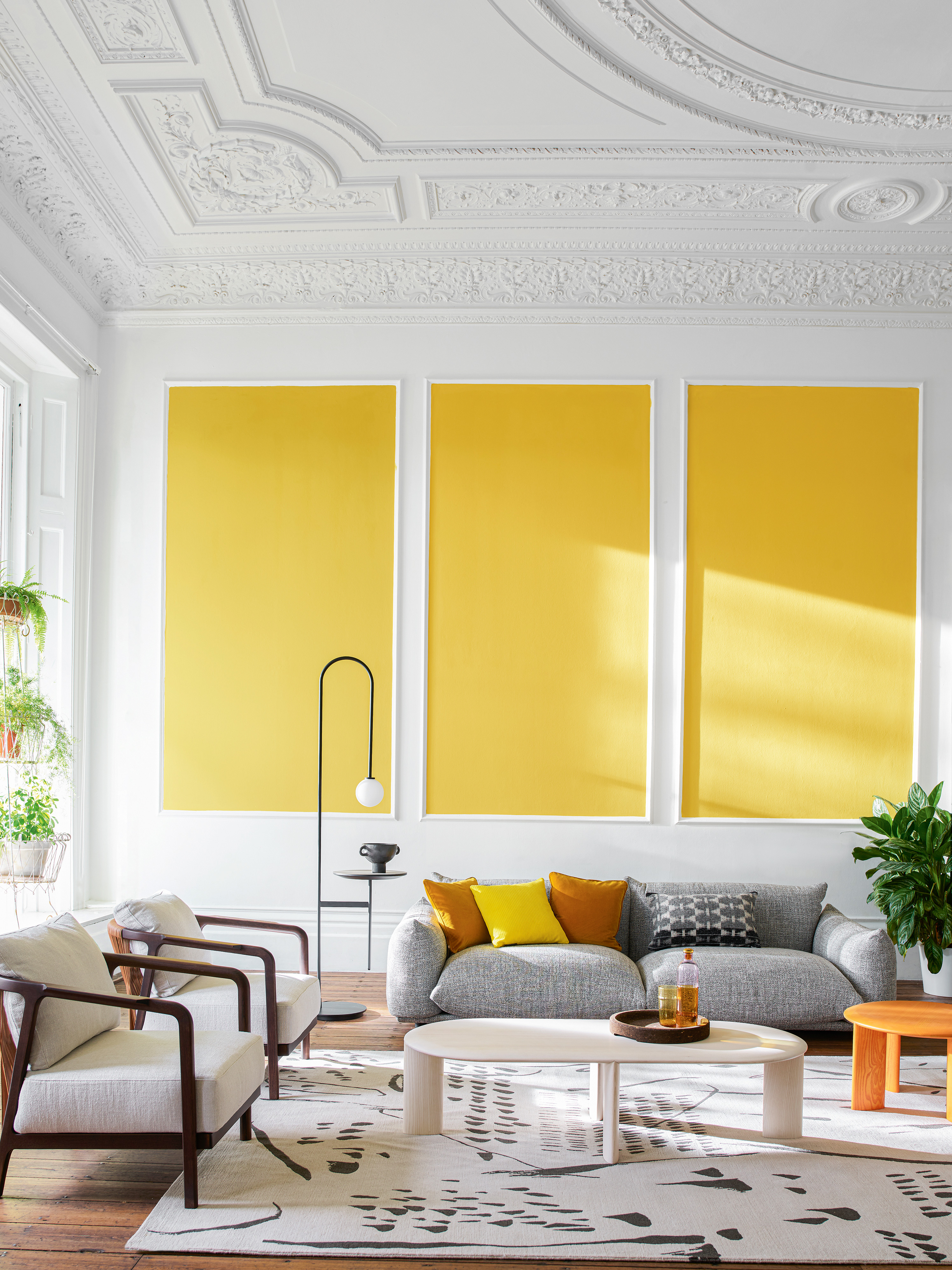
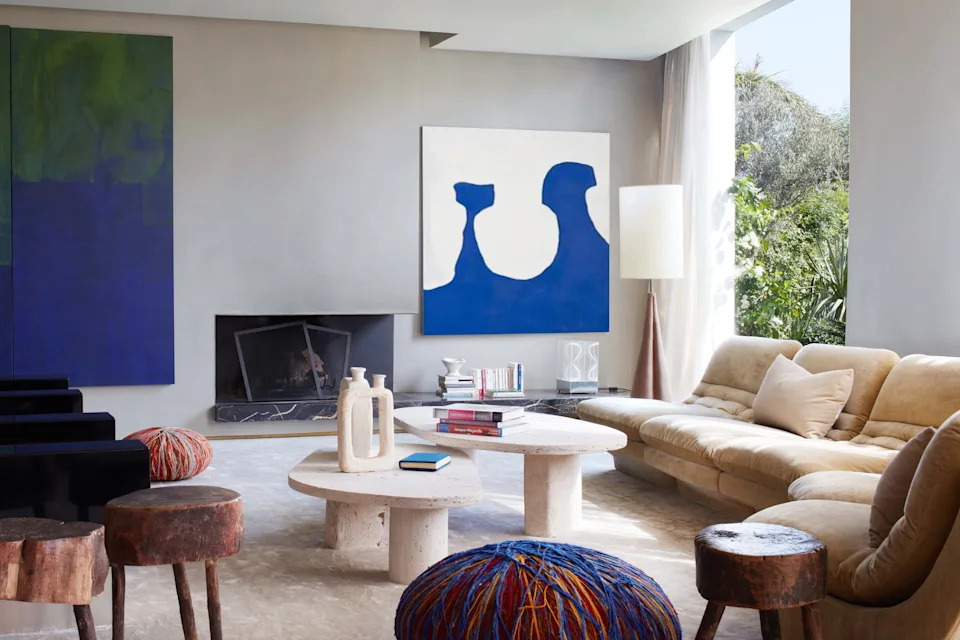
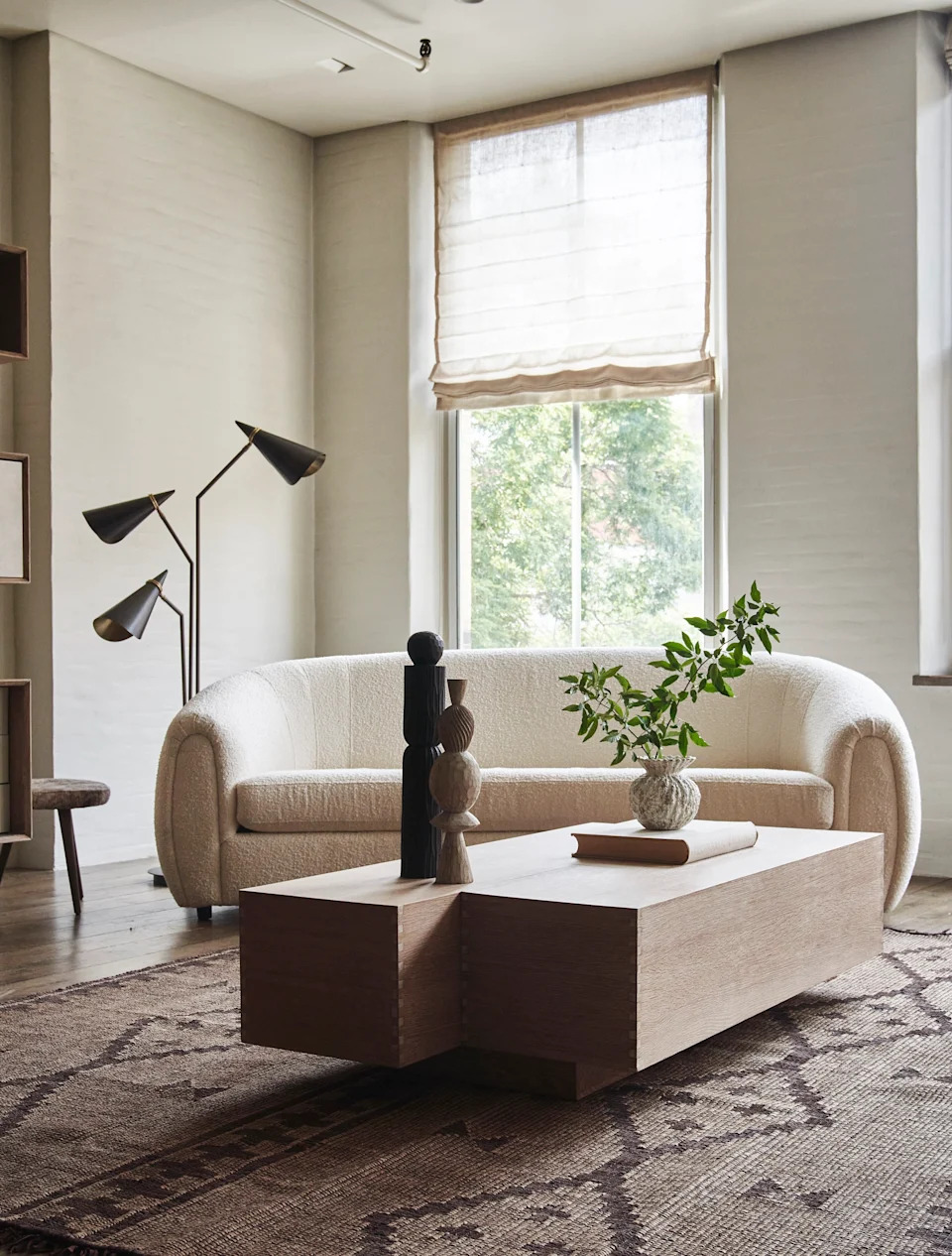
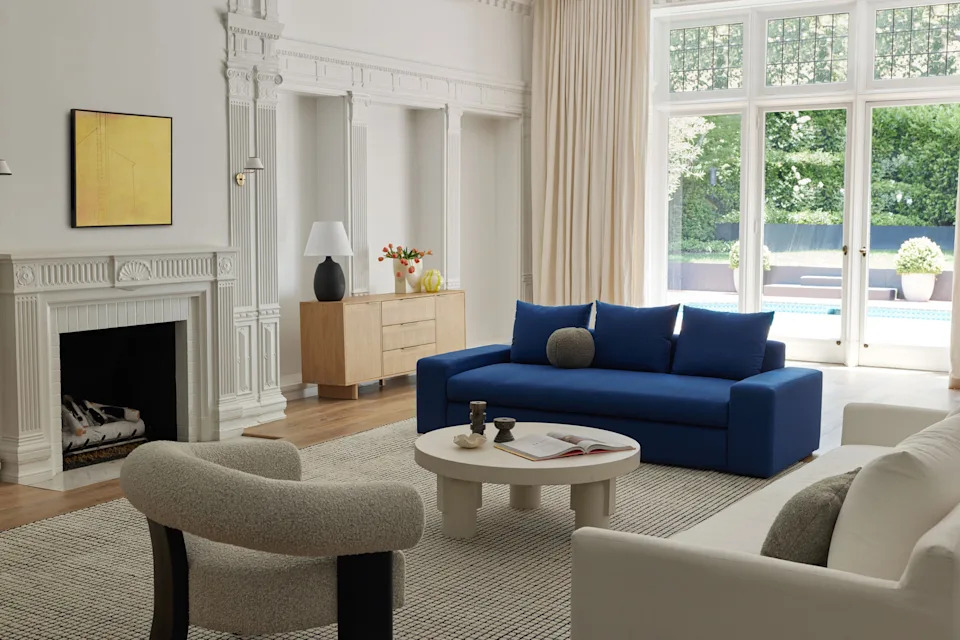
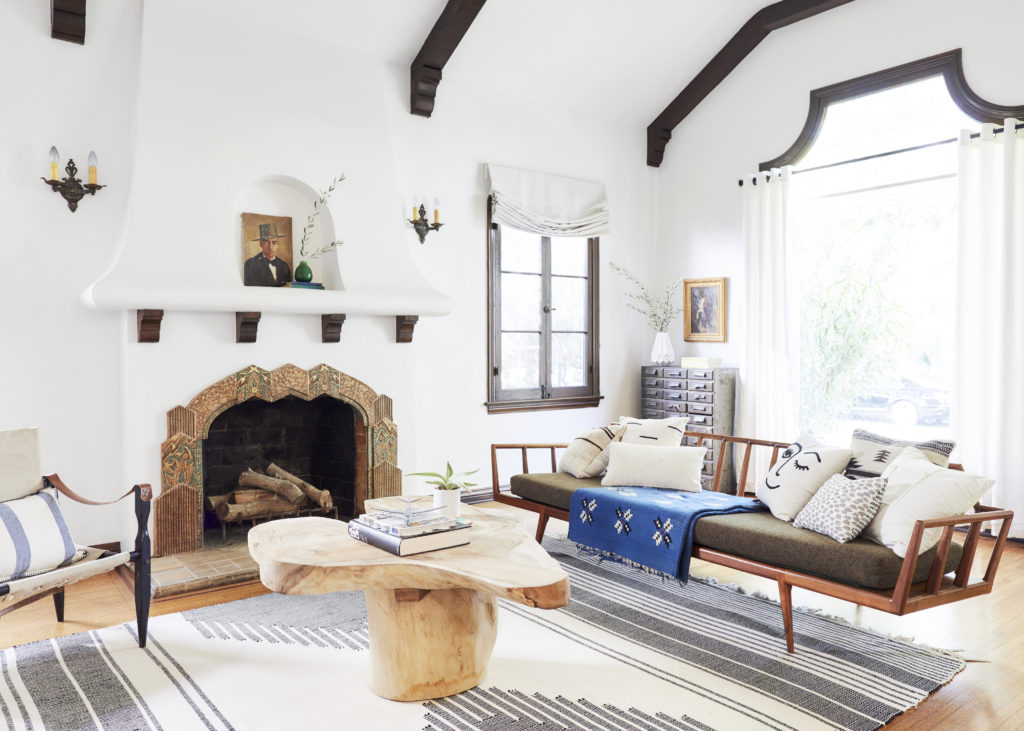
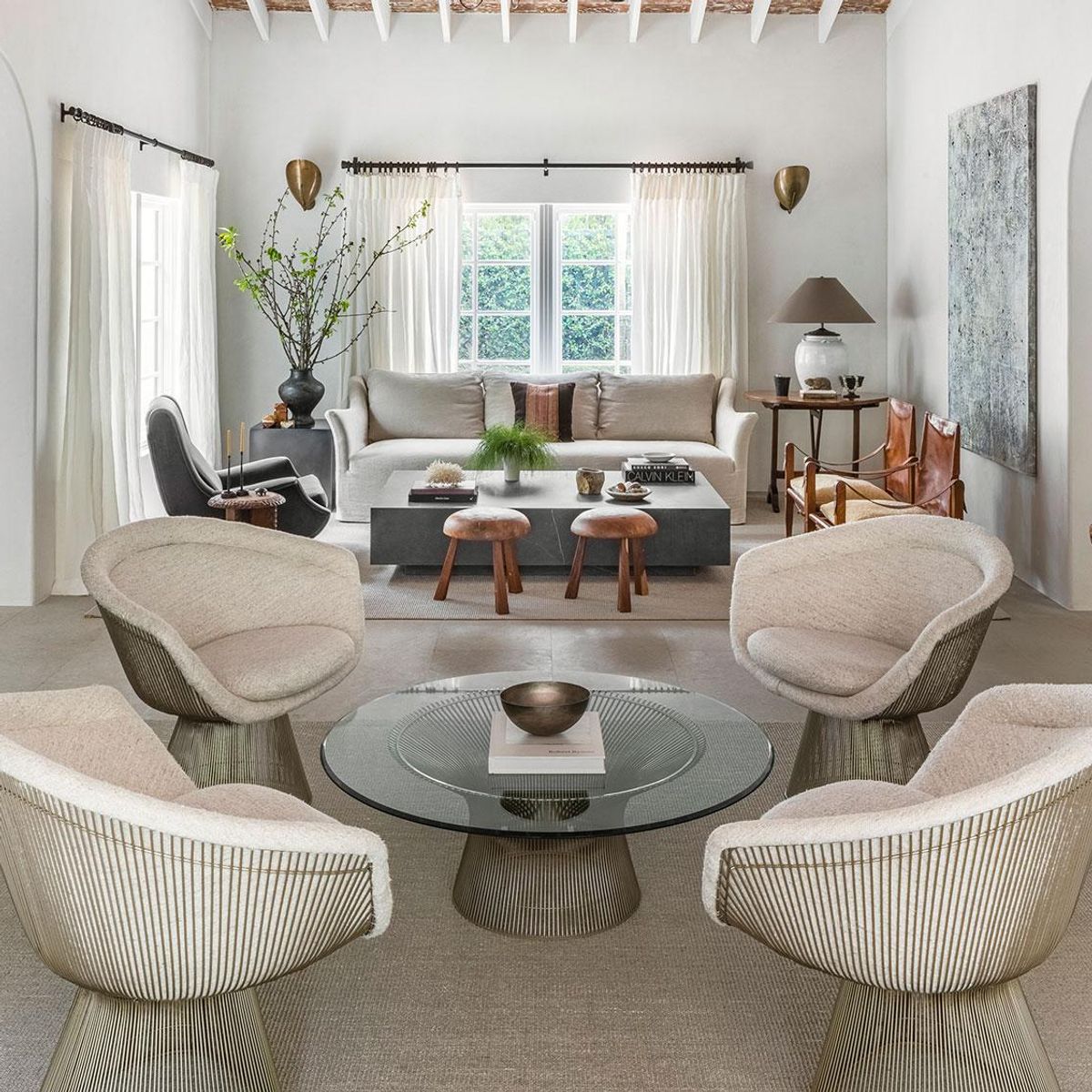
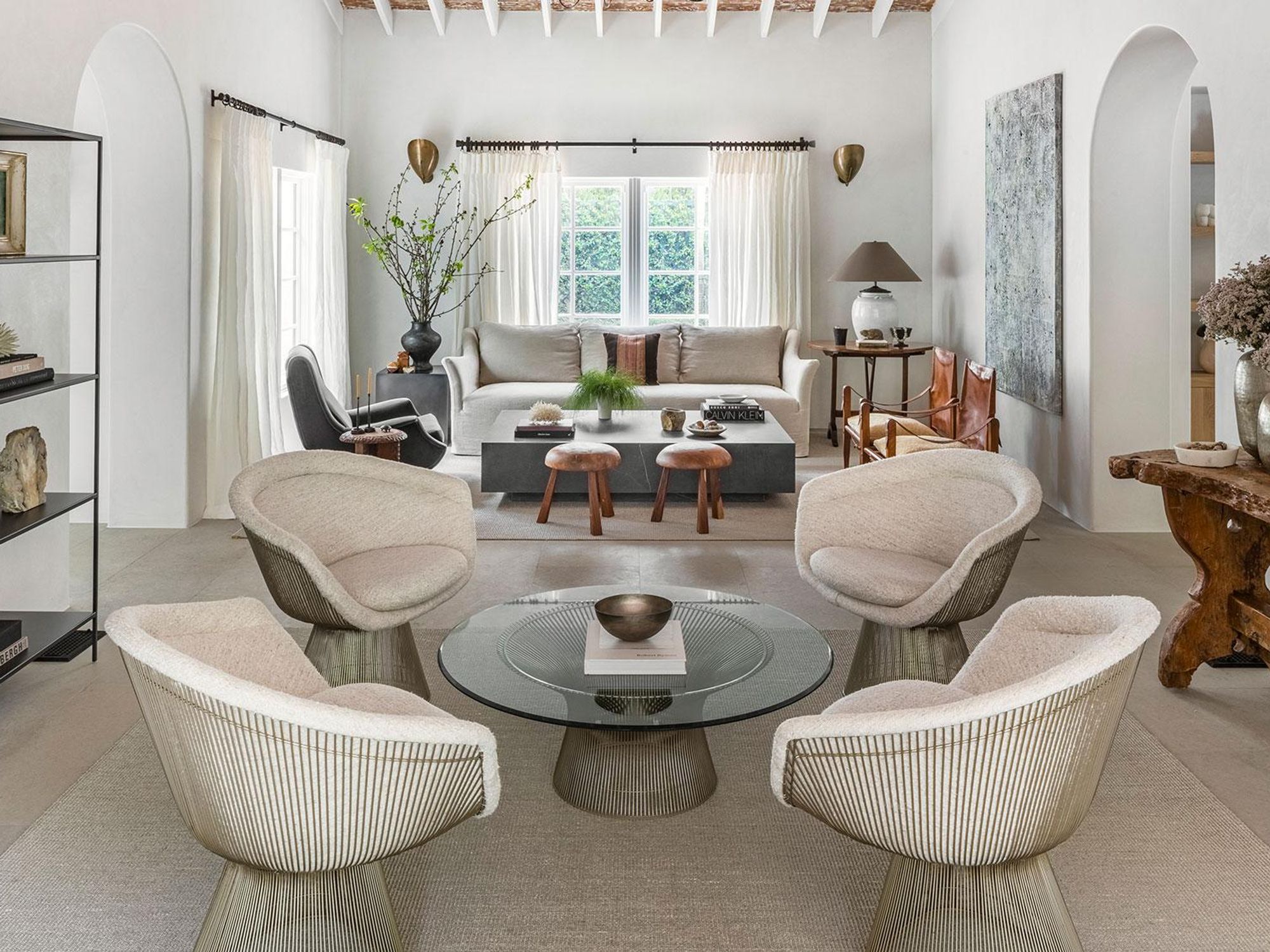
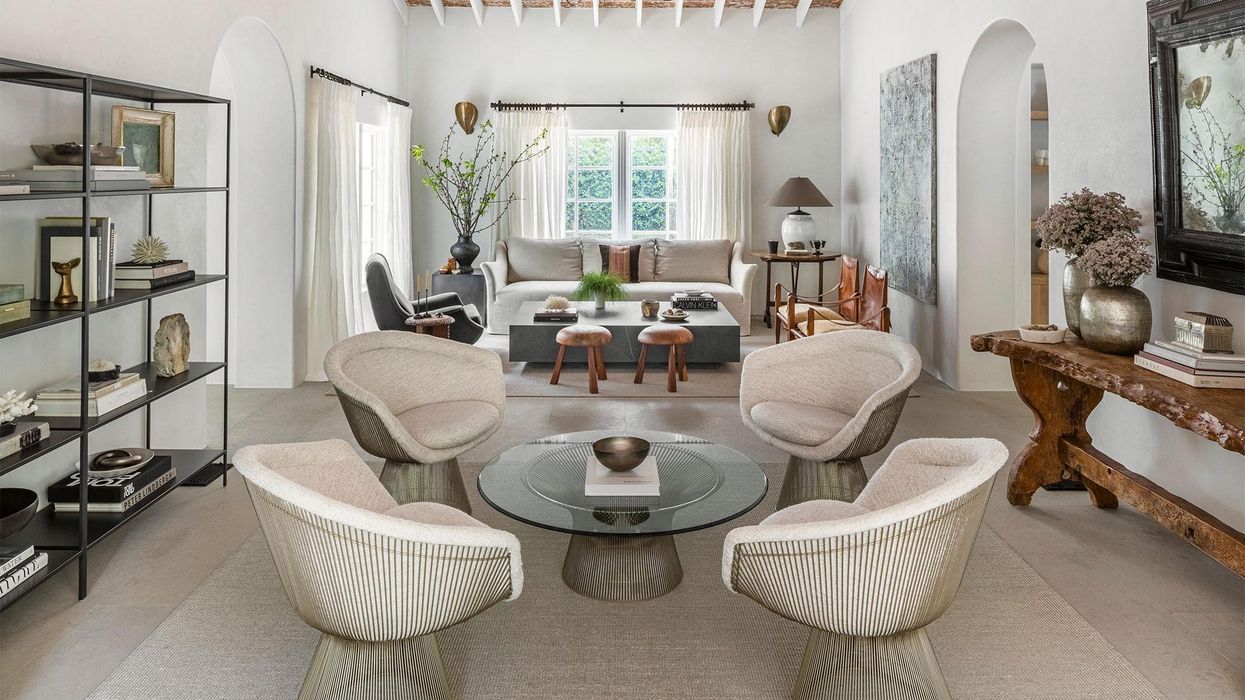
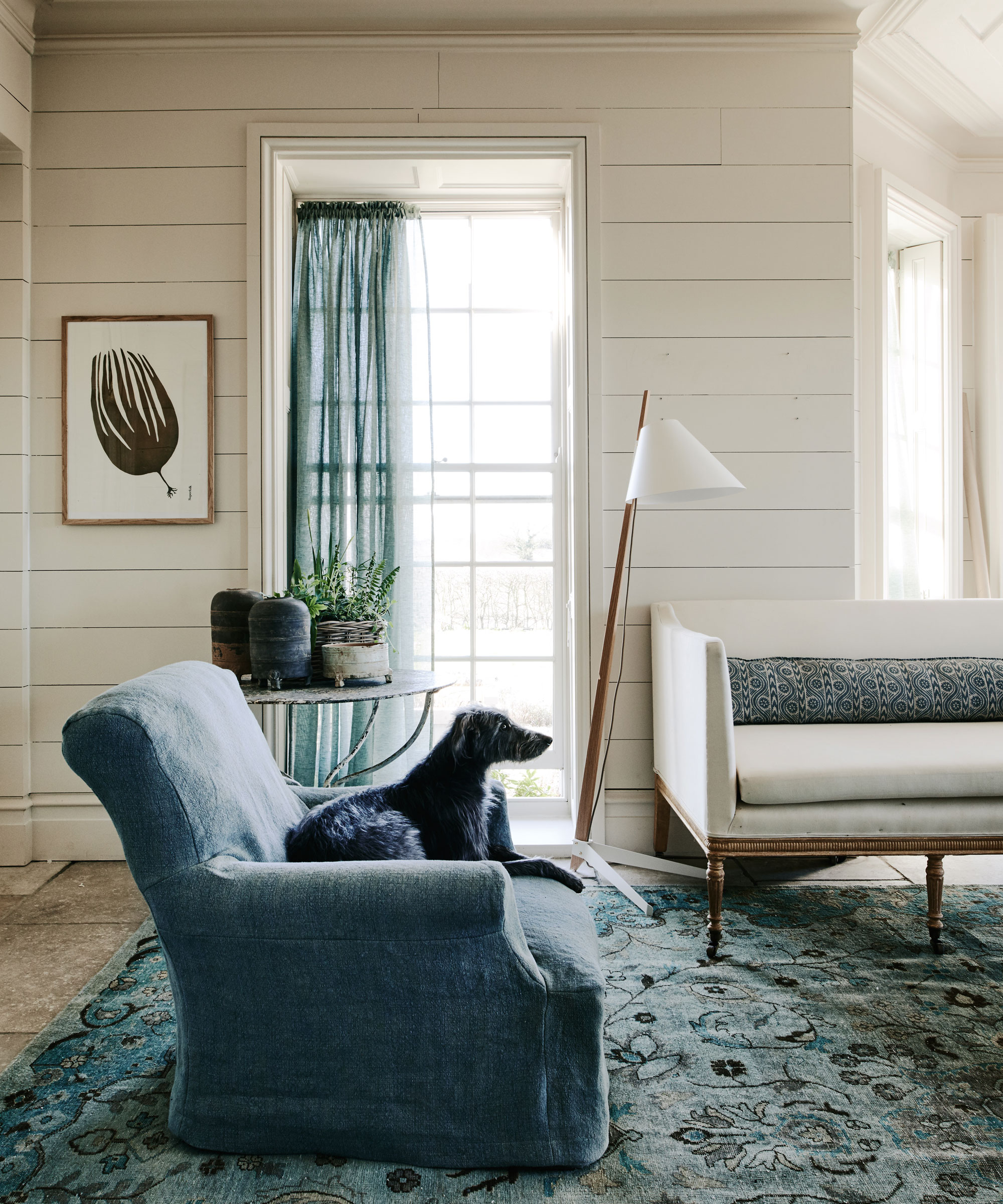
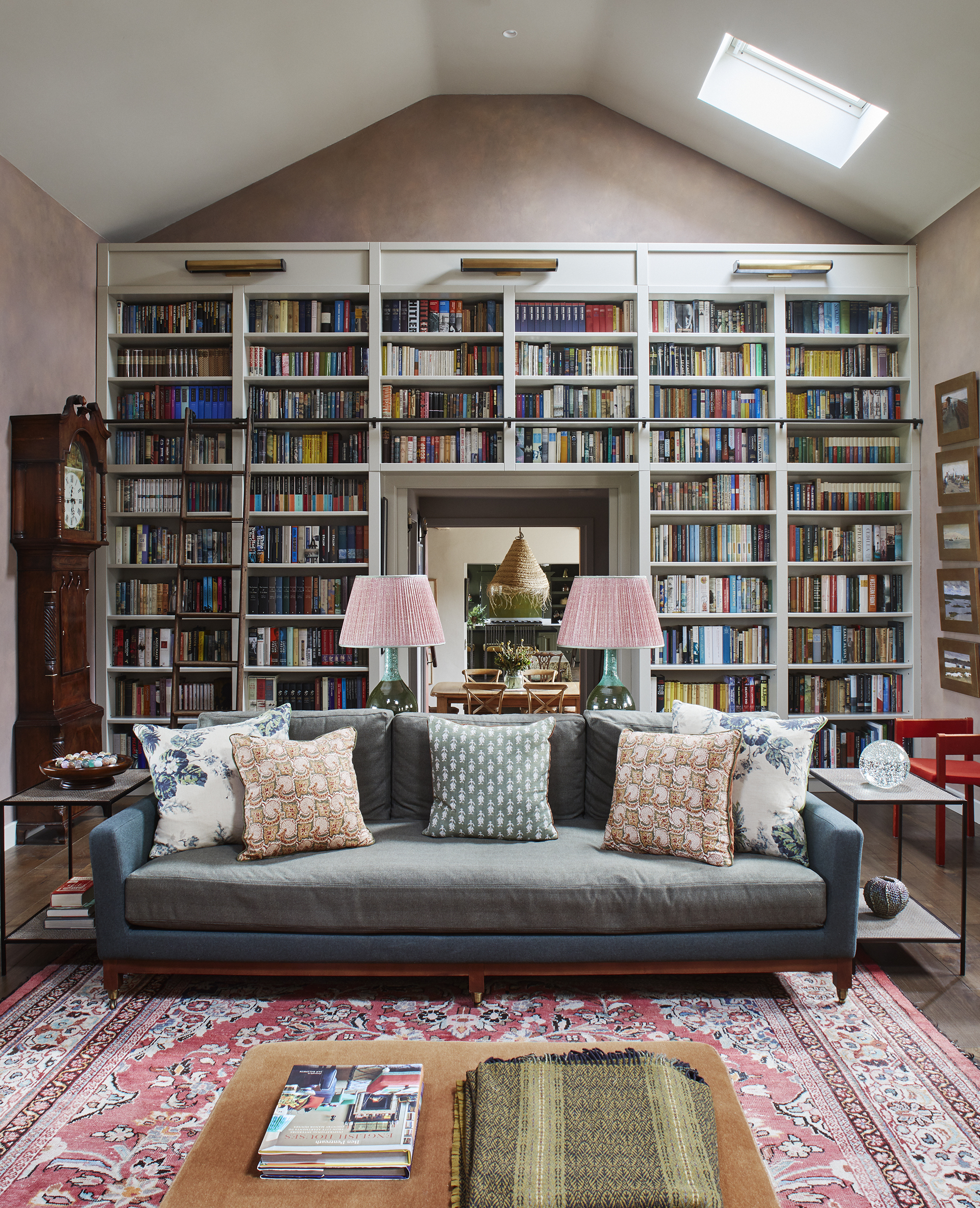
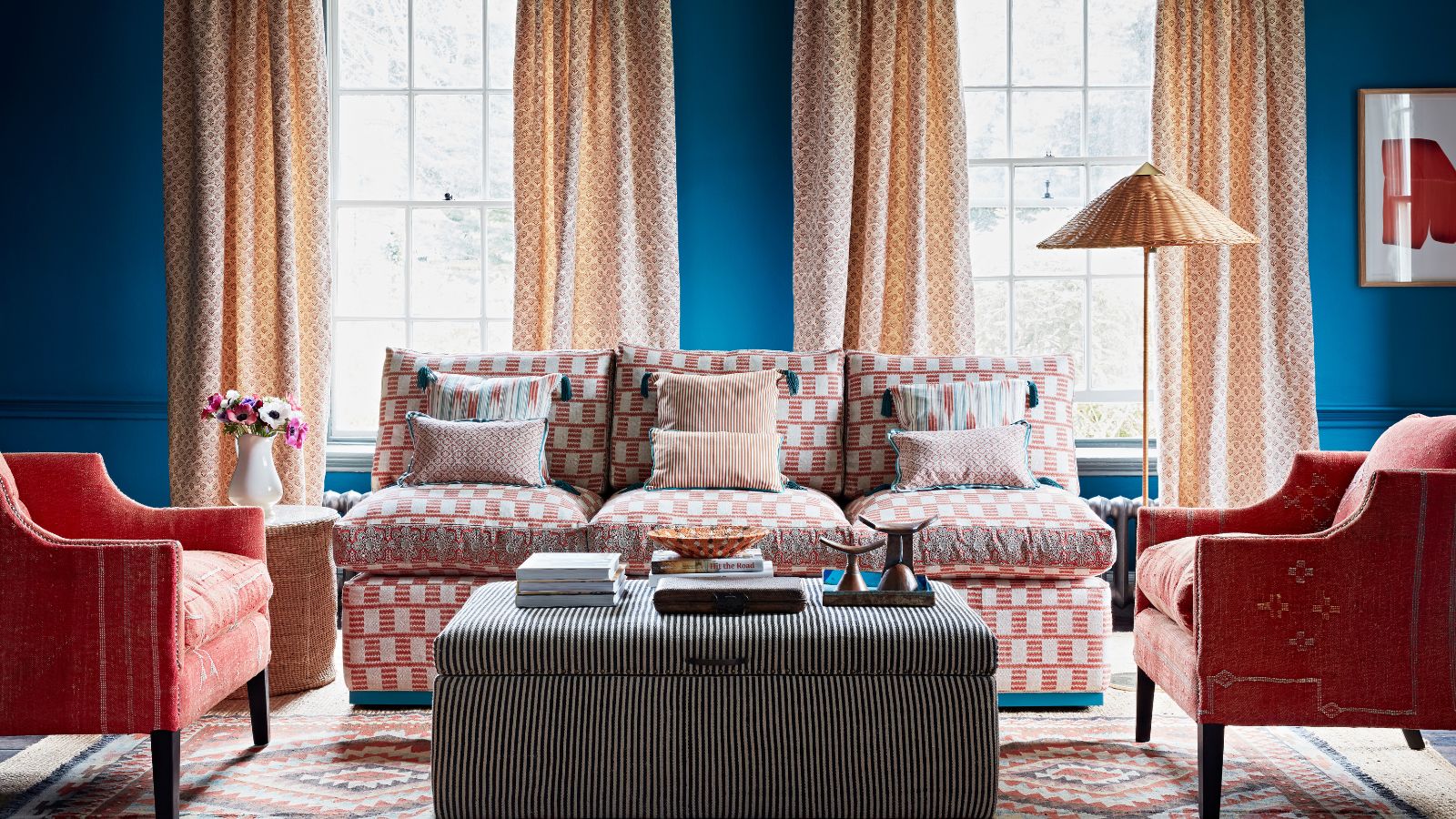
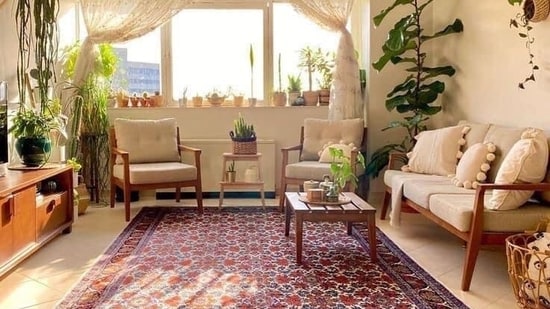
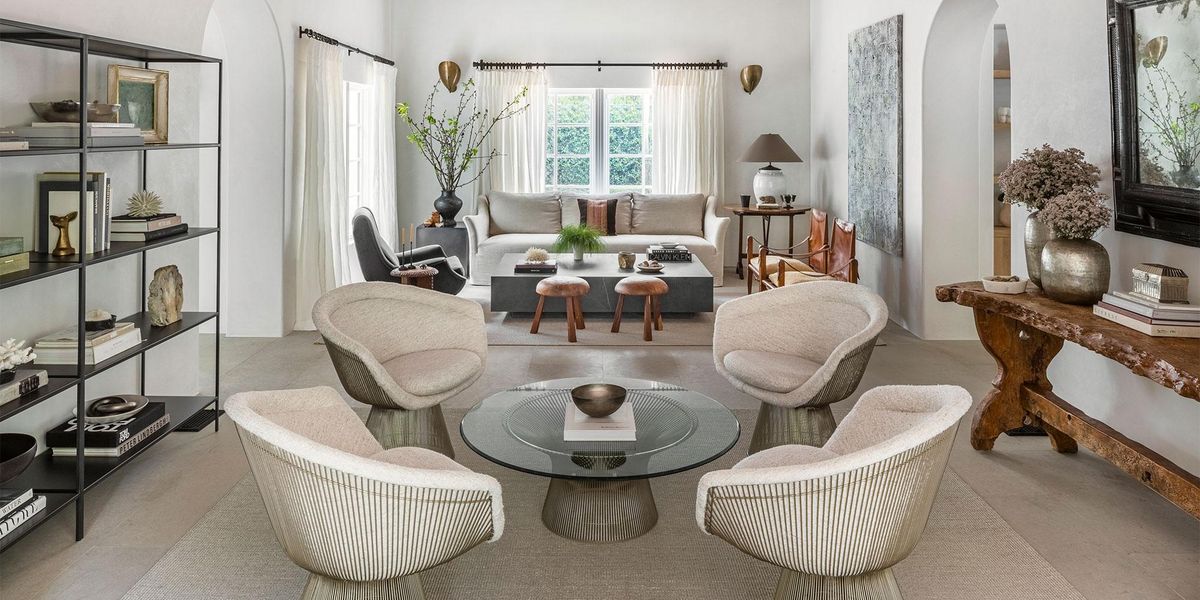
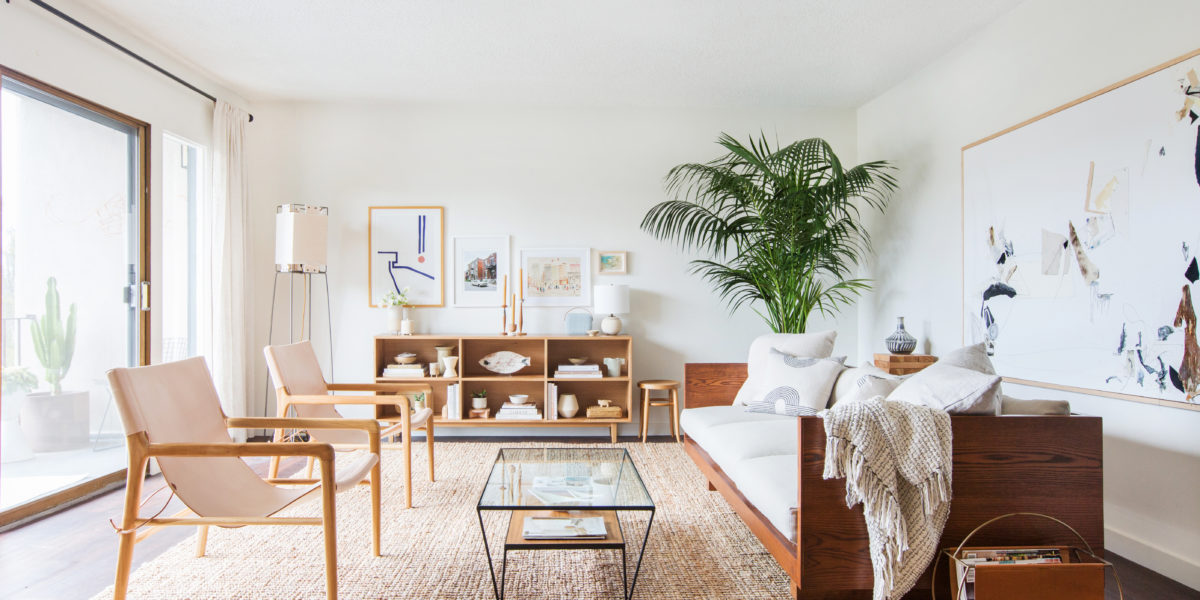
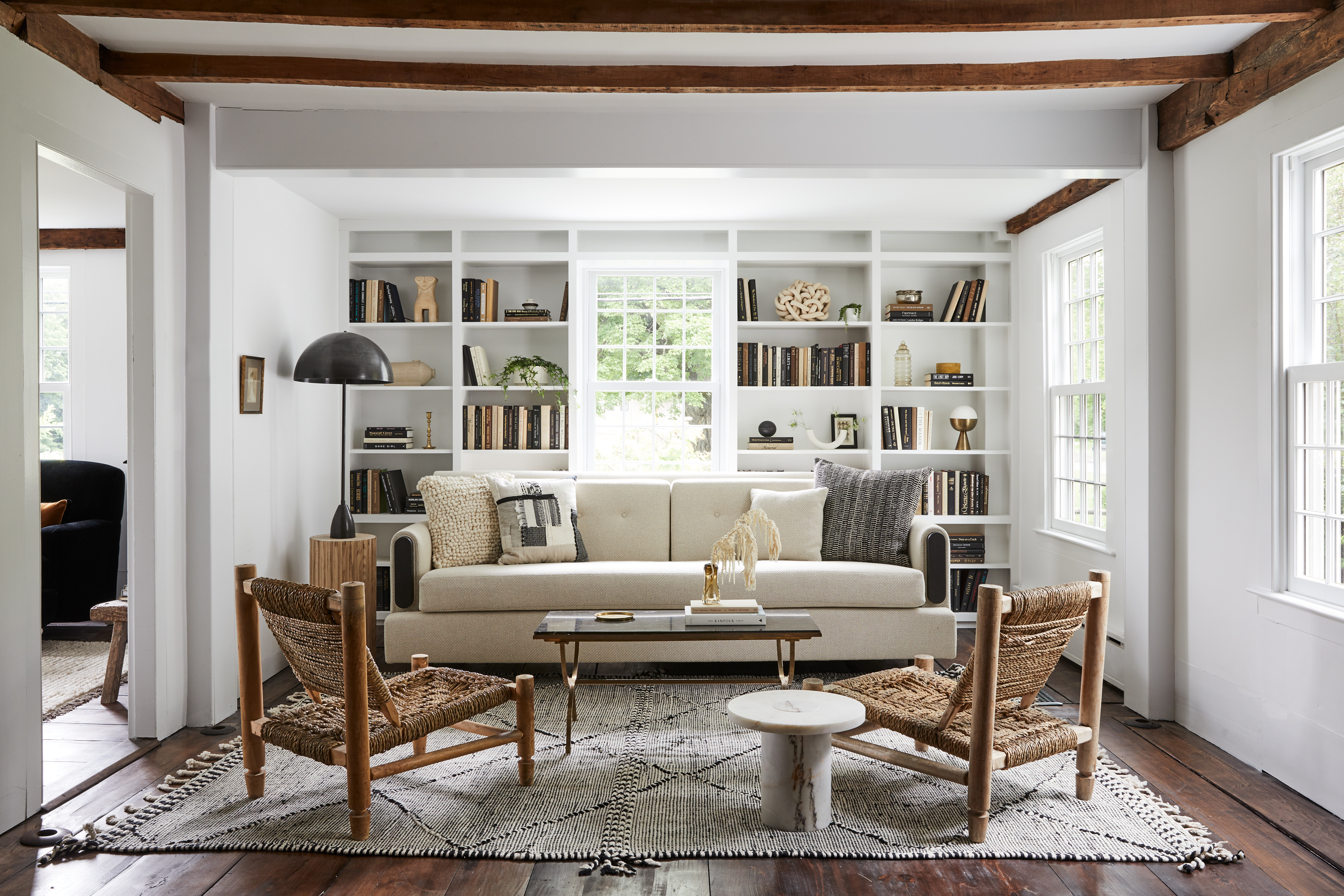
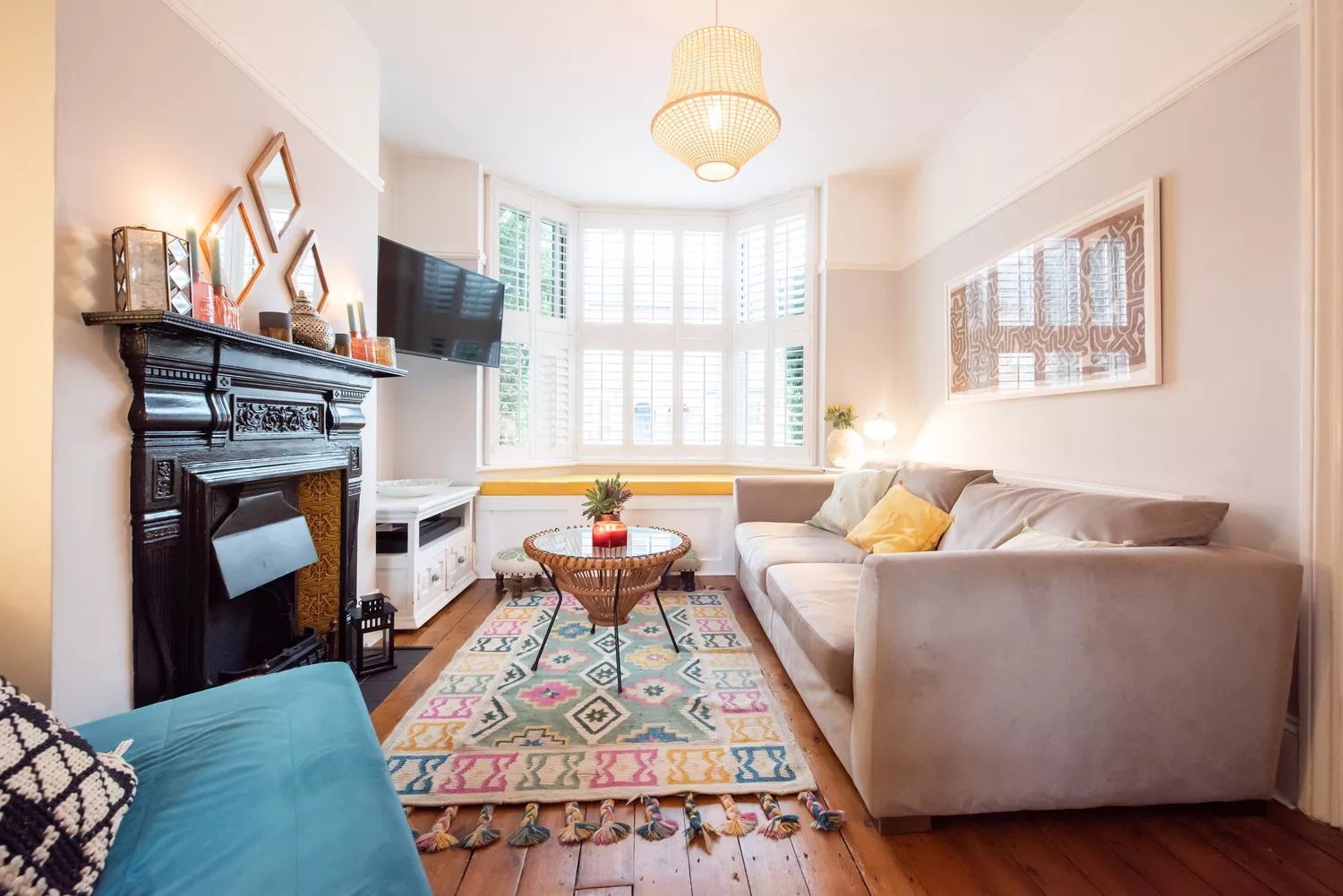
In the living room, rugs are strategically placed under sofas and other seating arrangements to foster harmony and ground supportive energy among family members. Ideally, the rug should be large enough for the front legs of the sofa to rest upon it, symbolizing unity and creating a welcoming atmosphere. Conversely, a rug that is too small or floats in the middle of the room without touching any furniture can lead to scattered energy, making the space feel unsettled.
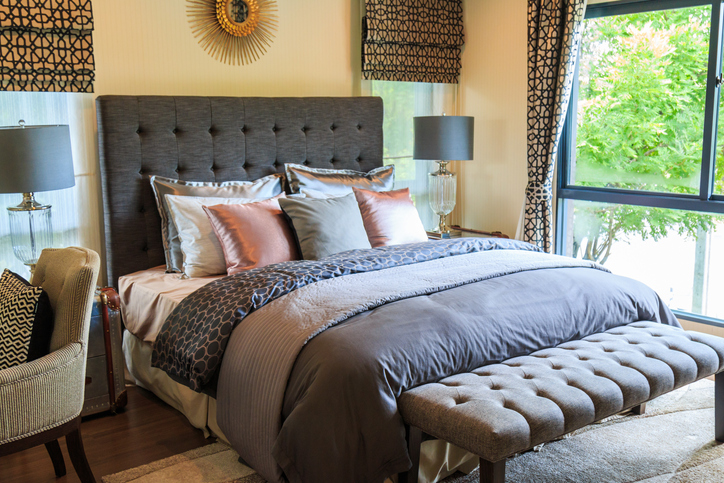
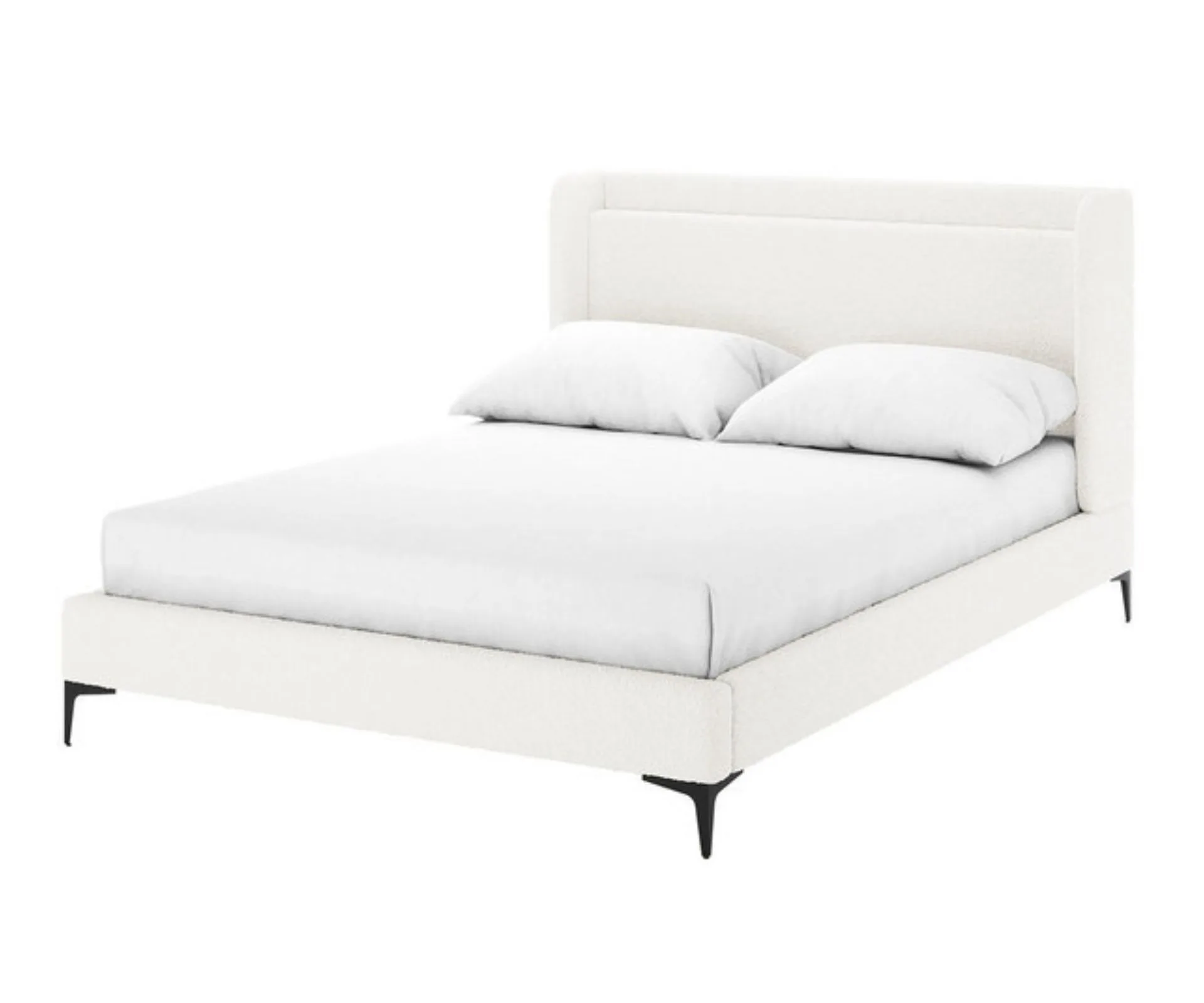
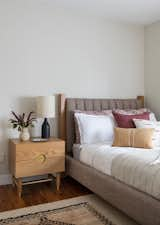
For the bedroom, a rug's placement significantly impacts rest and romance, contributing to an uplifting and harmonious energy flow. The most recommended placement is beneath the bed, extending out at least 18 to 24 inches on both sides. This arrangement helps ground energy, promoting restful sleep and emotional security within relationships. An alternative is a larger rug that accommodates both the bed and adjacent nightstands, anchoring the entire sleeping area for a more balanced energy flow. Matching runners on either side of the bed can signify equality in shared spaces, while a single runner at the foot of the bed offers grounding energy.
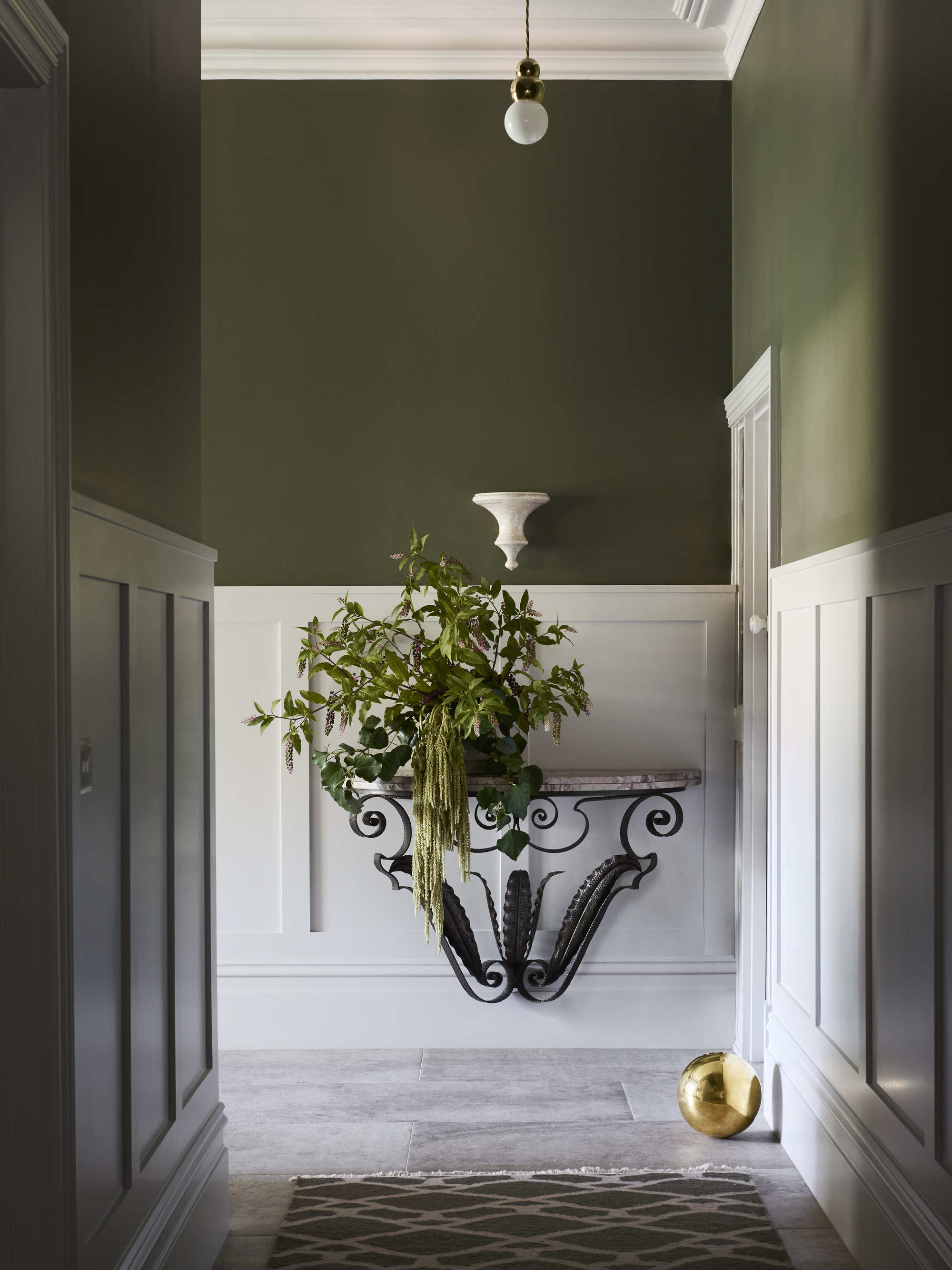
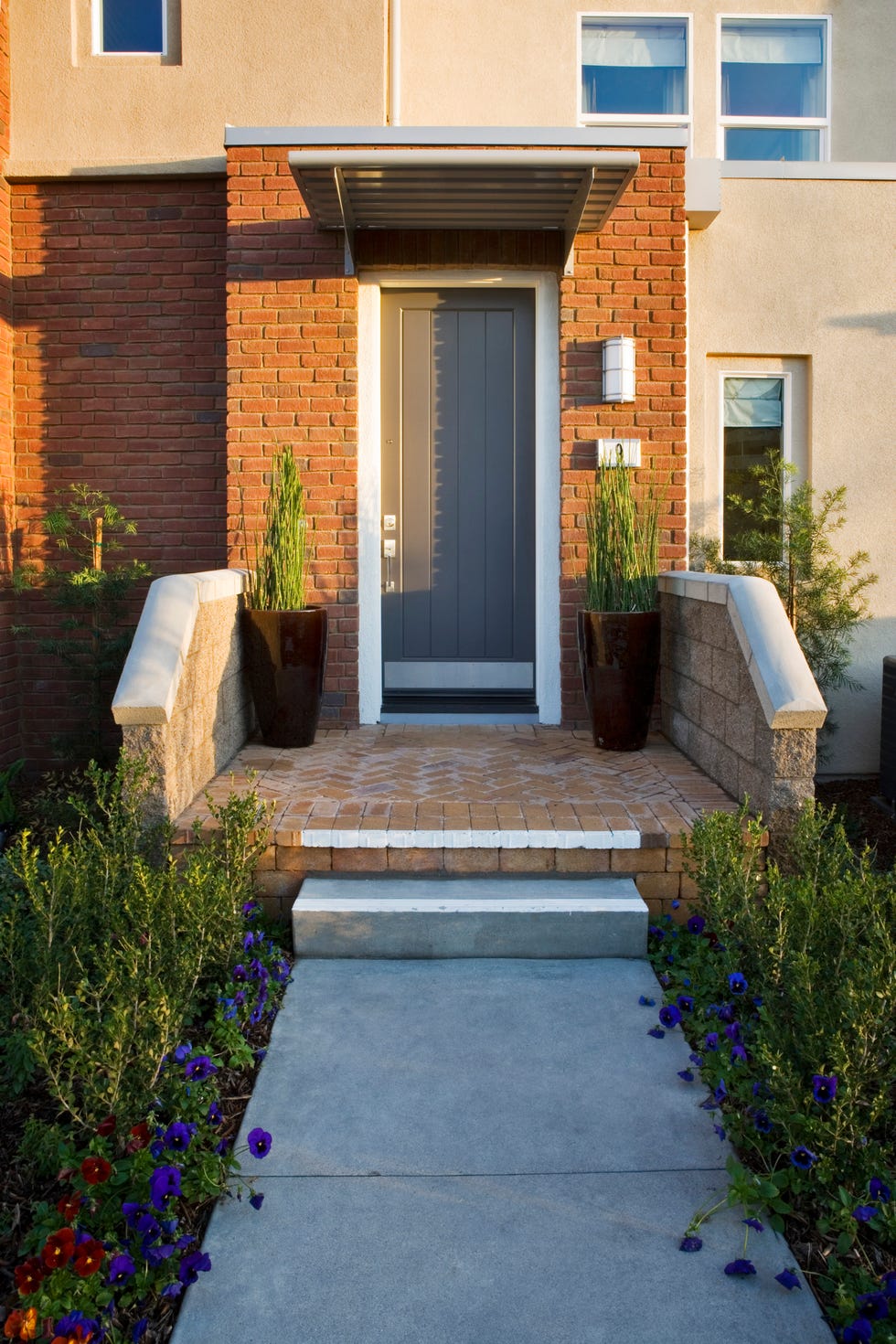
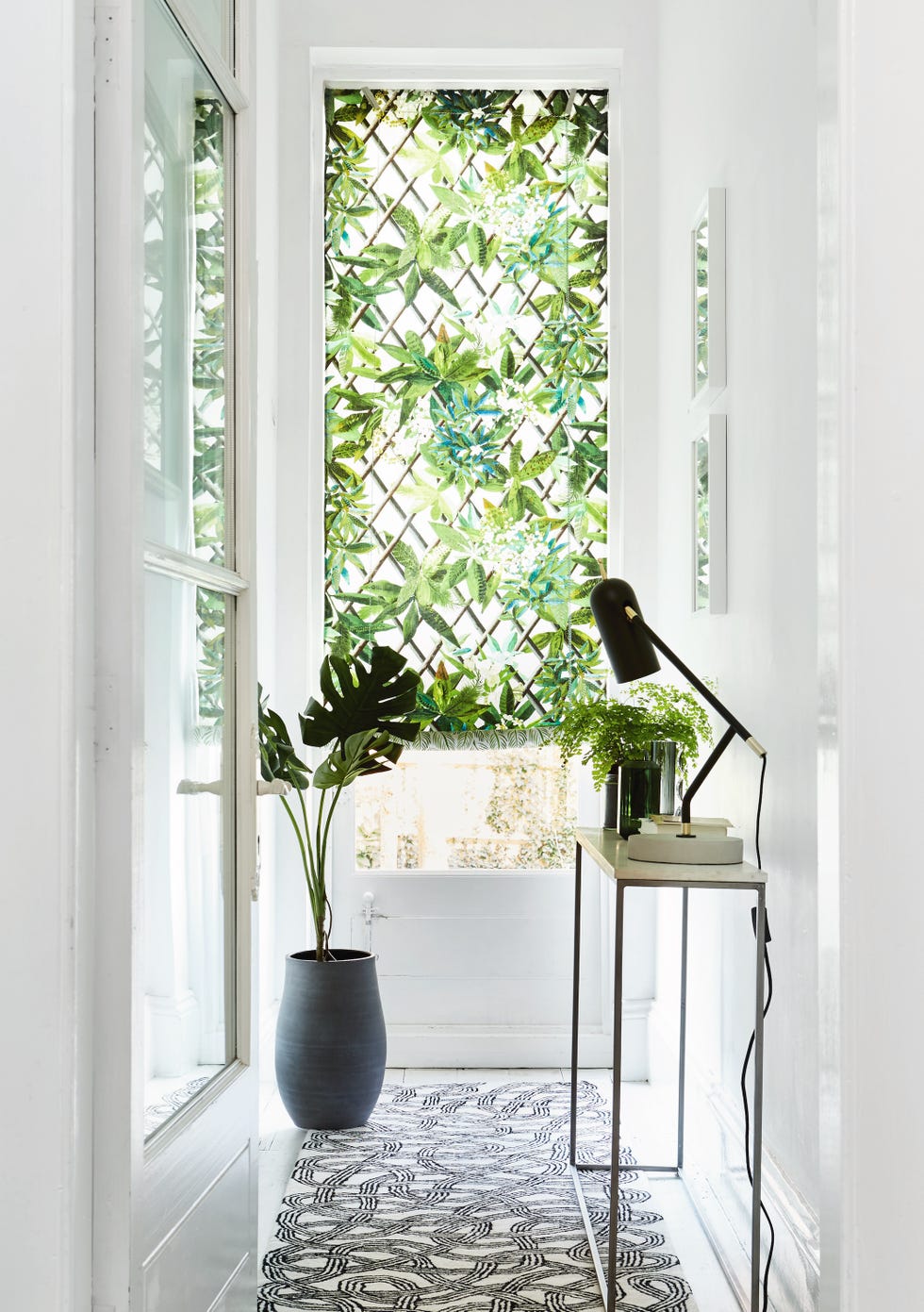
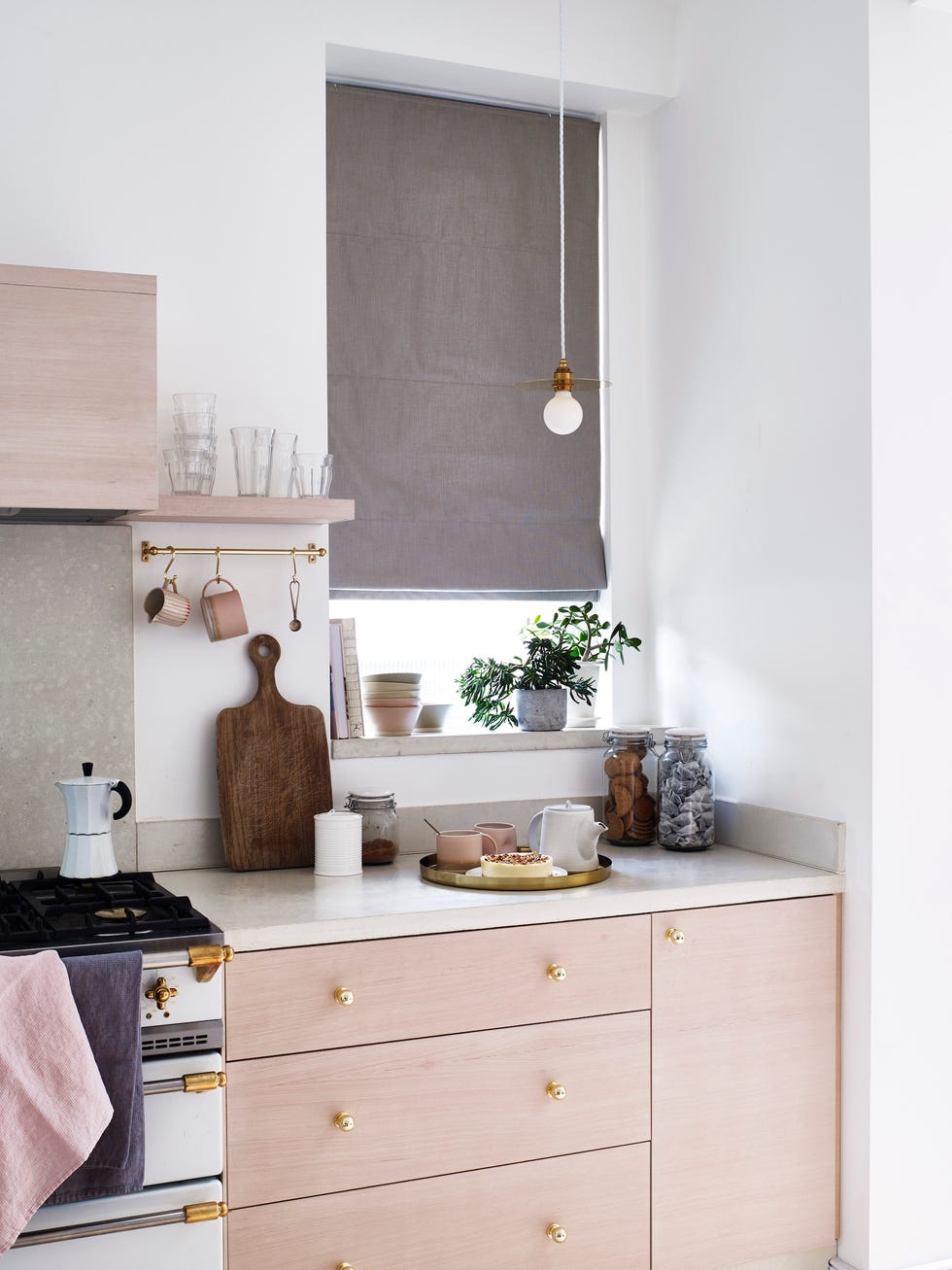
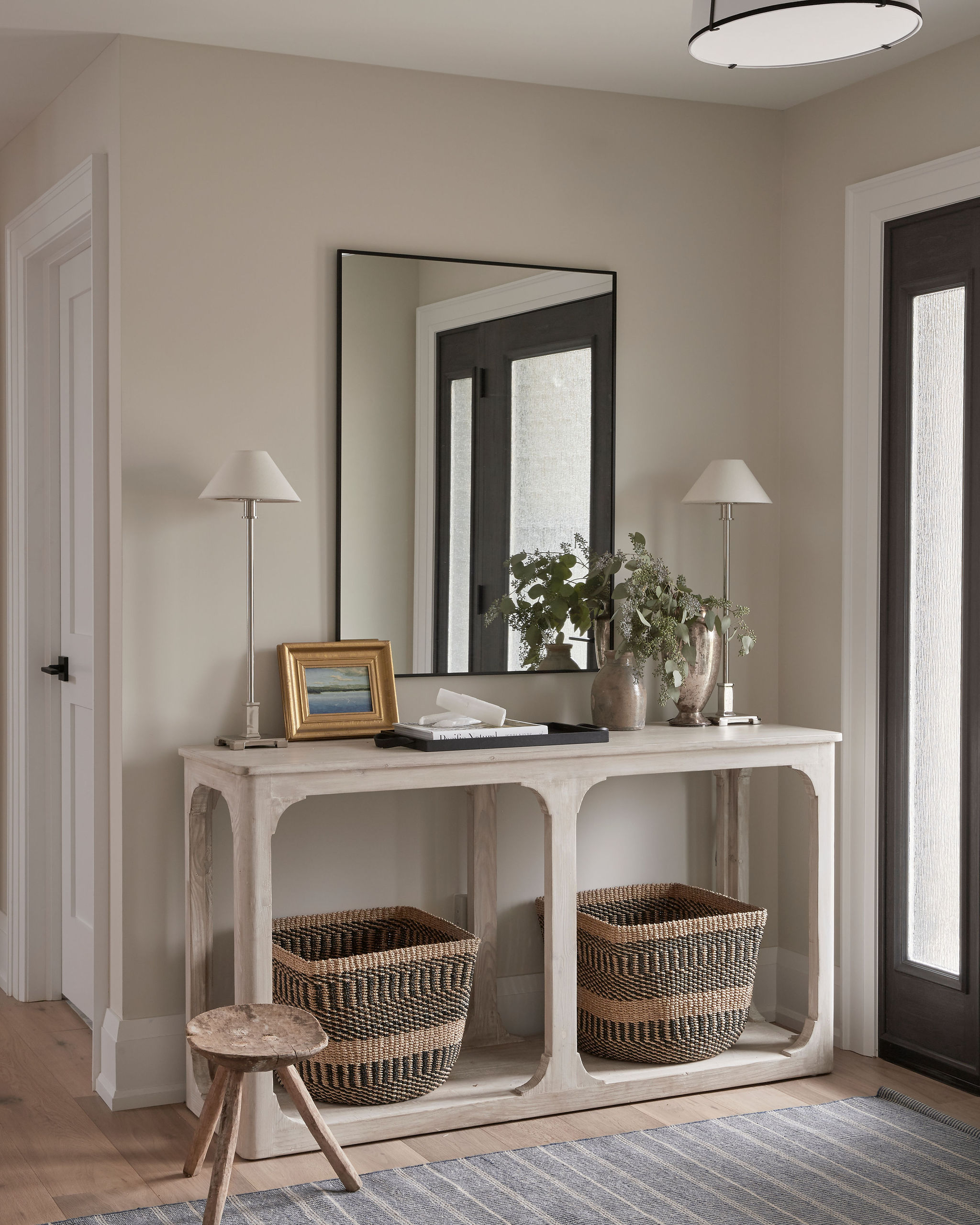
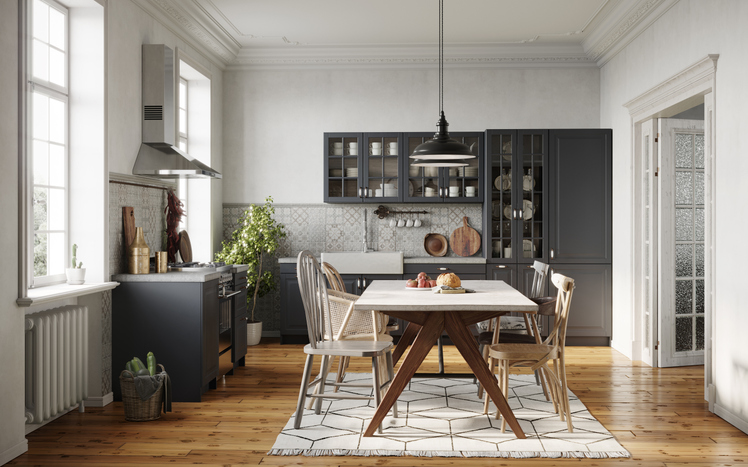
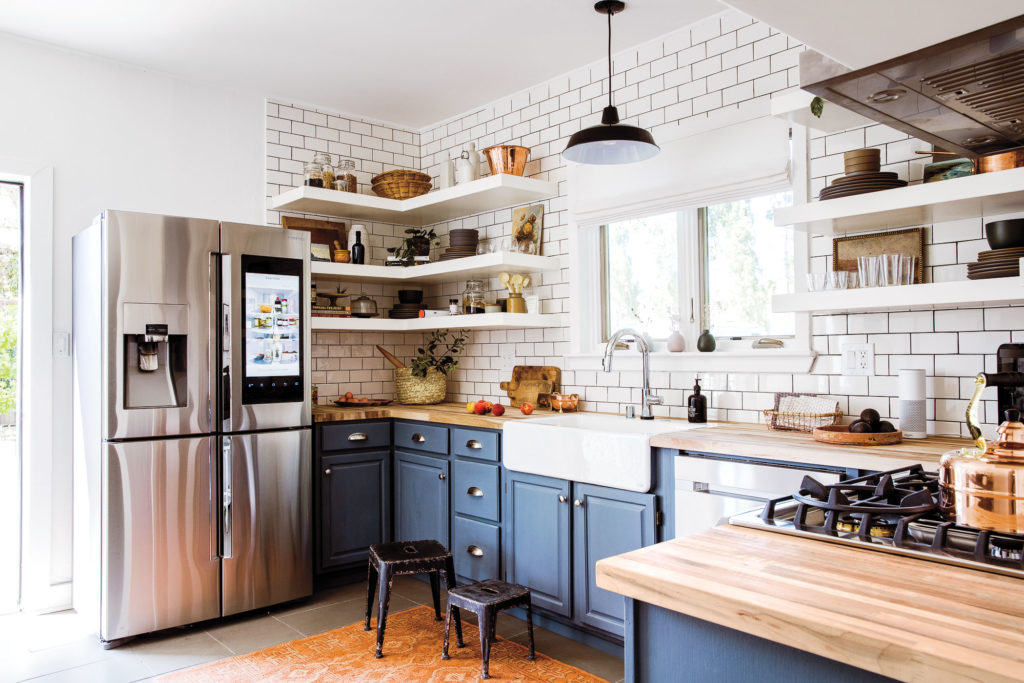
In the entryway, a rug plays a crucial role in inviting and encouraging stable, harmonizing, and nurturing 'qi' into the home from the outside world. Placing a rug directly in front of the main door acts as an energy filter, ensuring that only positive energy enters and serving as a symbolic welcome for guests and opportunities. In kitchens, a long runner can be beneficial in galley-style layouts to mitigate rushing chi, acting as a 'speed bump' to slow down energy and promote a more grounded, less stressed feeling. However, in both kitchens and bathrooms, practical considerations are paramount. Rugs should be placed where they make sense for comfort and warmth, particularly in areas where one stands frequently, but carefully to avoid tripping hazards or obstructing door openings. Maintaining cleanliness is also essential, as a soiled rug can negatively impact chi.
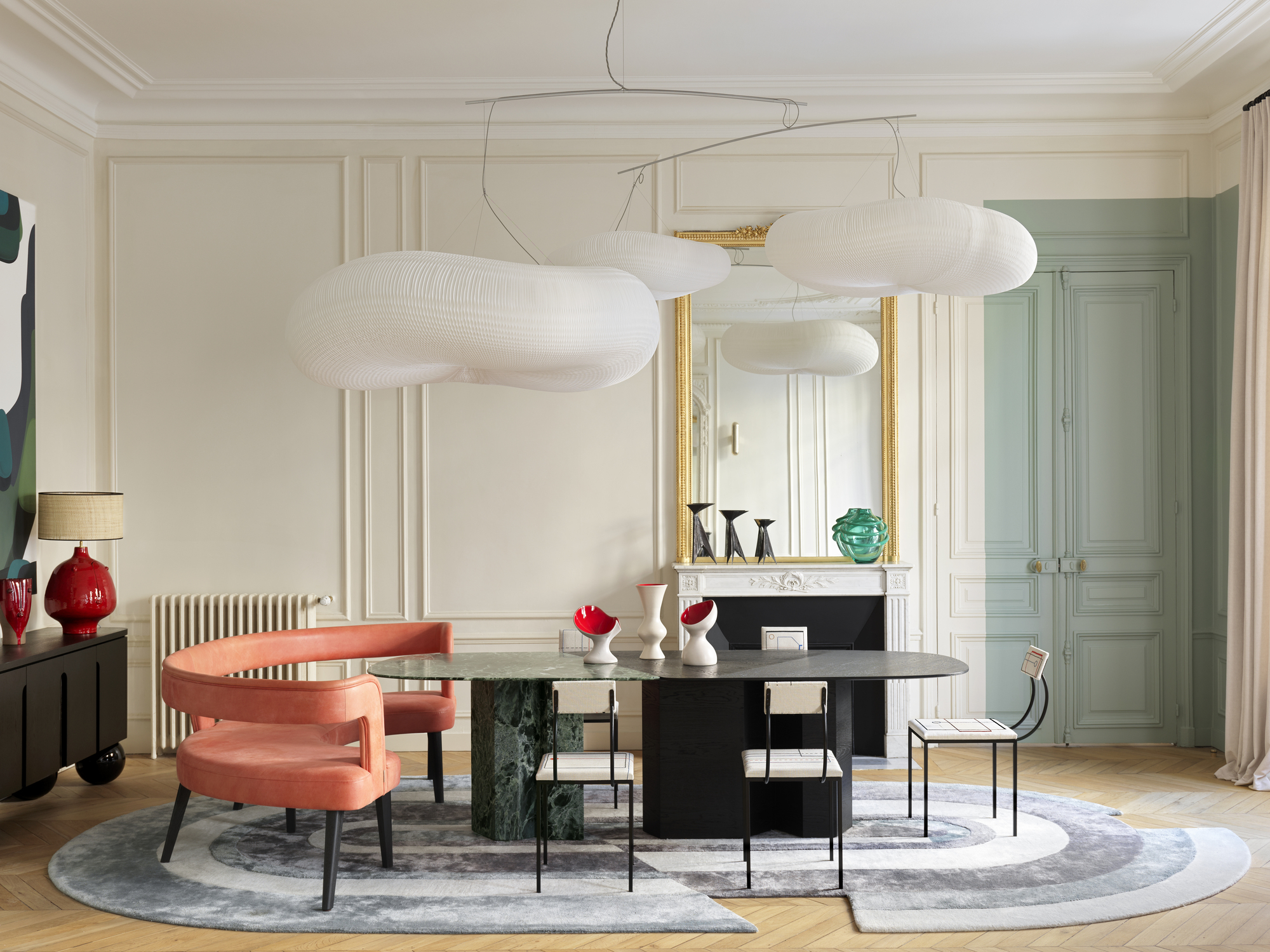
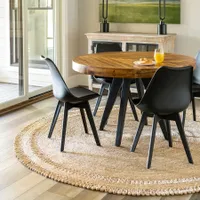
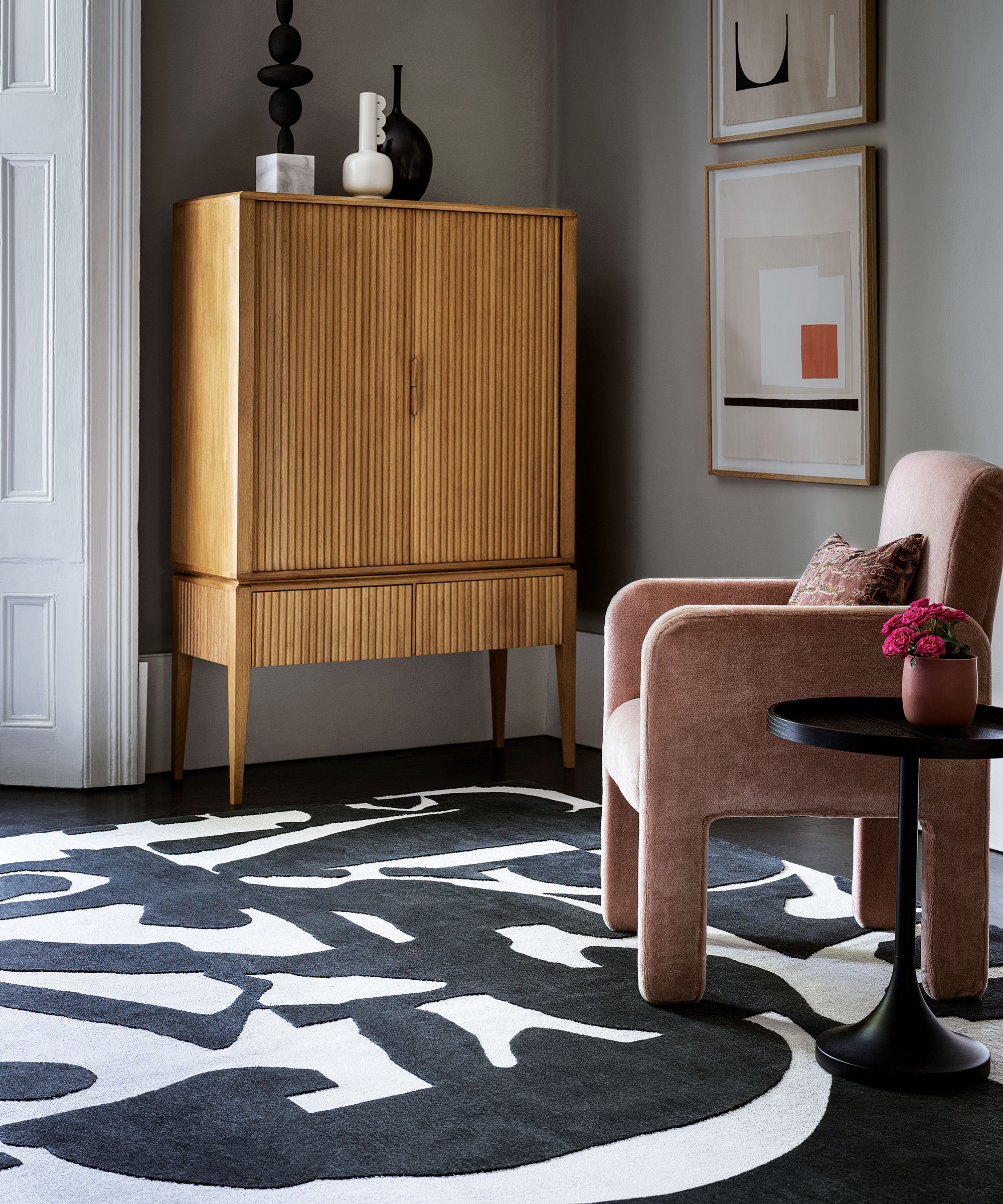
Beyond placement, the shape and pattern of a rug also contribute to Feng Shui. Rugs with soft, rounded edges are generally preferred over sharp-angled ones, as they are believed to disrupt energy flow. Similarly, overly chaotic patterns or bright colors can disturb the harmony of a room, suggesting that more subdued and balanced designs are favorable for maintaining a peaceful environment.
#FengShui #RugPlacement #InteriorDesign #HomeDecor #EnergyFlow #LivingRoom #Bedroom #Entryway #KitchenDesign #FengShui #RugPlacement #InteriorDesign #HomeDecor #EnergyFlow #LivingRoom #Bedroom #Entryway #KitchenDesign
0 comment in total
 No comments yet
You may also like

Room Feel Snug? It Might Be Your Rug. | Reviews by Wirecutter
I Just Learned the Basics of Feng Shui Sofa Placement — Turns Out My Couch Might Be "Blocking Energy"

How to master the layout of your home, according to Feng Shui

Home decor tips to choose perfect rug for your room's centerpiece | Hindustan Times

'They're not for every room' – designers say they'll never use a round rug in these 5 spaces, and neither should you
Three feng shui principles to improve the energy of your small flat

How Feng Shui Can Help You Recalibrate The Energy In Any Room

Found: A Creative New Way to Utilize Rugs
How to feng shui your home: 8 ways to attract positive energy

Feng Shui Tips for Every Room in Your Home
How to Feng Shui Every Room in Your Home
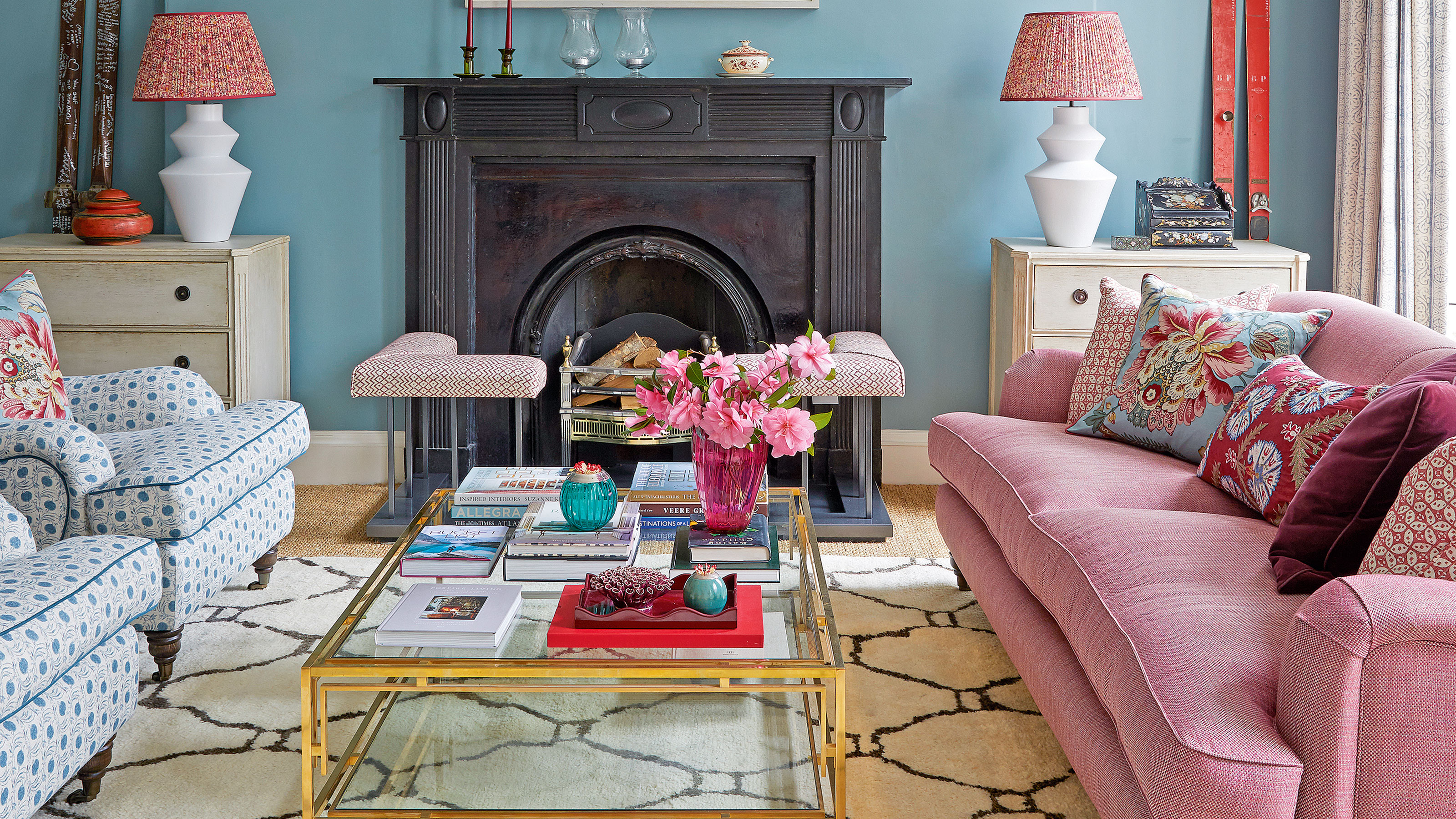
The ideal area rug sizes for a living room – 5 expert rules to follow
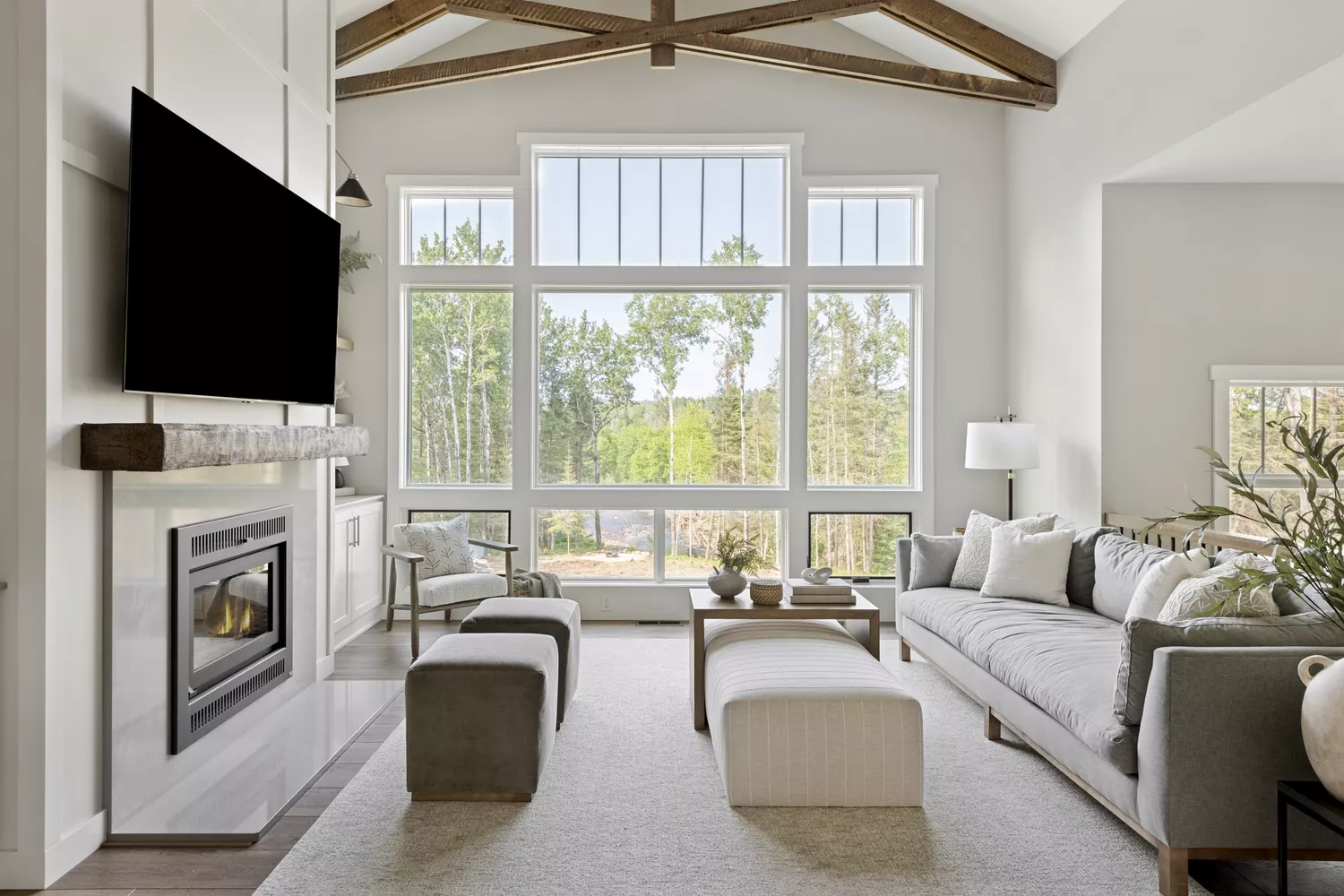
Should All of Your Furniture Legs Be on the Rug? Designers Say There's a Right Answer

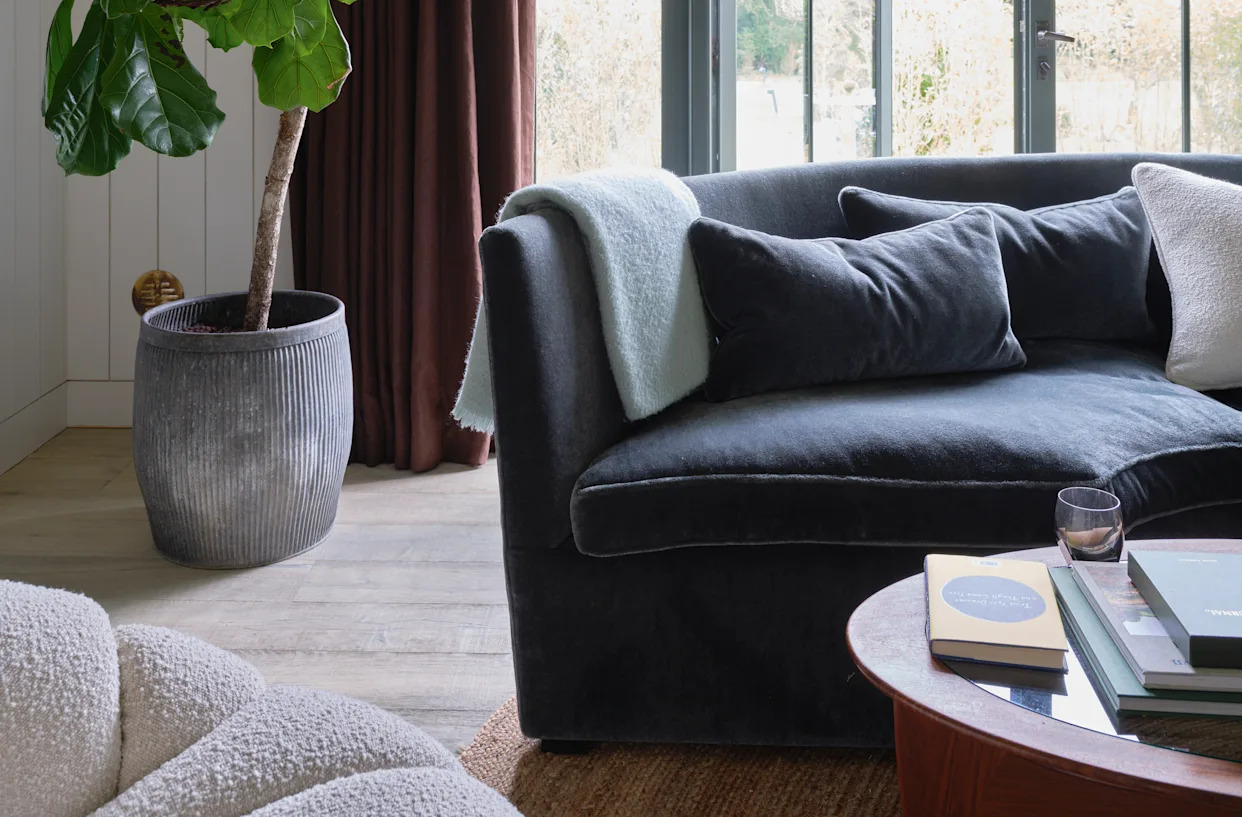
This is the one place Feng Shui experts say you should never put your sofa – and it's a surprisingly common layout

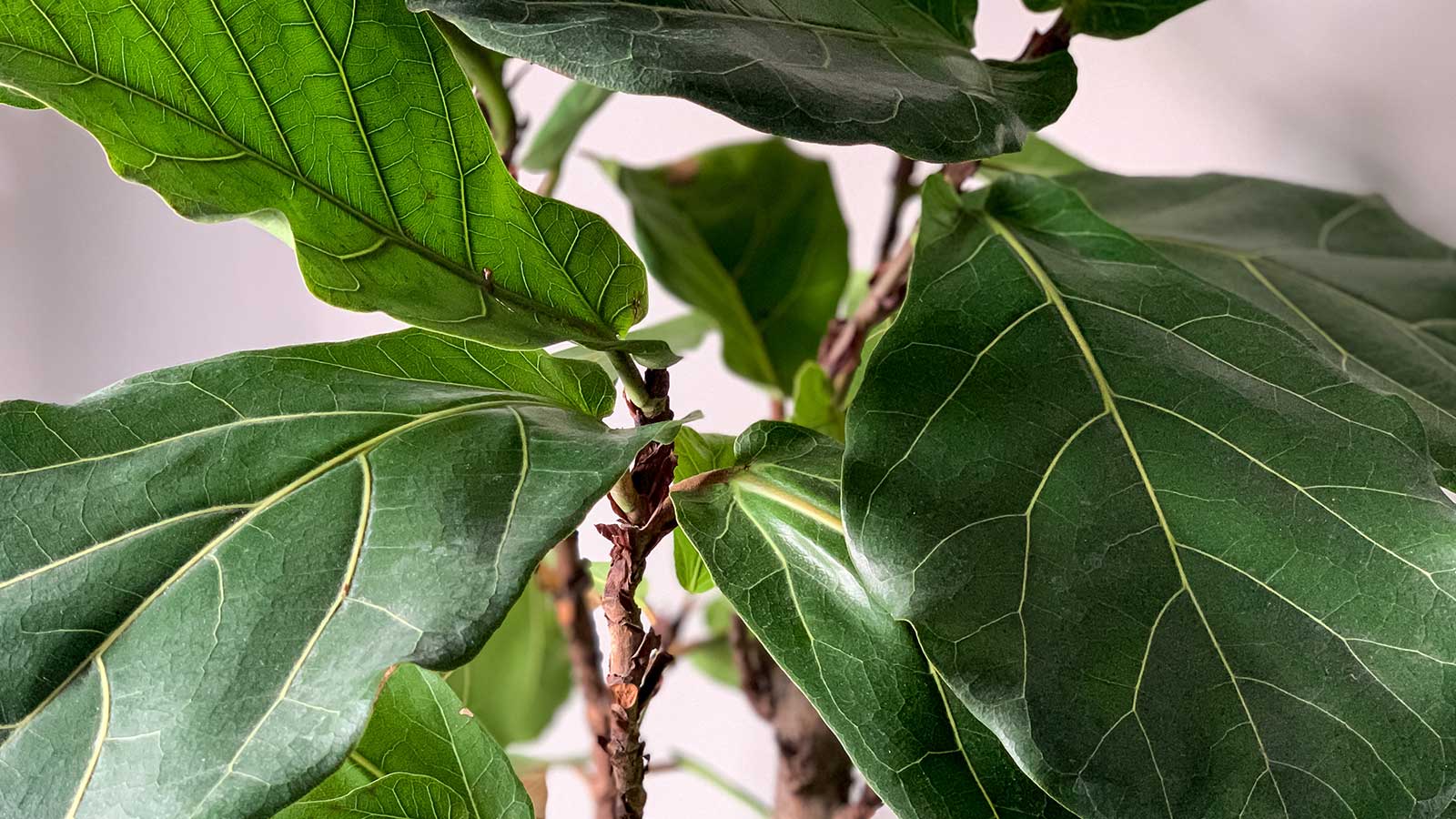
Discover exactly where to place a fiddle leaf fig for positive Feng Shui in your home
How Much Should You Spend on an Area Rug?

5 rug colors to avoid – the hues designers think you should veer away from on floors, plus how to make them work
‘It will help you feel grounded’ - this is the best type of flooring for good Feng Shui, according to experts
How to Pick the Perfect Rug for Your Space
6 Things in Your Living Room That Instantly Give Designers the Ick