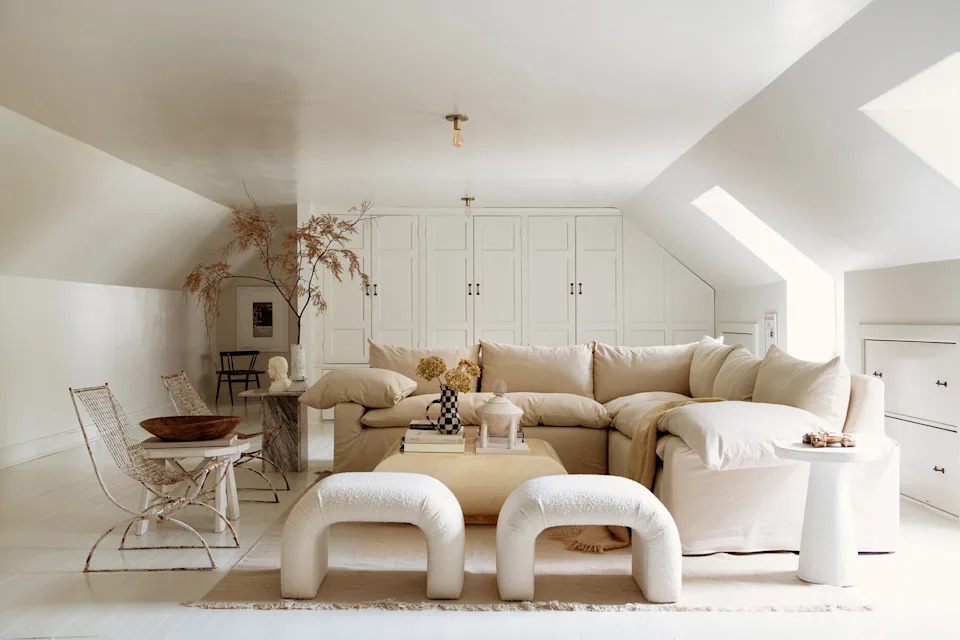
Paint finishes for ceilings explained – how to create impact on the fifth wall
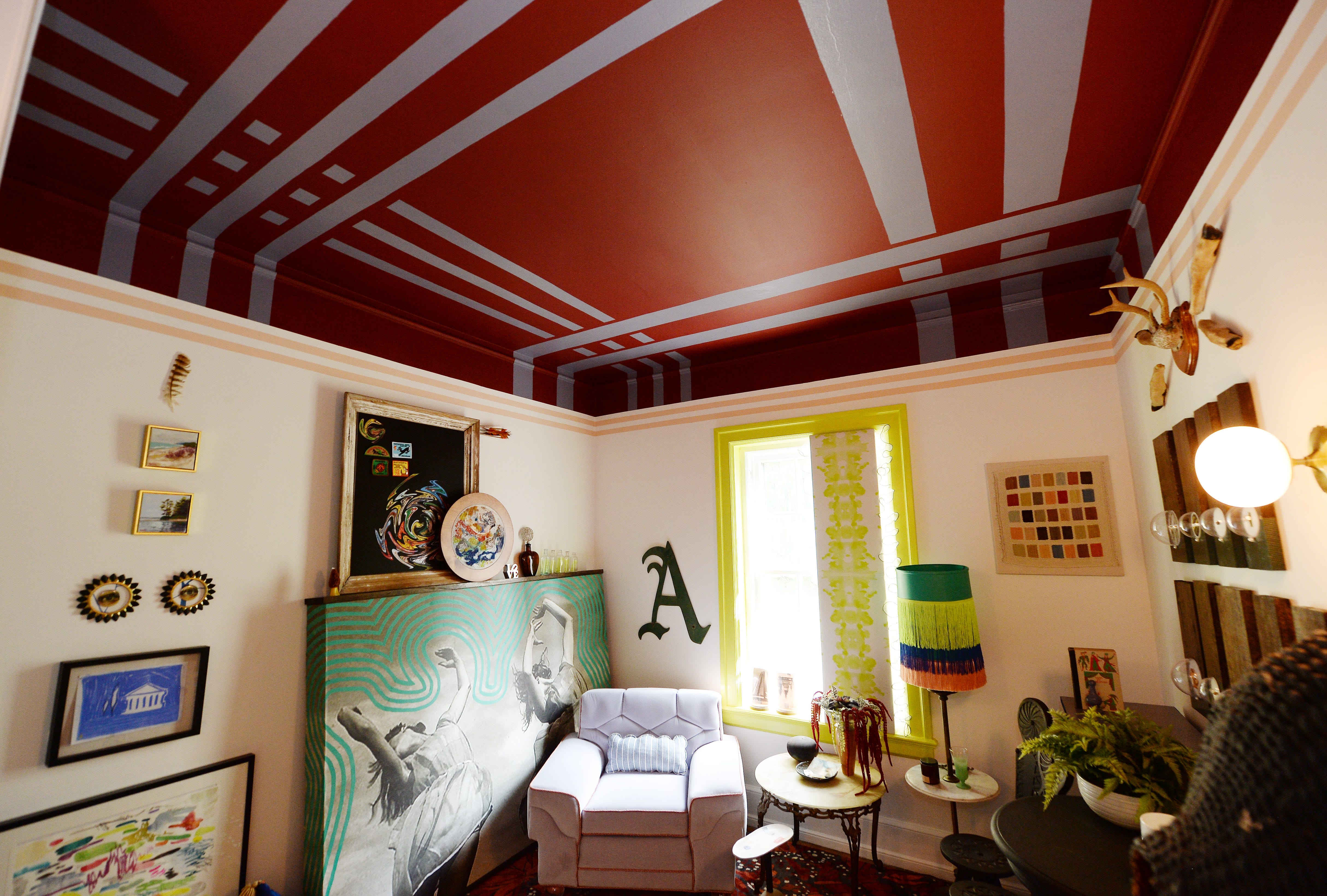
Selecting the appropriate paint finish for ceilings is a crucial aspect of interior design, often overlooked despite its significant impact on a room's aesthetic and practical functionality. Ceilings, sometimes referred to as the 'fifth wall,' can dramatically alter a space's atmosphere, making it feel fresh, bright, or intimate. The choice of paint finish goes beyond mere color, encompassing factors like sheen level, durability, and ease of maintenance.
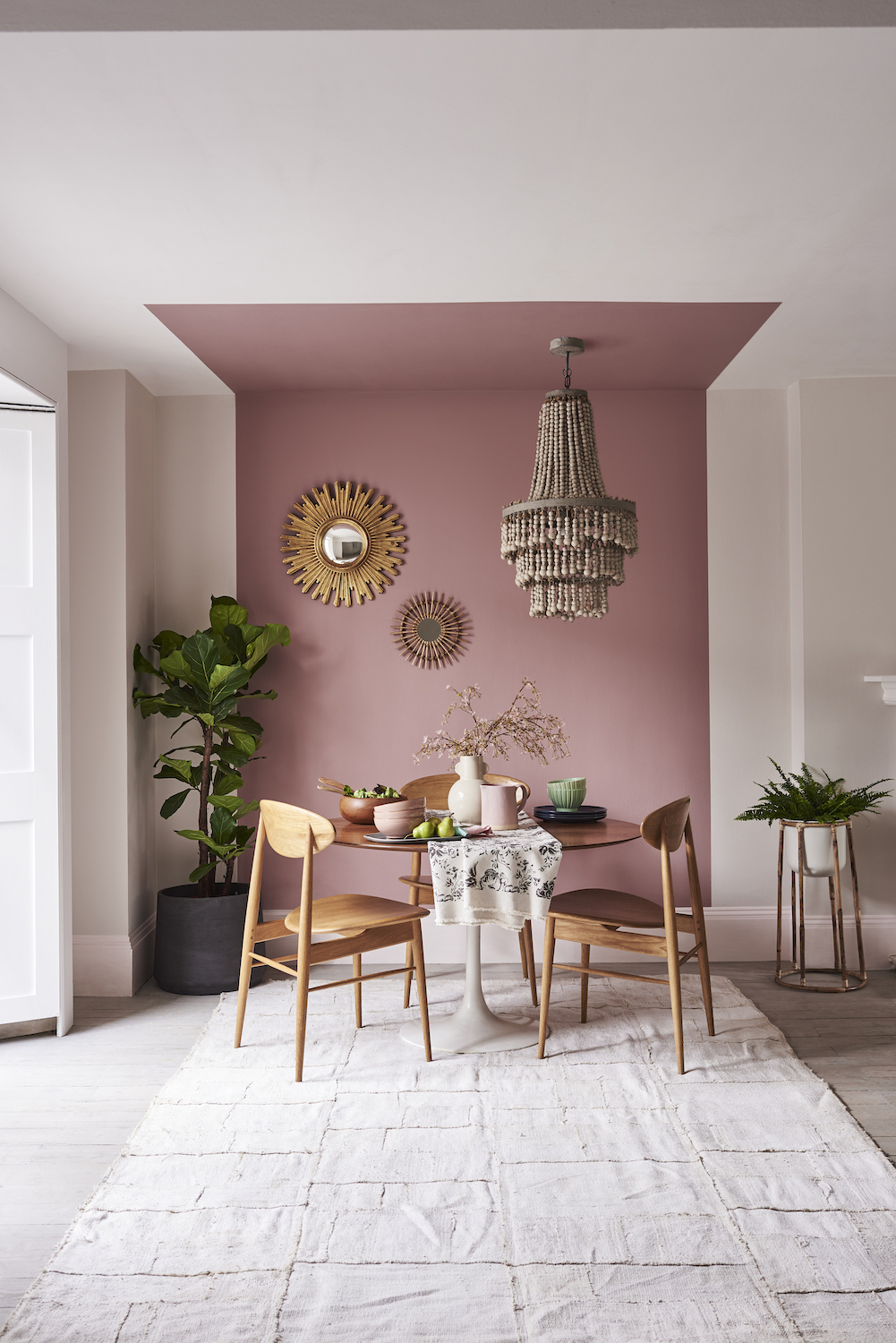
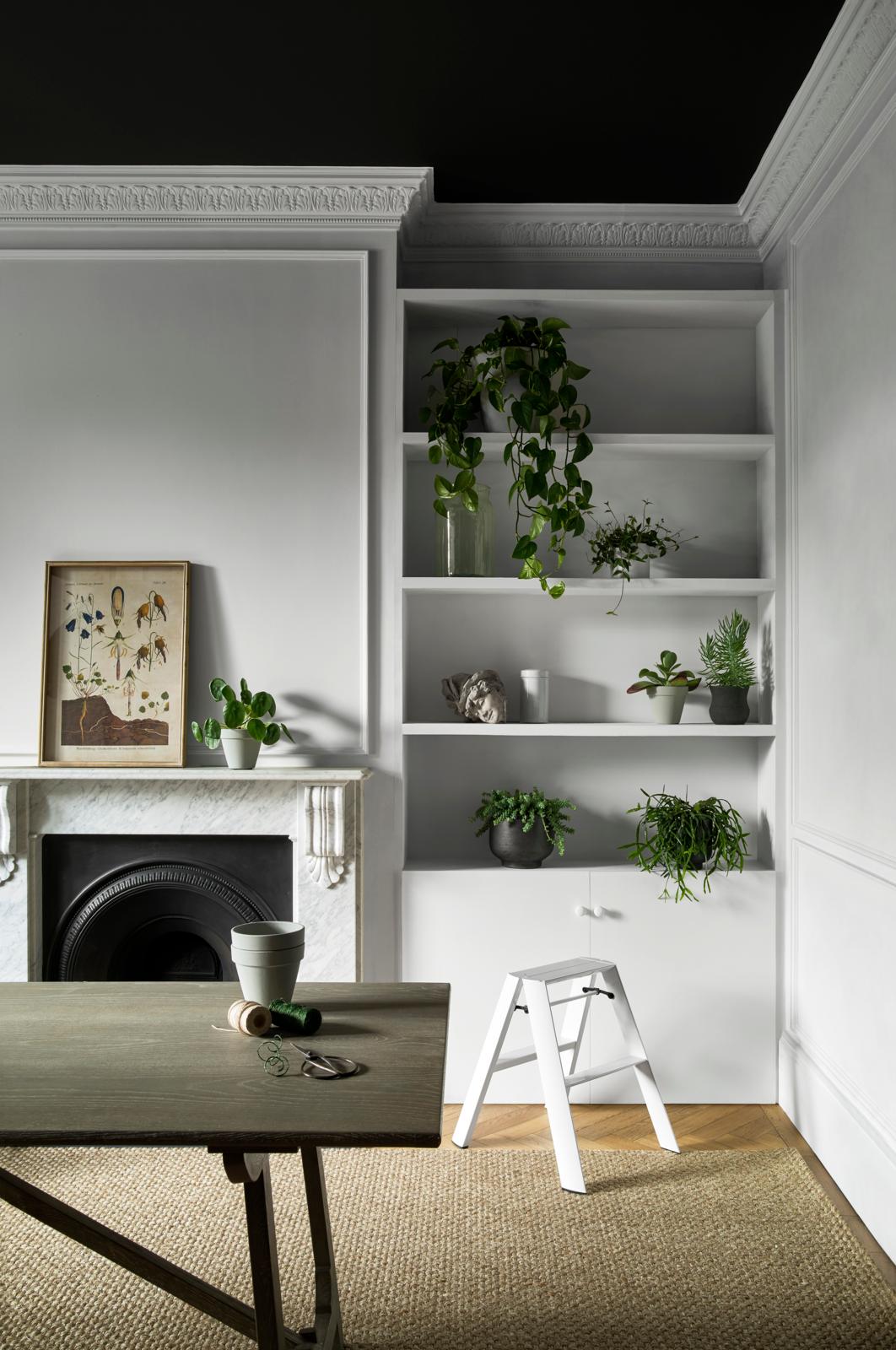
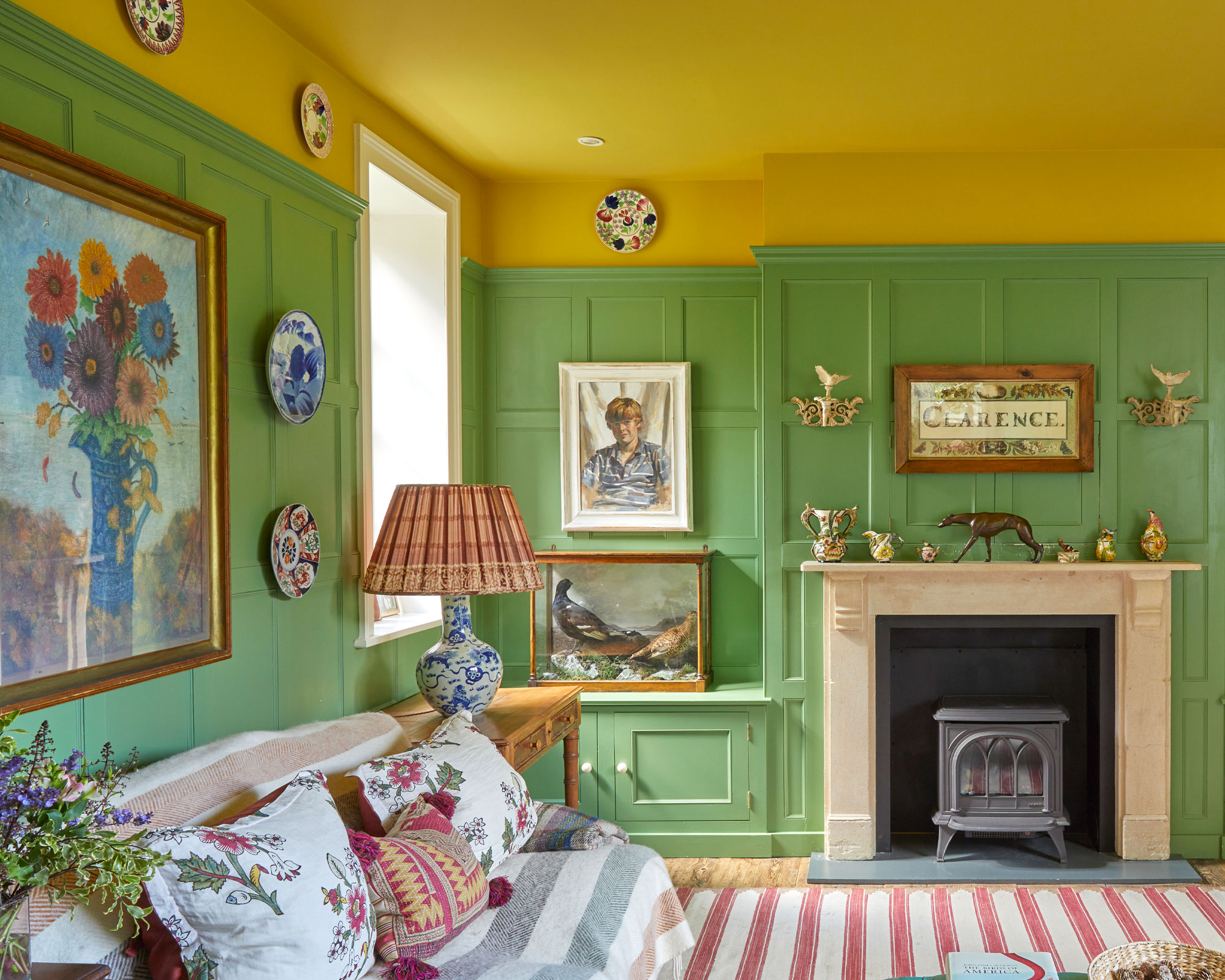
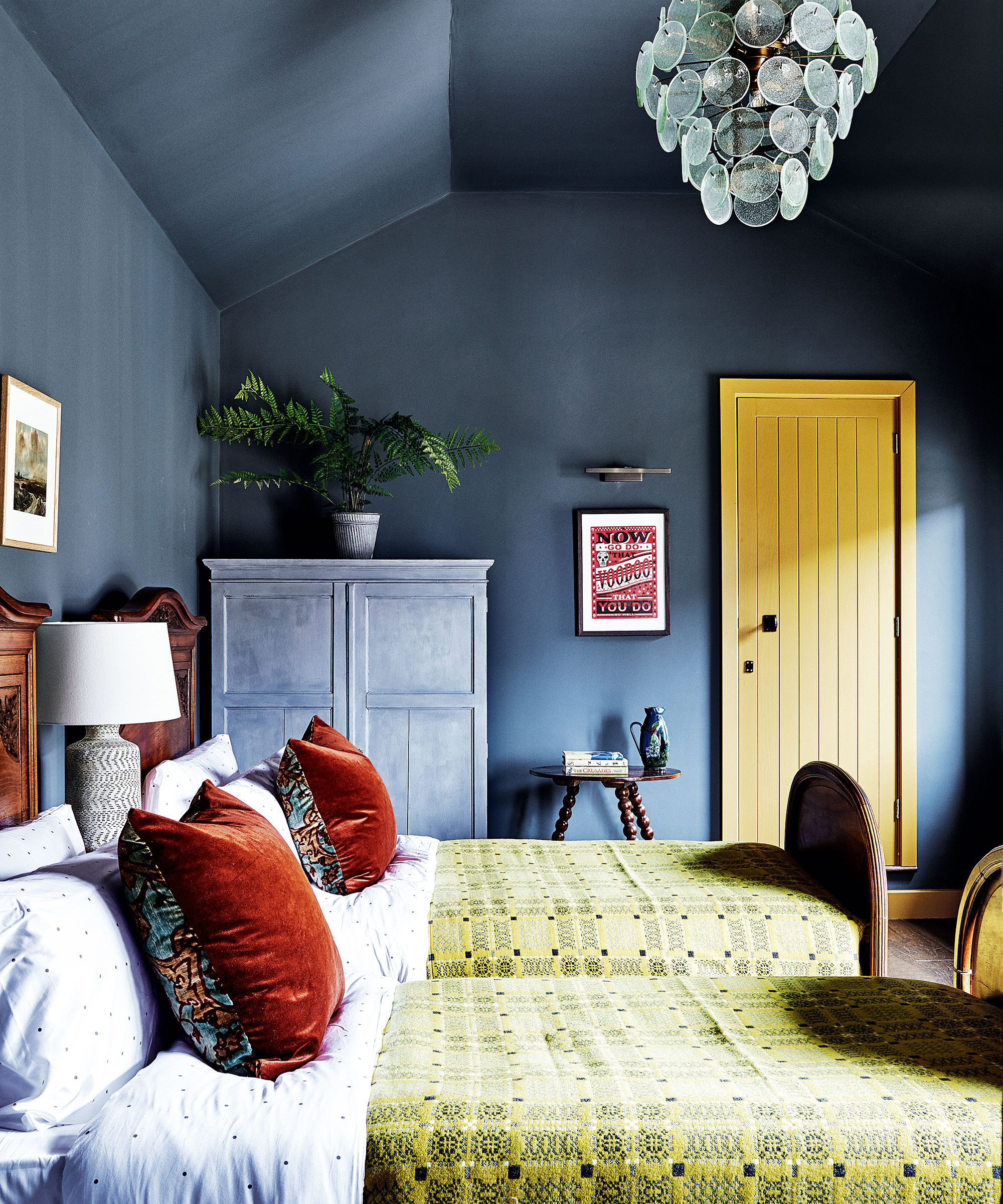
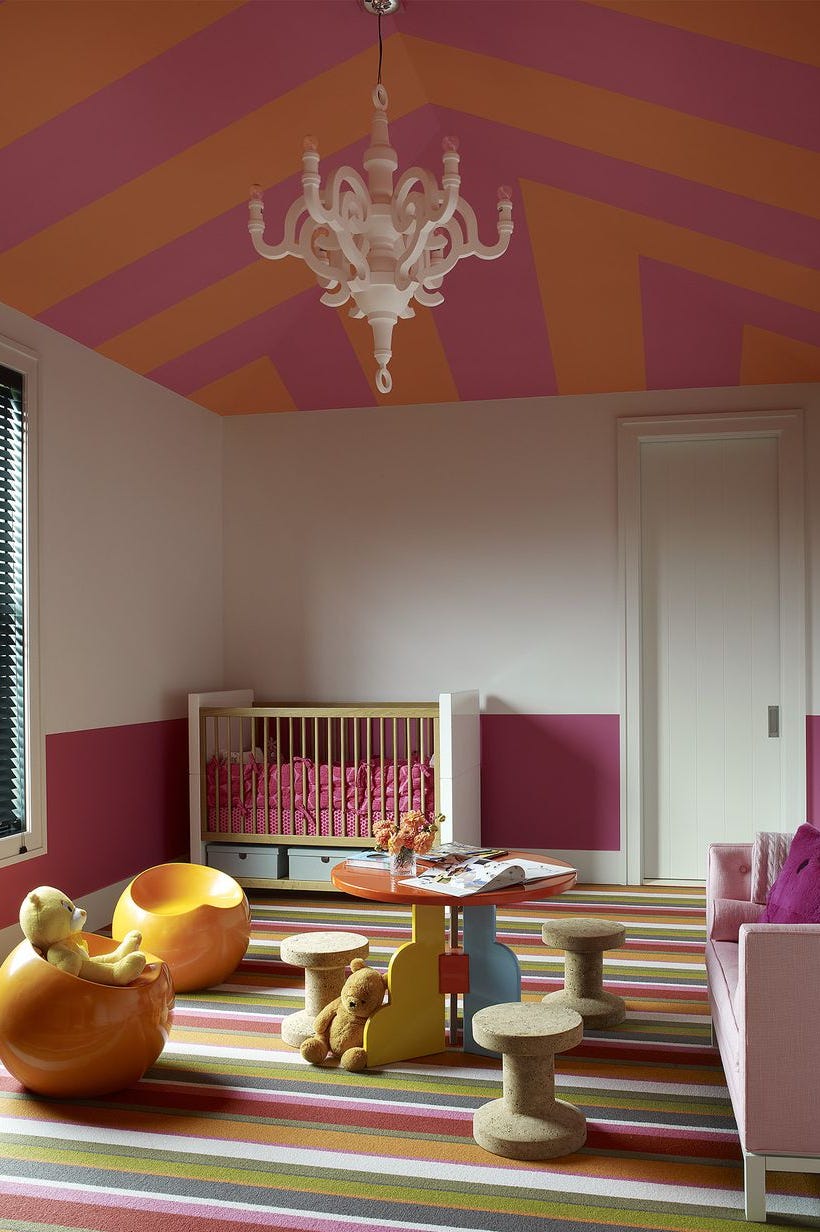
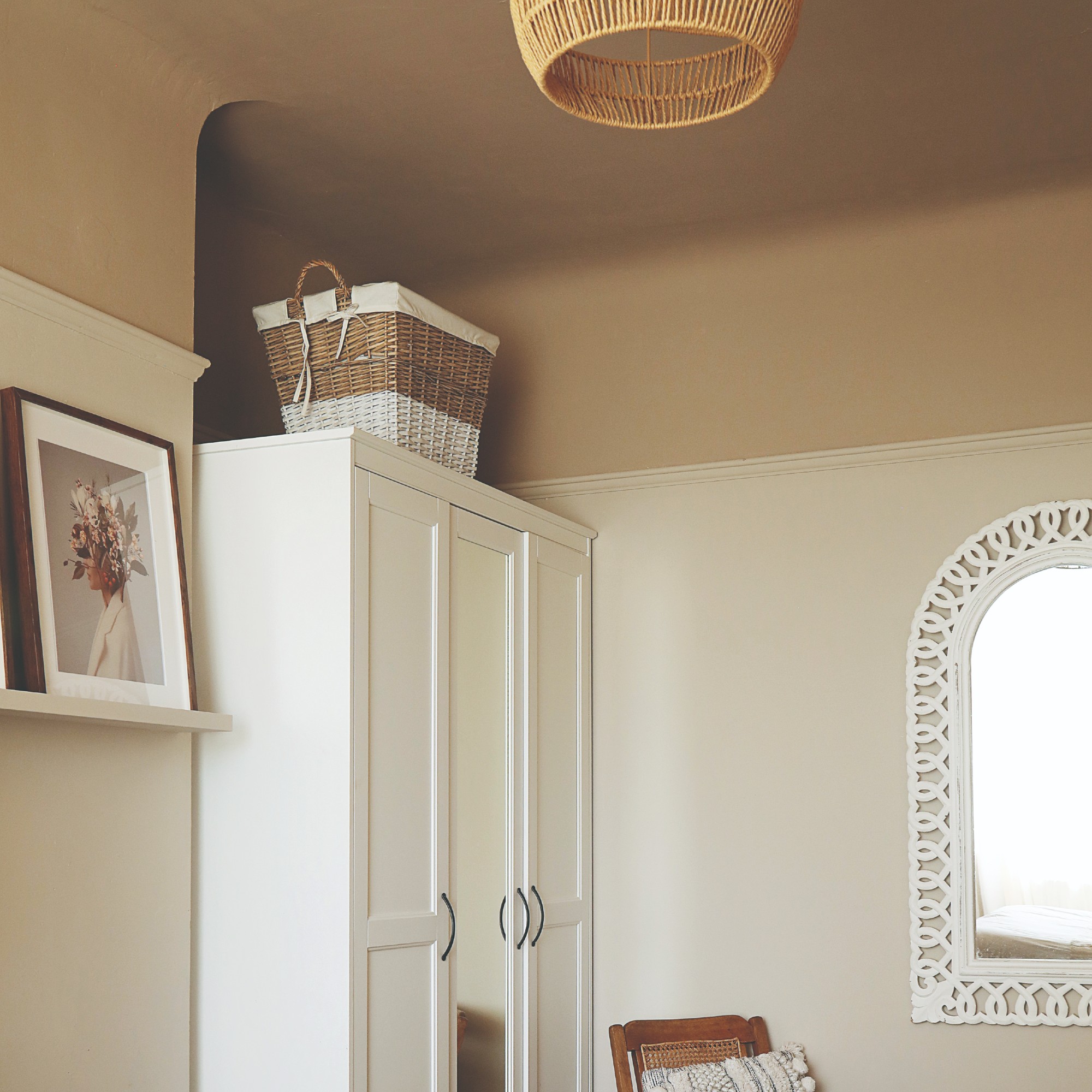
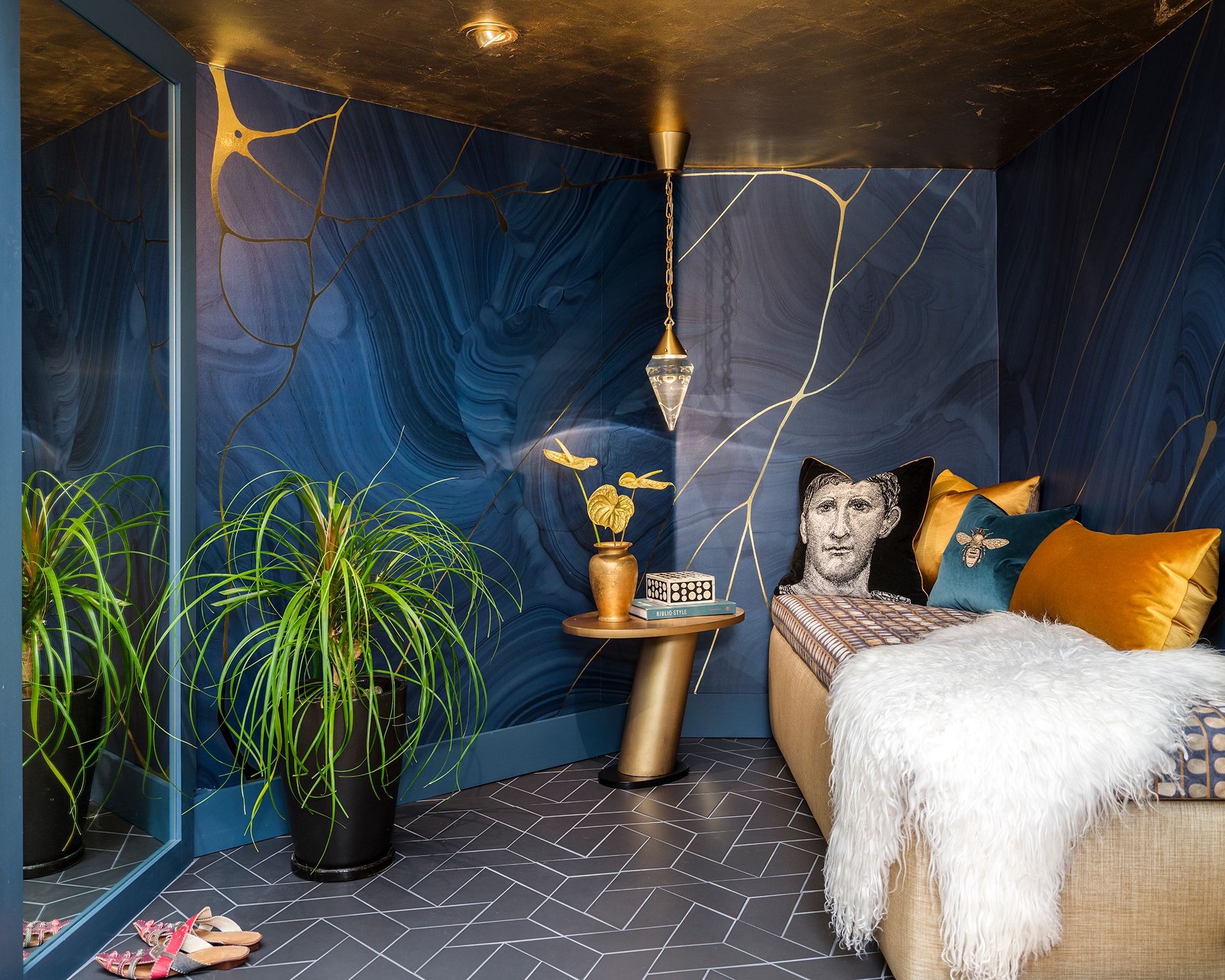
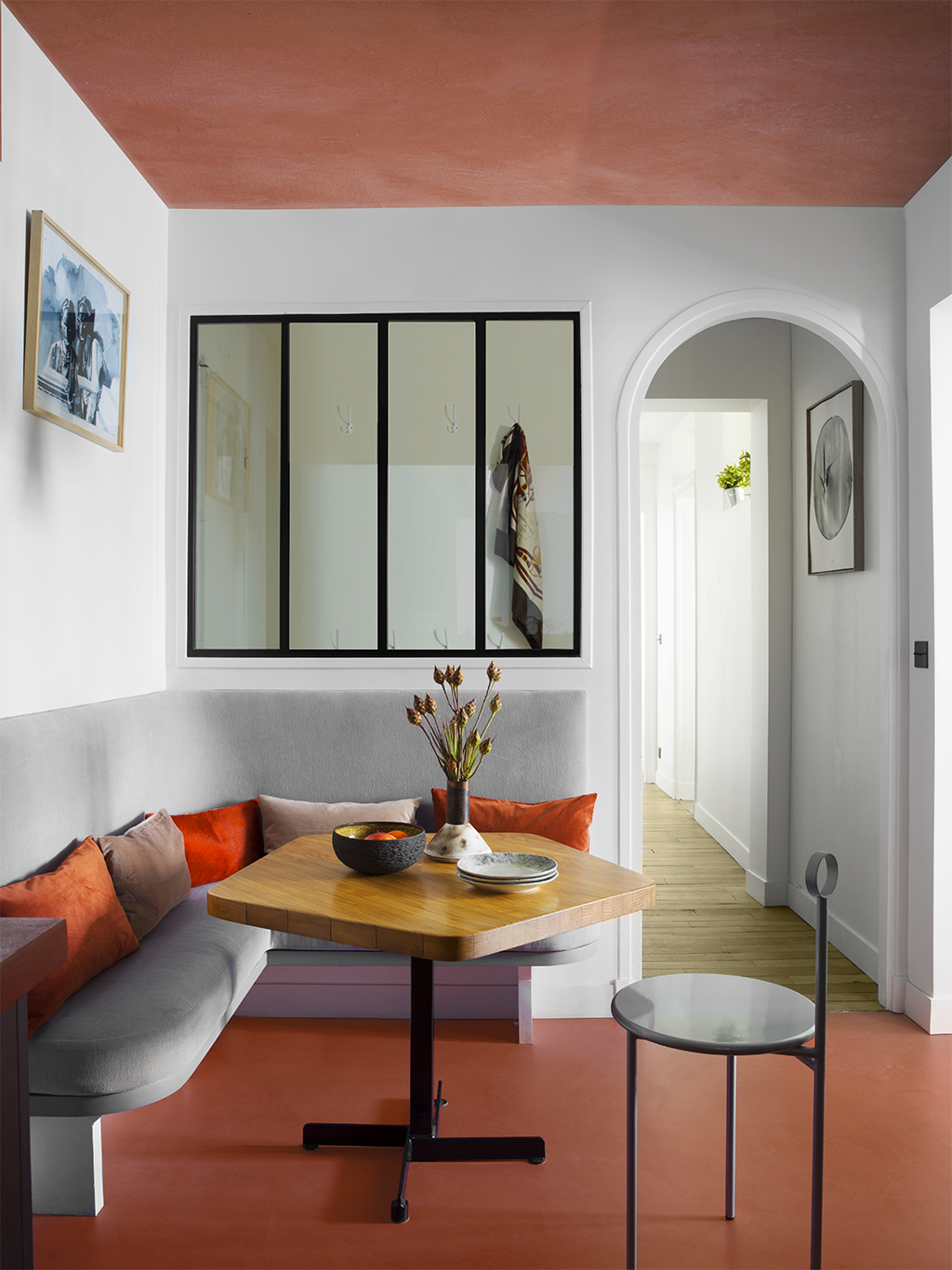
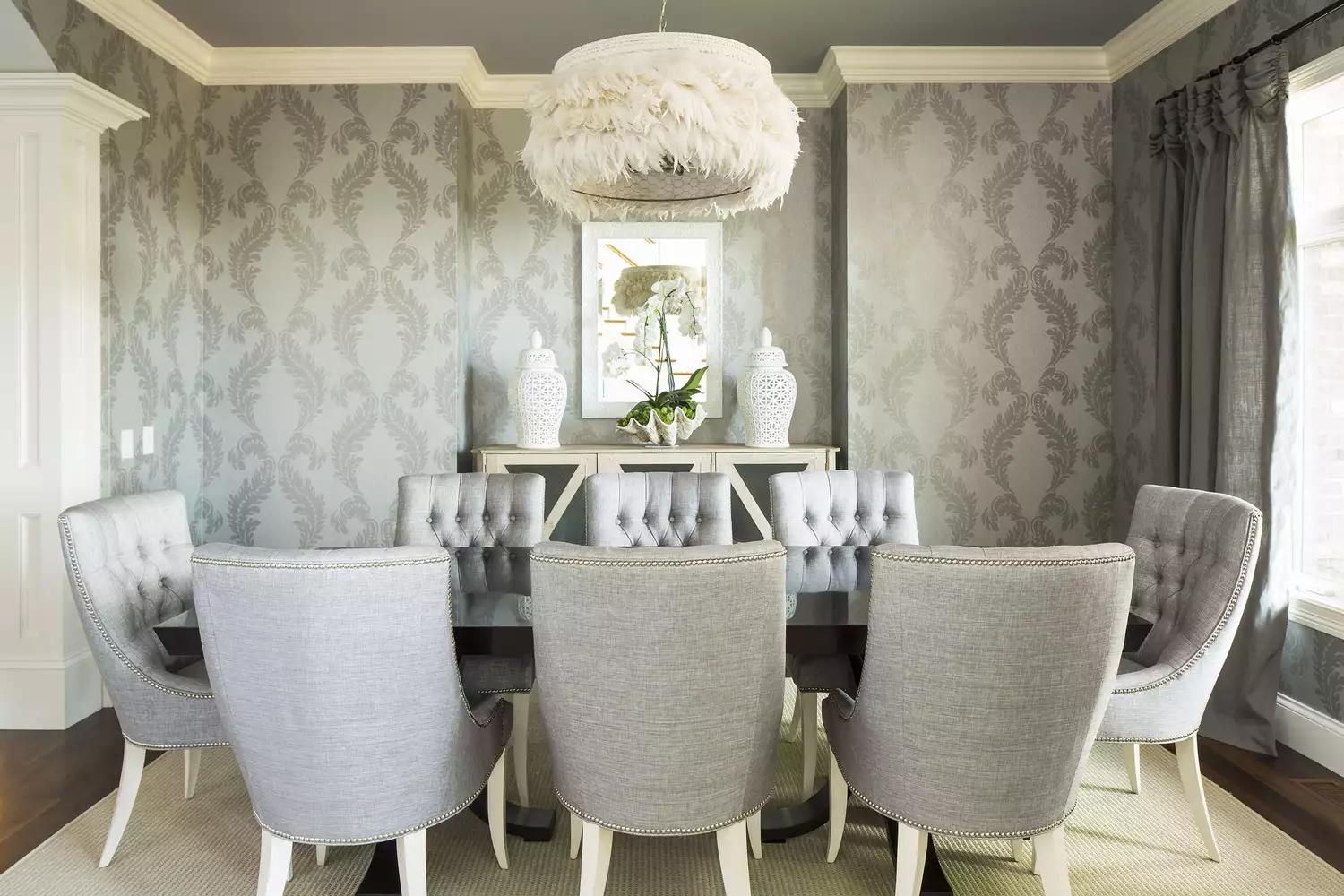
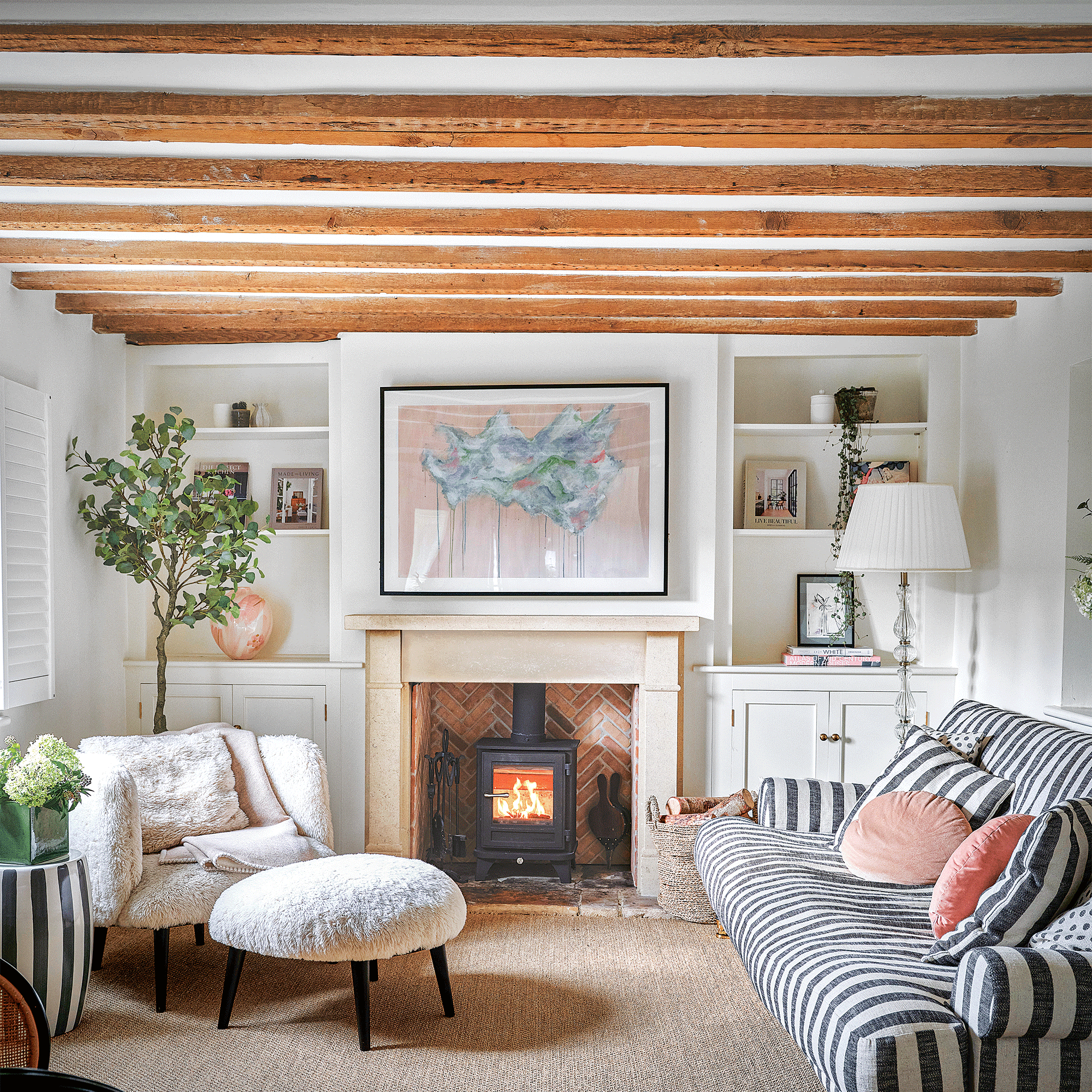
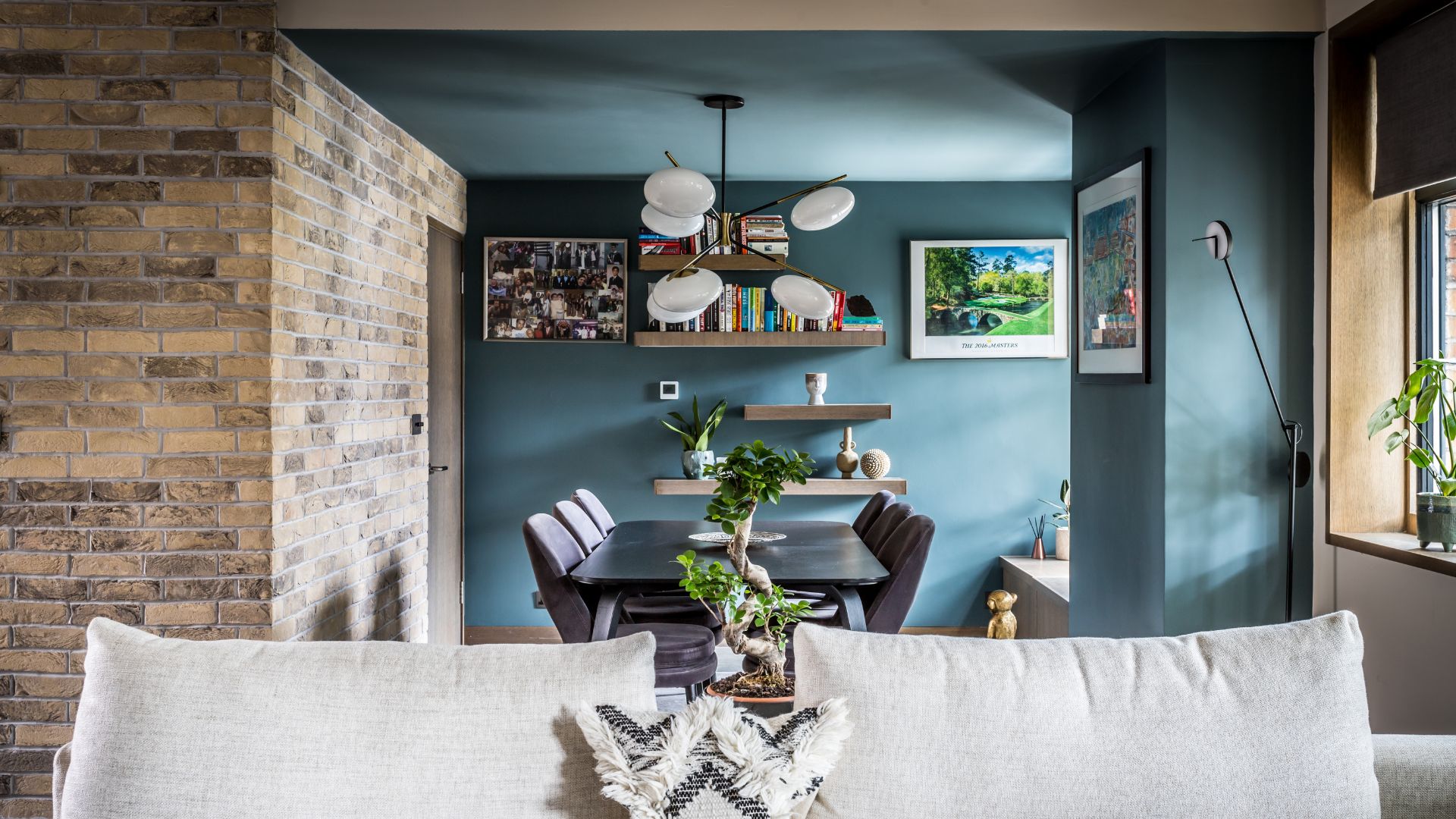
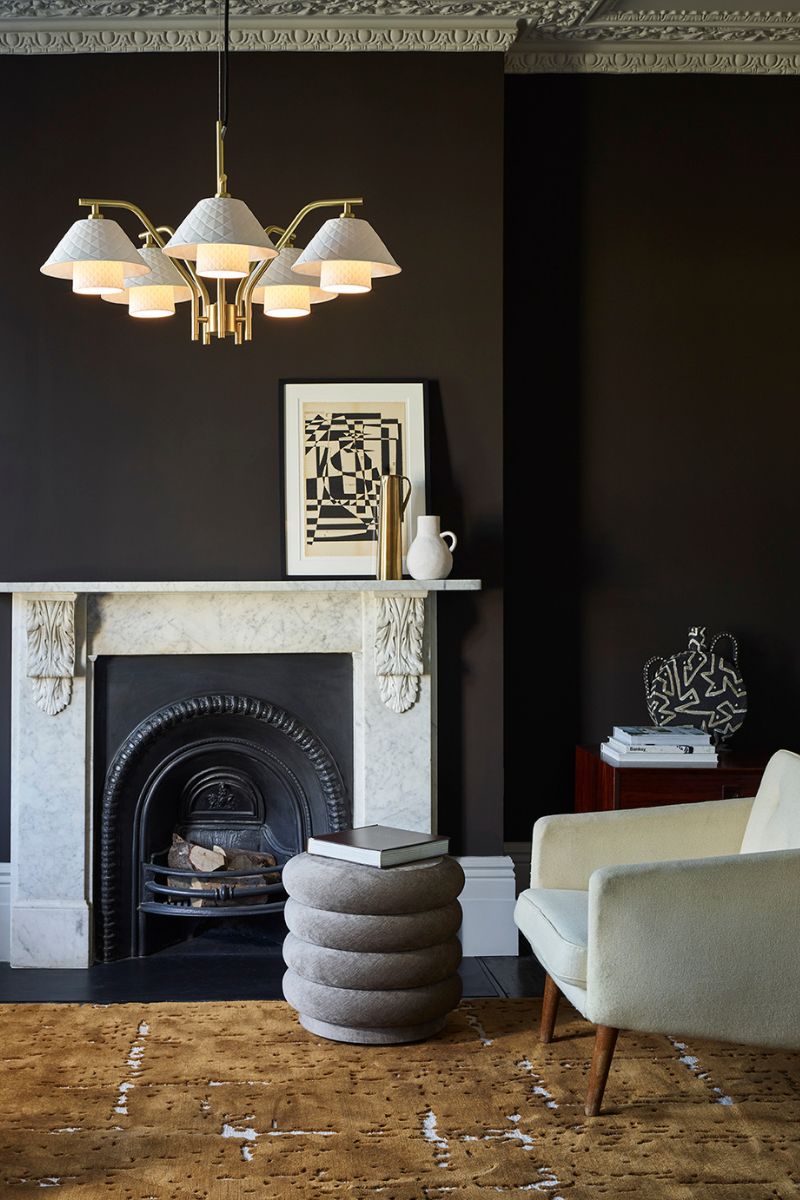
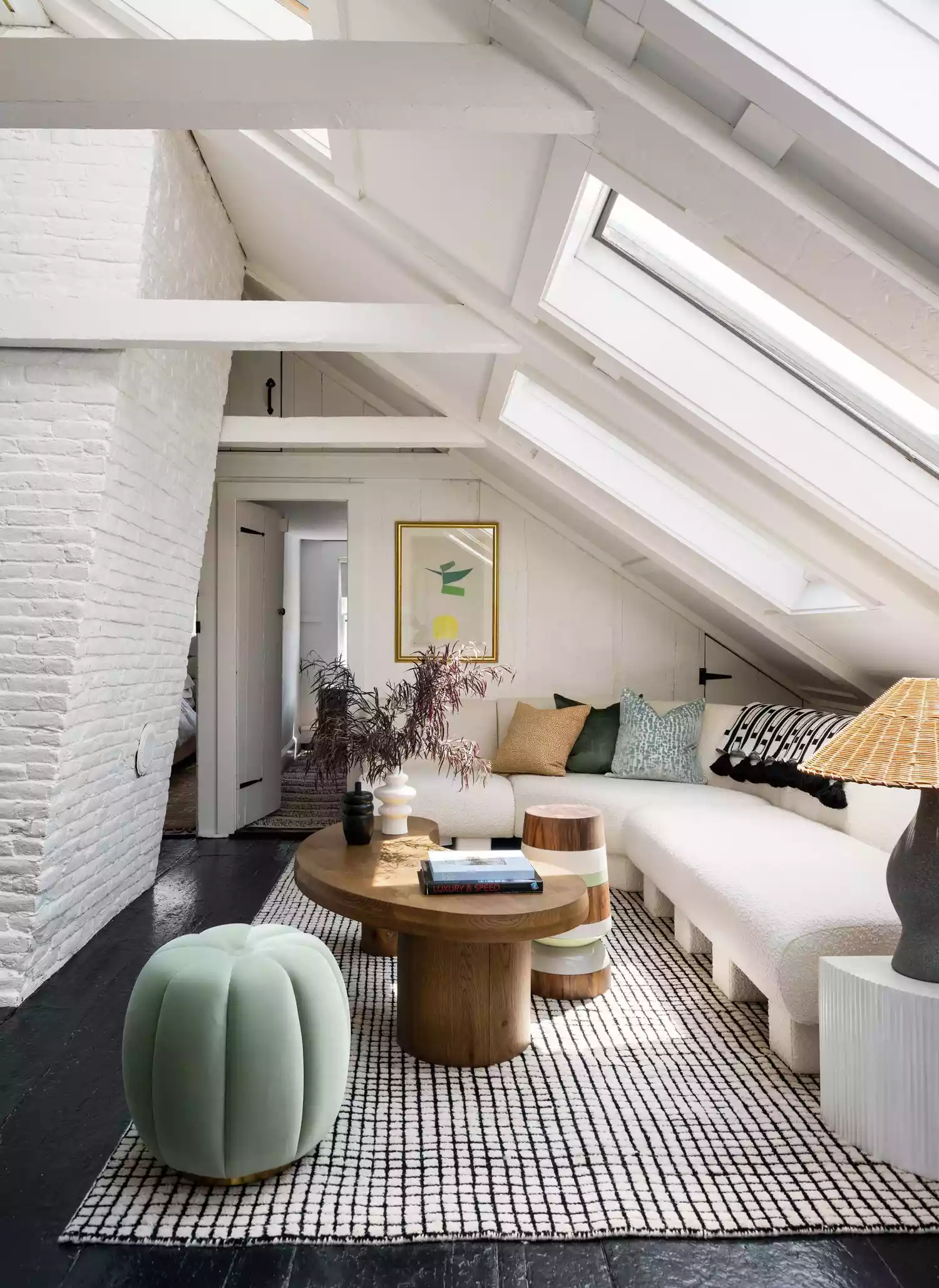
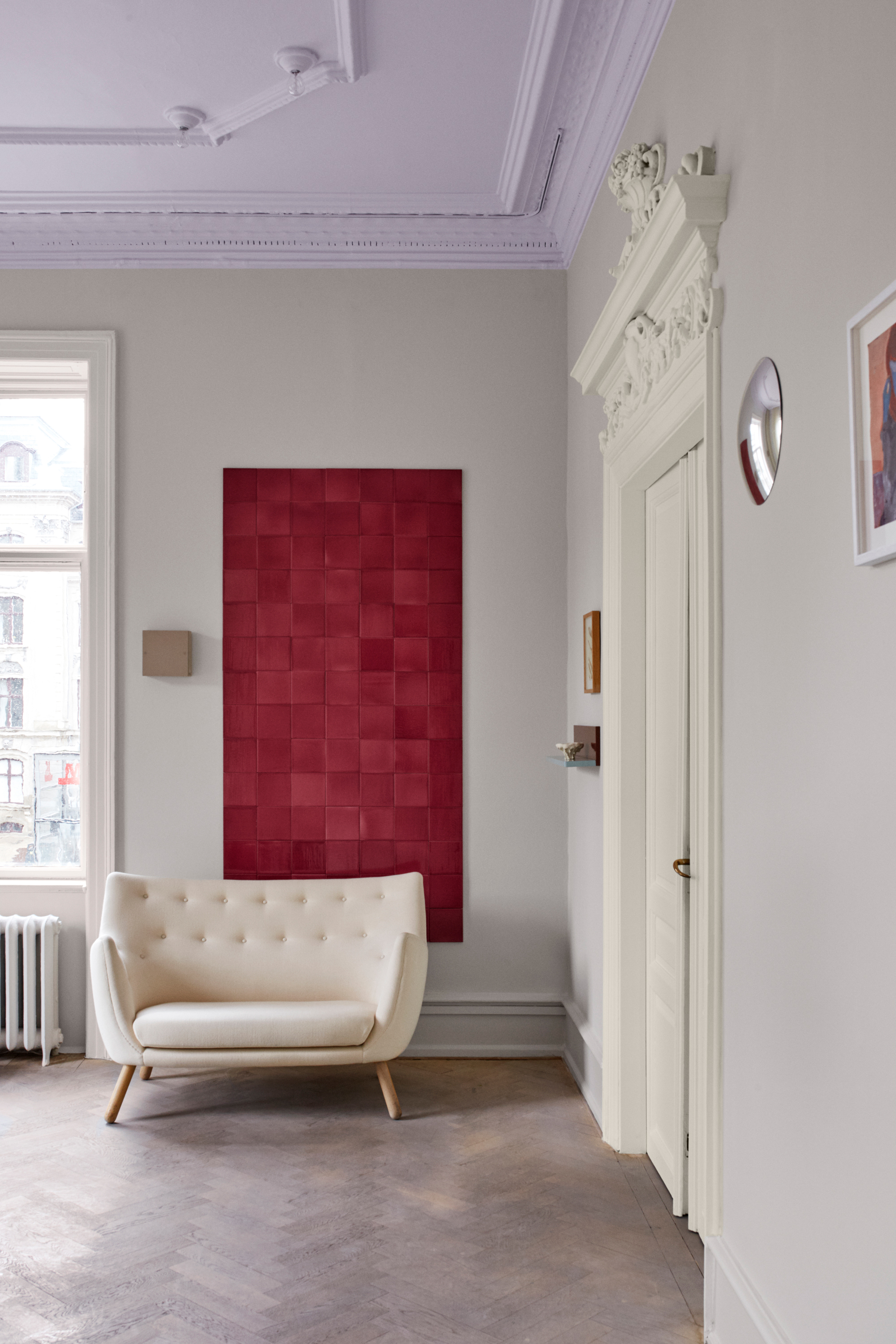
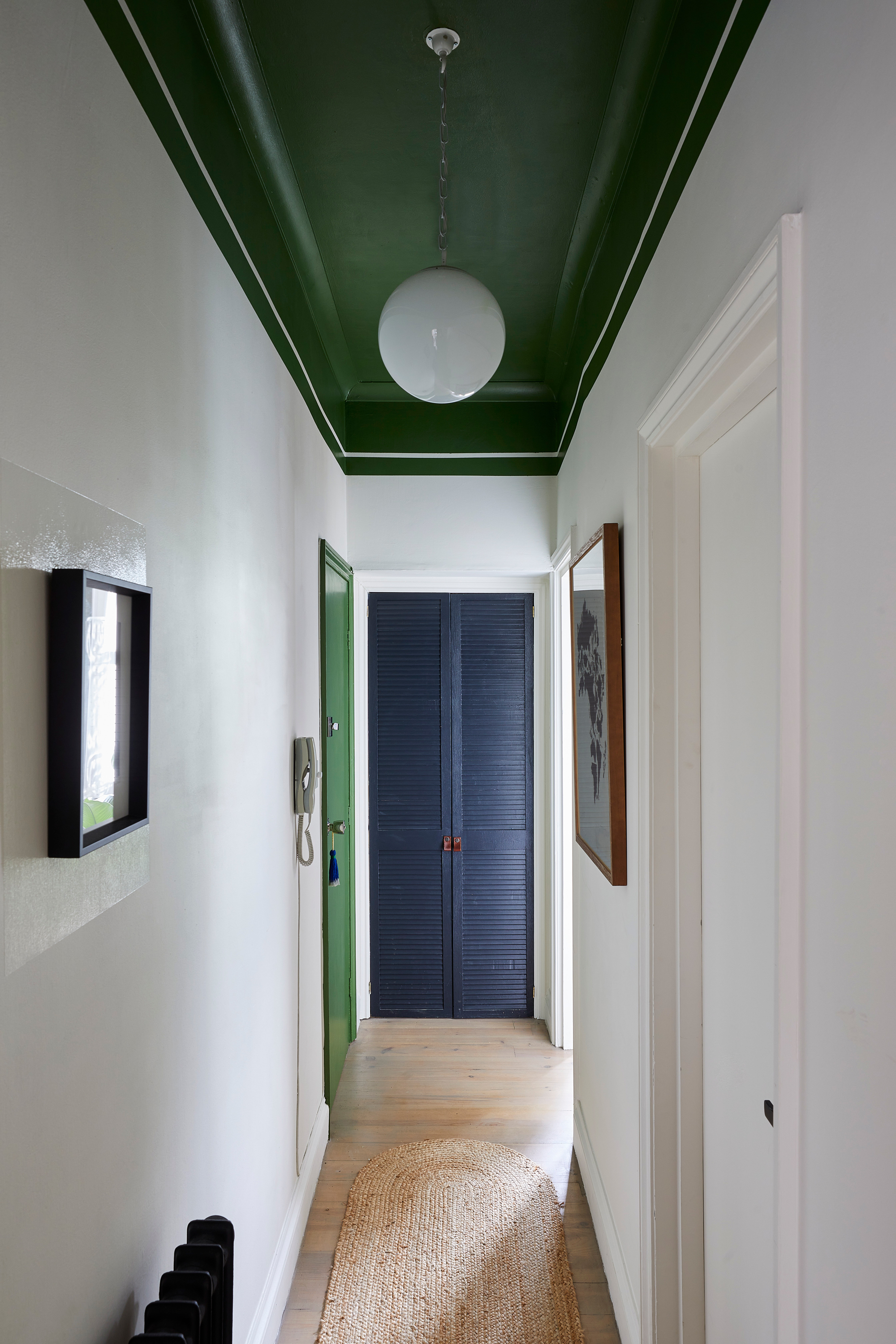
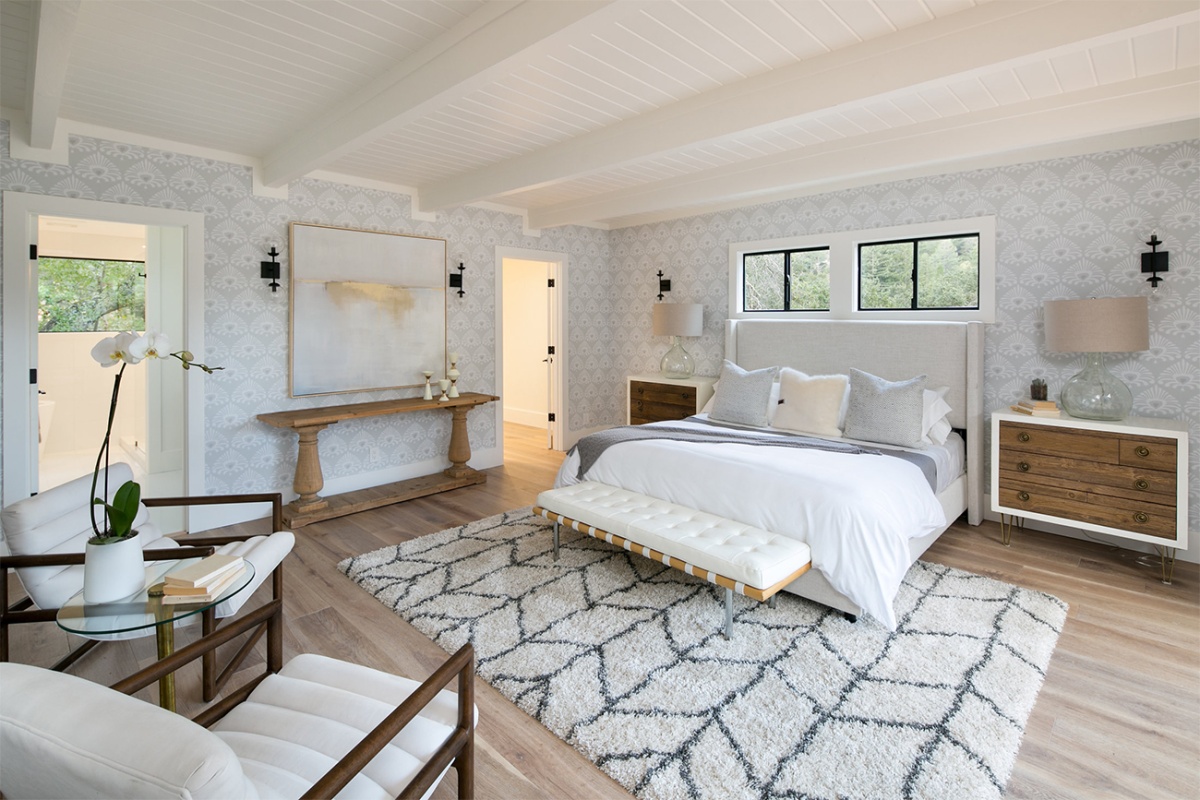
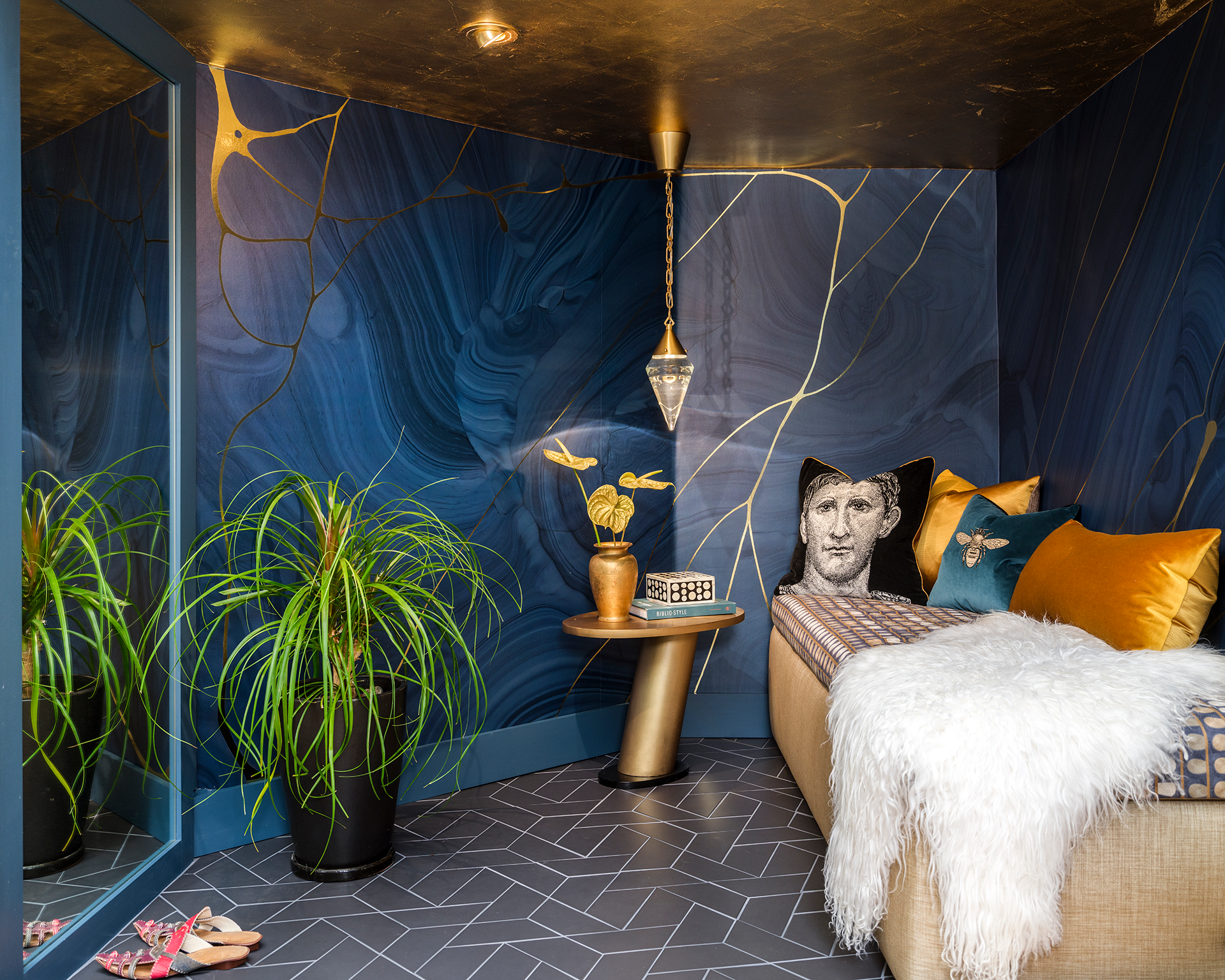
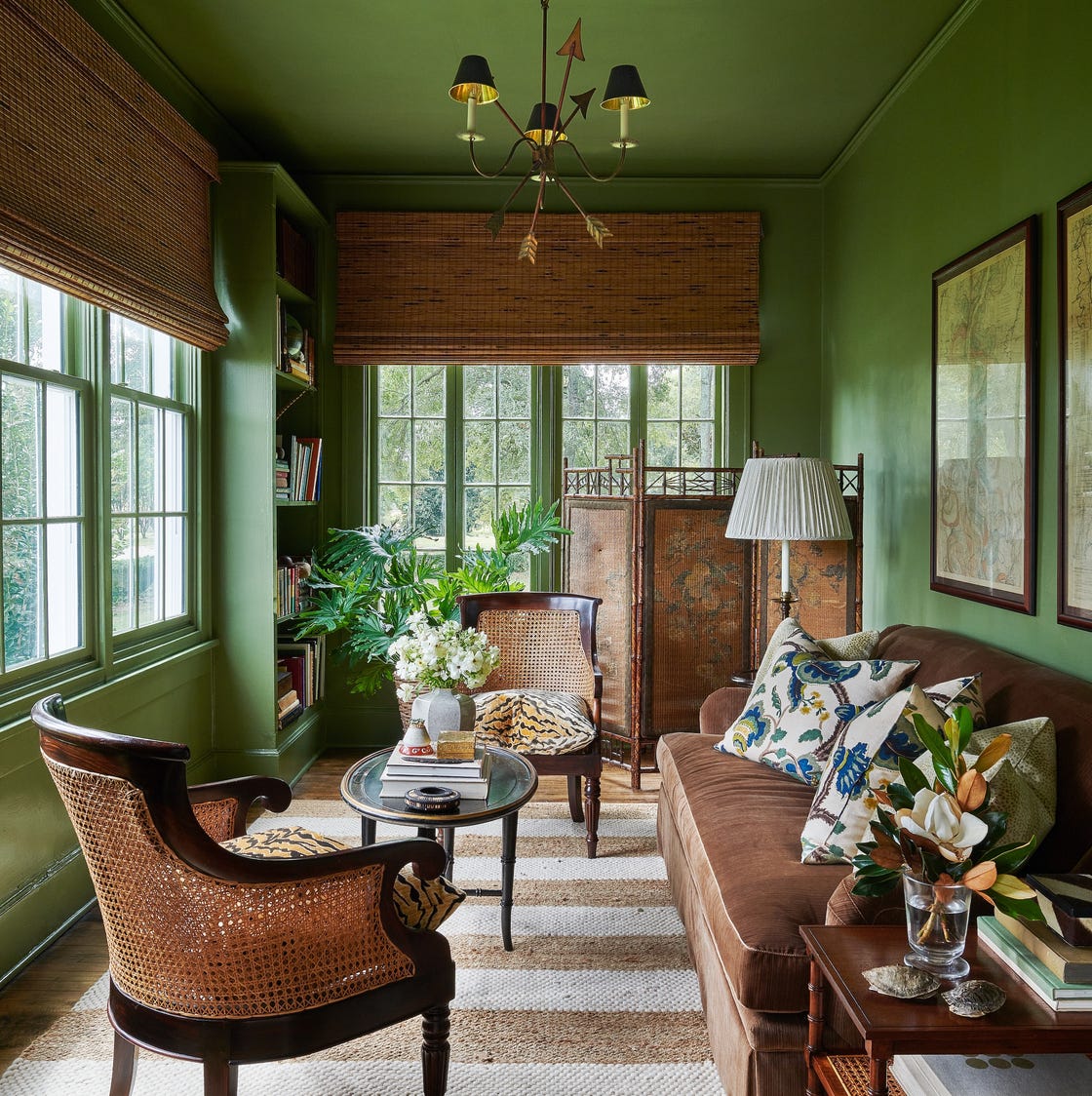
Paint finishes generally fall into categories based on their sheen levels. Gloss paints, characterized by high sheen, are reflective, durable, and easier to clean. However, their reflective nature can highlight imperfections on the ceiling surface. Conversely, low-gloss paints, such as flat or matte finishes, reflect less light, making them excellent for concealing surface flaws. These are particularly popular when used in white to enhance brightness and the feeling of spaciousness in a room. For instance, a flat white ceiling can reflect light and brighten the entire room, making other elements appear more vibrant. For those seeking a different aesthetic, bolder colors in flat or matte finishes can introduce a sense of intimacy. Interior designers sometimes opt to paint ceilings and walls in the same warm, dark color with a matte finish to create an enveloping, 'box-like' effect, enhancing an inviting atmosphere.
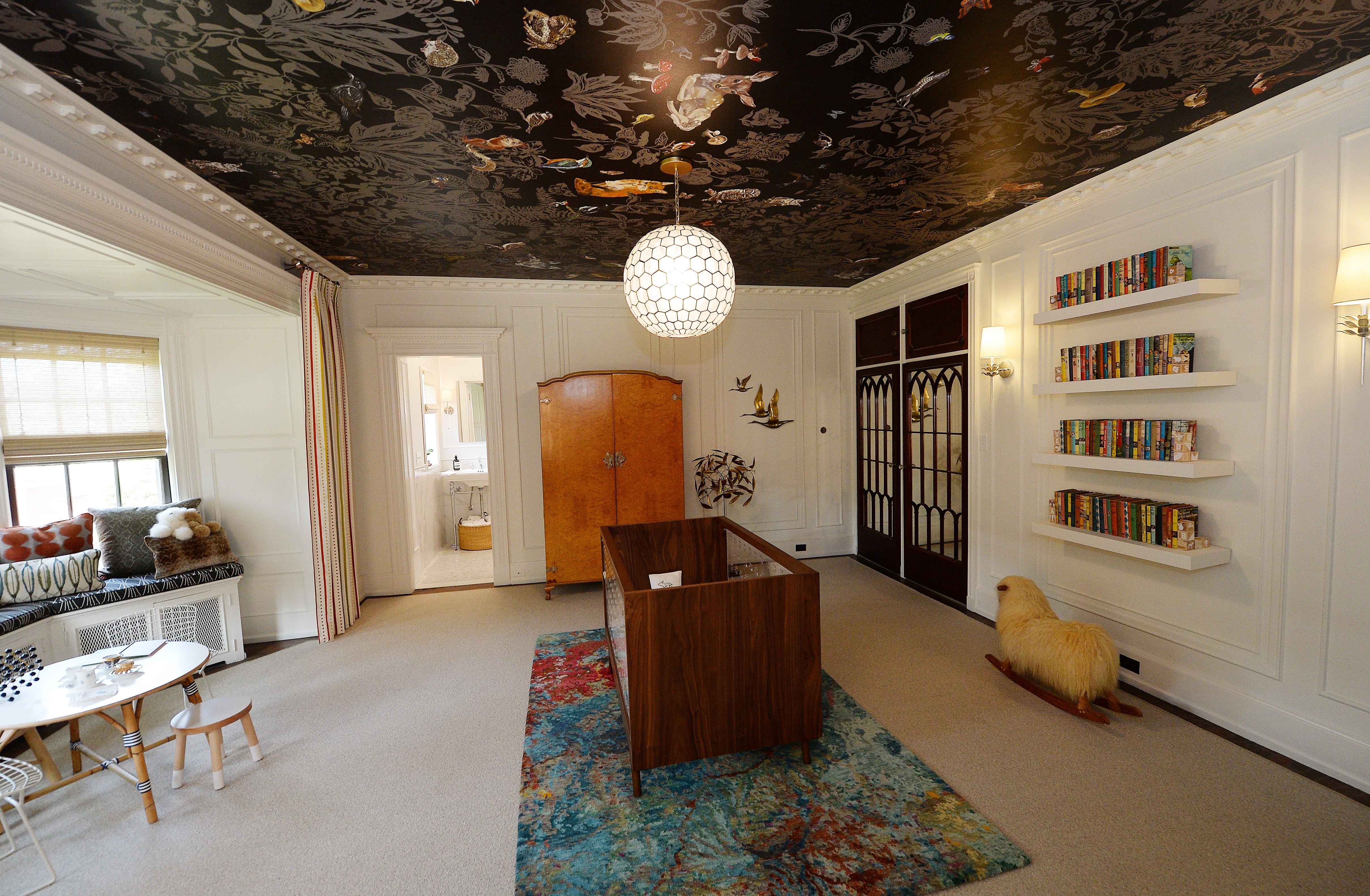
While often used interchangeably, 'flat' and 'matte' paint finishes have subtle differences. Flat paint typically has no sheen, offering a completely non-reflective surface, whereas matte paint possesses a very low level of sheen, sometimes described as a 'velvet finish.' It is advisable to consult with suppliers as formulations can vary between manufacturers, affecting sheen level, coverage, and the number of coats required to achieve a smooth, uniform appearance that conceals imperfections. Textured paint is another option for ceilings, offering an individual and unique finish.
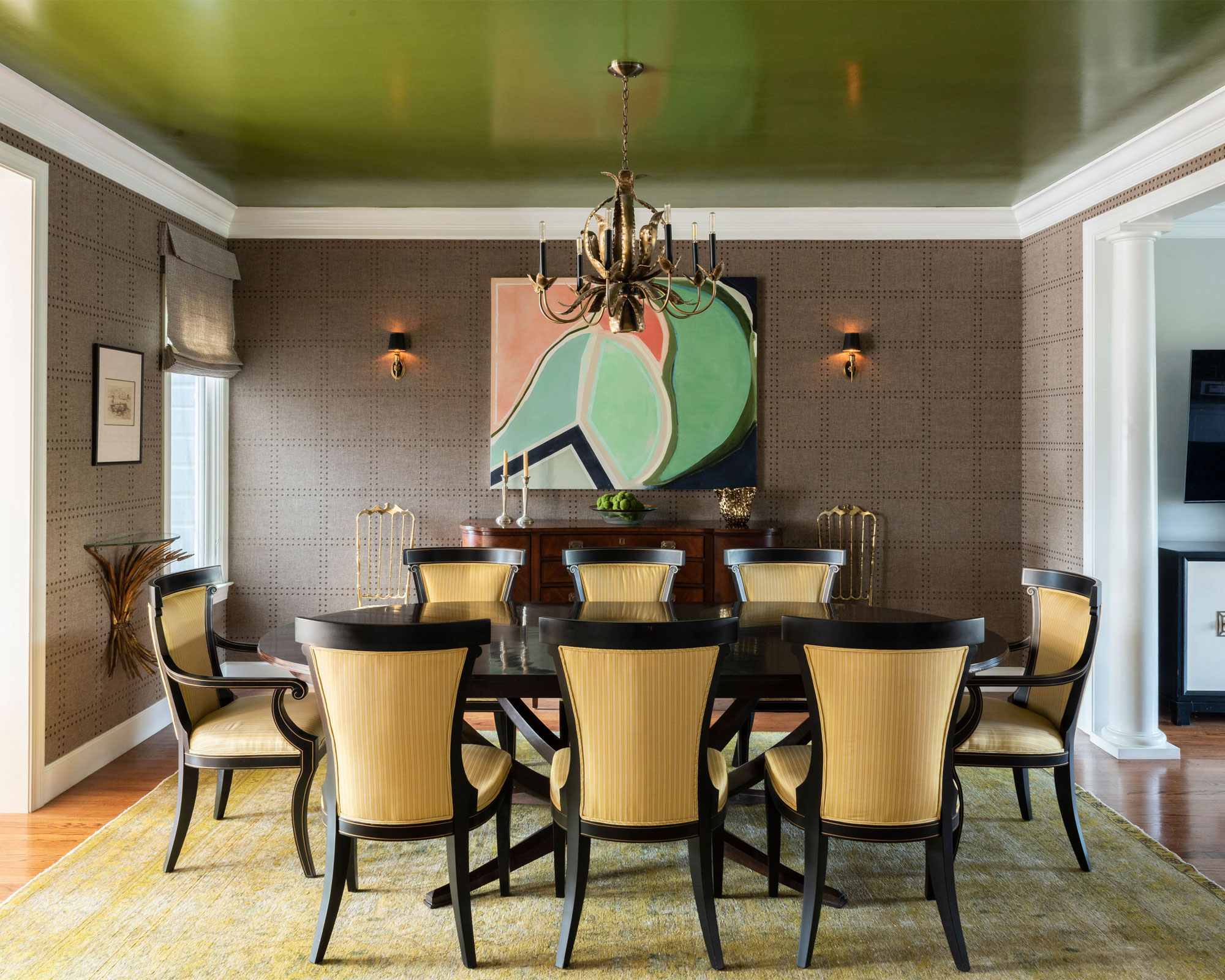
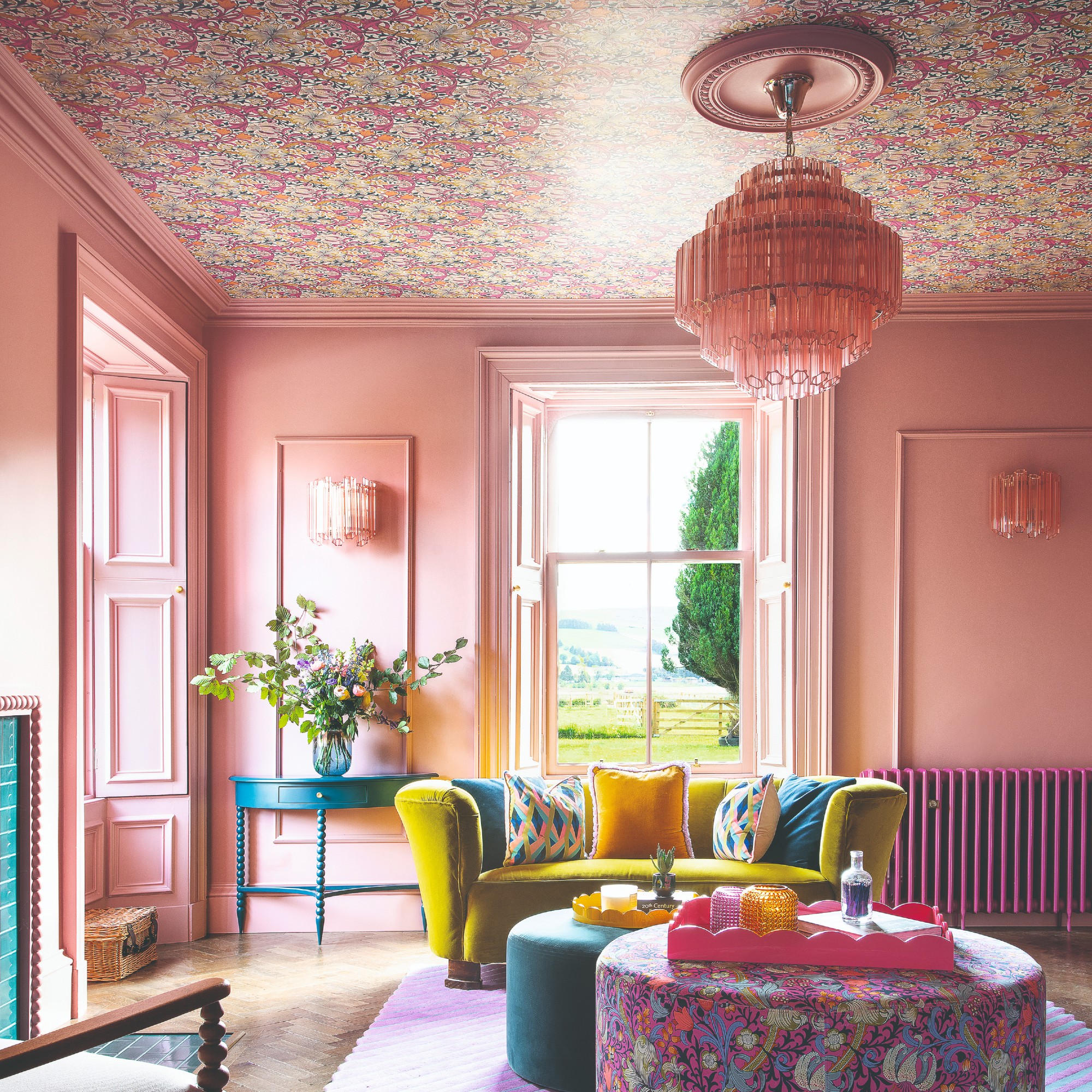
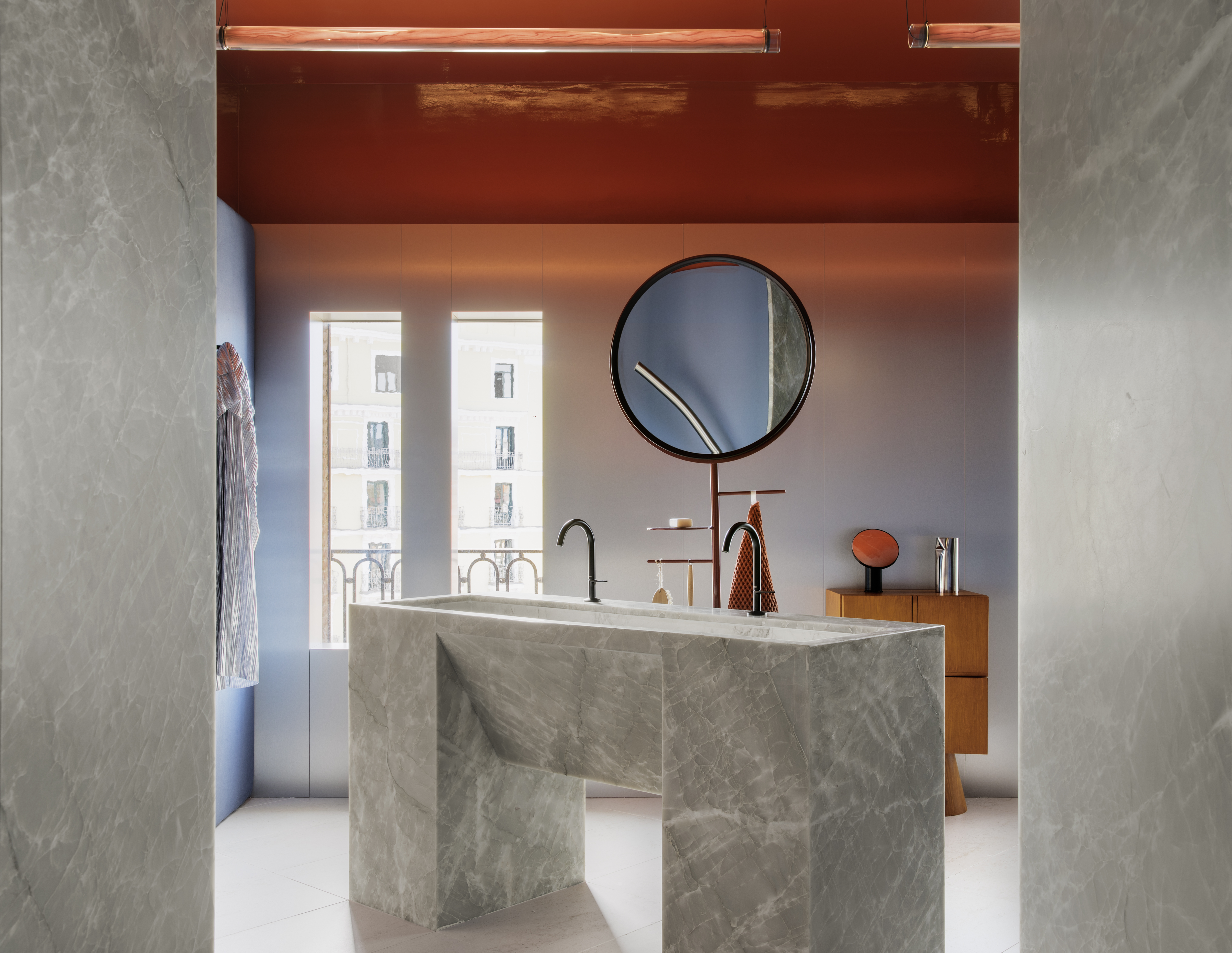
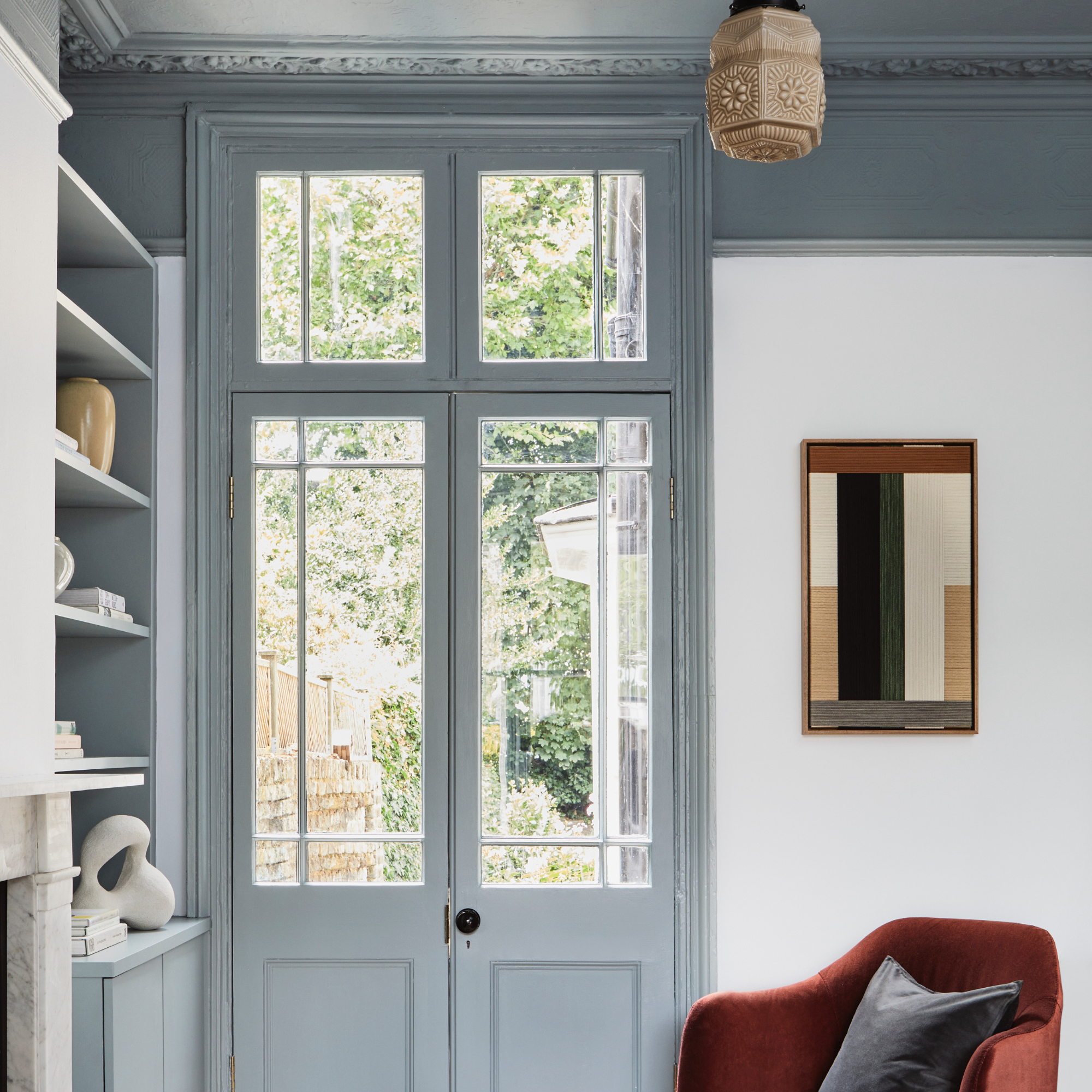
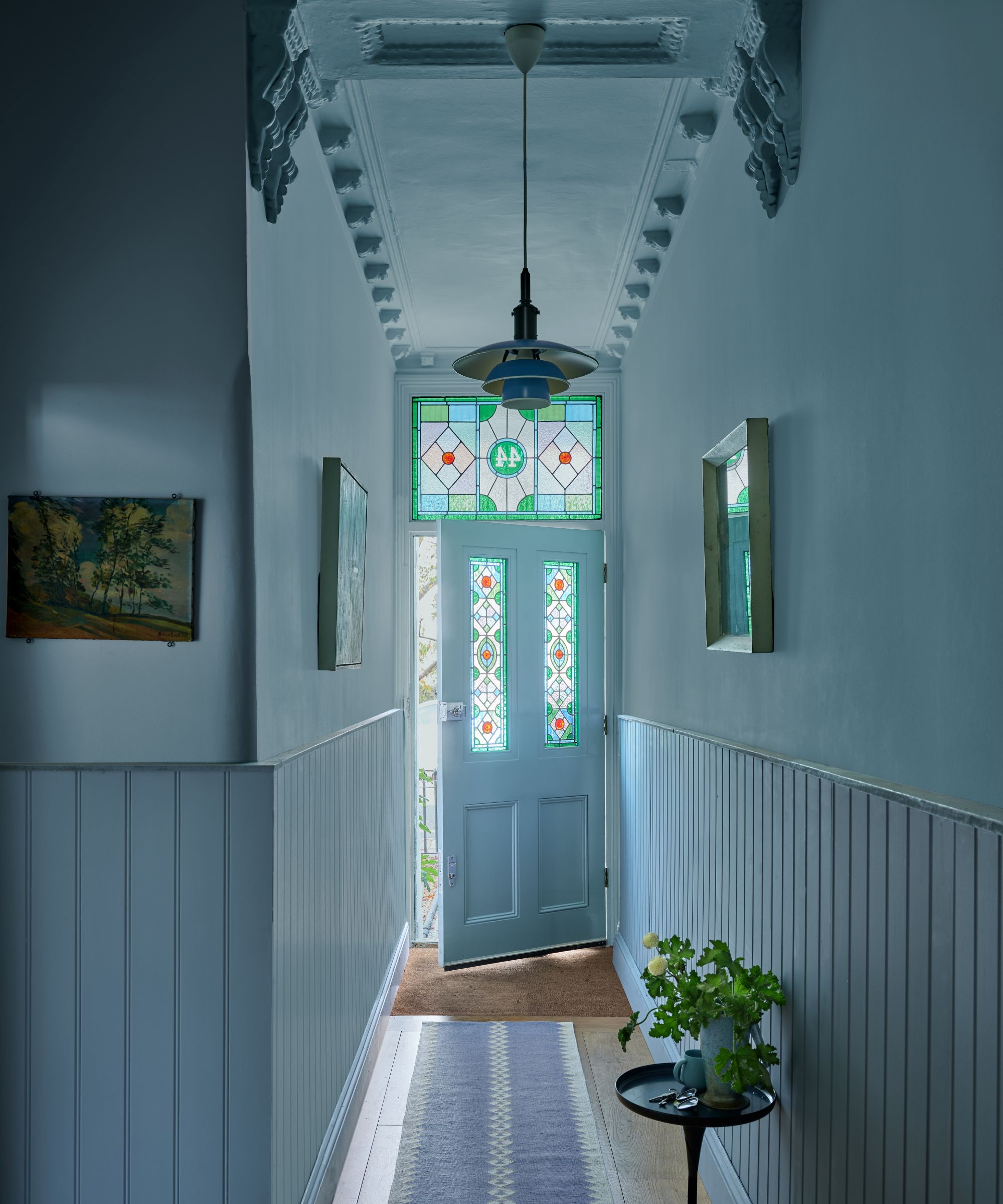
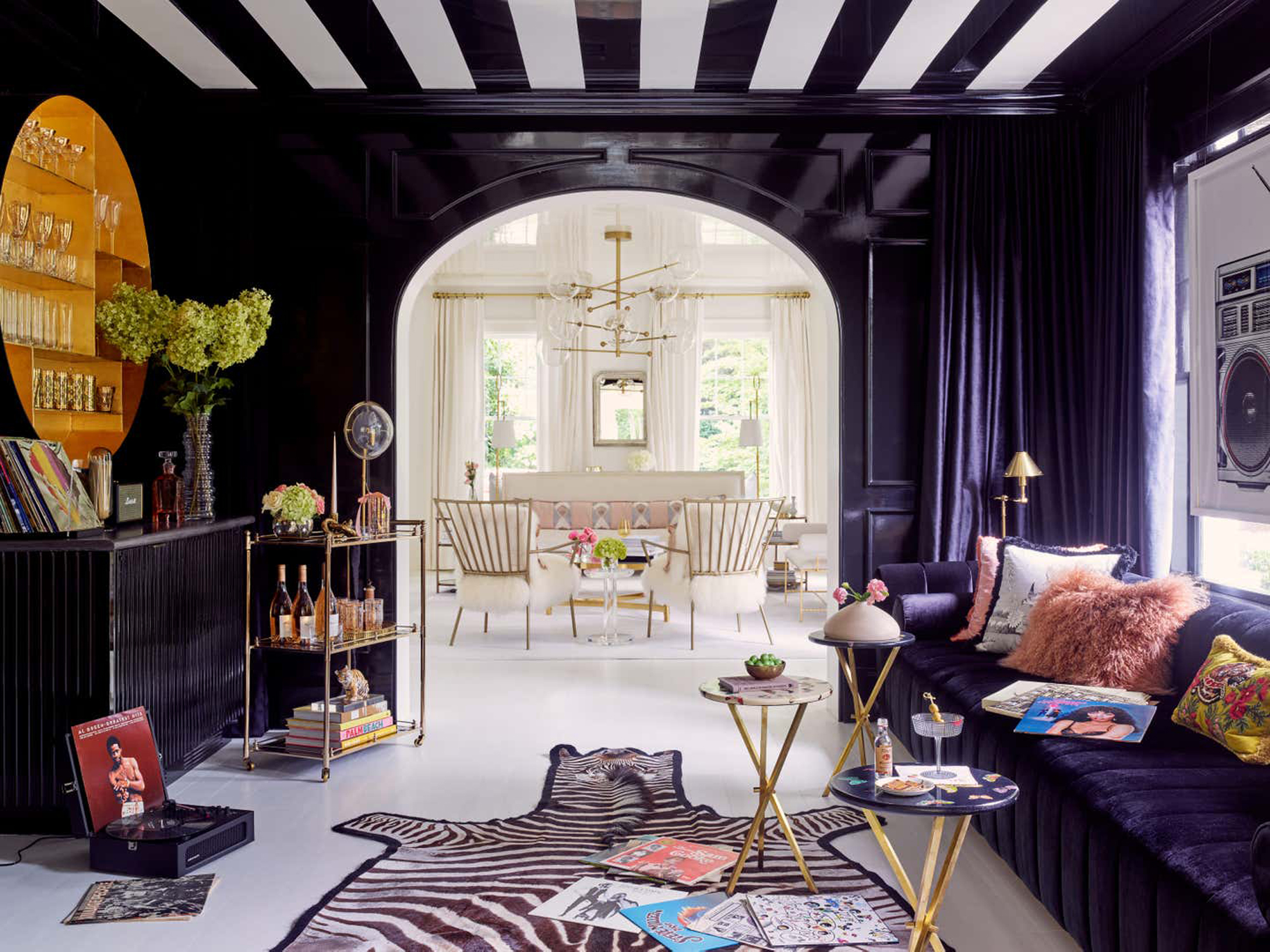
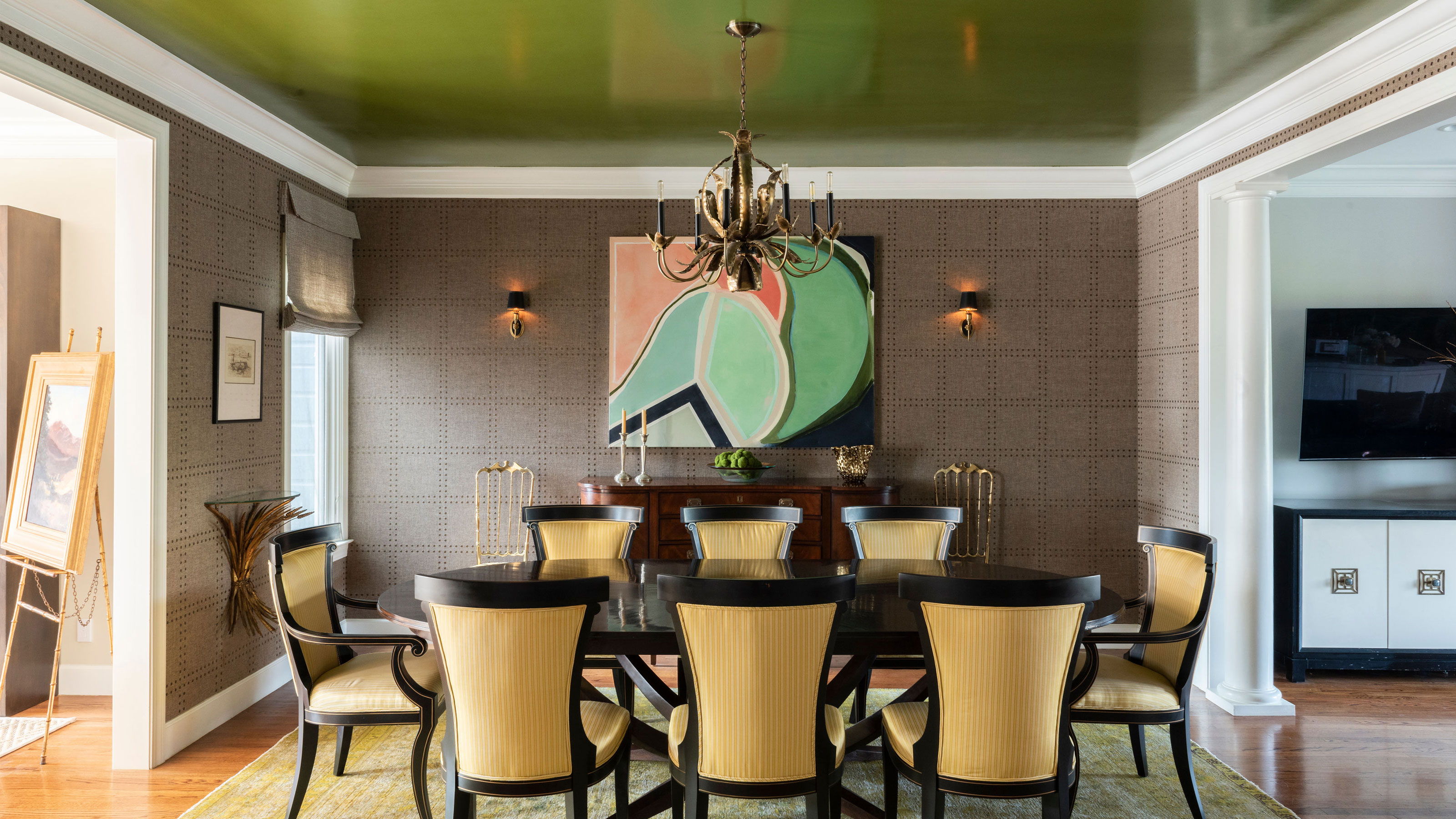
Some designers intentionally use paints with low-to-mid levels of sheen, such as eggshell (slight sheen) or satin/silk paints (mid-level sheen), to draw attention to the ceiling, especially in spaces with high ceilings or original architectural features. A sheen level of 25 to 30 percent, such as in a Laque Satinée Interiéur, can subtly catch light and add drama. Given that natural light often renders ceilings slightly darker than walls, a higher sheen can help bounce light around the room. However, it's important to remember that glossier surfaces will accentuate any surface imperfections. A satin finish is often preferred over high gloss for a more subtle yet still eye-catching effect.
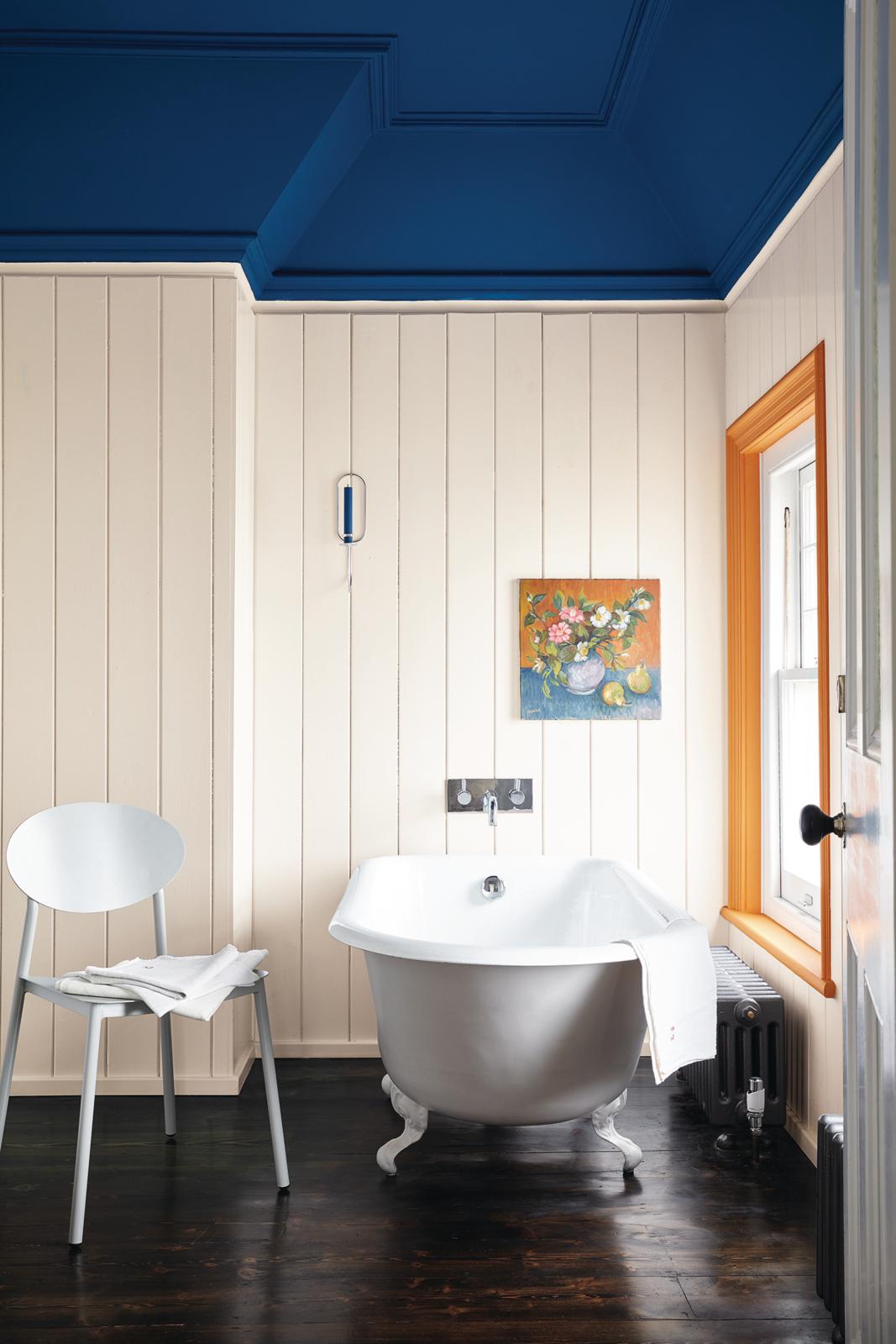
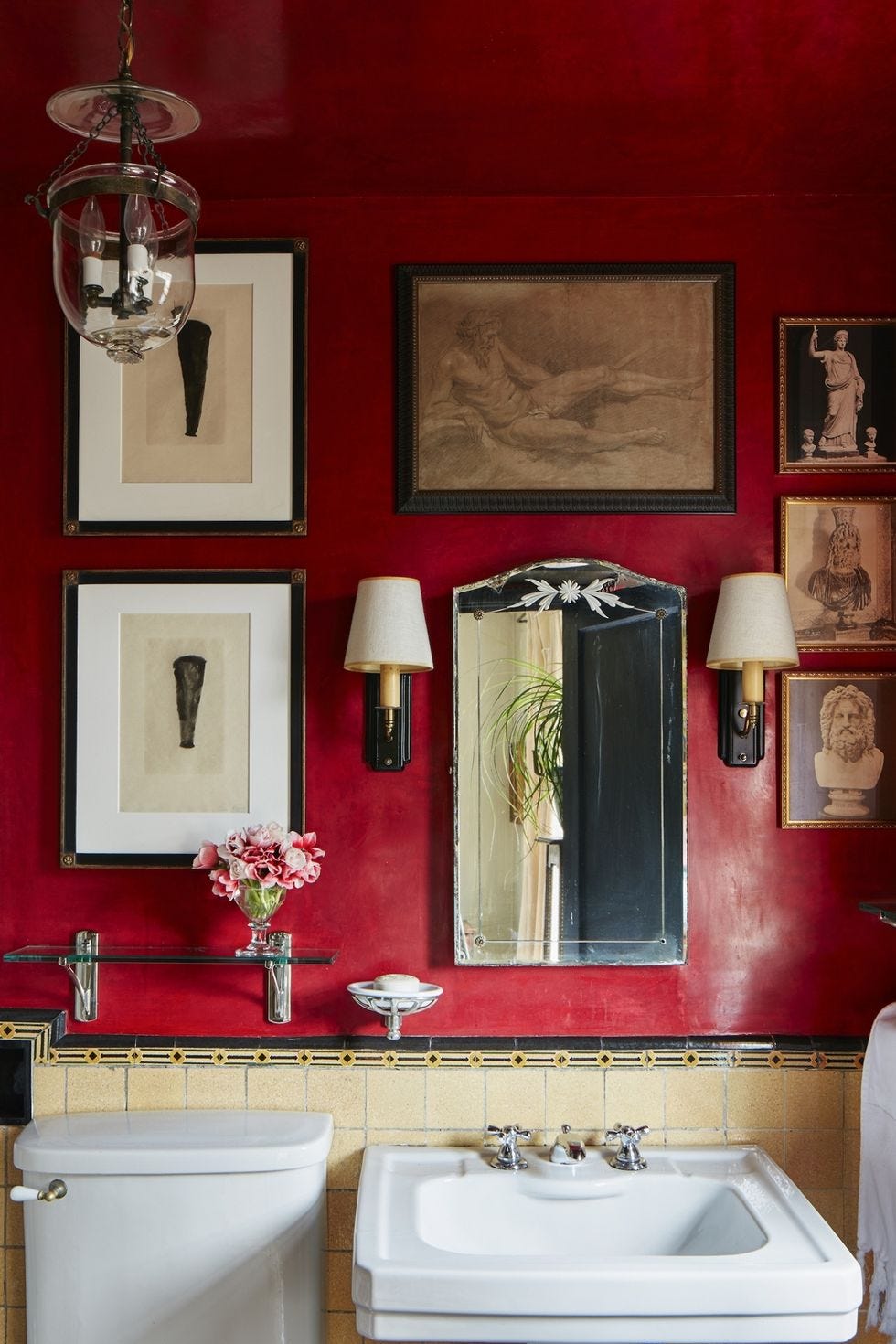
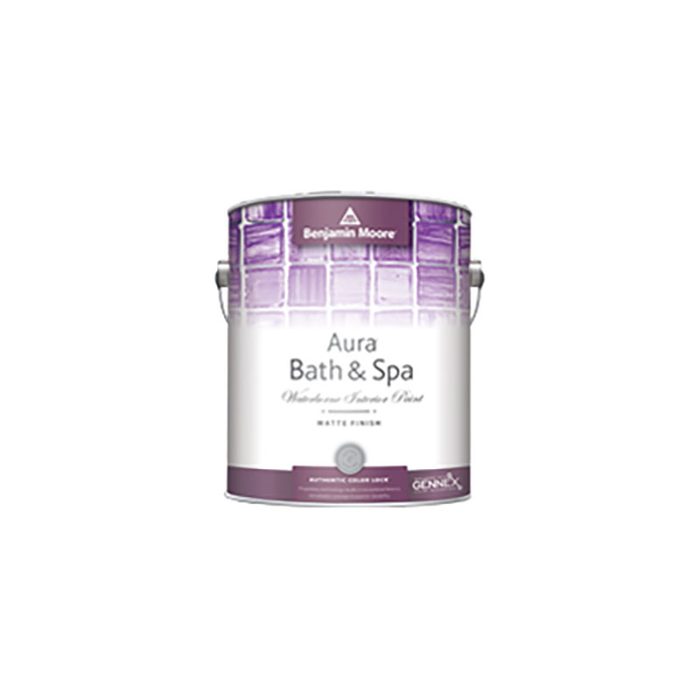
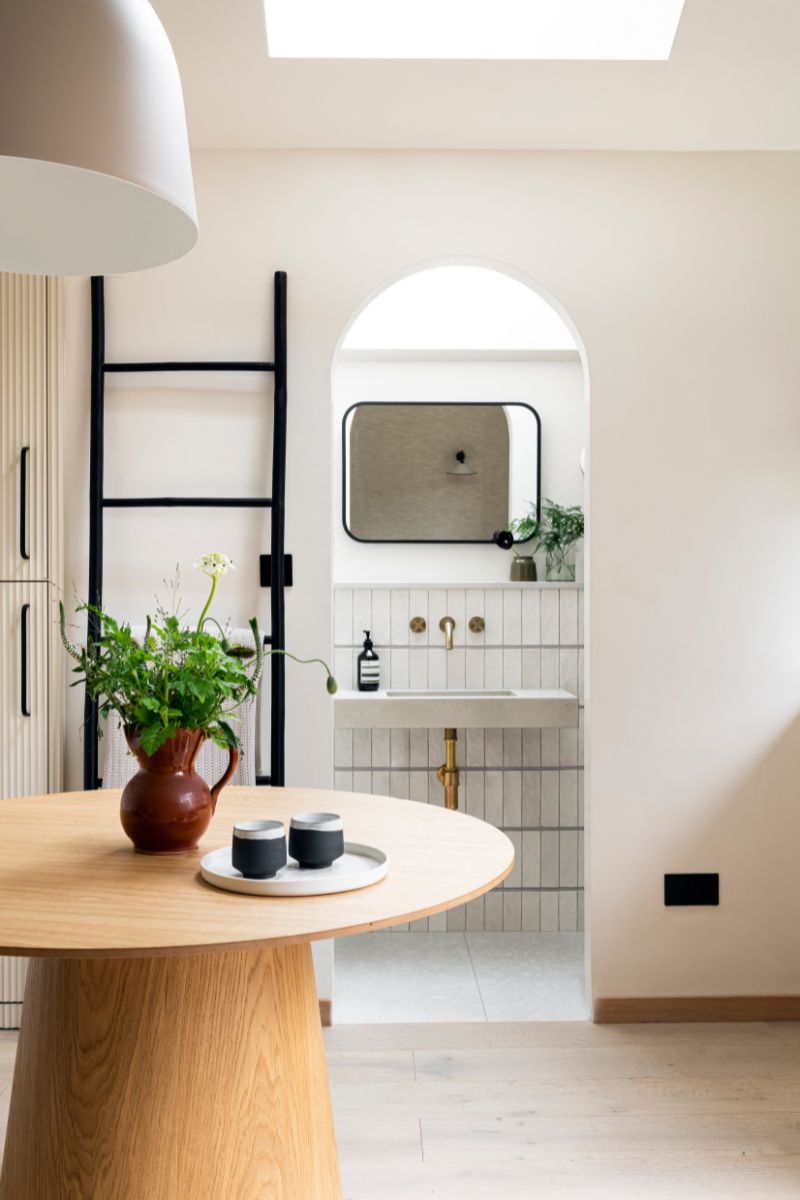
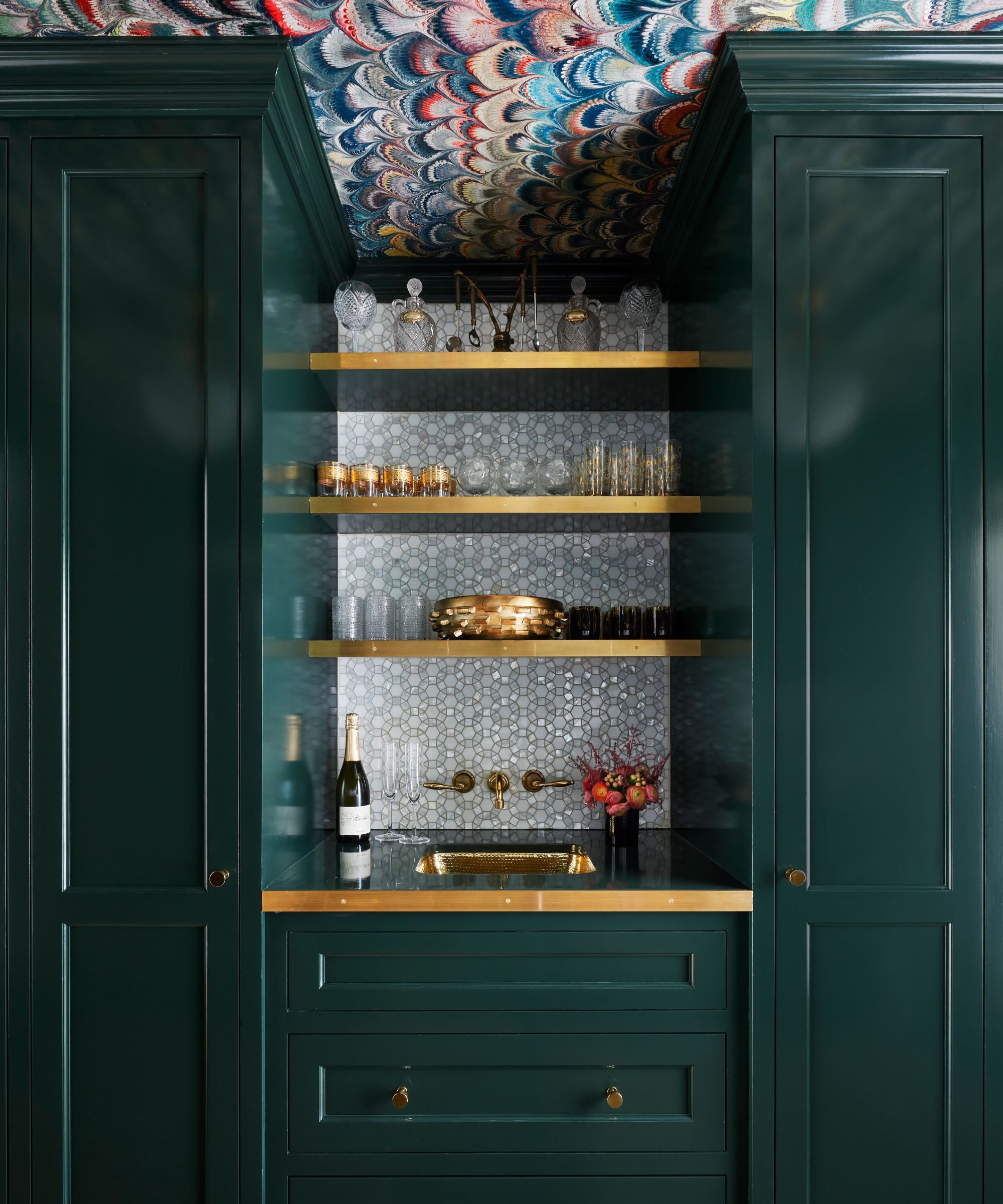
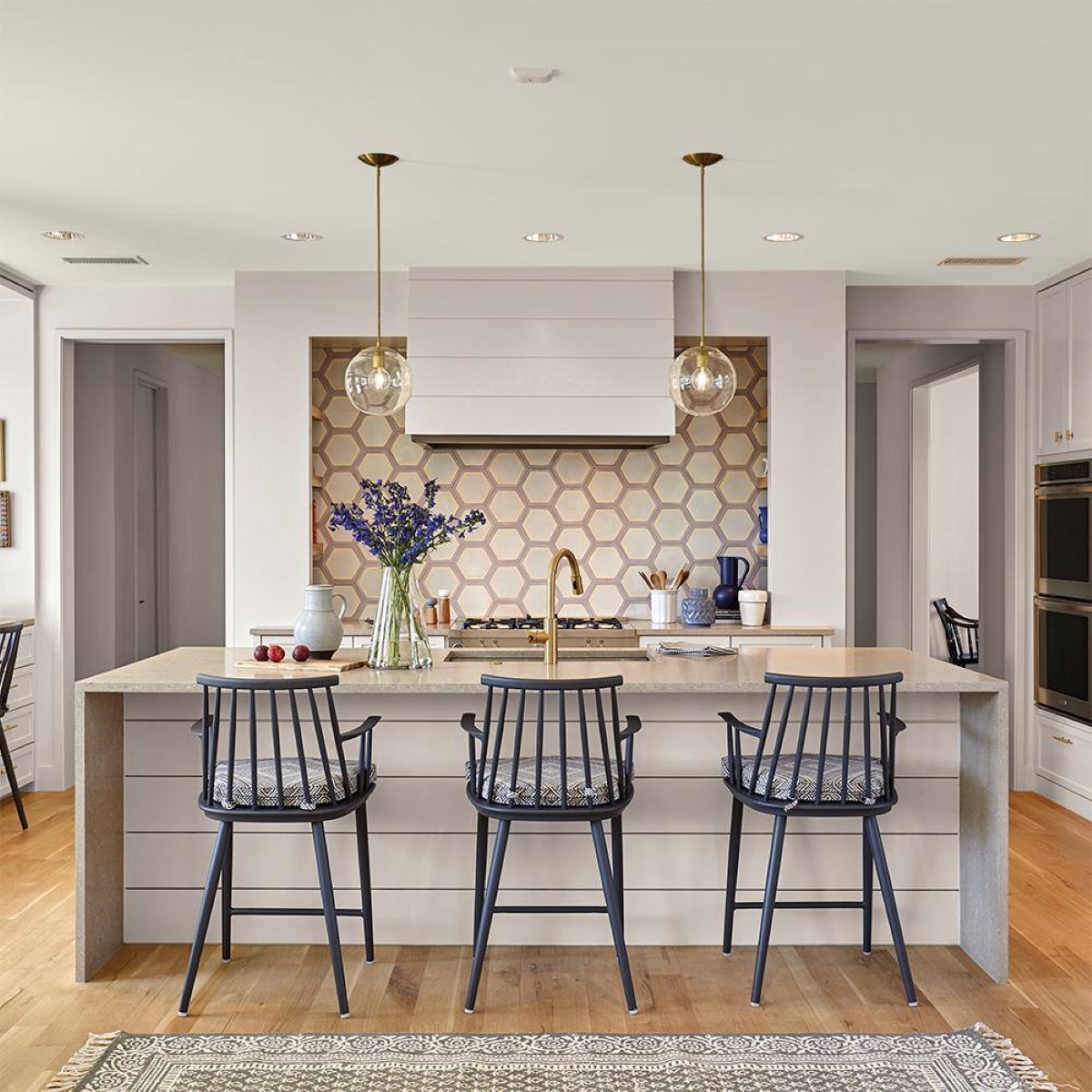
For functional areas like kitchens and bathrooms, the selection of ceiling paint finishes requires specific considerations due to the steamy and often humid environments. It is crucial to choose formulas specifically designed to withstand moisture, preventing issues like bubbling and peeling. Many manufacturers offer low-sheen options that are mold-resistant and washable, ensuring longevity and maintaining aesthetic appeal in these demanding spaces. Examples include Modern emulsion by Farrow & Ball and Aura Bath & Spa by Benjamin Moore, which are specially formulated for such conditions.
#CeilingPaint #PaintFinishes #InteriorDesign #HomeDecoration #MattePaint #GlossPaint #SheenLevels #KitchenBathroomPaint #HomeImprovement #CeilingPaint #PaintFinishes #InteriorDesign #HomeDecoration #MattePaint #GlossPaint #SheenLevels #KitchenBathroomPaint #HomeImprovement
0 comment in total
 No comments yet
You may also like
How to paint a ceiling - the expert guide to giving the fifth wall a fresh look

Statement ceilings: Pay attention to the fifth wall to create a finessed space
When you should and shouldn't paint your ceiling, according to interior designers

Hot Home Trend: Painted Ceilings
Ceiling paint ideas – 10 ways to make your fifth wall wonderful
10 paint tricks for low ceilings that will make your room's "fifth wall" feel higher and more impressive
Don't Forget About Your Fifth Wall—40 Ceiling Ideas to Add a Stylish Touch

My Designer Friend Told Me This Is the Easiest Way to Make Any Room Feel Complete
Trend Alert: Here’s How To Perfect The Painted Ceiling Look

22 Painted Ceiling Ideas to Elevate the Whole Room
Is the accent ceiling the new accent wall? 7 creative ways to decorate your fifth wall
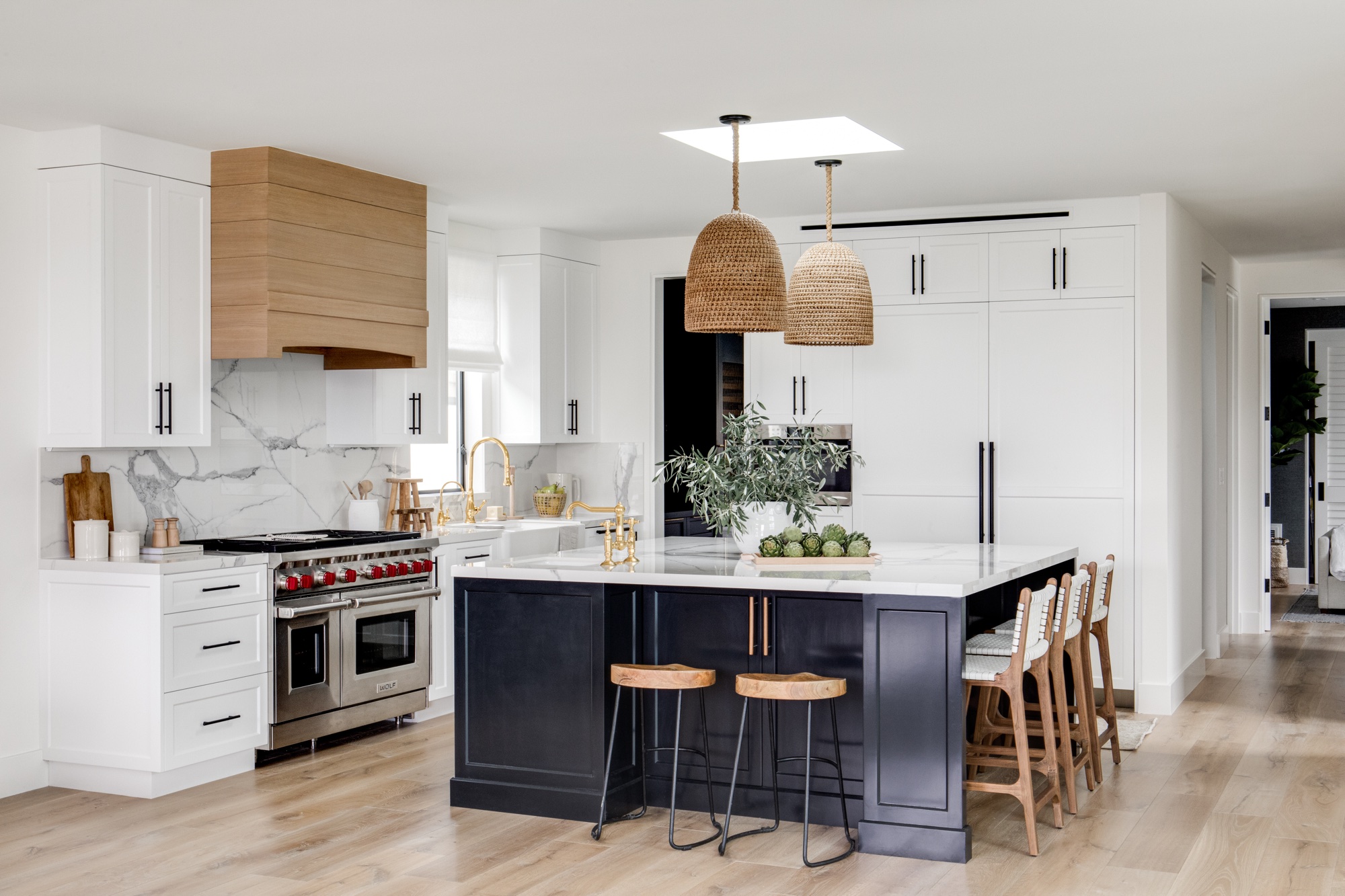
Should ceilings be glossy or flat? A paint expert lifts the lid on getting this vital touch just right
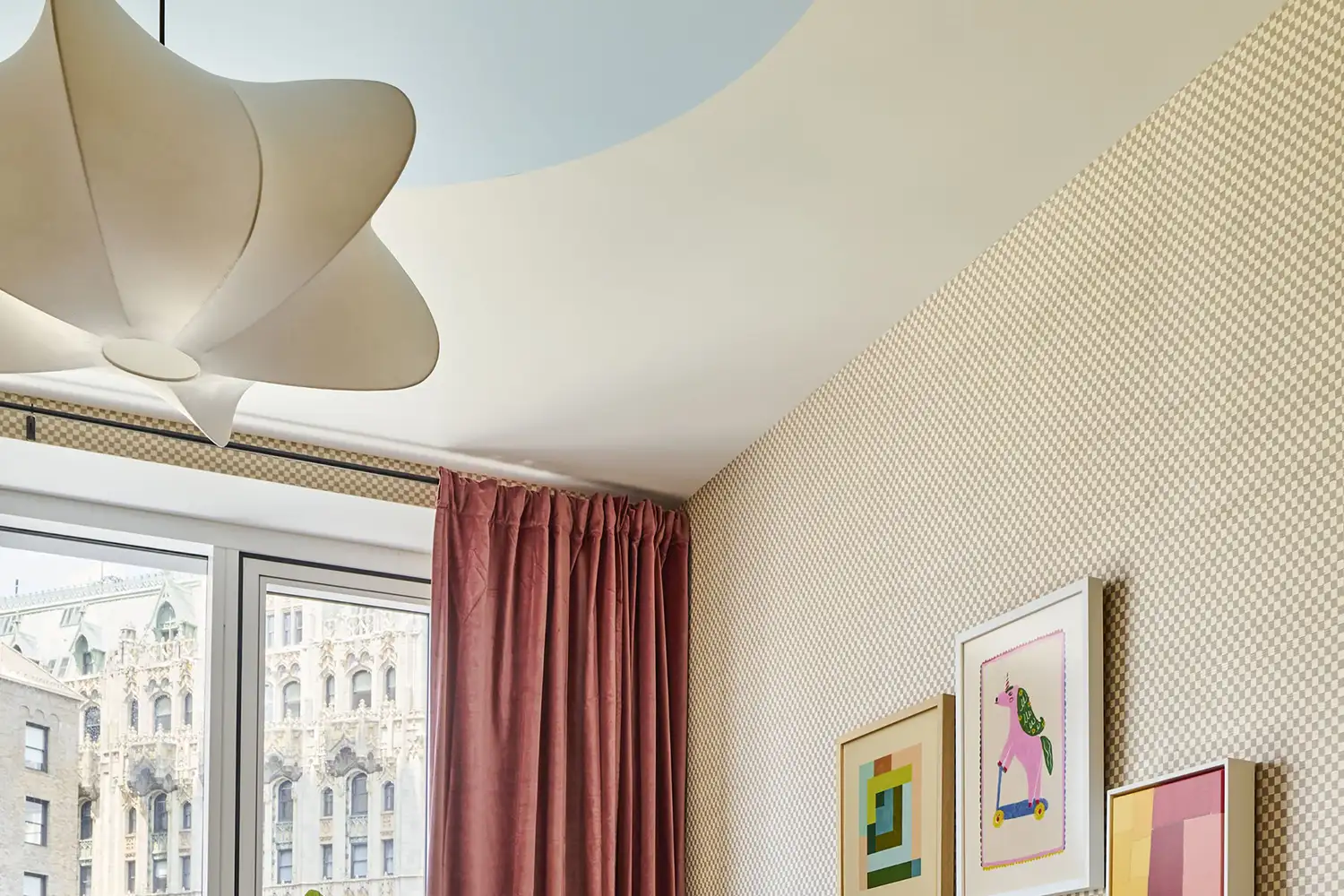
Designers Swear by This "Fifth Wall” Painting Tip to Elevate Any Room


5 Best Ceiling Paints

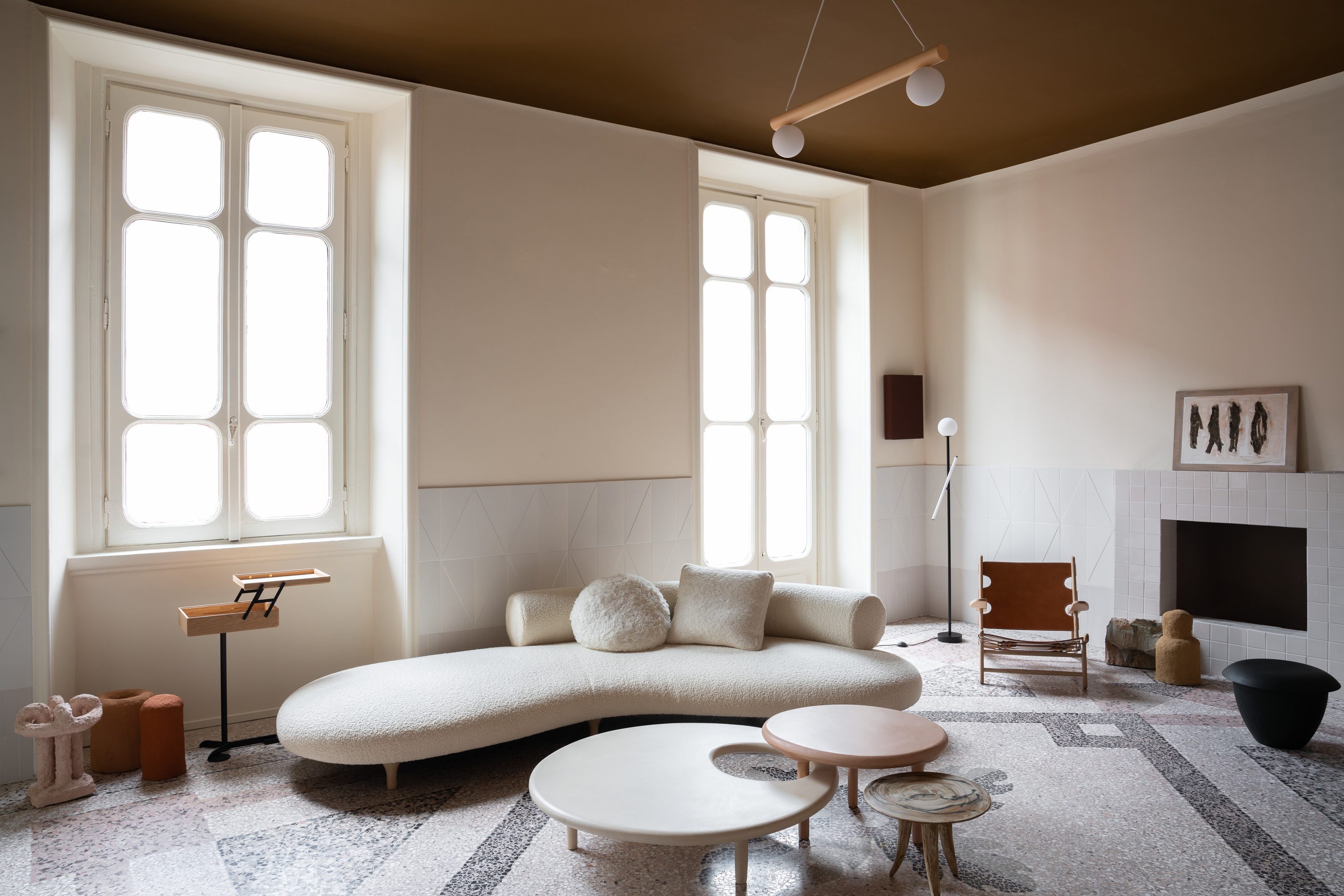
Painted ceiling ideas – 10 of the best ways to give this decorating trend an unexpected twist
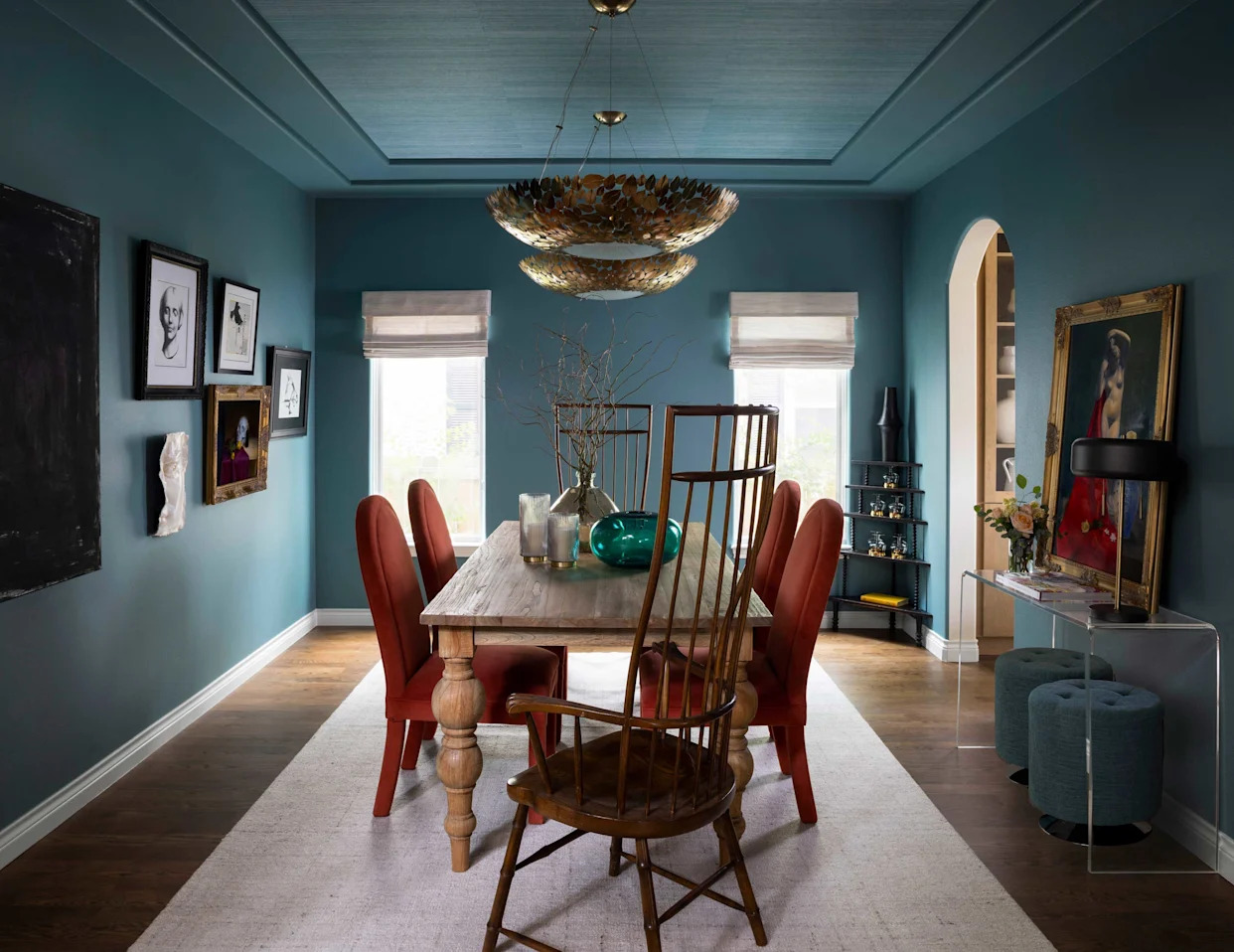
3 Ways Designers Say You Shouldn't Decorate Your Ceiling in 2024 — Number 3 Definitely Surprised Us!


How to make your ceiling more attractive – 7 ways to turn the neglected fifth wall into a beautiful feature
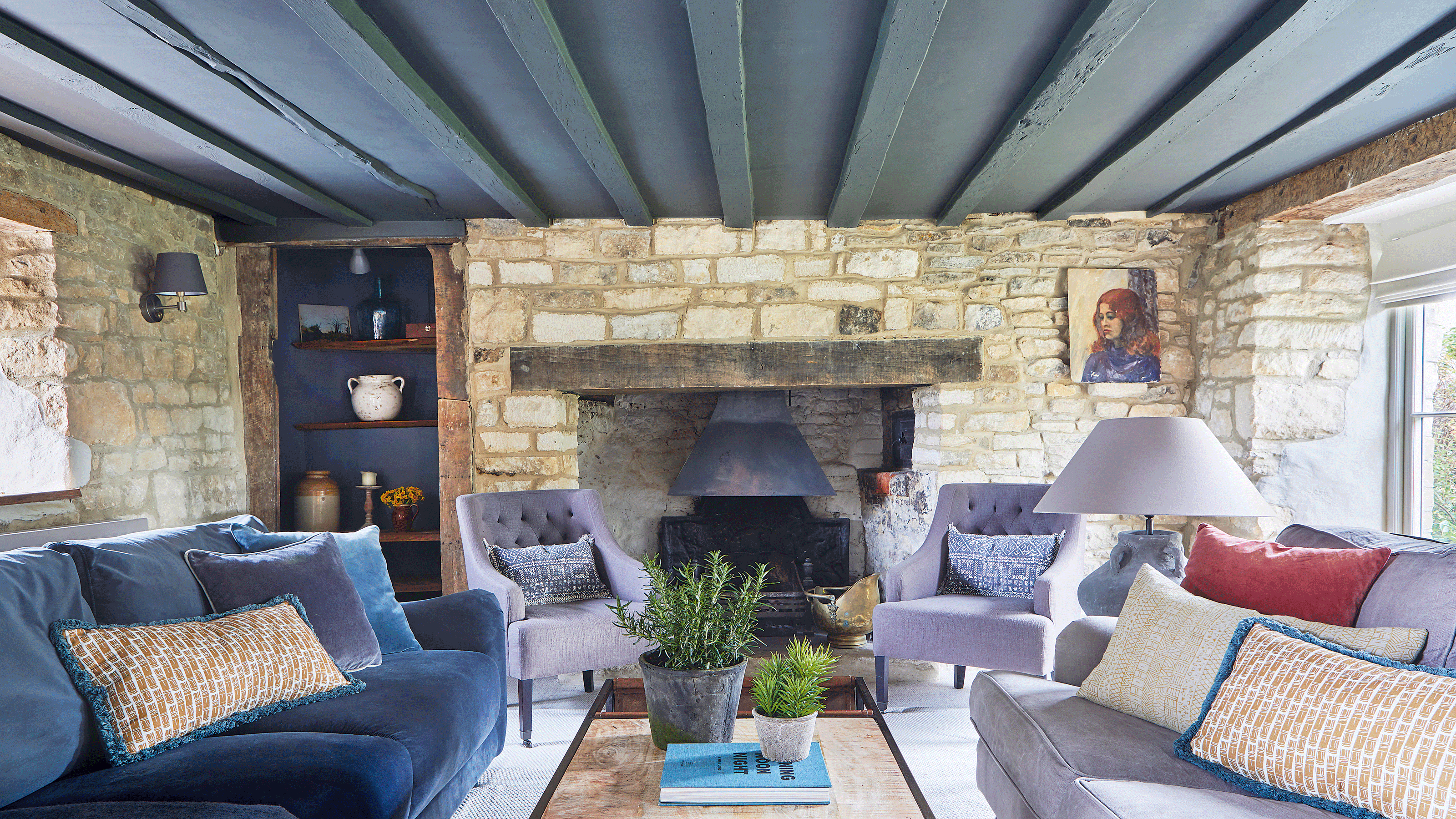
Living room ceiling ideas – perk up your 5th wall with our expert advice
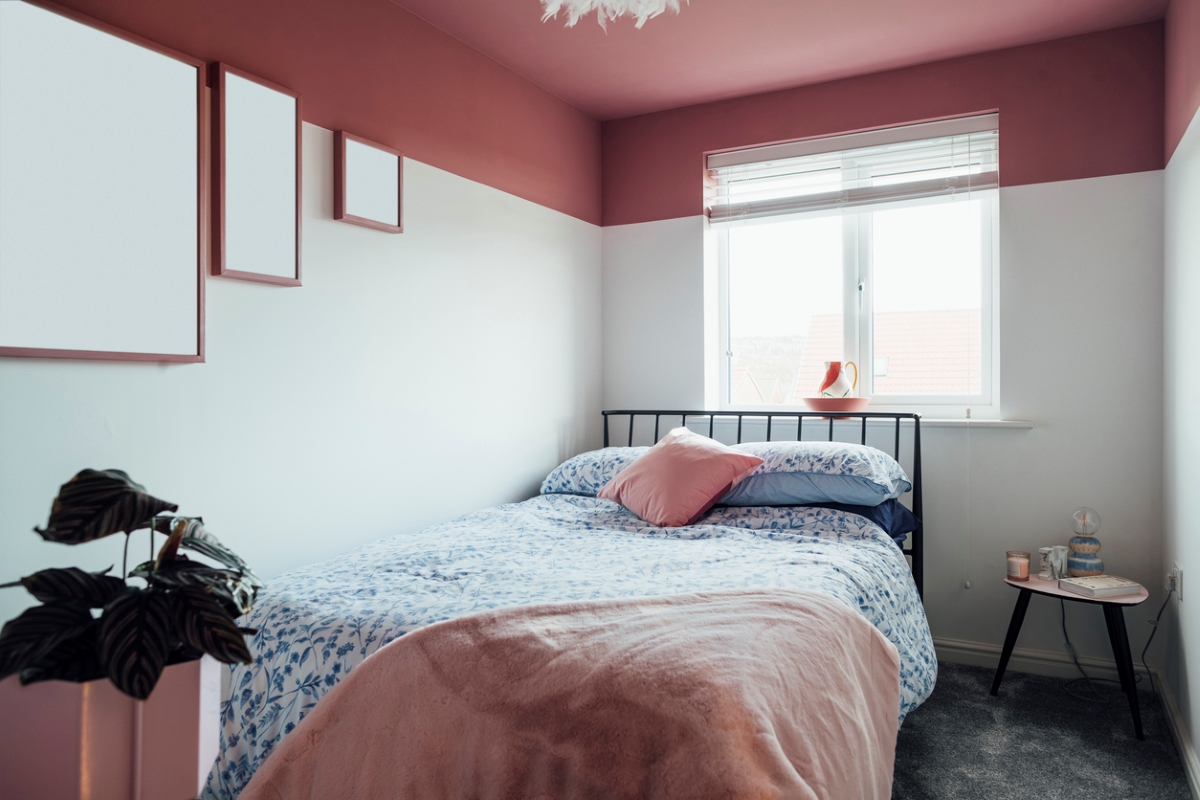
8 Ceiling Paint Color Trends to Consider for Your Next Home Refresh

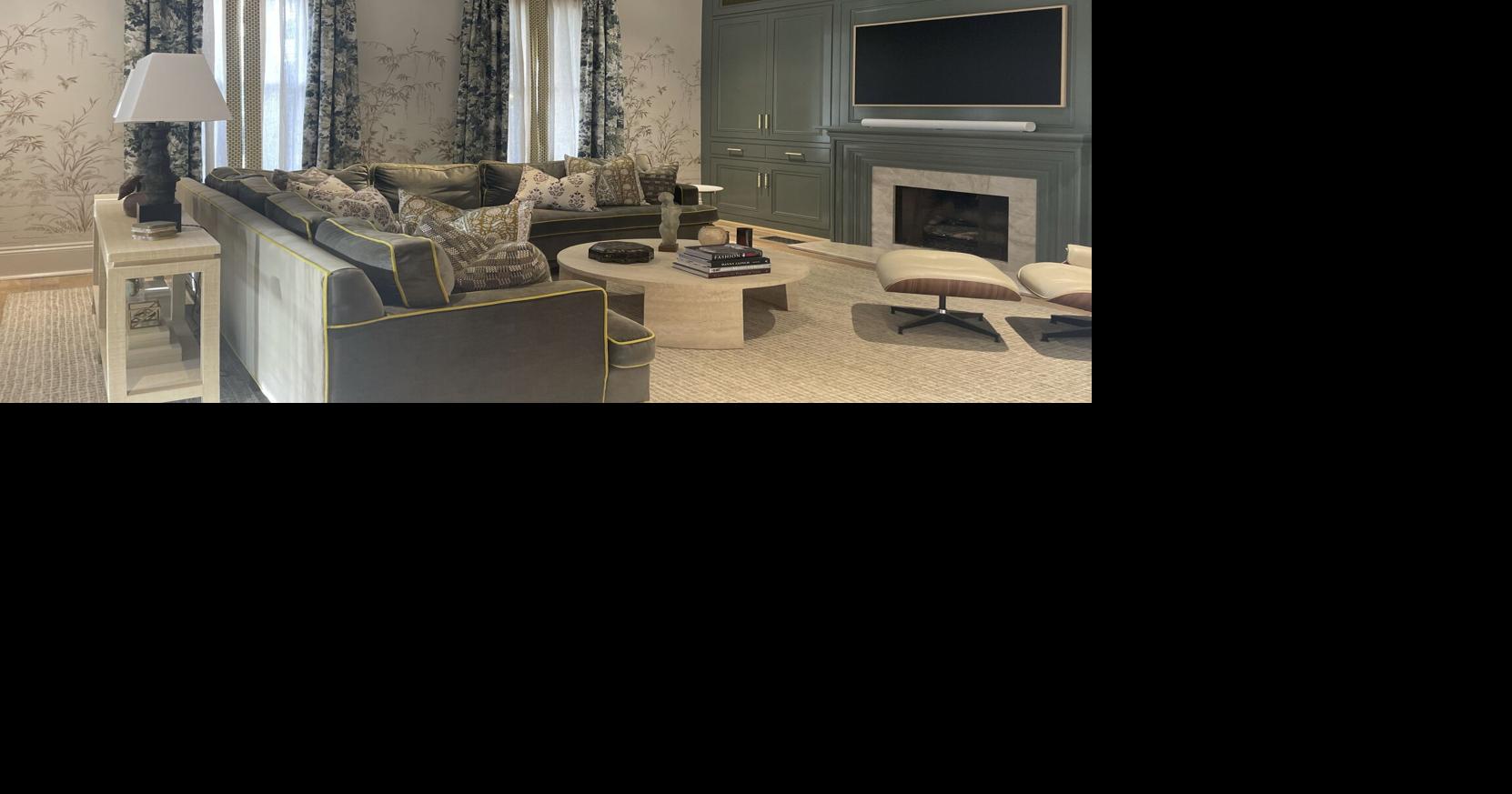
Put this ceiling to work: Special treatments are the finishing touches that supercharge a room's ambiance