1/2
How to Mix and Match Your Bed Sheets for the Season | Wirecutter
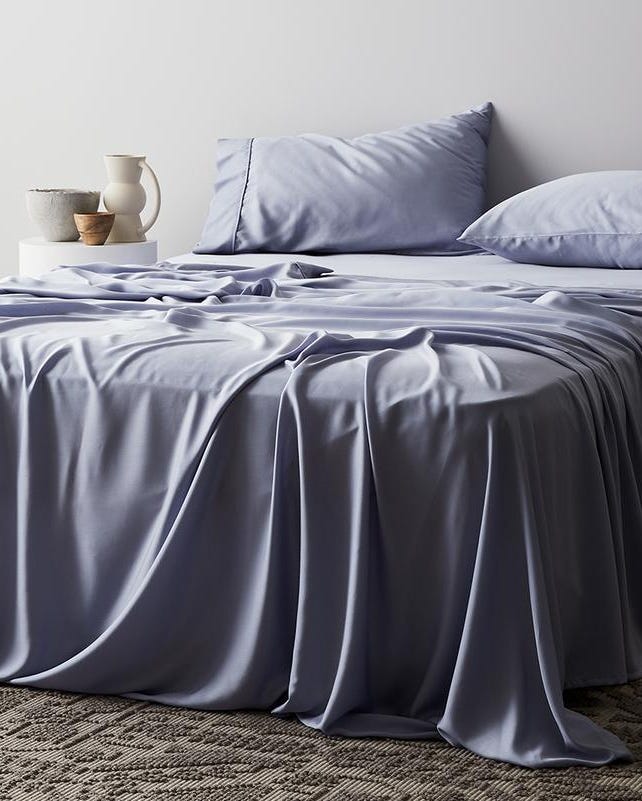
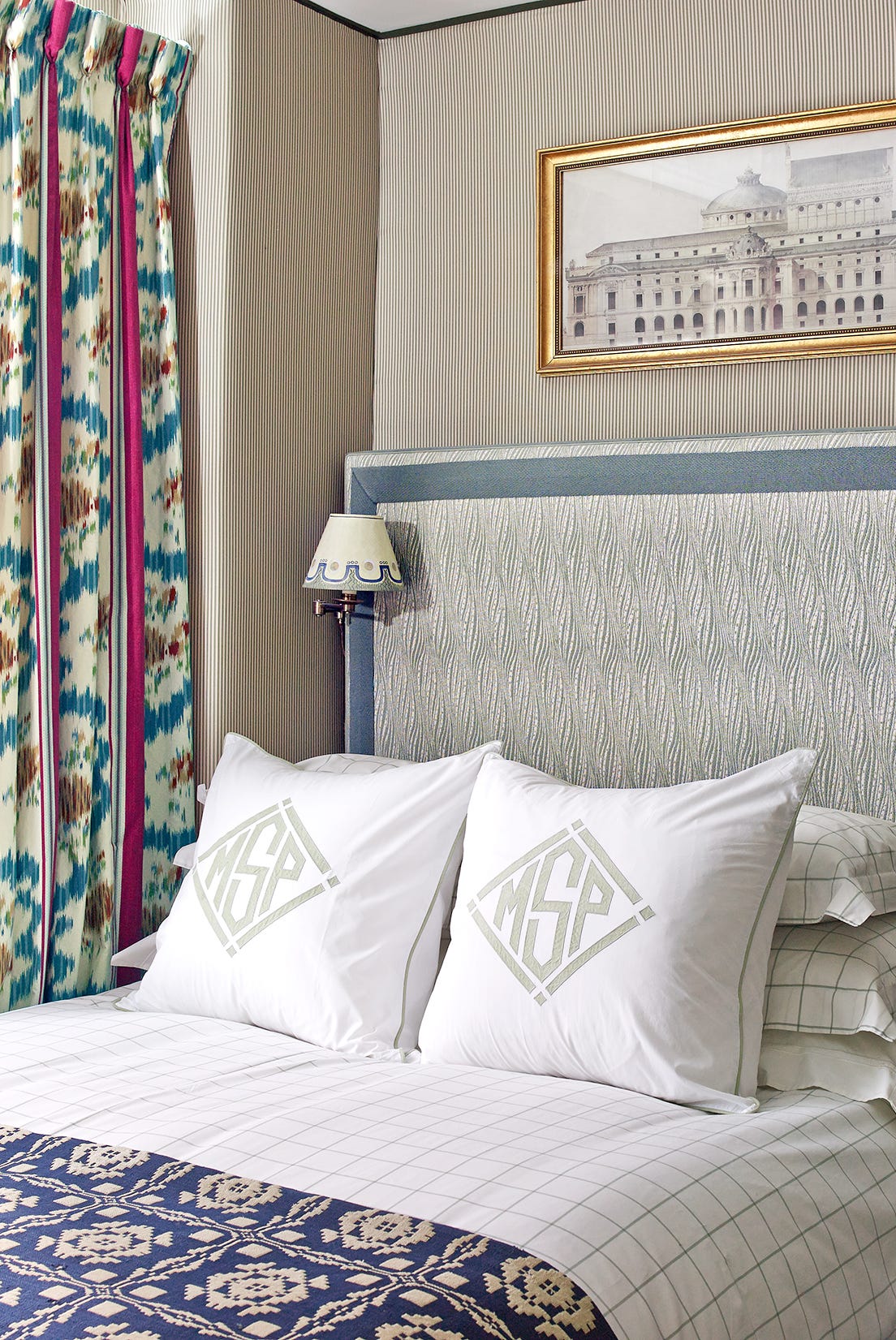
This article explores the benefits and practicalities of mixing and matching bed sheets for optimal comfort, temperature regulation, and longevity, moving beyond the traditional approach of purchasing matching sheet sets. Experts, such as Shannon Maher from FIT’s Jay and Patty Baker School of Business and Technology, advocate for combining different sheeting fabrics like cotton percale, sateen, linen, and flannel based on seasonal needs and personal preferences. This method allows for a tailored sleeping experience, addressing individual warmth requirements and extending the life of sheets by strategically distributing wear.
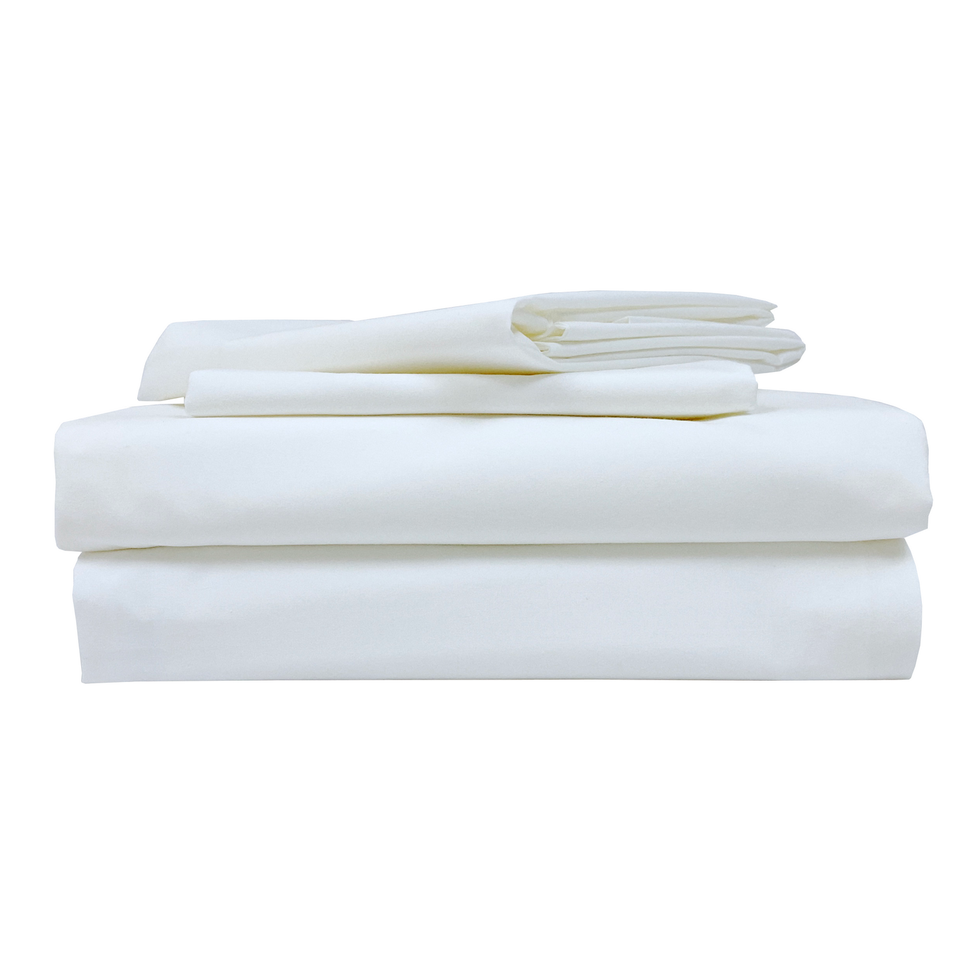
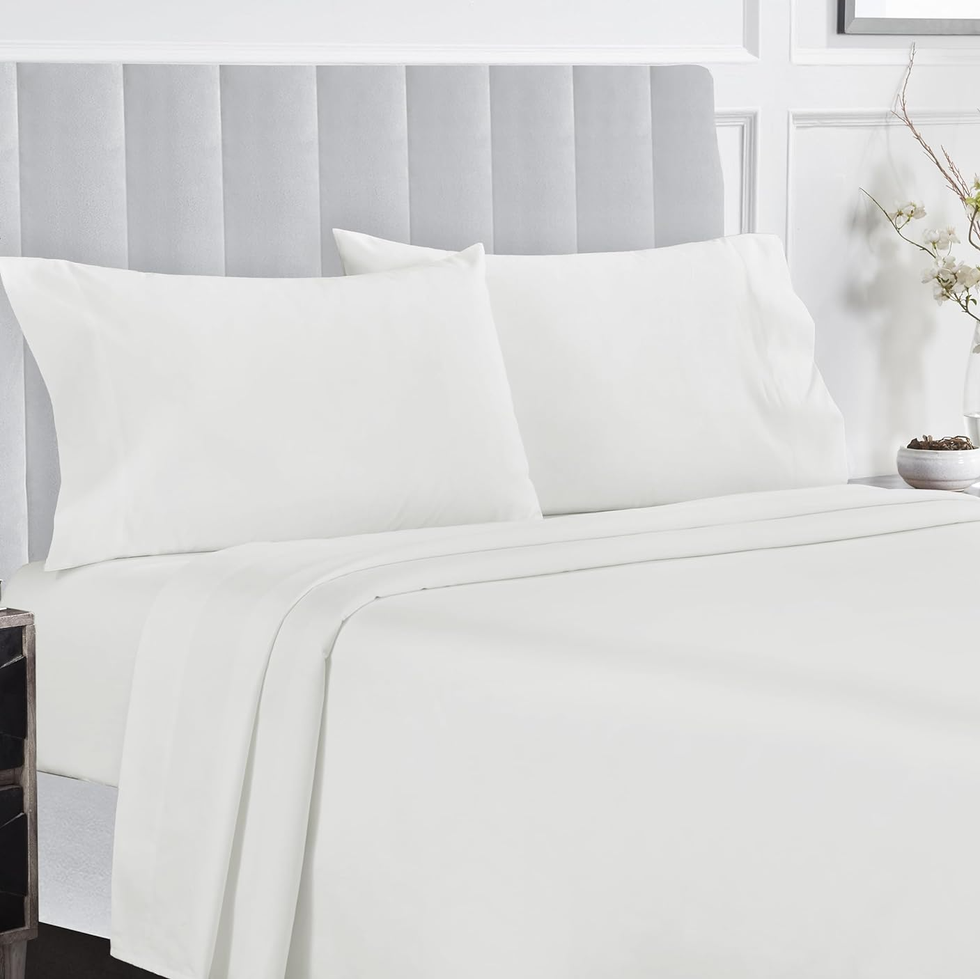
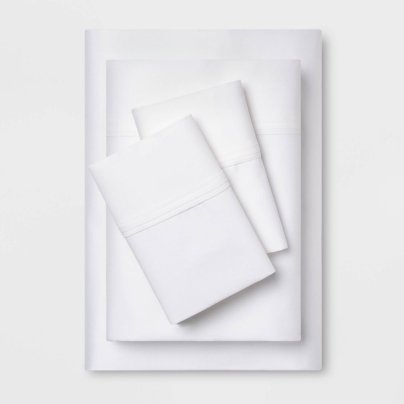
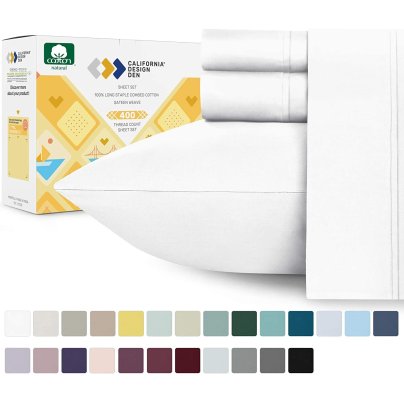
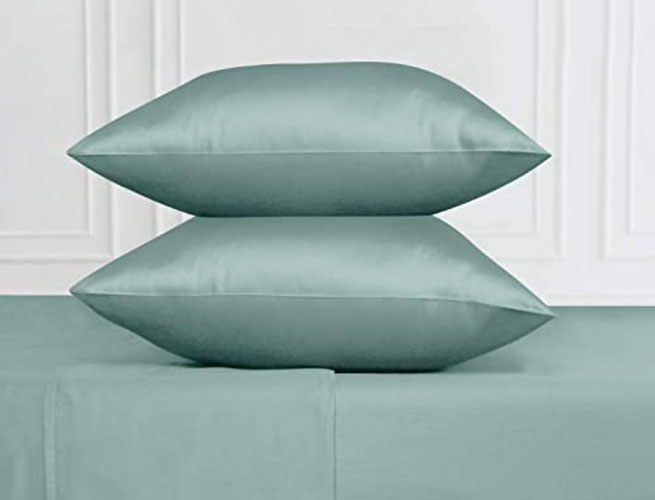
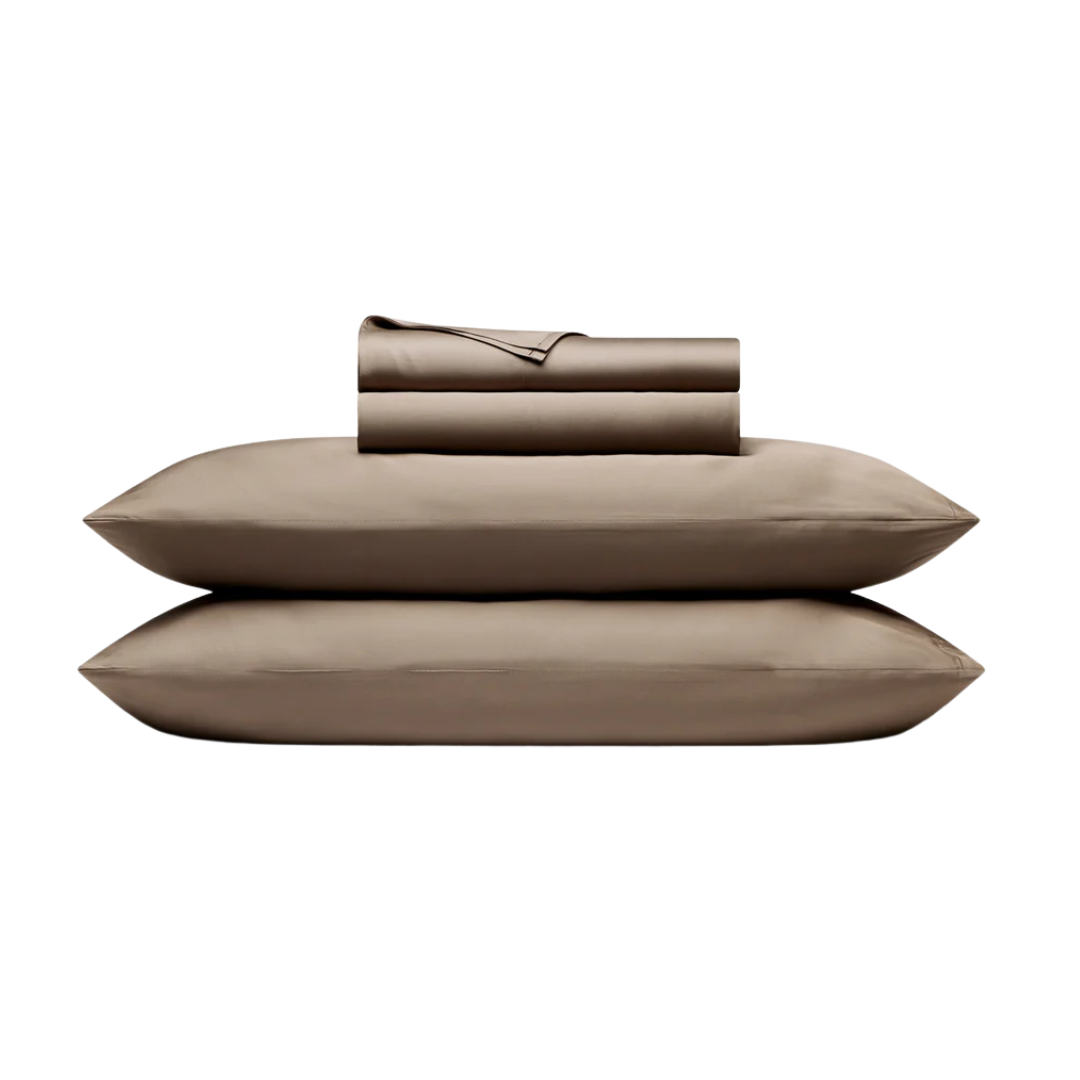
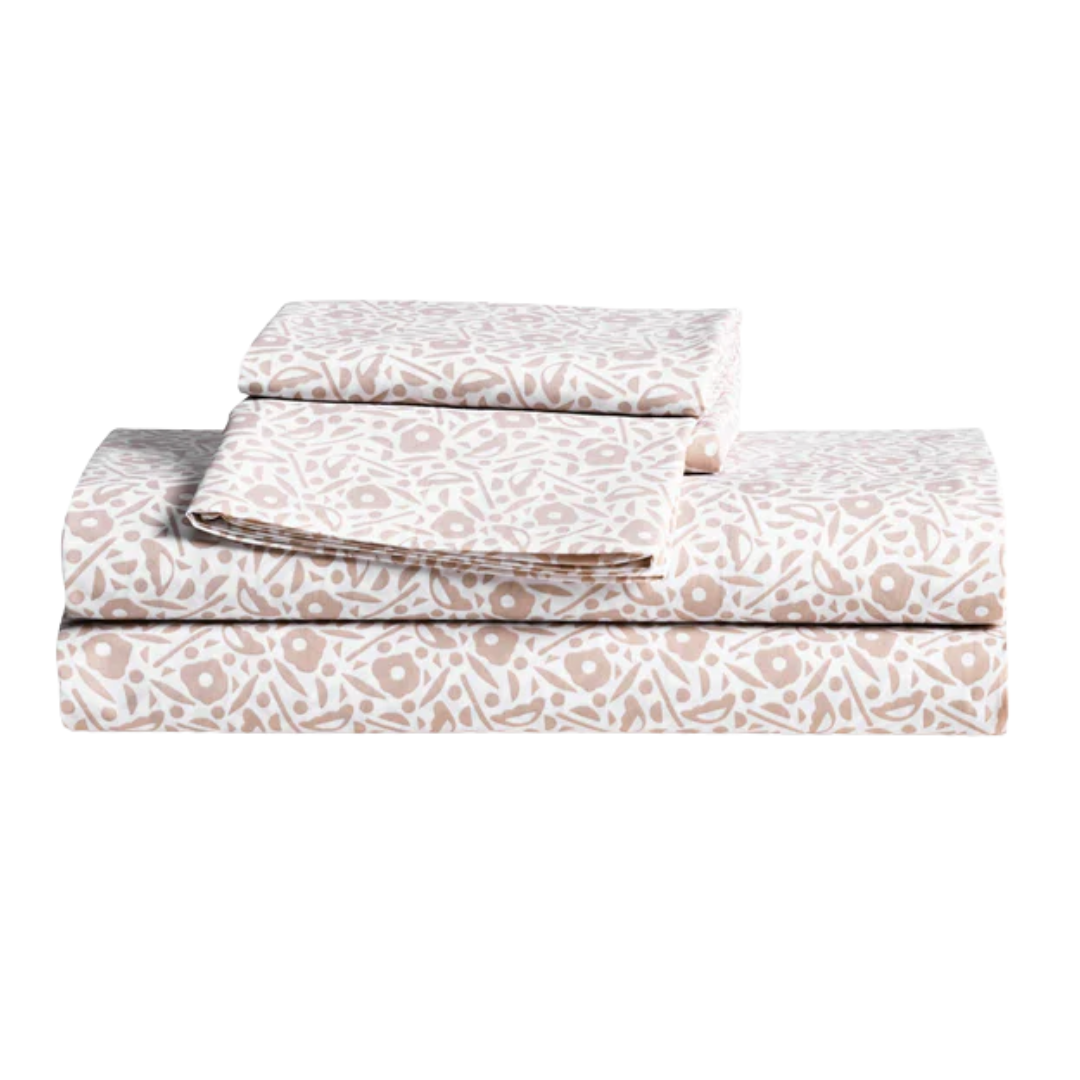
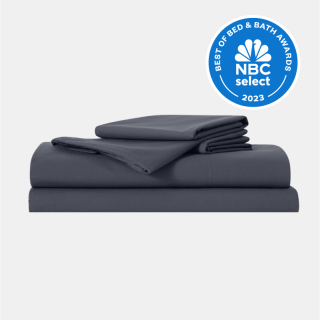
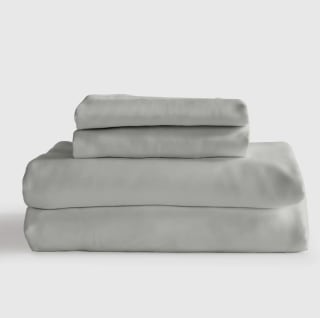
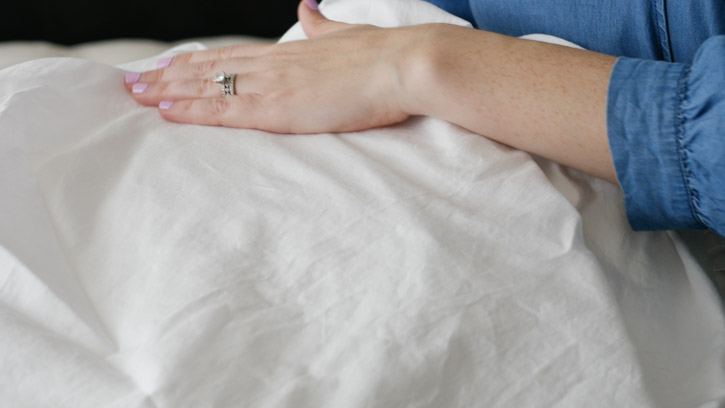
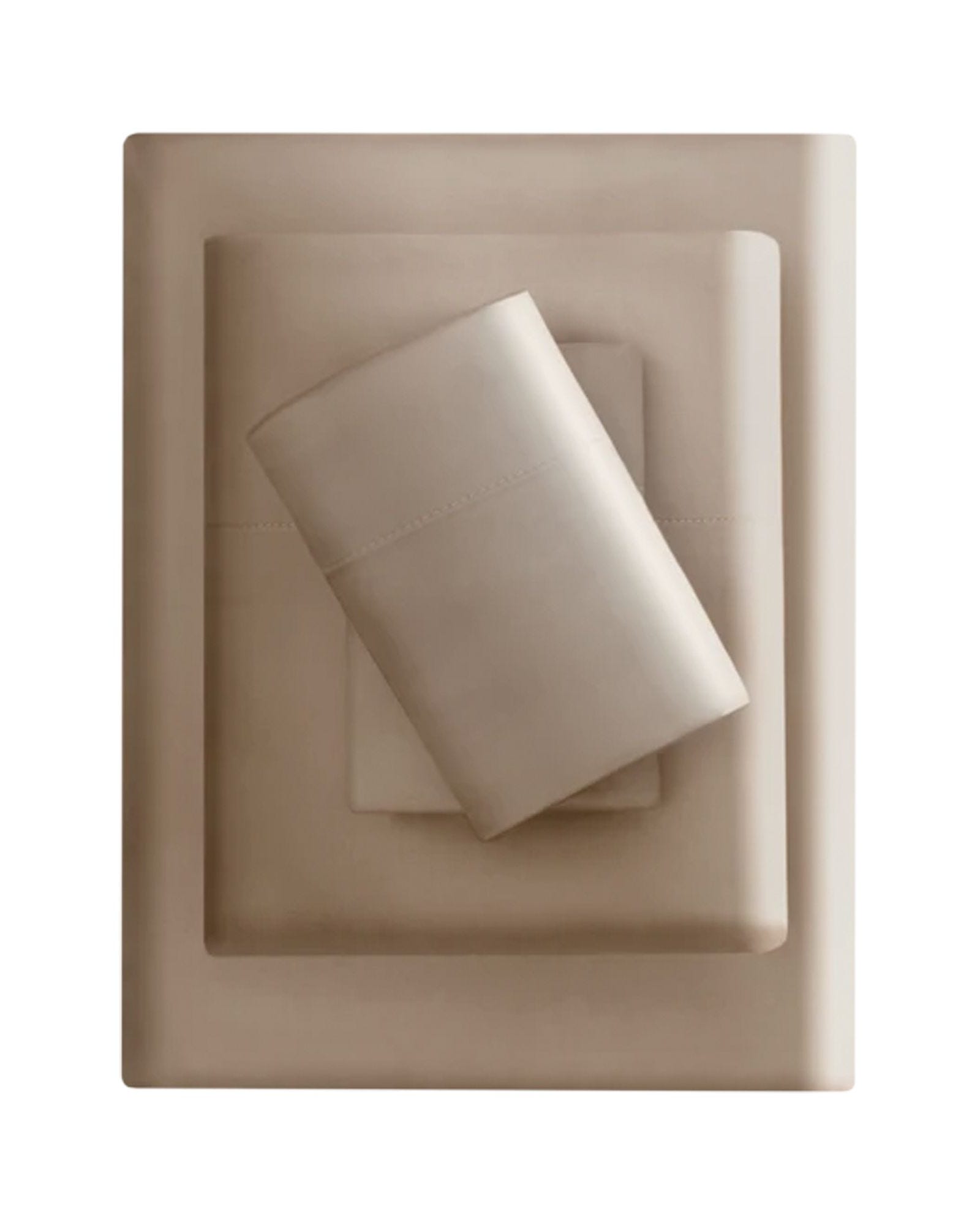
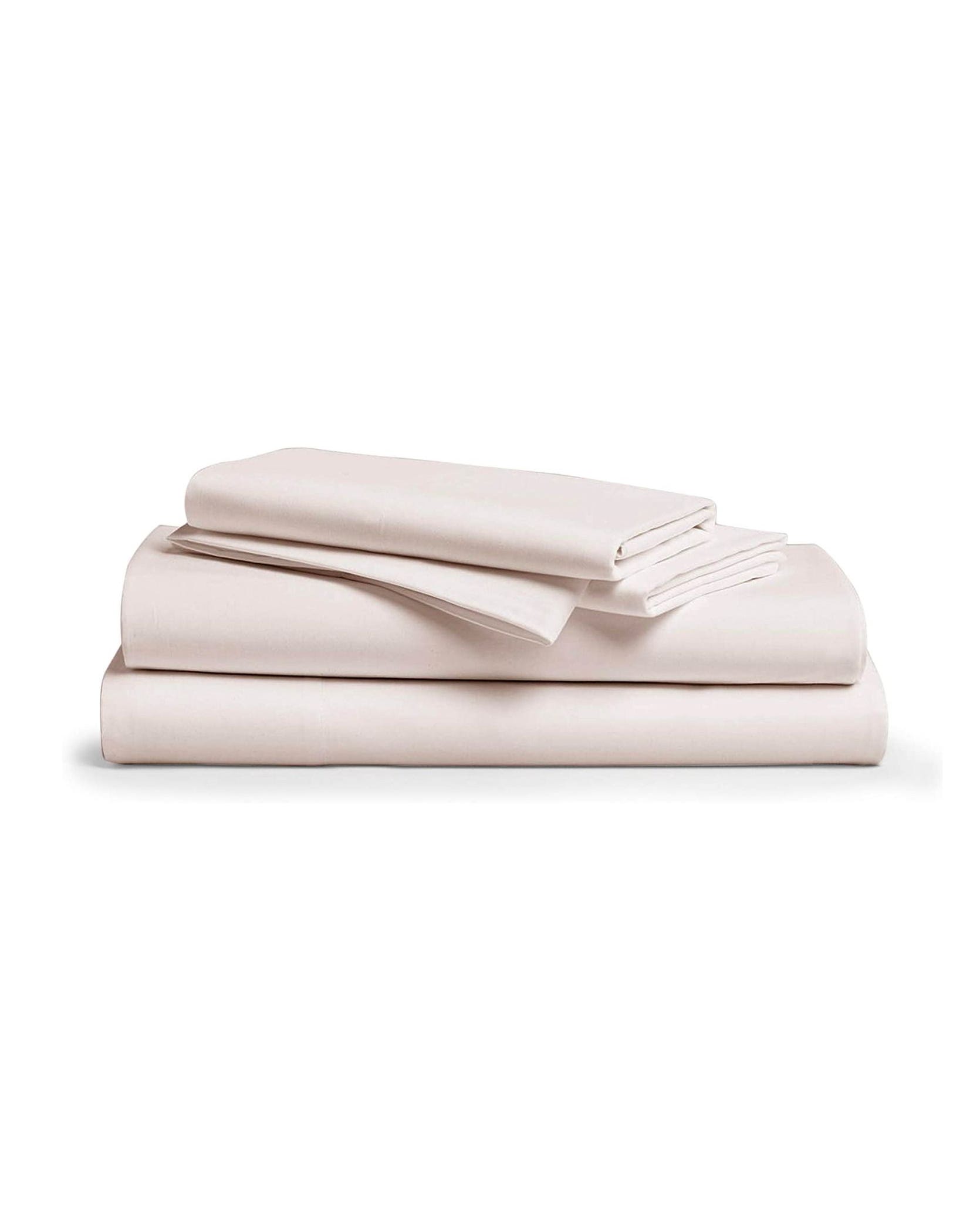
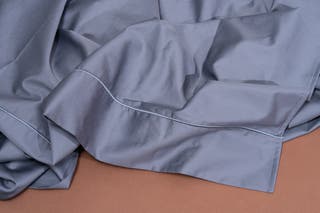
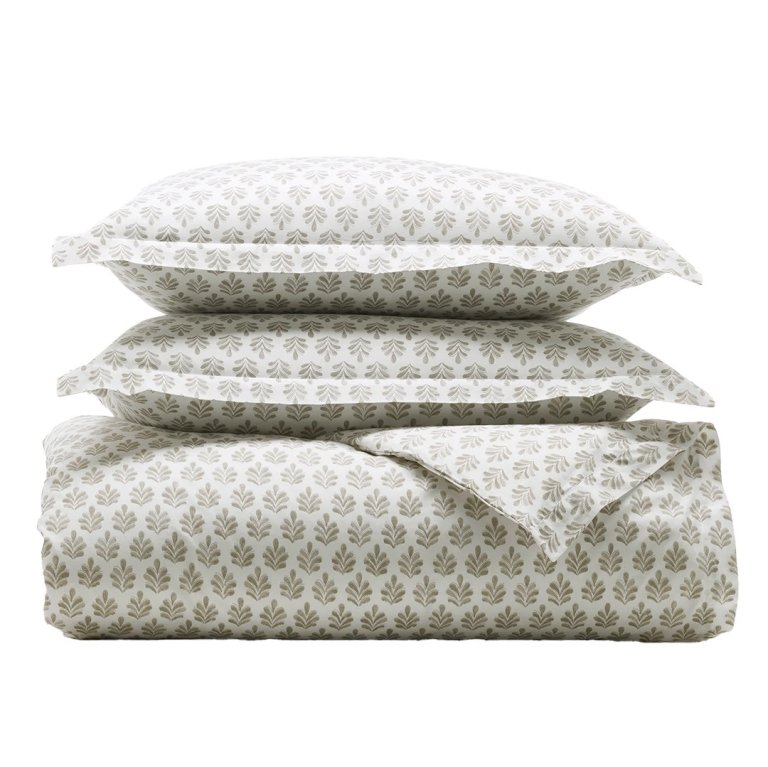
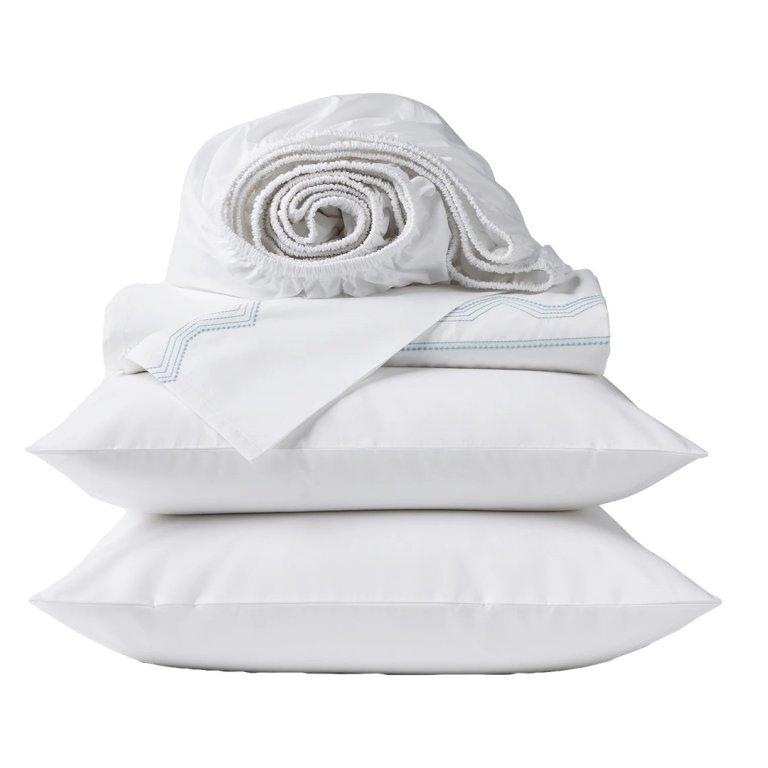
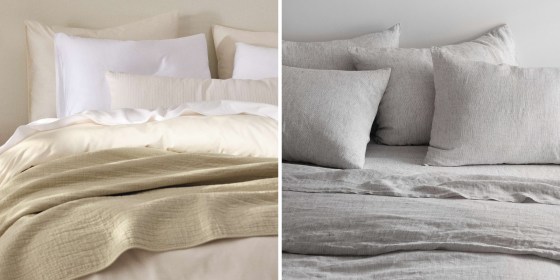
The guide outlines specific fabric combinations recommended for various seasons. For spring and fall, sateen or percale sheets are suggested. Percale, known for its crisp and cool feel due to its basic weave, is ideal for warmer weather. Sateen, conversely, offers a luxuriously smooth and slightly silky texture with a heavier drape, making it suitable for cooler nights in transitional seasons. Both types are available in sets or as individual pieces from recommended brands like L.L.Bean, Riley, and Cuddledown.
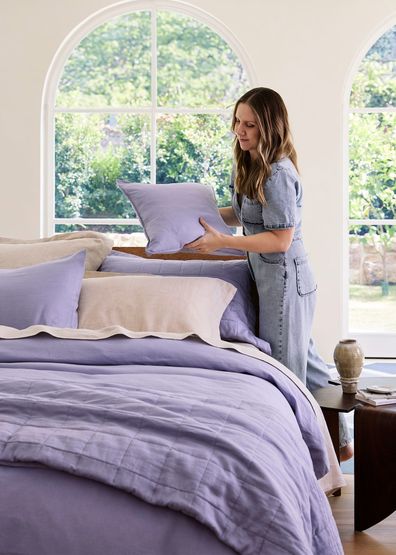
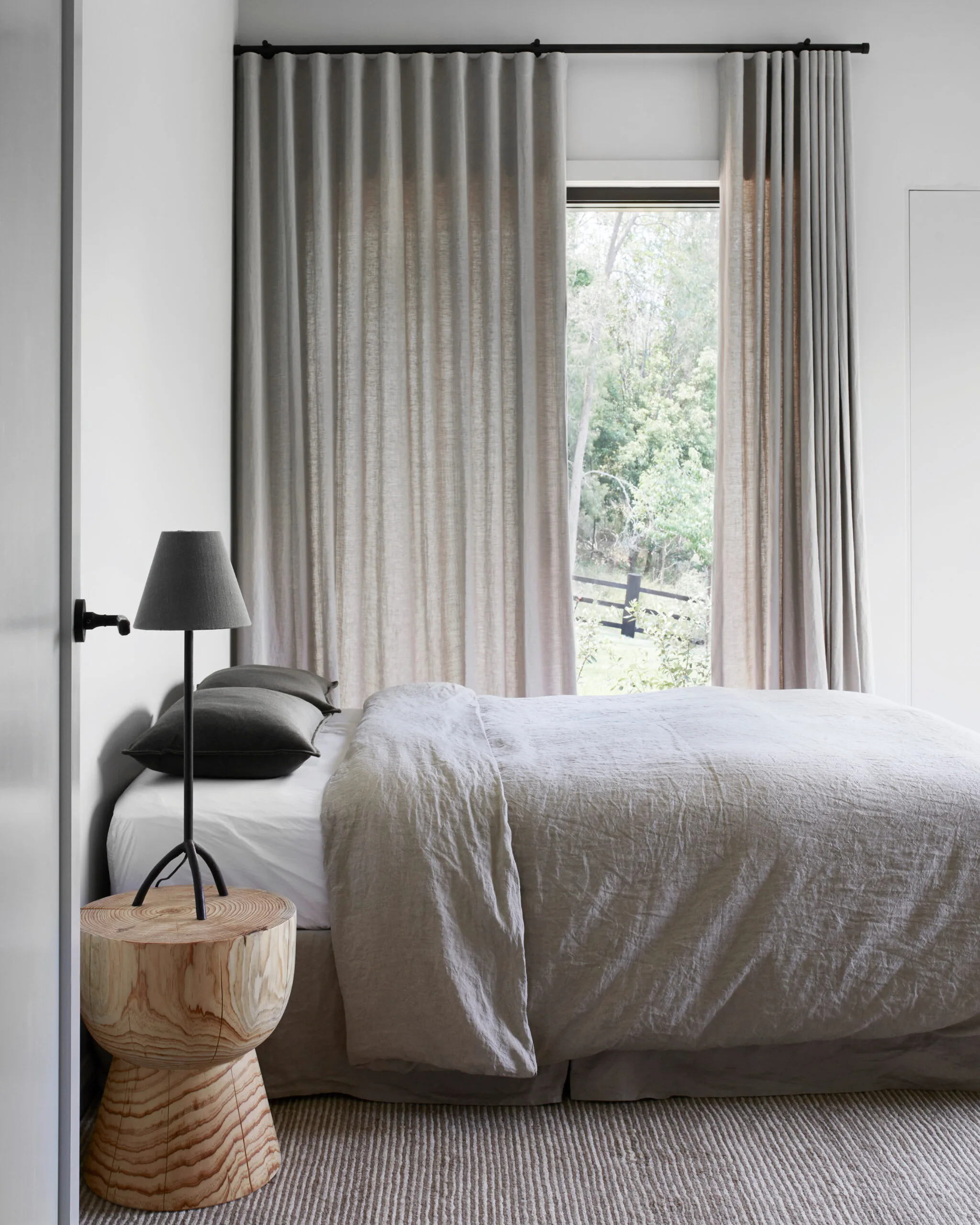
For summer, the article recommends percale, linen, or a blend of both. Linen sheets are highlighted for their exceptional breathability, surpassing cotton, which makes them highly effective in hot and humid conditions. While linen has a rougher texture than cotton, its temperature-regulating properties also make it versatile for year-round use, benefiting both hot and cold sleepers. A common and cost-effective strategy involves pairing a percale fitted sheet with a linen top sheet to capitalize on linen's breathability while mitigating potential tearing issues often associated with linen fitted sheets. Cultiver is mentioned as a top pick for linen sheets.
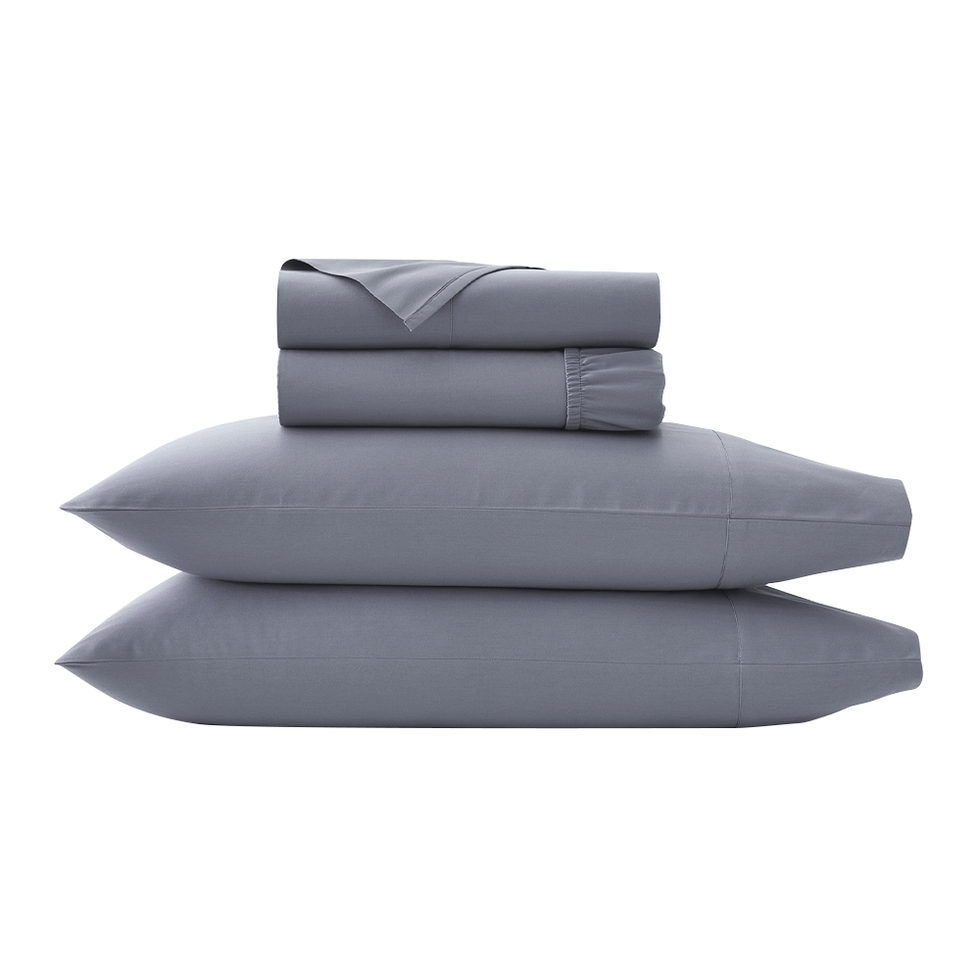
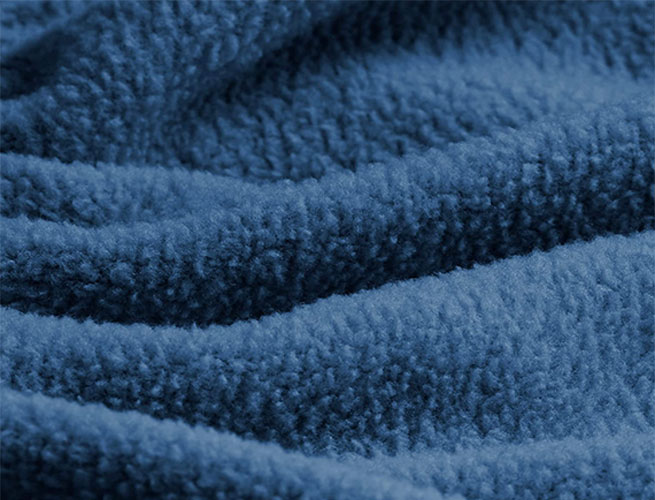
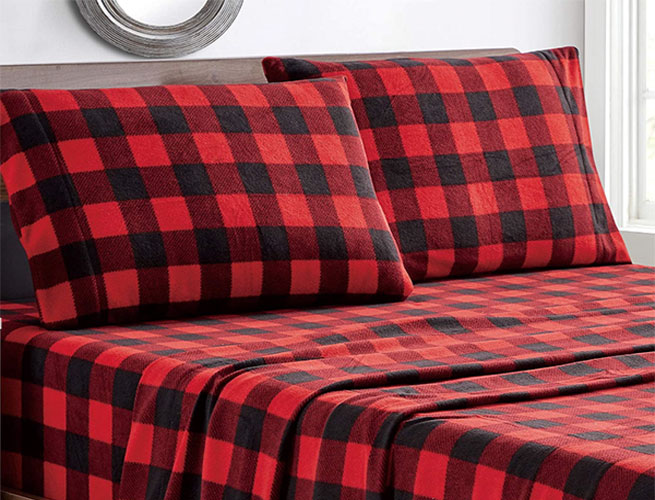
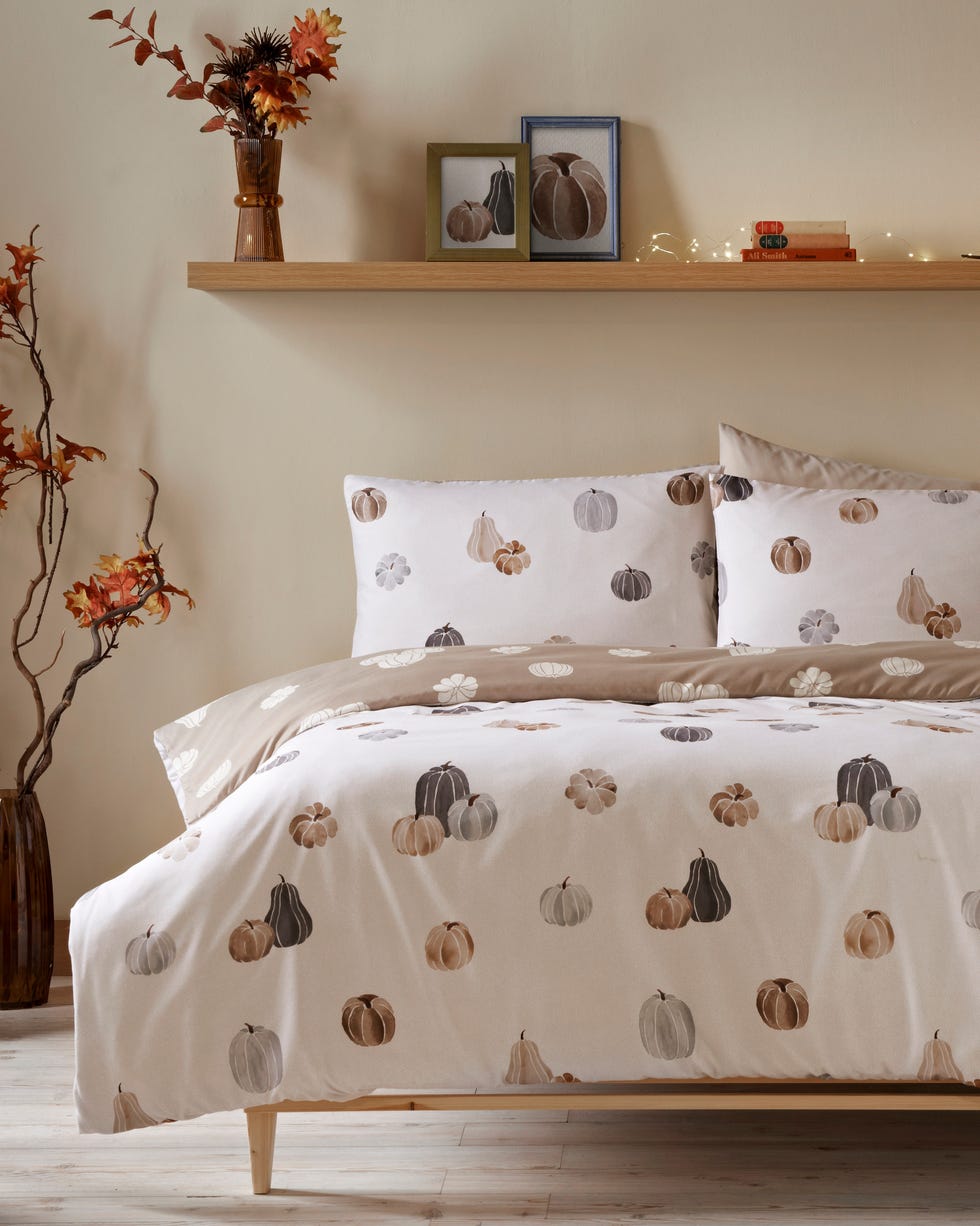
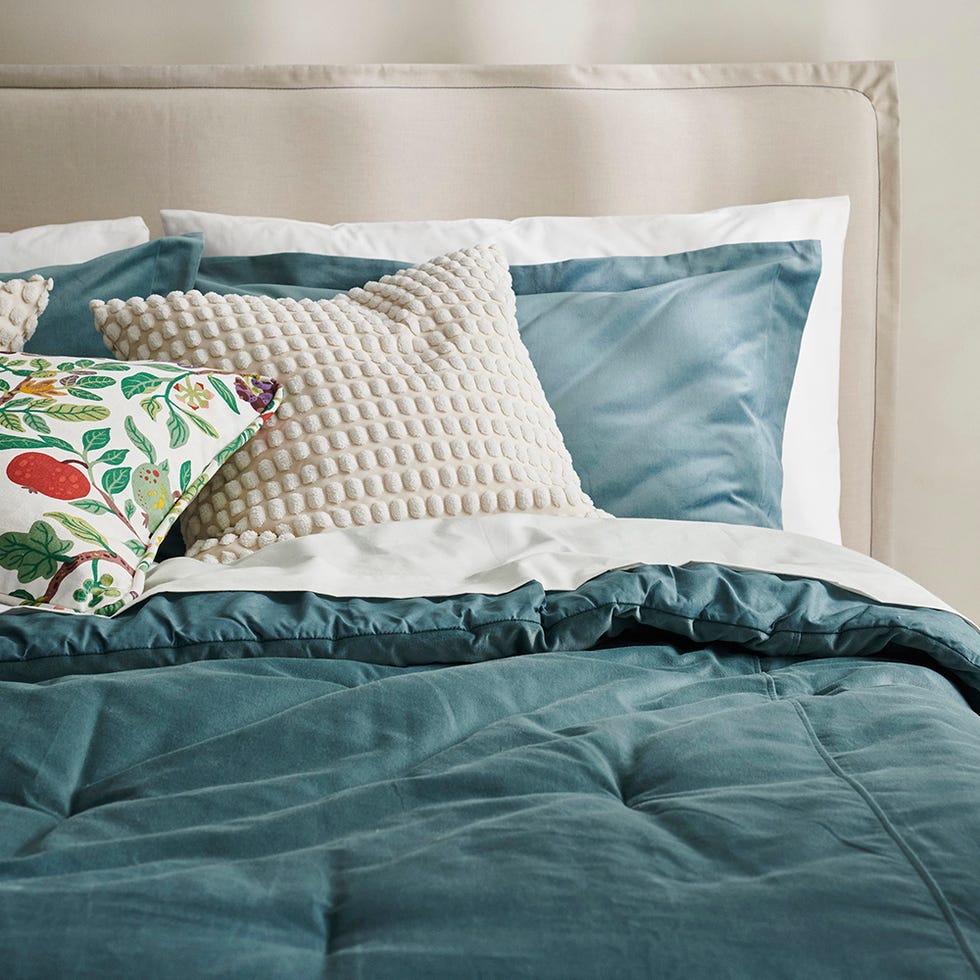
During winter, a combination of sateen or percale with flannel is advised. Flannel sheets, characterized by their soft, fuzzy texture created through napping or brushing, provide significant warmth for cold nights. However, for individuals who find flannel too warm to sleep directly on, Maher suggests using flannel primarily for the outer bed, such as a duvet or comforter cover, while retaining percale or sateen for bottom sheets and pillowcases to create a cozy yet comfortable sleeping environment. L.L.Bean is recommended for flannel sheets.
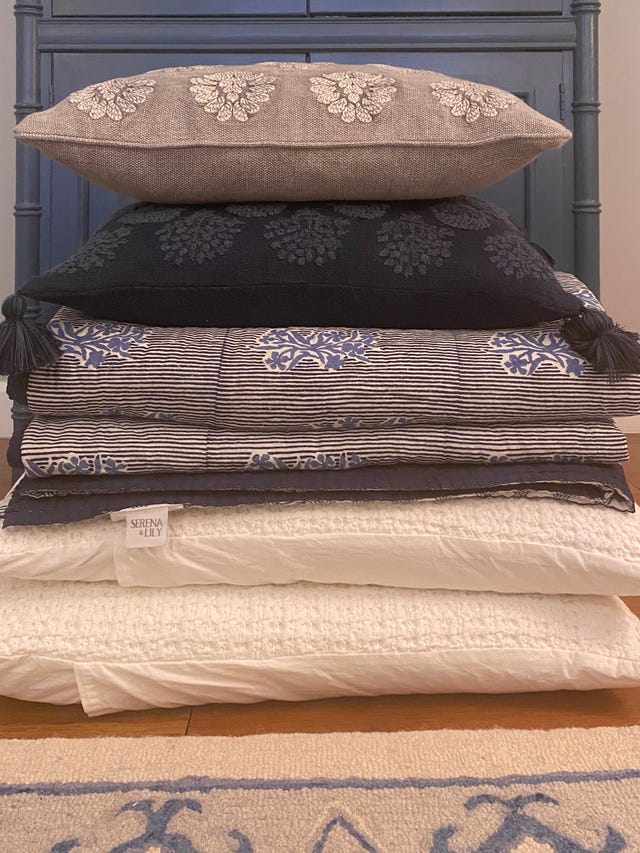
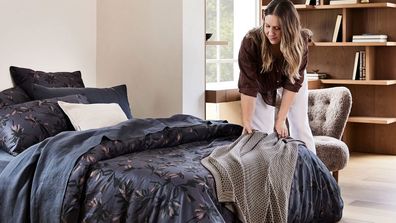
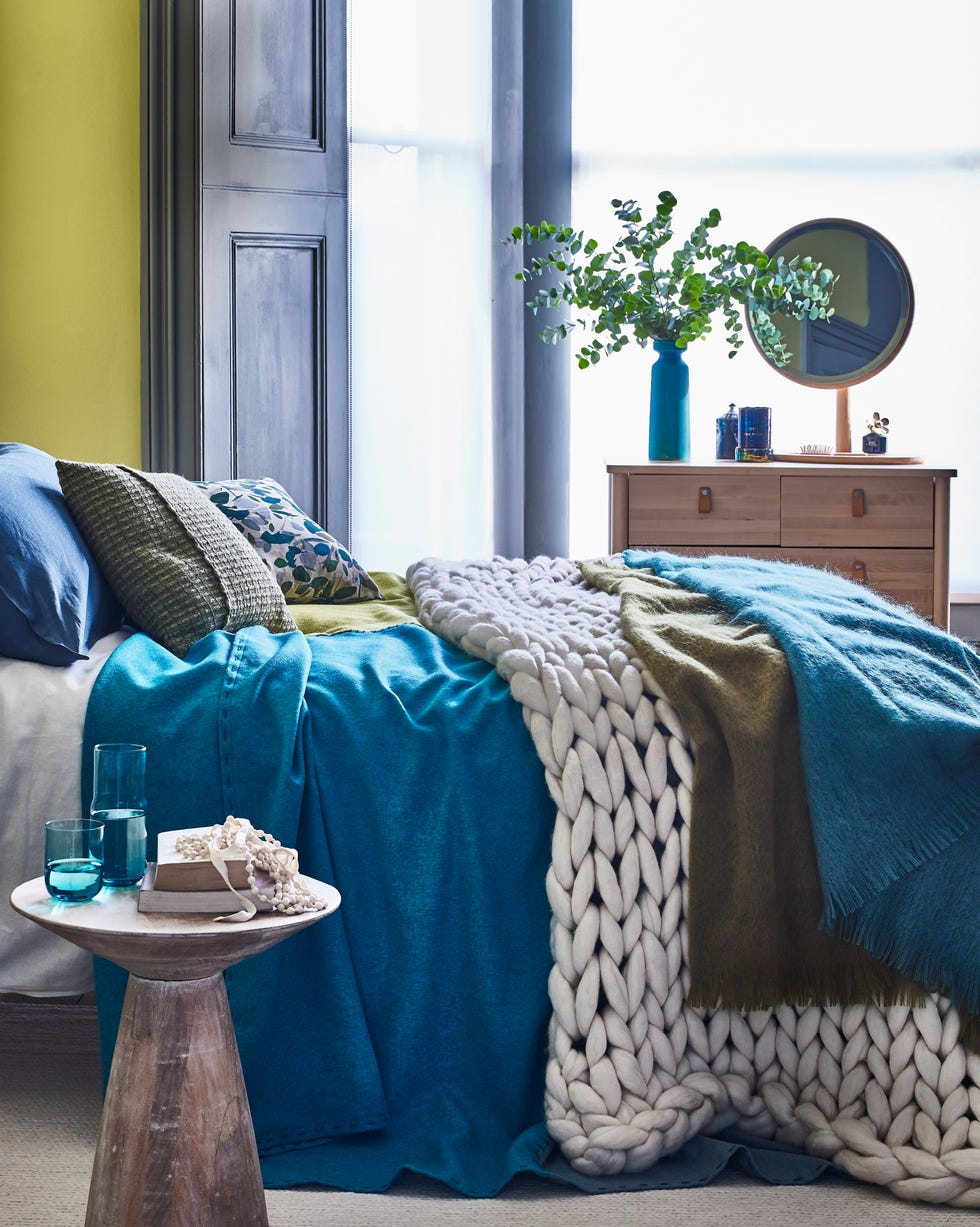
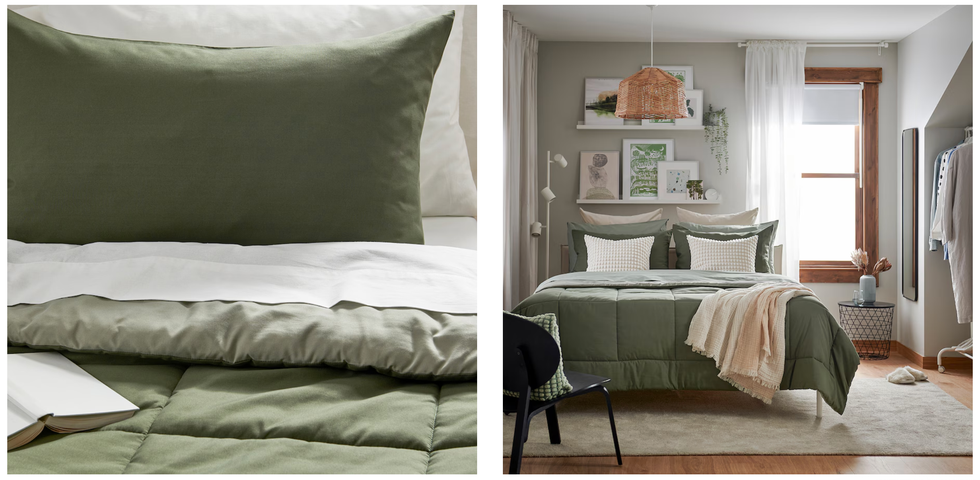
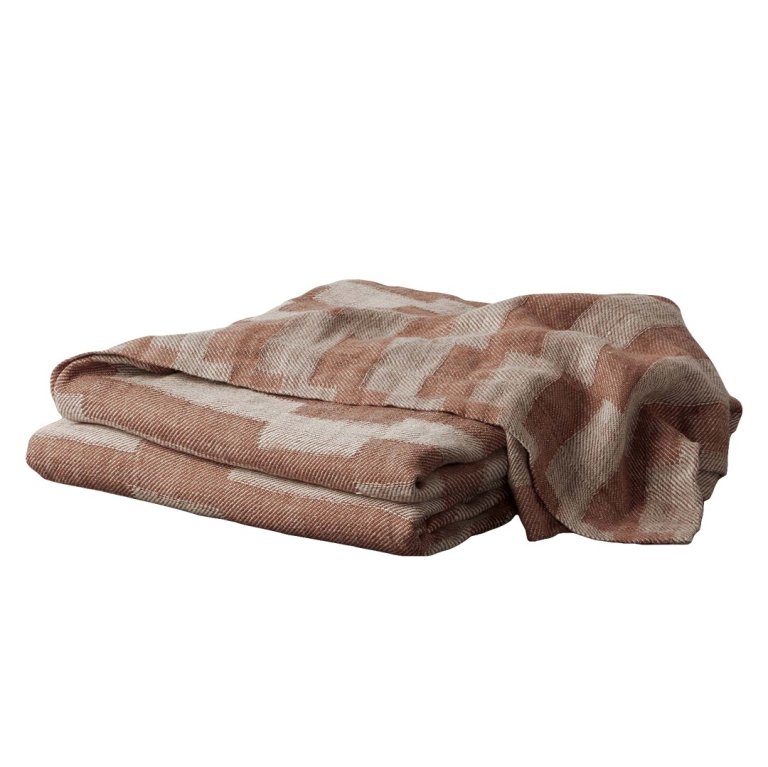
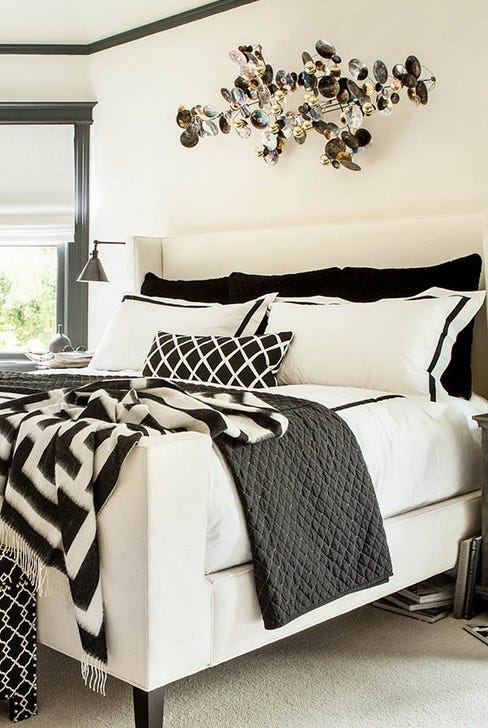
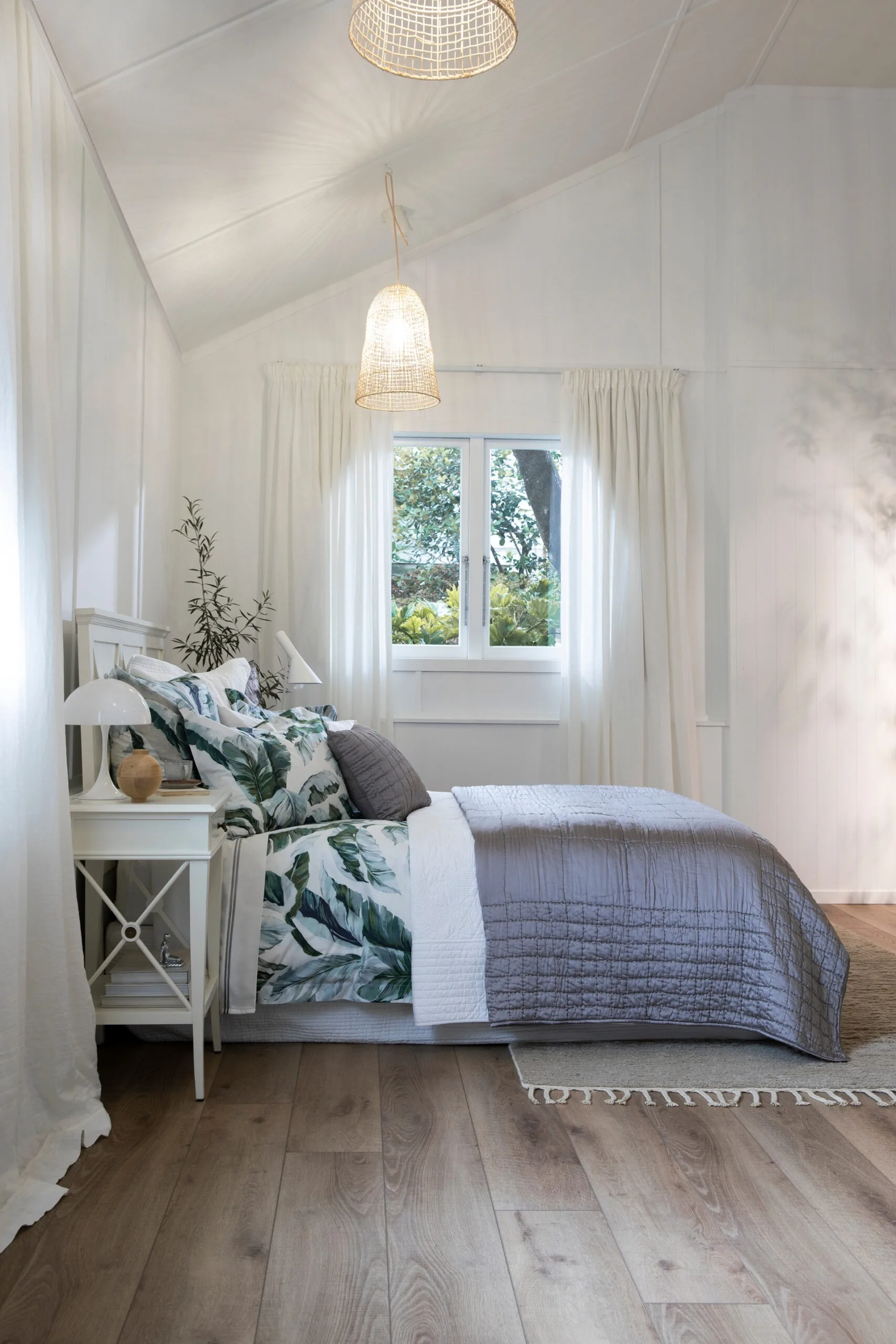
Beyond just sheets, Maher emphasizes the importance of layering with quilts, blankets, or matelasse at the foot of the bed across all seasons. These layers not only contribute to the bed's visual appeal but also provide an adjustable extra layer of warmth as needed, with varying weights used depending on the weather. The article ultimately encourages a thoughtful and personalized approach to bedding, prioritizing comfort and functionality over strict adherence to matching sets.
#Bedding #SeasonalSleeping #SheetFabrics #HomeComfort #BedroomDecor #TextileChoices #SleepOptimization #InteriorDesign #HomeTextiles #Bedding #SeasonalSleeping #SheetFabrics #HomeComfort #BedroomDecor #TextileChoices #SleepOptimization #InteriorDesign #HomeTextiles
0 comment in total
 No comments yet
You may also like
Yes, Your Adjustable Bed Needs Special Sheets. These Are the Best.


Beautifully styled beds are easier than you think with these styling tips and tricks

How To Keep Sheets On a Bed (2025)

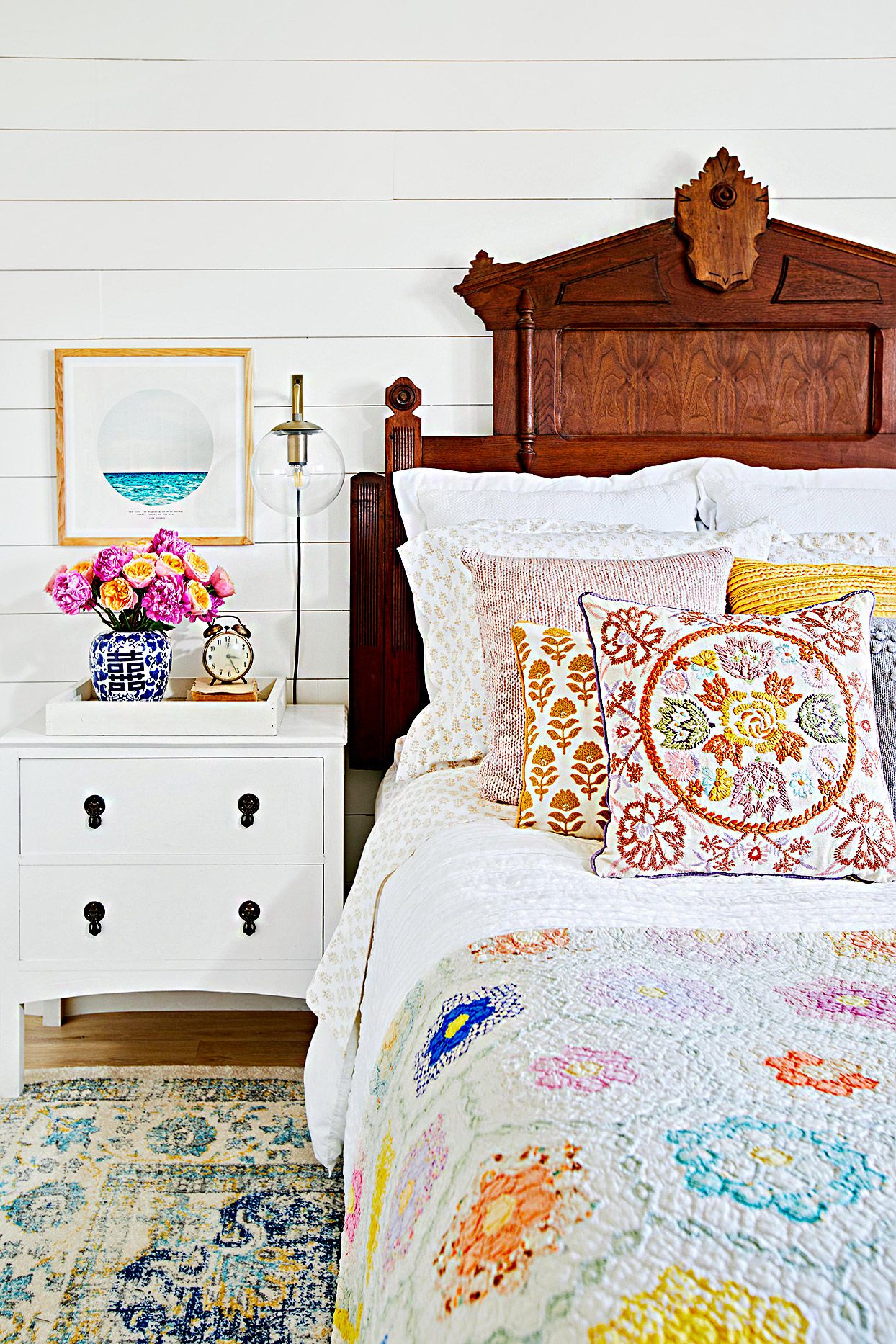
Cozy Up with These Beautiful Bedding Ideas for Every Style


Hey, We Know You’re Staying Home, So Make Your Bed!

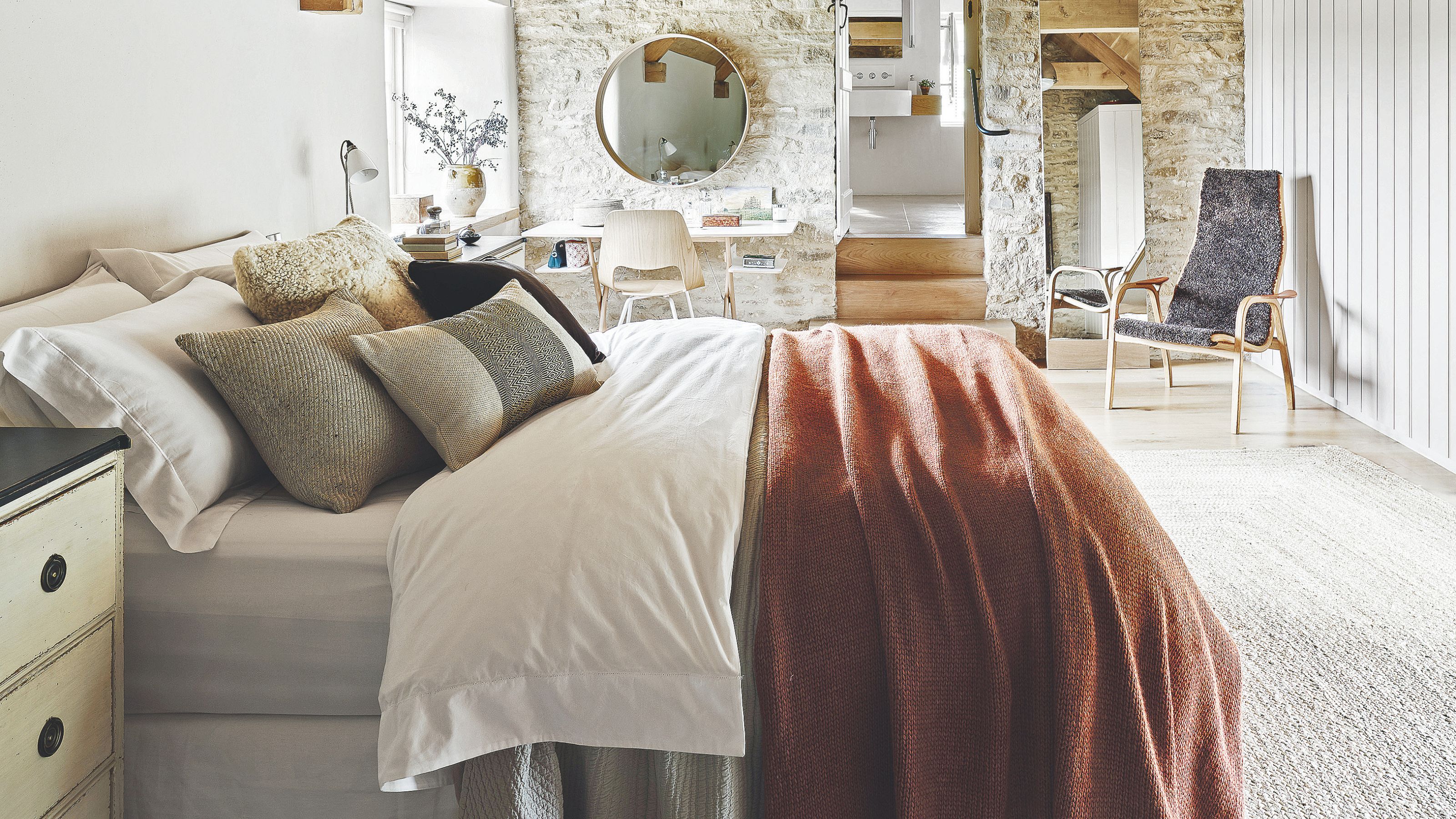
Best Bed Sheets 2025

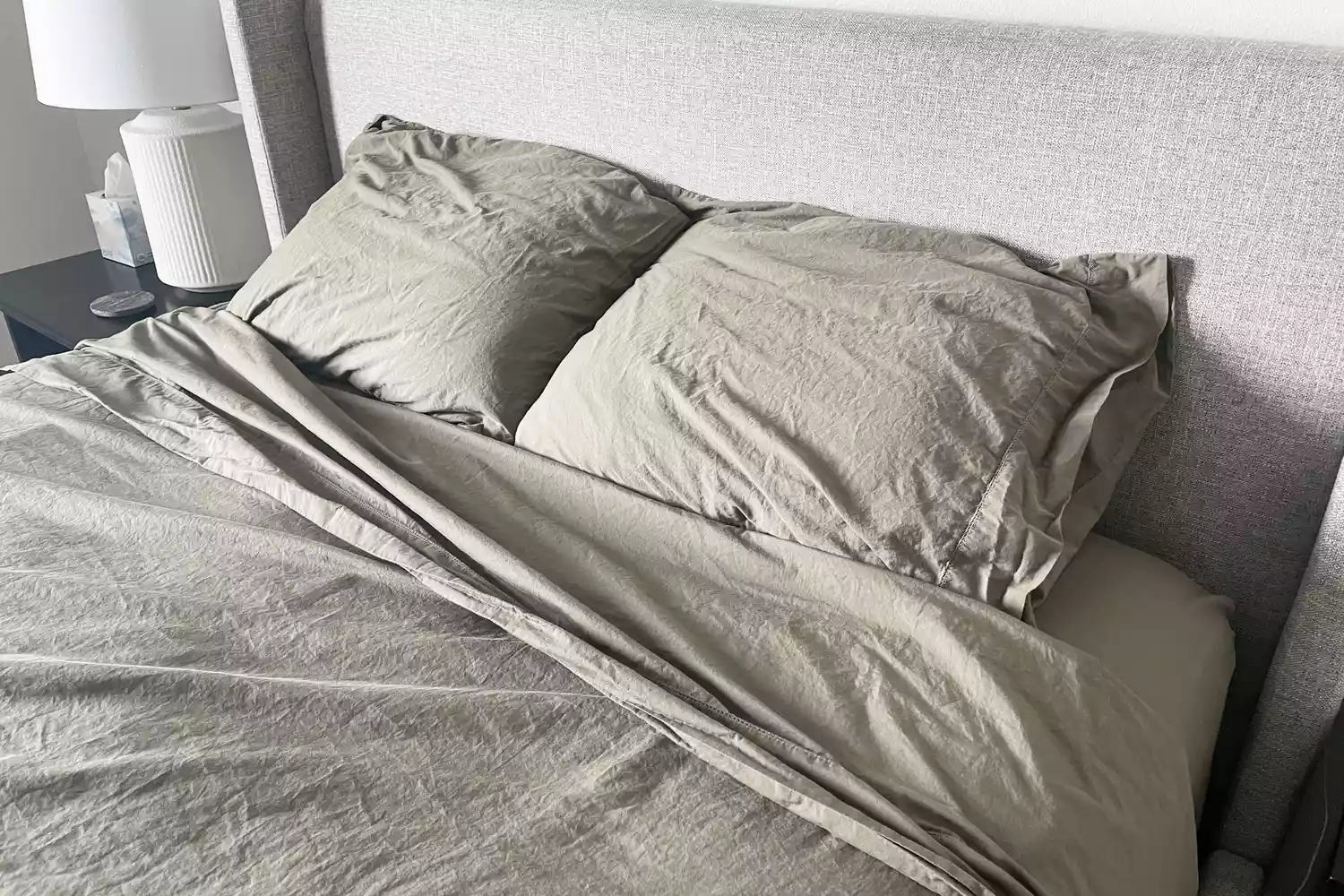
We Tested Plenty of Percale Sheets to Find the Ones You Should Put on Your Bed ASAP

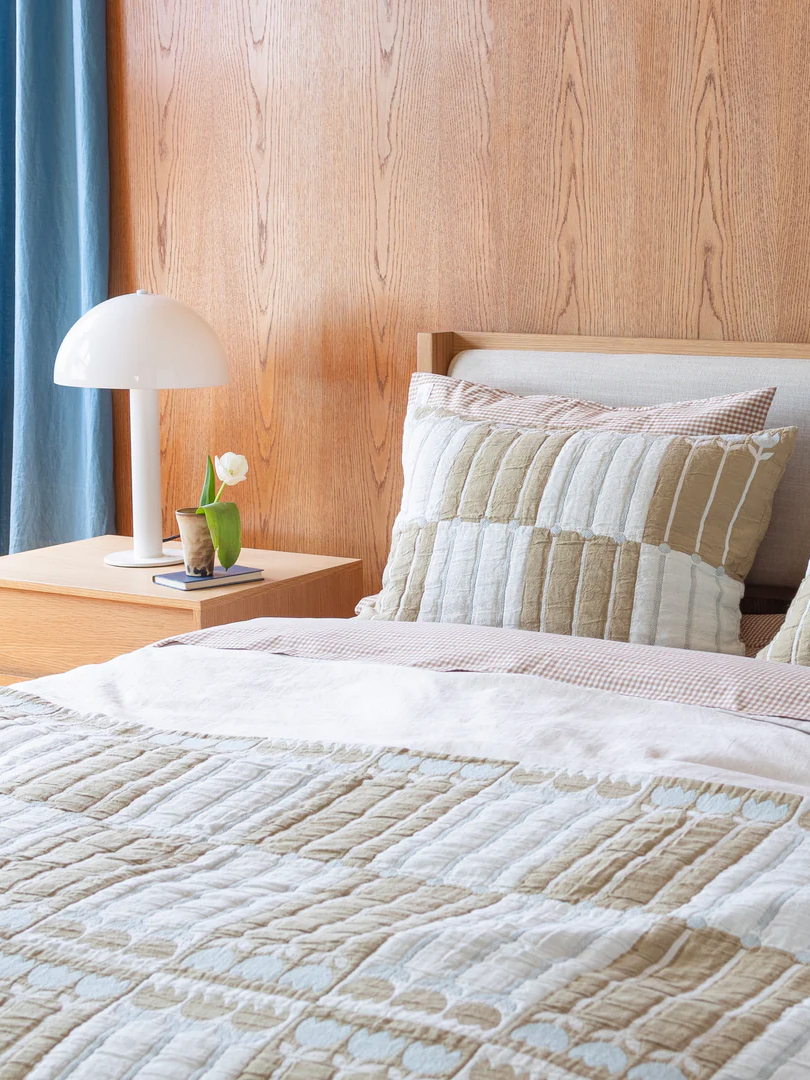
13 Spring Bedding MVPs for a Bed That Looks as Good as It Feels

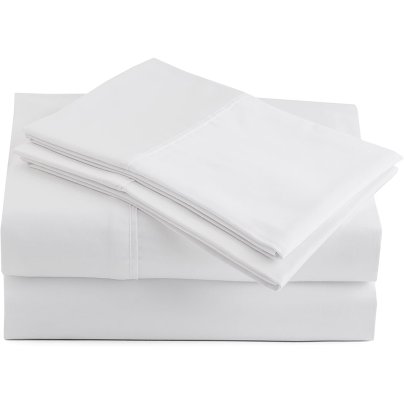
The Best Bed Sheets You Can Get


OK, Once and For All: What Is the Best Fabric For Bed Sheets?
Presenting: The Best Sheets That’ll Change Your Sleep Game For Good
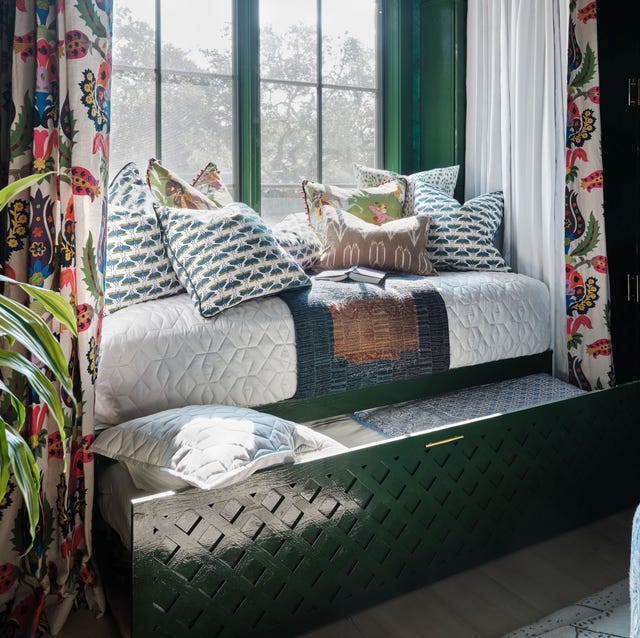
17 Low-Lift Bedding Ideas and Styling Tips That'll Transform an Entire Room

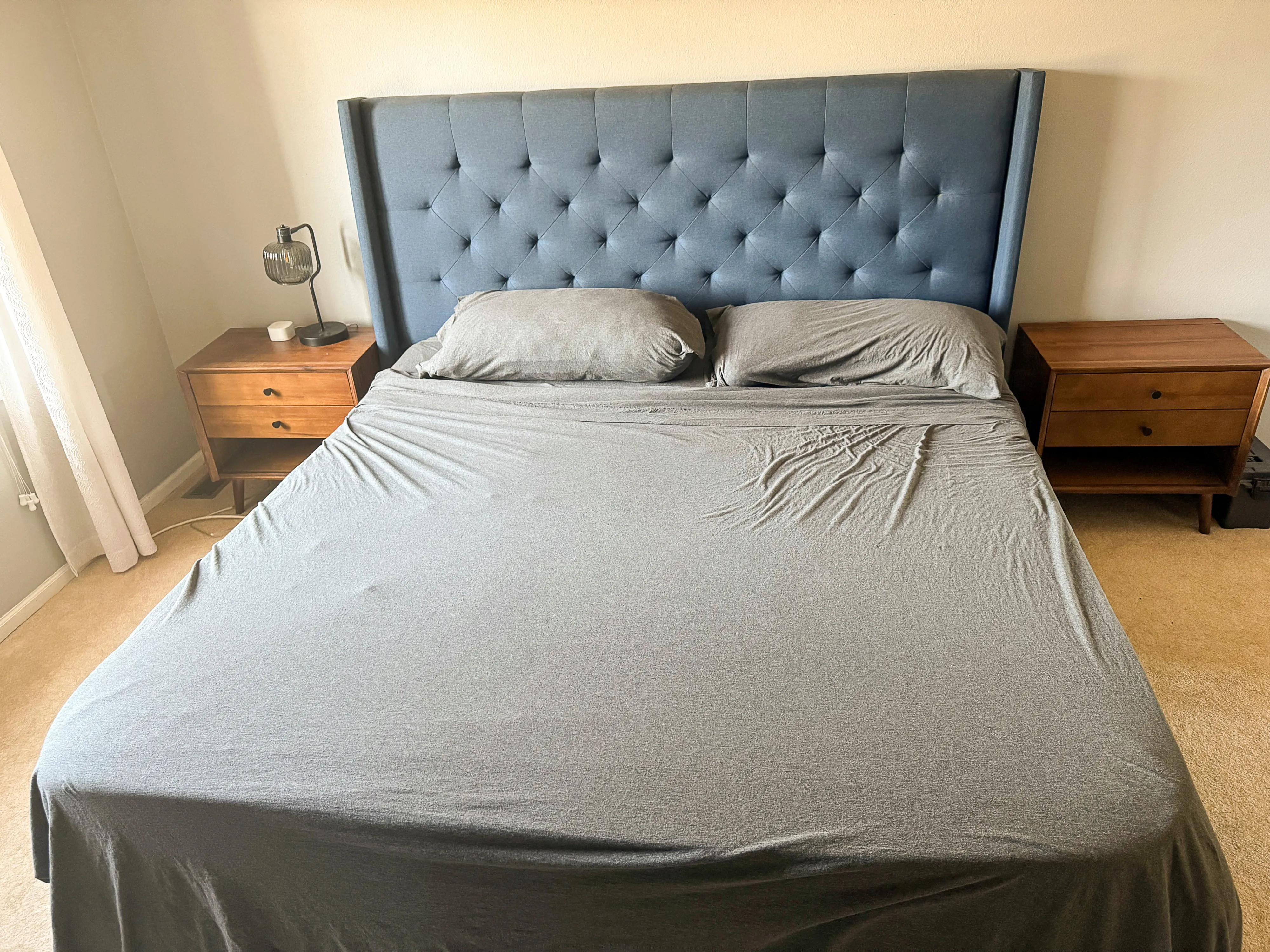
We Tested Over 200 Sheet Sets—These 11 Are the Best You Can Buy on Amazon Starting at $36
The 13+ Best Bed Sheets of 2025, Tested and Reviewed


The 8 Best Sheets of 2025 | Reviews by Wirecutter

4 experts weigh-in on the best way to layer winter bedding


RS Recommends: The Warmest Bed Sheets That Will Get You Through Winter


Autumn bedding ideas: how to give your bed an autumnal makeover

Beat the Winter Blues With These Fresh Bedding Options
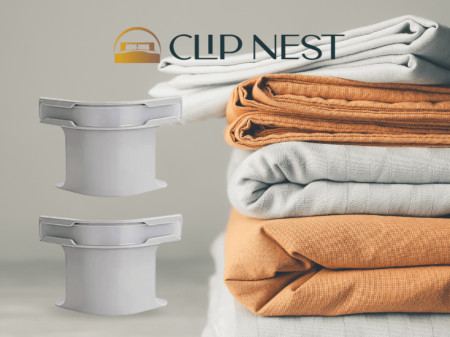
ClipNest Review: Mechanical Bed Sheet Fastening System for Household Use