Life of a chimney sweep definitely not for everyone
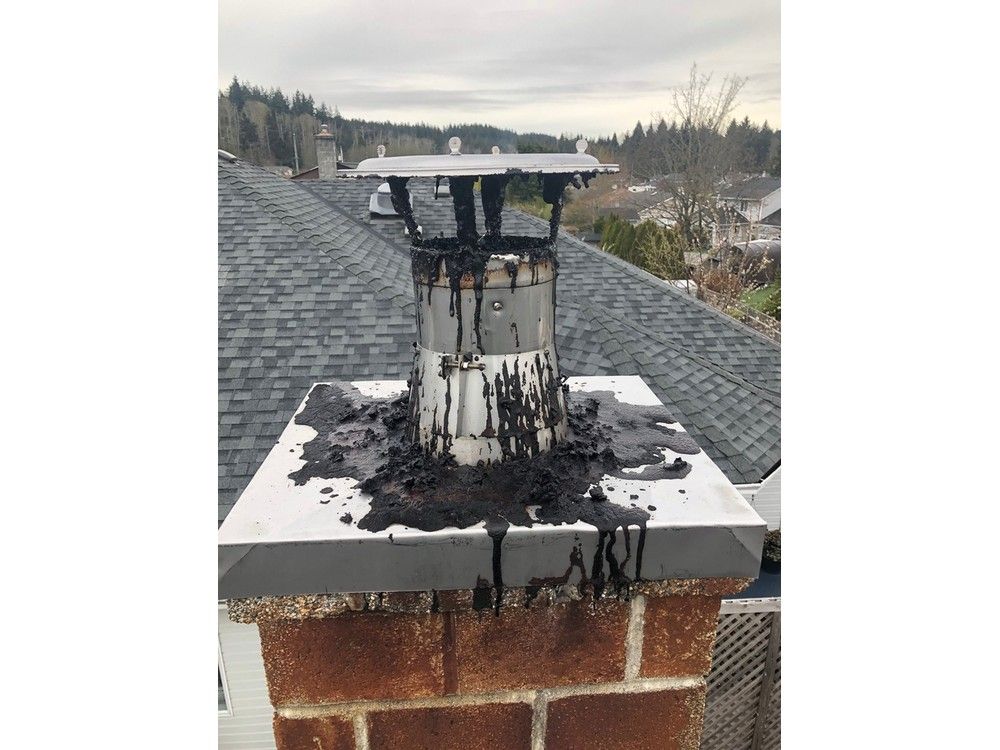
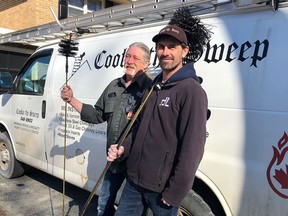
The article explores the unexpected and often unusual finds that chimney sweeps encounter in their profession, highlighting that the job is far from mundane. Randy Cooke, known as Cookie the Sweep, with nearly 40 years of experience, notes that while soot, creosote, bones, bird nests, and small animals are common discoveries, many unique items also surface. Globally, examples include an unexploded Second World War mortar round found in a Leicester, England flue and a 1912 letter to Santa, slightly singed, discovered above a damper in Dublin, Ireland, 90 years later. An Australian sweep once removed 36 deceased birds from a single chimney.
Closer to home, a Kingston sweep found 50 years' worth of bird droppings in a decommissioned chimney on the Queen’s University campus. Researchers examining these droppings discovered a significant decline in beetles within the diet of insect-eating swifts that inhabited the chimney. They attributed this decrease to the use of the now-banned chemical DDT, which was particularly harmful to beetles, and concluded that it also contributed to the decline in the local swift population.
Randy Cooke himself recounts discovering a diamond ring in a felt-covered box on a smoke shelf, hidden by an owner from his girlfriend. Another time, he found a zippered banker’s bag containing several thousand dollars in old Canadian currency featuring Queen Elizabeth’s image, which the previous, deceased homeowner had likely stashed. The current homeowner split the money with Cooke, who used his share to buy a hot-rod engine for his 1970 Dart.
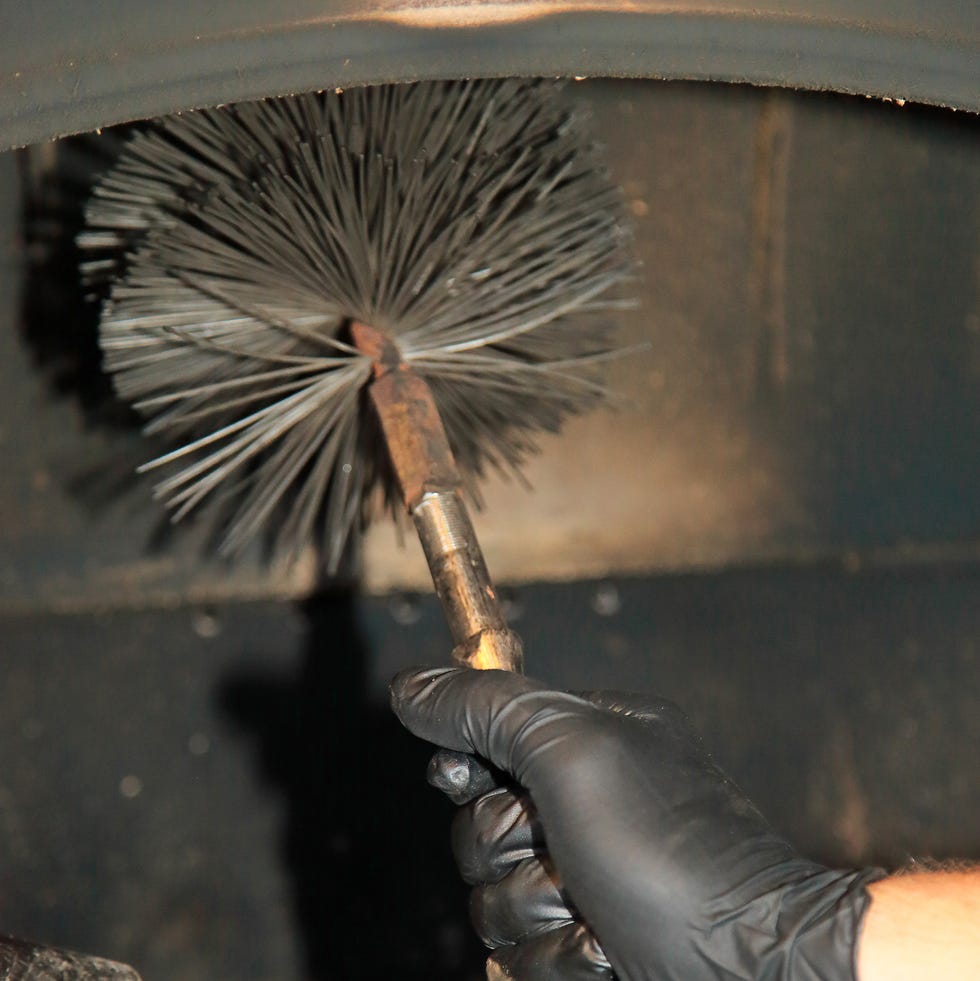
Shane White, owner of Kingston and Area Chimney Sweep, recalls a flying squirrel scampering out of his mother’s chimney during a cleaning, a testament to unexpected wildlife encounters. Modern chimney sweeping tools include various brushes, extendable fibreglass rods, and powerful vacuums. Physical agility and the ability to climb are essential for the job. Alex Dowell, who has worked with Cookie the Sweep for 16 years, finds satisfaction in the outdoor and climbing aspects of the work.
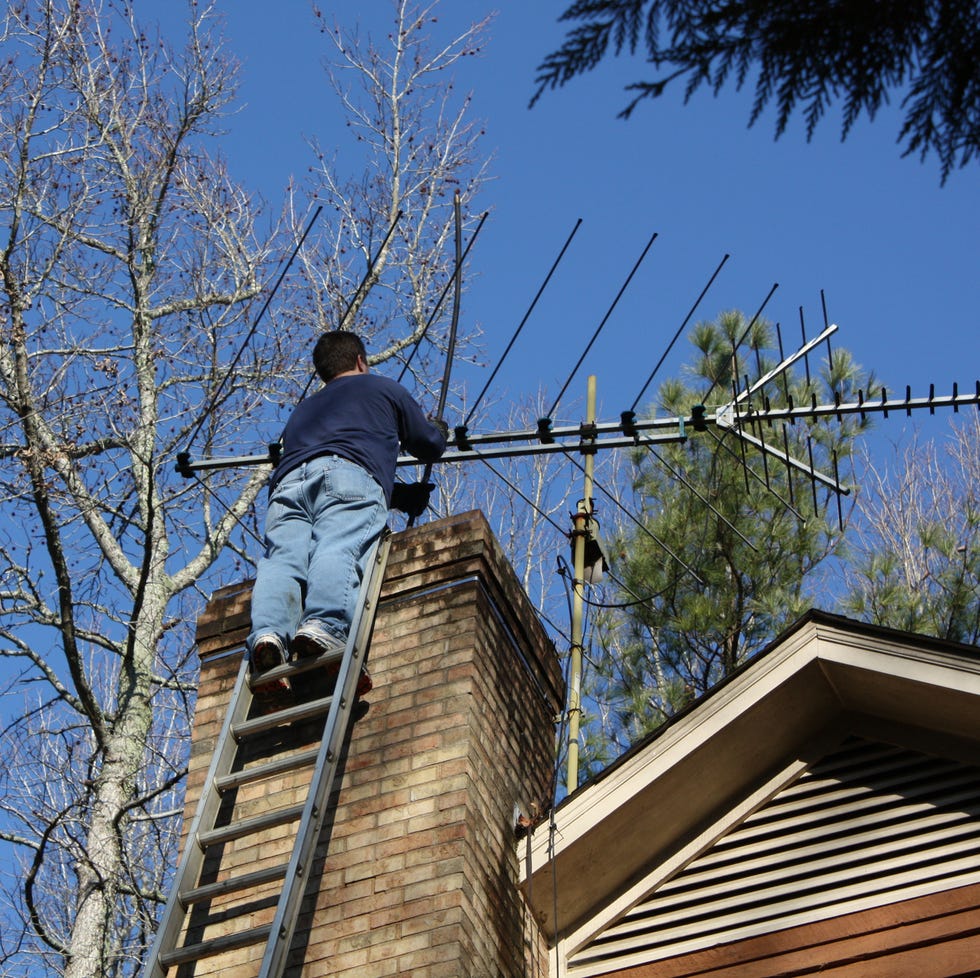
The job, however, carries risks. Shane White experienced a chimney collapsing beneath him while working on a roof, fortunately without severe injury. The article contrasts these modern challenges with the horrific practices of the late 18th and 19th centuries in England, where impoverished children were exploited as 'chimney sweep apprentices.' These child laborers were forced to navigate dangerous flues, often suffering from injuries, respiratory illnesses, and even death. Cruel masters would sometimes use lighted torches to motivate slow-moving children, giving rise to the phrase “light a fire under you.” The use of child sweeps was outlawed in the U.K. in 1864, partly due to the invention of mechanical brushes still used today.
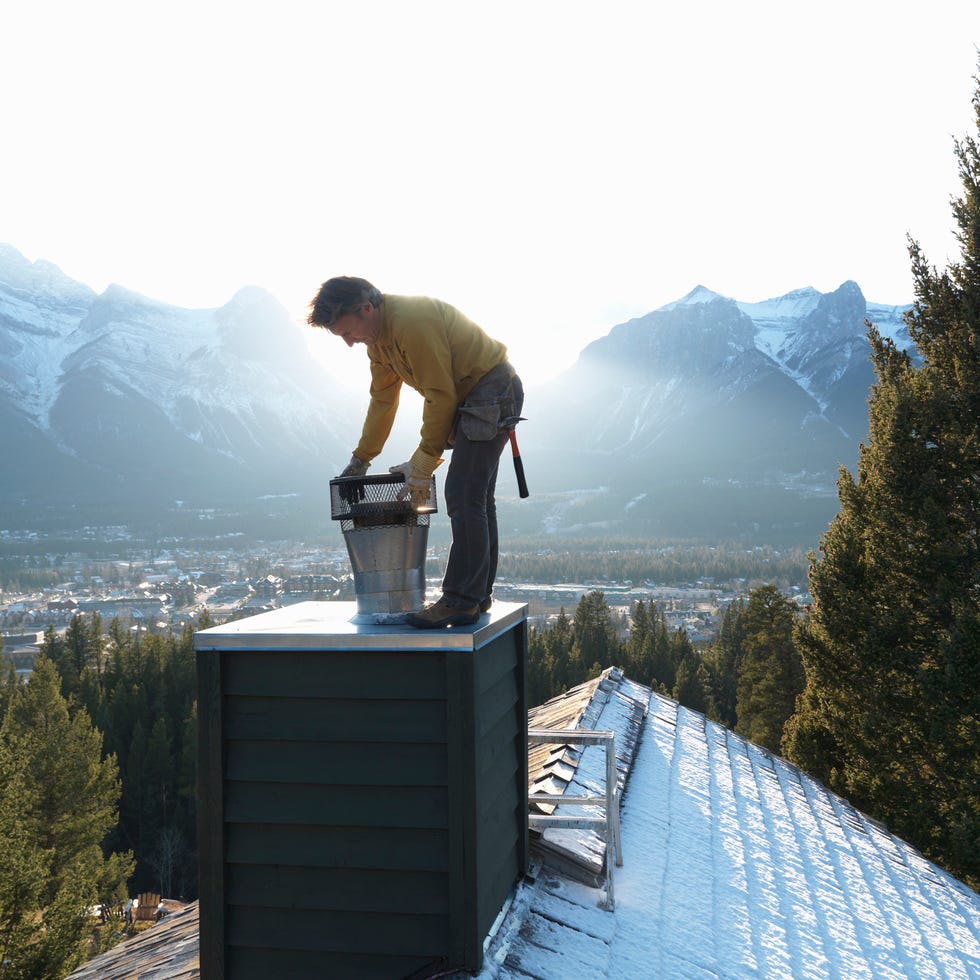
Cooke also shares anecdotes of homeowners attempting DIY chimney cleaning with unconventional methods, such as pulling a Christmas tree top or a burlap sack through the flue, or repeatedly poking a bird's nest, often resulting in more expensive repairs. Despite the inherent dangers and challenges, chimney sweeping holds a certain appeal for some, including Cooke, White, Dowell, and 78-year-old Gord Jackson, a retired sweep whose family has a multi-generational history in the profession. Jackson expresses his fondness for the job, particularly the unique perspective of looking down at the city from atop a chimney.
#ChimneySweep #HomeMaintenance #UnusualDiscoveries #ProfessionalTrades #HistoricalPractices #HomeSafety #KingstonOntario #LocalBusiness #ChimneySweep #HomeMaintenance #UnusualDiscoveries #ProfessionalTrades #HistoricalPractices #HomeSafety #KingstonOntario #LocalBusiness
 No comments yet
You Need to Clean Your Chimney Yearly. Here's How.

How to care for your chimney this winter and reduce chance of chimney fires