What Is Zellige Tile? 5 Reasons Designers Want You to Use It for Your Next Remodel
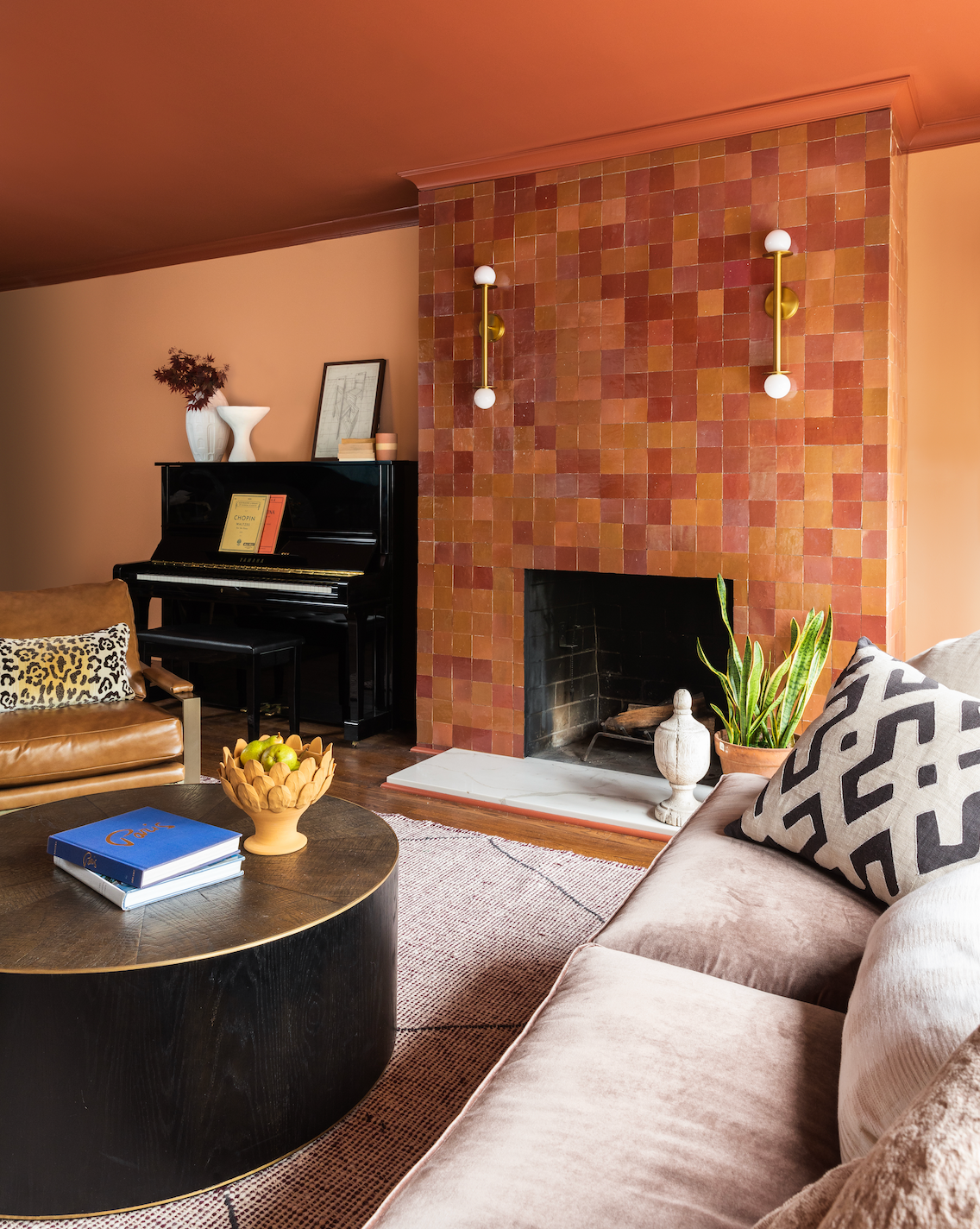
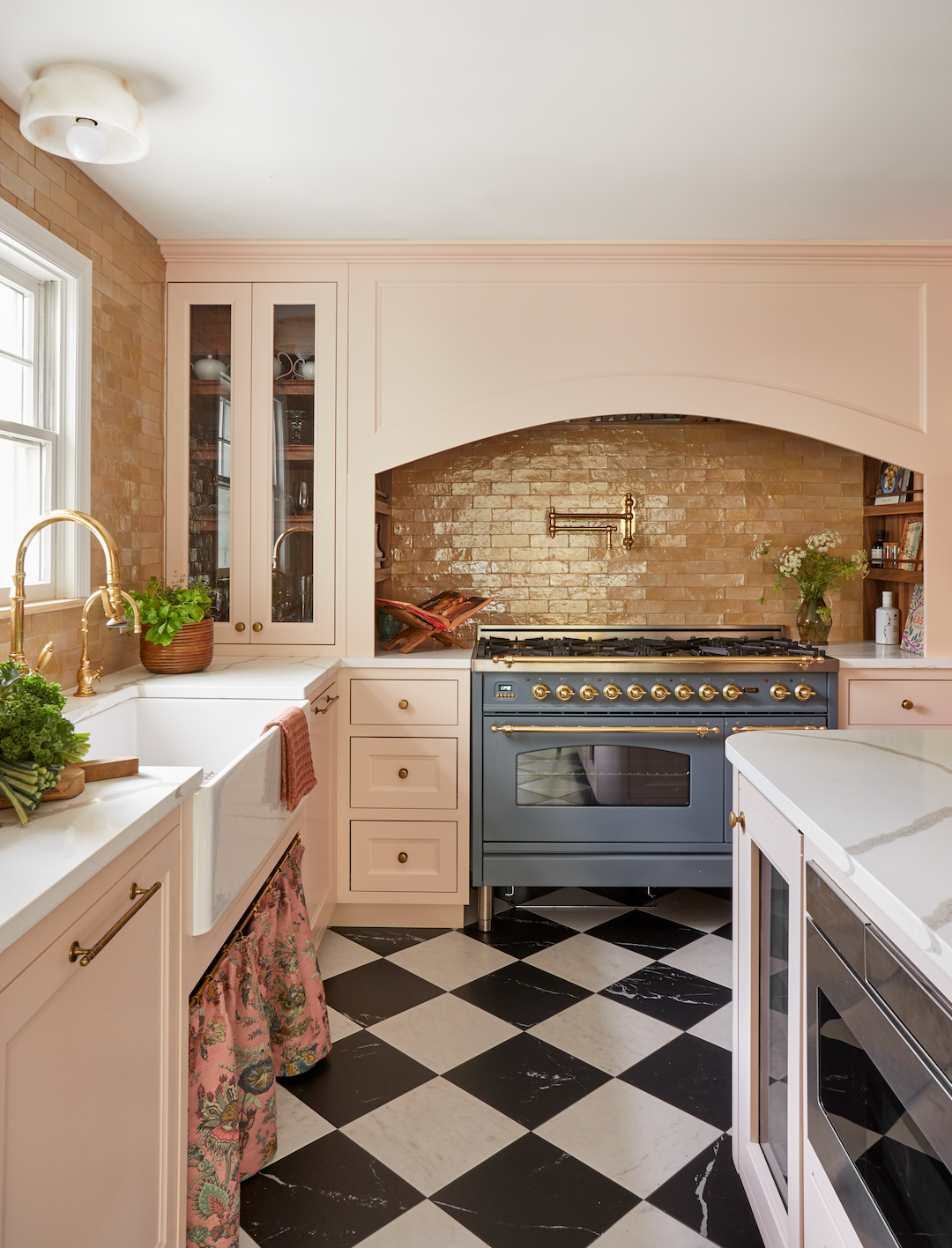
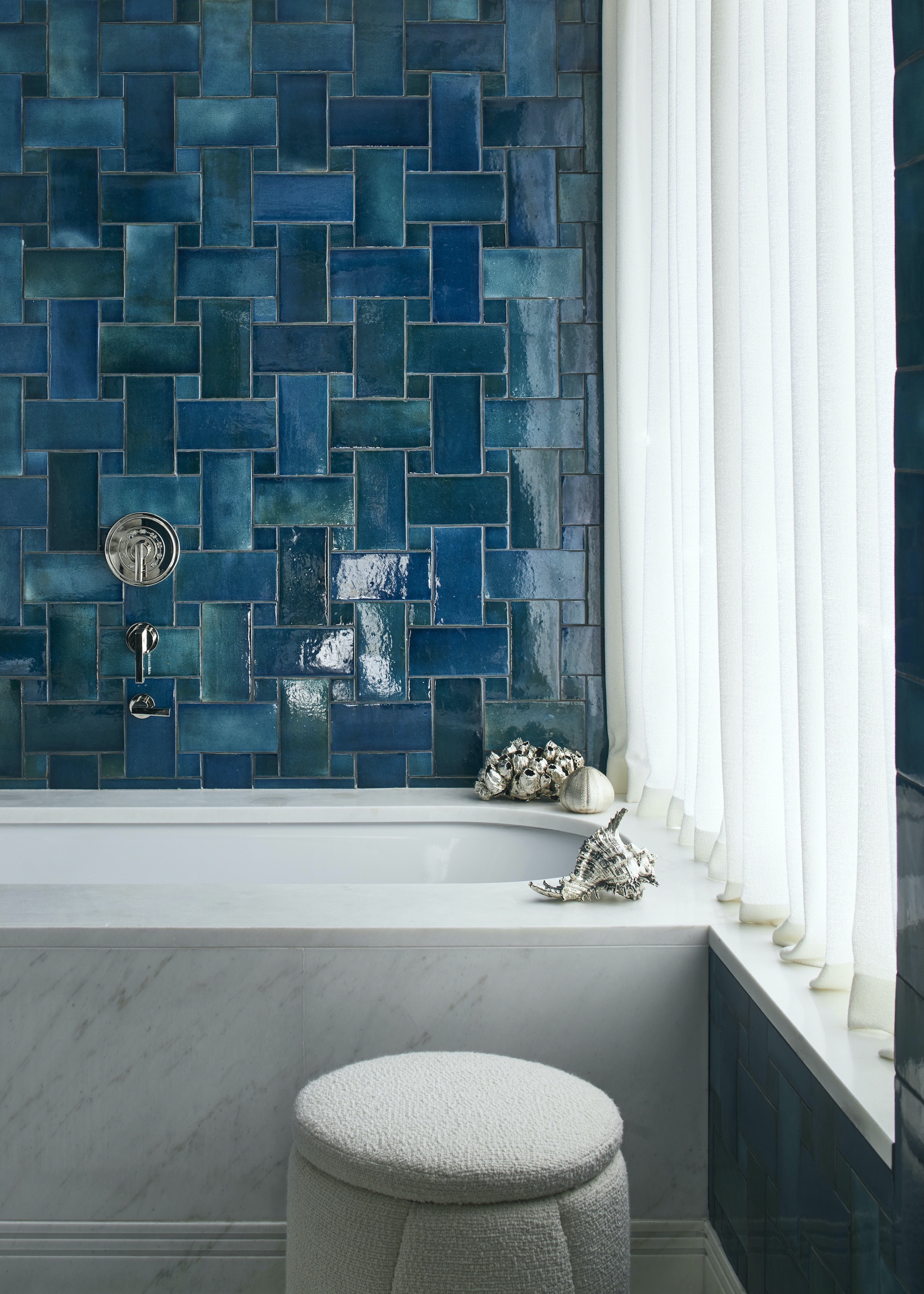
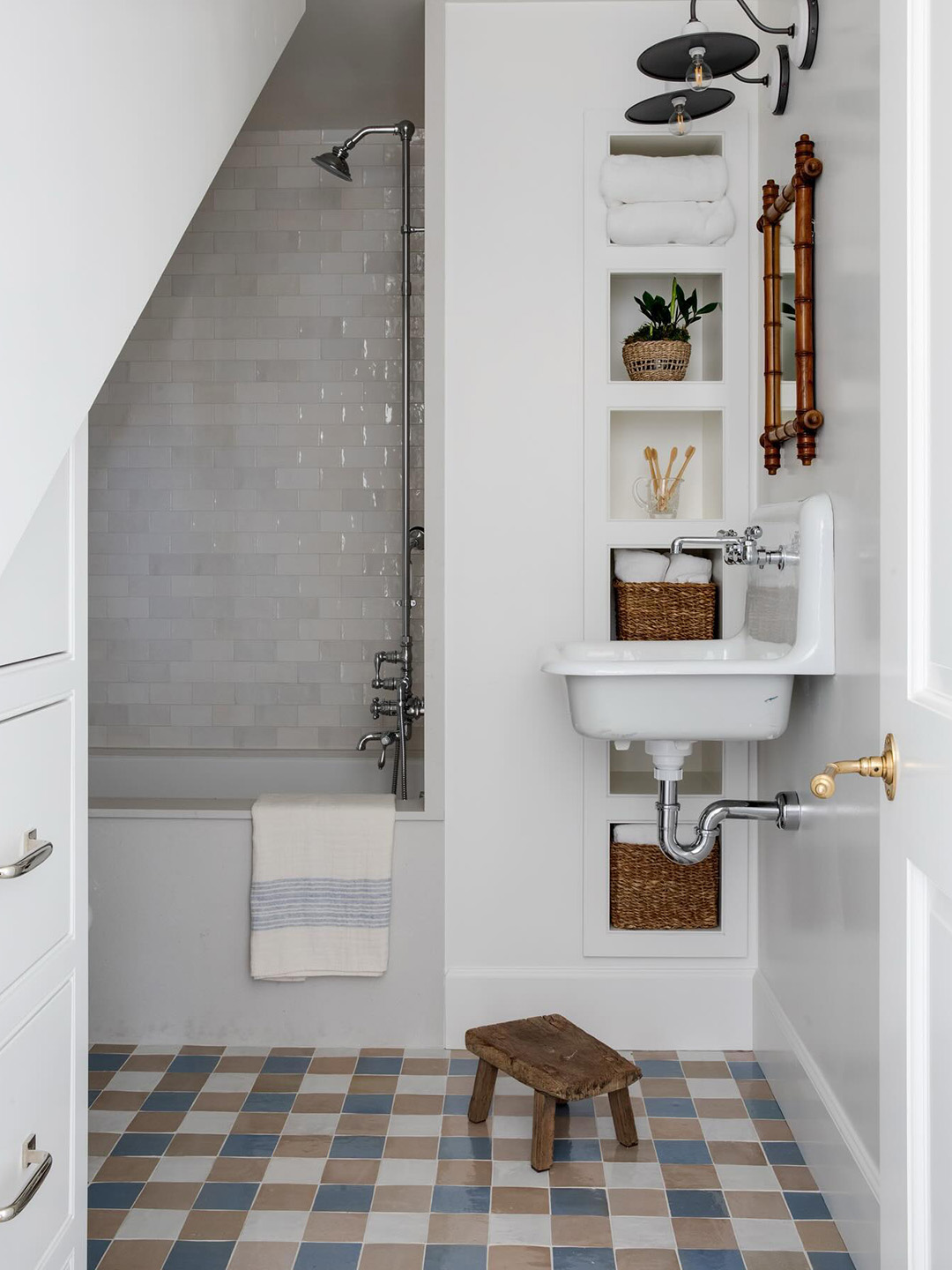
Zellige tile, a centuries-old handcrafted material, is experiencing a resurgence in modern interior design. These tiles are celebrated for their unique imperfections and the character they bring to any space. According to tile expert Deborah Osburn, zellige tiles evoke a sense of history, heritage, and craftsmanship, distinguishing them from mass-produced alternatives. Aubrey Butcher, an interior designer and co-owner of Riad Tile, emphasizes zellige's versatility and originality, noting that its distressed, lived-in look can both modernize traditional decor and add warmth to contemporary environments.
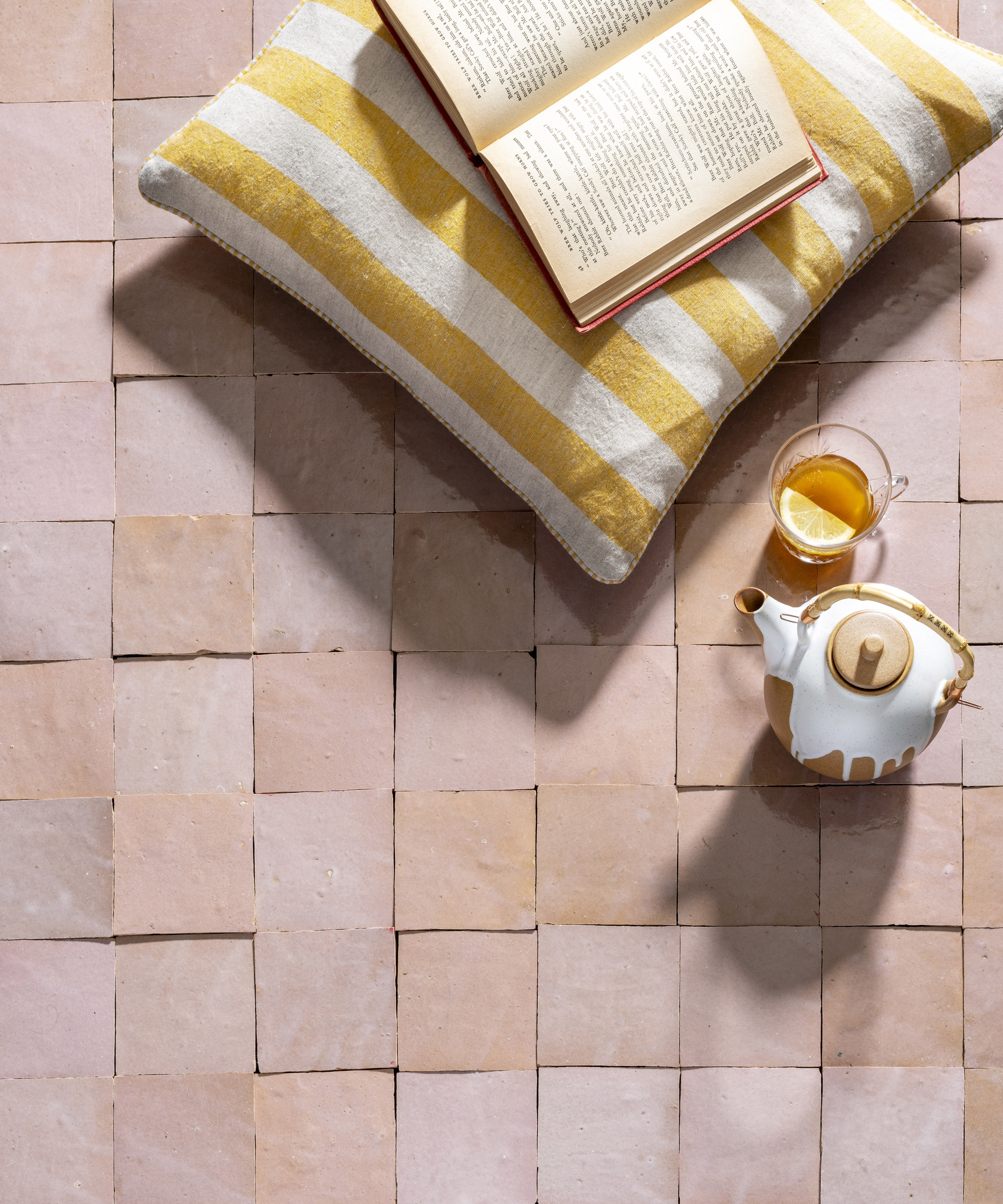
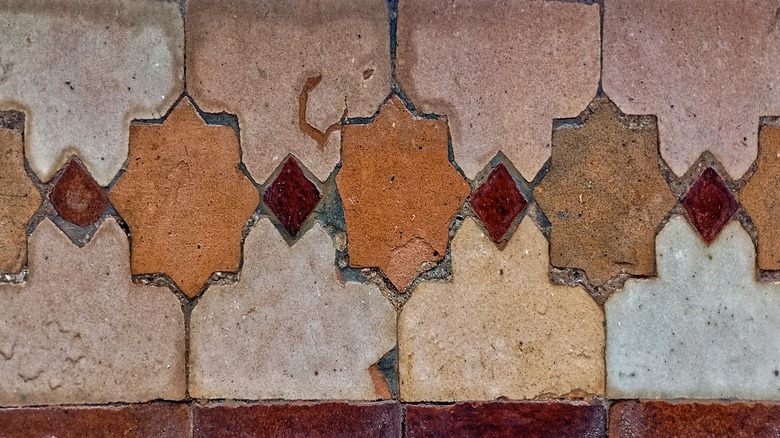
Authentic zellige tiles are exclusively produced in Morocco, using a traditional process passed down through generations. This involves hand-molding clay sourced from Fez into blocks, sun-curing them, then hand-cutting, hand-glazing, and kiln-firing them in ancient bee-hive kilns fueled by olive pits and branches. This meticulous, artisanal process results in tiles that are inherently imperfect, with variations in texture, size, and color, which are considered their most defining and desirable characteristic. Each tile is unique, ensuring no two zellige installations are exactly alike.
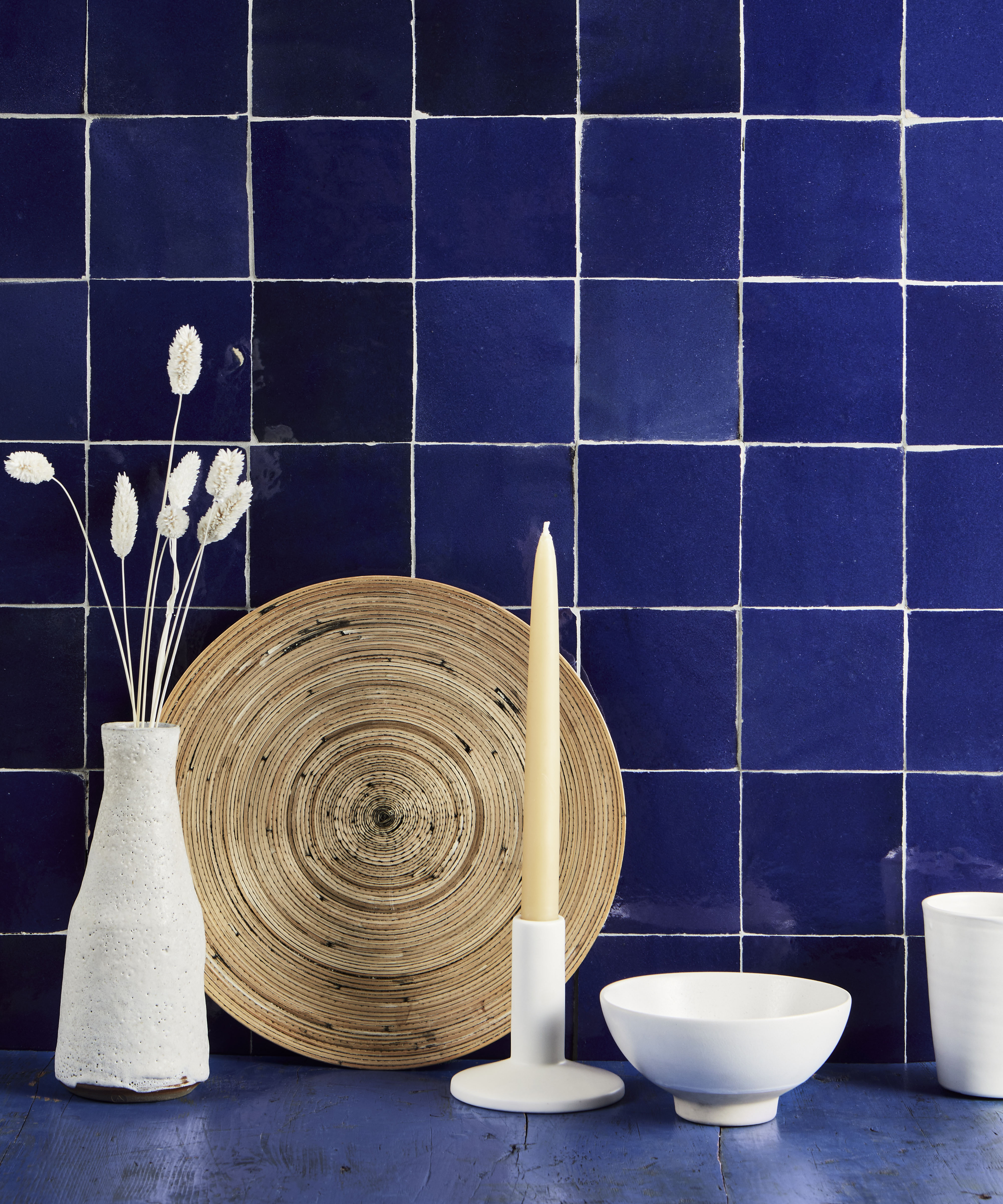
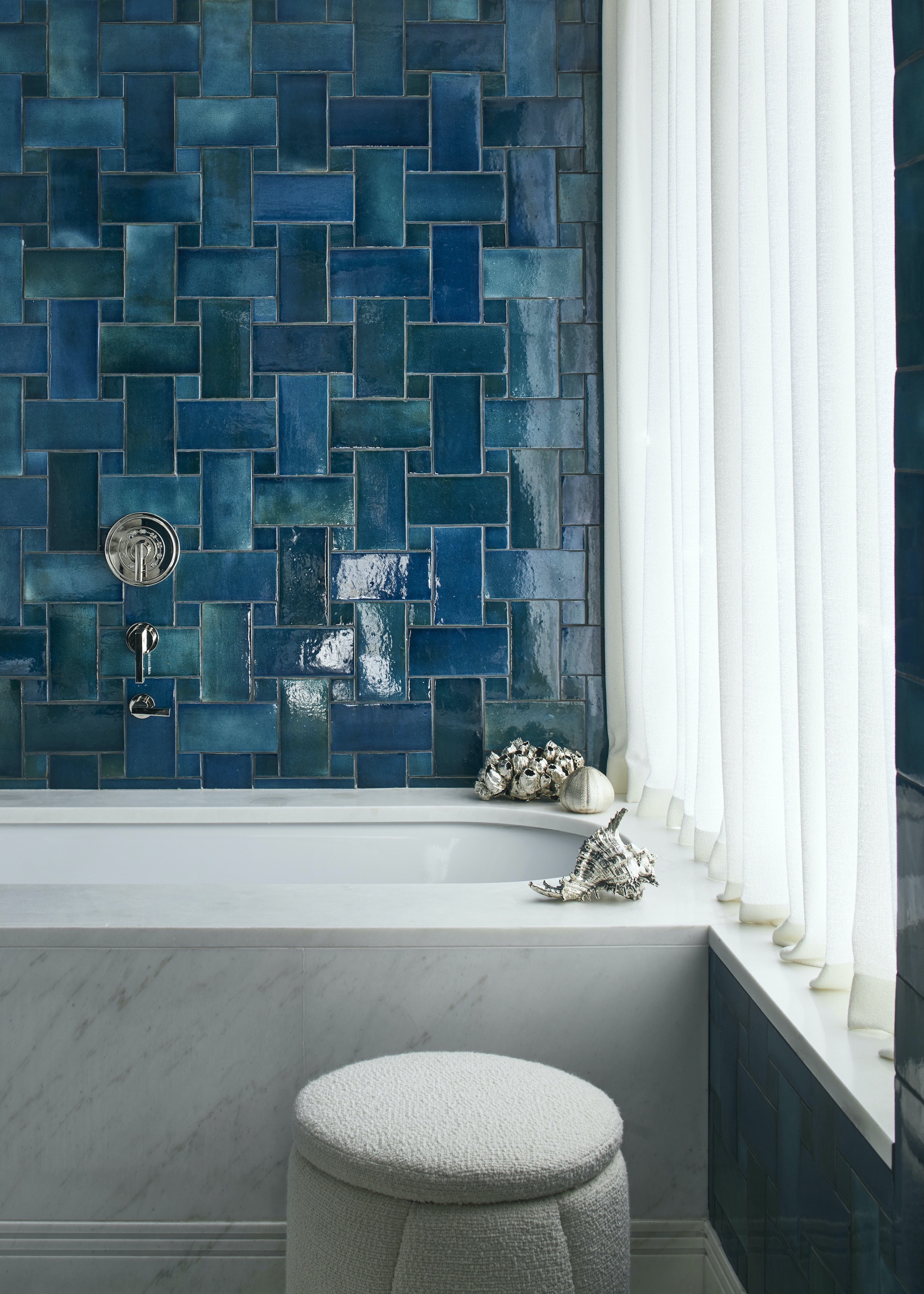
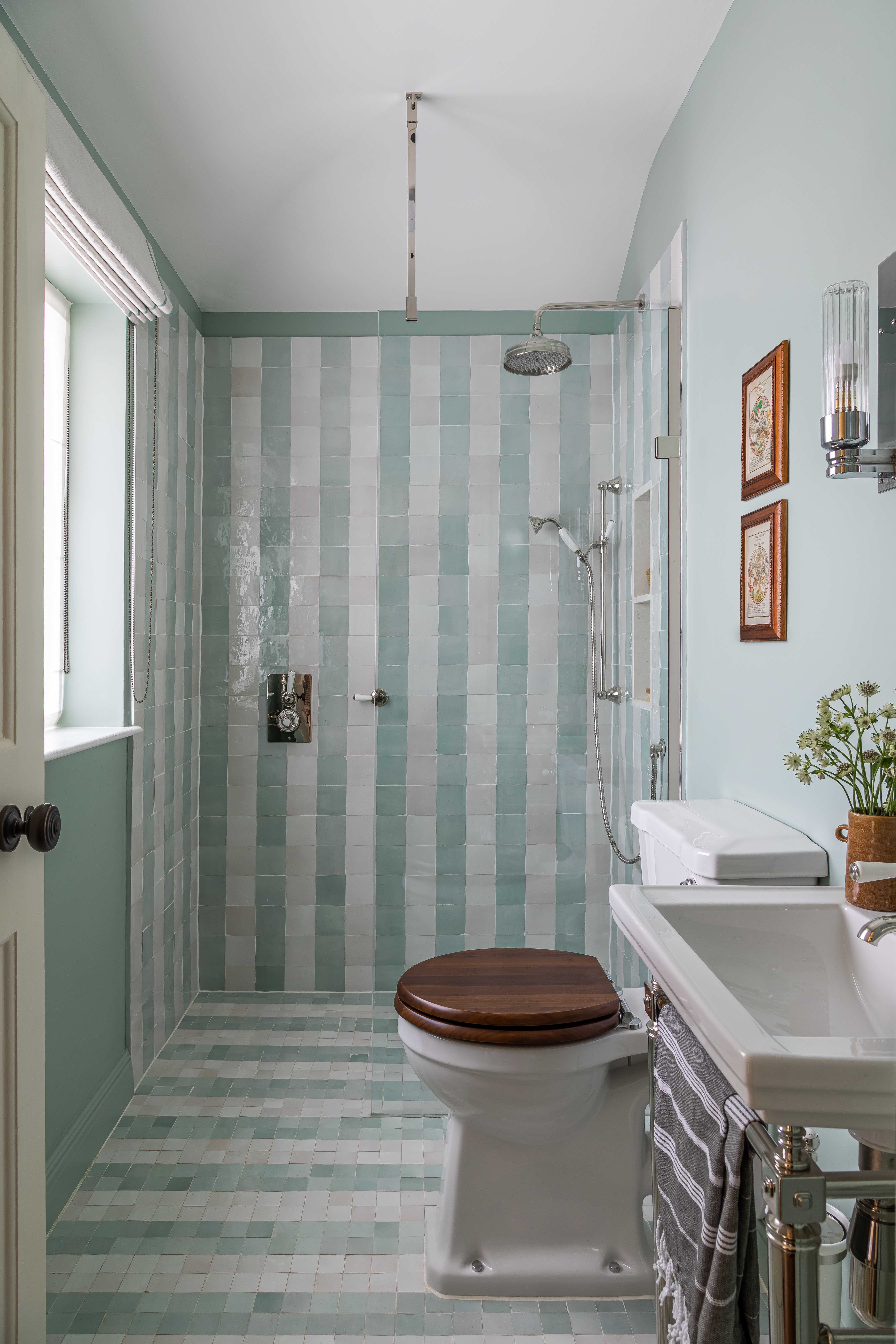
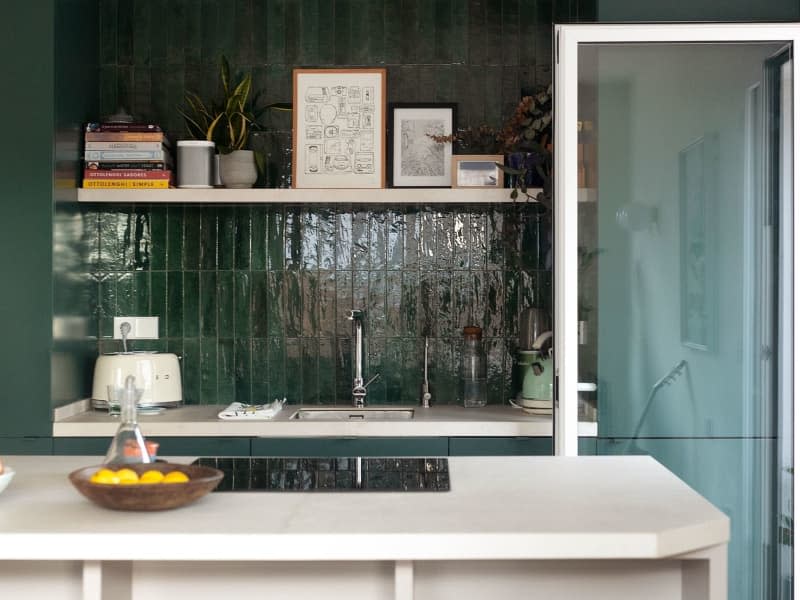
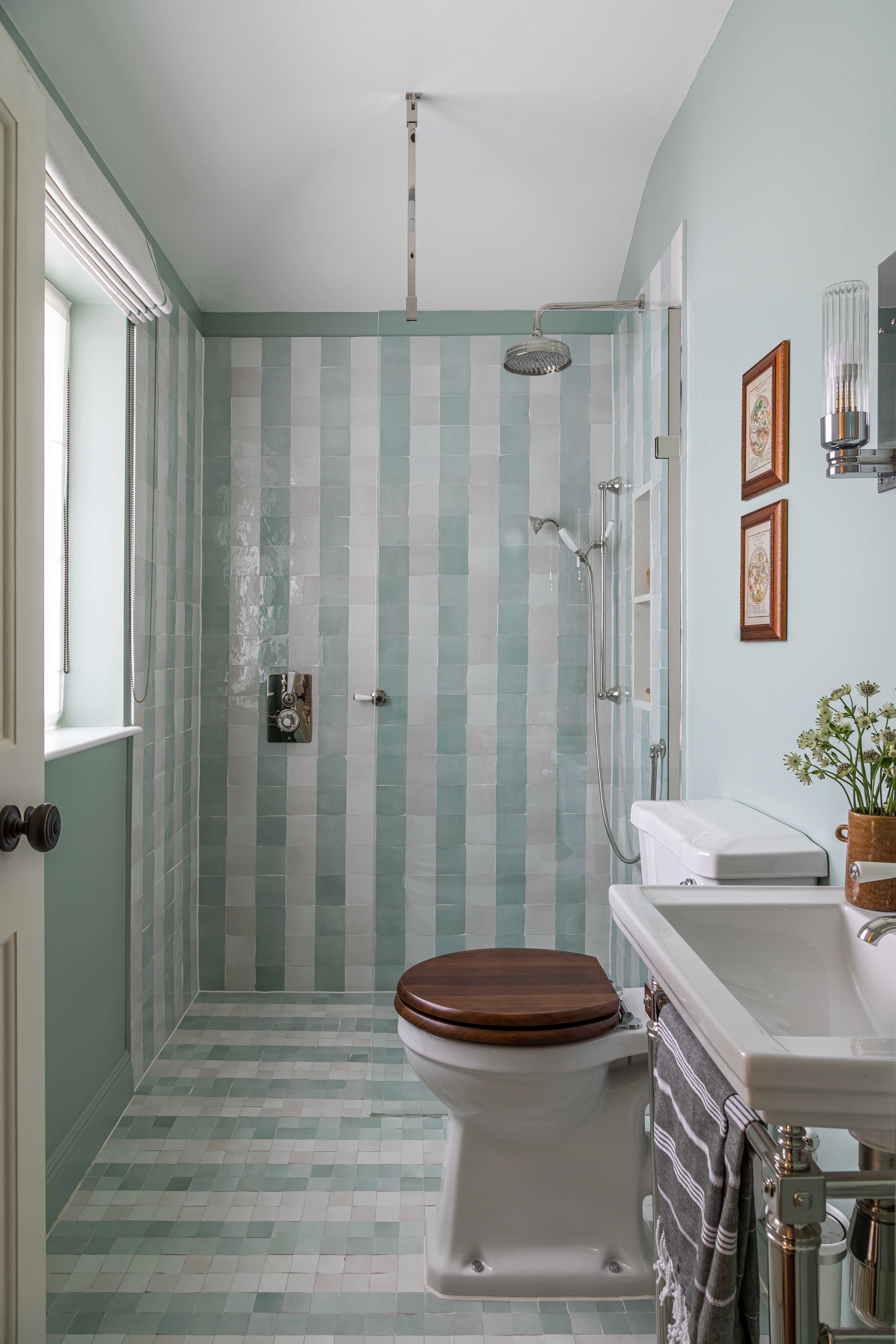
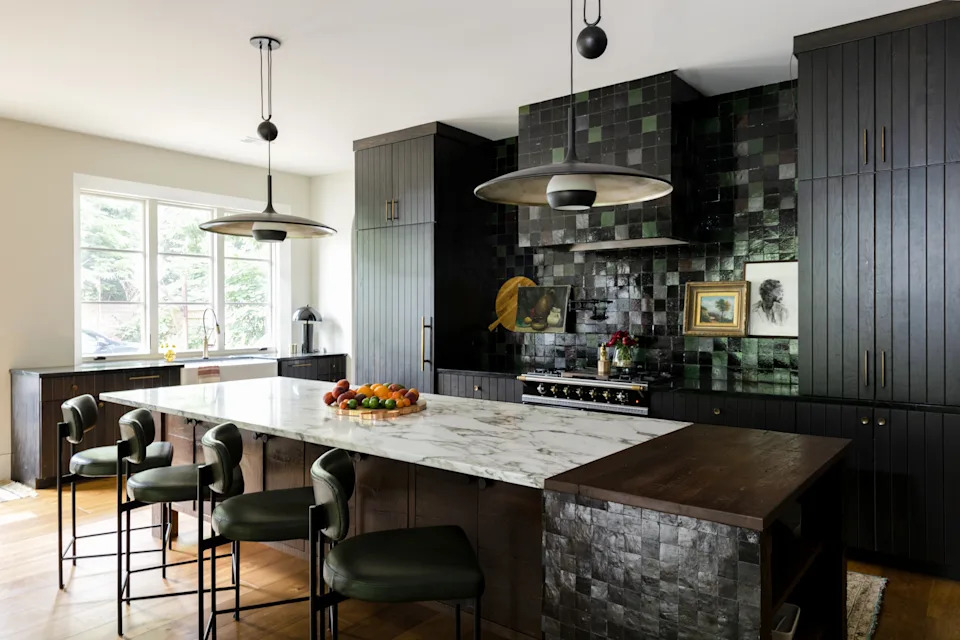
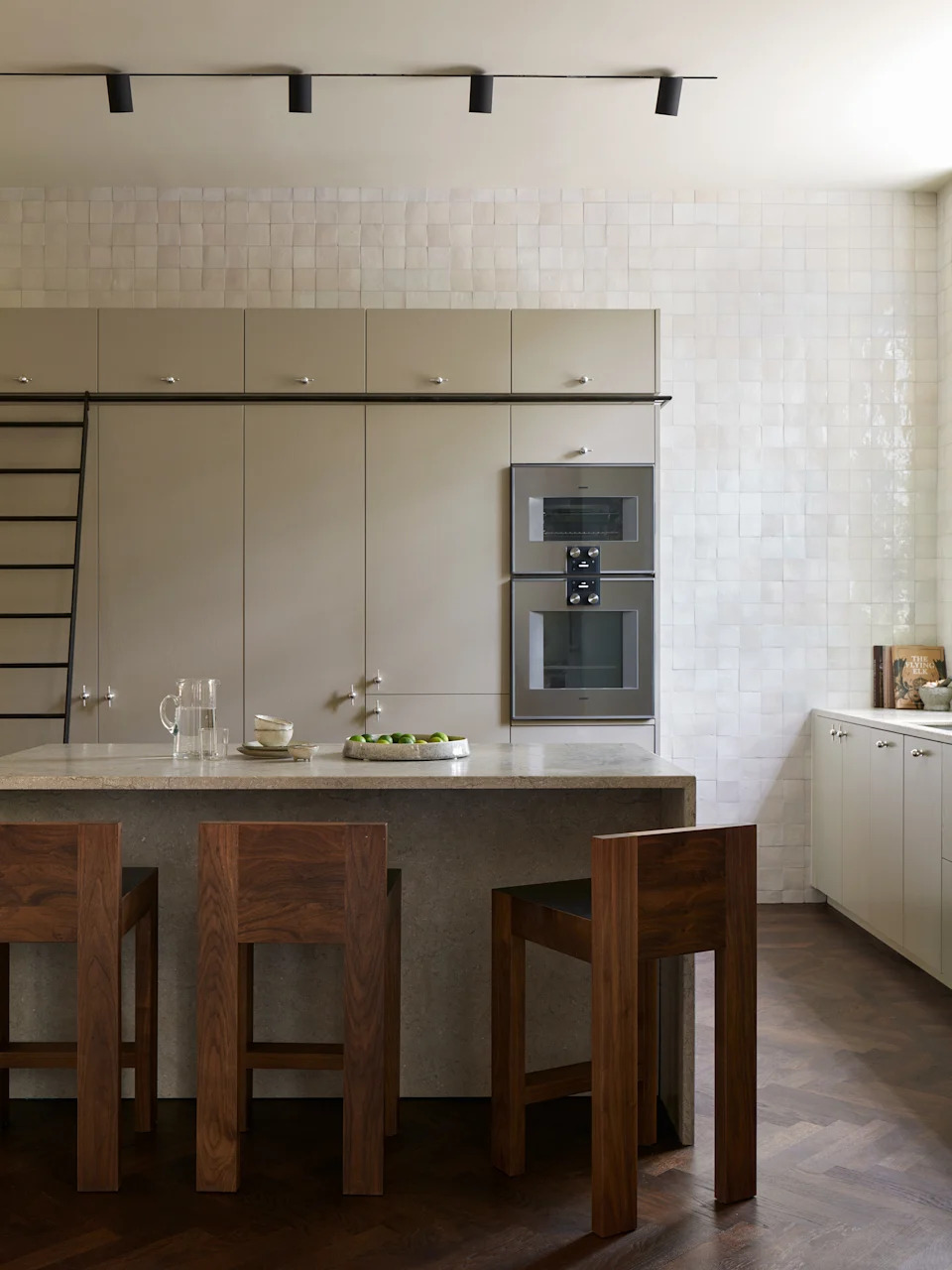
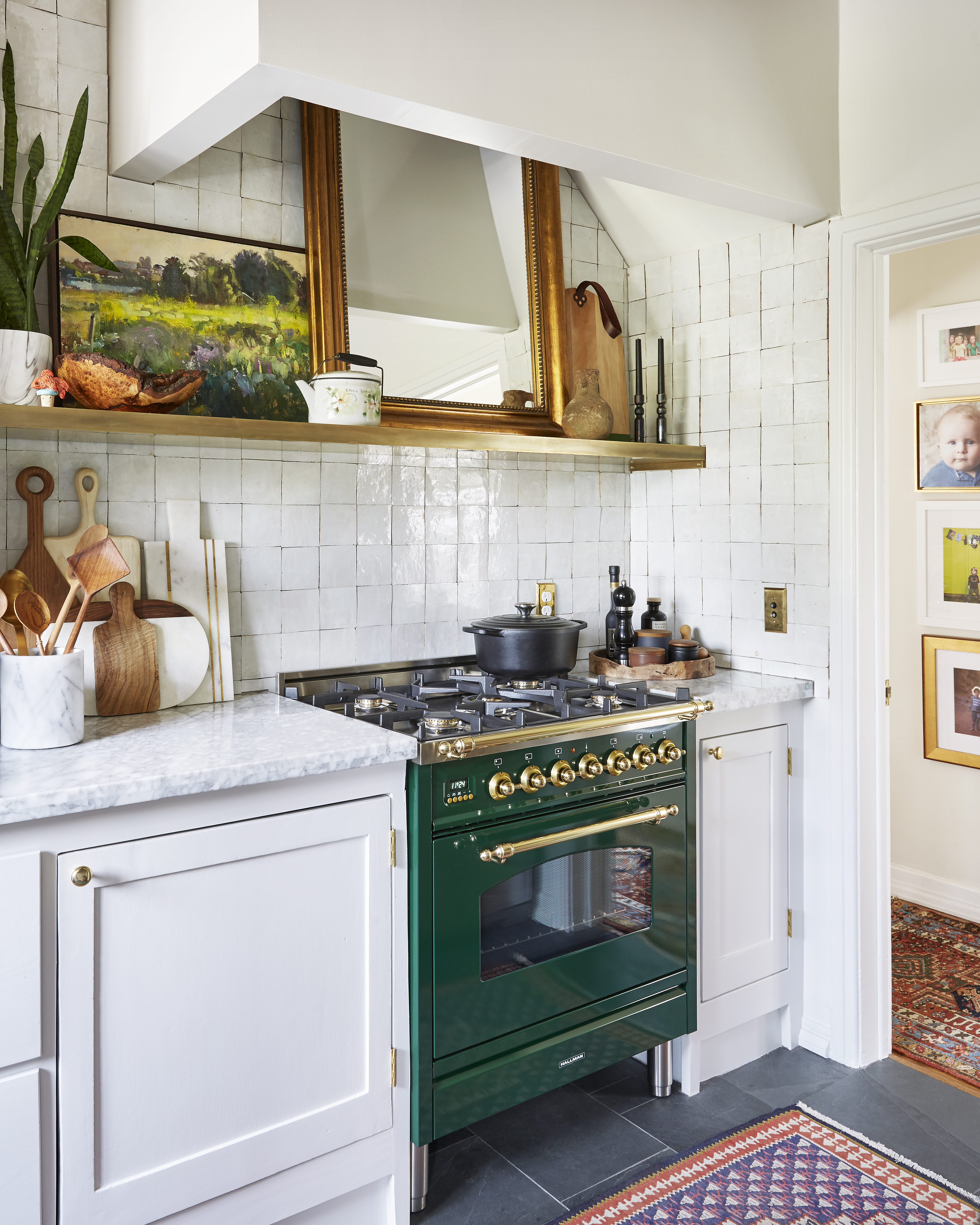

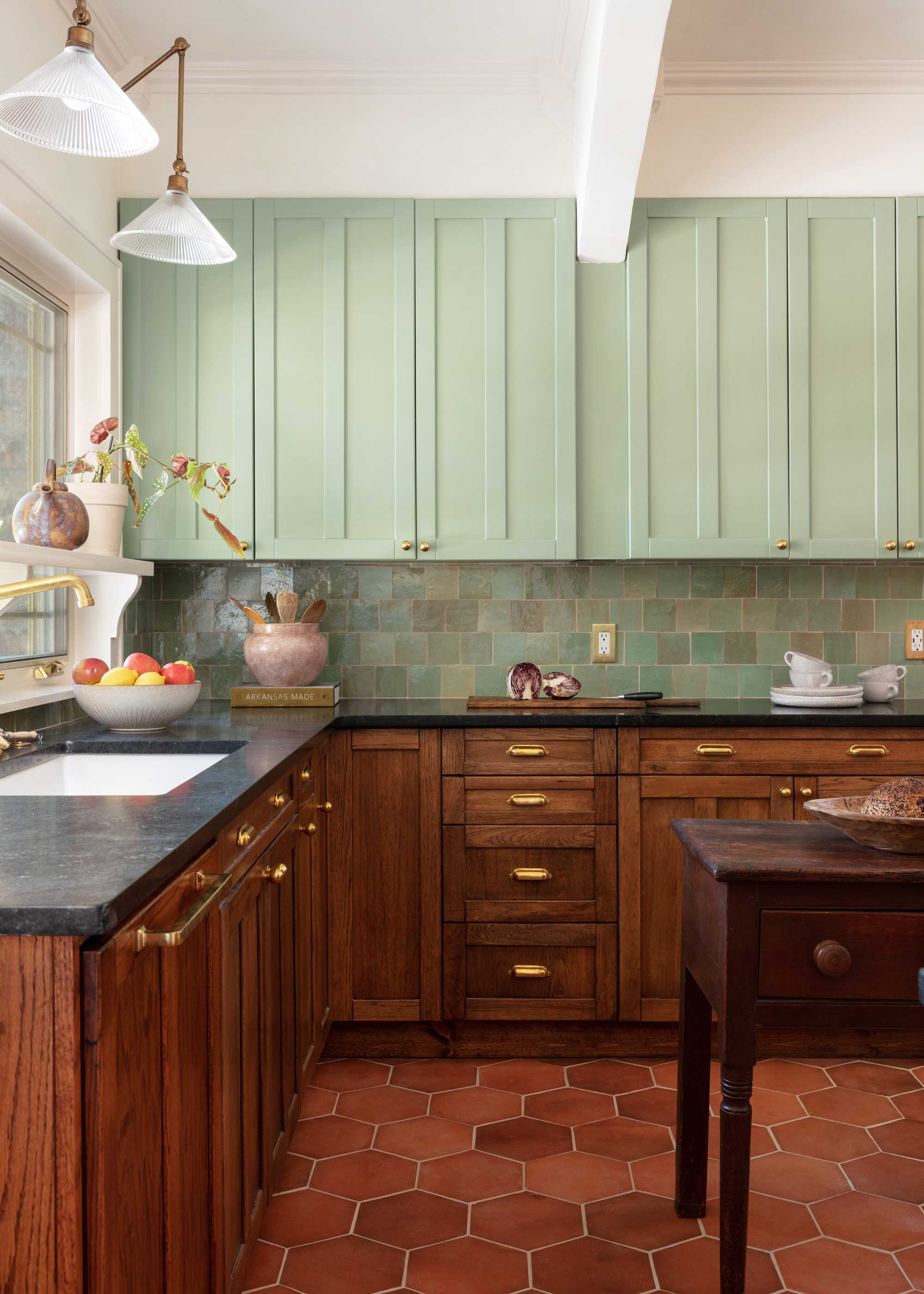
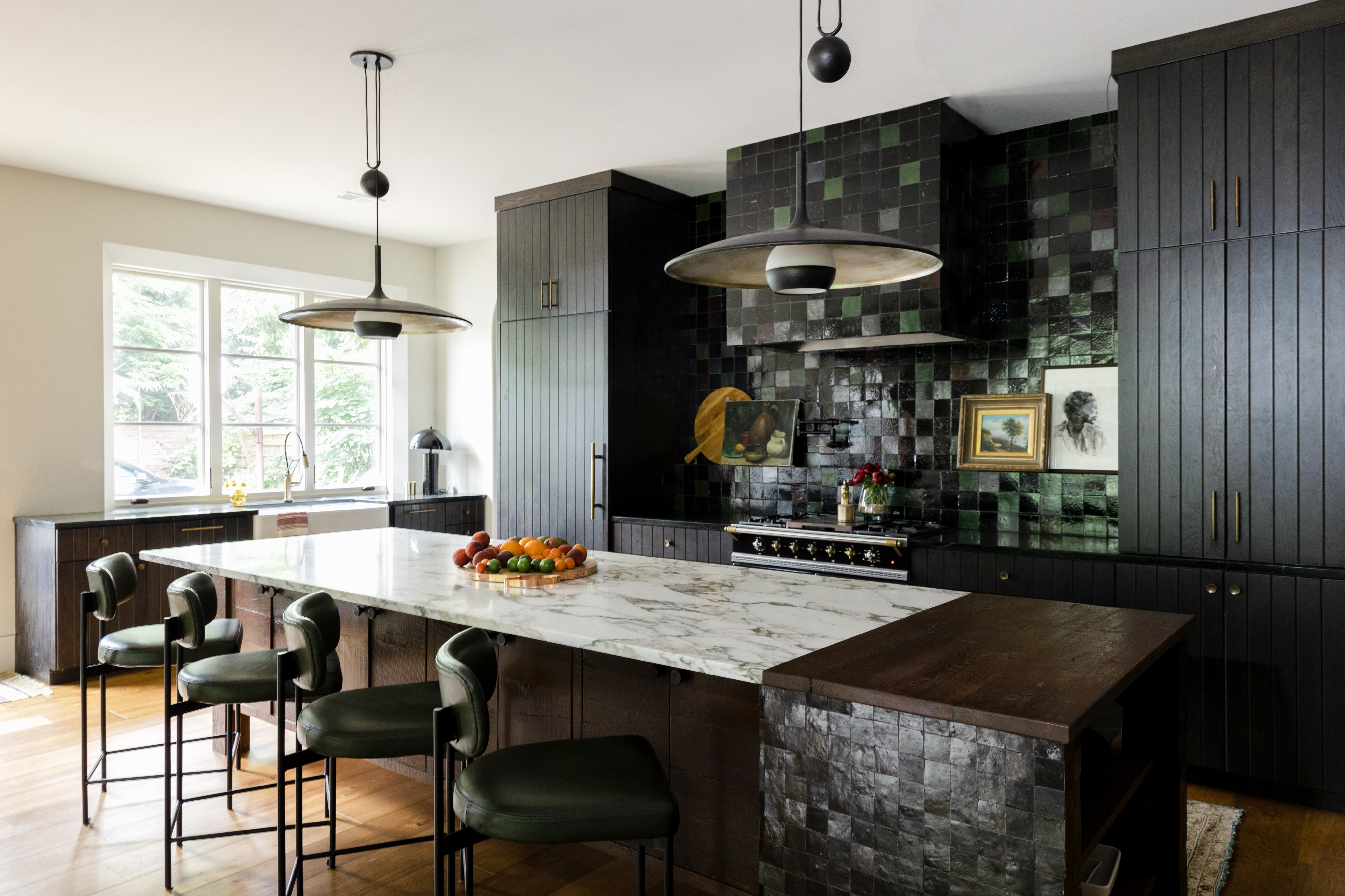
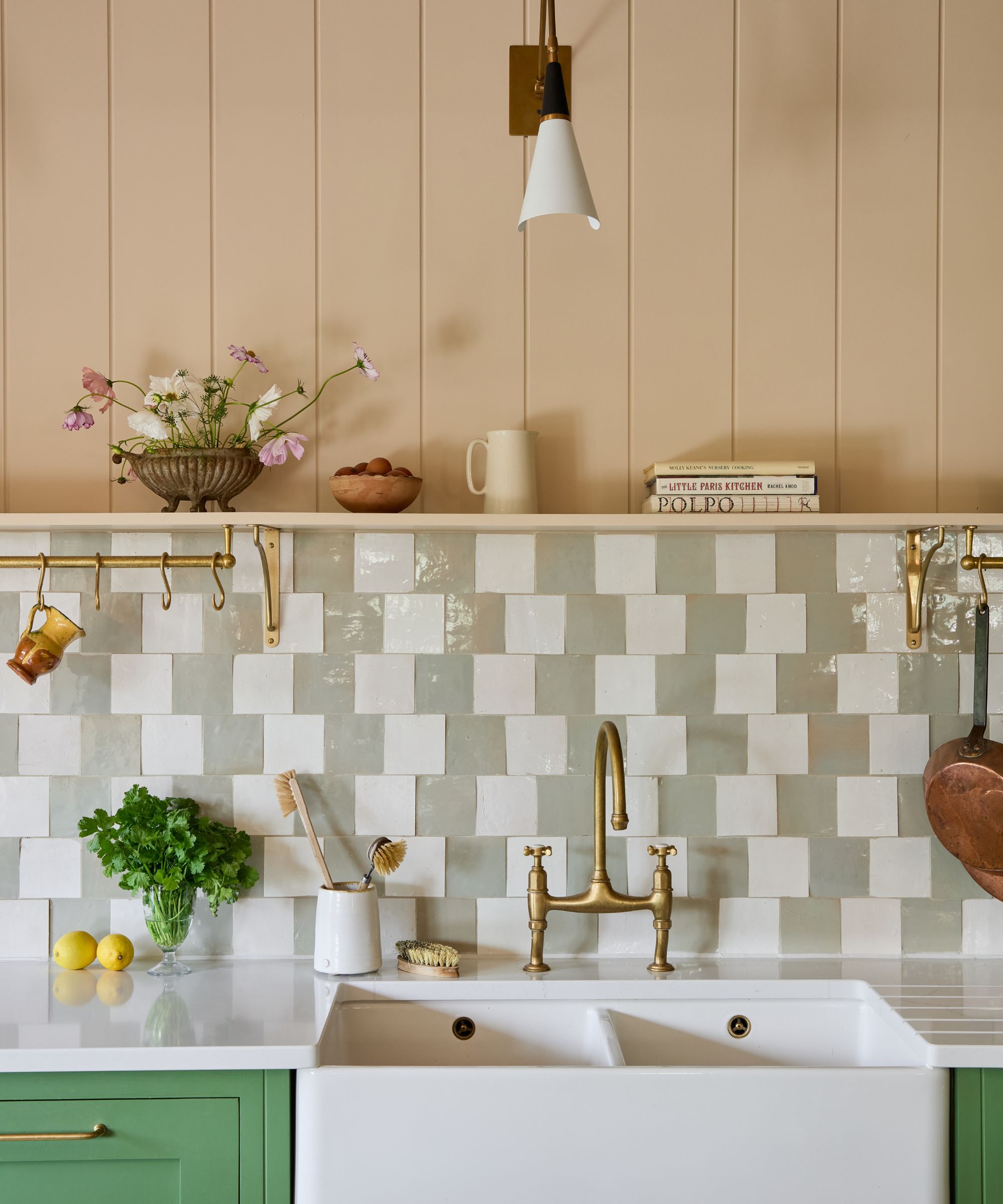
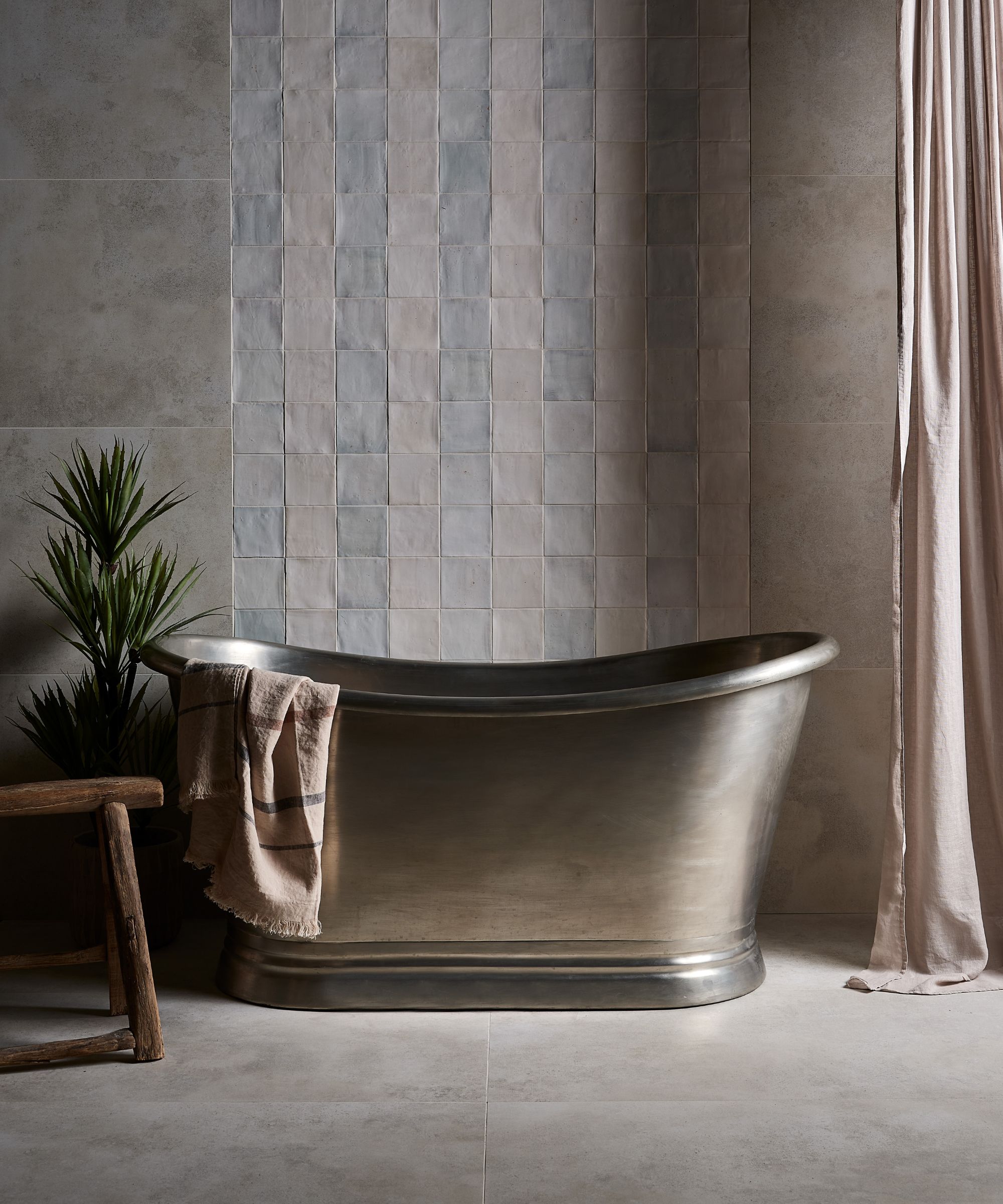
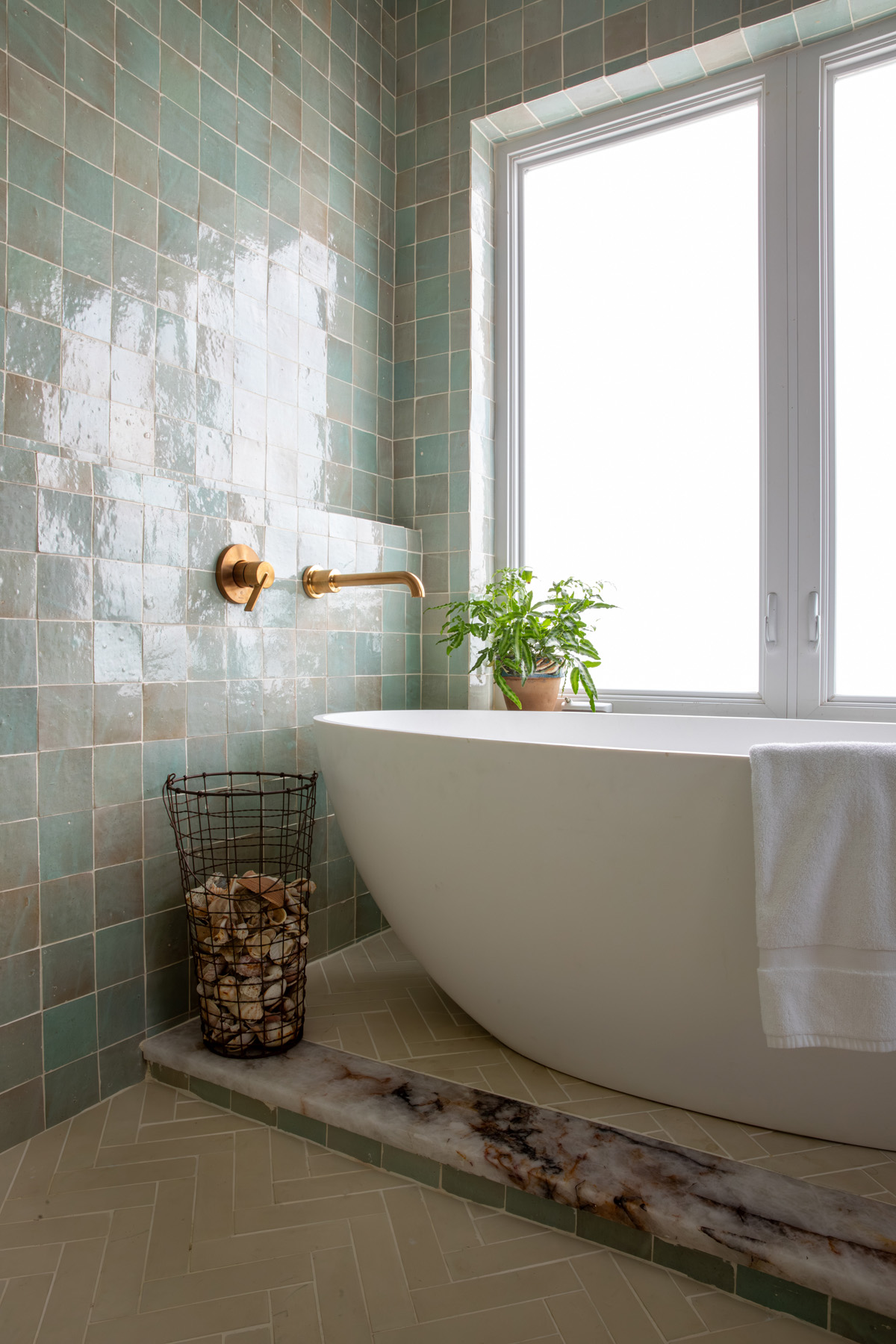
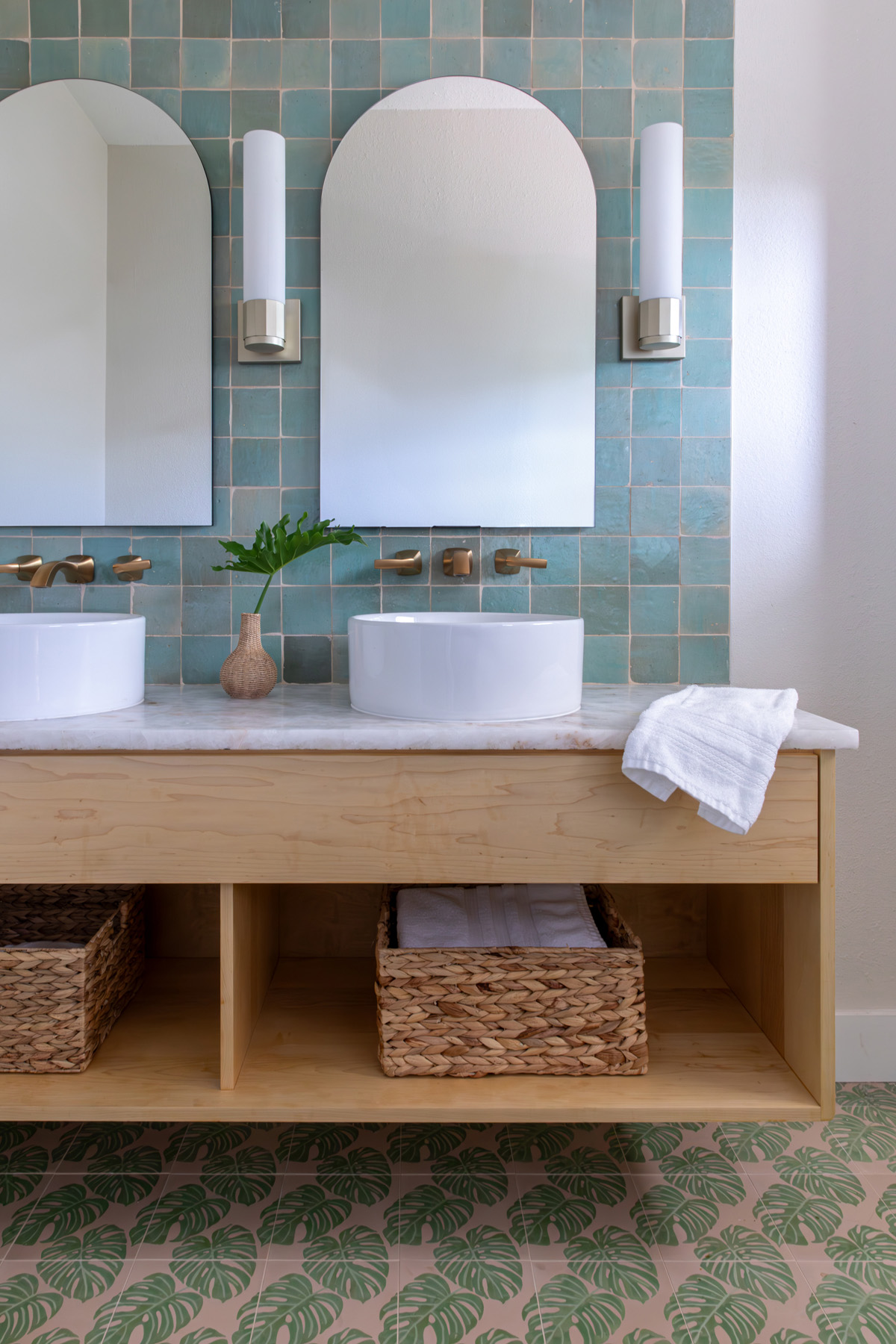
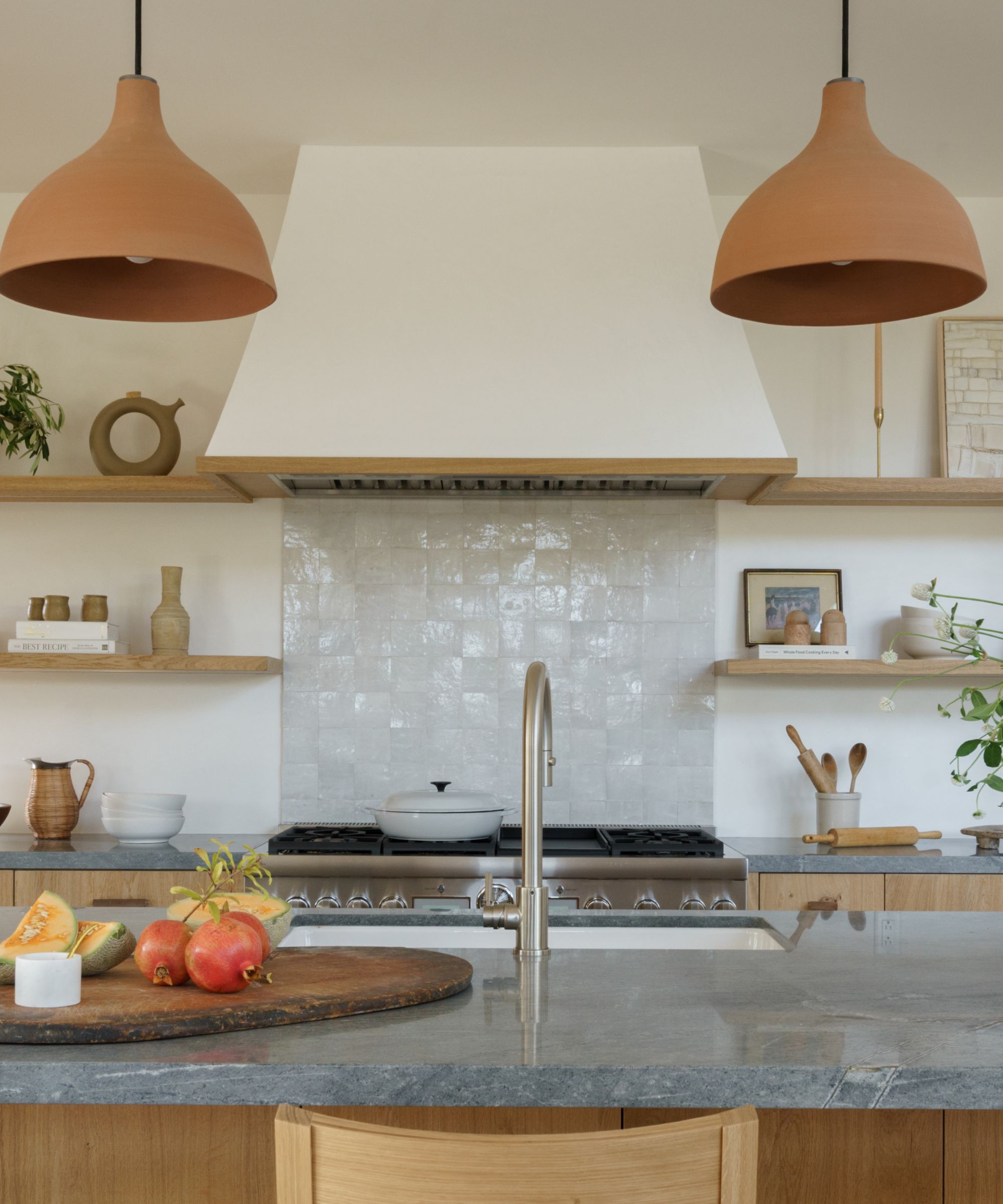
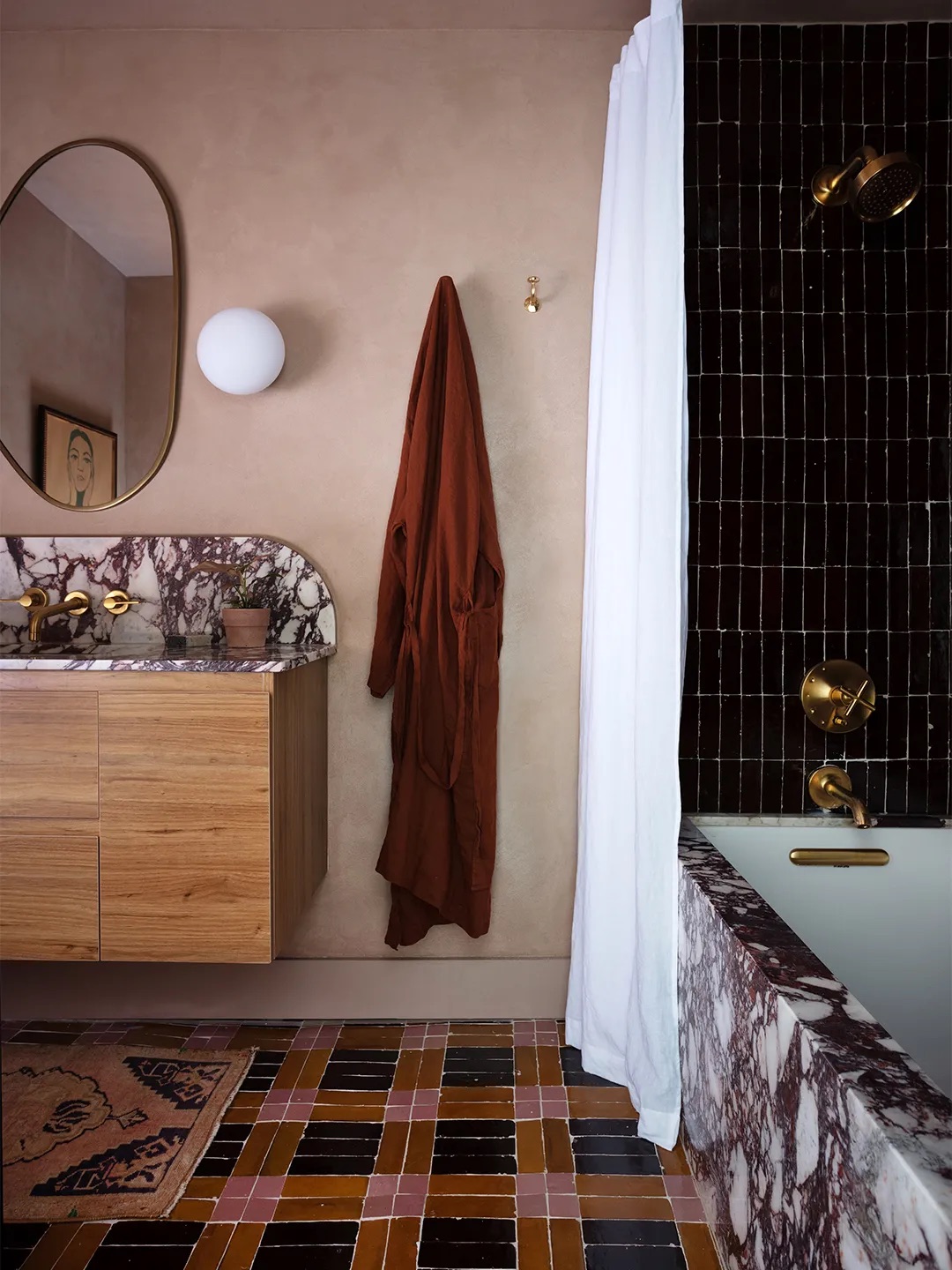
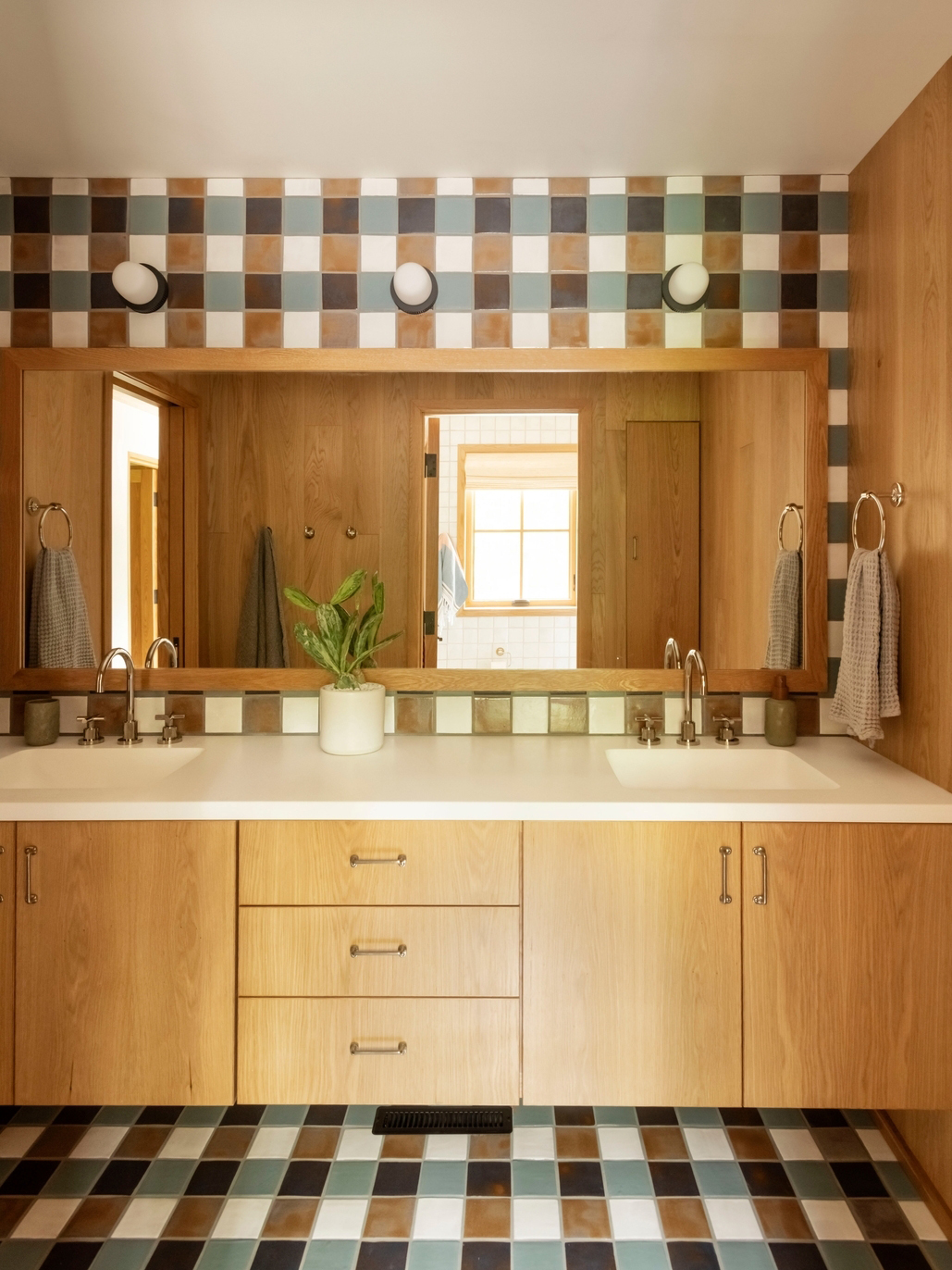
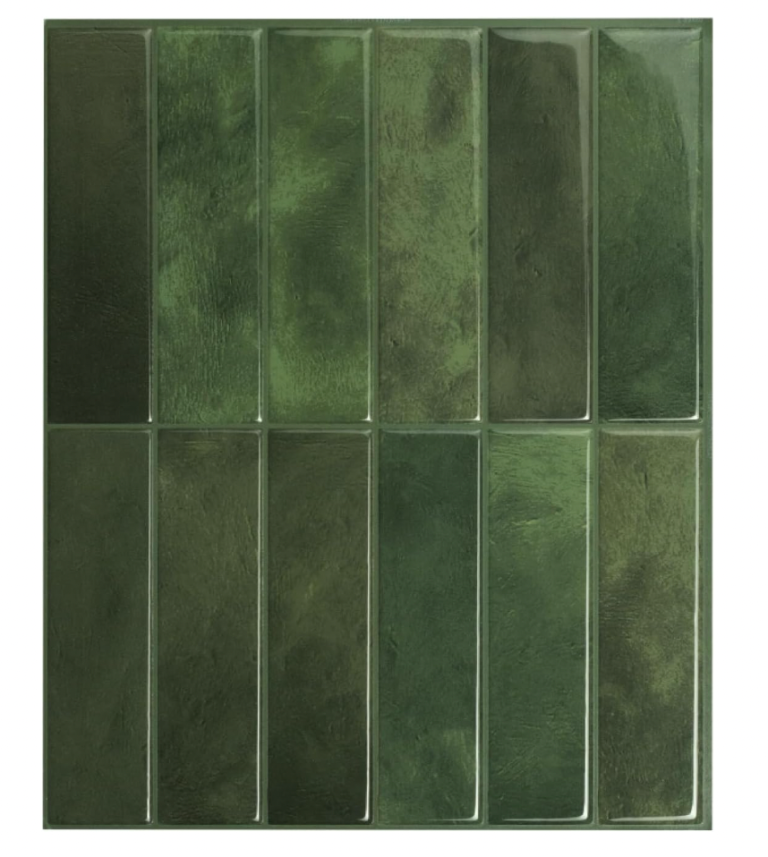
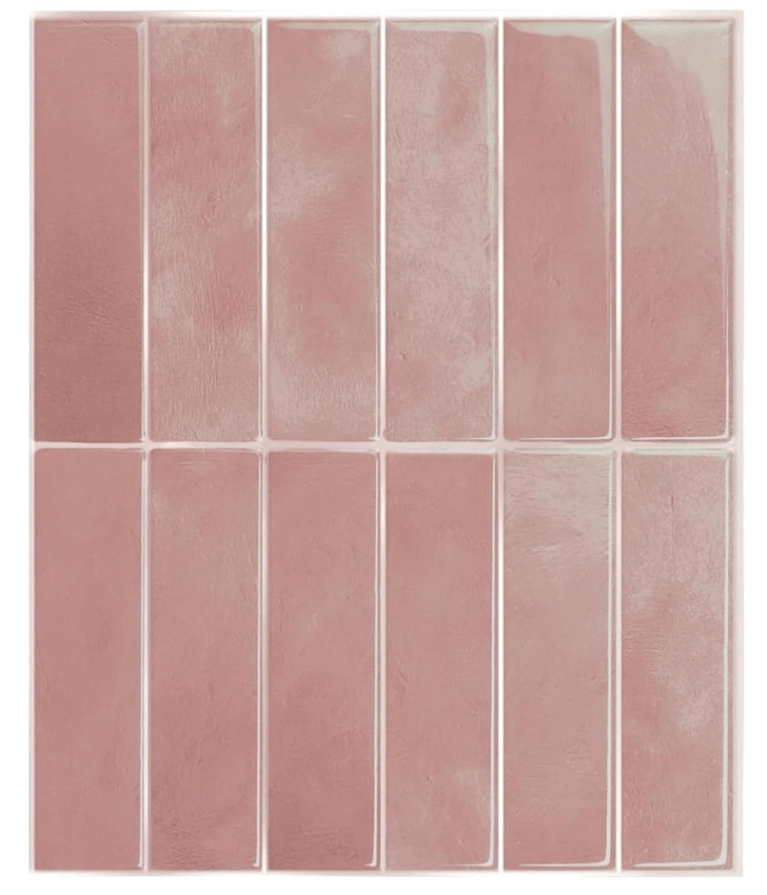
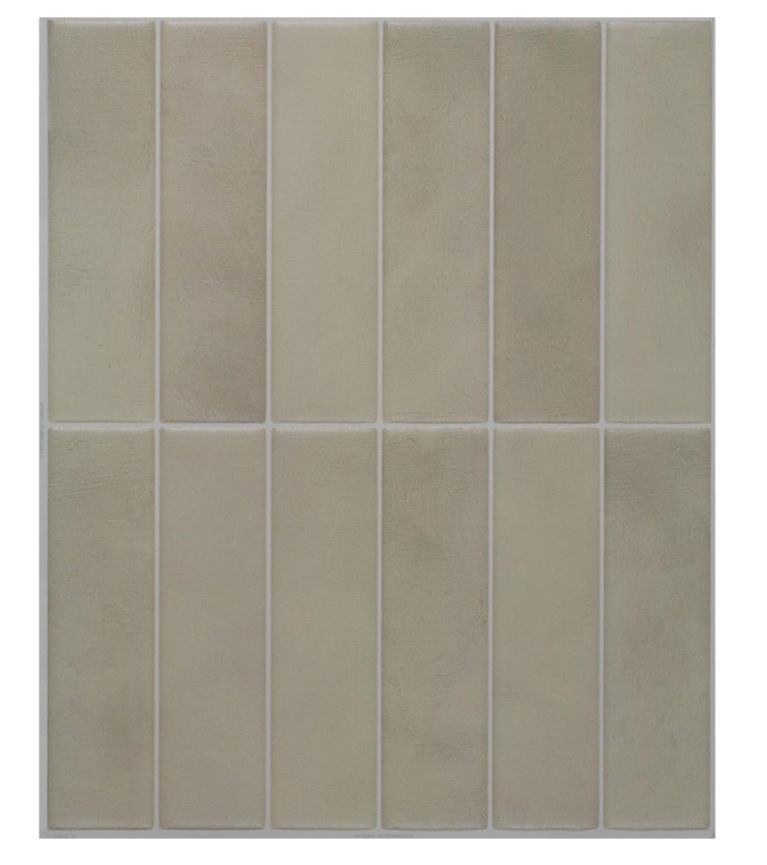
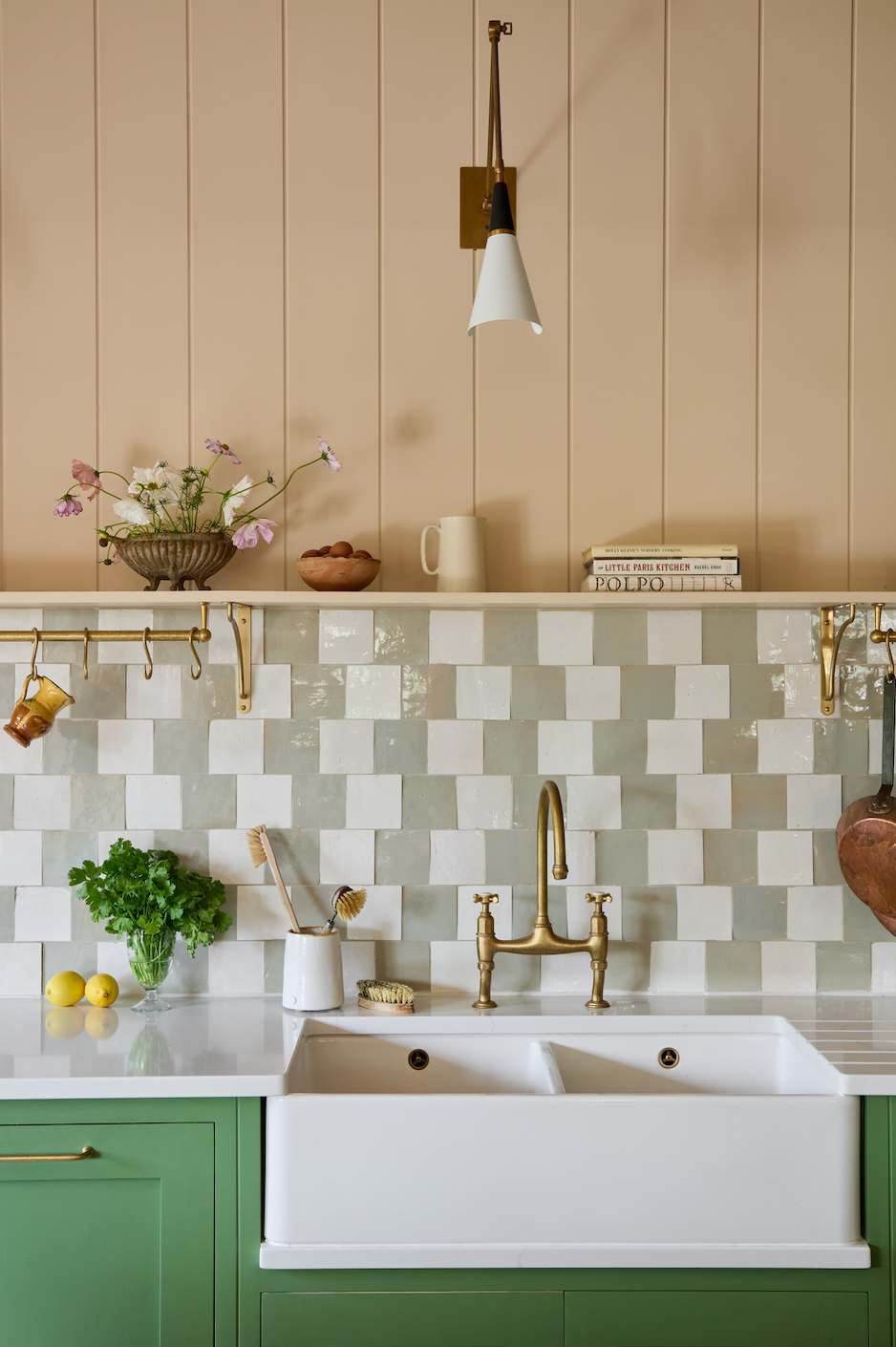
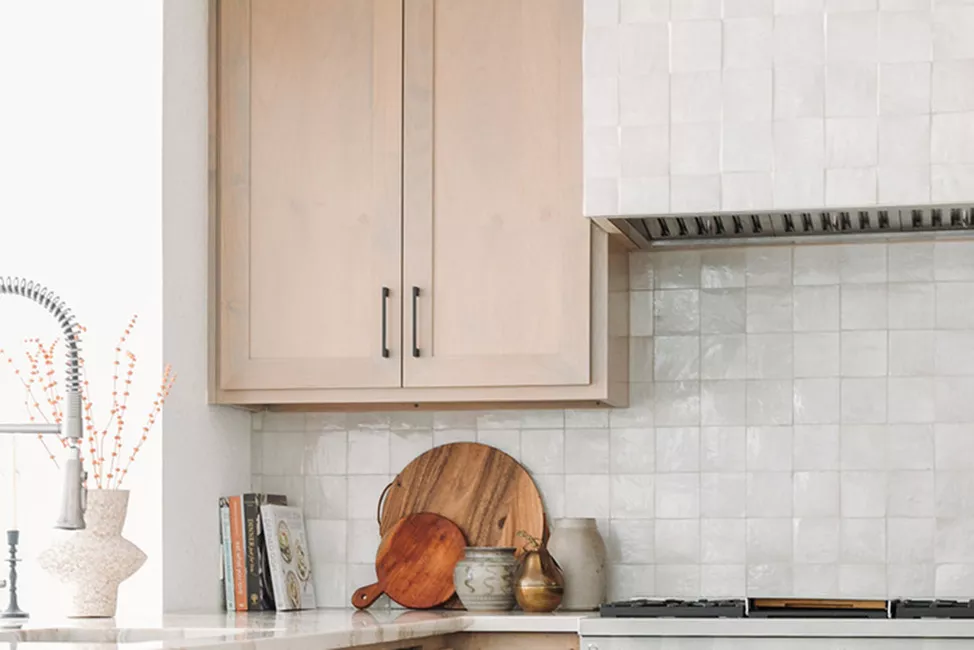
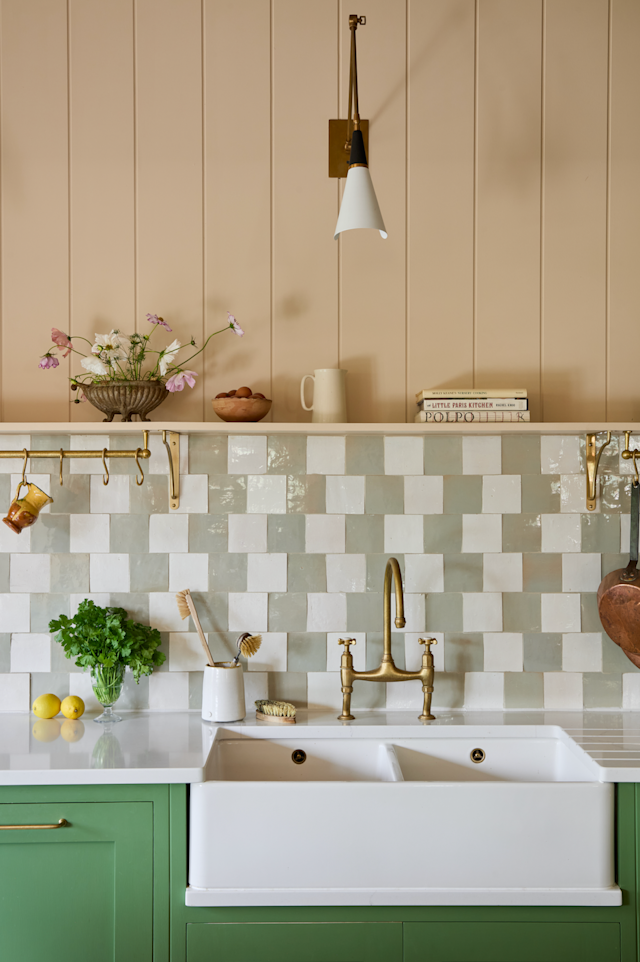
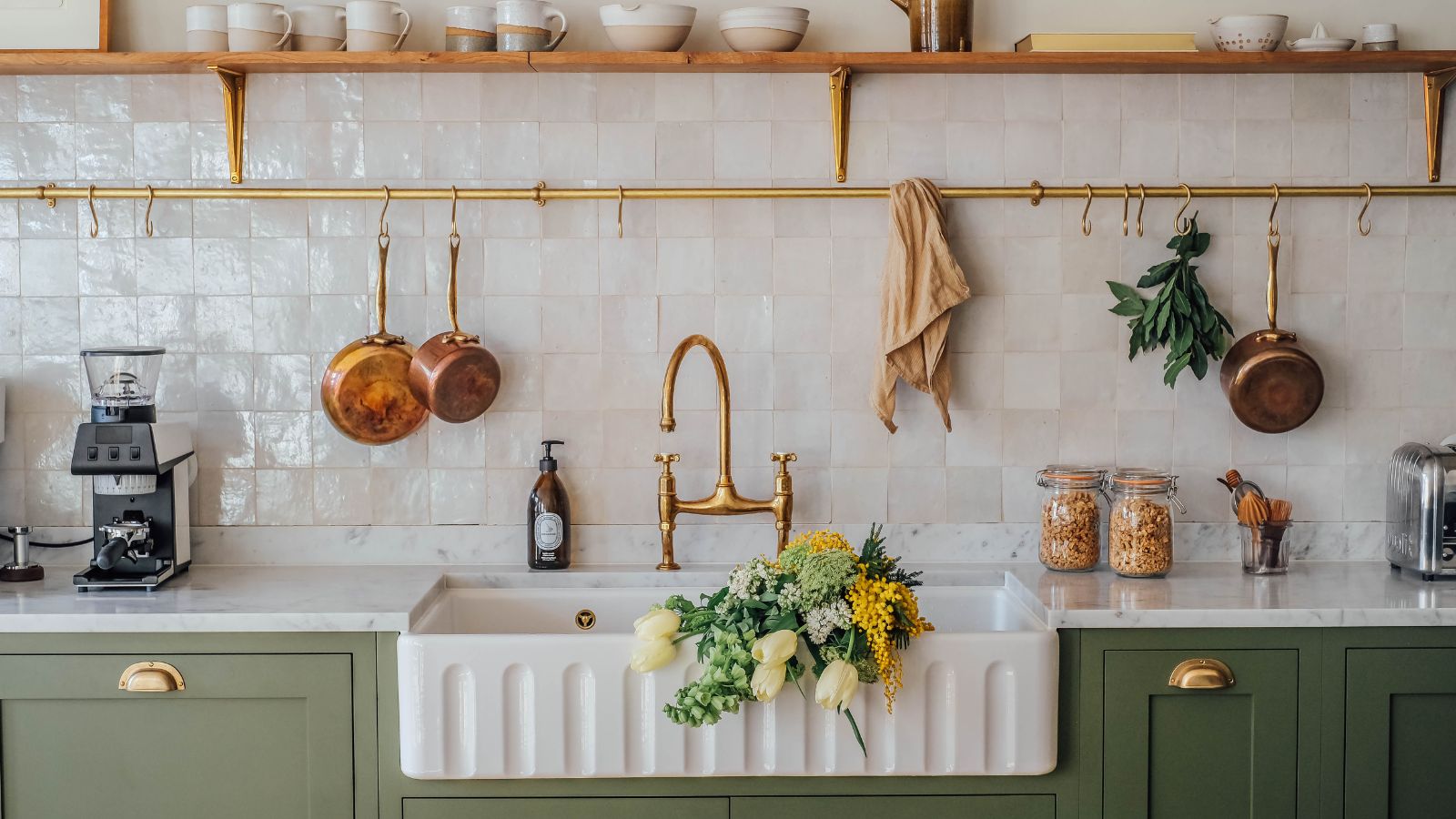
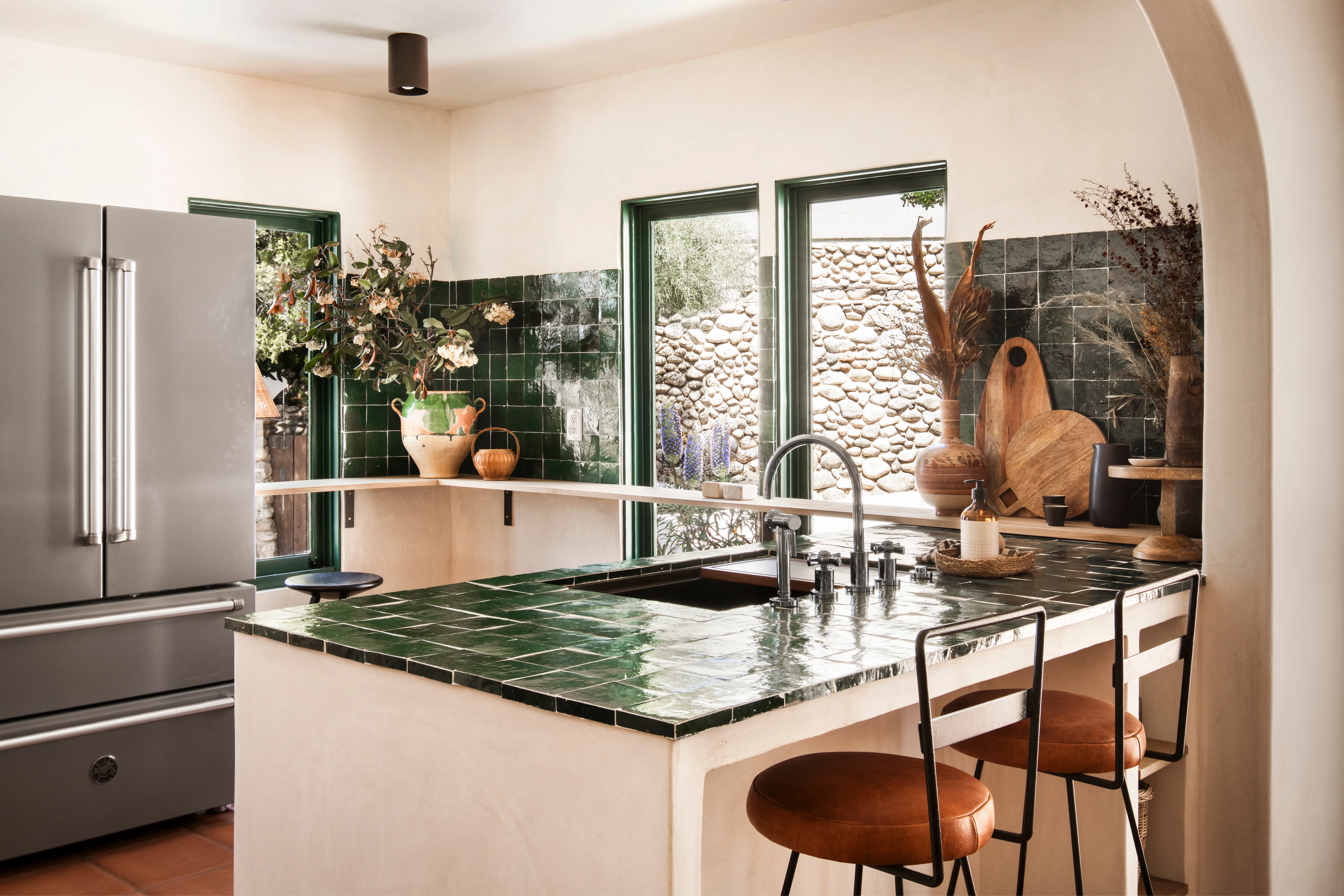
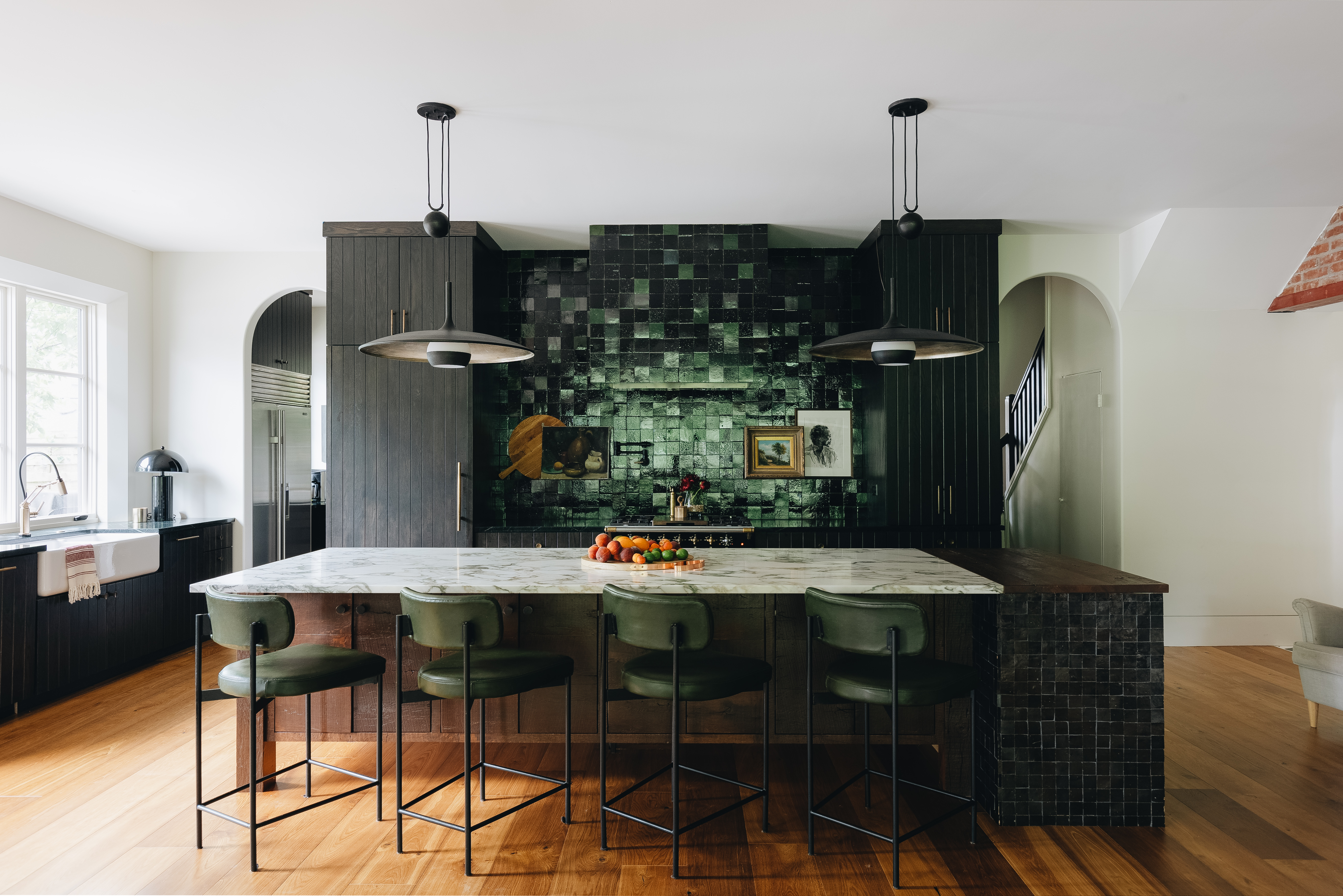
When considering zellige tile for a renovation, several factors are important. Despite their delicate appearance, zellige tiles are surprisingly resilient; multiple kiln firings make them strong and heat-resistant. They are also easy to clean using mild, pH-neutral soap. Color and glaze selection offer a wide range of possibilities, from popular white options like Moroccan Sea Salt and Weathered White to growing trends in Neo-Neutrals, deep greens, and reds. The natural variation in glazing further enhances their appeal, creating tonal spaces when paired with natural colorways or a striking look with bold hues.
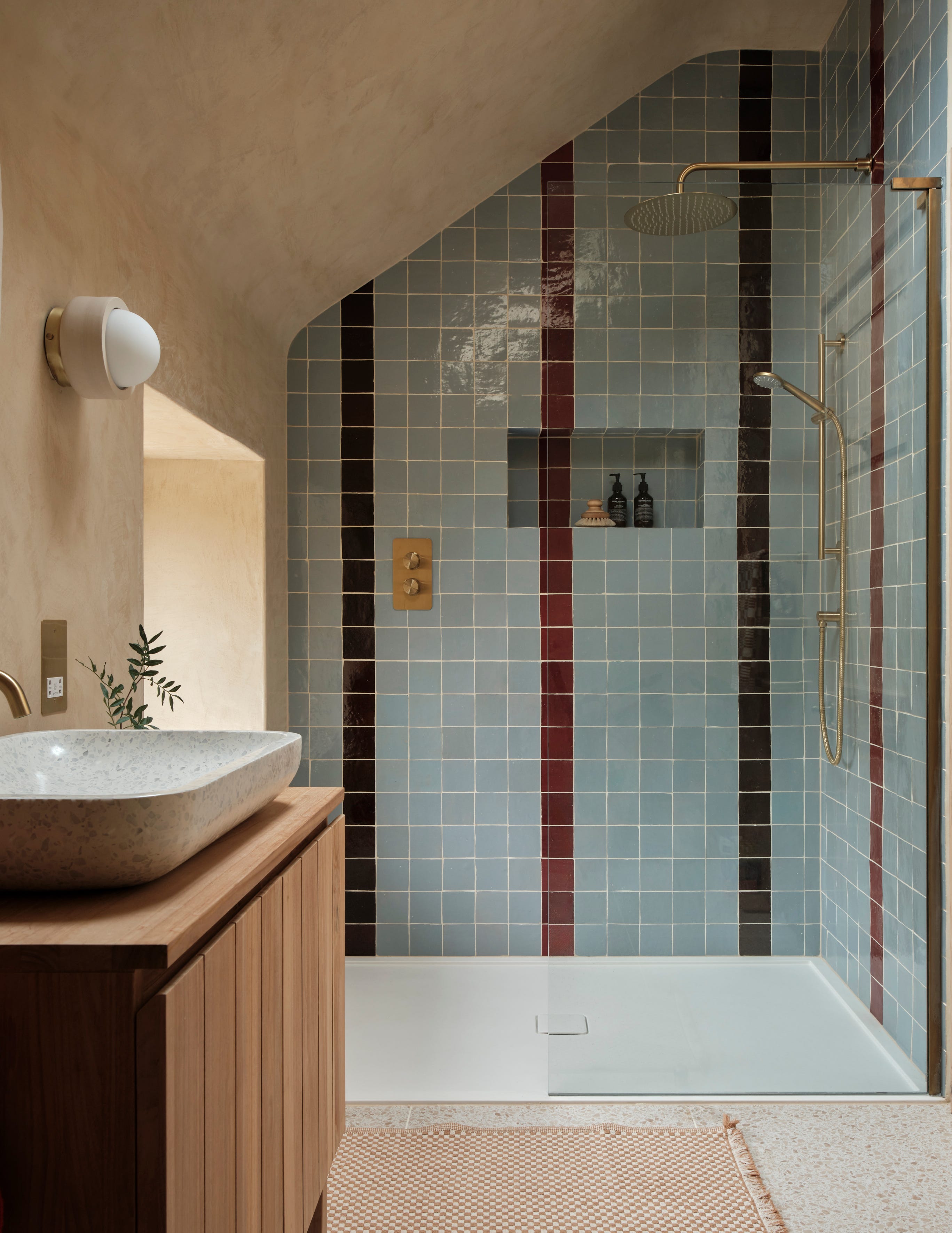
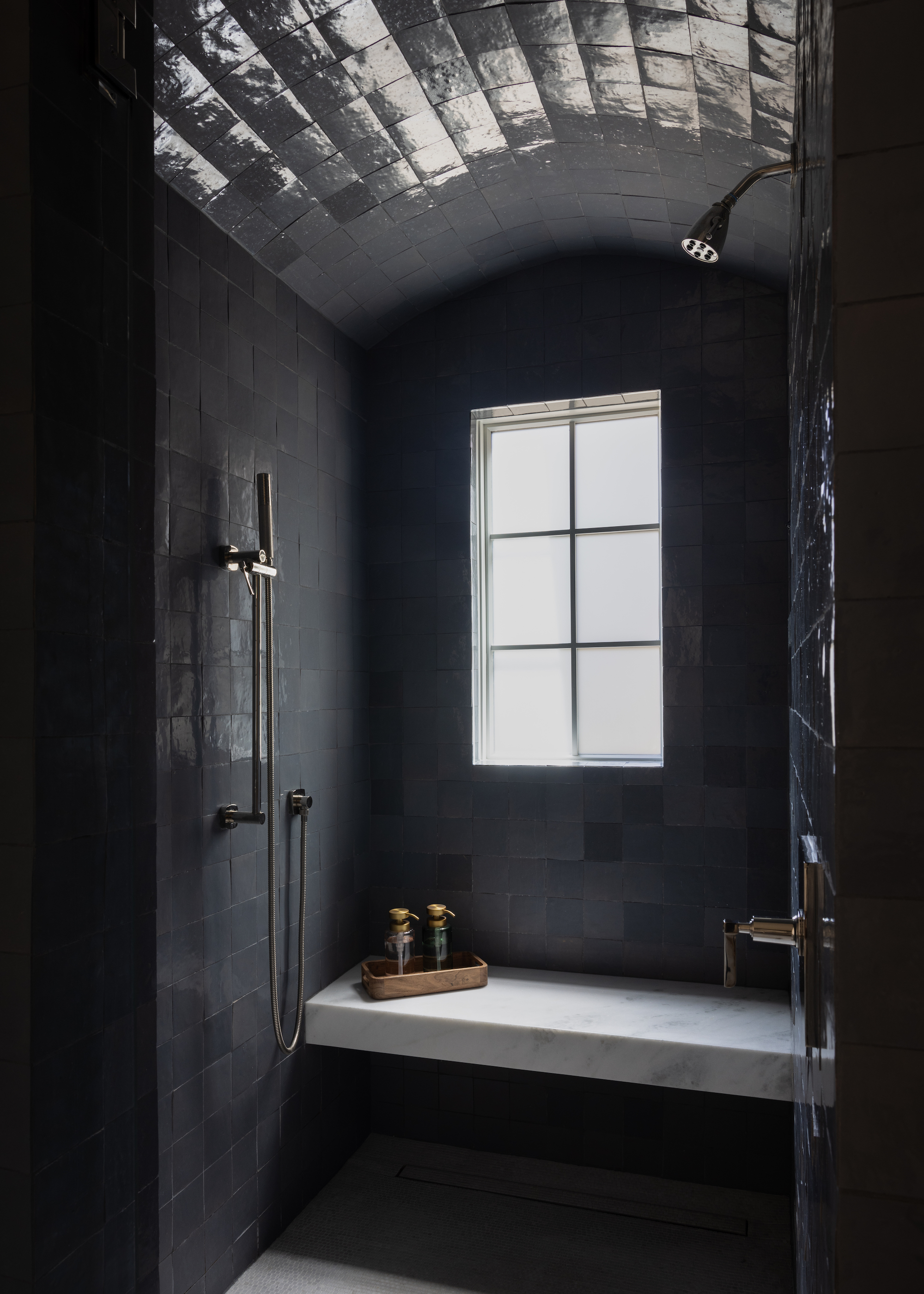
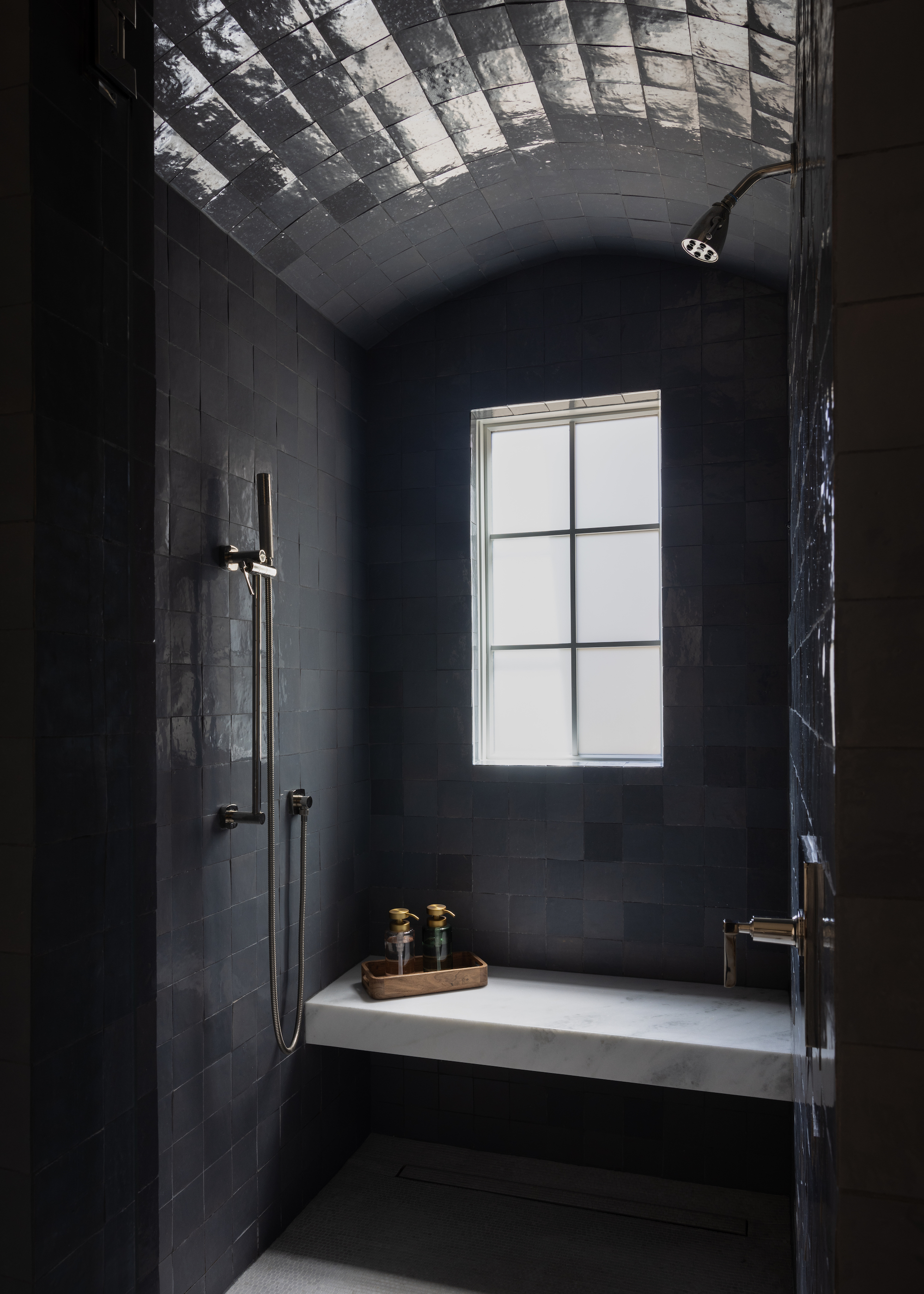
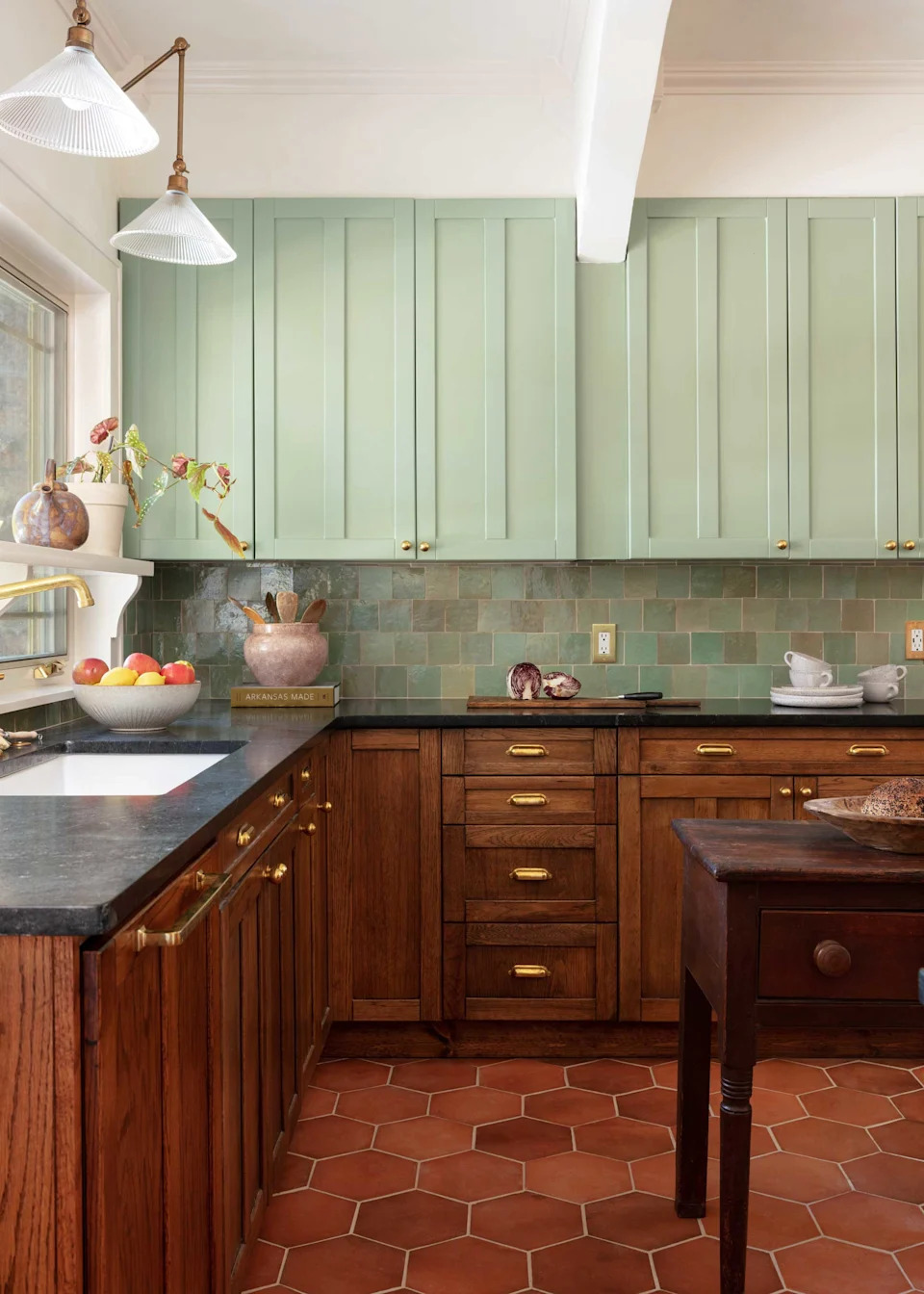
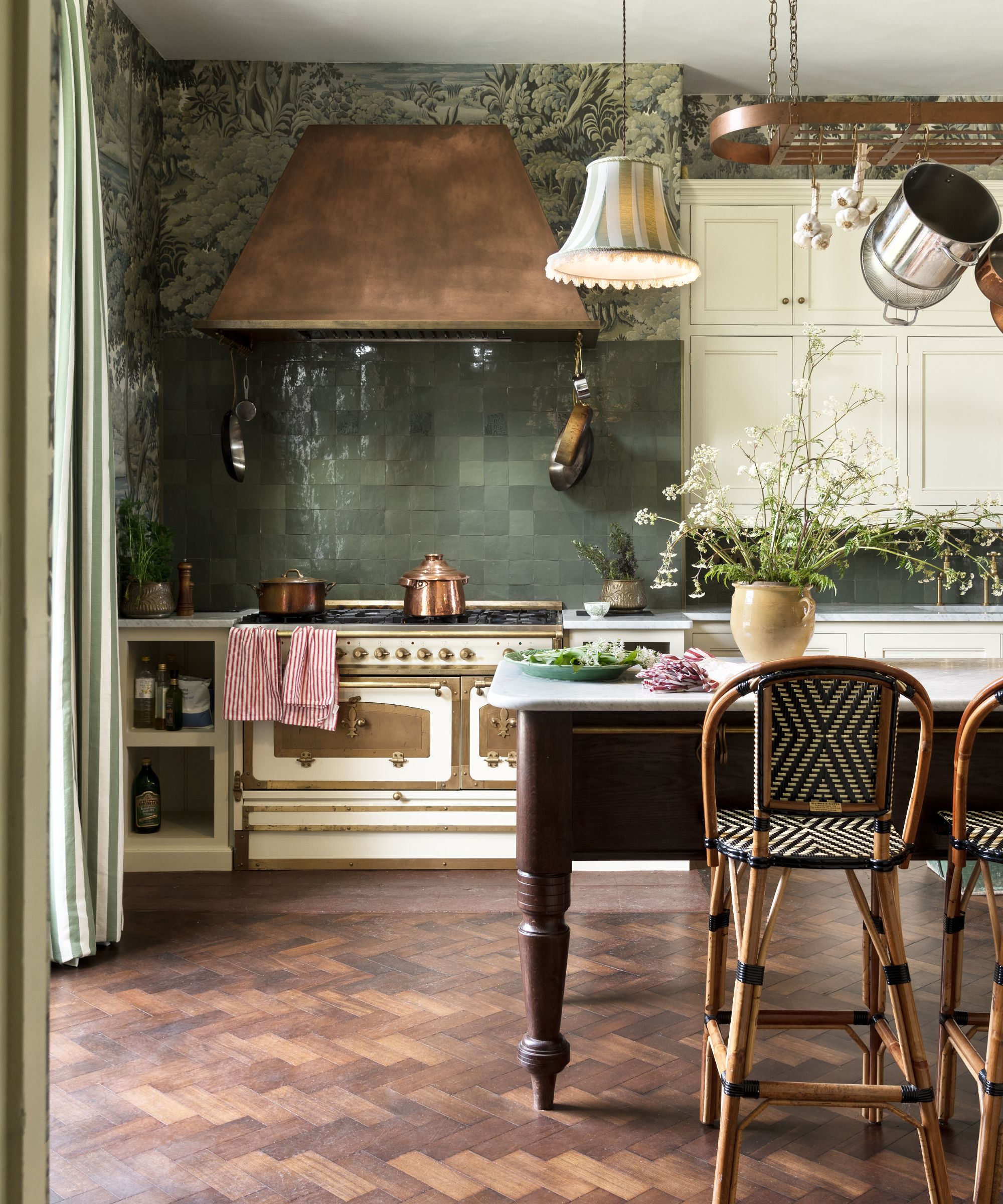
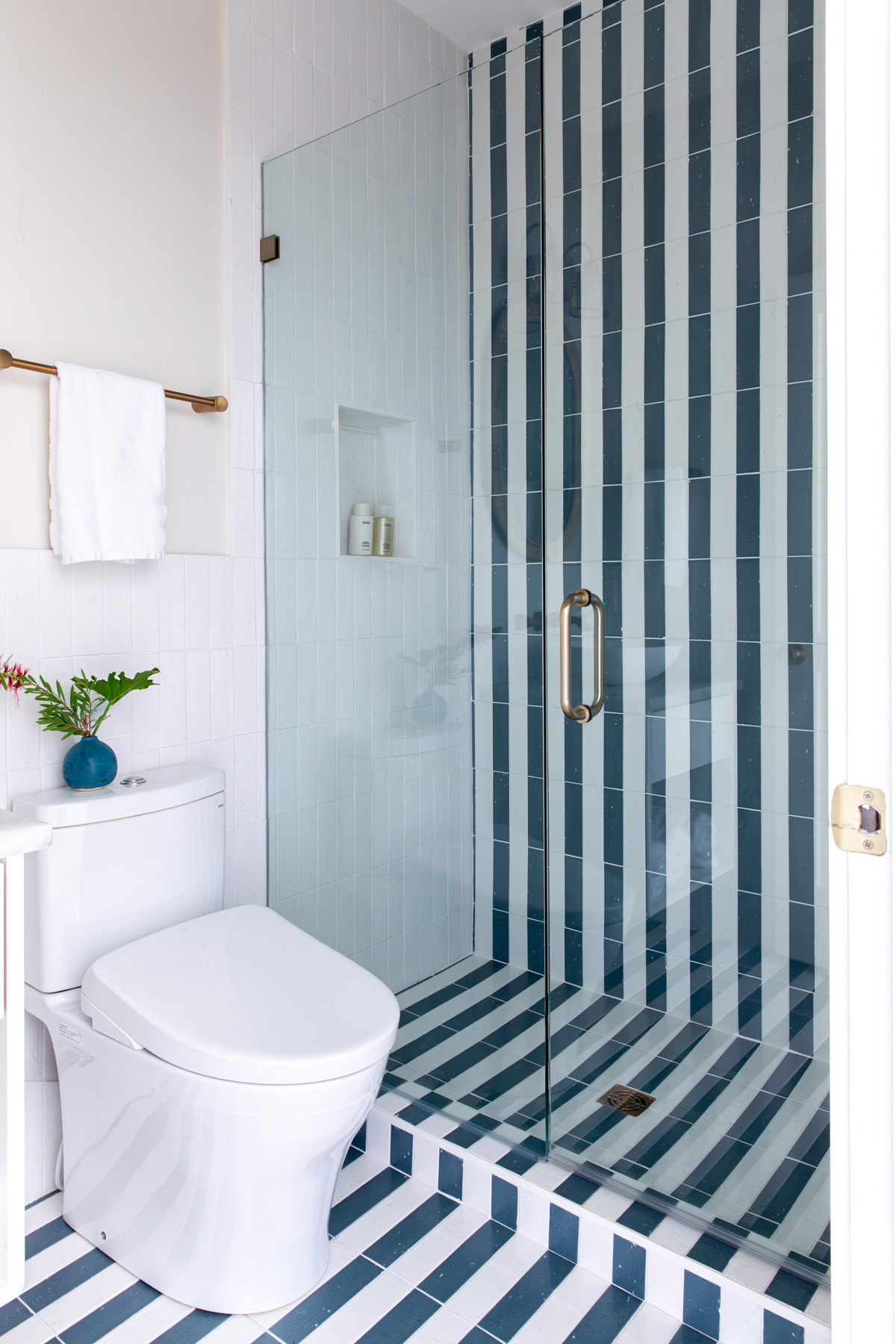
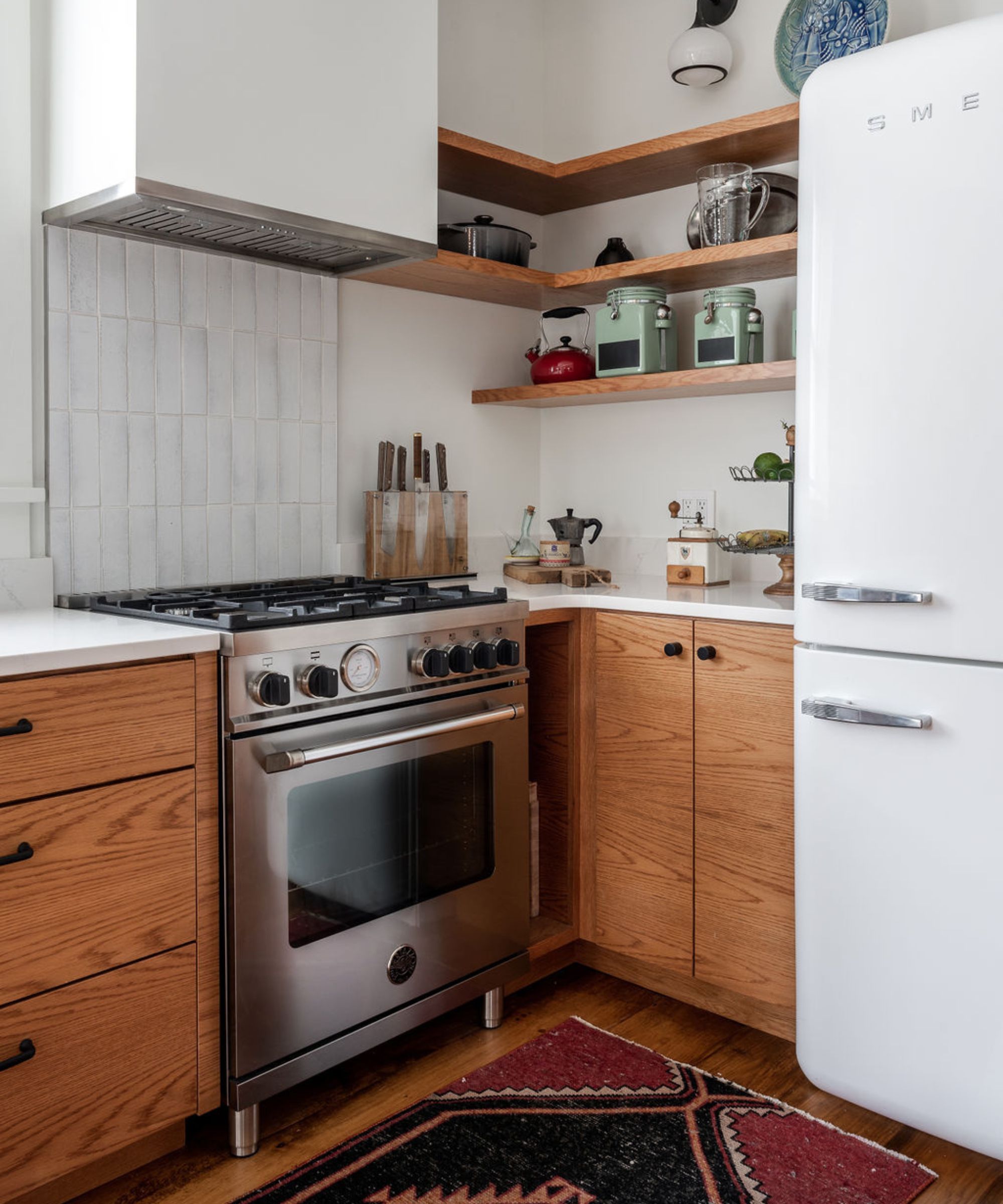
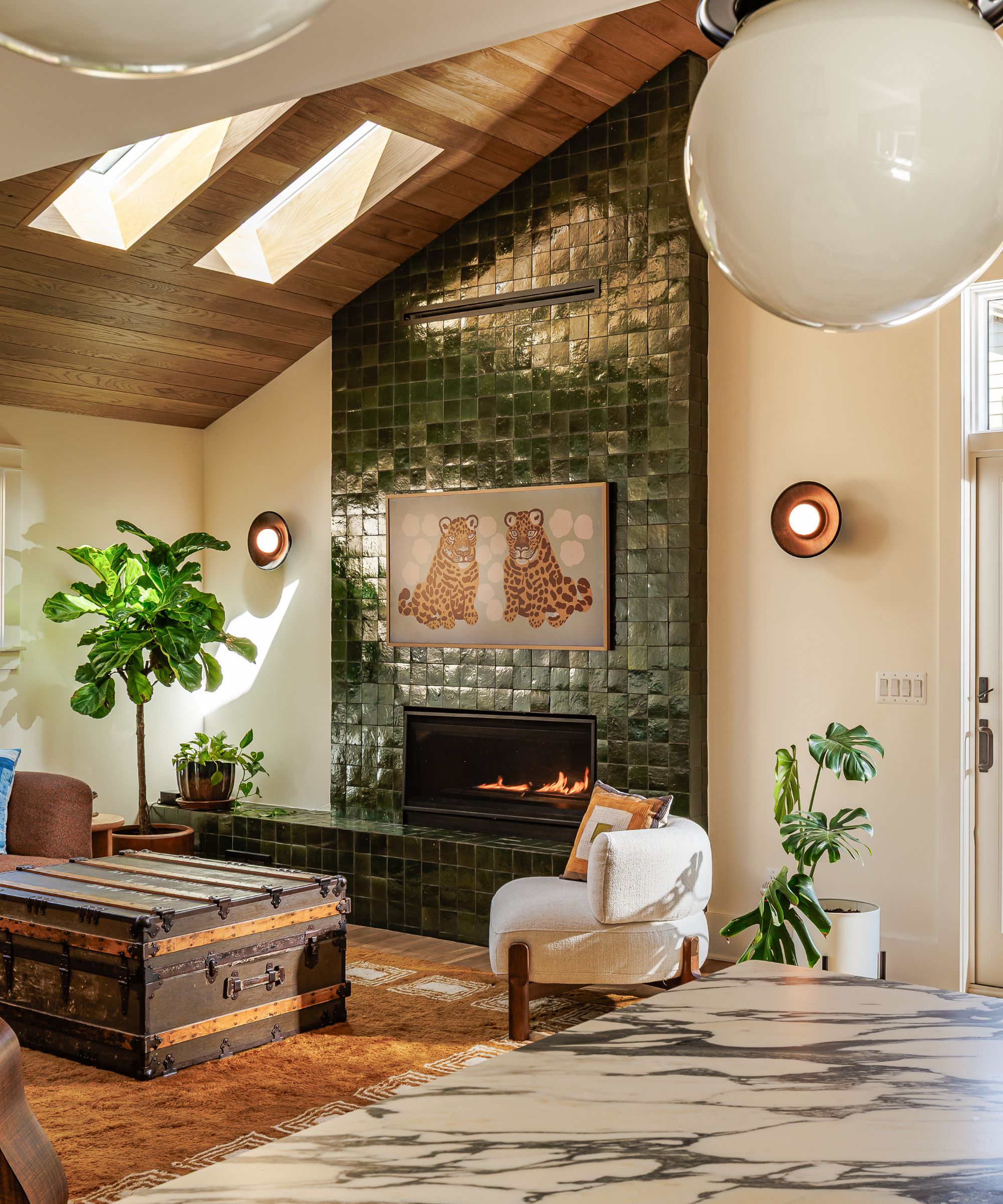
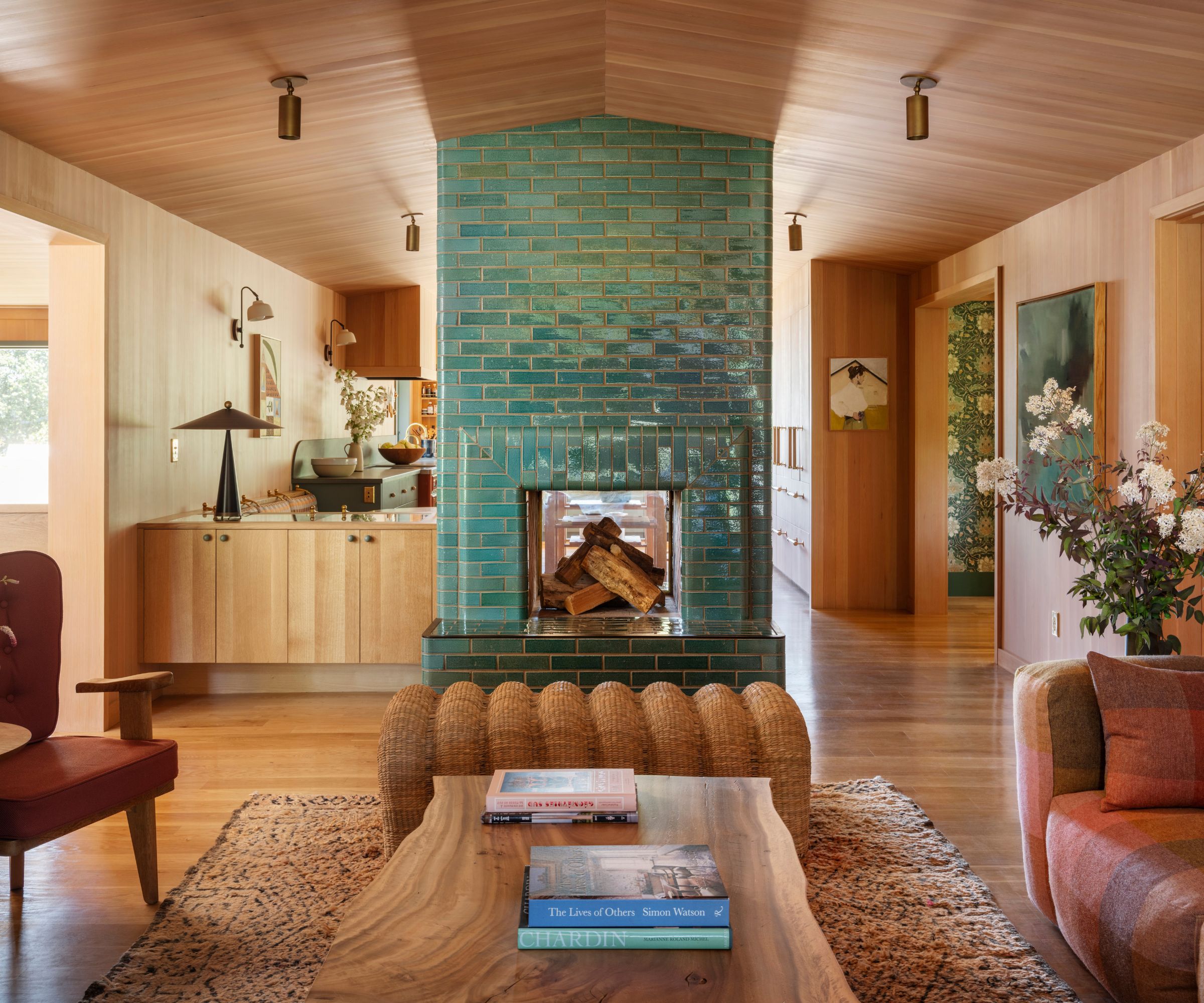
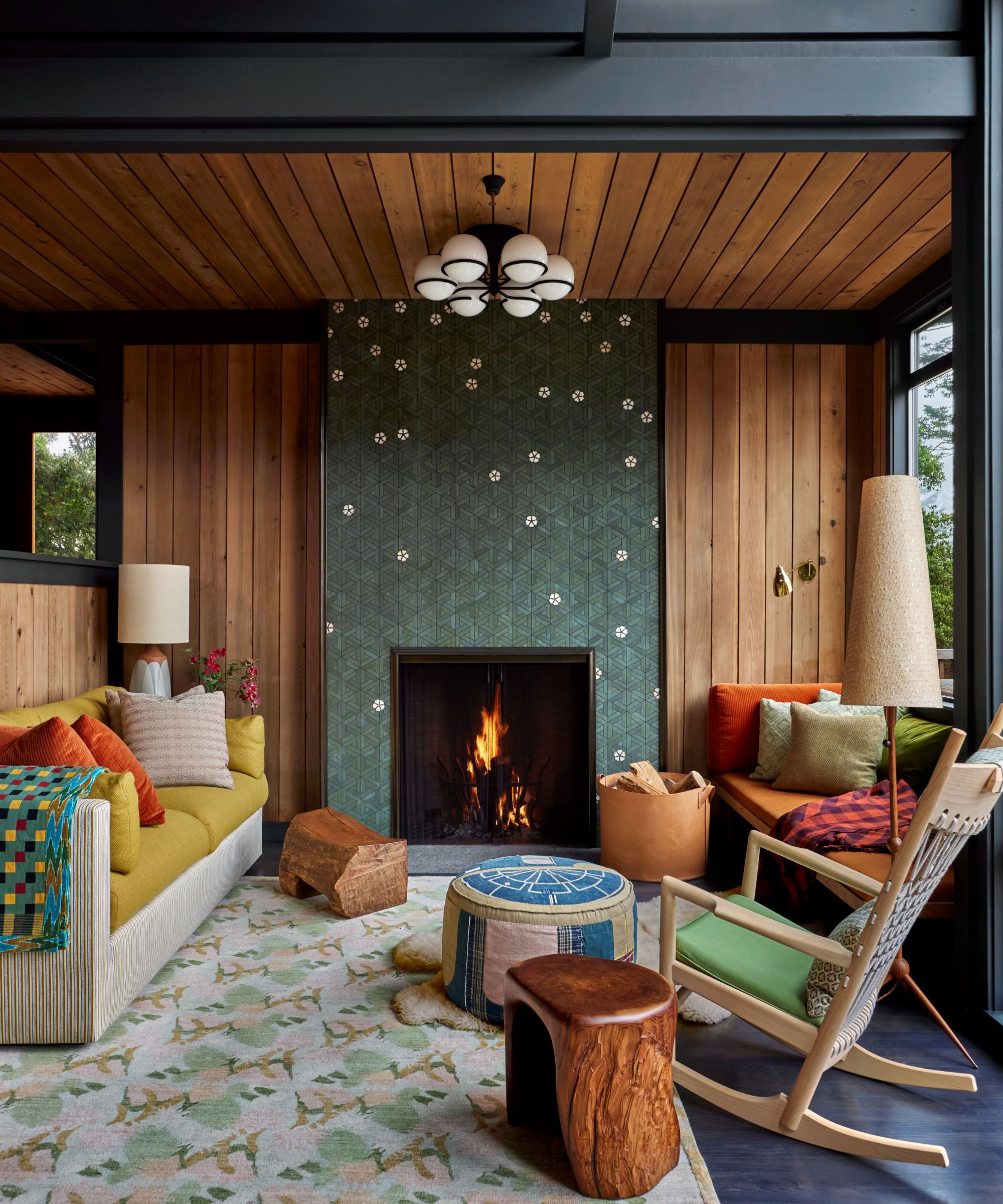
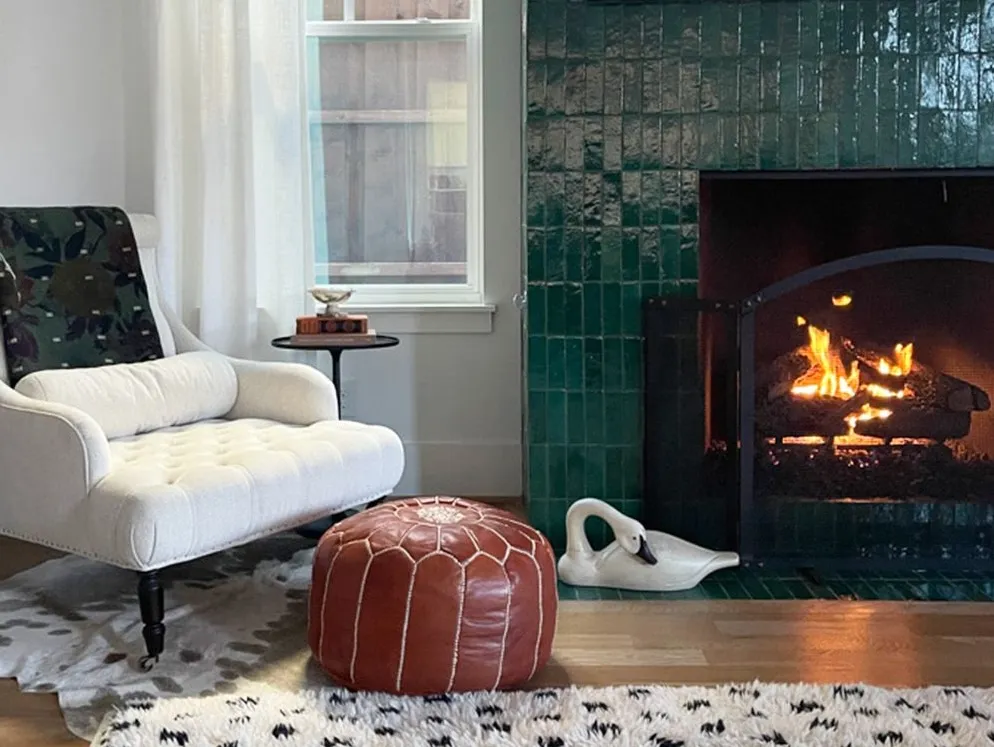
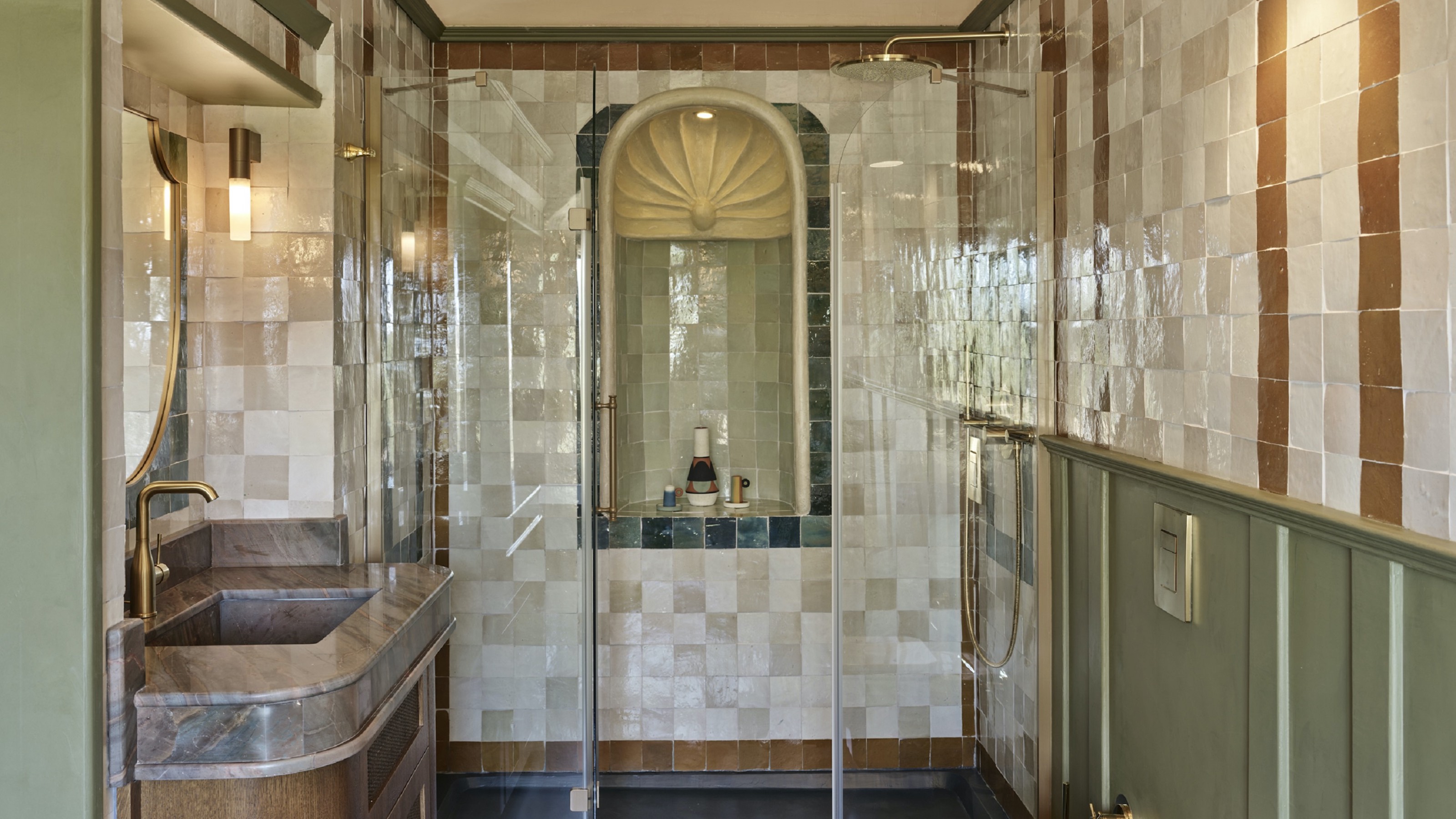
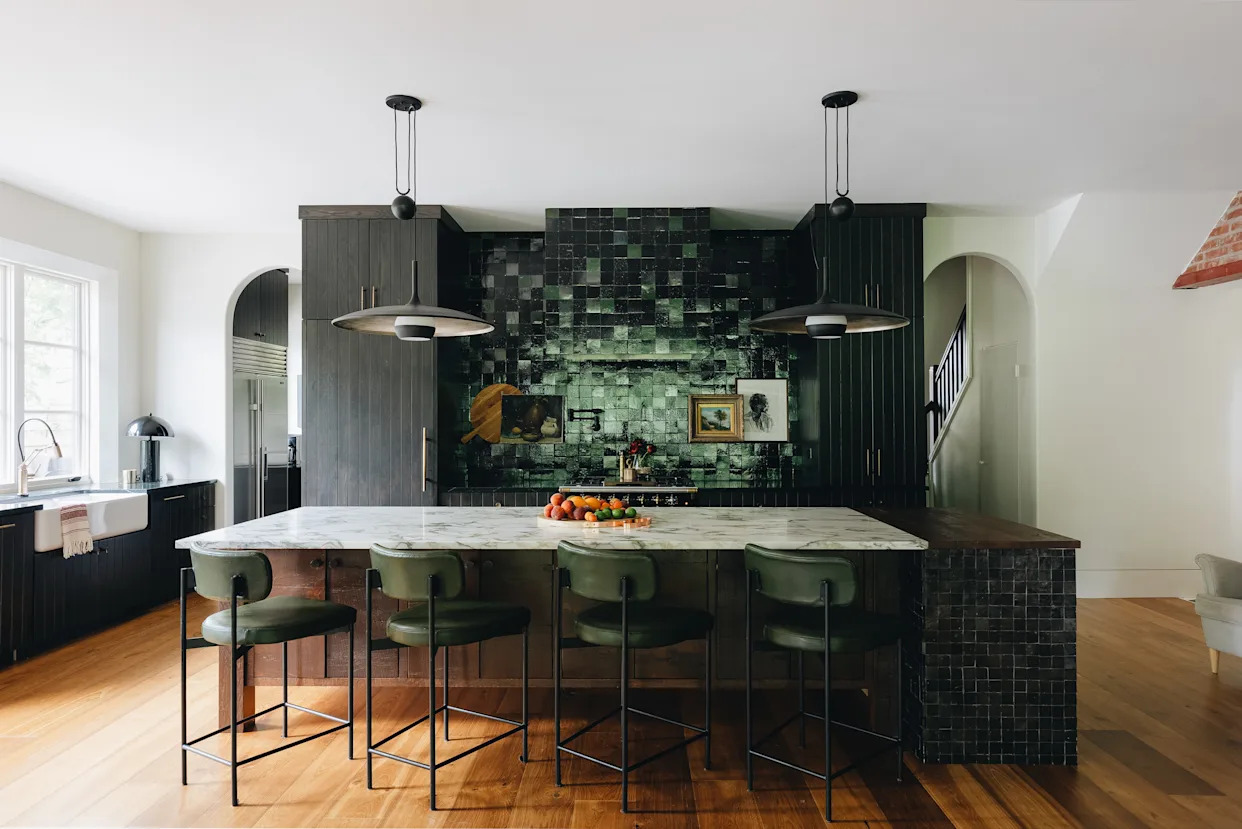
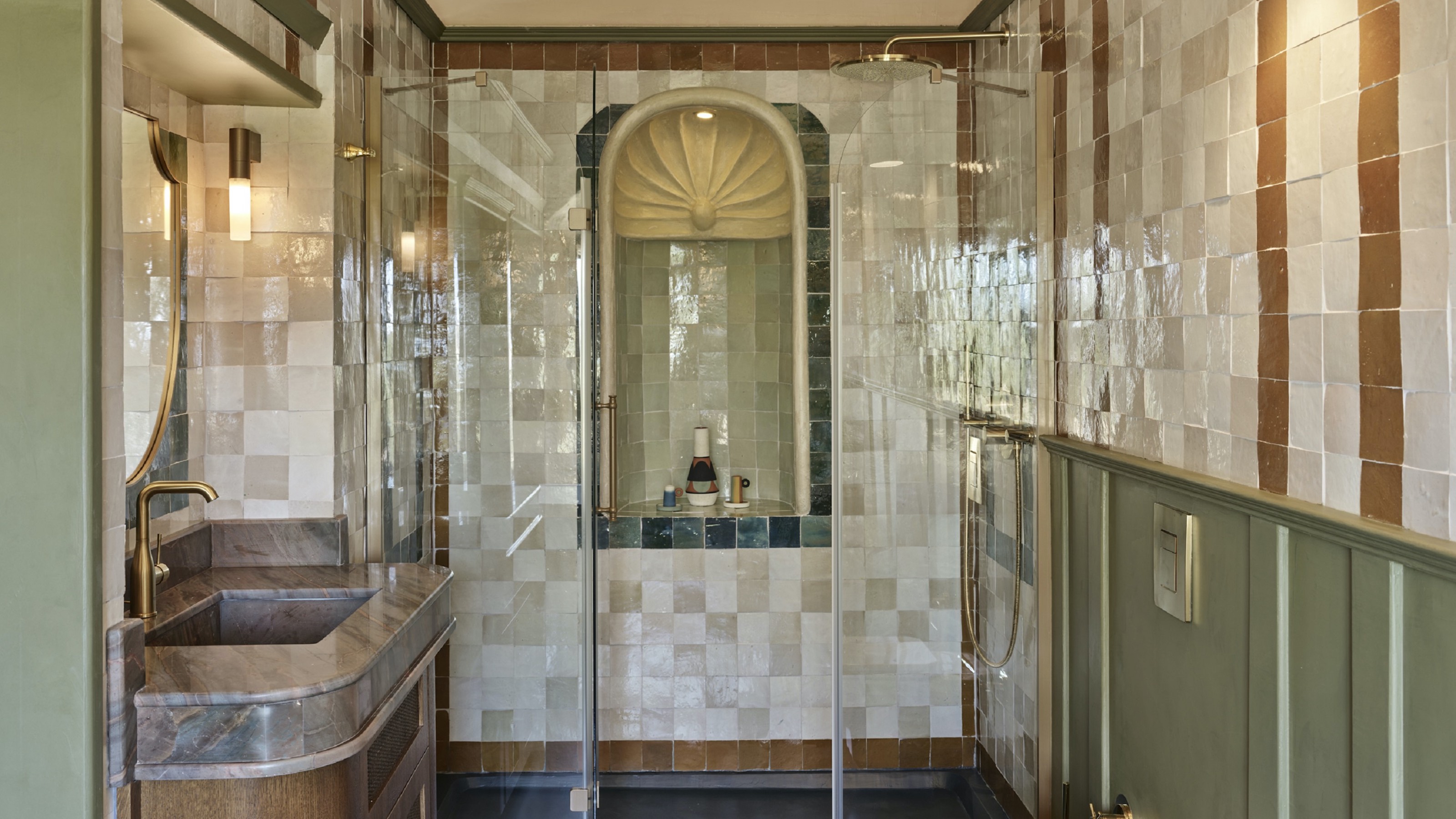
Zellige tiles are incredibly versatile in design application. They can be used for kitchen backsplashes, shower walls, bar areas, and accent walls. Designers like Butcher have even utilized dark green zellige tiles from floor to ceiling on a fireplace. Osburn suggests more unexpected applications, such as ceilings and exterior garden walls, to highlight their artistry and light-reflecting qualities. However, it's advised to avoid using them in freeze-thaw environments due to their porous nature and to exercise caution when using them on staircases as they can be slippery.
Grout selection is another crucial consideration. While traditional zellige applications sometimes omit grout, a 1/16-inch grout line is recommended to accommodate the tiles' natural irregularities. Tonal grout choices are preferred to complement the unique imperfections without drawing undue attention to them. Lastly, professional installation by experienced artisans is essential. Installers need to understand the 'perfect imperfection' of zellige and blend tiles effectively, considering variations in color and size. Clients should be involved in the layout process, shuffling tiles on the floor to achieve the desired aesthetic before permanent installation, ensuring the final look reflects the intended character and charm of this historic material.
#ZelligeTile #HomeRemodel #InteriorDesign #HandcraftedTiles #MoroccanCraftsmanship #TileDesign #KitchenBacksplash #BathroomTiles #ArchitecturalMaterials #ZelligeTile #HomeRemodel #InteriorDesign #HandcraftedTiles #MoroccanCraftsmanship #TileDesign #KitchenBacksplash #BathroomTiles #ArchitecturalMaterials
0 comment in total
 No comments yet
You may also like
The Zellige Tile trend is an interior designer favorite – here's how to style it in your home

10 Zellige Tile Bathroom Ideas That Will Elevate Your Home

Sick of Subway Tile? Here Are 10 Super-Gorgeous Alternatives
Is Zellige Tile a Passing Trend? Here's What Interior Designers Say

Zellige Tiles Aren’t Going Anywhere—Designers Share 10 Gorgeous Ways to Use Them for 2026

5 Genius Ideas Using Zellige Tiles That Will Elevate Any Kitchen - Make This the Start of Your 2024 Remodel Moodboard

How To Use Zellige Tile For Timeless Style, According To Designers
2025 Is the Year of Splashy Bathroom Floors

People Are Still Choosing Zellige Tiles for Their Bathrooms, but These 10 Ideas Show How to Use Them in New and Exciting Ways
Zellige Tiles Aren’t Going Anywhere—Designers Share 10 Gorgeous Ways to Use Them for 2026
Here's why going groutless is the trendiest way to do tile in 2025
I Could Have Sworn These $40-Per-Pack "Tiles" Were Actually Zellige
4 Reasons Zellige Tiles Are Taking Over Interiors Right Now (and How to Use Them in Your Space!)
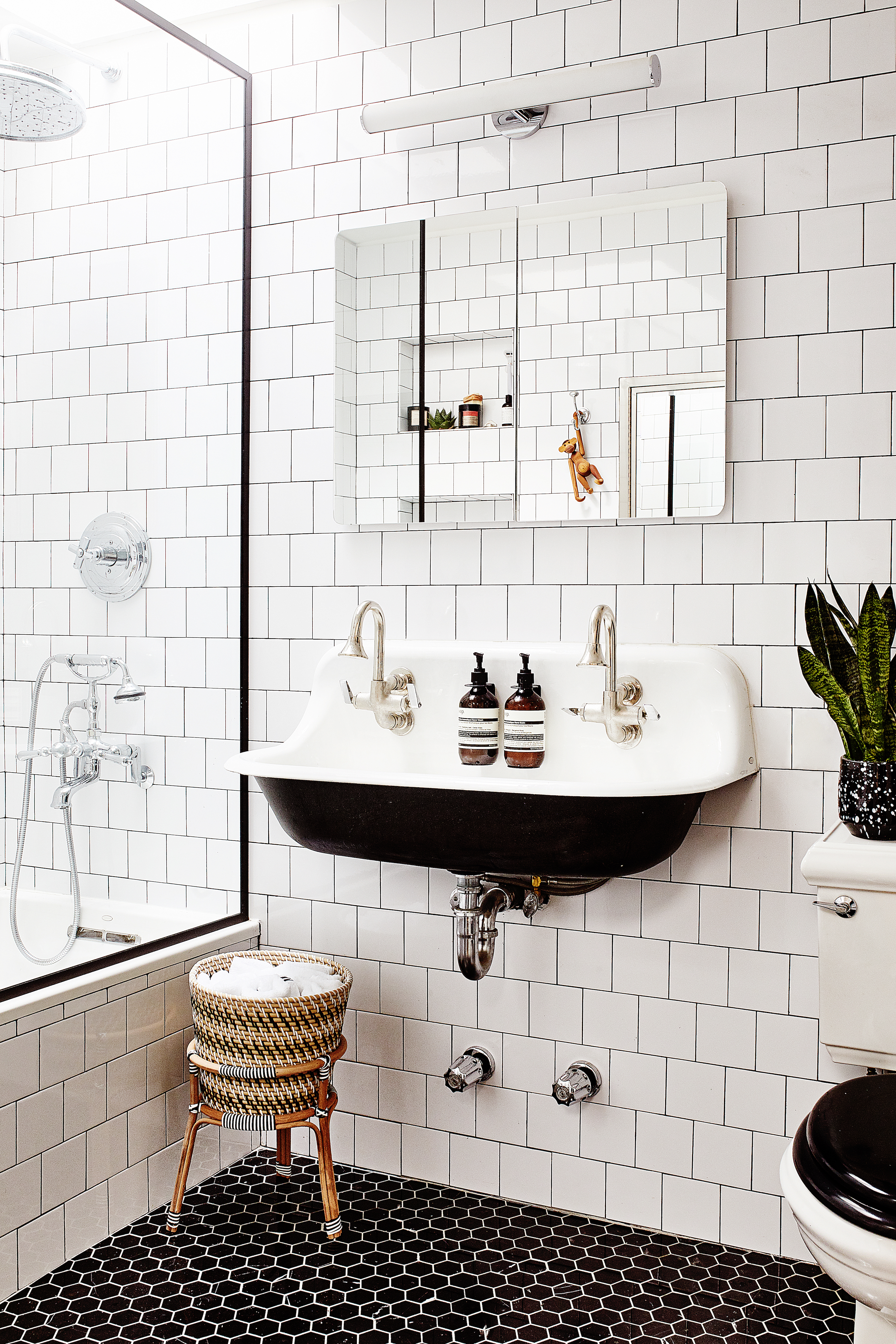
What Comes After Subway Tile? We Asked 5 Designers

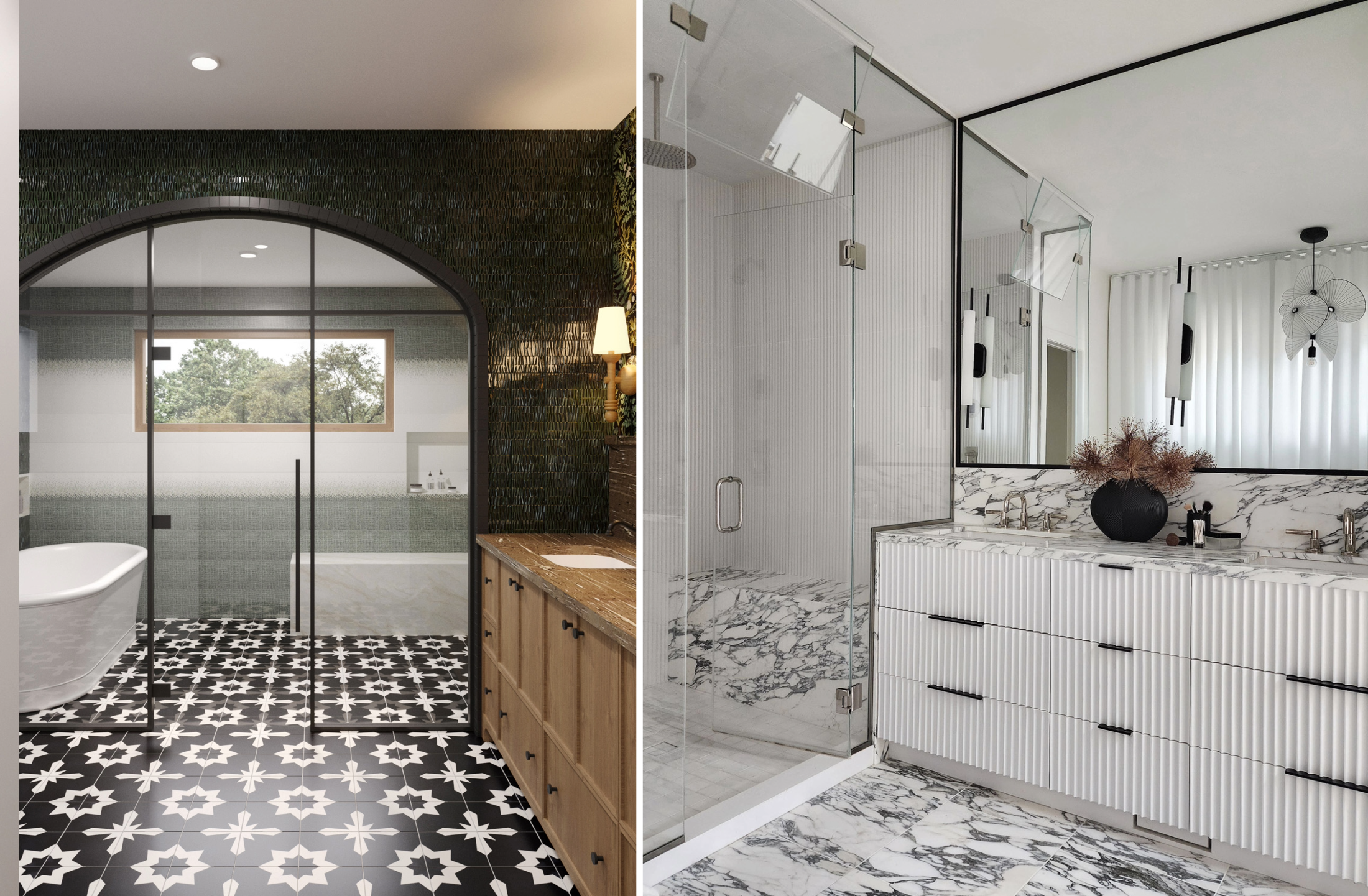
Showstopping Tile

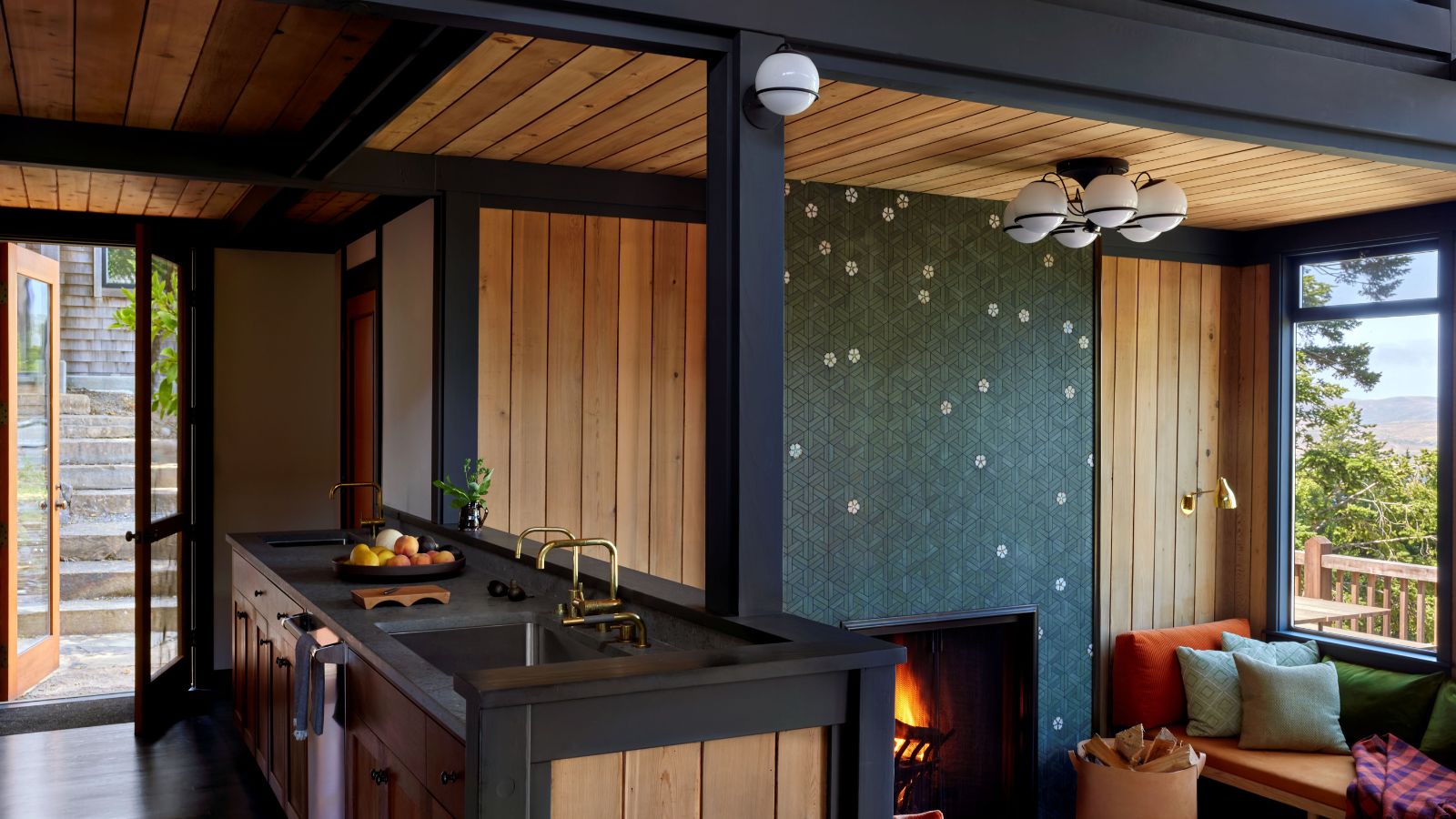
Designers definitely approve of this statement trend that elevates a cozy room
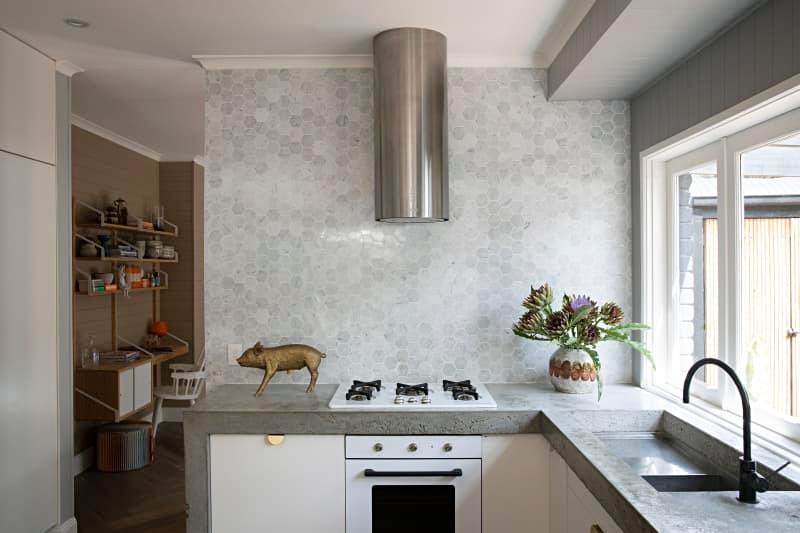
3 Kitchen Tile Trends On Their Way Out This Year (and What to Do Instead), According to Interior Designers

5 Kitchens With Zellige Tiles Used in Clever Ways
Looking for the best kitchen tiles for your remodel? These 13 stores are interior designers' go-to suppliers
The Moroccan Backsplash Style That's Bouncing Back In 2026 (It Adds So Much Character)