1/17
6-in. Random-Orbit Sanders
This review evaluates seven 6-inch random-orbit sanders, chosen for their stroke models ranging from 2mm to 3mm and prices between $100 and over $650. The tools are categorized into 'low profile' and 'tall profile' designs. The primary objective of the testing was to identify sanders that provide a consistently high-quality finish and are comfortable for extended use, addressing the needs of cabinetmakers and other woodworking professionals. Initial testing involved providing the sanders to multiple professional woodworkers for real-world application over several months, gathering their practical feedback.
Further assessment included sanding plexiglass panels to analyze scratch patterns and conducting controlled tests to measure material removal/collection and overall sanding results. To ensure consistency, the same brand of sandpaper with a matching hole pattern was used for each sander. All tools were operated at their highest speed and connected to a quality dust extractor set at medium power. While most sanders produced satisfactory scratch patterns and decent dust collection, a key finding was the ergonomic disadvantage of 'tall profile' sanders, particularly for one-handed operation. These heavier, bulkier tools were found to be more challenging to manage, leading to increased fatigue during prolonged use or when working in awkward positions.
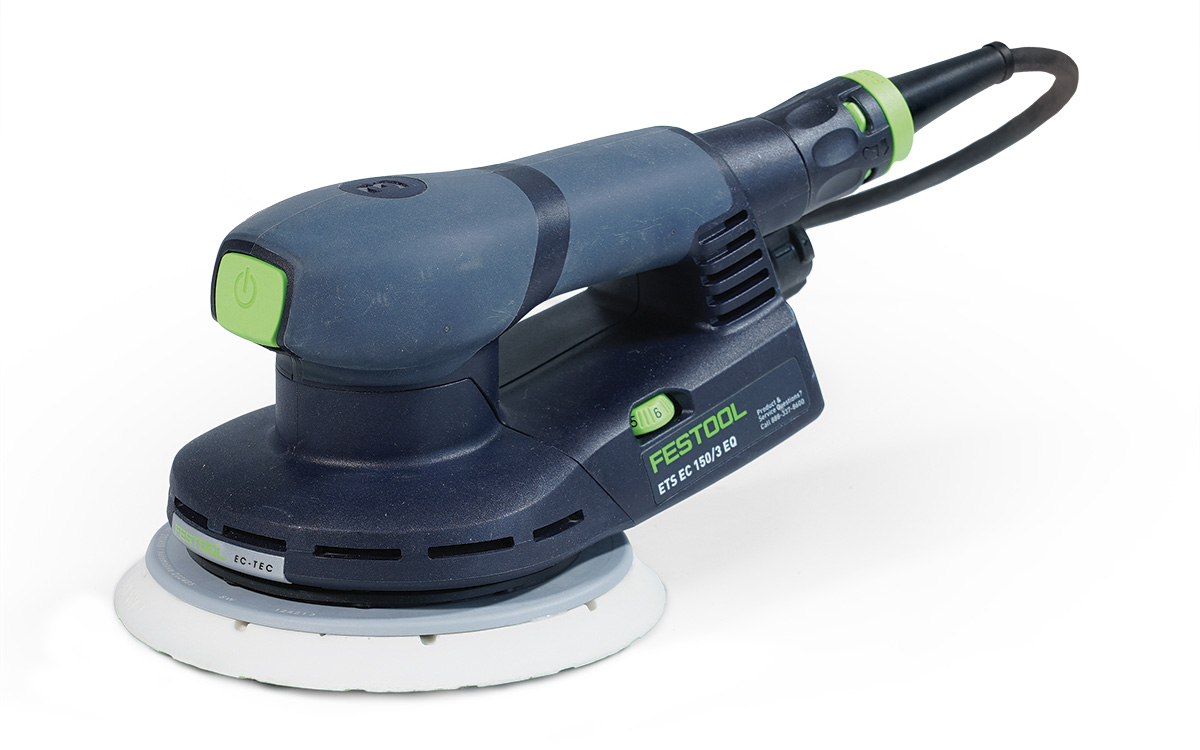
The 'low profile' sanders, conversely, offered significant ergonomic benefits. They were lighter, more comfortable for one-handed sanding, and better suited for delicate work, overhead tasks, and large surfaces like tabletops or stair treads where reduced fatigue is crucial. Although generally more expensive, their enhanced usability and precision were highlighted as key advantages. The Mirka DEROS 625X CV emerged as the top performer, being praised for its ease of use, ability to minimize fatigue, and exceptional finish quality. Its lightweight, low-profile design, DC brushless motor, and palm-activated paddle switch were noted as superior features, contributing to its effectiveness for both detailed and general sanding tasks. The Festool ETS EC, another low-profile model, was identified as a close second.
Among the 'tall profile' sanders, the Festool ETS 150 stood out as the most comfortable for one-handed use due to its lighter weight and smaller grip, despite its higher price point compared to other tall models. Other sanders reviewed included the Makita BO6030, Bosch GEX34-6, Ridgid R2611, and Metabo SXE 450 TurboTec. The Makita BO6030 demonstrated the worst performance in terms of finish quality, producing noticeable swirl inconsistencies, and had the smallest dust port. The Bosch GEX34-6, while having a high material removal rate, was criticized for its large size and uncomfortable grip, making it tiring for extended use. The Ridgid R2611, the heaviest sander tested, suffered from poor balance and dust collection, tending to rock or wobble during operation. The Metabo SXE 450 TurboTec offered an adjustable stroke size and a unique turbo mode, but its effectiveness in changing oscillation modes was not clearly discernible. The testing methodology for scratch patterns involved sanding plexiglass with different grits, while material removal was measured by weighing wood blanks before and after sanding for 30 minutes, followed by staining to reveal scratch patterns. The author, Stefan Straka, a cabinetmaker, emphasized that sanding speed is less critical than achieving a high-quality finish and maintaining comfort during long sanding sessions.
#RandomOrbitSanders #PowerTools #WoodworkingTools #SanderReview #ToolTesting #Cabinetmaking #FinishCarpentry #Ergonomics #DustCollection #RandomOrbitSanders #PowerTools #WoodworkingTools #SanderReview #ToolTesting #Cabinetmaking #FinishCarpentry #Ergonomics #DustCollection
 No comments yet
Cordless Random-Orbit Sanders

Vanish: The 66m Feadship designed for outdoor living

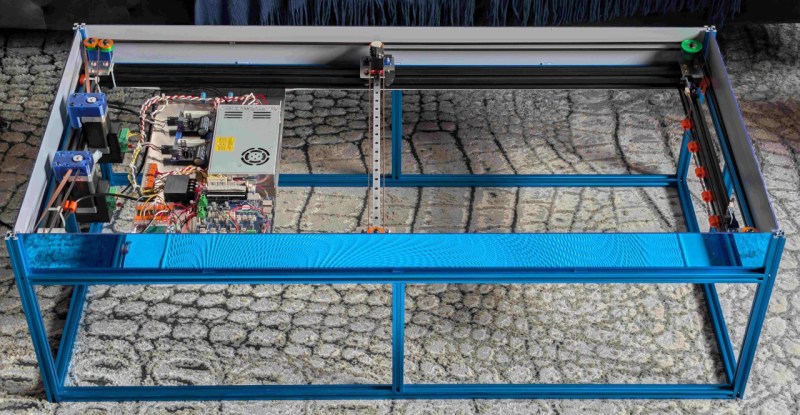
The Zen Must Flow From Arrakis Sand Table