toshiba lighting systems at milan design week 09
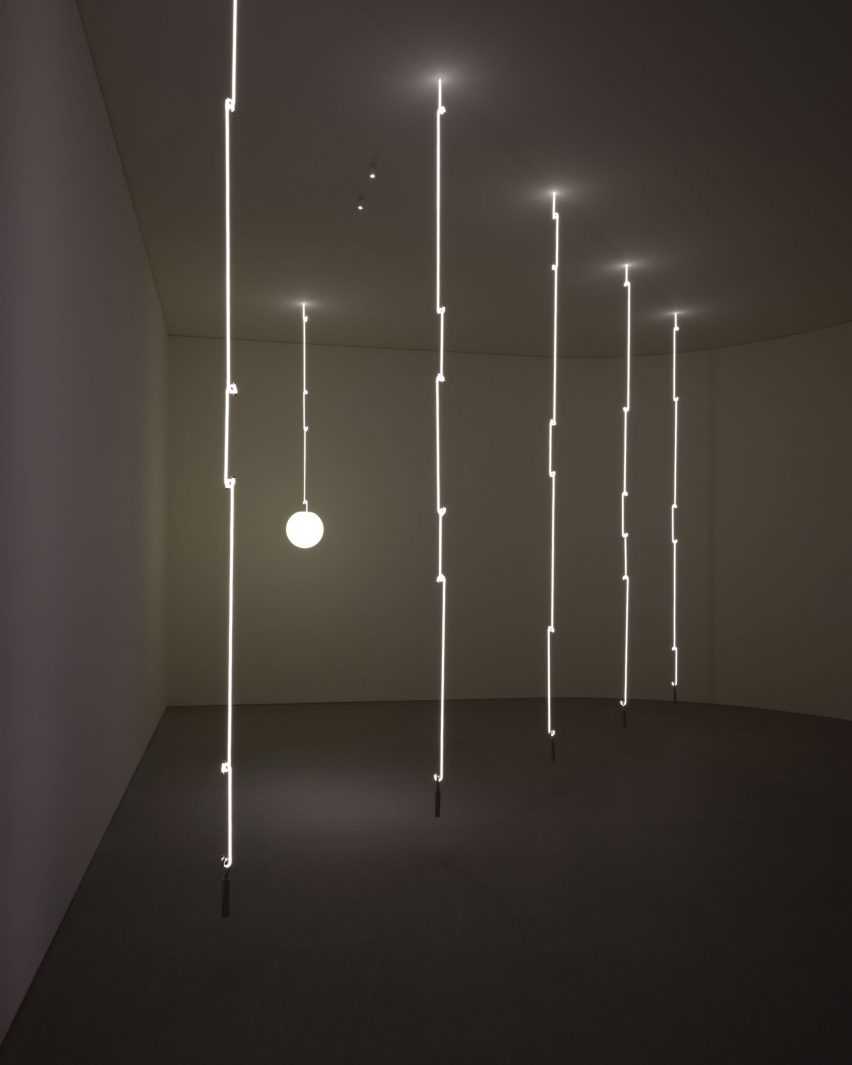
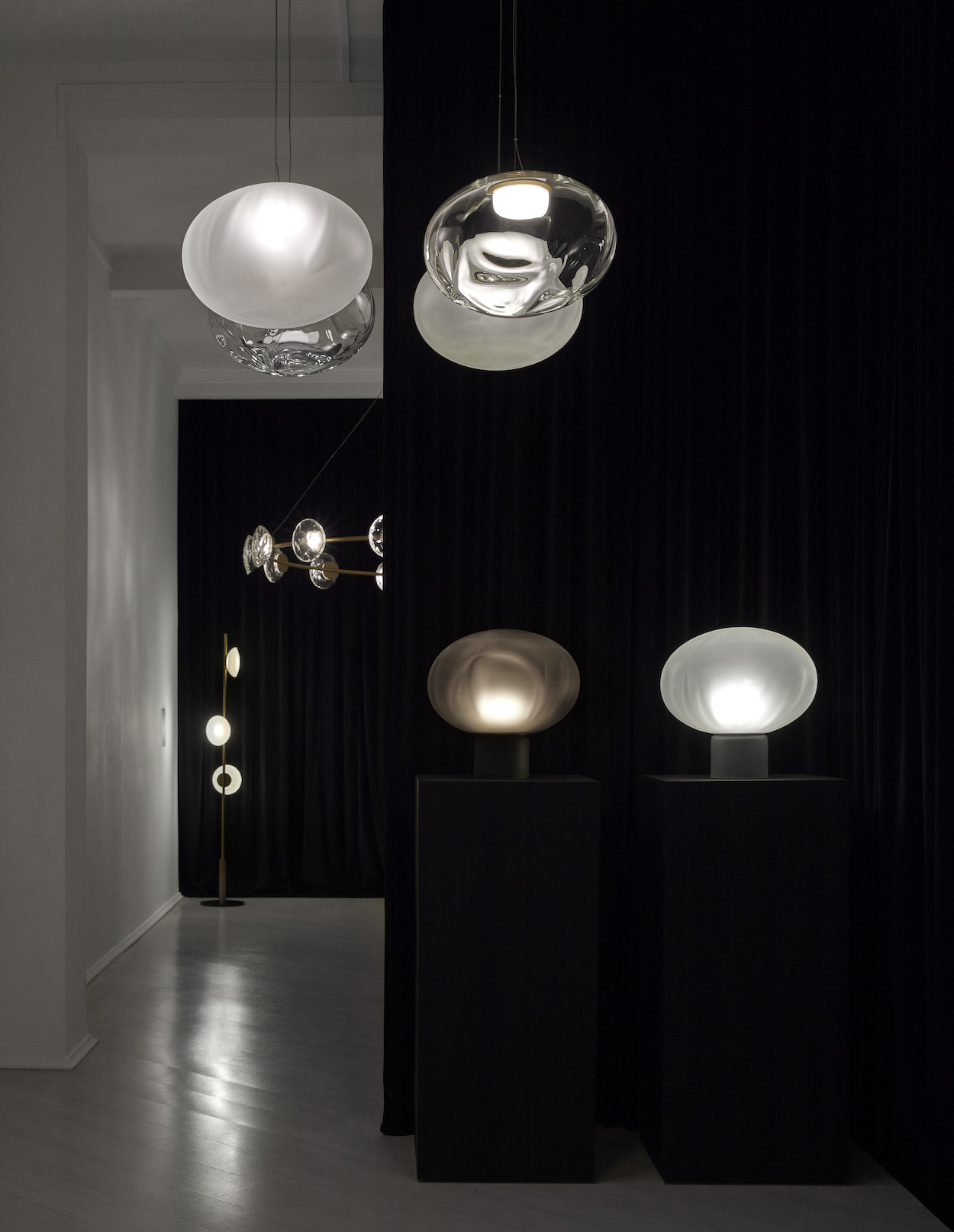
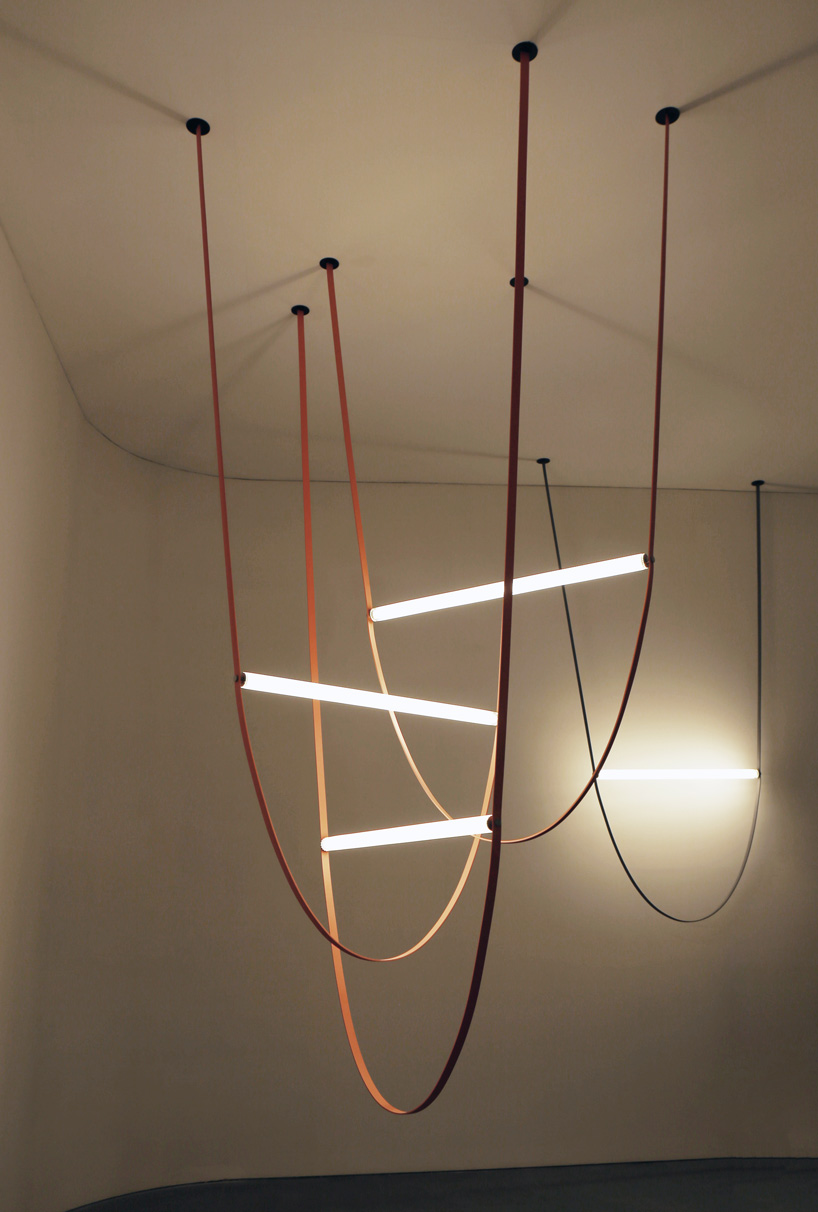
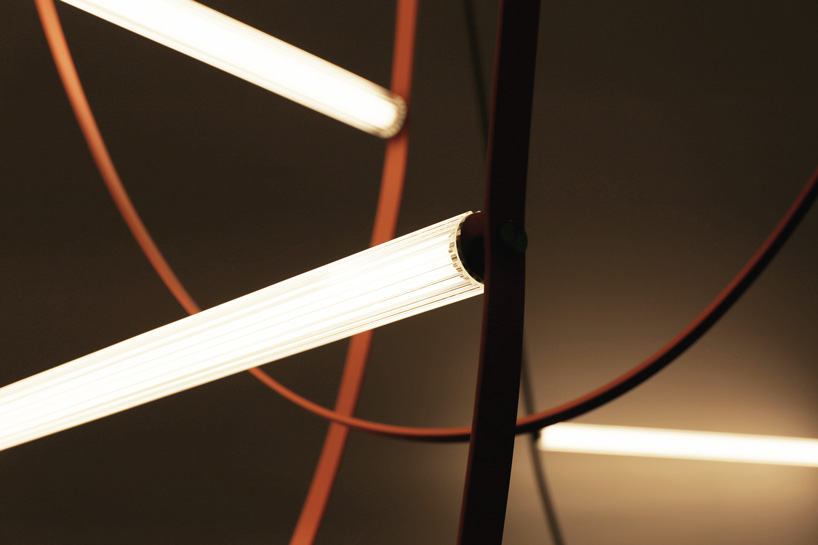
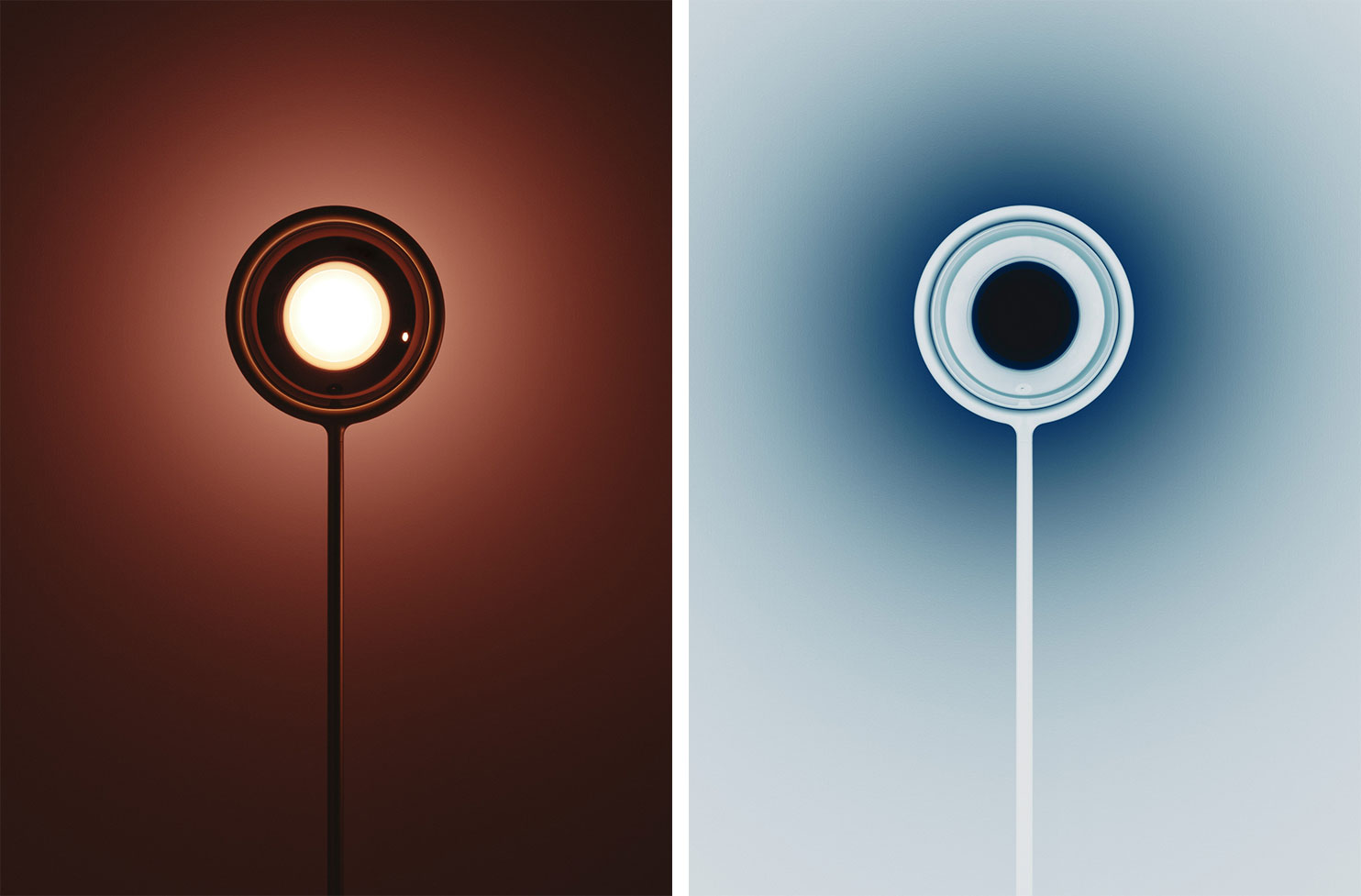
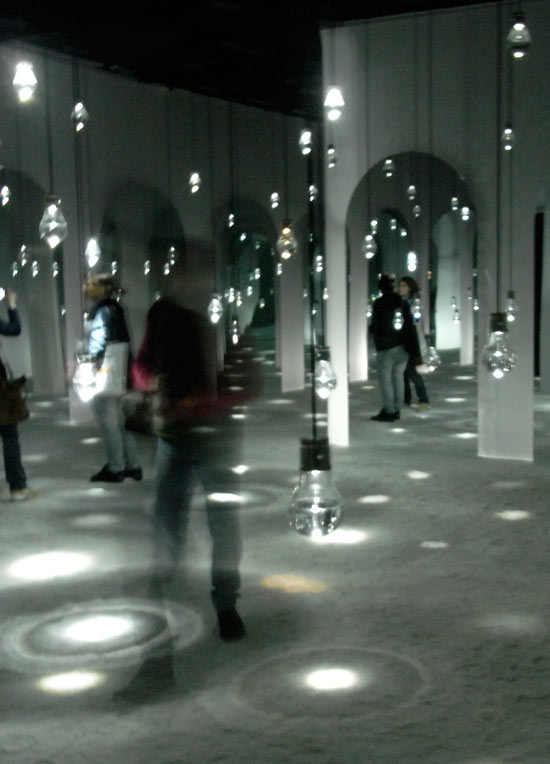
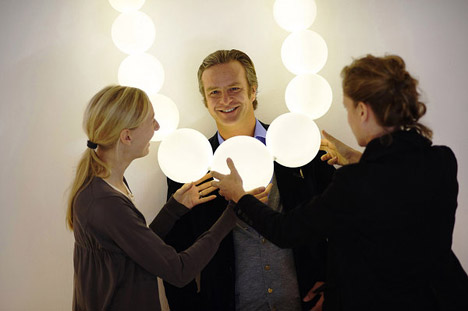
Toshiba Corporation established its lighting systems division in 2008, focusing on high energy efficiency and quality in practical lighting. Their LED product range includes light bulbs, downlights, base lights, and street lights. At Milan Design Week 2009, Toshiba showcased an innovative installation designed in collaboration with Takram Design Engineering and architect Ryo Matsui. The exhibition featured pear-shaped light objects, which were enveloped by arches of mirrors. These elements were arranged in a curve, intended to symbolize a window bridging the past and the future. The installation incorporated LED lights embedded within the pear-shaped objects. These lights were programmed to increase in brightness as individuals approached them and to pulsate, creating a dynamic and lifelike effect. This interactive display aimed to provide both a visual and tactile experience, fostering an emotionally engaging environment for visitors.
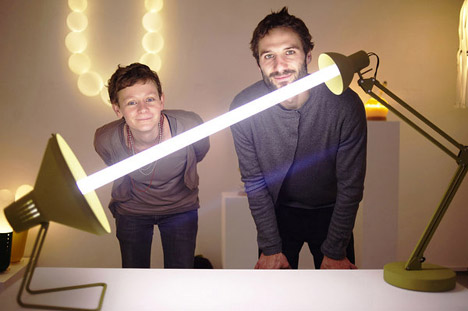
Key exhibits included a touch-sensitive light bulb that vibrated upon contact, adding a unique interactive dimension to the lighting experience. The collaboration involved key figures such as Kinya Tagawa of Takram Design Engineering, Ryo Matsui, and Noriaki Baba of Toshiba. This partnership brought together expertise in design, architecture, and lighting technology to create a cohesive and impactful presentation. The exhibition also highlighted several innovative lighting products developed by Toshiba. Among these was 'Card,' a desk light designed with portability and Japanese simplicity in mind, capable of folding into the shape of a card. This product exemplified minimalist design and functional innovation, offering a compact and elegant lighting solution for various settings.
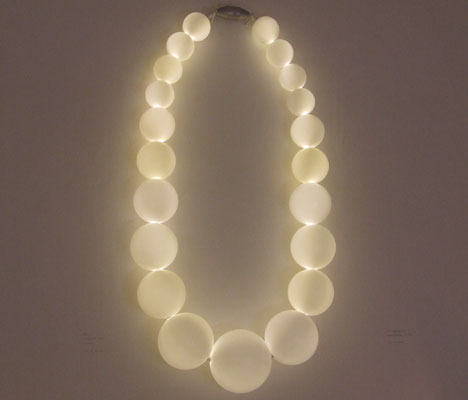
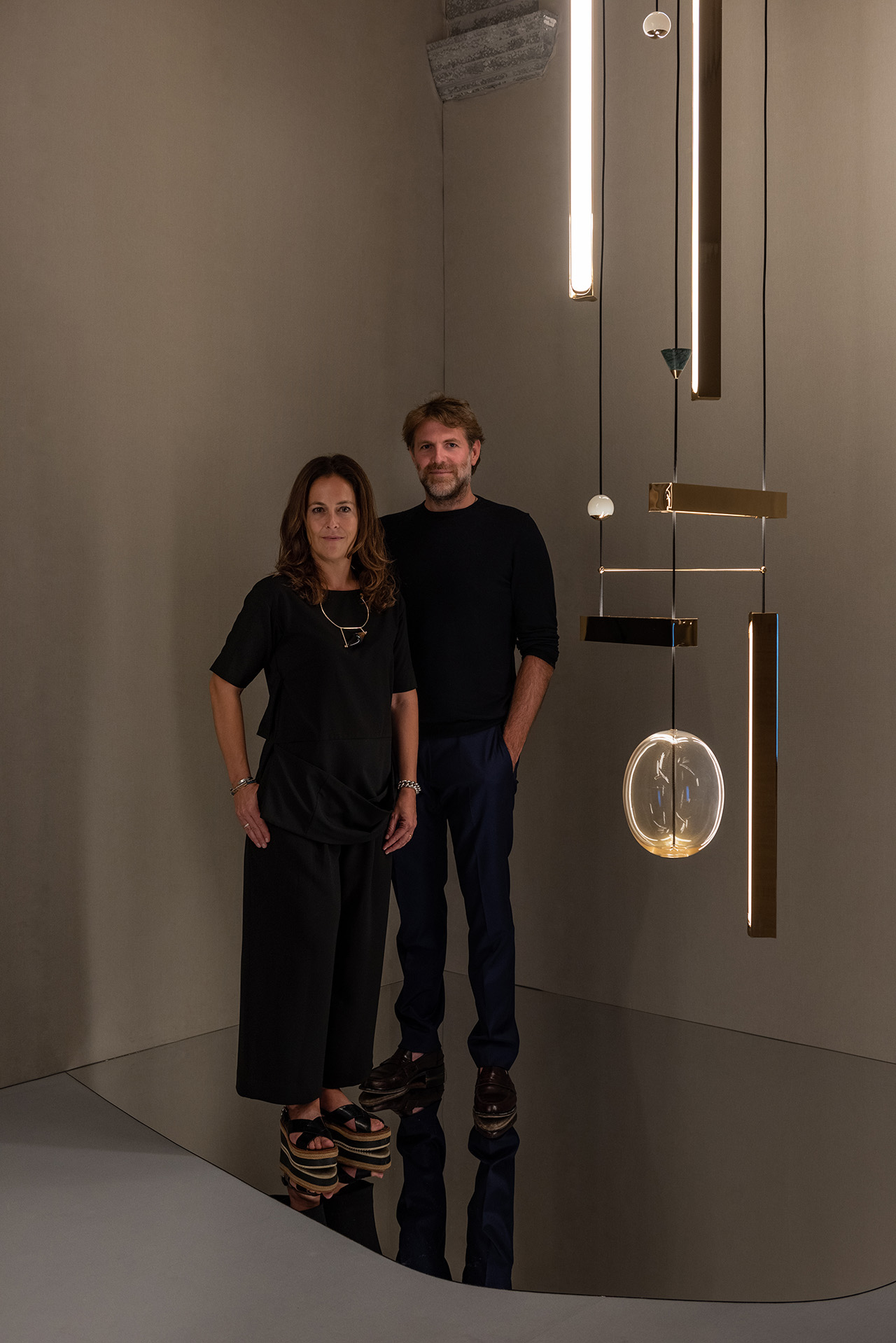
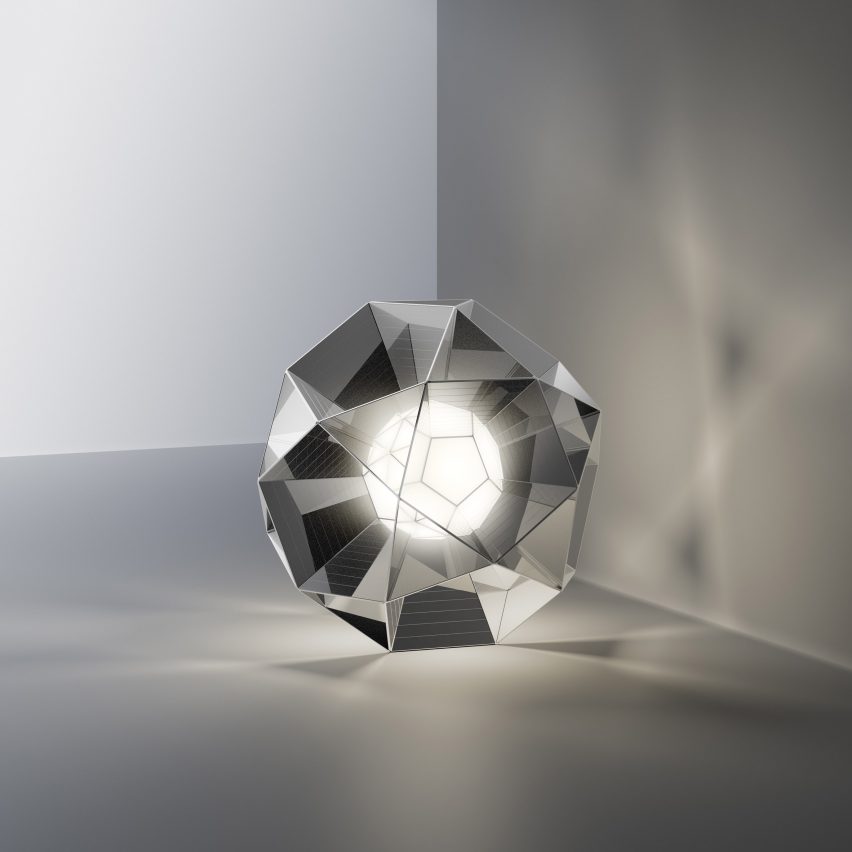
Another featured product was 'Cocktail,' presented with intricate details that showcased advanced lighting aesthetics and engineering. The 'Jewel' lighting system also demonstrated sophisticated design, emphasizing precision and visual appeal. The 'Planet' lighting system was particularly notable for its unique design, featuring a mirror patterned with a starry night image. This mirror twinkled when illuminated from behind, with the indirect lighting cast against the wall further enhancing the celestial effect. This design created an immersive visual experience, transforming ordinary spaces into ethereal environments. The installation also featured portraits of the key collaborators, including Kinya Tagawa, Ryo Matsui, Noriaki Baba, and Kotaro Watanabe of Takram Design Engineering, acknowledging their contributions to the project.
Overall, Toshiba's presence at Milan Design Week 2009 underscored its commitment to advancing LED lighting technology and design. The exhibits demonstrated the company's focus on integrating energy efficiency with aesthetic and interactive elements. The interactive installation and new product designs showcased Toshiba's vision for future lighting solutions, emphasizing both functional improvements and enhanced user engagement through innovative design and technological integration. The Milan Design Week platform allowed Toshiba to present these advancements to a global audience, highlighting the potential for LED technology to create more dynamic, efficient, and emotionally resonant lighting experiences.
#Toshiba #MilanDesignWeek #LEDLighting #LightingSystems #DesignExhibition #InteractiveInstallation #TakramDesignEngineering #RyoMatsui #ProductDesign #Toshiba #MilanDesignWeek #LEDLighting #LightingSystems #DesignExhibition #InteractiveInstallation #TakramDesignEngineering #RyoMatsui #ProductDesign
0 comment in total
 No comments yet
You may also like
Lee Broom Takes His Latest Lighting Collection on the Road

Japan in Milan! See the highlights of Japanese design at Milan Design Week 2025

Lasvit brought forest, fabric and frozen light to Euroluce 2025
DFA world's outstanding chinese designer tino kwan lets us into a world of lighting artistry
Twelve of the best new lighting designs at Milan design week
Add These Installations To Your Milan Design Week Itinerary

designboom's ultimate guide to milan design week 2025
Moss-Core, Squishy Shapes, and 6 Other Trends We’re Super Excited About Right Now
Vienna Design Week 2010: The Bulb Fiction Show

tanay kandpal's ivory wood lamps reclaim south asian heritage within contemporary design
Japan’s best and brightest designers set to shine in Milan
Best new lighting designs to brighten up your space
tokyo fiber '09 senseware' exhibition at milan design week
Fragments of Infinity Puts All Eyes on Giopato & Coombes’ Lighting
pinball corridor introduces visitors to flos' iconic designs and new pieces at salone del mobile
Lucifer Lighting's fixtures are designed to ‘define and disappear’

Japan in Milan: the best of Japanese design at Milan Design Week 2024
Ten notable furniture designs by architects from Milan design week
Finding your way back to wonder through Lodes’ luminous landscapes

Salone del Mobile’s Most Inviting Design Element: Food (Published 2016)