1/6
6 clever ways to upcycle leftover decorating materials: to save money and be more eco-friendly
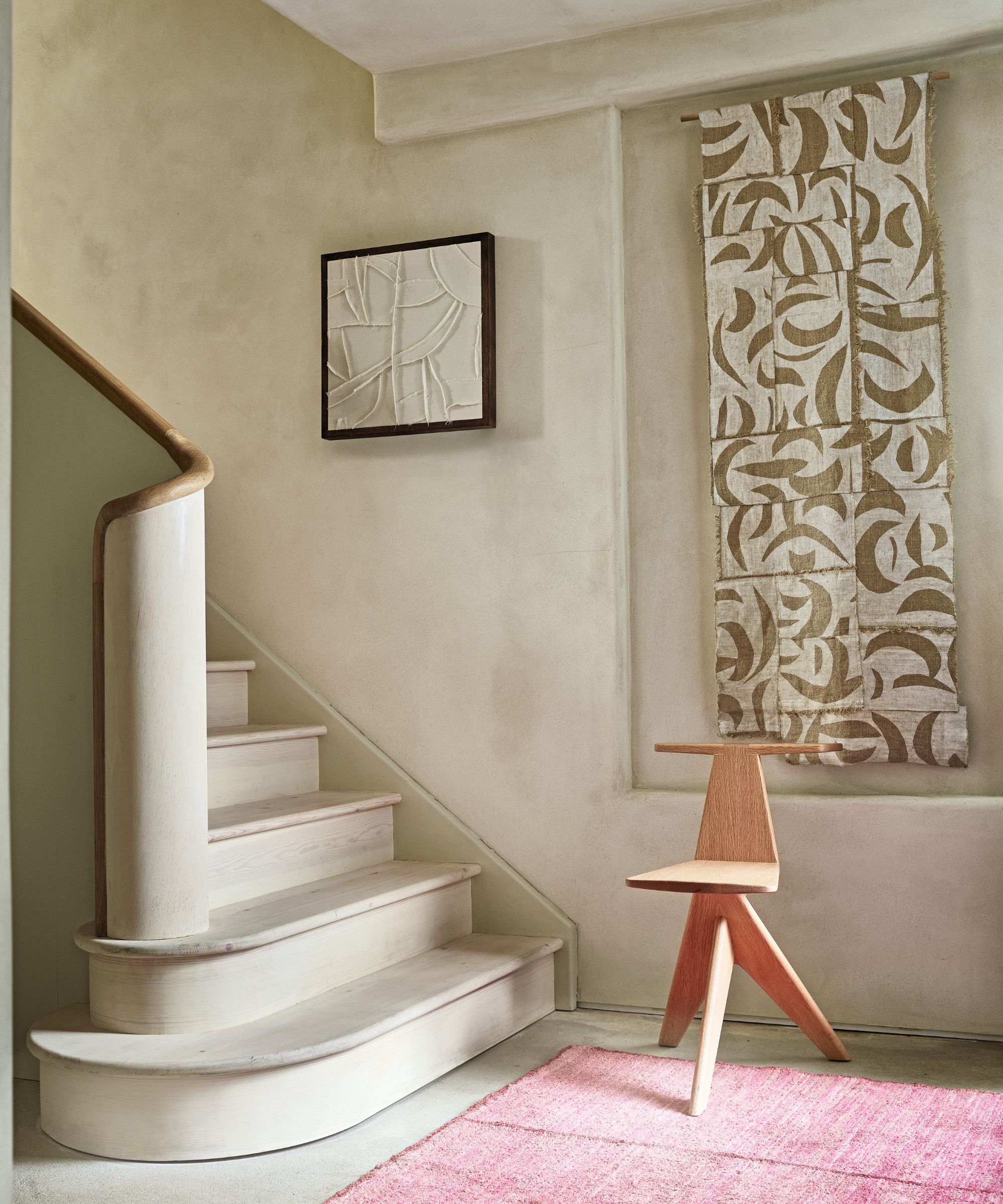
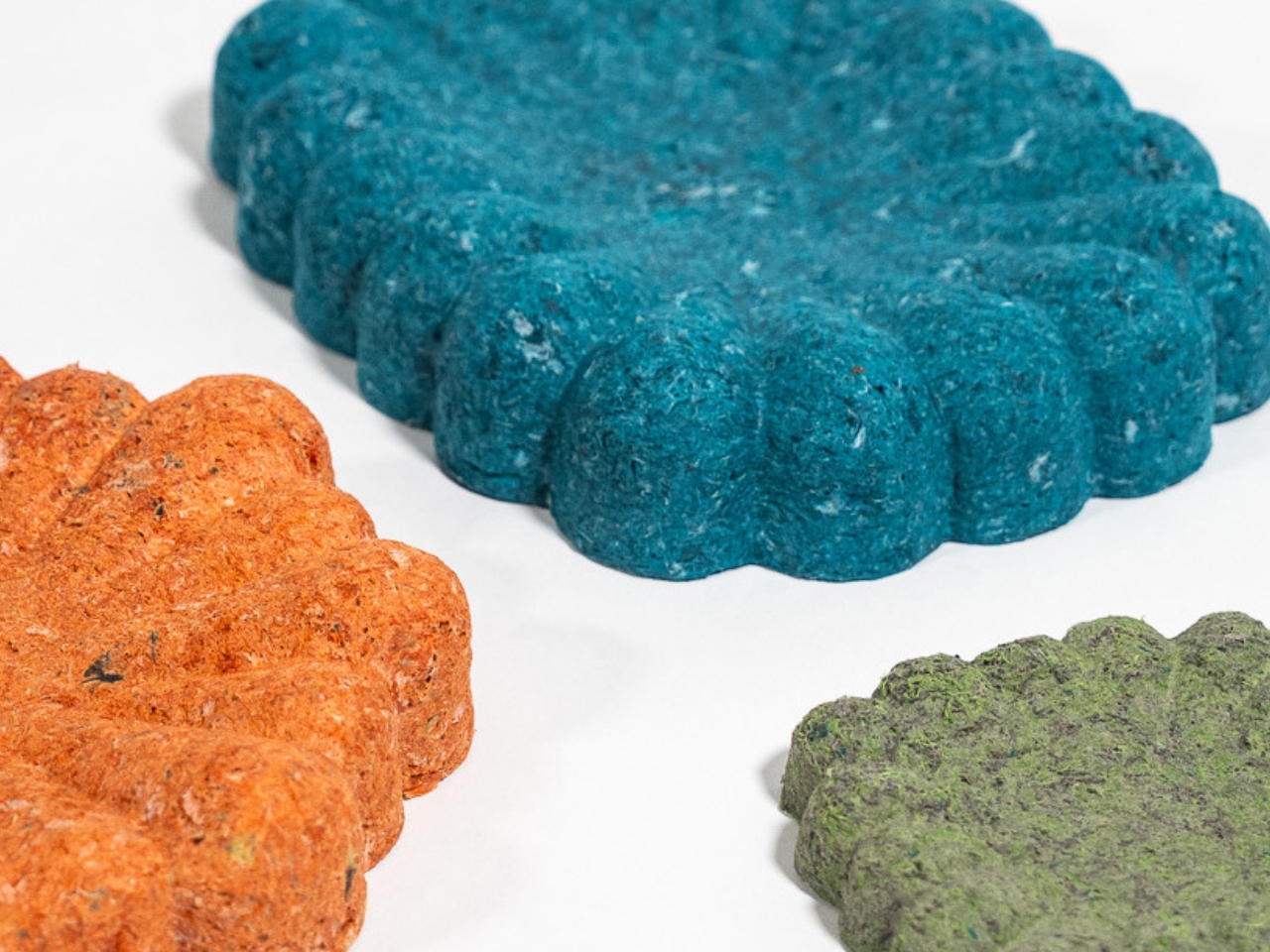
This article explores six ingenious methods for repurposing leftover decorating materials, promoting both financial savings and environmental sustainability in home interior projects. As resources are finite, minimizing waste by reusing materials is crucial. The piece emphasizes changing consumption habits to reduce waste, particularly highlighting offcuts that often go unused.
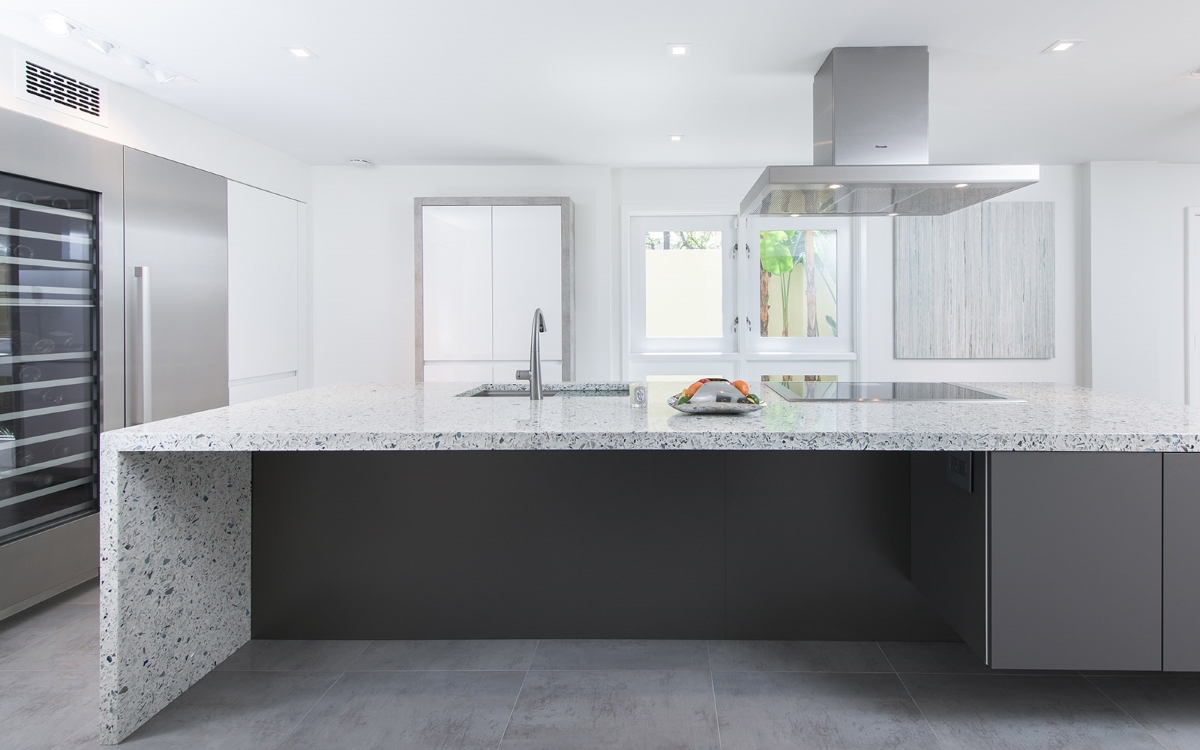
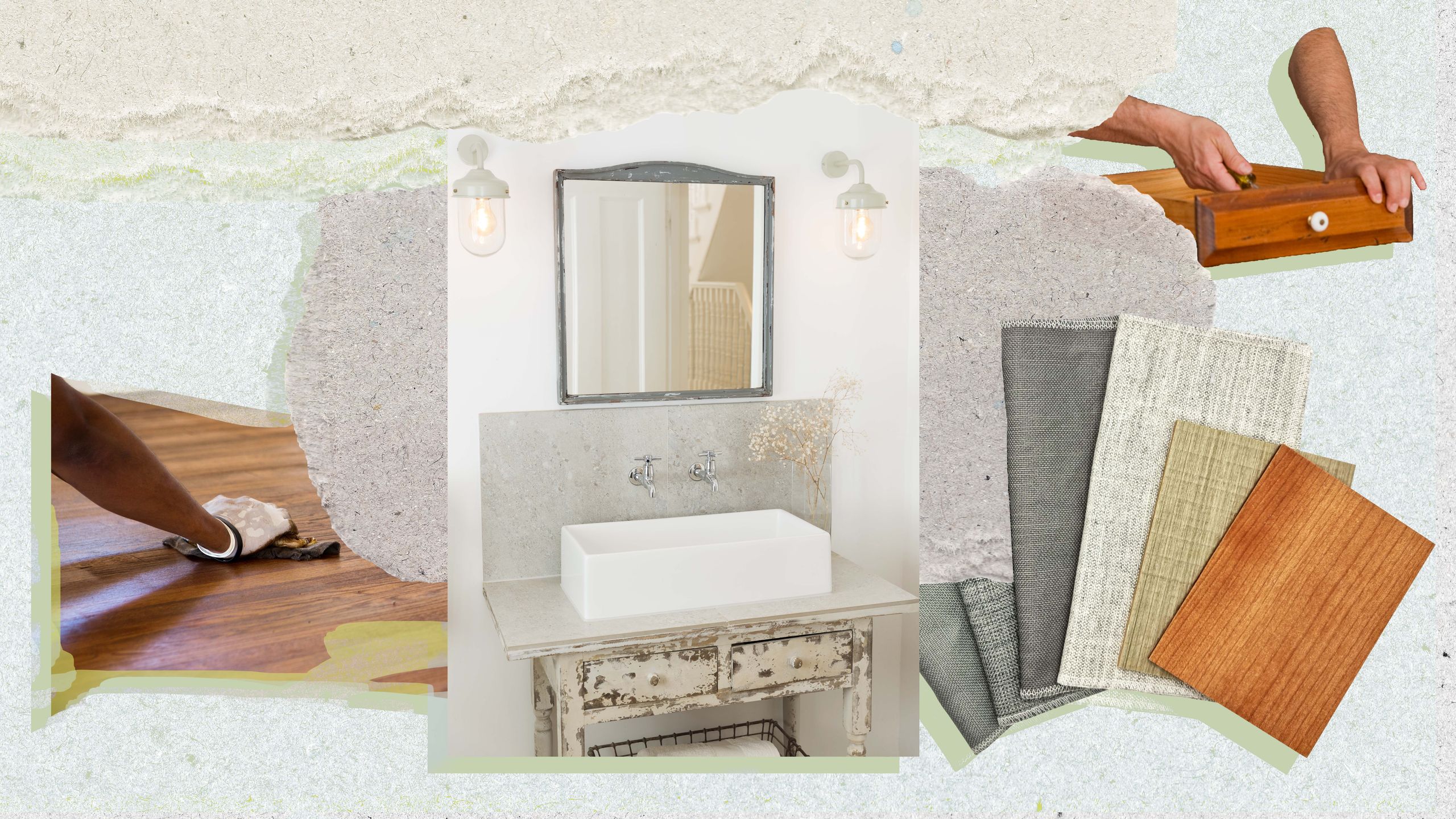
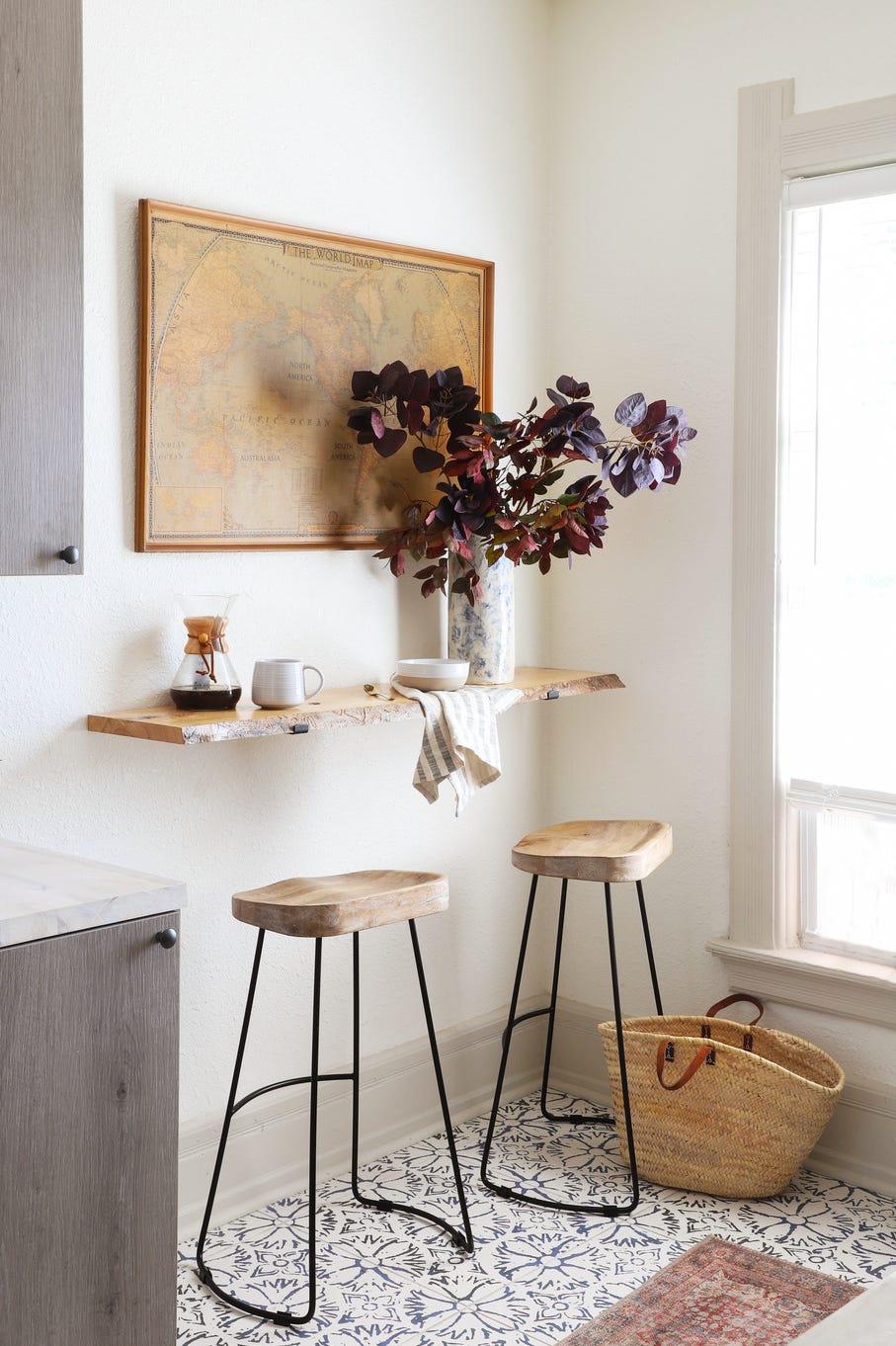
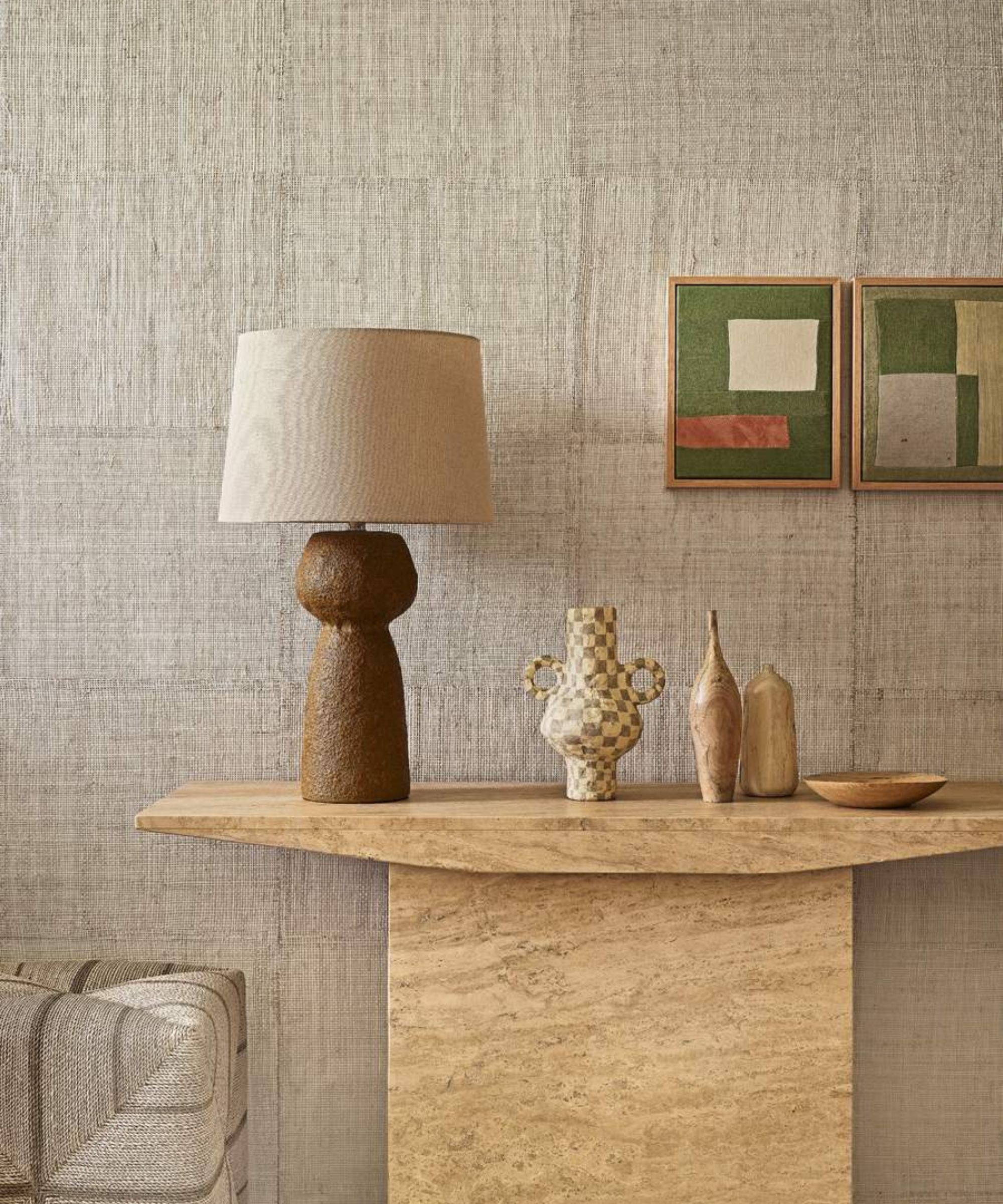
One approach involves rethinking the use of stone, especially in kitchens. Instead of traditional upstands from stone offcuts, the article suggests opting for more renewable materials or entirely omitting them. Small stone or marble offcuts can be saved to create practical shelves for kitchen essentials near the hob, optimizing material usage.
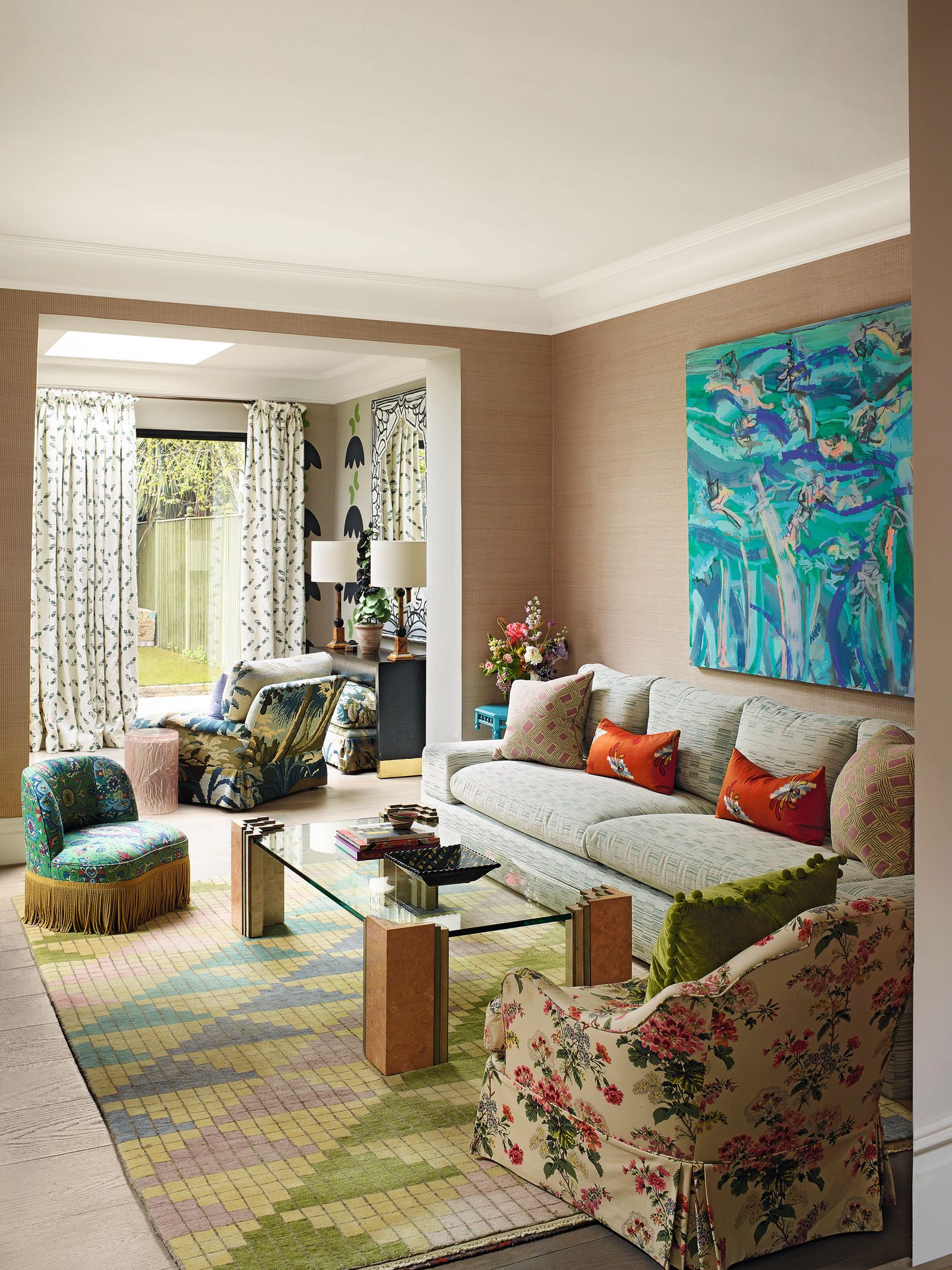
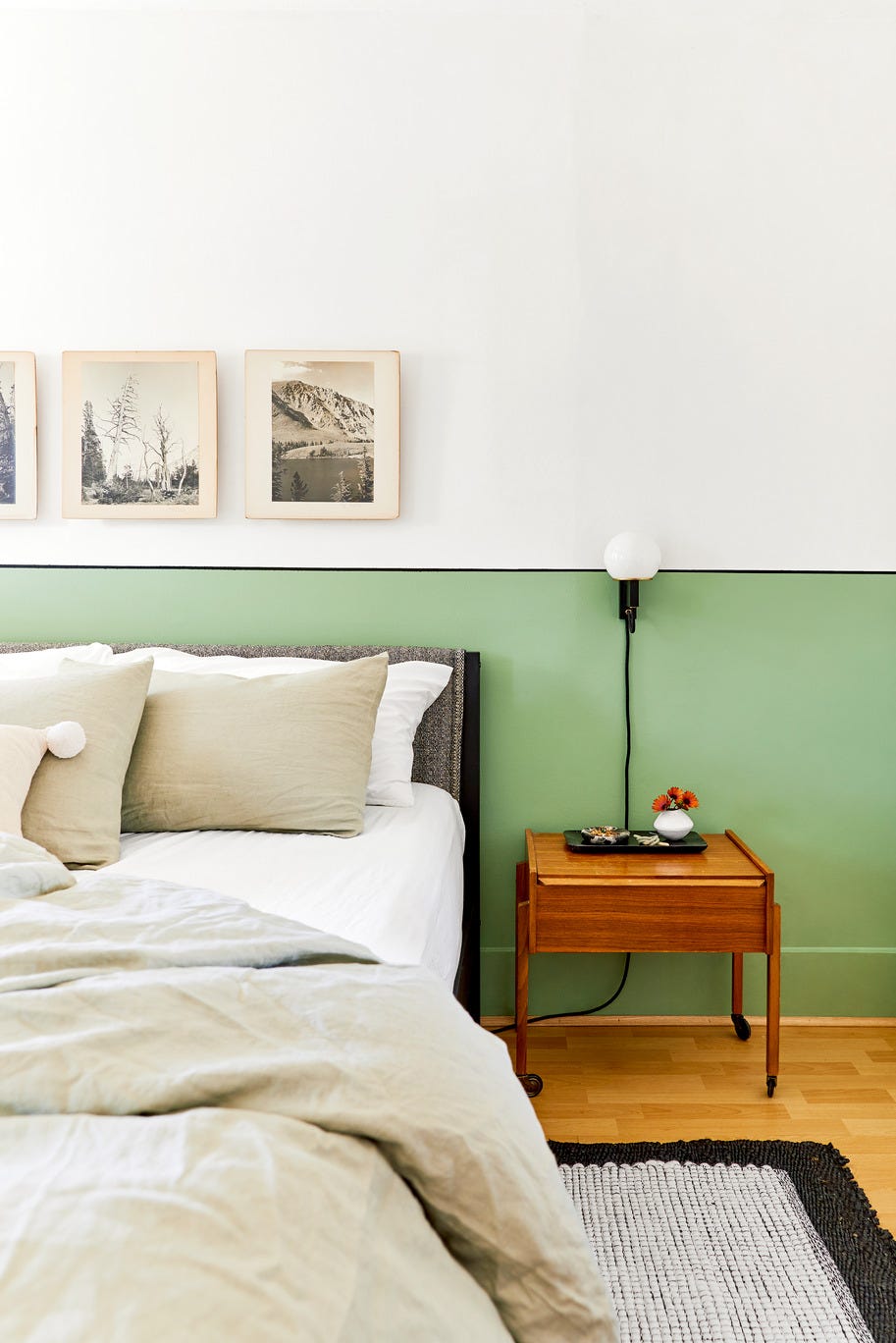
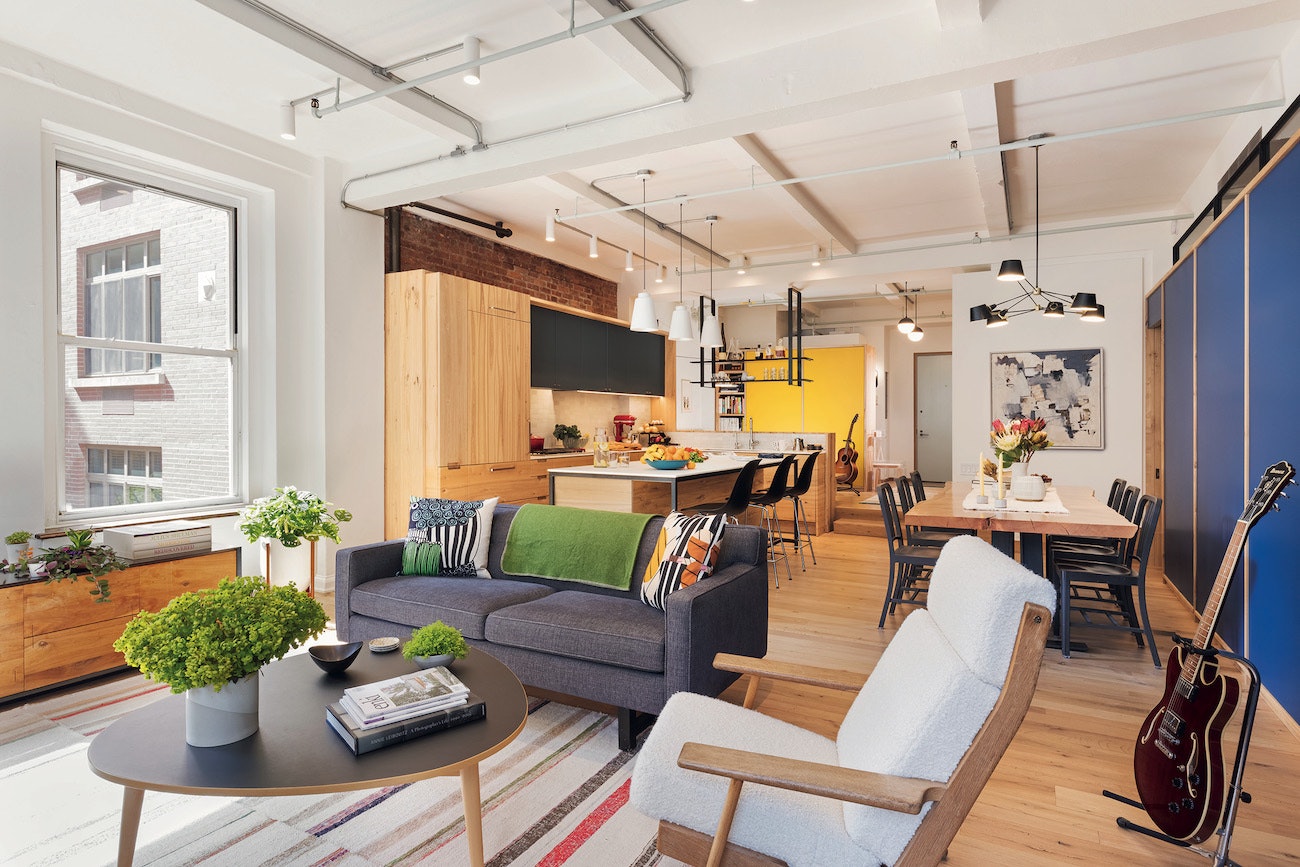
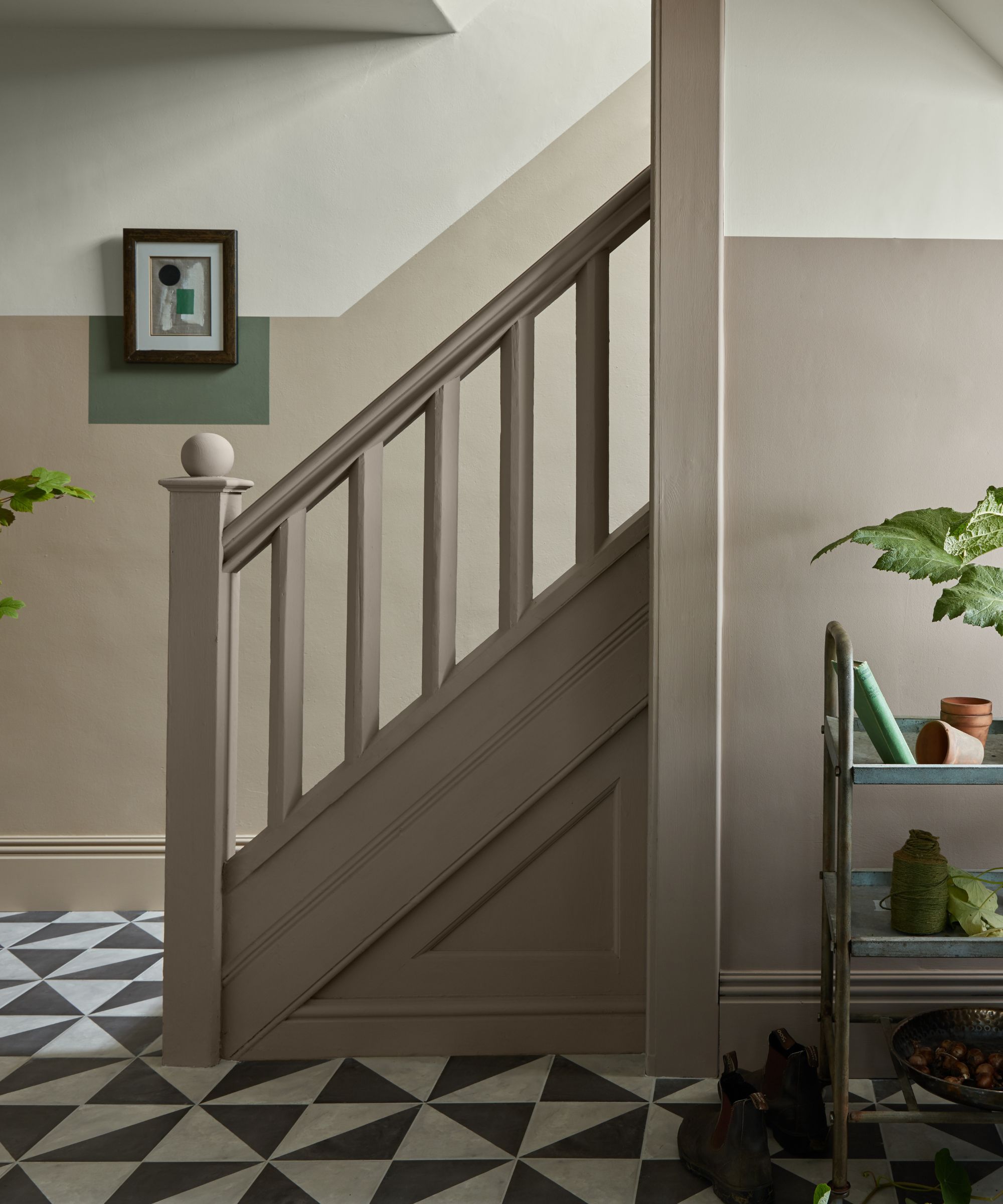
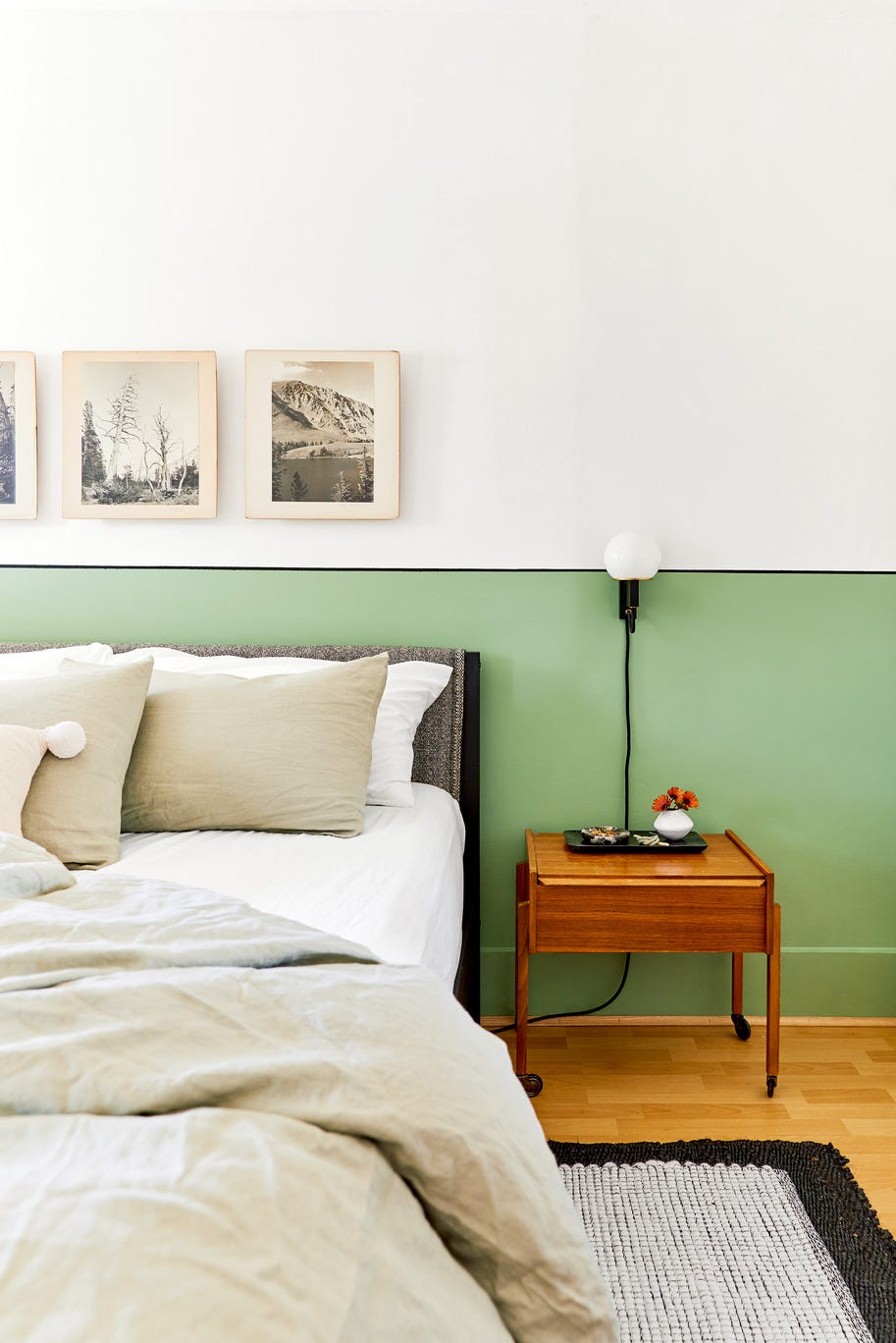
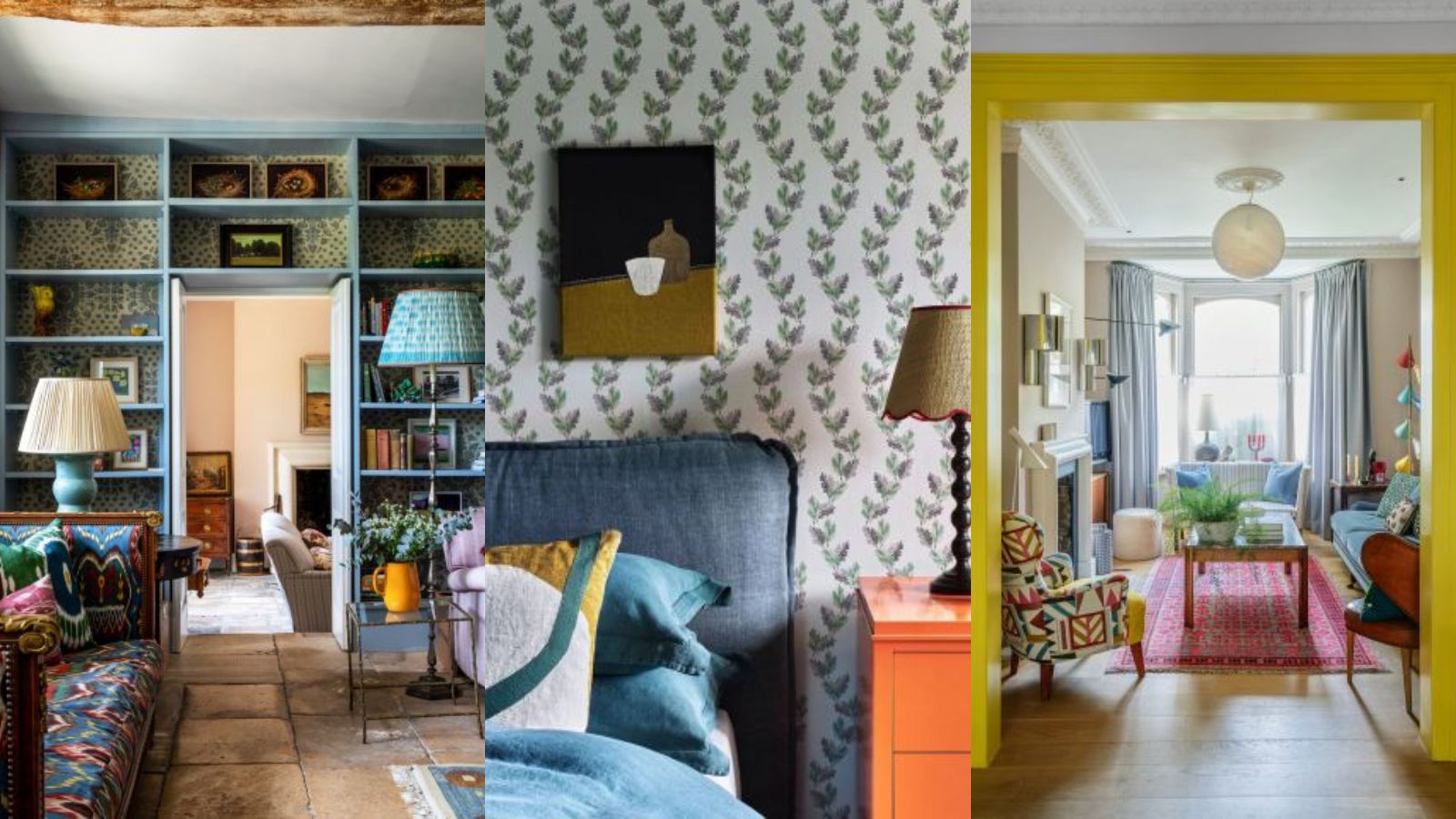
Clever utilization of leftover paint is another key strategy. While using eco-friendly paints initially is beneficial, residual paint can be applied creatively. Painting a single area in another room with leftover paint can introduce a striking splash of color, especially when aligned with a whole-house color scheme for a cohesive design. An example cited is a living room with a bright citric yellow door trim, demonstrating how a small detail can make a significant impact.
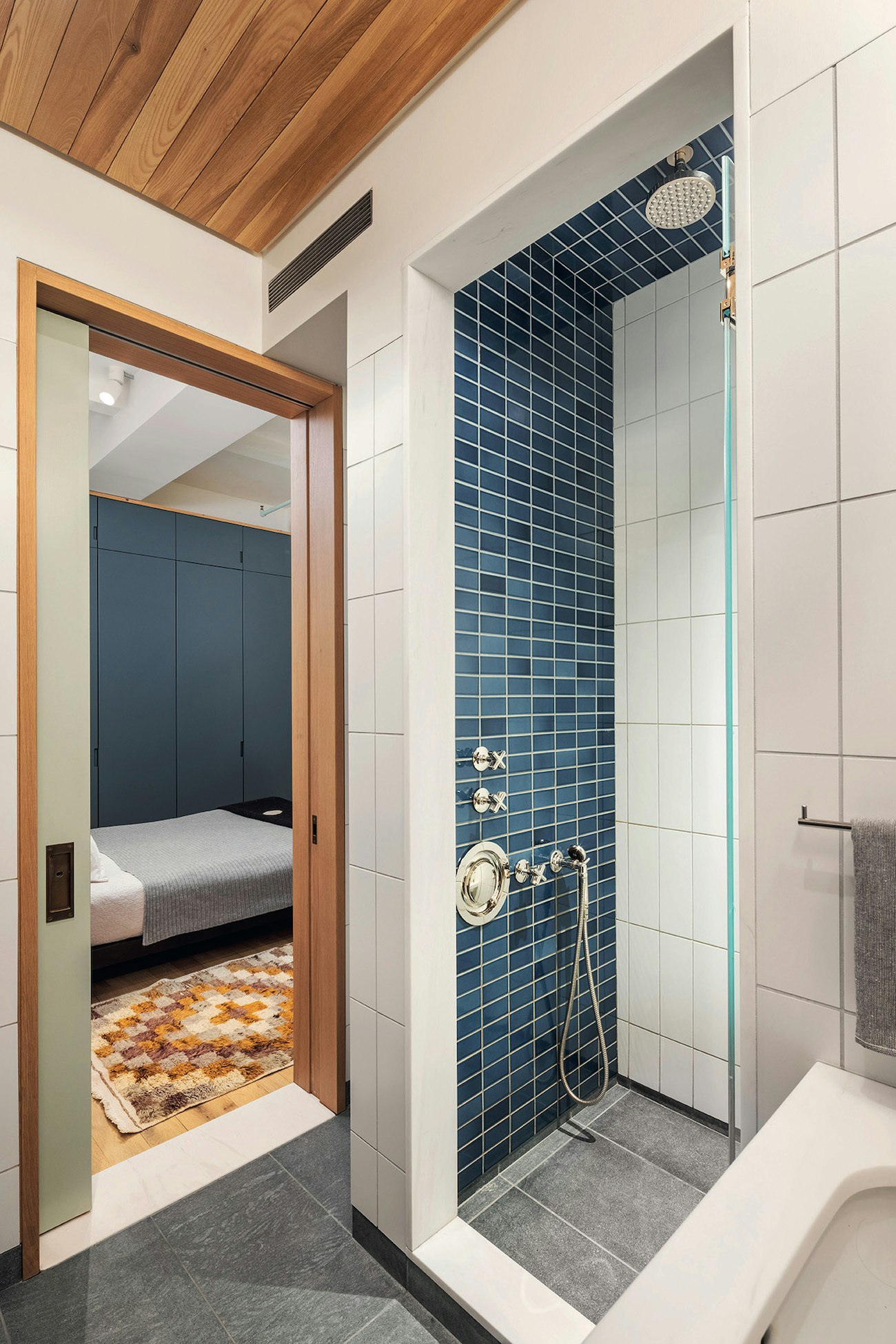
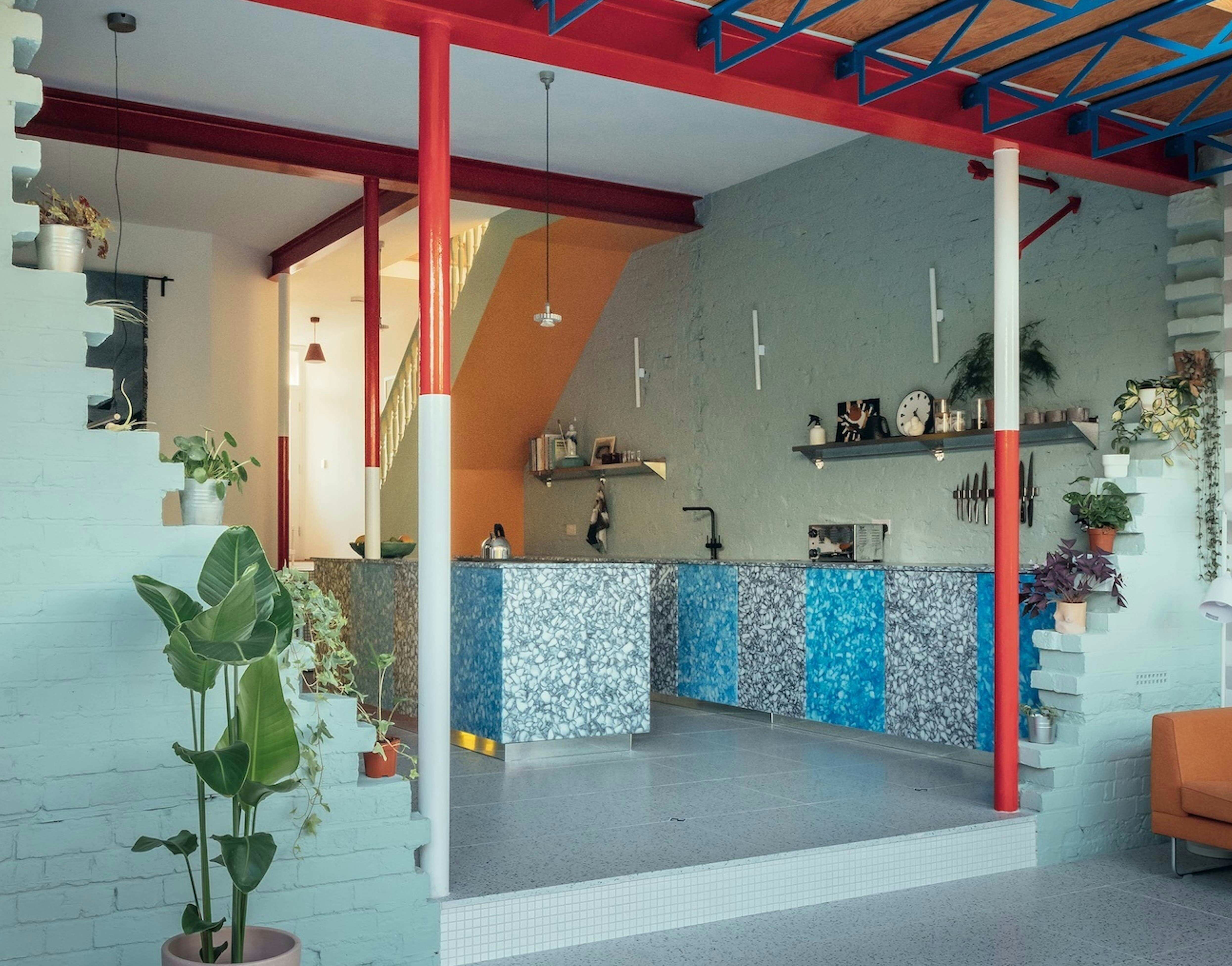
The article also addresses the imaginative reuse of leftover tiles. Rather than discarding extra or broken tiles, they can be incorporated into various design elements. Options include decorative stair treatments or inserting tiles into joinery pieces, such as closet doors, to add visual interest. Mirror or stone pieces, or contrasting timbers, can also be used in a similar fashion to enhance aesthetics.
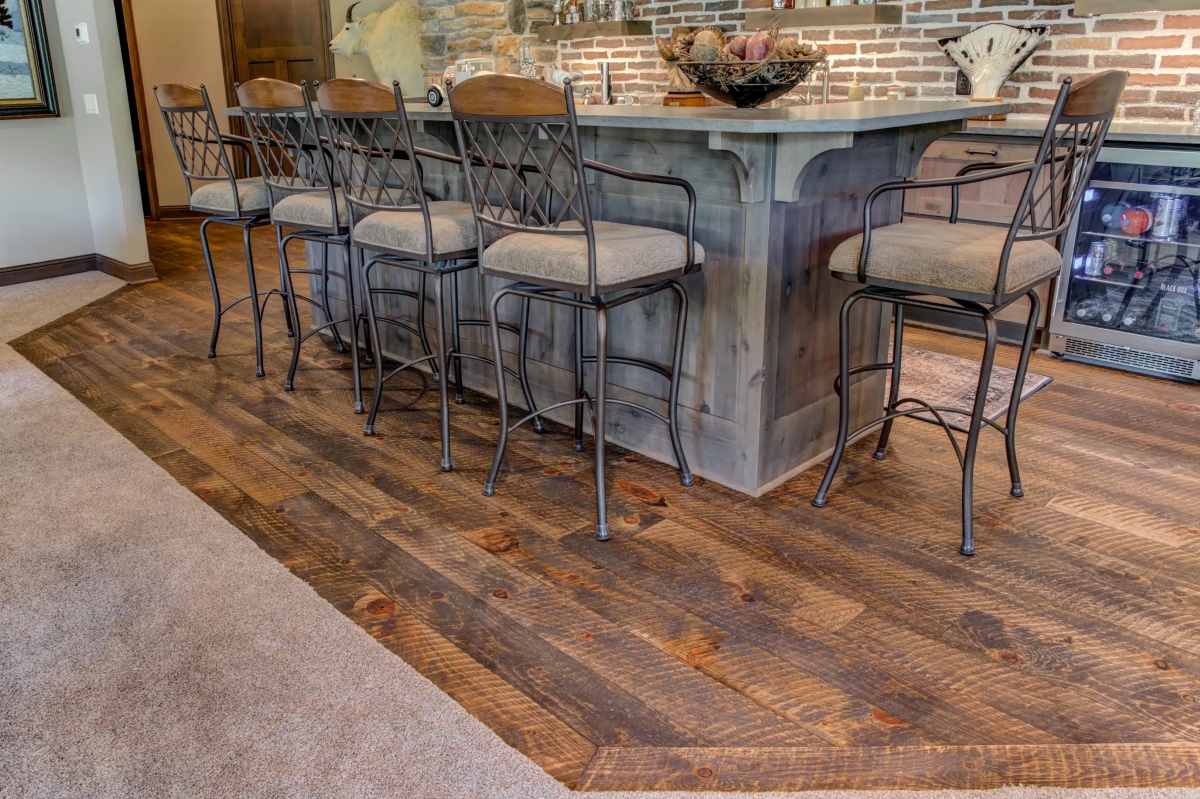
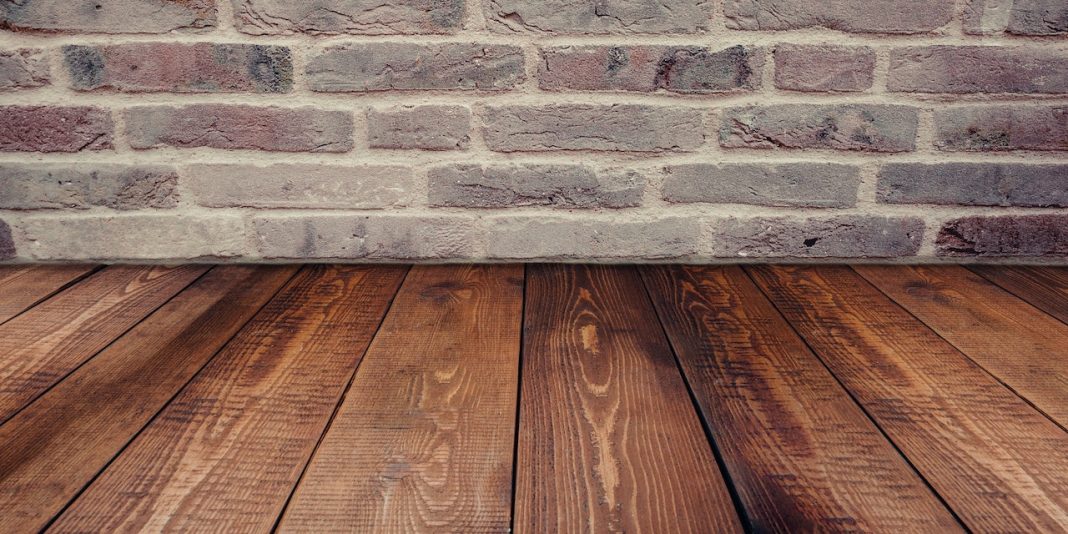
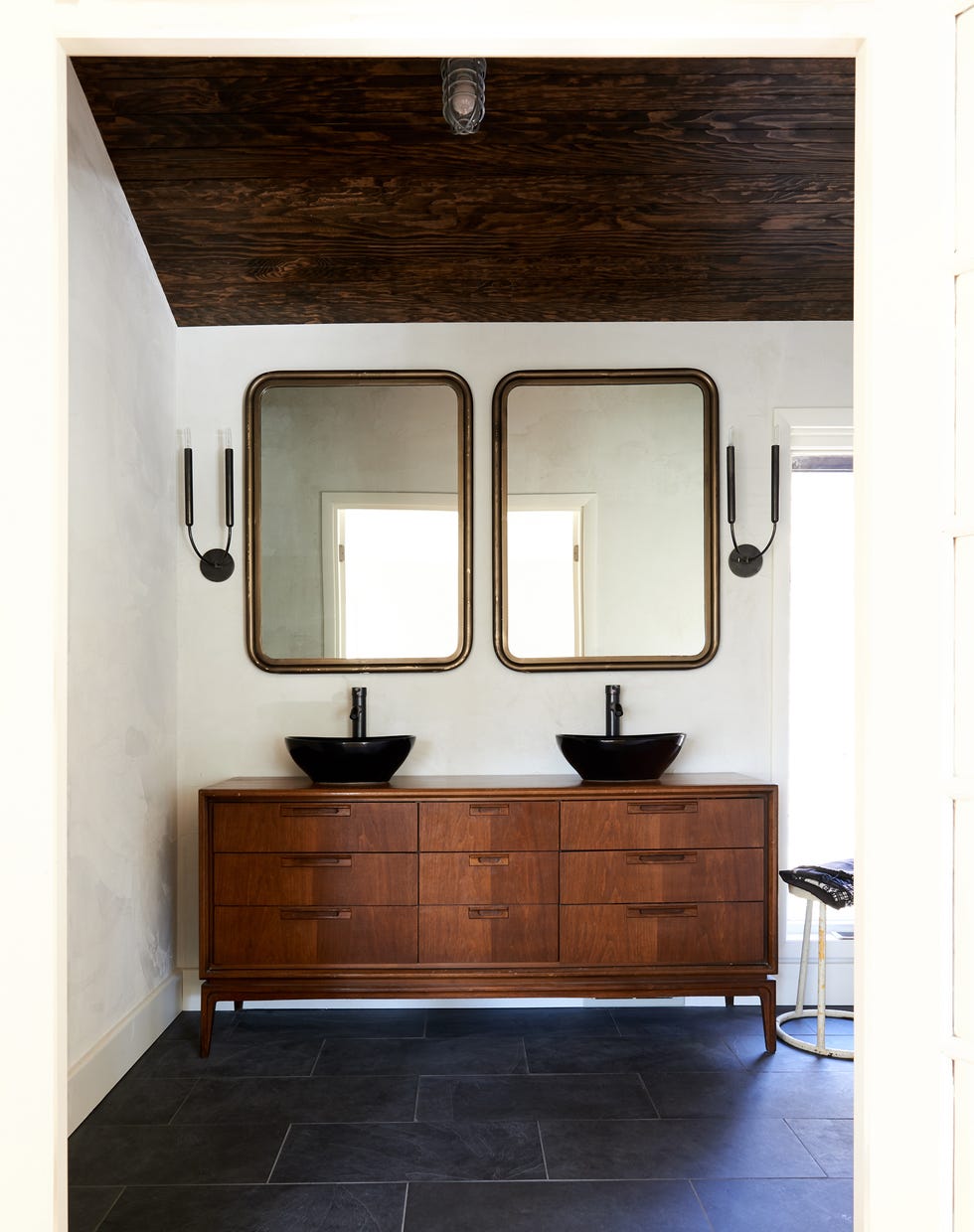
Furthermore, repurposing unused timber flooring or cladding is presented as an effective waste reduction method. Leftover wood can be transformed into new furniture, or used for cladding or flooring in smaller spaces. An innovative technique mentioned is cutting parquet thinly to create light marquetry, forming decorative geometric panels that are visually engaging.
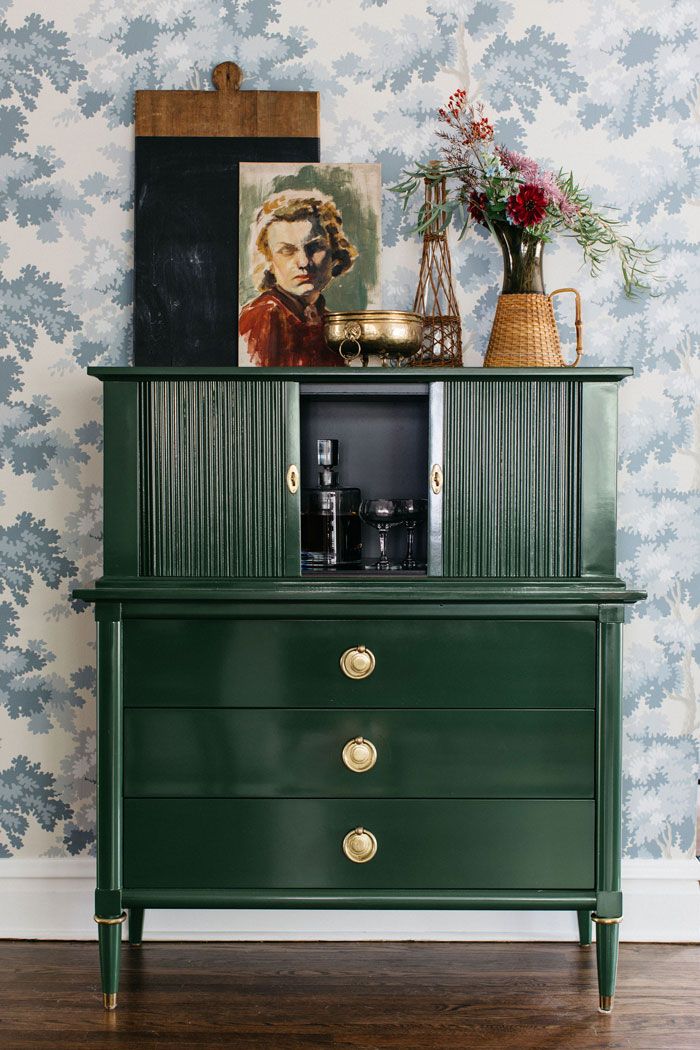
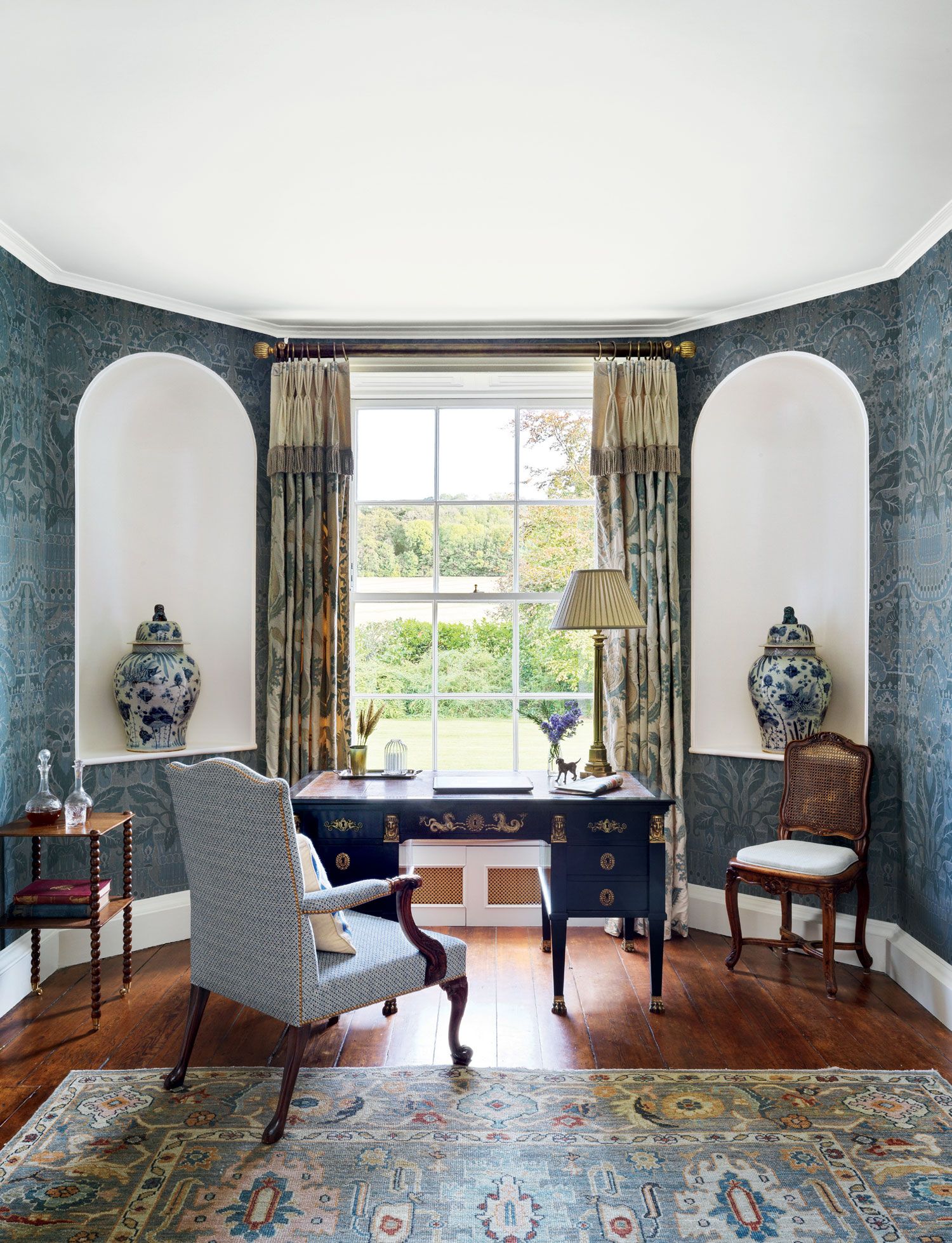
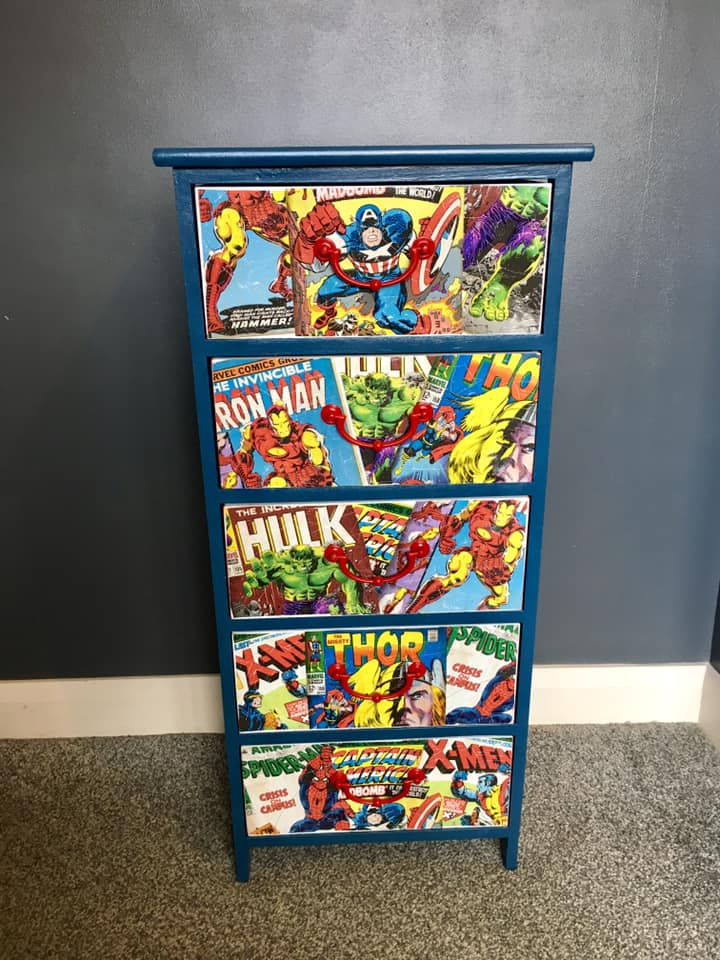
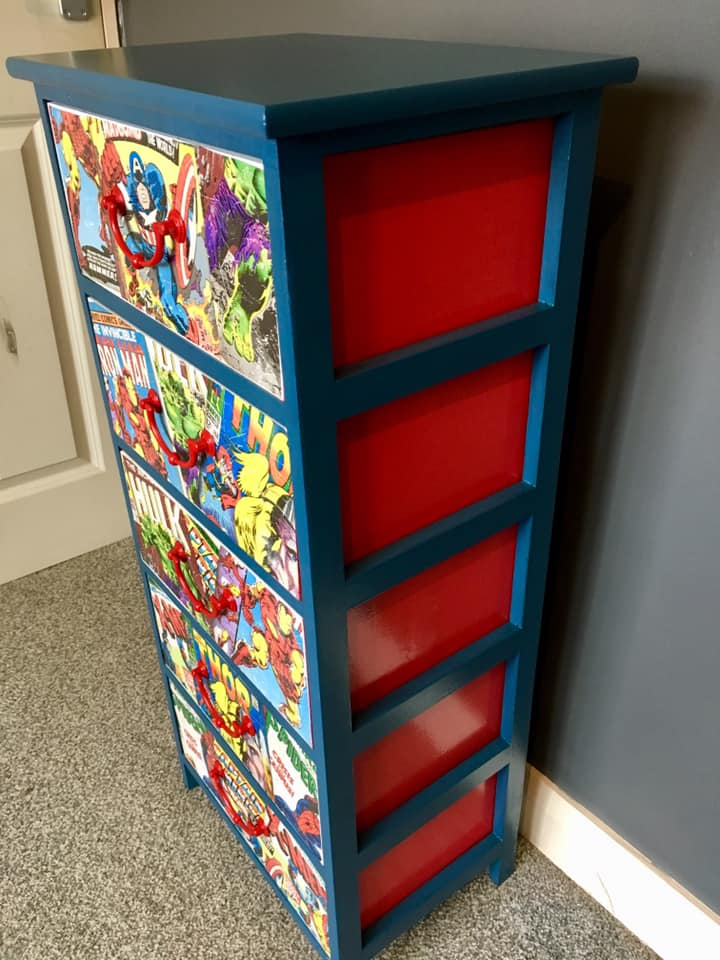
For wallpaper, which can be a significant investment, the article advises against waste by utilizing offcuts or leftover rolls. These can be used to line the backs of bookcases or drawers, making a considerable impact with minimal material. This method transforms otherwise overlooked areas into decorative features.
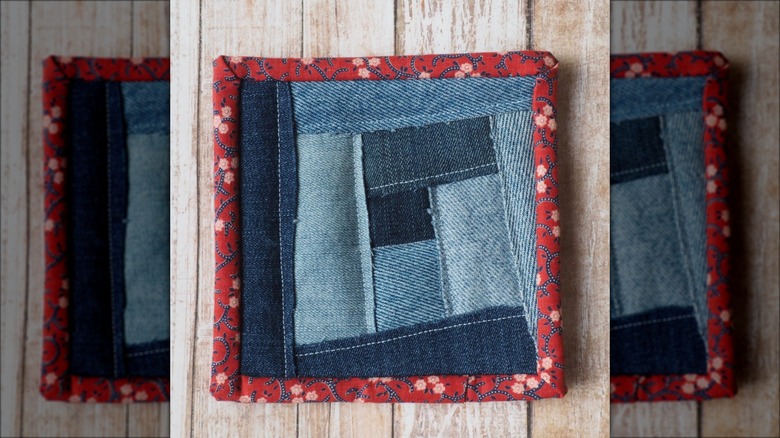
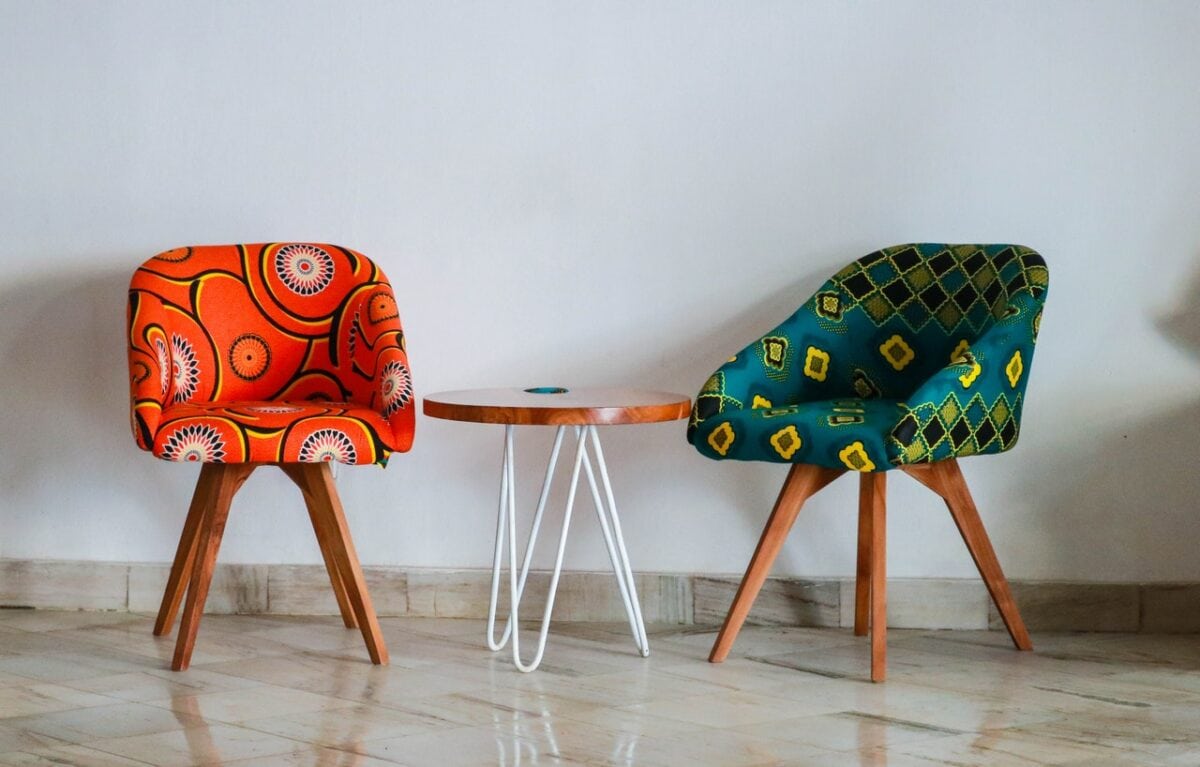
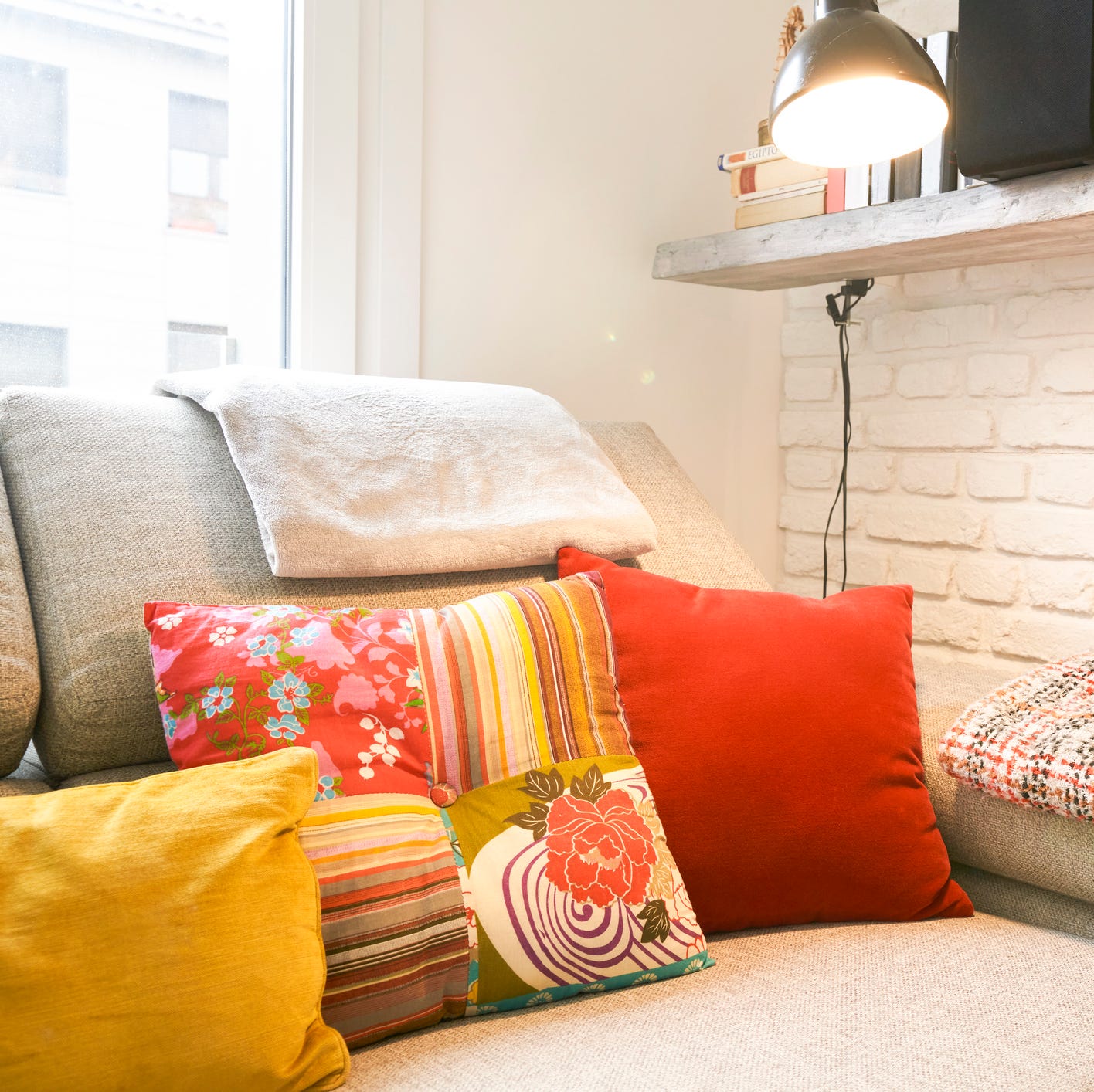
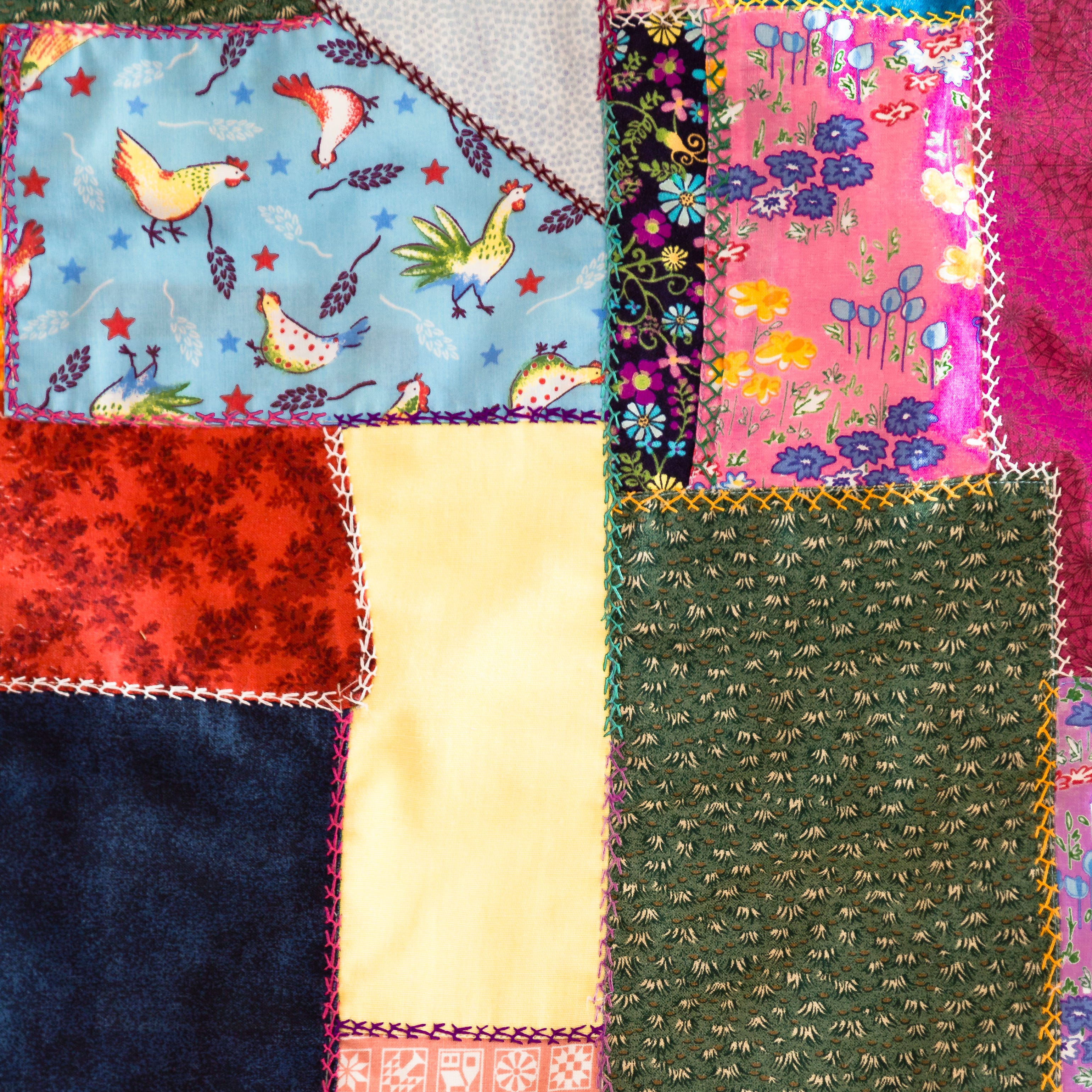
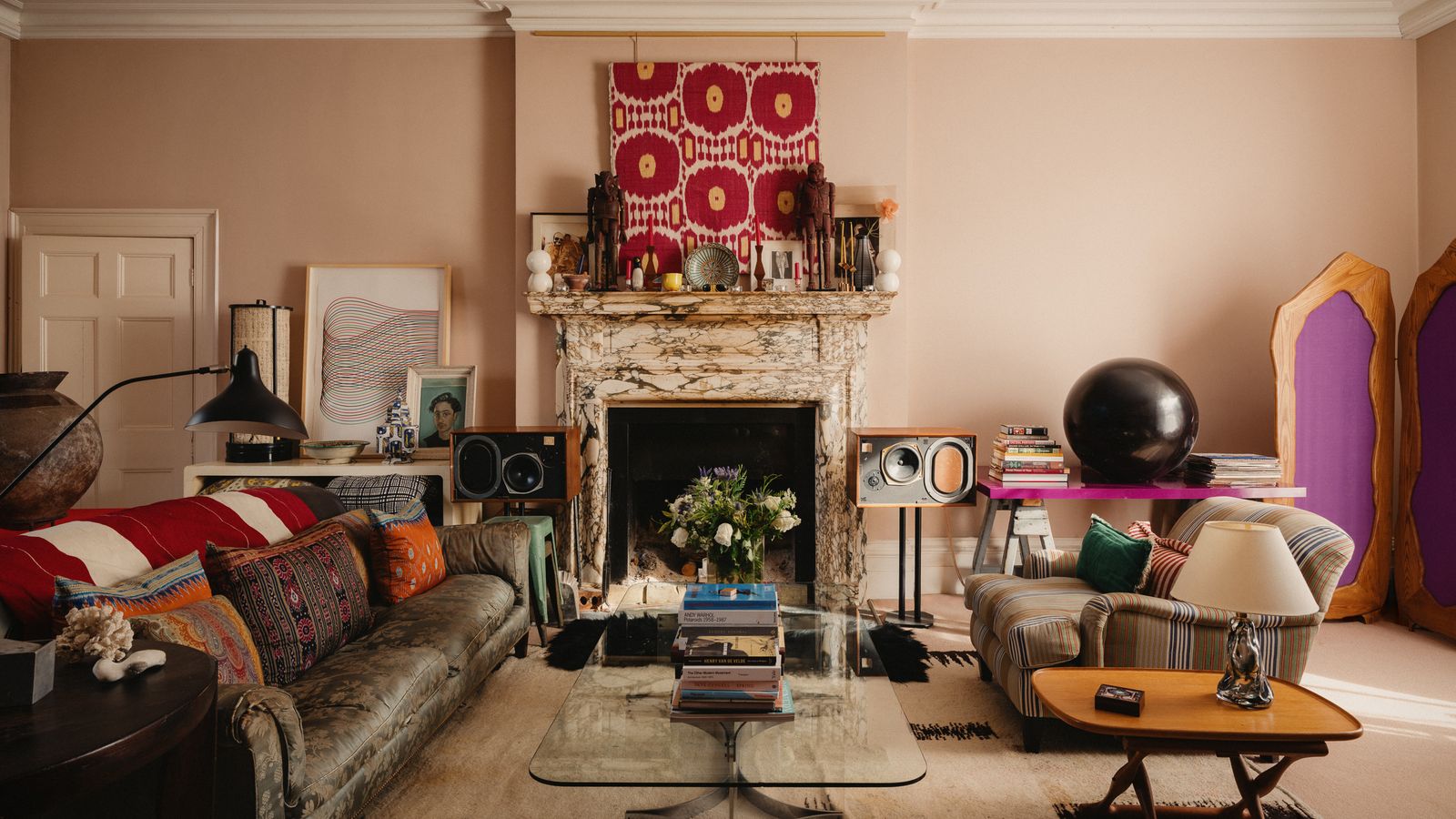
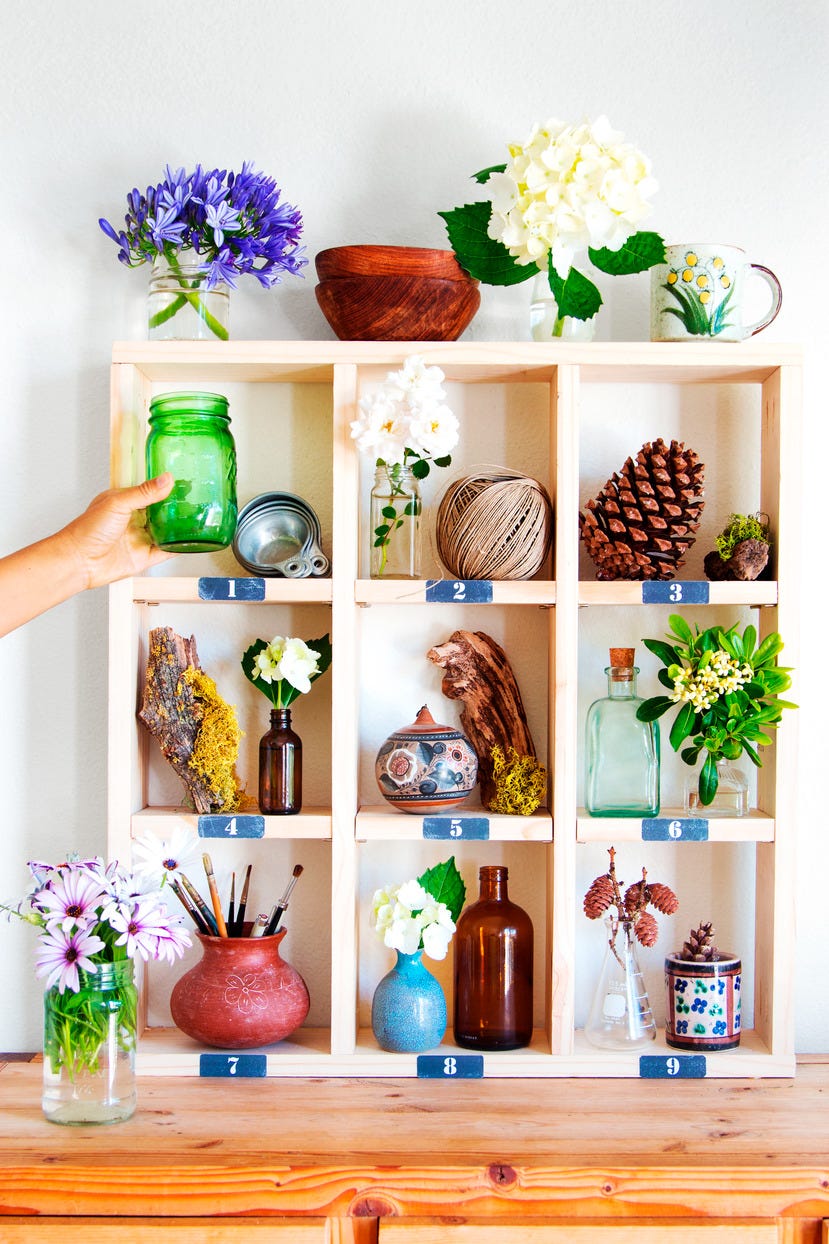
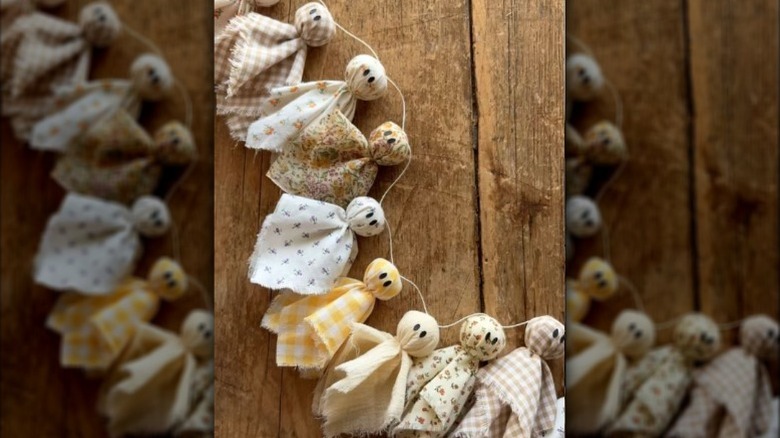
Finally, the article advocates for repurposing fabrics, whether new or old. Instead of discarding old curtains that are damaged or worn, they can be given a new life by being re-stitched into new home items. Creating new headboard designs, adding a skirt to an open vanity shelving unit, or even crafting bowl covers are presented as practical ways to reuse fabrics, supporting sustainable shopping practices. The article concludes by identifying glass jars as one of the easiest household items to upcycle, offering ideas like rustic flower jars or craft containers, and also suggests repurposing old pillows for new items in the home and garden, further encouraging resourceful interior design.
#Upcycling #SustainableDesign #EcoFriendlyHome #MaterialReuse #DIYDecor #InteriorDesignTips #WasteReduction #CreativeRecycling #HomeImprovement #Upcycling #SustainableDesign #EcoFriendlyHome #MaterialReuse #DIYDecor #InteriorDesignTips #WasteReduction #CreativeRecycling #HomeImprovement
0 comment in total
 No comments yet
You may also like

21 Ways To Repurpose Old Clothing In Your Home & Garden If Donation Isn't Possible

15 Repurposed Furniture Ideas That Will Give Your Pieces a Fresh Look

For These Designers and Homebuilders, the Best Materials Are Ones That Have Already Been Used

How to upcycle furniture like a pro

10 Ways to Use Recycled Materials in Your Home Reno

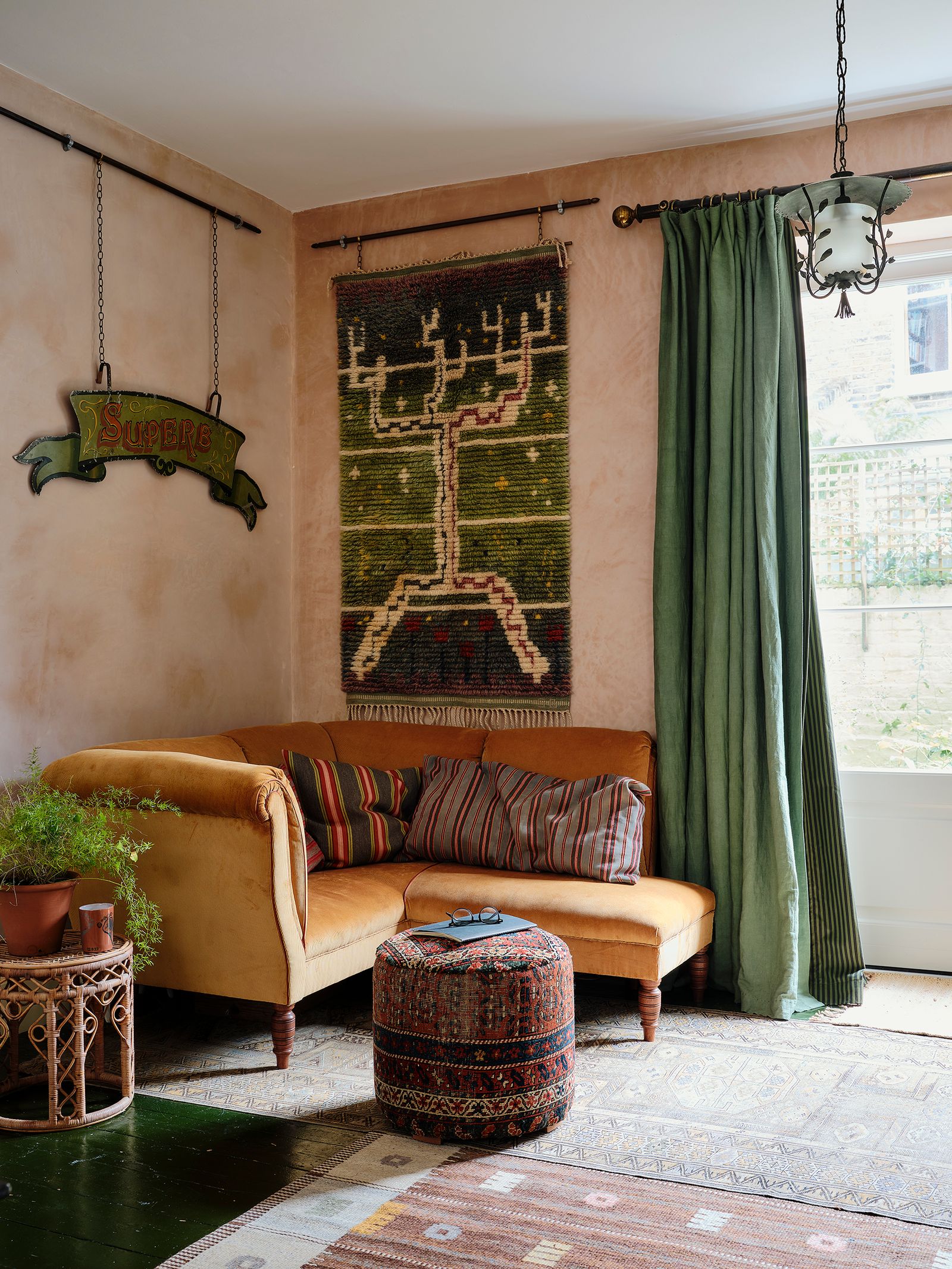
How to upholster furniture without breaking the bank
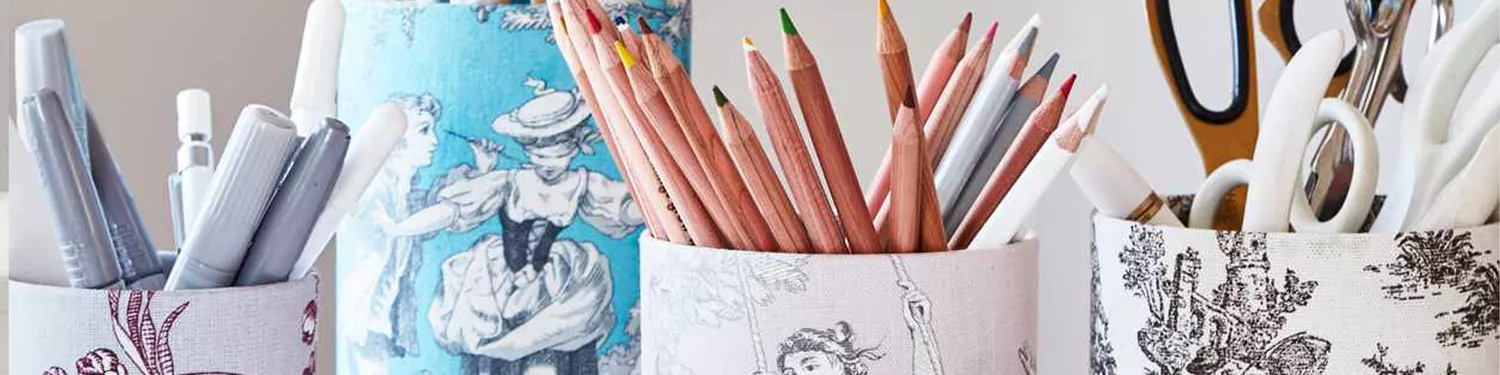
DIY Projects & Crafts

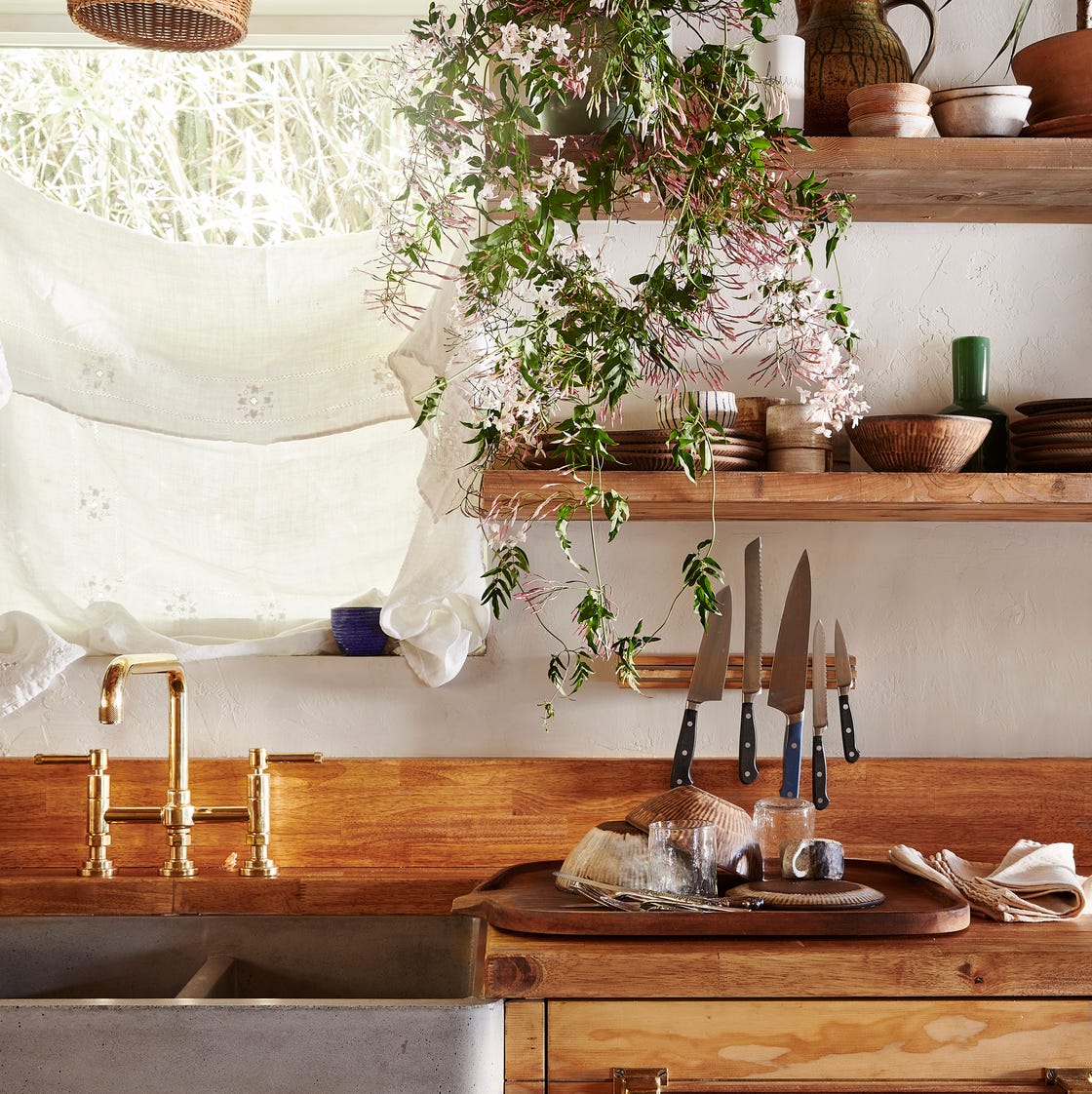
Leanne Ford Shares How a DRAMATIC Home Transformation Can Cost (Almost!) Nothing

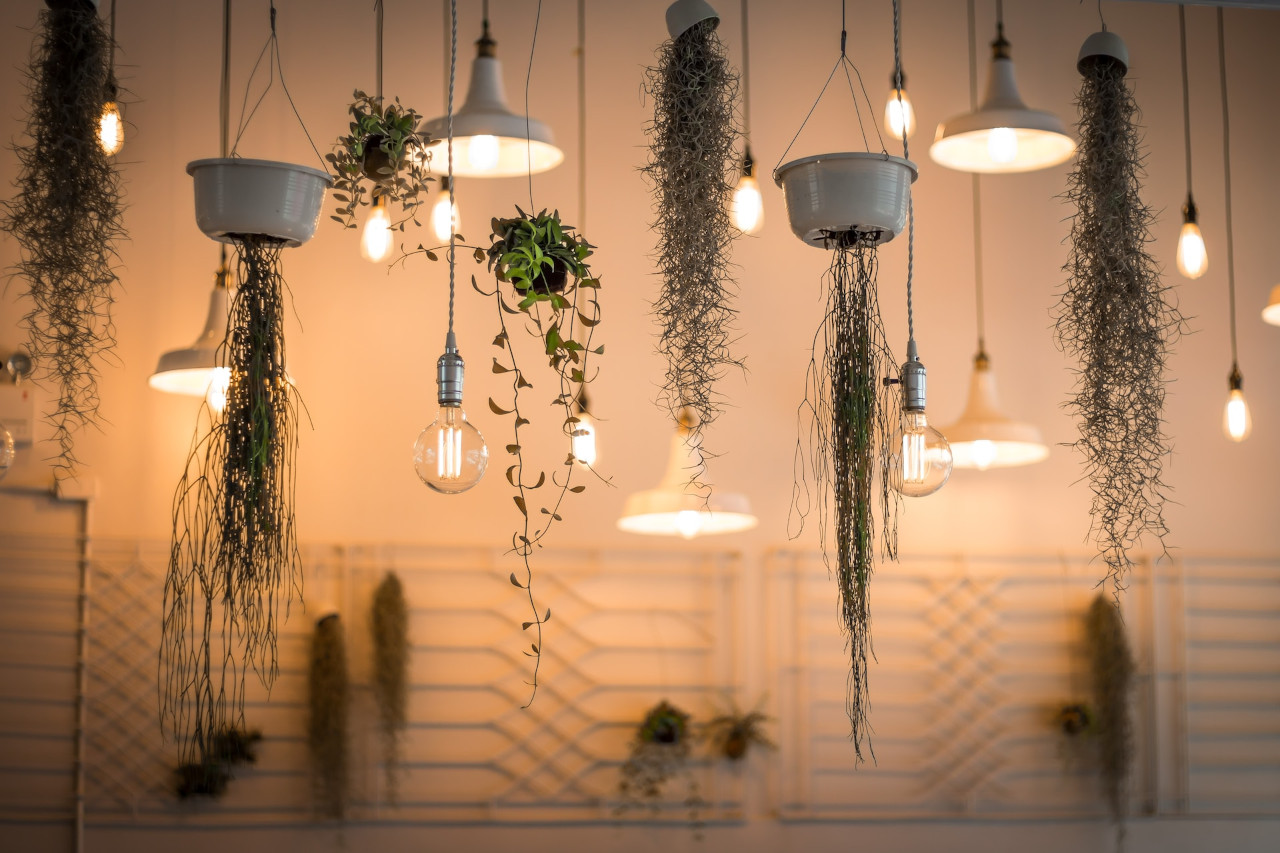
Eco-Friendly Home Decor: Sustainable and Chic Ideas for 2023
Save Money and Cut Waste With These 8 Reno Materials You Didn't Know You Could Reuse

Eco decor – 10 beautiful, sustainably-designed room ideas

9 Items Already In Your Home That Make Great Halloween Decor

5 things that can be used in home upcycling projects
Mum reveals how she transformed dull drawers into a Marvel-themed cabinet with leftover wallpaper and paint

Transforming Textile Waste: How Sustainable Design is Shaping Eco-Friendly Home Decor

These DIY Home Decor Projects Are Way Easier Than They Look

10 Creative Ways to Upcycle Old Tablecloths Into Something Beautiful

DIY Decor Ideas That Add Personality and Charm to Every Room

13 Fun Ways To Repurpose Flip-Flops Around Your Home & Garden
Trash to treasure: Upcycling and repurposing in sustainable interior design | Hindustan Times