1/12
Decorating with vege-crazy extravagance
The practice of incorporating natural elements, particularly plants, into home design and decoration has a long and rich history, reflecting humanity's continuous desire to emulate nature and achieve an ideal aesthetic. From ancient civilizations to modern trends, botanical motifs have served as a recurring source of inspiration for architects, artists, and designers. In ancient Egypt, the sacred lotus flower was central to temple pillars and various artifacts, while the Greeks utilized lotus, palm, acanthus, olive, and grape motifs. The early Islamic period and Byzantine mosaics also showcased plant and flower ornamentation. In the Philippines, the Maranaos' traditional 'okir' design, featuring curvilinear floral and leaf patterns, emerged around 600 CE and flourished during the Islamization of Mindanao in the 14th century.
The Gothic architectural style of the 13th century prominently featured natural forms, such as rose windows, leaf-shaped pointed arches, and floral traceries in stained glass. The Renaissance era saw an increased interest in realistic botanical imagery in frescoes, textiles, and wallpaper, coinciding with a broader appreciation for nature. This opulence continued through the Baroque and Rococo periods, which were characterized by intricate foliage embellishments in furniture and decoration, while the Victorian era offered a more subdued yet equally nature-inspired approach through its wallpapers and textiles.
The Industrial Revolution prompted the Arts and Crafts movement in the mid-19th century, advocating for craftsmanship over mass production. This movement, exemplified by William Morris, incorporated natural elements and folk styles into textile and wallpaper patterns. Art Nouveau, flourishing from 1890 to 1910, further embraced natural forms, particularly the sinuous curves of plants and flowers, integrating them into architecture, furniture, lighting, and tableware. In the early 1900s Philippines, indigenous foliage like anahaw and banana leaves were commonly used in architecture and interior design. Even in postmodernism and minimalism, botanical motifs persisted, albeit in simpler, less elaborate forms.
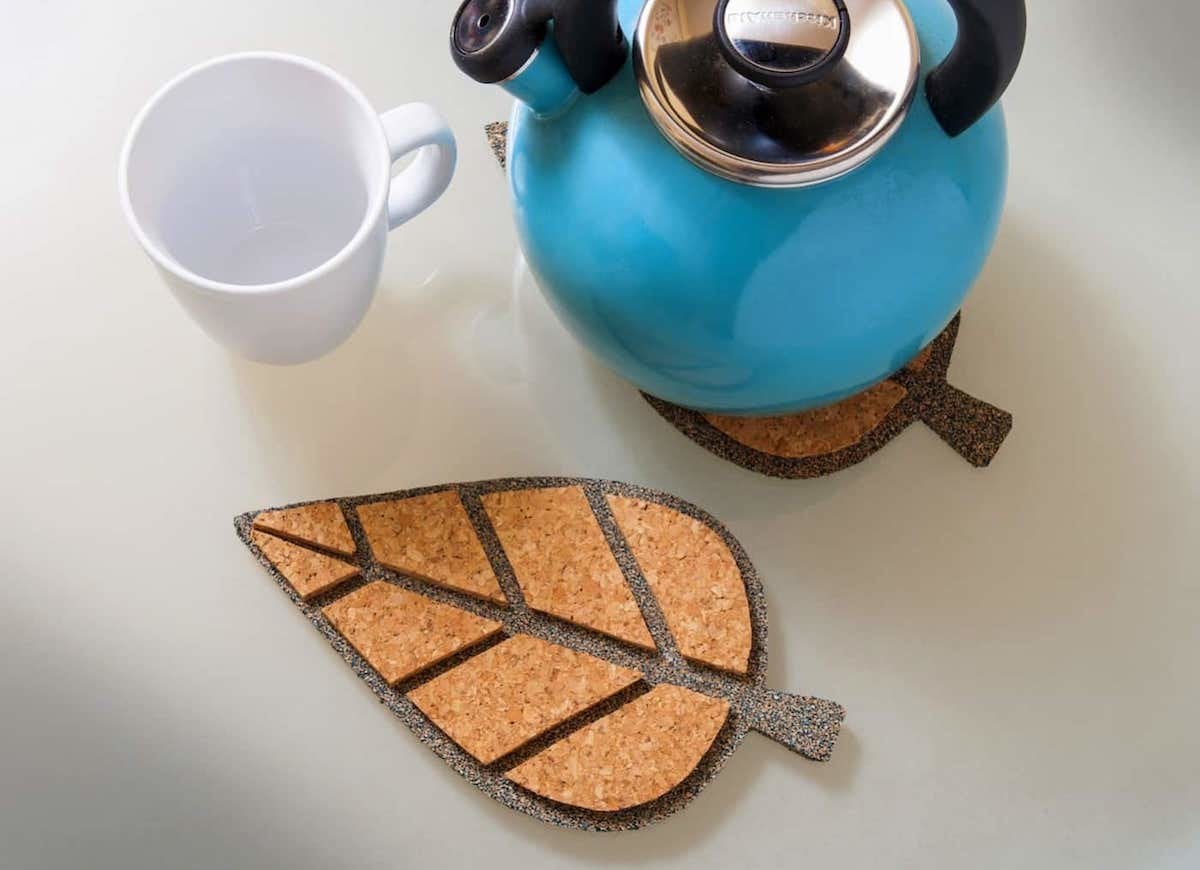
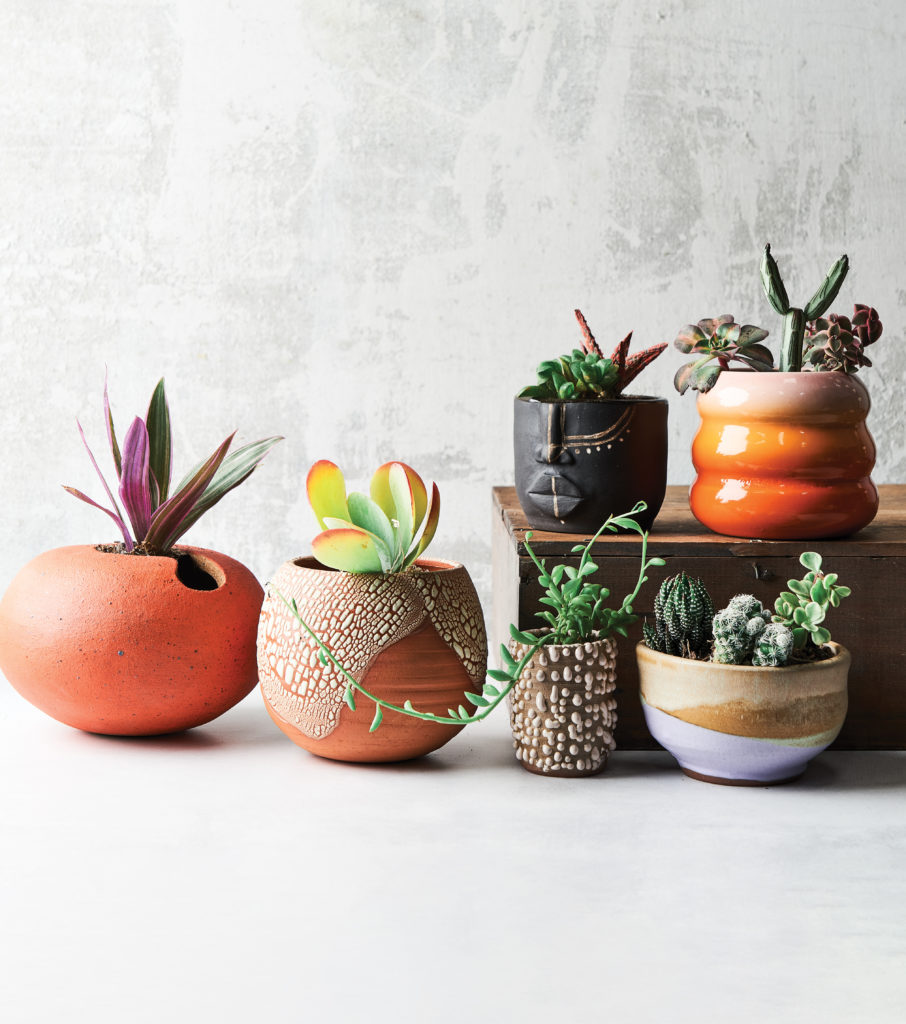
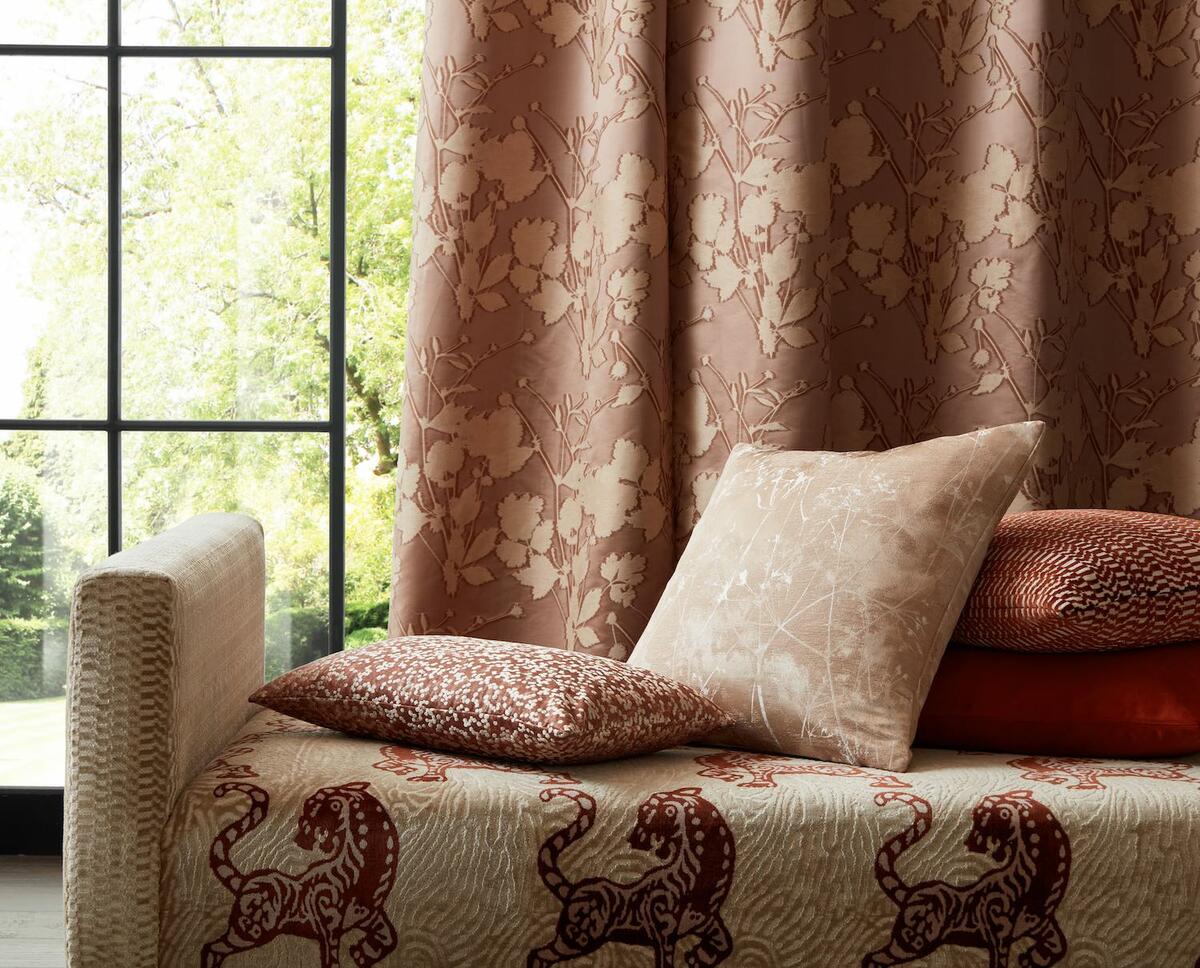
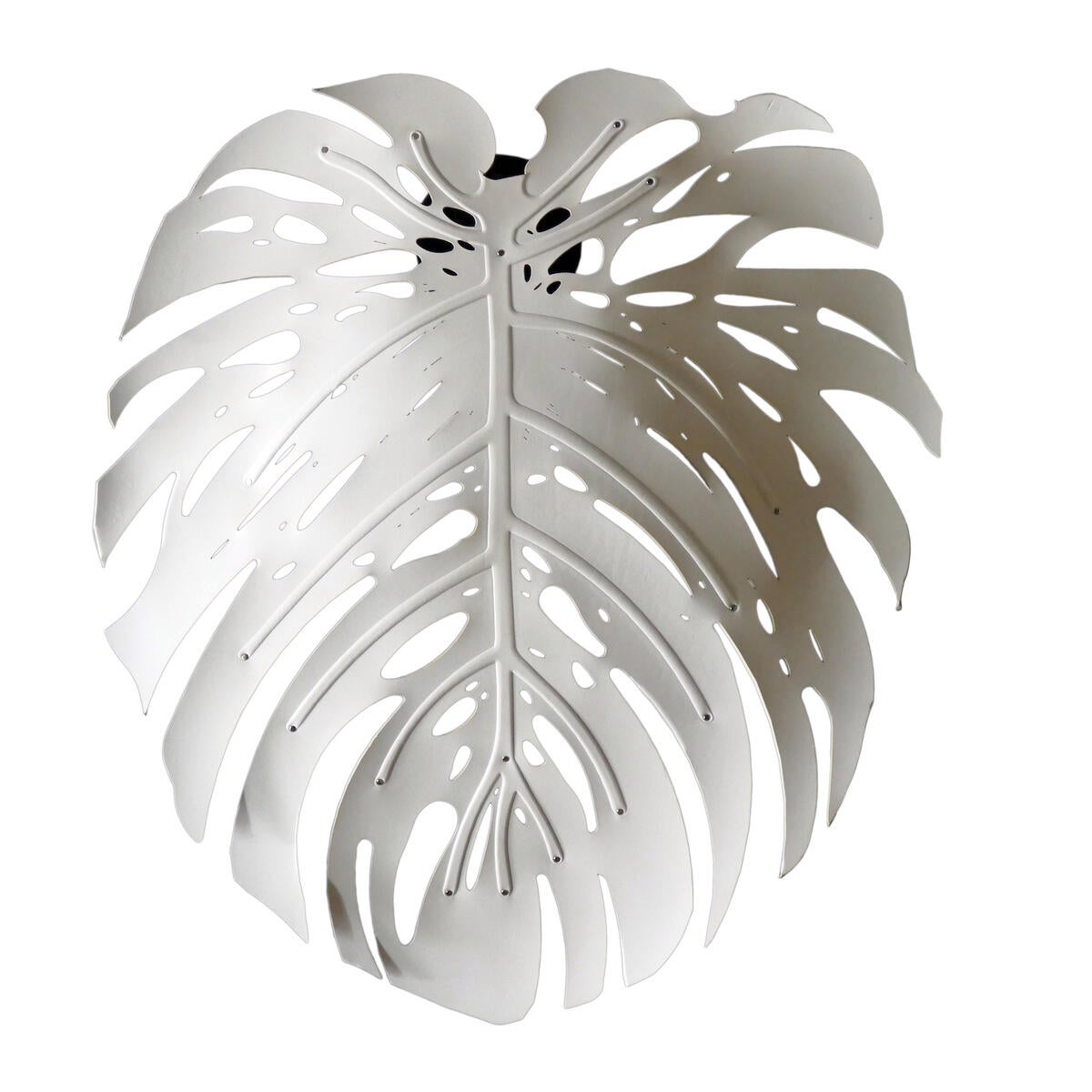
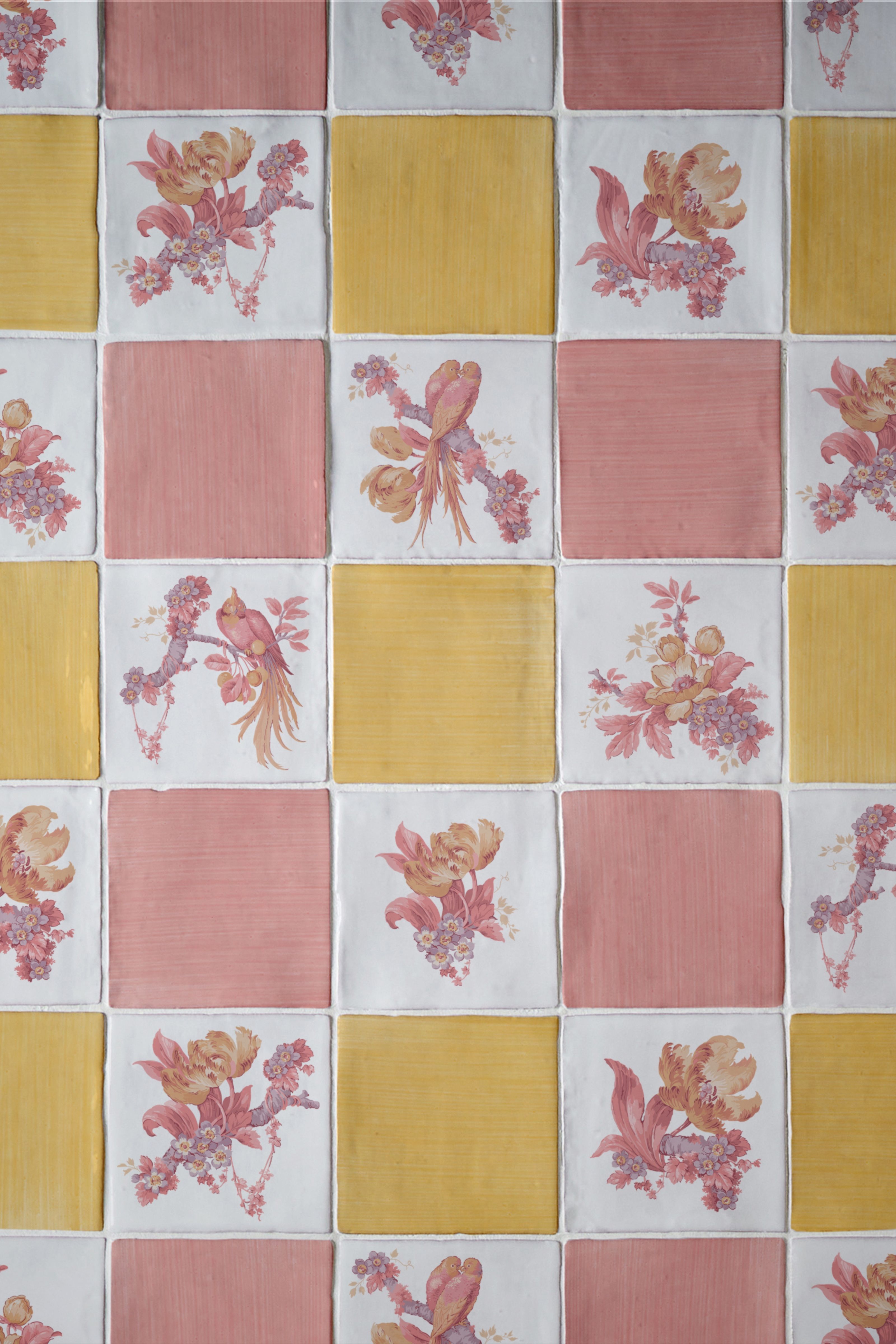
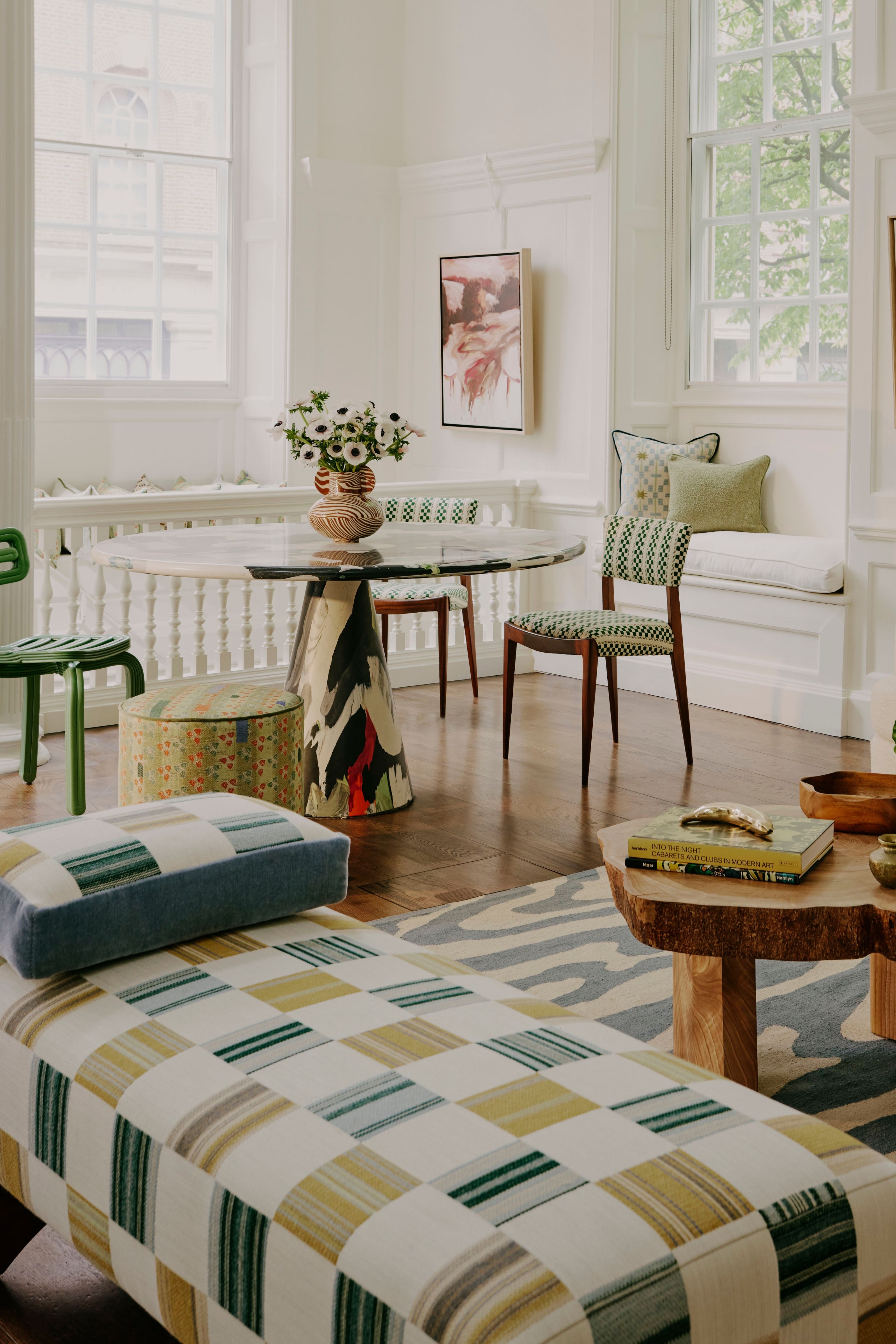
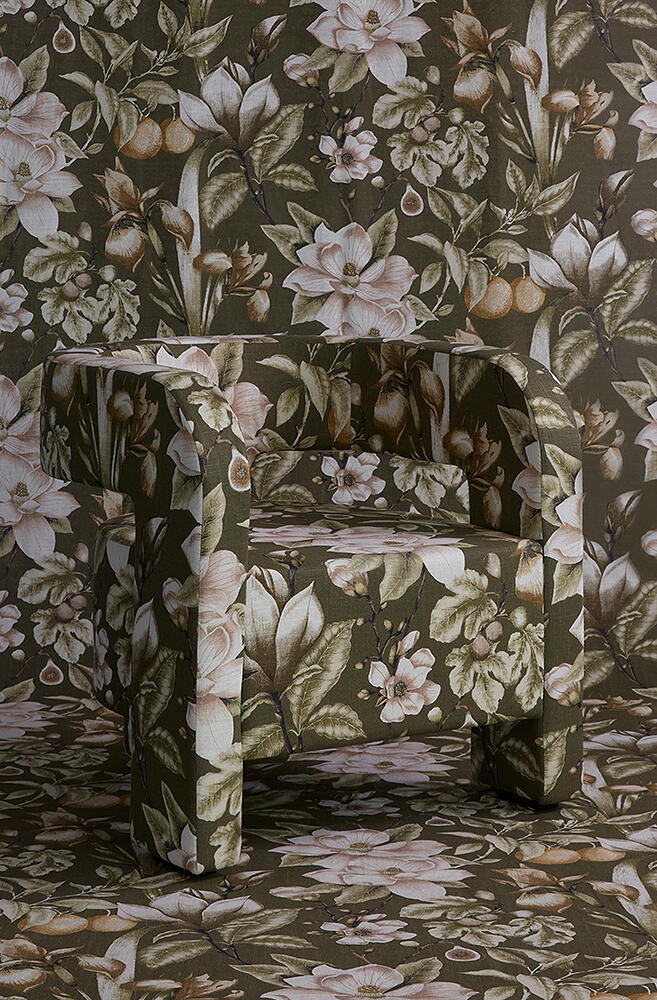
The ongoing pandemic has led to a renewed emphasis on incorporating plants and vegetation into interiors, driven by a desire for lightness and a sense of harmony with nature. This contemporary trend, termed “Vege-Crazy” by Maison & Objet trend forecaster François Delclaux, is characterized by profusion, exuberance, accumulation, and extravagance in plant-inspired decor. This includes oversized leaf patterns and florals, often blending historical styles, as seen in updated classical textiles and old-fashioned bouquets. Examples include the floral velvet prints from Indian Song, which collaborates with artisans in Jaipur, and lamps from Traces of Me, covered in silk with plant motifs. Natural materials like coconut, reeds, bamboo, rattan, and wicker are also prevalent in lamps, baskets, and decorative objects from brands like J-Line.
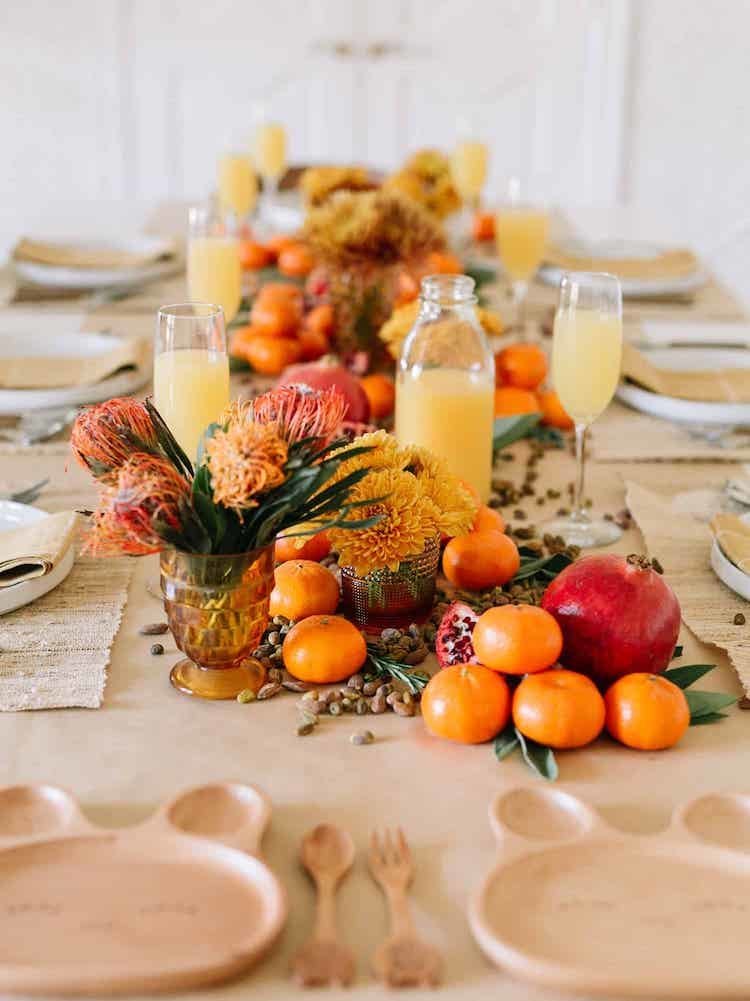
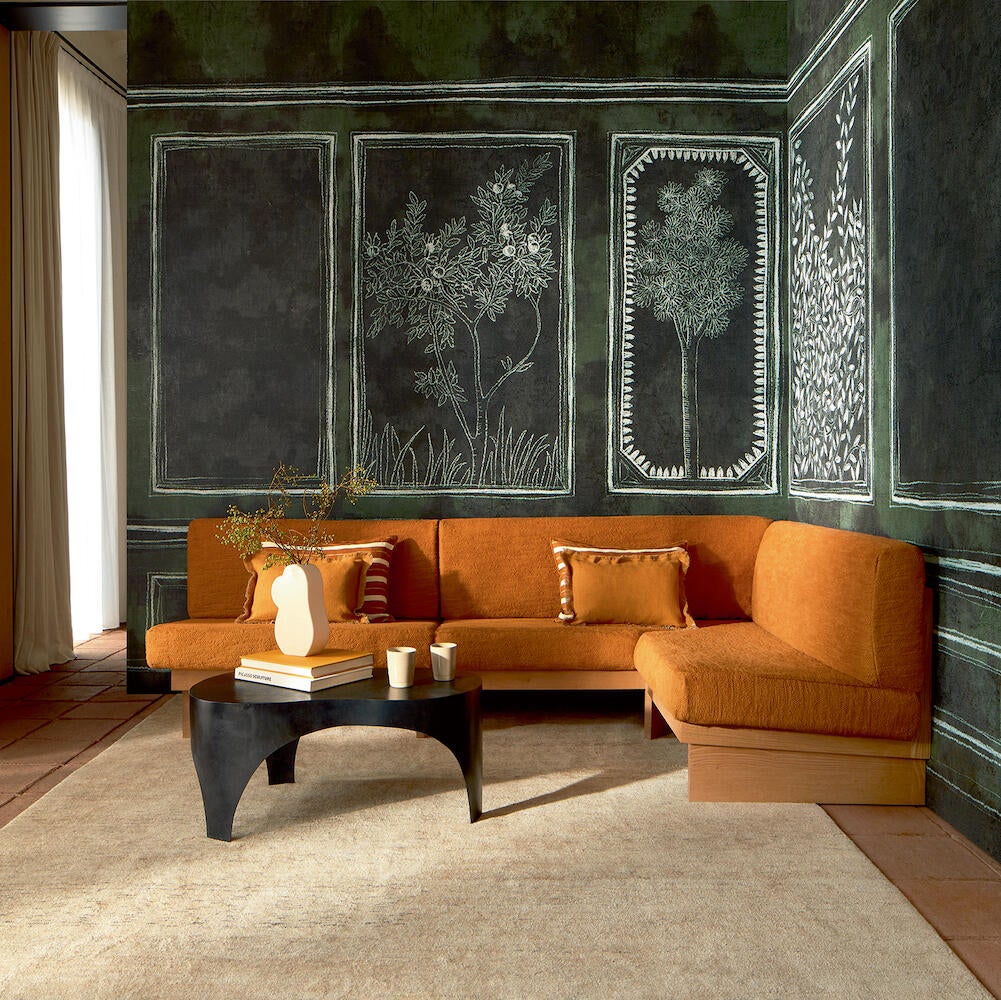
Soothing shades of green are widely used across home accessories, tableware, and textiles, often complemented by fruity and floral accents. Filipino brands are actively participating in this trend: Paperbound offers unique sage wallpaper with abundant foliage and witty representations of the mythical aswang, while JB Woodcraft creates carved floral wall decor with ombré effects, and Cebu Home Craft produces floral bowls. Kitchen and dining ware feature vegetation-inspired colors, exemplified by Moroccan glazed earthenware from Chabi Chic and Syrian bubble glass cups from La Maison Dar Dar. In the Philippines, Lucy Gomez's bone china tableware line, available at Topiary.store, features indigenous flowers like Medinilla Magnifica and Renanathera Storiei, providing both aesthetic beauty and support for livelihood projects in Leyte. The integration of nature into home decor thus not only enhances aesthetic appeal but also contributes to a sense of well-being and community support.
#HomeDecor #InteriorDesign #BotanicalMotifs #PlantDecor #ArtsAndCrafts #ArtNouveau #FilipinoDesign #SustainableDecor #VegeCrazy #HomeDecor #InteriorDesign #BotanicalMotifs #PlantDecor #ArtsAndCrafts #ArtNouveau #FilipinoDesign #SustainableDecor #VegeCrazy
0 comment in total
 No comments yet
You may also like

With bright color palettes, Pita and Bloom's work embraces ornament
7 Thanksgiving Centerpieces That You Can Plant in Your Garden Afterwards
The Zeitgeist Edit — The Design Culture Moments That Make Great Talking Points in December, According to the Editor

Shake up the cheer: Unique bar decor ideas for the party season | Hindustan Times

35 Fresh and Festive Ways to Dress Up Your Thanksgiving Table

8 fabulous frond-filled designs to pick this spring


Eggs, sticky rice, and transparent wood create new kind of window

Home & Design | Farm Fresh

The Art of Celebrating the Small Stuff

Vegan Design Is the Eco-Friendly Decorating Solution You've Been Looking For

17 Edible Flowers You Absolutely Must Know About

9 patio decorating ideas to transform your space into an outdoor oasis
The Secret to More Stylish Home Decor This Summer? It’s Already in Your Yard

Why Are Mushrooms Taking Over My Social Media Feed, My Medicine Cabinet, and My Closet?
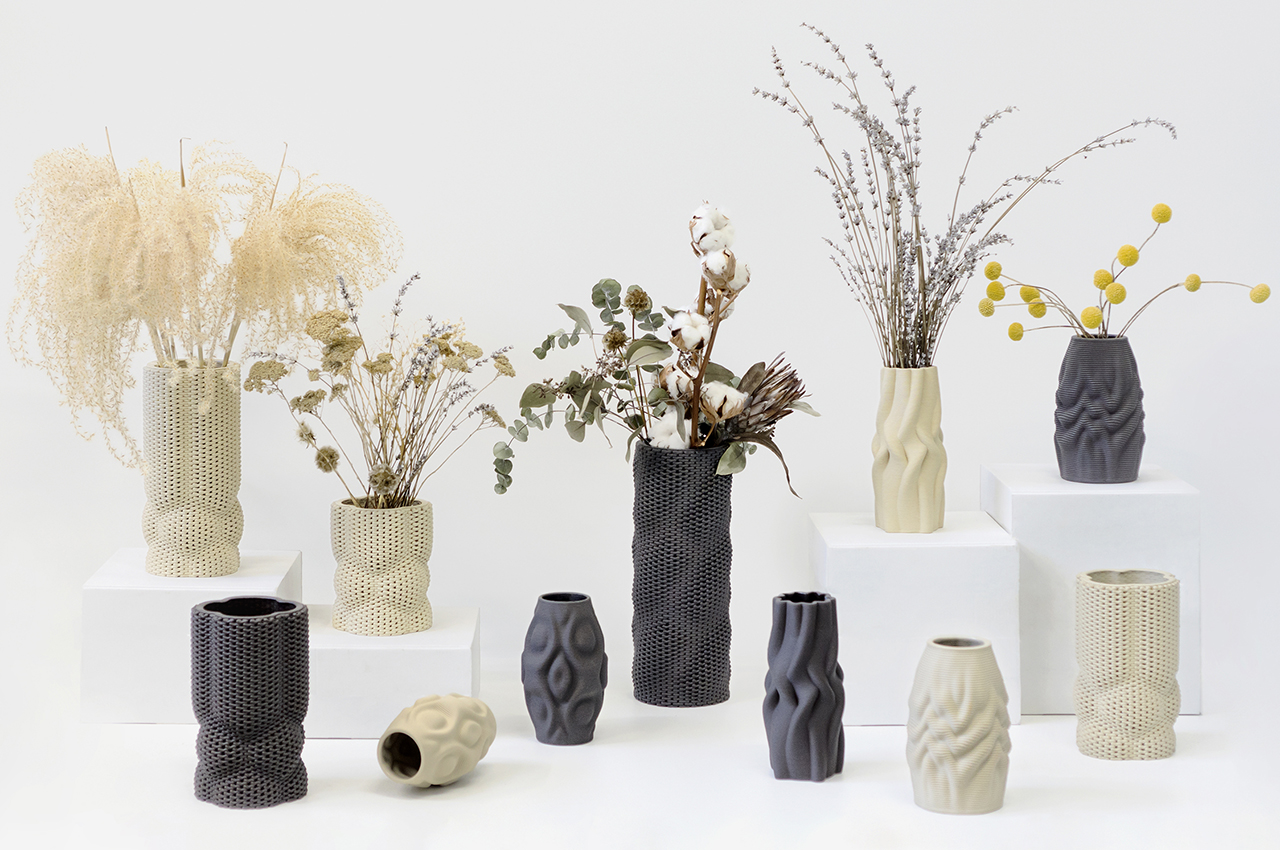
3D-Printed Ceramic Vases That Mimic Nature’s Patterns

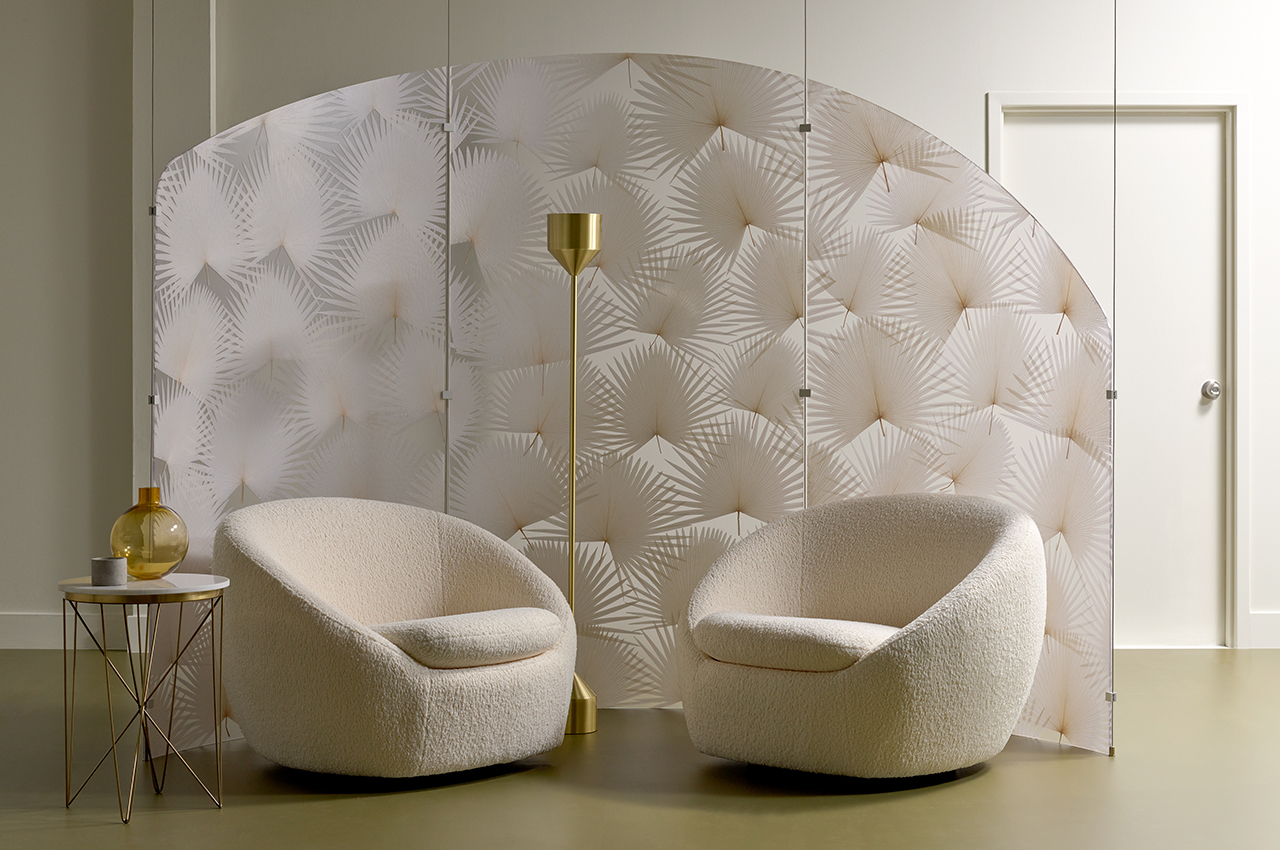
3form’s Ivory Flora Collection Launches a Fresh Take on Biophilia
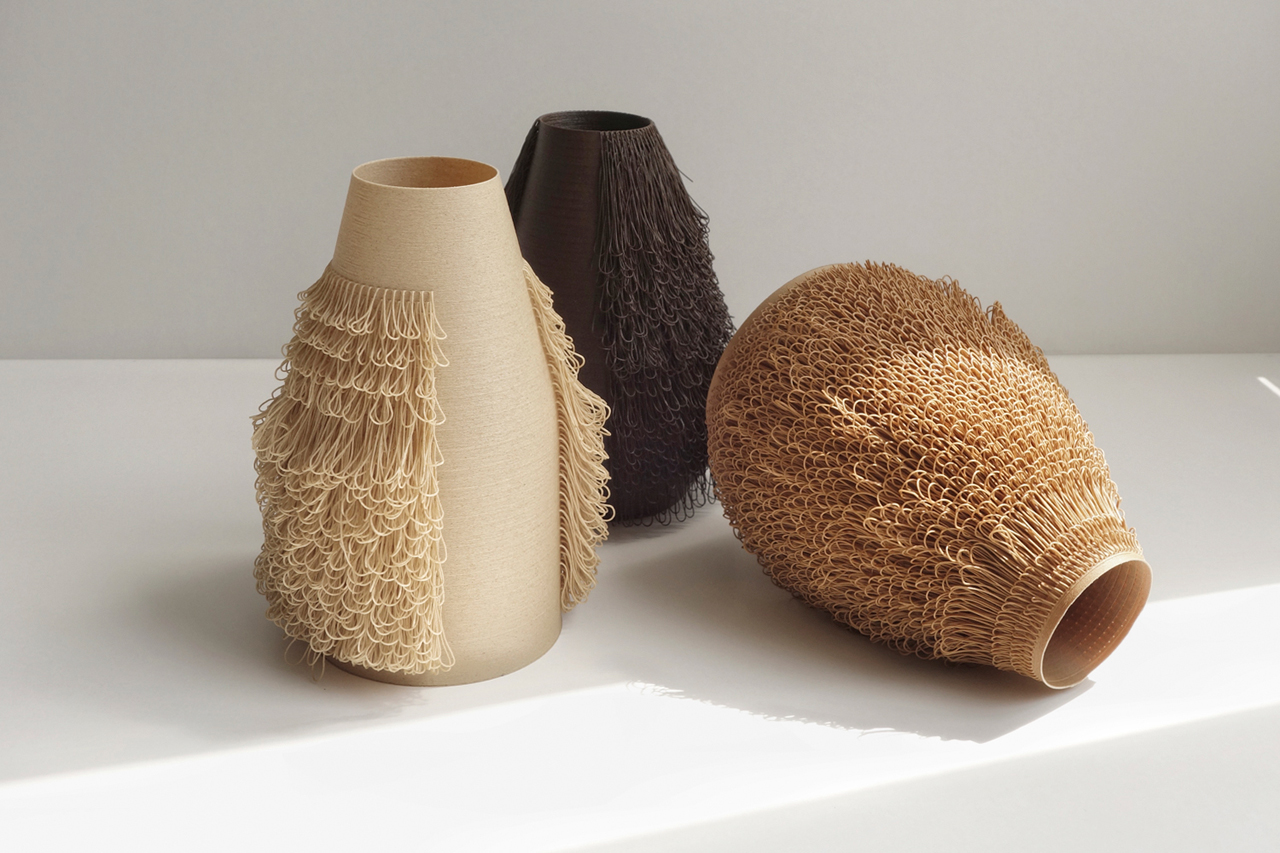
Poilu Vases Are 3D Printed with Implanted "Hair"
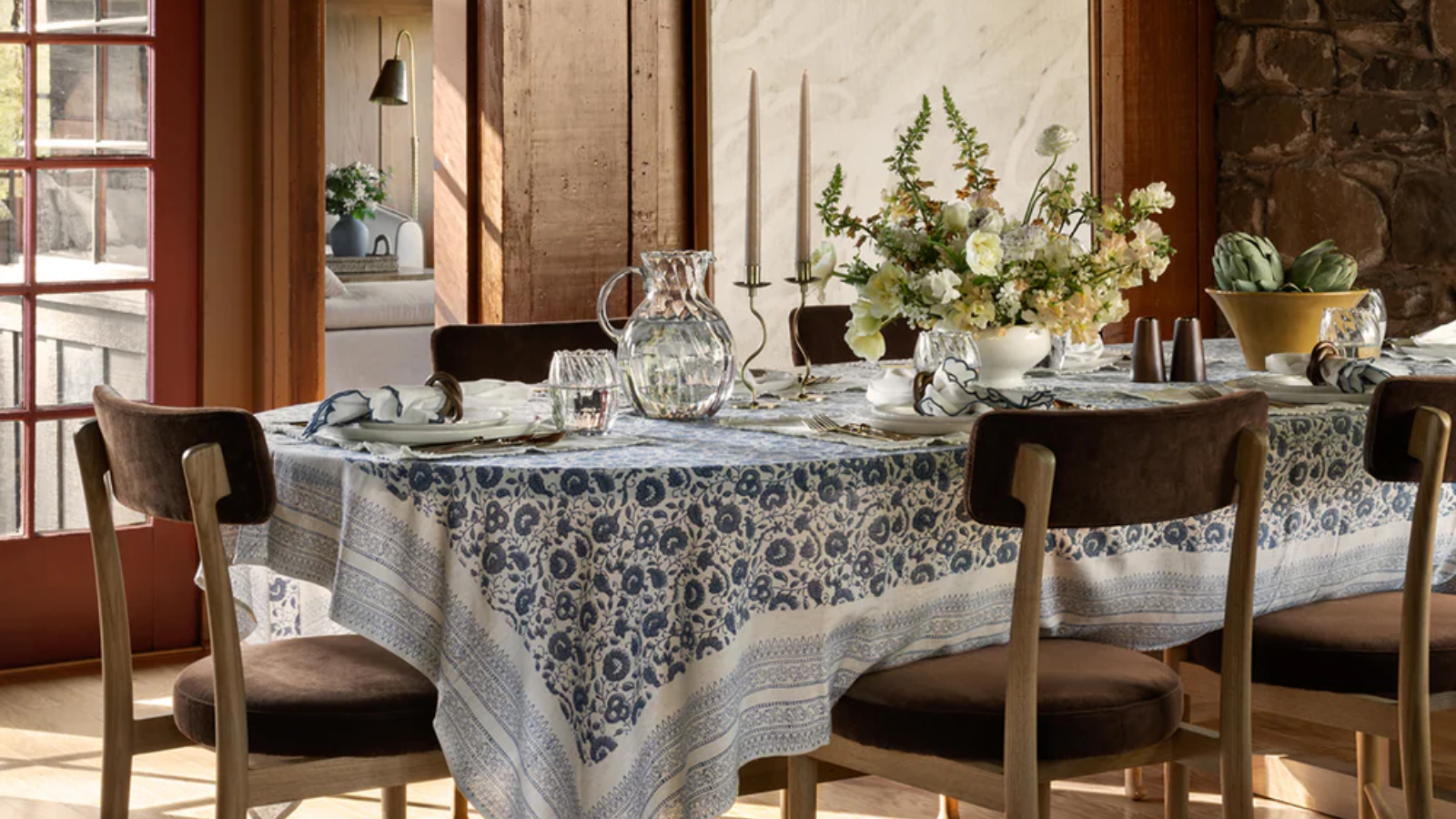
McGee & Co’s Dining Sale Event Is Perfectly Timed for Hosting Season – 9 Chic Finds to Elevate Your Holiday Table

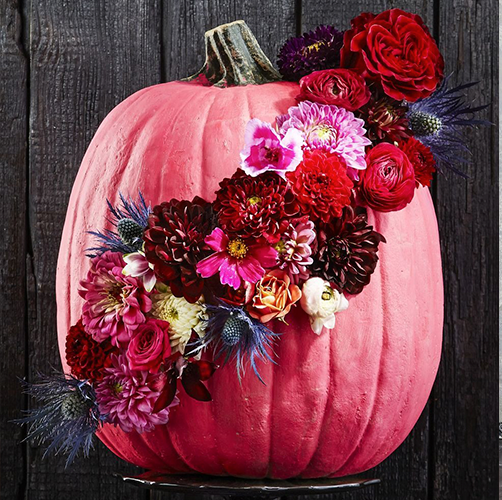
Give Basic Pumpkins an Entirely New Look with Nature-Inspired Patterns

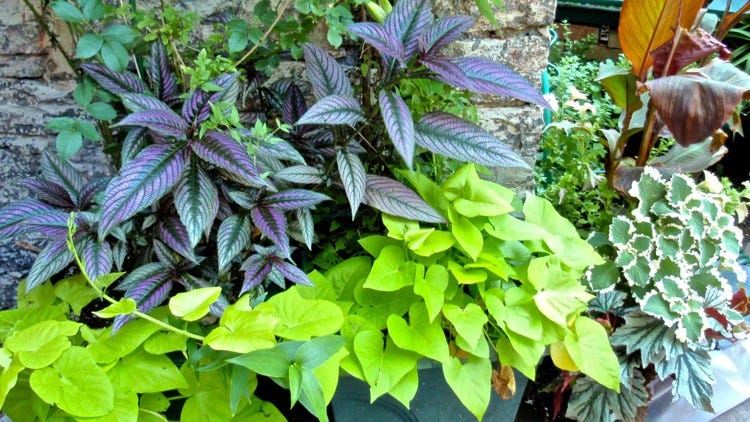
Add color with foliage, not just flowers