What Is Egyptian Cotton?
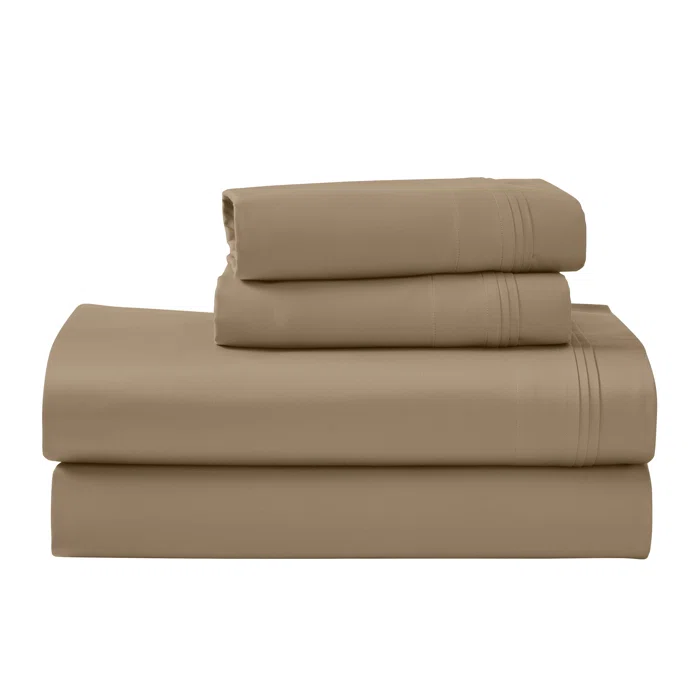
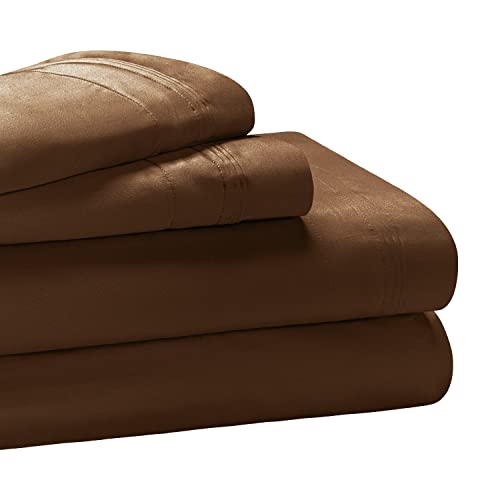
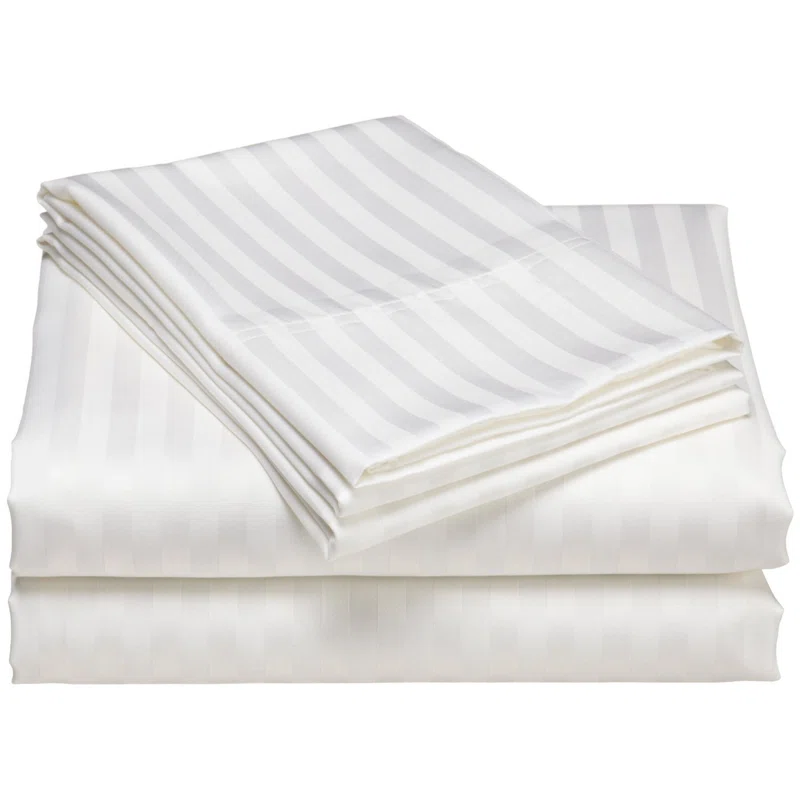
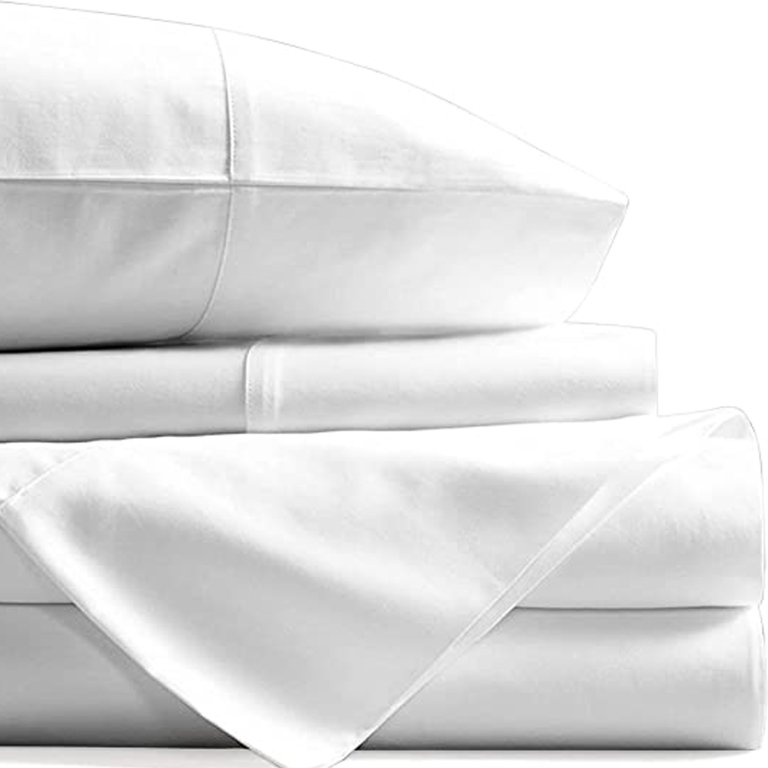
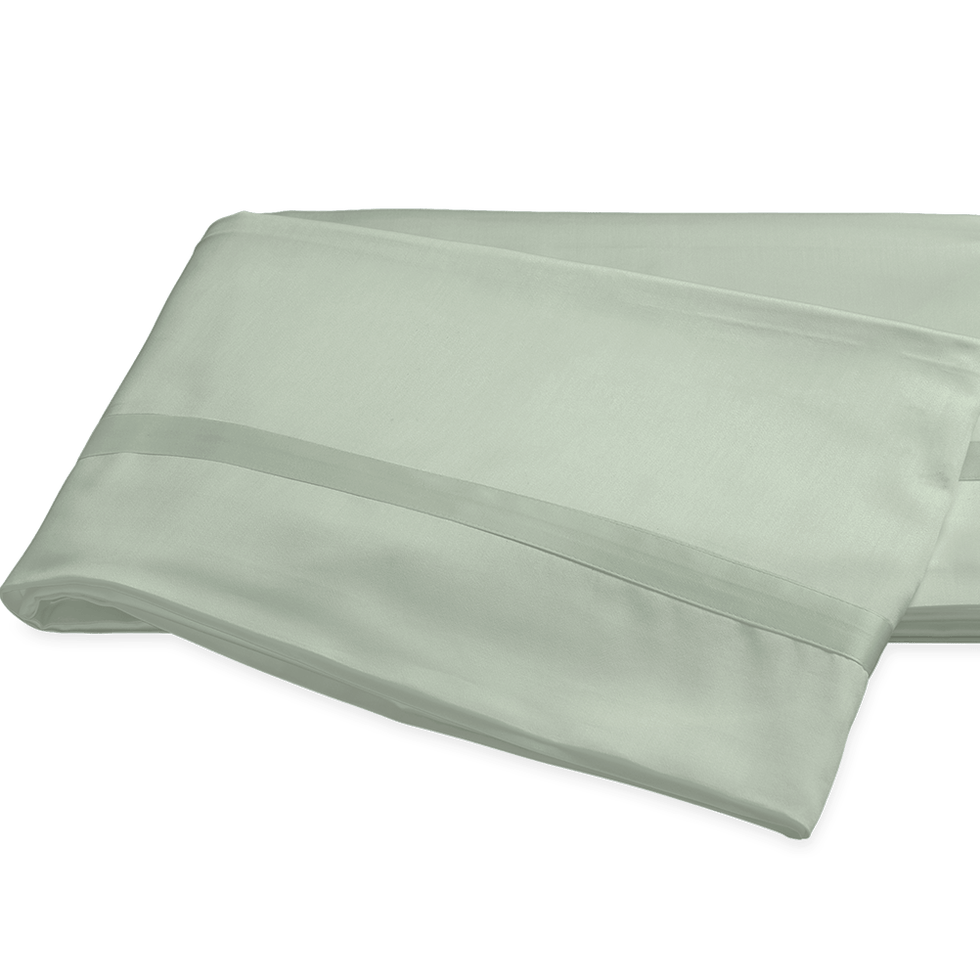
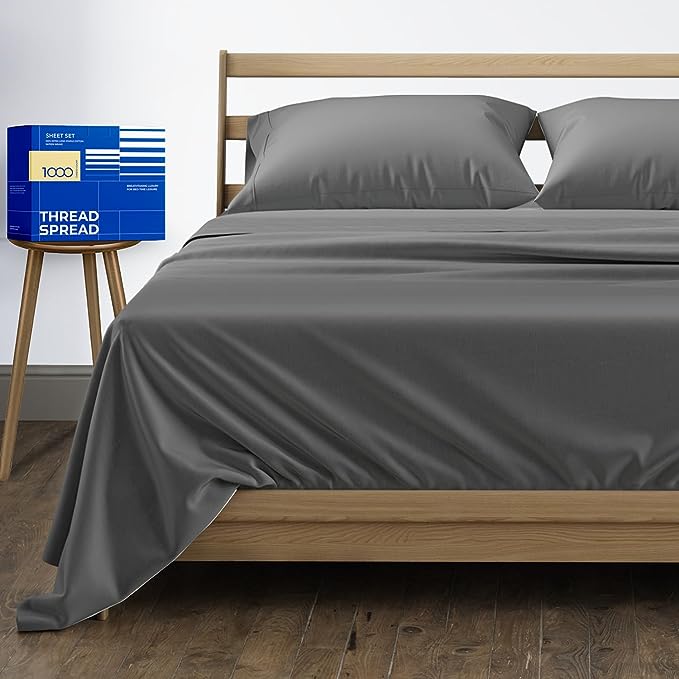
Egyptian cotton is widely associated with luxury in bedding and apparel due to its perceived softness and durability. However, the term itself can be misleading, as Egyptian cotton refers to a species of cotton, Gossypium barbadense, rather than solely its country of origin. While the finest Egyptian cotton is indeed grown in Egypt, specifically along the Nile River valley, this species can also be cultivated in other regions such as the United States, Peru, Sudan, and the Sea Islands. The key distinguishing factor for high-quality Egyptian cotton lies in its extra-long staple (ELS) fibers. These fibers, measuring between 1⅜ inches to 2 inches long, are significantly longer than short staple cotton (up to 1⅛ inches) and long staple cotton (between 1⅛ and 1¼ inches). This extended fiber length contributes to the material's superior smoothness, softness, and luster. Deborah Young, assistant chair of textile science at the Fashion Institute of Design and Merchandising in Los Angeles, highlights that ELS cotton can be twice the length of short staple cotton, which is a significant difference in textile quality.
Consumers should be cautious because the label "Egyptian cotton" does not automatically guarantee extra-long staple quality. Some products marketed as Egyptian cotton may contain shorter staple varieties grown in Egypt or blends with other cotton types. Marketers might use the term to leverage the prestigious association, even if the cotton doesn't possess the characteristic extra-long fibers. Preeti Arya, assistant professor of textile development and marketing at the Fashion Institute of Technology, advises that if a product label only states "Egyptian cotton" without specifying the staple length, consumers should be wary. The presence of explicit mention of "long-staple" or "extra-long staple" on the product description is a more reliable indicator of quality. When possible, physically touching and comparing different cotton products can also help in discerning quality, although experts like Young admit that even under a microscope, distinguishing genuine ELS Egyptian cotton from other high-quality cottons can be challenging. The focus should therefore be on the fiber characteristics, specifically the length, rather than solely the geographic origin, to ensure the purchase of truly luxurious and durable cotton products like bedding and towels.
#EgyptianCotton #Bedding #TextileScience #HomeDecor #FabricQuality #LongStapleCotton #PimaCotton #ConsumerGuide #EgyptianCotton #Bedding #TextileScience #HomeDecor #FabricQuality #LongStapleCotton #PimaCotton #ConsumerGuide
0 comment in total
 No comments yet
You may also like
Egyptian Cotton Sheets — What are They and Which are Best?

Looking for Egyptian Cotton Sheets? These Are the Ones I'd Buy Now — Rated by Style and Brilliant Reviews
The best Egyptian cotton bedding sets for hotel-worthy sheets at home

Martha Stewart Says These Are the Best Egyptian Cotton Sheets – And They’re On Amazon

These Top-Reviewed Egyptian Cotton Sheets Are the Key to a Good Night's Sleep

Best Egyptian Cotton Sheets of 2025 (Queen & King Sizes)

The 10 Best Egyptian Cotton Sheet Sets to Shop Now

These Are the 14 Best Cotton Sheets for a Dreamy Night's Sleep

The Best Egyptian Cotton Sheets of 2025!

The 4 Best Egyptian Cotton Sheet Sets, Tested by BHG

The Best Egyptian Cotton Sheets in Canada of 2025
Does The White Company's Bedding Live Up to the Hype? I Slept in the Brand's Most Popular Sheets to Compare Them Against the Competition

Why Original Egyptian Cotton Remains Different From the Rest
We Slept on All Kinds of Bedding to Find the 5 Best Egyptian Cotton Sheets
Best Cotton Sheets of 2025: Supima, Pima, and Organic Options
Sea Island Cotton Bedding — Shop the “Hermès" of Cotton
The 5 Very Best Egyptian-Cotton Sheets
8 Egyptian Cotton Sheets That Are 100% Worth the Splurge
7 Best Cotton Sheets for the Dreamiest Night's Sleep
Egyptian cotton duvet cover with 1,000 thread count is 'amazing' and 'lovely colour'