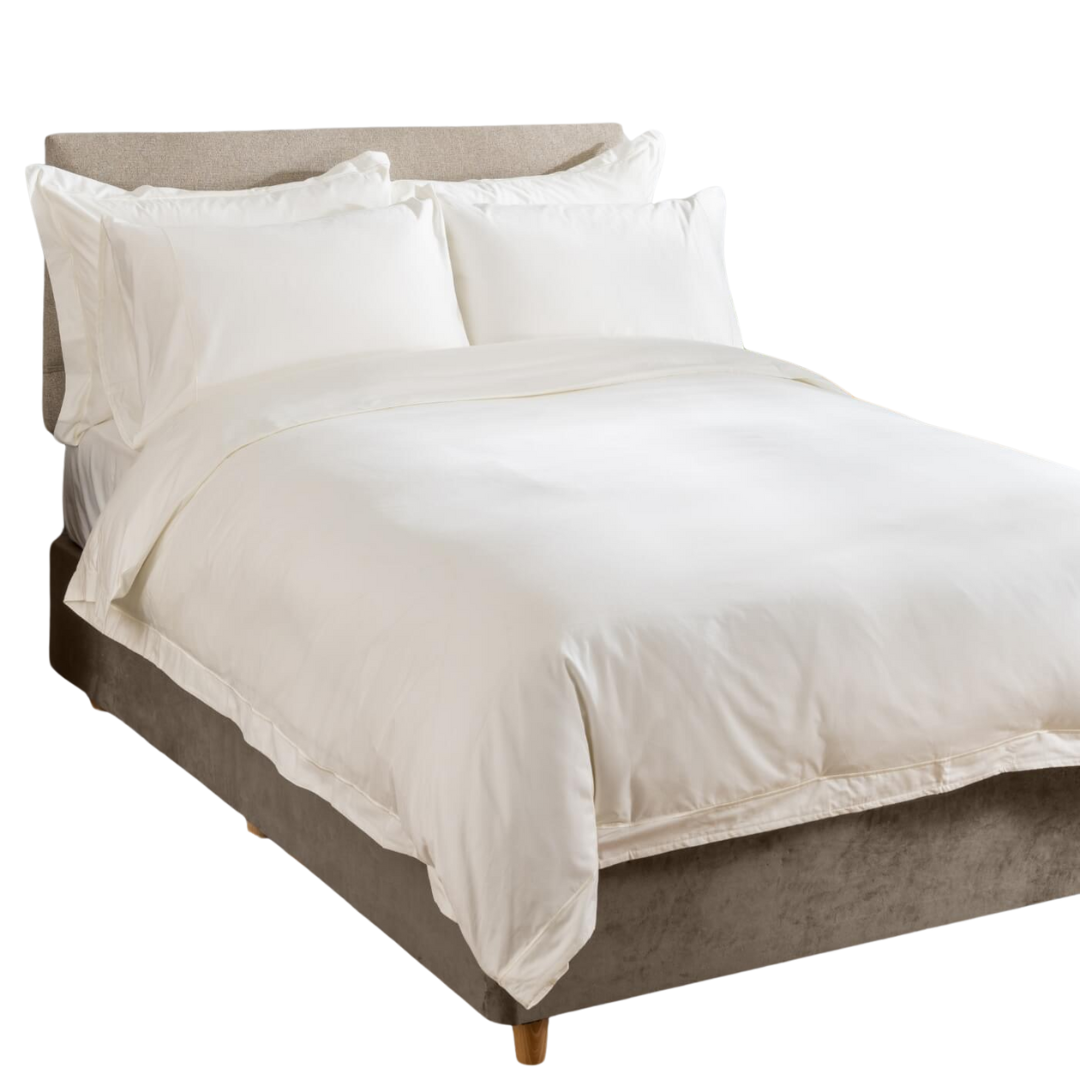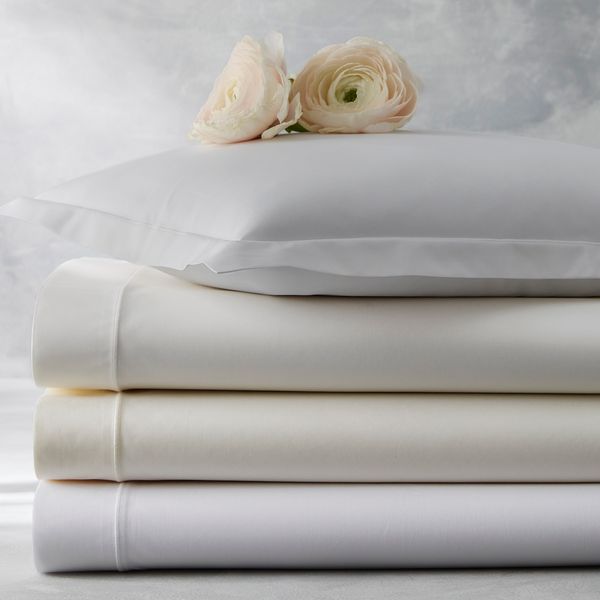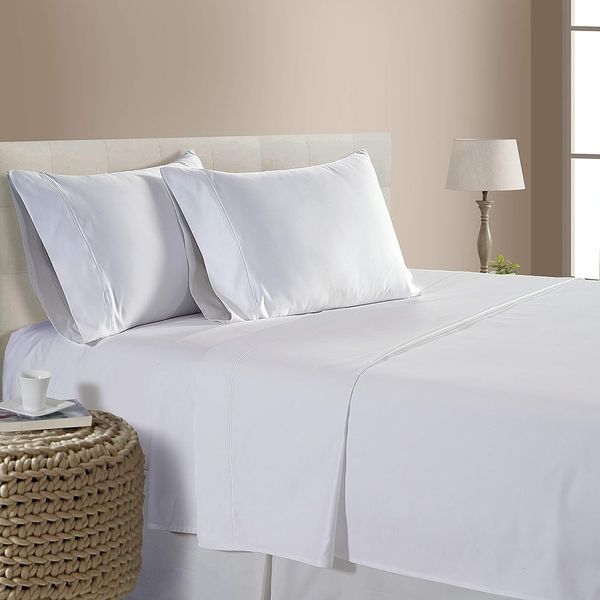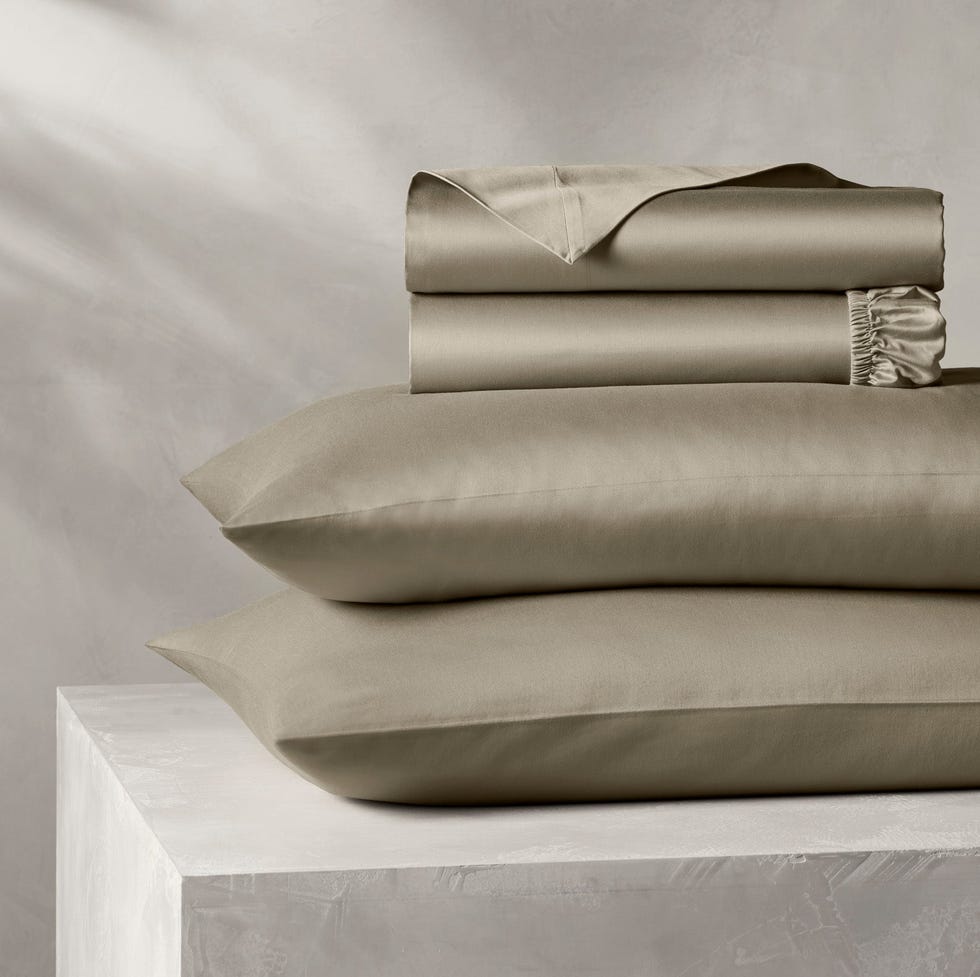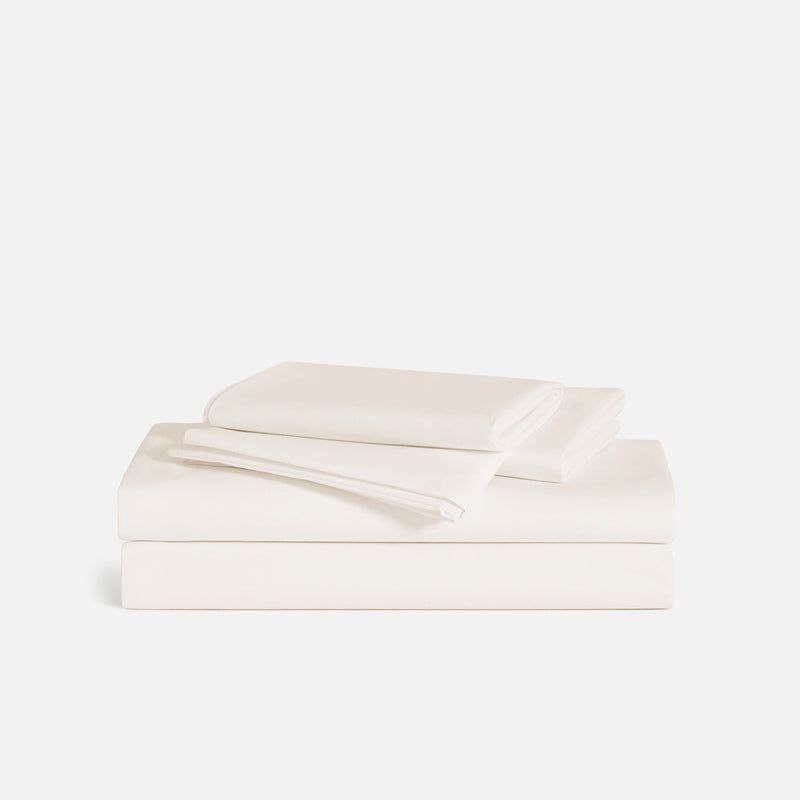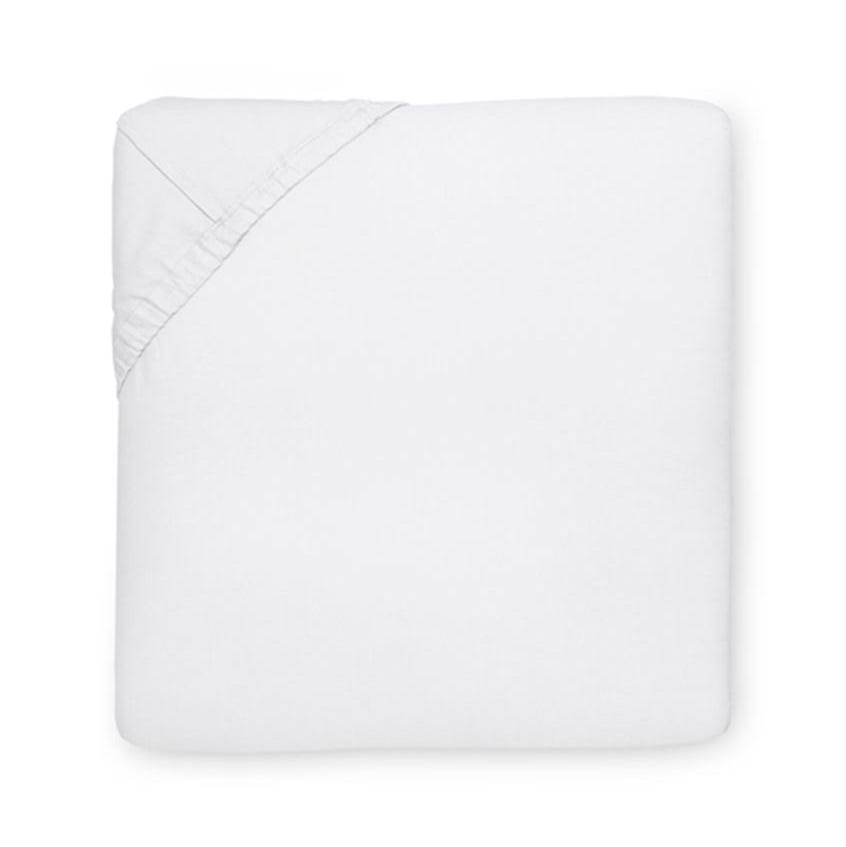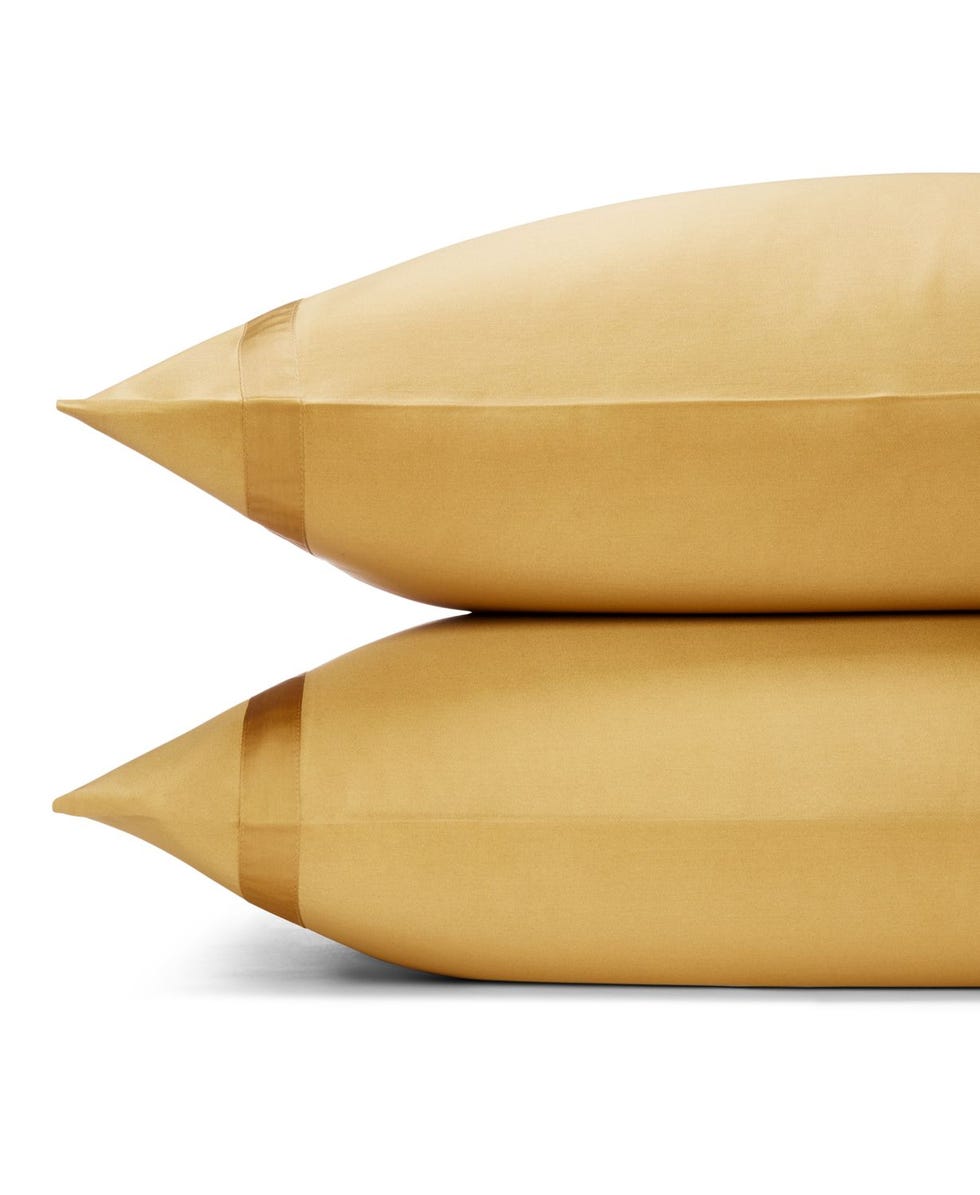
Why Original Egyptian Cotton Remains Different From the Rest
Egyptian cotton has long been celebrated as the epitome of luxury bedding, earning it the moniker of Egypt’s “white gold.” However, the market is now flooded with cheaper alternatives and products that are ambiguously labeled, making it challenging to differentiate between genuine Egyptian cotton and counterfeit versions. Many products marketed as "Egyptian cotton" may not be entirely composed of the premium fiber, often being blended with other cotton varieties. A notable instance occurred in 2016 when Target, a U.S. retailer, severed ties with Welspun India after discovering that a significant number of sheets and pillowcases sold as Egyptian cotton were not 100 percent authentic. In the same year, the Cotton Egypt Association estimated that approximately 90 percent of the Egyptian cotton sold globally was counterfeit, with some overseas producers reportedly blending lower-grade lint into yarns and fabrics and passing them off as Egyptian.
Authentic Egyptian cotton is distinguished by its extra-long staple fibers, which typically measure between 38 and 50 millimeters, compared to the average 20 to 30 millimeters of standard cotton grown in other regions. These fine yet resilient fibers, extracted from the Gossypium barbadense plant, are crucial to its superior quality. When combed and spun, these fibers produce exceptionally smooth, soft, and lustrous fabric that offers a refreshing coolness to the touch. Beyond its comfort, Egyptian cotton is known for its thermoregulatory properties, effectively wicking away moisture in warm conditions and providing gentle insulation when temperatures drop. This inherent durability also contributes to its longevity, as Egyptian cotton sheets are resistant to pilling and fraying due to their long fibers, making them a sustainable investment despite their initial cost.
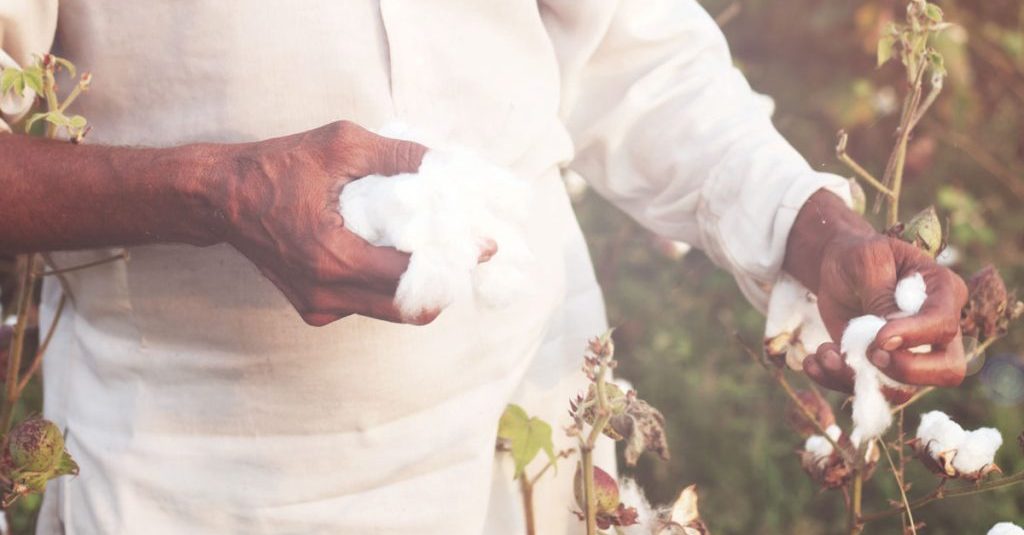
While a high thread count is often associated with luxury and can enhance density and smoothness, the true markers of quality in Egyptian cotton lie in the fiber itself and the meticulous craftsmanship of its spinning and weaving. Cheaper cotton marketed as "Egyptian cotton" might skip the crucial combing process that removes shorter, coarser fibers, or may be machine-harvested, leading to broken strands and a less refined texture. Hand-picked and combed Egyptian cotton, regardless of thread count, continues to represent the pinnacle of quality.
In a strategic move to combat desertification, reclaim land, and boost its national economy, Egypt's Ministry of Agriculture, under Alaa Farouk, announced the successful field trials of cotton cultivation in desert conditions in El Tor, South Sinai. Researchers at the Agriculture Research Centre, particularly the Cotton Research Institute, were credited for these advancements, which leveraged modern irrigation methods and targeted fertilization. The first harvest was completed in just 127 days, demonstrating the feasibility of producing high-quality cotton in arid, high-temperature environments. While traditional Egyptian cotton cultivation is centered in the Nile Delta, the success in arid regions showcases the adaptability of the Gossypium barbadense plant. The slow growth process in these environments allows for the development of the coveted extra-long, ultra-fine fibers that have maintained Egyptian cotton's high demand for centuries, ensuring its continued status as "white gold."
#EgyptianCotton #LuxuryBedding #TextileIndustry #CounterfeitGoods #CottonCultivation #SustainableMaterials #AgriculturalInnovation #ProductAuthenticity #EgyptianCotton #LuxuryBedding #TextileIndustry #CounterfeitGoods #CottonCultivation #SustainableMaterials #AgriculturalInnovation #ProductAuthenticity
0 comment in total
 No comments yet
You may also like
These Top-Reviewed Egyptian Cotton Sheets Are the Key to a Good Night's Sleep

The Best Egyptian Cotton Sheets of 2025!

The best Egyptian cotton bedding sets for hotel-worthy sheets at home

These $31 sheets feel more luxurious than Egyptian cotton

Looking for Egyptian Cotton Sheets? These Are the Ones I'd Buy Now — Rated by Style and Brilliant Reviews

8 Egyptian Cotton Sheets That Are 100% Worth the Splurge

The 10 Best Egyptian Cotton Sheet Sets to Shop Now

7 Best Cotton Sheets for the Dreamiest Night's Sleep
Egyptian Cotton Sheets — What are They and Which are Best?
The 4 Best Egyptian Cotton Sheet Sets, Tested by BHG

The Best Egyptian Cotton Sheets in Canada of 2025
These Are the 14 Best Cotton Sheets for a Dreamy Night's Sleep
What Is Egyptian Cotton?
Best Egyptian Cotton Sheets of 2025 (Queen & King Sizes)

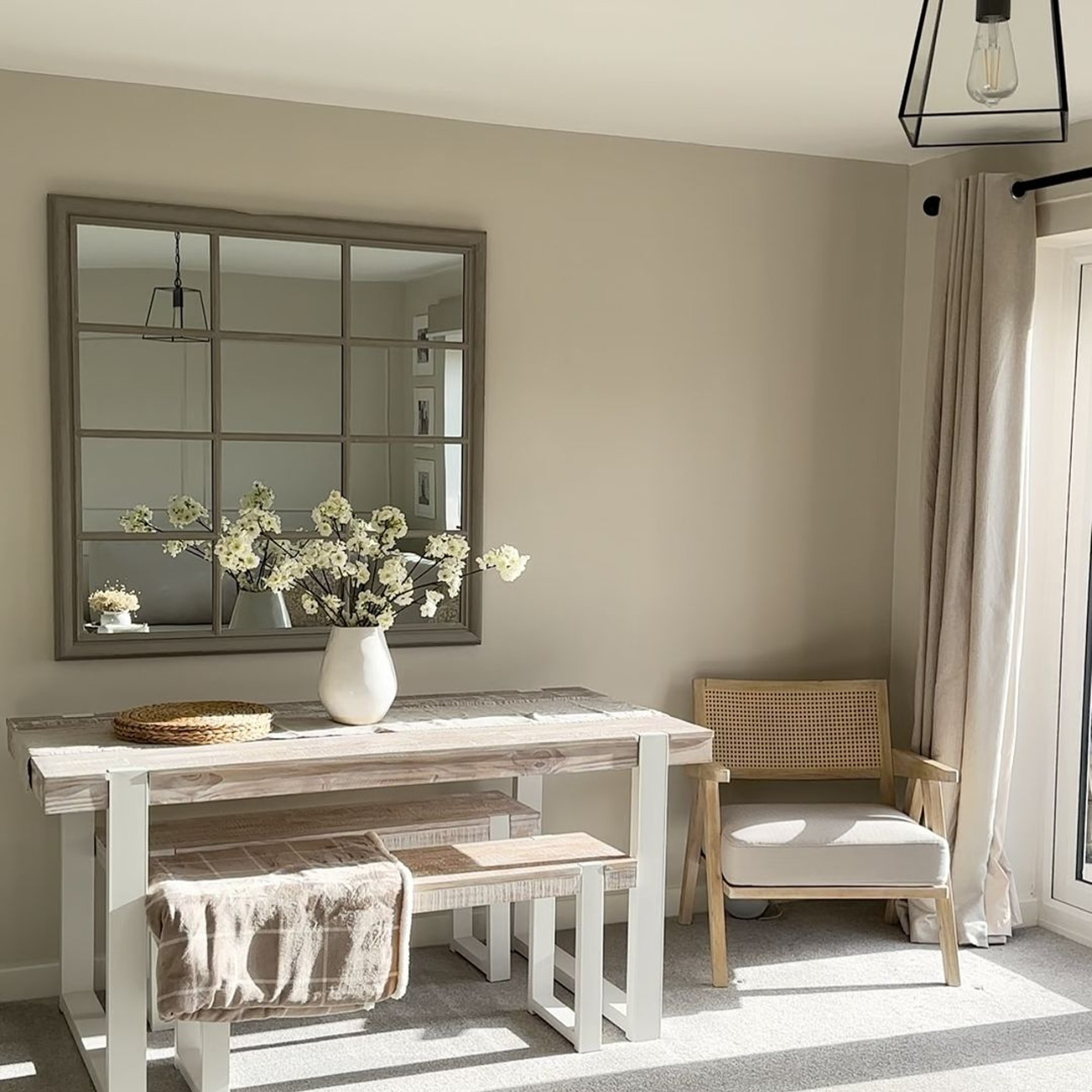
Dulux's Egyptian Cotton is the perfect neutral shade going viral on TikTok – here’s why
We Slept on the Best High Thread Count Sheets We Could Find, and These Were Our Undeniable Favorites

The 5 Very Best Egyptian-Cotton Sheets
We Slept on All Kinds of Bedding to Find the 5 Best Egyptian Cotton Sheets

Best Cotton Sheets of 2025: Supima, Pima, and Organic Options