1/16
Linen, bamboo or cotton: which material is the best for bed sheets?
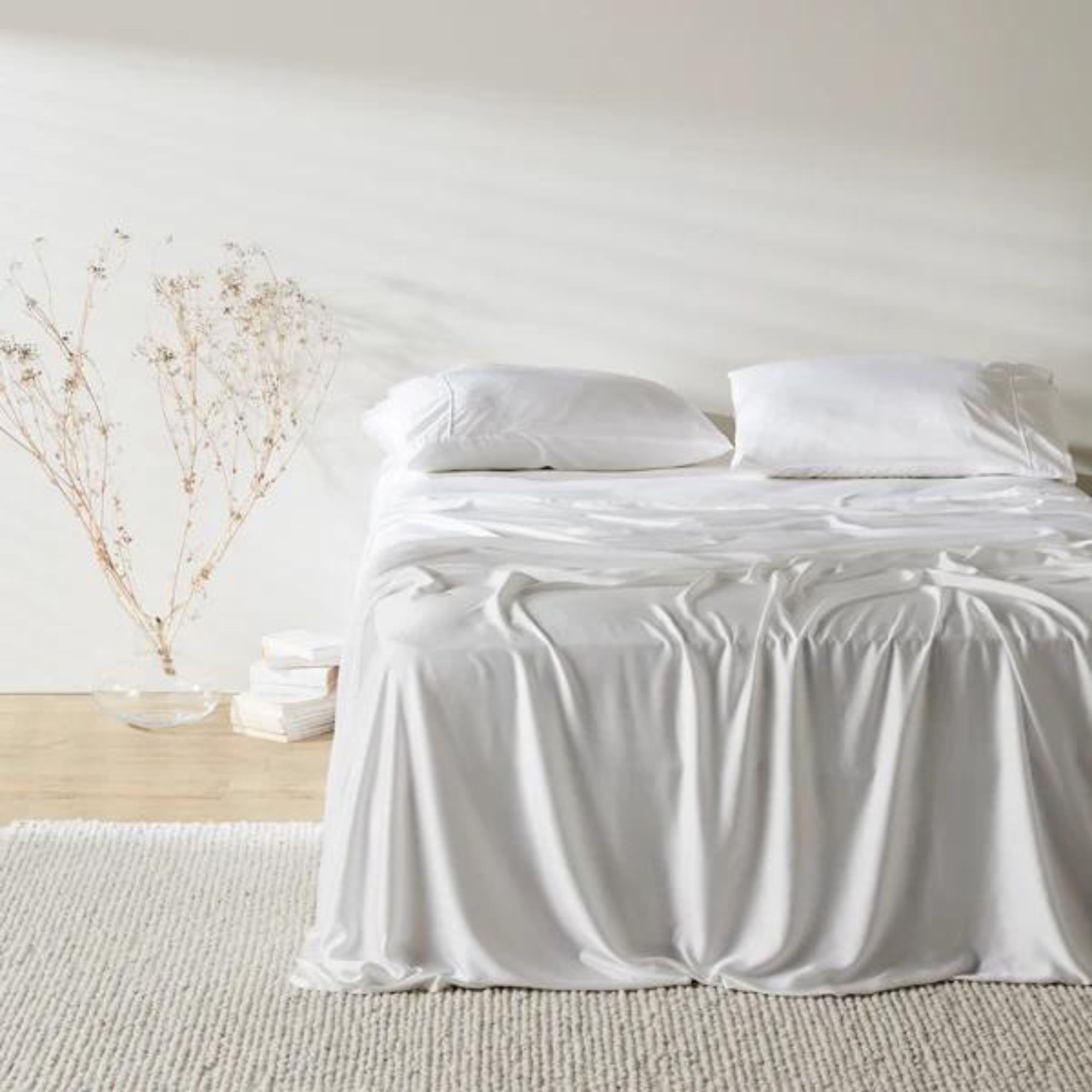
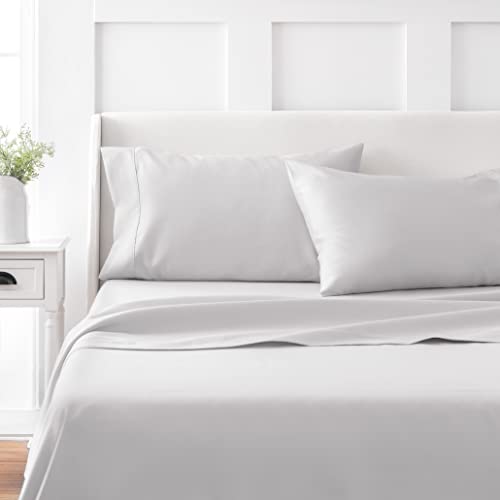
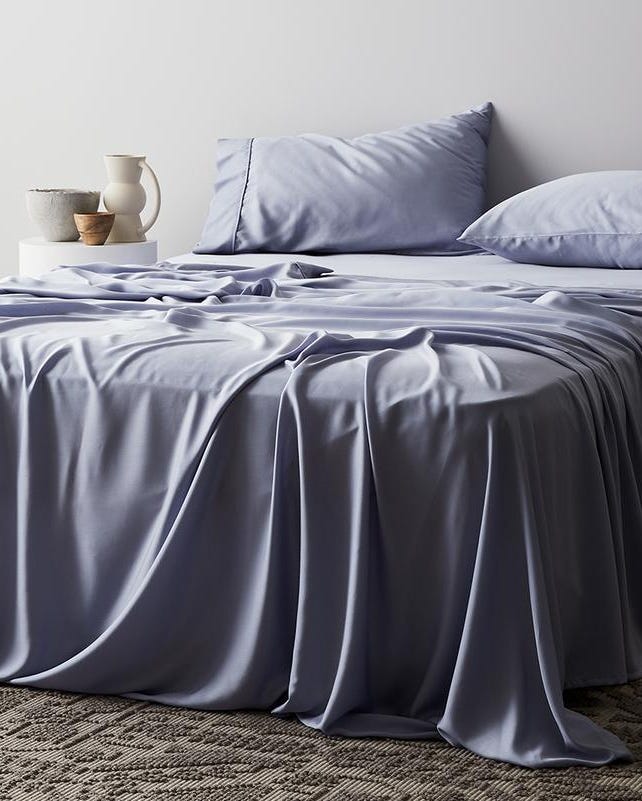
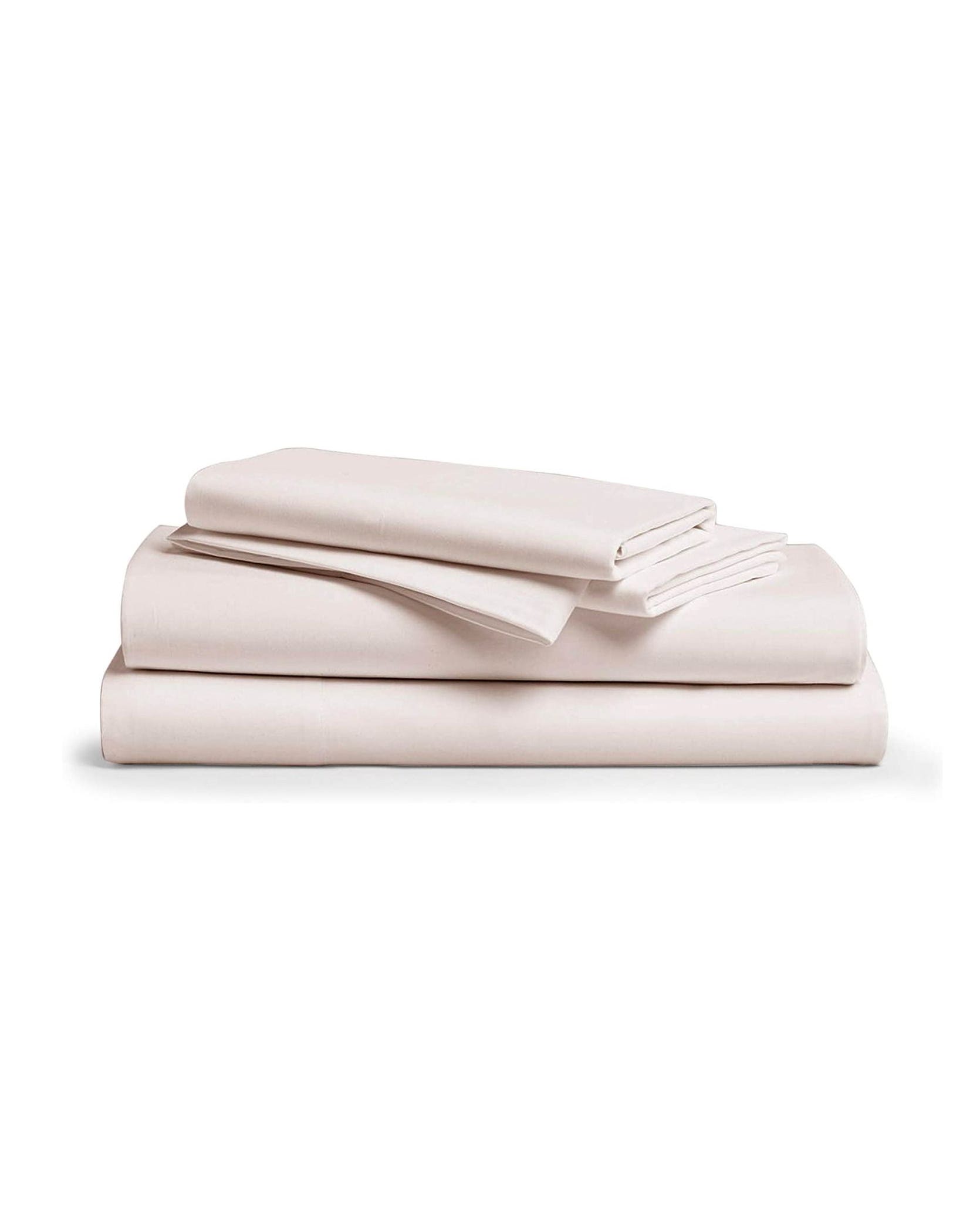
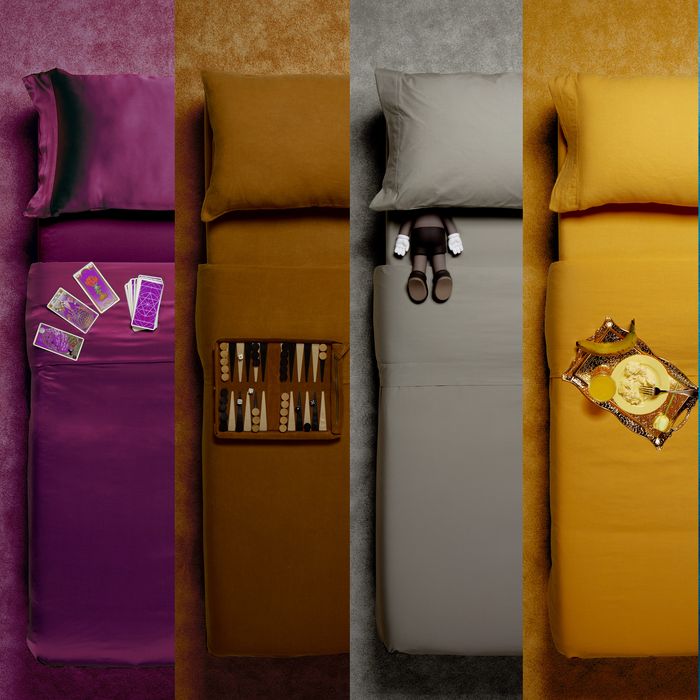
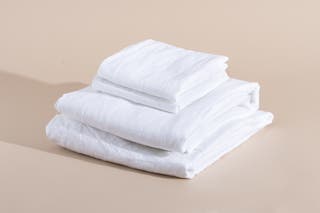
The selection of bed sheets is a crucial decision for ensuring a comfortable and rejuvenating night's sleep, with various materials offering distinct benefits and characteristics. While cotton sheets have been a long-standing popular choice, the market now offers a wide array of options, including linen, bamboo, and silk, each catering to different preferences and needs.
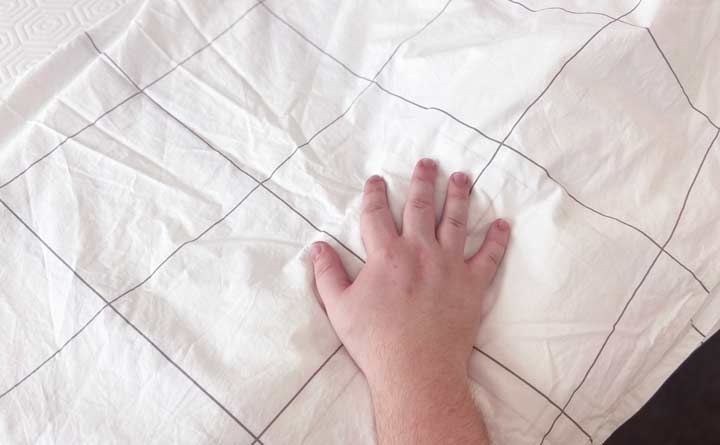
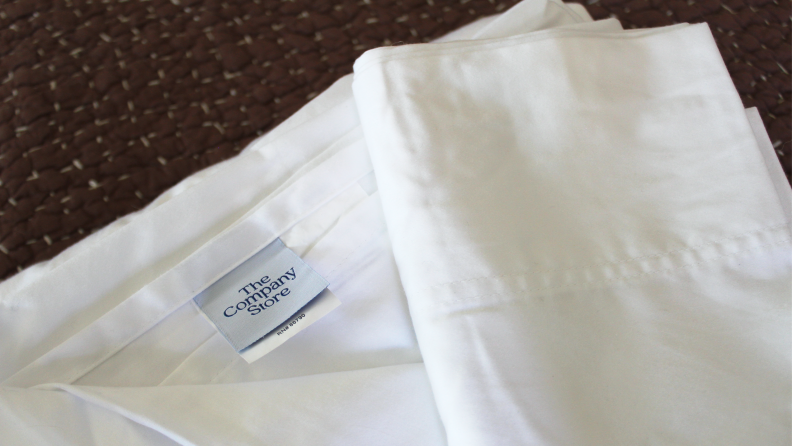
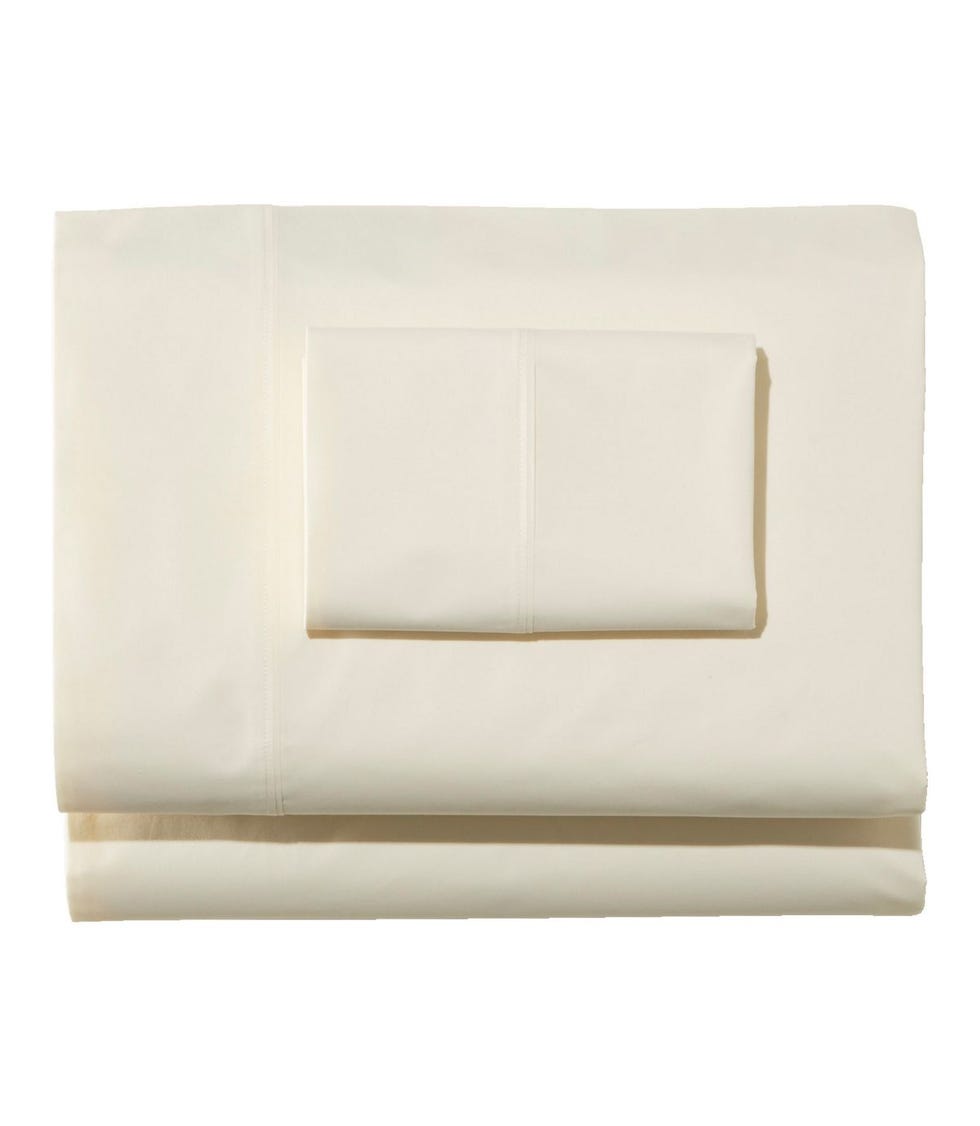
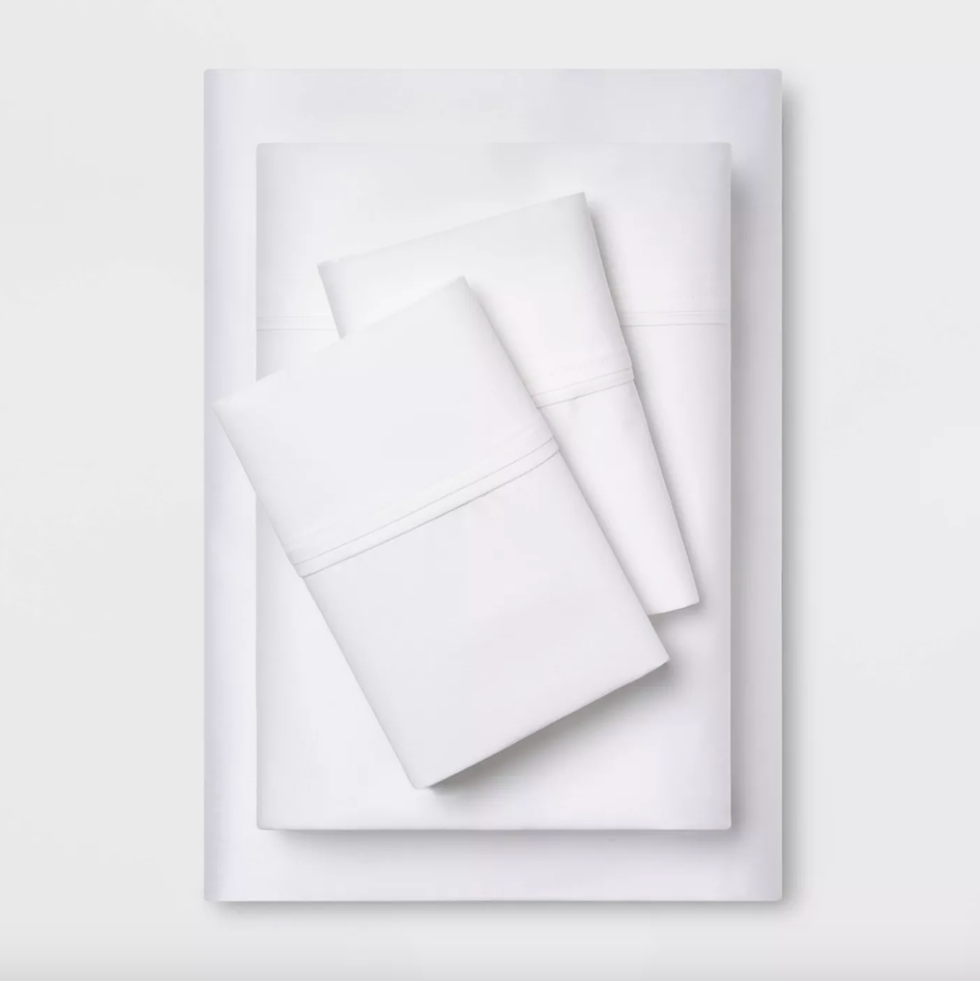
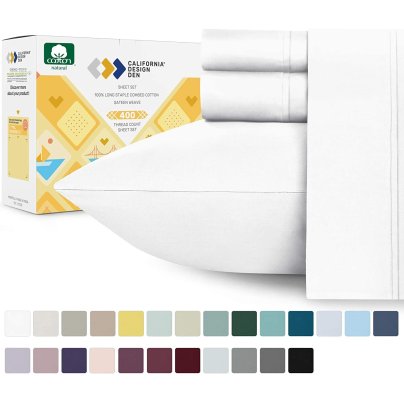
Cotton, as the most prevalent fiber, boasts natural breathability, hypoallergenic properties, and all-season versatility, making it a reliable and affordable choice. However, its quality can vary significantly, with organic or Egyptian cotton offering superior softness. A common drawback of cotton sheets is their susceptibility to wrinkling, and their environmental footprint is larger compared to materials like bamboo due to higher water and pesticide usage. Despite these considerations, cotton remains a durable and generally well-liked option, though some might find it less luxurious in appearance than linen.
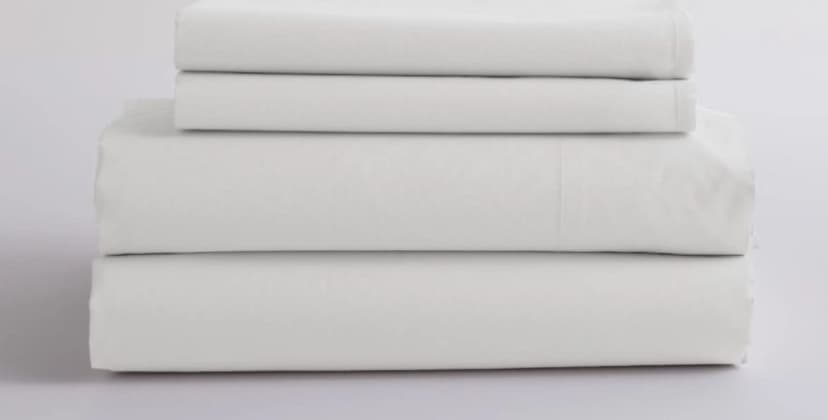
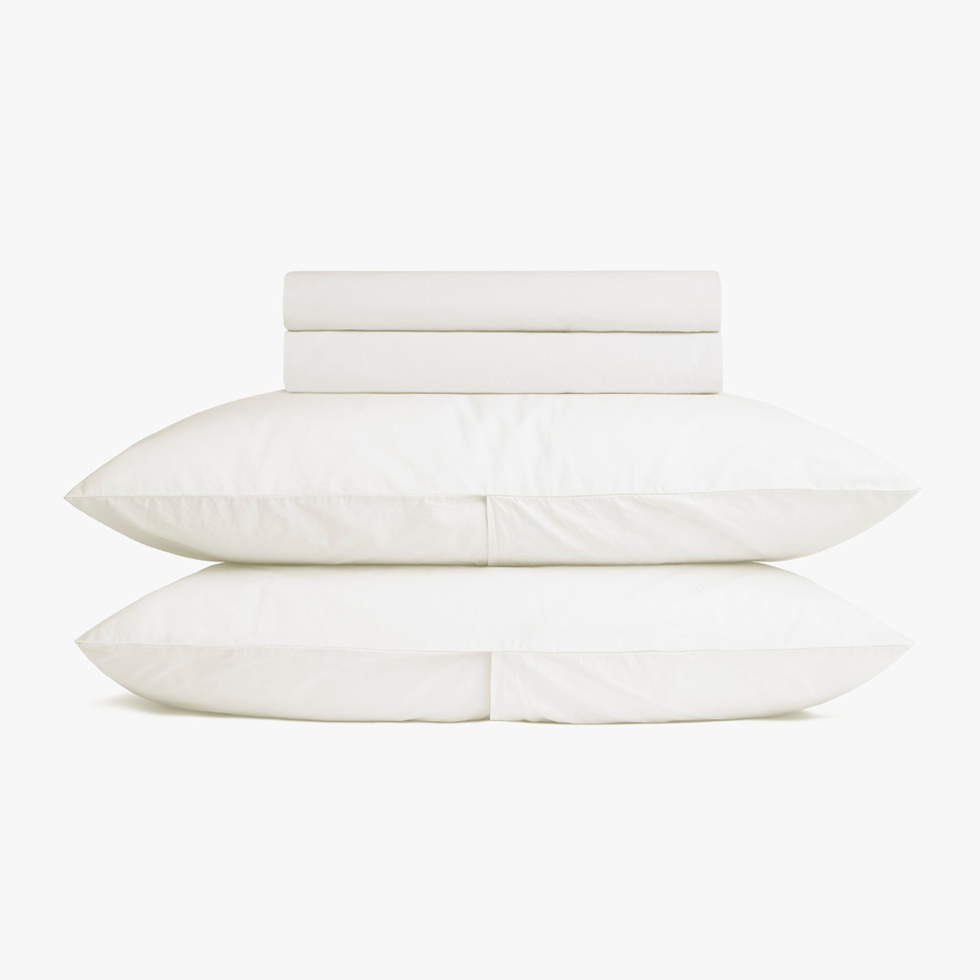
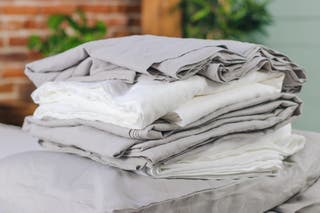
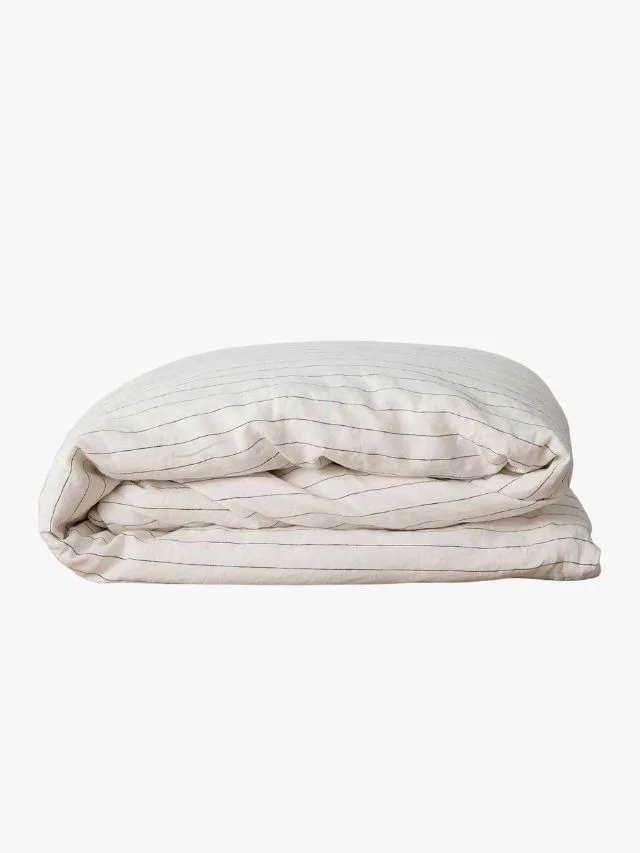
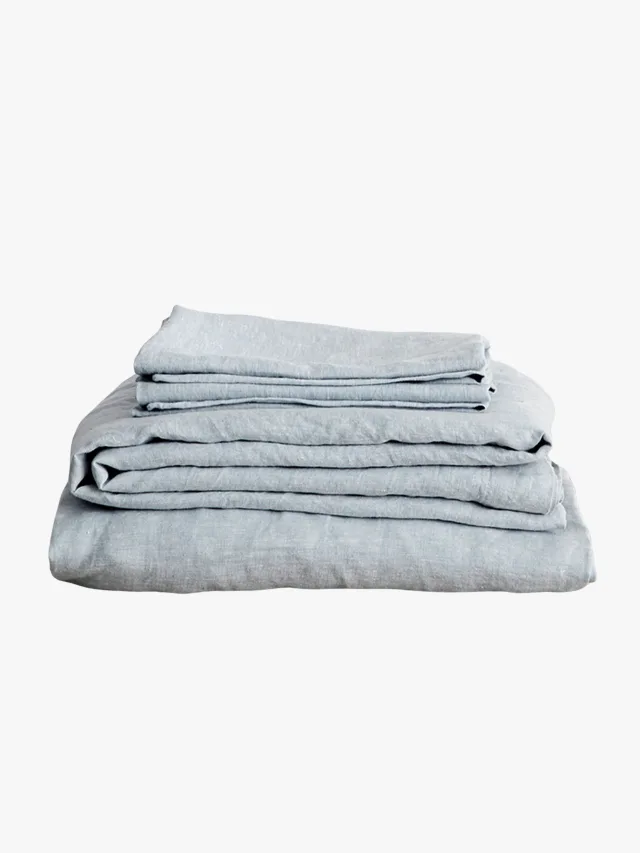
Linen sheets are favored for their lightweight nature, exceptional breathability, and absorbency. They are particularly effective at regulating temperature, providing coolness in summer and warmth in winter. The texture of linen is unique; initially, it can feel slightly coarser than cotton or bamboo, but it softens considerably with each wash, much like breaking in new leather. While linen often comes with a higher price tag, its strength, durability, and ability to improve with age make it a worthwhile investment for those seeking a distinct feel and long-lasting quality.
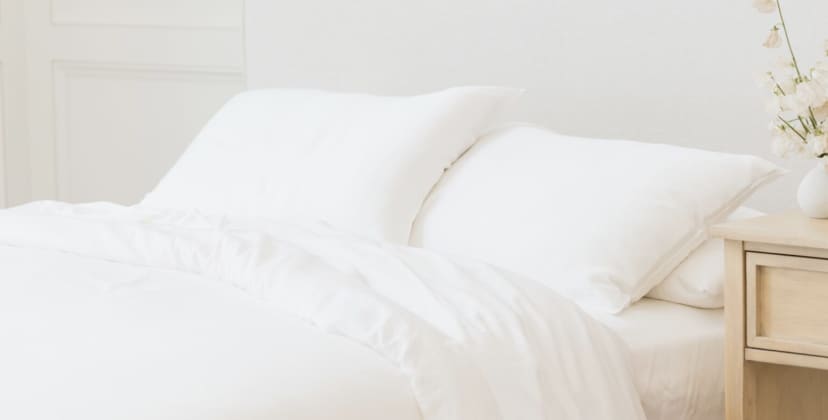
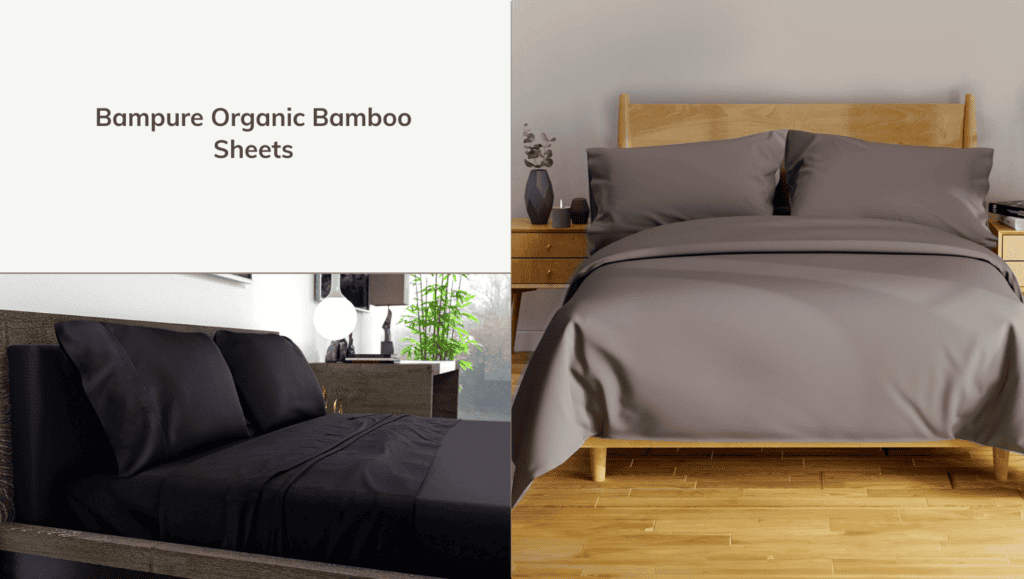
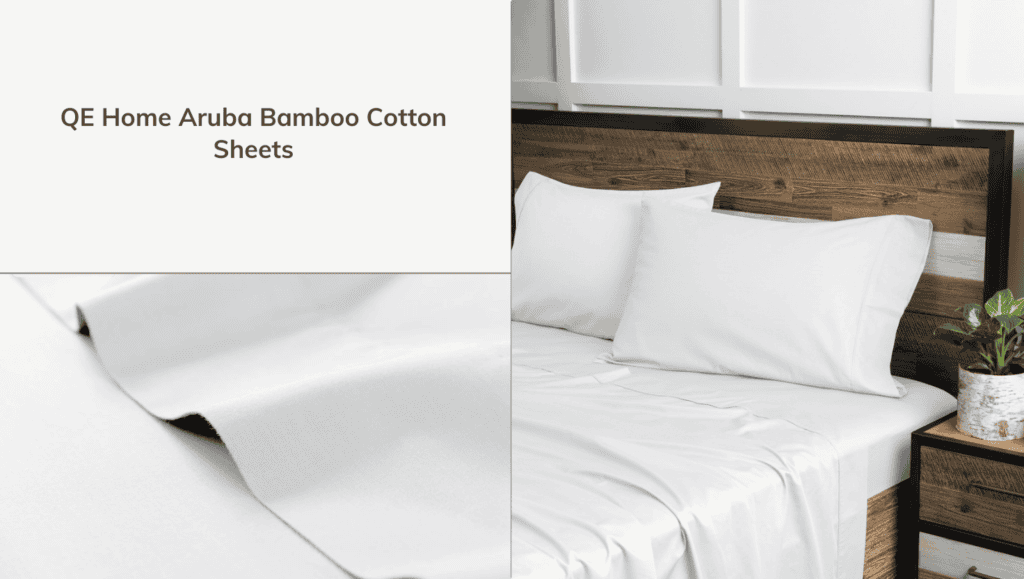
Bamboo bedding, a more recent addition to the commercial market, offers a silky finish akin to silk sheets but with added environmental benefits. Known for being eco-friendly, cool, hypoallergenic, breathable, and highly durable, bamboo sheets are an attractive alternative. Potential downsides include their heavier feel and a more limited color palette compared to cotton. Despite being generally more expensive than cotton, bamboo sheets are typically more affordable than silk, making them a good option for those desiring a luxurious, smooth feel without the premium cost of pure silk.
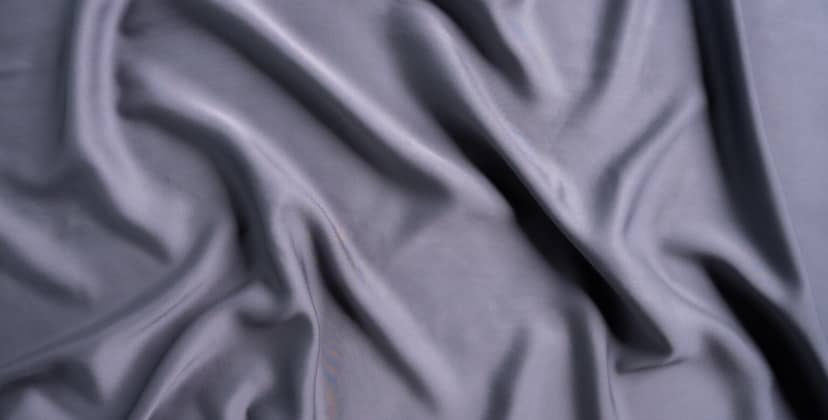
Silk sheets represent the pinnacle of luxury in bedding. Renowned for their unparalleled softness, silk is also breathable, hypoallergenic, and highly effective at temperature regulation, providing warmth in winter and coolness in summer. Mulberry silk is considered the highest quality due to its smooth texture and strength. The primary deterrent for silk bedding is its high cost and the need for delicate care, as it is prone to stains and requires specific washing instructions. Some individuals might also find the exceptionally smooth surface of silk to be too slippery. The 'momme' measurement, a traditional Japanese unit, indicates the weight and density of silk, with a higher momme signifying more silk per square inch and thus higher quality.
When choosing bed sheets, the article highlights that the optimal thread count for quality, durability, and comfort generally falls between 200 and 600. It also cautions that a higher thread count does not automatically equate to better quality, as thinner, lower-grade threads can be used to artificially inflate this number. Ultimately, the best bed sheets are those that align with individual preferences for material, feel, and aesthetic, contributing to a restful night's sleep.
#BedSheets #BeddingMaterials #CottonSheets #LinenSheets #BambooSheets #SilkSheets #HomeDecor #BedroomEssentials #SleepComfort #BedSheets #BeddingMaterials #CottonSheets #LinenSheets #BambooSheets #SilkSheets #HomeDecor #BedroomEssentials #SleepComfort
0 comment in total
 No comments yet
You may also like
Best Bamboo Sheets: Expert-Tested and Reviewed

8 Best Cotton Sheets (2025)

Best Bamboo Sheets in Canada | Made in CA

Hot Sleepers Love These Soft and Breathable Bamboo Sheets — Including an Oprah Favorite
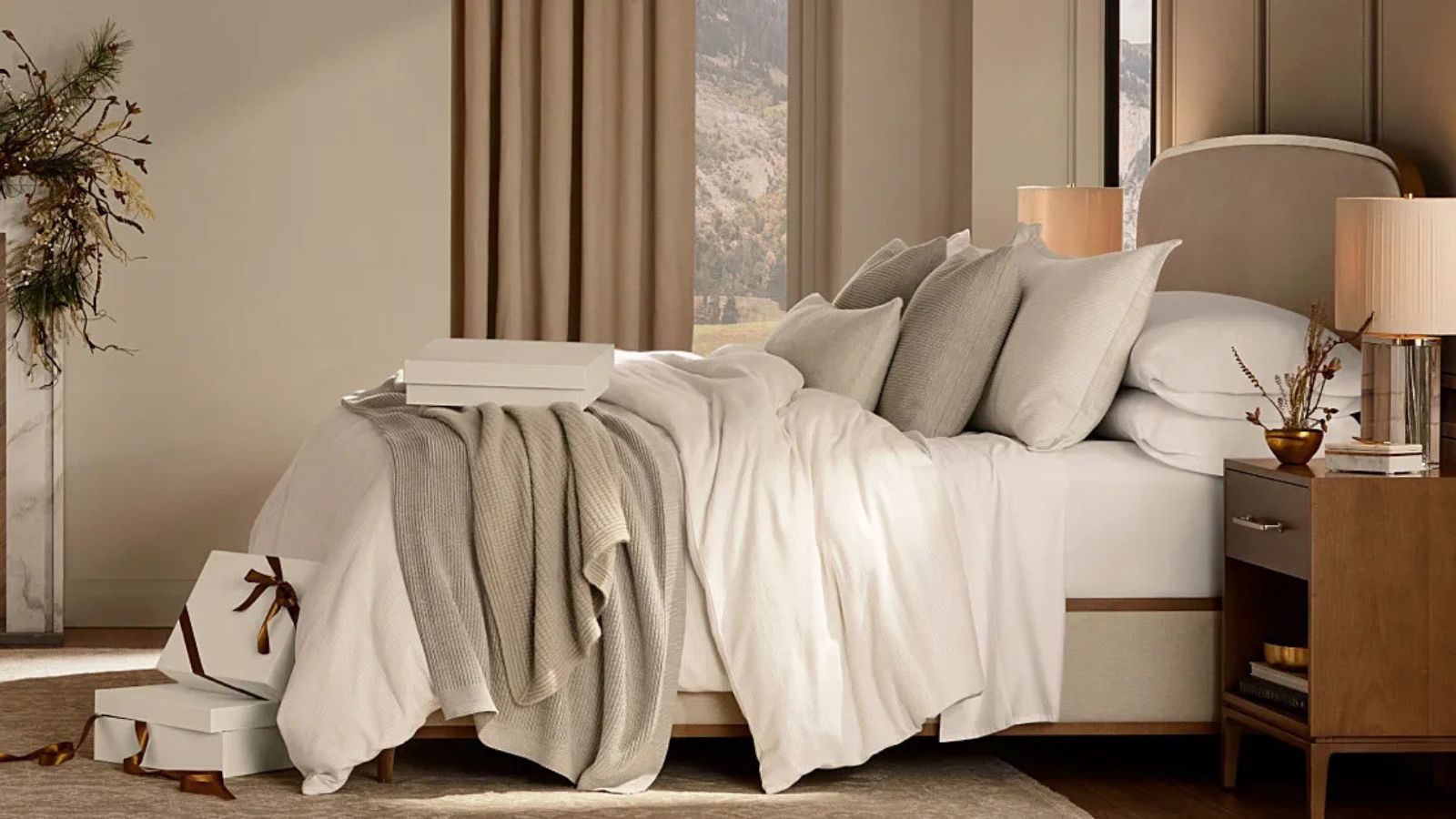
Best white bed sheets 2025 – luxury linens, cooling cottons, and breathable bamboo

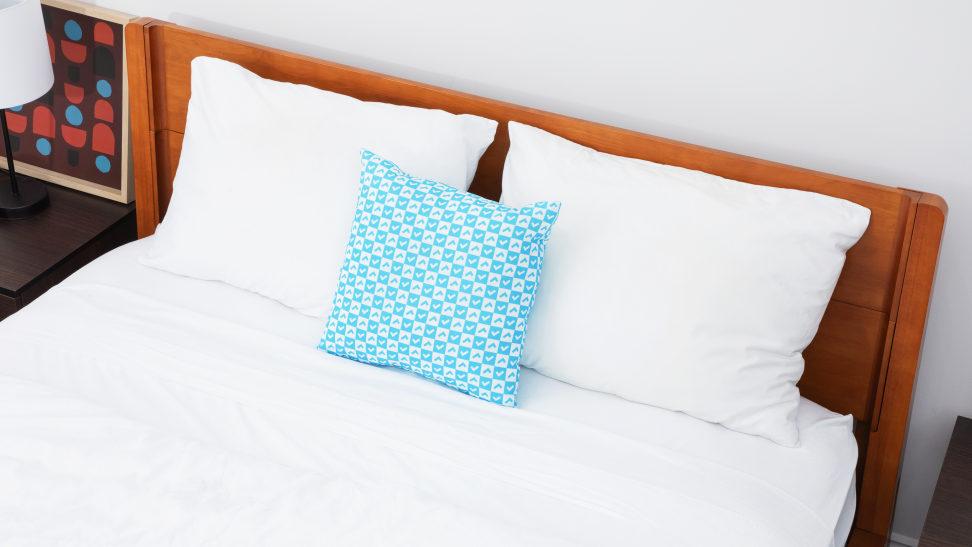
The Best Sateen Sheets of 2025

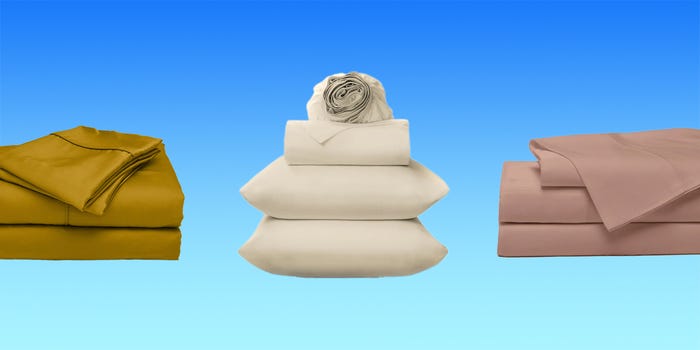
Cool, breathable, and addictively soft, these bamboo sheets made me a convert for life
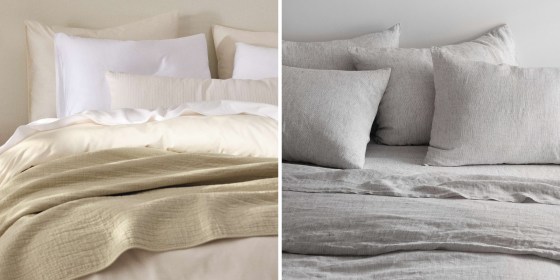
The 13+ Best Bed Sheets of 2025, Tested and Reviewed
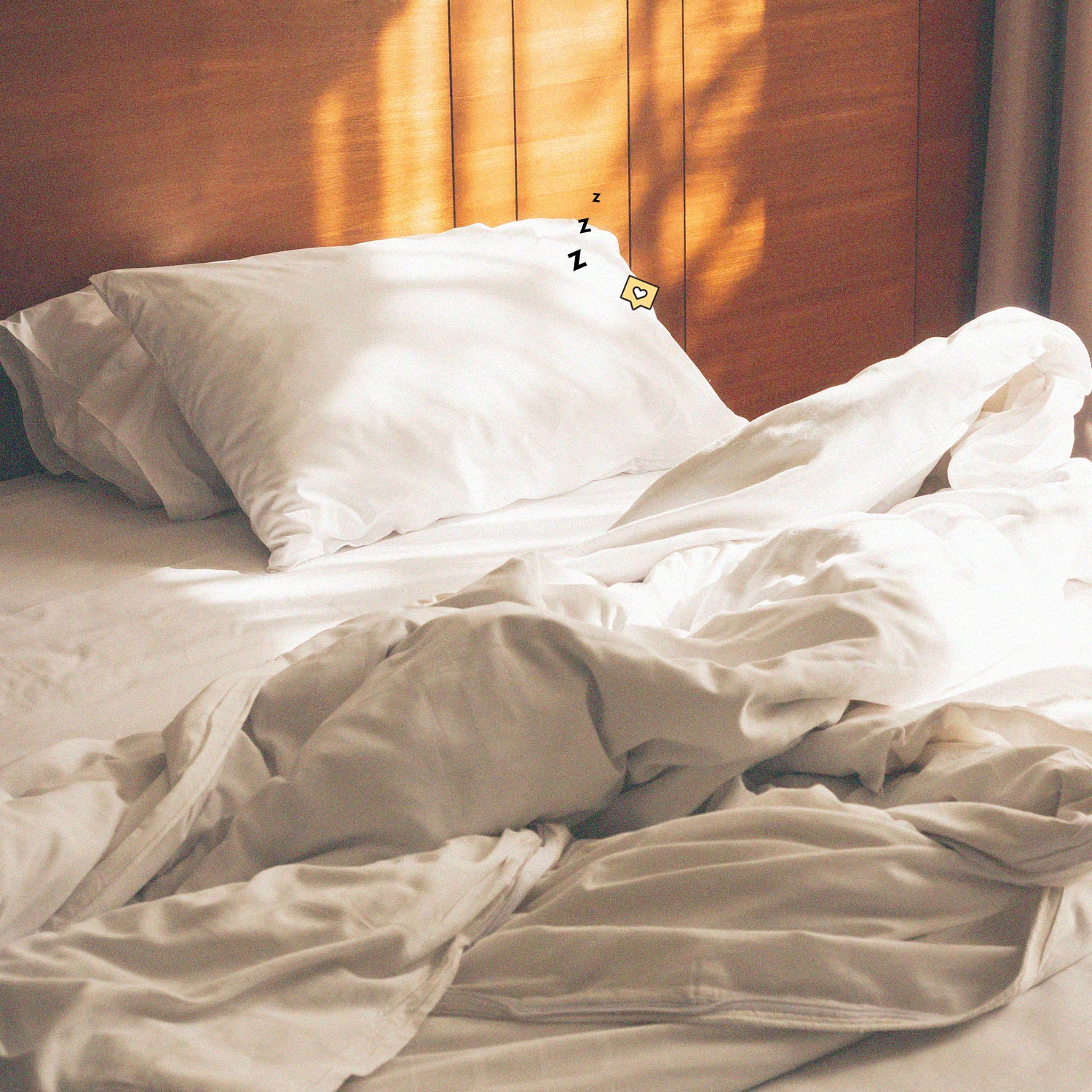
Presenting: The Best Sheets That’ll Change Your Sleep Game For Good
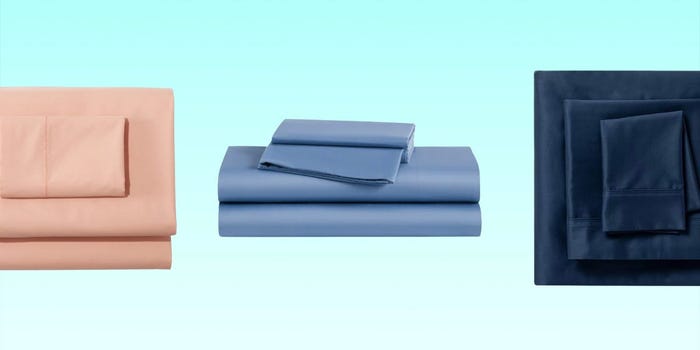
The best cotton sheets, tested and reviewed
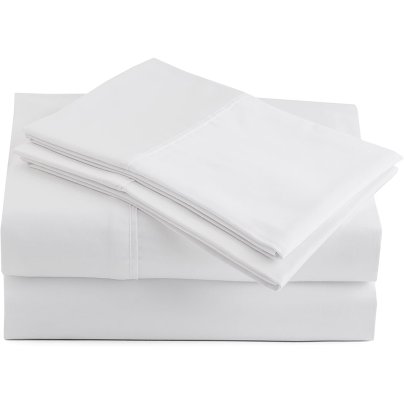
The Best Bed Sheets You Can Get


Our Favorite Linen Sheets
OK, Once and For All: What Is the Best Fabric For Bed Sheets?
Best Sheets of 2025: Expert Tested


10 best bedding sets for the perfect night’s sleep


The Best Linen Bed Sheets In Australia, From Neutral Hues To Beachy Stripes

The 23 Very Best Bedsheets
A Complete Guide on the Best Cotton Sheets

The Best Bed Linens for Every Design Style


A Guide to Cotton Sheets—and How to Choose the Right Fiber and Thread Count for You