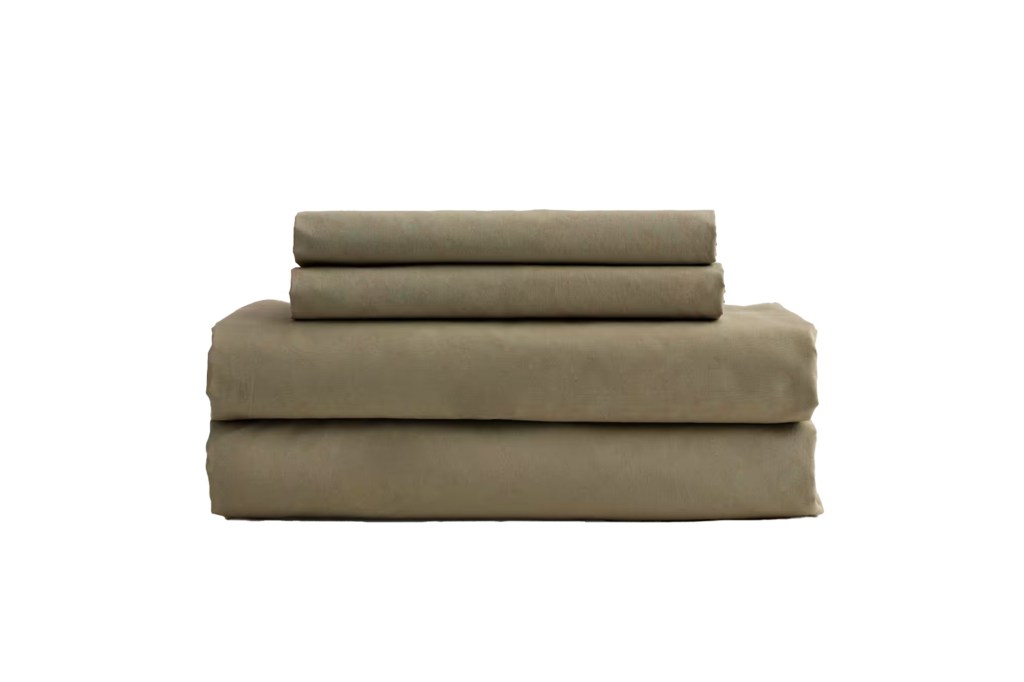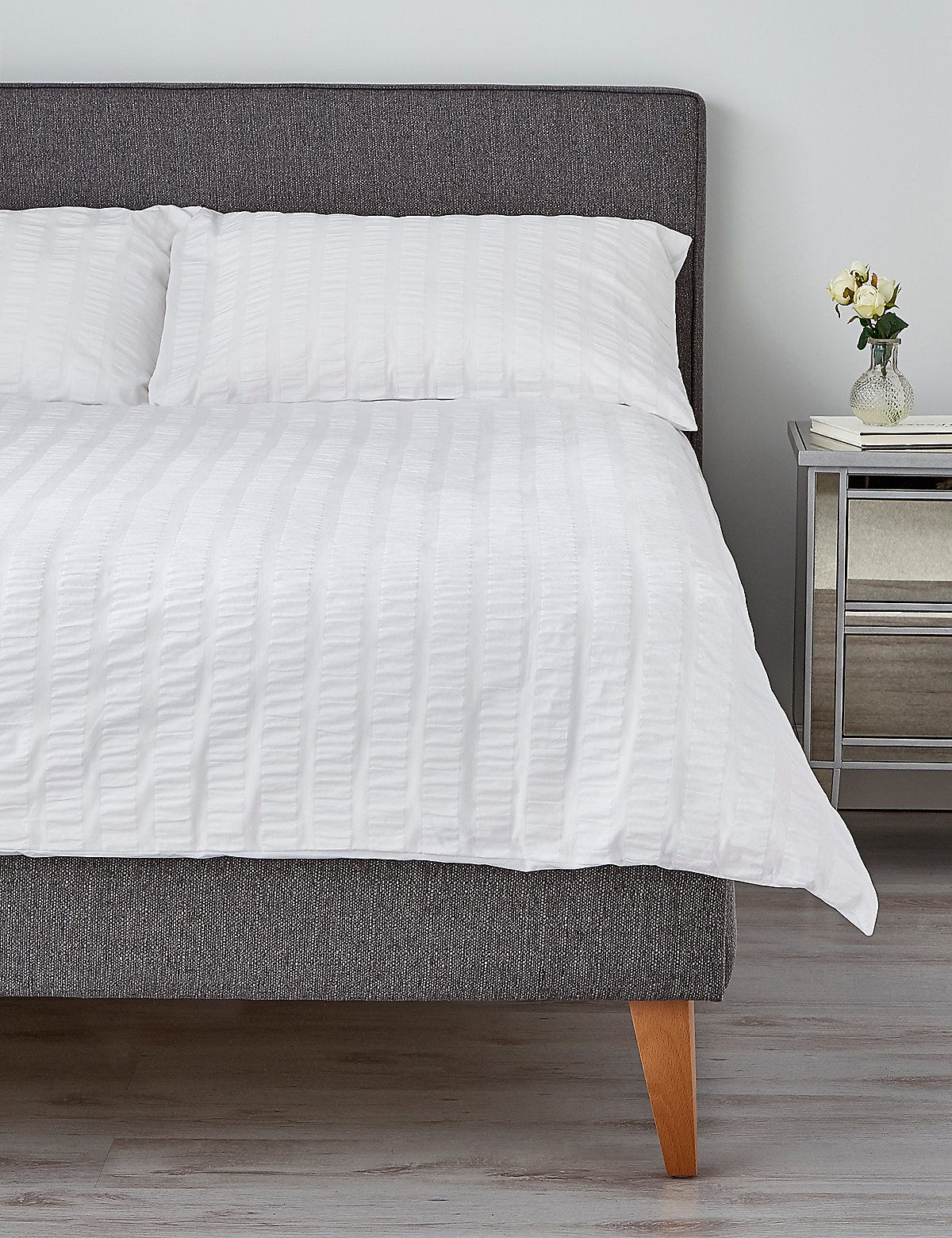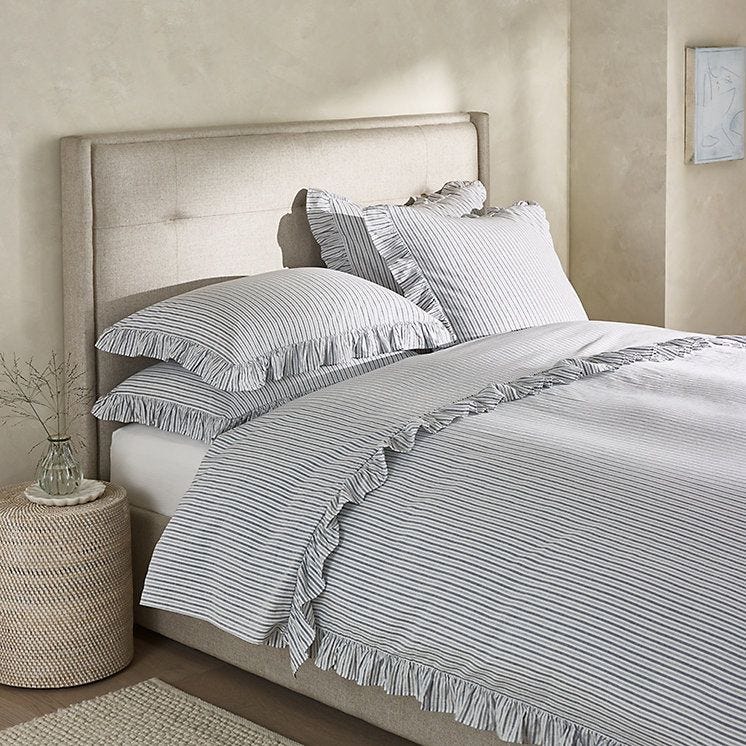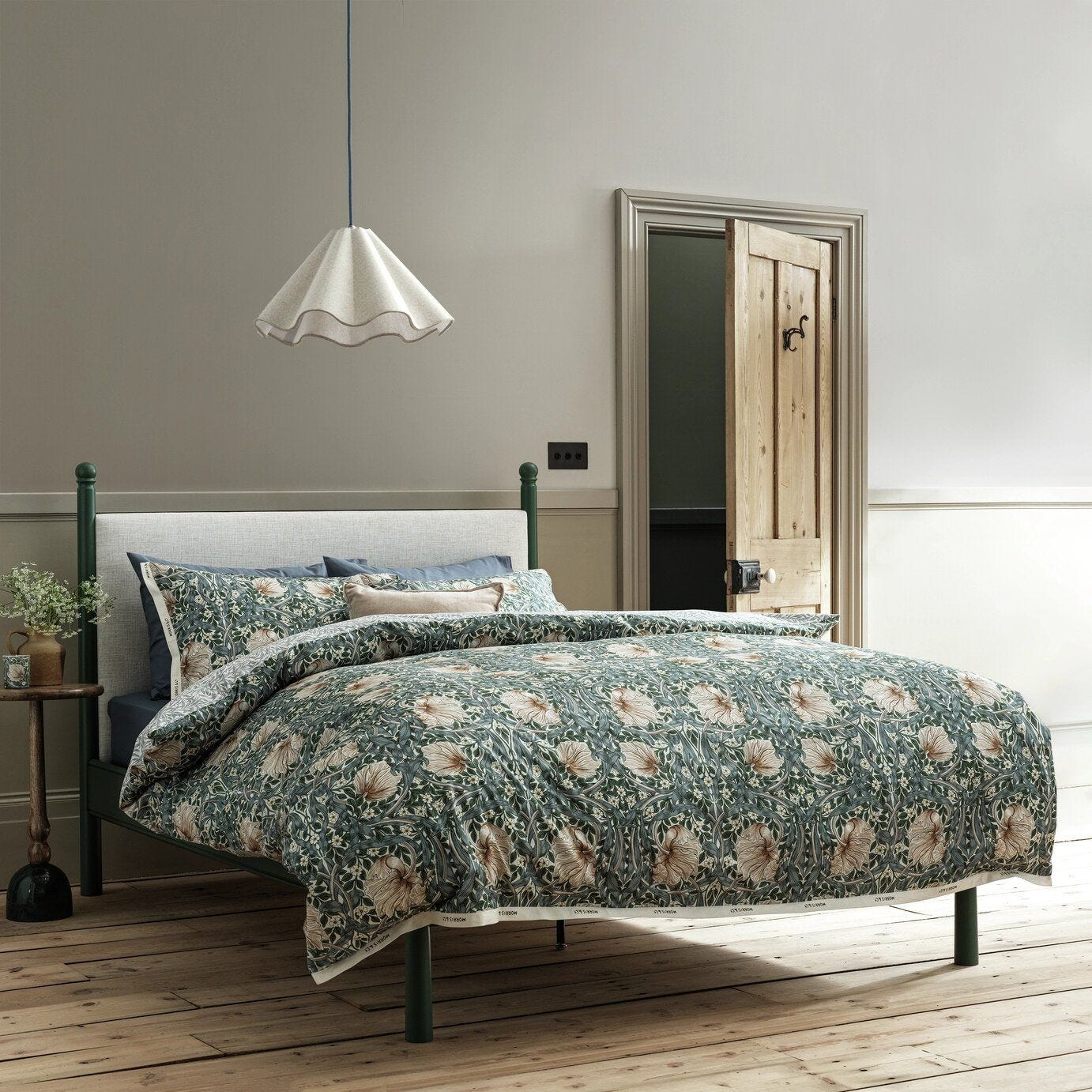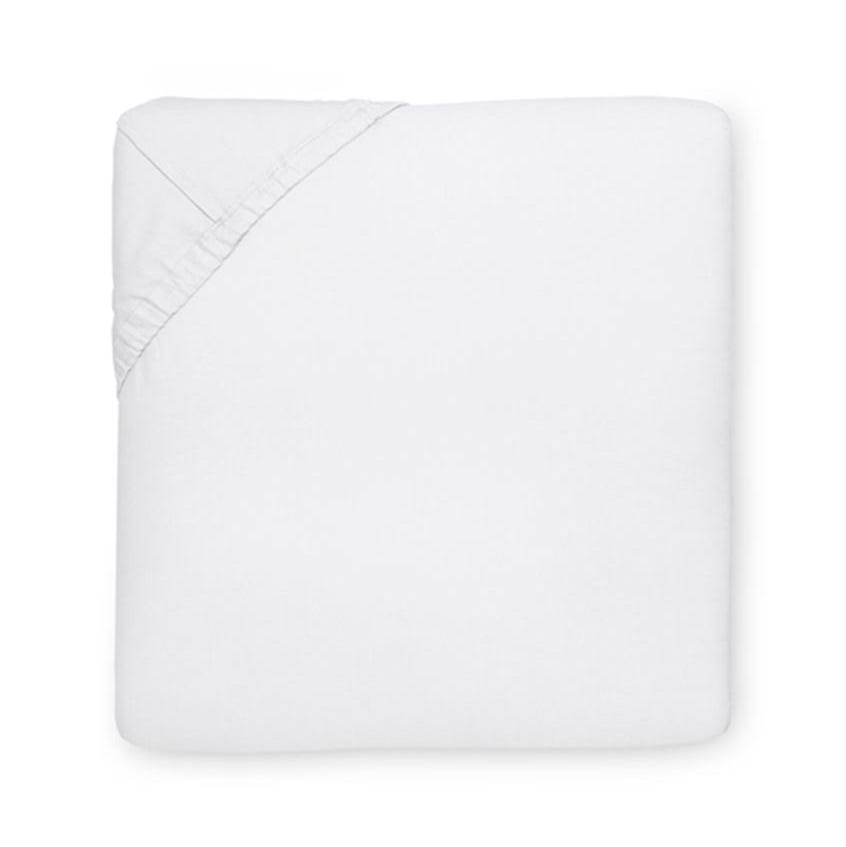

A Guide to Cotton Sheets—and How to Choose the Right Fiber and Thread Count for You
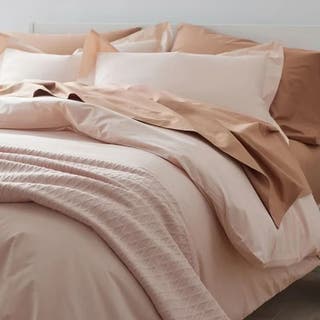
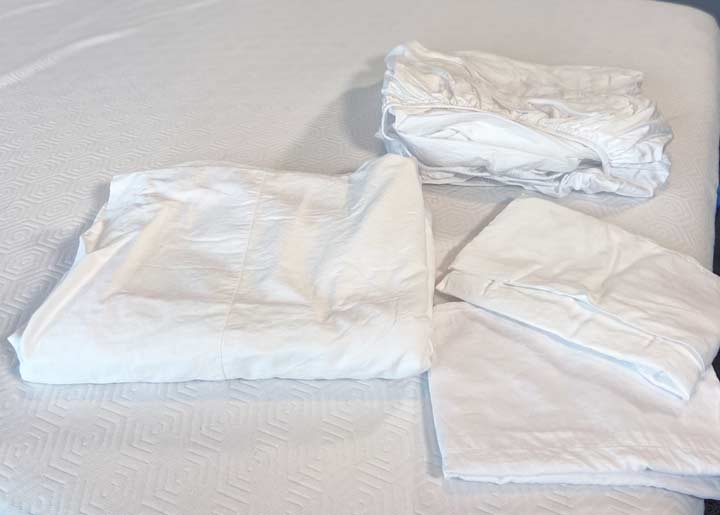
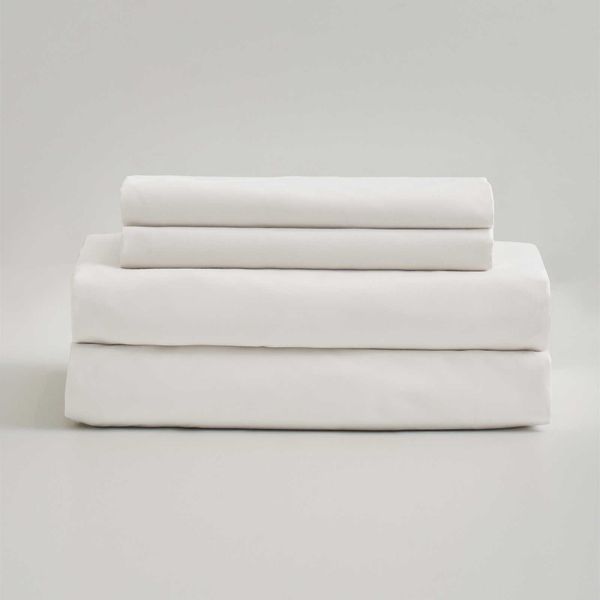
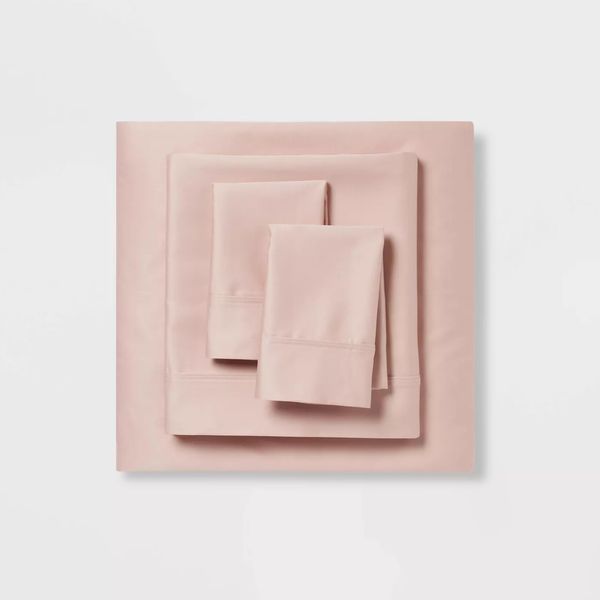
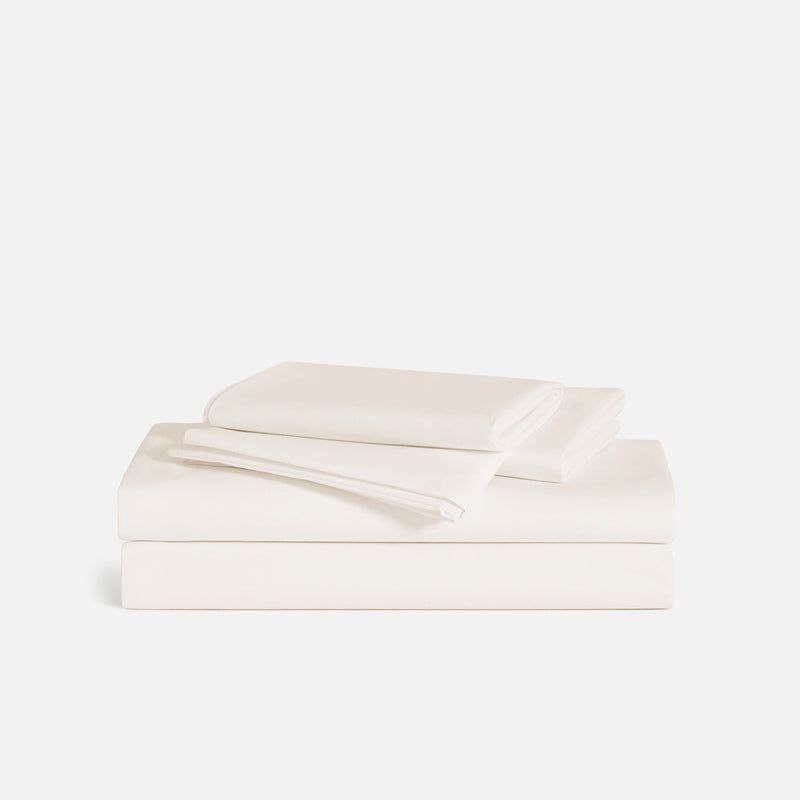
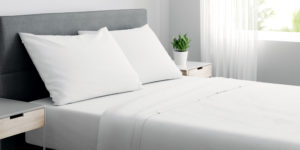
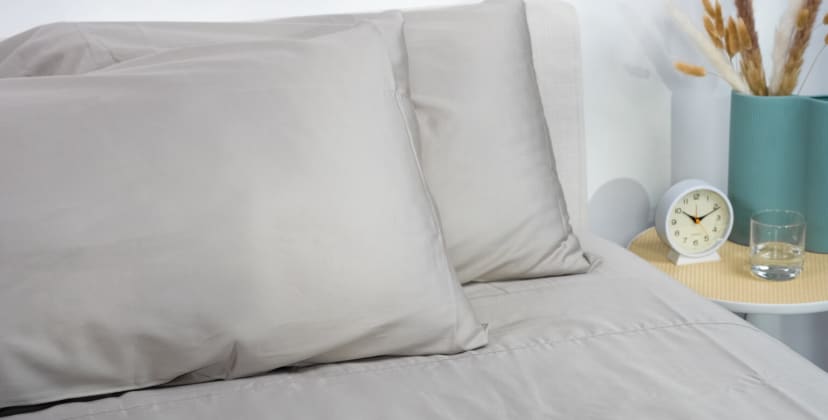
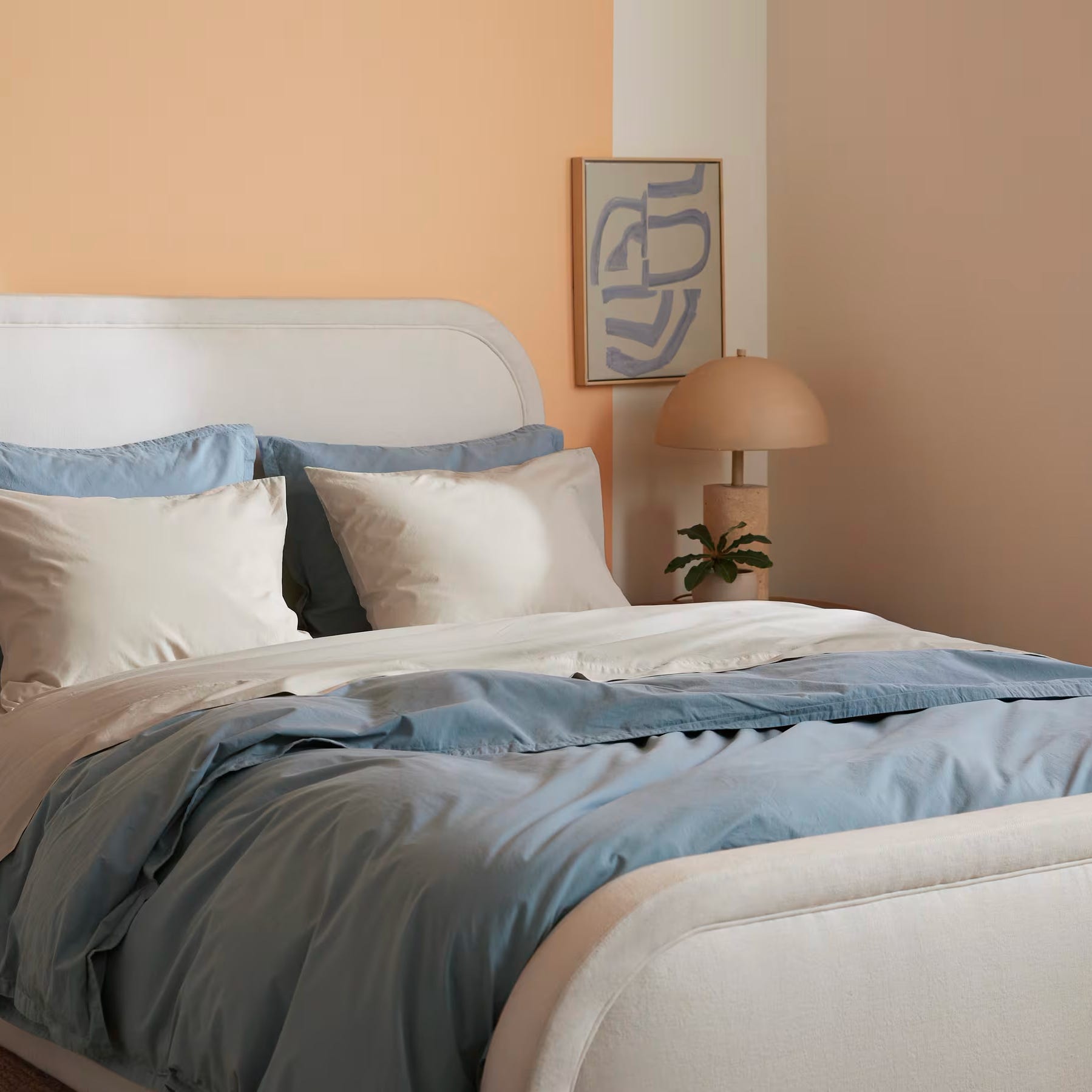
Choosing the right cotton sheets involves understanding various factors that go beyond simple color and size. Experts emphasize the importance of considering the type of cotton, weave pattern, thread count, and even mattress depth to ensure optimal comfort and durability. This guide delves into these key considerations, offering insights from industry professionals to help consumers make informed decisions.
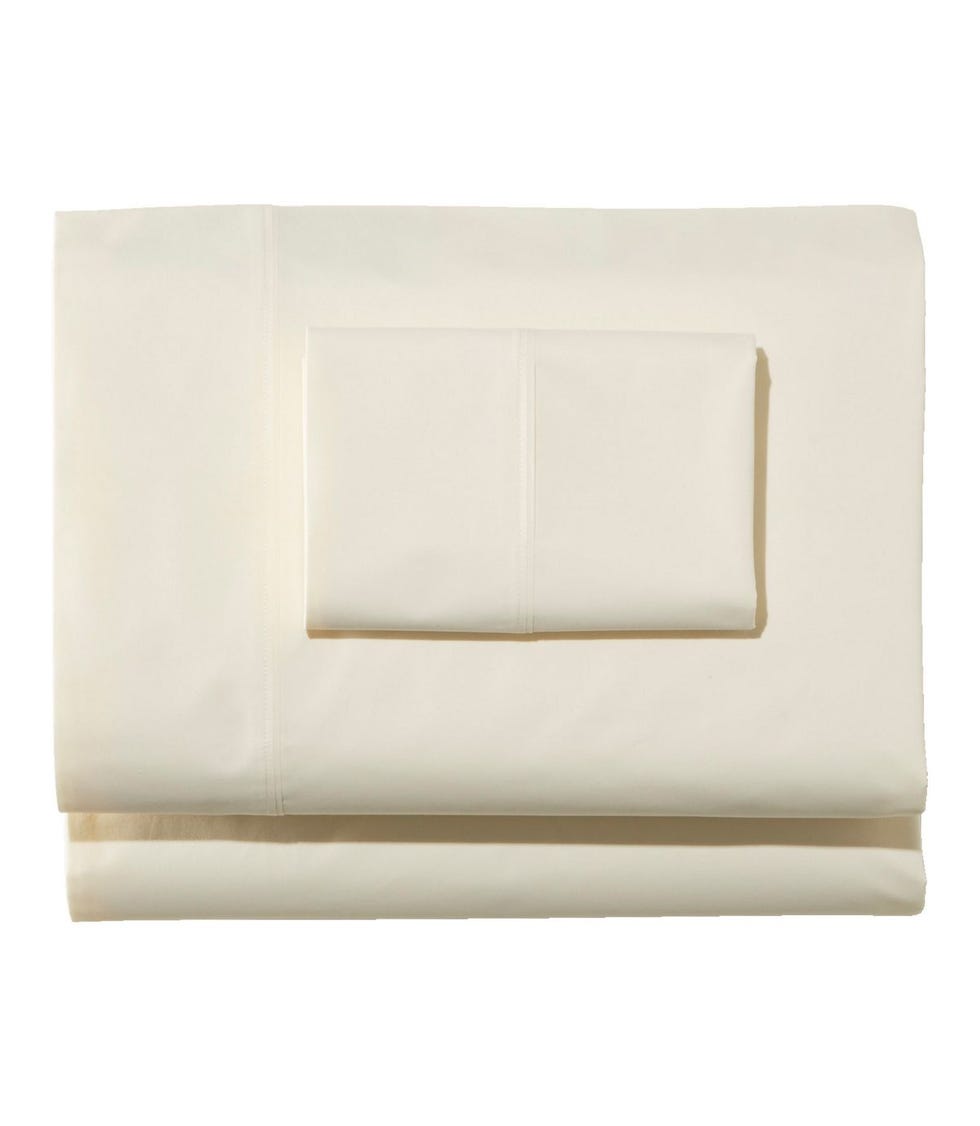
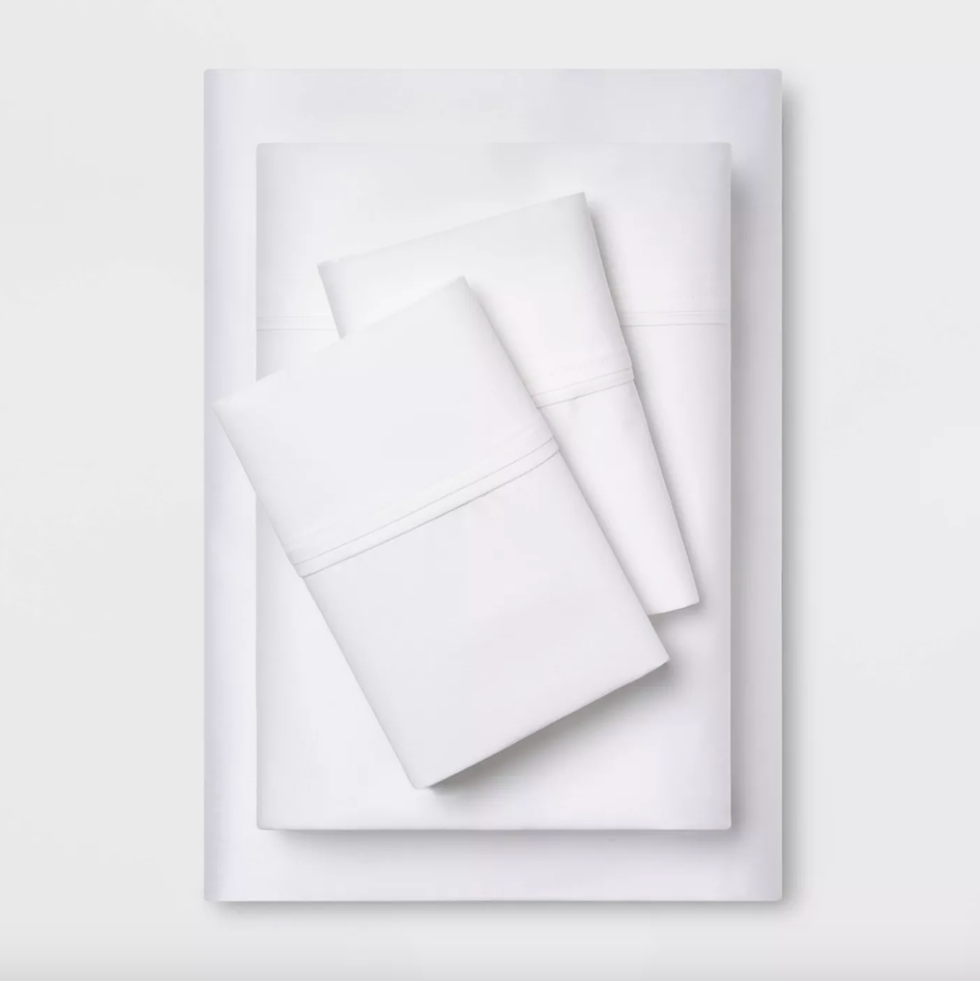
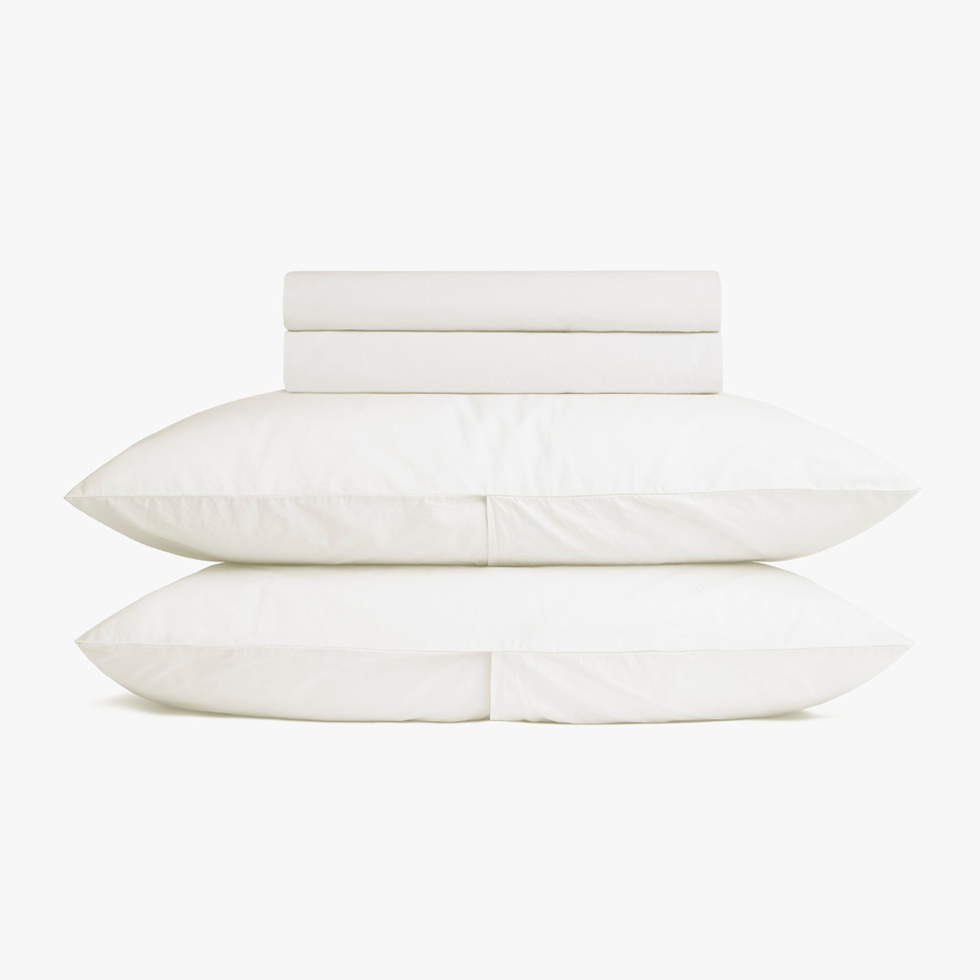
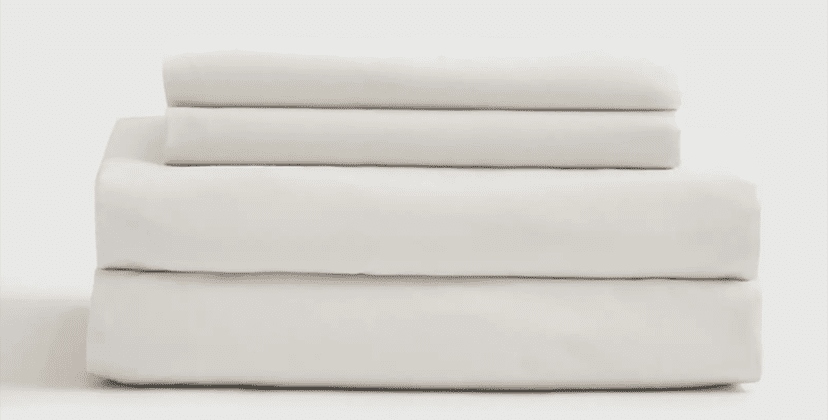
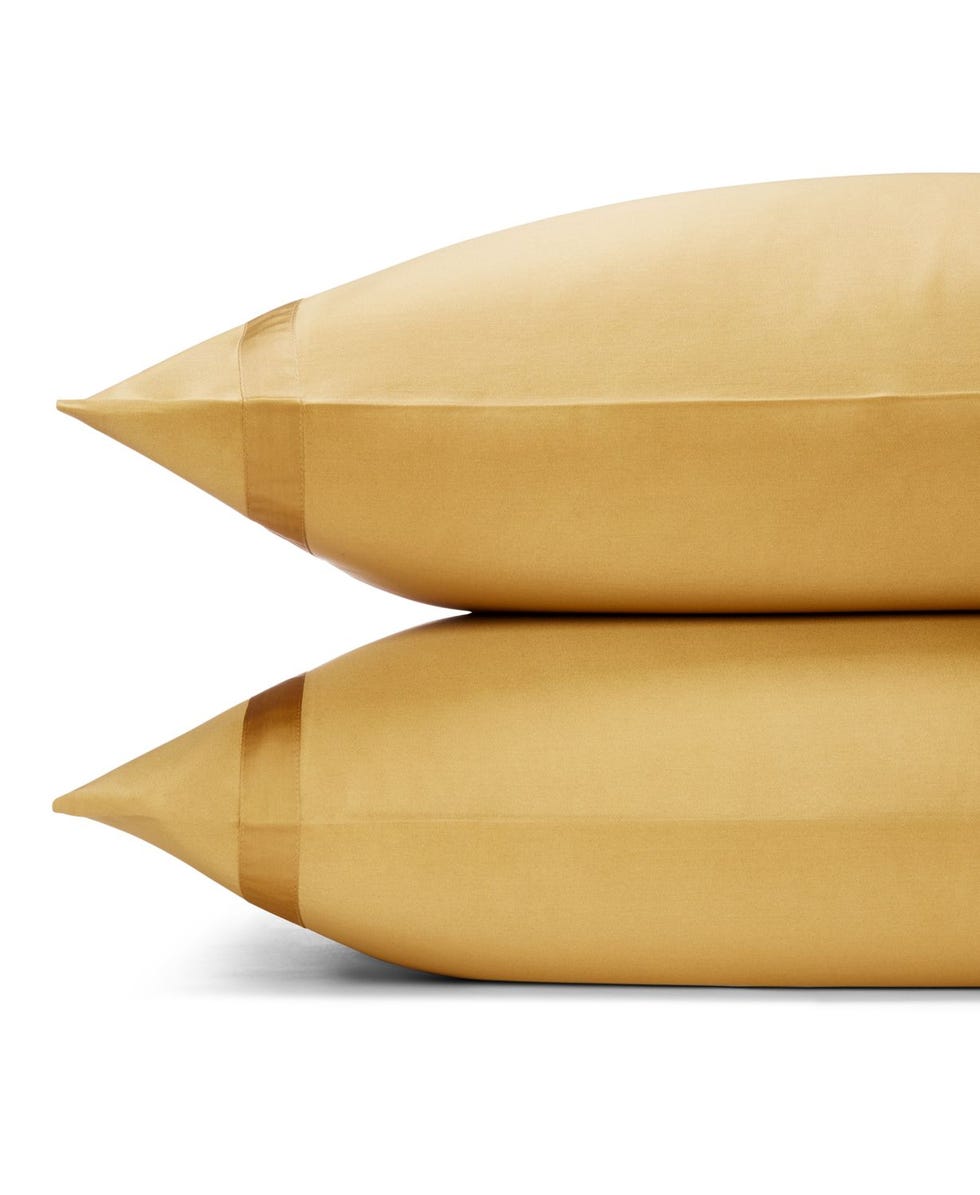
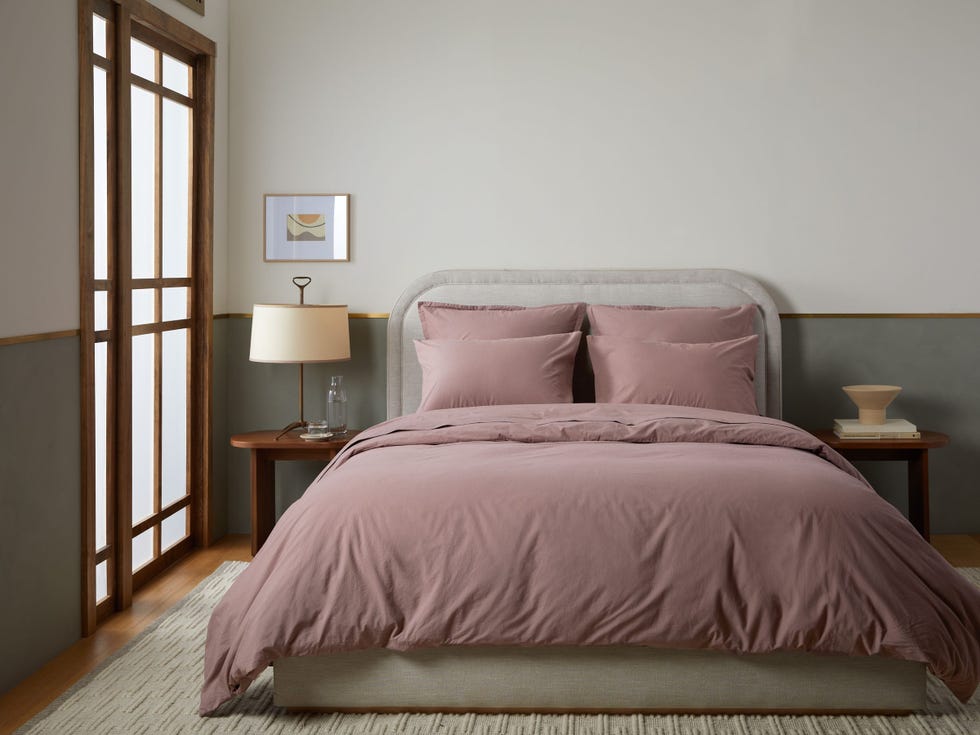
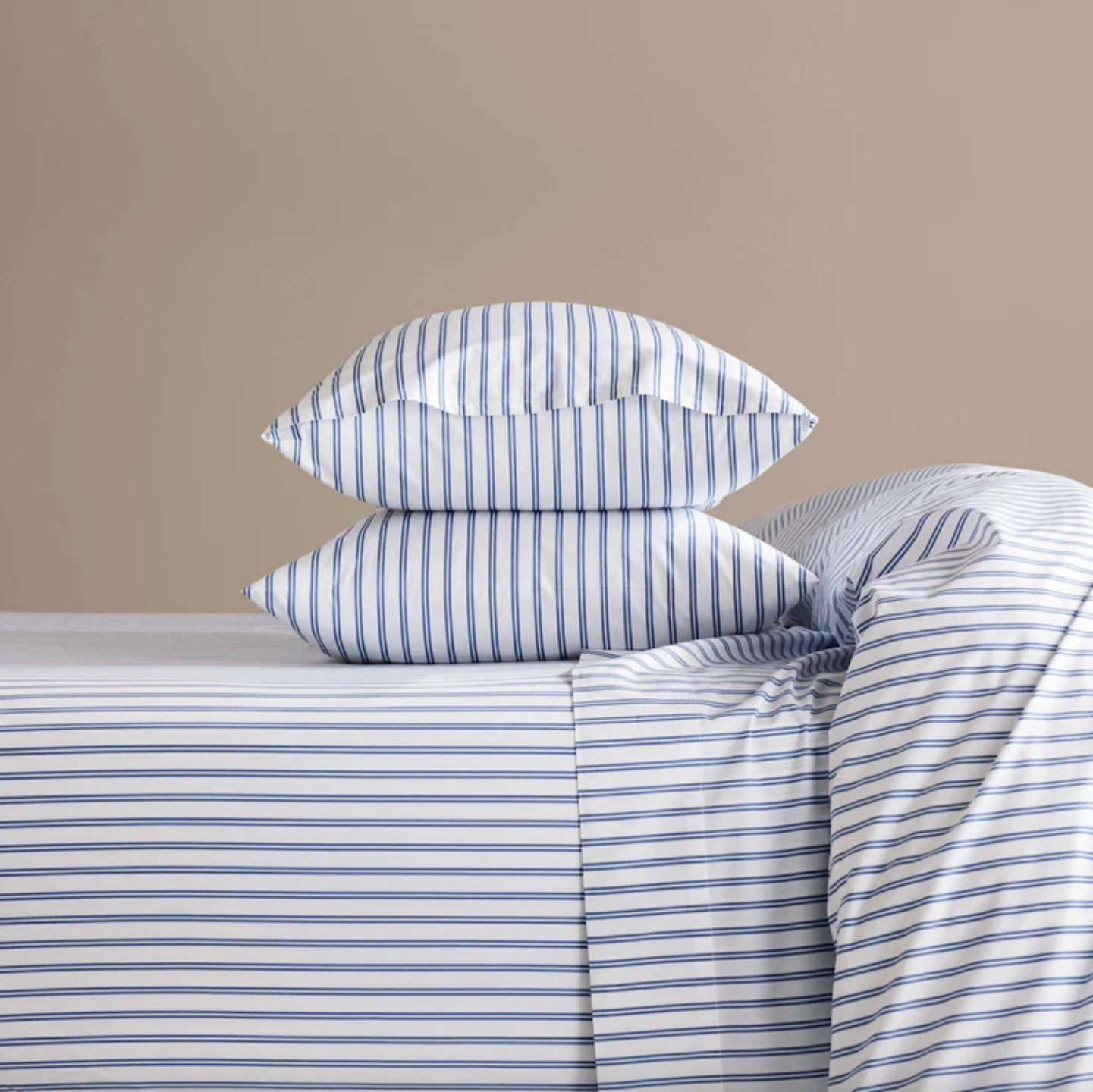
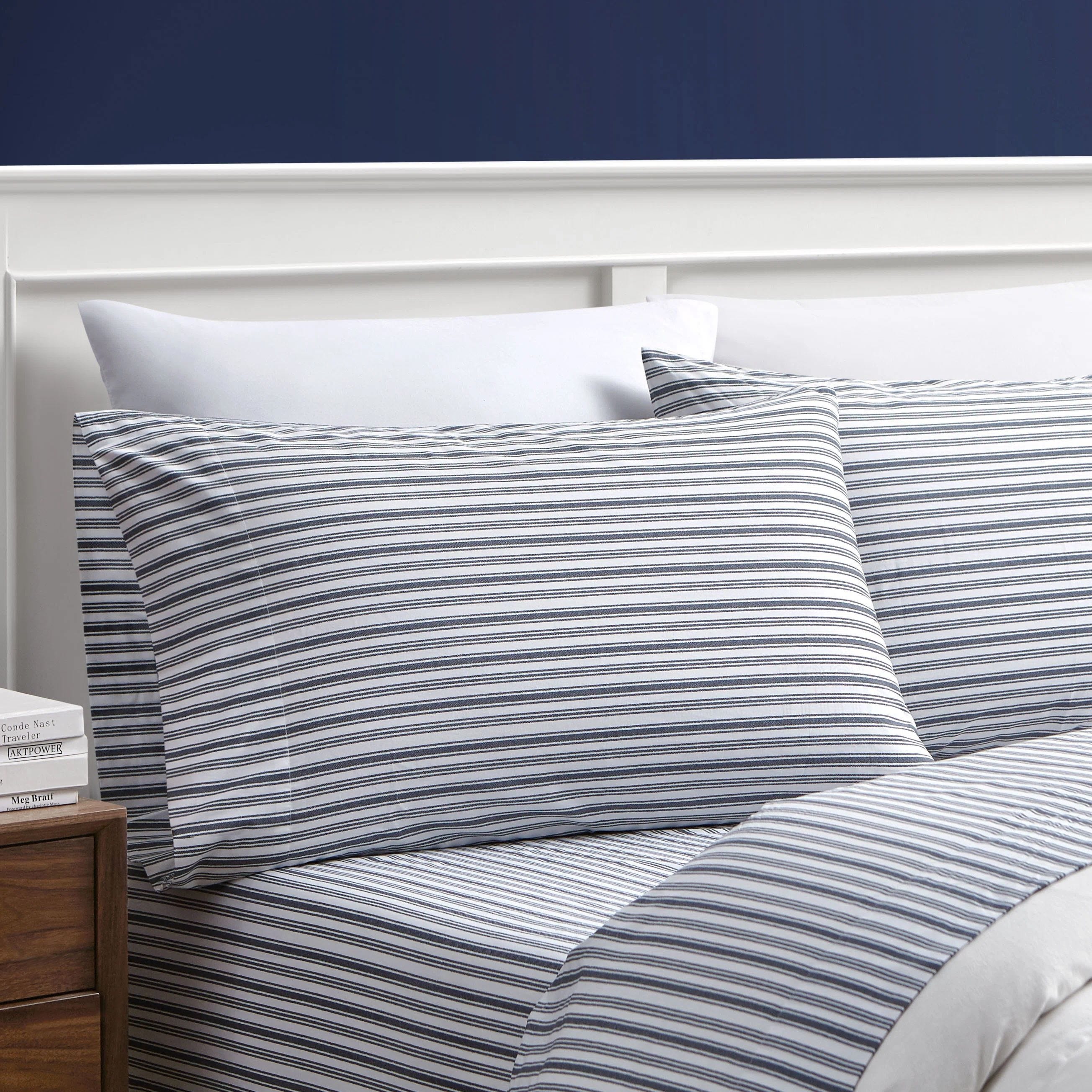
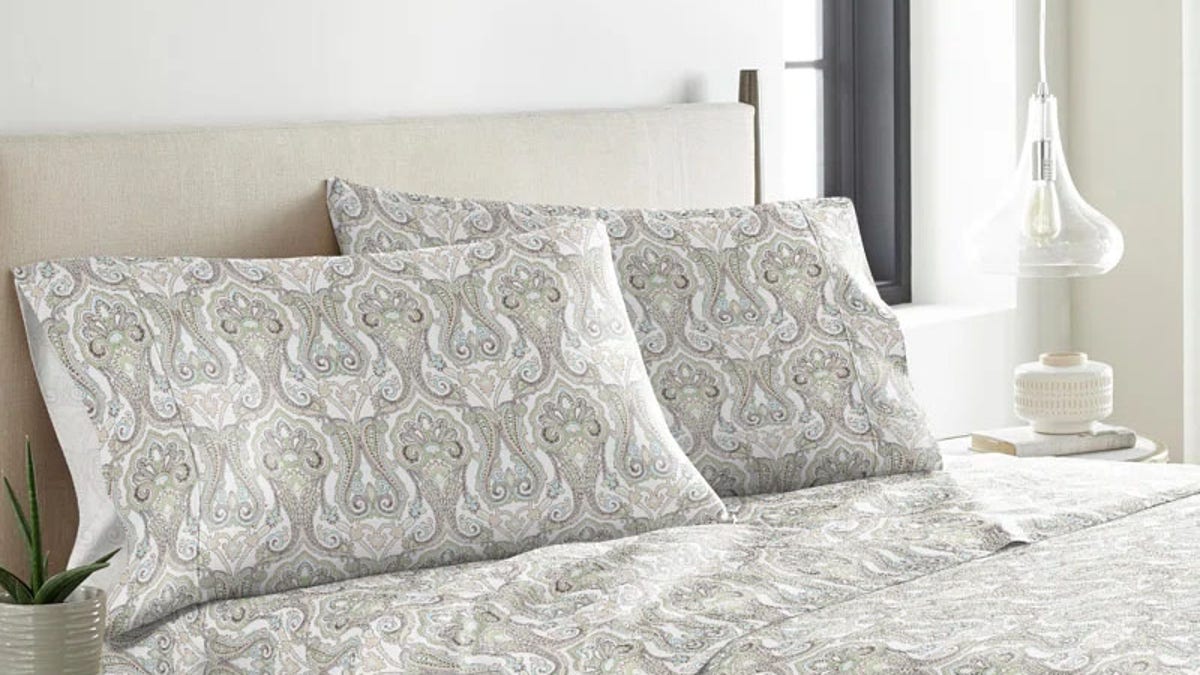
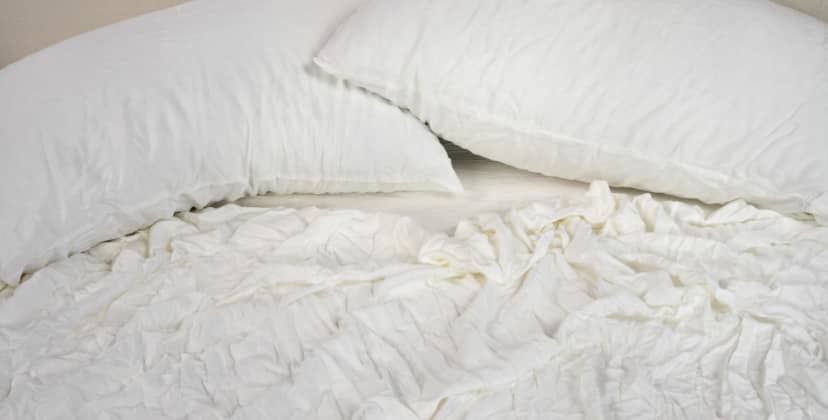
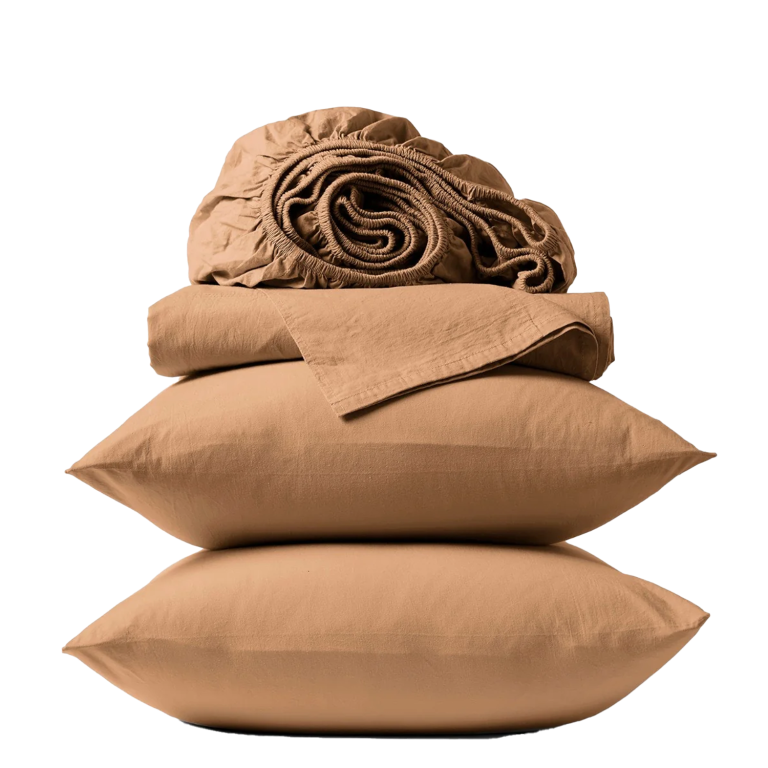
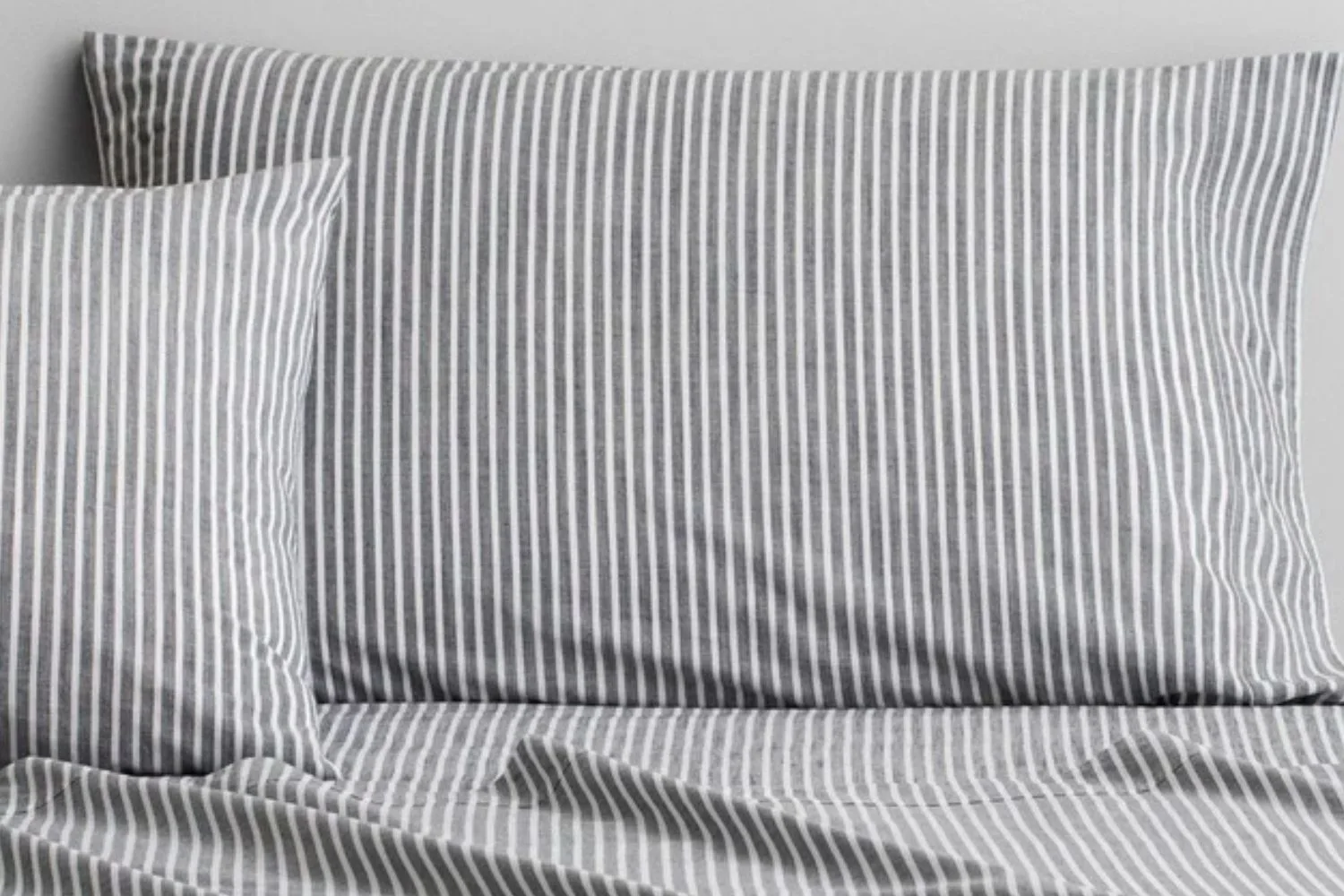
Several types of cotton offer distinct characteristics. Egyptian cotton, known for its extra-long staple fibers, is exceptionally durable and breathable, often feeling soft immediately and improving with age. Supima cotton, an American-made extra-long staple variety, provides a fine, durable, and soft feel, typically lasting longer than traditional cotton sheets, though it comes at a higher price point. Organic cotton sheets are a choice for environmentally conscious consumers, as they must adhere to strict environmental standards, avoiding GMO seeds and chemical pesticides. Certifications like Global Organic Textile Standard (GOTS) or USDA guarantee these ethical sourcing practices. Jersey cotton, characterized by its knitted texture, is soft, stretchy, breathable, and wrinkle-resistant, making it a low-maintenance option. Flannel sheets, created by napping the cotton after weaving, offer a soft, fuzzy texture that provides extra warmth, making them ideal for colder nights and often featuring a variety of prints.
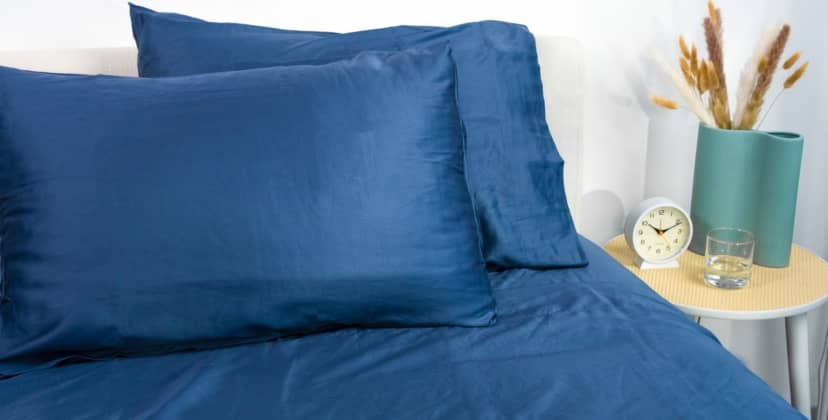
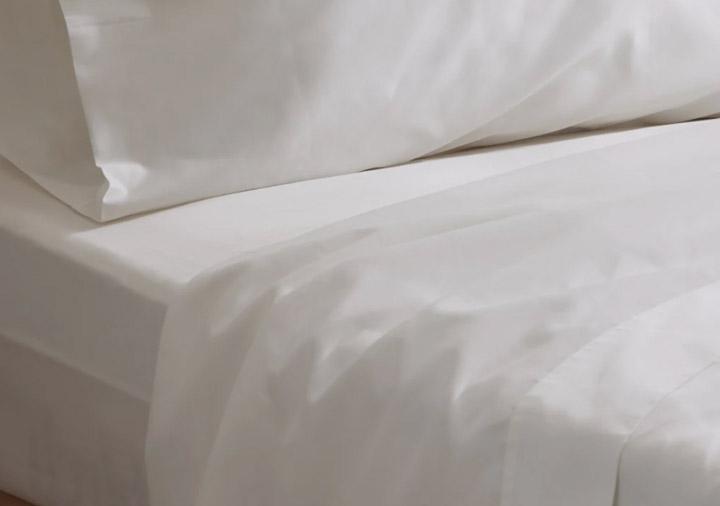
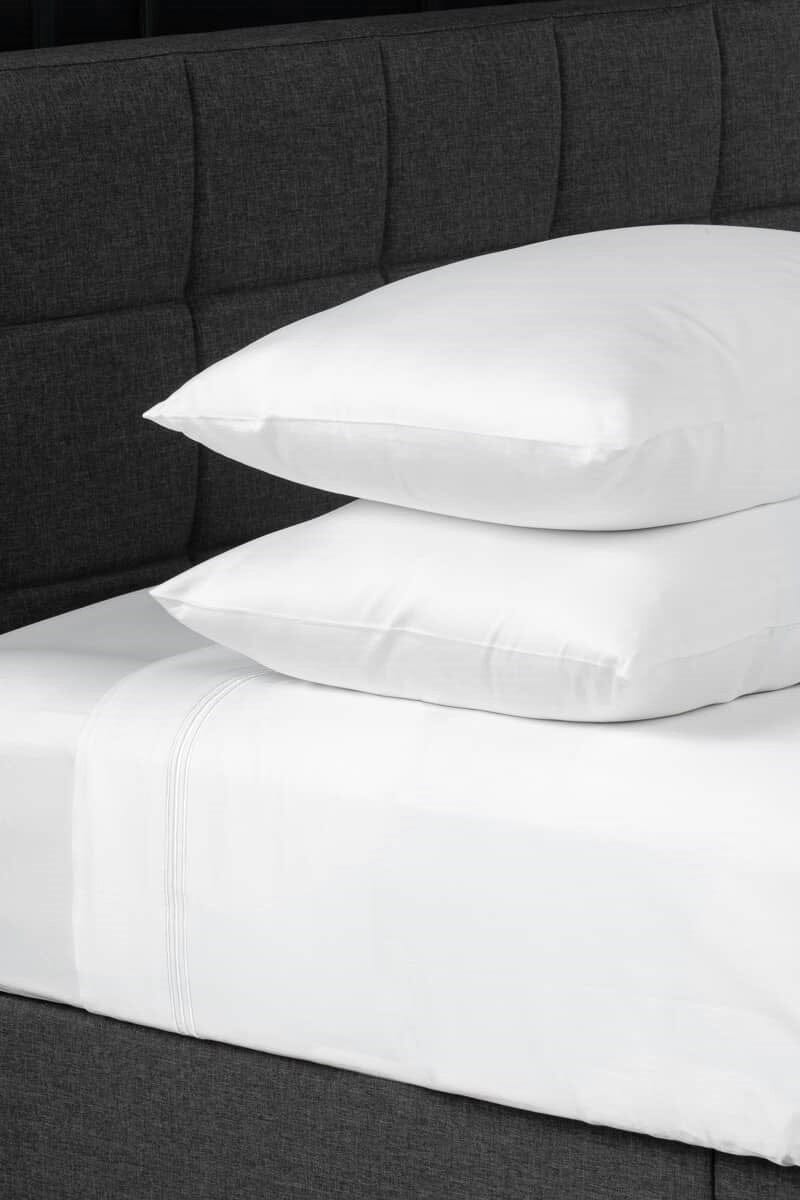
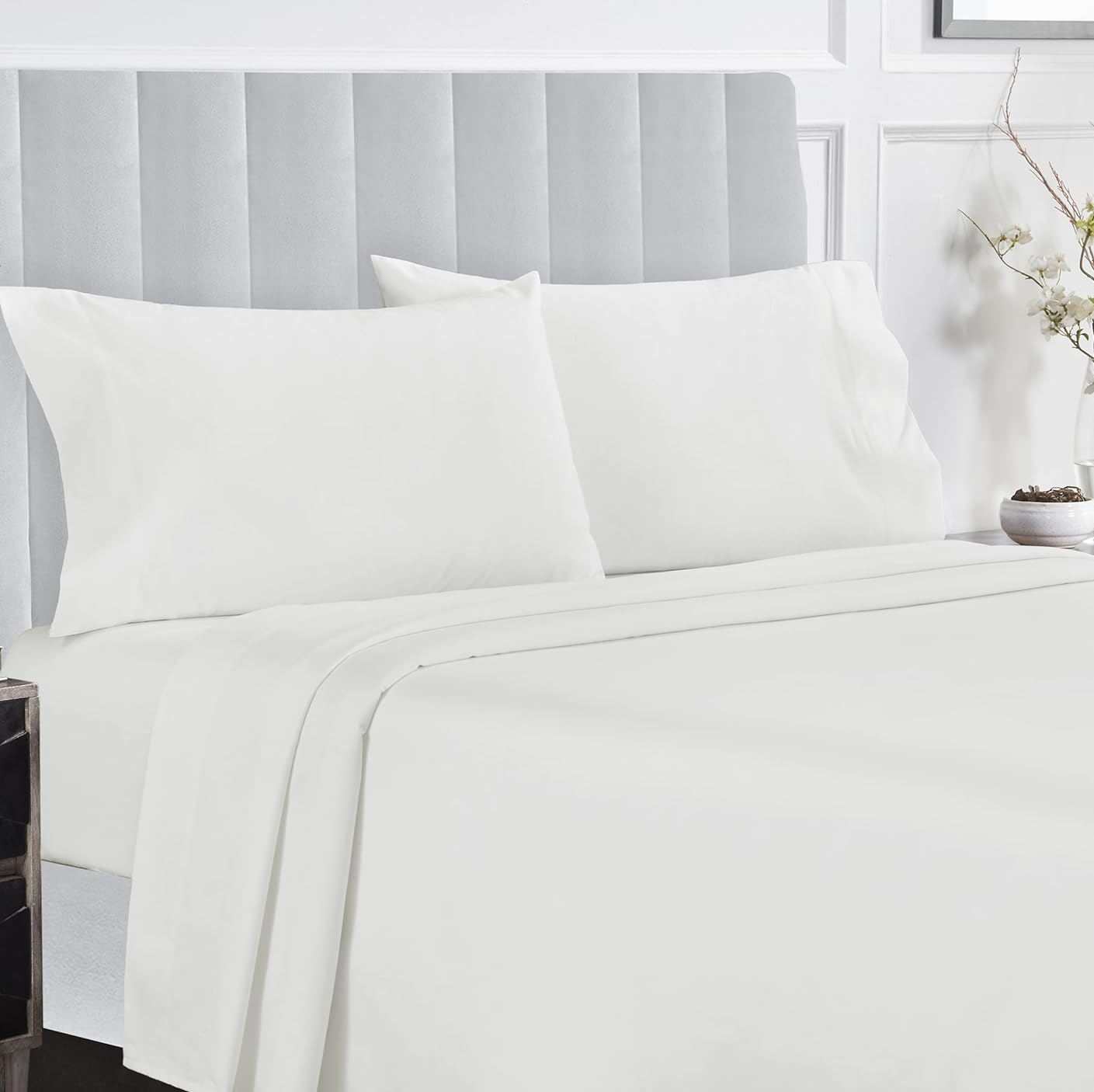
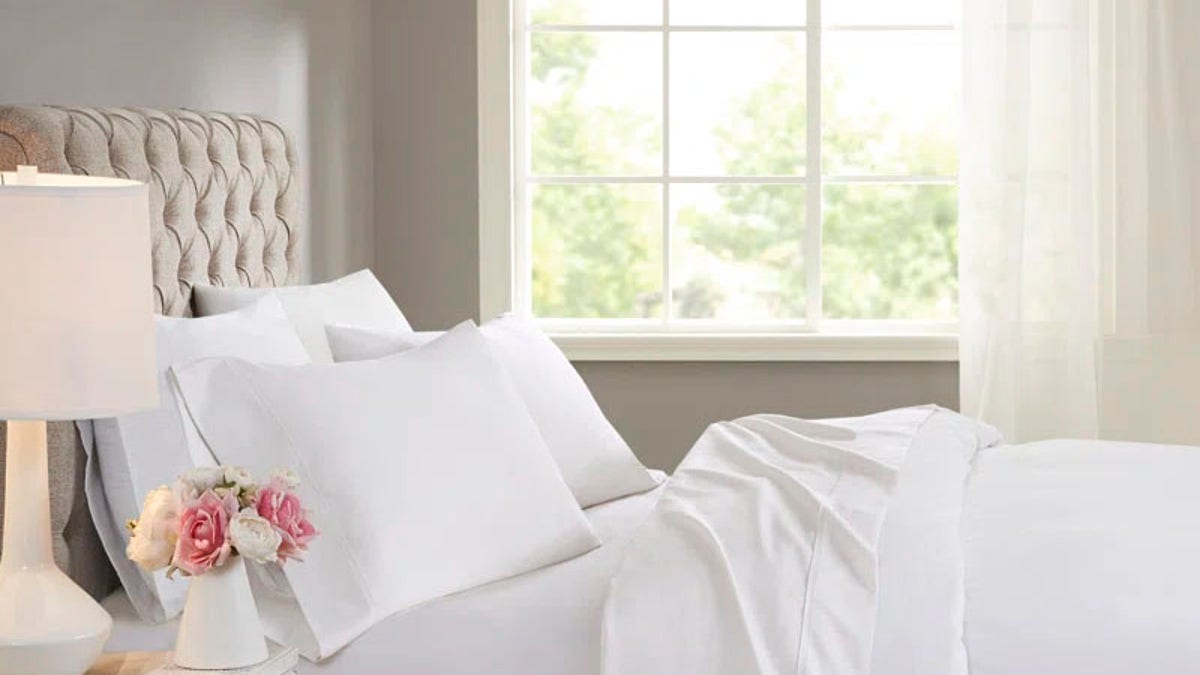
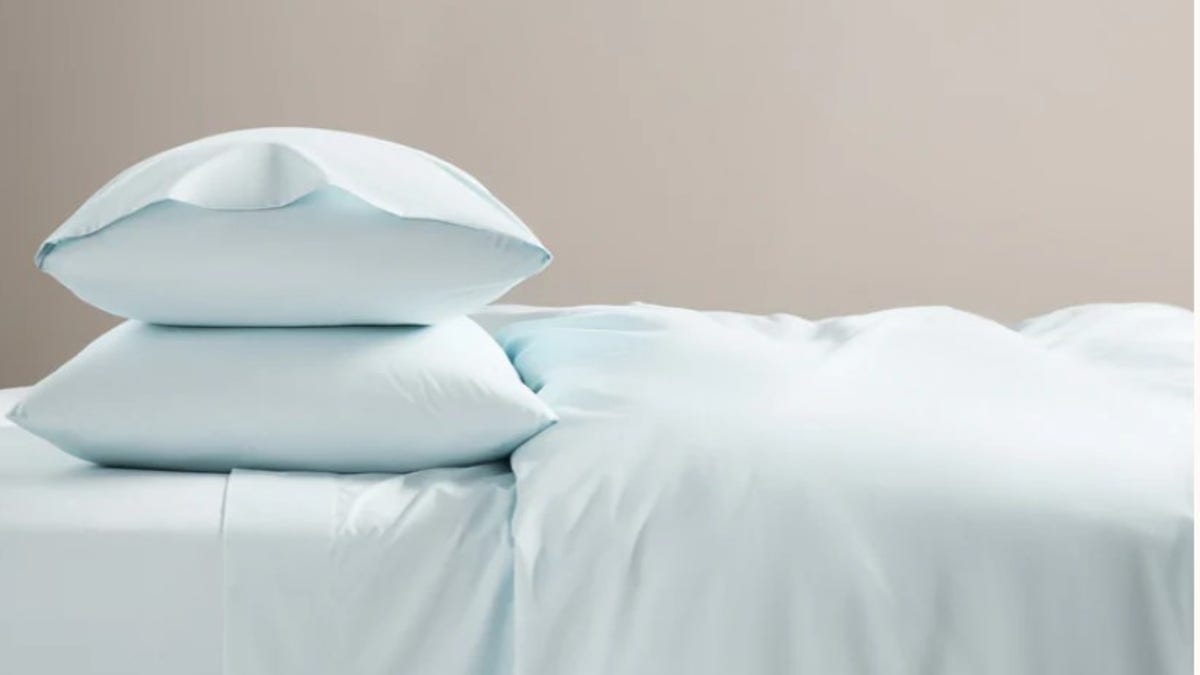
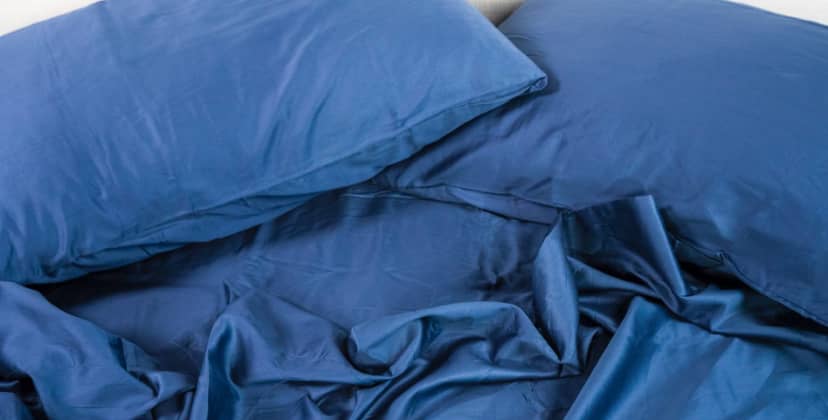
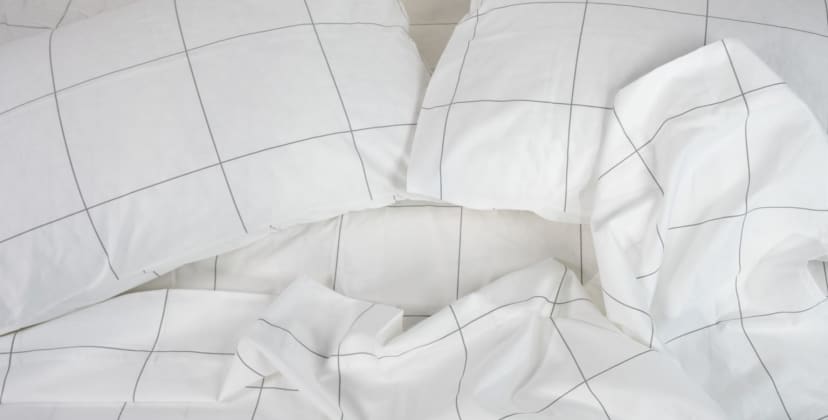
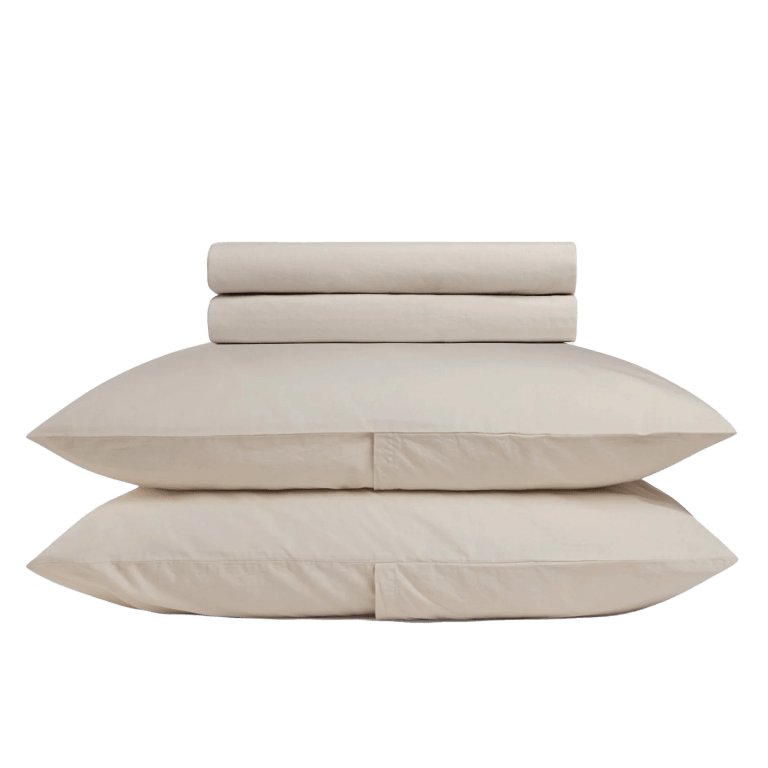
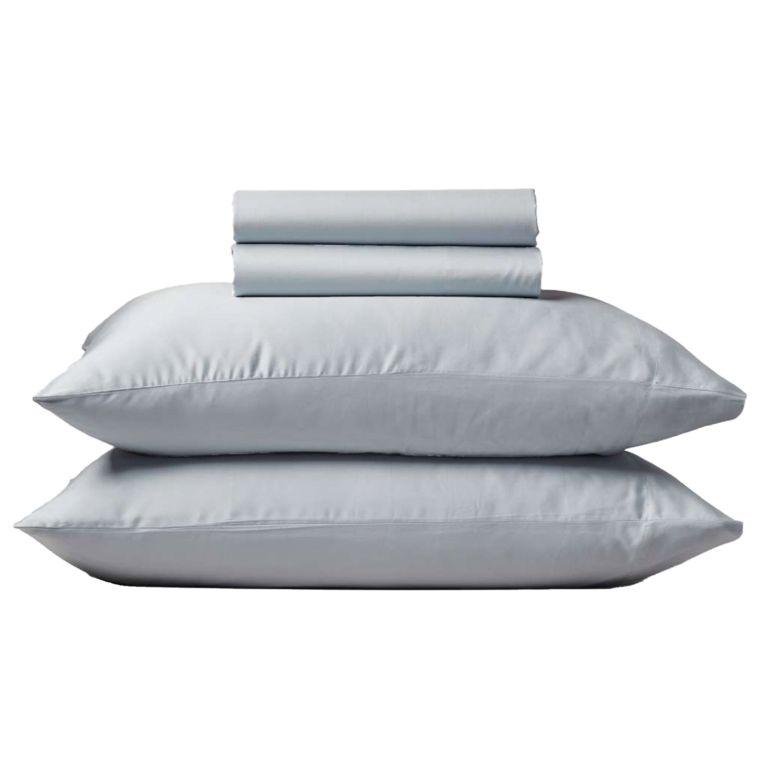
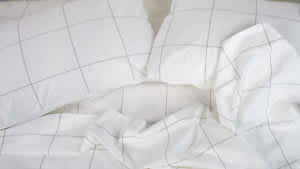
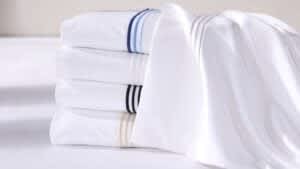
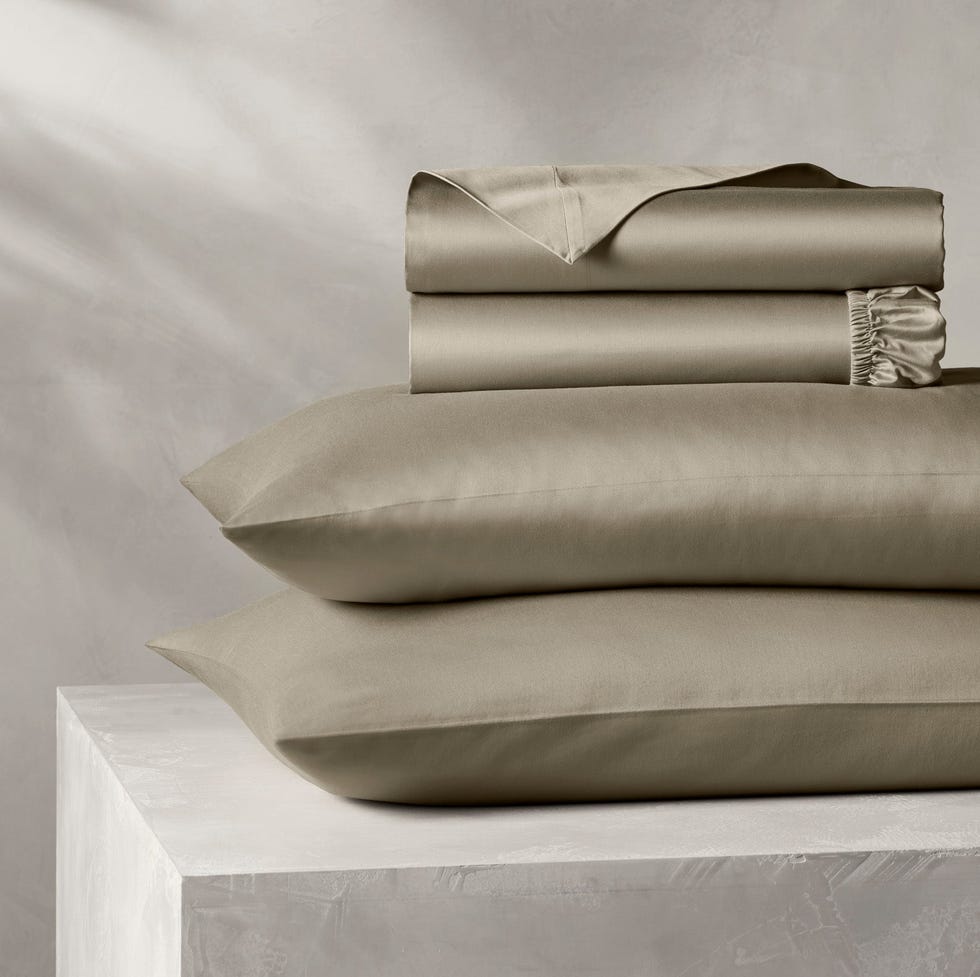
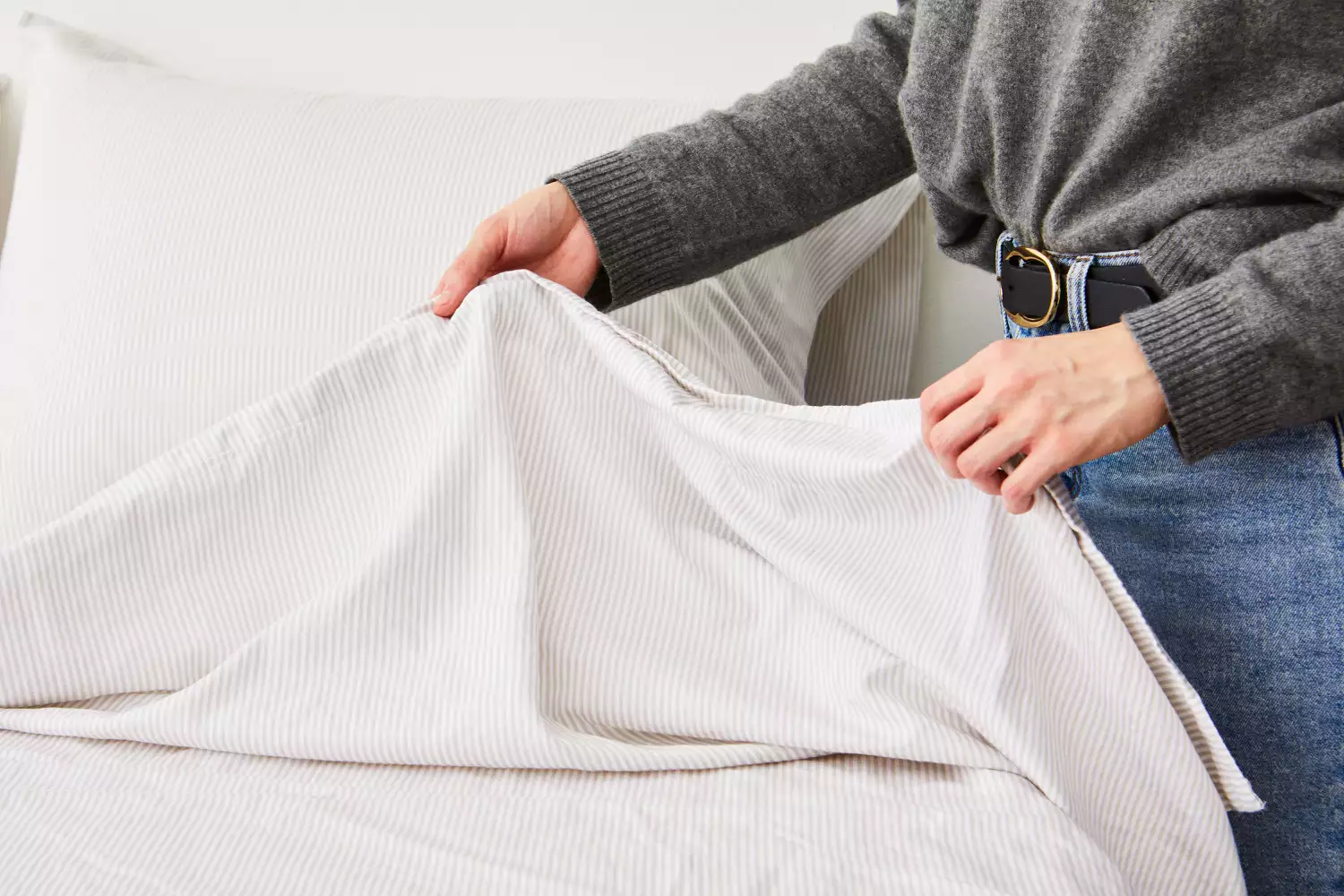
The weave pattern significantly impacts the sheet's feel and performance. Percale, a plain weave, results in a crisp, cool feel and a matte finish, often compared to hotel sheets, and is recommended for hot sleepers. Sateen, a satin weave, provides a smoother, buttery feel and a slight sheen, making it a warmer option. The choice between percale and sateen largely depends on personal preference for coolness or warmth.
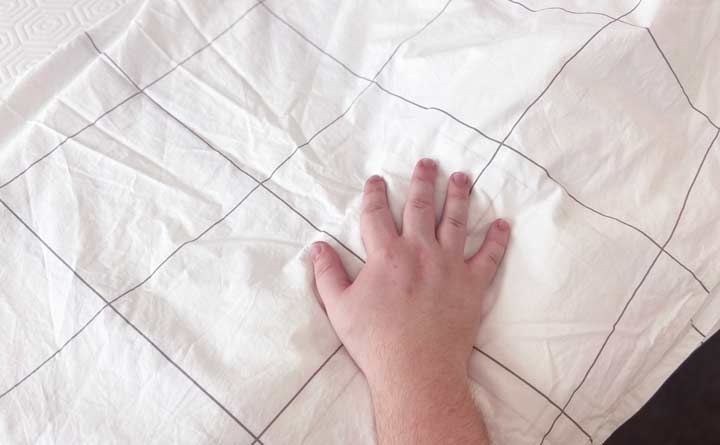
Thread count, which indicates the number of threads per square inch, is often misunderstood. While a higher number is typically associated with better quality, experts caution against solely relying on this metric, as some brands may inflate the count. A mid-range thread count, generally between 200 and 400, is considered a safe bet, offering a balance of softness, durability, and a high-end appearance without excessive cost. Beyond a certain point, the benefits of increasing thread count diminish, and other factors become more critical for comfort and longevity.
Finally, measuring the depth of your mattress is a crucial, yet often overlooked, step. Standard mattress sizes primarily refer to length and width, but depth can vary significantly, especially with added mattress pads or toppers. Accurately measuring mattress depth ensures that fitted sheets will fit properly, preventing them from pulling up or being too loose. Considering these factors collectively helps in selecting cotton sheets that meet individual preferences for comfort, feel, and ethical considerations, ensuring a satisfying sleep experience.
#CottonSheets #BedLinens #HomeDecor #TextileGuide #BedroomEssentials #SleepComfort #FabricTypes #HomeTextiles #MattressFit #CottonSheets #BedLinens #HomeDecor #TextileGuide #BedroomEssentials #SleepComfort #FabricTypes #HomeTextiles #MattressFit
0 comment in total
 No comments yet
You may also like
A Complete Guide on the Best Cotton Sheets
These Are the 14 Best Cotton Sheets for a Dreamy Night's Sleep

10 Sheet sets for every type of sleeper

Best Sheets of 2025

Best Cotton Sheets of 2025: Supima, Pima, and Organic Options

I'm Obsessed With Cozy Bedding and These Cotton Sheets Get the Job Done
We Tested Over 100 Cotton Sheet Sets—These 8 Are the Best of the Best

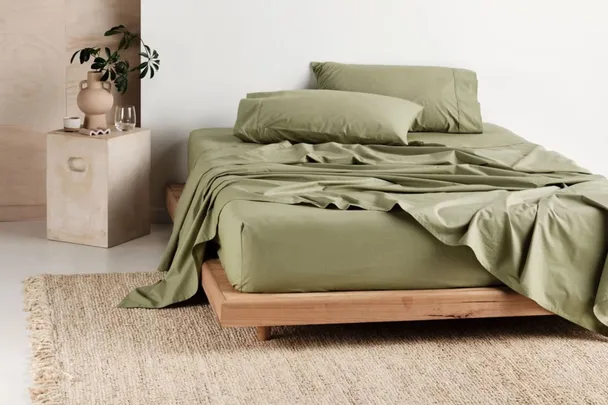
7 best cotton sheets from $69 to see you all the way through winter to summer


Our Favorite Cotton Sheets

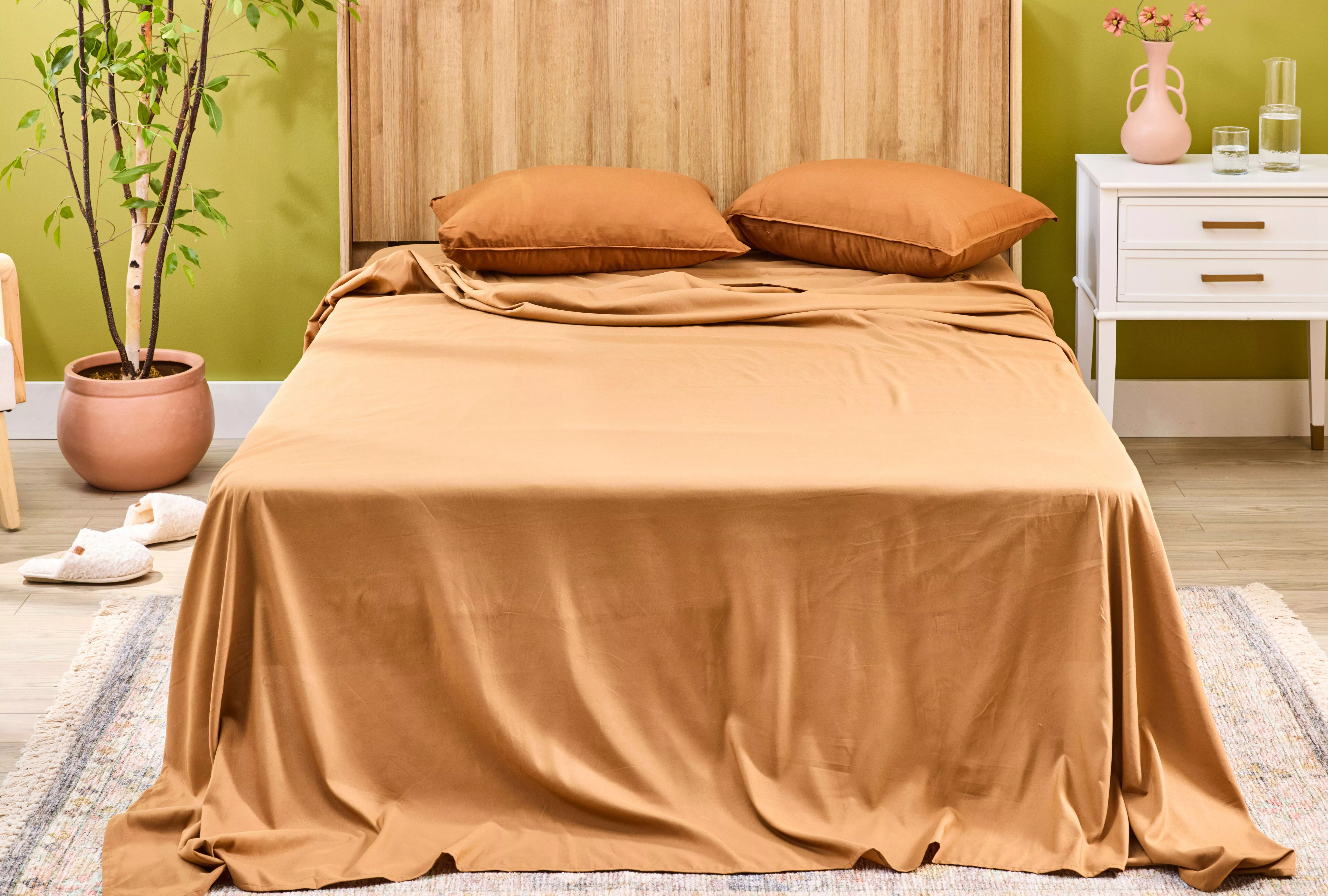
How Much Does Thread Count Matter, Really?

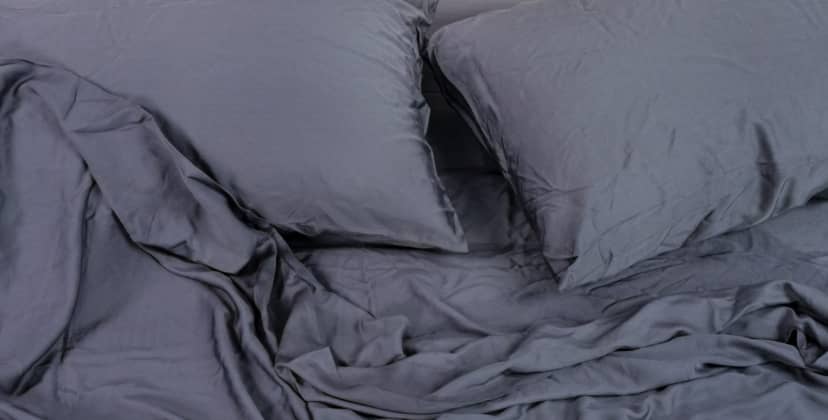
Softest Sheets of 2025

The 23 Very Best Bedsheets
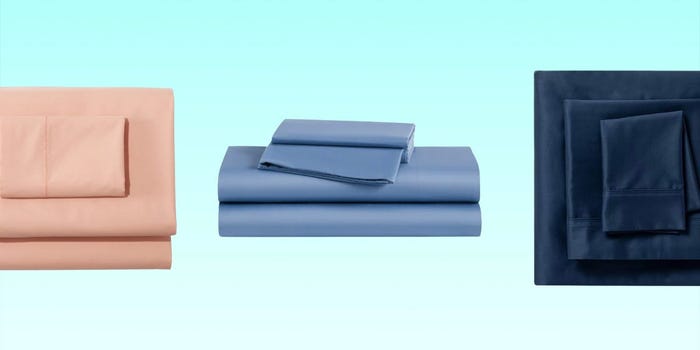
The best cotton sheets, tested and reviewed
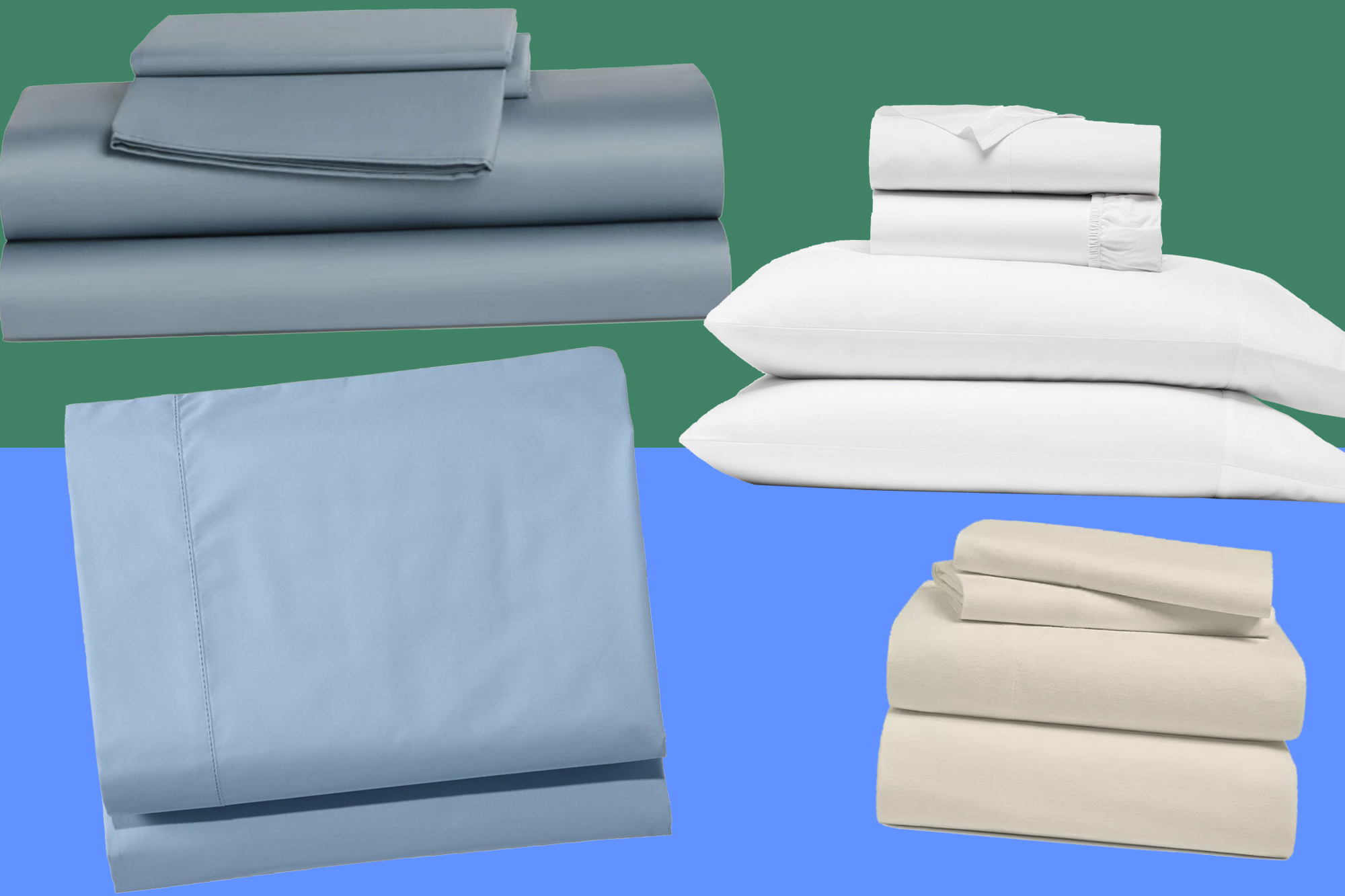
Best cotton bed sheets that feel like sleeping on a cloud, per our reviews
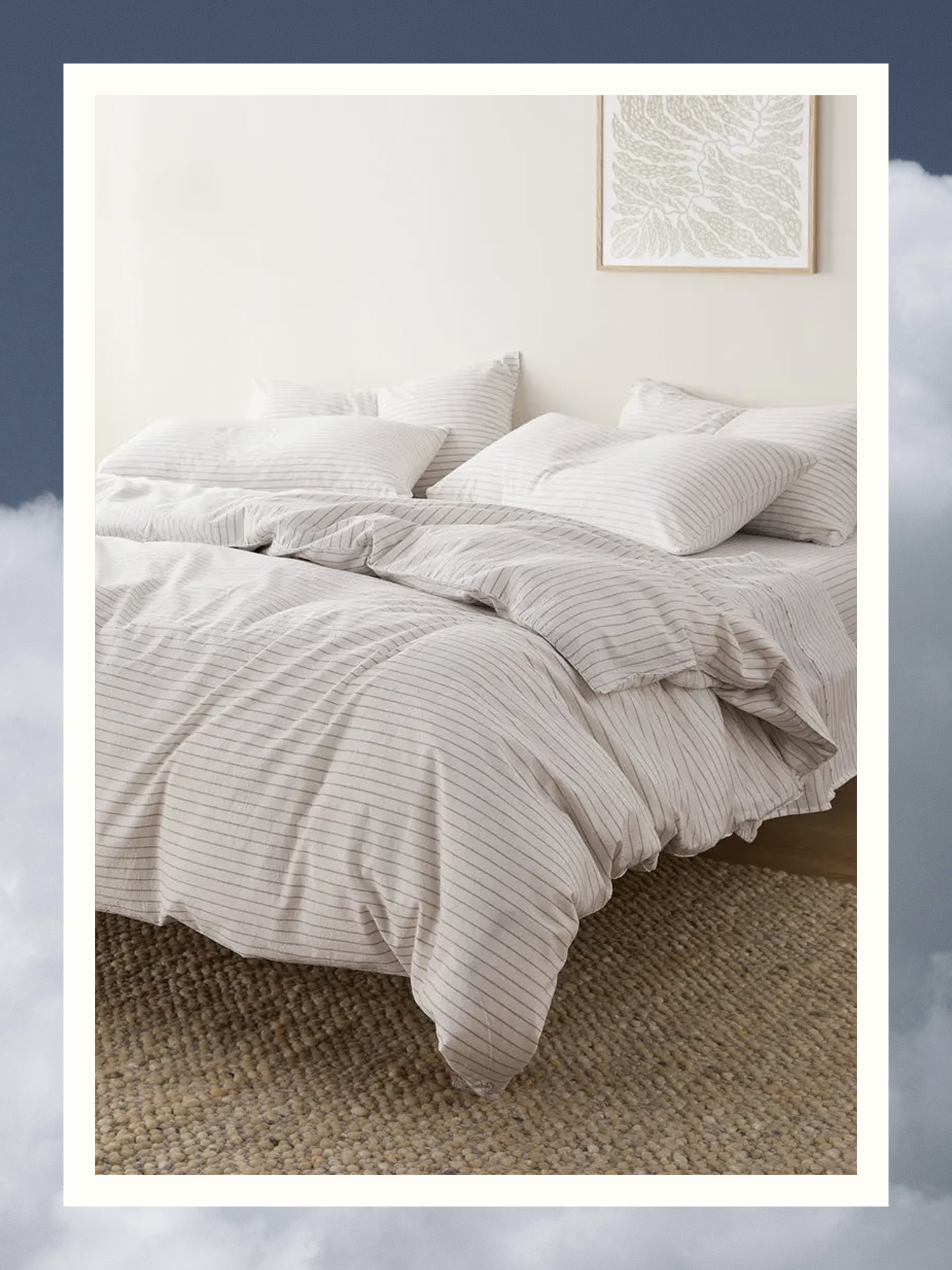
The Best Cotton Sheets are Soft From the Get-Go and Start at Just $70

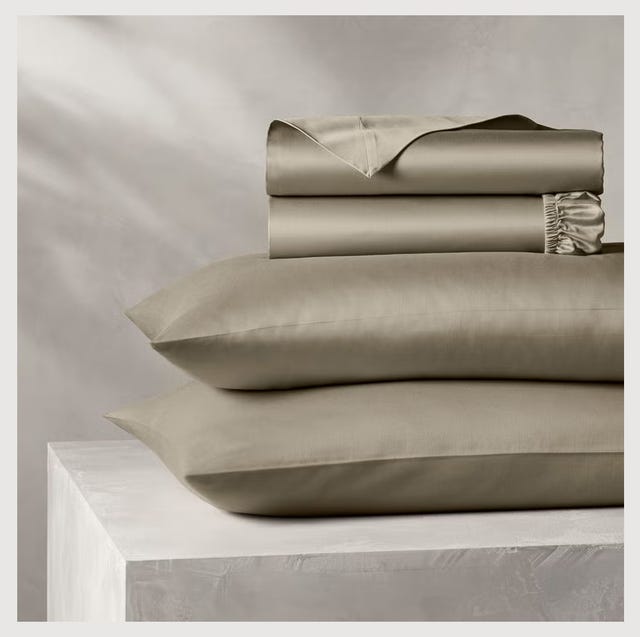
7 Best Cotton Sheets for the Dreamiest Night's Sleep
8 Best Cotton Sheets (2025)

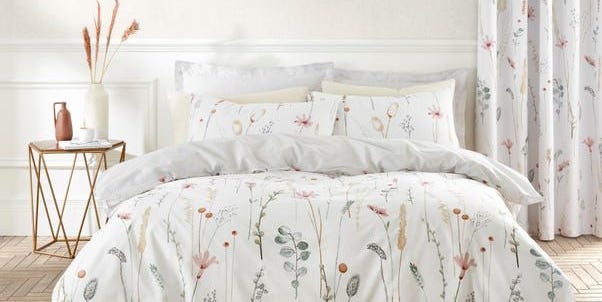
Gorgeous cotton bedding for a bedroom update
Best High Thread Count Sheets of 2025
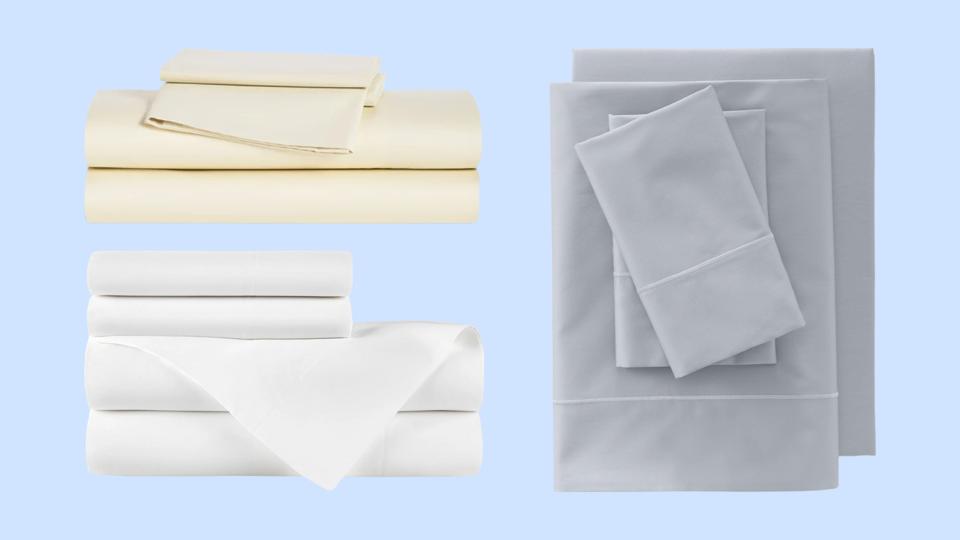
The 7 Best Sateen Sheets That Deliver A Luxuriously Cool, Soft Feel