How To: Choose a Paint Finish
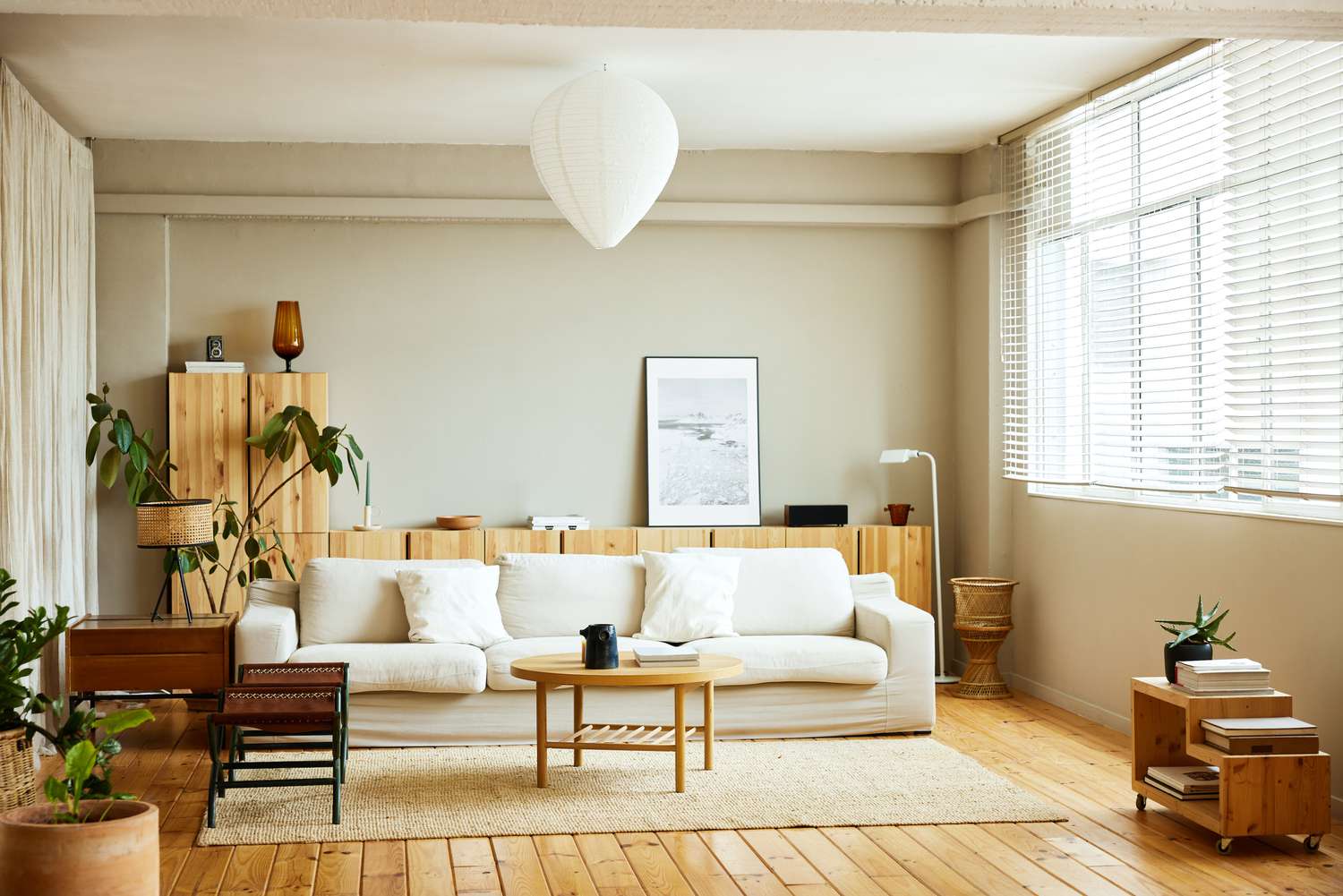
This article, drawing insights from designer Celerie Kemble's book "Black & White (and a Bit in Between)," offers practical advice on selecting the appropriate paint finish for various interior spaces. Kemble emphasizes the enduring appeal and versatility of black and white as a design foundation, noting its adaptability for adding or subtracting elements over time while maintaining cohesion. She explains that in a black and white scheme, the introduction of other elements like gilt finishes, wood tones, or colors creates a dramatic accent. The article then details different paint finishes, outlining their pros, cons, and ideal applications.
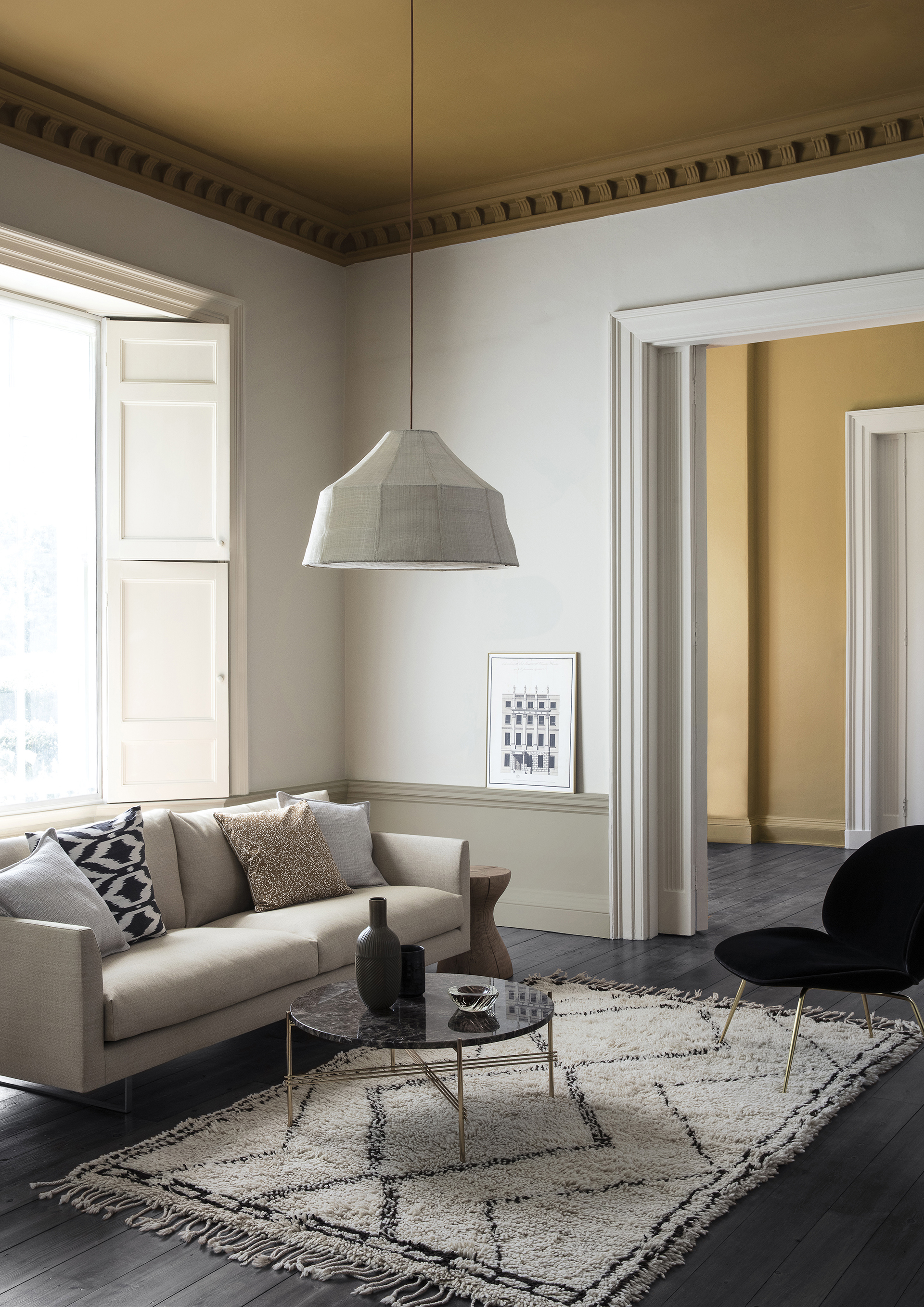
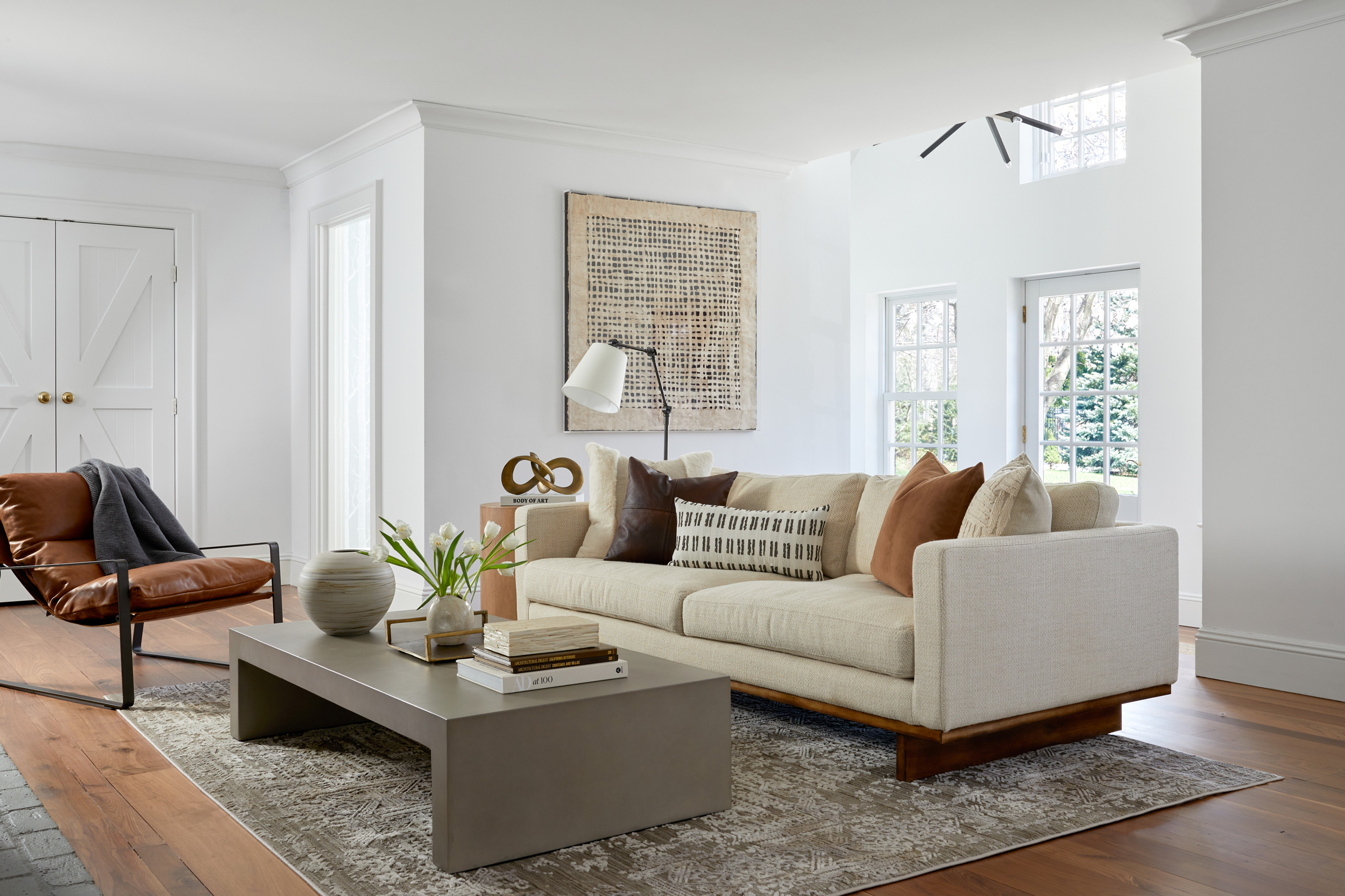
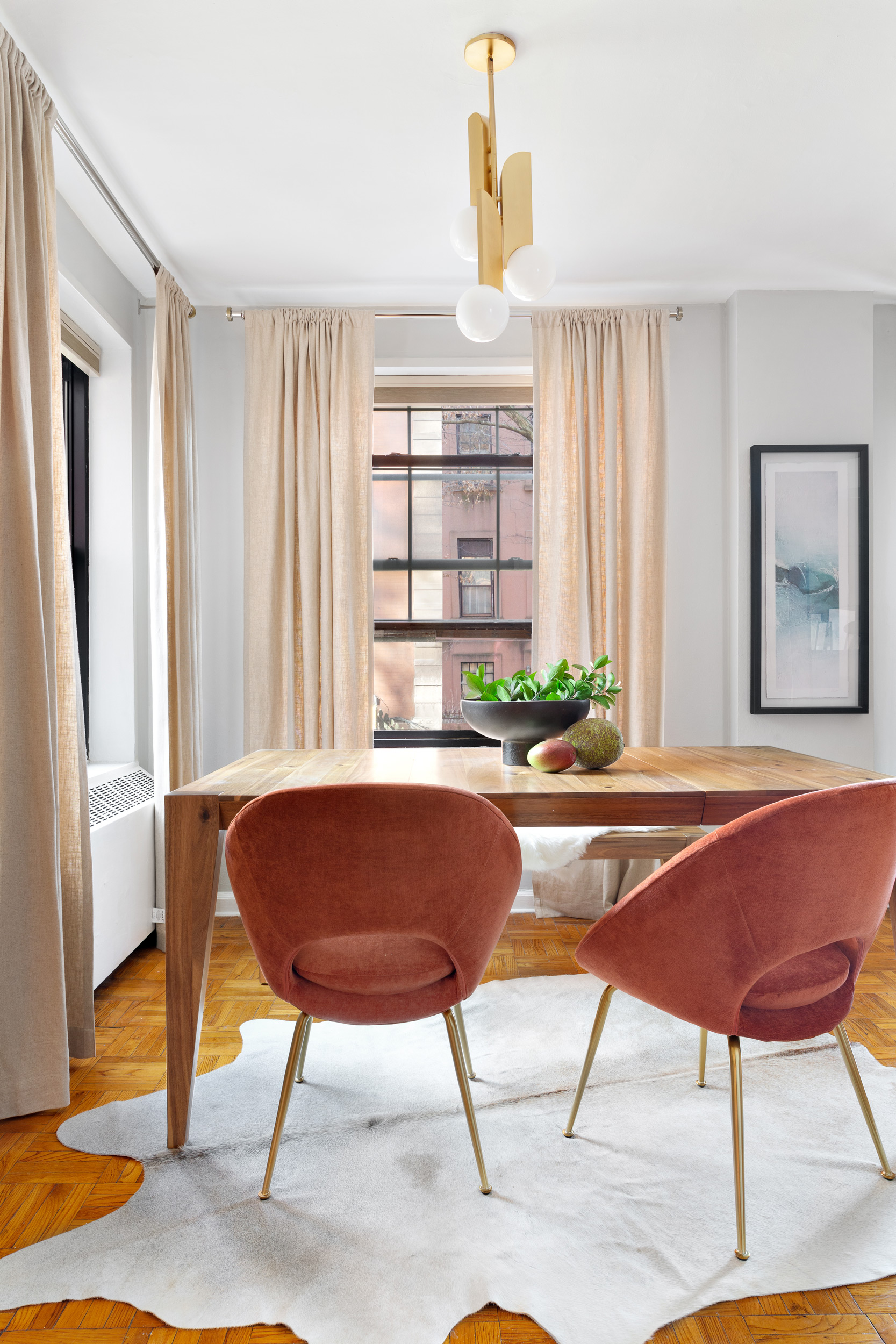
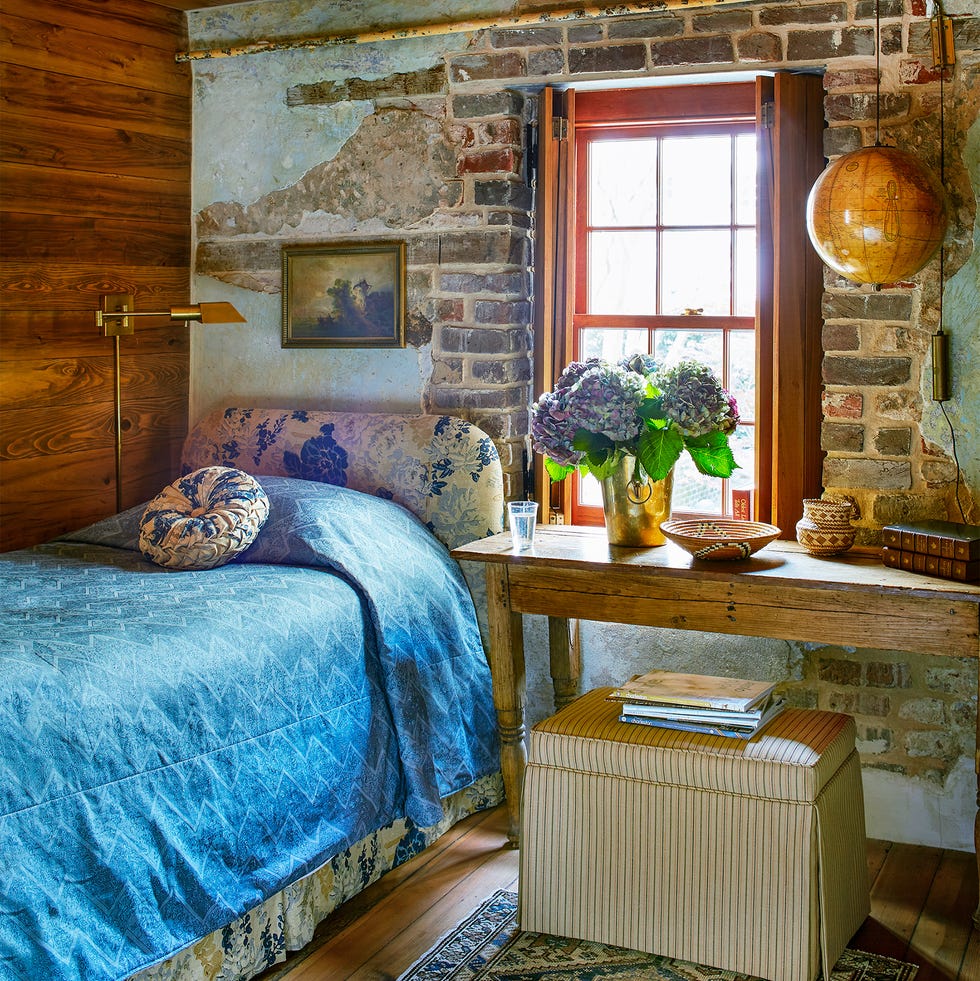
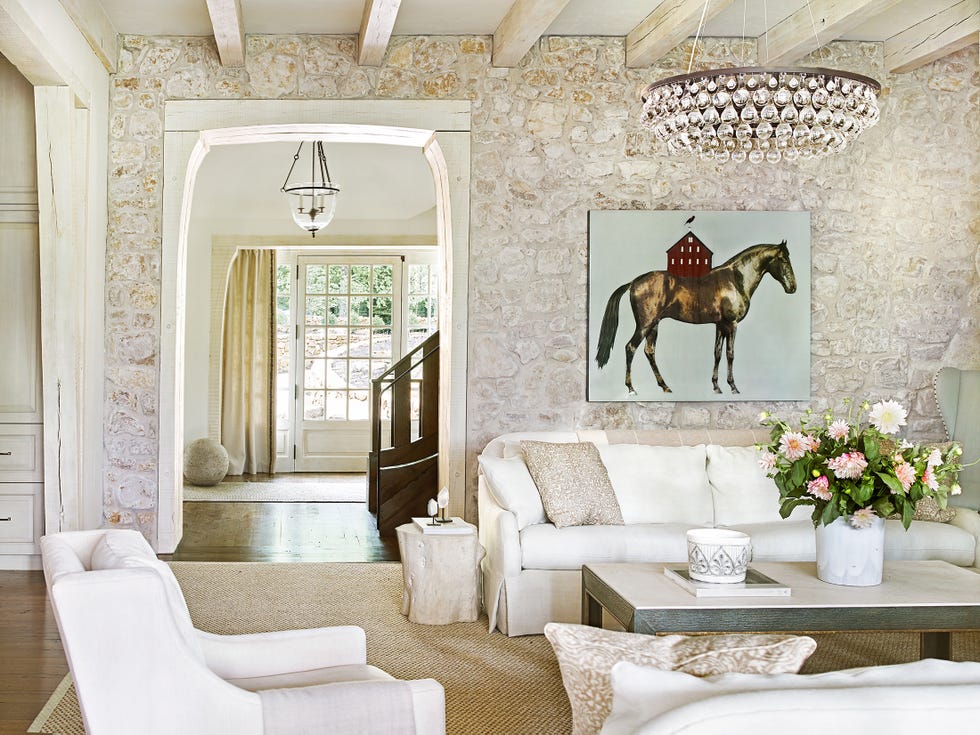
Flat finish paint is presented as suitable for concealing wall imperfections due to its minimal light reflection, offering a classic, old-world aesthetic. However, its delicate nature makes it prone to showing scuffs and fingerprints and difficult to clean, thus recommended for low-traffic areas or ceilings. Eggshell finish provides a slightly more durable alternative to flat paint with a similar low sheen but remains somewhat challenging to clean and easily marked, making it appropriate for most rooms except those with high kid traffic.
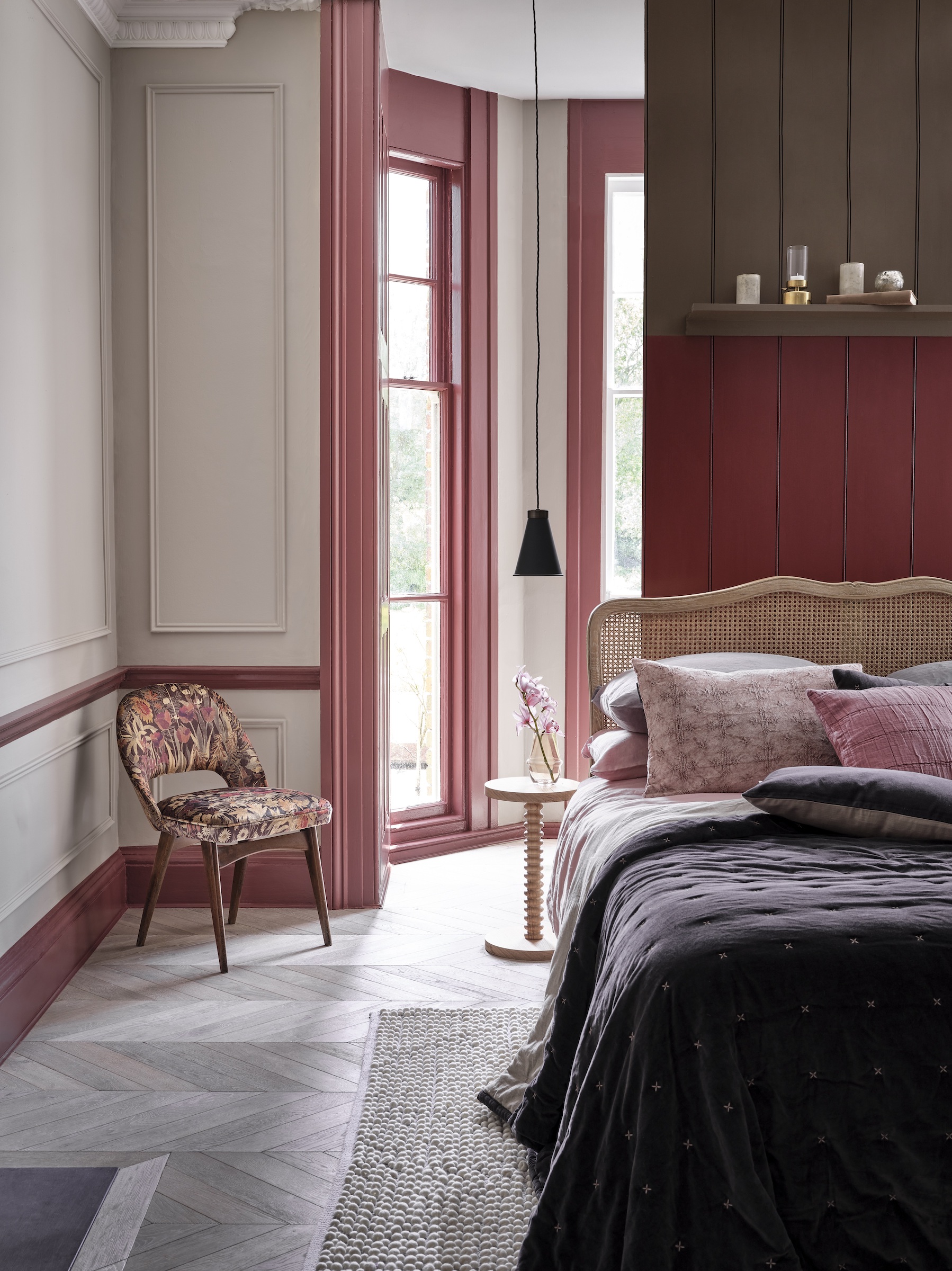
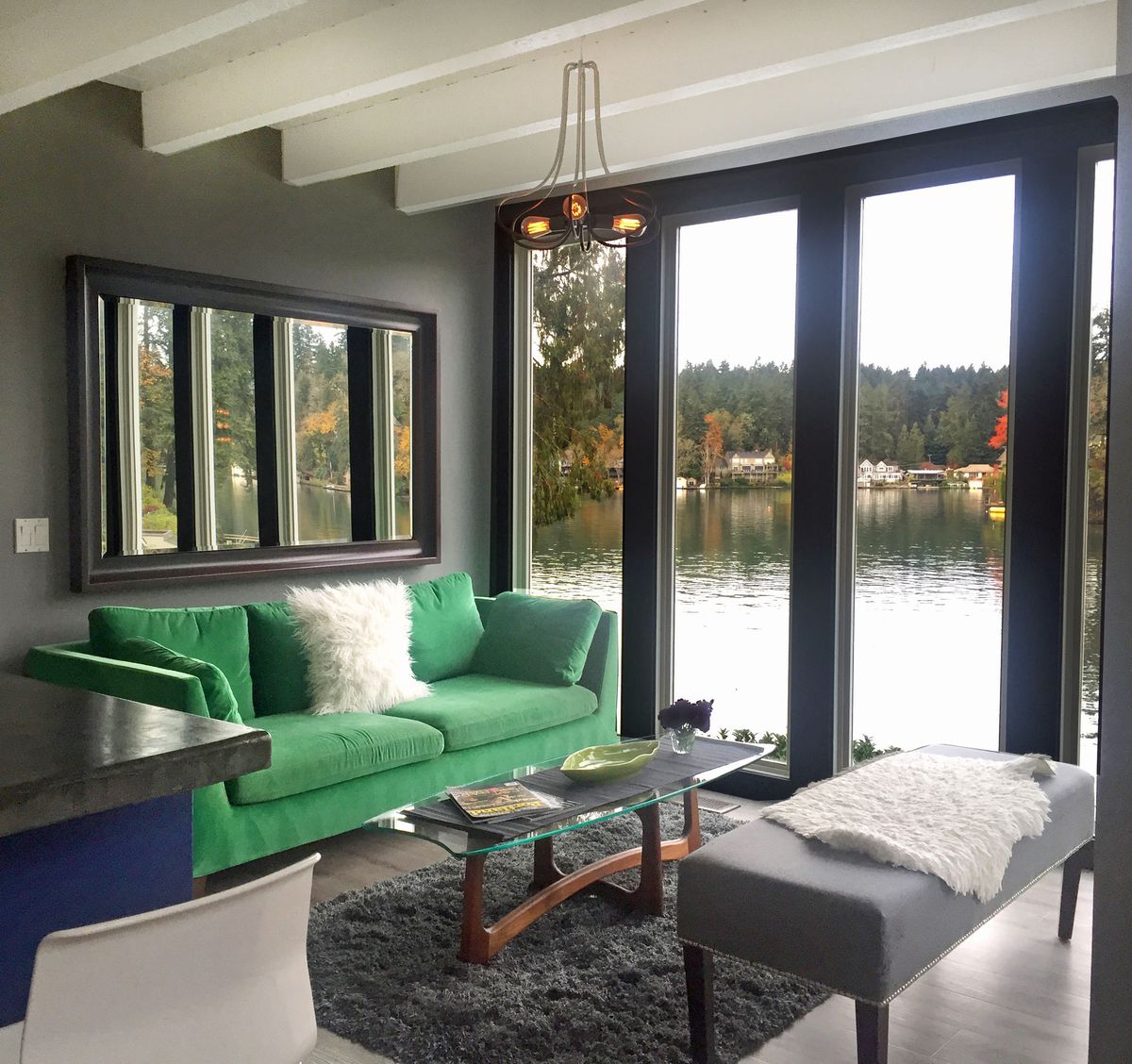
Semi-gloss paint, which reflects a significant amount of light, is highlighted for its ease of cleaning. Its main drawback is its tendency to reveal every wall imperfection, brushstroke, and roller brush's "orange-peel finish," necessitating a good skim coat on walls before application. This finish is ideal for doors, trim, casework, bathrooms, and kitchens.
Venetian plaster is described as a finish that can appear modern and sleek when applied with the right pigments and gloss, despite its old-school perception. Its durability is a key advantage, as its integrated tinting minimizes the visibility of scratches and dings, and higher gloss versions are easy to wipe clean. The labor-intensive application, often requiring professional expertise, and the difficulty in painting over it are noted as its main disadvantages. It is recommended for spaces where a special and deep finish is desired to elevate the wall's integrity.
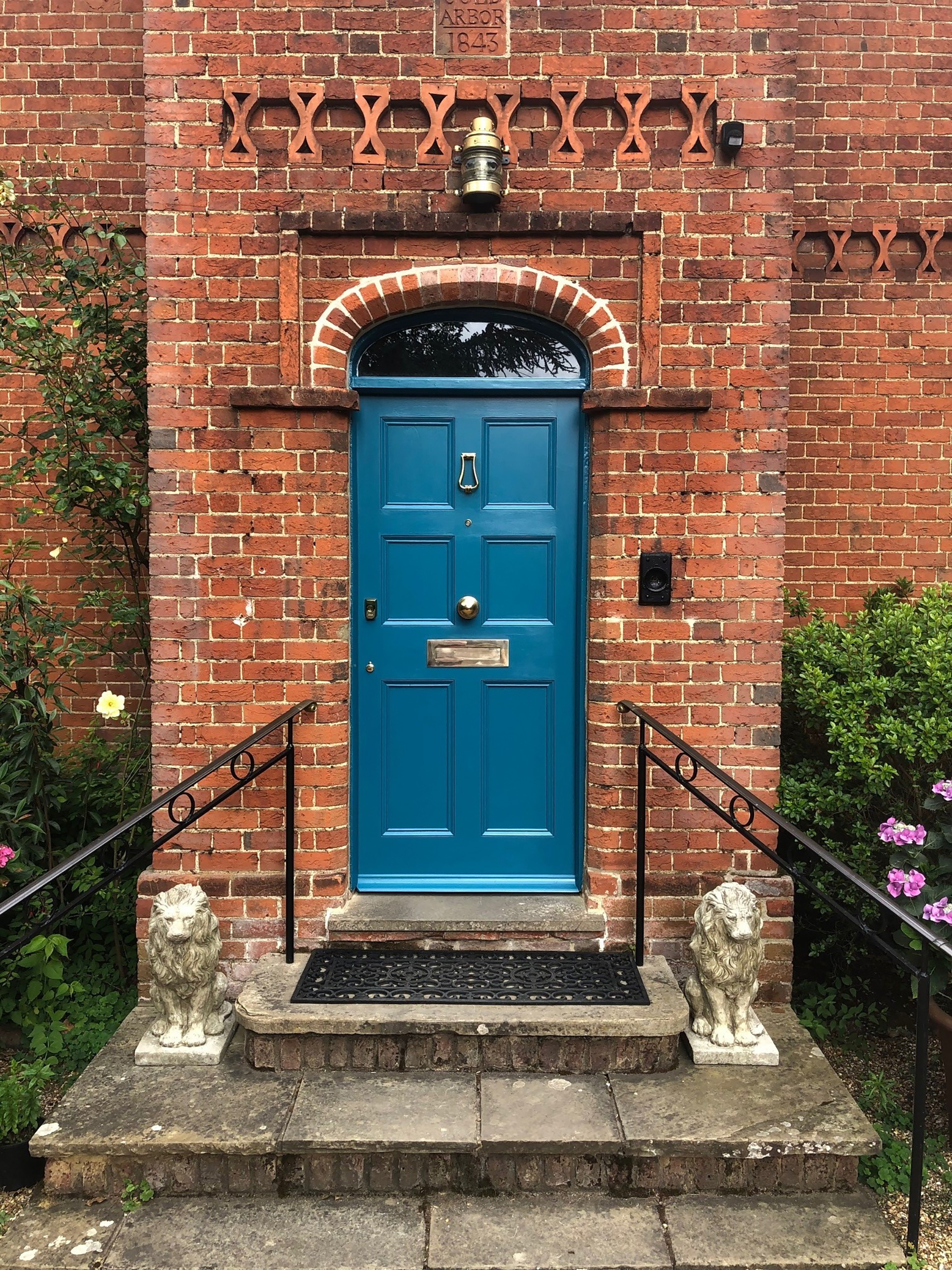
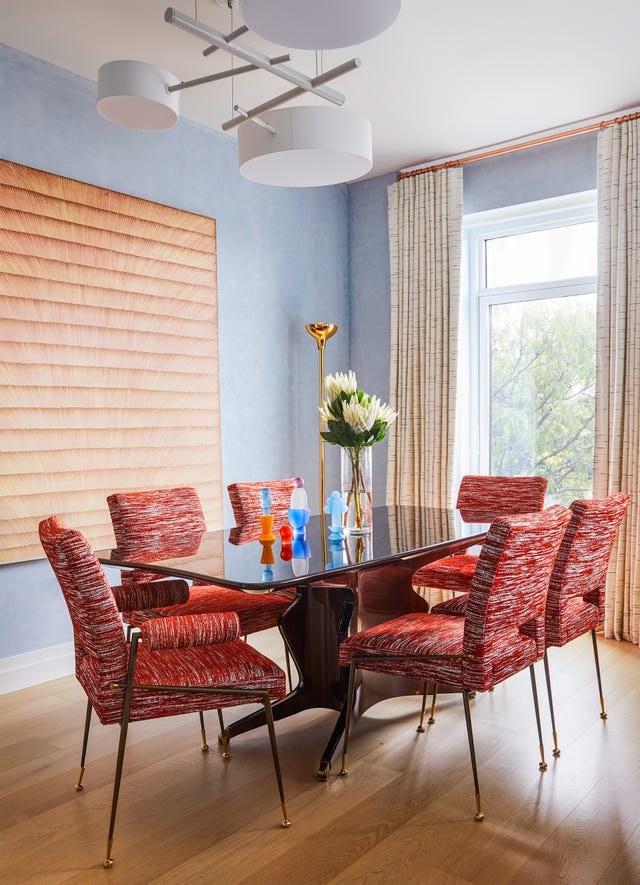
Finally, high-gloss paint is featured as a spectacular option for impeccably skim-coated rooms, offering a less expensive alternative to real lacquer. Achieving an ideal, lacquer-like finish requires significant effort, often involving light sanding between coats and several applications, making it expensive to execute well. The article also mentions the potentially shocking price of darker high-gloss colors. This finish is best reserved for rooms requiring drama and a distinct, special-occasion feel, such as dining rooms, entry halls, powder rooms, and libraries.
#PaintFinish #InteriorDesign #CelerieKemble #HomeImprovement #DIYPainting #WallFinishes #HomeDecor #PaintingTips #PaintFinish #InteriorDesign #CelerieKemble #HomeImprovement #DIYPainting #WallFinishes #HomeDecor #PaintingTips
0 comment in total
 No comments yet
You may also like
Paint finishes explained – an expert guide to choosing the perfect type of paint for your projects

These Master Tips Will Help You Avoid Choosing The Wrong Type Of Paint
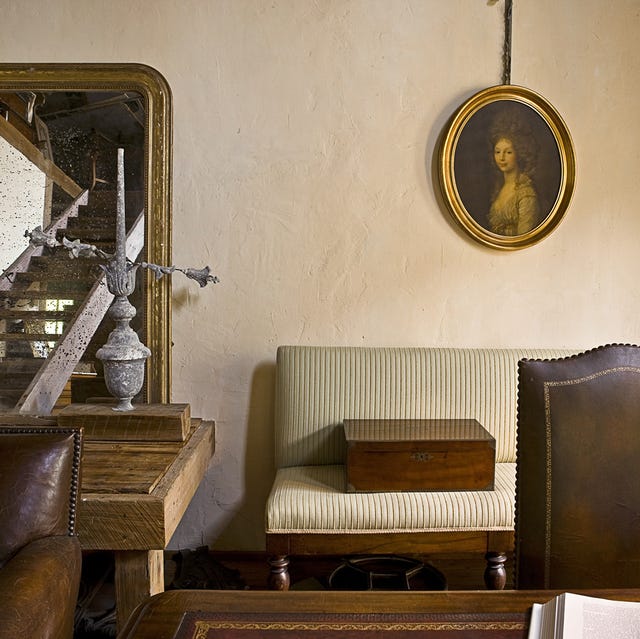
This Texture-Rich Finish Is Designers' Go-To for Instant Patina

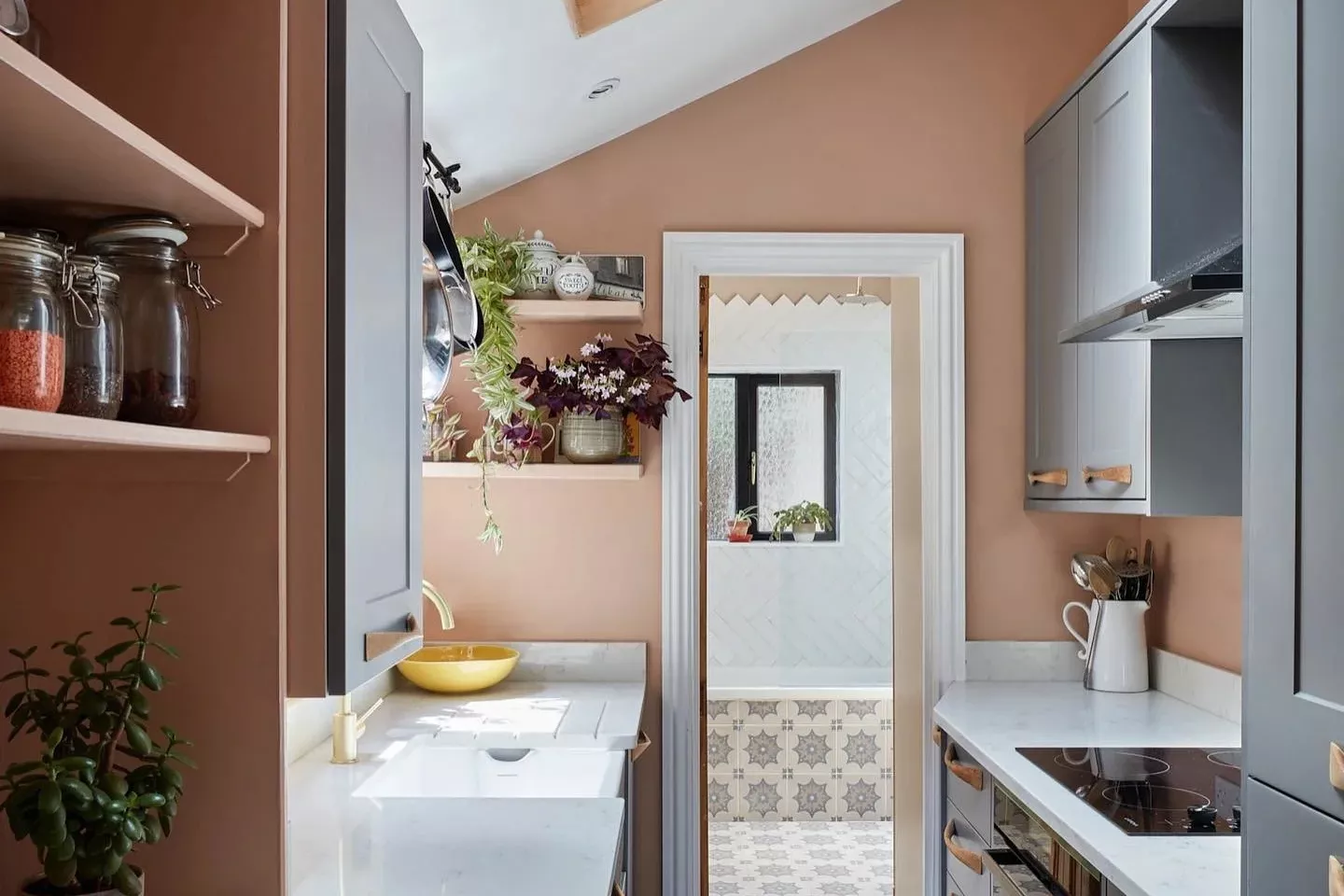
11 Types of Paint Finishes—and Where to Use Each, According to Experts
Understanding paint finishes

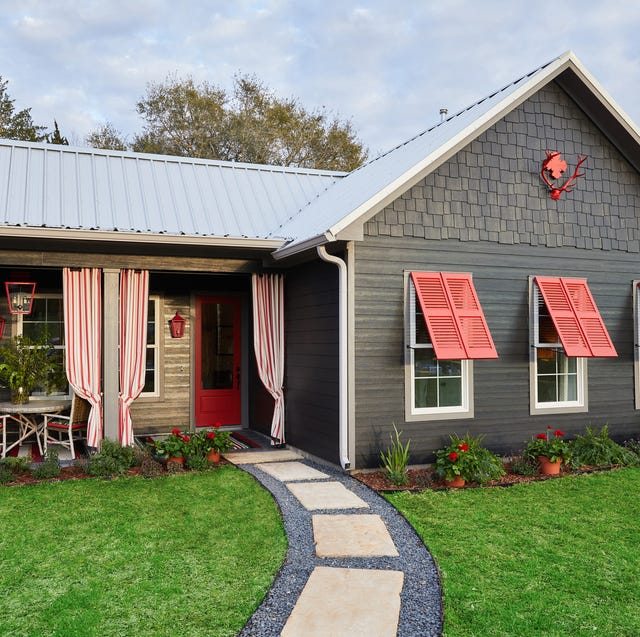
Here's What Colorists Want You to Know About Picking House Paint


5 different paint finishes, from flat to high-gloss, and when to use them

Interior Paint: A Guide to Buying the Best Paints for Your Home

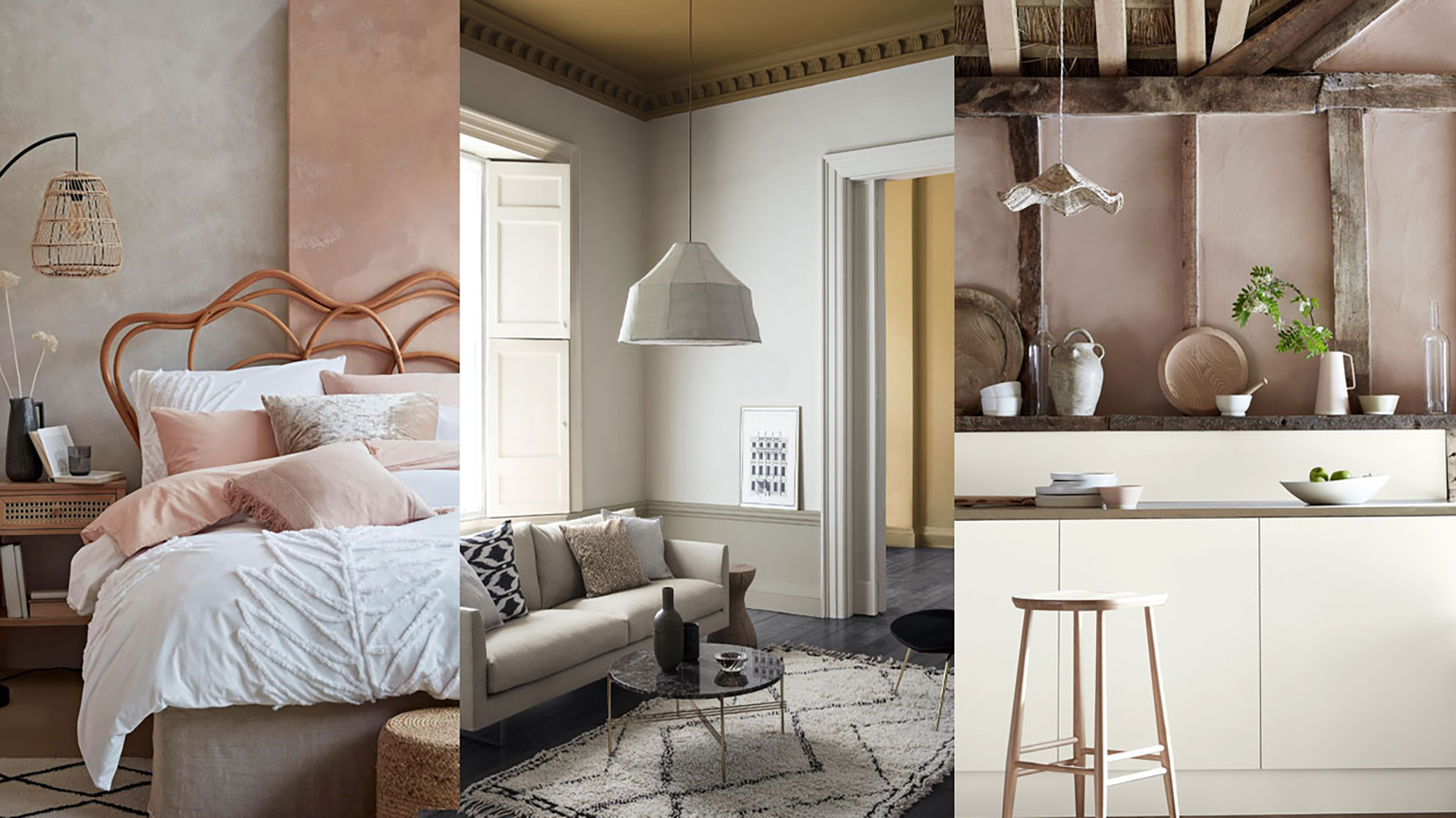
Paint finishes – a guide for every room

to choose paint colors.
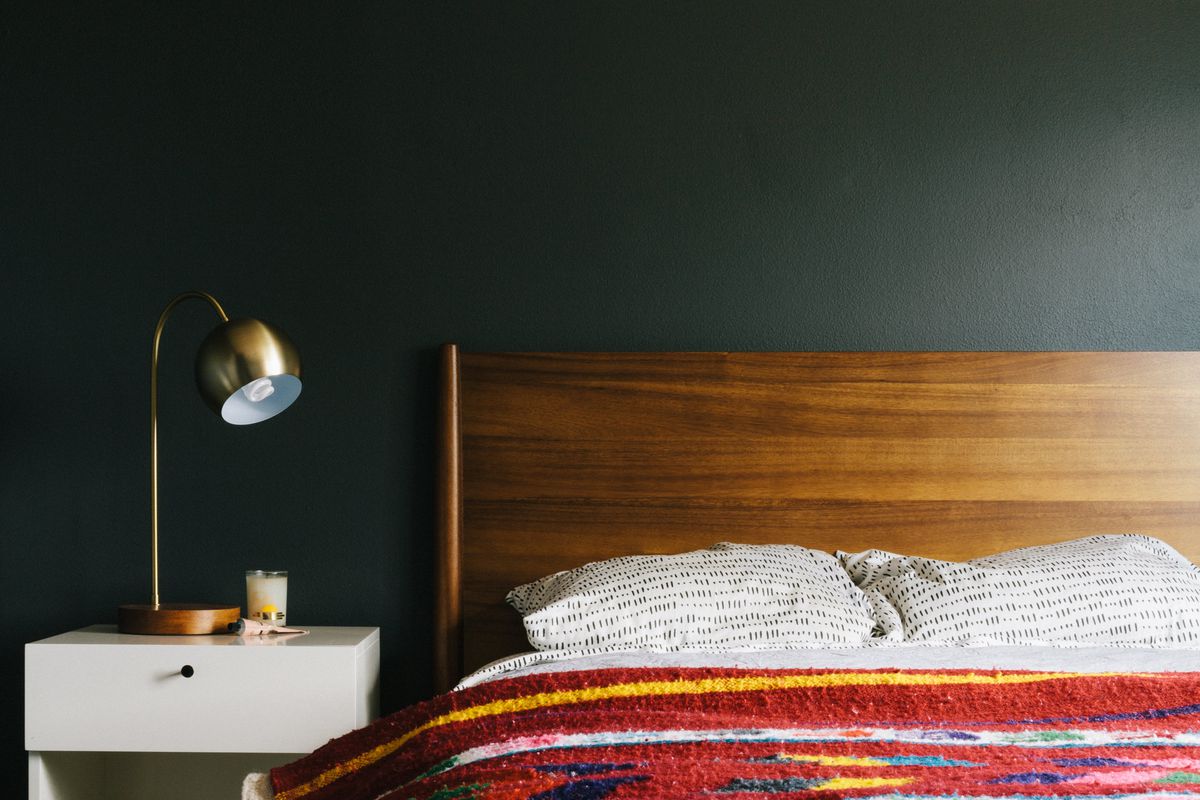
How to choose the best paint color for any room in your house
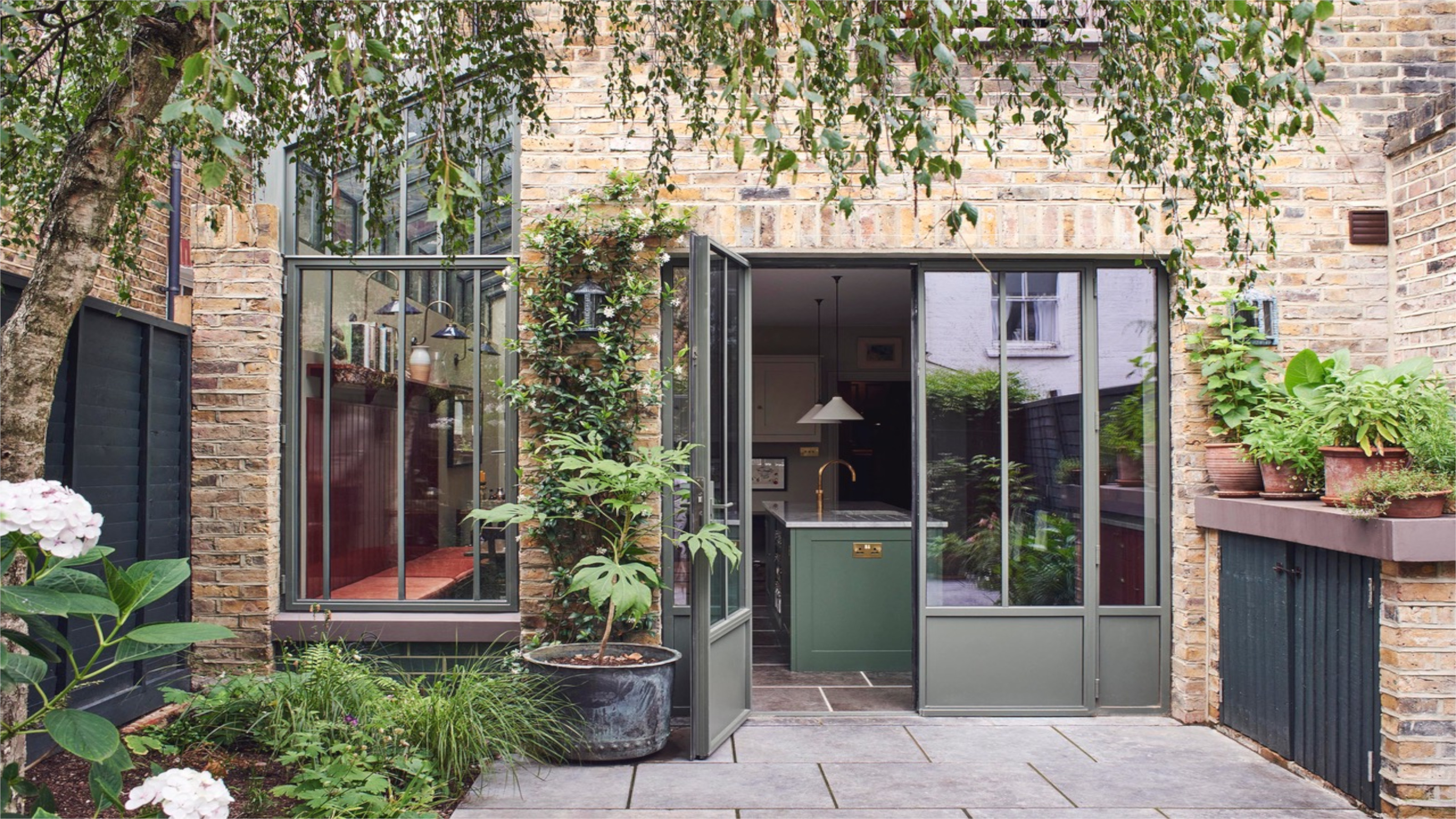
How to choose the best exterior paint for doors and windows
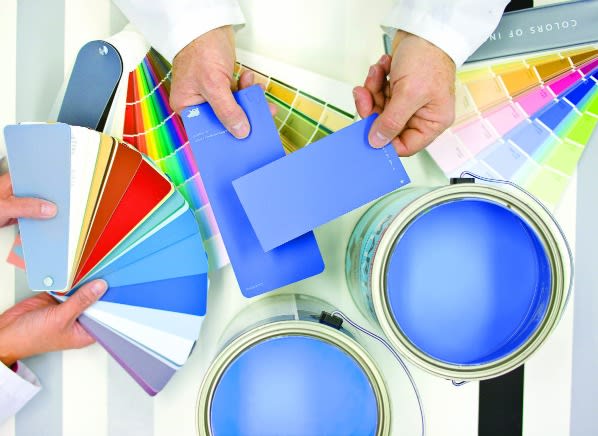
Choose The Best Paint Then The Color | Interior Paint Reviews
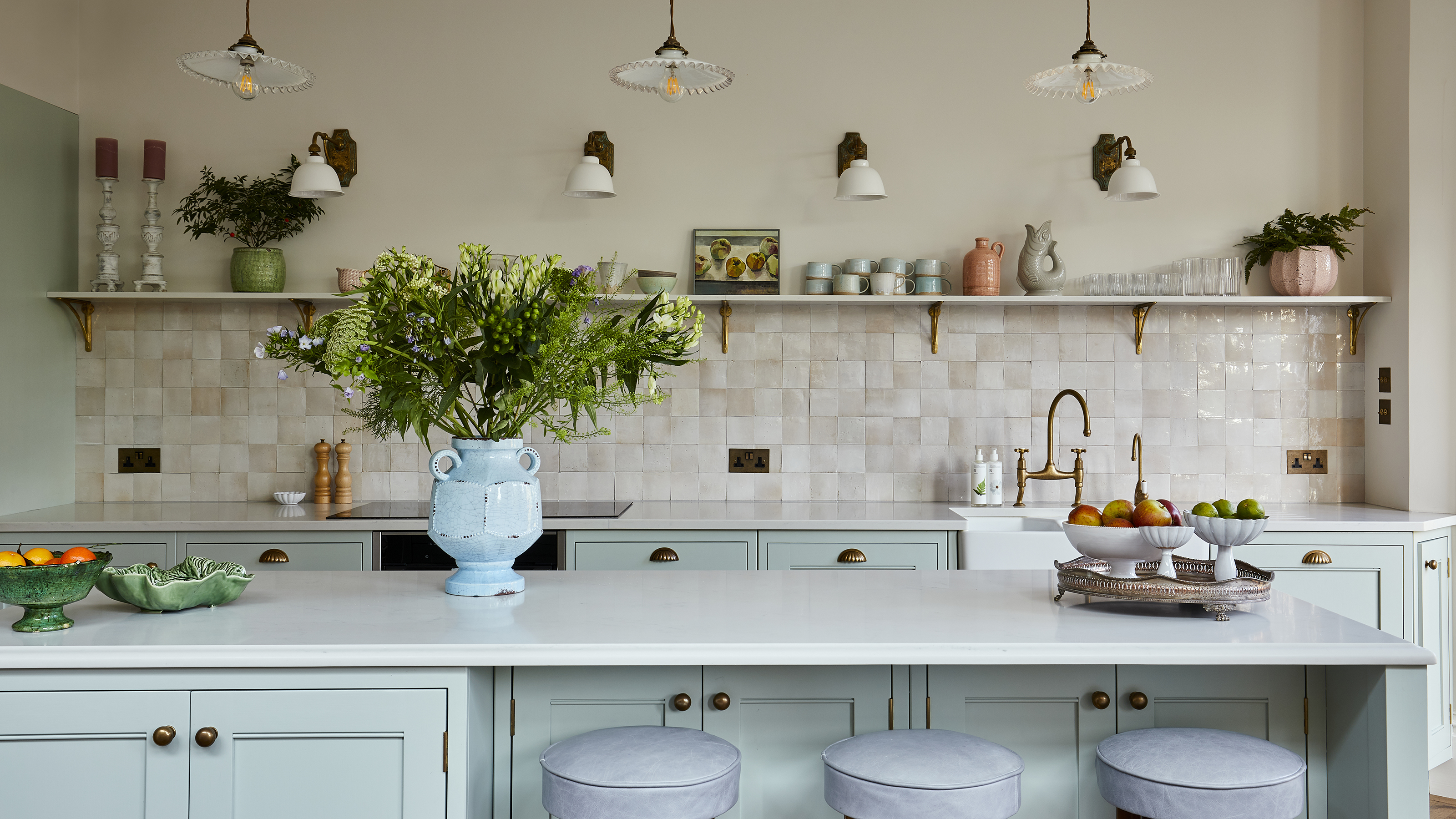
What paint finish should your kitchen walls be? Expert decorators give their tips for the perfect finish
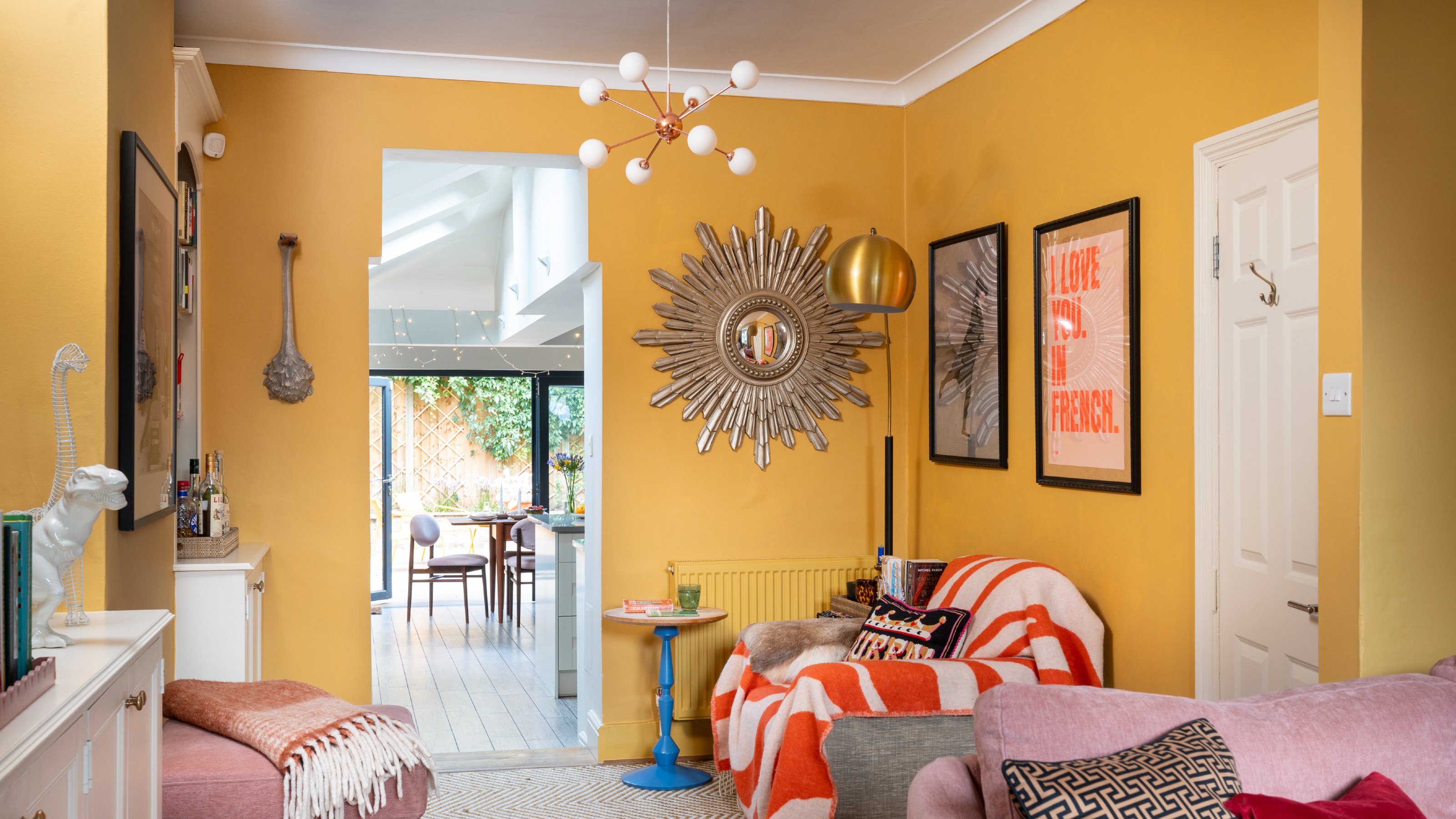
What paint finish is best for walls and ceilings?
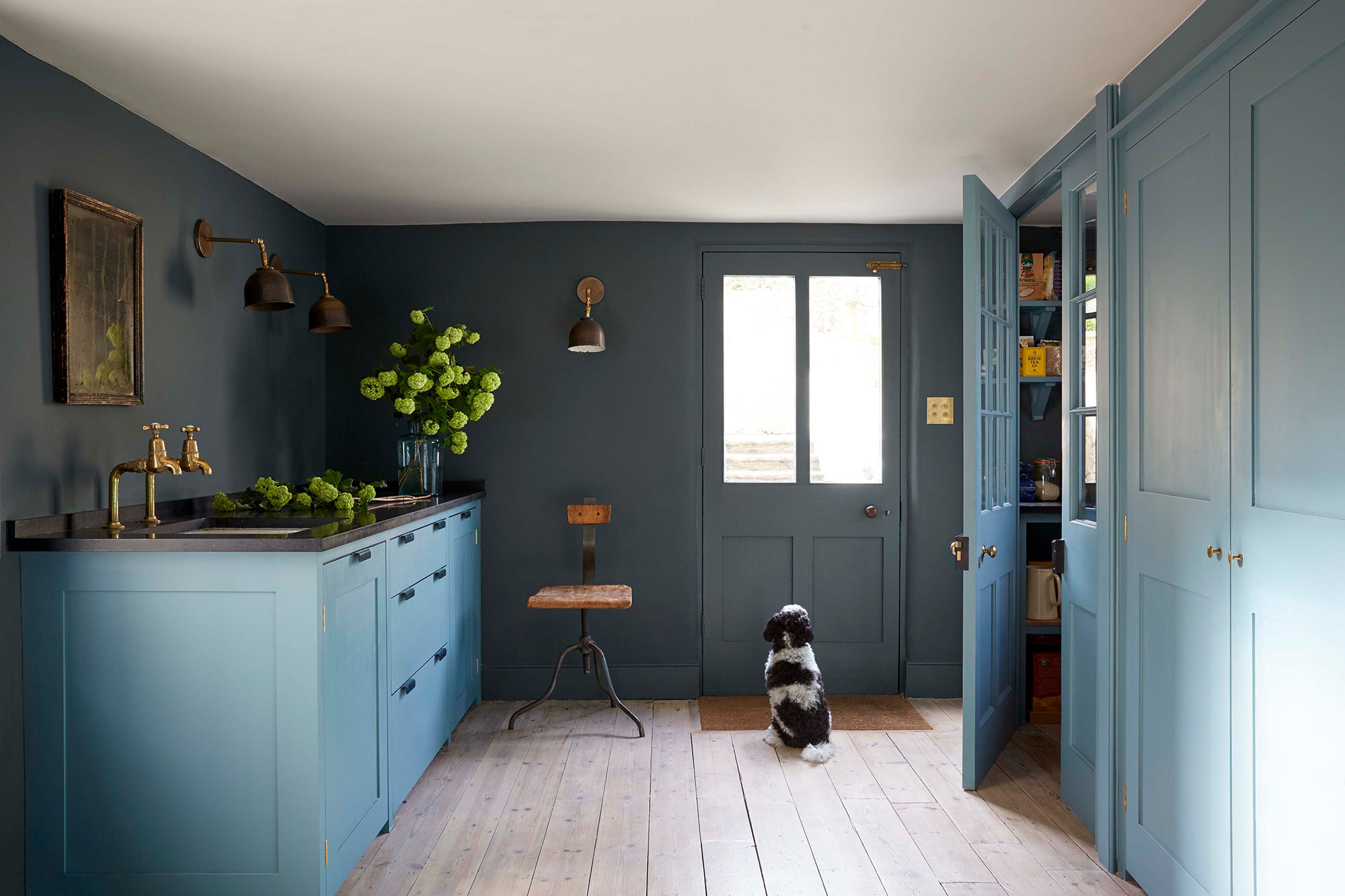
How to achieve beautiful paint finishes according to interior designer, Nicola Harding
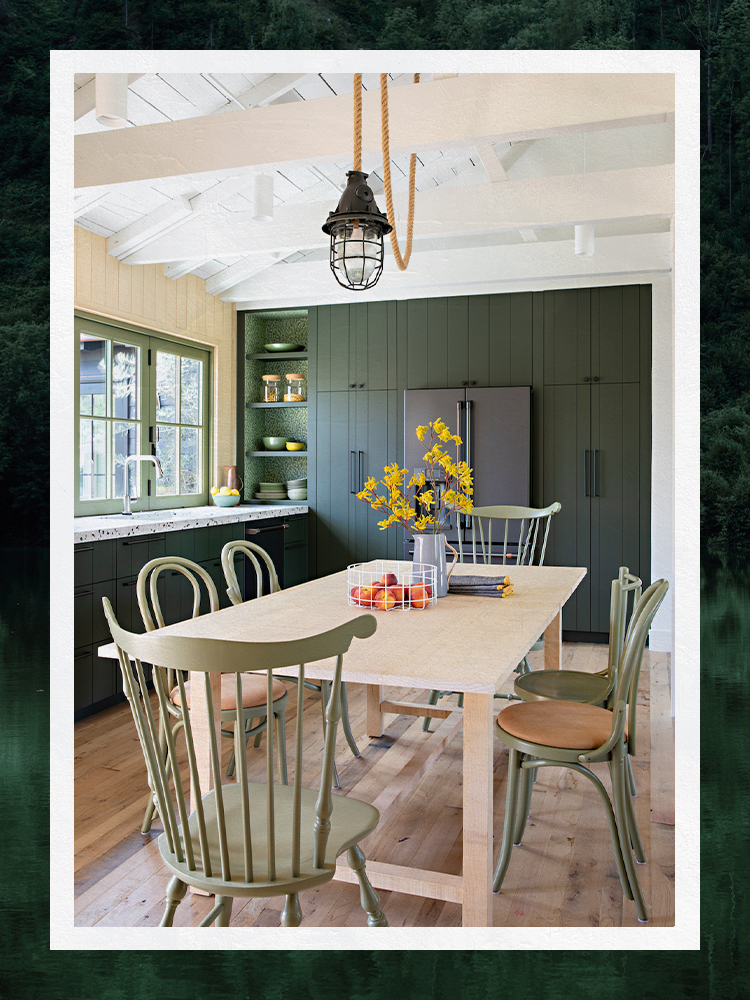
Designers Share Their Tried-and-True Shades From the Best Interior Paint Brands
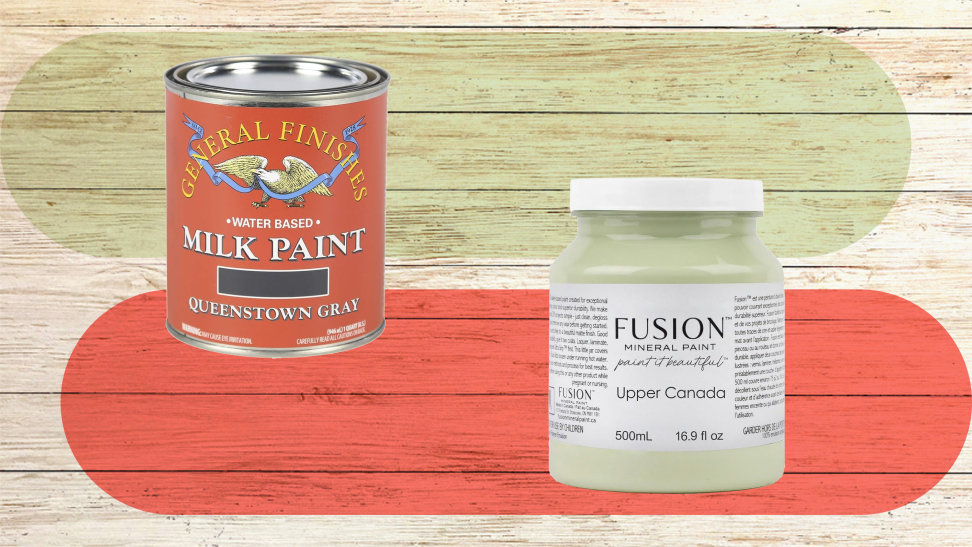
The Best Furniture Paint of 2026

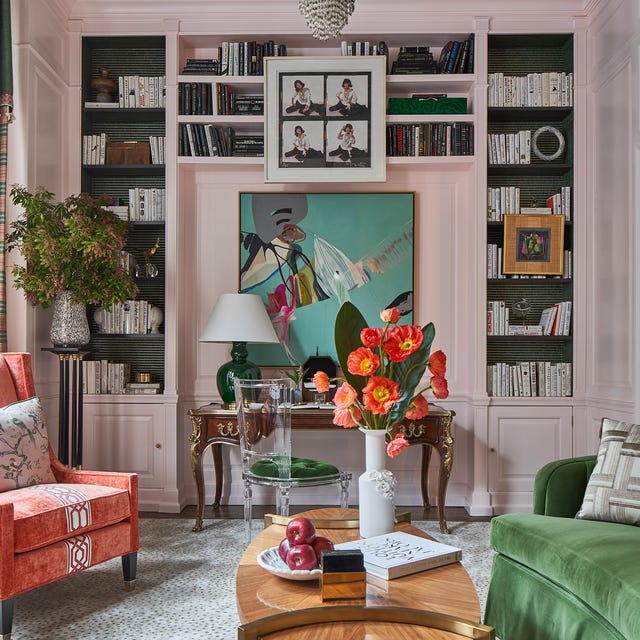
An A-List Designer’s Secrets To Picking Perfect Paint Colors

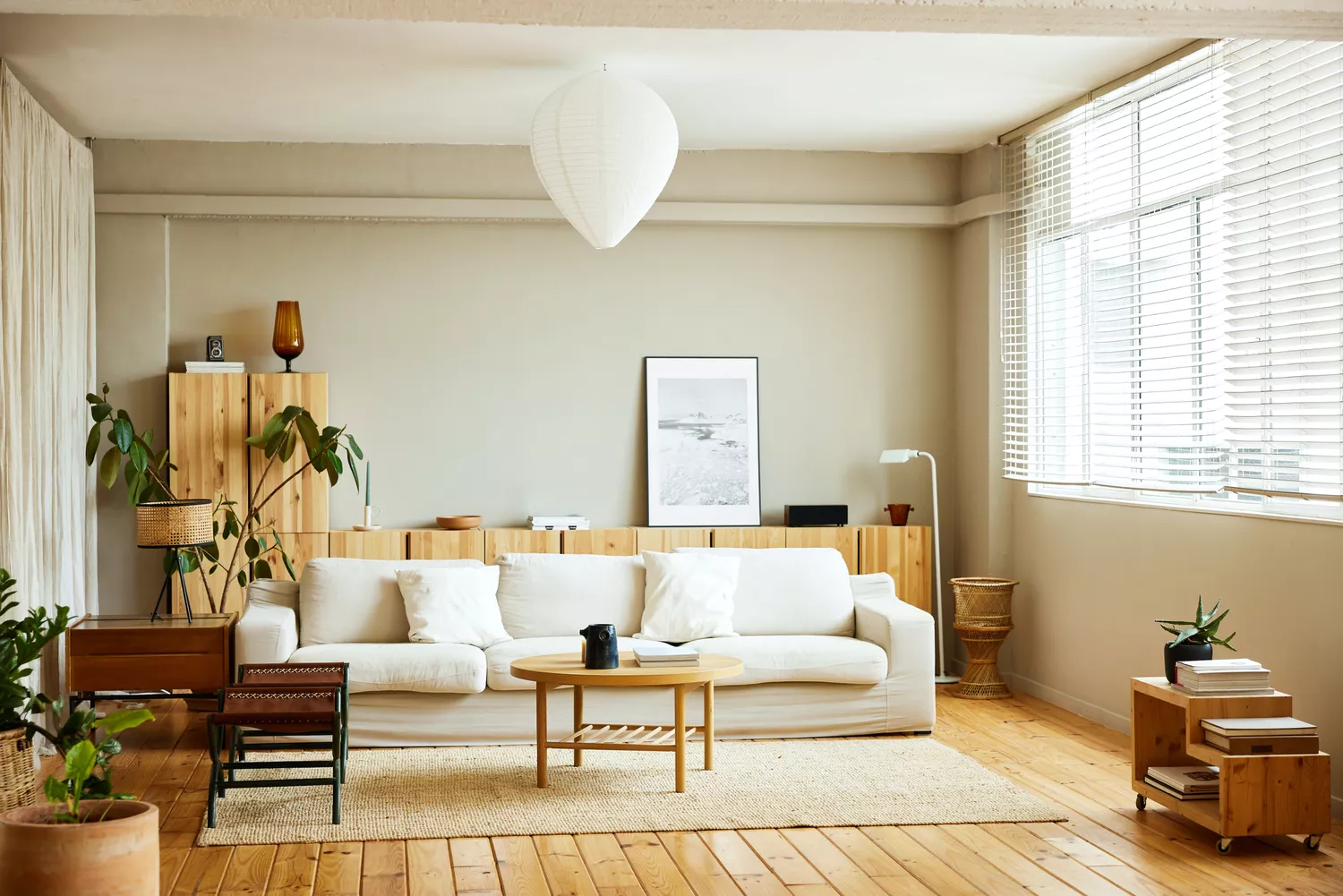
How to Choose the Best Paint Finish for Every Area of Your Home, From Kitchen Cabinets to Bathroom Walls