1/2
8 Decorating Hot Takes Designers Still Stand By (Even If You Hate Them)
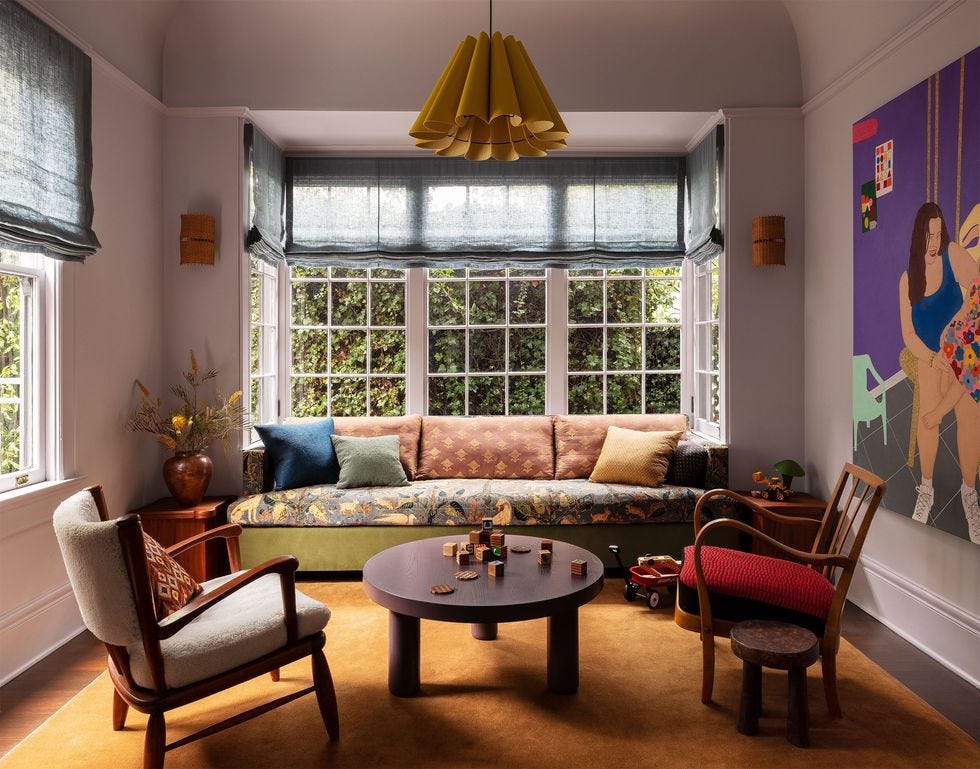
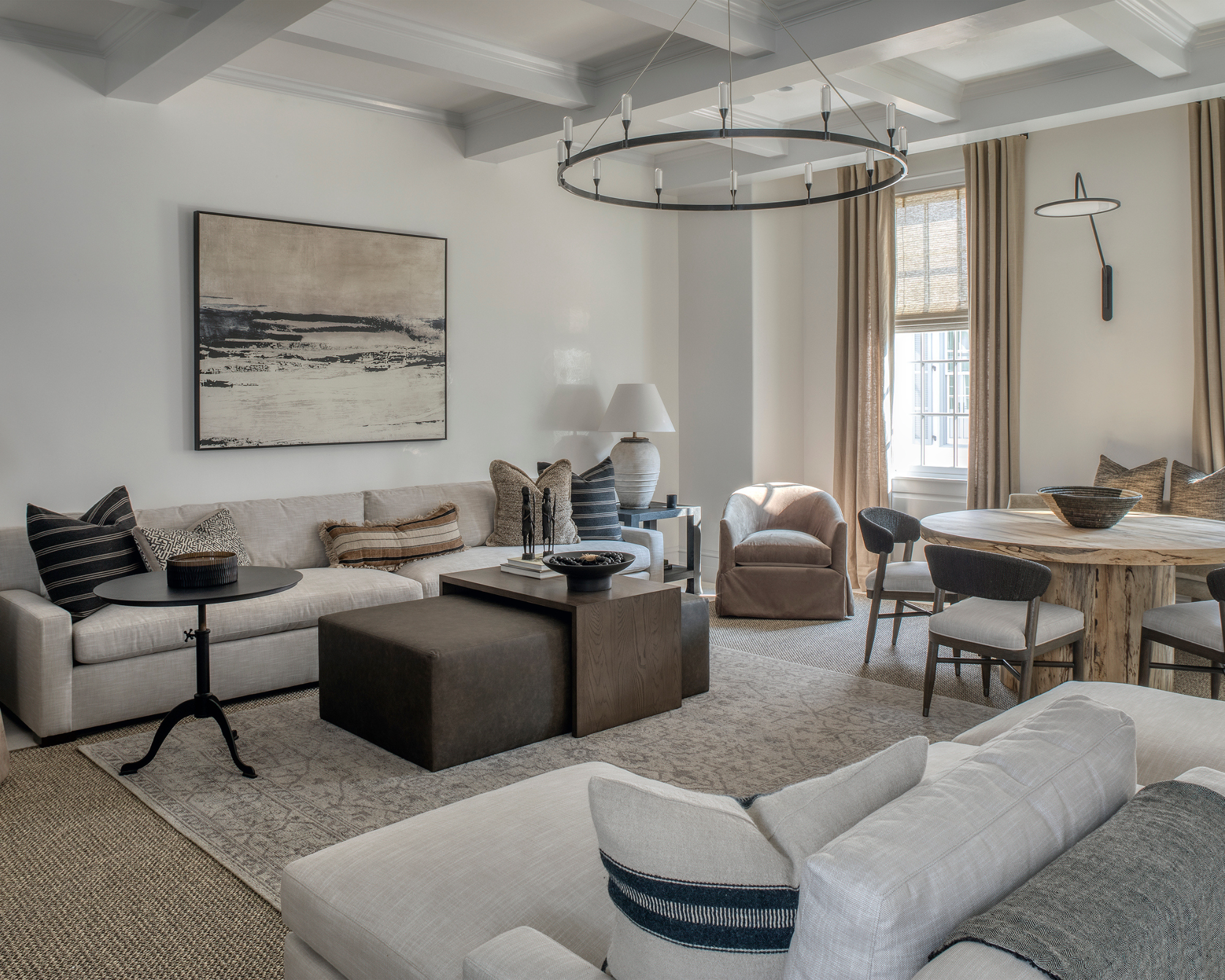
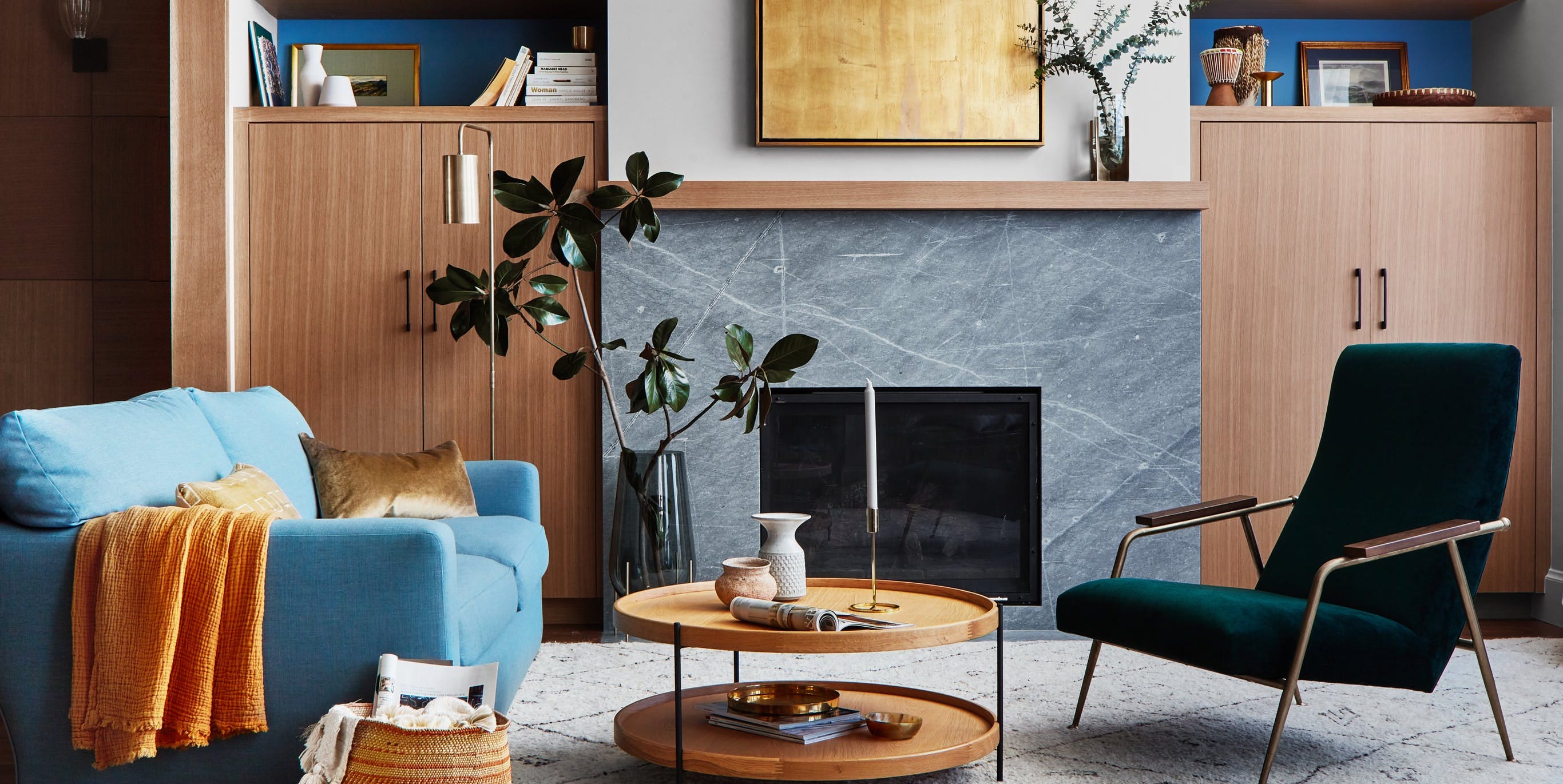
The article explores eight controversial decorating choices that interior designers continue to endorse, despite their potential unpopularity or deviation from current trends. These 'hot takes' highlight designers' personal preferences and signature styles, offering insights into how individuality shapes home aesthetics. The first hot take involves mixing materials, specifically wood and stone. Nina Lichtenstein, a nature-inspired home designer, advocates for combining these elements to build texture and dimension, emphasizing that each material brings its own history and character, creating grounded and authentic spaces.
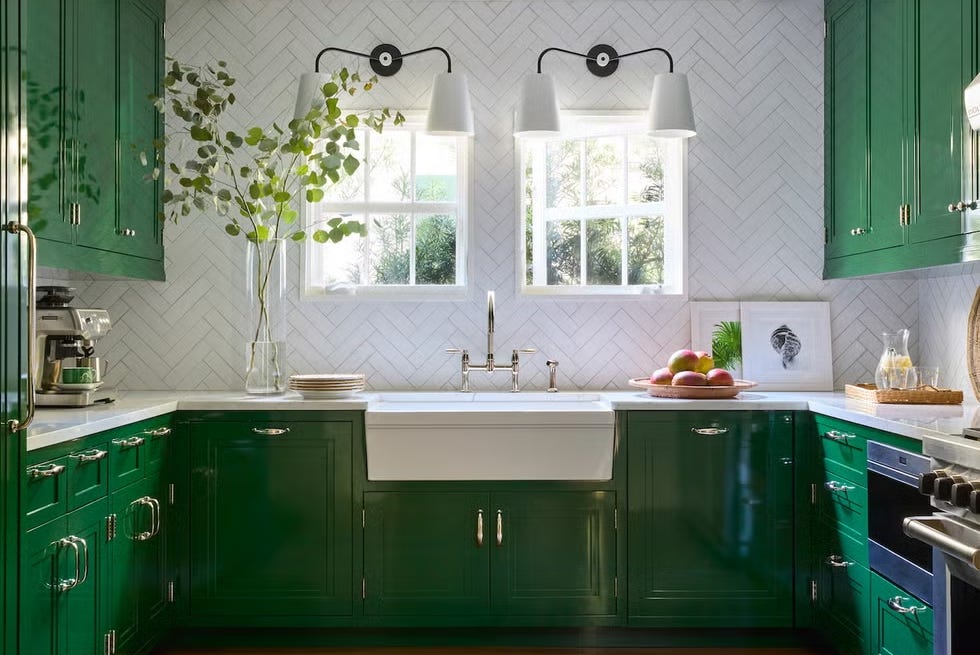
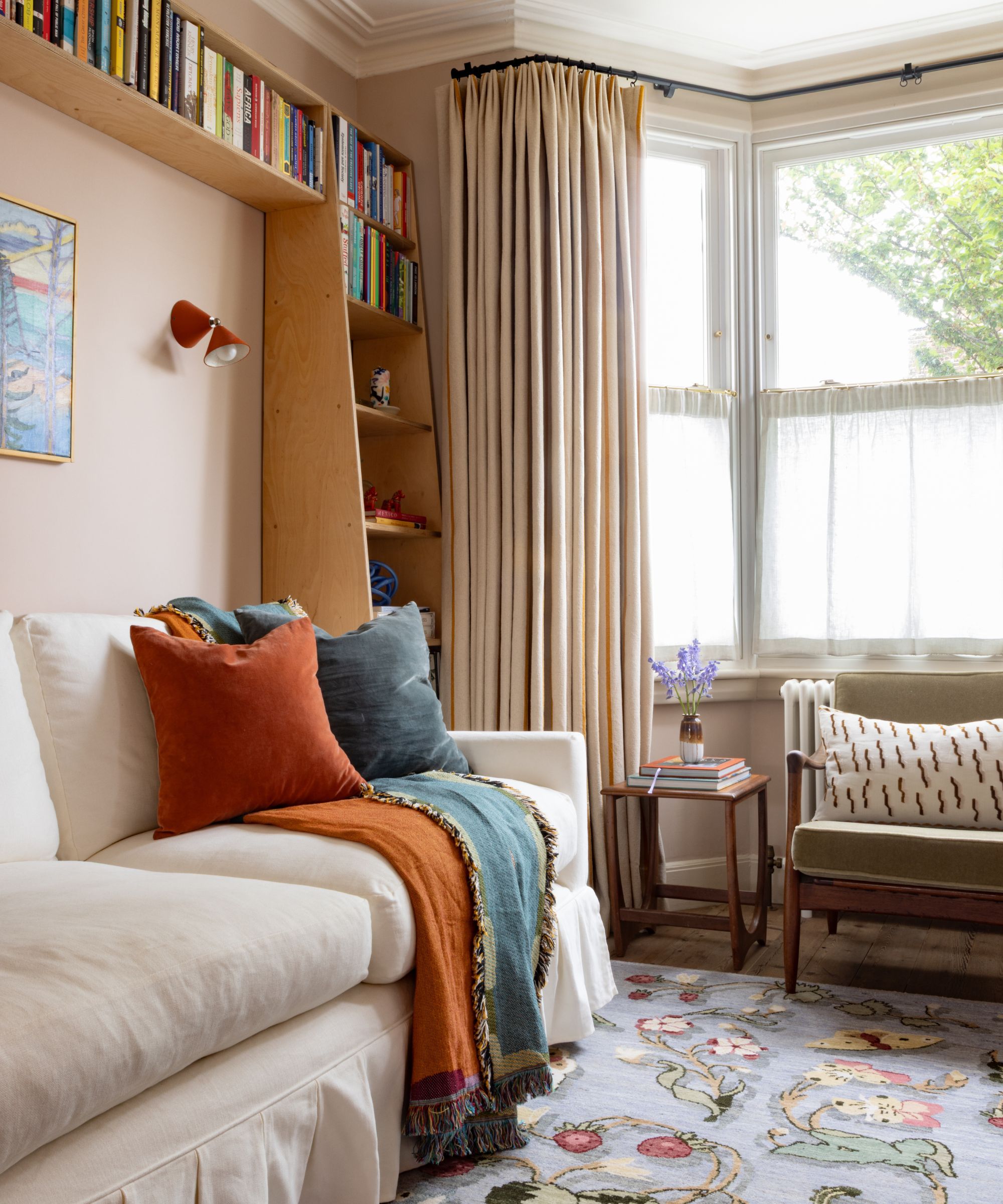
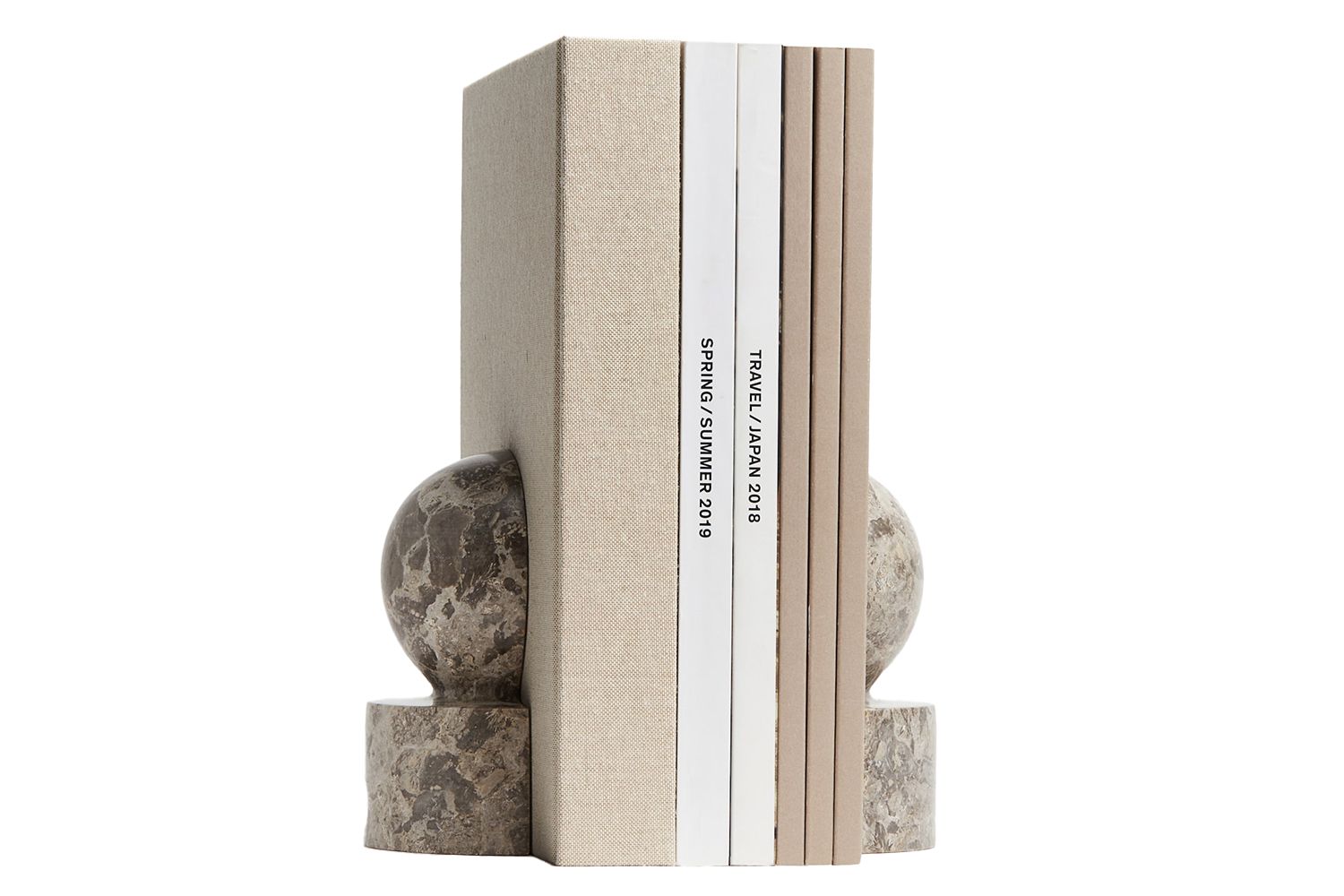
The second point addresses subway tiles, often considered overused and mundane. Lichtenstein, however, appreciates their simplicity and versatility, using earth-toned variations to create calming and clean backdrops. She notes that when paired with natural wood, greenery, or a pop of color, subway tiles provide a crisp and uncluttered look that remains timeless. Decorating with books is the third hot take, supported by Dan Mazzarani. He explains that while the 'bookshelf wealth' trend is popular, books can also serve as an aesthetic backdrop for other prized possessions, adding character and personal touch to a space.
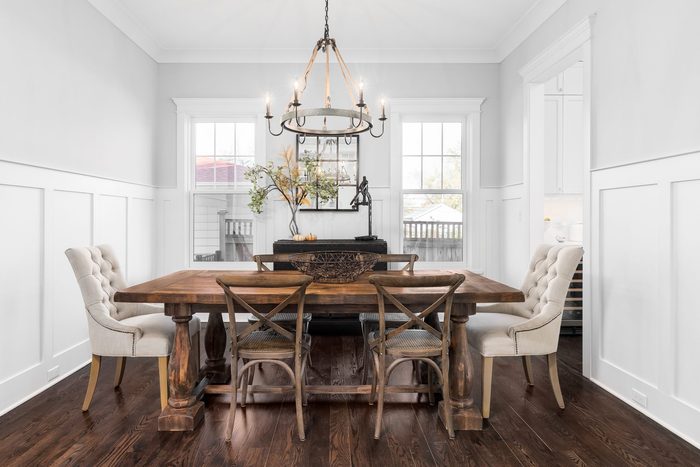
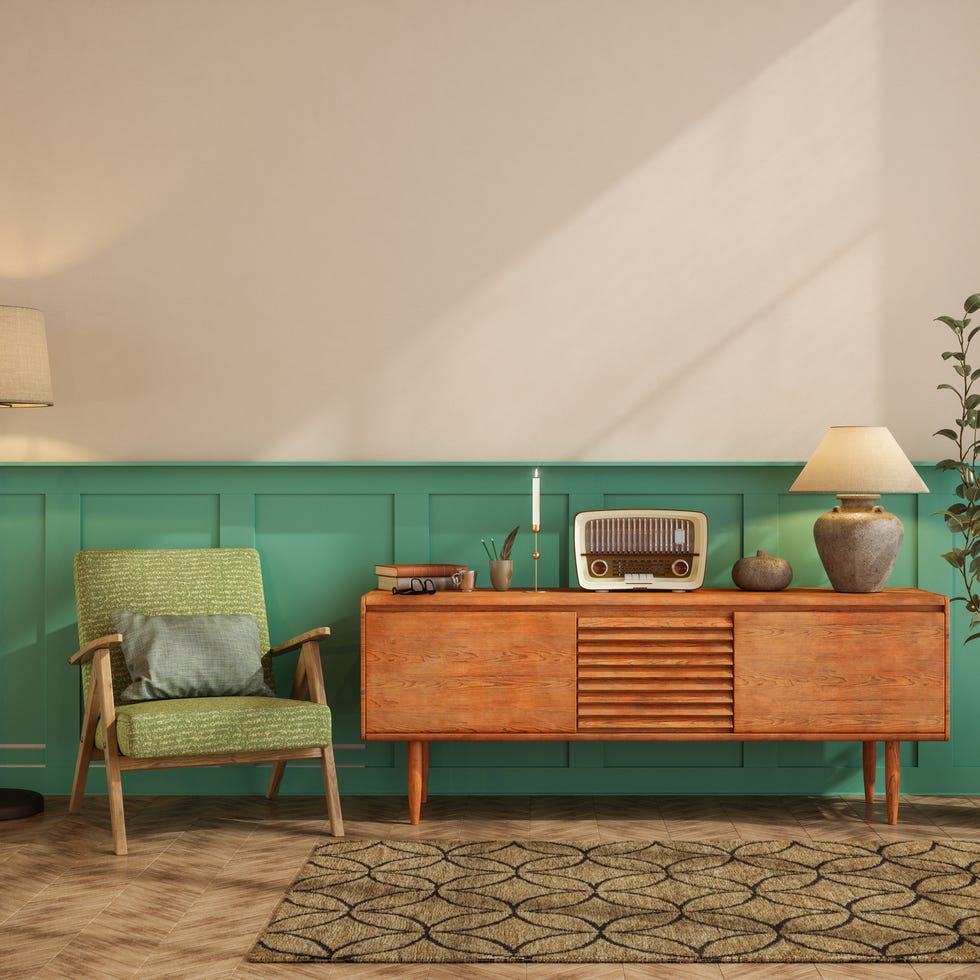
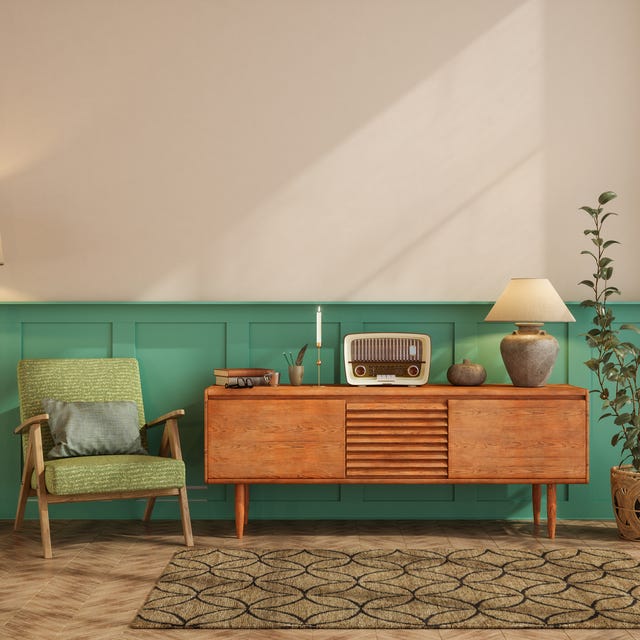
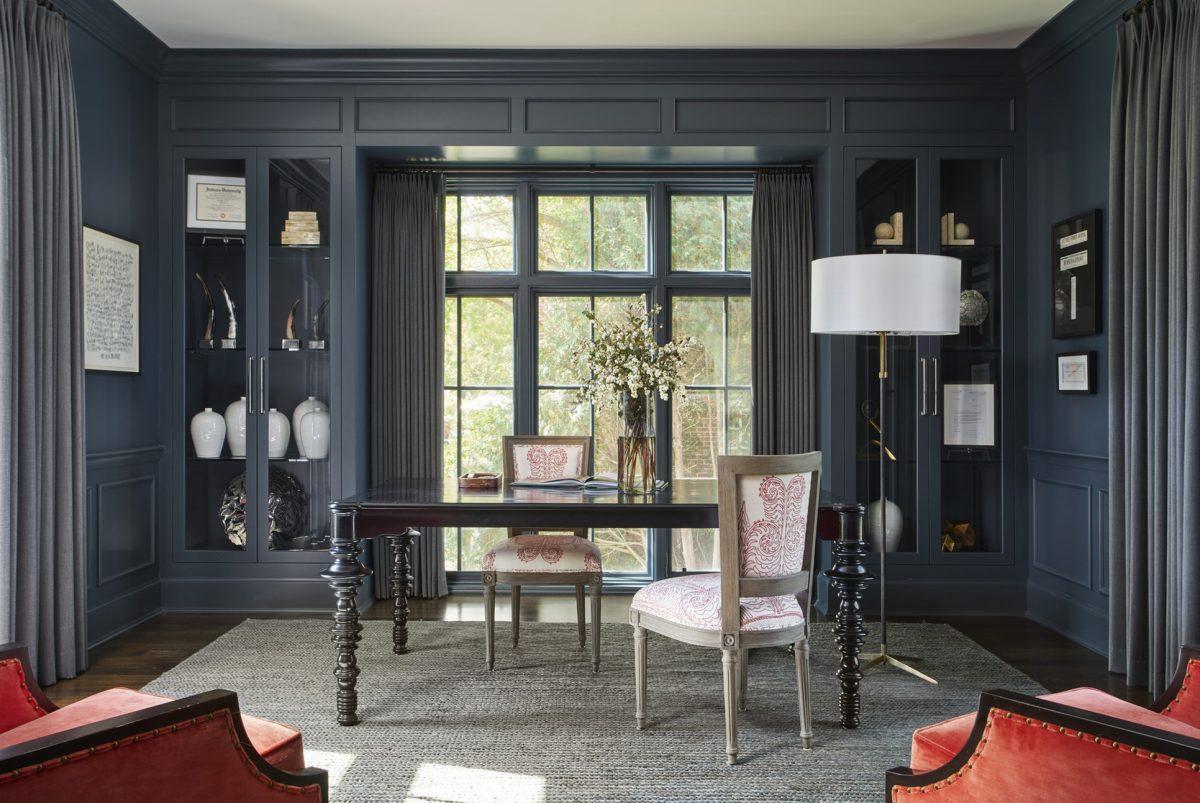
Wall paneling, beadboard, and wainscoting constitute the fourth hot take, championed by Dana Lee Calabrese. Unlike accent walls, which some designers skip, these elements are seen as timeless and refined ways to add interest and draw the eye in rooms. Calabrese recommends beadboard for bathrooms and kitchens and wainscoting for formal dining rooms, hallways, and bedrooms, suggesting they offer a high-end look on a budget.
The fifth hot take challenges the open-floor plan concept. Peter Spalding argues for separated living spaces, believing that individual rooms are more functional for daily life and easier to furnish. He emphasizes that doorways act as natural frames, enhancing the architectural flow and visual interest within a home, contrary to the modern trend of expansive, undivided areas.
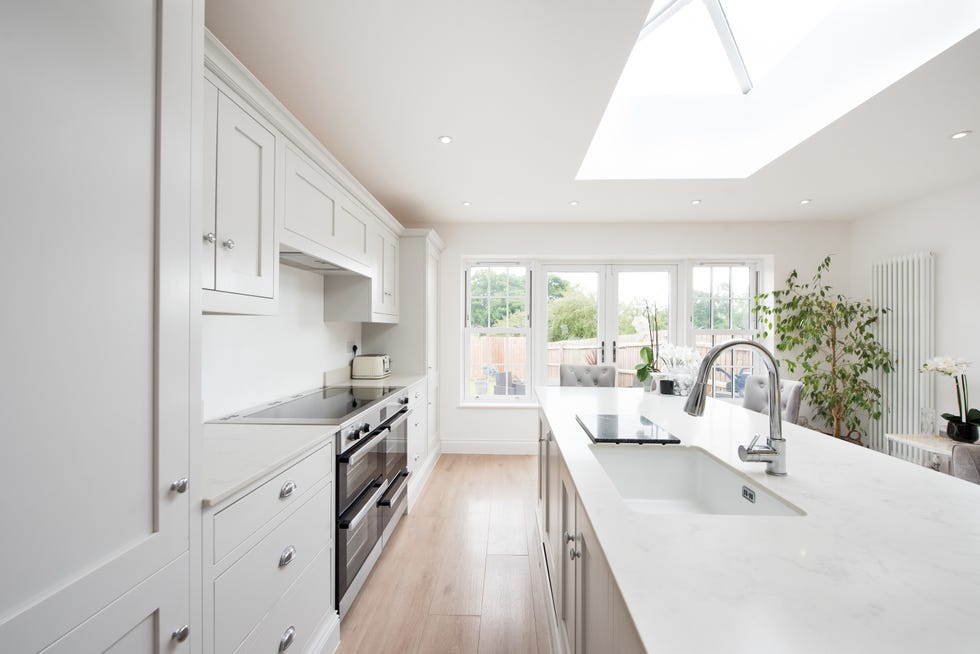
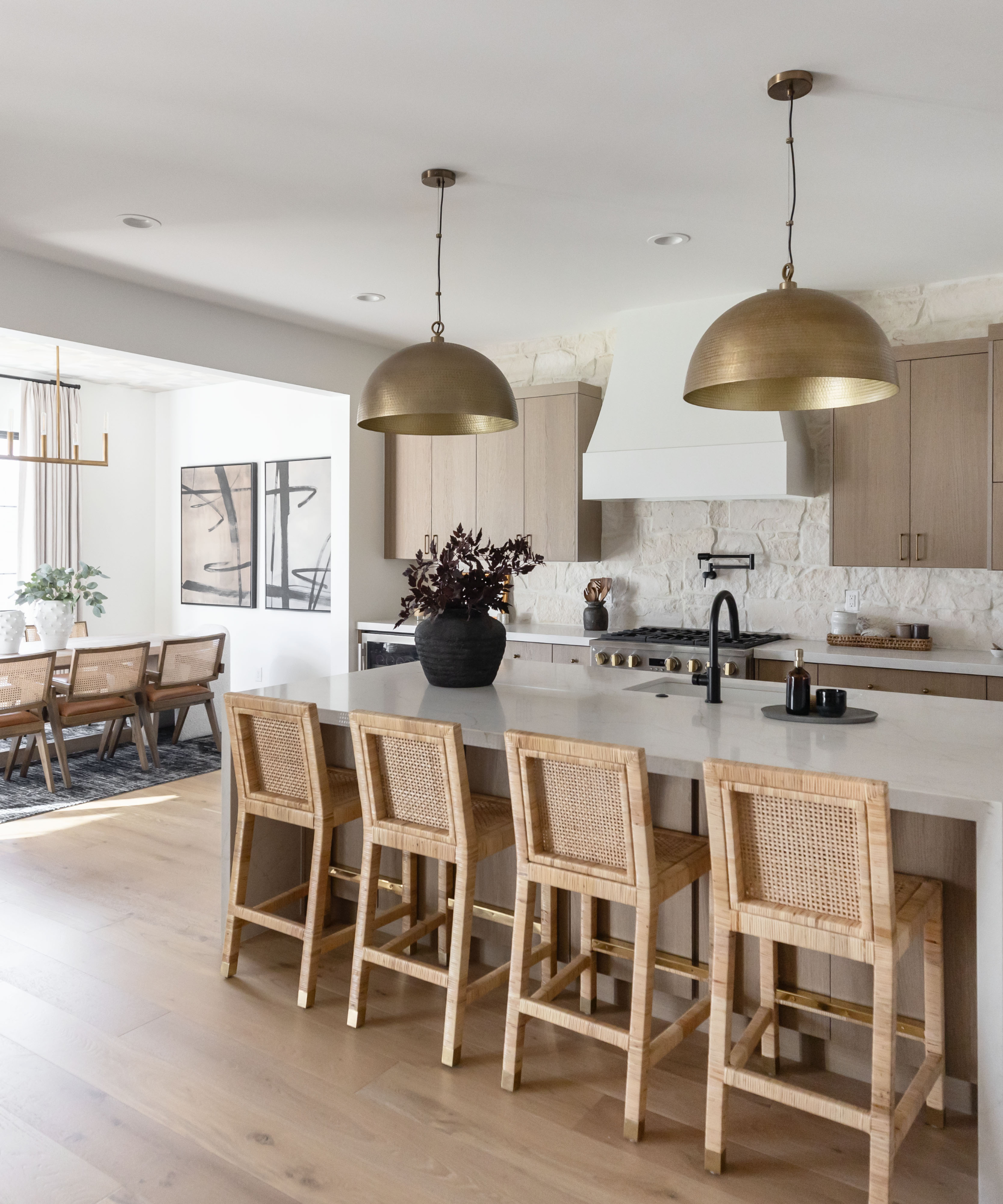
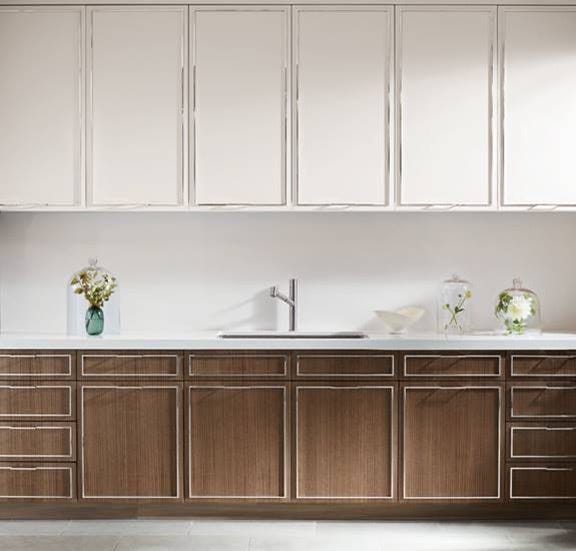
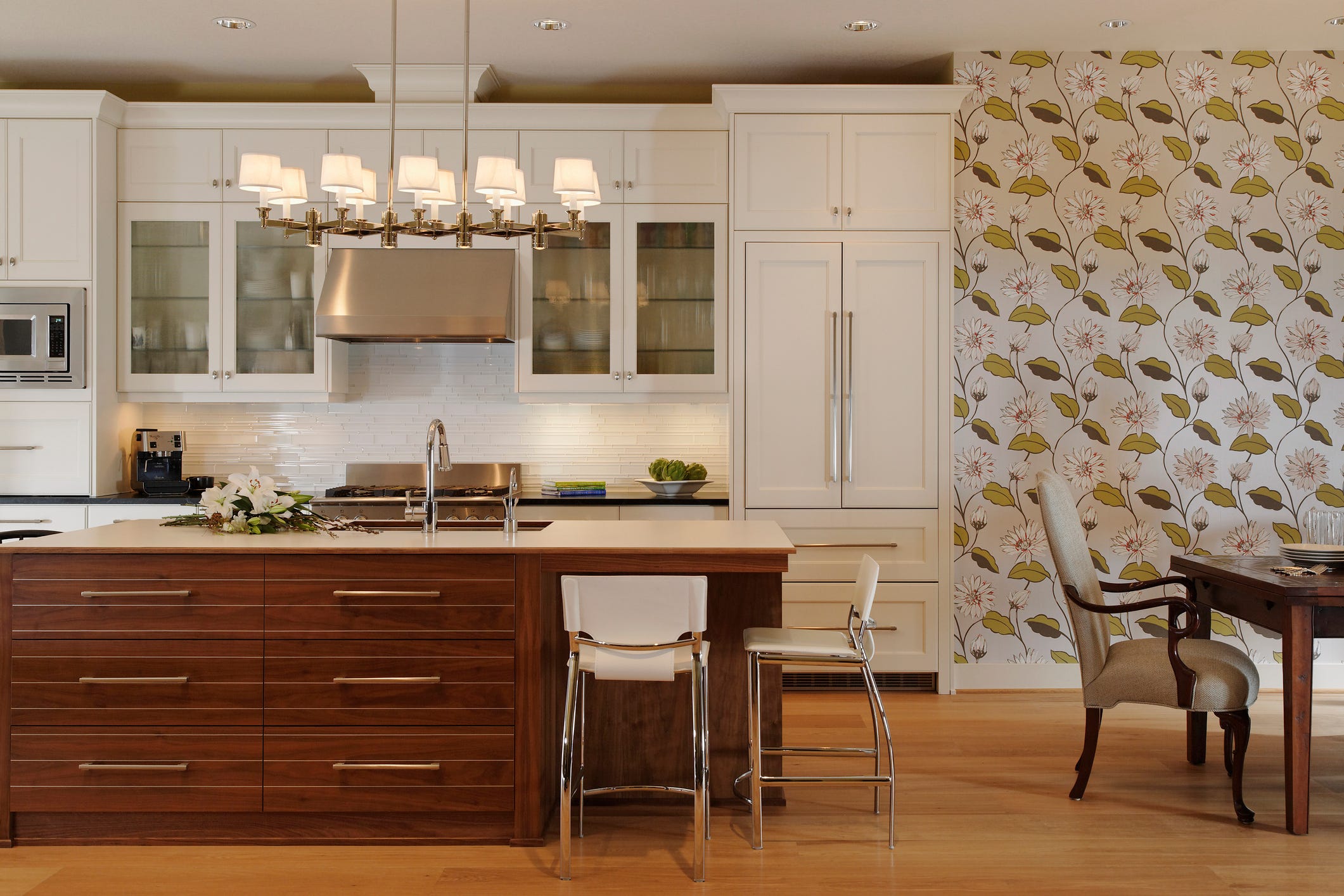
Painting over brick is the sixth controversial choice. Guidi Filippi prefers to treat or paint over brick, both indoors and outdoors, to achieve a more modern and refreshed aesthetic. While acknowledging the rustic charm of natural brick, she asserts that updating fireplaces or other brick features with paint, German schmear, or lime washing often improves their appearance. The seventh hot take concerns timeless white kitchens. Guidi Filippi firmly believes that white kitchens never go out of style, viewing white as a versatile, neutral tone that amplifies natural light and makes rooms feel brighter and larger. She suggests that various design elements like countertops, hardware, and hood materials can always keep a white kitchen modern and interesting.
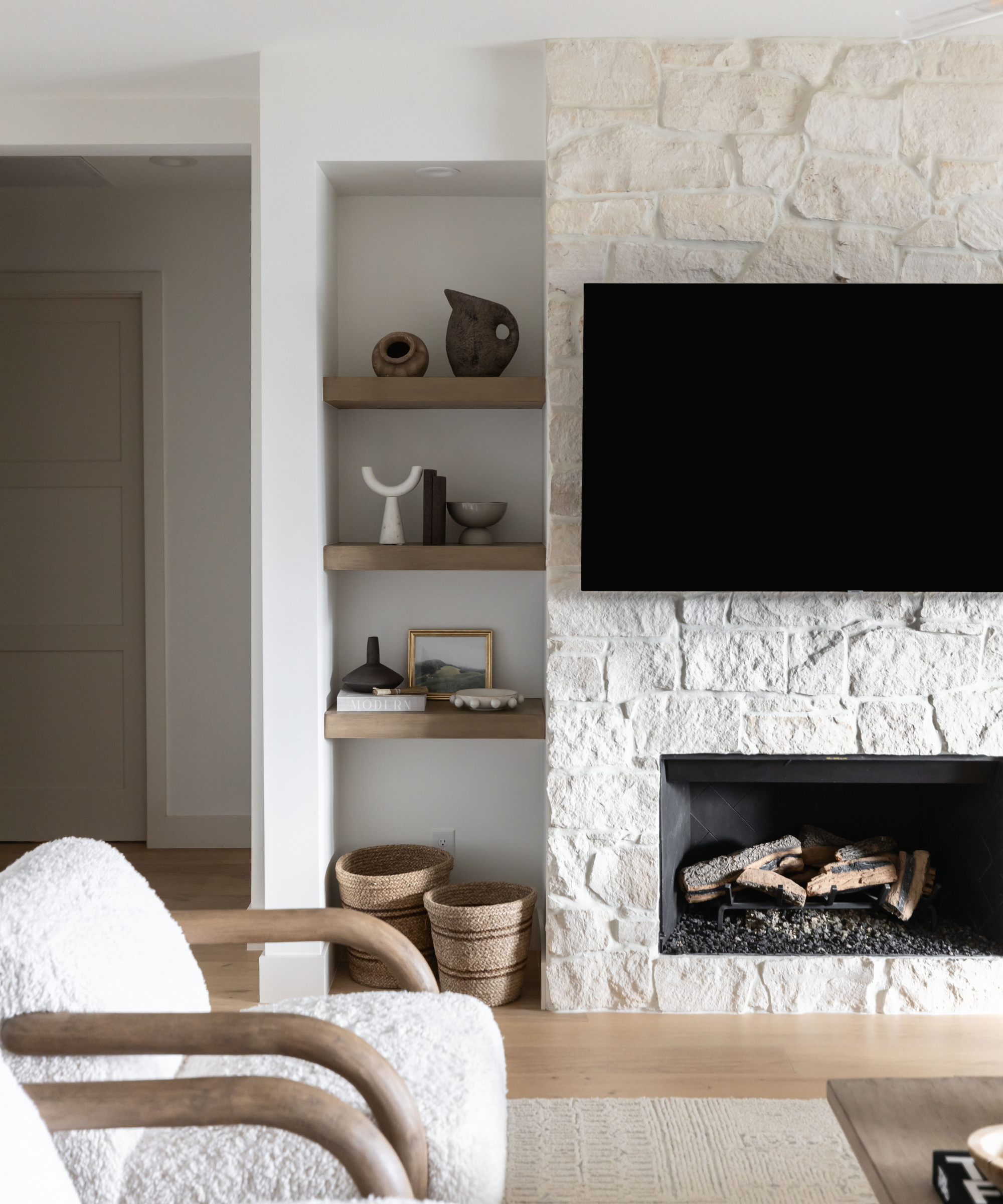
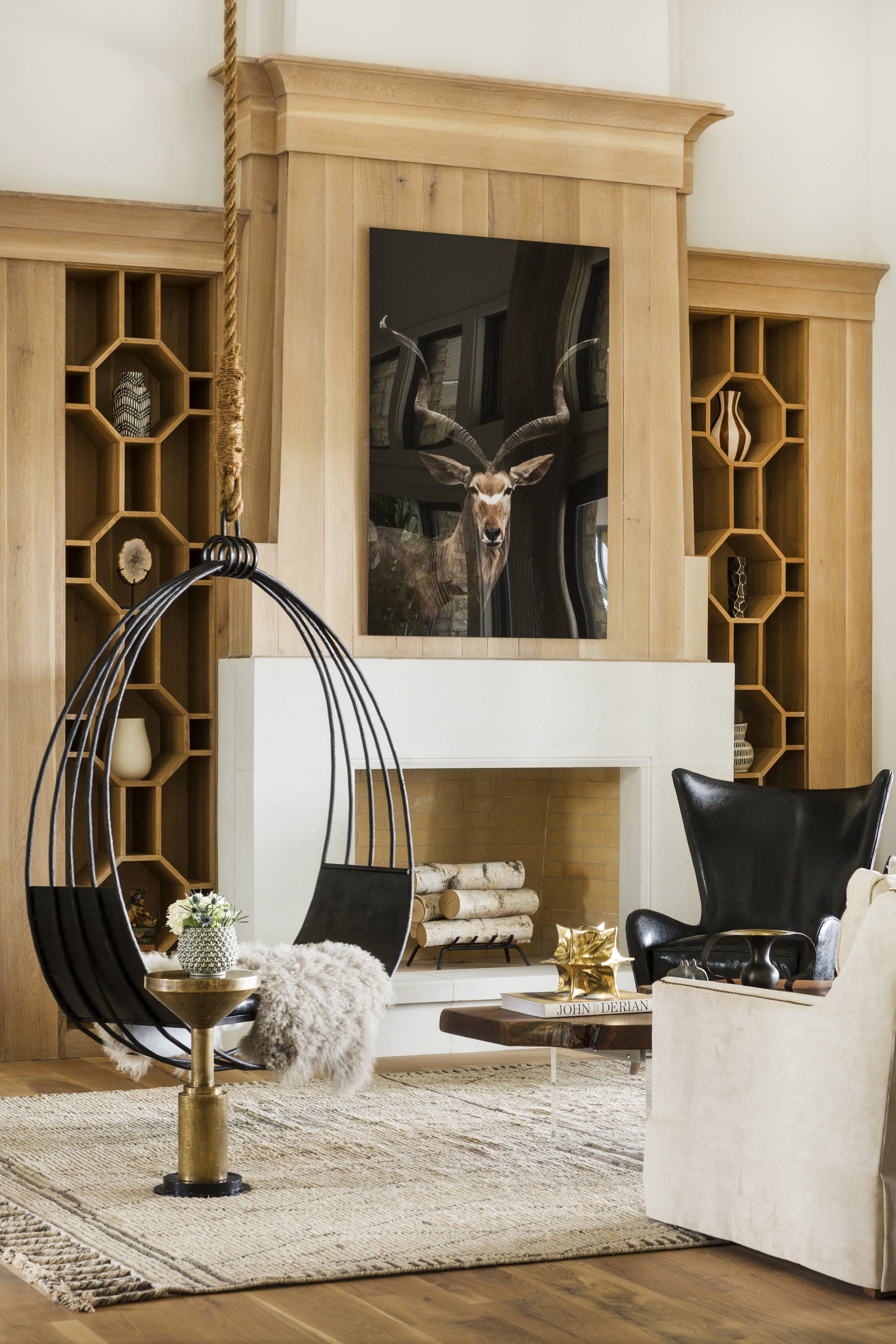
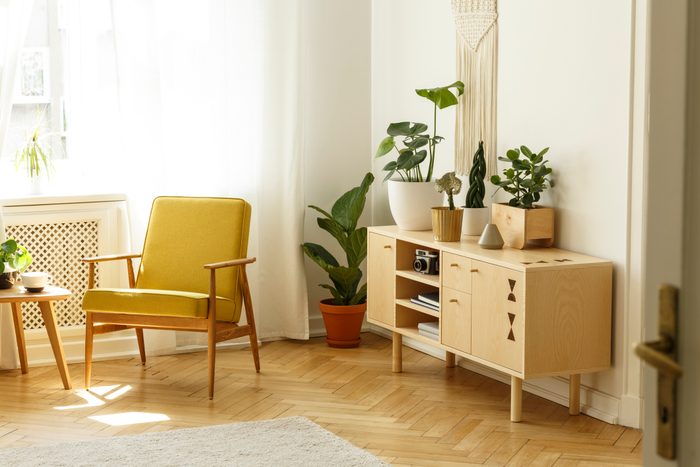
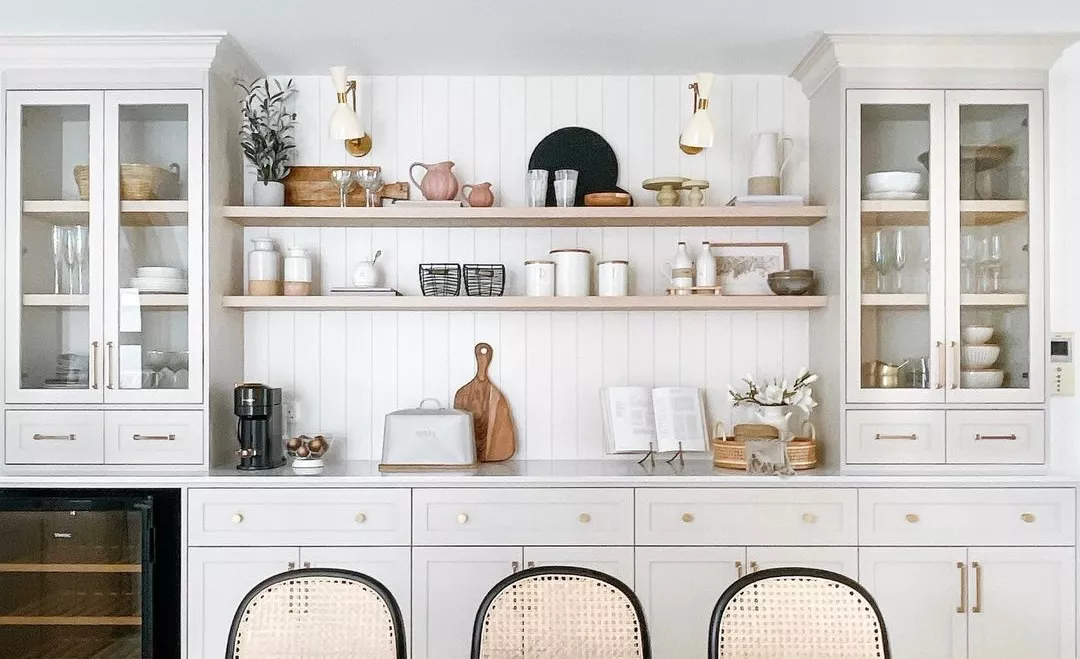
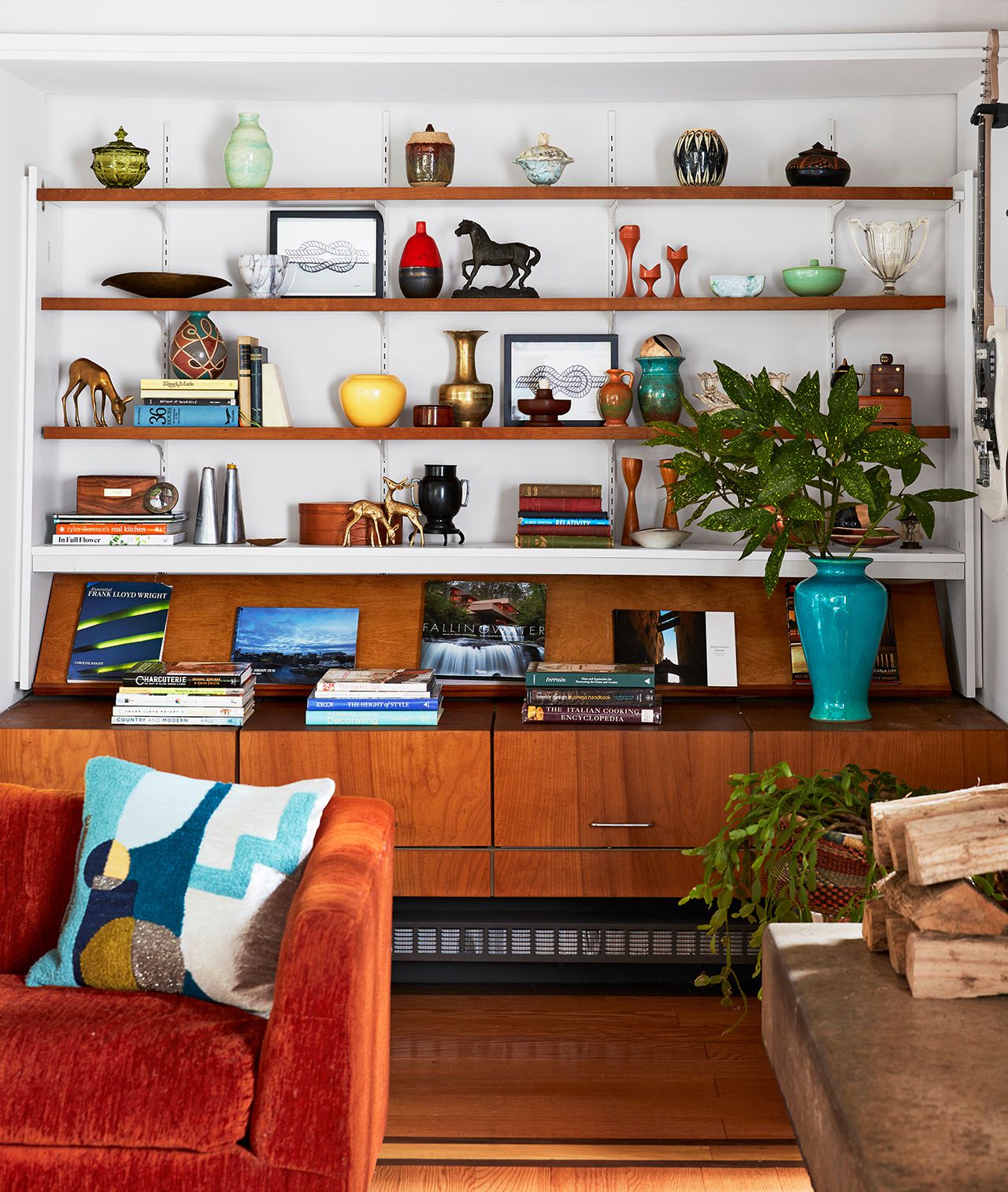
Finally, open shelving is the eighth hot take. Both Spalding and Lichtenstein advocate for open shelving in kitchens for displaying tools and dinnerware, and in living rooms for showcasing meaningful belongings. Despite the need for curation and cleanliness, they argue that open shelves bring life to a space, allowing personal items to be seen and appreciated, rather than hidden away.
#InteriorDesign #HomeDecor #DecoratingTrends #DesignerTips #MixingMaterials #SubwayTile #BookshelfWealth #WallPaneling #SeparatedLivingSpaces #PaintingBrick #WhiteKitchens #OpenShelving #InteriorDesign #HomeDecor #DecoratingTrends #DesignerTips #MixingMaterials #SubwayTile #BookshelfWealth #WallPaneling #SeparatedLivingSpaces #PaintingBrick #WhiteKitchens #OpenShelving
0 comment in total
 No comments yet
You may also like
9 CONTROVERSIAL Decor Choices Designers Secretly Wish You’d Stop Making

8 Kitschy Decorations That Will Never Go Out Of Style

Everything From H&M Home Could Pass for Designer, but the Decor Finds Start at $8

32 Wall Décor Ideas Designers Swear by, From Hanging Plates to Oversized Artwork

These Are the Decor Ideas Designers Can’t Get Enough Of (and We’re Obsessed With!)

Designers Say These 4 Decor Trends Are Super Outdated—Update Your Home With These 8 Finds Instead
11 Home Decor Dupes That Are Designer-Approved
4 outdated wall decor trends designers are leaving behind – and the one that they're choosing instead

9 Decorating Choices That'll Never Go Out of Style, According to Interior Designers

10 Ways to Nail the Slow Decorating Trend Designers Are Loving

These Are The Top Design Trends Worth Trying
8 Fall Home Decor Pieces Interior Designers Always Buy At Amazon
5 Home Decor Pieces Designers Always Wait to Buy on Sale, Even for Their Fanciest Clients
5 interior designers on the styles they will love forever

8 Most Popular Interior Design Styles You Should Know

I'm an interior designer. Here are 8 home-decor trends I predict will be super popular this year.
6 'old-fashioned' decorating techniques that designers still swear by
See These Designer-Approved Ways to Decorate with Throws
8 Tacky Home Trends That Designers Say Are TRAGICALLY Dead
The Finishing Touch - Decorating Tips from 8 Designers