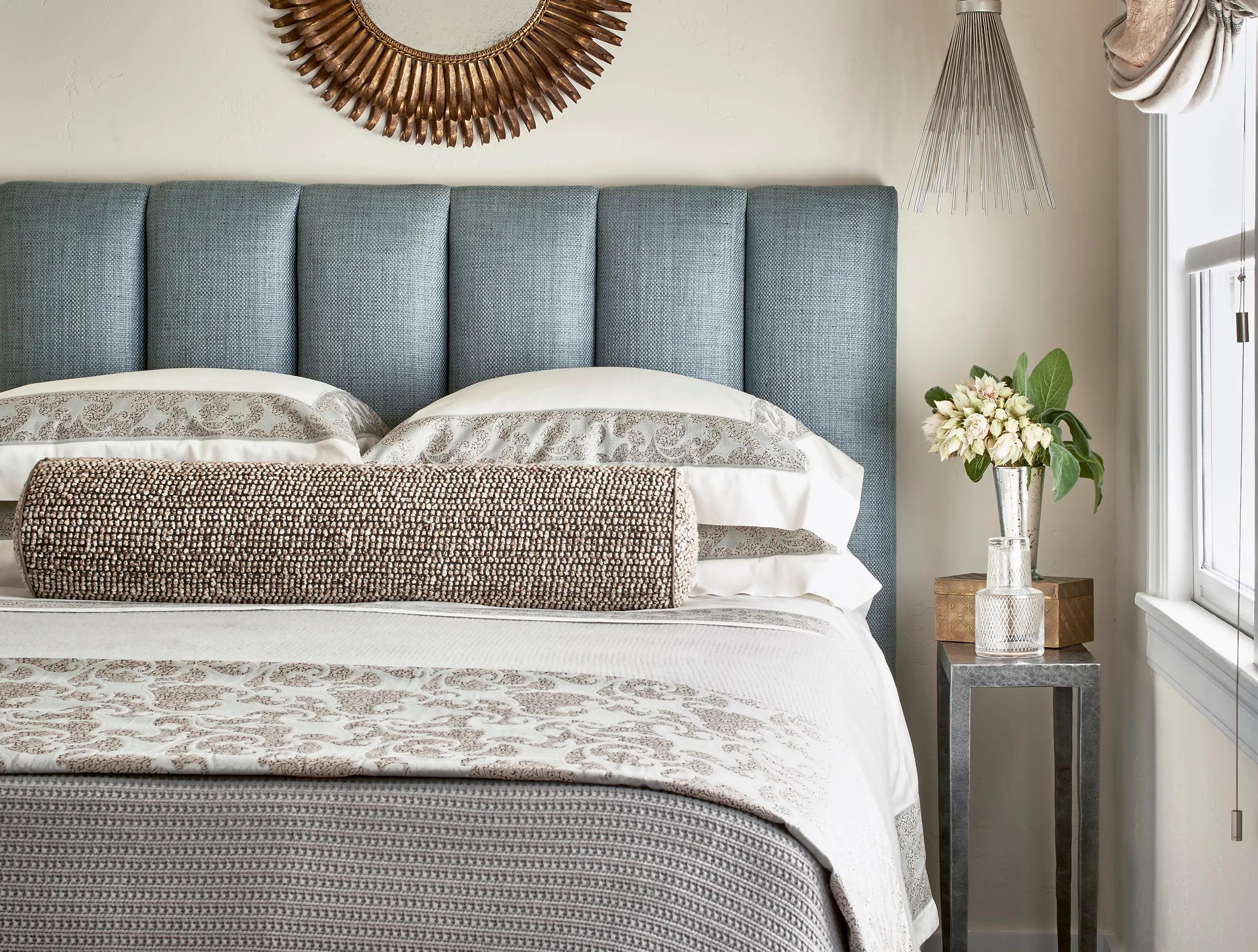
What Is Damask? Here's Why You're Seeing the Centuries-Old Material Everywhere Today
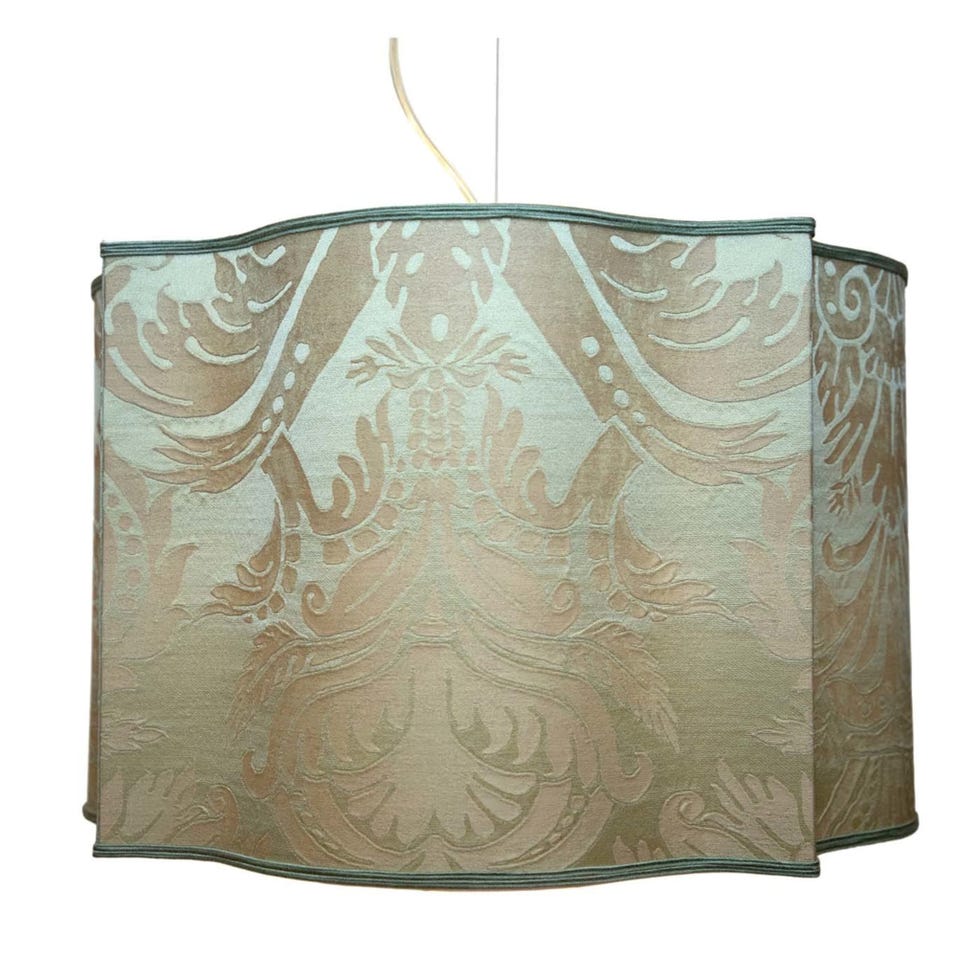
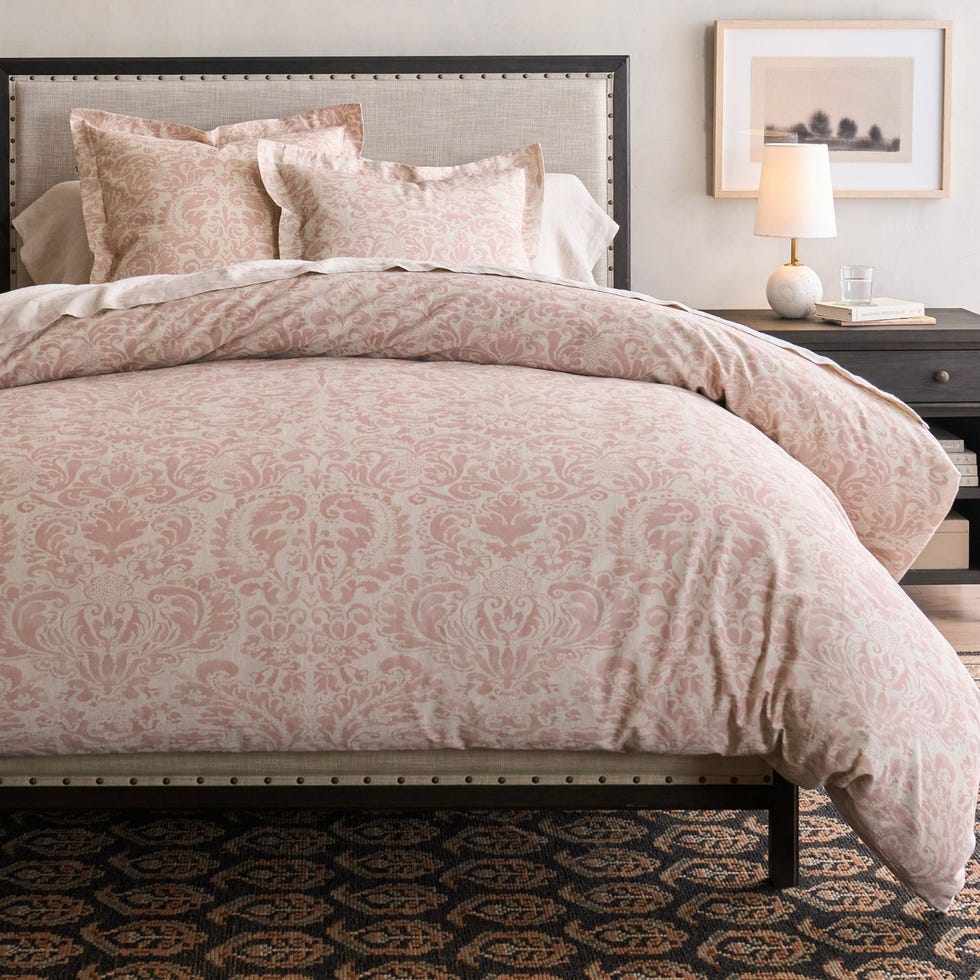
Damask is a patterned fabric with a rich history spanning thousands of years, named after the Syrian city of Damascus. This textile continues to be popular due to its inherent durability, versatility, and elegant aesthetic. A defining characteristic of damask is its symmetrical, nature-inspired patterns, which are intricately woven directly into the fabric rather than being printed or embroidered on the surface. It is a common element in home decor, frequently appearing in items such as table linens, bedding, and window treatments.
Stephanie Housley, the designer and founder of Coral & Tusk, highlights that one of damask's most significant attributes is its subtle patterning. This subtlety allows it to introduce visual interest into a space without overpowering other design elements, effectively acting as a neutral. Housley explains that damask is deeply cherished for its ability to provide just the right amount of decorative flair without dominating a room's overall design.
Technically, damask is a type of jacquard fabric, distinguished by its single-weft weave, reversibility, and robust nature due to its tight weave structure. While silk was traditionally the primary material for damask, contemporary versions are now produced from a variety of fibers, including cotton, twill, linen, wool, and synthetic materials like rayon. Although 'damask' originally refers to the fabric itself, the term has evolved to also describe the distinctive designs commonly found in these woven fabrics. These designs are typically symmetrical, draw inspiration from natural forms, and frequently feature a central motif encircled by a decorative, often oval-shaped frame.
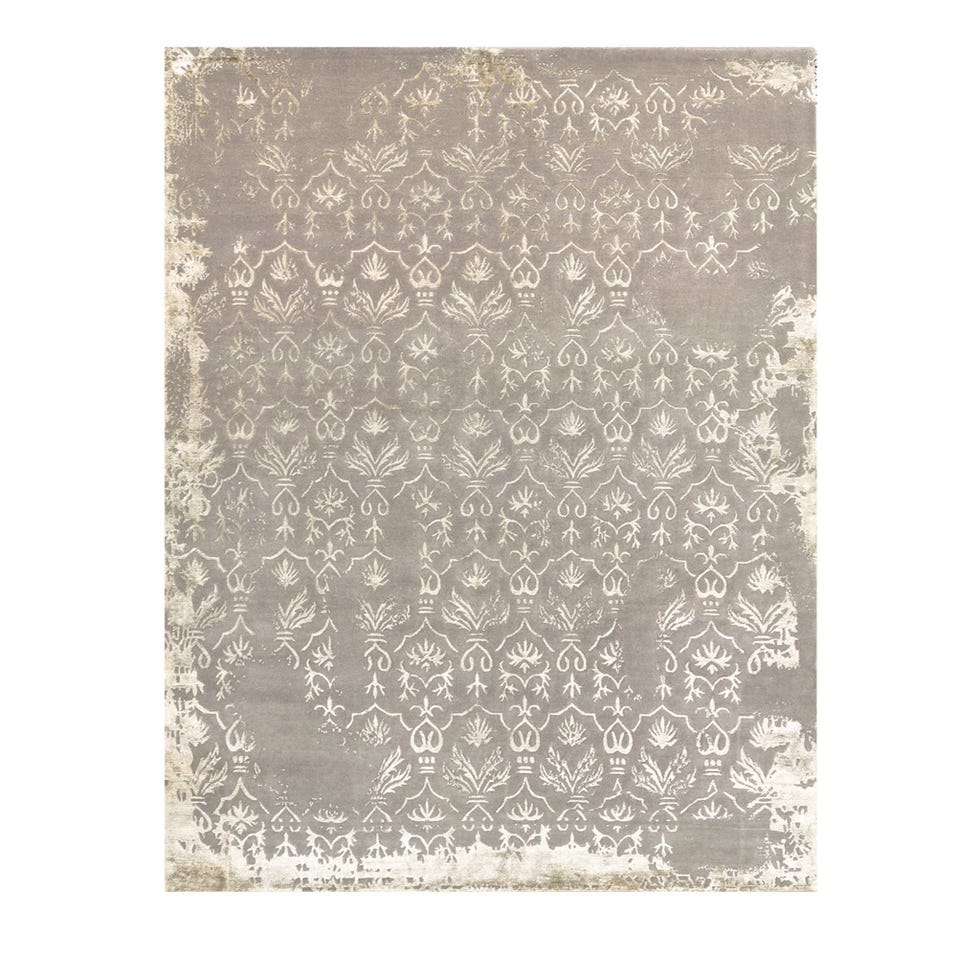
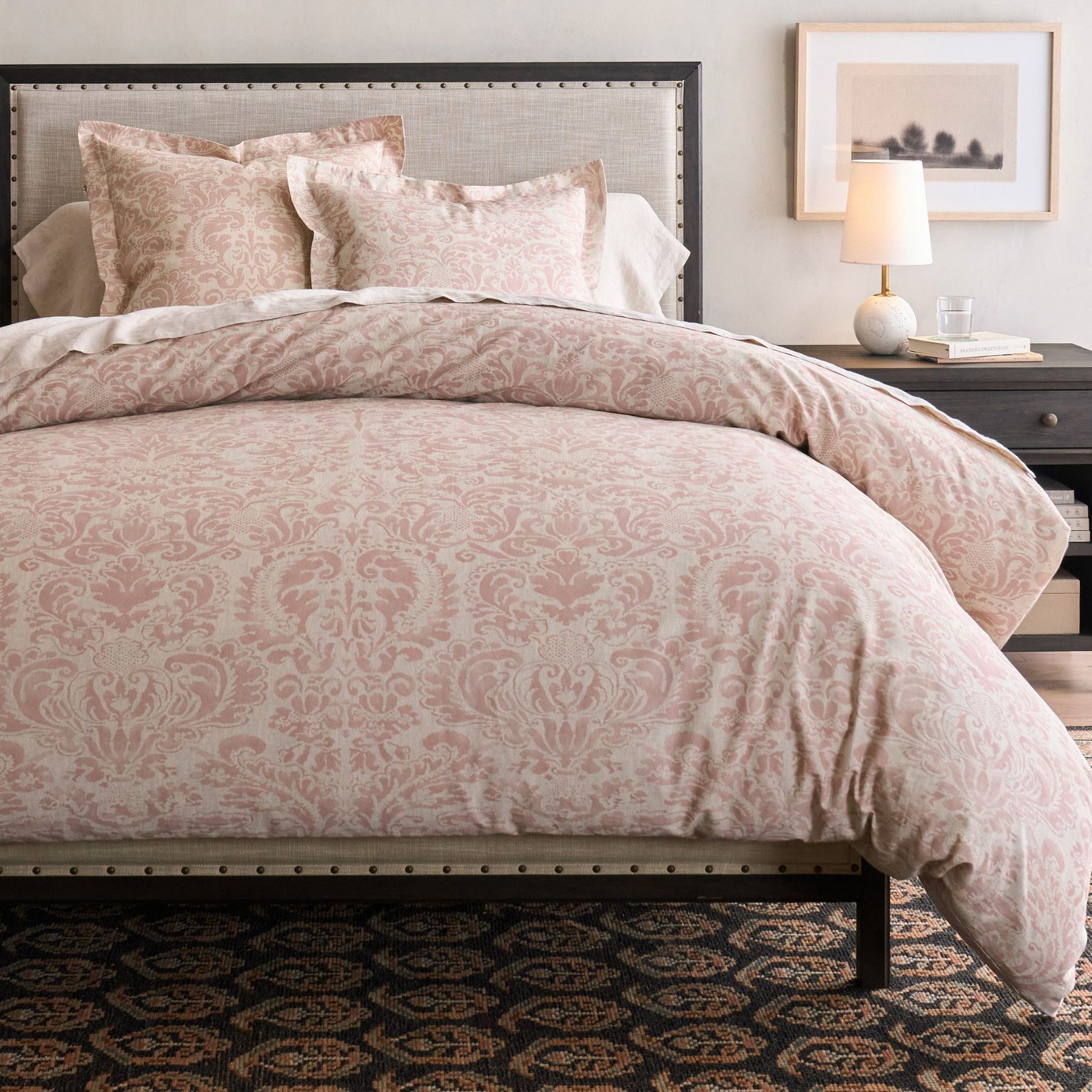
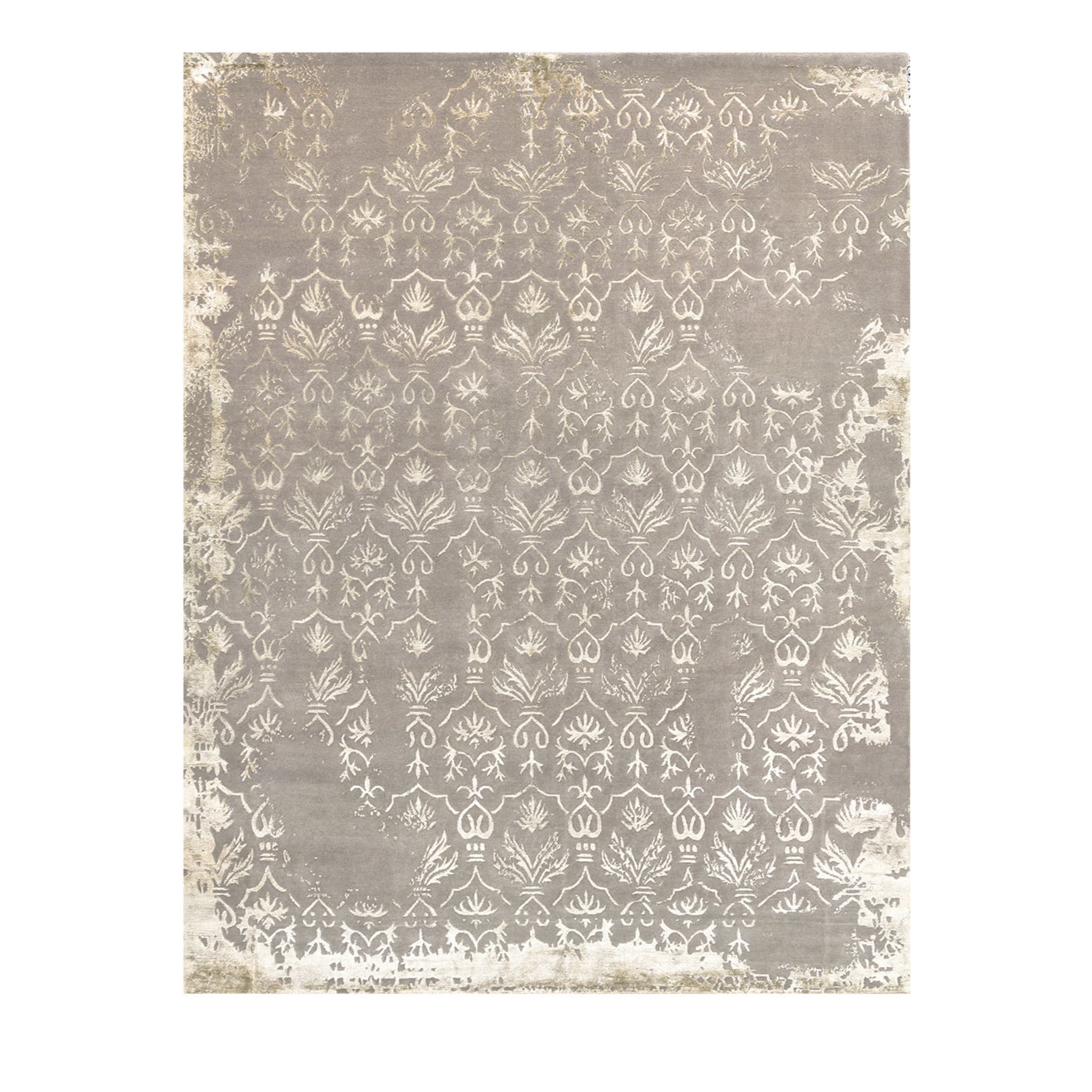
The recent resurgence in damask's popularity in home decor is evident in its widespread use in items such as seasonal tablecloths, napkins, duvet covers, decorative pillows, wallpapers, and rugs. Beyond its elegant appearance, damask is highly practical for daily use. Its tight weave makes it strong and durable, capable of withstanding the regular wear and tear of a busy household. While silk damask typically requires professional dry cleaning, most modern damask products, especially those made from cotton, linen, or synthetic blends, are machine-washable, offering ease of care.
The monochromatic nature of damask patterns further contributes to its appeal in home decor. Housley notes that the forms, derived from nature, provide beautiful visual interest. However, because these forms are highly stylized rather than directly narrative or pictorial, they function more as a neutral element. This characteristic makes damask easy to pair with other decor, allowing it to either serve as a focal point or a complementary accent. Despite its often ornate and small-scale patterns, damask integrates seamlessly into various room styles, from traditional to modern, effortlessly elevating any space. Housley concludes that, even millennia after its initial introduction, damask—whether referring to the weave type or a design utilizing a damask-like pattern—continues to prove its enduring value and versatility in interior design.
#DamaskFabric #HomeDecor #InteriorDesign #FabricPatterns #TextileTrends #DecoratingAdvice #JacquardFabric #HomeStyling #DamaskFabric #HomeDecor #InteriorDesign #FabricPatterns #TextileTrends #DecoratingAdvice #JacquardFabric #HomeStyling
 No comments yet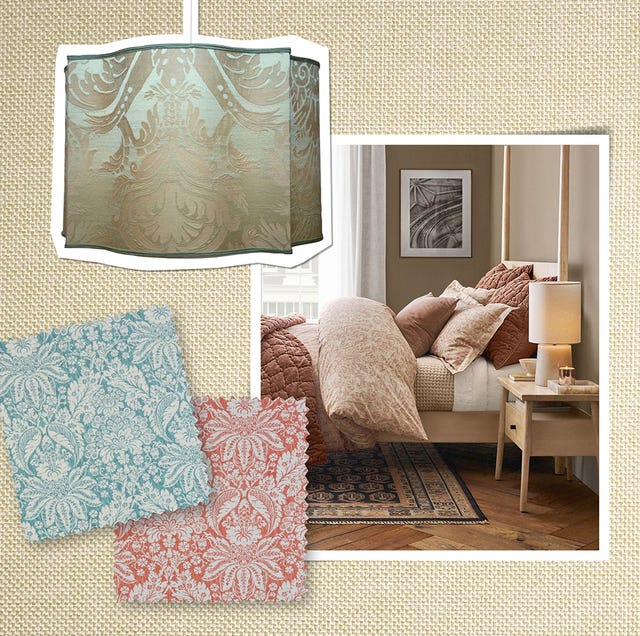
Why Damask Is Destined to be Everywhere in 2024

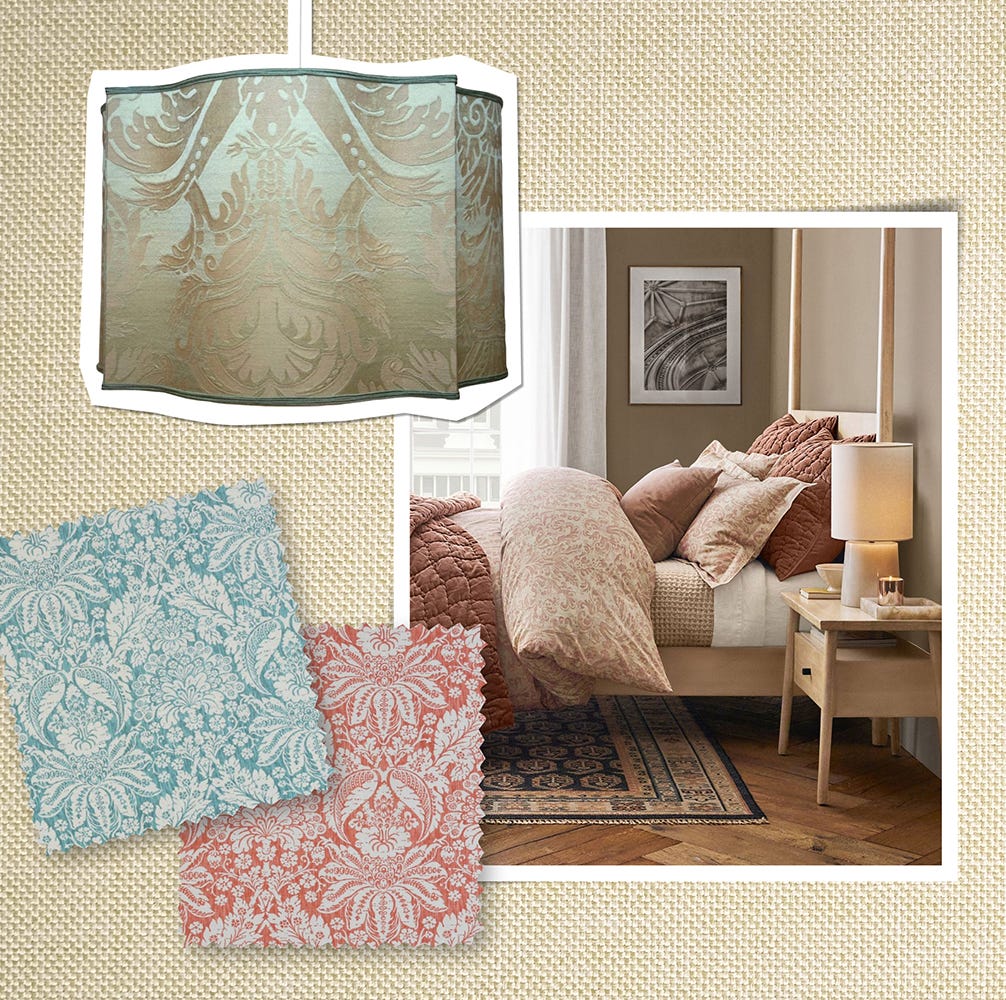
Why Damask Is Destined to be Everywhere in 2024
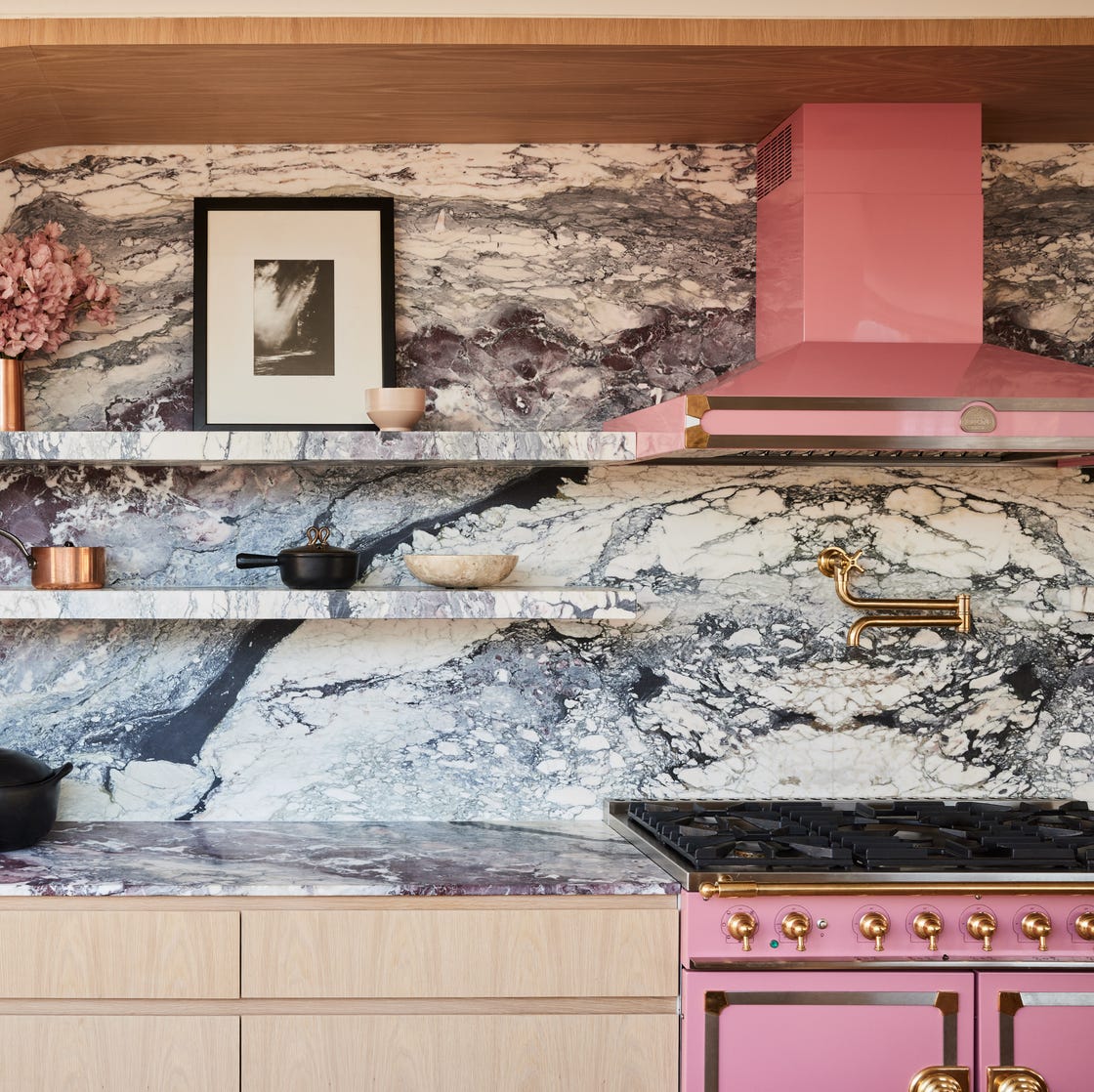
Why We’re Seeing Bold, Colorful Marble Everywhere Right Now
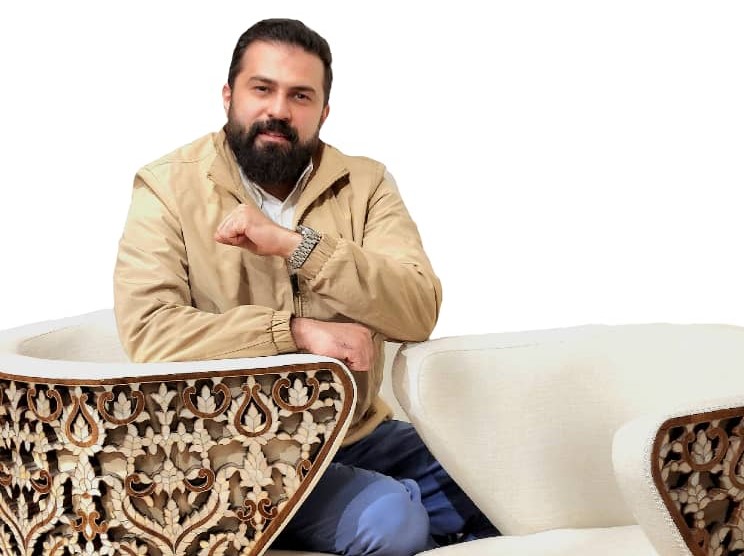
Mr. Zaher Samir, A Pioneer of Inlaying Wood with Shell: An Intriguing Tradition from Damascus Heart!