1/6
Why Damask Is Destined to be Everywhere in 2024
Damask, a textile technique originating in the third century BCE in China, has historically been a symbol of wealth and opulence, adorning walls of European palaces and châteaus, as well as dinner tables and the attire of affluent individuals. The fabric, characterized by its reversible, richly patterned weave created using one warp and one weft thread, initially featured intricate designs in silk. It acquired its name, 'damask,' from Damascus, a significant trading hub where Syrian merchants introduced the fabric to European weavers. In Europe, the technique evolved to incorporate symmetrical patterns of flowers, feathers, and fruits, becoming a hallmark of luxurious textiles.
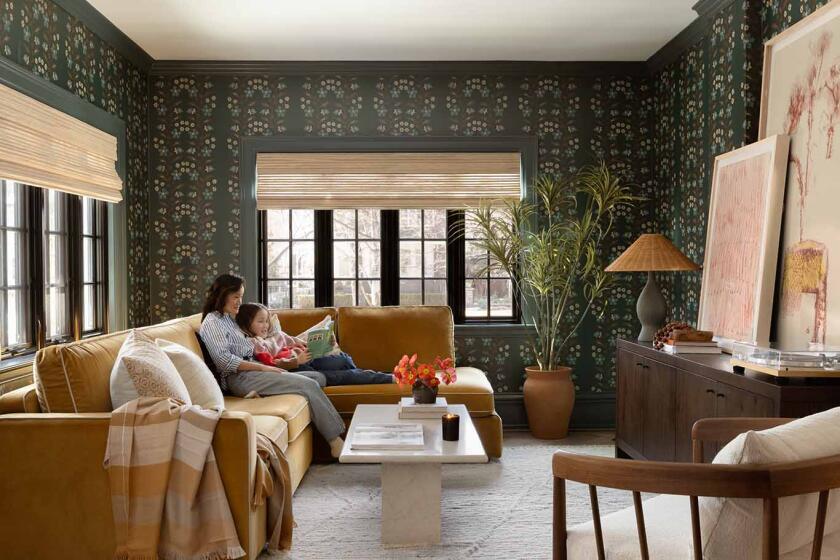
The article highlights a resurgence of damask in contemporary home decor, positioning it as a prominent trend for 2024. Modern interpretations of damask are evident in various applications from renowned textile manufacturers. For instance, Nobilis offers designs inspired by Mediterranean paradises, while Cowtan & Tout presents rustic damask patterns on linen. Chelsea Textiles contributes with 'sun-faded' Venetian Damask, evoking a sense of historical grandeur and exotic locales. These contemporary applications demonstrate how damask can be integrated into diverse aesthetic preferences, moving beyond its traditional heavy, formal connotations.
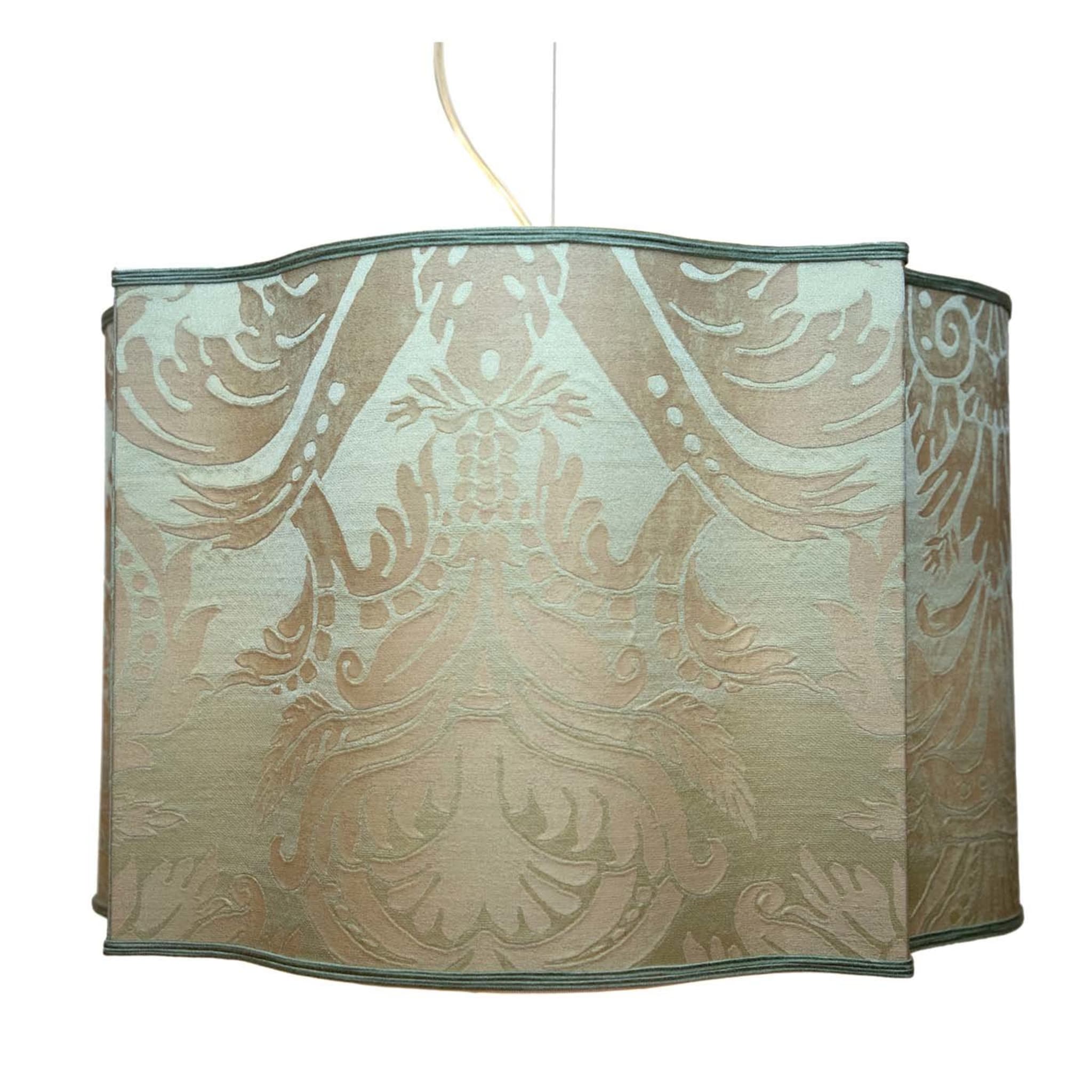
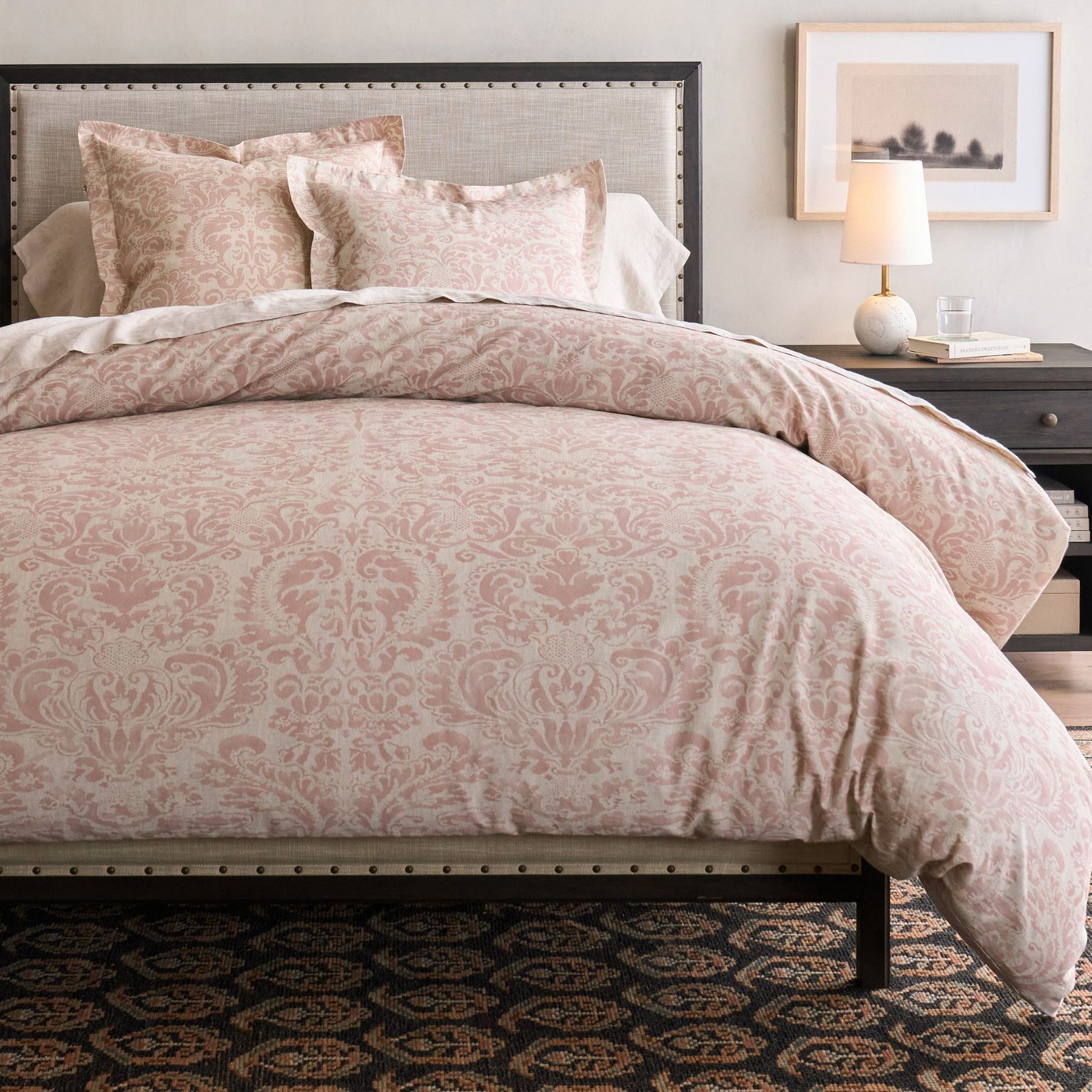
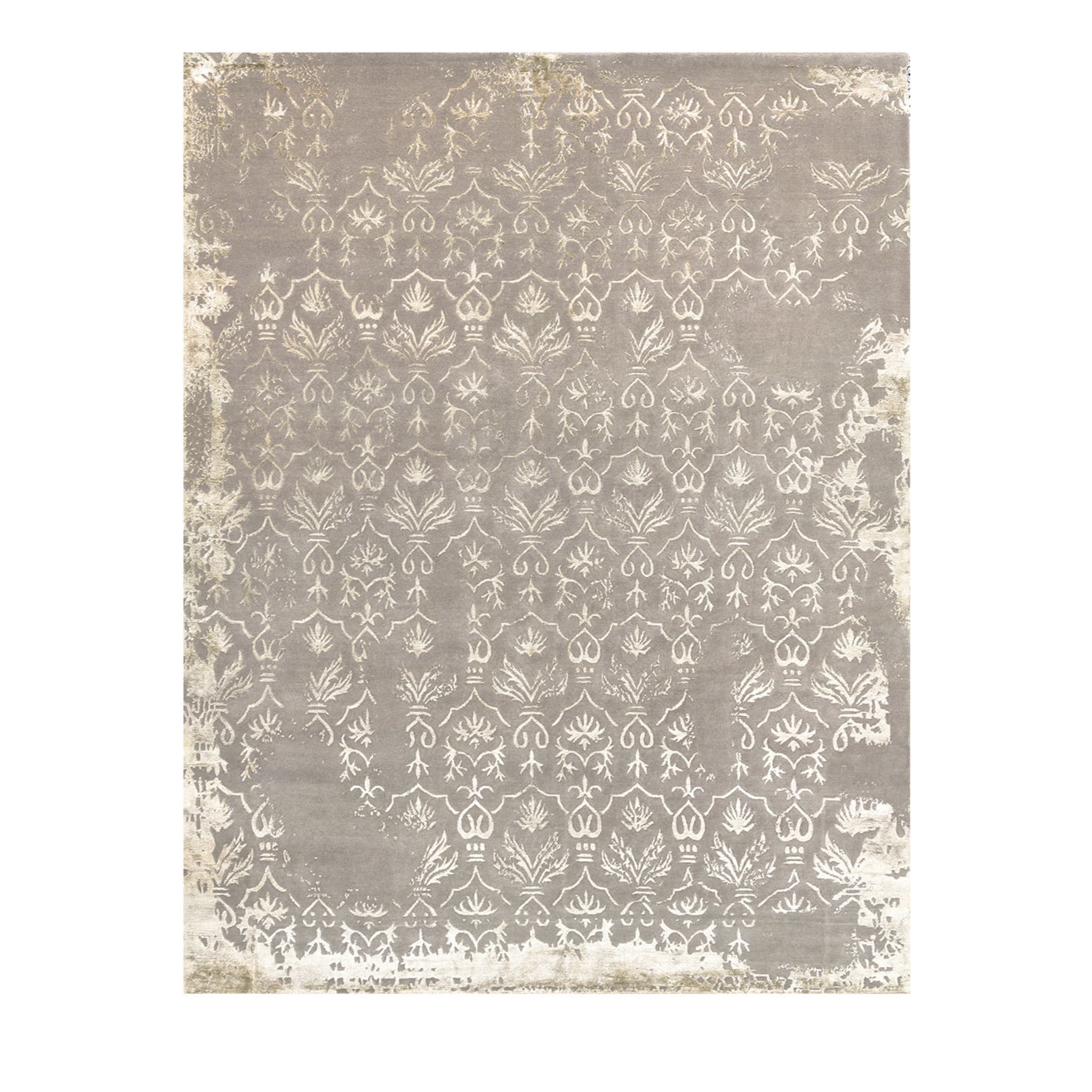
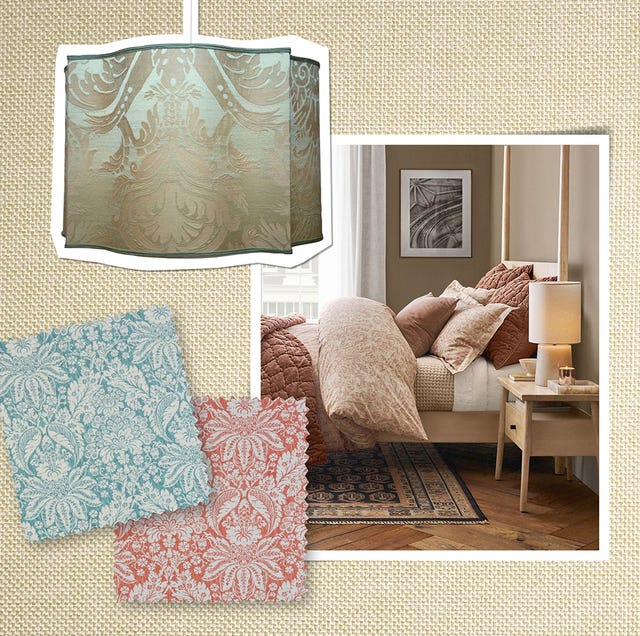
Several specific products exemplify this trend, showcasing damask's versatility. The Florentine Damask Lighting Fixture, custom-made in Italy, blends ancient damask-making traditions with modern design through its elegant form and rich green hue, a color favored by contemporary textile artists. For bedrooms, the Stella Printed Damask Duvet Cover from Pottery Barn illustrates how damask-inspired patterns can create a chic and layered effect when combined with other fabrics. Beyond textiles, damask patterns are also appearing in unexpected categories like rugs. A handmade Damask Rug from Artemest, crafted by Nepalese weavers, offers a textured element to spaces and can be customized to suit individual preferences. The Damask Olive Vase, also from Artemest, applies the sophisticated allure of damask to home accessories, transforming a functional item into a statement piece, especially when paired with tall greenery. Lastly, the Norfolk Tablecloth provides an example of how damask can be the foundation for an elegant tablescape, creating a memorable dining experience reminiscent of royal settings when adorned with complementary antique elements like candelabras.
This reintroduction of damask is marked by an emphasis on texture, color, and diverse applications, making it accessible for modern interiors while honoring its rich historical legacy. The trend reflects a desire to incorporate storied, old-world elegance into contemporary living spaces, allowing for both bold statements and subtle accents. The adaptability of damask, whether in lighting, bedding, rugs, vases, or tablecloths, suggests its enduring appeal and its potential to elevate home aesthetics in the coming year.
#Damask #HomeDecorTrends #TextileDesign #InteriorDesign #LuxuryFabrics #HomeAccessories #DecoratingIdeas #HistoricalTextiles #Damask #HomeDecorTrends #TextileDesign #InteriorDesign #LuxuryFabrics #HomeAccessories #DecoratingIdeas #HistoricalTextiles
0 comment in total
 No comments yet
You may also like
Why Damask Is Destined to be Everywhere in 2024
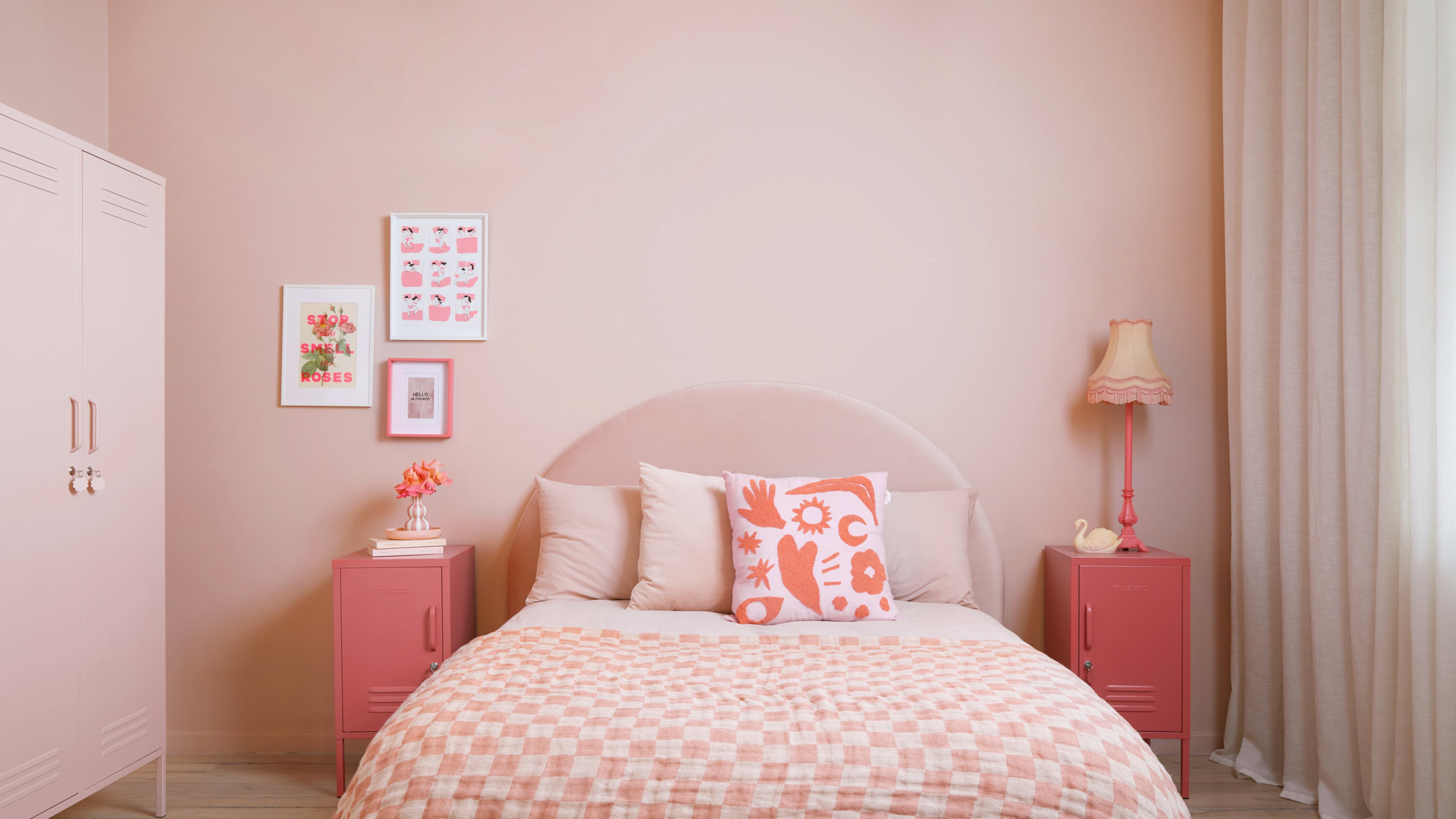
Bold, edgy color drenching is going to be big in 2024
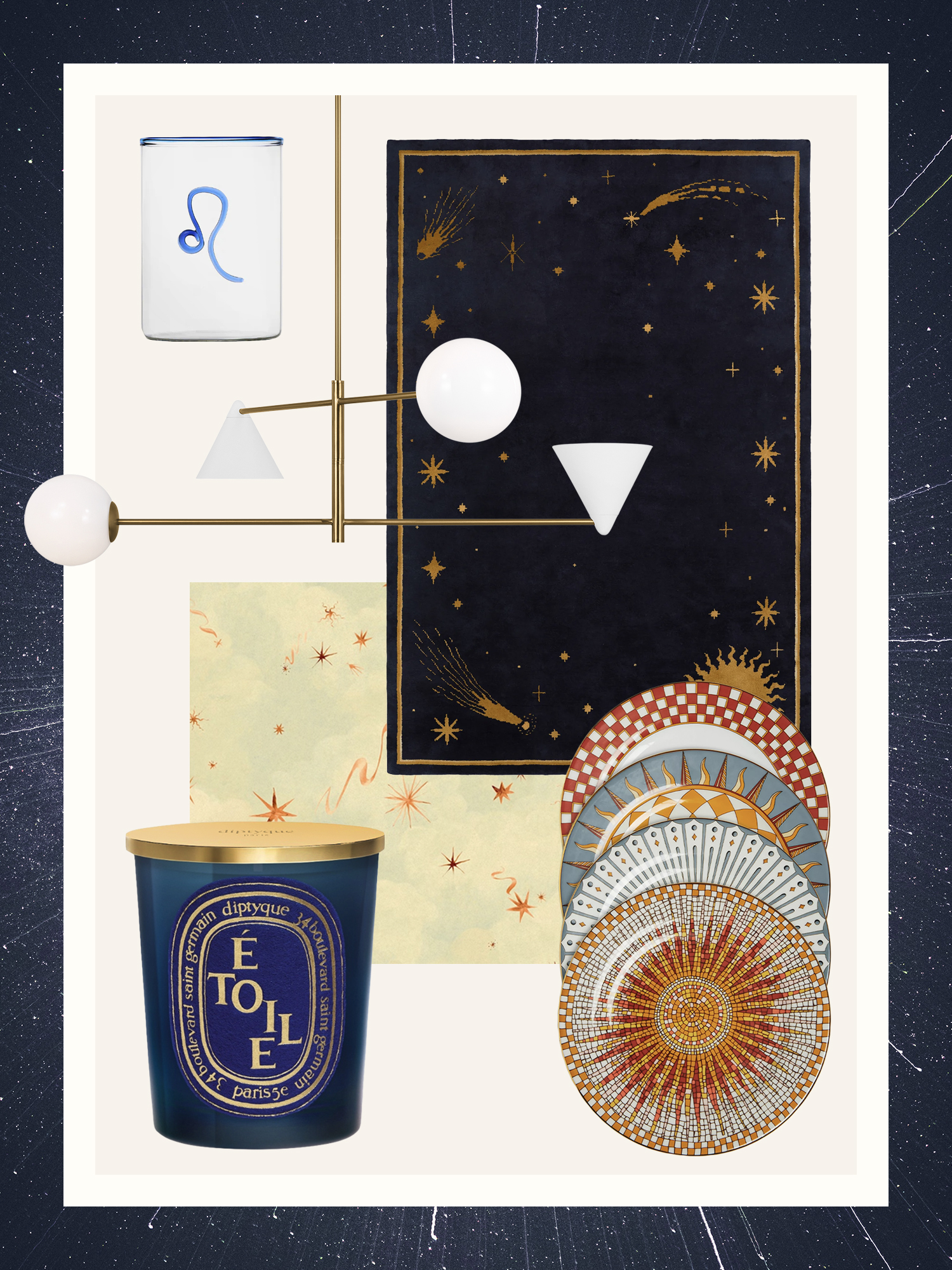
We Predict 2025 Will Be Our Celestial-Chic Decor Era

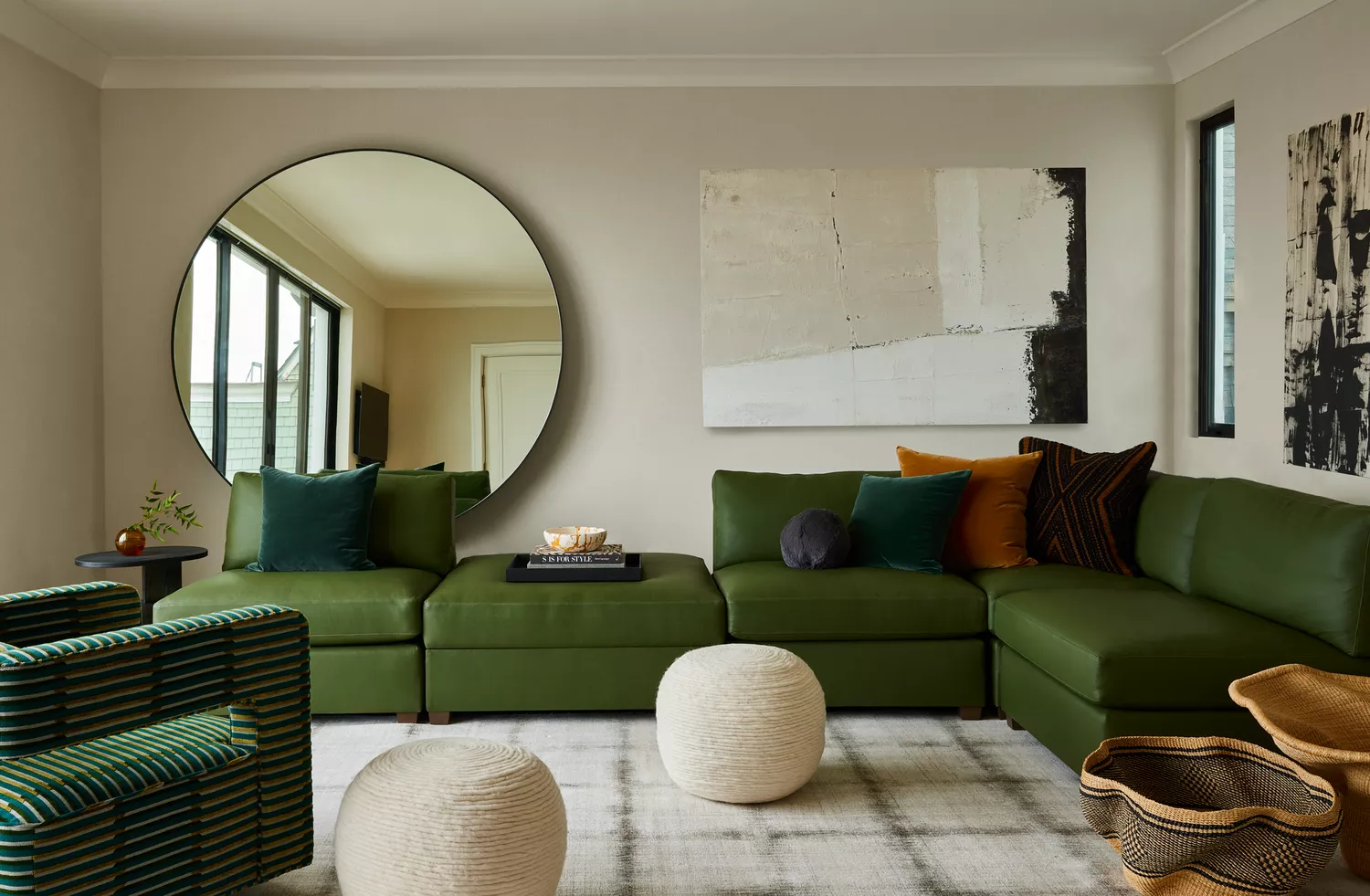
Jewel Tones Are Going to Be Everywhere 2024, According to Sixpenny

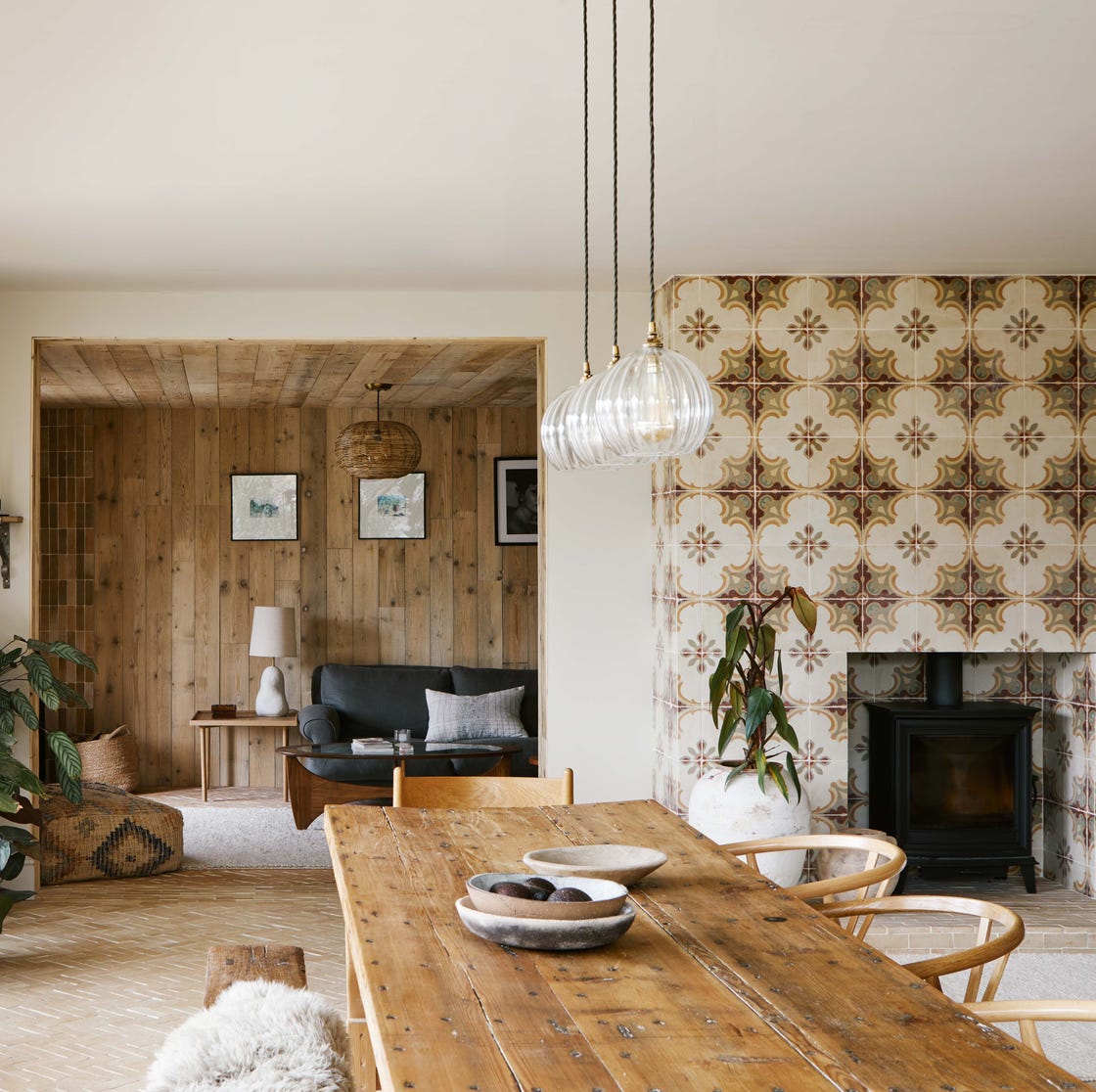
Designers Say This Century-Old Glass Trend Is About to Be EVERYWHERE in 2026

The Verdict Is In: Refined Layering Will Be Everywhere in 2026

Looks Like Bold Stripes Will Have Their Moment in 2026