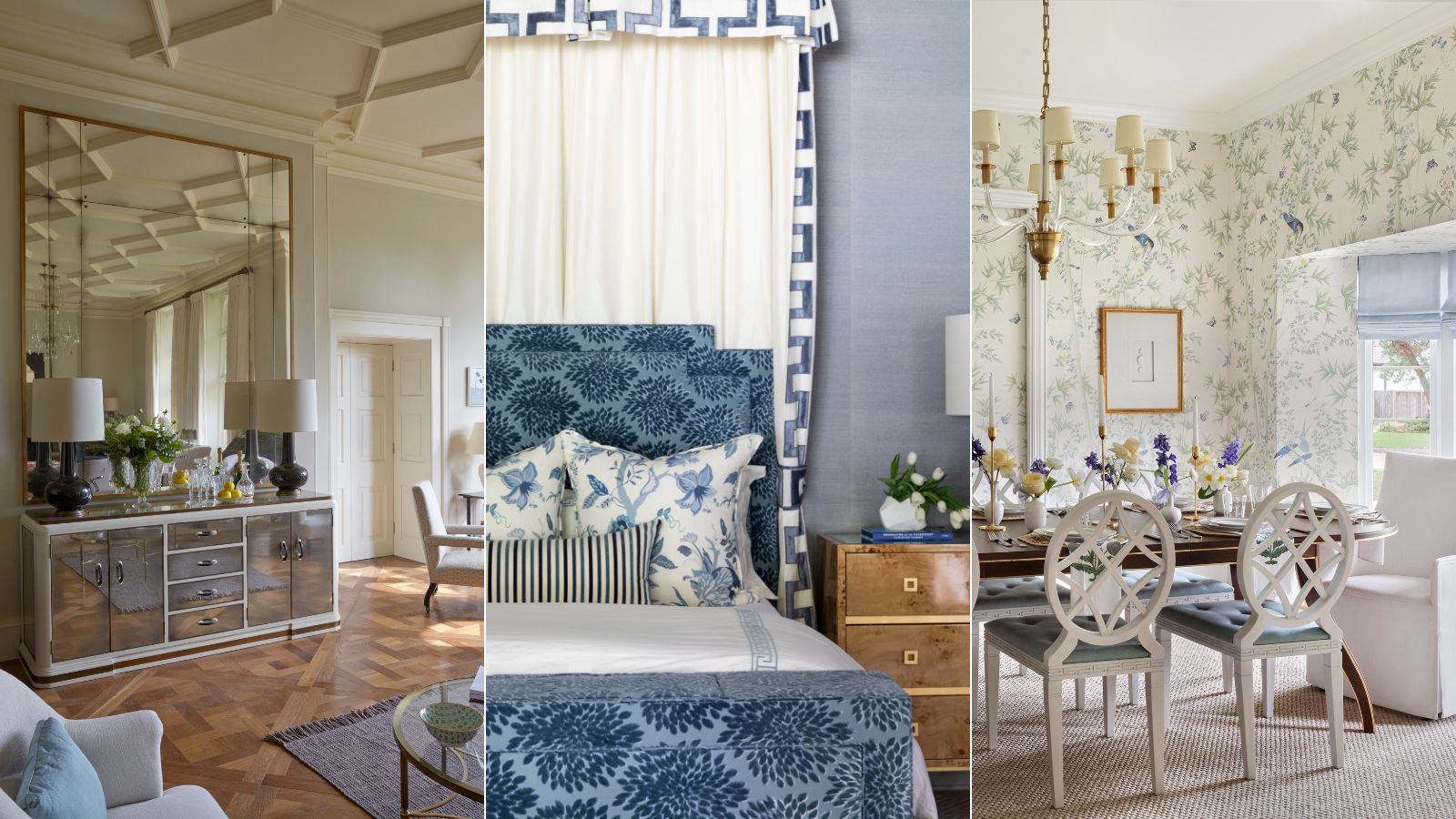
1/7
What Is Riviera Interior Design? Designers explain the look
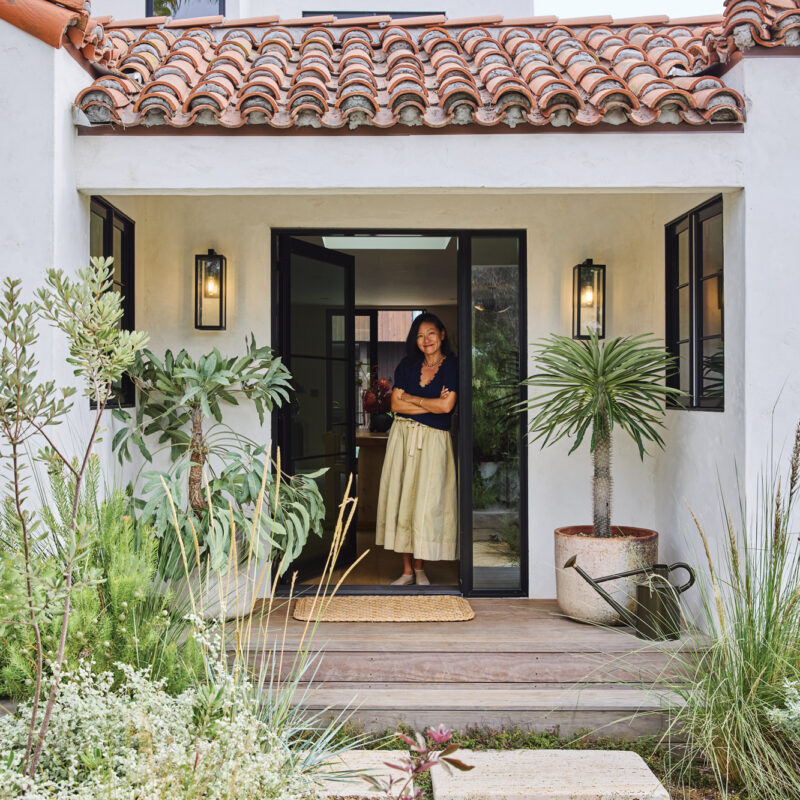
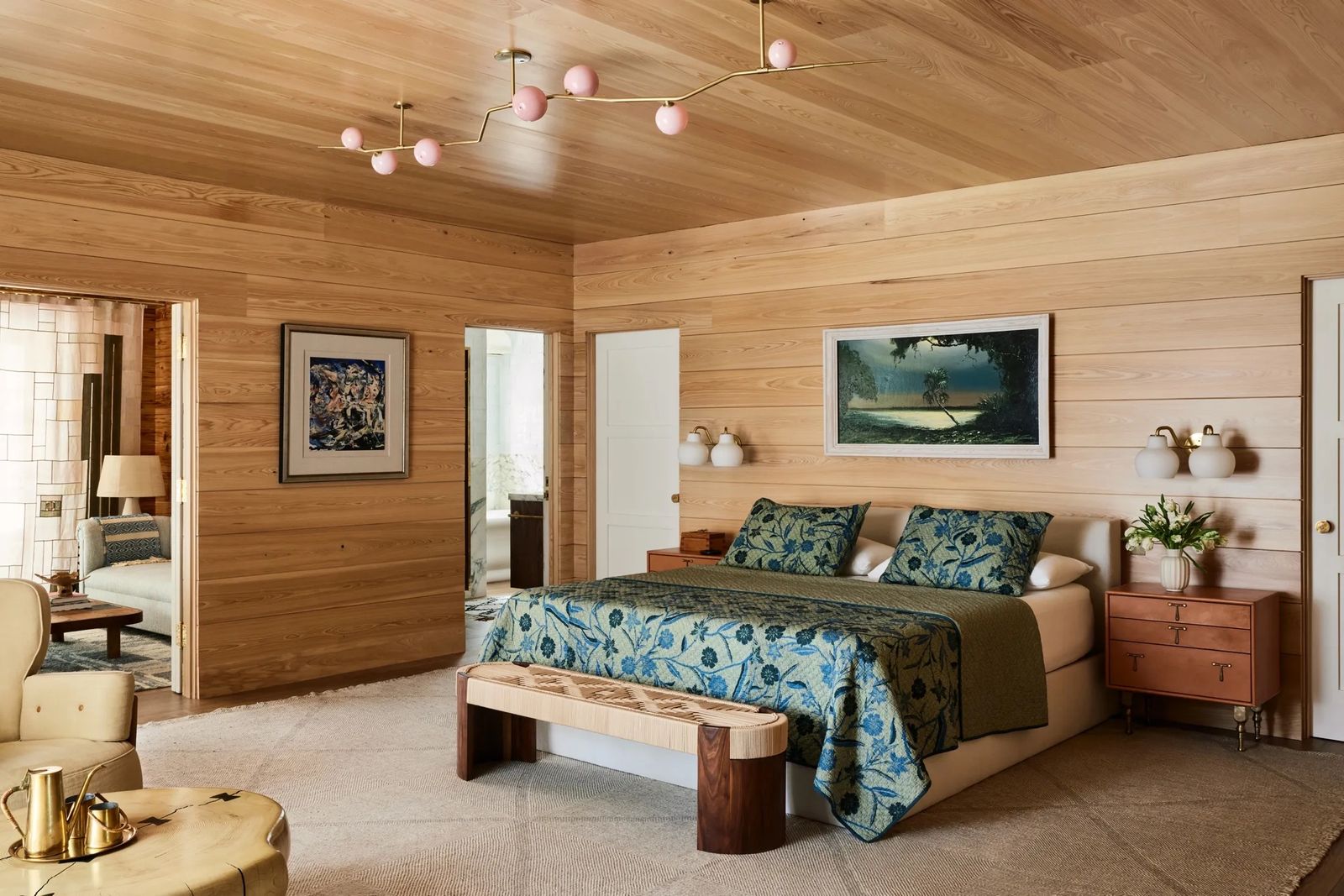
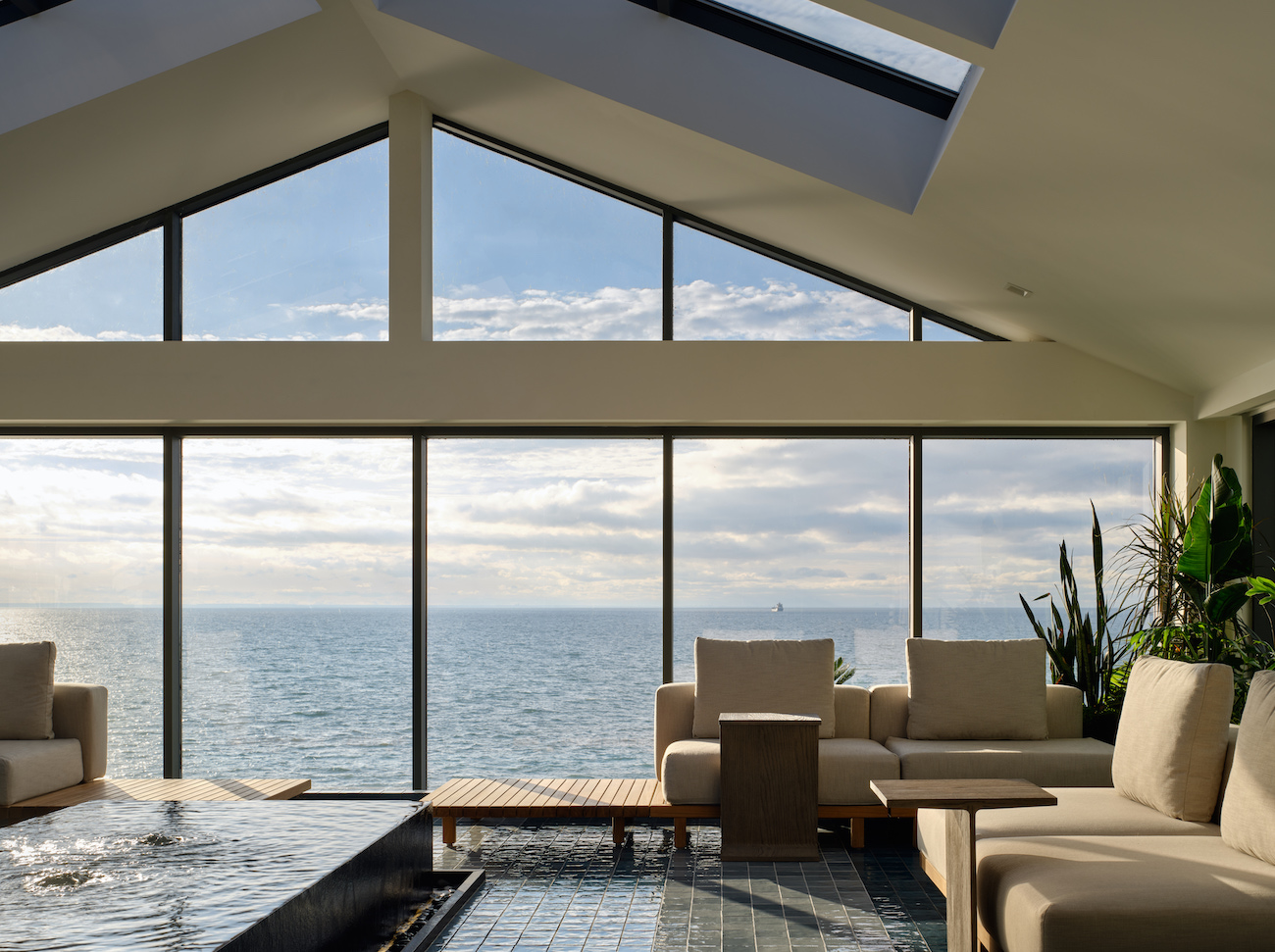
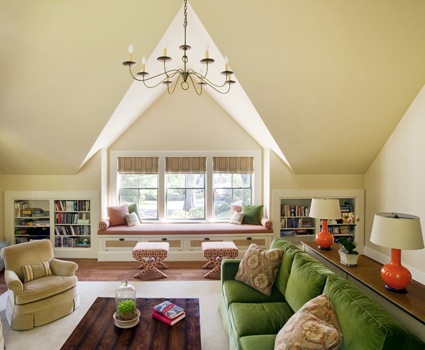
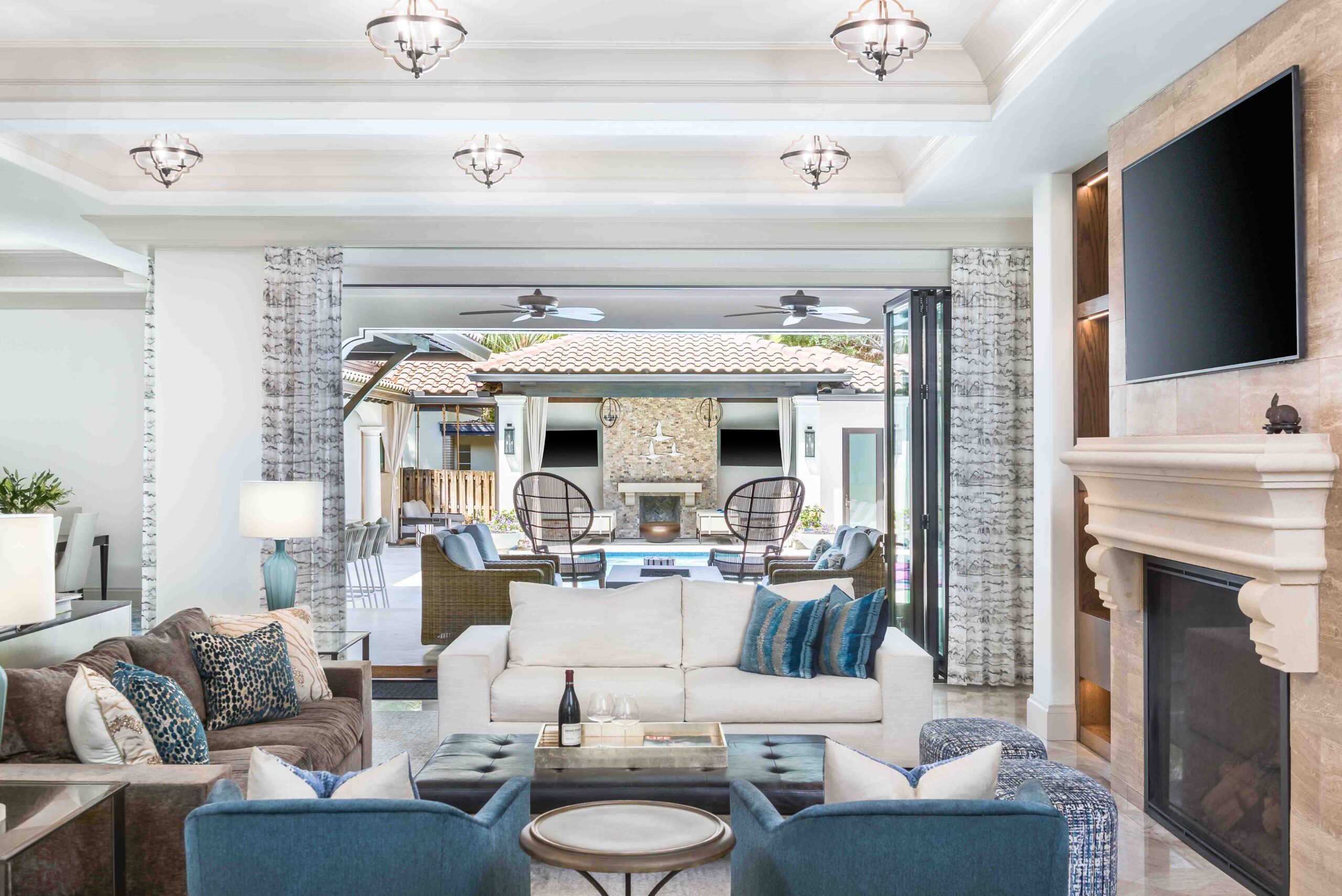
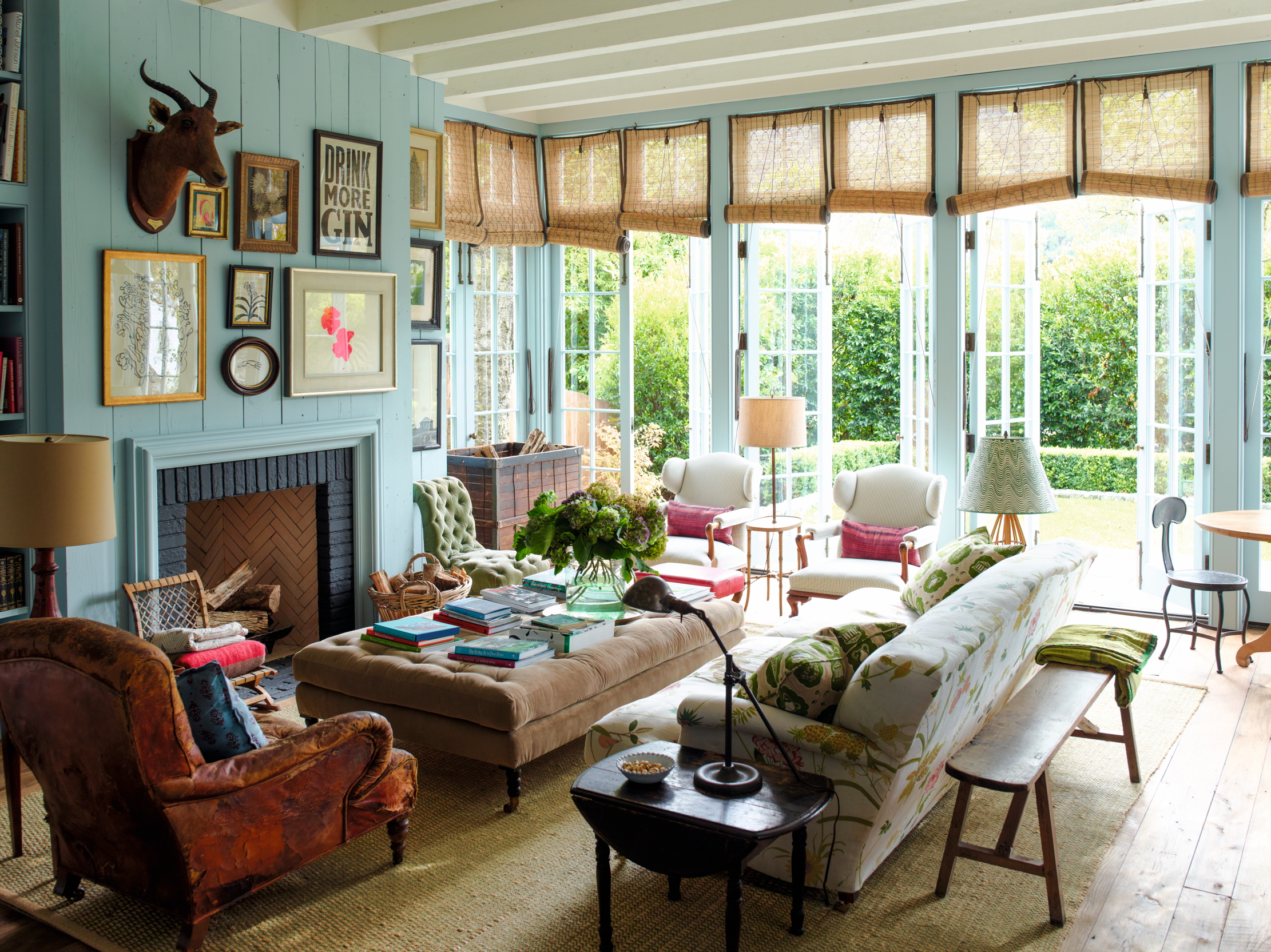
Rooted in the sun-drenched landscapes of the French and Italian Rivieras, Riviera interior design evokes a sense of Mediterranean tranquility and sophistication. This style blends various influences including neo-classical, Art Deco, and coastal decor ideas, creating a timeless aesthetic that balances simplicity and opulence. Key elements of Riviera design include weathered wood, wrought iron accents, and ceramic tiles, which establish a tactile connection to the European coast. Large windows and light fabrics are crucial for maintaining bright and airy spaces, contributing to the overall feeling of a permanent vacation.
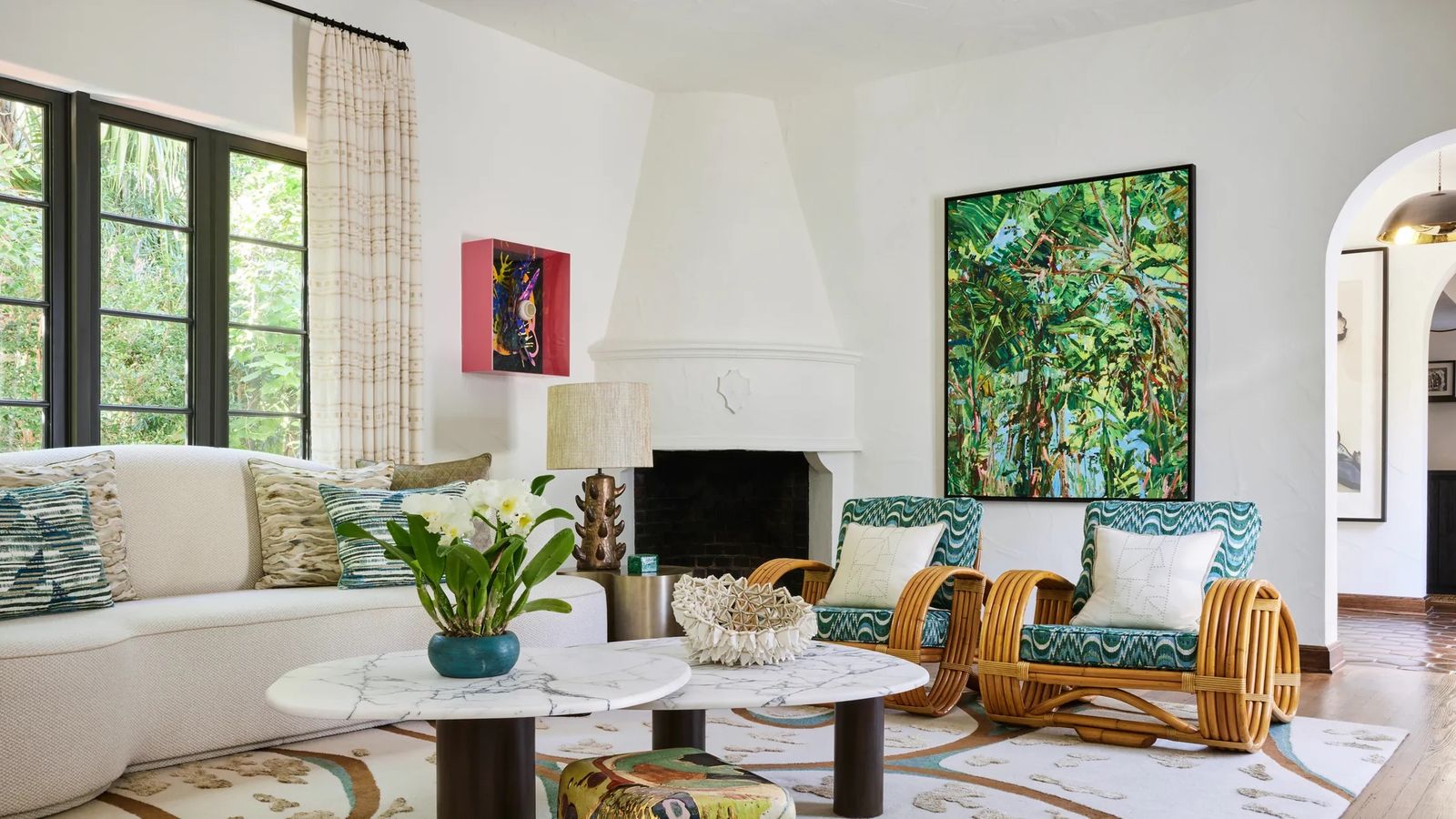

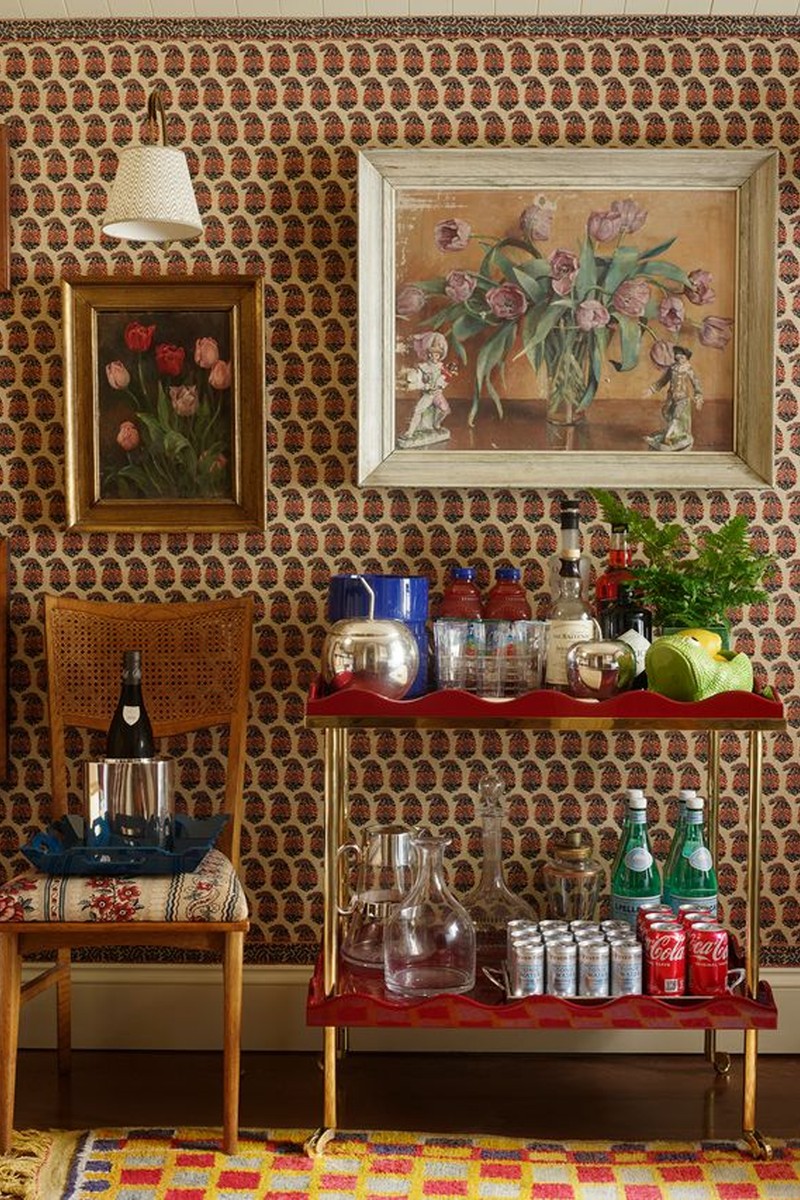
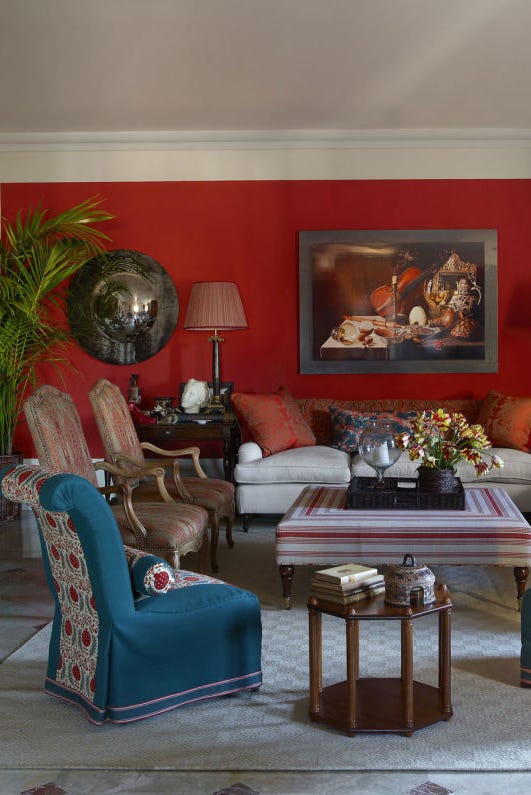
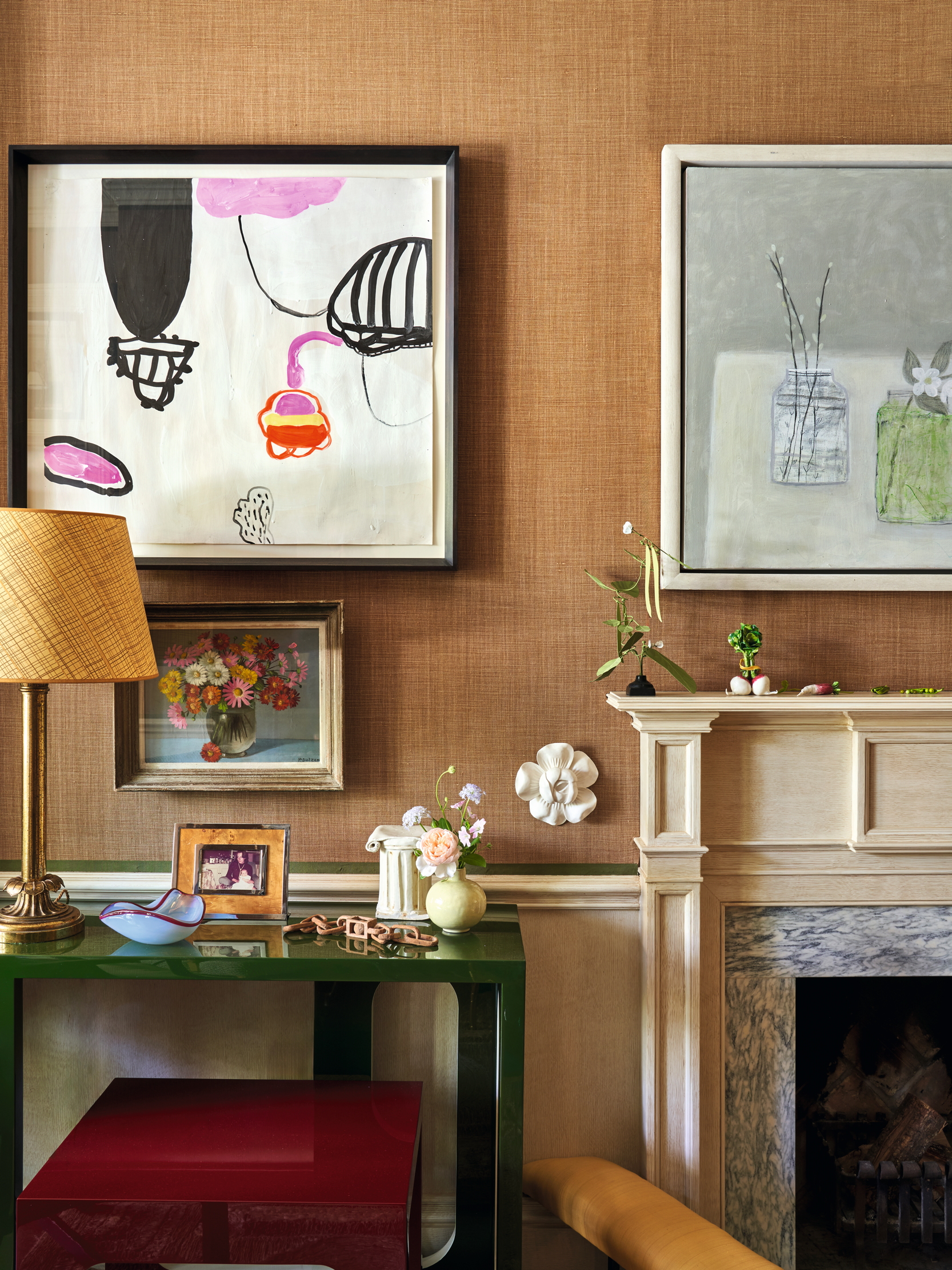
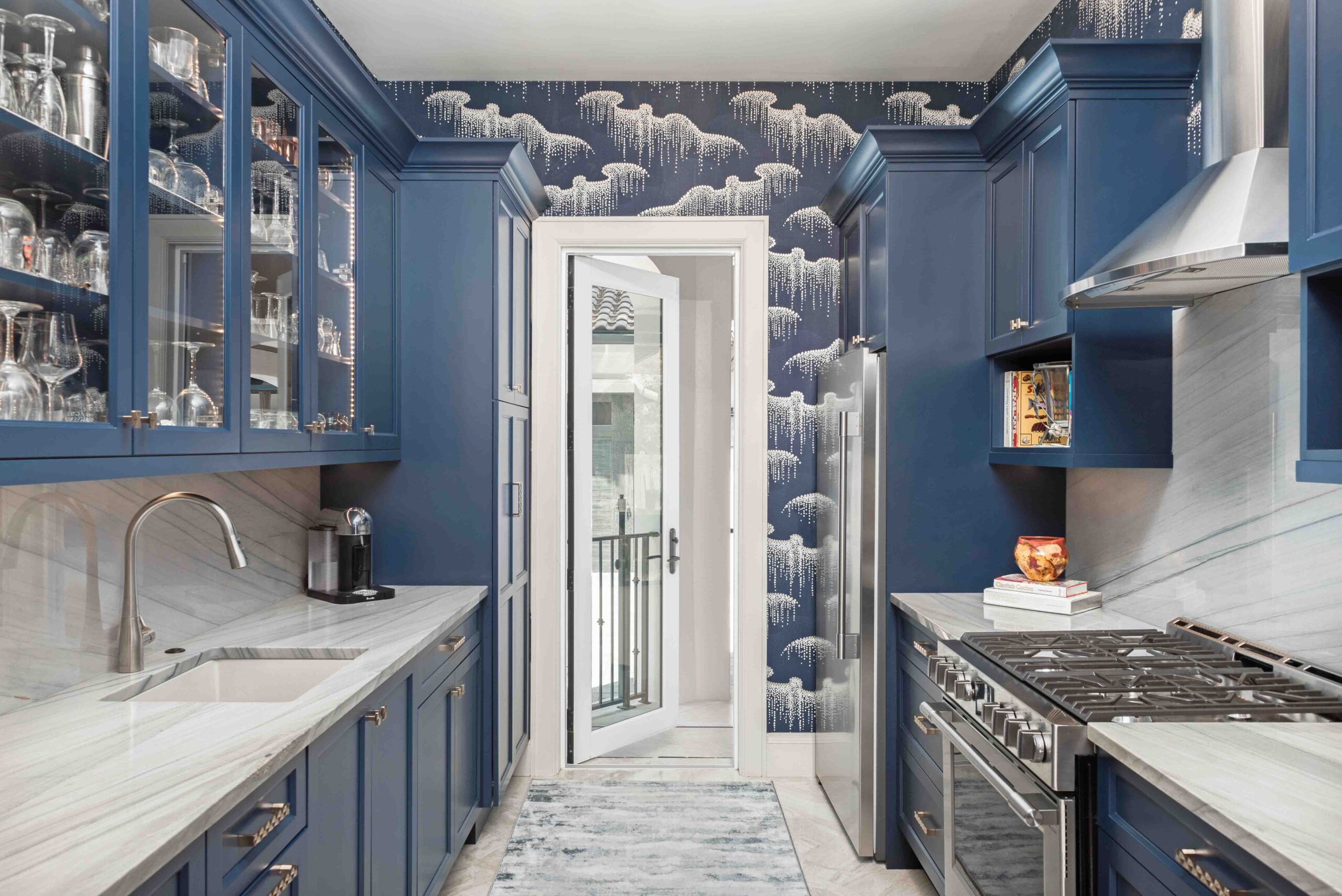
The Riviera style is a complex aesthetic, drawing inspiration from the region's history, culture, and climate. It skillfully combines vintage and contemporary elements with coastal themes and a touch of 1920s and 30s Art Deco decor, characterized by features such as heavy molding, geometric shapes, and clean lines, reminiscent of grand Riviera hotels. Interior designers describe the Riviera style as embodying bold, cheerful colors, laidback luxury, and classic European design details. Incorporating elements like Italian-inspired dishware, vibrant color pops such as goldenrod, cobalt blue, and tomato red, and breezy textiles like linen and canvas are recommended to achieve this look.
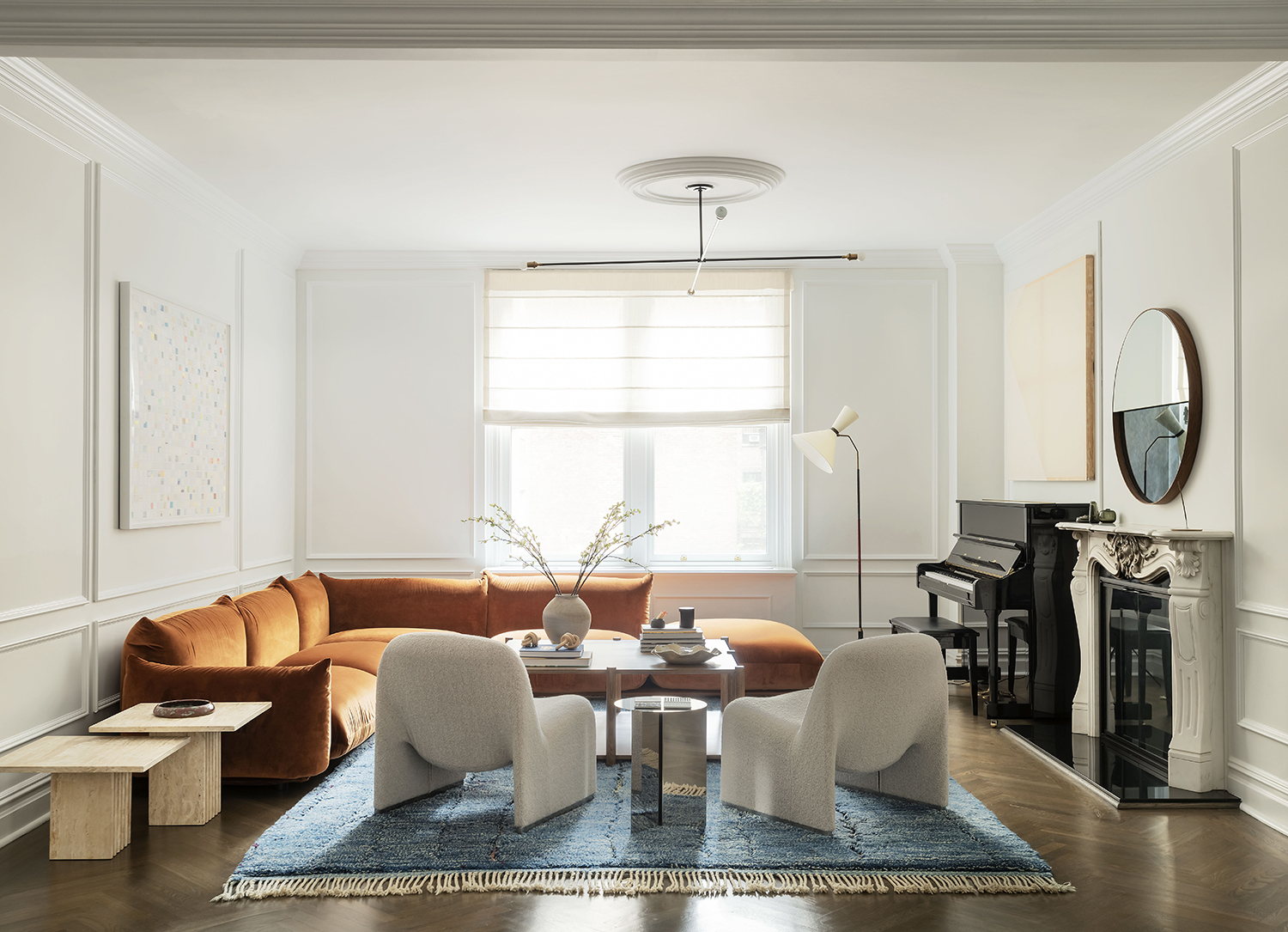
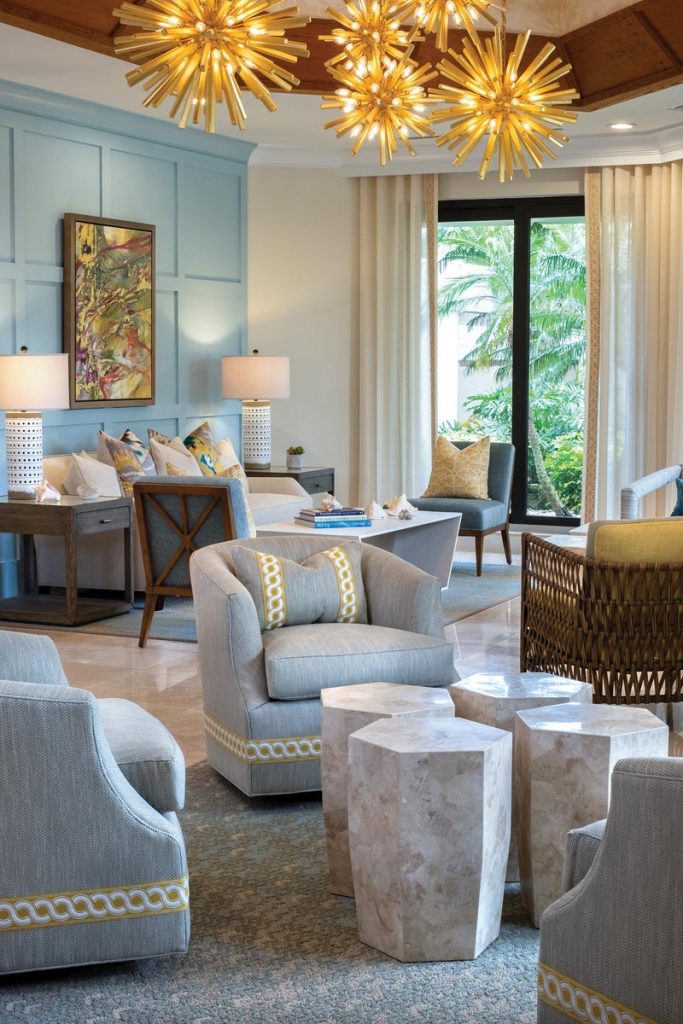
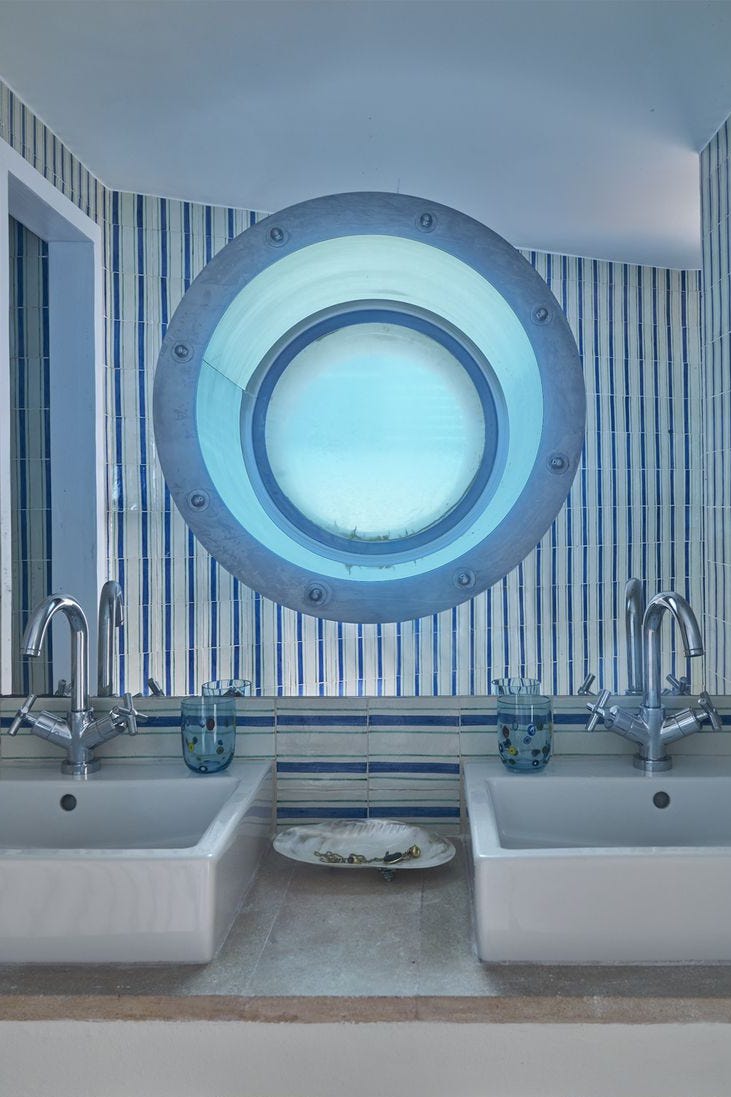
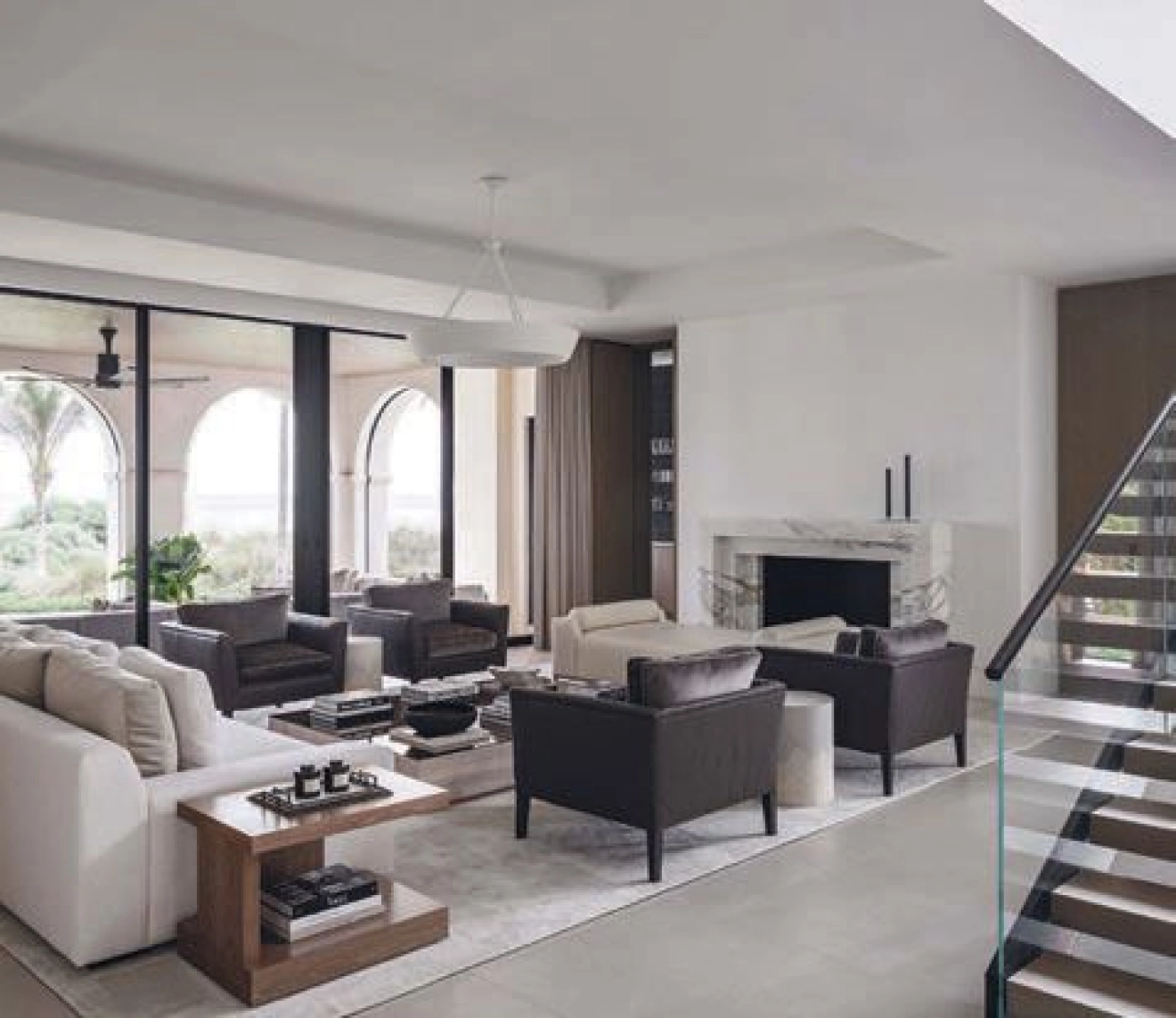
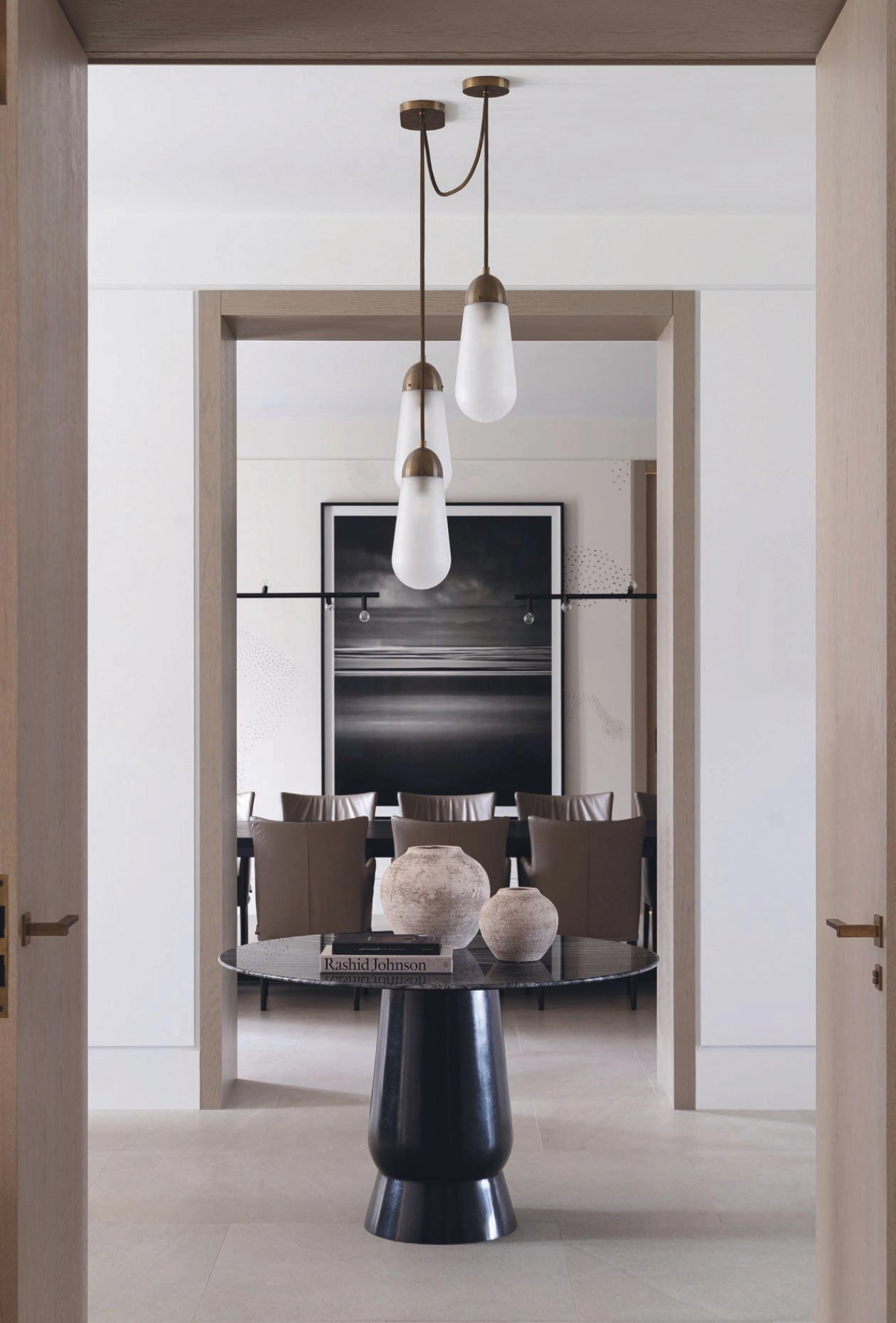
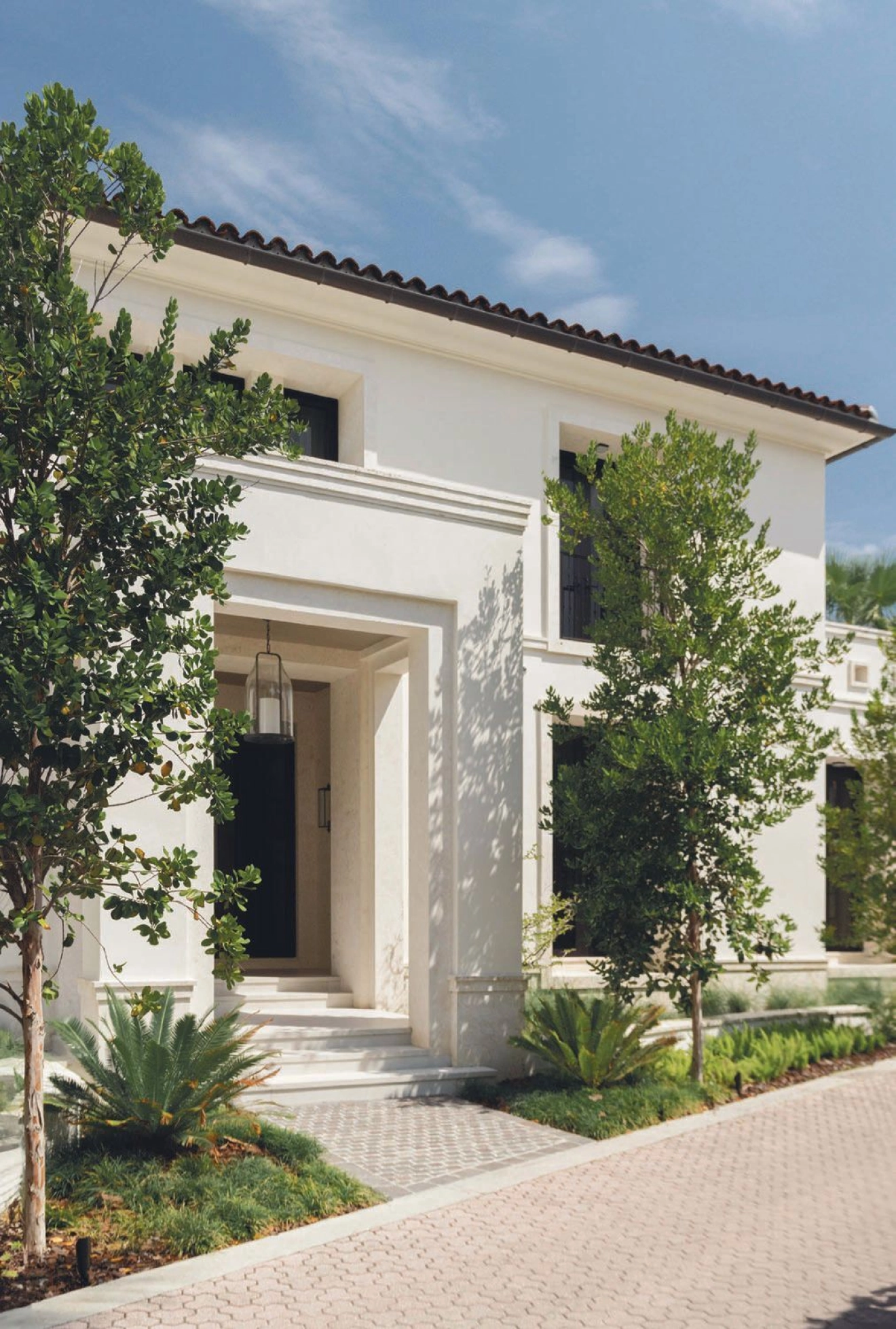
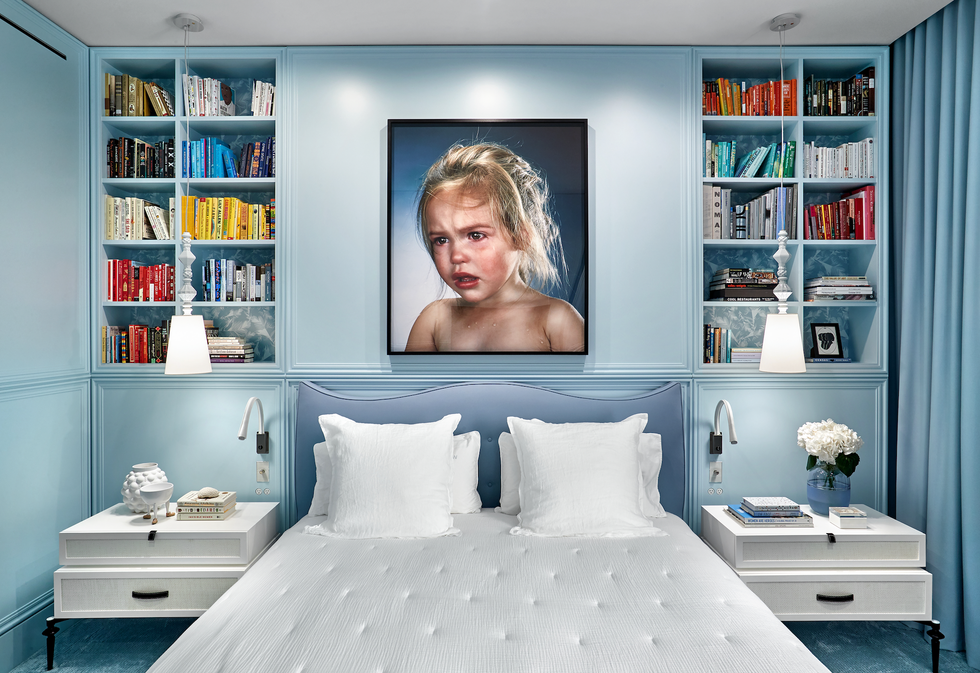
A fundamental characteristic of Riviera interior design is its nod to neo-classical grandeur, albeit with a more minimal and refined approach compared to Rococo interiors. This influence is evident in the symmetry, grand proportions, and the use of classical architectural features like columns, pediments, and cornices. The neo-classical color palette for Riviera style is hushed and pared-back, featuring an array of blues (from pale to bold), grays, and sandy neutrals. These hues mimic the coastal beauty of the Riviera, creating a light and airy atmosphere within the home.
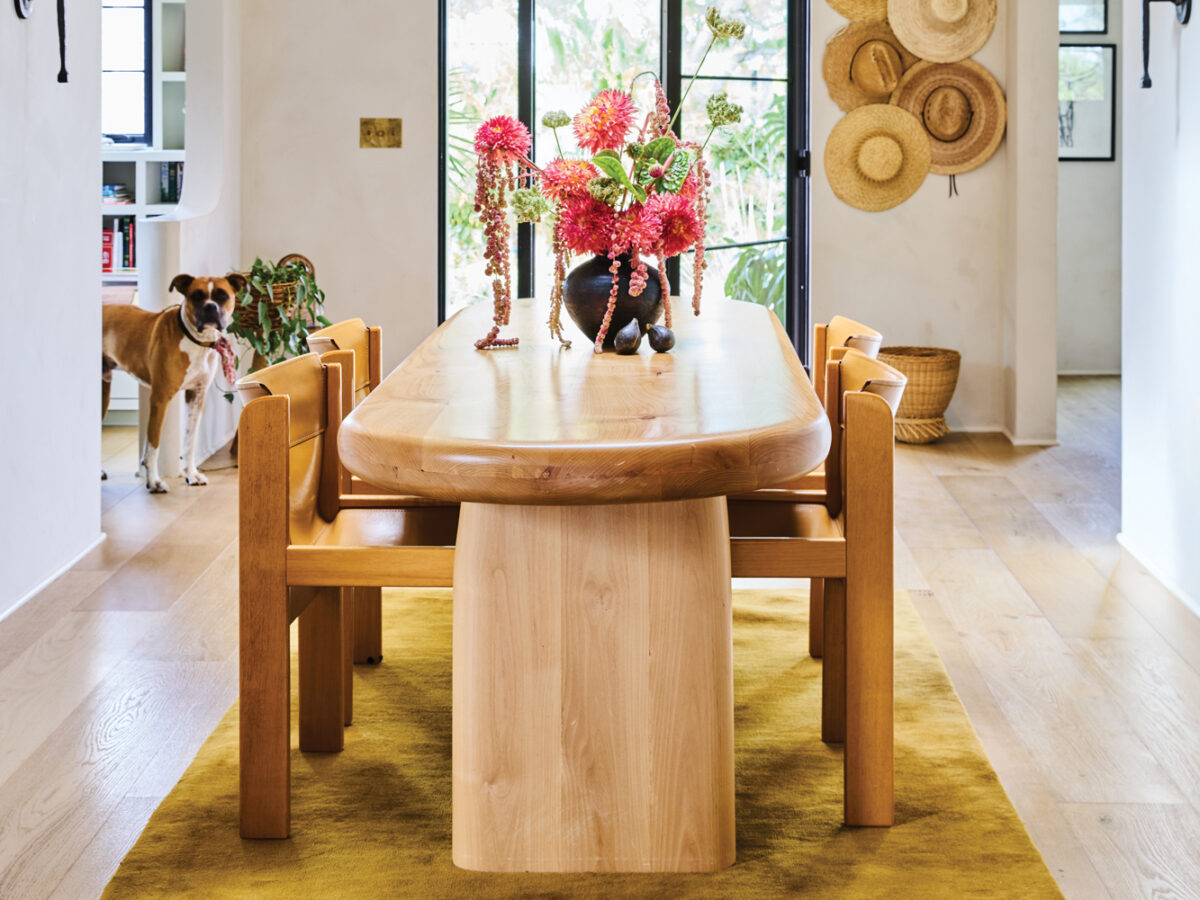
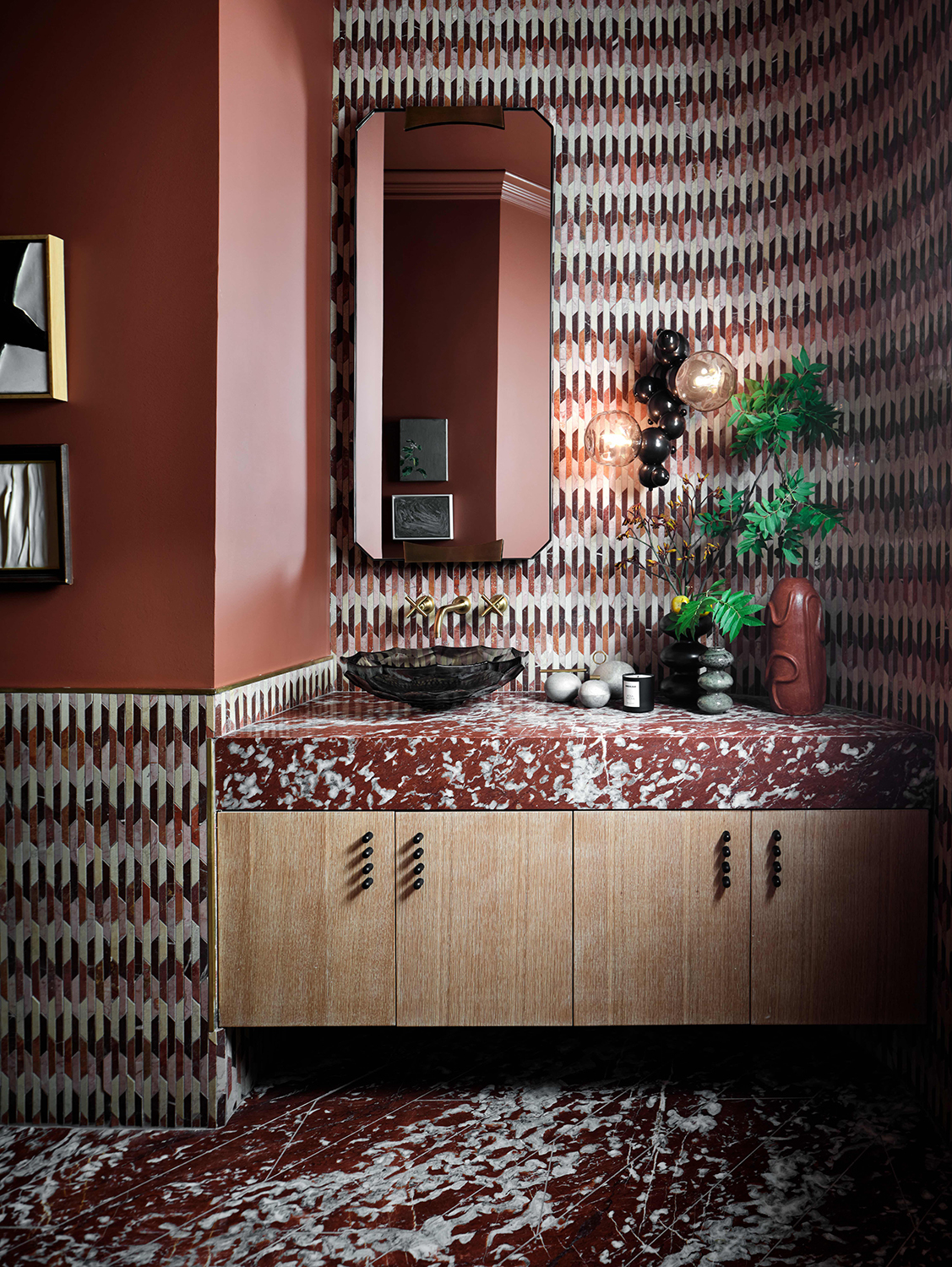
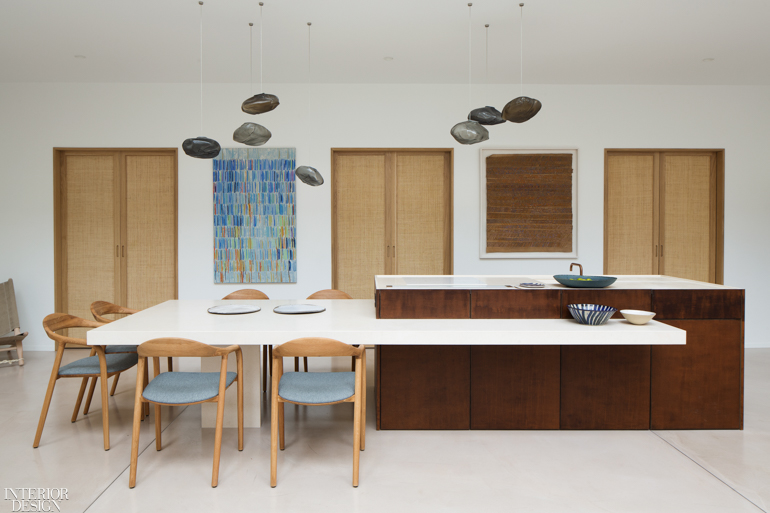
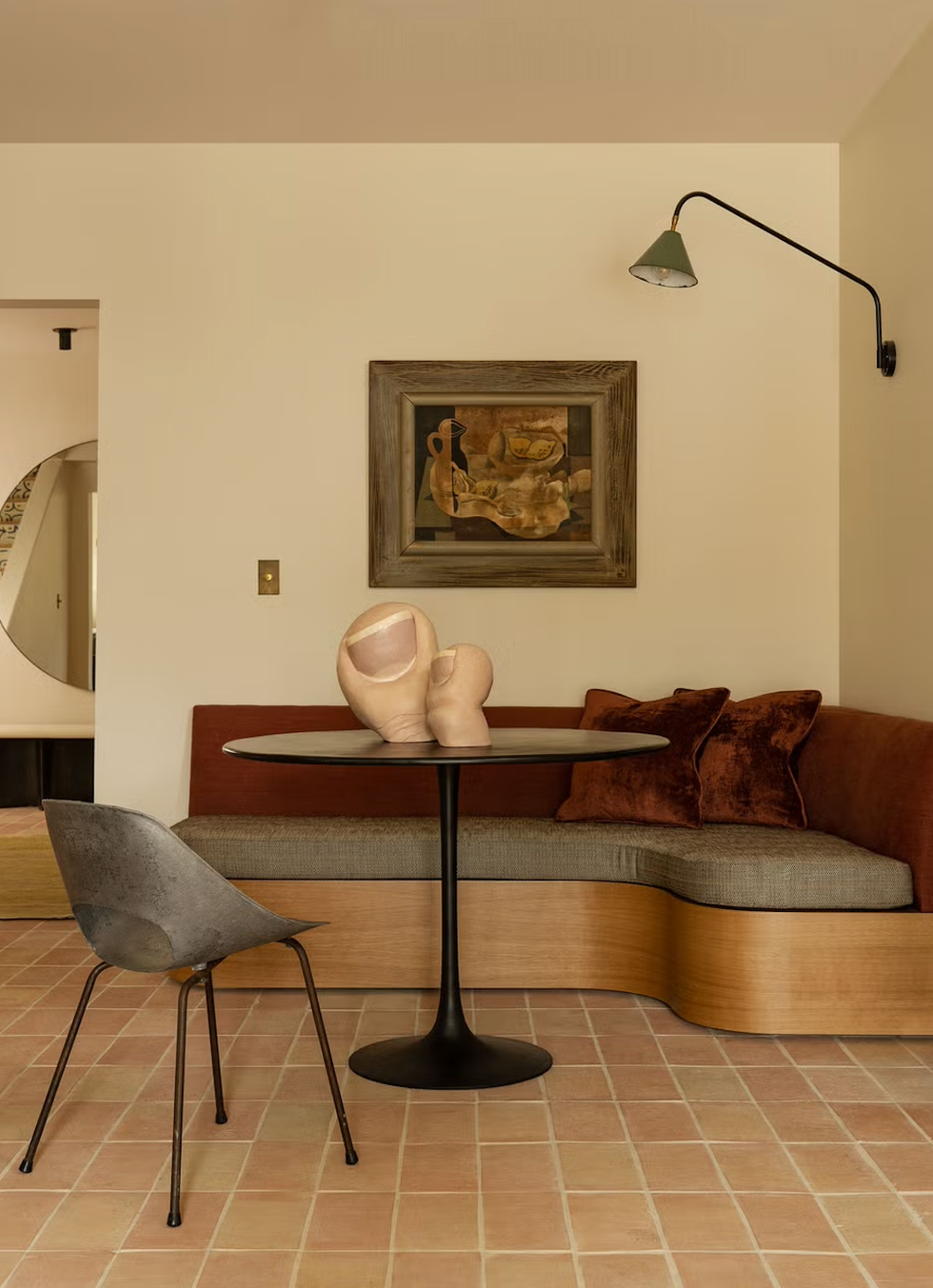
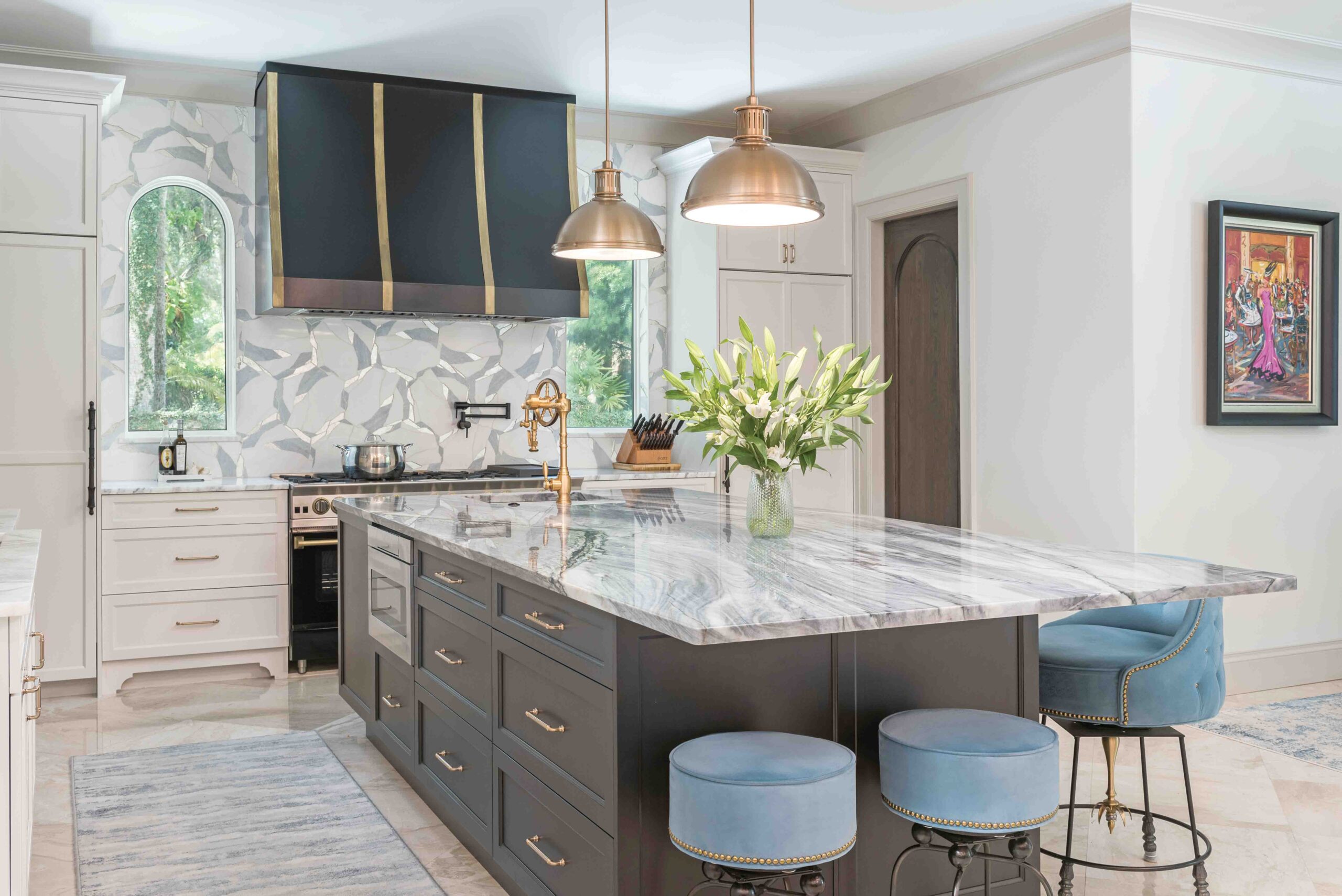
Natural materials are another cornerstone of Riviera design, capturing the relaxed essence of life by the sea. While not to be confused with rustic decor, the use of organic materials like wood, stone, and marble helps to integrate the outdoors into the interior. Stone and terracotta floors are popular for adding texture and warmth. Furniture should be made from eco-friendly materials such as wood, chosen for their luxurious quality. For example, a transitional bathroom might incorporate marble, oak, and original herringbone floors to bring an earthy, natural vibe, complemented by breezy linen sheer window treatments.
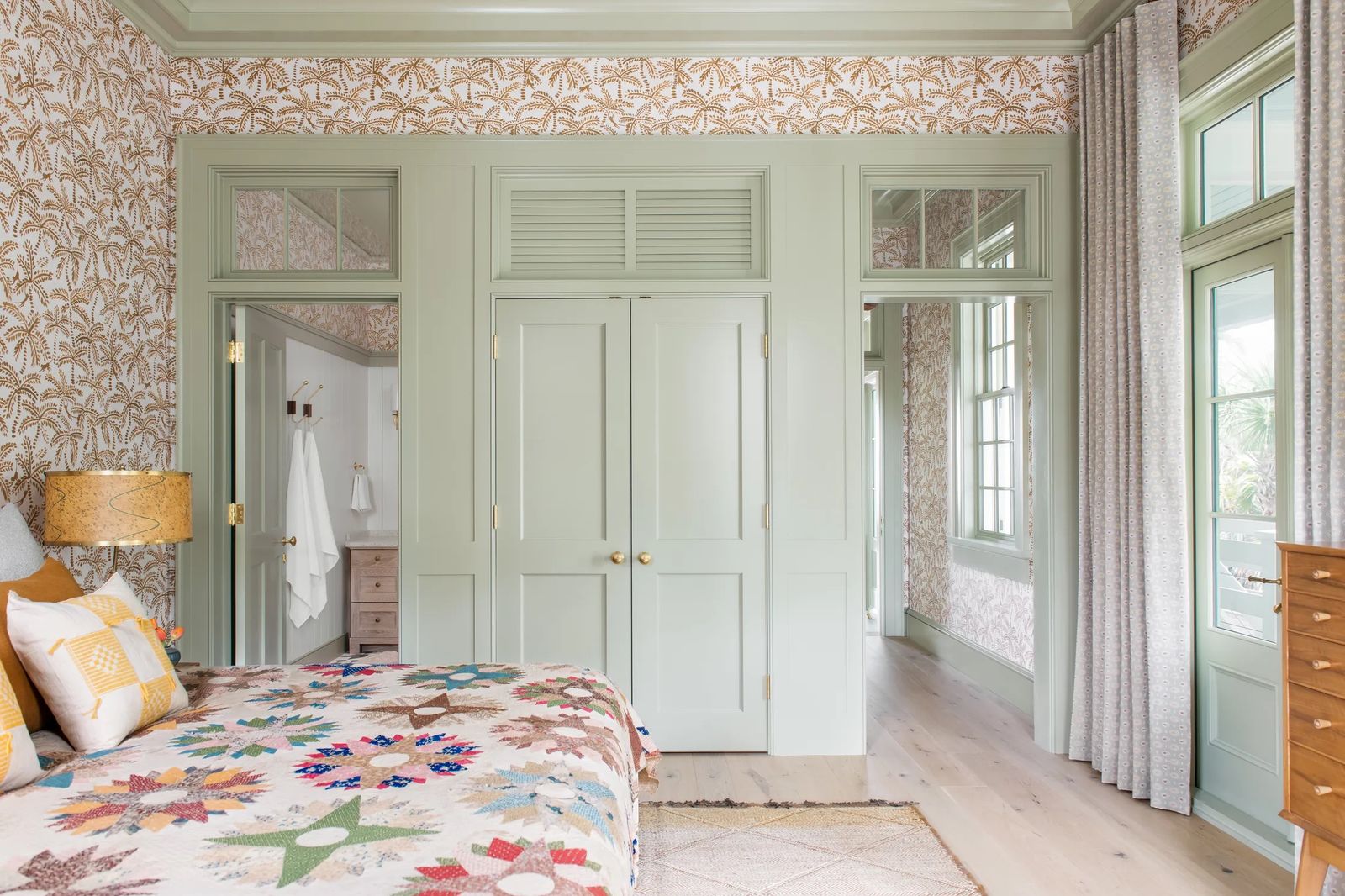
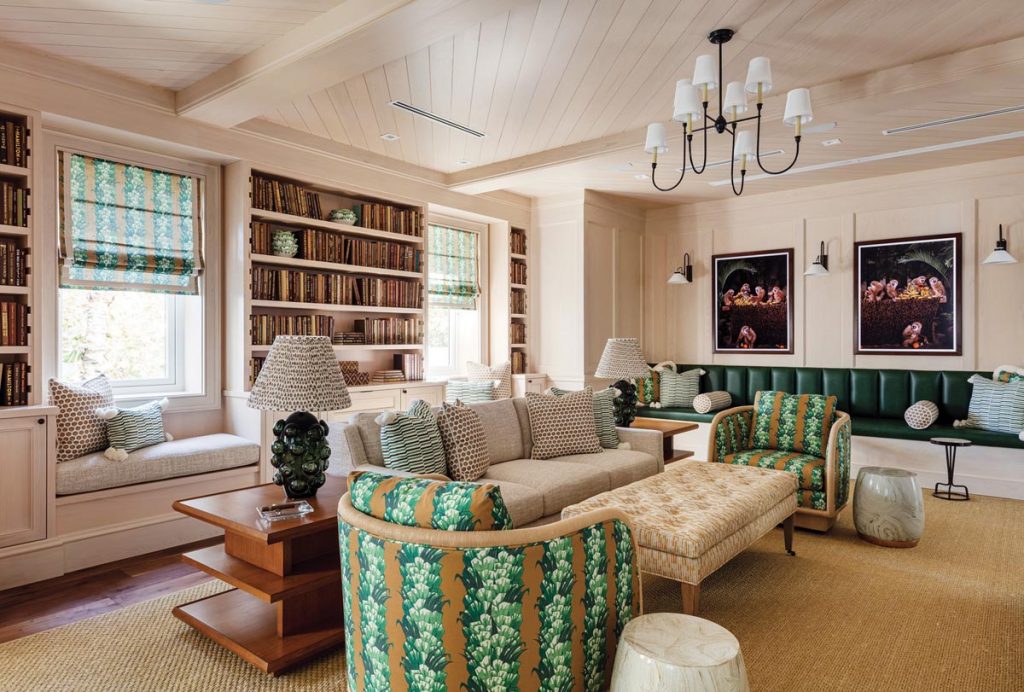
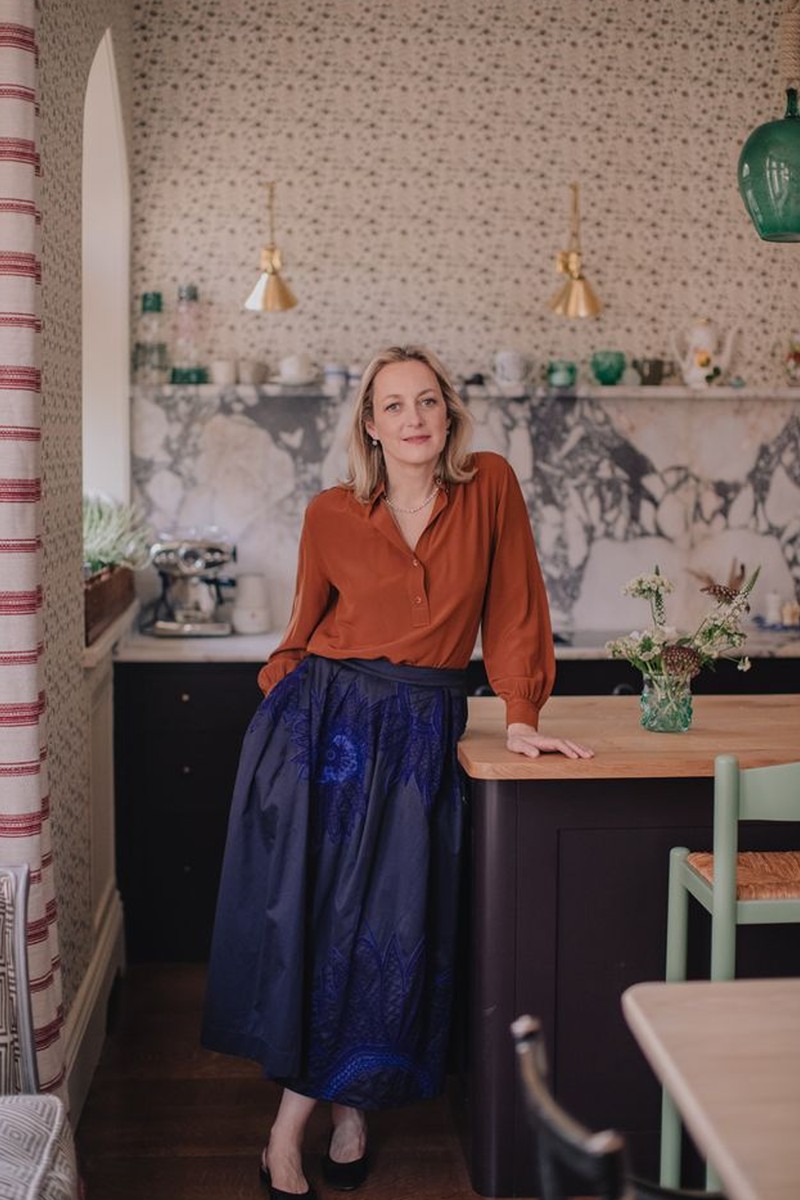
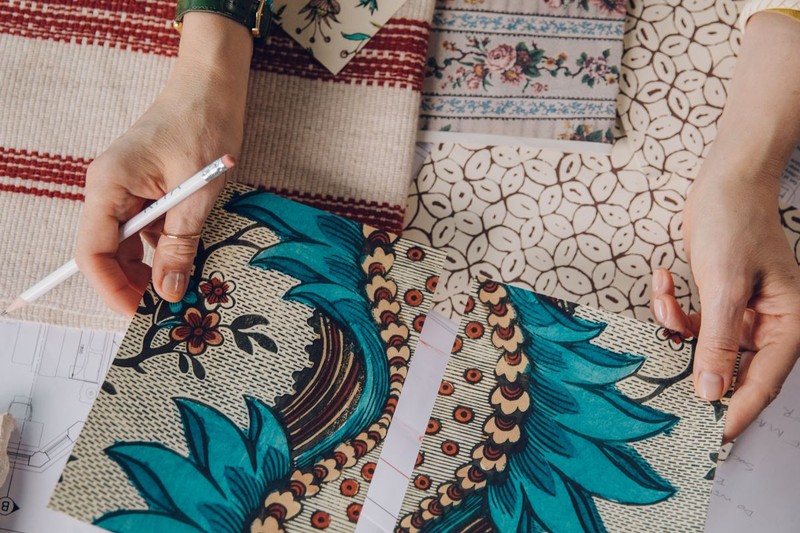
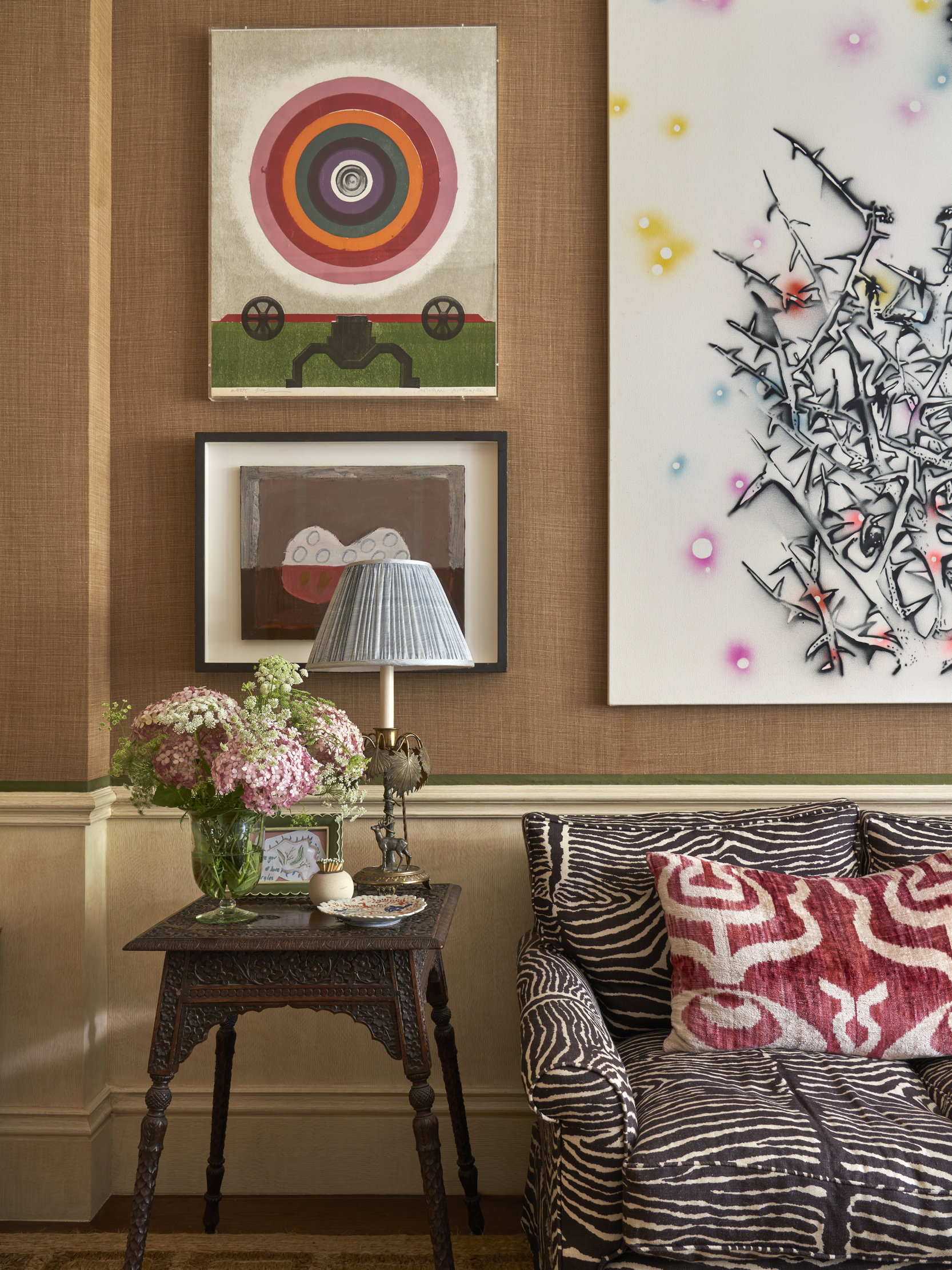
Provencal influences from the South of France are also integral to the Riviera aesthetic, characterized by warmth, invitation, and a celebration of rural simplicity blended with a coastal feel. Incorporating vintage or antique furniture made of wood or wrought iron, featuring gentle curves, carved details, and a reflective patina, helps achieve an authentic Provencal look. Mixing and matching patterns like florals, checks, and stripes creates a charming, layered appearance that is both rustic and elegant.
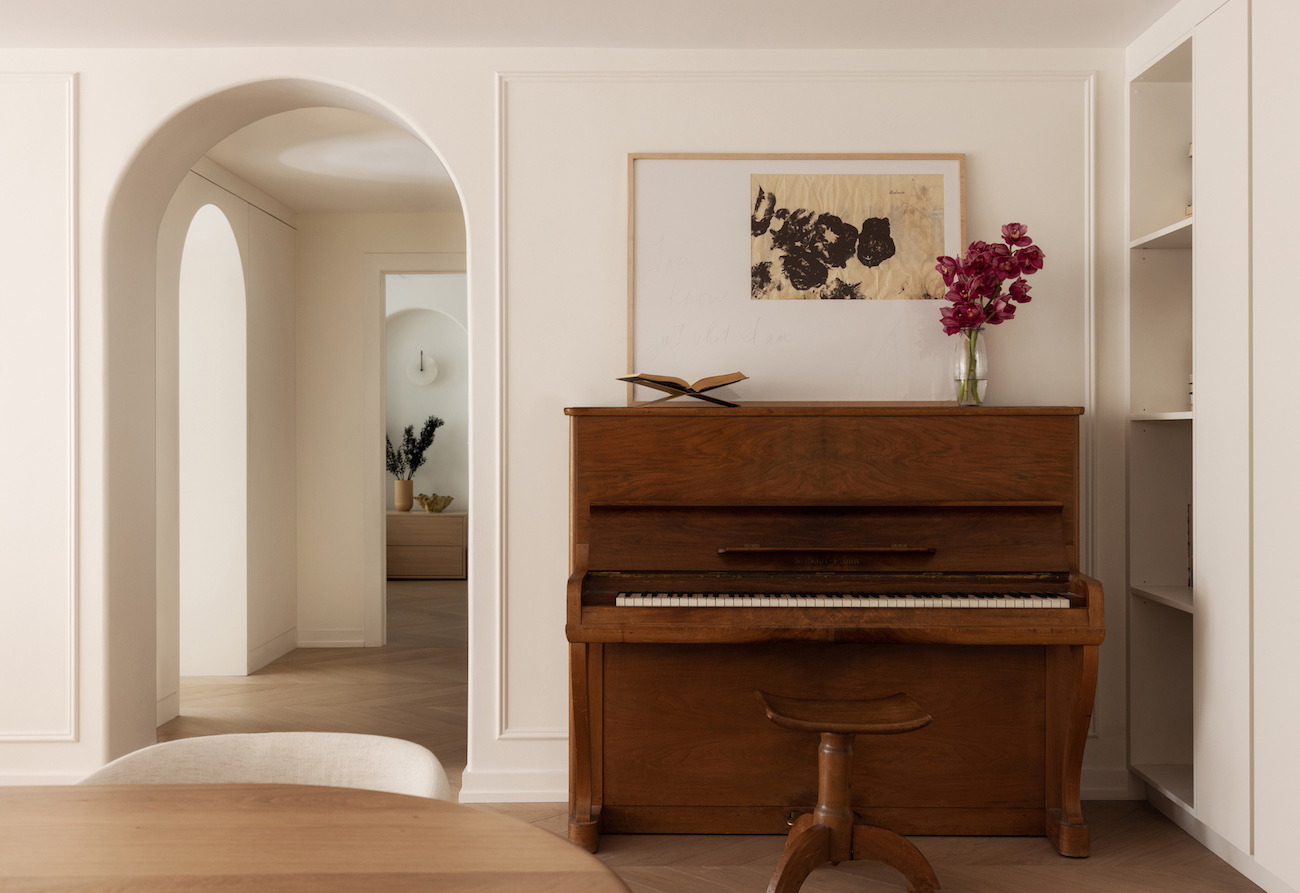
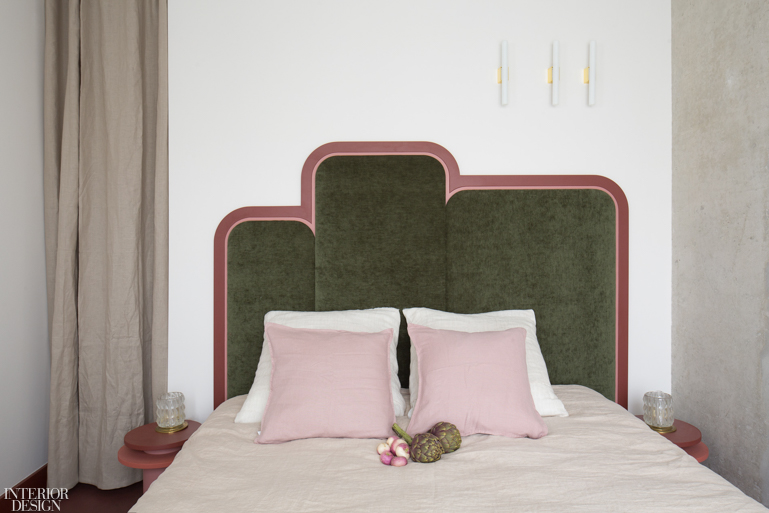
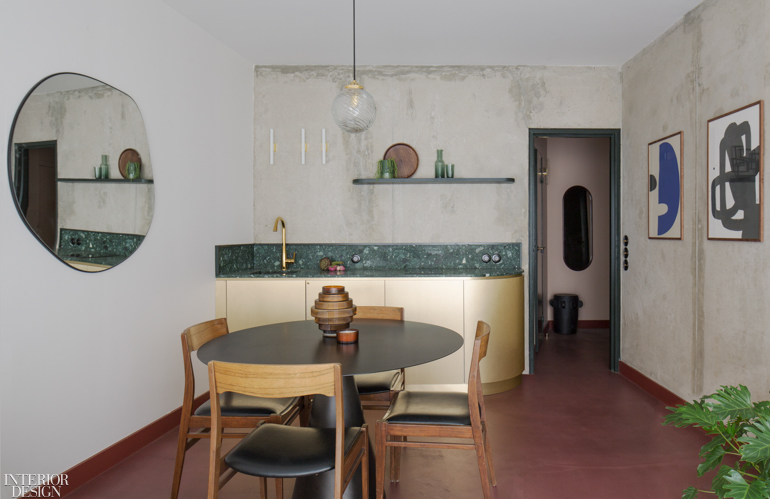
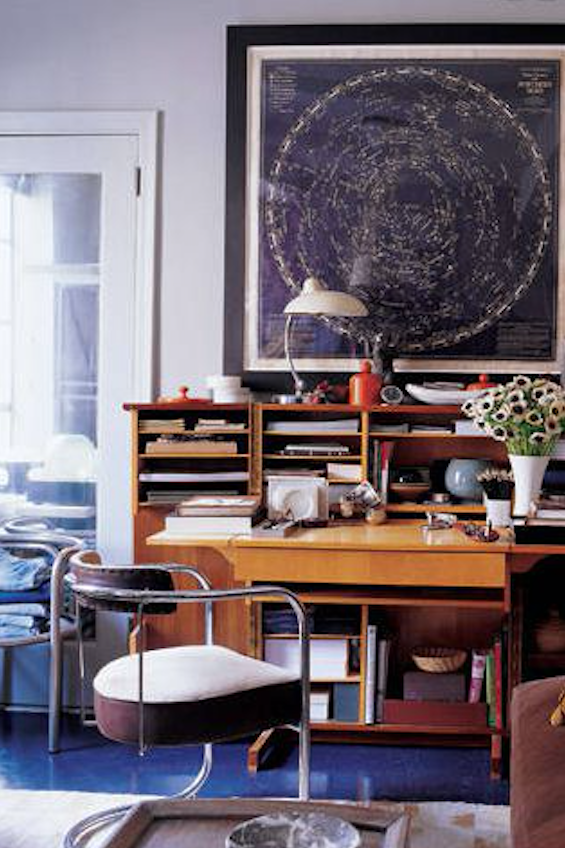
The blend of vintage and modern elements is crucial for creating a transitional, timeless space in Riviera design. Decorating with antiques, including heirloom furniture, antique lighting, and decorative accessories, introduces a sense of history and unique personalization. Furniture pieces are often ornate yet not ostentatious, featuring elegant curves, delicate carvings, and luxurious fabrics such as silk, linen, and velvet, all contributing to an effortless and refined feel. The historical architectural features of a home, such as gilding, moldings, niches, and archways, are also celebrated and restored, then paired with modern pieces to highlight their decorative qualities. The combination of modern materials like glass, metal, and concrete with vintage wood and textiles creates a harmonious blend of textures and finishes.
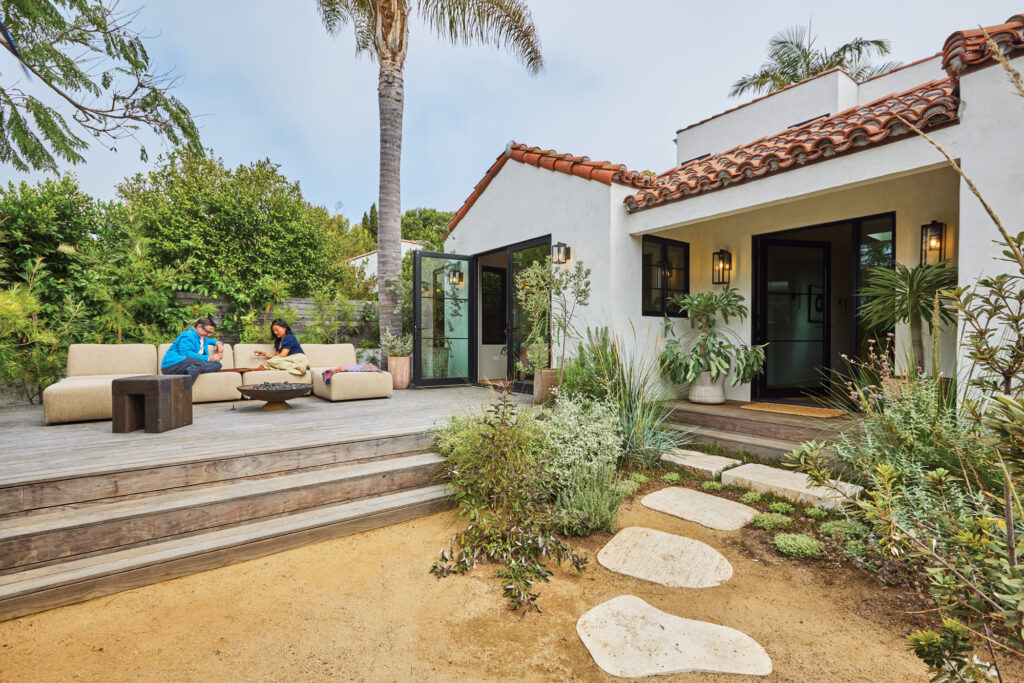
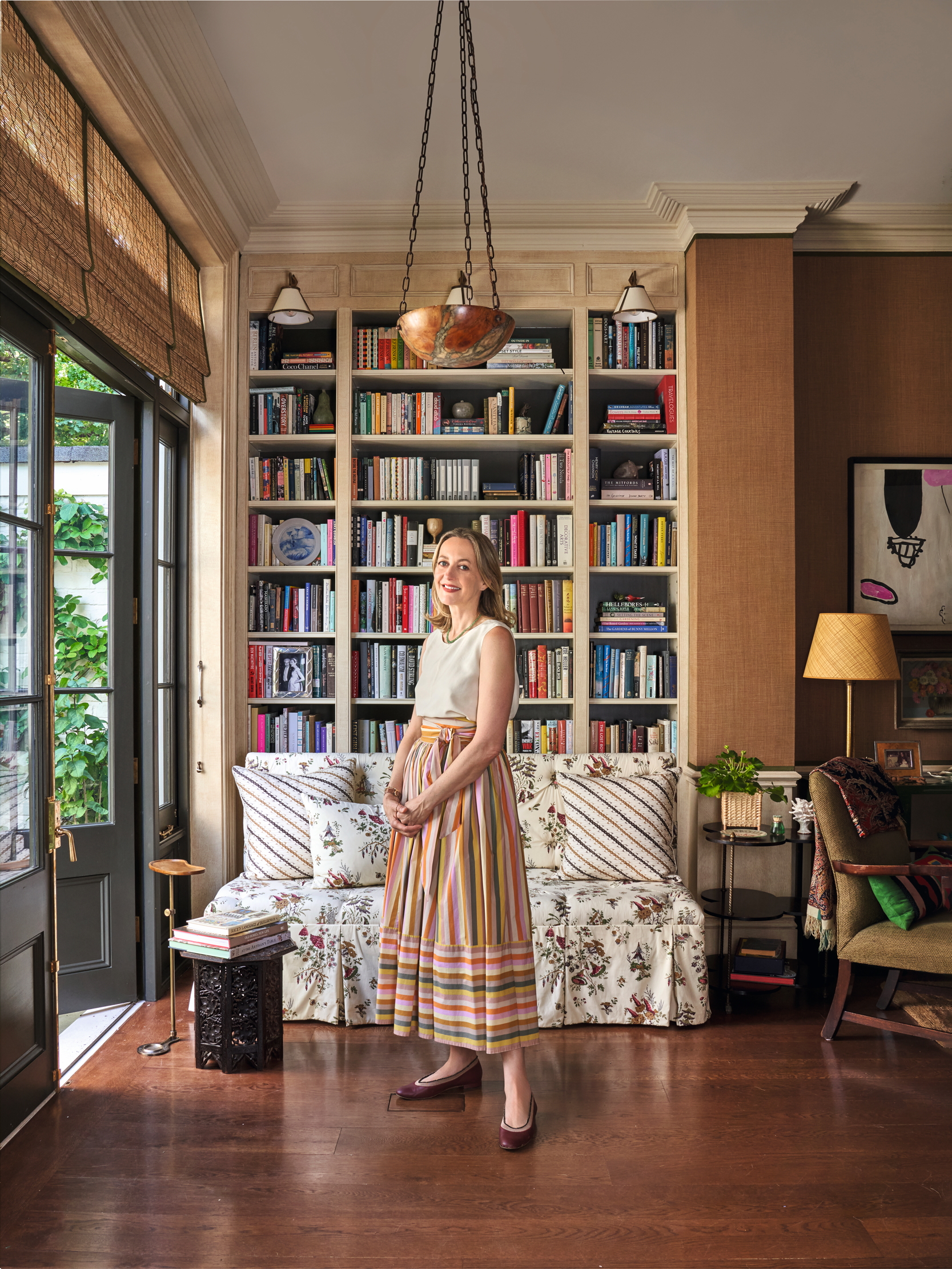
Finally, a strong connection to nature is paramount in Riviera interiors. This involves creating open, airy spaces that are deeply connected to their surroundings. Beyond natural materials and expansive windows, incorporating indoor plants like potted olive trees or fresh herbs enhances the aesthetic with life and vibrancy. Patios, balconies, and outdoor living rooms are designed as extensions of indoor spaces, furnished with comfortable seating, weather-resistant fabrics, and decorative elements, emphasizing the continuous flow between indoor and outdoor living. This holistic approach ensures that Riviera style is not merely a decorative choice but a lifestyle, creating a vacation-like escape within one's home.
#RivieraInteriorDesign #MediterraneanStyle #CoastalDecor #NeoClassicalInfluence #NaturalMaterials #ProvencalDesign #VintageModernMix #ConnectionToNature #LuxuryInteriors #RivieraInteriorDesign #MediterraneanStyle #CoastalDecor #NeoClassicalInfluence #NaturalMaterials #ProvencalDesign #VintageModernMix #ConnectionToNature #LuxuryInteriors
0 comment in total
 No comments yet
You may also like
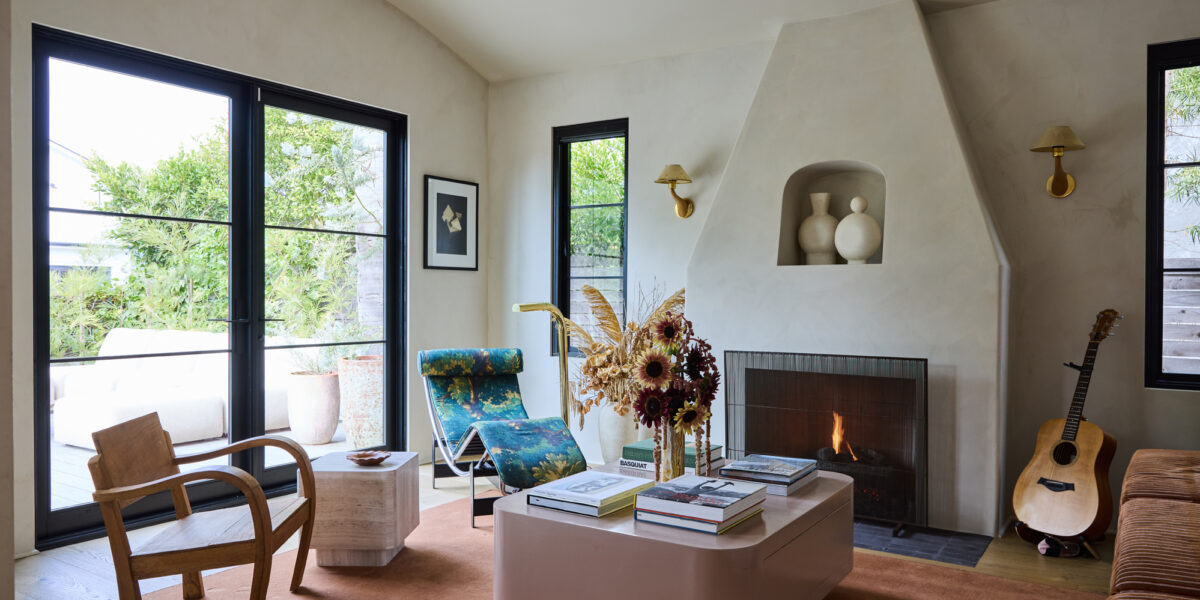
How a Former Fashion Editor-Turned-Interior Designer Creates Effortlessly Beautiful Spaces
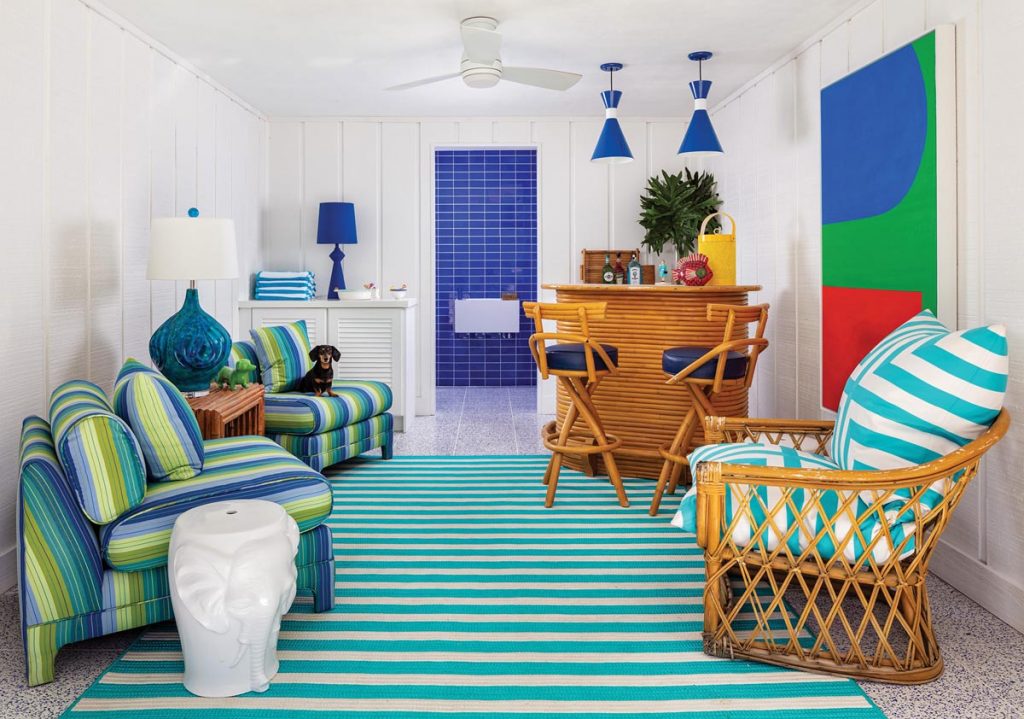
Interior Designers Share Their Highlight Reels
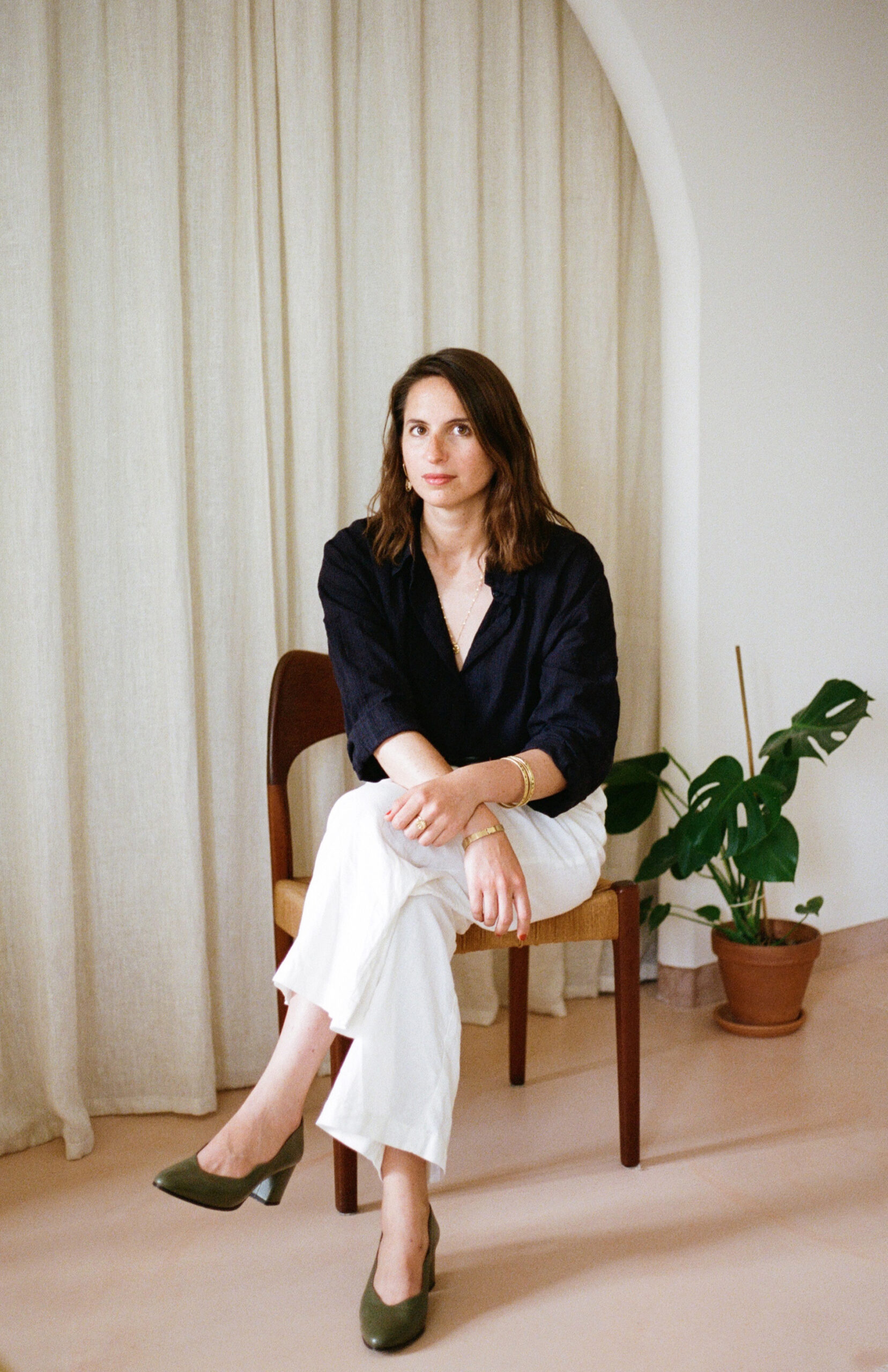
10 Questions With… Rebecca Benichou

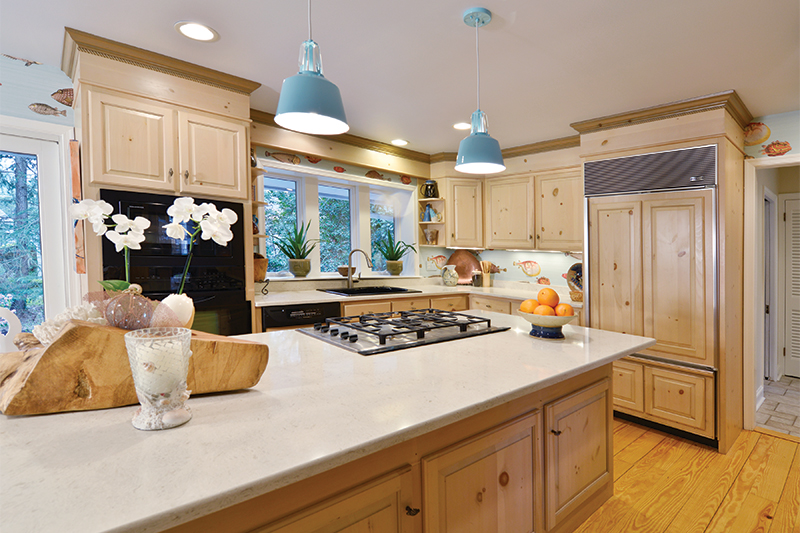
Peek Inside a Dreamy Designer Show House
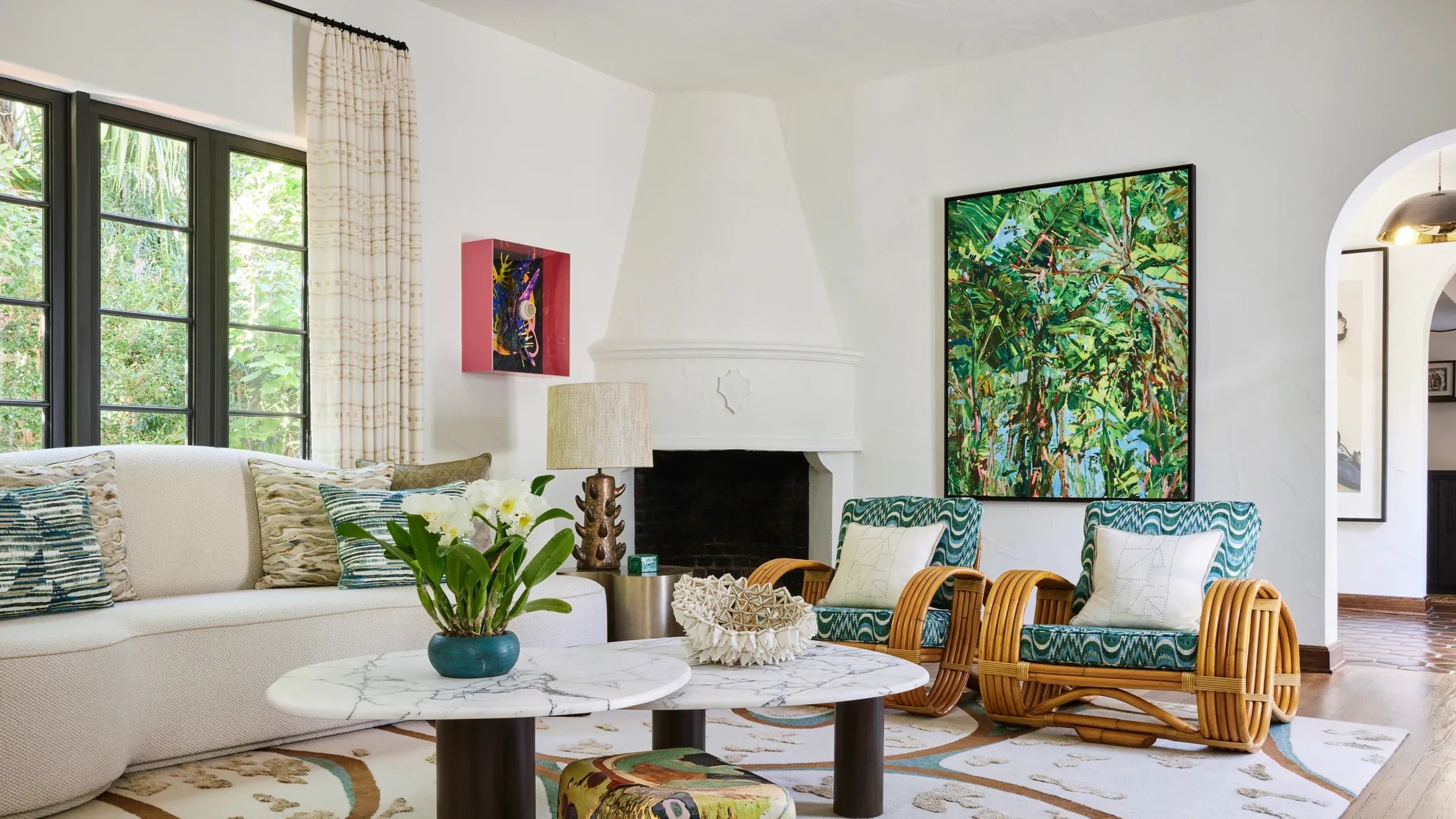
Coastal Interior Design Is Done Best by These 19 AD PRO Directory Members

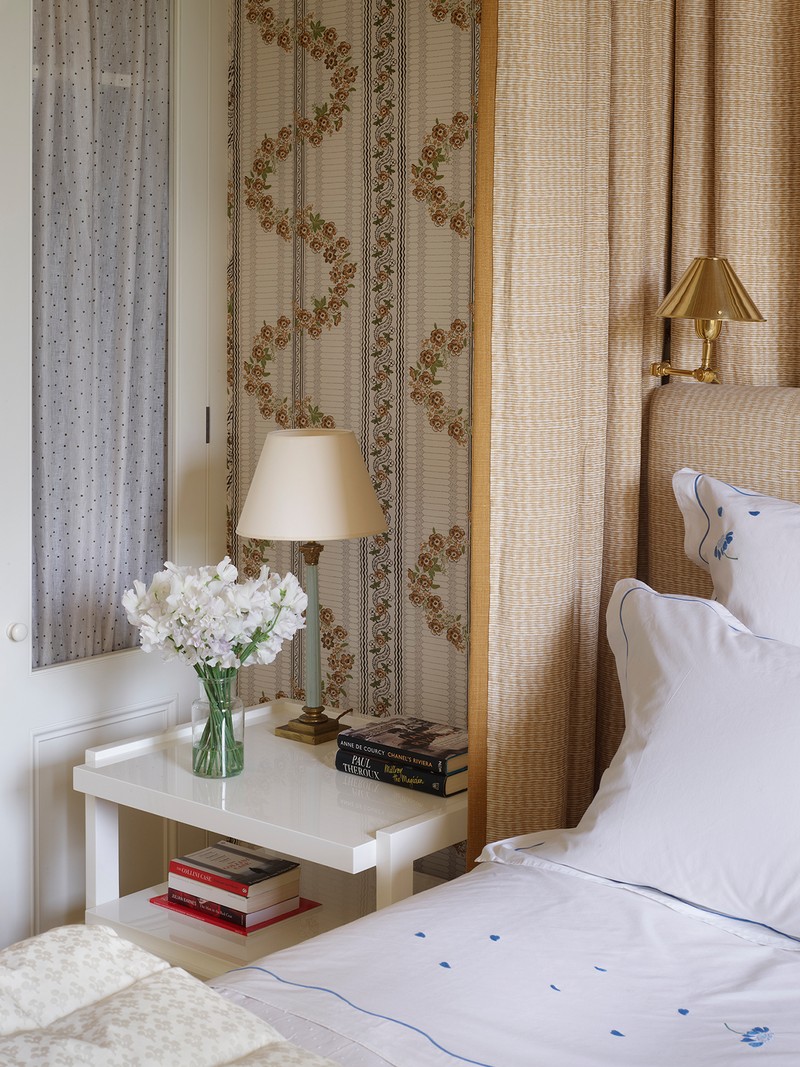
Rita Konig Talks Career Highlights, Favourite Brands & More
17 Trends That Need to Disappear Forever , According to Interior Designers
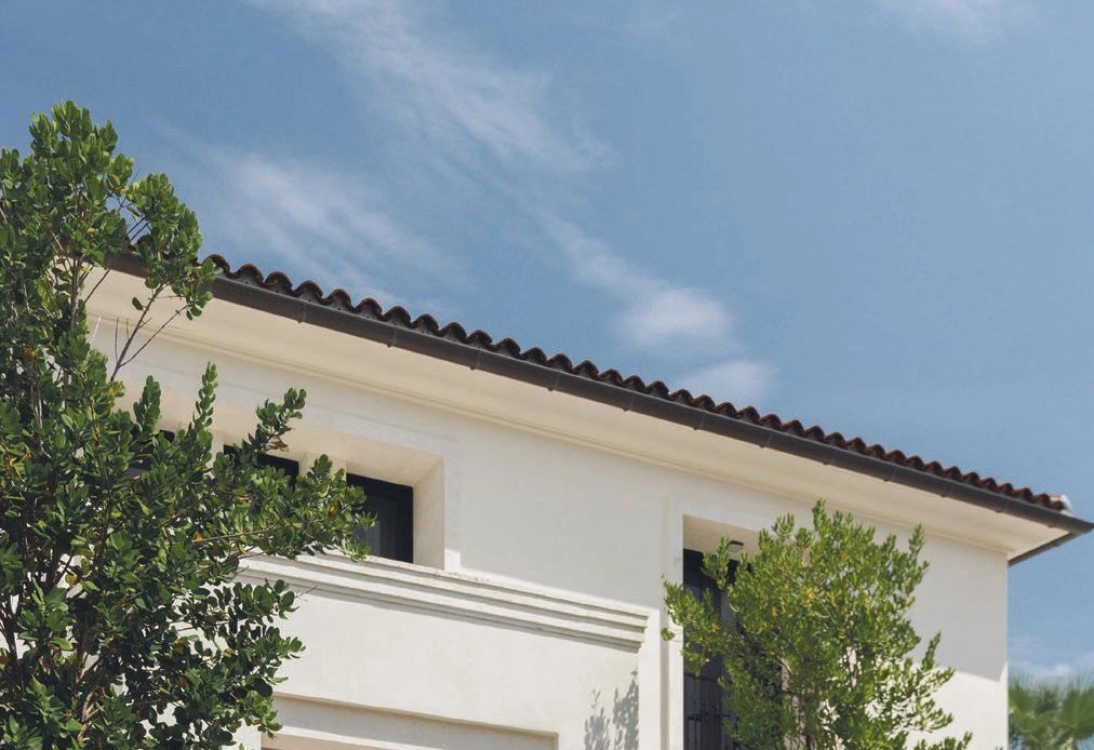
Design 9 Awards: Our 2025 Best Traditional Residence Winner

Interior Designer

Virtual Interior Design Services


The 2020 A-List: 125 of the Best Interior Designers in the World
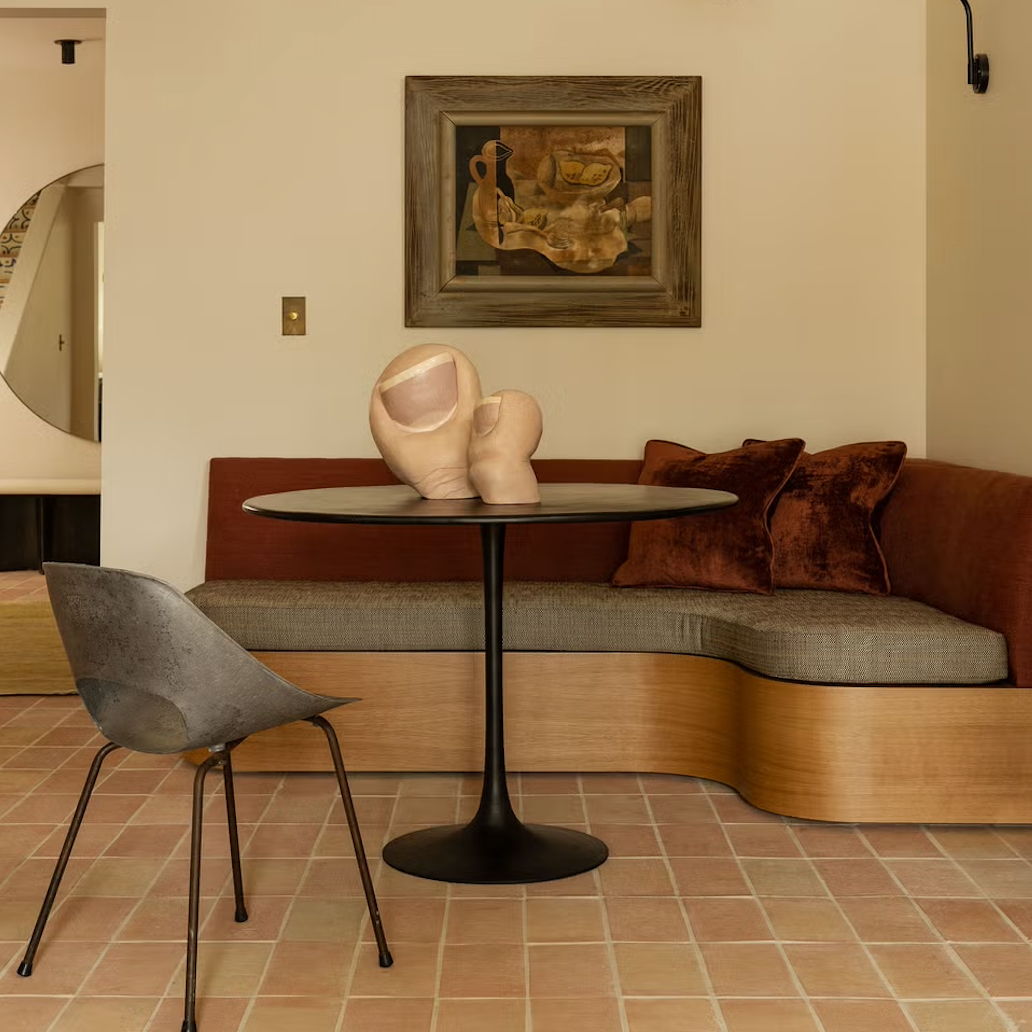
Why Interior Designers Are Ditching Pretty for ‘WTF Moments’

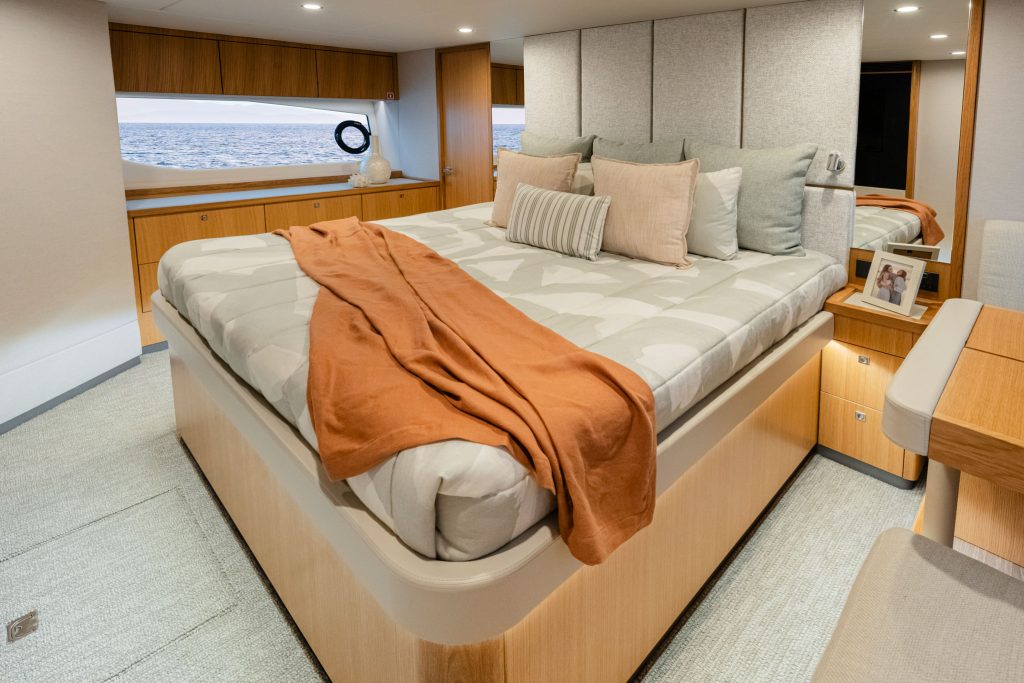
Riviera’s new interior furnishings collection redefines luxury at sea
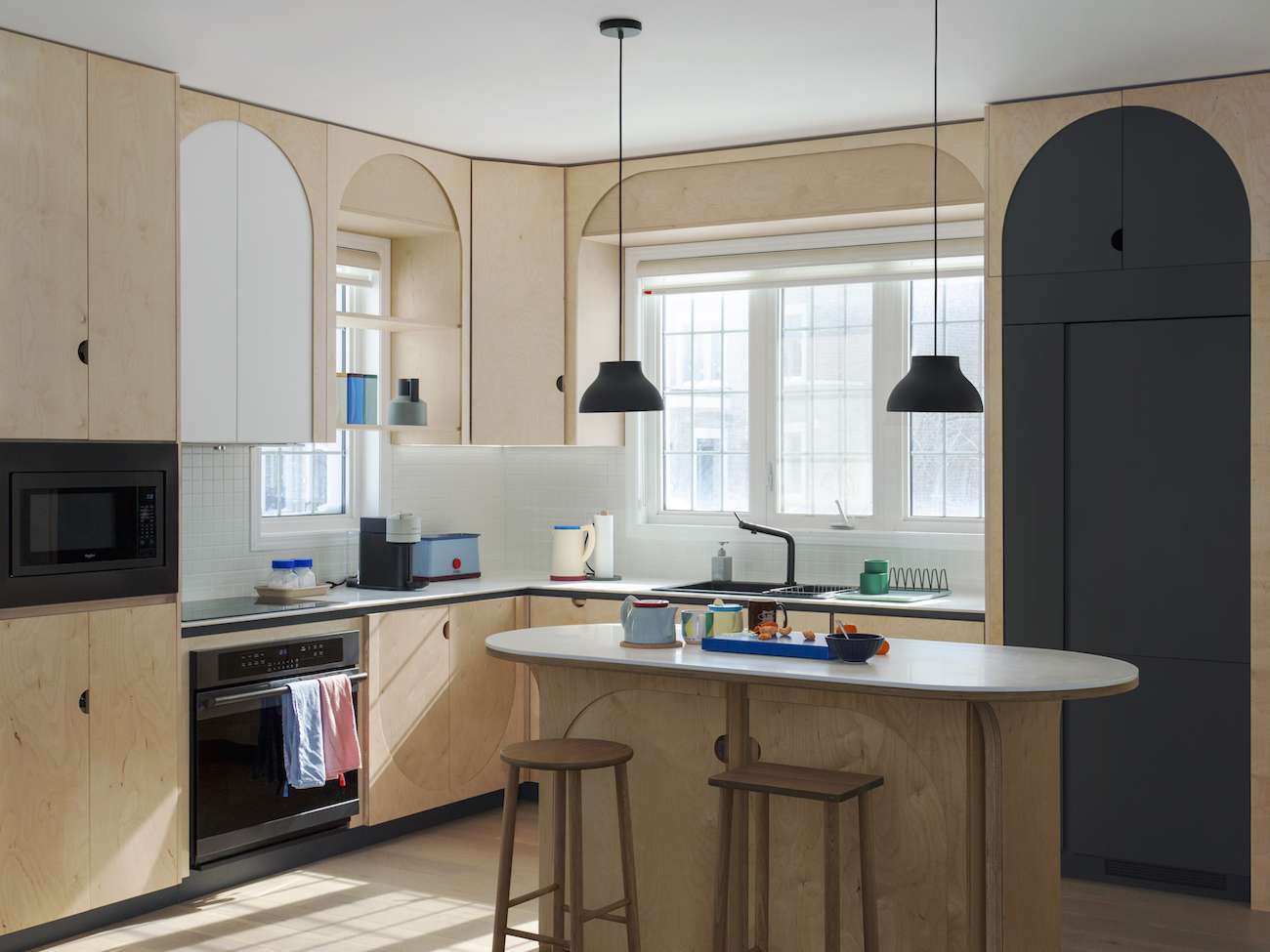
Top Interior Design Stories of 2023
Pierre Yovanovitch Launches a Furniture Brand Inspired by the French Riviera

Home Design: Sophisticated Mediterranean

13 ways repetition in interior design can be used to create calmingly sophisticated rooms

10 Questions with Interior Designer Lisa Davis

For Rita Konig, interior design isn’t only about coherence and comfort — it should be a celebration of stuff
Ask Veronica: Is there an art to hanging pictures against curtained walls?