1/18
This is why Israelis love and need storage, and how to make it work better
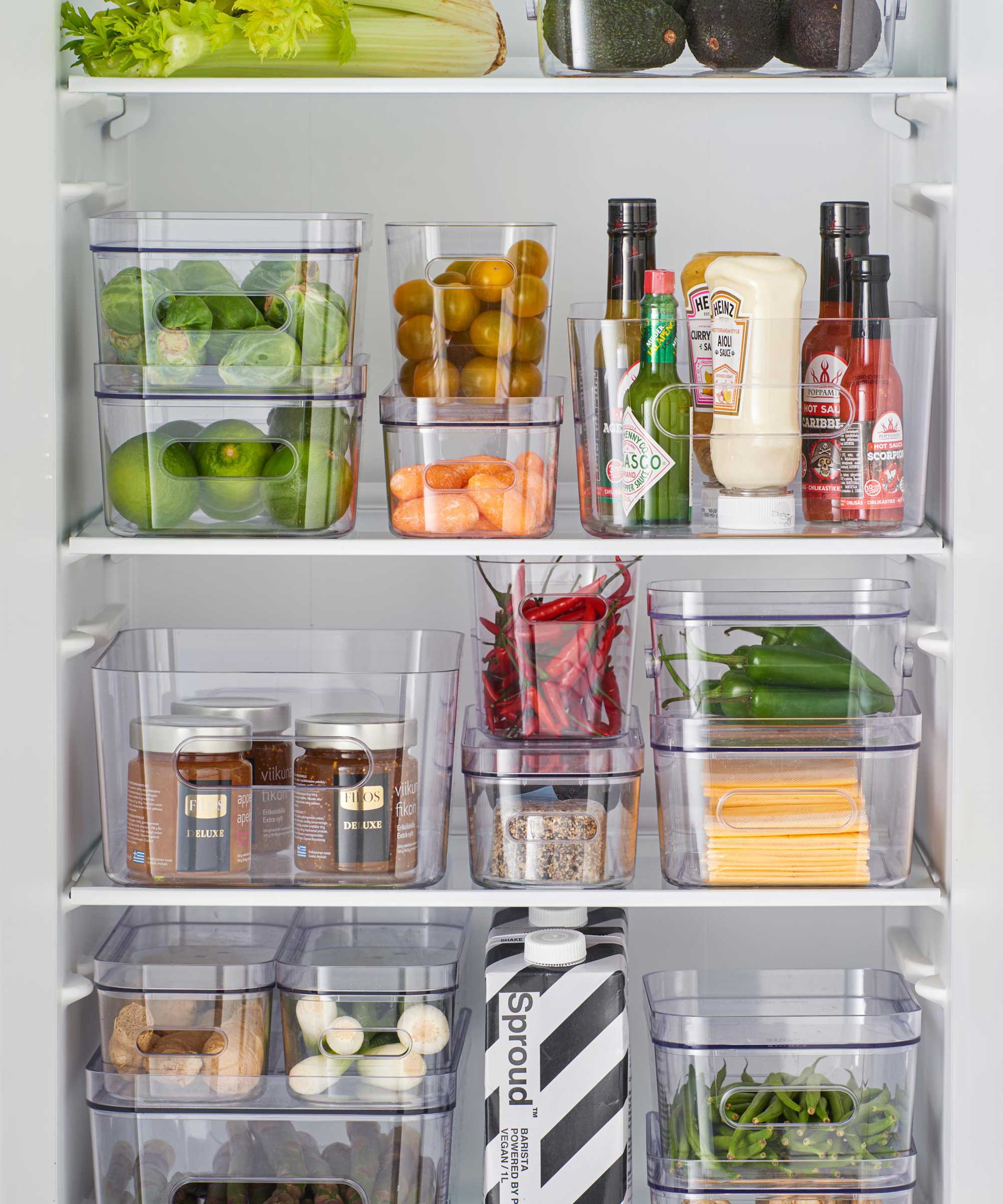
The article explores the profound cultural and practical reasons behind Israelis' strong inclination for extensive storage solutions in their homes, and provides comprehensive guidance on optimizing storage spaces. The narrative highlights that Israelis are characterized by a strong tendency to accumulate items, driven by a blend of sentimentality and modern consumerism, which includes frequent international travel and online shopping. This behavioral pattern necessitates significant storage, positioning it as a top priority in home design and renovation projects, often commanding a larger budget than other major home elements like kitchens or wall finishes.
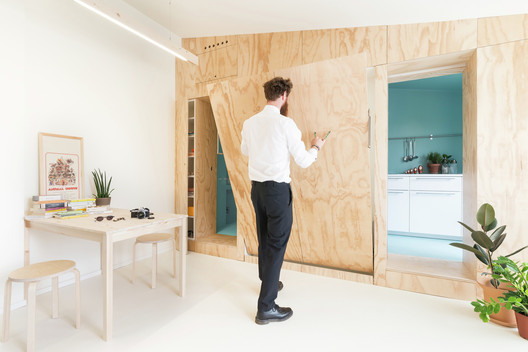
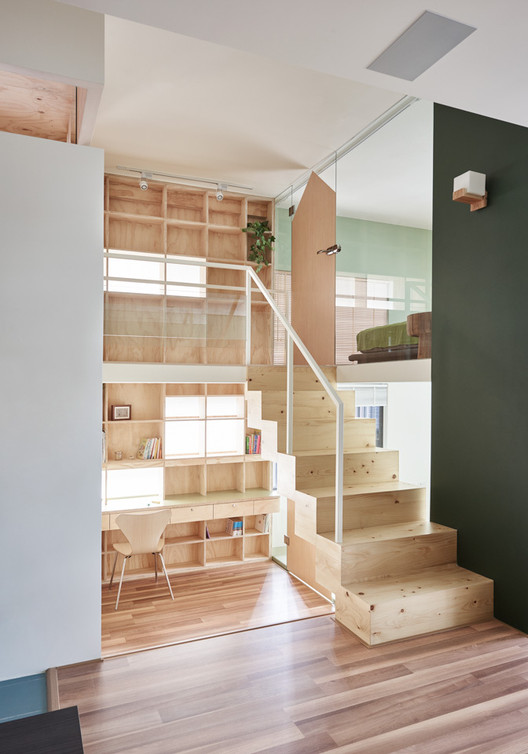
According to interior planners and designers Michael Ohayon and Hadas Rot, the demand for storage stems from a desire to live in abundance, exacerbated by fluctuating economic conditions and a tendency to retain nostalgic possessions. This cultural context leads to a need for versatile storage solutions that can accommodate diverse items, from everyday dishes and clothing to specific appliances like robot vacuums and extensive collections. Designers often integrate storage into unconventional spaces, such as under stairs or beds, to maximize utility, especially as families grow and accumulate more belongings.
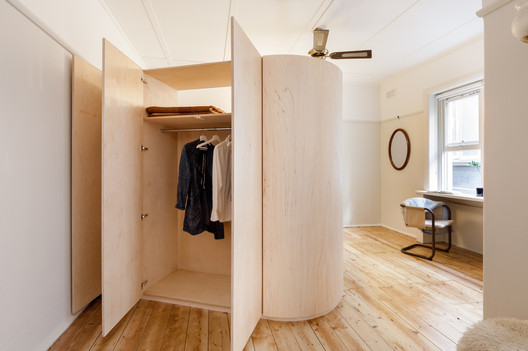
Tamir Raz, CEO of Delkoub, a closet manufacturer, emphasizes that closets are not only functional but also critical design elements. They contribute to a home's aesthetic while providing essential organization, particularly in smaller apartments where space optimization is paramount. The article notes that the planning for storage, including the types and quantities of items to be stored, is a fundamental part of the design process, with designers often planning for more storage than initially requested by clients.
Regarding the specifics of Israeli storage preferences, the article reveals a general preference for closed wardrobes due to concerns about dust. Internal divisions are highly personalized, catering to individual needs for shoe storage, shirt hanging, or specialized compartments for religious items or extensive book collections. There is a growing demand for deep storage in kitchens and bedrooms to accommodate seasonal items, documents, and various household appliances. A notable trend observed by Raz is the shift from sliding doors to swing doors for closets, now making up 70% of his company's production, driven by better accessibility in smaller spaces and specific item display needs, like menorahs.
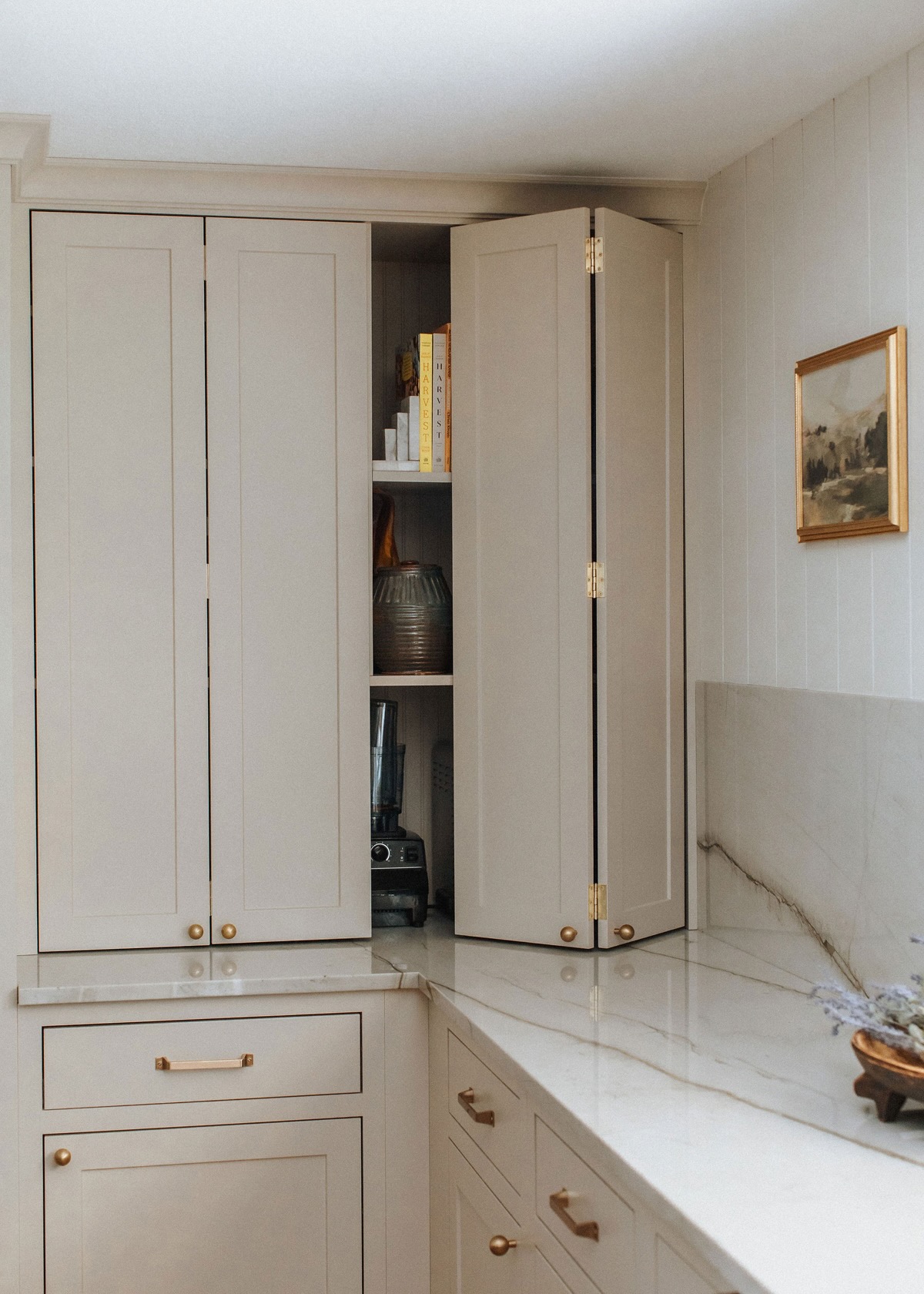
Custom-made cabinets are increasingly viewed as essential, offering tailored solutions for precise dimensions, utilizing every centimeter of space, and accommodating specific lifestyle needs. Hadar Melamed-Rechter of Kaufman Group underscores the value of custom closets over standard catalogue options, highlighting features like adjustable shelves, dedicated drawers for accessories, and integrated mirrors that enhance light and space. Innovations in closet design include tall doors, integrated lighting with various options, and transparent or semi-transparent doors, catering to luxury enthusiasts who wish to display high-value items. Interestingly, the demand for specialized storage extends to men, who increasingly seek dedicated drawers for watches, jewelry, and other personal items.
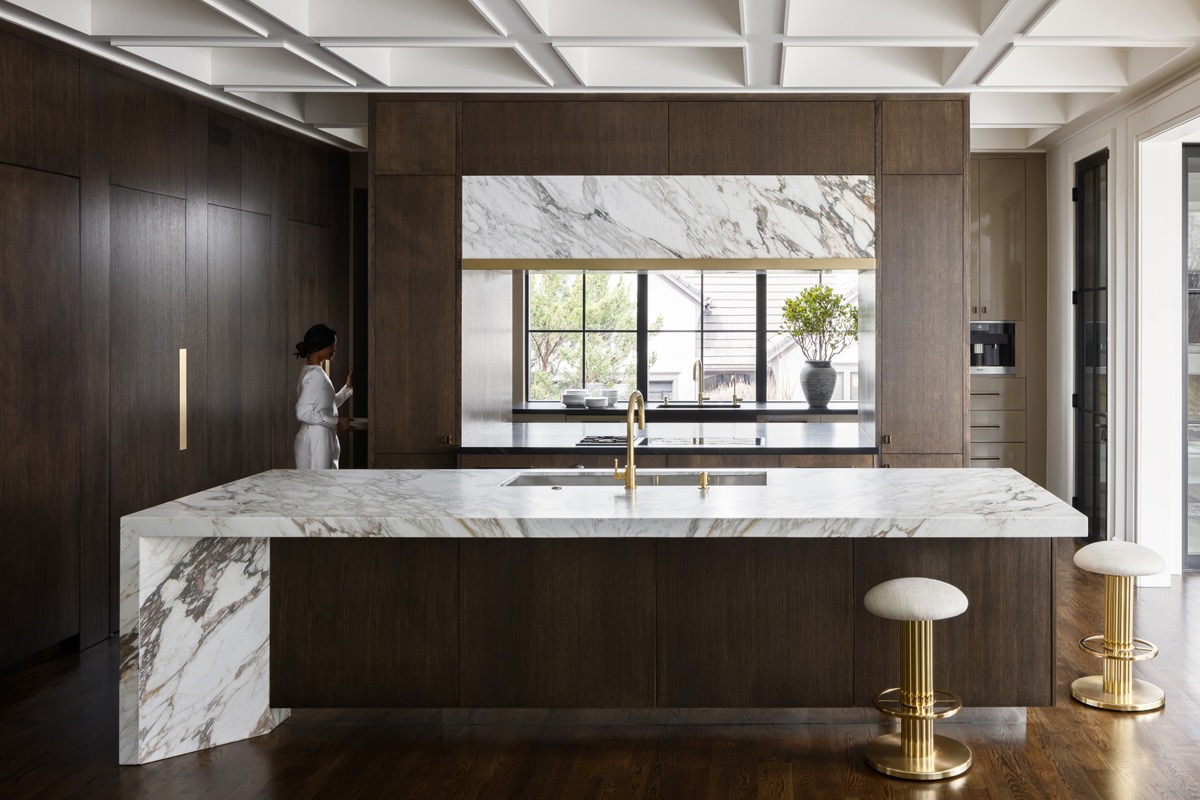
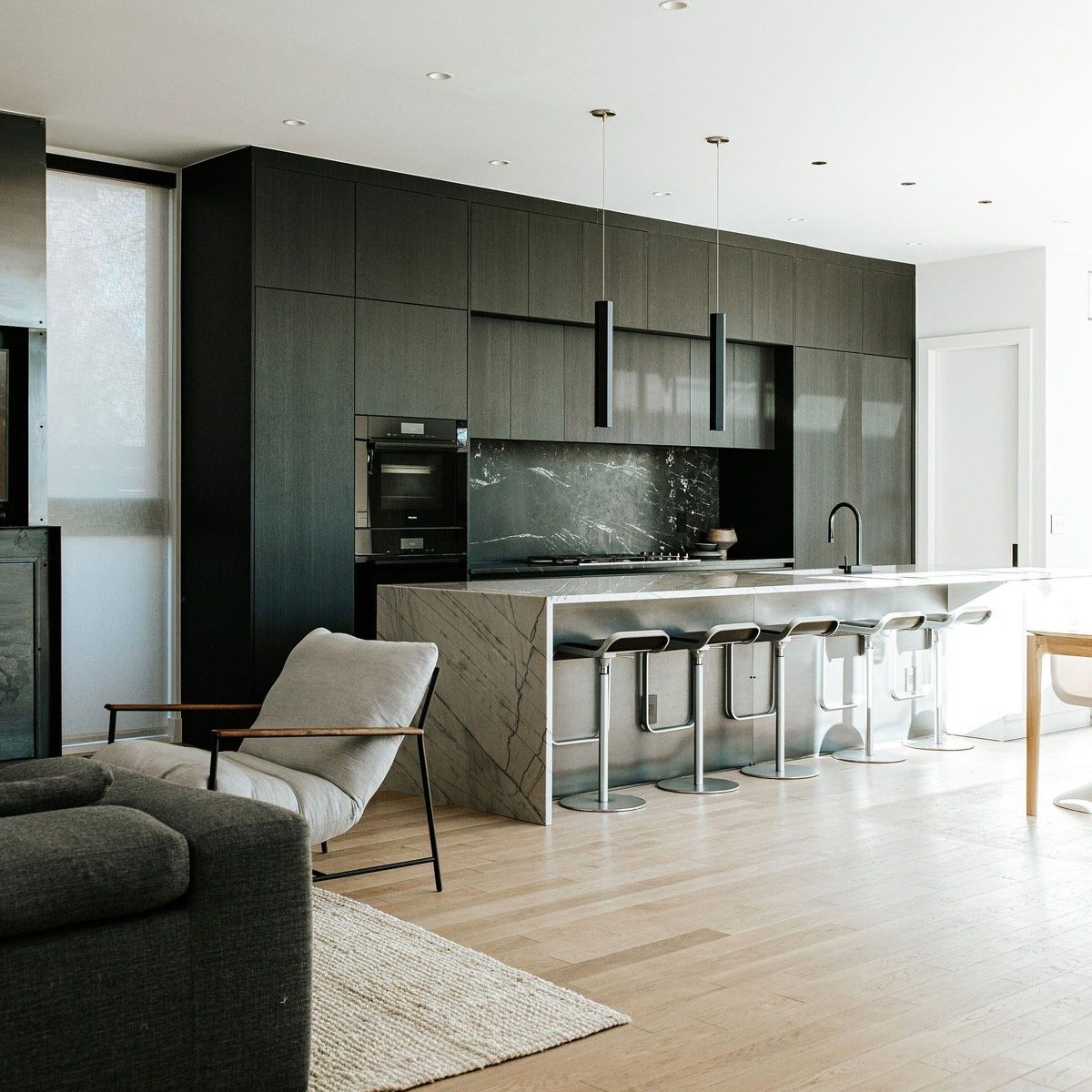
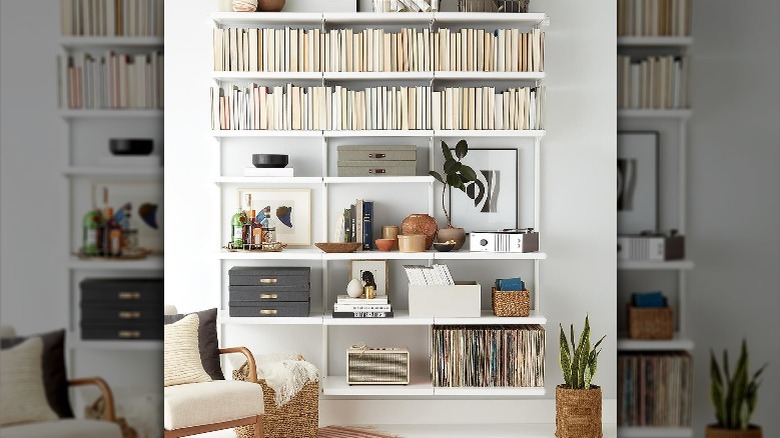
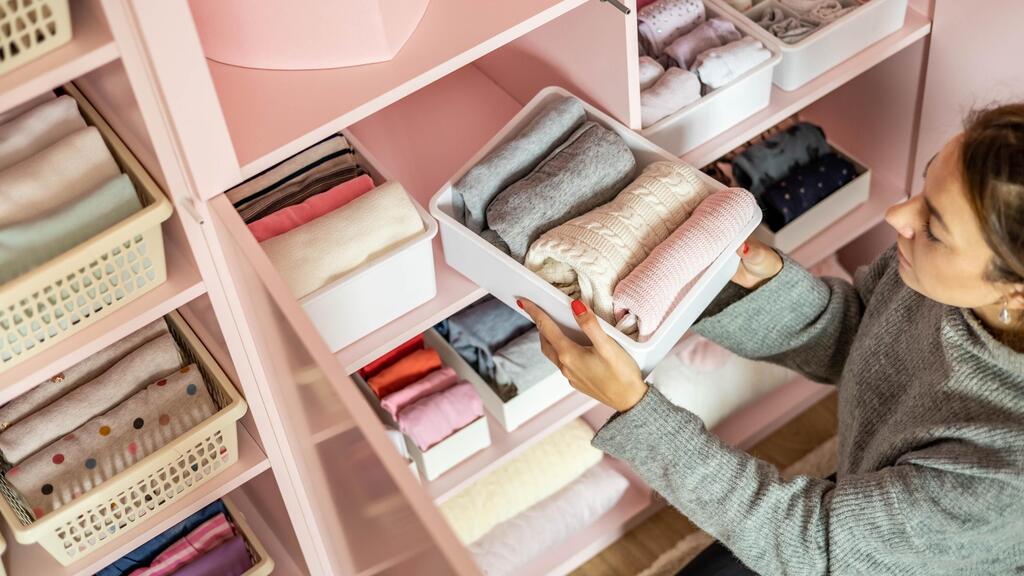
The article also touches upon trends in living room and kitchen cabinetry, noting preferences for light tones combined with wood, glass display cases, and functional elements like integrated televisions or fireplaces in living rooms. Kitchens show a demand for light wood finishes and a return of display cabinets for dishware or drinks, while bathrooms favor painted grooved wood cabinets with dirt-repellent finishes. While many trends emerge, designers advise against adopting temporary fads for fixed furniture like closets, prioritizing durability, easy maintenance, and timeless designs. Practical tips for organizing an Israeli-style closet include seasonal planning, utilizing the full height of rooms, choosing appropriate depth, incorporating gadgets like adjustable shelving and LED lighting, maintaining a mixed shelf for transitional items, using small solutions like door hooks and pull-out shoe racks, labeling items, adhering to the “direct-view” principle for frequently used items, applying the “80/20” rule for decluttering, and having a designated space for “in-between” clothes. Ultimately, the article underscores that effective storage is about creating an active, organized, and aesthetically pleasing living environment that caters to unique individual and cultural needs.
#StorageSolutions #HomeOrganization #InteriorDesign #IsraeliLifestyle #CustomCabinets #SpaceOptimization #HomeImprovement #DeclutteringTips #WardrobeDesign #StorageSolutions #HomeOrganization #InteriorDesign #IsraeliLifestyle #CustomCabinets #SpaceOptimization #HomeImprovement #DeclutteringTips #WardrobeDesign
 No comments yet
Savvy Storage


The Best Sales At The Container Store And When To Shop Them
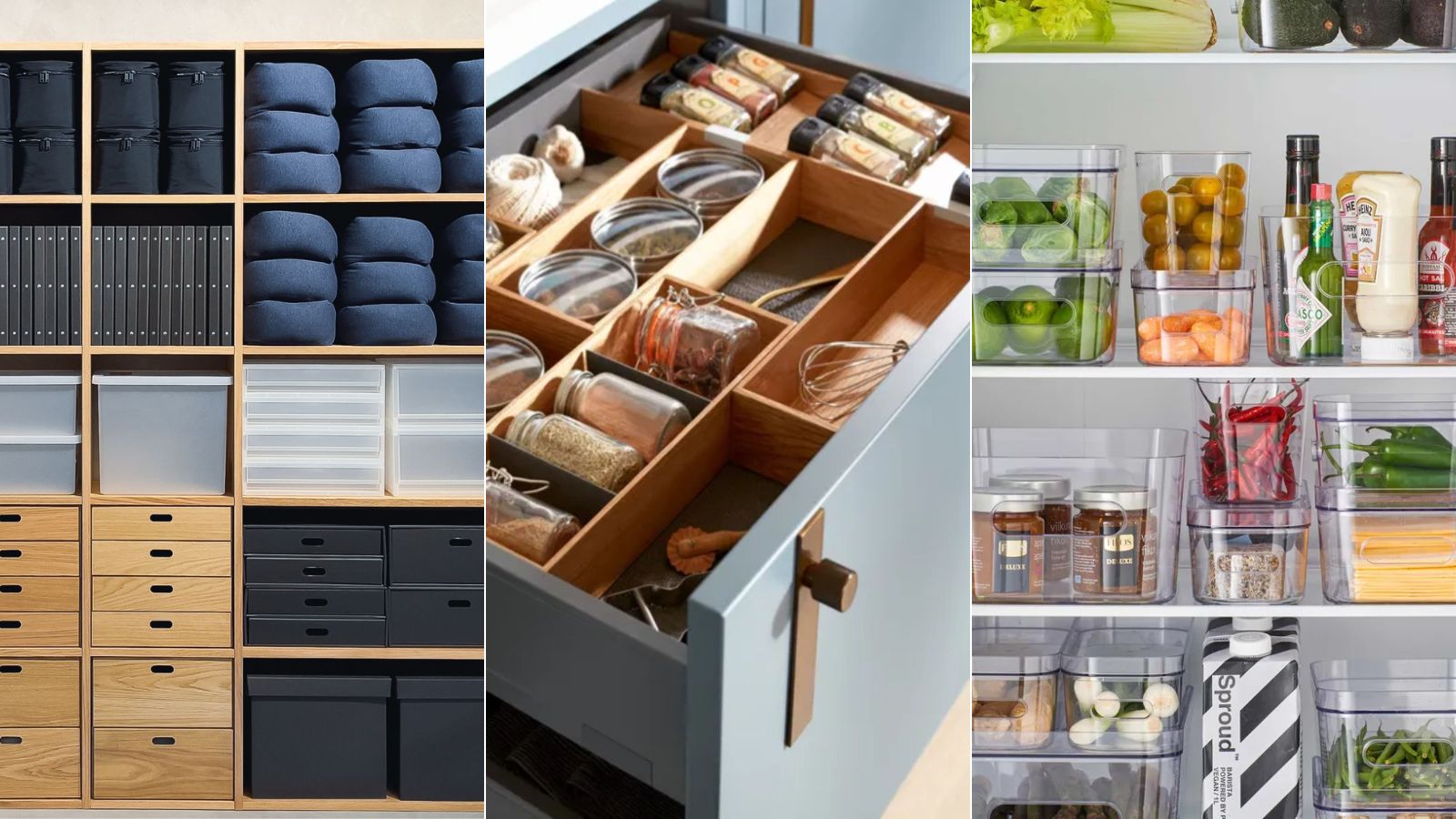
These 7 things should never be stored in plastic bins – don't risk damaging your possessions

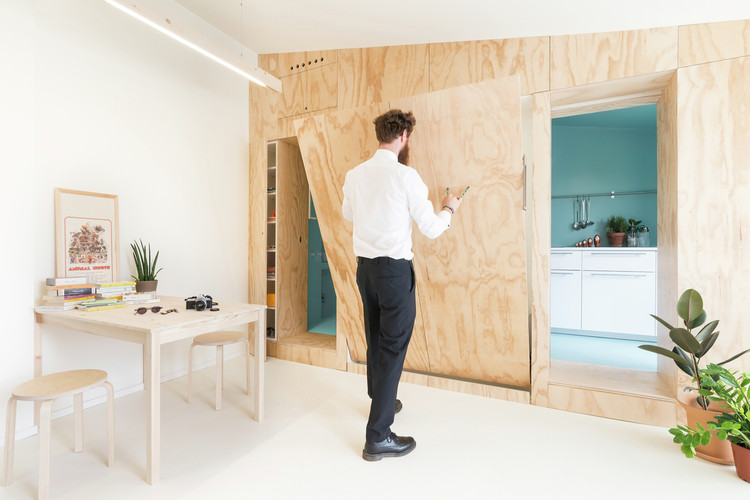
Space-Saving Solutions: 33 Creative Storage Ideas

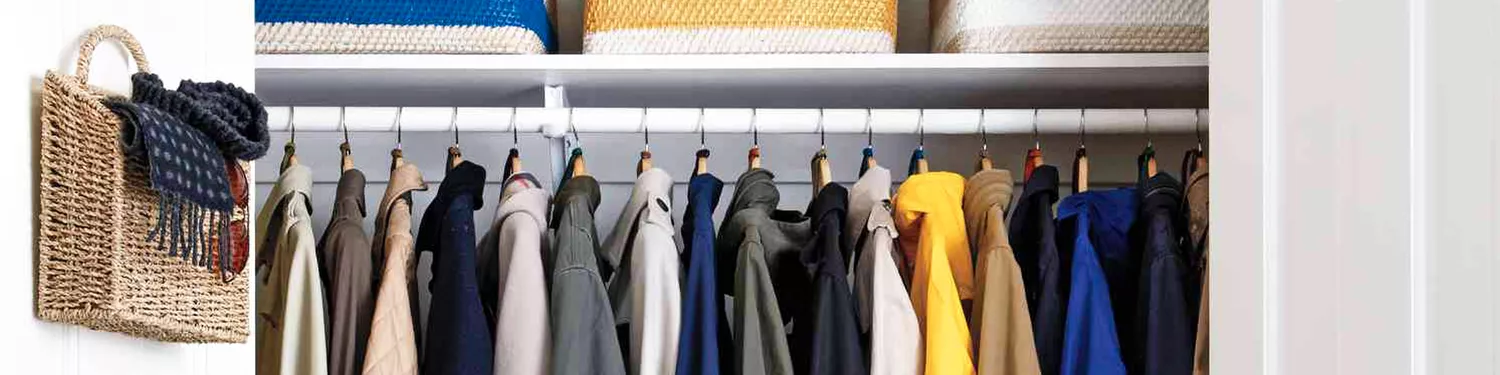
Storage & Organization

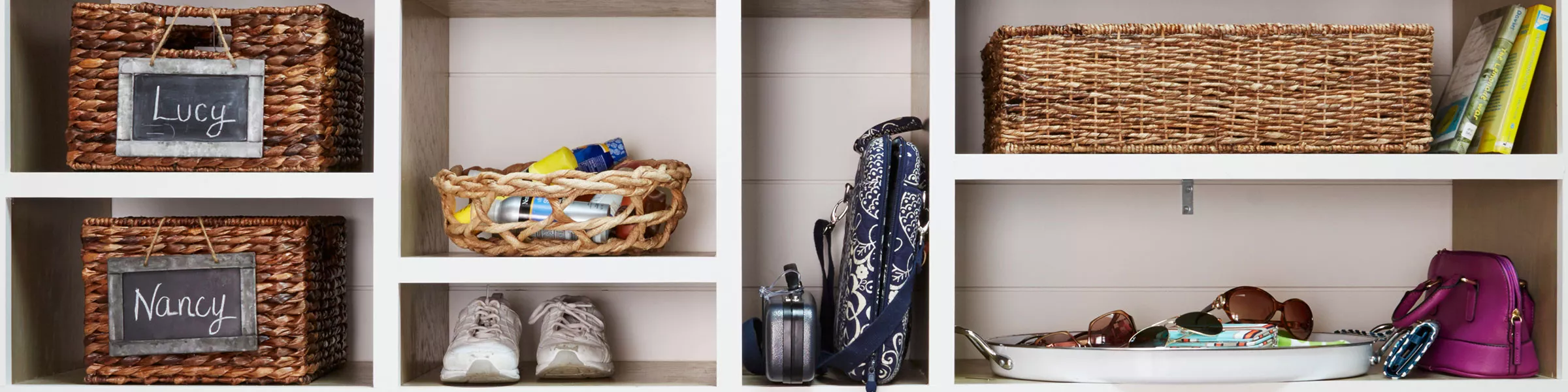
Storage & Organization